
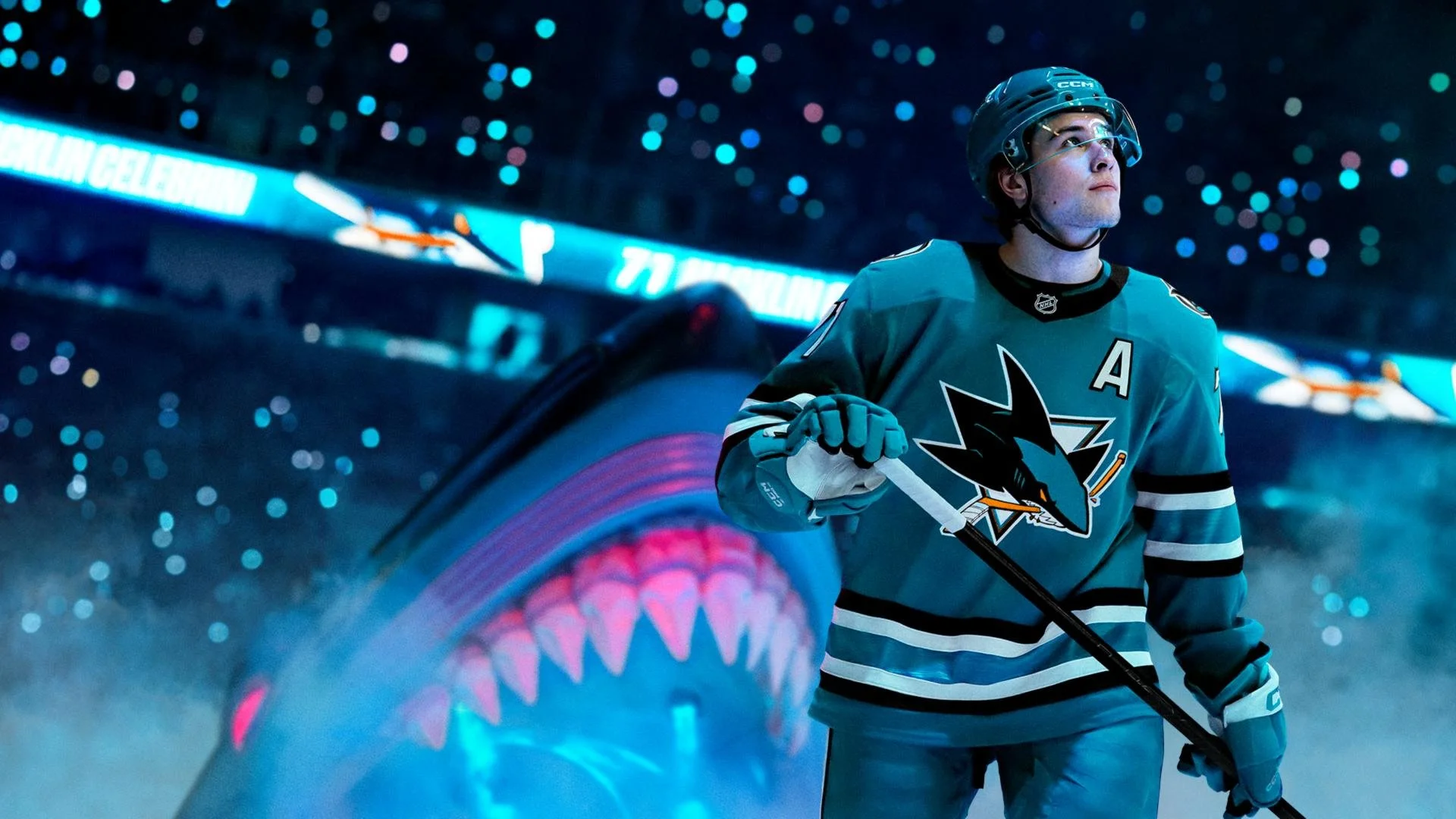
Style over Substance
With yearly installments in any franchise, it's harder for the improvements to truly stand out. You can tinker with gameplay and add new shooting mechanics, improve the skating to feel more realistic, but unless the changes are significant, most players are unlikely to notice them.
NHL 26 looked to address the behavior of some of the league's biggest stars with the advancements made to ICE-Q 2.0, a feature that pulled real-time player data from NHL Edge, to simulate player attributes, signatures, and tendencies. However, this system was only really noticeable in special case scenarios, and was rarely apparent in the game's easiest difficulty.
Other improvements saw an overhaul to goalies, with better save control, advancements to reading one-timers and two on one matchups, and more, making them even more important than ever before. This came in the form of over 80 new save animations and it really did improve the one position in hockey that rarely sees love in videogames.
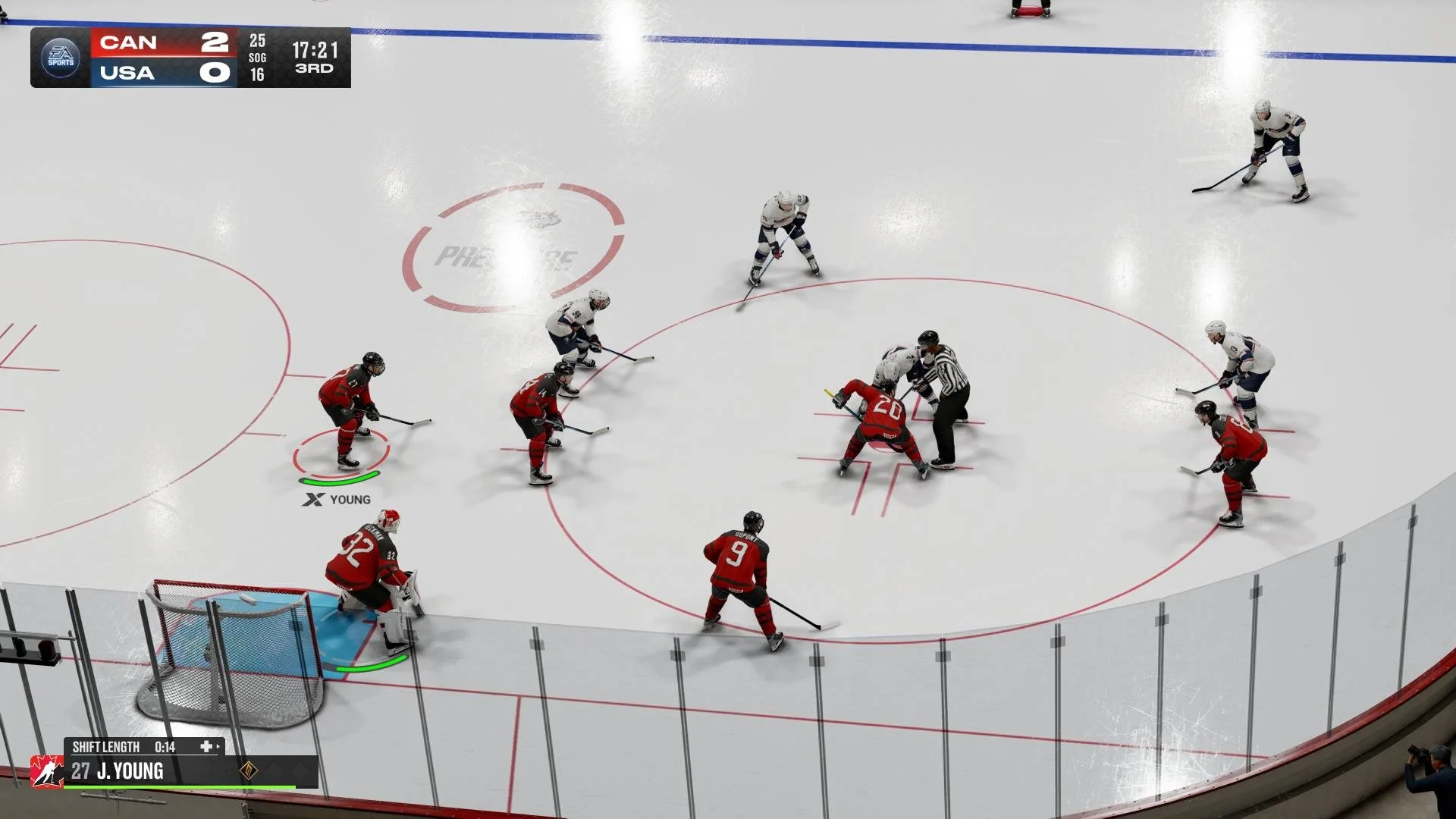
Additional improvements were made to presentation, Ultimate Team, and Be a Pro Mode, which allows you to go from the Memorial Cup to the one we call Stanley. X-Factor abilities saw a slight overhaul to streamlining 28 abilities into five categories, and three distinct impact tiers, making them more efficient and impactful.
Now, NHL 27 has a lot to prove. NHL 26 was not reviewed particularly well by both players and reviewers, making it one entry a lot of players intentionally skipped. From poor AI, broken mechanics, and a heavy reliance on microtransactions, not to mention several issues that never saw fixes or updates to address them, it is regarded as a huge miss for the franchise, and barely worth the upgrade from NHL 25.
NHL 27 took a very interesting and risky approach this year as many of the core systems here haven't been significantly overhauled and much of what has been implemented this year is via the game's presentation. With a new commentary team, completely rebuilt arenas, and a whole new broadcast presentation, EA’s NHL has never looked better.
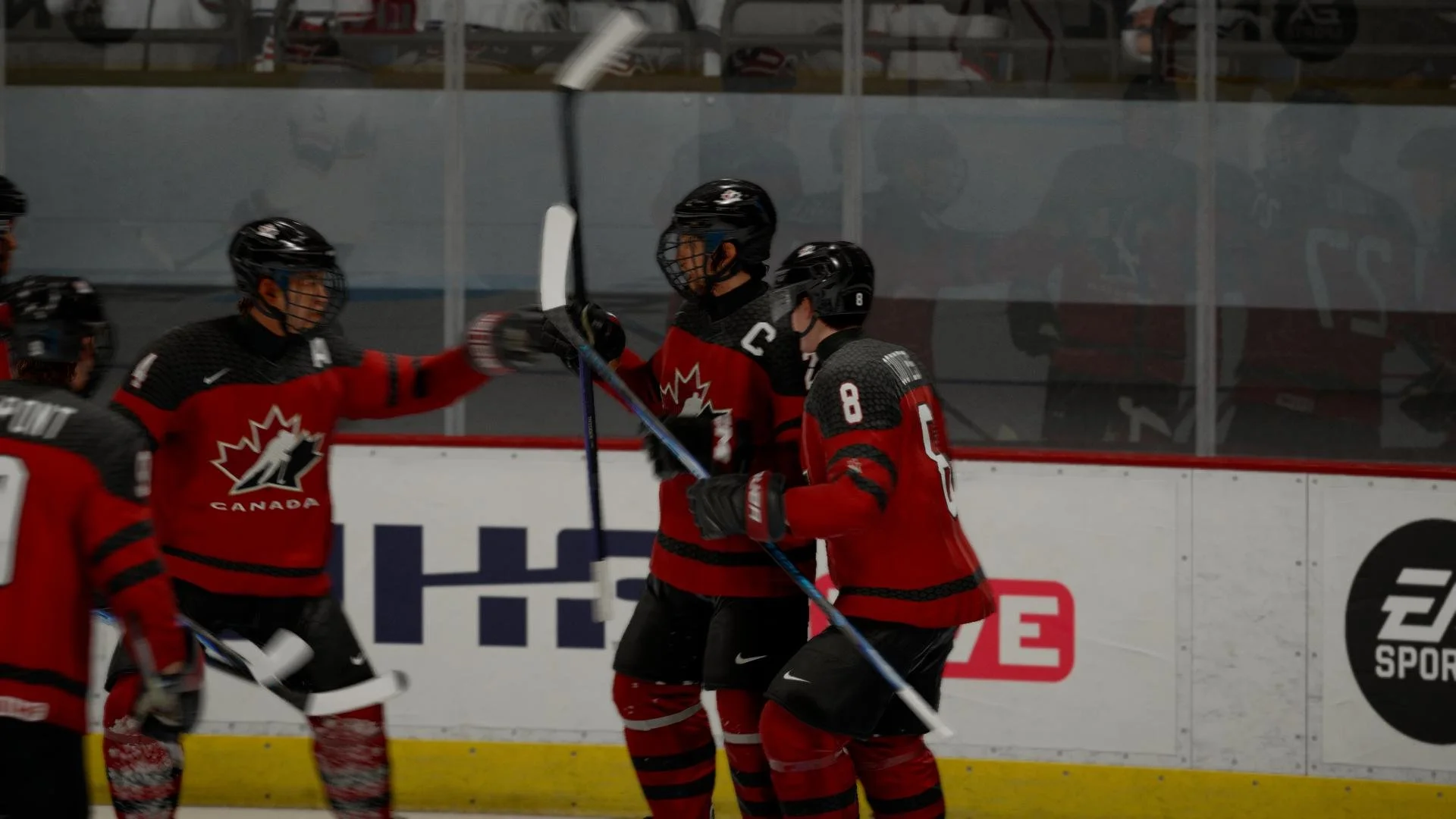
However, the real stars of the show are two new features. First we have the new Playbook system. This takes various team strategies across the NHL powered once again through NHL Edge, and allows you to implement that style toward your team. Now, while this system sounds good on paper, there is a huge problem that prevents it from really being the standout that I think EA is expecting it to be.
First, during the hours I've put into NHL 27, I barely noticed this feature working as intended on Rookie or Semi-Pro difficulty. Now, on Pro, and higher, I could see moments of this system working. Tampa Bay’s defense was pressuring the blue line, and Colorado was using their quick movement and rapid passing to overwhelm my defense. However, it is also worth pointing out that with any deep dives or promotional material that EA has officially put out, that almost all instances of this better ‘AI’ behaviour was via trailers that showed human players performing these manoeuvres, so make of that what you will.
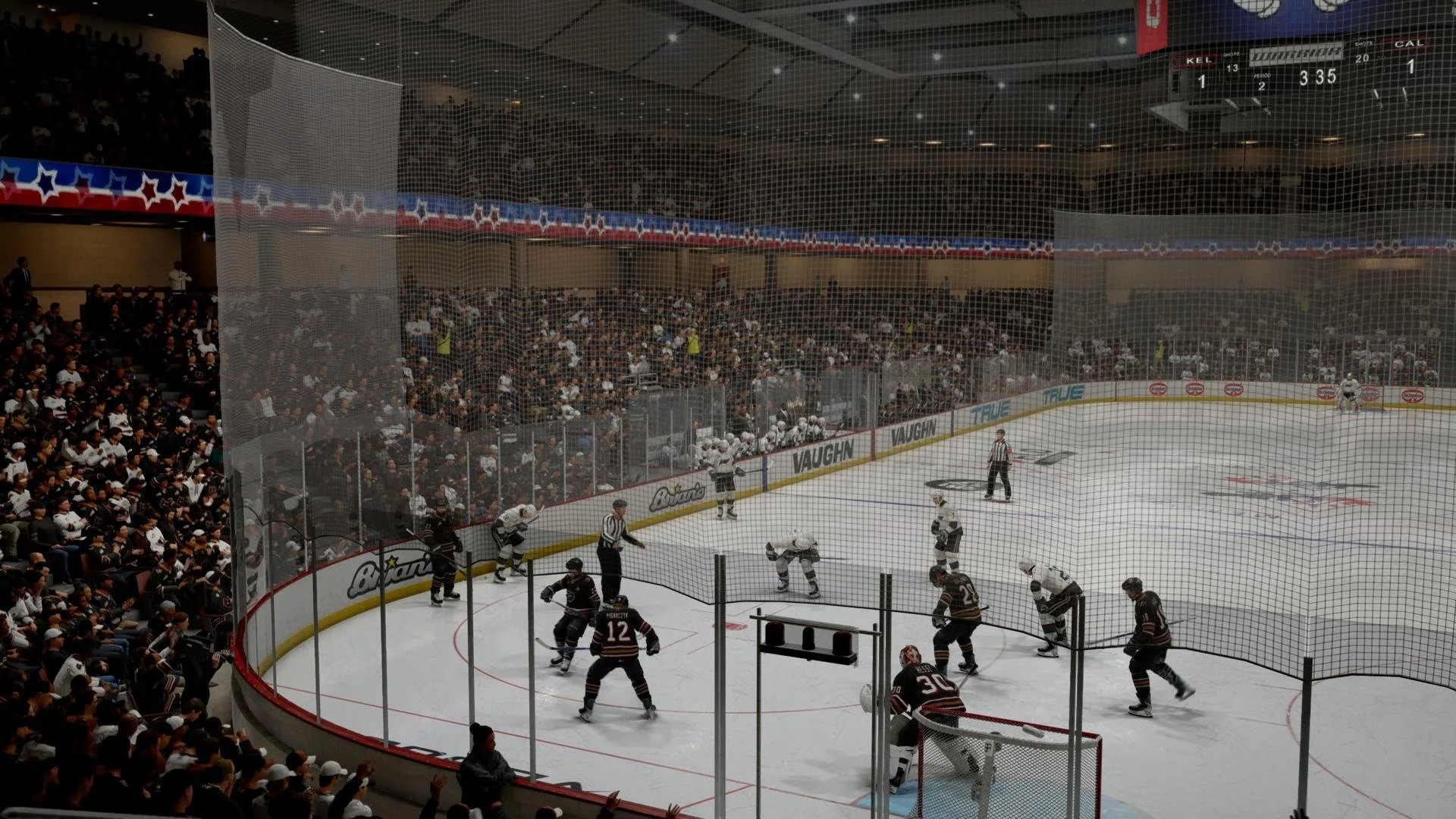
However, for as impressive as the few moments of this system working as intended were, NHL 27 is still a videogame, one produced year in and year out. This meant random passes that went to absolute nowhere, players not playing their zone, and players constantly triggering offsides. And it doesn't help that several of my matches had noticeable glitches, and several instances of bizarre player behavior that I am hoping are ironed out for release.
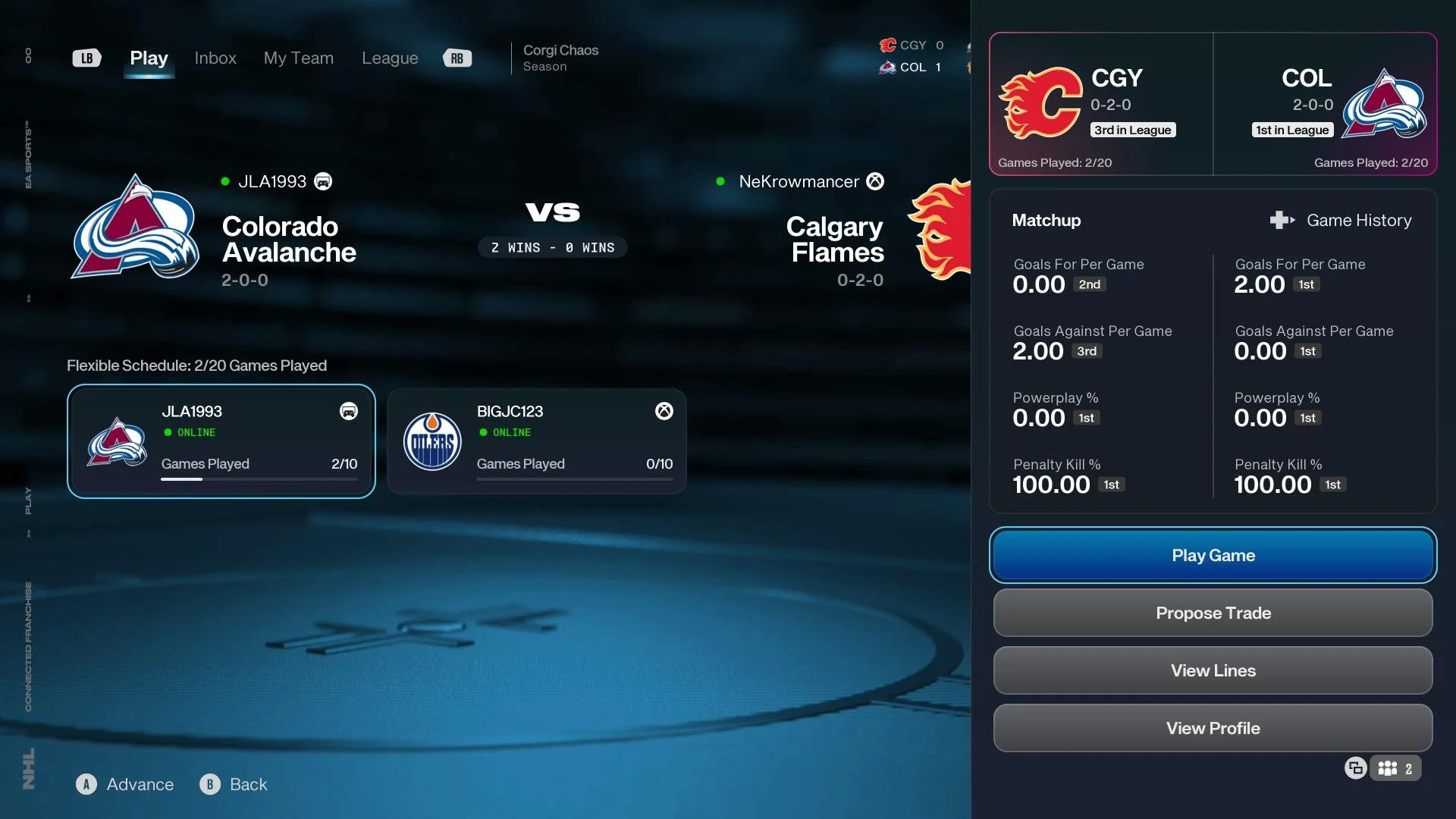
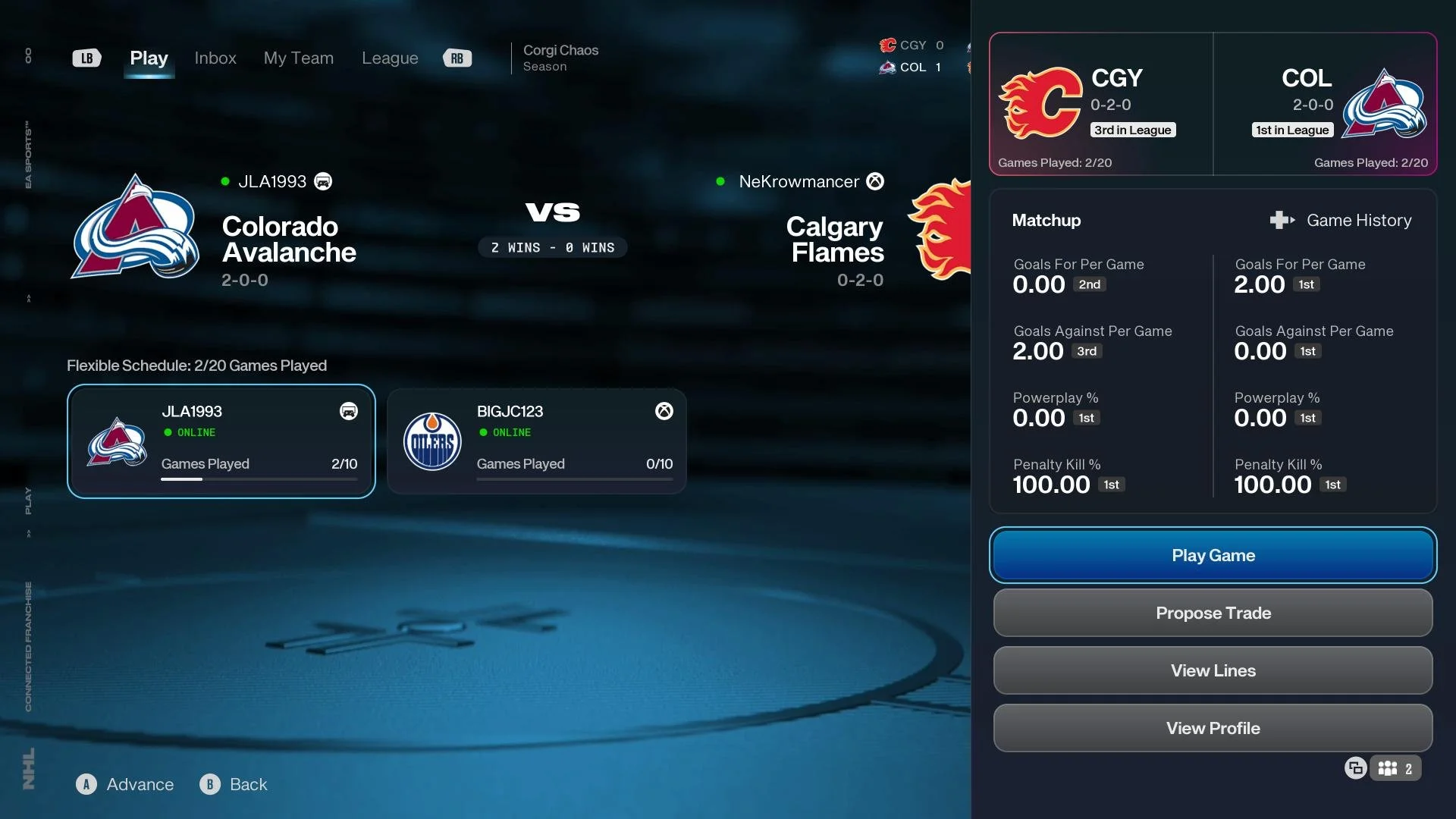
Now, the next big feature is Connected Franchise . This is essentially a playable version of a Fantasy League. You pick your teams, join leagues, and play, trade, and bargain for the team and players you want. This requires players though as there is no solo version of this system. And honestly, this might be the feature that gets players back in who maybe skipped out over the past few entries.
While it's not my cup of tea, I can see the depth and breadth of what EA has done here to make this a deep and rewarding mode, one that has players investing hundreds of hours defending their teams and making big trades.
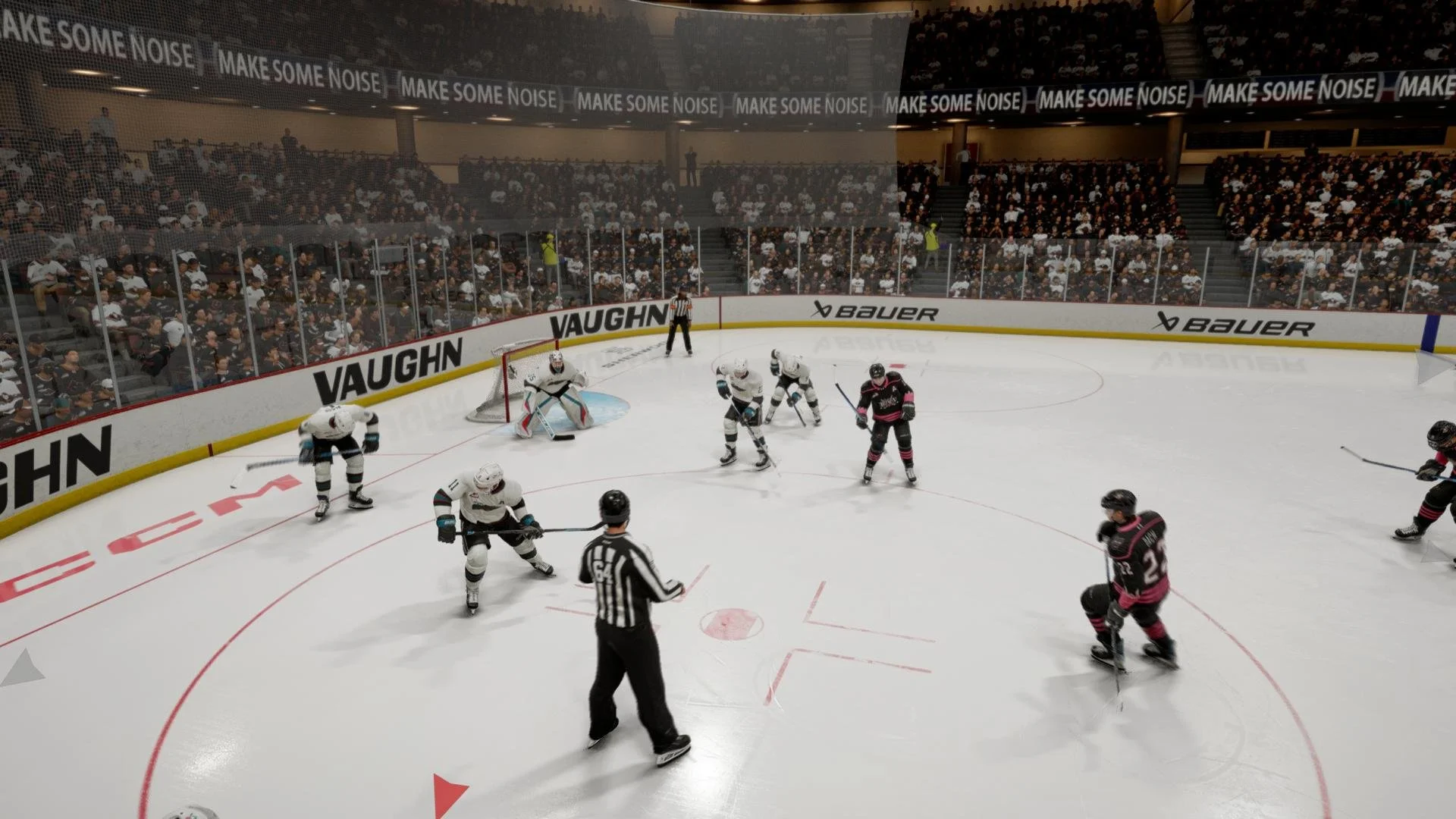
From the start, you’ll invite team managers who will attempt to take their team to victory throughout the season and then shut down opposition in the playoffs. As the owner of the league, you can actually force wins, should anyone you bring in decide to vacate they role here. You can approve or decline trades, should players take advantage of their station. And, when building your league, you can determine salary caps to keep trades and acquisitions in line.
I could see streamers hosting massive league tournaments and allowing their fans to join in. The flexibility and depth to this system feels almost limitless, and while it may not be the GM mode many fans have been patiently awaiting, it’s a connected online iteration that I truly feel has more legs to stand on than something strictly kept offline.
Additional changes made to make NHL 27 a better version are also worth pointing out. First, let’s talk about Cohesive AI. This is a welcome change as it allows teams to play like teams. Instead of a series of individual players, all governed by their own AI, this new system allows teams to recognize opportunities as a team, with better passes, play making, and causes them to adapt as a team. Also enhanced in NHL 27 is more goal variety, better poke-checking, hits that are now determined based on the size and weight of incoming or outgoing players, which now makes your choice of an enforcer to be even more critical.
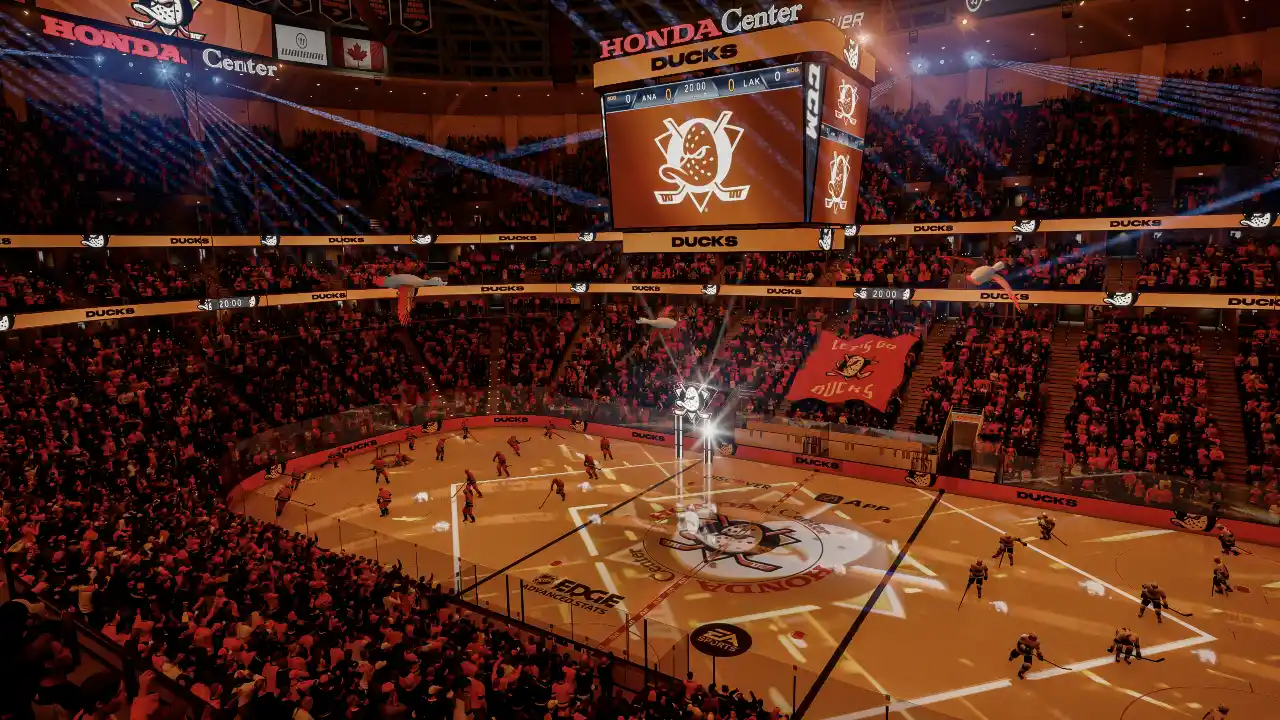
Now, as mentioned before, the difficulty you choose is going to really showcase what NHL 27 has enhanced, as Rookie and Semi-Pro are not going to highlight many of the new changes. For example, while we have better goal variety, and more types of saves your goalie can make in the clutch moments of a tense game, nearly all of these improvements are only designed around the more intense AI, otherwise those easier difficulties might be a tad too easy. The higher tier difficulty also sees teams acting more aggressive, or defending a lead with significant style. It forces your to really adapt and dig into the system far more to even get a scoring chance.
Enhanced in NHL 27 is the ability for teams to adapt to a losing game or one they are confidently leading. Strategies change depending on the situation. So while you may figure out their play style and play book in the early goings, don’t get too comfortable as they will shake up those plays for ones that match the conditions of the game. This causes teams to shorten the bench during the last few minutes, or effectively pulling their goalie when the last few seconds are needed for a last second tie.
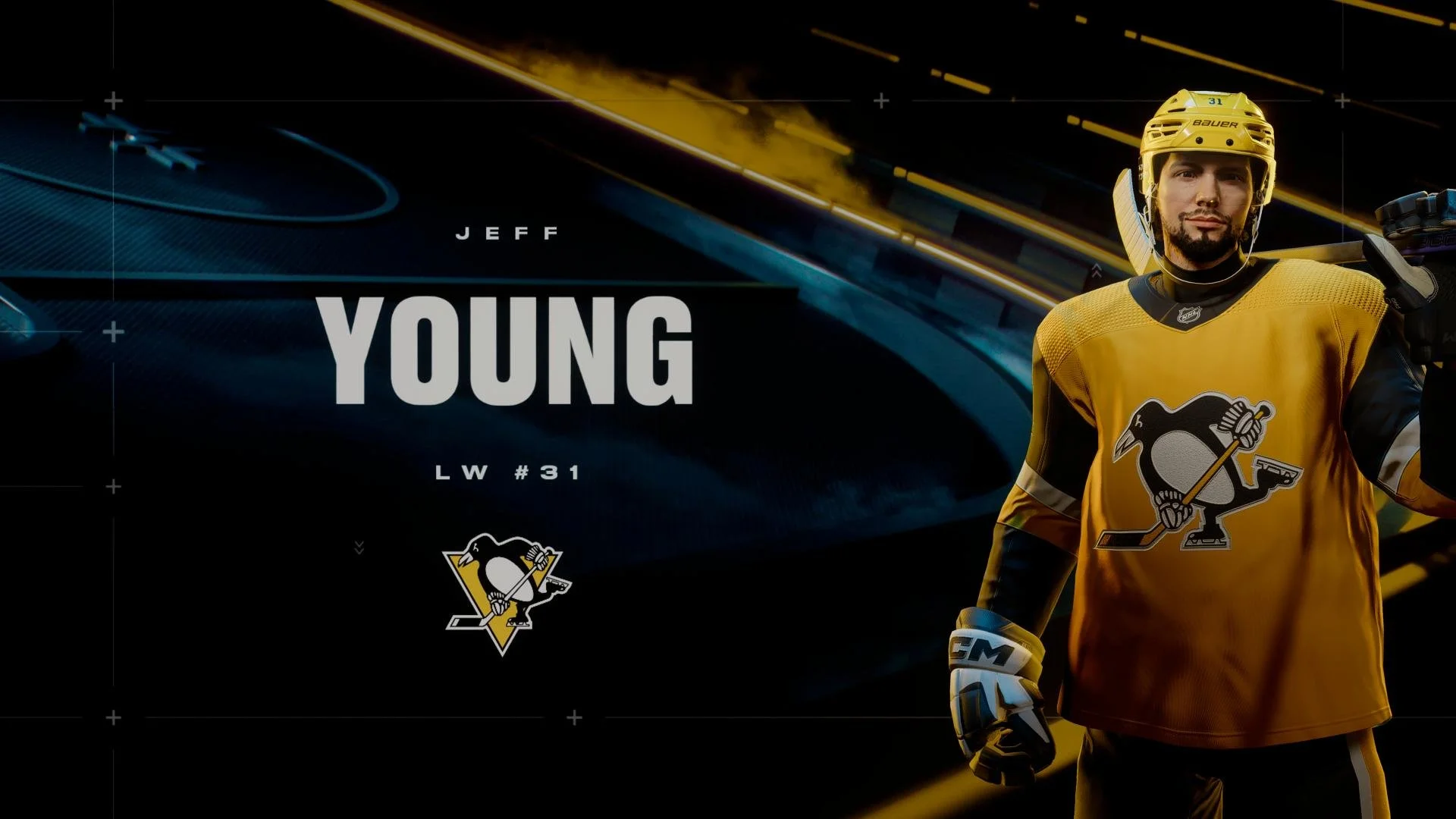
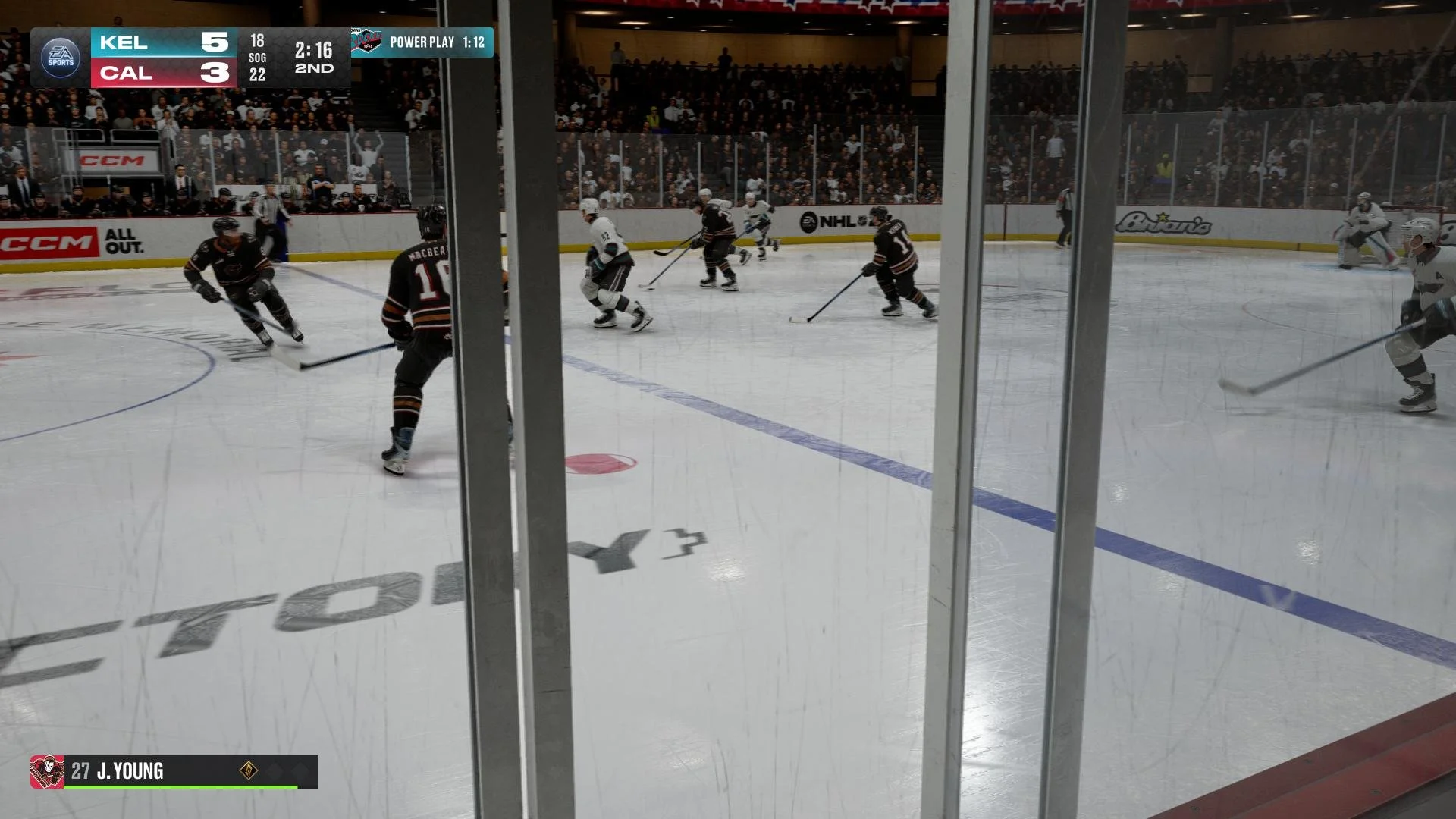
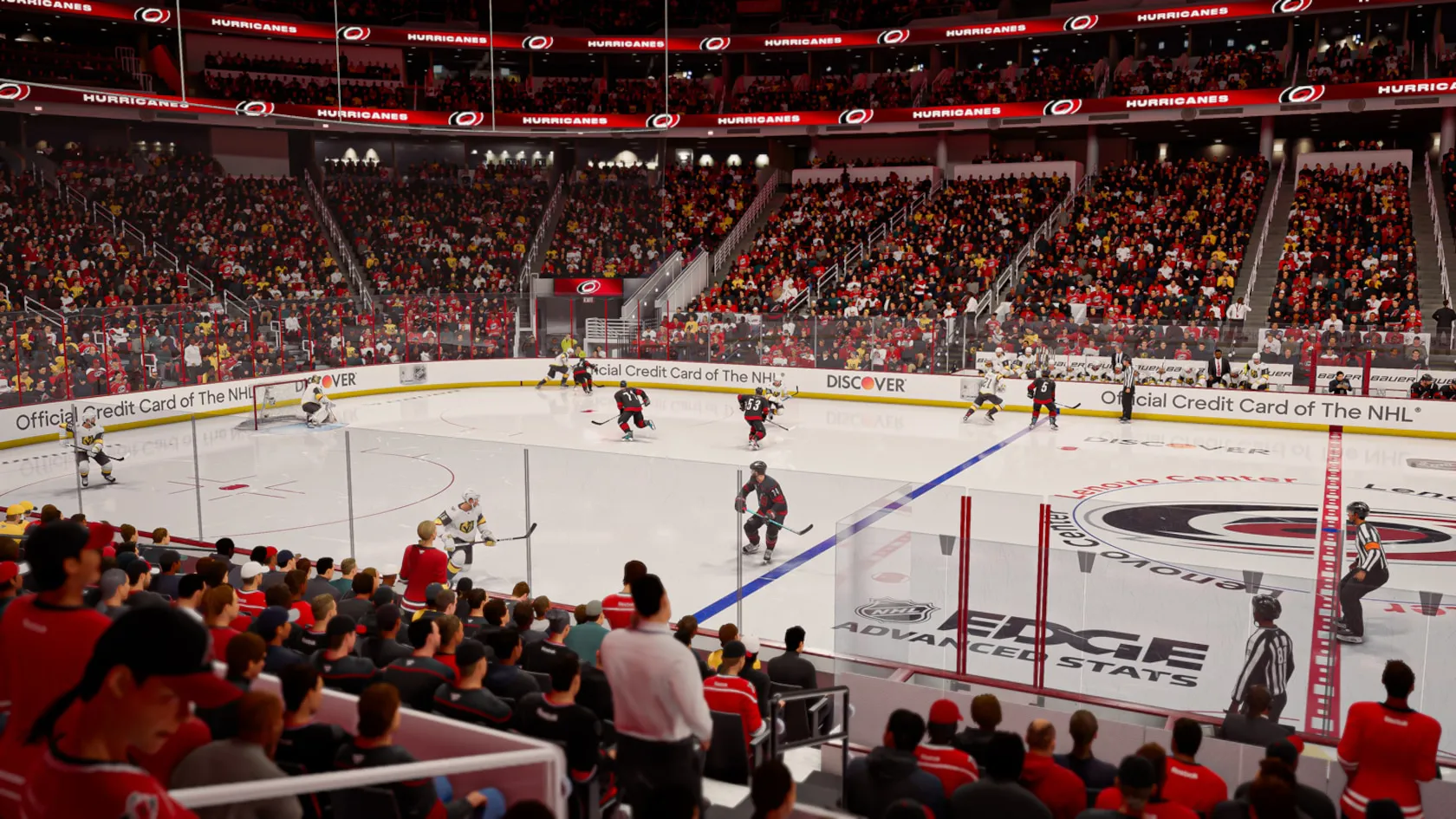
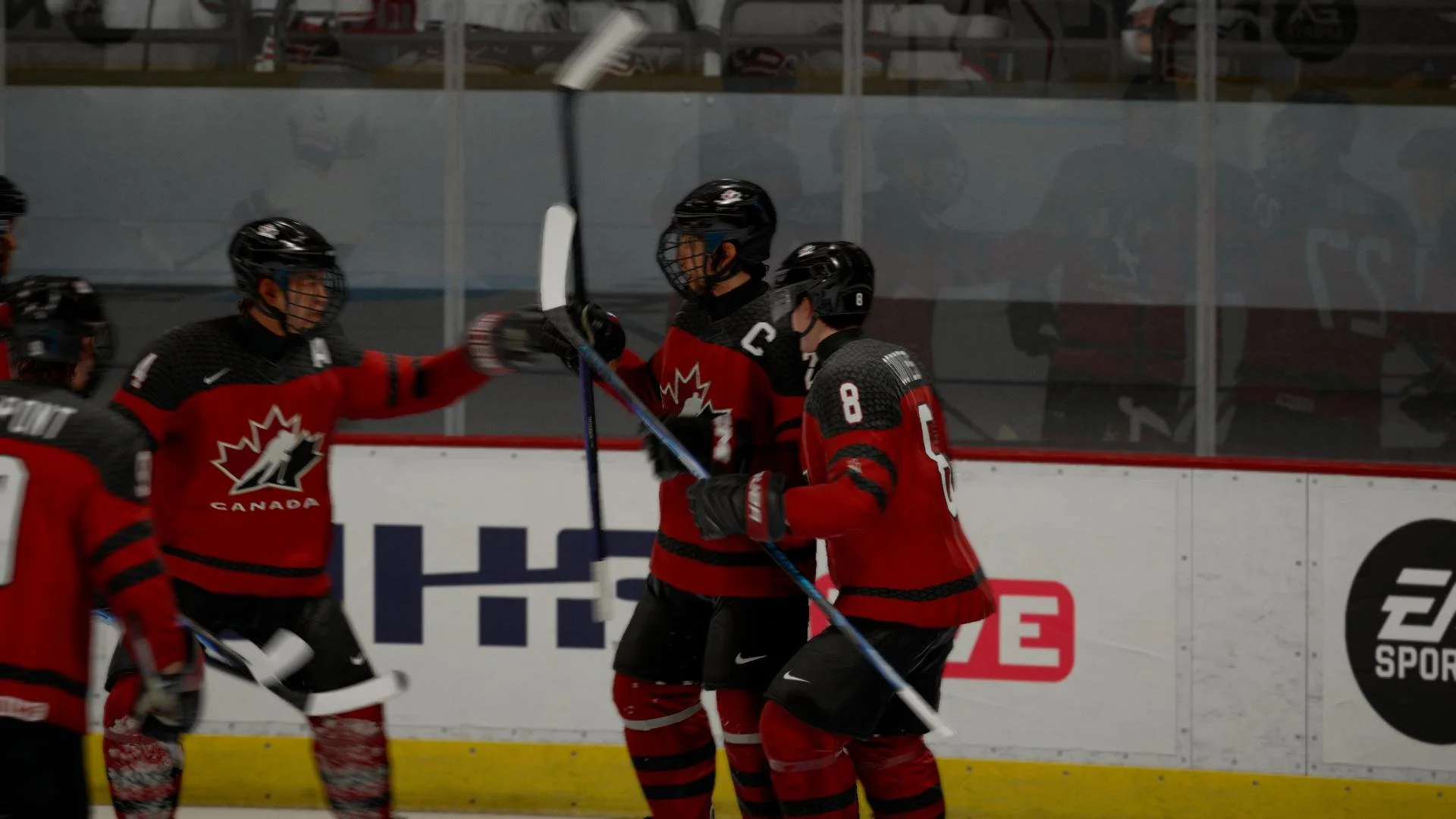
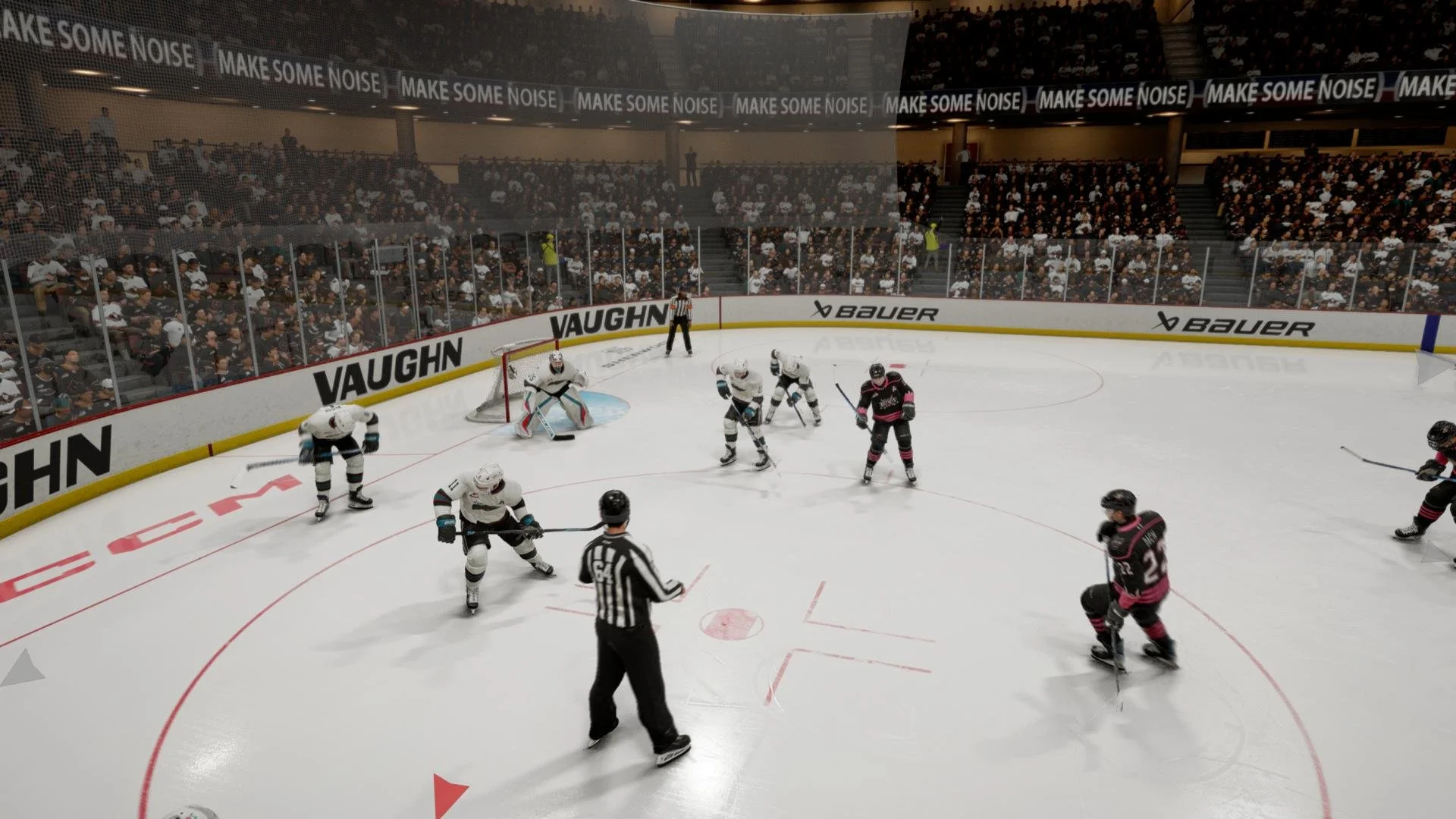
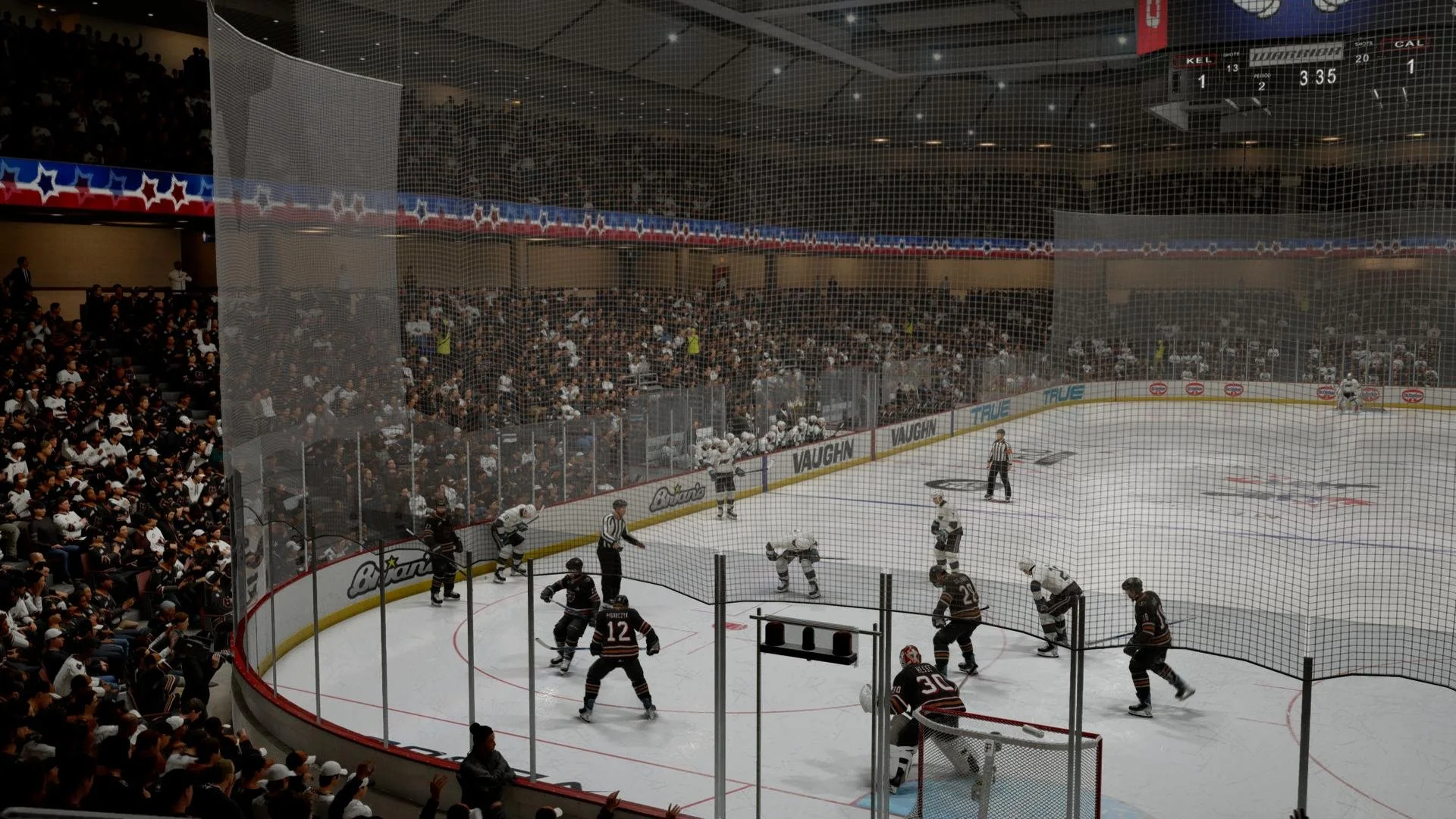
This year, EA wanted to promote what they call Hockey tourism, and they absolutely nailed it. EA rebuilt all 32 arenas from the ground to the rafters and it shows. Presentation is absolutely breathtaking, with lighting, jumbotron graphics, celebrations, and chants, all flooding the arena with the personality of their respective teams. This is also felt in the music, as certain teams rely on specific songs to play when their team has scored a goal.
While you don’t see many of those visual changes while playing on the ice, the all-new Orchestrator is here to show you the arena during any stoppage in play. While this could be looked at as an upgrade to previous systems across the series, the Orchestrator is still a great tool used to show off the changes and how alive the arenas now feel. If the home team is winning, it will cut to the crowd more often, as well as the mascot, trying to get the crowd hyped.
It also serves as a way to tell dynamic storytelling to ensure replay sequences, crowd reactions, and on-screen visuals to not feel as repetitive. It also helps the broadcast by making it feel more true to life when trying to mimic a real NHL broadcast. And with cutting to the coach, the bench, to even views of other players on the ice, it allows you to soak in the atmosphere and really feel like you’re part of the game.
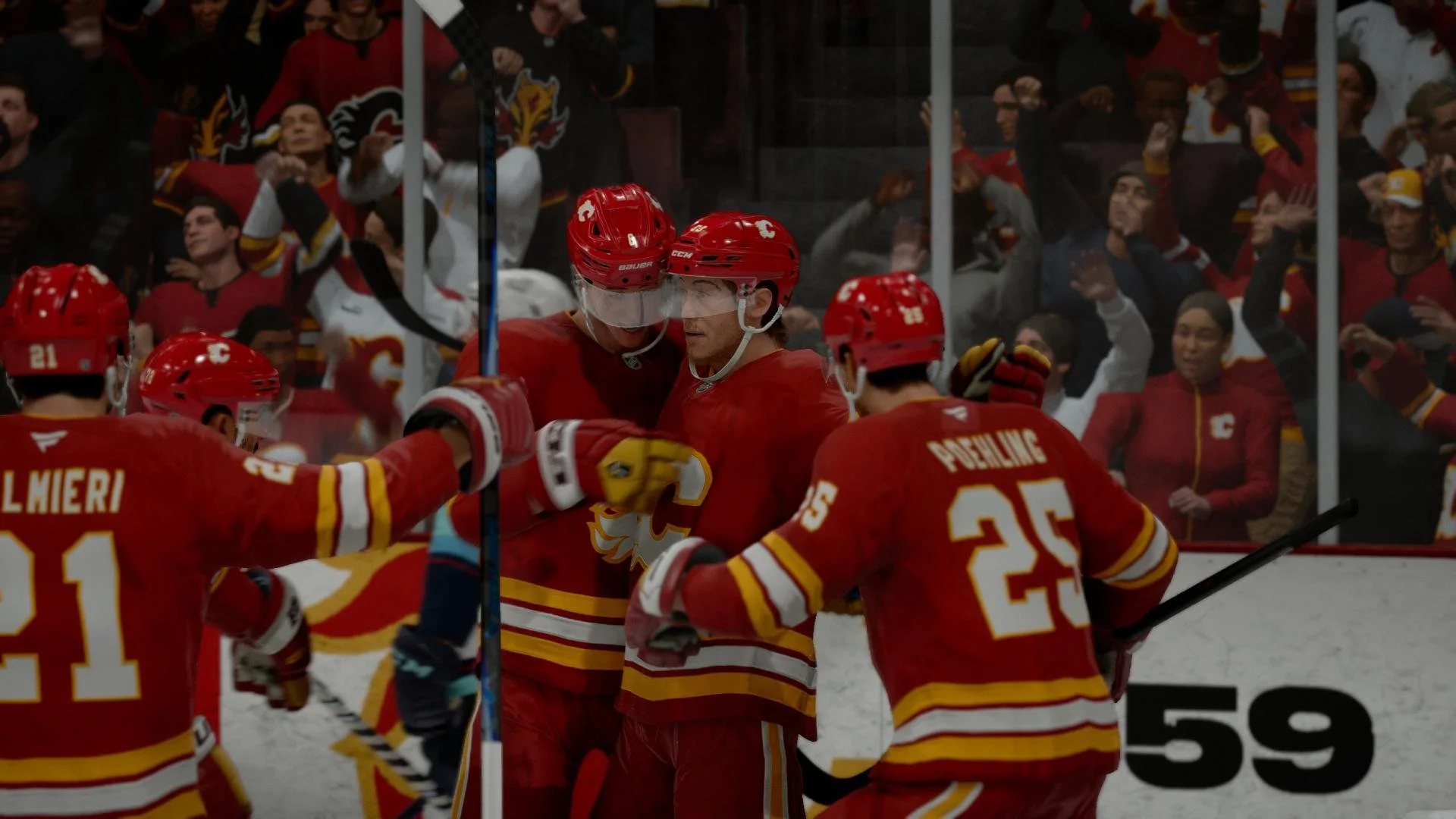
Part of the new changes made is the introduction of an all-new commentary team. John Buccigross and Darren Pang will replace James Cybulski and Cheryl Pounder who have been the main team since NHL 24, with James Cybulski being one half of the commentary since NHL 20. John and Darren are fairly good here with only a few lines I reliably here, such as recommending us to get drinks and snacks between the second and third period. John is known for his play-by-play on ESPN, whereas Darren is a former NHL Goaltender and veteran analyst.
Part of the presentation is when goals are scored and the player noted for that goal is presented on-screen. Personally, I didn’t like the graphics on NHL 26 with that awkward digital noise and intentional glitchy visuals. It looked like it was trying to be edgy and modern. Here, everything is far more streamlined and clean, with full player shots showcasing the player’s model as opposed to real face shots of the player, though, those do also make an appearance. While I do like this year’s presentation, the constant EA logo animation could have been replaced with the team logos being front and center. EA, we know we are playing your game, it’s the only NHL hockey game, we don’t need to see your logo 50 times a game.
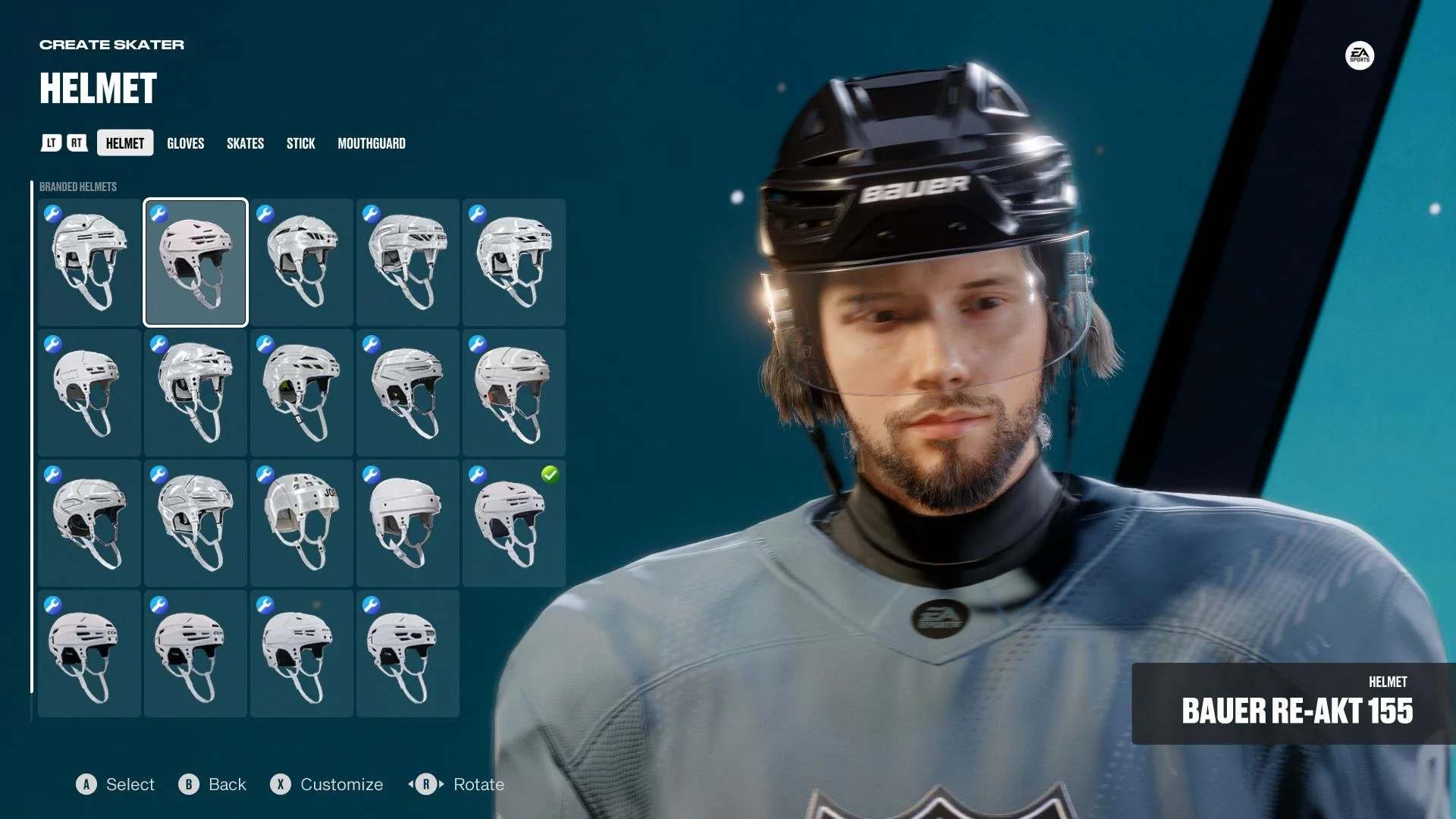
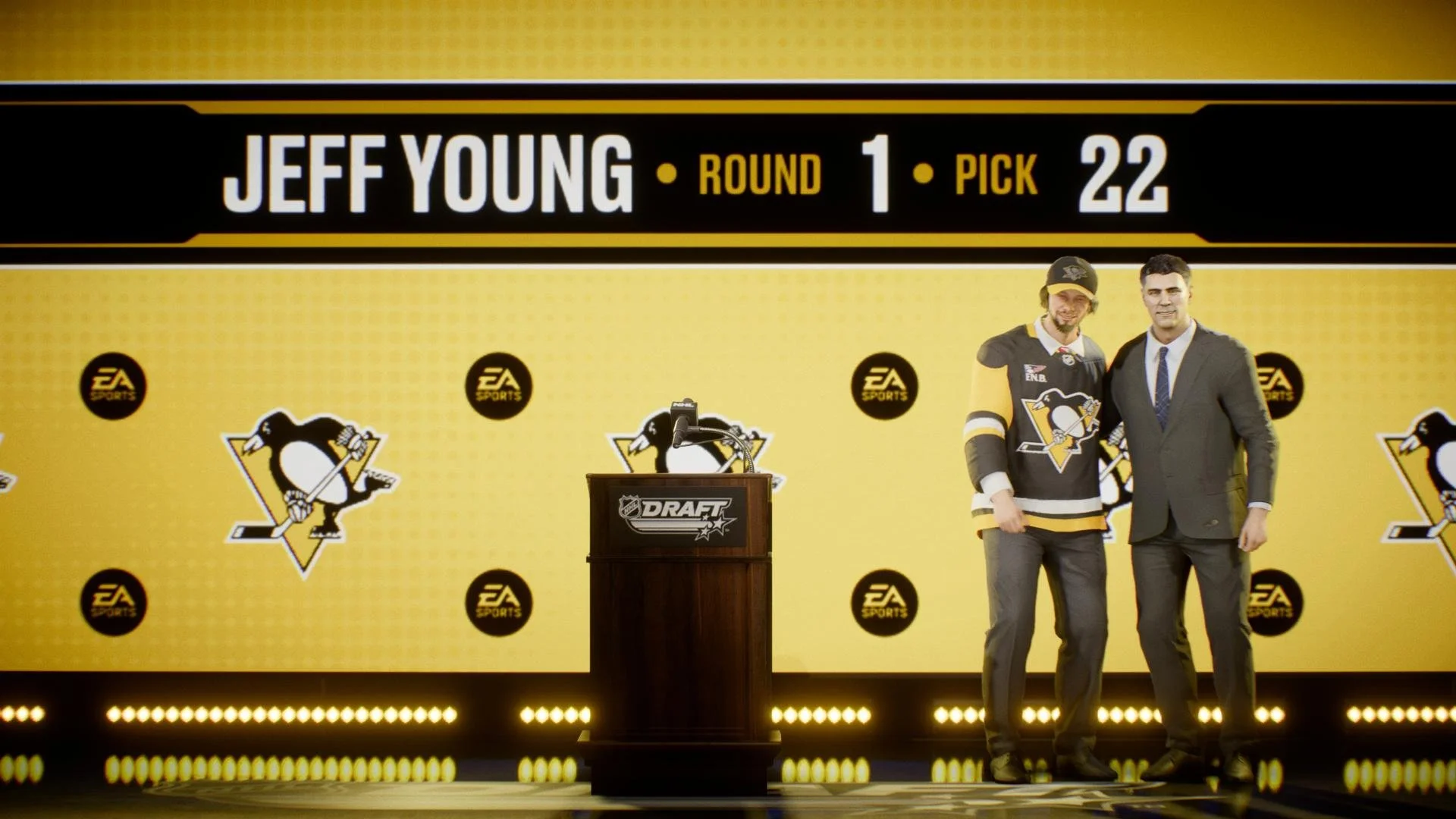
Be a Pro mode returns and makes some smart changes and upgrades to make it feel a bit more involved as how you, as the player, impact not only your career, but your team as well. Initially, you take on media interviews during the Memorial Cup run, and make choices on your future as either being Influential, Confident, or a Leader. These press conferences then take on another role as they will affect things like your Brand or Management Likeability, or how your team sees you. These all have different perks like your pay or how well your passing game is when you team can rely on you.
Some choices will be locked to certain traits, and this conference approach also affects your draft number, so it’s best to play it smart, read your responses, and answer with what works best for you.
This mode will also function a bit differently based on your role as either a skater or a goalie. Skaters and goalies both have non-leader or leader foundations, but skaters then branch toward alternative captain to captain, while goalies then branch out to presence and then cornerstone. And, should your performance as either go sour, you can be demoted back to the AHL or traded to another team, which resets some of that progress.
Each game sees you graded by your coach. This is spread out across a few categories. Each game will have objectives to reach, and being in the penalty box can have more than dire effect on your team during the game. These objectives are pretty straight forward from scoring a goal to simply making a few passes and getting some assists.
During the season, you’ll gain energy and translate that into either working towards your team, brand, or management, or yourself and earn trait points to spend on improving your assist game, your slap shot, your skating, or dozens of other improvements. You can also gain trait points or X-Factor points via those press conferences, should you have the traits to unlock those choices.
Be a Pro mode is incredibly fun, and allows you to only play the role you are assigned, like a real player. If you are playing a Left Wing, then your focus is on that role, and that role alone. You are not winning face-offs, you are benefitted from them if your Center wins them. The game will also target where you should be, and who you should be guarding. And, as you work your way from the Memorial Cup to the Stanley Cup, it’s one hell of journey.
World of Chel returns as a social hockey mode that lets you build, customize, and progress your own player through several types of games. However, while the mode and its free season pass returns, there are some changes here that will either get you excited to jump back in, or focus on other modes, given how supplementary this mode can feel to the whole package.
The free season pass plays a much larger focus here, with Ability Points and Skill Points being bonuses as you progress through the pass. AP bonuses give X-Factor upgrades, while SP upgrades have you working toward your player and making them stronger in key categories. You also will have Attribute Cap increases that now let you go beyond previous limits, with Season 1 seeing a +2 increase cap.
Additionally, there is a catch-up mechanic starting in season 2 that allows late-joining players or returning players certain objectives to earn a special currency. This currency is then used to redeem 100% of all missed AP or SP bonuses, and the cap increase from previous seasons.
Like the other modes present in NHL 27, presentation is a big focus here, and this mode inherits the new broadcast visuals, player focus wipes, and updated camera work and a bigger emphasis on crowds. You can also now select any authentic NHL goal song for your team, making you hyped for the rest of the game.
With another NHL yearly release, EA is once again focusing on their real money-maker in NHL Ultimate Team. I will point out that while I largely didn’t interact with this as I’m not a fan of microtransaction-driven modes, the game literally starts with Ultimate team whether you like it or not. It’s a big focus here and distracting, especially as you cannot even back out of the menu when it tells you that you have have a free pack to open.
Changes or upgrades this year are in authentic playbooks and coaches, but also line combinations and some players will have salary cap icons and values on their cards. So, as they move away from the global strategies, NHL 27 adds 32 distinct team playbooks, which is the same new mechanic I’ve already talked about, and these focus on breakouts, forechecking, and power play setups. Coaches now sport certain combinations and attribute boosts that sway certain salary AP and player ratings. And finally, Salary cap systems return alongside new Hockey Ultimate Team icons that mention their salary, at least on certain players like Scott Stevens or Duncan Keith.
If you are one for taking on Ultimate Team, and buying packs or purchasing the special editions that have their own packs, then you are going to benefit from all the new upgrades EA has made here to make this mode as attractive as possible. As someone who only dabbles in hockey and watches the final series in a playoff, I’m not the hockey card guy I was some decades ago, so this mode is fairly lost on me wanting to build my team via these cards. I get the appeal, but my wallet is happy that I don’t invest in it.
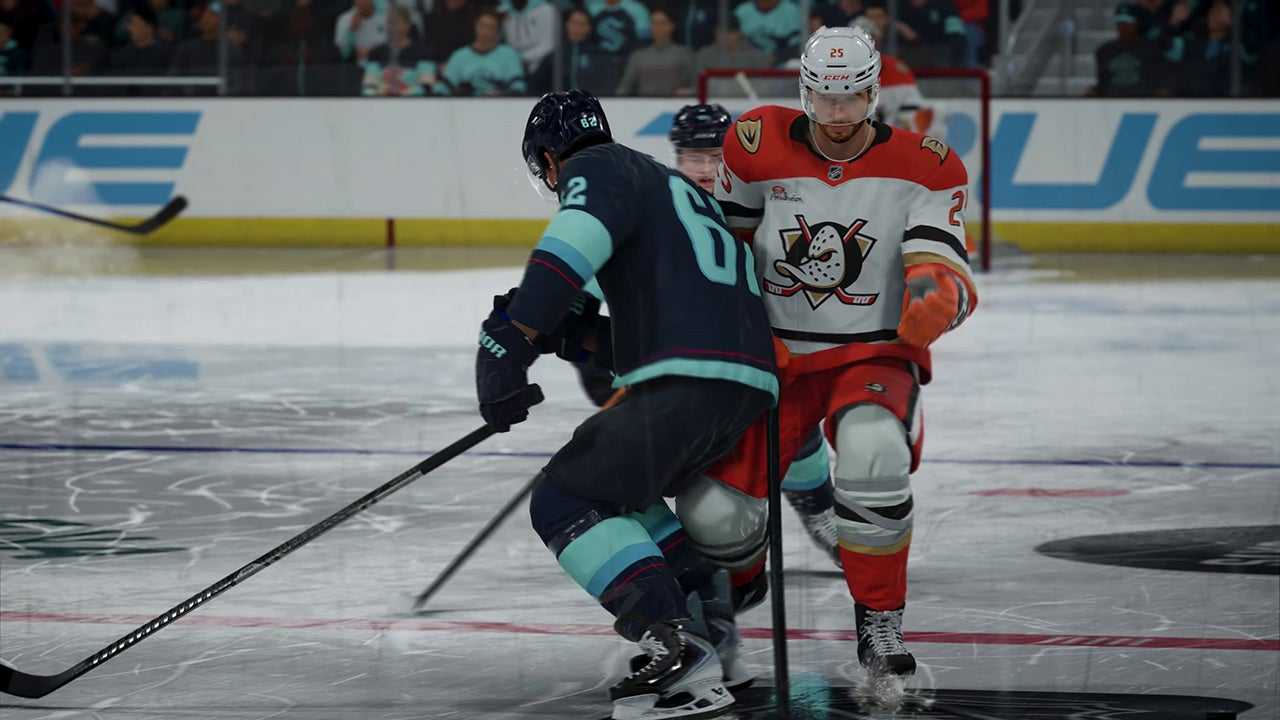
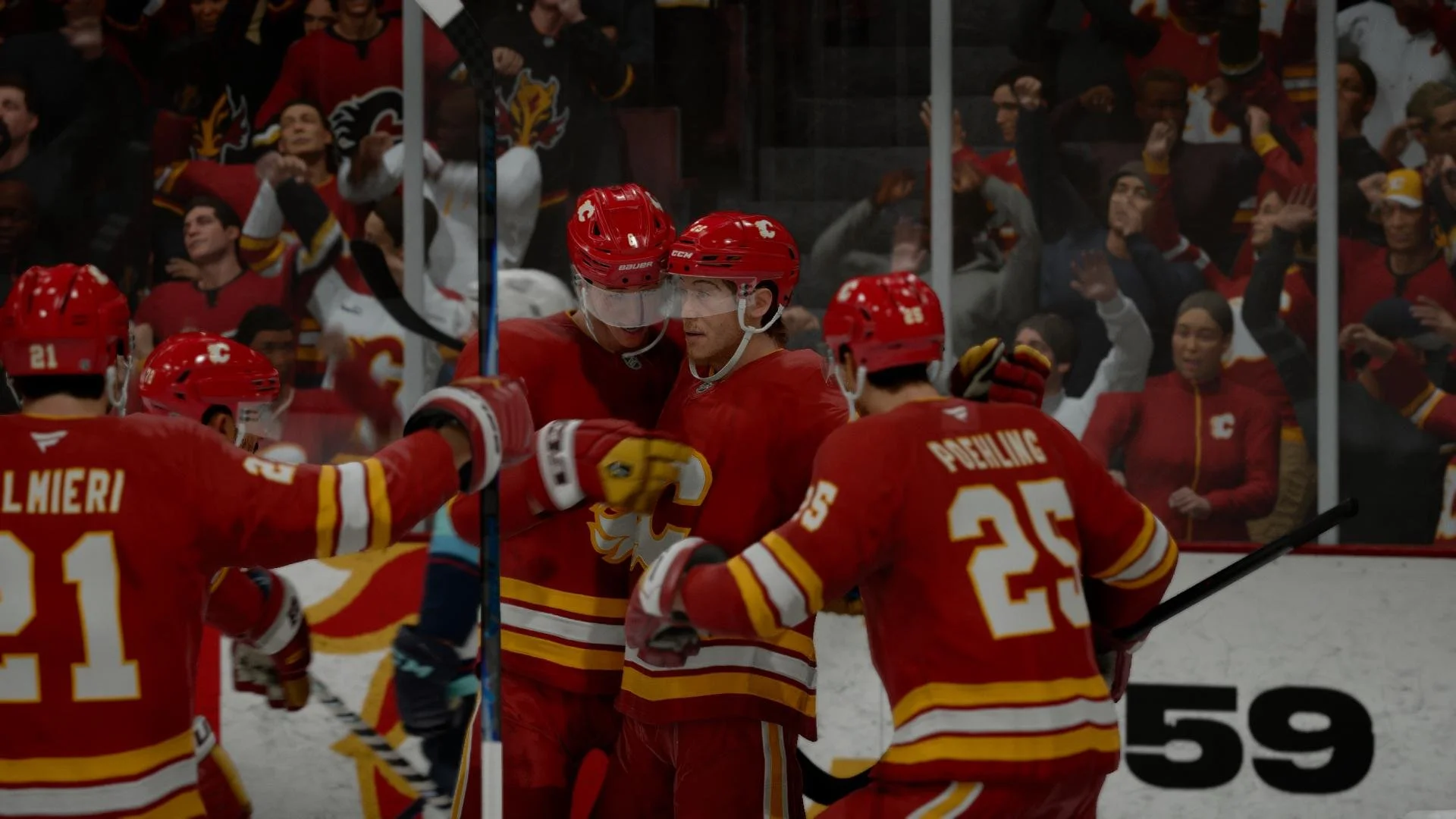
Apart from the strong visual presentation that NHL 27 has, I have some issues with parts of its graphics package. I was really digging the new interface as it’s been sometime since I really hopped into a NHL game. The interface is great, but it’s the same as last year. Sure, the in-game presentation is entirely different, but the main menus and front-loading presentation is identical, which does sort of make NHL 27 feel like a glorified patch in that regard. Players look better than ever, and the dynamic way the game uses the arena and its packed house is solid, but fans constantly clip into one another when celebrating. Yes, the arena’s all look gorgeous, and the gameplay is remarkably clean, with the best visuals the series has ever seen, but the crowd still looks a generation behind in texture quality, and seeing the arms of fans collide into one another on a goal celebration just takes me out of it. While this can be seen as a nit-pick, you have to remember that EA’s whole focus this year was on presentation, so while the arenas got a facelift, the crowds play second fiddle to them.
EA NHL 27 may not have delivered some ground-breaking systems that improve the game beyond its previous iterations, but it does present the game through more subtle ways like the playbook system and better goaltending, if you take the game on via the difficulty settings that really benefit from this. Presentation is solid, but glitchy crowds and awkward animations still break through and can ruin your immersion, regardless of the vast improvements made to arenas. However, EA’s NHL has rarely looked or played better despite those annoyances, and if you meet the game on its terms, it’s bound to bounce the puck in your direction one way or another, just be ready to take that shot.
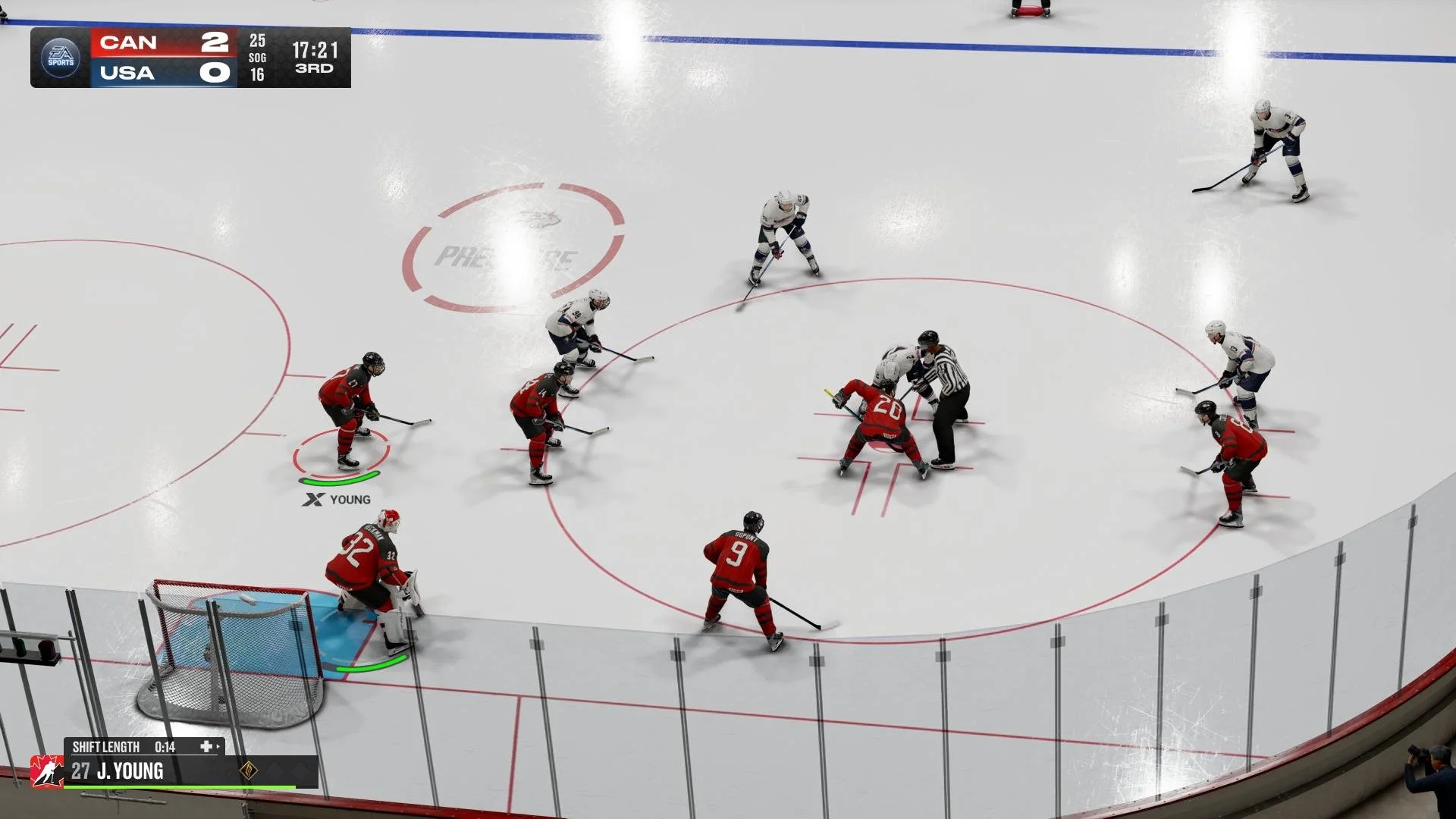
Developer - EA Vancouver Publisher - EA Released - Sept 4th, 2026 (Early Access) / Sept 11th, 2026 (Standard Edition) Available On - PlayStation 5, Xbox Series X/S Rated - (E 10+) In-Game Purchases (Includes Random Items), Users Interact. Platform Reviewed - Xbox Series X/S Review Access - A review code for EA’s NHL 27 was provided by the publisher for the purpose of this review.
Jeff is the original founder of Analog Stick Gaming. His favorite games include The Witcher III, the Mass Effect Trilogy, Hi-Fi Rush, Stellar Blade, Hellbade: Senua’s Sacrifice, and the Legend of Heroes series, especially Trails of Cold Steel III & IV.