
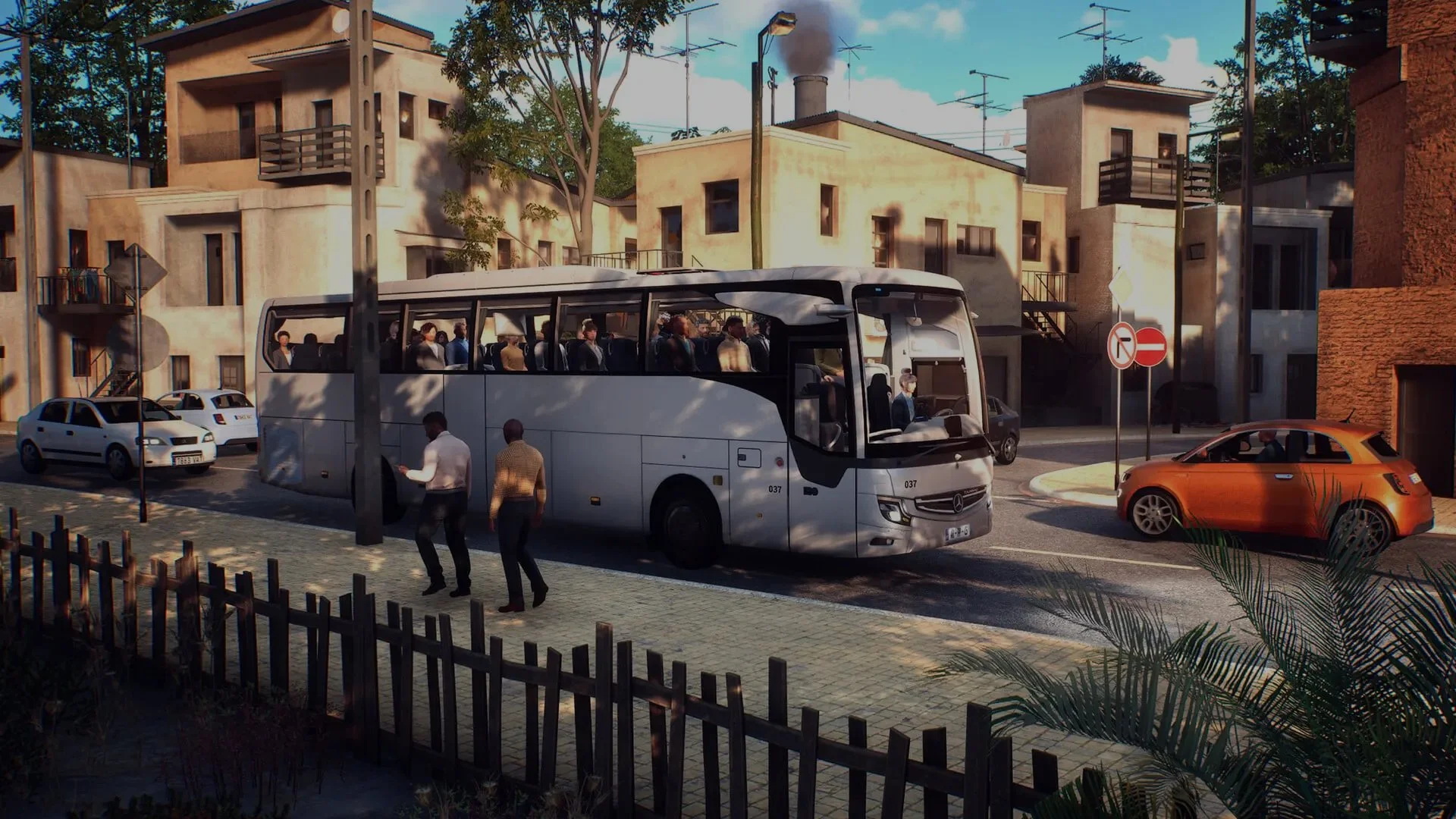
Welcome to Felicia Bay.
With a new developer to steward the series, I was curious if Bus Simulator 27 was going to evolve the simulation genre forward, or stick to its bus line and ride it out. While I adored this year's Bus Bound, which was developed by Stillalive Studios, a studio who knows the genre and series all too well, it did lack a greater degree of customization that the Bus Simulator series was known for. And while Bus Simulator 27 does provide that experience, developer Simteract doesn't quite give the rest of the experience the smooth ride it deserves.
Simteract is known for its work on various driving simulator games such as Taxi Life: A City Driving Simulator and Train Life: A Railway Simulator. So, it would make sense for them to be behind the wide-turning bus routes that now populate a brand new city to the series. And, for the most part, they do deliver a solid simulation experience. However, I did find myself constantly thinking about Bus Bound and how they refined so many systems here, making for a more engaging experience.
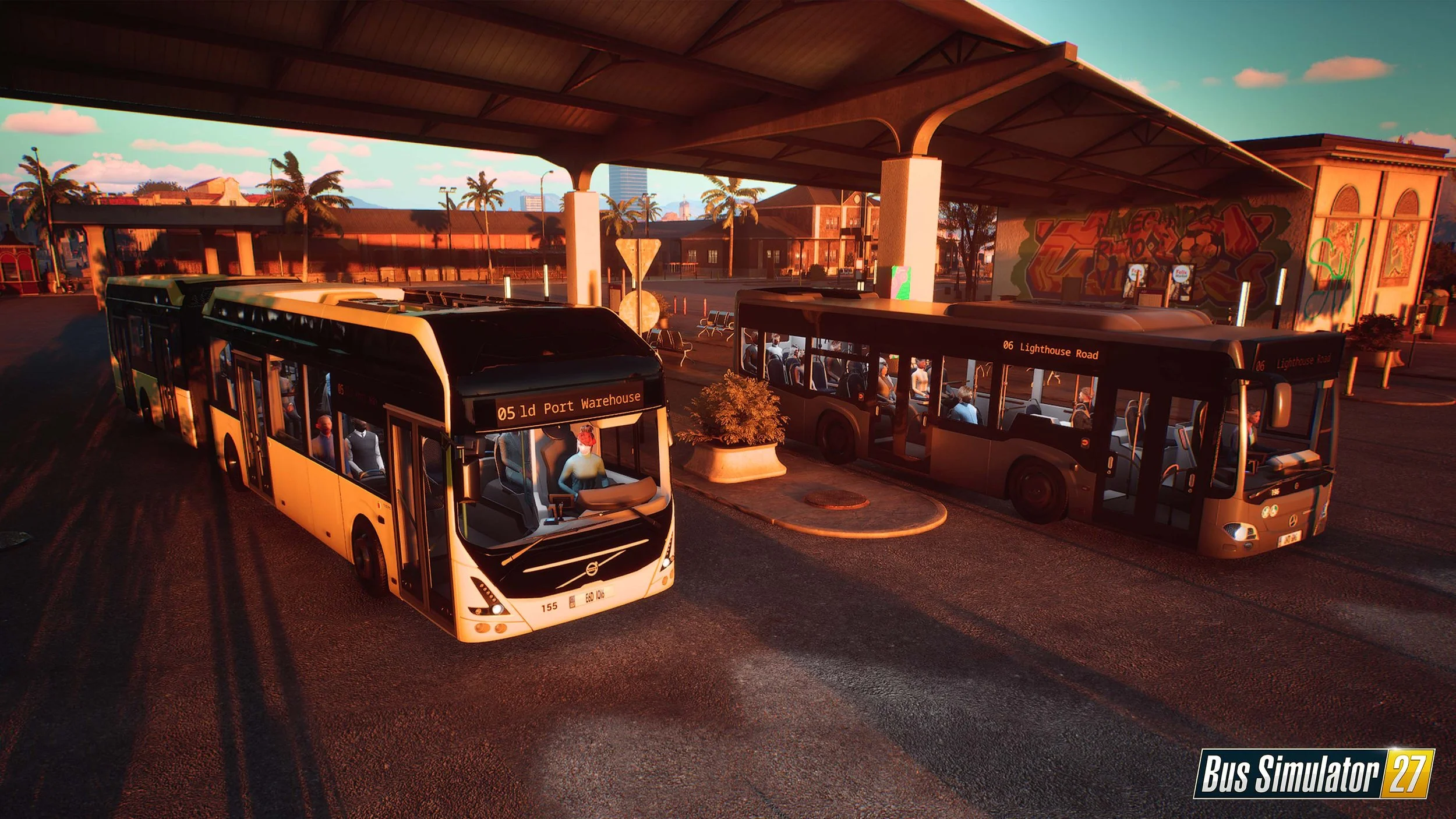
Now, one aspect of Bus Simulator 27 that I was really interested in was being behind the wheel of a coach. This is new to the series, and allows you to take on some long distance diving through the gorgeous Felicia Bay. This offers a nice variety than just your normal bus routes and dealing with city life as you create routes that connect the two cities and their surrounding communities.
You start off as being brought to Felicia Bay to run and operate a bus company. You're told that the previous outlet ended in disaster, so you'll really need to prove yourself. You meet the right people, they teach you the basics, and you're then left to buy buses, hire drivers, and make a name for yourself. And speaking of *yourself”, you'll be able to create your own character, even if the player models leave a lot to be desired for the game using Unreal Engine 5.
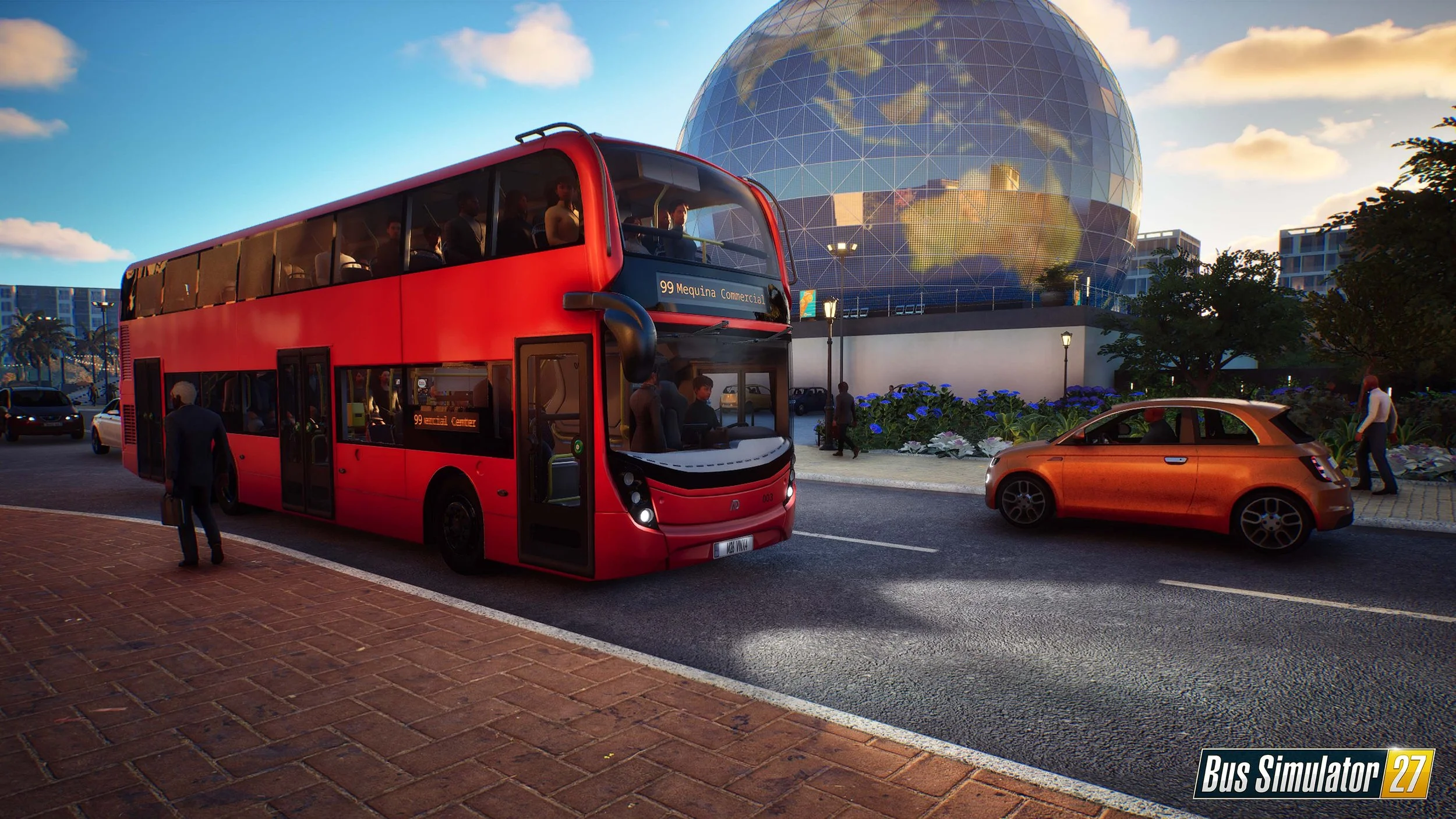
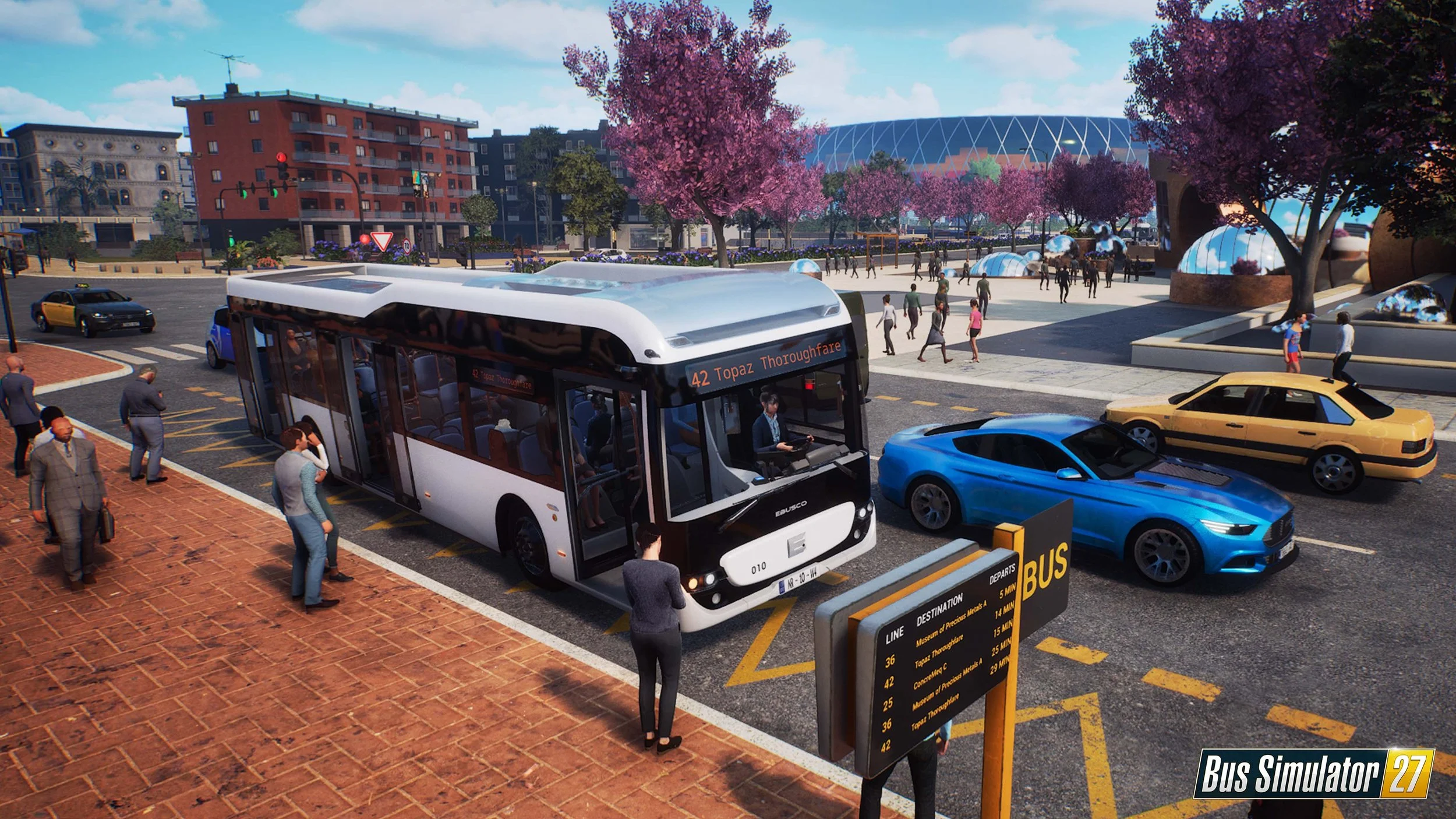
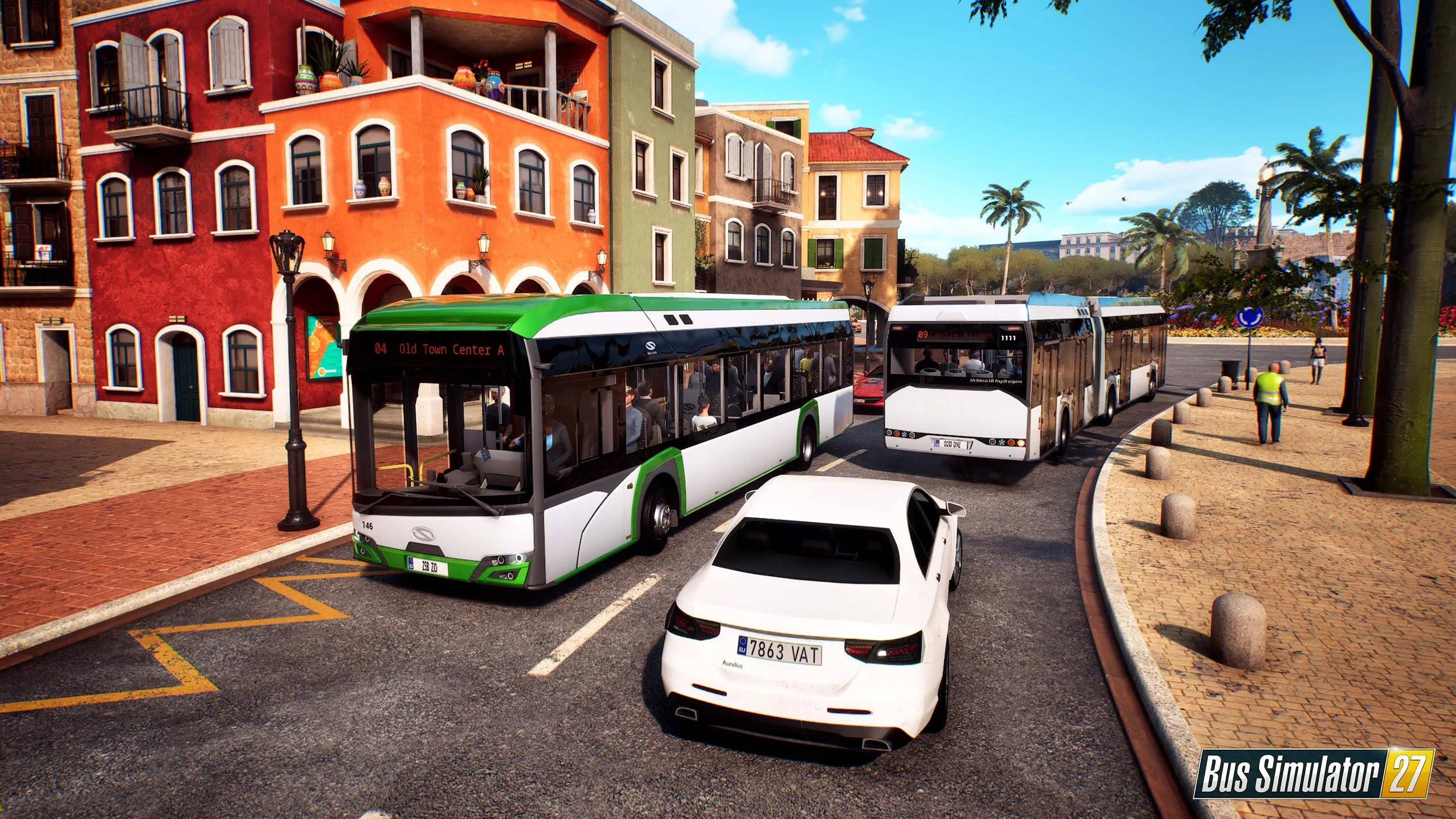
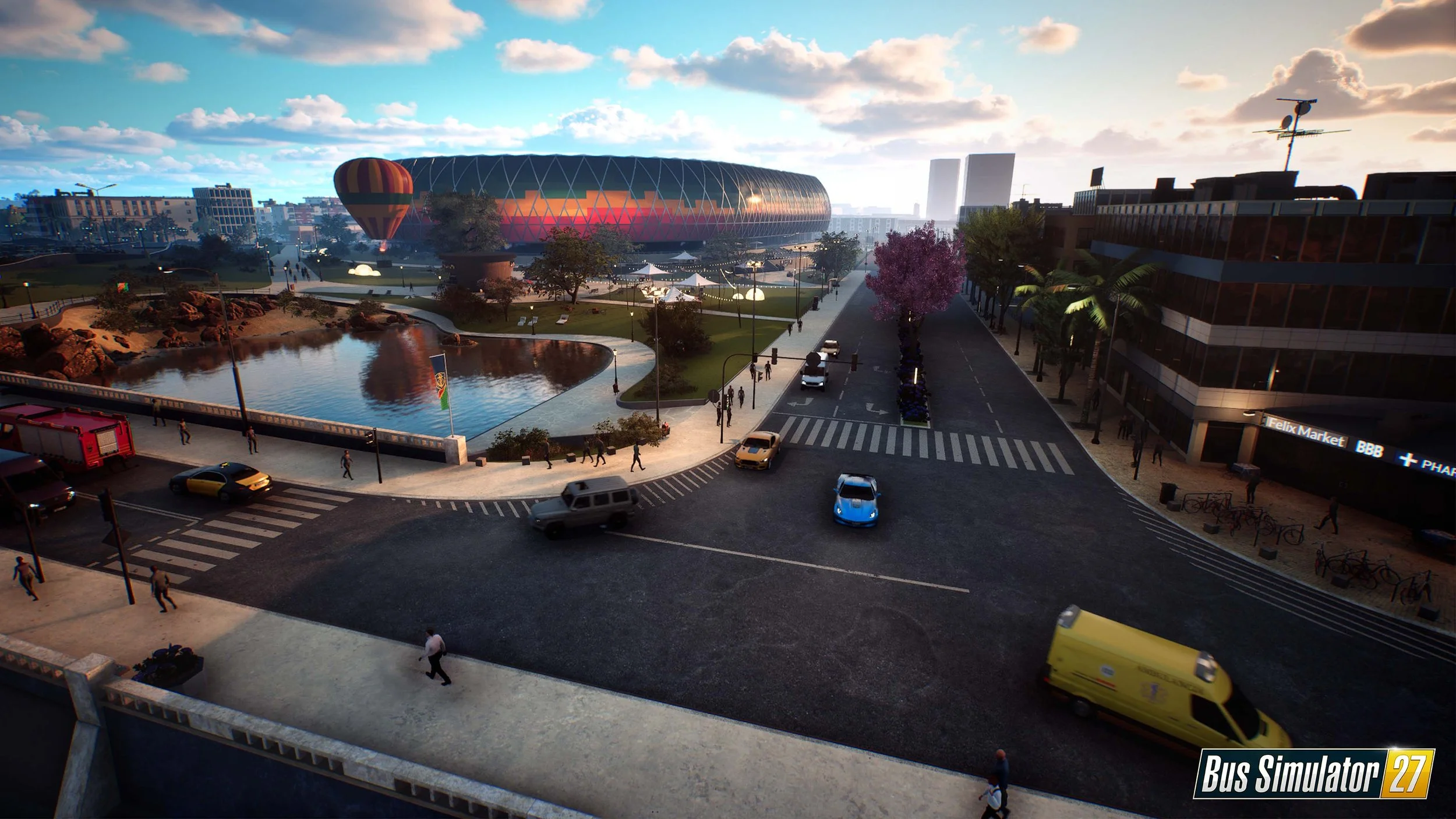
Inspired by the Iberian Peninsula, Felicia Bay is a region divided into nearly two dozen districts across two major cities; Alcaztelar and Mequina. These vary in their design, feel, and look. From coastal aesthetics to winding mountain roads, each city has a very different vibe, which helps a lot when wanting a change from the same route day in and day out.
You'll also have the option to explore Felicia Bay to discover landmarks, points of interests, and track down various collectibles. And, you can do so via three different game modes; Story, Career, and Sandbox.
Story mode follows the narrative of running your own bus fleet and managing the day to day operations as you make a name for yourself in Felicia Bay. This mode is objective based and built for those who want a bit of structure. Career mode negates the objectives and gives you more agency over district accessibility and how you will create your own bus empire. Sandbox mode is exactly what you think it is. Complete and utter freedom to do what you want, with unlimited money and everything unlocked from.the jump.
Bus Simulator 27 has a feature I'm not sure I've seen across too many games, the ability to pick the art style. Here, you have either classic or realistic. Classic has a more vibrant look with cinematic color grading, whereas realistic has a more natural and authentic look. Personally, realistic gave it a different vibe than something like Bus Bound, and I thought it looked more.. well, realistic.
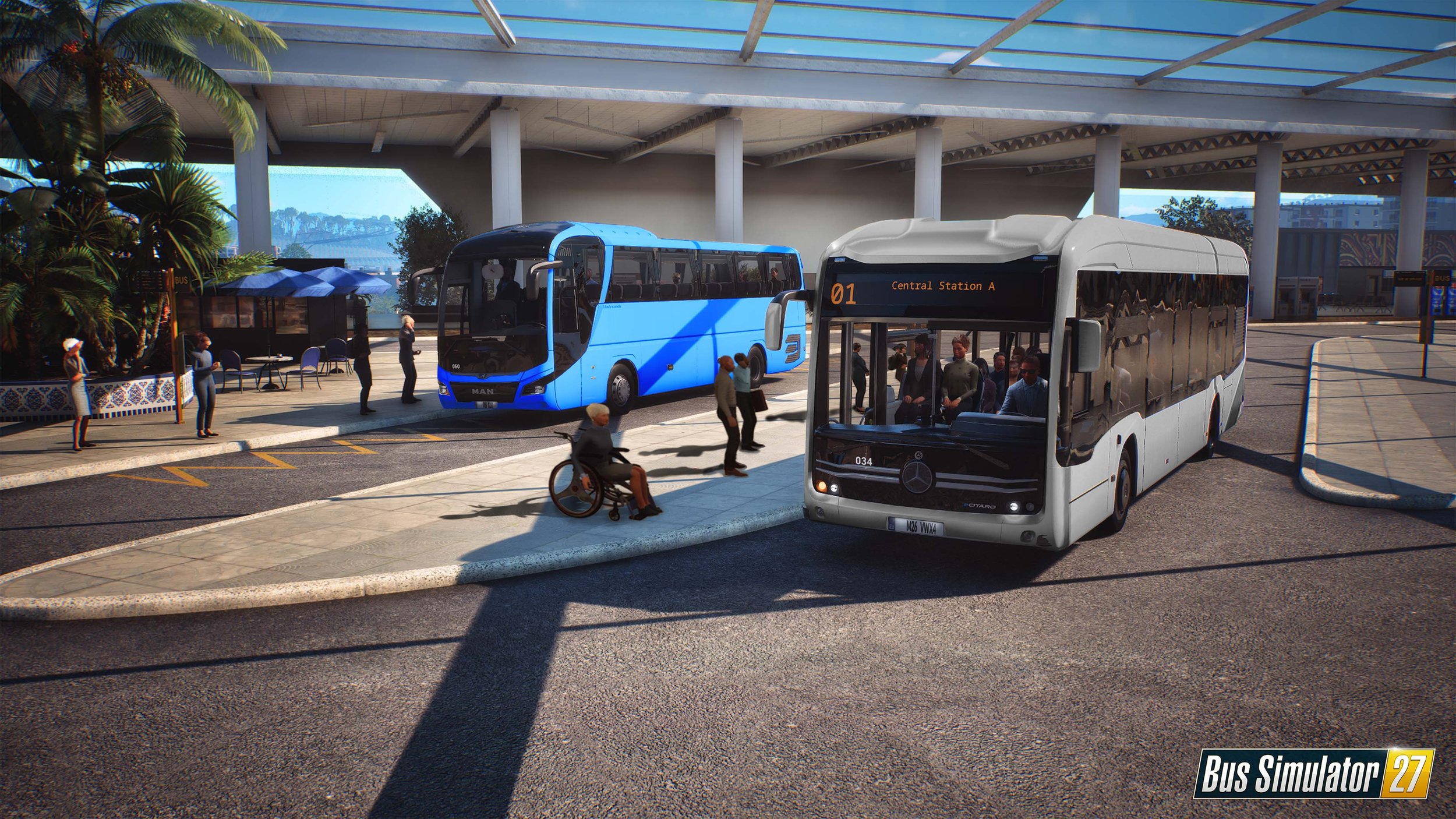
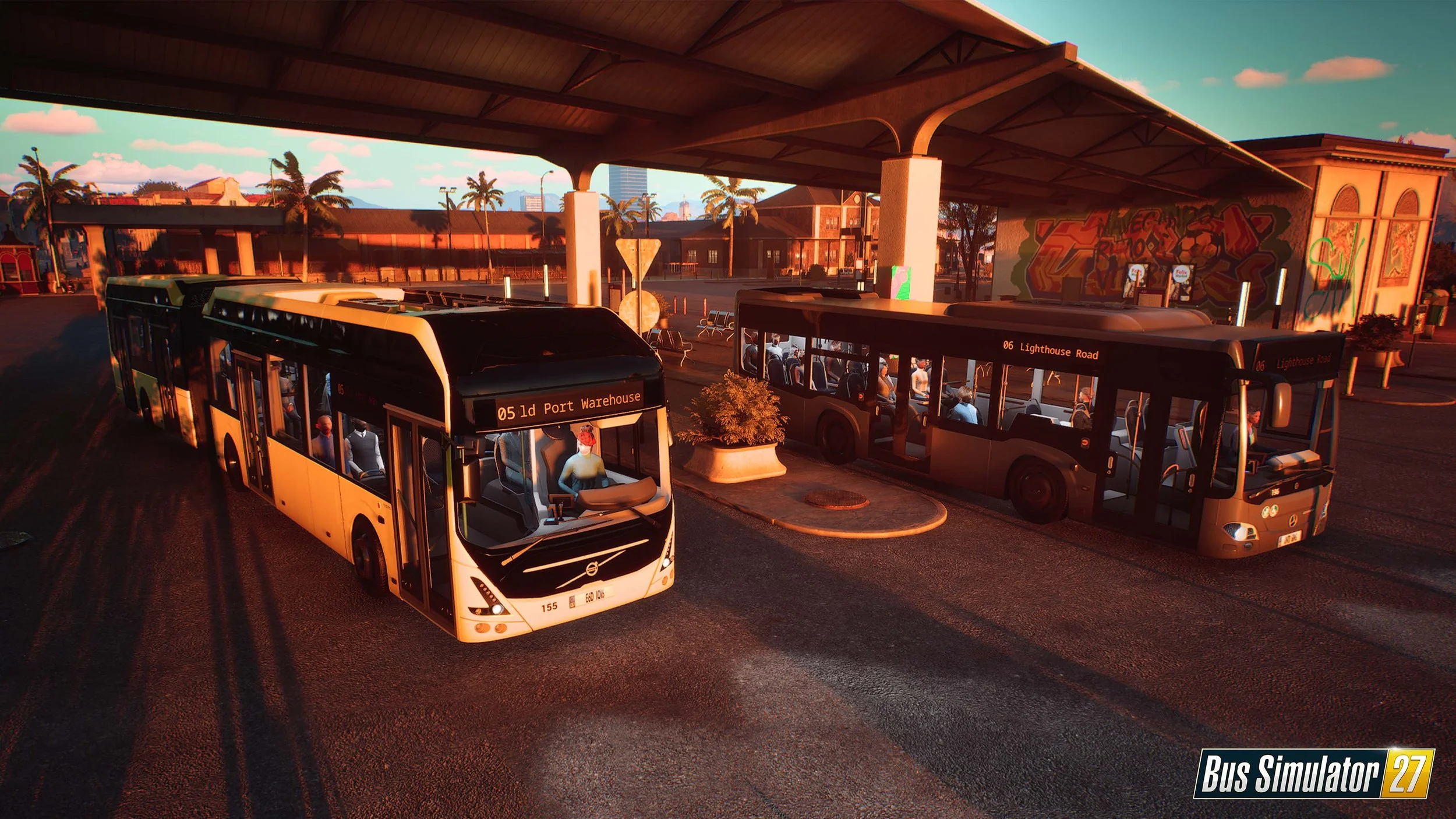
This aesthetic choice also plays into the lighting and general use of color, so when you have an active day and night cycle, It really makes the dynamic weather and time of day stand out. Here, due to the location, you do lack seasons or snow, but you have thunderstorms, fog, overcast, to bright sunshine, and clear skies. That said, I was very disappointed to see that the people walking around the city never once reacted to the weather. This meant that in even the most intense downpour, people were just walking around without a care in the world.
The majority of my time with Bus Simulator 27 was through the story mode. Here, you work through missions to unlock districts. Once you start leveling those districts up, you start to see visual and gameplay upgrades to your bus stops. From making them more suitable for your passengers to housing more of them at once.
Story mode also plays into creating bus routes that maximize coverage across your districts. Having good coverage is a boon to your business, and shows your intent across the two cities to be there for the people. You'll want to ensure all stops in a district have coverage, so as to not leave gaps in your service.
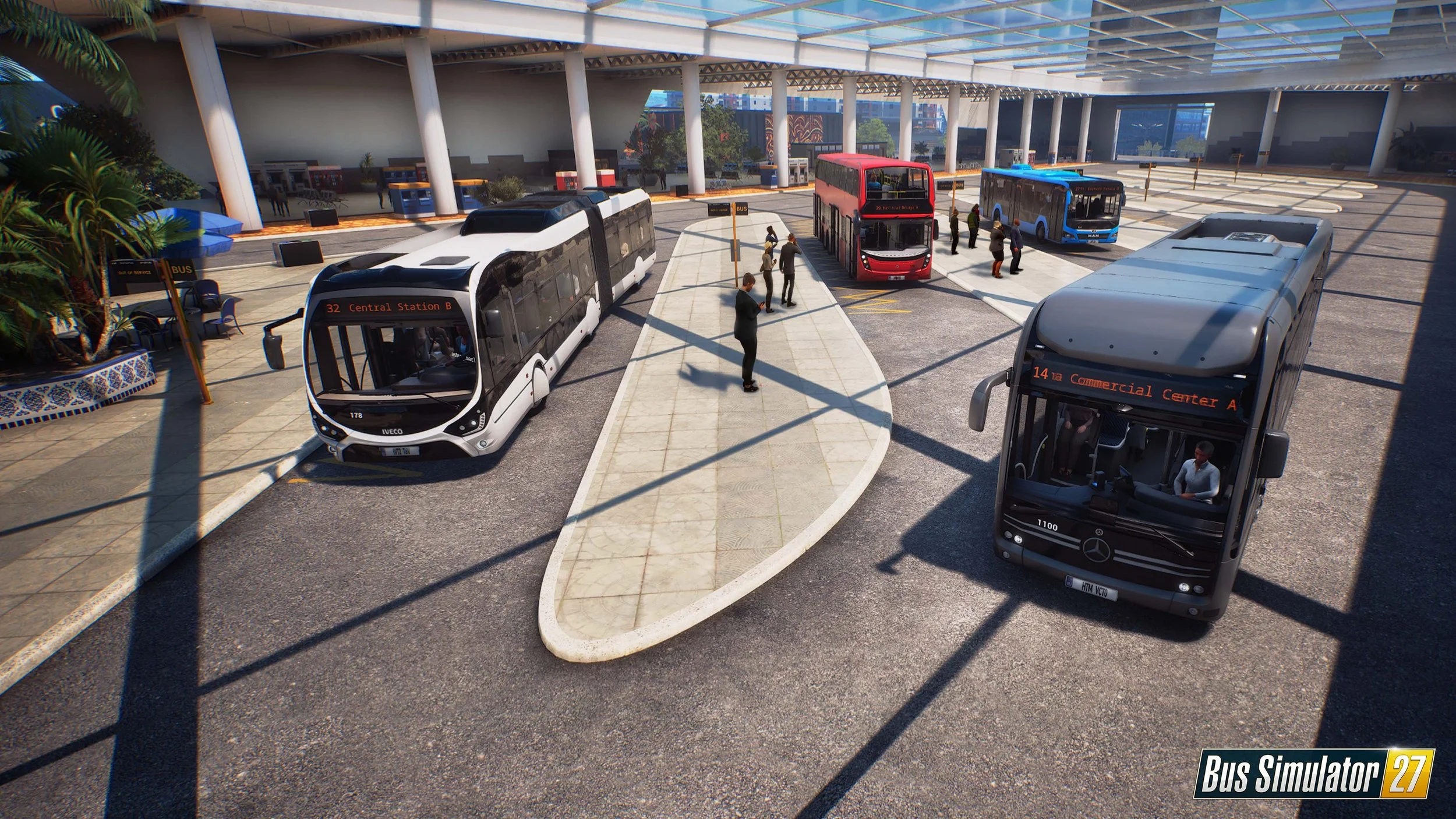
Creating a bus line was a bit complicated, as I didn't feel the tutorial did a well enough job, at first. It took me a bit to wrap my head around it, due to a variety of different systems at play. First, you have City or Intercity, as each has different bus stops. City is built for your districts, whereas Intercity is between districts and the two cities. Then, you choose the route type; loop or Two-way. Loop is self explanatory, but Two-way has you making an A to B route and then basically heading back from B to A. And, once you start unlocking larger buses, you'll then need to worry about routes that have a specific turn radius.
The controls of setting up a route can seem pretty overwhelming, as there are a lot of options on the screen, especially as you start detailing start and end times, or even break times. However, once you start making a few routes and learning the system, it's super easy to jump in, edit, or create new routes, and my personal favorite, having routes pass by other buses as you see your business booming.
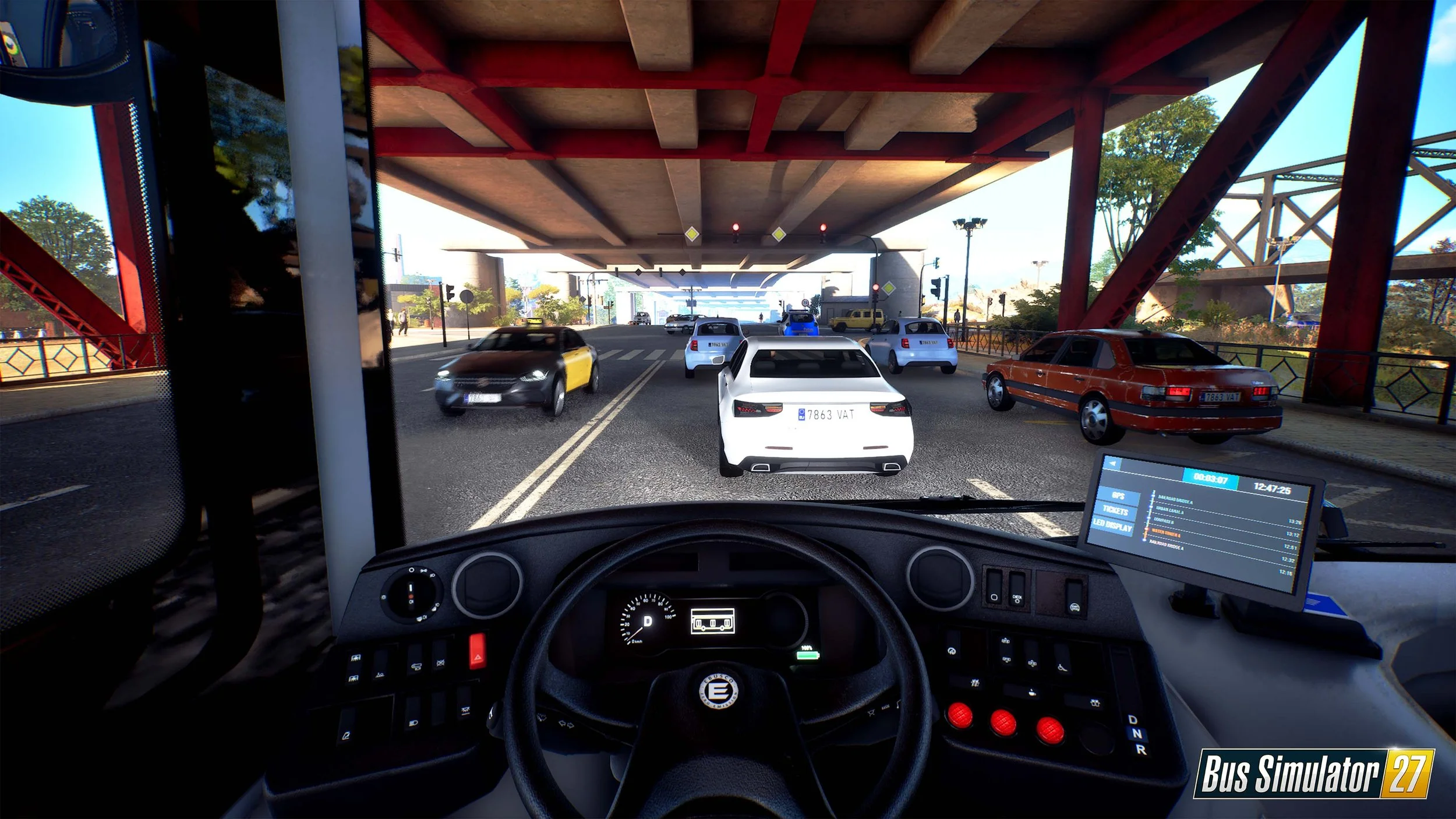
Now, getting those routes active and keeping your business thriving is down to a few things, most notably drivers and your fleet. You'll have a variety of applicants to hire and each of them have two metrics to look out for: their driving skill, and their social skills. While there is a third factor in their professionalism, this is a hidden trait you don't discover until after you've hired them. Still, the game gives you details on each of their two measurable skills before you hire them.
What I like about the planning, hiring, and managing your company is that you can bring in three friends to help handle the load. While I had limited play via the multiplayer, you can share in the responsibilities of running your company, or theirs. I say limited play due to several disconnects and a few crashes. Still, once that is ironed out, I am definitely wanting to co-run a business. In the game of course.
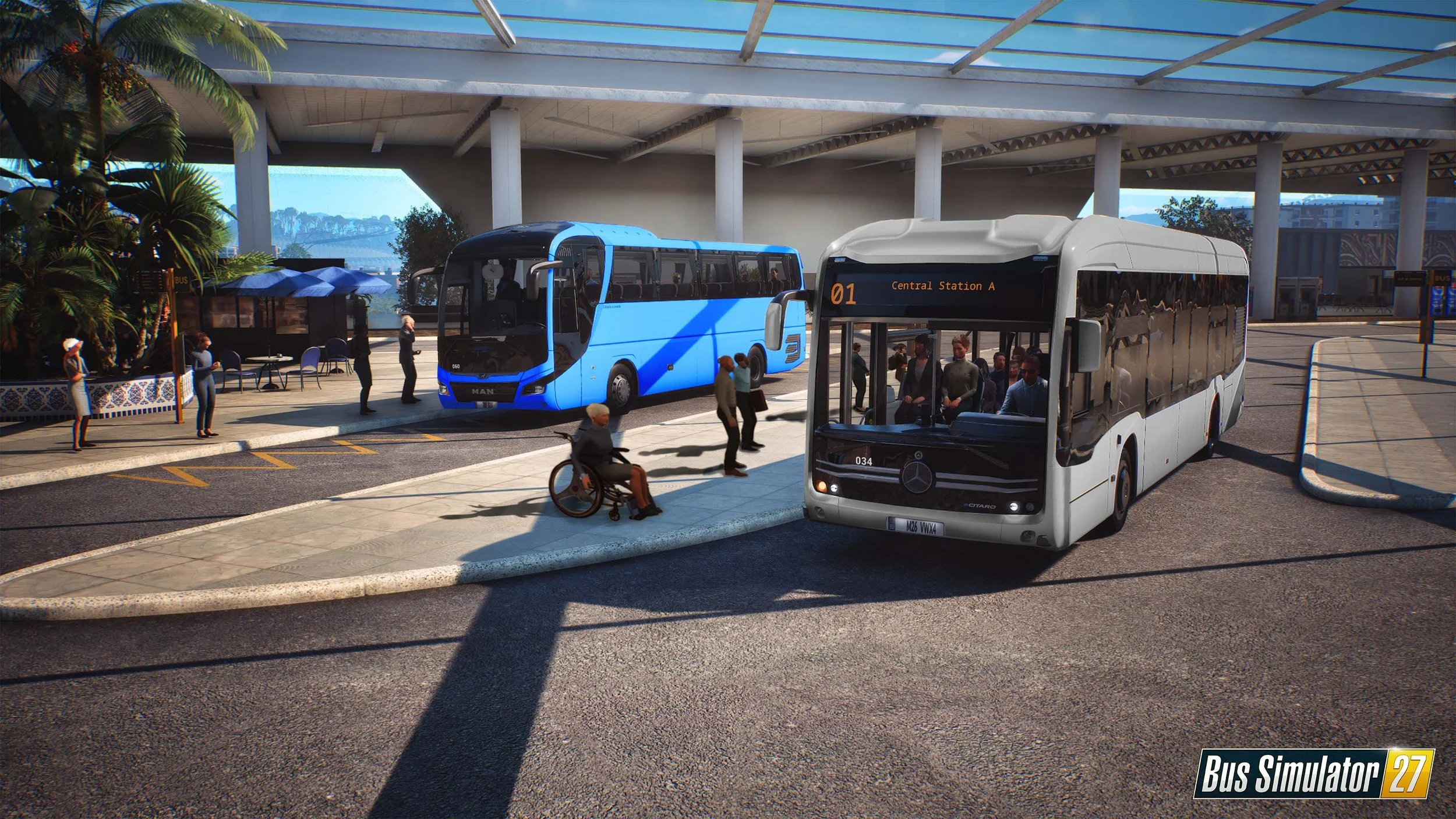
Now, Buses, via story mode, are handled through contracts via brand deals. And with the largest selection of buses across the series, you can bet there is a lot to choose from. With nearly 50 buses across 13 manufacturers, including the newly added Solaris, you're bound to find the line that works for your up and coming bus company. While I was eager to drive a double decker, given their use in countless movies, I usually opted for the more streamlined buses and kept it pretty basic.
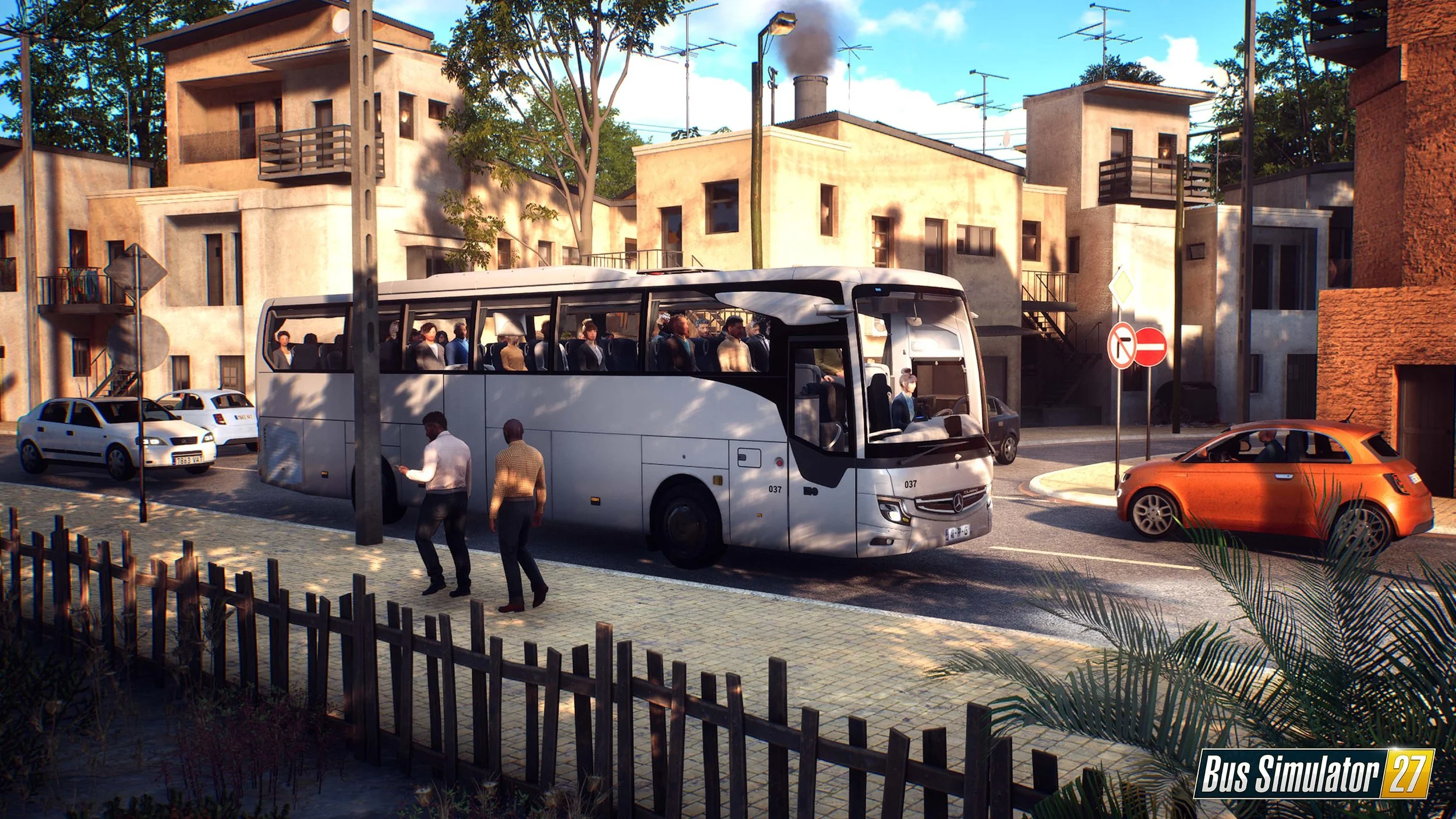
You'll start with a bit of money and secure a brand deal for your new line of buses. You'll be asked to buy three models, and eventually, hire three drivers. This keeps you focused on the brand you've chosen, so as to not simply play the market and own everything all at once.
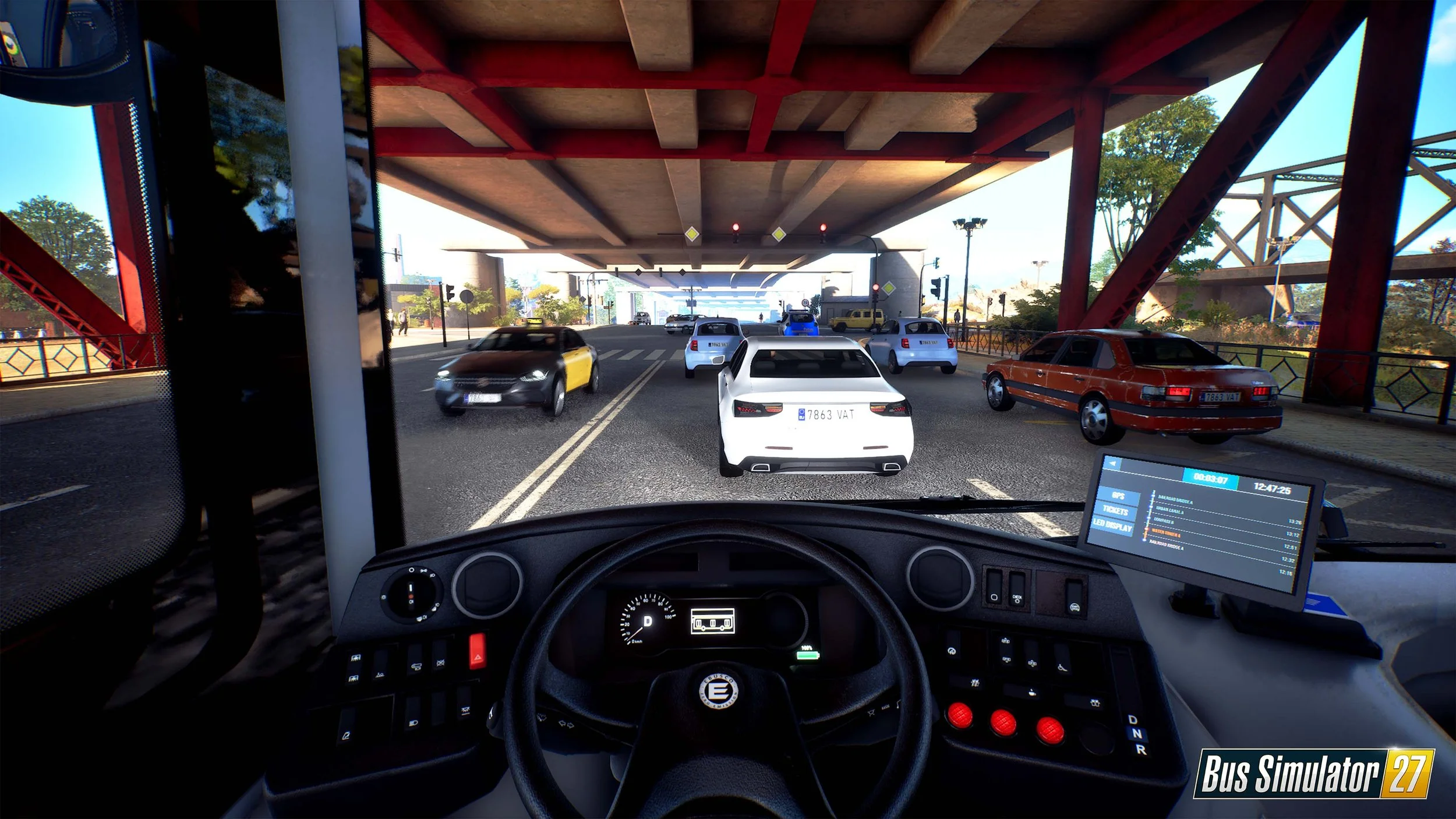
Buses have a variety of different sizes and weight classes, so some require wider turns, and you feel it in the control of the vehicle. While both Bus Bound and Bus Simulator 27 both feature the same concept, they do feel different, with Bus Bound having a more tighter reign on their handling. However, that comes from Stillalive Studios having a solid track record within the Bus Simulator series itself.
What I do like about Bus Simulator 27 over Bus Bound is you can actually customize the interiors of the buses by adjusting not only the seats, but the floors as well. Exterior gets a lot of love as well, with numerous colors, patterns, and wraps to satisfy even the most creative players. I do wish there was a Forza-like system where you could download other people's buses, though.
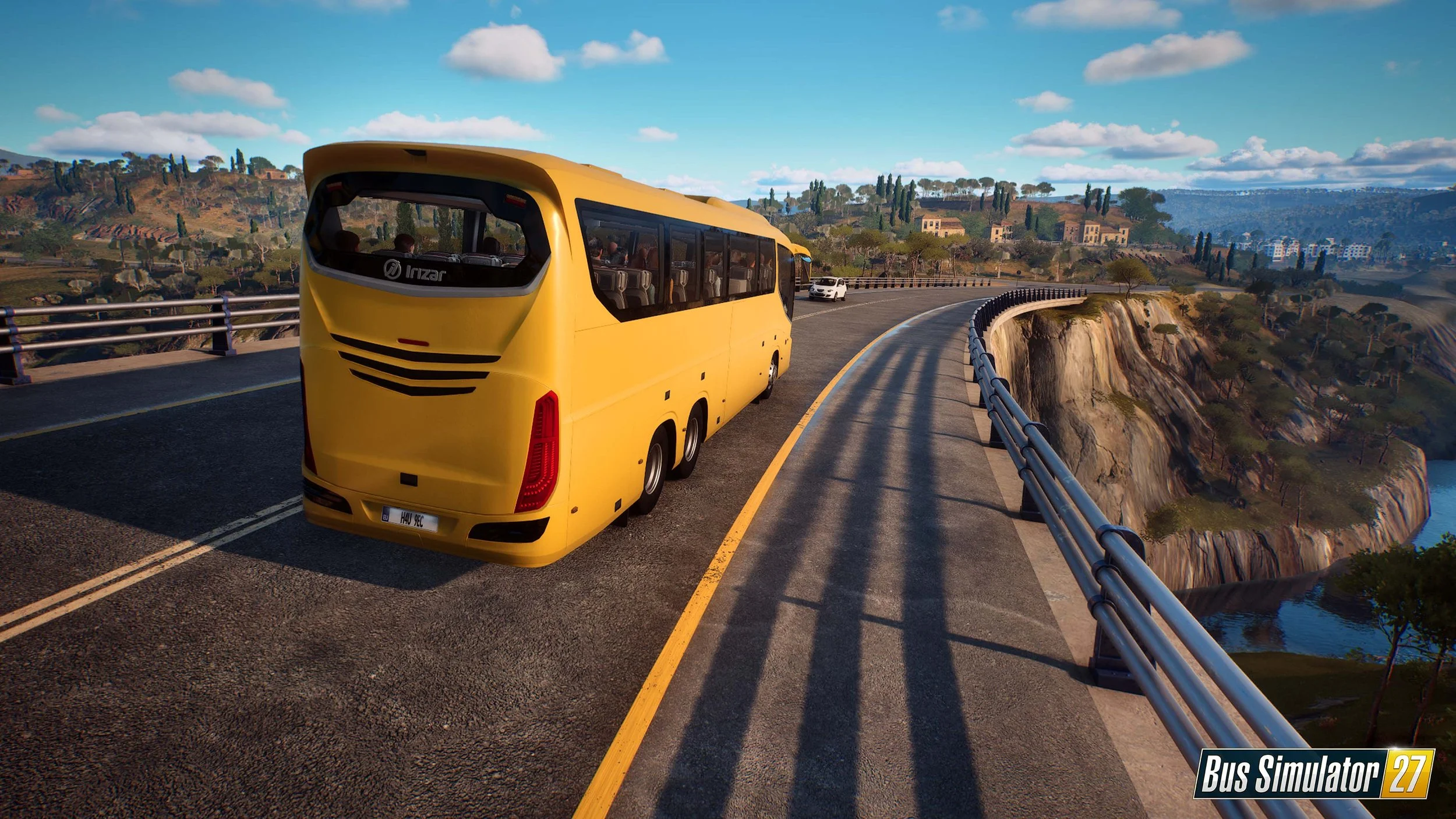
Between Bus Simulator 27 and Bus Bound, they both tackle their passengers in different ways. Bus Simulator 27 feels more personal with them, as you can pull over and explore your bus, throw rude passengers off the bus due to their loud music, or even find passengers that have fallen asleep. Some passengers even will look to buy tickets, and the system here is pretty intuitive as they will describe the type and quantity of the tickets they want, be it a regular ticket or those for students.
If there is one part that Bus Bound excels over Bus Simulator 27, it is in the feedback of the ride. Here, you need to wait till the ride is over to see any meaningful feedback from your passengers. Bus Bound constantly provided real-time feedback that, to me, made me become a better driver during the route. Here, I never felt that sense of needing to improve as I was driving.
However, you will need to be a qualified driver, or at least hire the right people, as you are graded via a few different metrics. Reputation is reflected by those post trip reviews from your passengers, so you'll want to make sure you are doing a good job. Coverage is based on how well you've maximized your district coverage, making sure bus stops are linked to one of several lines. Ridership is how many passengers you've have ride your bus, so it pays to maximize your coverage and level up your districts to accrue more riders. Profitability is how much money you're making, ensuring you are not overstepping your finances. These metrics represent your company, so hitting your targets and running a tight ship is paramount, as you'll level up your company and earn a variety of perks to improve your day to day operation.
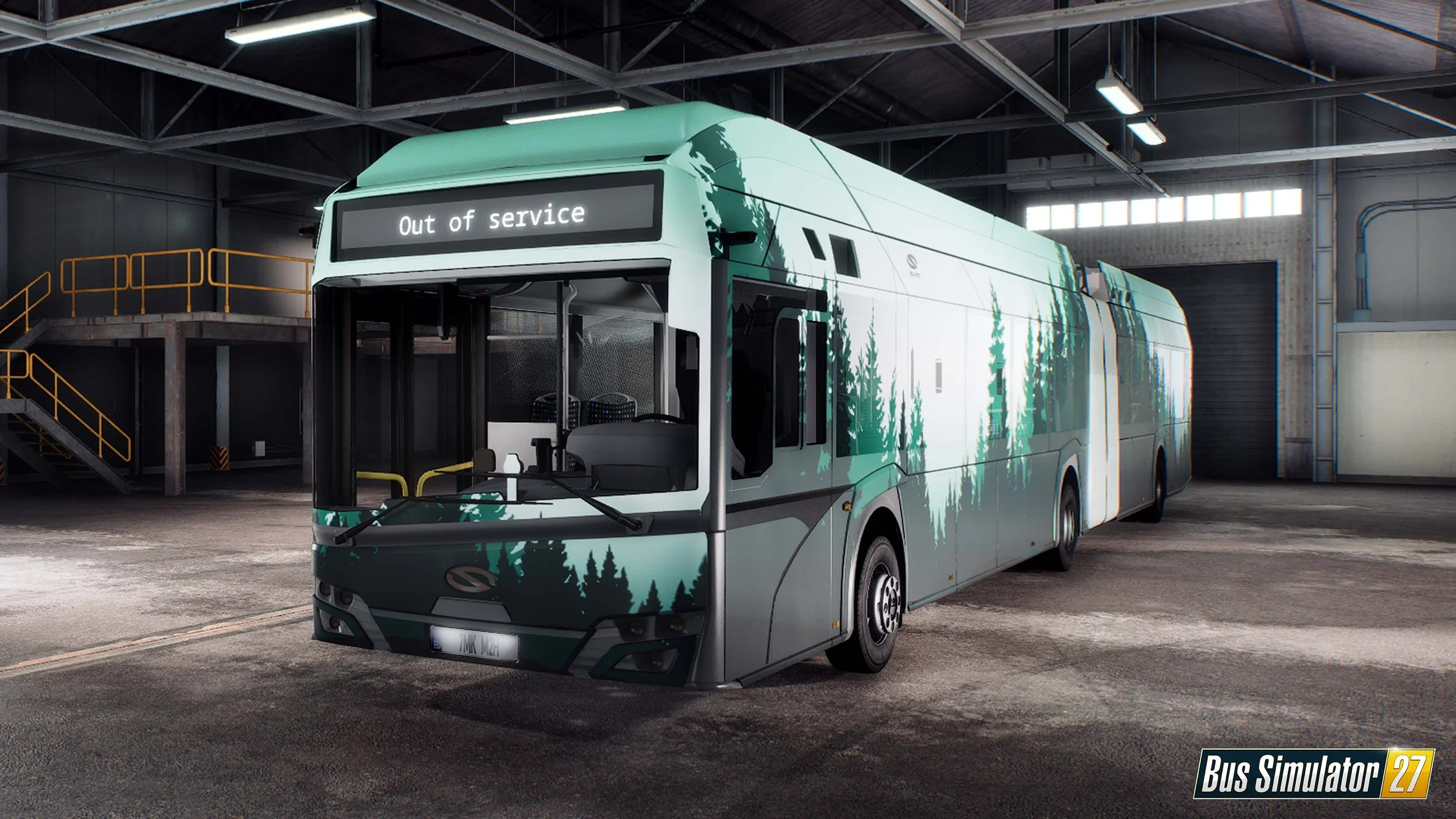
Additionally, you have advertisement deals. As you receive certain proposals, you'll seek out the best ones that allow you to earn a bit of extra income. You'll have an initial cost as well as a quota of how many passengers you have that reflect the possible income you'll earn. You'll then select the ad, choose what bus it will be on, and see the money roll in. At least, that's the plan.
Simteract had a huge challenge ahead of them, as this is their first trek into the bus simulator genre. Felicia Bay is a wonderful location, but the lack of its residents recognizing the weather, or the disappointing character models is certainly a miss for a title released not only in 2026, but via Unreal Engine 5. I just wish there was more work done here to make the city feel alive.
Part of being a good bus driver is tending to your passengers, and while there is more variety in the ways you can do that here, Bus Bound’s real time feedback is far superior and it was greatly missed here. I also missed being able to crack a window open, which is oddly something you can't do here, despite the massive amount of depth. I also didn't find the bus menu to be terribly intuitive as it consisted of a lot of icons that didn't fully explain themselves that well or were quick to navigate, making something like addressing the air conditioning to be more difficult than it needed to be. I feel there was a better UI within reach that Simteract just couldn't put together.
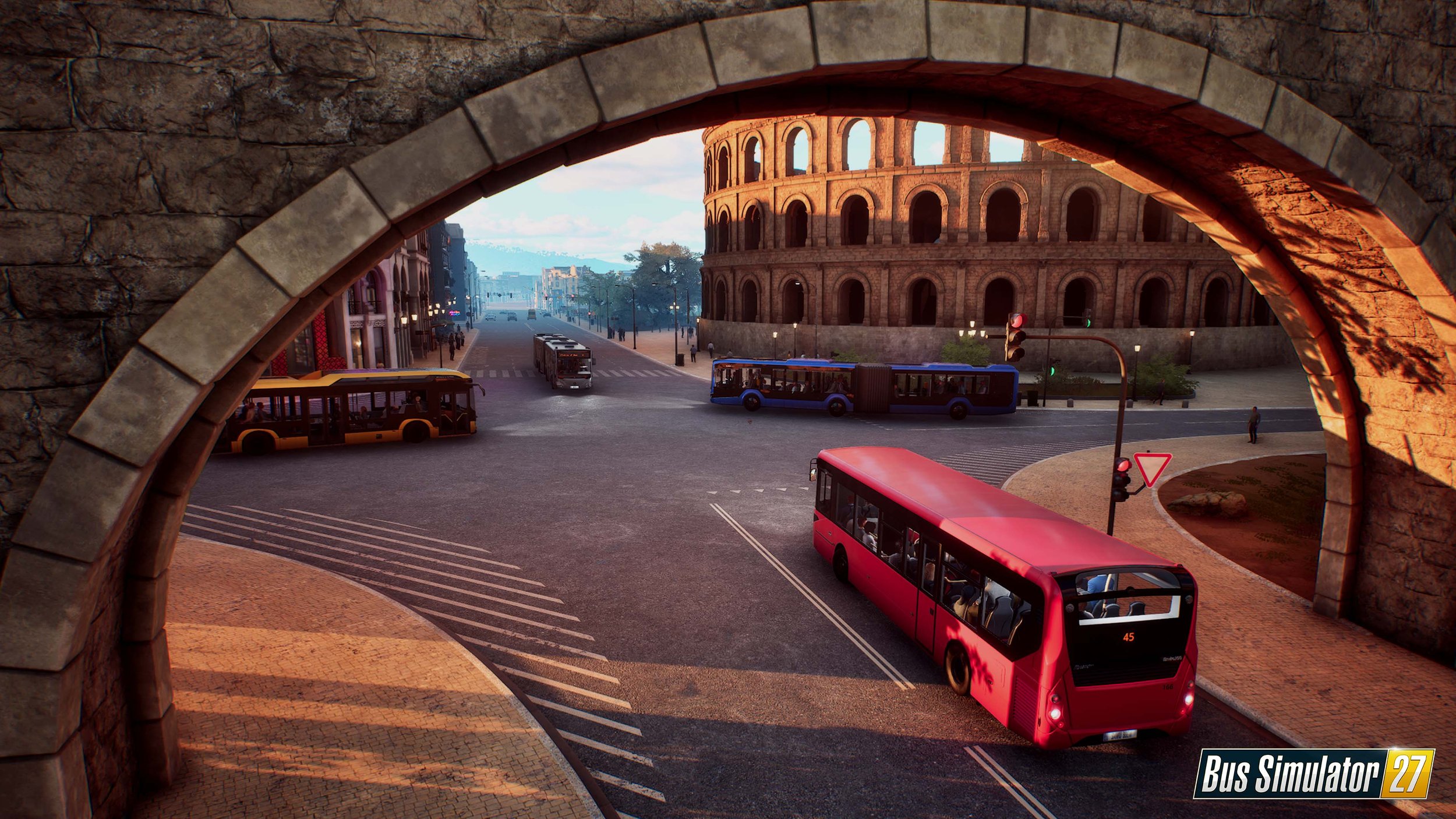
While I would be picking up passages from stop to stop, bugs would also come along for the ride. Double Decker buses would see feet from the second floor visible on the ground floor, and pedestrians would also randomly turn around after walking a long stretch of road. However, the biggest issue was the traffic AI was just not in a good place during the review period. I had vehicles that would just stop and block traffic, and I would have to endure a traffic violation for moving around them, often at the expense of a red light to keep on time. While a patch did solve some issues, the current state of the game is worrisome.
The said, Felicia Bay was a great place to drive around, and the two cities provided a lot of variety, especially via the Coaches that gives the genre a nice kick in the pants. I'd love to see more long distance drives in the future, should this system return. There is a lot of potential here.
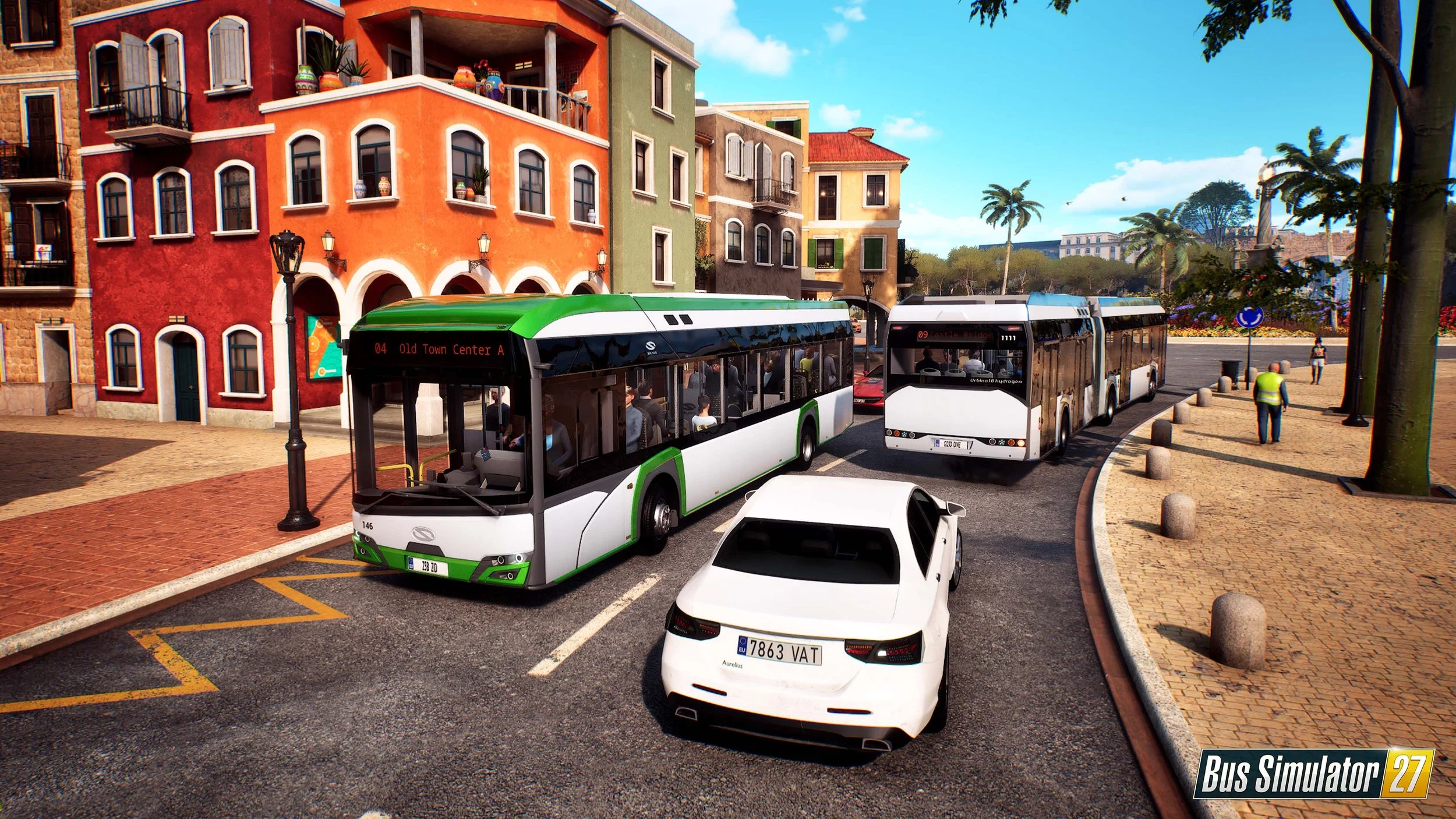
Bus Simulator 27 does a great job at the management systems, and gives you a decent amount of freedom to hire your drivers, pick the buses, handle advertising, and making routes. It features the deep level of customization that I sorely missed in Bus Bound.
Between the two games, there is a huge divide, and what you want from each is going to make that decision easier. Bus Simulator 27 is a deep dive into the management of running the company, with a vastly more in depth level of customization. However, if you don't mind a more simpler approach, that feels better to drive, I personally preferred Bus Bound over what Simteract has built here. Both are solid bus simulator games, but I just feel that with the real-time feedback of the passengers, that Bus Bound felt more engaging in the moment to moment gameplay.
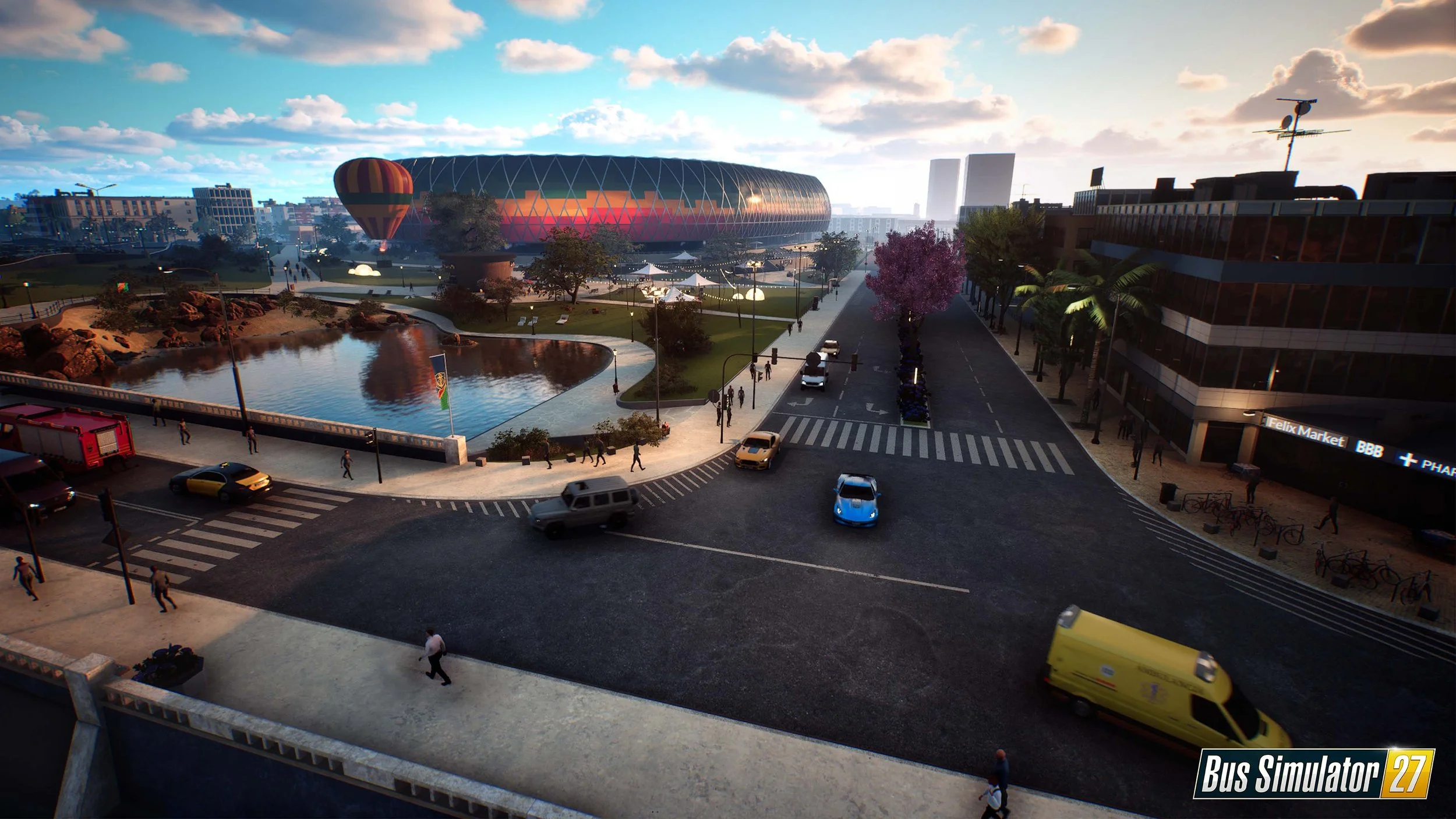
Bus Simulator 27 is in new hands with developer Simteract, but given their history, they felt like the perfect fit for the series. While they certainly have produced a solid entry here, certain systems and menus leave a bit to be desired. While it certainly is a deeper game than Bus Bound, and that may serve its audience, I simply found Bus Simulator 27 to not always deliver where I wanted from it the most; the driving. And with a few bugs to iron out, the current experience is a tad buggy, to say the least. However, despite my few issues here, Bus Simulator 27 does punch its ticket with deep and rewarding simulation systems that will keep you just as busy in the bus as outside of one.
Developer - Simteract.
Publisher - Astragon.
Released - September 8th, 2026.
Available On - PS5, Xbox Series X/S, PC
Rated - (E) - No Descriptors.
Platform Reviewed - Xbox Series X/S.
Review Access - A review code for Bus Simulator 27 was provided by the publisher for the purpose of this review.
Jeff is the original founder of Analog Stick Gaming. His favorite games include The Witcher III, the Mass Effect Trilogy, Hi-Fi Rush, Stellar Blade, Hellbade: Senua’s Sacrifice, and the Legend of Heroes series, especially Trails of Cold Steel III & IV.