

A Heartfelt Journey Through Love And Loss
There are games that entertain you, games that challenge you, and then there are those rare experiences that seem to arrive at exactly the right moment. Forever Ago was one of those games for me. Its slower pace and relatively simple gameplay certainly won’t appeal to everyone, but the story it tells about love, loss, memory, and learning how to keep moving forward, affected me in a way very few games manage to.
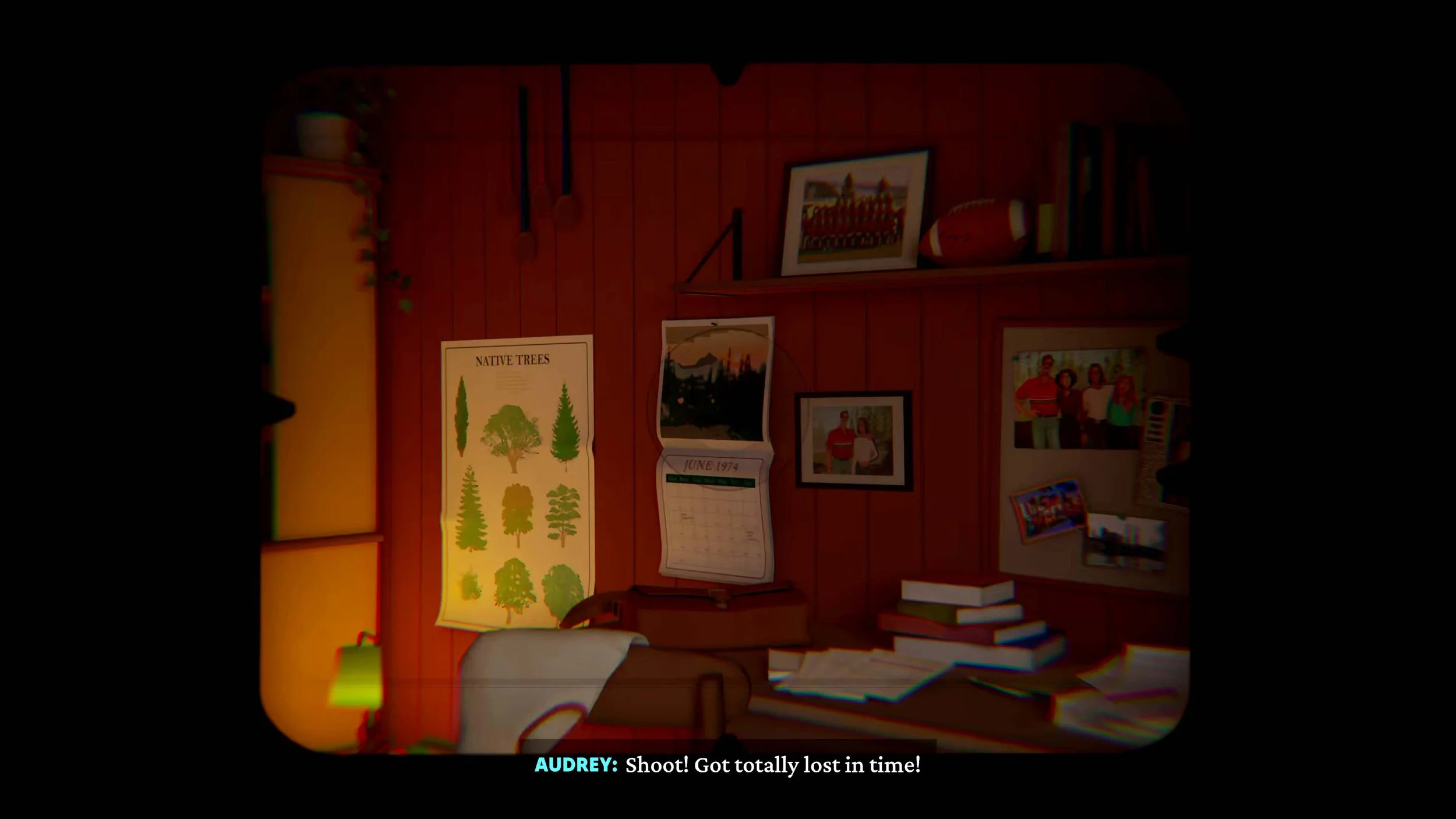
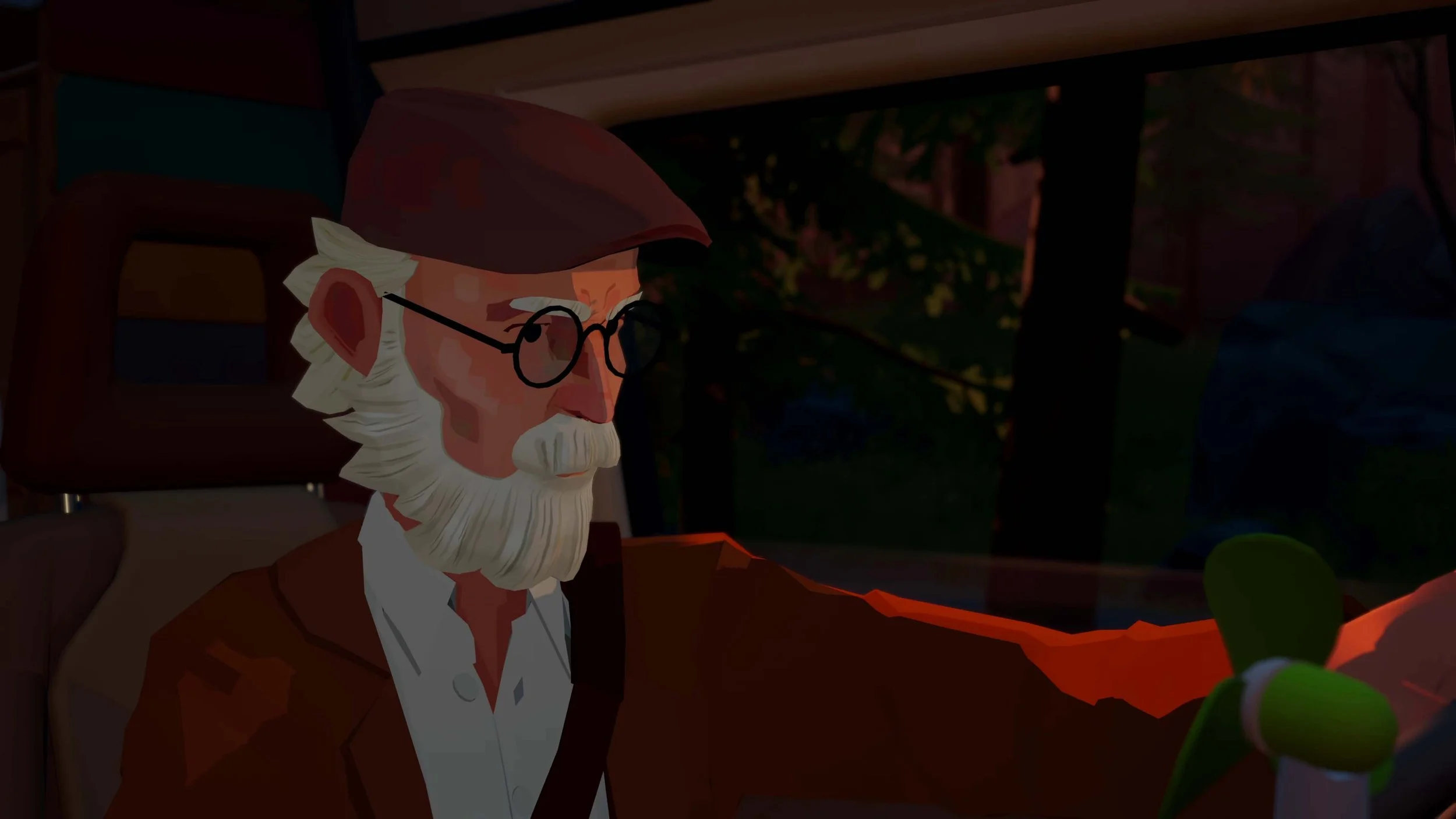
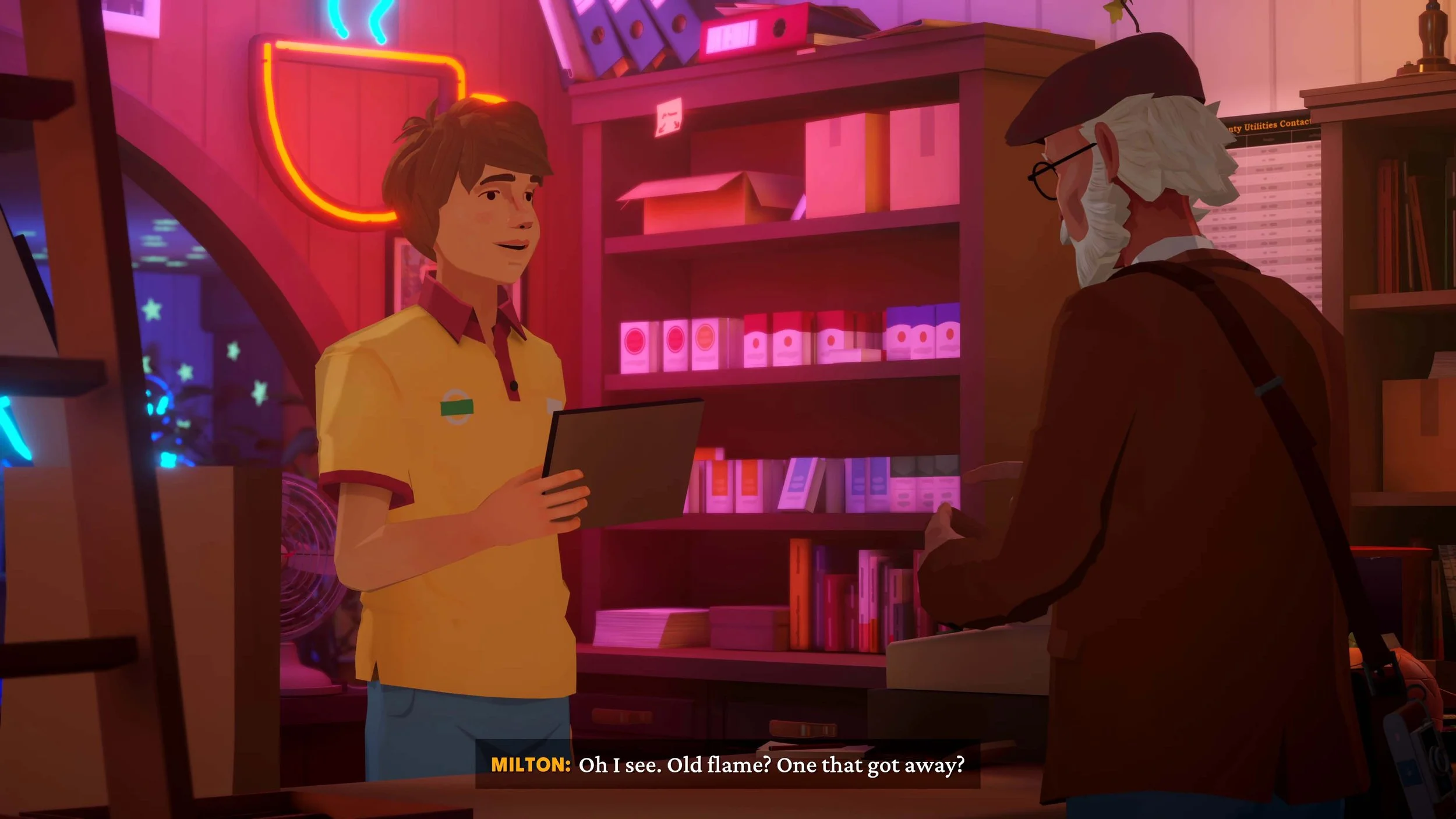
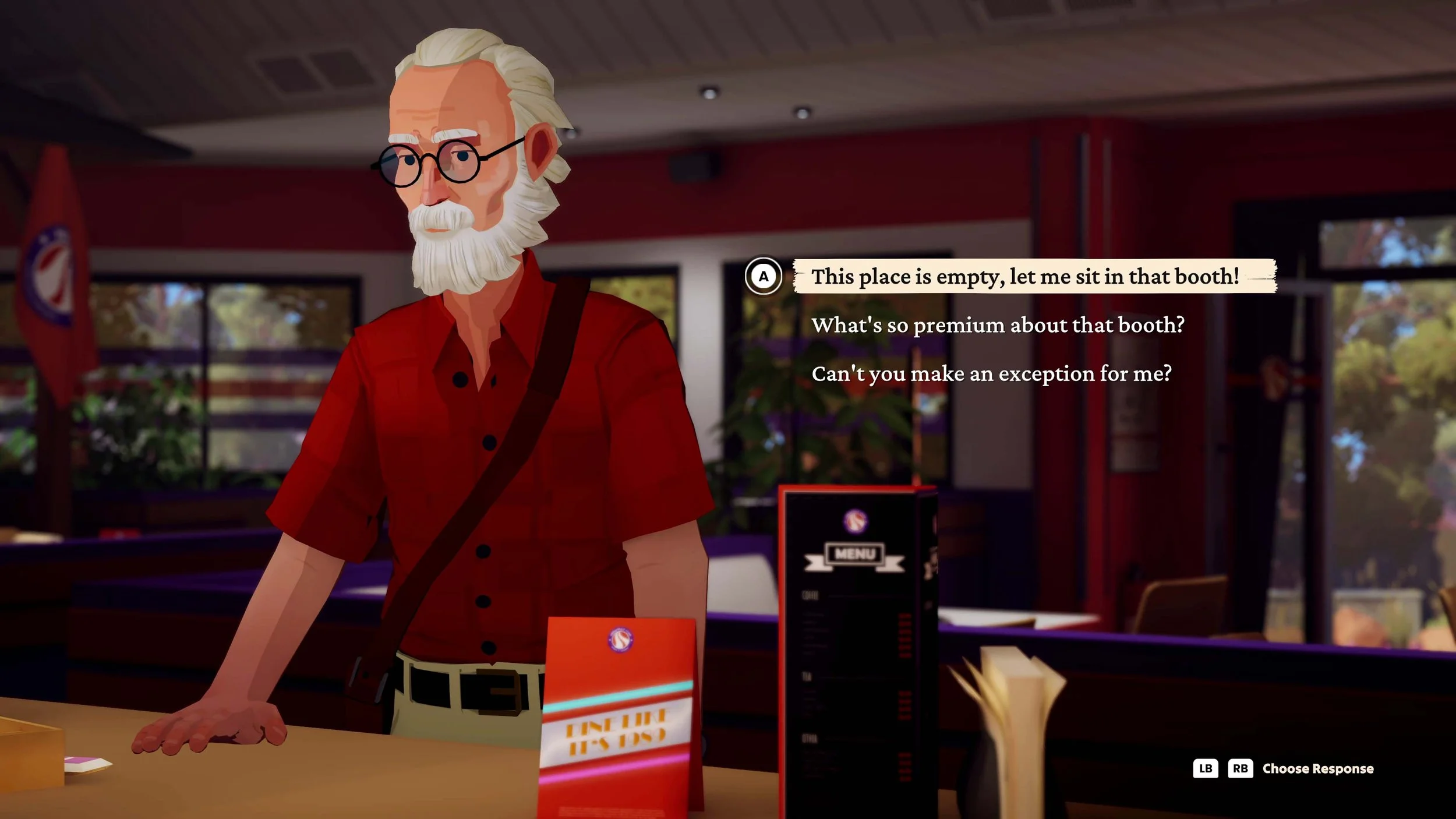
Forever Ago follows Alfred, an elderly man who sets out on a road trip that takes him back through locations connected to his life with Audrey. The story moves between different periods of Alfred’s life, gradually allowing us to understand who he was, how his relationship with Audrey shaped him, and why this journey is so important. Rather than explaining everything immediately, the game allows details to reveal themselves naturally as Alfred revisits places and memories from his past.
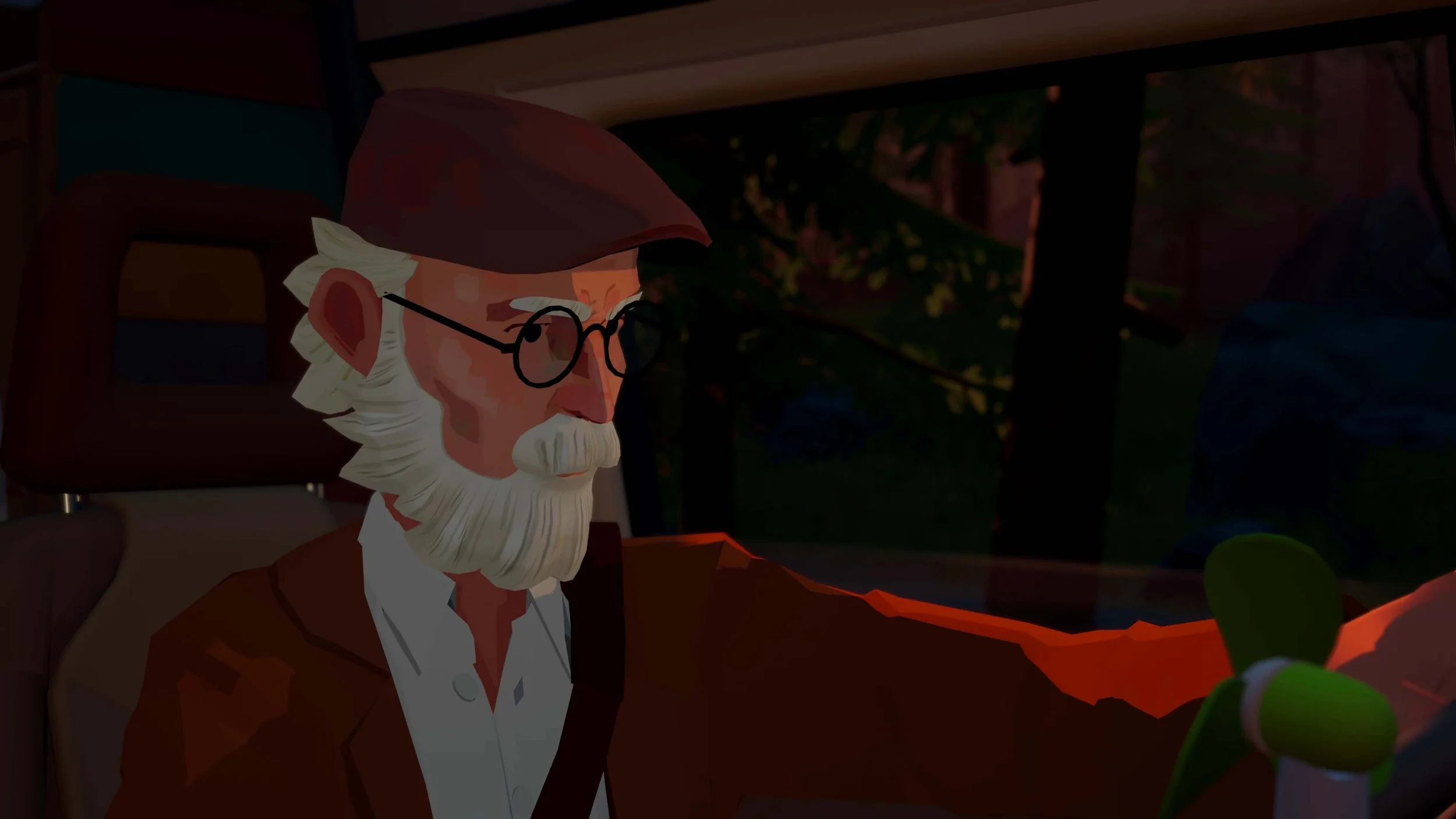
That structure works particularly well because Alfred isn’t necessarily the easiest character to like when we first meet him later in life. He can be grumpy, impatient and resistant to the world around him, but seeing glimpses of the younger Alfred alongside his present-day journey gives his personality context. The game gradually peels away those layers, showing someone who has been shaped by decades of experiences and, ultimately, by grief.
It was that exploration of grief that connected with me more than anything else. Recently, my mum suffered a heart attack and, thankfully, is still with us. However, going through that experience naturally forces you to think about the possibility of losing someone close to you, and I happened to be playing Forever Ago during what was already an incredibly stressful period in my life.
Most of us will experience loss at some point. Whether it is a parent, child, grandparent, partner or friend, grief eventually touches almost everyone, yet it is incredibly difficult to properly explain what that experience feels like. Forever Ago handles the subject with an honesty and restraint that I found genuinely therapeutic. It understands that grief isn’t always about dramatic breakdowns or constantly talking about the person you have lost. Sometimes it is found in places, photographs, routines, memories, and small objects that suddenly carry considerably more meaning than they once did.
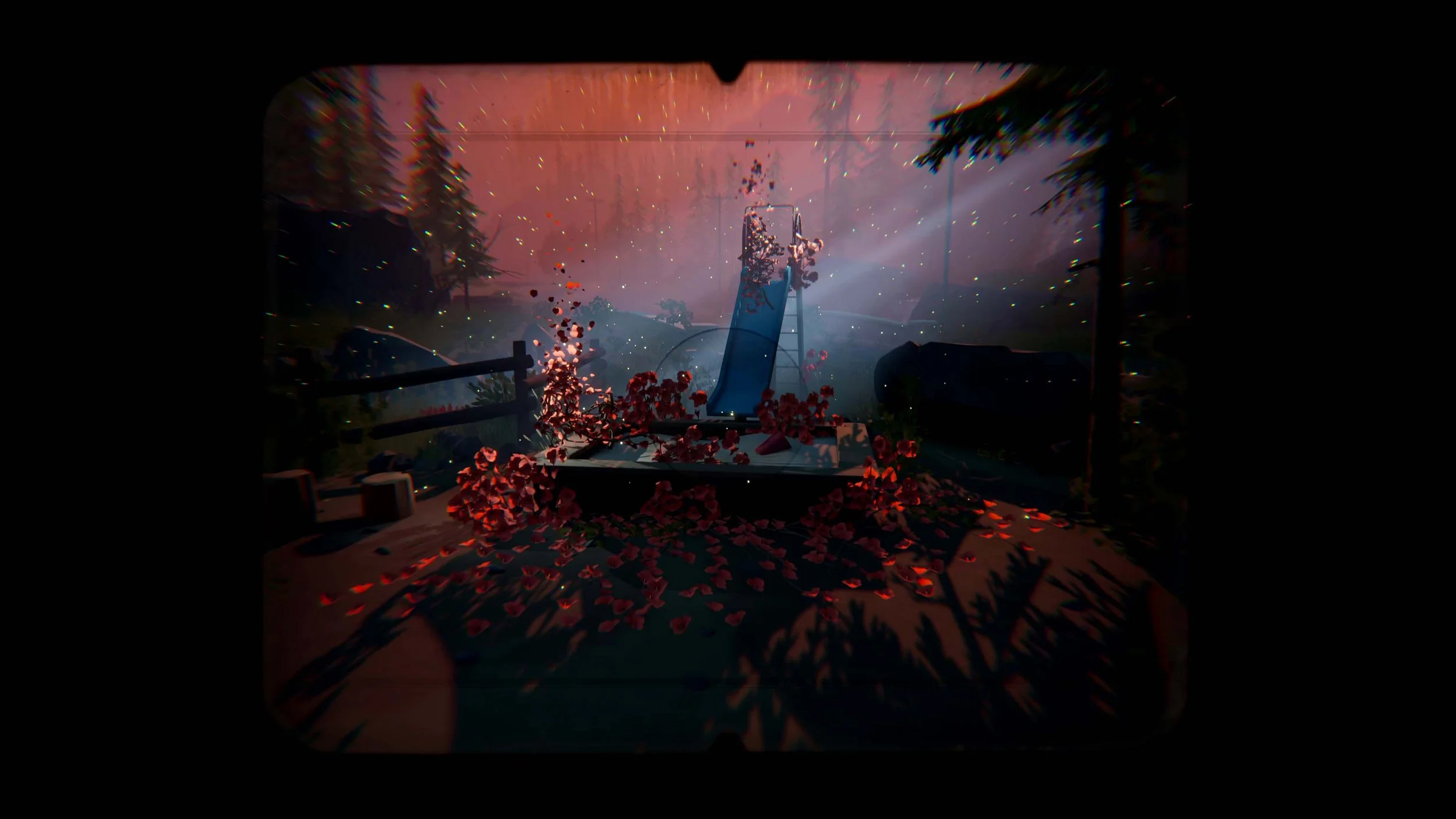
Importantly, the game rarely feels as though it is forcing those emotions upon you. There are certainly moments designed to hit hard, but the writing allows the relationship between Alfred and Audrey to do most of the work. As you learn more about their lives together, even relatively ordinary memories start to feel important because they represent pieces of a life that can never be recreated exactly as it was.
I don’t tear up particularly often when playing games, but Forever Ago managed it. That emotional response wasn’t because the game desperately tried to make me cry either; it was because the situations and feelings it portrays felt recognisable. There is something incredibly powerful about seeing somebody look back at a lifetime of memories while simultaneously trying to work out what comes next.
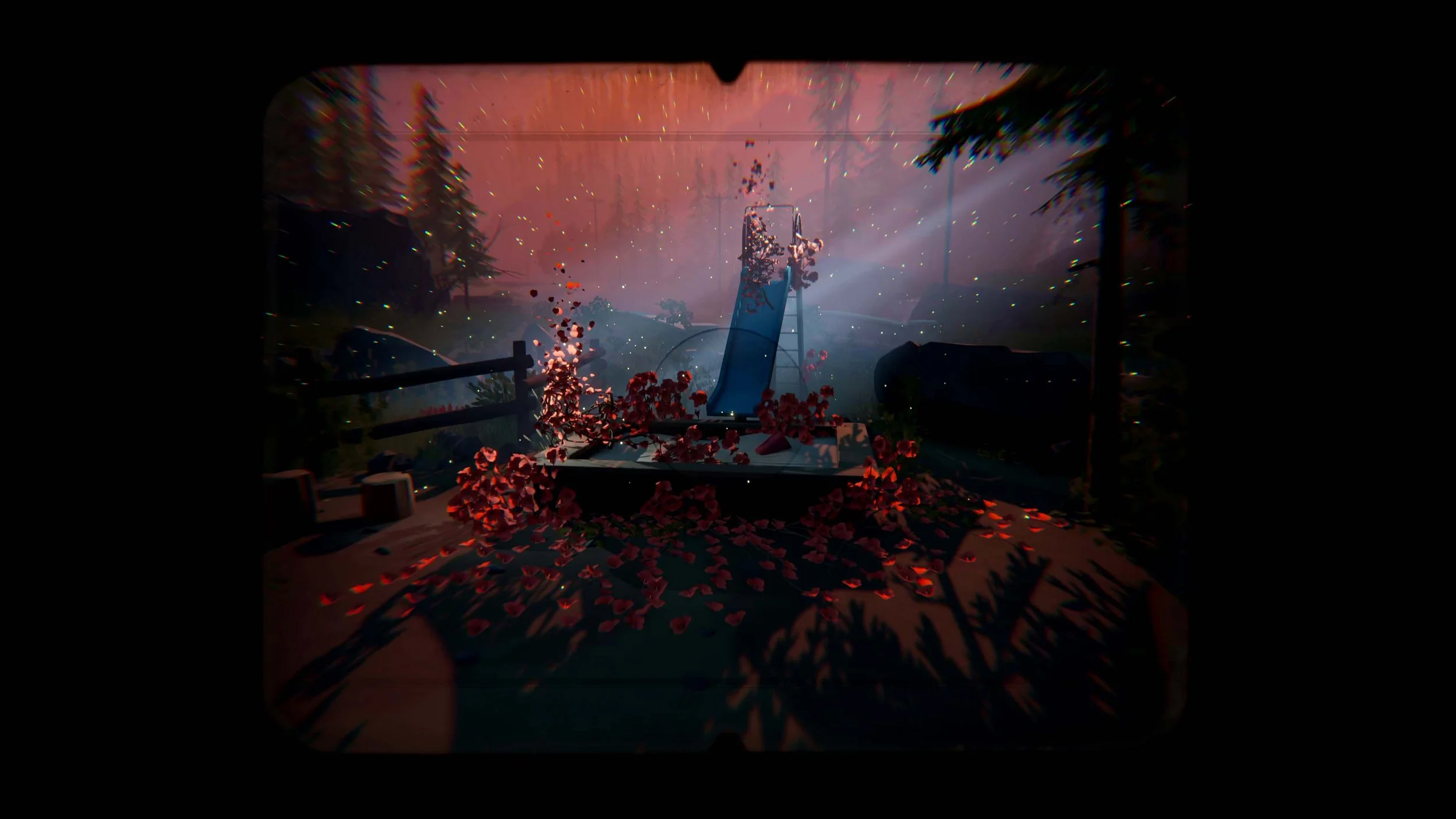
Photography plays an important role throughout the journey, both mechanically and thematically. Alfred can take pictures of the places he visits, with photographs eventually becoming part of the journal documenting his trip. It is a relatively simple mechanic, but it fits perfectly with a game so heavily focused on preserving moments and remembering the experiences that shaped us.
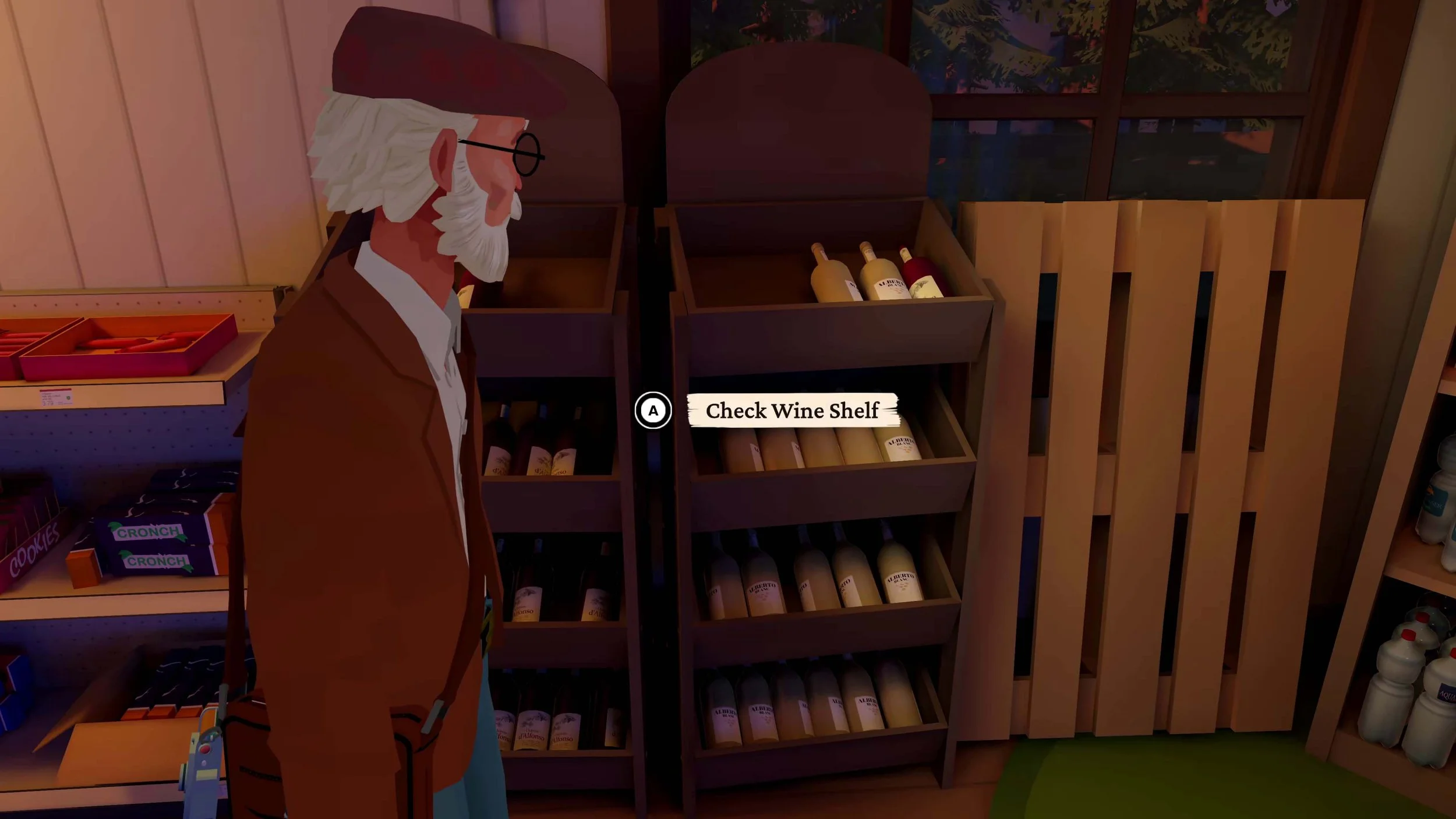
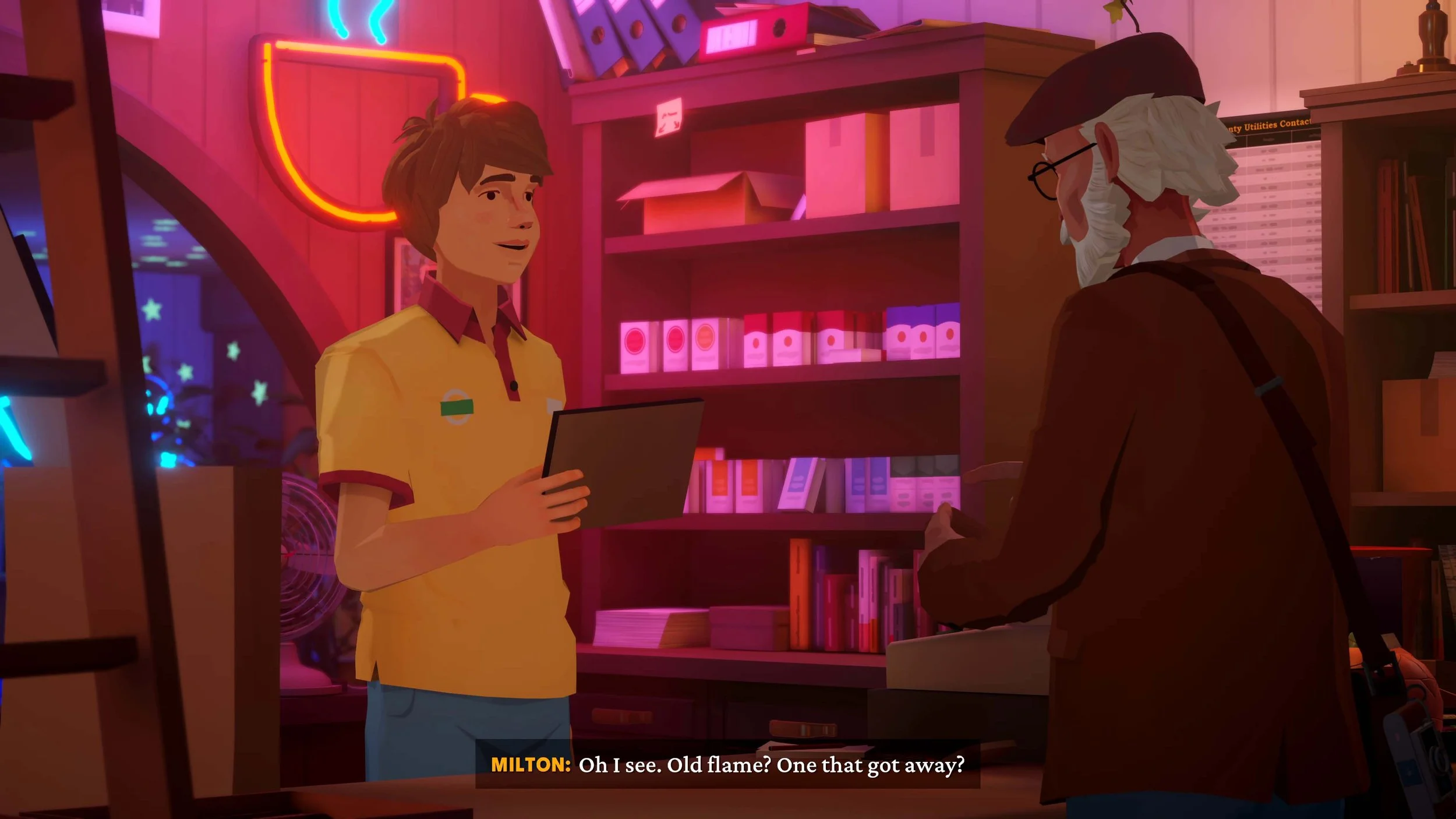
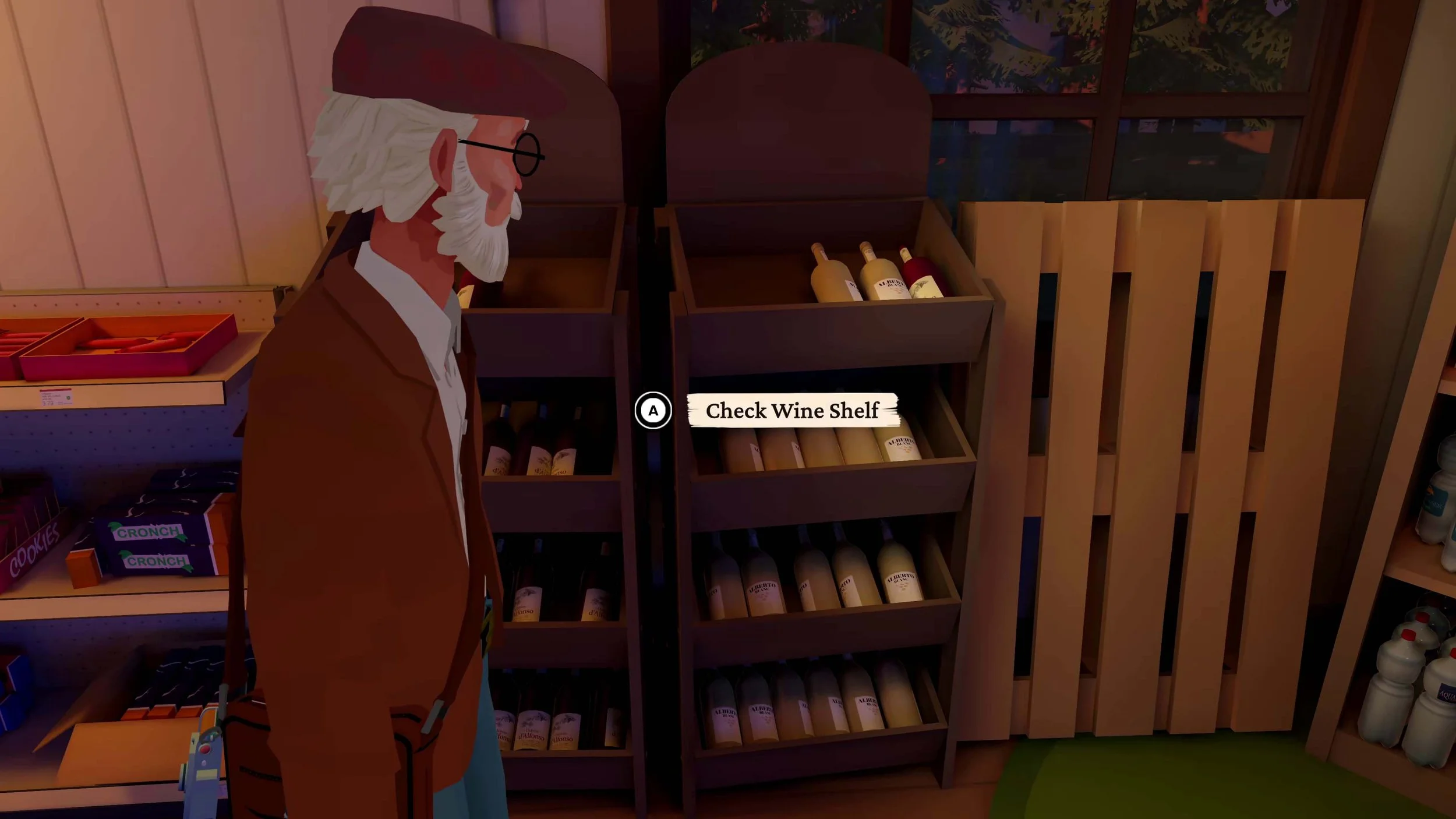
There are other small interactive elements scattered throughout the adventure, alongside exploration and dialogue choices, but gameplay is definitely not the primary reason to play Forever Ago. Much of your time is spent walking through environments, interacting with objects, and following Alfred through his journey. There isn’t a constant stream of puzzles, action sequences or complicated systems keeping your hands busy.
That slower approach will inevitably be the biggest barrier for some players. There are moments where the pacing can drag, and anyone looking for something mechanically engaging may struggle to remain invested. Forever Ago asks you to slow down and absorb its environments, conversations and memories rather than constantly providing something new to do.
For me, the strength of the narrative was more than enough to compensate for that simplicity. The environments complement the reflective tone wonderfully, with Alfred travelling through a range of scenic locations as his road trip progresses. Combined with the soundtrack and performances, there is an almost calming quality to much of the experience even when the subject matter itself is incredibly emotional.
I played the entire game on PC using an Xbox-style GameSir controller, and from a technical perspective my experience was flawless. Across the full playthrough I didn’t encounter a single bug, crash or noticeable frame drop. That consistency might not sound particularly exciting, but in a game where atmosphere and emotional immersion are so important, technical problems could easily have undermined some of its strongest moments.
Forever Ago is ultimately a difficult game to recommend universally because its deliberate pacing and limited gameplay interaction simply won’t appeal to everyone. If you need constant mechanical engagement or action, there are sections here that may feel considerably too slow.
However, if you are willing to meet the game on its own terms, there is something genuinely special underneath that simplicity. Forever Ago tells a deeply human story about grief, love and the memories we carry with us, without becoming overly sentimental or constantly reminding you what emotions you are supposed to feel. At a particularly stressful point in my own life, it gave me something unexpectedly comforting, and that is an experience I am unlikely to forget anytime soon.

Developer - Third Shift
Publisher - Annapurna Interactive
Released - October 8th, 2026
Available On - PC, PS5, Xbox Series X/S, Nintendo Switch 2
Rated - (T) - Language and Mild Violence
Platform Reviewed - PC
Review Access - A review code for Forever Ago was provided by the publisher for the purpose of this review.
I’m Jordan I have a background in game design and am deeply passionate about accessibility in gaming. My favourite games/franchises include Shenmue, Red Dead Redemption 2, Plague Tale: Requiem, Metal Gear Solid 3, Yakuza, Splinter Cell, and Assassin’s Creed.