
Sucking the time away.
The Blood of Dawnwalker immediately got my attention due to the resume of its founding members. Rebel Wolves was formed in 2022 by Konrad Tomaszkiewicz, who was the Game Director of The Witcher 3: Wild Hunt. He was also joined by his brother, Mateusz Tomaszkiewicz, who served as the Creative Director and Quest Designer for that entry in the Witcher series as well. Lastly, Witcher 3’s Narrative Director, Jakub Szamalek, would also join, and create this trinity of developers in Poland that were largely responsible for one of the best games ever crafted.
The Witcher 3: Wild Hunt is my favorite game of all time, so seeing that The Blood of Dawnwalker was made by key members of that team, who were at the helm of some of that game's best qualities, made it a very attractive title even before actual gameplay footage was shown off. I was immediately ready to play it, and while I certainly have issues with some of its design, Dawnwalker has that same feel and presentation to it that made me fall in love with Geralt’s previous adventure.
You can certainly see the Witcher DNA at work here. From the tune that plays when you complete a quest, to the approach given to combat and exploration, it borrows the best qualities and provides just enough of its own ideas to form a unique identity, despite its clear inspirations. However, it is in the quest design where it leans the most into CD Projekt’s masterpiece.
From tracking blood and the evidence of carnage, to the way you interact with its world, and even the way Coen is acknowledged as Coen of Laslea, all feels directly pulled from the Witcher. And while I could spend the rest of the review talking about similarities and key differences, I'll now refrain from comparing the two, unless the review demands it.
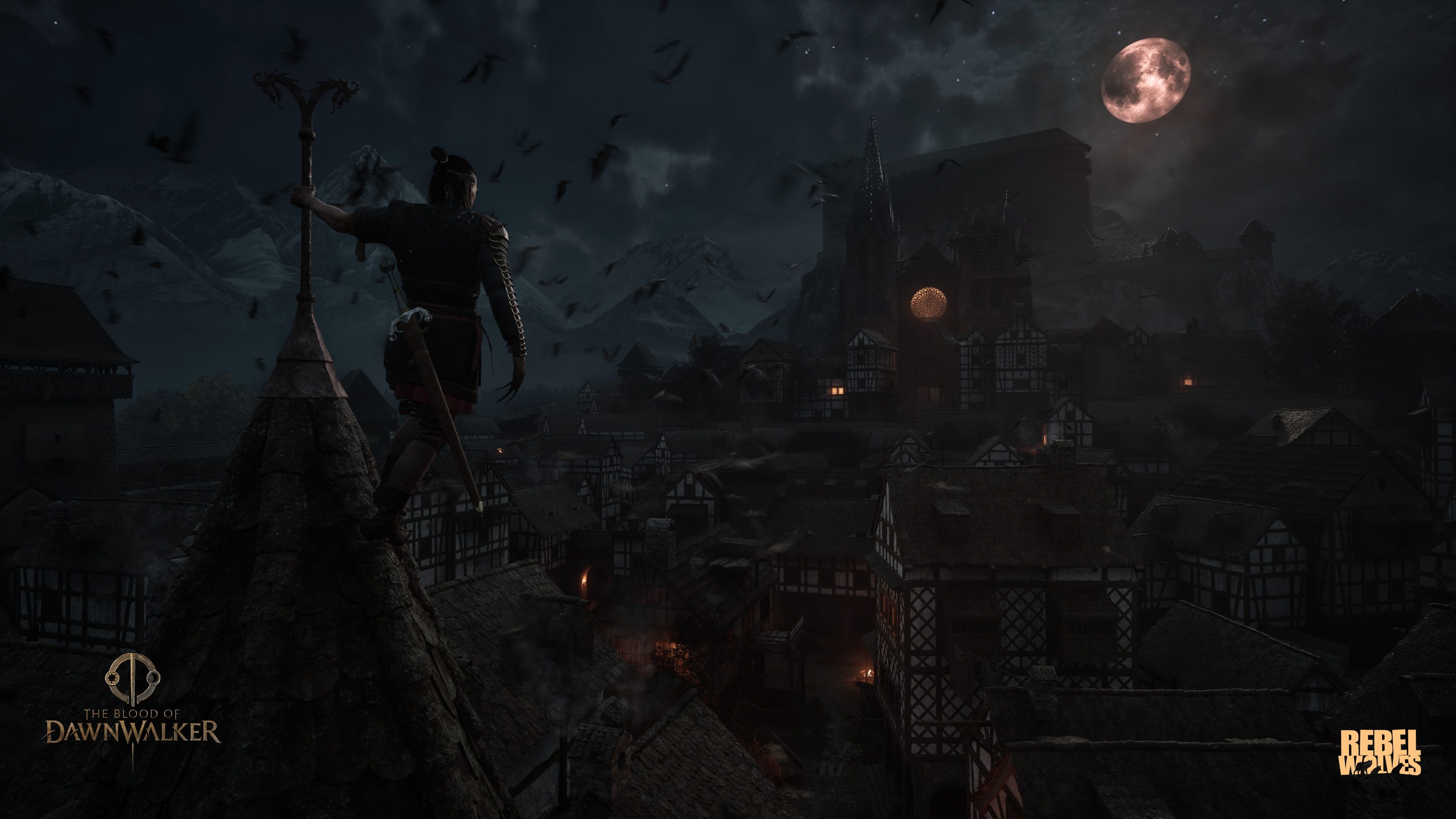
In several ways, The Blood of Dawnwalker is about suffering. Nearly every aspect of the game is rooted in some form of misery. From the black plague once running rampant through Vale Sangora, its isolated region of 14th century medieval Europe, to the death and decay of its small settlements and its people, much of that suffering eventually found its remedy, but at a cost.

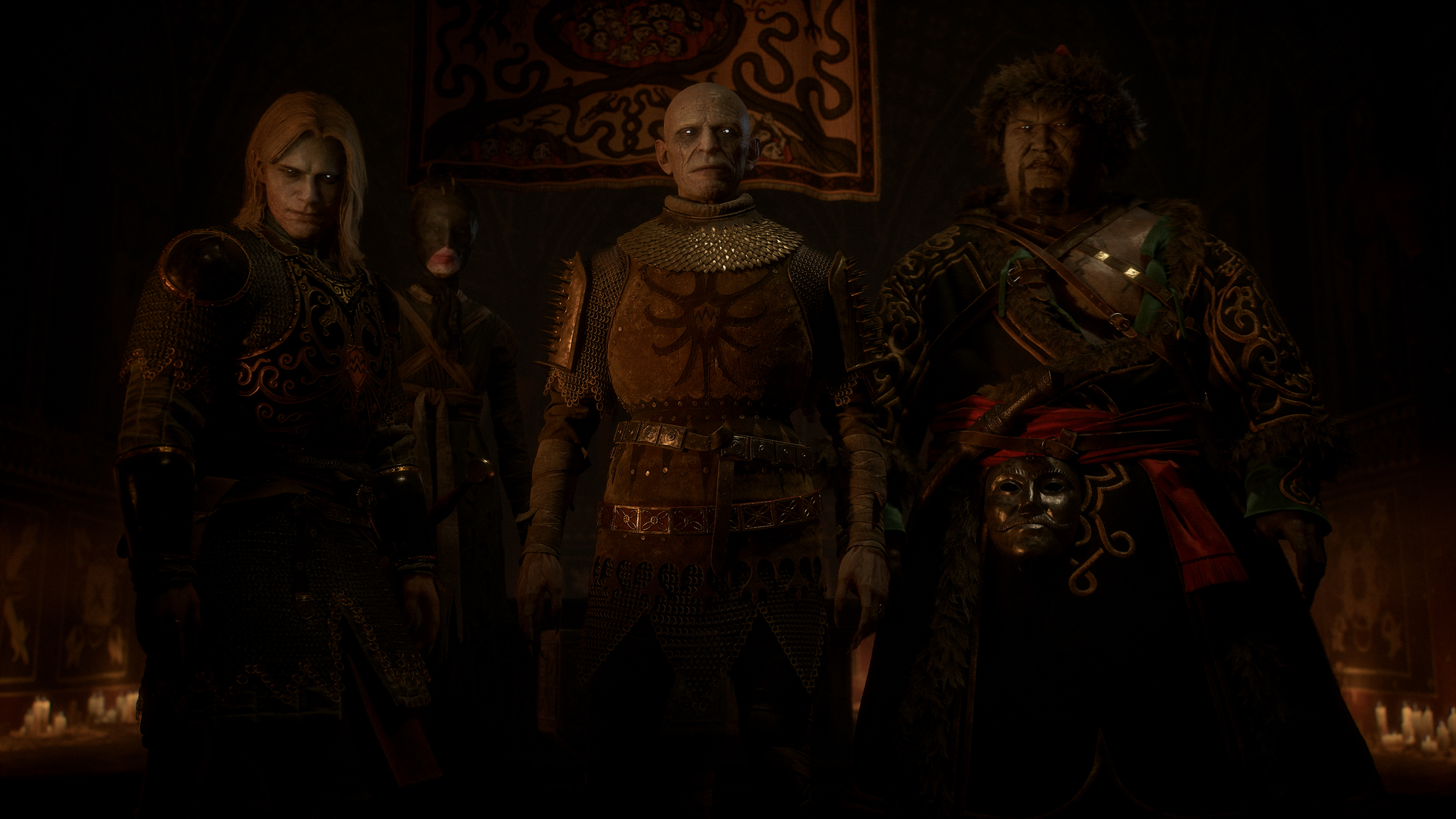
In Vale Sangora, that cost is a Court of Vrakhir, also known as Vampires, that have taken over these lands by force. While the previous leader, a vile man named Skender Dragosti was killed, the people's suffering wouldn't end there. This Court is led by an ancient Vrakhir named Brencis, who was the man who killed Dragosti. As the new ruler of this land, he demands tribute for his protection over the disease and famine that had plagued these lands for years. This comes in the form of mandatory blood donation, and that the township then drinks Vrakhir blood to remain healthy and disease free. While the trade off has kept the land free of disease, there are those who wish to be free of Brencis’ rule, and plan an attack on Brencis in secret.
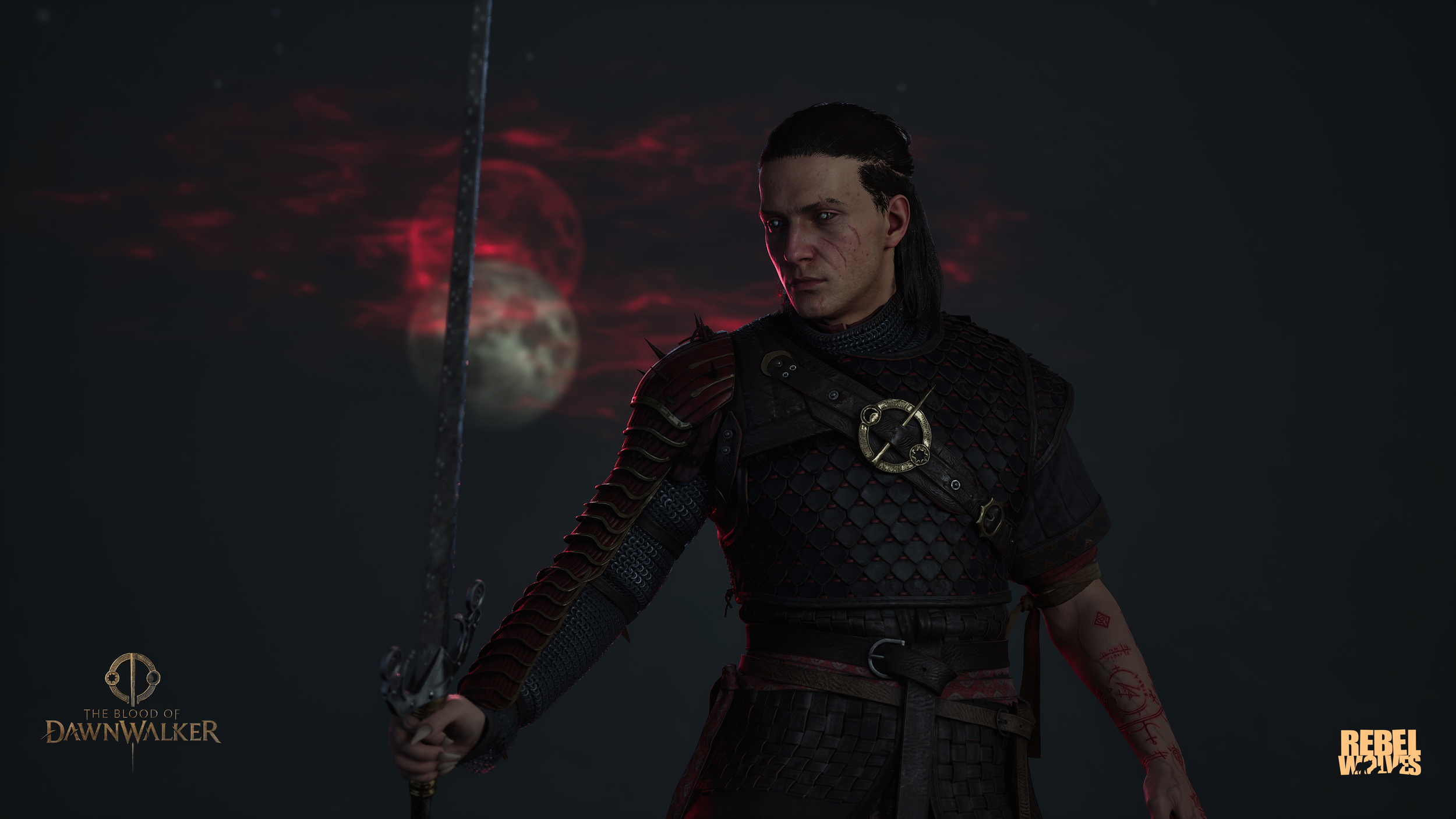
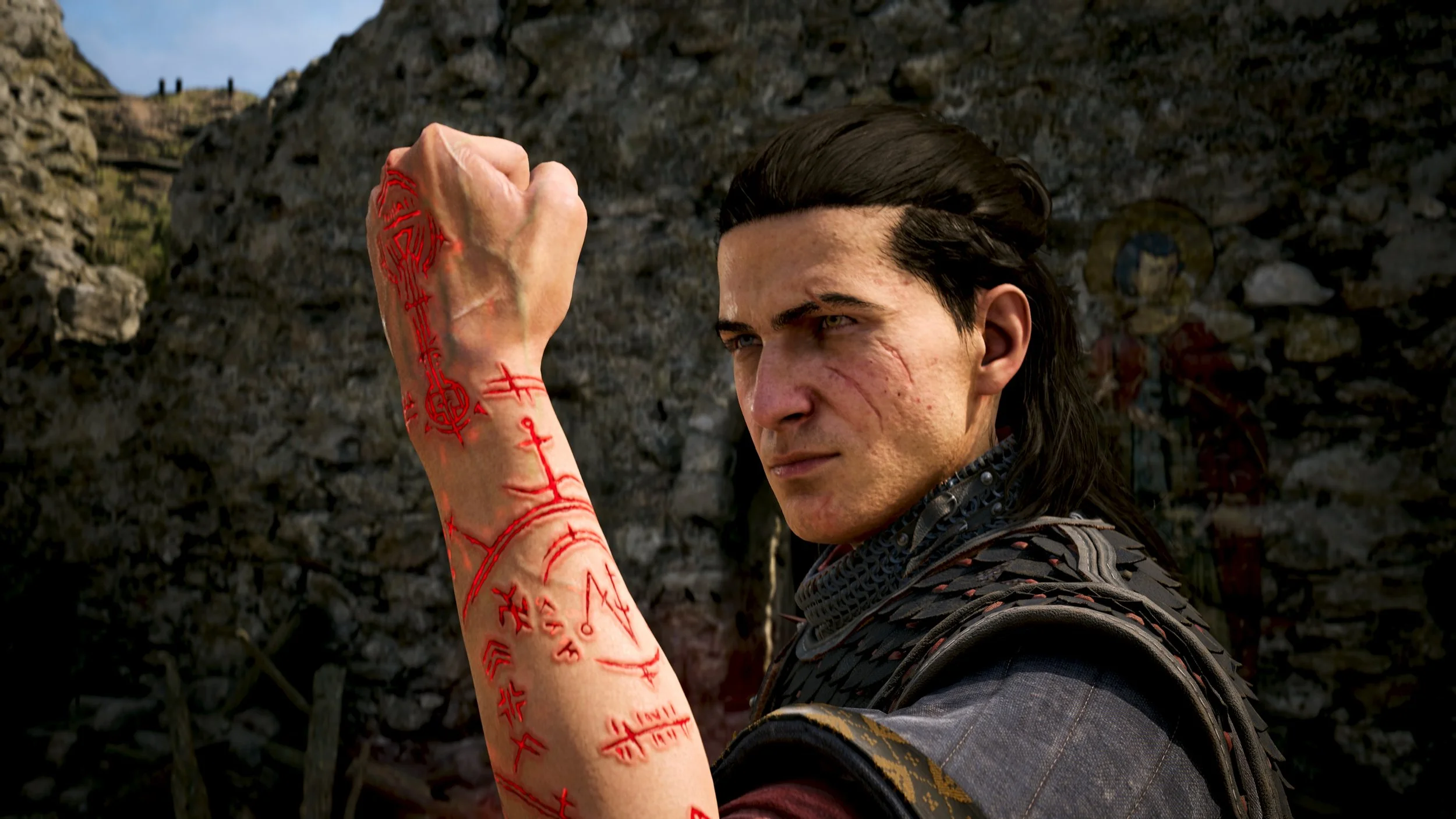
However, during this particular midnight mass in a small village called Laslea, not everything goes to plan, and the rebellion against Brencis is kick-started as several men from the village, including Coen and his father Pieter, break into a closed-off silver mine to harvest as much silver as they can to use against the Vrakhir. However, Brencis catches wind of this rebellion and his forces attack, and while Coen is left for dead, he soon wakes up and discovers he's been turned into a Vrakhir, surrounded by the bodies of much of the rebel force, desperate to contain his hunger. While you can, and will give in, how you choose to keep Coen satiated is up to you.
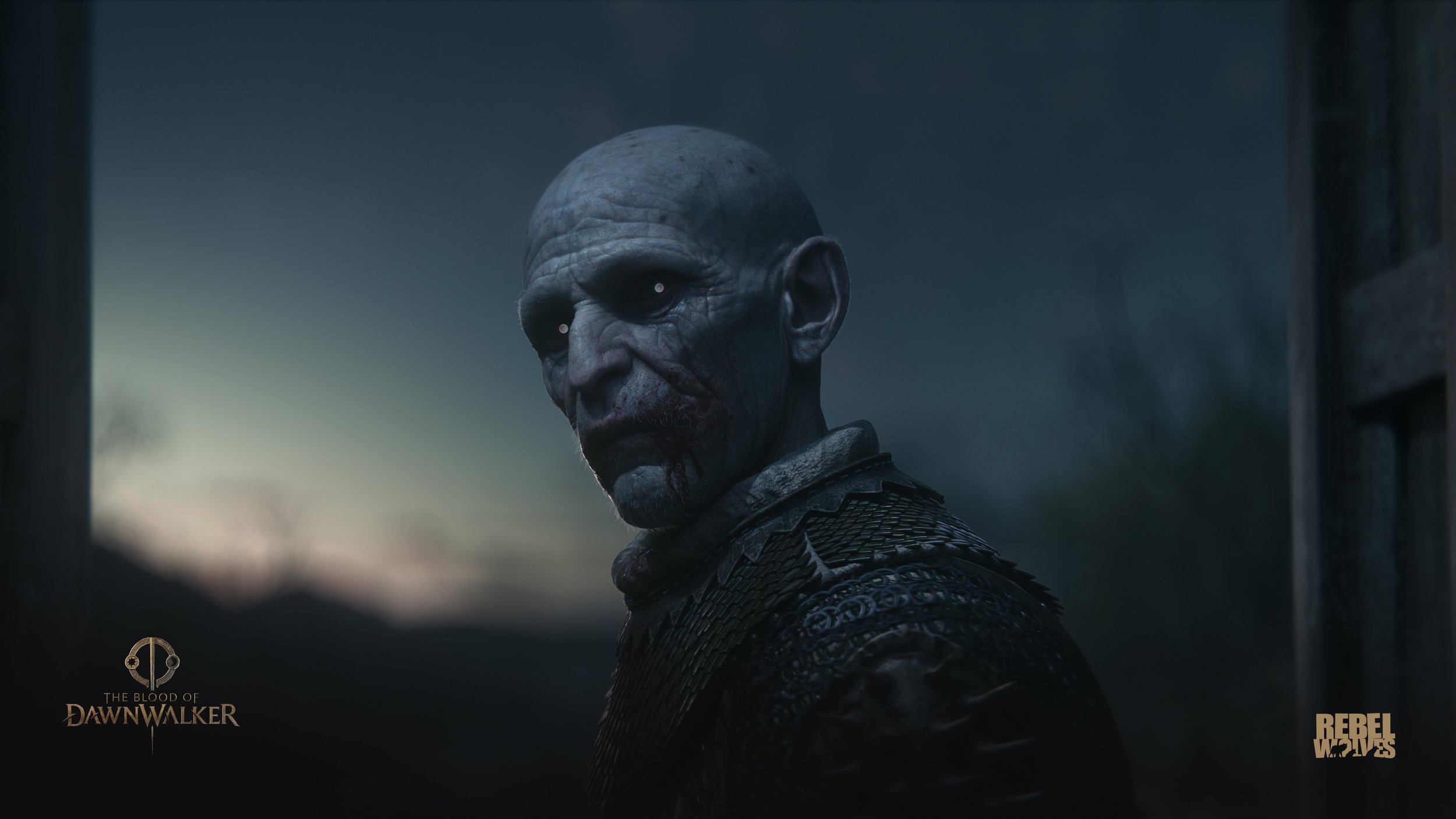
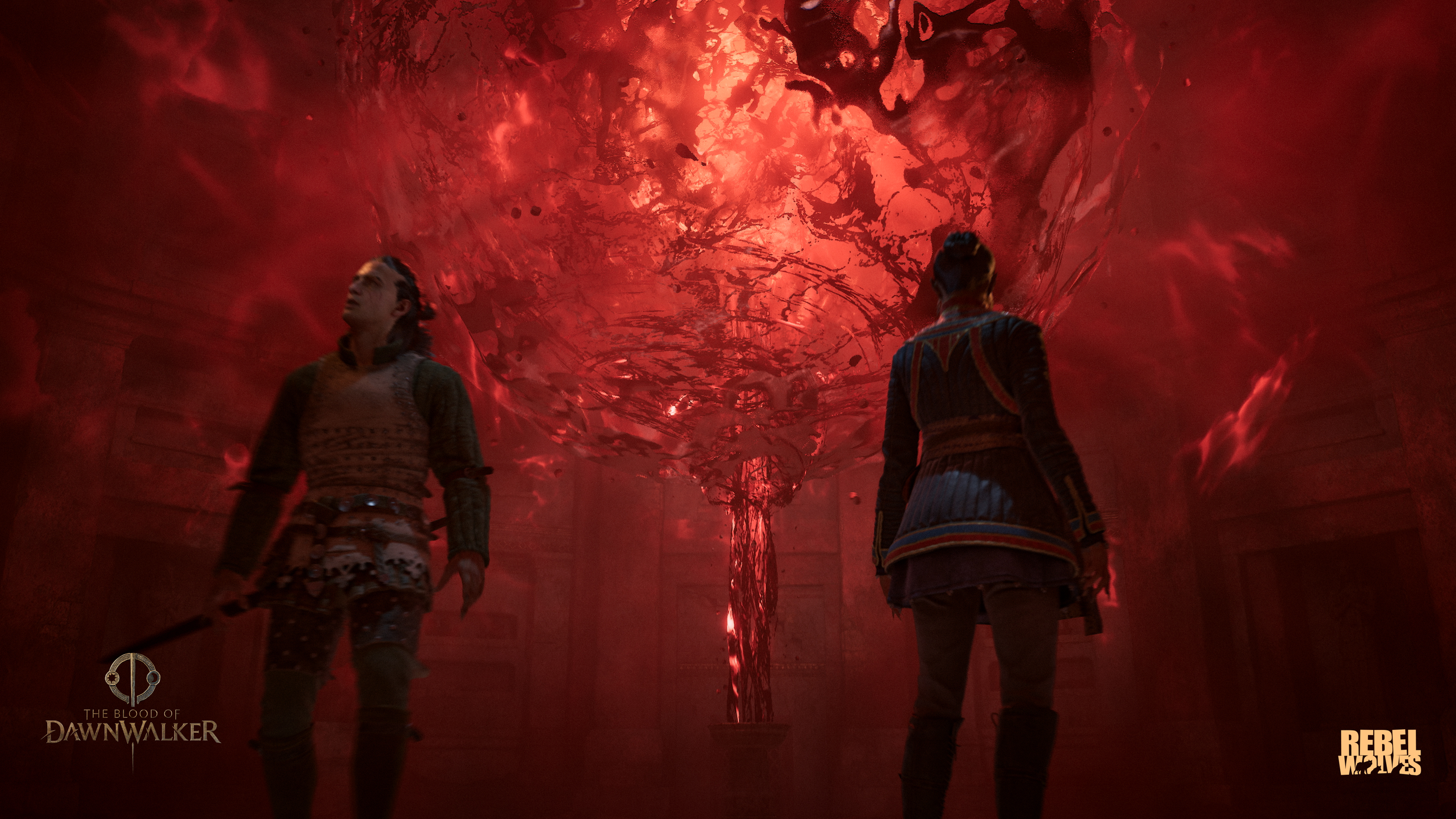
And, as Coen makes his way back to the village, he is confronted by Brencis. Now, what's interesting here is that you can actually defeat Brencis in this moment for good and unlock a secret ending. However, given the odds are stacked against you in a fight you are designed to lose, Coen fails to stop Brencis and wakes up the next day to discover that his family, and many of the townsfolk, have been taken by Brencis, set to be sacrificed during a blood ritual in 30 days.
Now, two things are made apparent here. First, Coen discovers he is a Dawnwalker, a Vrakhir that can walk in the sun, but there is a catch. During the day, Coen is human, so while he cannot rely on his Vrakhir powers, he is taught a bit of witchcraft by a friend and herbalist, Anca. However, at night, he is able to rely on his newfound powers, and his arsenal of skills will increase as he continues to drink human blood.
Secondly, the game's most important mechanic is revealed. As the ritual is in 30 days, Coen has exactly that many in-game days to rescue his family and stop Brencis. These are 30 actual in-game days and nights. This is furthered by the fact that every action, activity, or upgrade to your skills consumes a segment of time. So, similar to games that have timers built into their mechanics, akin to something like Persona 5, for example, every action needs to be weighed with importance if you plan on executing on the plan and stopping Brencis.
This includes who you choose as your allies, as you might not have time to commit to both parties. While you can break into the castle on your own, discovering a side entrance should you complete a particular quest, you'll have a few options here as you start to make friends and grow alliances. Sadly, I wish there was an option for relying on both, but I am unaware if there is such an option.
Now, I'm of two minds here. First, I genuinely hate timers in games, I'll make that clear right now. It was the only thing I didn't enjoy about Persona 5: Royal, and it's one reason why I never bothered playing through the first Dead Rising, apart from a few hours mindlessly playing around in the mall. I find that my anxiety for timers often triggers my ADHD and causes me to become frustrated and anxious that I cannot tackle the game on my terms. With Witcher 3, I left no stone unturned. I did every last piece of content that game had to offer. Nothing escaped my grasp. Skyrim? Dragon Age? Mass Effect? Gothic? Same thing. Those worlds were meant to be fully explored, begging even, and I did.
However, you don't get that privilege here. It is impossible to tackle every last scrape of content due to this timer in a single playthrough. Now, while you can tackle a great deal of it, I will say that the timer became less of a restriction and more built to focus you towards the content. The deadline almost becomes something you're looking forward to instead of dreading it, largely because I felt Coen, at the end, was far more powerful than I had expected, given that I trounced Brencis with little to no effort.
I felt overpowered in a lot of ways, and this was with well over a week left in my timer. That said, I do plan on loading a previous save and scouring the land and reloading when I run out of time and ensuring I've tackled as much as I can, and take all routes to the castle and stop Brencis with each of my allies, as well on my own.
Still, throughout the journey, I would often question if I needed additional abilities or if I would rather use that time to explore and discover quests and dig into this world. I often ended up semi-balancing this, and favoring exploration in most cases. I wanted to consume this world in the same way Coen fed on his victims, sinking my teeth in, and tearing them apart, limb from limb.
That said, the only thing I do like about the timer is that it creates a real sense of player urgency that we don't often see. Fallout 4 was notorious for ignoring any and all agency for finding your child as it placed so many distractions in front of you that you had little to no incentive for tracking them down right away, or at all. Here, that reminder of your family is constantly present, making every choice matter in ways games don't often provide. That said, I can still see why many users are using the mod on Steam that removes the timer entirely. It makes sense, a game this good, you want to enjoy everything it offers. And make no mistake, this game is very good.
Now, freely exploring does not advance this timer, but the actions made once you find those activities and quests do. Each day is spread out across eight segments per day, and eight segments per night. Some quests can only be completed at night, such as any that require the help of other friendly Vrakhir, to those that can only be done during the day. While you can wait time out at a shrine, I do not in any capacity see why you would, when you can easily just learn some skills or find content to do that has you actually playing the game to then get to the time you want. Need to wait until midnight? You can likely spend 5-6 hours exploring to then fast travel to where you need to go. Thankfully, fast travel isn't tainted by this time-use feature, for some reason, apart from spending a segment to fix the broken or desecrated shrines.
Certain quests will end and characters will then ask Coen to return tomorrow, later that night, or in a few days. This then forces you to find activities to do, content to find, or skills to level. Quests will be marked on the map with either a sun or moon icon, indicating the time of day you need to return. I did find my way into a house for a night quest during the day, but the NPCs didn't react to me whatsoever, so no, there is not really a way to sequence break this game, the devs didn't plan on me being in that house during the day, which was sort of a letdown, especially how easy it was to get to that house’s particular balcony in the day.
One feature that I wasn't aware of, or that it didn't communicate to me early on was day and night loadouts. Often, when the day or night cycle would advance, I would suddenly find myself running around barefoot or without a weapon. Equipment would constantly be missing, and this is due to the game having different builds for day and night. This was a mild annoyance when I could be in battle and notice I didn't have my wrist guards or shoes on. Hell, I wouldn't assume I was missing gear and sometimes sell these random boots or wrist guards that were still in my inventory, only to later discover those were supposed to be equipped.
The central story here is absolutely fantastic as while Coen is trying to come to grips with his new life, one far more frequently different at night, that he is still struggling with his family being taken hostage and his hunger for blood. We get a good look at Coen's life at home, prior to his turn, and the condition of his mother, and how her mind has fractured over the years. While the Vrakhir blood would keep her body and health in check, it doesn't help the mind, so she's often muttering nonsense, and incoherent at times. While we dig deeper into what has caused this, I really enjoyed that piece of narrative’s conclusion and found that while Coen had a great deal of character development here, his family too sees some growth.
Coen himself is a pretty good protagonist, at least where he ends up. He starts as the generic guy who is known for helping people, but his growth and depth as he starts to struggle with his new life is well done here, especially as he comes to grips with an event from his past, a trauma he has buried deep. That said, you can move Coen into certain views via dialogue and quest choices. This isn't as deep as what we've seen BioWare do in the past where your Coen is drastically different from mine. He gets to the same place in the end, it just depends on a few choices that dictate certain dialogue moments between him and others.
Coen will meet several characters as a result of his mission to defeat Brencis. There is Lacra, an angry and violent woman who has been a Vrakhir for centuries, coincidentally also turned by Brencis. She has her own agenda and reasons for stopping him, but what is even more interesting is Lacra is completely missable in game. As you explore Svartrau City, you'll find a note (as well as other ways to find her) that starts a quest called “A friend like this” that introduces you to her. She's a fascinating character, and her arc gets even better the deeper you explore. And, given her importance to Coen's future, I'm shocked that she could very well be missed by some players altogether.
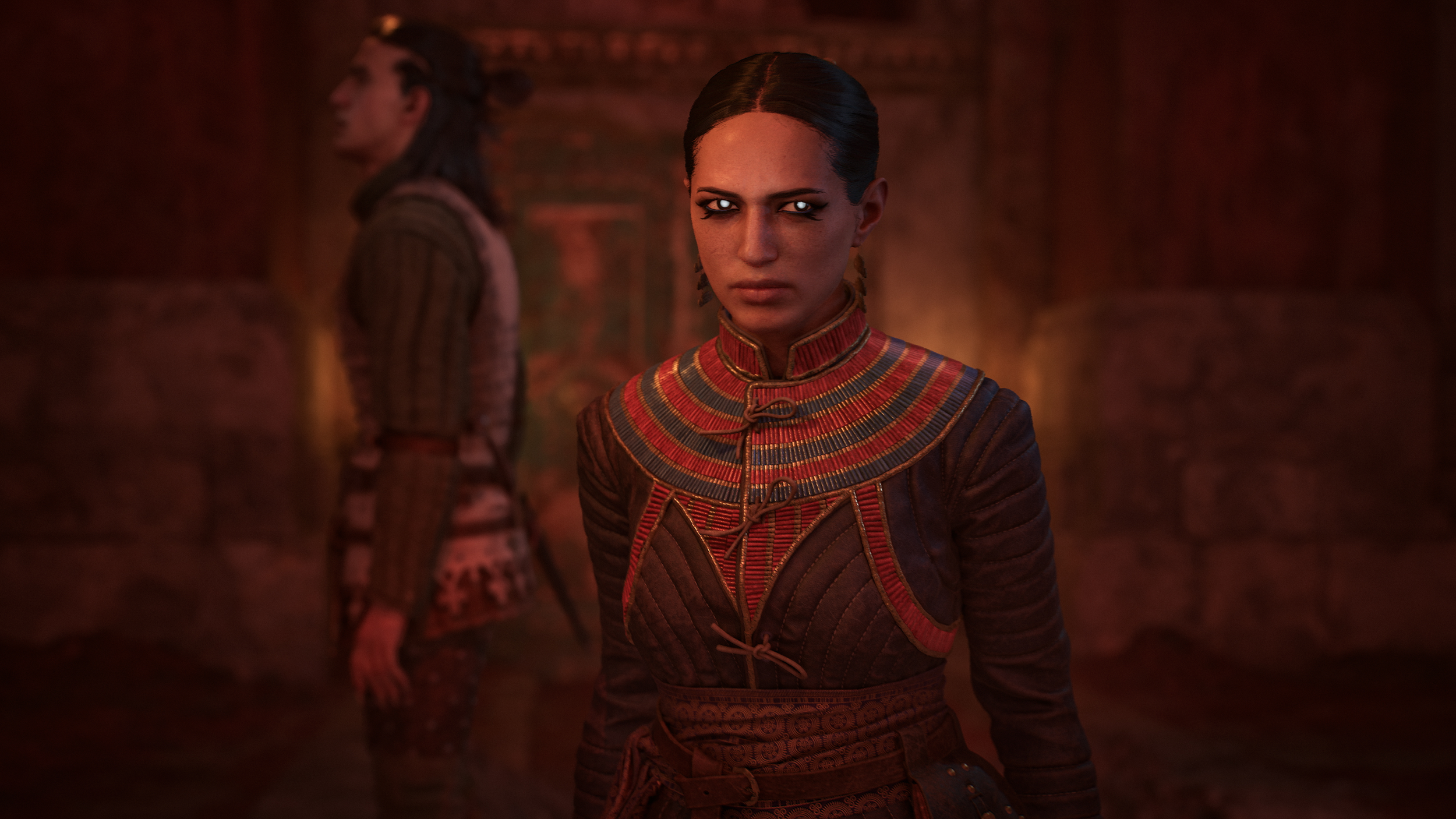
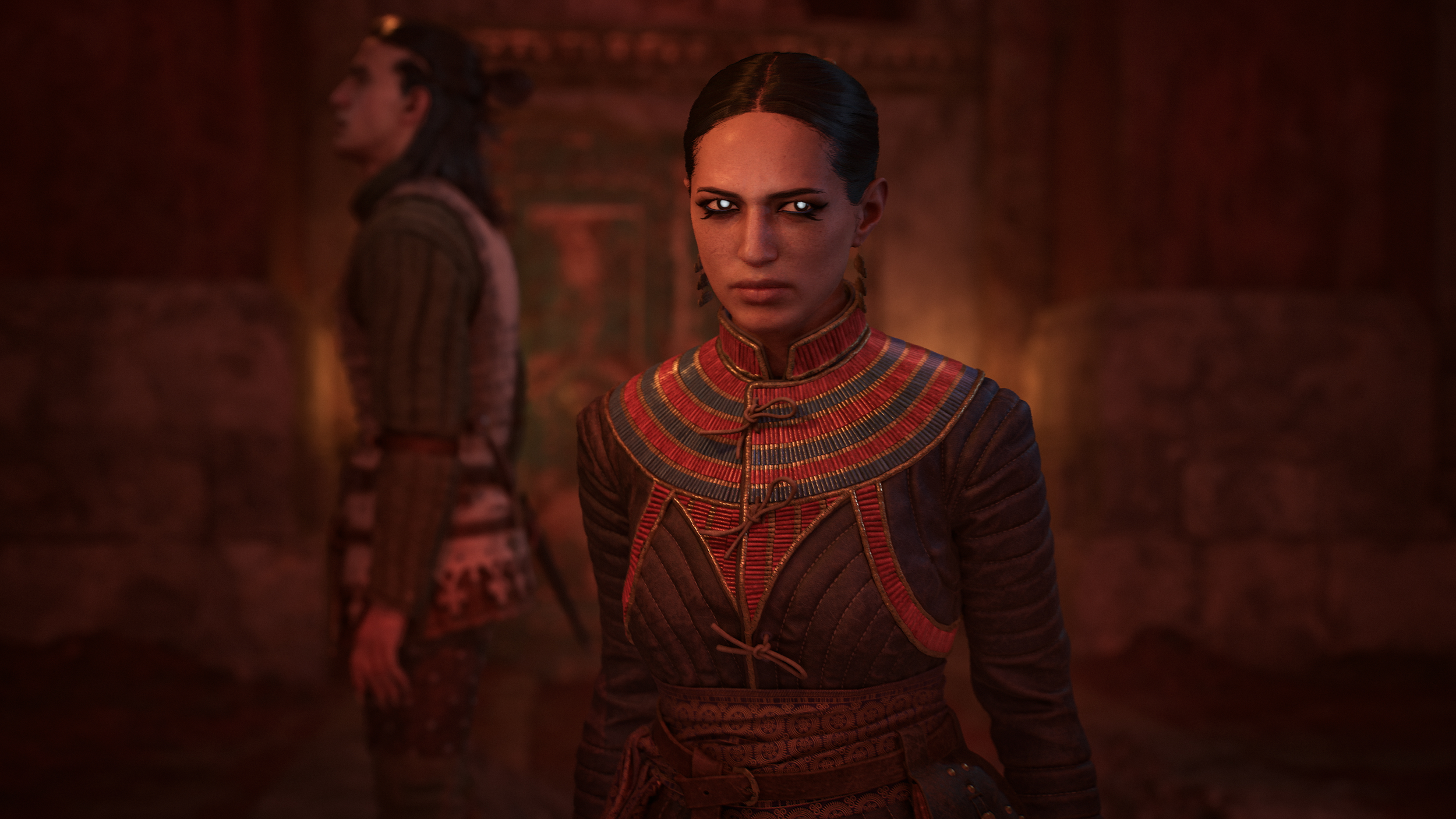
Secondly, Anca, the herbalist from earlier, is likely my second favorite character in the game, behind the “delightful” Lacra. Anca is 20 years Coen's senior, and yet is the more honest and genuine of the game's three romanceable characters. Their chemistry is solid, and as they share a history over the years prior to us meeting the pair for the first time. There is a genuine relationship here that we get to see developed as the pair flirt constantly, despite the dire situations they find themselves in.
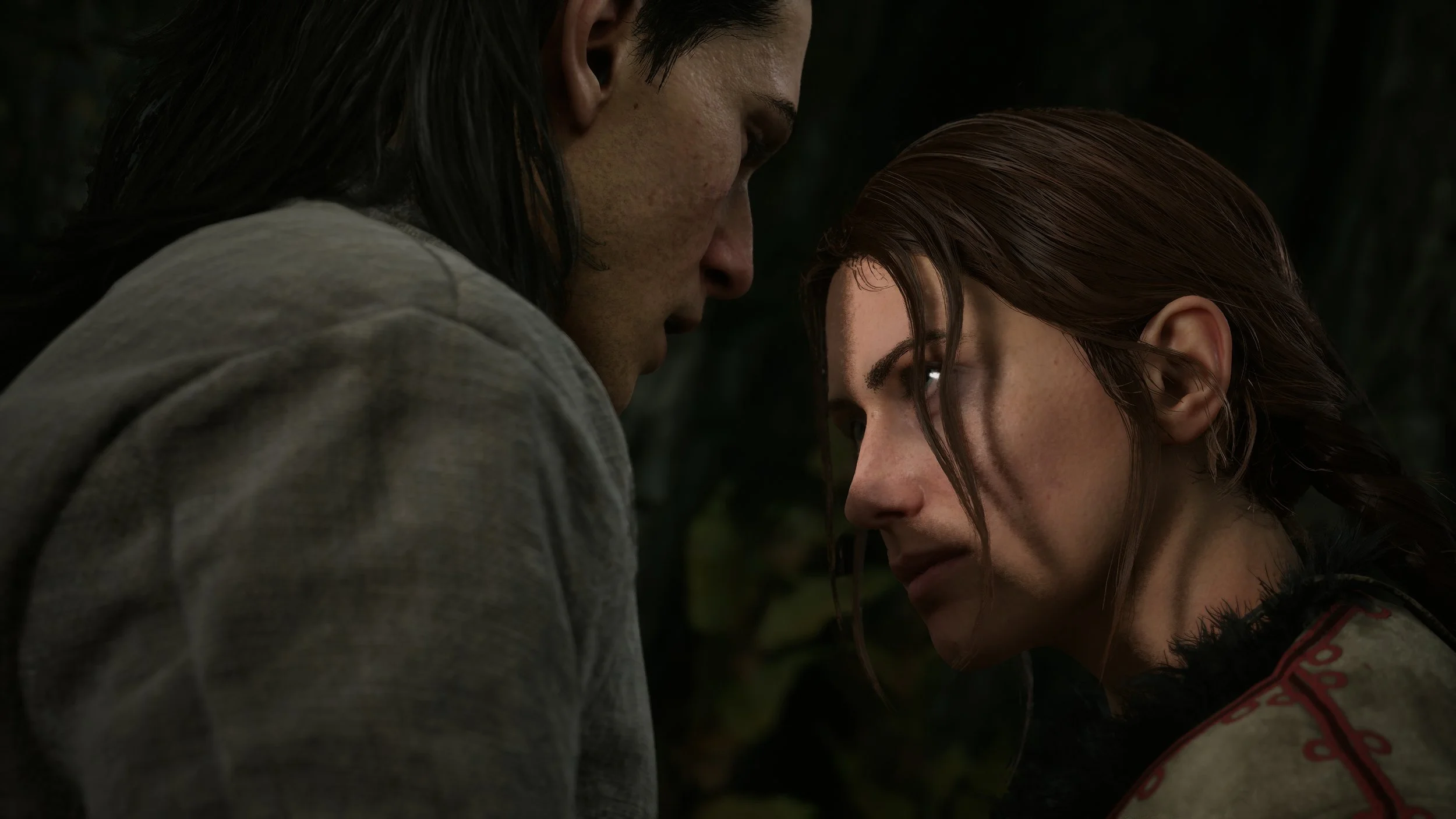
However, I will say that there are two things that bugged me about Anca. One, she doesn't look in her early 40’s, as she looks just slightly older than Coen. Sure, we can chalk it up to her being a herbalist or dabbling in the dark arts of witchcraft to maintain her youthful presence, but she does not in any way shape or form look 20 years older than Coen. Additionally, she has a few moments where I felt they made her act out of character, making her far too excited and giddy, especially given she often has to tell Coen to not get his hopes up on certain matters, remaining emotionally neutral through many tough moments. I think a bit more restraint for her emotions would have made her more believable in certain moments.
The last major character here is Crake. He is the leader of the Manumits, who are a group of rebels who are planning to take down Brencis and his court of Vrakhir. He is another romance option, but the build up to that moment doesn't feel as thorough as the others. I also don't buy that their group is capable of dealing with the Vrakhir. I never really found any indication that they could or have taken out Vrakhir, with no mission, that I encountered, that showed me this.
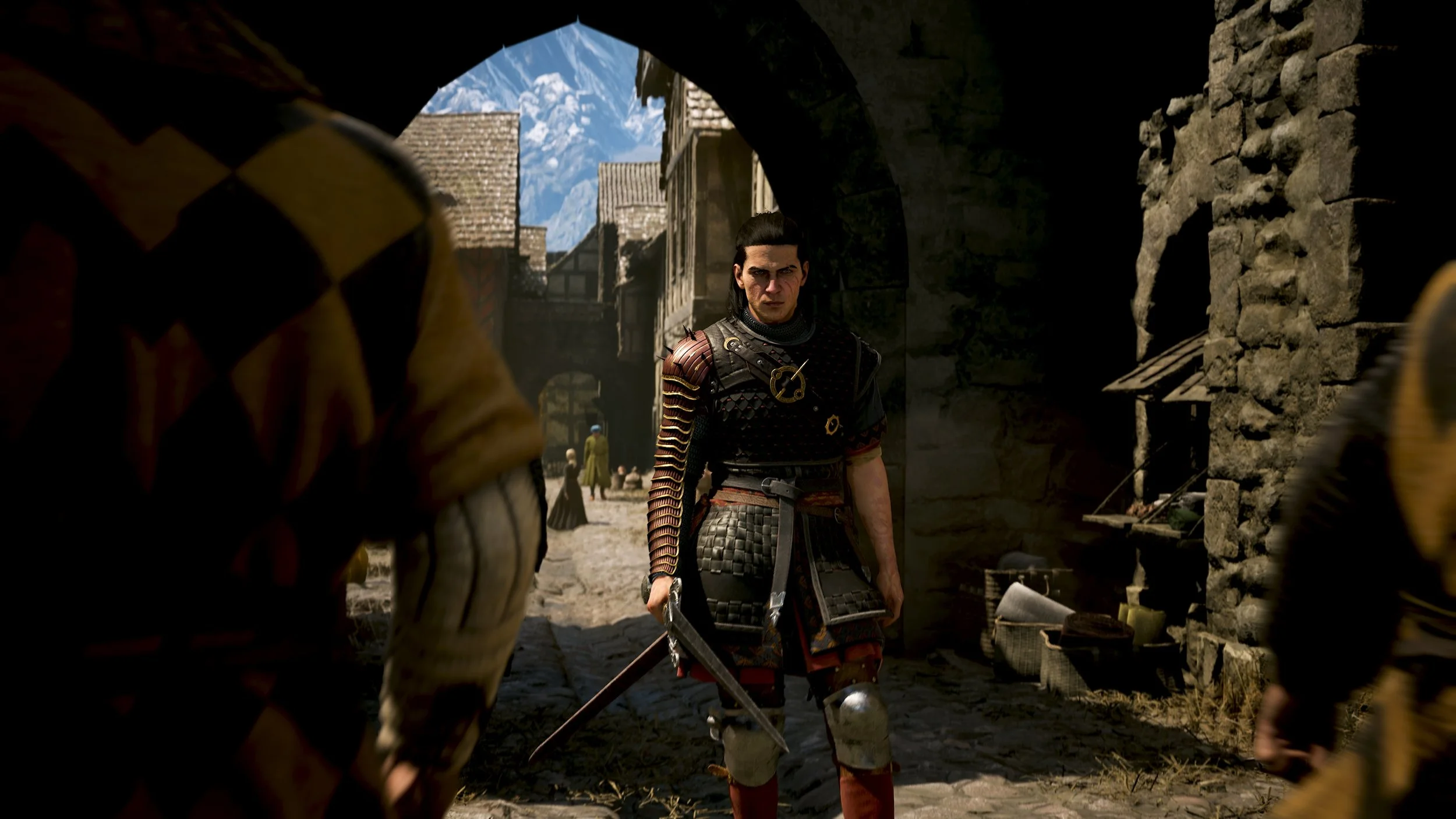
Still, in regards to the romance, you befriend him, do a few missions for him, say a few caring lines, and that's it. Should you accept his advances, that is. Regardless, Crake is an important character as unlike Lacra, he's human, and his attempt at taking down Brencis and his court is one that is significantly more challenging, but again, not a convincing one.
One of my favorite mechanics of Assassin's Creed Odyssey was the assassination board. You had a series of targets, and hunted them down. While not as in depth or packed full of specific targets, you can disrupt each member of the court's dealings all through Vale Sangora. Brencis’ Court consists of three generals; Ambrus, Bakir, and Xanthe. Each control certain regions, and deal with blood or human trafficking, or other means to acquire the goods and services they need, even if it goes against the wishes and rule of Brencis. To flush them out, you need only disrupt several of these activities on the map. However, that isn't the only way, at least for one particular member.
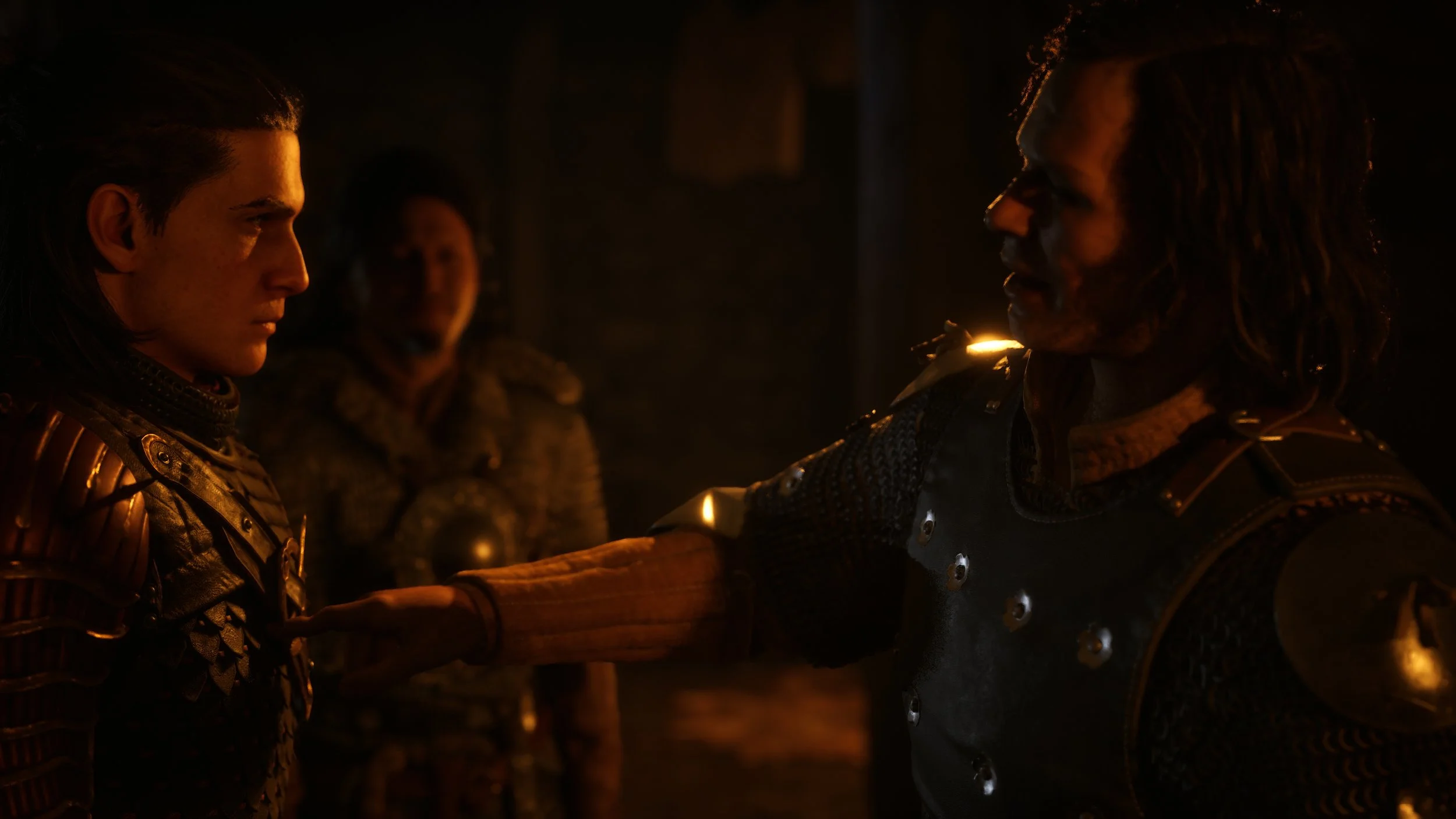
As I entered Svartrau City, I was instructed via a quest to check out the cathedral. As I entered at night, using Coen's Vrakhir ability to teleport jump, I made short work of the scaffolding and found an unsecured entrance at the top of the tower. As I entered into the interior, there was Xanthe, accompanied by a few of her blood soldiers. After I made short work of her, I assumed, like the first Brencis encounter, that I would go into a second phase, one more challenging. However, her death then and there was her being removed from the board, without a single one of her court missions being completed. This saved me likely 3-5 days of in-game activity hunting, and allowed me to then use that time elsewhere. Bakir was solved about halfway through his events, via a festival-like gauntlet, and Ambrus was lured out once I destroyed his entire operation. I had the trio completed with around 18 days left to stop Brencis. Cake walk.
These court members are pretty fun battles, but you don't really get to know them until their confrontation. Ambrus, you'll hear a few tales of his rule, but apart from his appearance at the start of the game, in the church during the midnight mass, I never saw him again until the start of his battle. Bakir does have a bit more going as the festival gauntlet I was invited to does give you an insight to aspects of who he is, but I wish the game made him, and the rest a bit more important earlier on, or throughout their missions.

While their activities are pretty mundane events, usually just killing their soldiers, or damaging their blood collecting enterprises, or other missions such as saving innocent people from a public pillory, one of which will reunite you with a familiar face from Laslea, these activities don't have much else going on. However, it is the game's more meaty side quests that are absolutely fascinating, and worth the price of admission alone.
From the haunted remnants of St. Tyna's Convent, infiltrating Xanthe's residence, or tracking down the brother of a young girl who has taken up residence in a rotten burrow, there are countless quests that I absolutely adored. A quest called “Our Rotten Roots” has Coen and Lacra descend into Anachora, which is essentially Hell, to search through an ancient Vrakhir's memories. “A Study in Crimson" is another standout, as you attempt to solve whether or not an amnesiac Vrakhir has committed a series of murders. I'll stress that while the evidence did point one way, a quest later on had made me notice I chose the wrong outcome, and had me revisit that prior quest’s character for a confrontation, and a resolution that was rather moving.
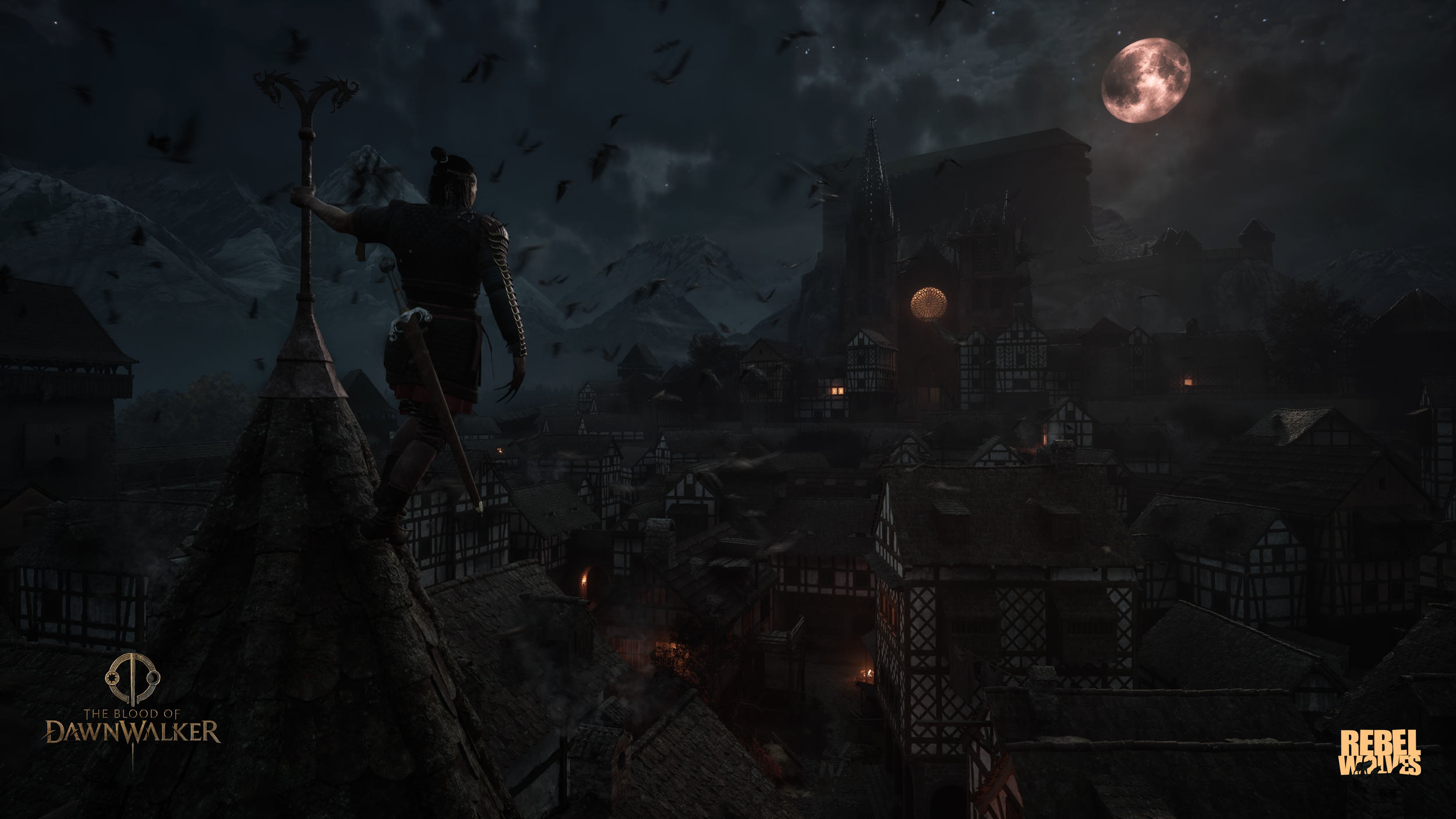
There was also a quest where I would awaken back at Coen's home, in an almost dream-like sequence, and replay a setting where he and his family were there, as if the Vrakhir attack had never happened. This quest digs into his mother's condition, and the event that was its catalyst. It was a powerful and emotional moment, which made a later interaction with his mother even more impactful.
“The bittersweet toast” is another stand out, as you get to know one of Ambrus’ favorites. That said, he wants Ambrus dead just as much as you, and this quest leads you through this secret life he leads. You go to meet a woman who can concoct a poison to make the battle against Ambrus easier. However, this mission goes places. And also had that *Bloody Baron” level of quality to it. It's one of the best quests in the game, especially given how my battle with Ambrus went, or rather, started.
However, it is the personal companion quests that truly are the best quests in the game, often telling a better narrative than the main quest itself. “Where old devils lie” and “Hive and seek” are two of the best quests in the game, offering glimpses into the lives of both Anca and Lacra, with each quest building up the romance between each woman in decent and believable ways, especially Anca.
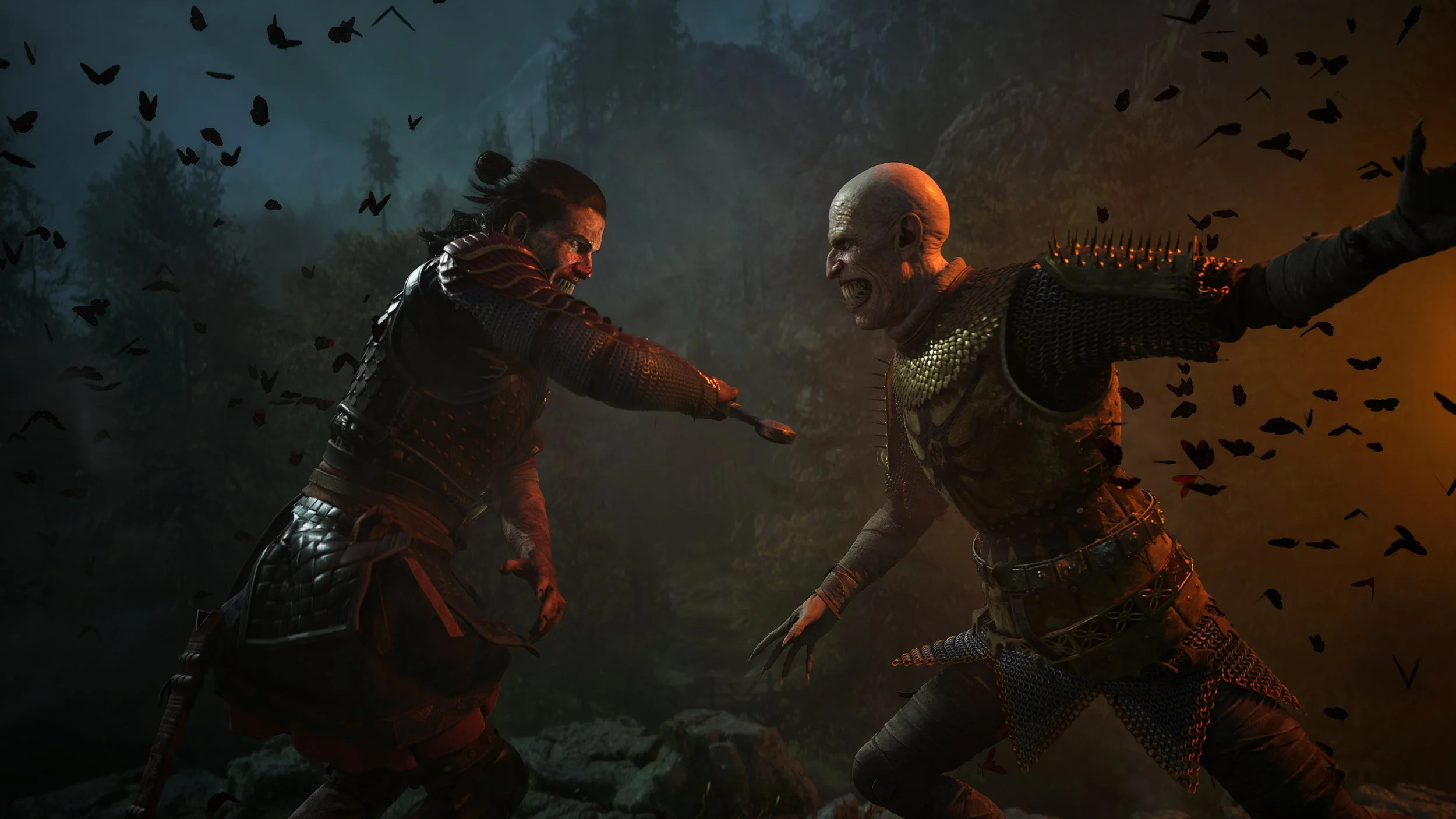
The main story digs well into Brencis and who he is, and how he became what he is, and should you miss Lacra, you'll miss out on some massive backstory moments regarding his sire. Additional story elements that help you in your quest, are more tied toward gaining armor and power. These are optional, but the sword and armor you can get crafted are the armor and sword you see in the marketing and on the cover of the game itself. They are worth it.
If you've not paid attention to the depth of any of the game's marketing, or their presence at various summer showcases, please skip this next paragraph.
While Coen's fate was already shown off in previous showcases, showing the entire post game cutscene in full, I am absolutely excited for what this sequel could entail, given my love of a modern day Vampire RPG. The setting and time period we are shown, shows us Coen in the then and now. Still, it is bizarre that this was shown, given it does sort of spoil that Coen does survive the events of the game. However, they thankfully don't state or show the burden placed upon him due to his encounter with Brencis, nor Coen's immediate future, given the characters and agencies that end up surrounding him. All I'll say is Coen's life is about to get far more interesting. Coen with a cellphone is gonna be wild.
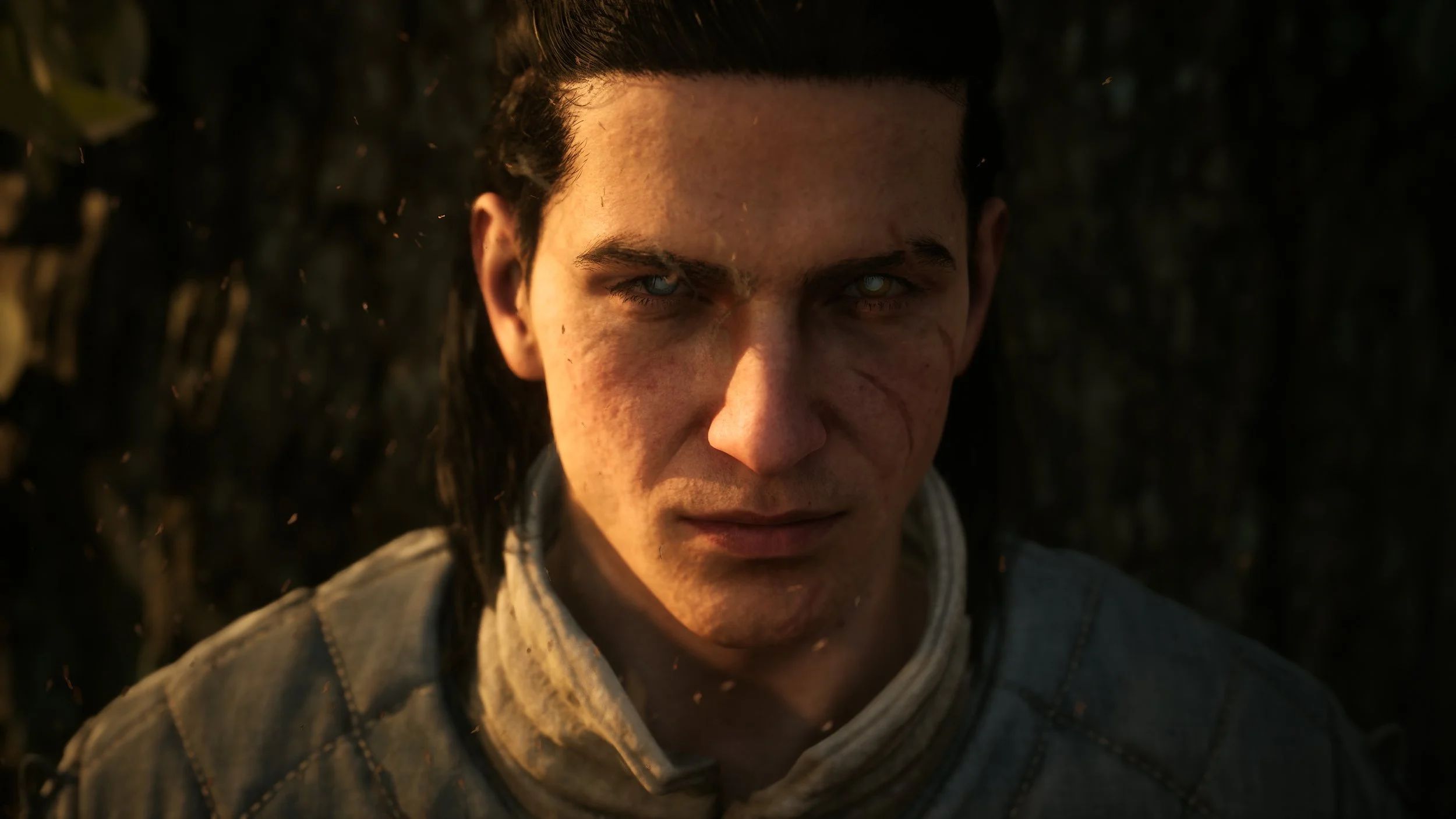
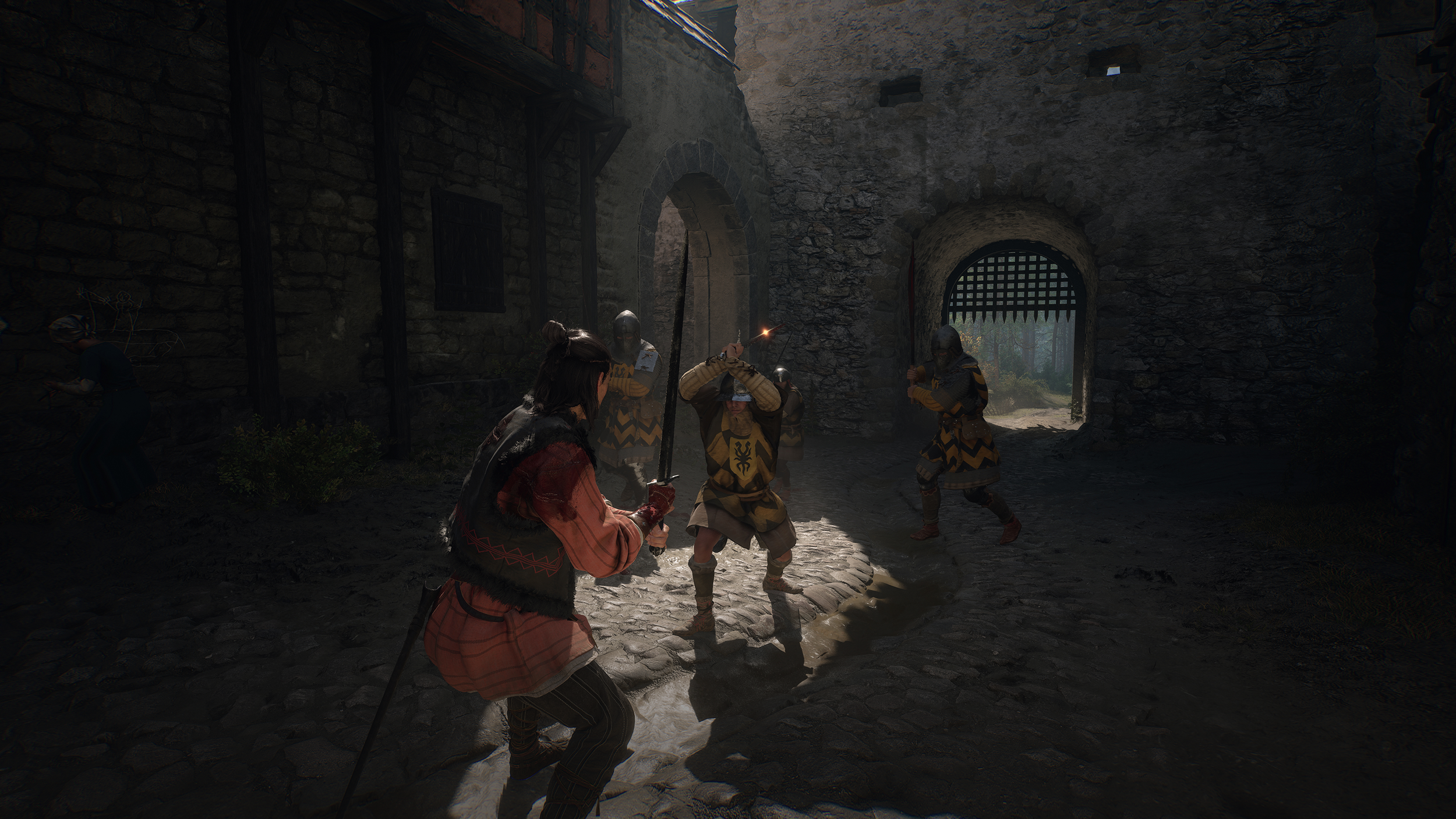
Combat is tailored towards directional blocking and strikes, as well as a host of moves that are based on the weapon you wield. However, combat is split between that of fighting during the day, or using his Vrakhir abilities at night. As a human, Coen has access to his sword mastery skills or his hexes, loosely taught to him through Anca. However, each of these categories are built up via his skill tree, where each skill will consume a segment of time to learn. It is also during the day where food and potions will refill his health in battle.
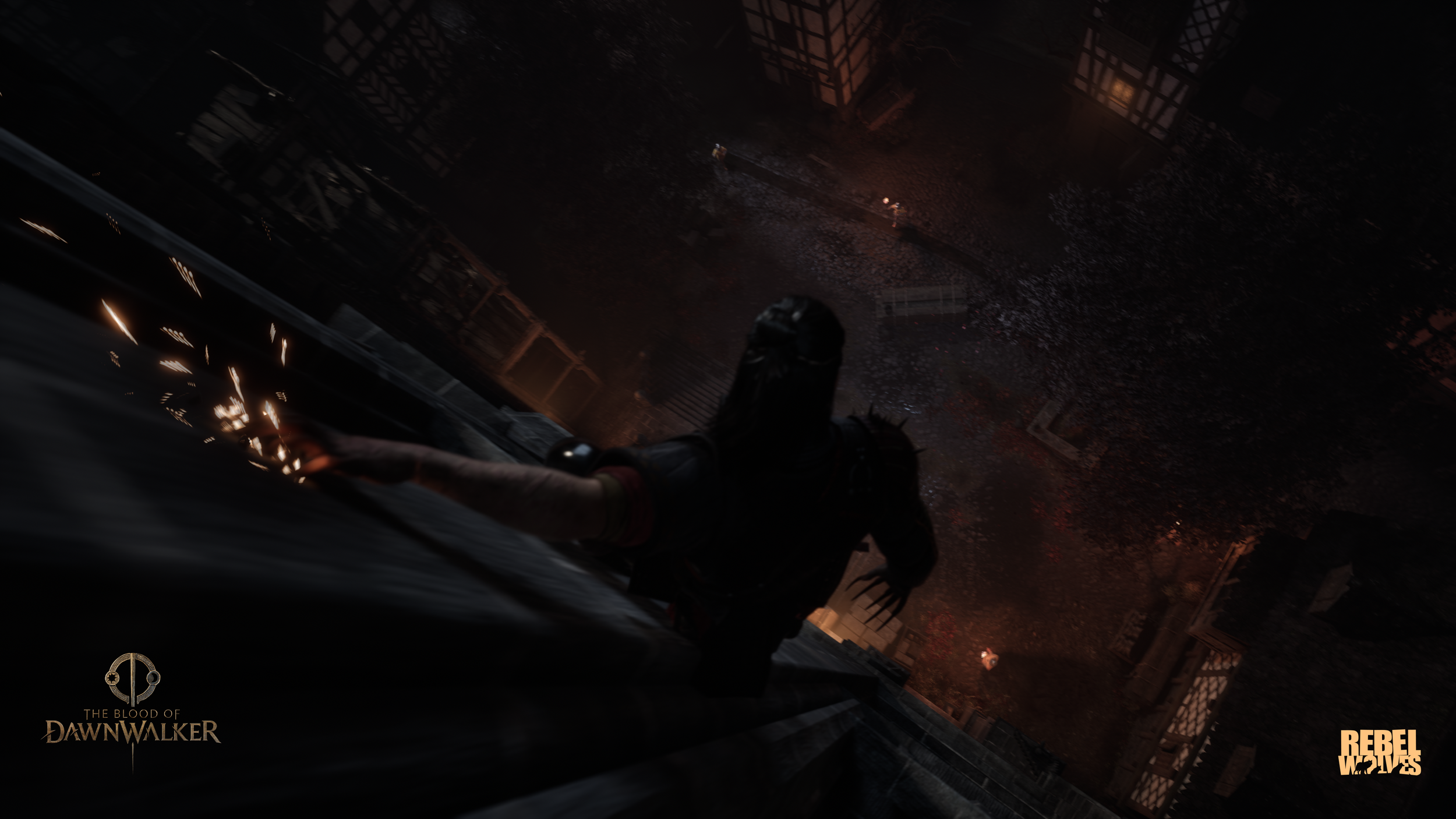
At night, Coen gains the use of his claws and fangs, and only blood and certain concoctions will refill his life force. His claws are devastating and far more powerful than his weapons, one you've leveled his attack power up that is. He will also gain two powerful abilities, with one being incredibly useful in combat. While Planeshift allows Coen to walk on walls, which is a bit awkward to maneuver, it is Shadowstep that allows Coen to teleport-jump around, turning into a cloud of black mist. You can also use this in combat to teleport behind your target and get in a few cheap shots.
During combat, you'll have activation charges that need to be filled to perform skills. These are filled up through combat and your skill tree can enhance how they work, how many you have, and how fast they fill up, all based on what actions you perform. Weapons will have weapon arts, and swords offer skills that vary from large crowd-slashing swings to individual stabbing maneuvers. The sword I had crafted for me at the end did a big twirling slash that really messed up anyone I encountered. It never left my side.
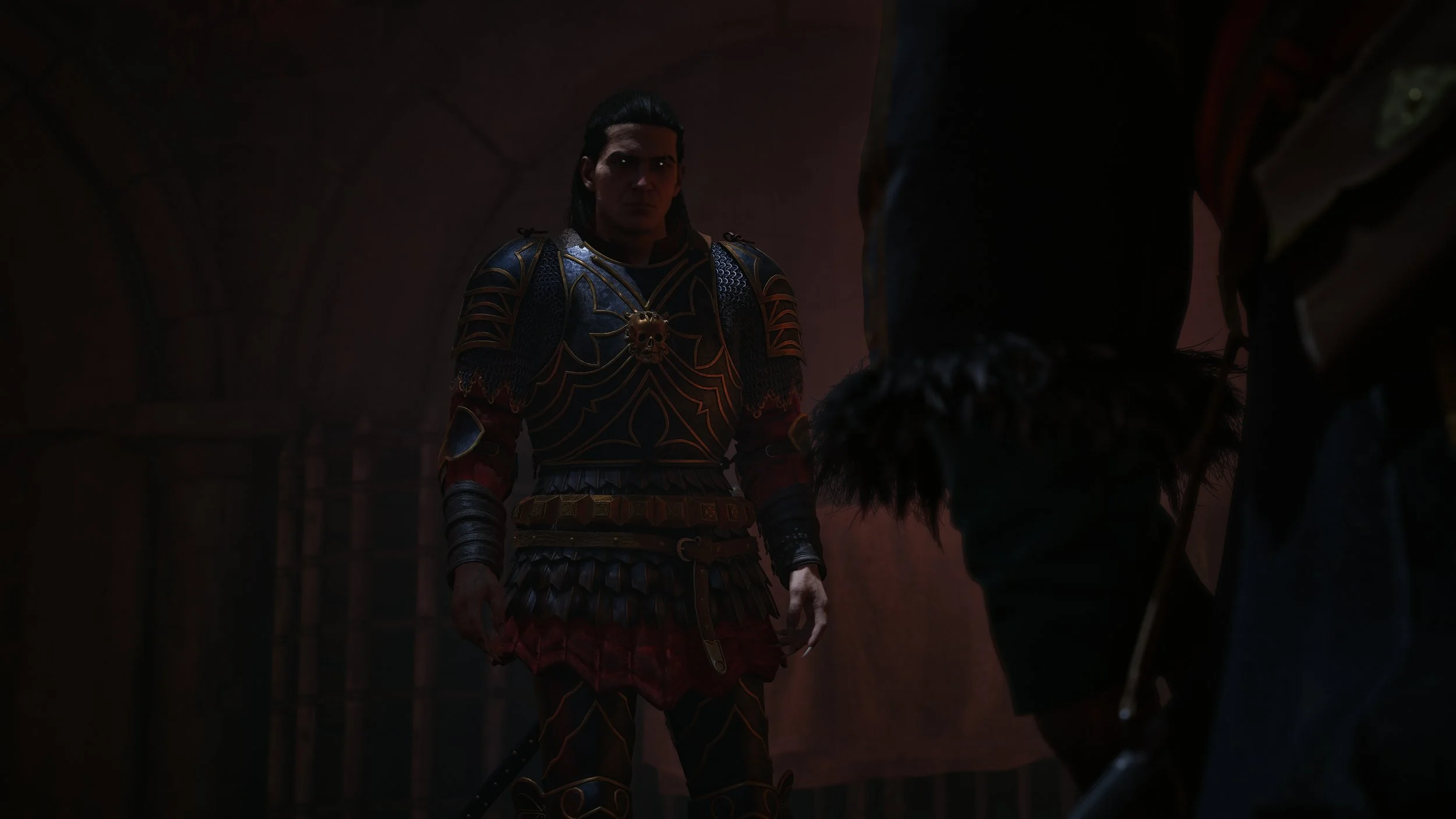
While earning experience will generate you skill points, your Vrakhir powers require that you drink blood to level them up. This is done via Corruption, which is leveled by drinking blood. However, you'll still need to use skill points to acquire these skills, but drinking blood unlocks the later tiers of skills. However, if Coen is low on health in his Vrakhir form, he will start to lose control and both combat and dialogue can become dangerous for his allies, as he can give in and consume them for his hunger.
Directional combat is extremely satisfying, and works for both offense and defense. Enemies will indicate their combat direction and you can either use that to expose them for a well timed strike, or block in that direction and stun them, leaving them vulnerable. This is also used when Coen is simply using his claws, so it's not just for swordplay.
As mentioned, there are equipment sets designed for both day and night, and choosing the right equipment will help as there are rarely pieces of armor or weapons that suit both times of day. Some rings may help your claw attacks, whereas others will aid in swordplay or your hexes. So, having the right armor and weapons for each loadout helps a lot.
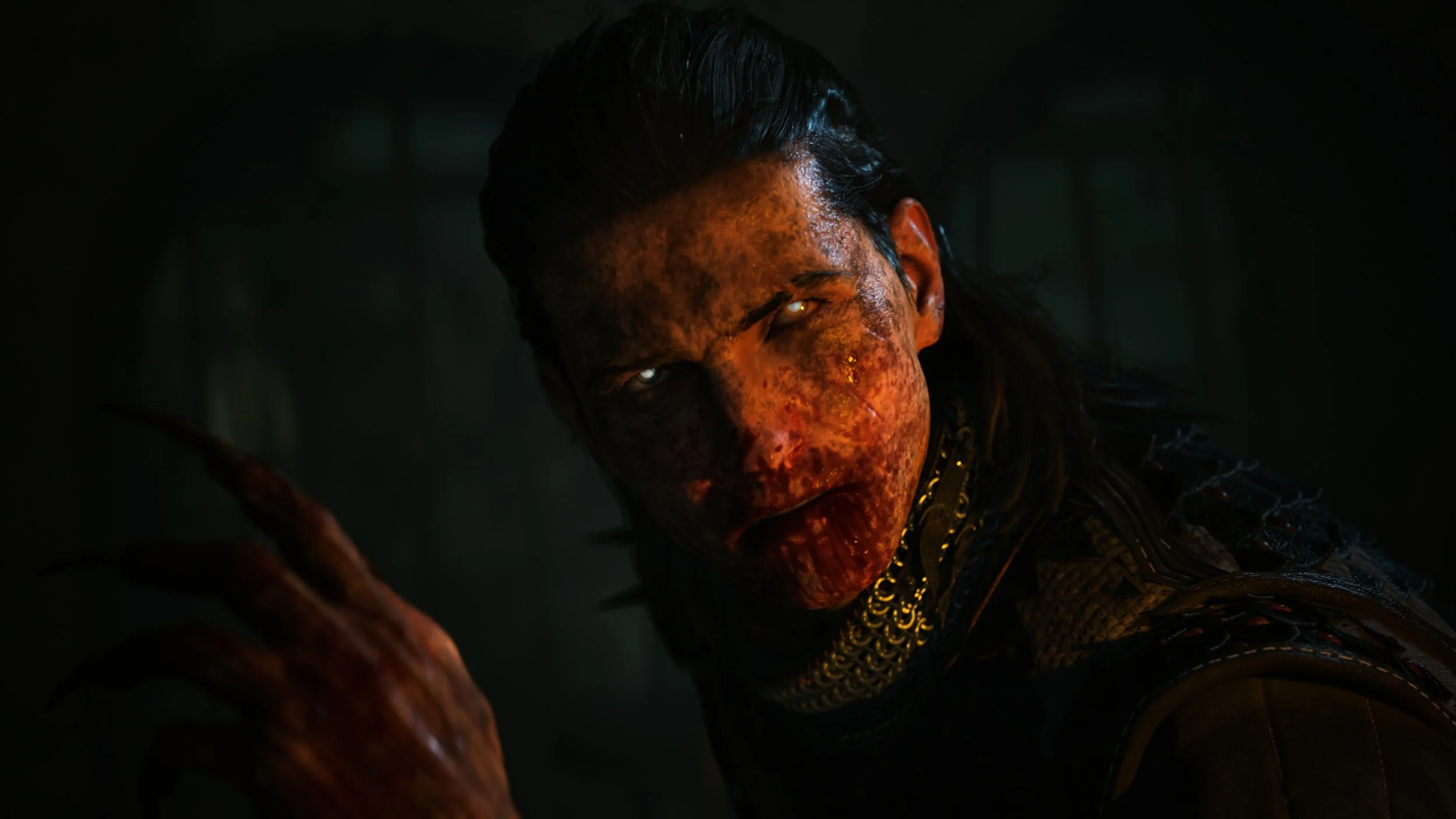
Overall, combat, due to the Omni-directional blocking and attacking, allows there to be this dance between being a standard hack and slash and something a bit more precise akin to Kingdom Come: Deliverance, which was a combat style I generally didn't care for. Here, combat feels like a cross between that extreme and something similar to the Witcher 3. It's a great mixture that works extremely well and remains engaging as you continue to add skills and new weapons to your repertoire. While it may not satisfy veteran gamers looking for something with a bit more depth, I found it incredibly engaging, at least when the targeting system worked.
Now, while you'll have a large assortment of skills, both through witchcraft, sword mastery, and your Vrakhir abilities, you'll still need skill books to amp up your skills past their initial ceiling. You'll find manuals at vendors or as you explore, which add another tier to sink points into. It's a great system because it encourages you to use the vendors and explore to find more throughout Vale Sangora to make you more powerful.
As you explore, and take on quests, you'll slip into a few gameplay mechanics the studio knows all too well. Similar to Witcher tracking, you'll track blood and debris here as Coen to solve several mysteries or disappearances, and this is via yellow markings, or blood and other debris being highlighted in yellow. While I don't mind this detective vision of sorts, when used well, I do feel the game relied on it a bit too much. I felt far too guided when tracking, and felt that less yellow and more visual carnage would have helped.
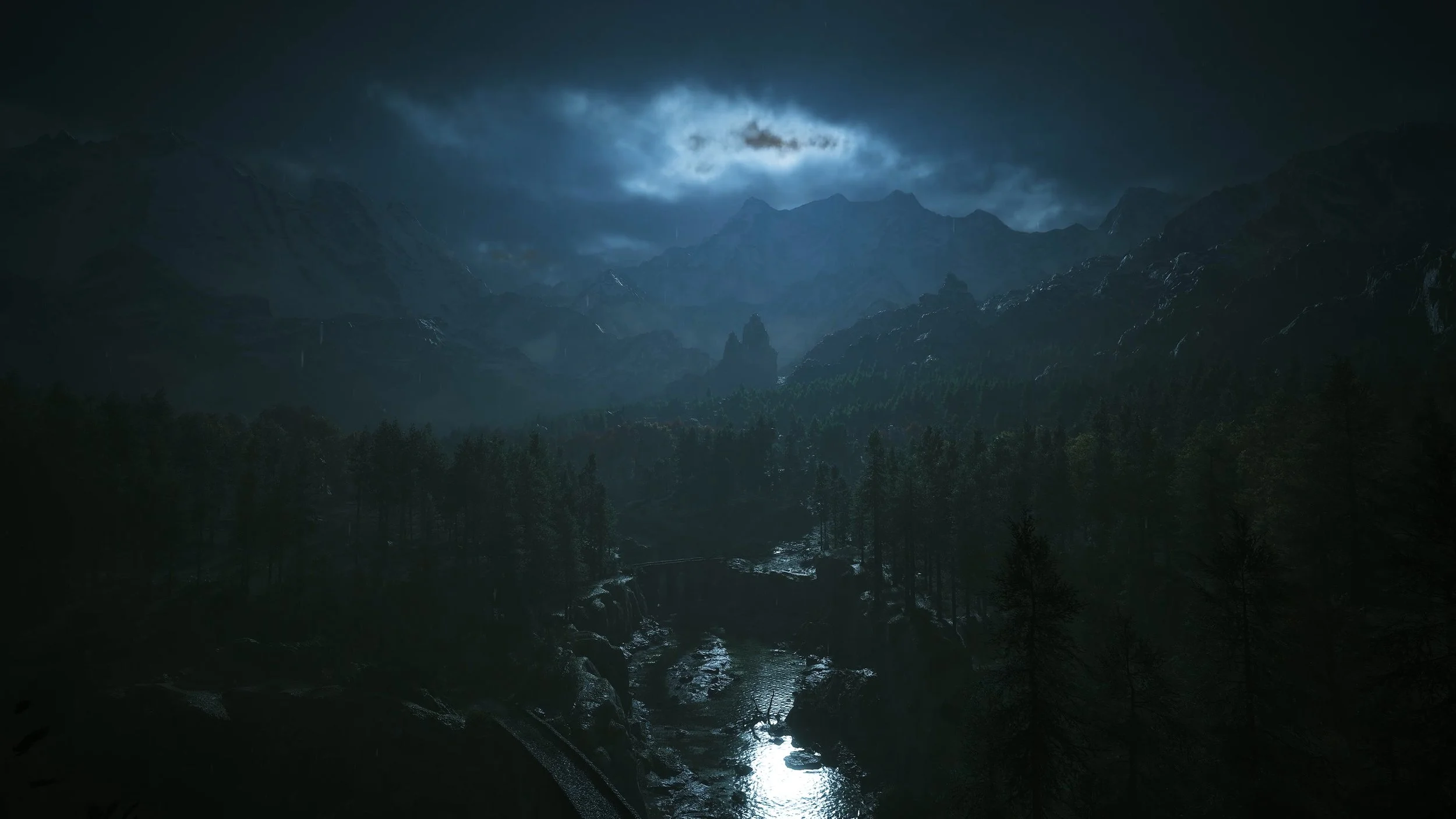
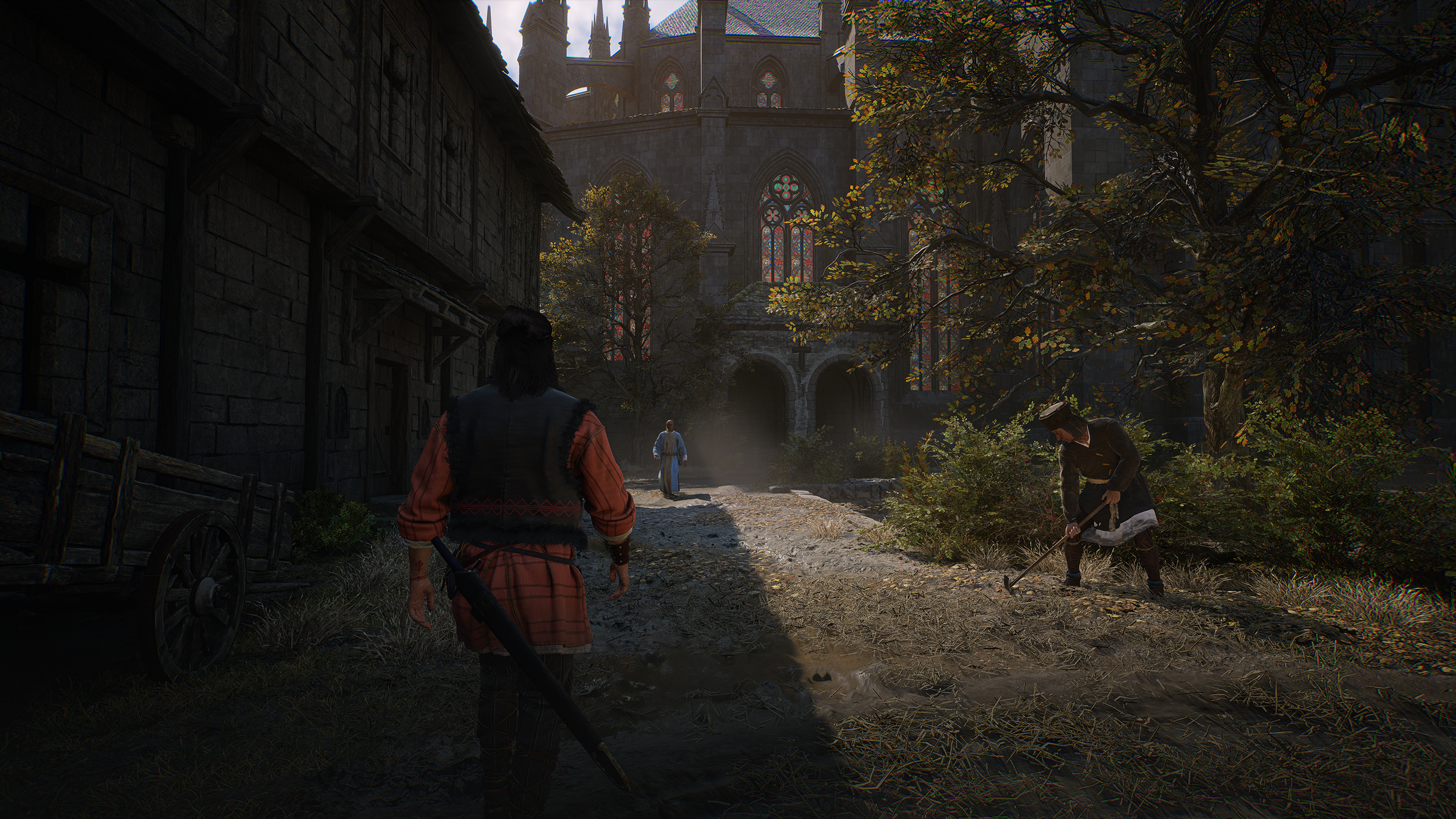
Dawnwalker is another game to utilize Unreal Engine 5, and it works to varying success. I did notice that cutscene models look far better than gameplay models, and you can really see this disparity via the character model viewer in the journal, which shows off their cutscene model. Still, Dawnwalker is a good looking game, especially from a debut studio, regardless of the legacy of their founders. Environments are generally well done, with death and decay all around you.
Audio and presentation are solid, with some great music, and some familiar audio choices that feel directly lifted from their prior work on the Witcher 3. Hell, even a common audio glitch from the Witcher 3 exists here too. Strange, right? Still, it works, and the game has some great sound design, and some stellar voice acting. That said, Will de Renzy-Martin, who voices Coen, does dip into a bit of Doug Cockle’s grit and delivery from time to time. Not meaning they sound alike, but in the delivery. And, to add, there are times where Will sounds dead on to Tom Hiddleston’s Loki, when he would be casually talking, with a tone found more in the Loki Disney+ series. Regardless, great performances all around.
Dawnwalker’s timer certainly wasn't something that initially sat well with me, but after seeing its execution, and the amount you can accomplish, when certain paths have been removed, I've turned around it, at least somewhat. Regardless, Rebel Wolves has crafted a stunning world to explore, with characters, lore, and a story worth caring about. While they have oddly shown their cards as to Coen's future adventures, I still find reasons to revisit and scour every nook and cranny this world provides. It's worth sinking your teeth into.


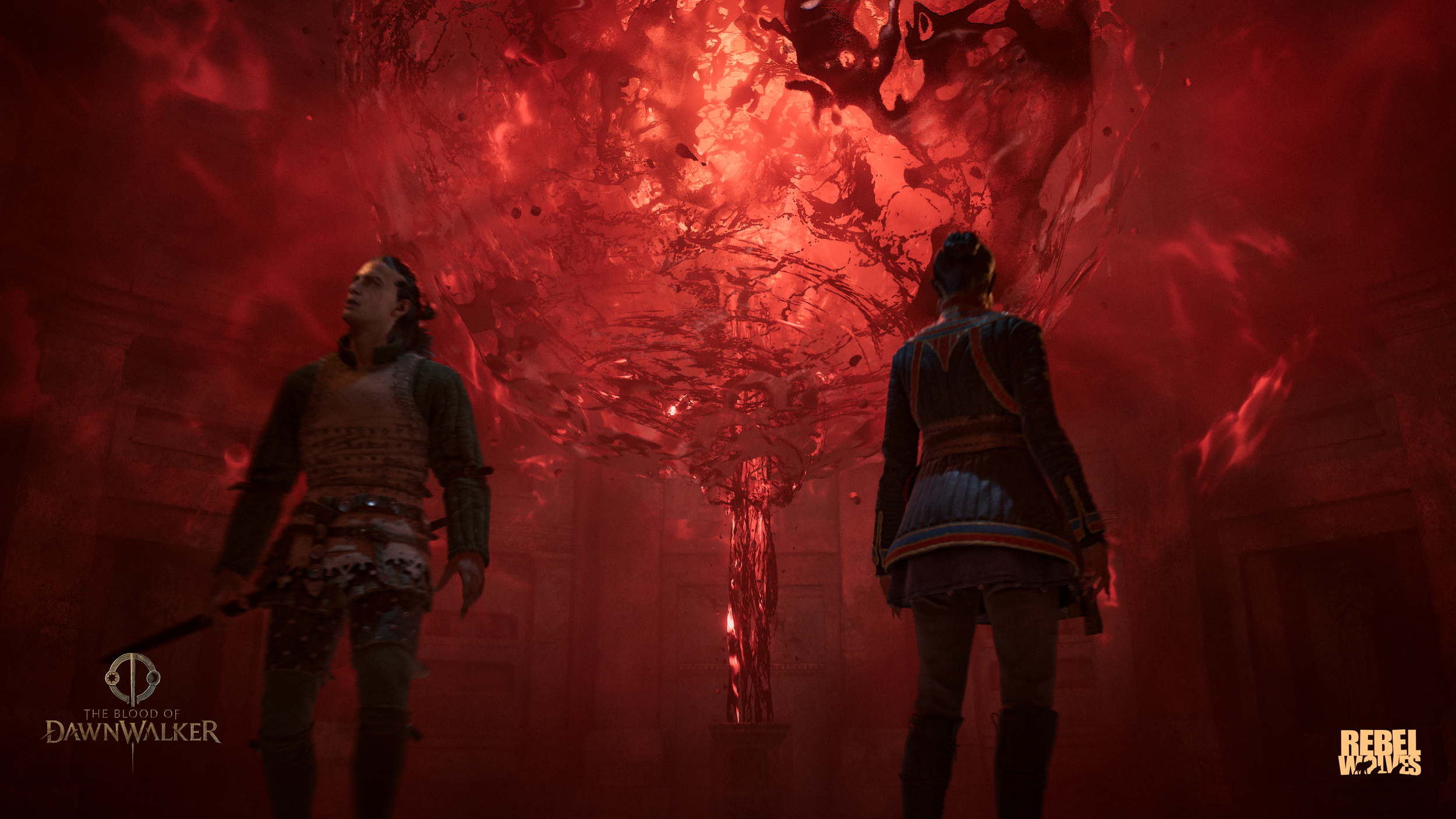
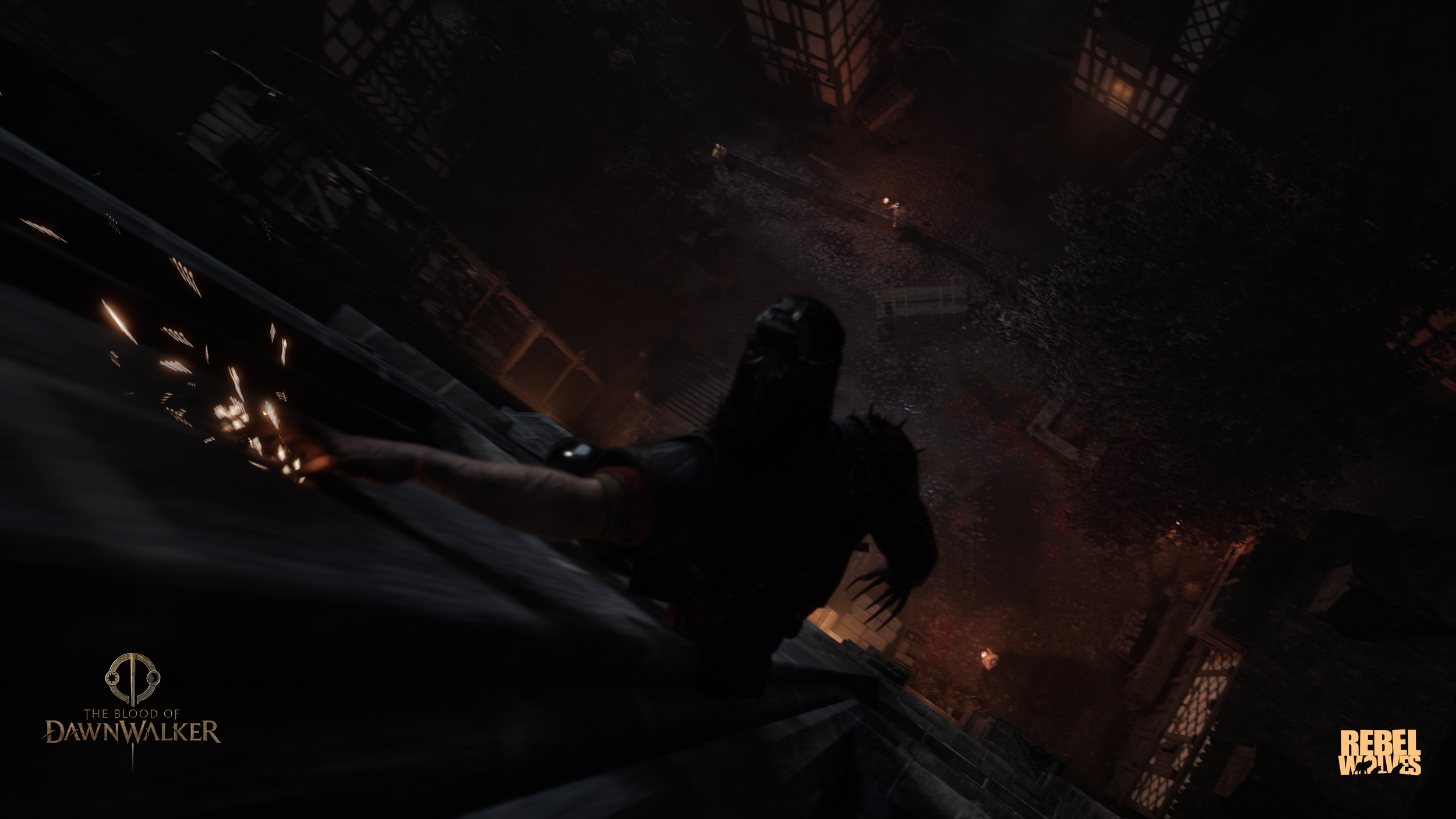

Developer - Rebels Wolves.
Publisher - Bandai Namco Entertainment. Released - September 3rd, 2026. Available On - PlayStation 5, Xbox Series X/S, PC. Rated - (M) - Blood and Gore, Intense Violence, Nudity, Strong Language, Strong Sexual Content. Platform Reviewed - PlayStation 5.
Review Access - A review code for The Blood of Dawnwalker was provided by the publisher for the purpose of this review.
Jeff is the original founder of Analog Stick Gaming. His favorite games include The Witcher III, the Mass Effect Trilogy, Hi-Fi Rush, Stellar Blade, Hellbade: Senua’s Sacrifice, and the Legend of Heroes series, especially Trails of Cold Steel III & IV.