
Mordor on the go.
It's bizarre to think that twelve years after its original release, I would be playing The Lord of the Rings: Shadow of Mordor on a Nintendo console. This was a game that was built for next-gen at the time, as the PS3 and Xbox 360 versions were terrible ports by comparison. While Shadow of War certainly improved upon the first game's formula, with vast improvements beyond the game's visuals, there is something still uniquely awesome about this game.
While its sequel in Shadow of War overhauled the Nemesis system and contributed to adding a great deal of depth and variety, this was, at the time, a revolutionary system that took the industry by storm. Sadly, for as impressive as this system was, WB has yet to revisit it, cancelling the only new project that was meant to enhance it even further. Still, this system was enough to make Shadow of Mordor an impressive entry not only towards the Lord of the Rings license, but to videogames in general. This was a system that could have taken gaming to the next level, but WB has locked it away, seemingly to never revisit it.
What is helped here by the Switch 2 release is that this is a port of the Game of Year version found on Xbox One, PS4, and PC. Aspyr has a history of re-releasing games, but often leaving them as is, often treating them as barebone projects to cast aside in favor of the next game. While that is the case here, especially with Shadow of War, this is a series of games that benefit from being released as is. Well, at least Shadow of Mordor.
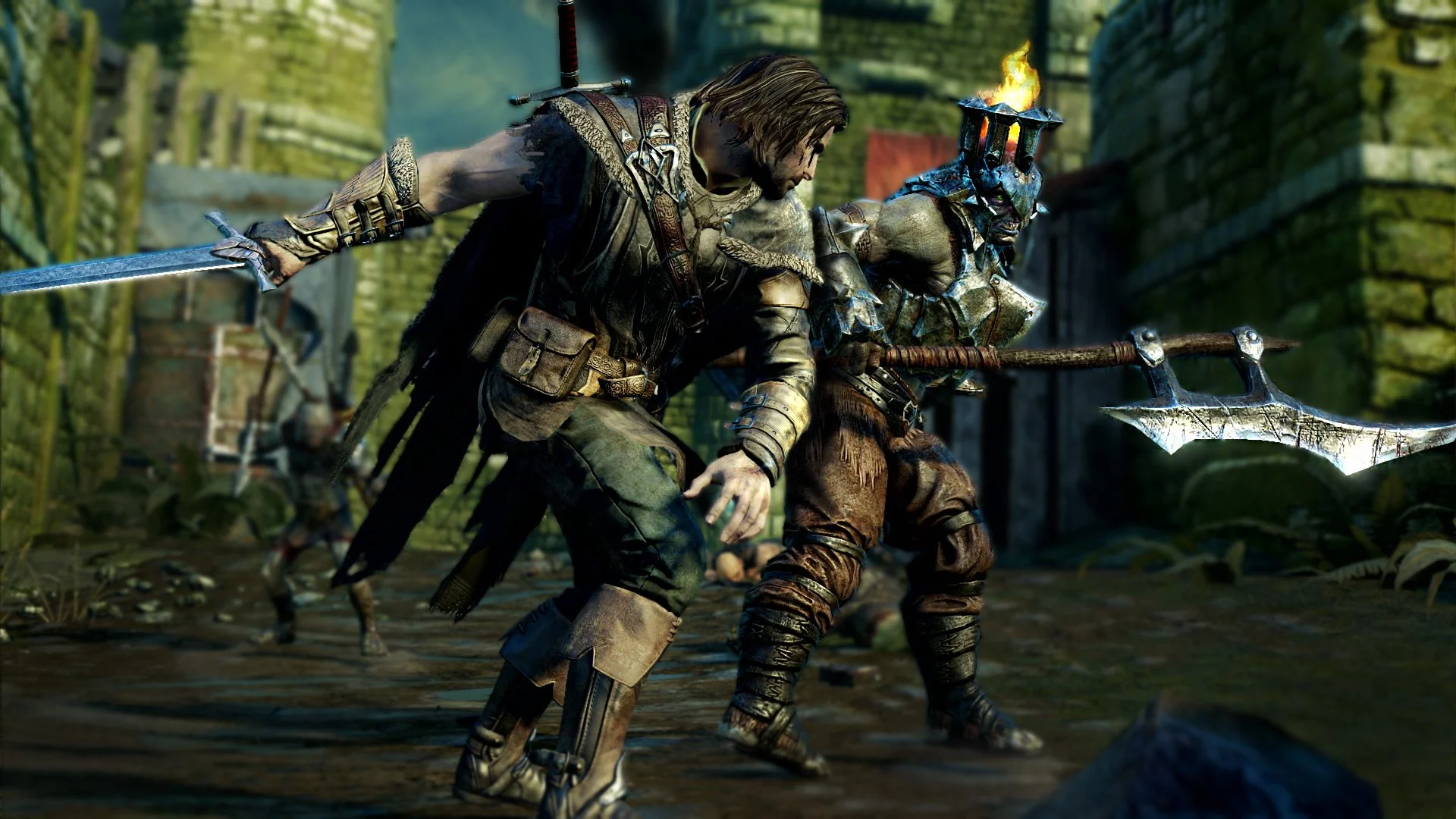
Given this is the Game of the Year version, it includes all the DLC, from the Lord of the Hunt to the Brightlord expansion, to additional Warband missions, runes, and character skins, there is a lot of content here, especially at the reduced price. The skins do only replace Talion during gameplay, so you won't see the likes of the Black Hand of Sauron himself, to the Bright Lord and even Lithariel, in any of the cutscenes, no matter how minor, they all revert back to Talion. Still, as Talion is one of the most bland protagonists in gaming, swapping out that design at any point is a delight.
Shadow of Mordor takes place between the events of The Hobbit and The Lord of the Rings. While the game certainly has the look of the films, and much of its presentation and design, it does play a bit fast and loose with the lore, especially in the sequel. Regardless, it does fit nicely into that particular aesthetic of the films. It's also a Lord of the Rings game that features Gollum, and doesn't suck.
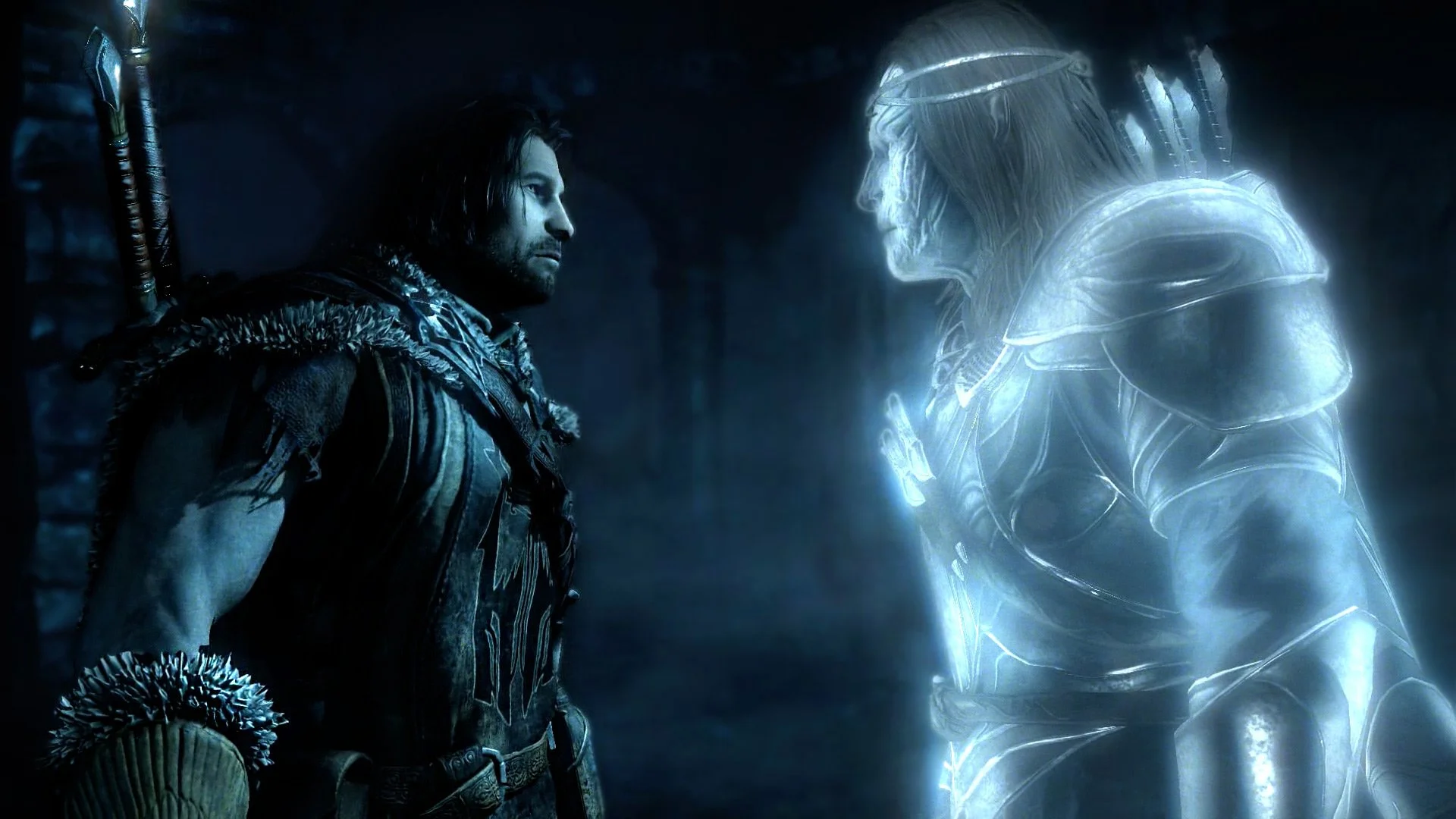
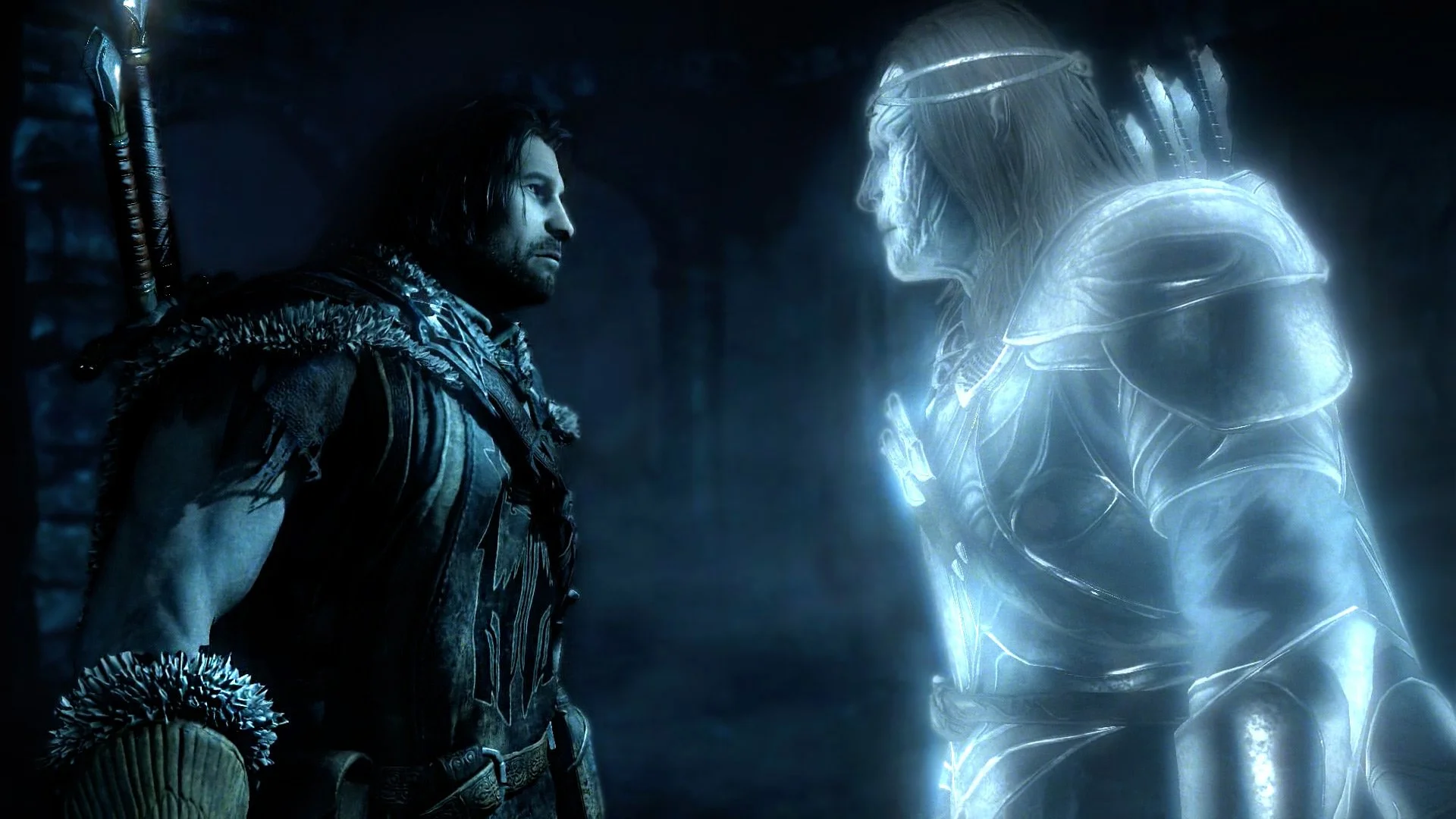
You play as Talion, a ranger who is stationed on the Black Wall, with his wife and son. As you are taking part in a brief tutorial for combat, testing your son's skills with the sword, it's made clear we are witnessing moments from the recent past. And, as Talion interacts with a few items around him, one of those memories is the brutal murder of his wife and son, their throats slit right in front of him. And while his throat is also slit, death won't welcome him as he soon merges with the wraith of an Elf Lord named Celebrimbor. And, what is interesting about this merger is that Celebrimbor is the maker of the Rings of Power, and coincidentally, the main character in the Amazon Prime series titled; The Rings of Power. Though, to be fair, these are very different interpretations of the character.
As a fan of The Lord of the Rings, it's an interesting concept, and one that is largely successful, if only dragged down by the typical quest for vengeance storyline that has been done to death, even by the game's original release. Don't get me wrong, the revenge storyline is a solid one, and it's been tried and true for decades, but it only works if the lead is even remotely interesting, and Talion is not.
What worked so well in Shadow of Mordor was the amount of freedom and exploration you had. Sure, there is a level of structure here that can reign you in, but to explore the lands from the books and films, so freely, is a dream come true. And this was a dream come true even back in 2014. And given the solid performance here on the Switch 2 that dream is played out beautifully.
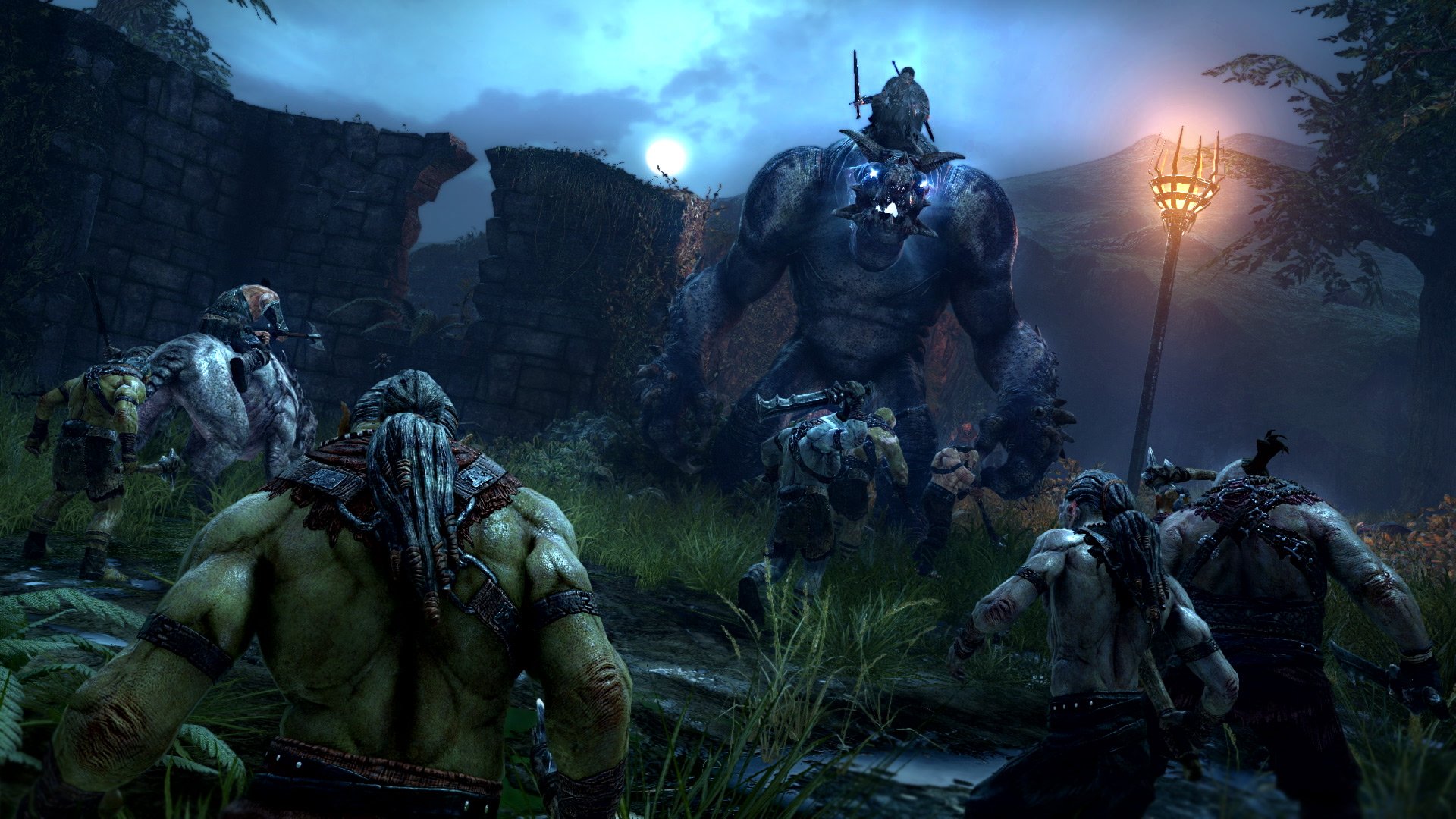
However, it's not long into this story where you discover the key ingredient as to why Shadow of Mordor was so successful; the Nemesis system. This system was unheard of at the time, and while Shadow of War certainly added a ton of layers to it, the basics of what is here is still impressive now as it was back then. Hell, playing it now actually made me a bit depressed that apart from Shadow of War, we've yet to see it make any sort of comeback.
The Nemesis system ensures that every notable enemy you encounter can be unique to your game. Whether you die at their hand, or see them escape, it will change them into something more the next time you meet. So, if you set an Orc on fire, but fail to decapitate them, they may return, albeit covered in burns, and likely given a name to support their new deformity. They may even result in them developing a fear of fire, making it easier to handle them a second time.
This system allows each player to have unique Orcs be their adversaries and feel built around the confrontations that you, as the player, make with the game. It made each encounter unique to you, and never felt scripted. While Shadow of War would evolve this system with more traits and variety to make enemies even more varied, the foundation of what is present in Shadow of Mordor is nonetheless fascinating.
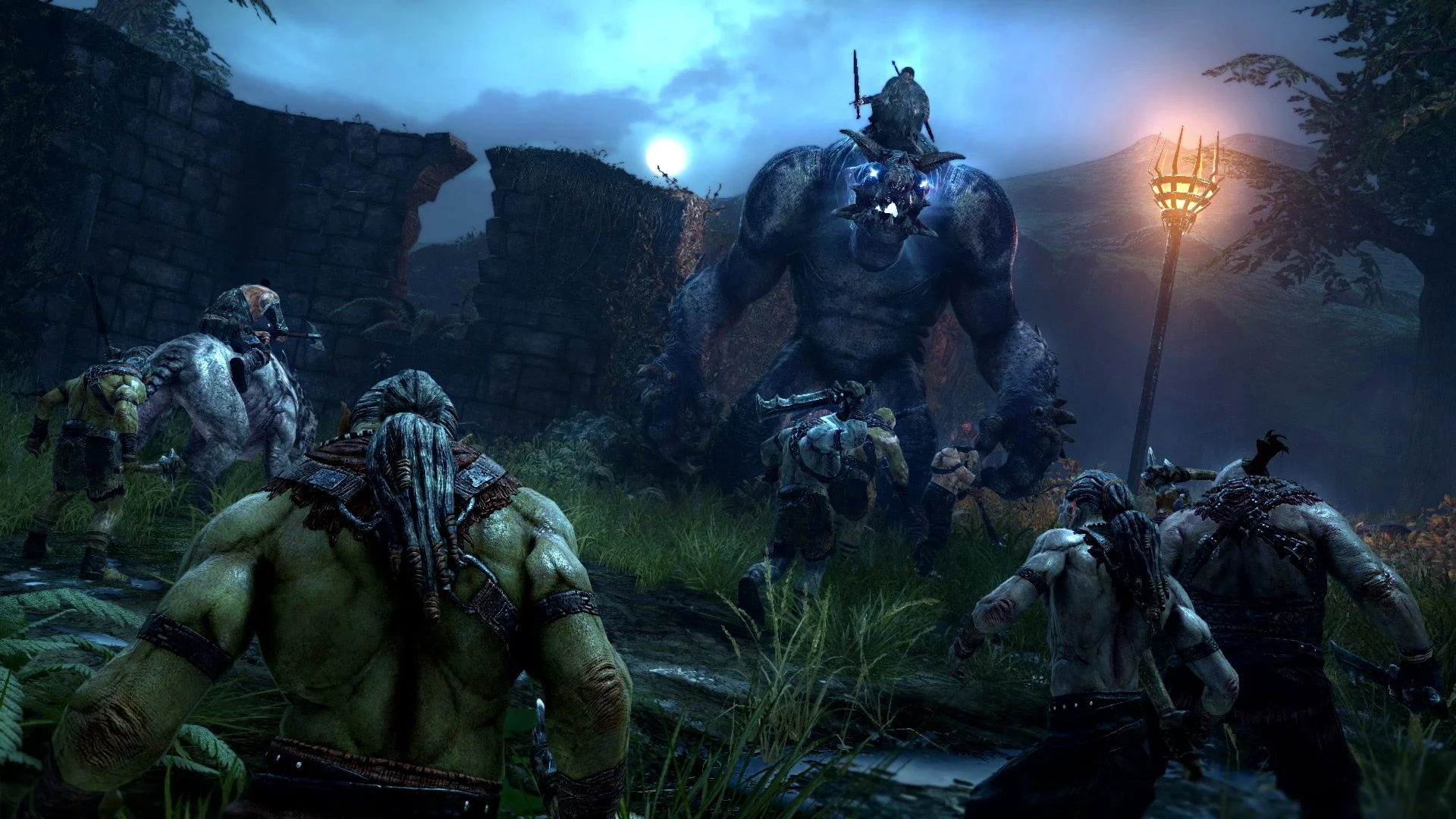
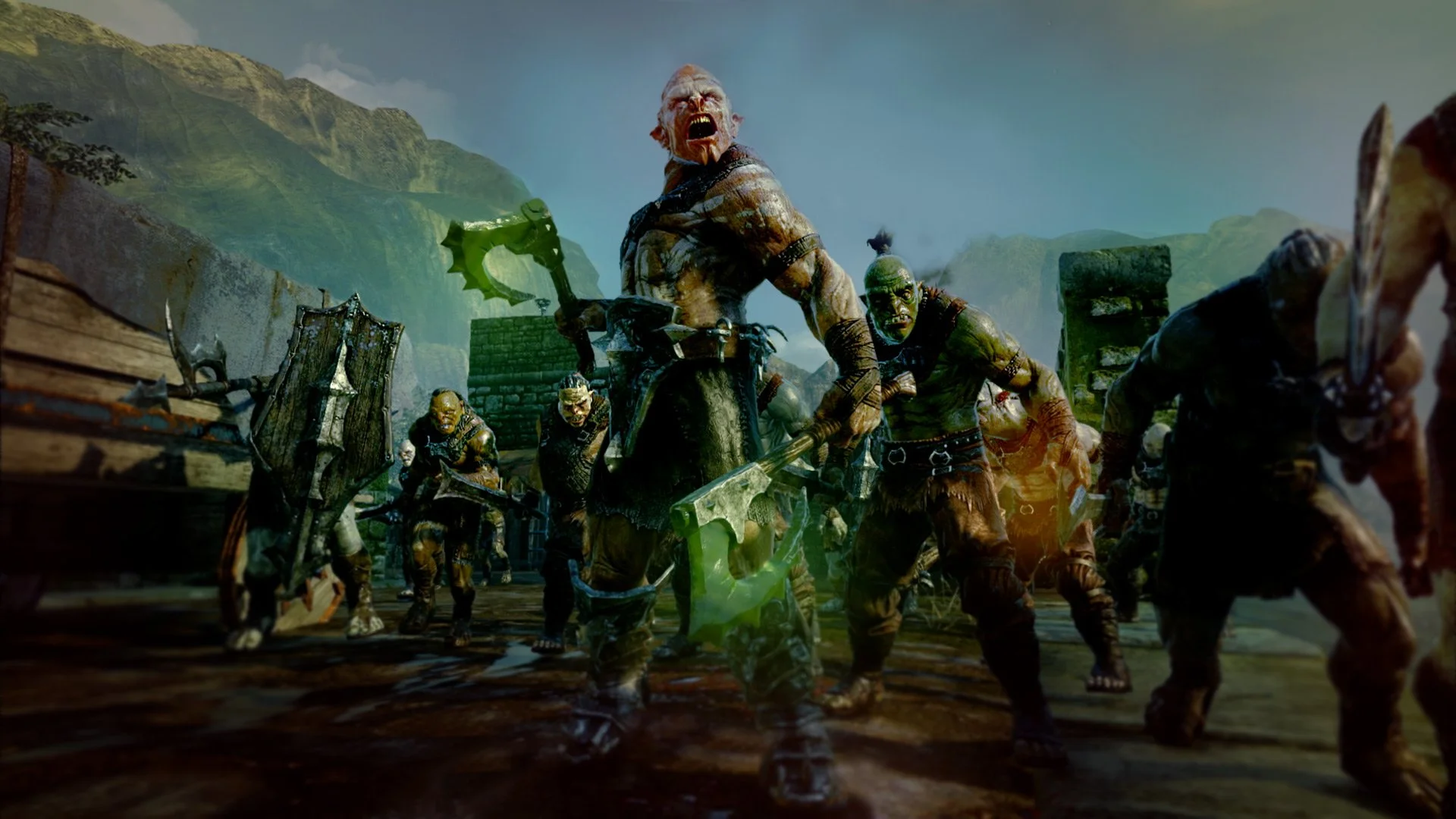
This system works via a hierarchy of Grunts, Captains, and Warchiefs. So, if a lowly grunt manages to kill you, they can work their way into becoming a Captain, should there be a vacancy. So, the point of this system is to disrupt the hierarchy and you'll do this by starting at the base of the ranks and working your way up to the Warchiefs. However, they are often surrounded by numerous followers and bodyguards, making them a lot harder to kill than your typical Captain.
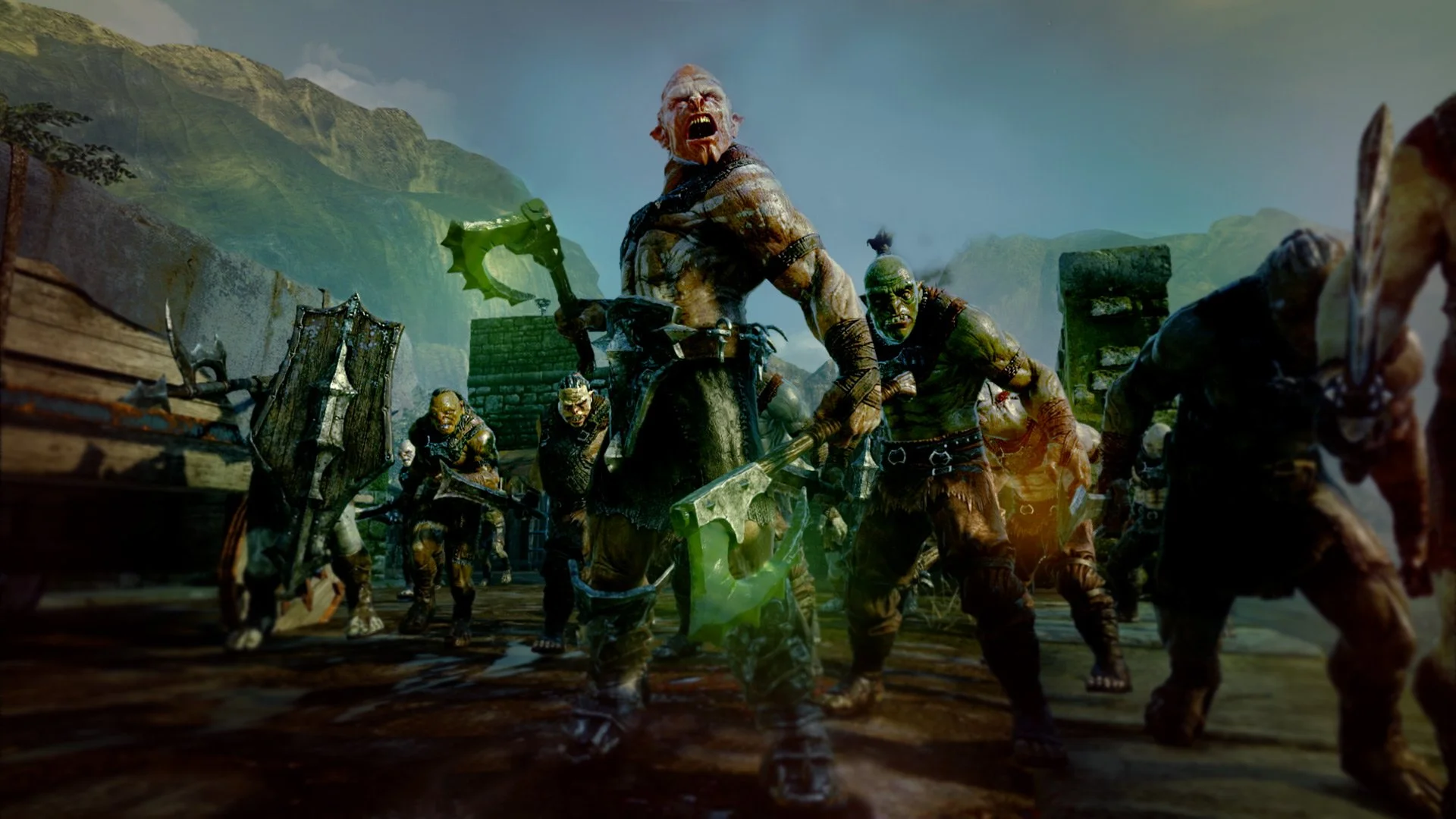
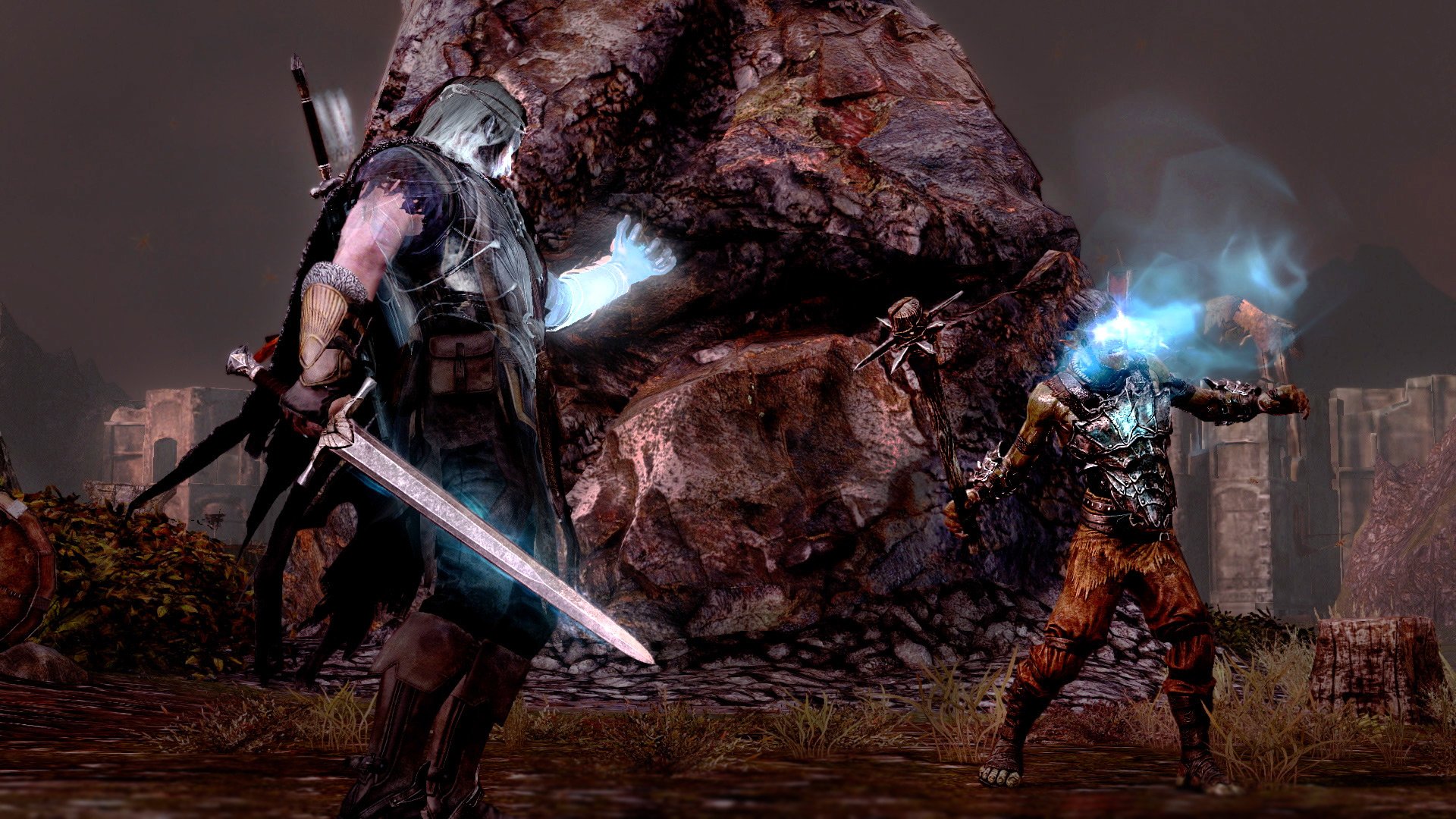
Now, to work through those ranks, you'll need to interrogate specific grunts or Captains, and they will relay information about one of the other Captains. This will then detail their location, as well as critical information like their strengths and weaknesses. So, you'll often want to use your wraith vision to seek out these targets, conveniently marked by a green silhouette.
What I really enjoy about this system, is that while the growth of these enemies can be such a unique experience, regardless of being able to kill you, or returning after a defeat, is that they all have varied personalities and looks to them. Some Captains look the part, where others look like Grunts that slimed their way into a position of power. And often, they do. While you will see some repetition in this system, what alleviates this is the conversations they will engage with you, as they will often recall prior events, making them feel like living beings.
While Shadow of Mordor is certainly more than just this system, it nonetheless is a testament to how good this system is when so many fans have been waiting for it to return for over a decade, only to be denied by WB at almost every turn. Regardless, being able to once dive back into this system has been a delight, especially being able to take it on the go.
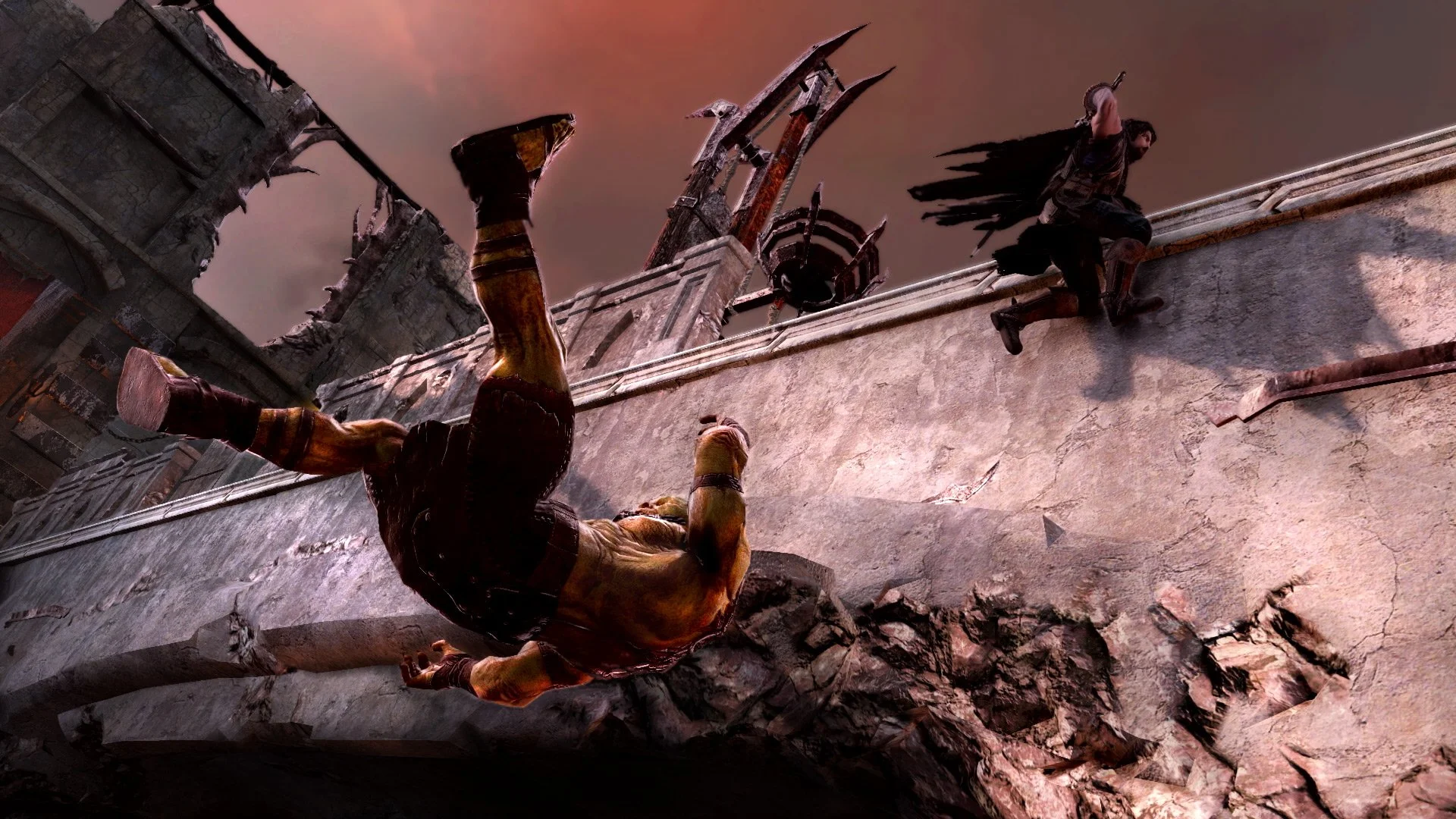
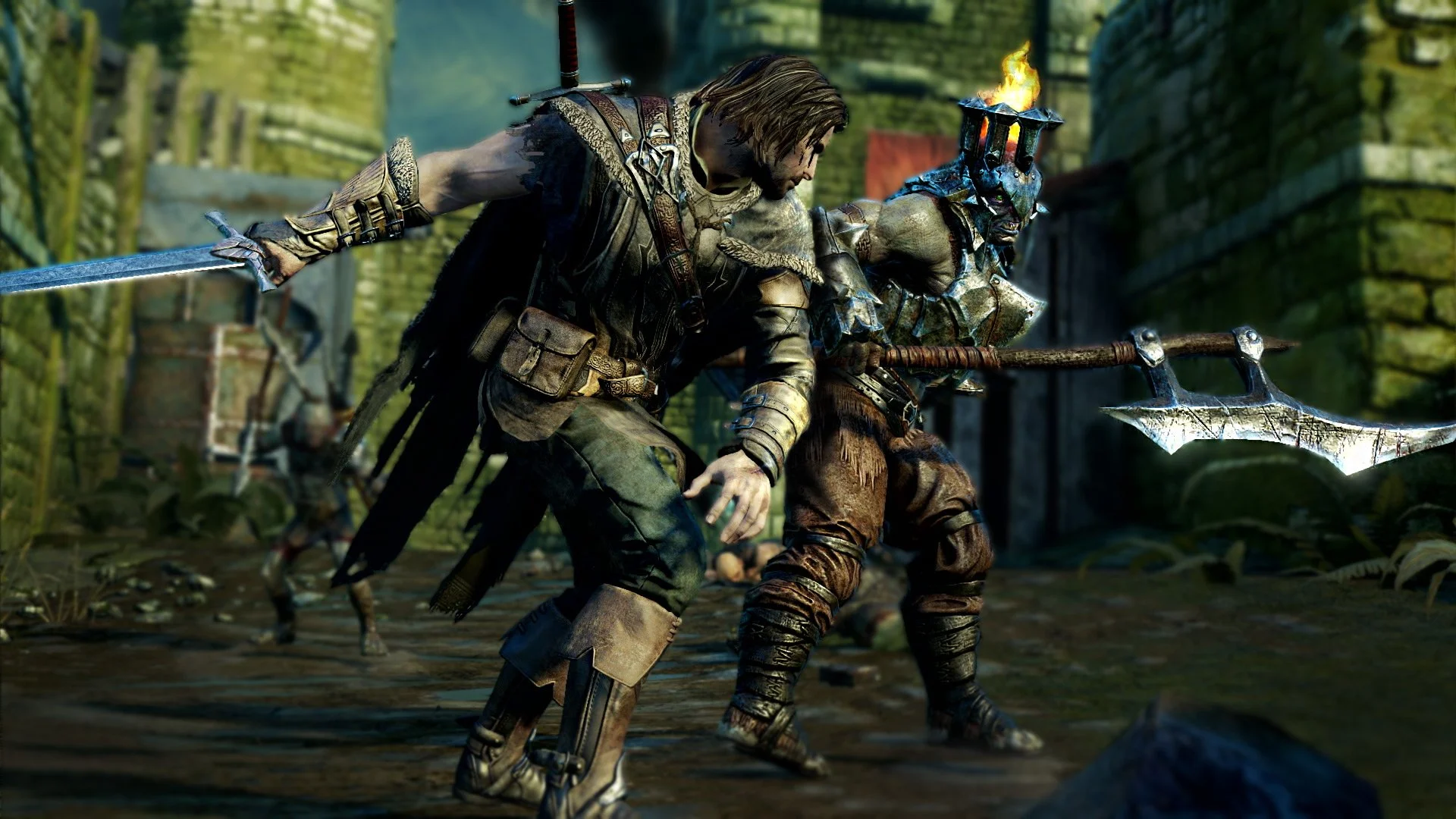
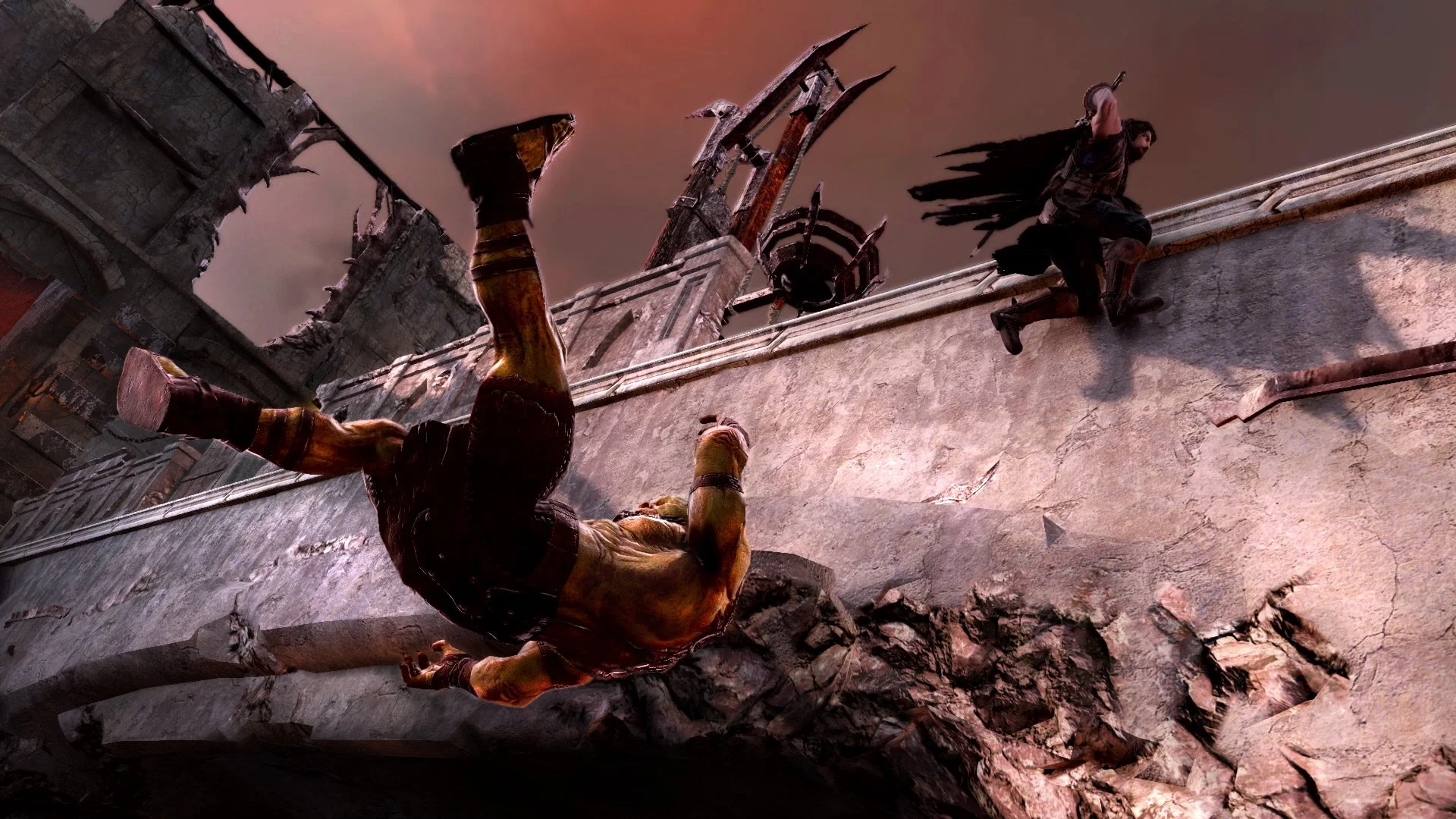
Combat certainly starts to have its own flavor the more you upgrade, but it follows the principles as something like the Arkham games. Talion can dodge and jump over enemies, perform executions, leap from above for stealth kill, or grab or slice up enemies from bushes. Stealth can play a big part of combat, but the combat system is still designed for even taking on a dozen enemies.
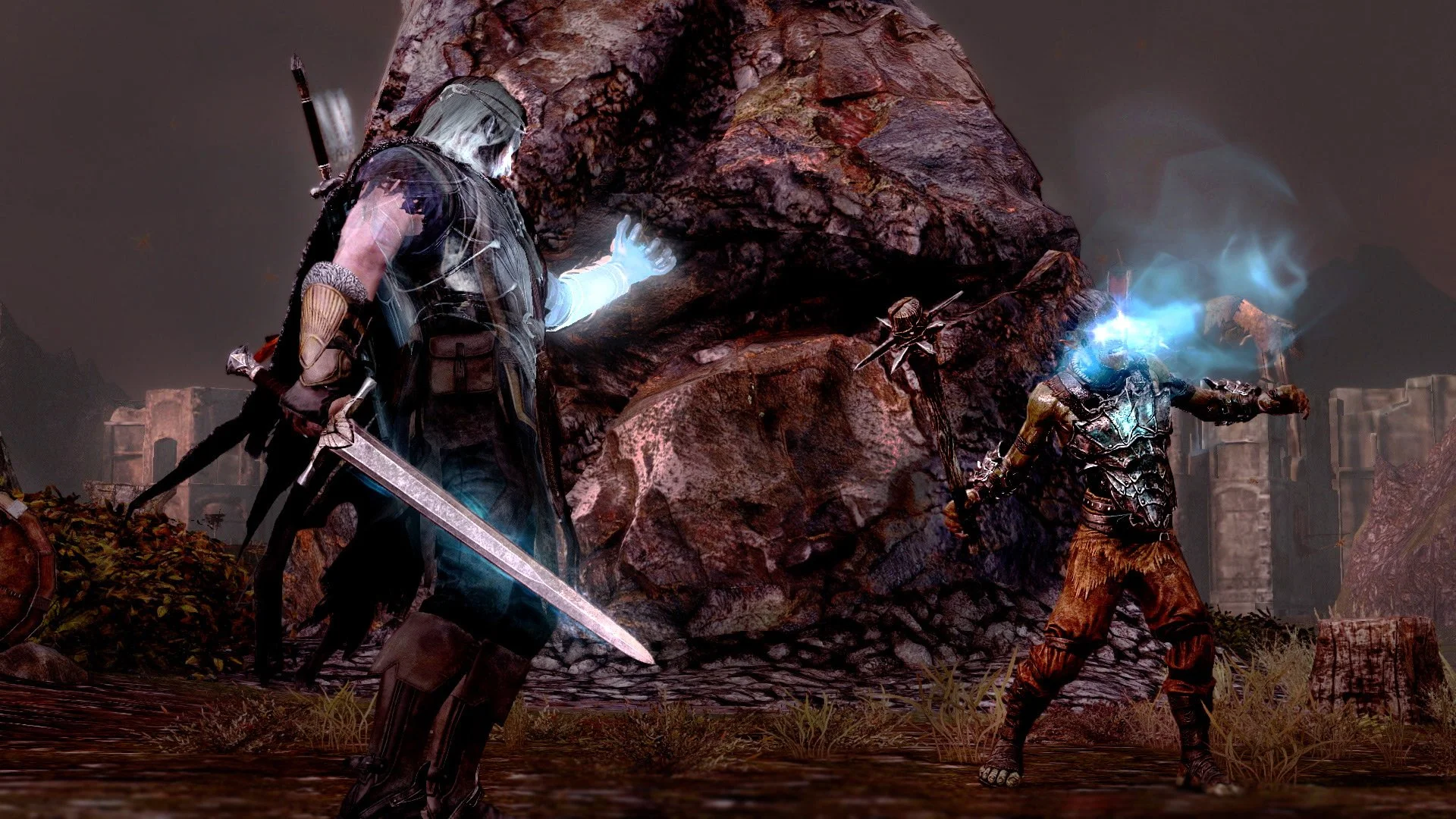
Countering is a huge part of combat as you'll get prompts to dodge out of the way. Eventually, that counter can be retooled to be a bit more effective. There is a nice flow to combat, and thankfully, the whole dance is extremely responsive, allowing your own errors to be your downfall, not the game.
The bow is another part of the game that can be upgraded to be even more effective. You'll have a focus gauge that slows down time, allowing you to charge up and get the perfect shot. I will say that having to manually grab arrows instead of automatically snagging them is a huge an oyamce, especially during combat.
When it comes to your upgrades and character progressions, the Ranger is built around his countering and executions. From vaulting over your enemies, or throwing daggers, you can even send death threats through interrogations as well. Celebrimbor’s aid has his own upgrades as well ensuring Talion is equipped for the fight. These are mostly around his bow, or wraith finishers and the wraith stun. These are unlocked via skill points that you'll earn as you level up.
Attributes are additional perks and upgrades that unlock as you acquire the required currency. This can be earned either by finding it or earning it through quests and challenges. These range from boosting your health, increasing the size of your quiver, to allowing you to equip more rune slots for your weapons.
Talion will be equipped with his sword, bow, and dagger. You'll be able to equip a maximum of five ruins, as you unlock the capacity to do so. Runes vary from gaining a last chance to survive, bonus critical chance to your attack, or making your combat finishers more effective. In the case of your bow or dagger, gaining bonus health back on a headshot is perfect, with recovering focus back on a stealth kill can aid in making your next bow shot more effective.
I was curious if the Switch 2 was going to really be visually impressive as we've seen lower powered hardware run this game before, and it wasn't pretty. Thankfully, the Switch 2 does a fantastic job here and makes the experience extremely responsive while looking almost as good the lead platforms for this title. Honestly, you'd have to really have them side by side to notice any issues or technical compromises.
While the story was never something I was really invested with here, the free flowing combat and the Nemesis system carry this game to incredible heights. While I still believe that Shadow of War is the better game, at least with its online components, it's hard not to be impressed by this game all over again. And, with the portability of the Switch 2, you can now save Mordor on the go.
Developer - Monolith Productions, Aspyr.
Publisher - Warner Bros. Entertainment, Aspyr. Released - September 30th, 2026. Available On - PlayStation 5, Xbox Series X/S, Switch 2, PC. Rated - (M) - Blood, Use of Drugs, Violence. Platform Reviewed - Nintendo Switch 2.
Review Access - A review code for Middle Earth: Shadow of Mordor was provided by the publisher for the purpose of this review.
Jeff is the original founder of Analog Stick Gaming. His favorite games include The Witcher III, the Mass Effect Trilogy, Hi-Fi Rush, Stellar Blade, Hellbade: Senua’s Sacrifice, and the Legend of Heroes series, especially Trails of Cold Steel III & IV.