
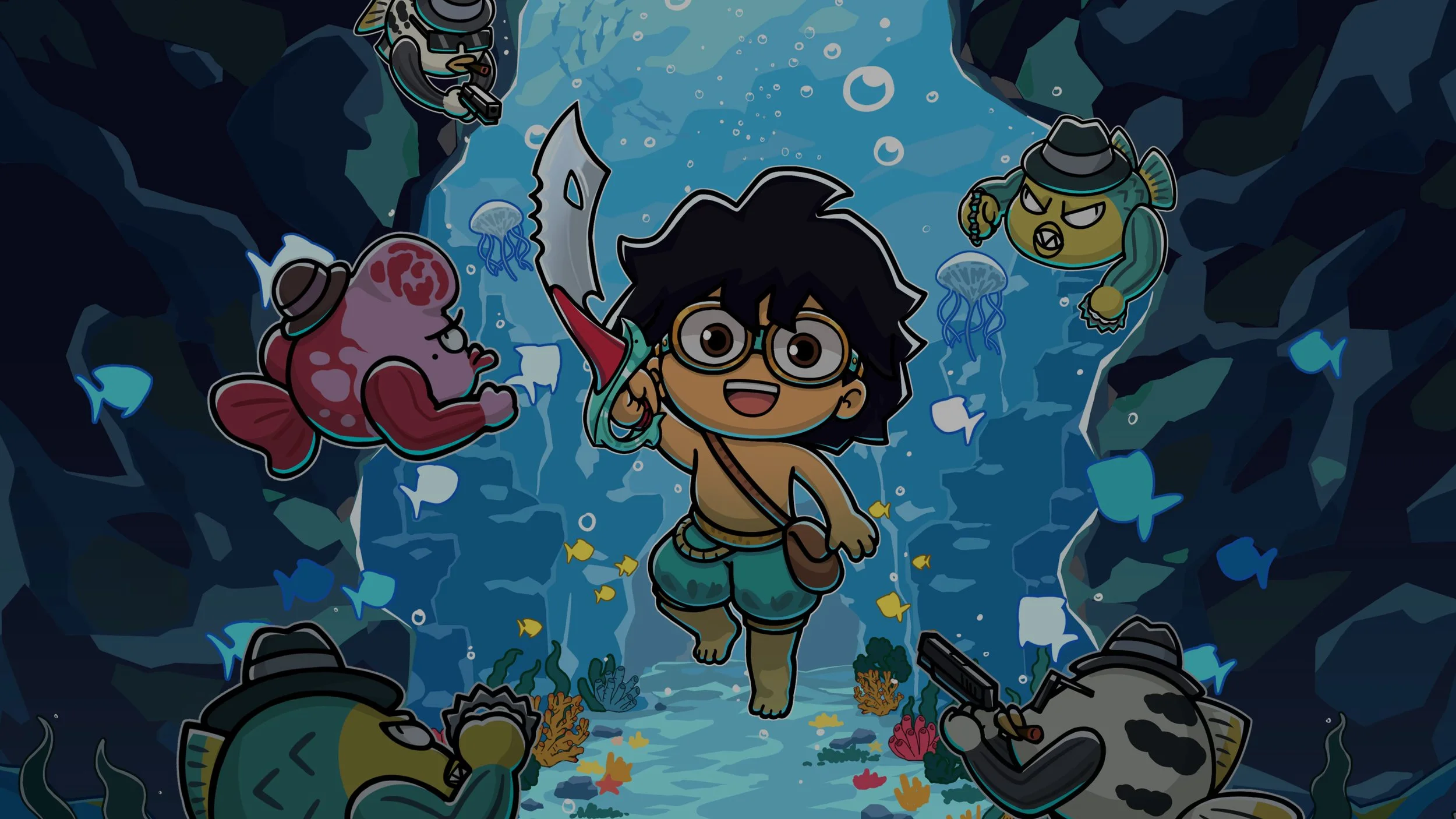
Under the Sea.
Six months ago, the Twitter account of Port of Jumanah stated they were developing “Cult of the Lamb, except it is an underwater rogue-lite..”. Now, to their credit, they've done just that. And while that does sound incredibly interesting, I wish Agate and Red Dunes Games brought more of their own ideas to the table, as Port of Jumanah is nonetheless charming, and can be a lot of fun, but it's in dire need of its own identity.
You play as Mansour, a pearl diver who suddenly gets caught up in a lot more than just a casual dive. You encounter a large clam, and suddenly, six black pearls erupt from it and are scattered across the ocean. You eventually meet someone who requests these pearls, and the naive Mansour offers to help her.
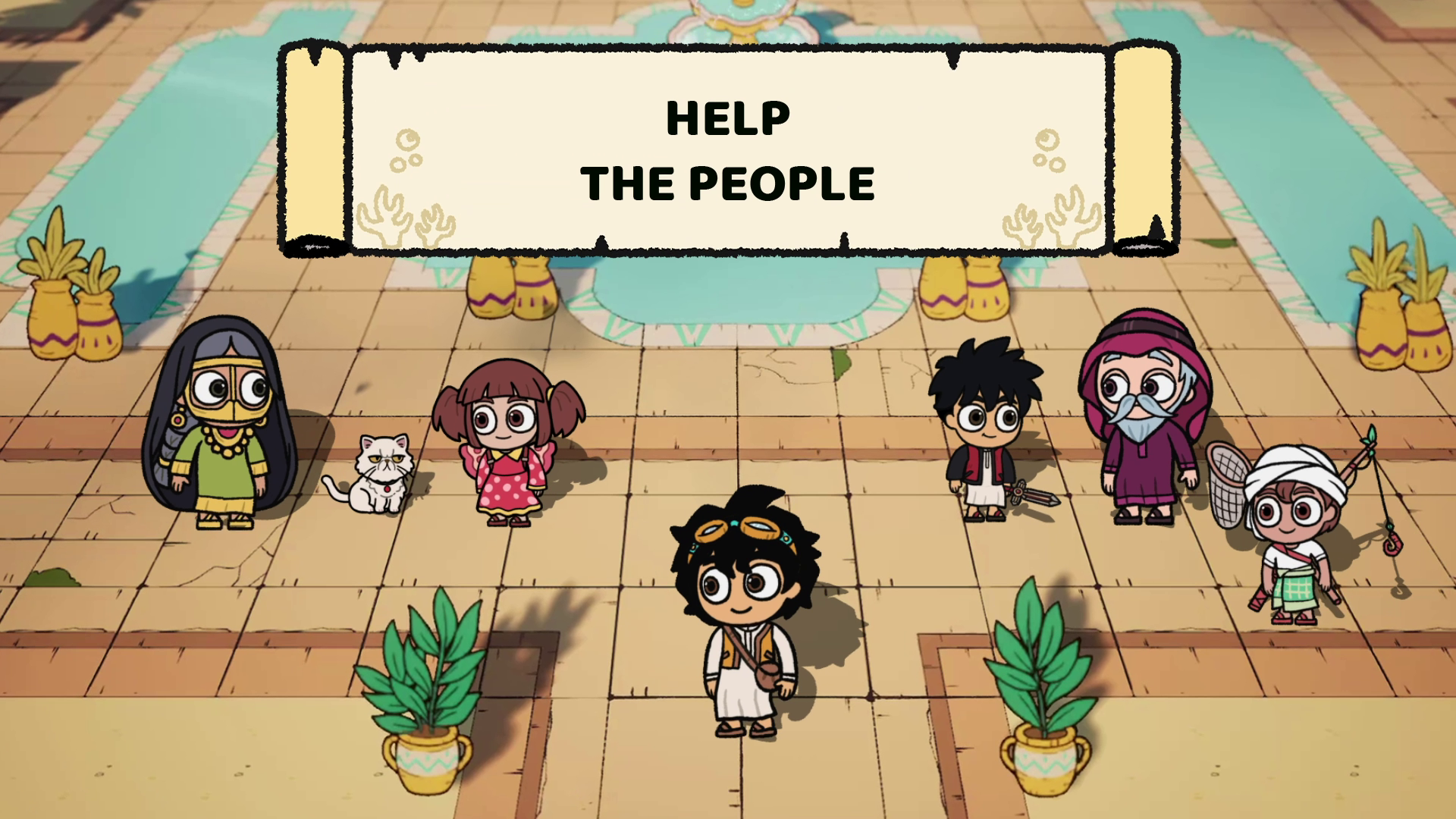
The rest of the story largely feels inconsequential to the gameplay as it is never delivered in a way that feels exciting. Mansour is so naive that you'll see all the major plot points happen, and many of the key figures here play their parts to what you expect and are rarely engaging.
Early on, you meet a sea turtle named Sulhafah, and tells you about a darkness that is coming. Then, you are warned about an evil lady and some king, of which you'll meet the former right after your first pearl. However, despite the apparently dire circumstances surrounding this oncoming darkness, the story is very light, and extremely chill.
Port of Jumanah is a rogue-lite that plays exactly to what we get out of the genre. Not only does it borrow much of the visual aesthetic from Cult of the Lamb, but the way dungeons are structured and how enemies, and your own character are animated, it borrows from Devolver Digital's cult simulator almost wholesale.
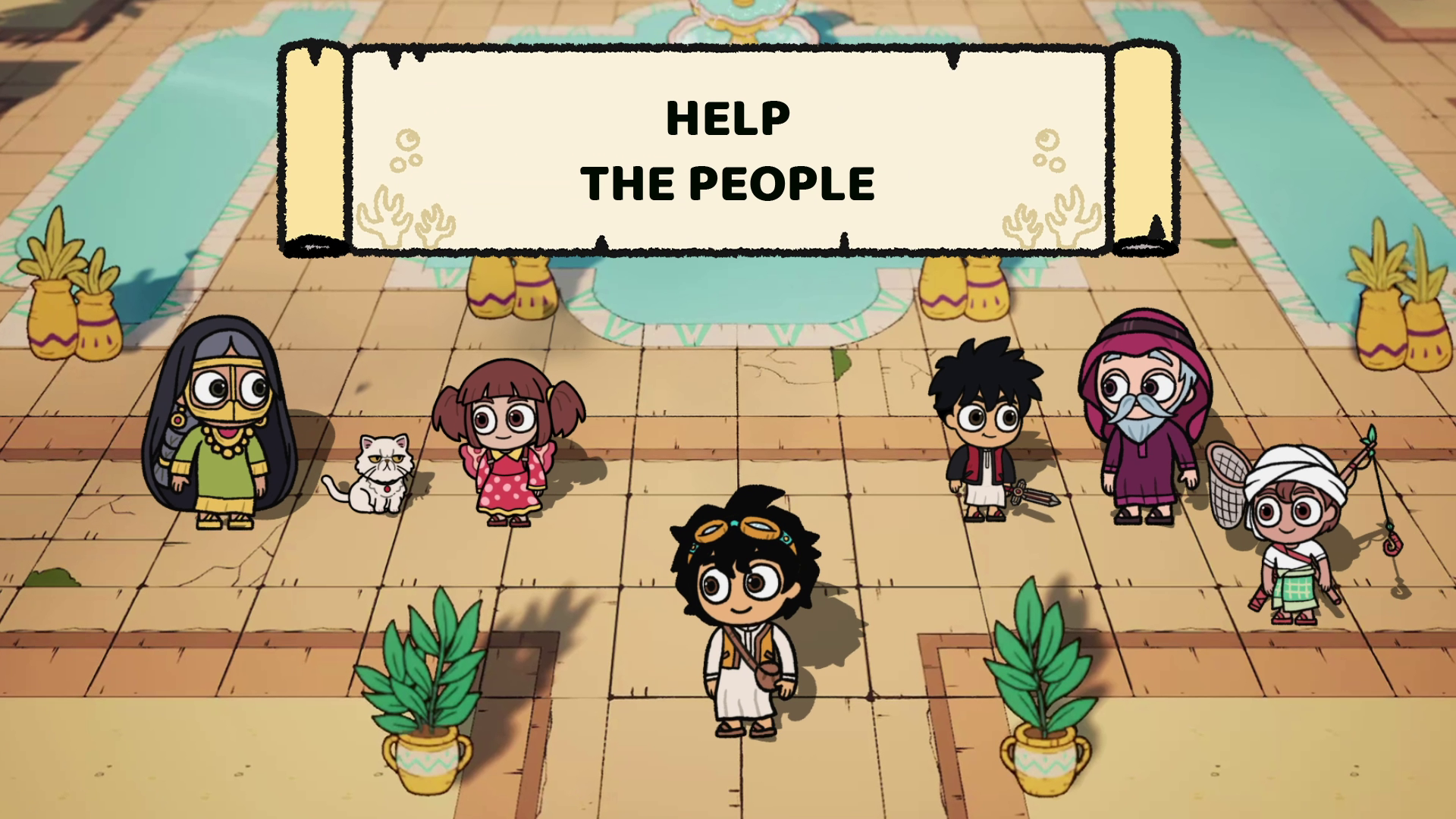
That's not to discredit the topside elements, as you have a small village to explore, packed with a few NPC's that offer quests, provide commerce, and aid in other ways to push the story along. However, these elements are partially held back by some barely serviceable dialogue and a lack of anything to make you care about the cast.
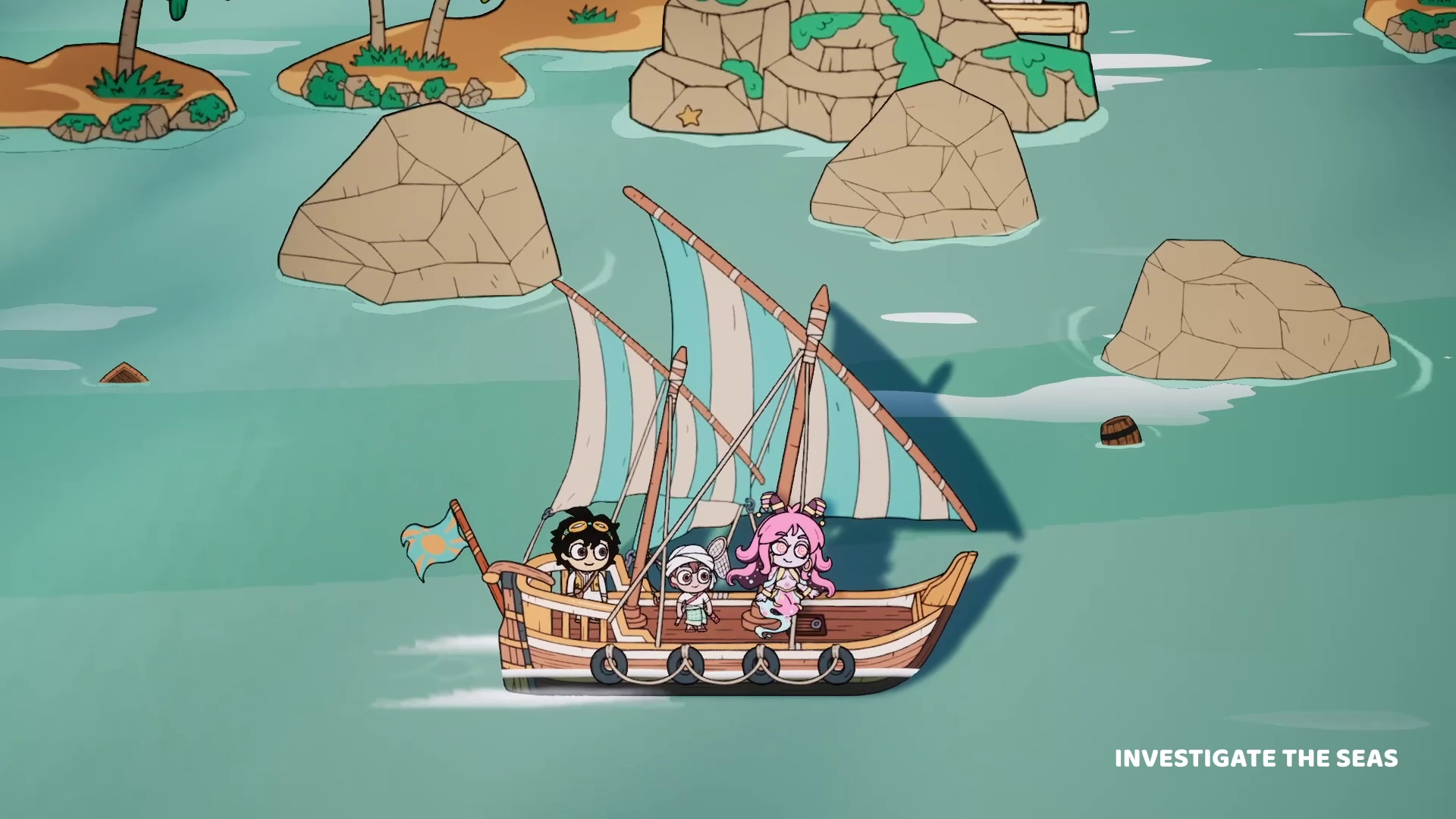
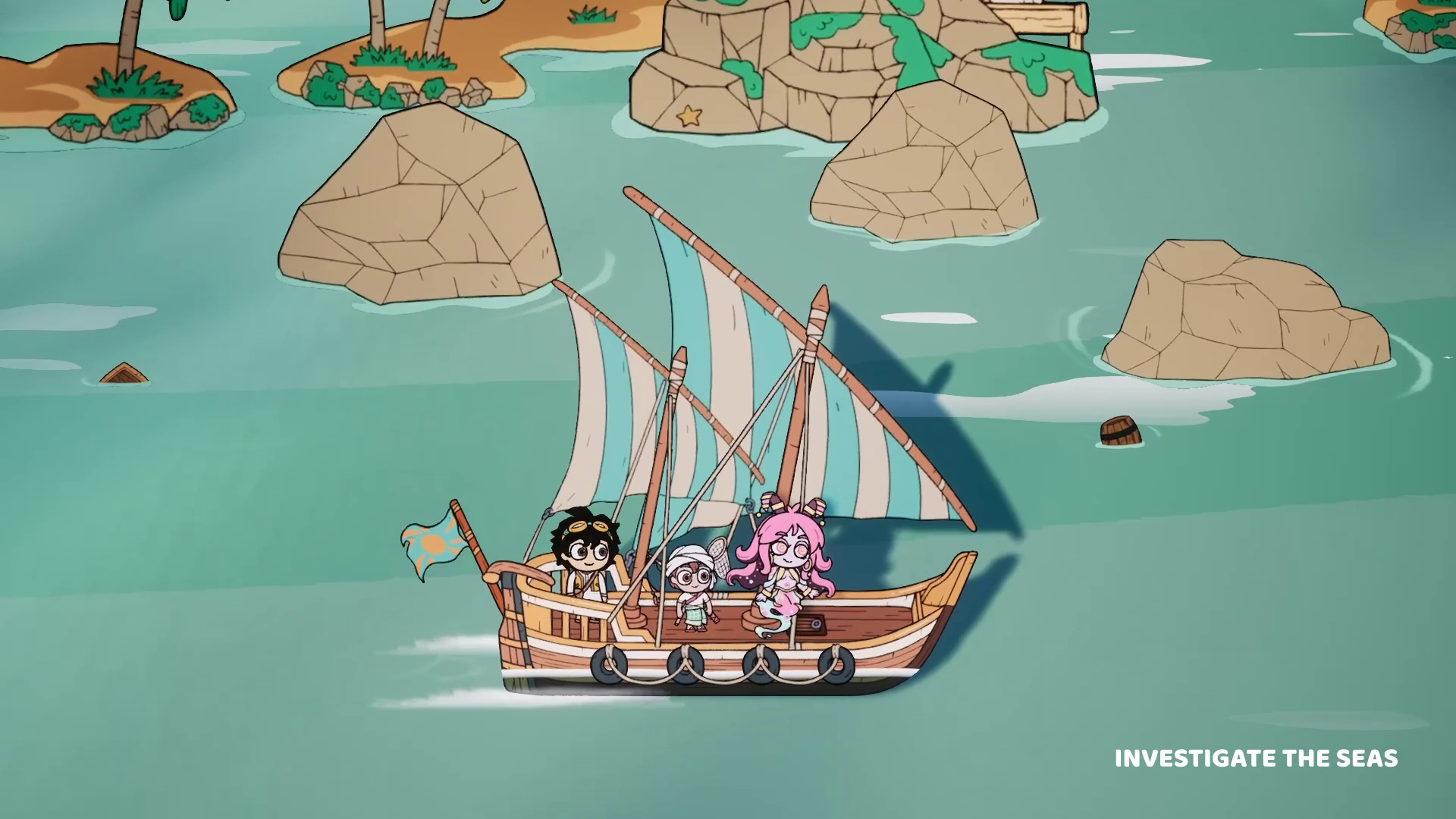
Expeditions take place in the ocean, as you'll take your boat, which can be upgraded to reach new places and hold more passengers, and you'll then need to complete a run to keep the story going thanks to those upgrades. An average run is around 10 minutes or so, so failing isn't really that painful as you can quickly ready up and go back in.
Each location is a collection of rectangle rooms that connect on either side of the zone. Rooms are made up of largely combat arenas, or those that can grant you a new perk, of which you'll choose between the options given to you. You'll also find trapped frogs that need you to bust them out of their cell and vending machines to spend some of that gold. Lastly, the room that pushes you to the next zone will refill a portion of your health.
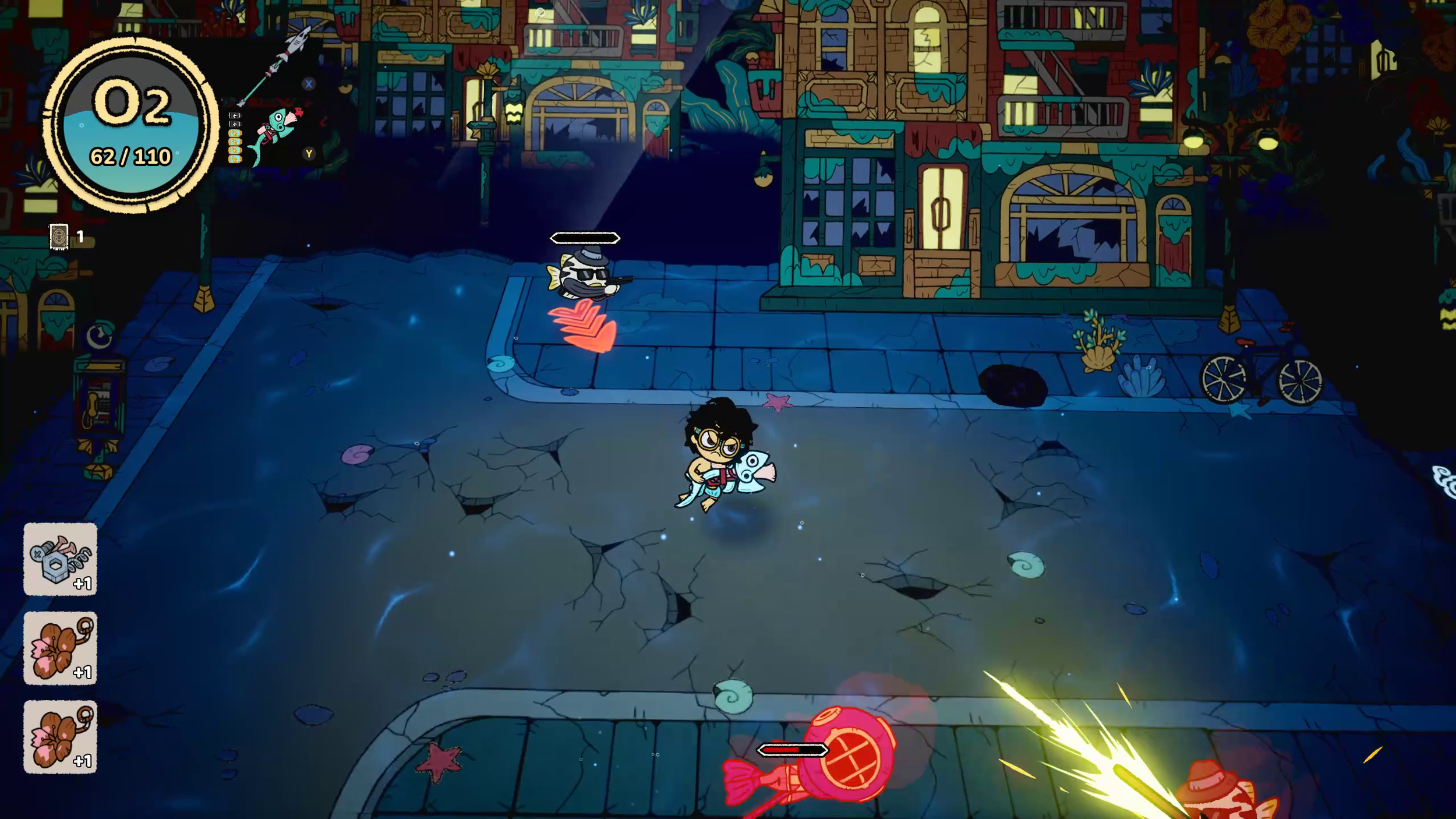
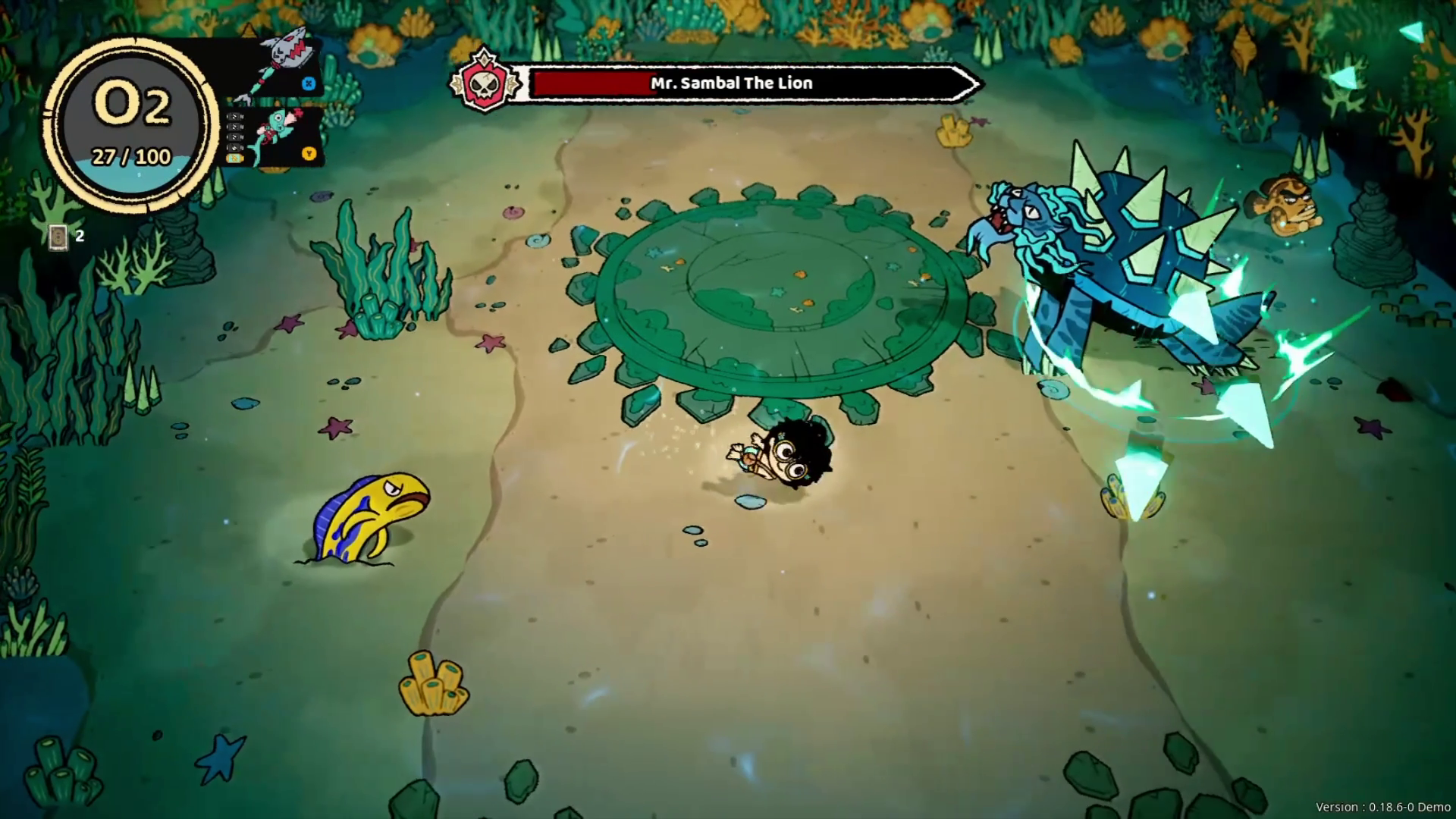
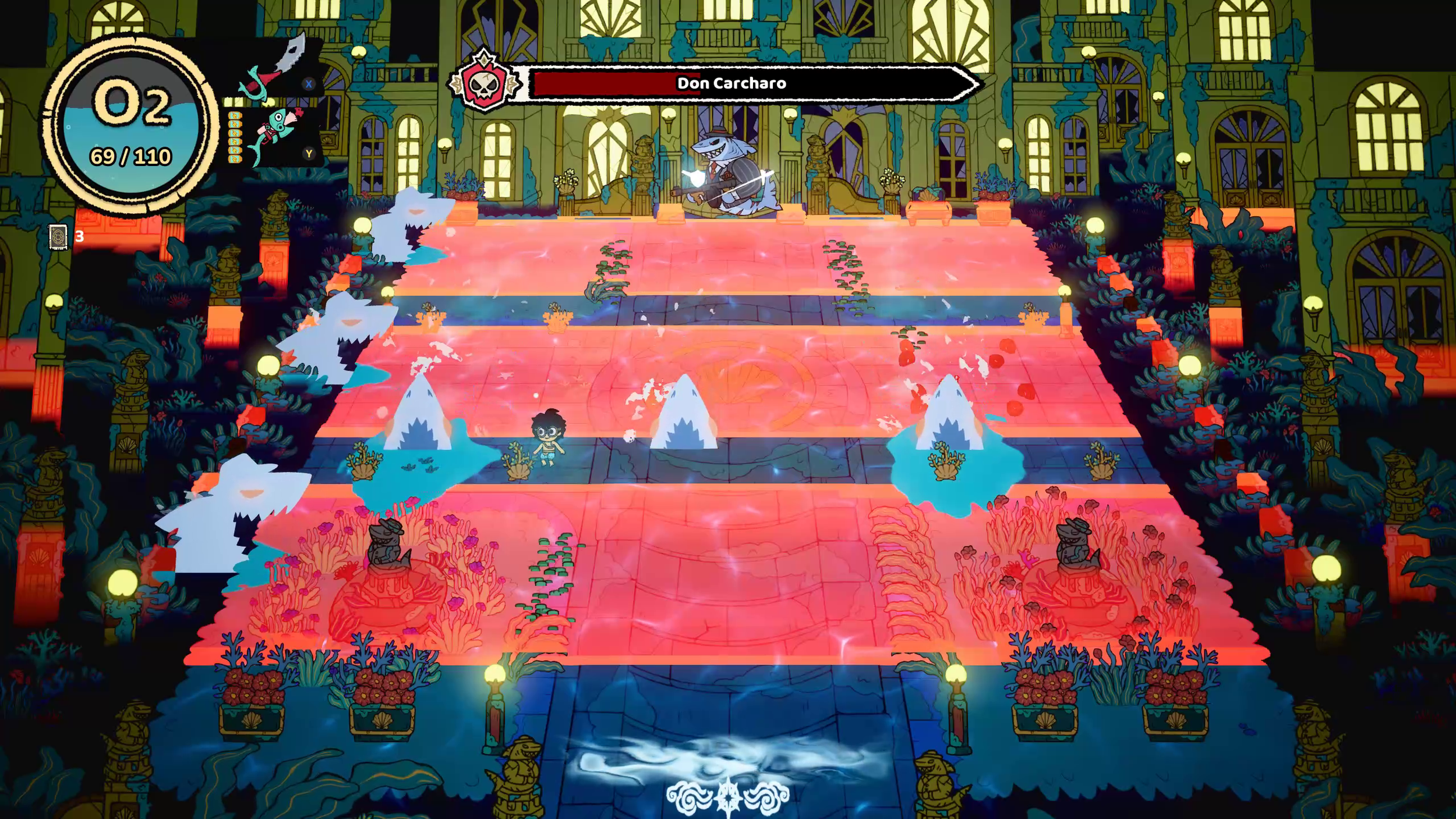
Now, health is different here than most rogue-lite's, but I wouldn't call it interesting. Your health is the amount of air you have remaining, so even if you are not getting hit, it is ticking down regardless. This pushes you to keep each run rather brisk, as to not dawdle.
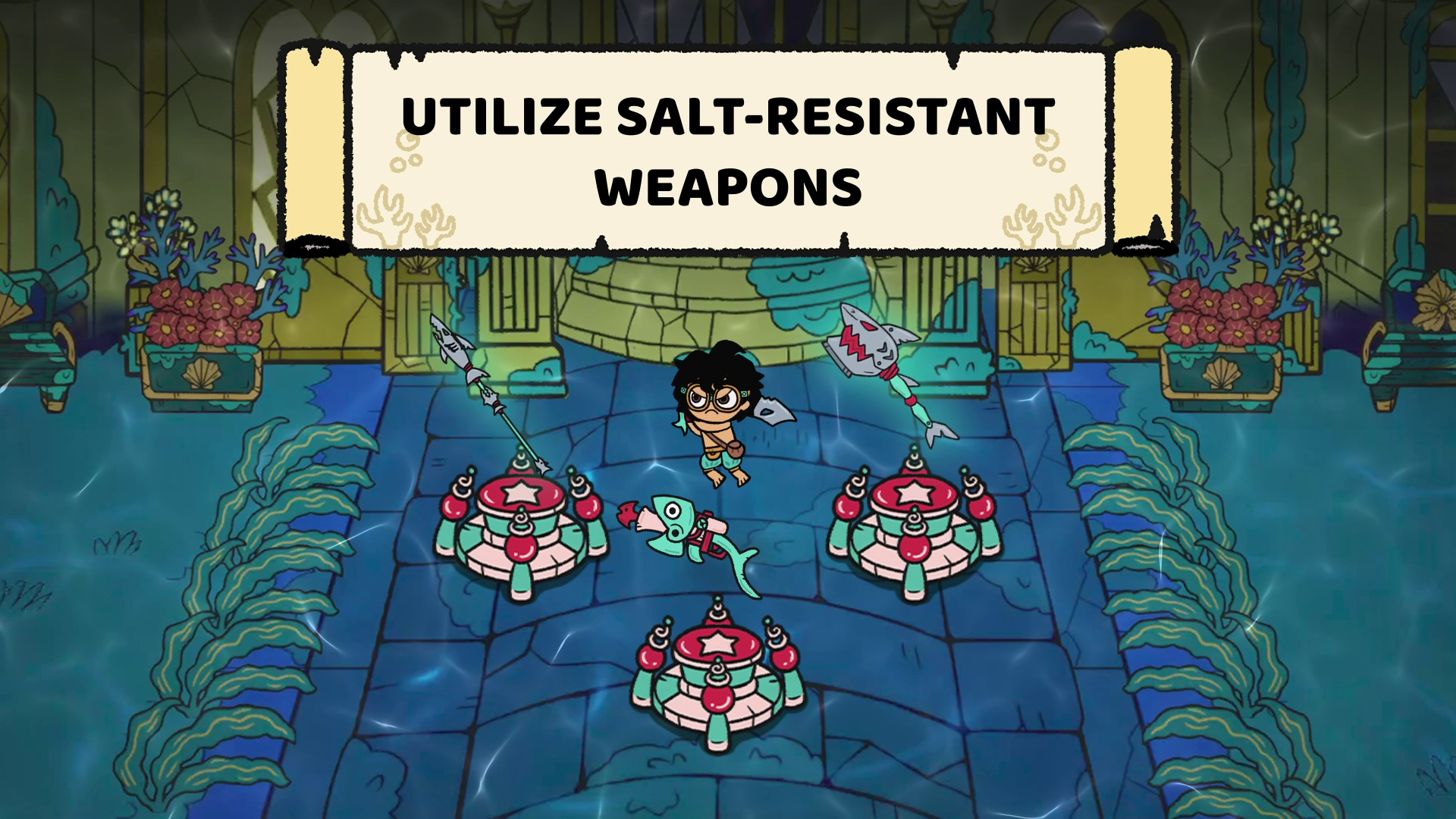
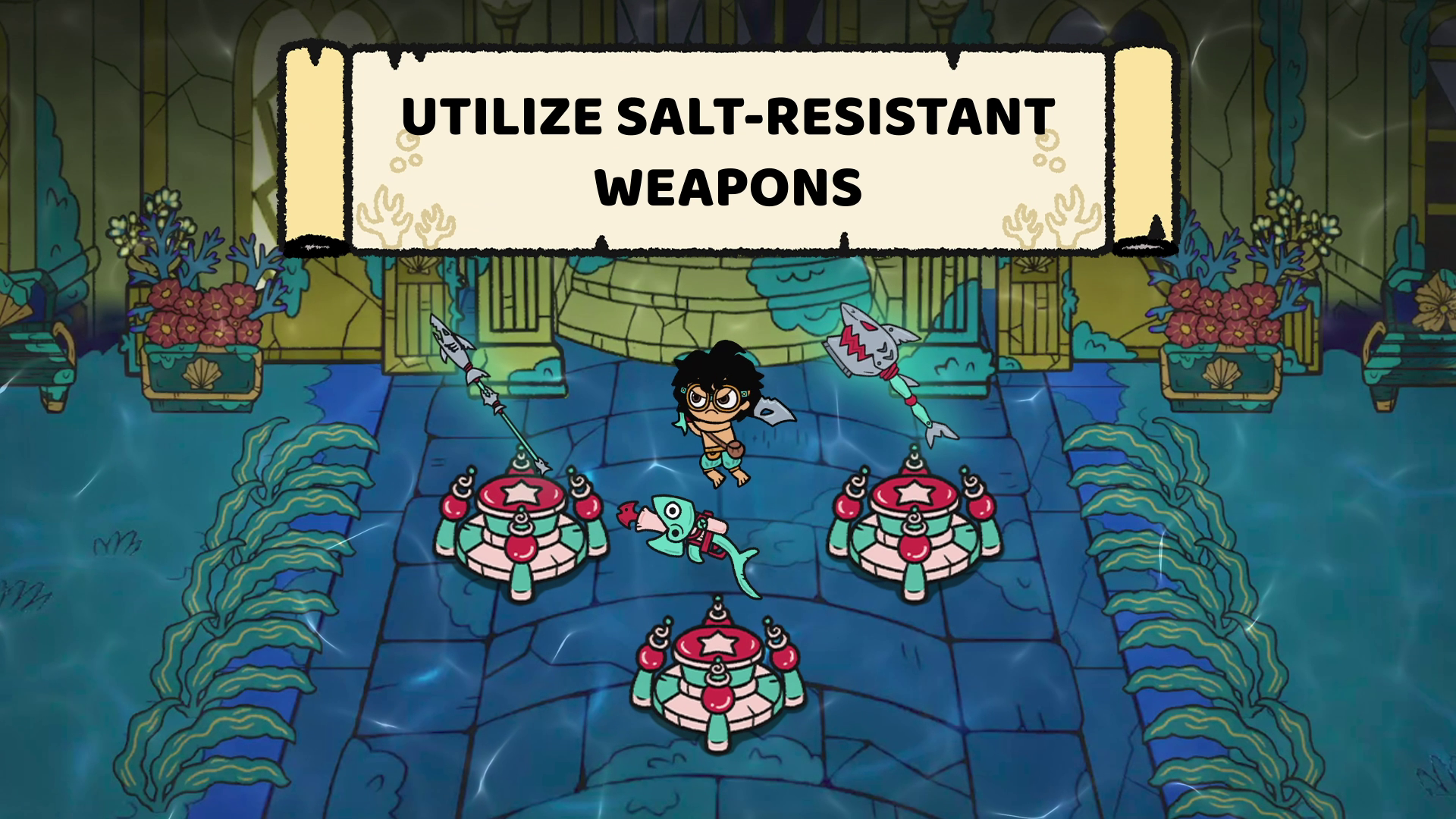
You'll start with a sword and you can eventually swap it with a great sword or a spear, which are very different from the sword. You'll also find these via your runs, and each can be upgraded to do more damage. Personally, the sword rarely left my side as I found the timing and speed to be far better than the other options.
Adding to combat are gadgets. These largely work as ranged efforts, such as a harpoon gun. However, the mechanical Piranha’s were my favorite, giving you some breathing room as you navigate the arena. Ammunition is easy to come by as it's one of the most common drops from enemies.
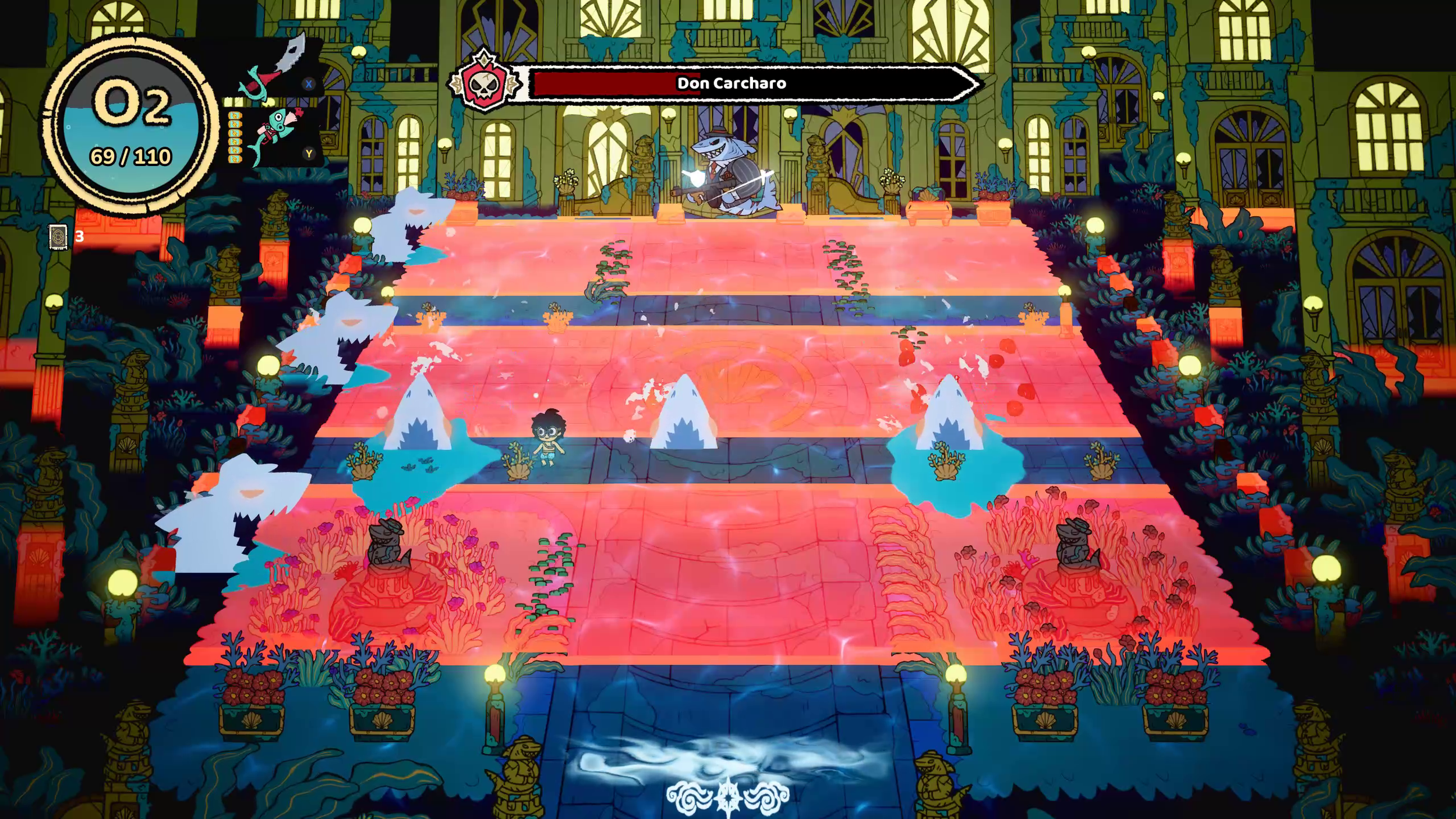
Shell boosts are the last part of your combat arsenal that can really come in handy. These cause enemies to explode upon death, stun enemies with melee attacks, or that enemies leave behind pools of poison. This is a system that rogue-lite players know all too well as these are choices you'll have as you find them on your runs. There are 40 of these in total, so you'll have a lot of variety and different abilities to choose from.
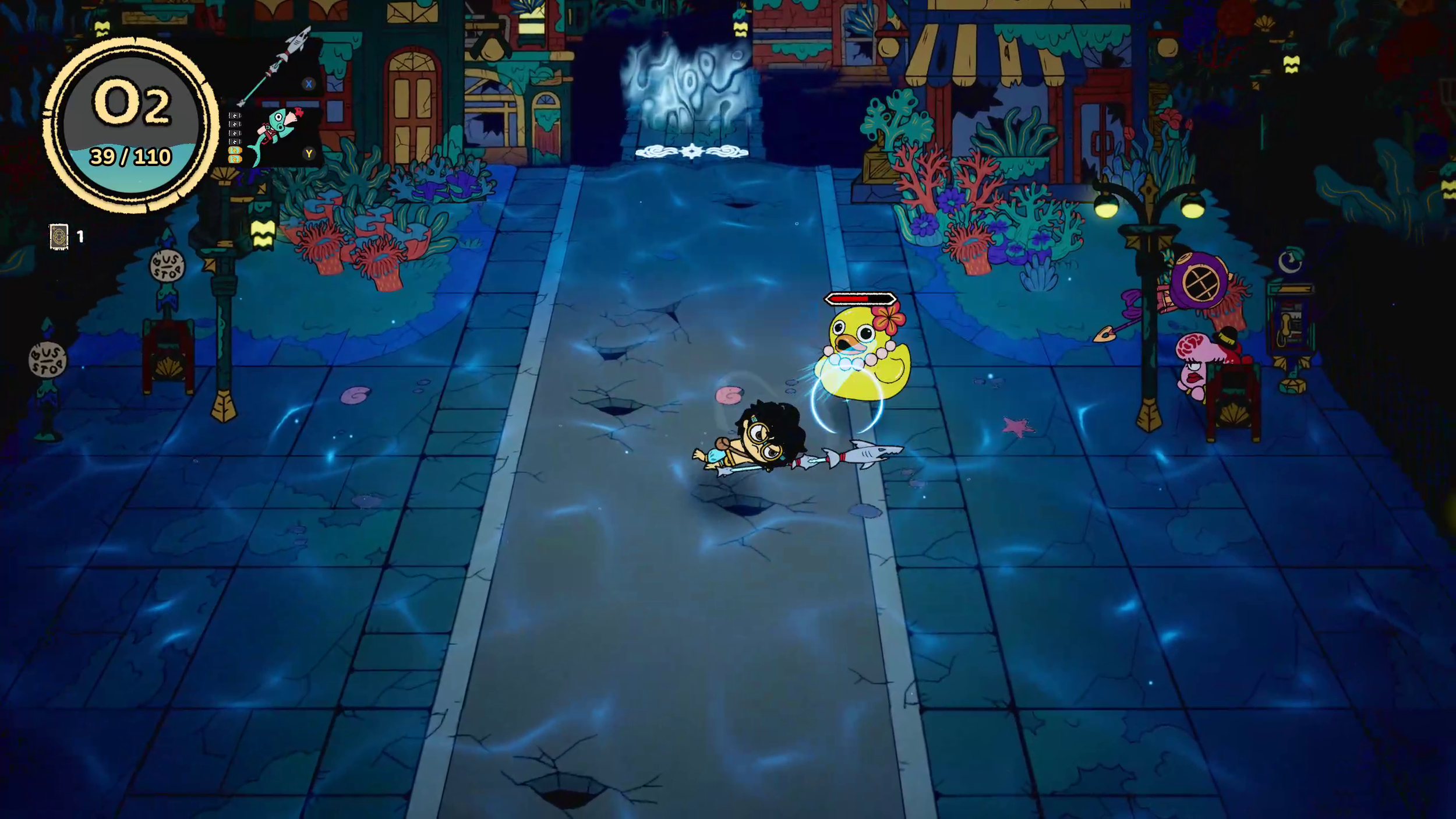
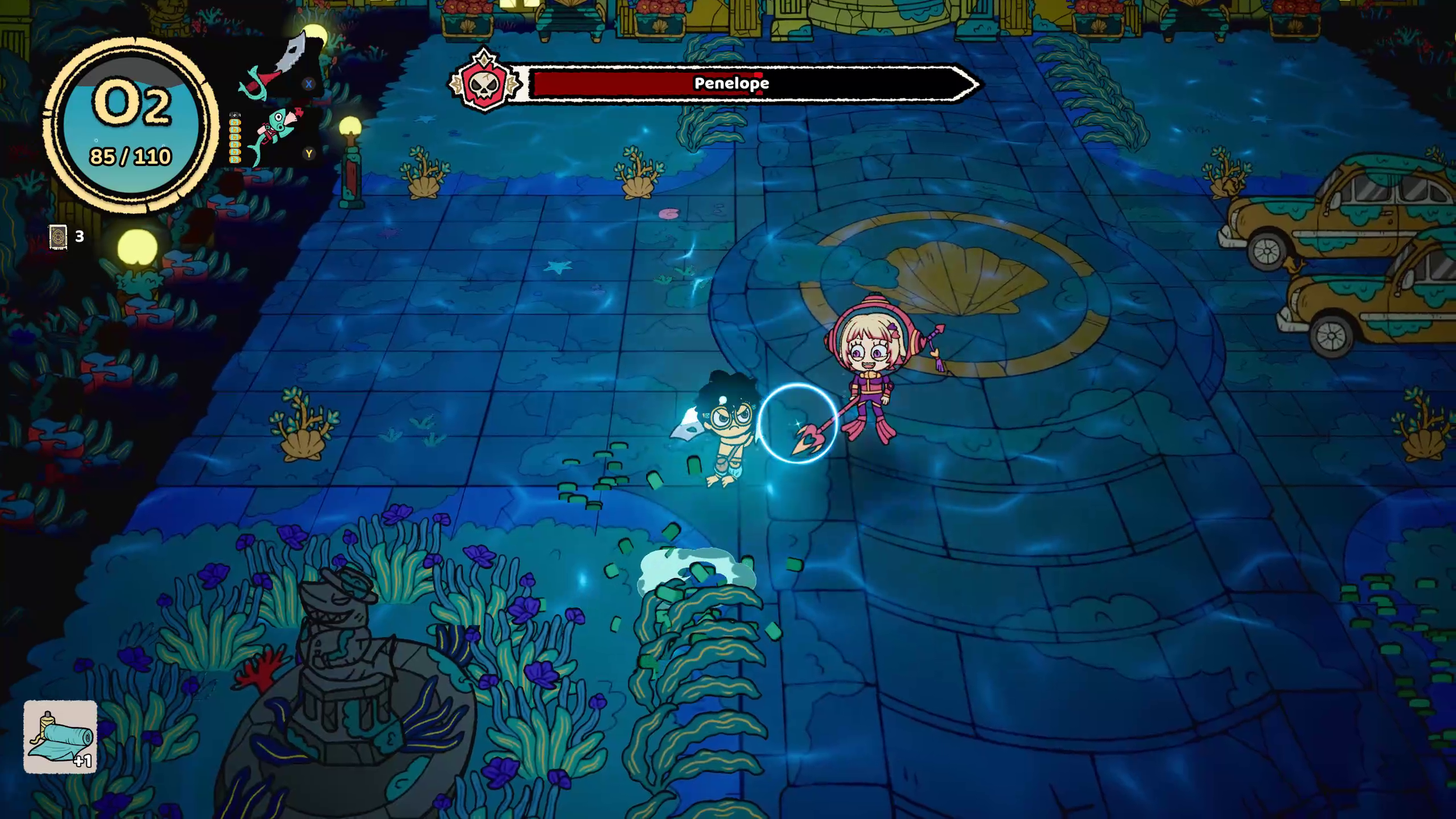
Combat is fairly fast, but does have a speed to it that reflects the fact you are fighting under water. Enemies follow your typical archetypes, so you'll have melee attackers, ranged, and those who use AOE attacks to attack in wide areas. You'll want to dismantle the tougher foes first, and then clean up whoever is left. Each new zone populates their locations with new enemies, so you never feel like you're seeing the same types filling up other locations.
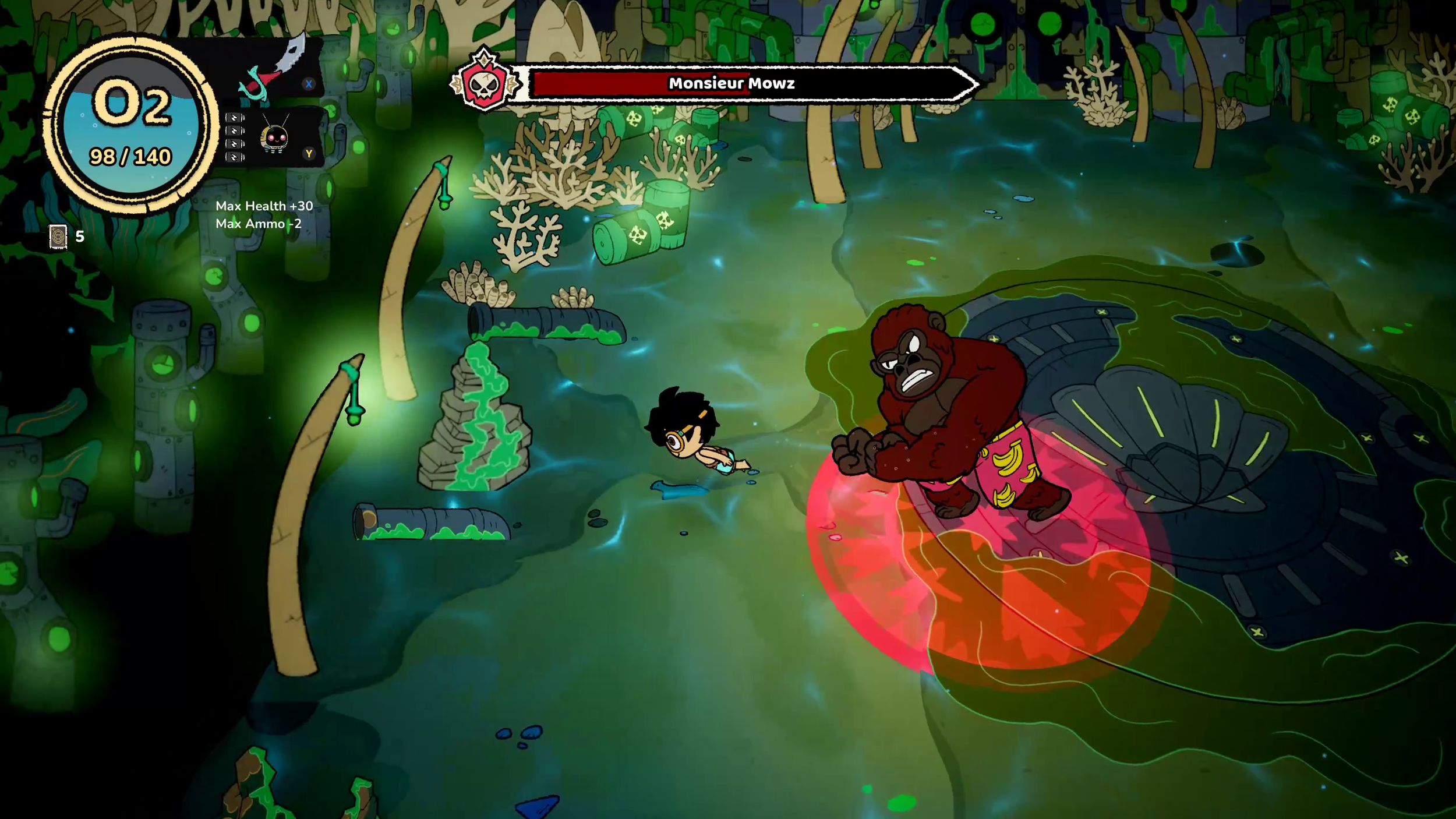
Boss rooms vary from actual bosses to just a host of larger types of enemies you've already seen. The actual bosses are fairly generic in their attacks, with visual indications that they are going to attack in a straight line, dash, or perform AOE attacks. I did find a few encounters to be pretty fun, but the vast majority is business as usual for the type of game it is.
Exploring each area has you tracking down wood, fabric, gold, pearls, and other collectibles, especially for missions like retrieving a pair of earrings. These materials are everywhere, as you smash anything you come across. You'll use gold and materials to upgrade and purchase new equipment, and most side quests can be automatically handed in if they are simply asking for materials like wood or cloth.
And, if you are looking for key materials for quests or for upgrades, you'll be able to check the map screen as you prepare to head out to see if that location holds what you need. And, with quick runs, and easy access to get there, it doesn’t take too long to get the materials or gold you need or tend to the requests you have piling up.
As you build your collection of resources, you can also upgrade your ship, which allows you to bring allies with you that apply perks to your voyage. Your close friend Abdullah, for example, has a 60% chance to double incoming resources while Sultan, has you gain 5% attack per enemy killed. Other characters include Alayla, a genie or the town’s famous person, Lateefa, and even a cat, named Cat, who has you gain 1 powerful buff and 1 minor debuff at the start of the expedition.
As you sail out, you'll randomly meet people before you dive. From a pirate queen who will sometimes take your money, or give you some, to a fisherman who is often grumpy, you'll also encounter a little floating witch who will grant you a buff for your next mission that changes your stats.
Visually, there is a lot to like here, but much of the presentation and style comes from adapting what we already had in Cult of the Lamb. The town itself is great, and does provide something different than the encampment in said inspiration, and it does open up more with additional characters as you move throughout the story.
The easy and quick nature of what Port of Jumanah offers does allow it to feel different than most rogue-lite's, so I do give it props there. The visual style is certainly borrowed, but plays into the charm and comedic writing Red Dunes Games and Agate were shooting for. The Oxygen mechanic keeps you on your toes, and the mechanics and temporary shell boosts can make for some interesting runs. If a sequel can provide its own personality and vision, then this could be a series that you could certainly dive into.

Developer - Agate.
Publisher - Red Dunes Games. Released - September 7th, 2026. Available On - PlayStation 5, PC. Rated - (E 10+) - Fantasy Violence. Platform Reviewed - PS5. Access -Review code for Port of Jumanah was provided by the publisher for the purpose of this review.
Jeff is the original founder of Analog Stick Gaming. His favorite games include The Witcher III, the Mass Effect Trilogy, Hi-Fi Rush, Stellar Blade, Hellbade: Senua’s Sacrifice, and the Legend of Heroes series, especially Trails of Cold Steel III & IV.