
Gotta solve’em all
Jonathan Blow has always had a talent for making puzzle games that are much more complicated than they first appear. Braid did this with its time mechanics, while The Witness took what initially looked like fairly simple line puzzles and eventually had you questioning almost everything around you. Order of the Sinking Star very much continues that trend, and in many ways feels like the biggest example of it yet.
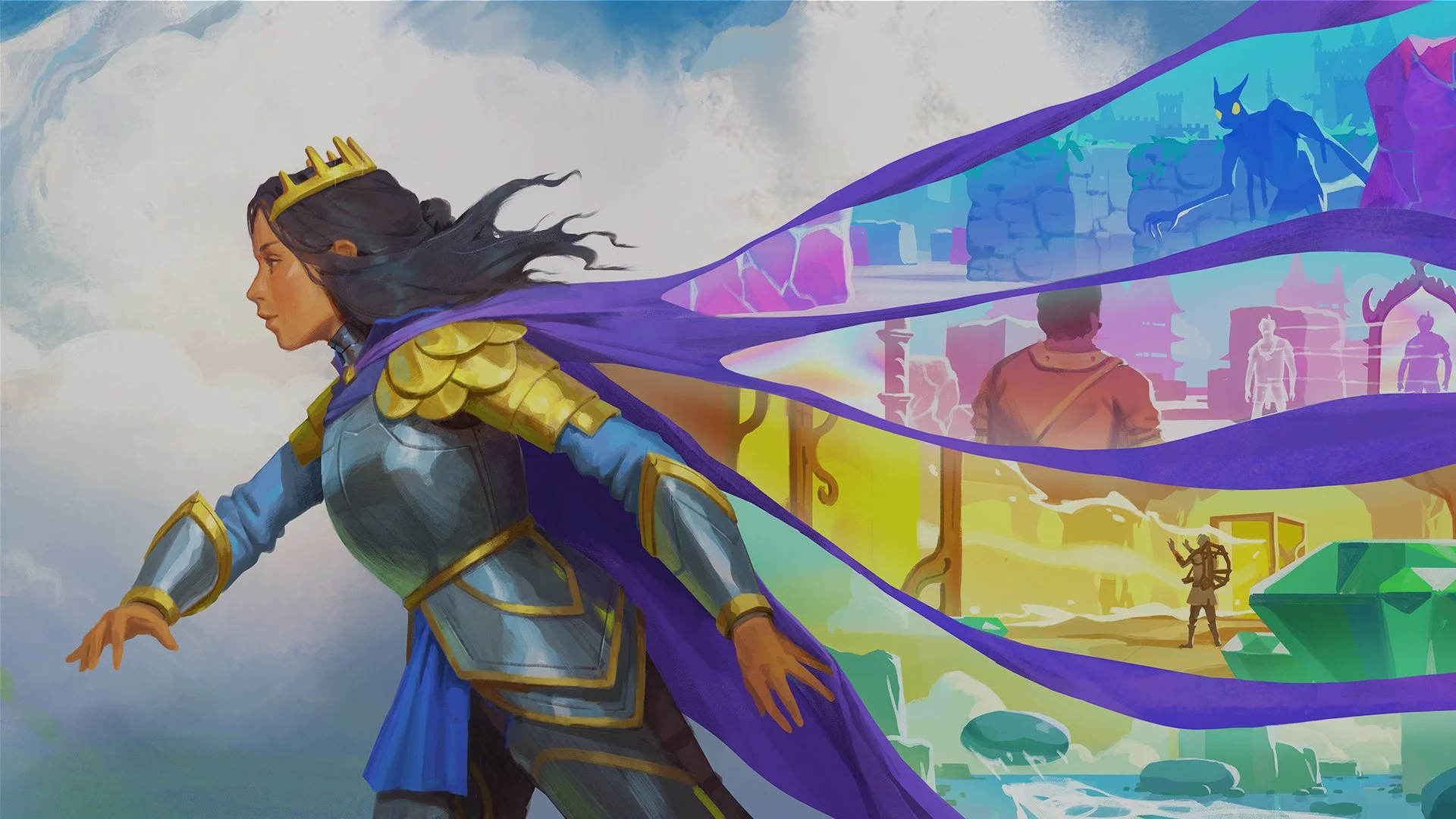
You primarily play as the Queen, exploring an overworld that connects four different regions together. Each of these regions has its own characters, story, and puzzle mechanics, with you taking control of different characters once you actually enter the puzzles themselves.
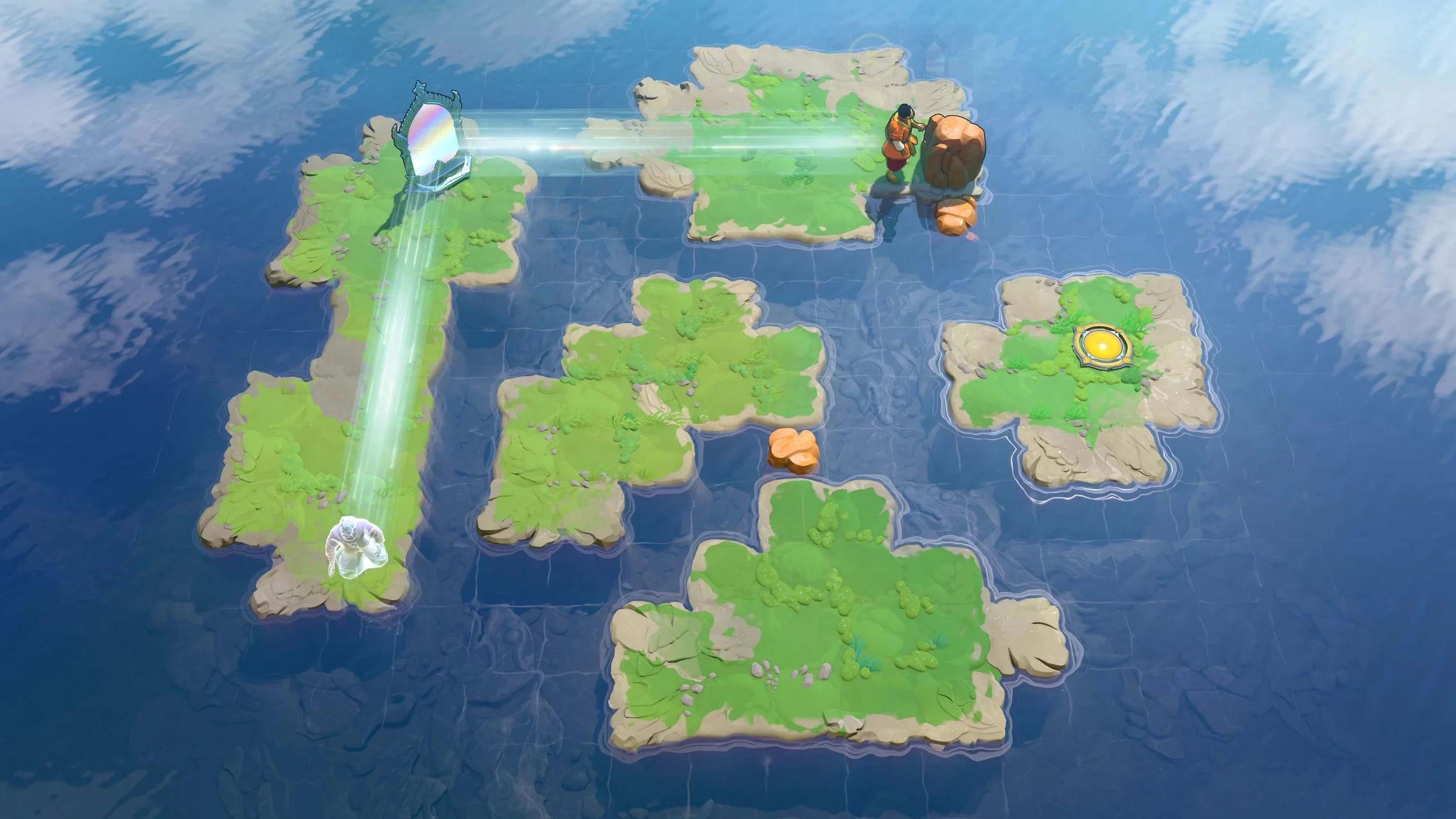
On the surface, the basic objective is usually pretty straightforward. You need to get whichever characters you're controlling onto specific points on the map, represented by these yellow, beam-me-up-Scotty-looking podiums. Actually getting everyone there is where things obviously become considerably more complicated.
Most puzzles work on a grid, with you moving one space at a time and interacting with the various objects around you. You might be pushing and pulling blocks, creating new blocks to place on switches, opening gates, moving enemies around so they kill each other or using one of the many other mechanics the game gradually introduces.
Where things get particularly interesting is with the characters themselves. Every character has their own unique ability, but these aren't abilities you simply activate whenever you feel like using them. Instead, they're basically part of how that character functions, meaning they'll happen whether you actually want them to or not.
The Wizard is probably the easiest example to explain. He can switch places with certain objects whenever he moves towards them, which can obviously be extremely useful when trying to reach areas you otherwise couldn't get to. The problem is that he will also switch places when you don't want him to, so moving one space in the wrong direction can suddenly leave you somewhere completely different.
It means you need to think about almost every movement before you make it. You aren't just thinking about where you want a character to go, but also what their ability is going to do along the way and whether that is going to help or completely ruin whatever solution you had in mind.
You also don't get to simply choose whichever characters you think would make a puzzle easier. Every scenario has a preset group of characters, which allows the puzzles to be designed specifically around their abilities and, more importantly, how those abilities work together.
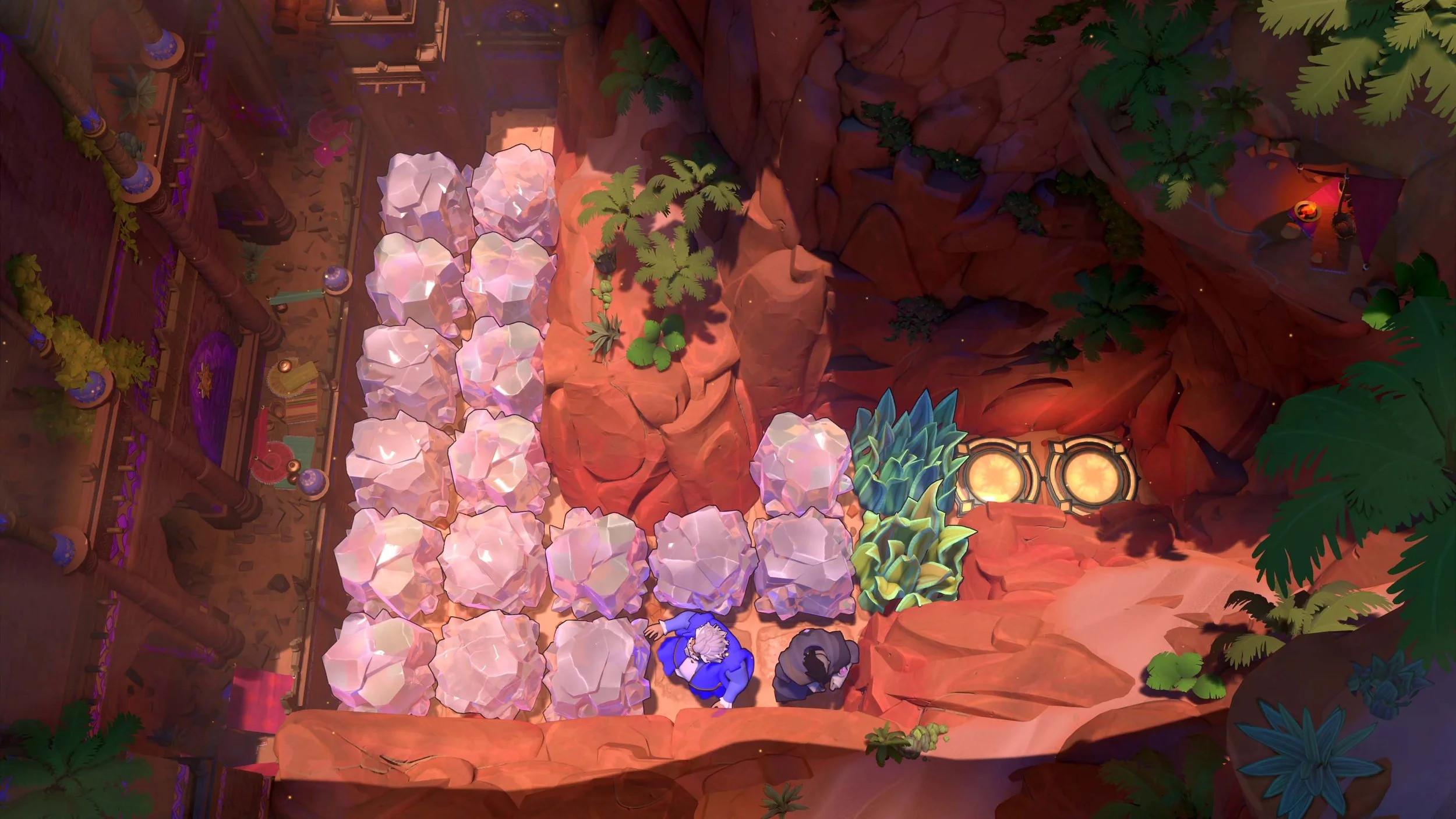
I actually really like this because the game gives you plenty of time to understand how each character works before it starts combining them in more complicated ways. By the time multiple characters and mechanics start appearing together, you already understand the individual rules and can concentrate on figuring out how they complement each other.
Every region also has its own ideas that completely change how you approach the puzzles. My personal favourite is the Mirror Isles, where mirrors become one of the central mechanics and are used in some really creative ways.
Like most things in Order of the Sinking Star, mirrors start off relatively easy to understand before the game begins asking you to use them in ways you probably wouldn't have considered when they were first introduced. That's something the game does exceptionally well throughout, as mechanics you think you fully understand continue to evolve as you make progress.
Eventually, the different regions start crossing over with each other as well. Mechanics that had previously existed in completely separate parts of the game suddenly appear together, and this is where some of my favourite puzzles started appearing.
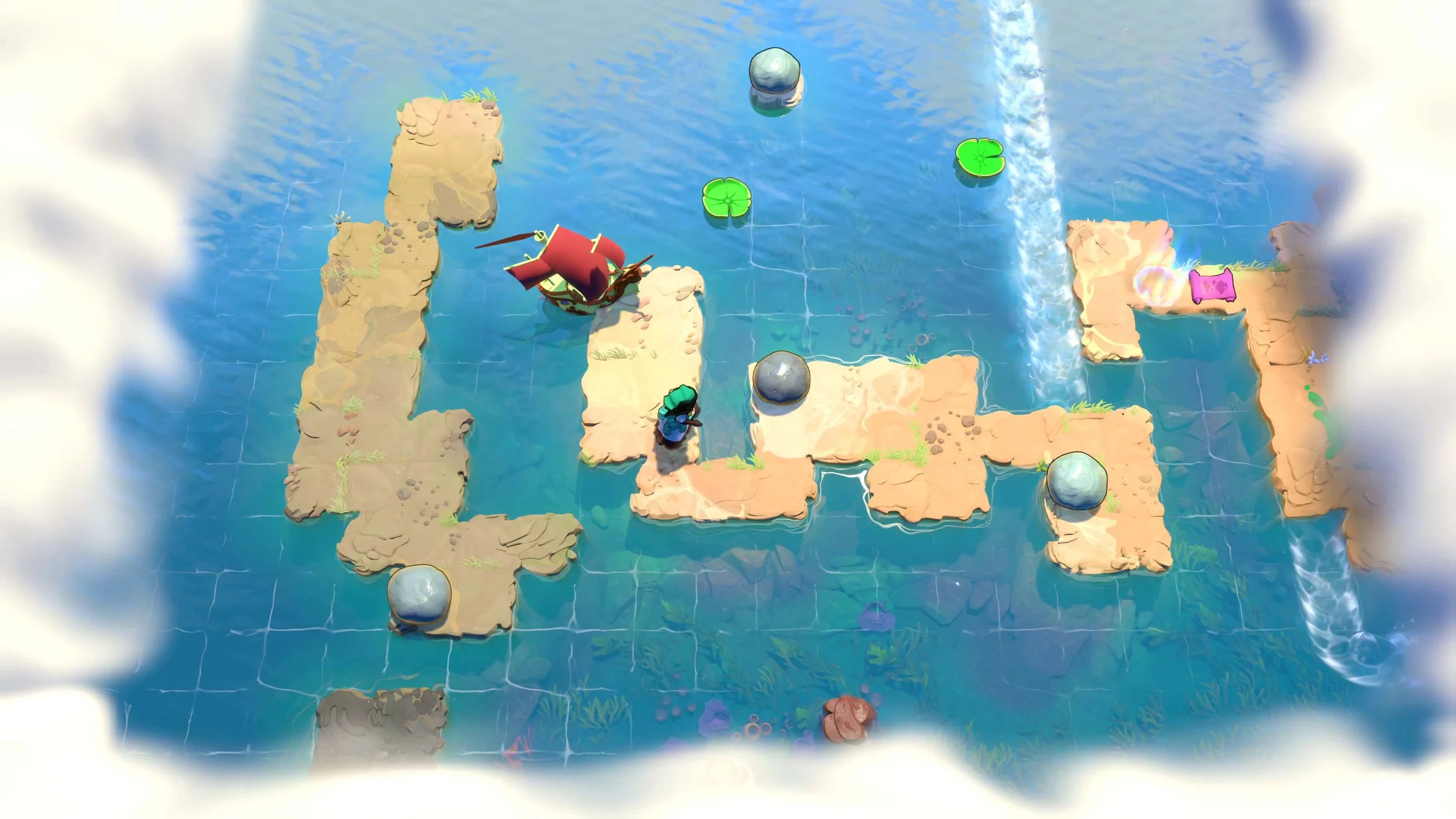
For example, you can end up using mirrors in conjunction with the Wizard, allowing him to teleport considerably further than he normally could. It's a relatively simple example, but it shows just how much potential there is once the game starts taking mechanics you've learned separately and throwing them together.
This is especially impressive when you consider the sheer amount of content here. Order of the Sinking Star has more than 1,000 puzzles, but thankfully you don't actually need to solve every single one of them to reach an ending to the main narrative.
That's an important distinction because I certainly haven't solved everything the game has to offer, and I'm honestly not sure how long it would take me to do so. What I can say is that I absolutely intend to keep playing because there are still puzzles and secrets I'm thinking about even when I'm not actually playing the game.
There is also considerably more story here than I was expecting. Alongside the main narrative involving the Queen and the larger overworld, every region has its own characters and story unfolding within the puzzles themselves.
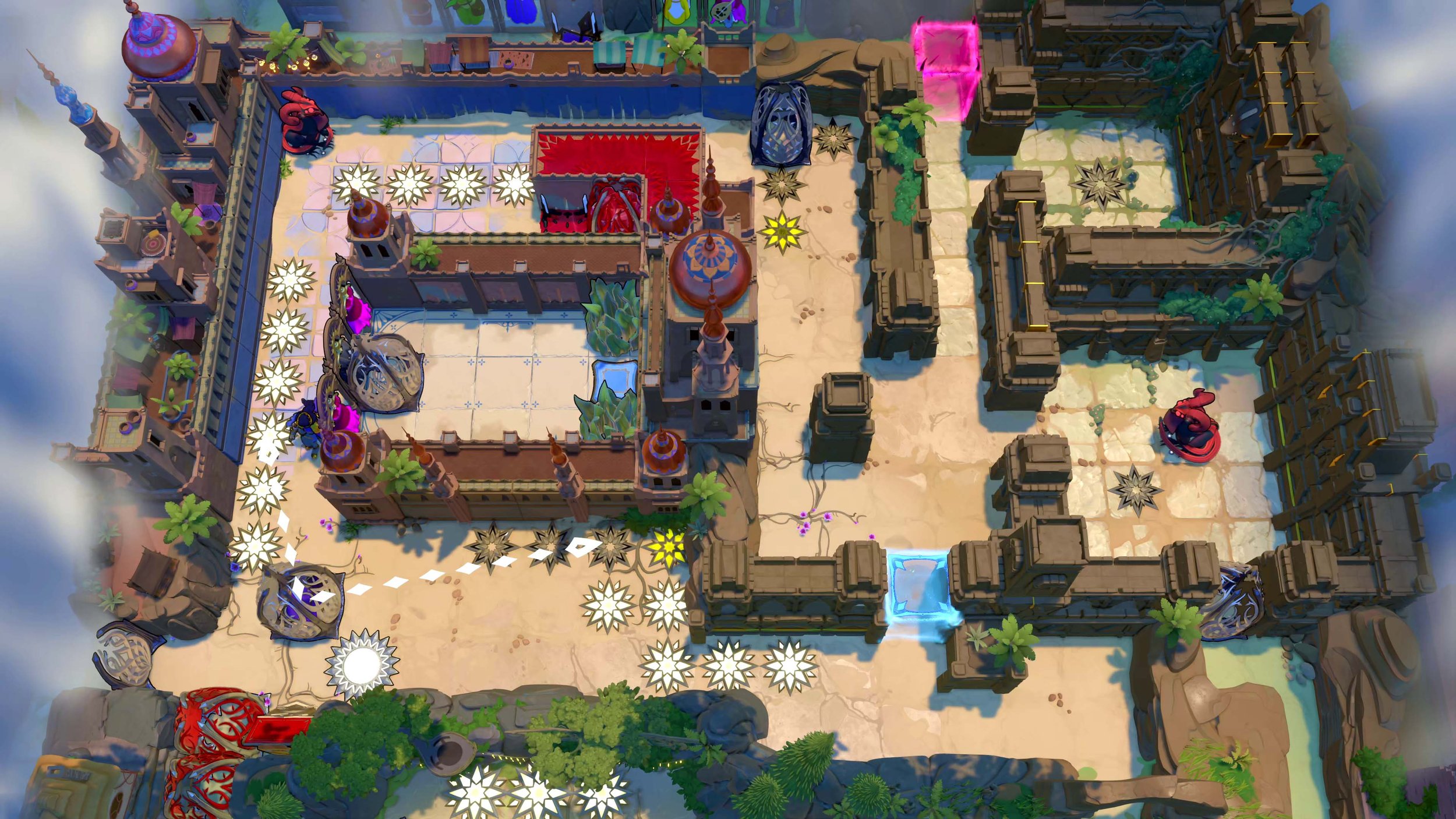
When you have more than one character in a puzzle, they'll occasionally talk to each other through fully voiced dialogue. These conversations help explain more about what is happening in each region while also giving the characters far more personality than I expected going into a puzzle game like this.
I don't want to go too deeply into the narrative because discovering what is actually happening is part of the experience. The game also has notes scattered throughout the world that provide more information and gradually help piece together the larger mystery surrounding the Order of the Sinking Star.
The voice cast is also incredibly strong, featuring plenty of names you'll probably recognise from games, animation and beyond. Emily O'Brien, who you may know from Death Stranding and Starfield, voices the Queen, while Critical Role's Liam O'Brien plays the Warrior. Darin De Paul, known for Overwatch and Marvel's Spider-Man, voices the Wizard, while Anjali Bhimani of Overwatch plays the Bard. Erica Luttrell, who has appeared in Apex Legends, voices the Sailor, with X-Men '97 and Hades II actor Matthew Waterson taking on the role of the Druid.
It isn't just a cast that looks impressive when you read the names either, as the performances genuinely help give these characters personality. That's particularly important when so much of their story develops through conversations that happen while you're actually working through puzzles, and I found myself becoming much more invested in these characters than I expected going into the game.
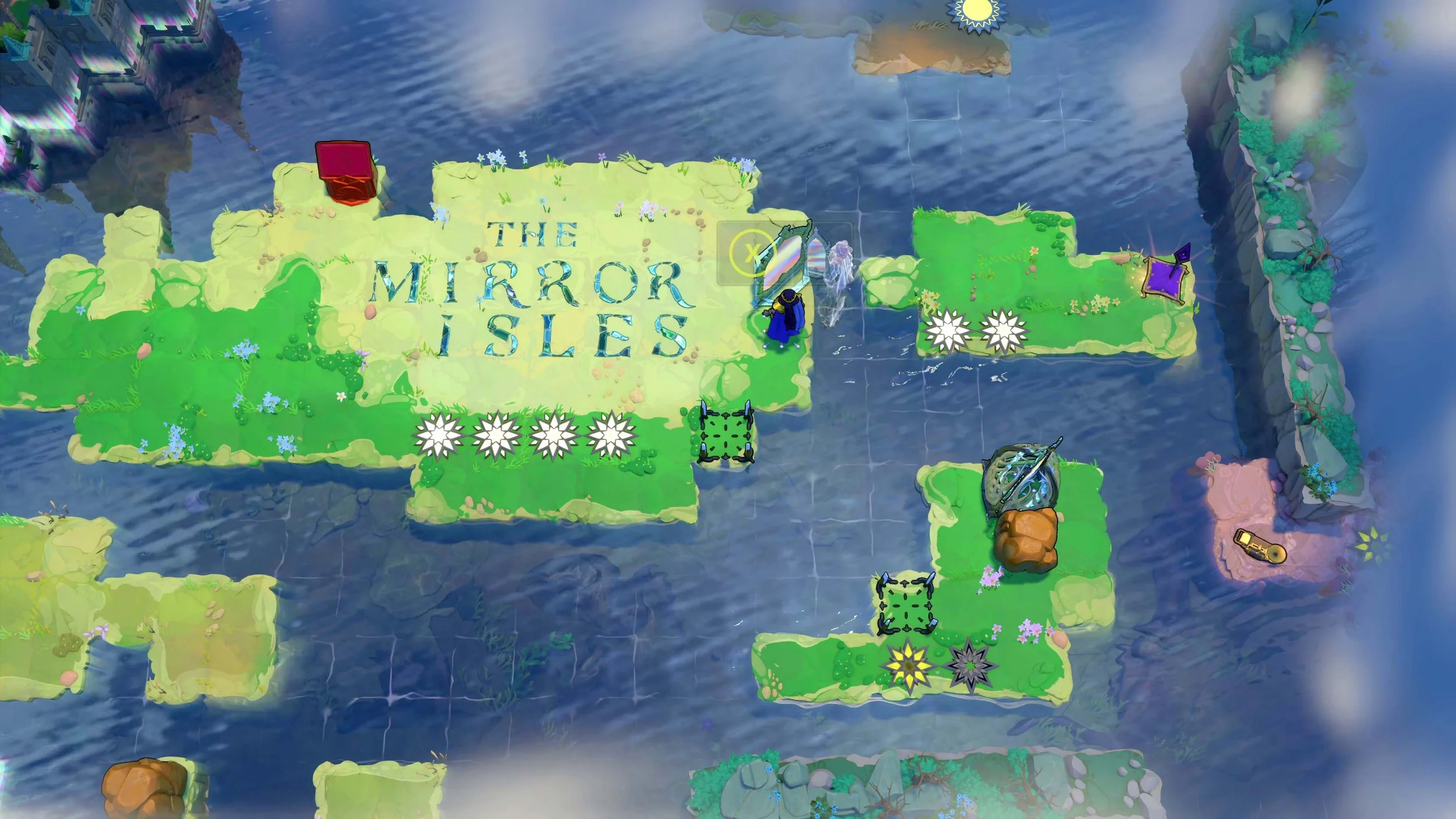
Visually, the game uses a mostly top-down isometric perspective alongside a colourful, almost cartoon-like art style. There's something really calming about the way the game looks and sounds, which is quite funny when I'm sometimes sitting there completely losing my mind trying to figure out a puzzle.
There is an almost therapeutic quality to simply moving around the world and working through puzzles at your own pace. Even when the puzzles themselves are becoming increasingly complicated, the actual presentation never makes the experience feel stressful or overwhelming.
Another thing I really appreciate is how easy the game is to play in short bursts. Most of the puzzles are relatively bite-sized, so I can jump on, solve a few puzzles and actually feel like I've made meaningful progress without needing to sit there for several hours.
For a game with more than 1,000 puzzles, that is incredibly important. I've had plenty of occasions where I've only played for a short amount of time but still walked away feeling like I'd actually achieved something.
The biggest problem I have with the game is that certain puzzles can start feeling quite similar after a while, especially if you get stuck. Spending too long staring at the same type of puzzle can sometimes reach the point where I simply don't want to look at it anymore.
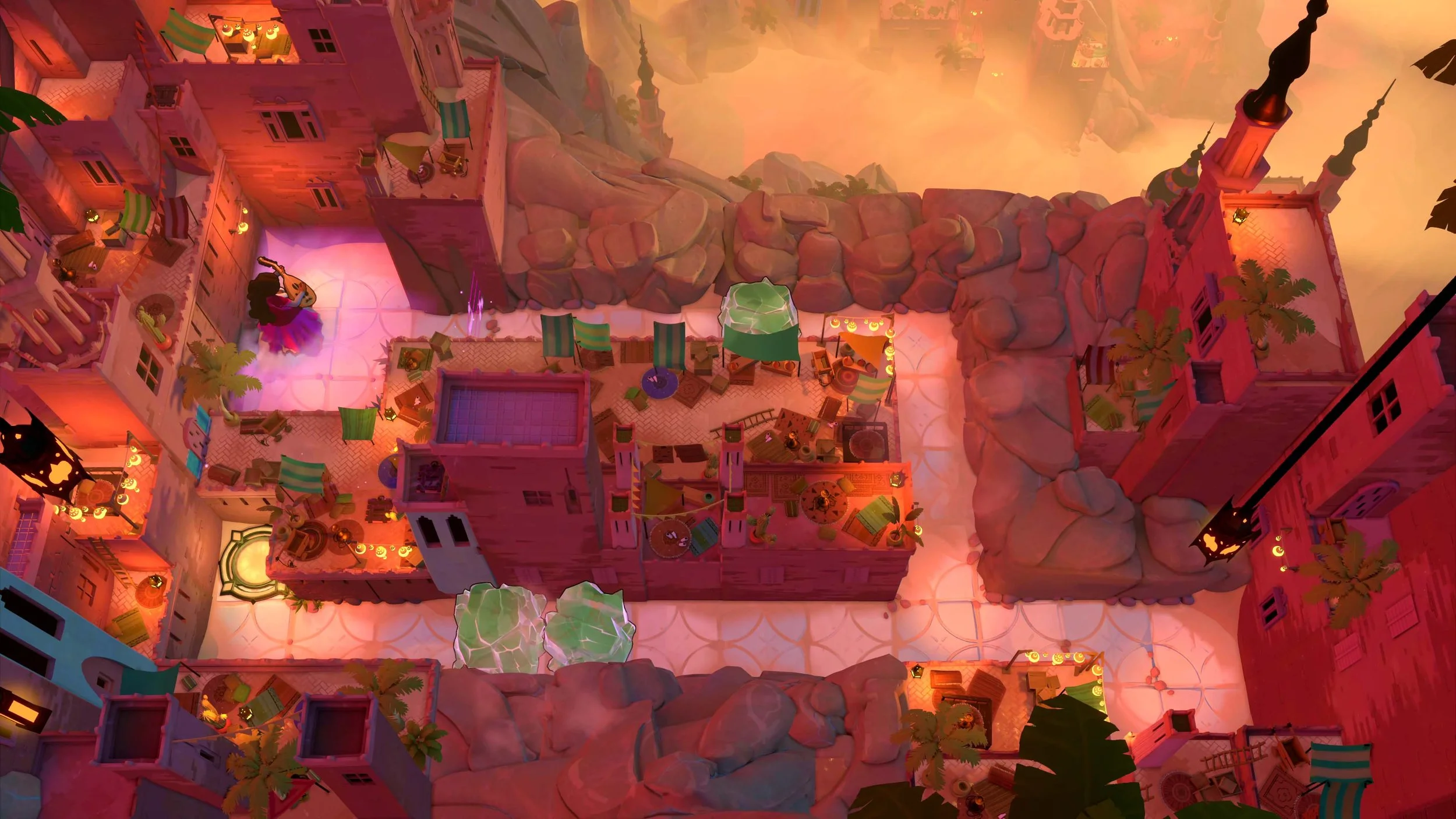
Thankfully, the game has a really simple solution to that problem because you can move between regions whenever you want. If I'm getting frustrated with one particular type of puzzle, I can go somewhere else, deal with completely different mechanics and come back later when my brain isn't completely stuck thinking about the same solution.
That freedom makes a massive difference. If Order of the Sinking Star forced you to solve everything in a set order, I think some of the harder puzzles could become incredibly frustrating roadblocks, whereas here I can simply leave something behind and come back when I'm ready.
What really makes Order of the Sinking Star special, however, is something that anyone familiar with Jonathan Blow's previous games probably won't be surprised to hear. Finishing what initially appears to be the game is really only the beginning, because there is far more happening in the world than simply completing the individual puzzles you find.
I don't want to spoil any of the discoveries here, but the easiest way I can describe it is that the world itself is a puzzle. Once you properly understand that, the way you look at almost everything around you starts to change.
To be fair, the game starts hinting at this surprisingly early. The Queen can sometimes dress as characters you've encountered in the puzzles and use their abilities to manipulate objects in the overworld, which should immediately start making you question what else those abilities might be useful for.
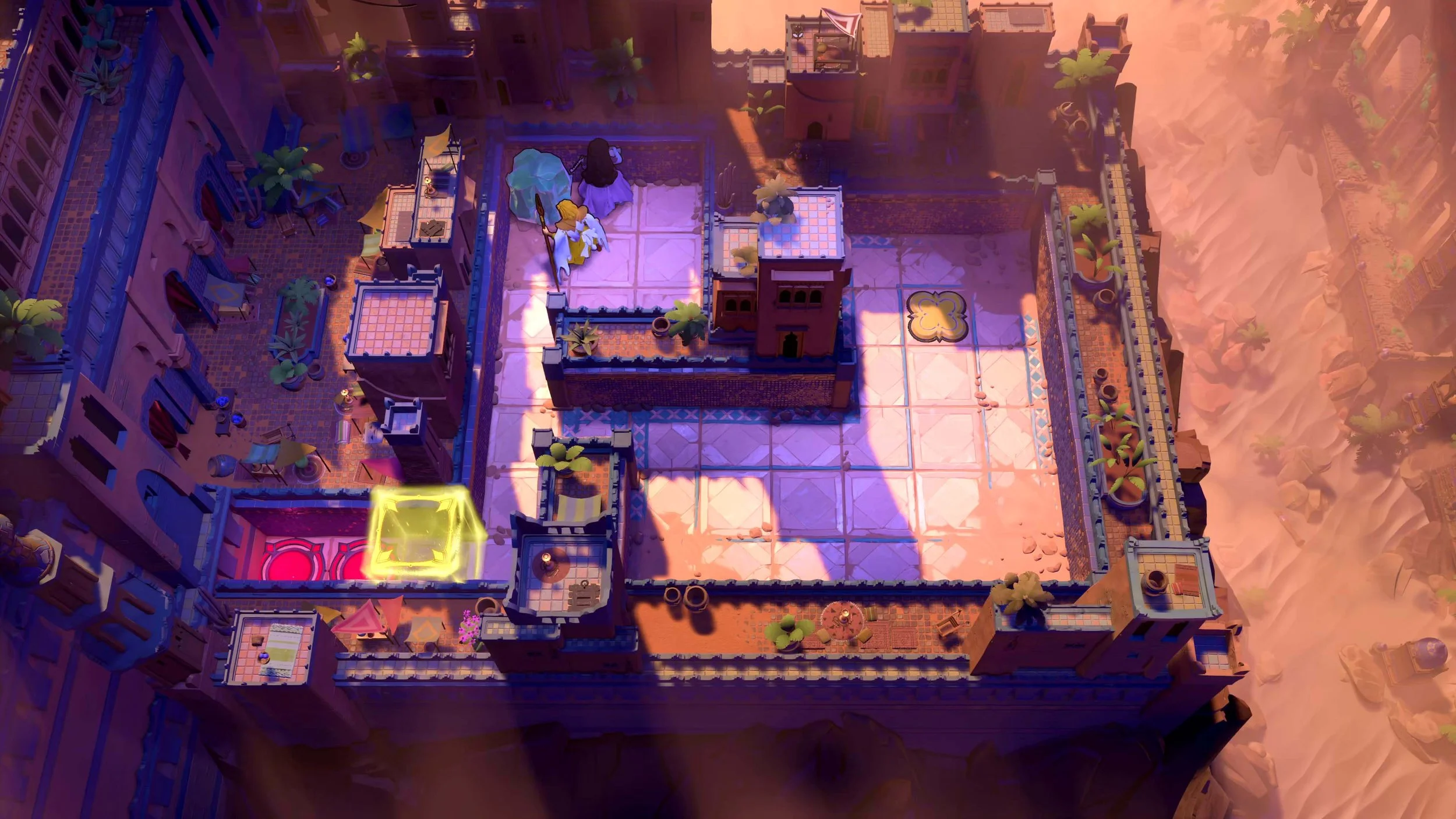
Eventually, I found myself looking at things I'd walked past countless times and wondering whether I'd completely missed something. Objects that initially look like scenery suddenly become suspicious, while mechanics you've been using for hours inside the normal puzzles start making you wonder whether they can be applied somewhere completely different.
Those moments are easily some of the best parts of the game for me. Solving a difficult puzzle obviously feels great, but realizing that something you didn't even know was a puzzle has been sitting in front of you the entire time is on another level.
It's something Jonathan Blow's games have always been particularly good at. They don't just teach you how to solve puzzles, they gradually teach you how to look at the game itself differently, and Order of the Sinking Star does that exceptionally well.
That also makes it quite difficult to say when you're truly finished with the game. I've experienced enough to reach an ending, understand how the main systems work and see how the different worlds and characters eventually come together, but there is still a huge amount I haven't completely solved.
Normally, saying that about a game with more than 1,000 puzzles might sound exhausting. Instead, I keep wanting to go back because there are still things I want to figure out, and some of those unanswered puzzles have been sitting in the back of my mind long after I've stopped playing. The game isn’t necessarily what I would describe as difficult but there is absolutely an increasing level of complexity as you progress which makes it harder to see solutions at a glance.
I played Order of the Sinking Star on PC, and from a technical perspective I really don't have anything negative to say. Performance was perfect throughout my time with the game, and I didn't encounter a single bug, crash, or other technical problem.
Order of the Sinking Star isn't completely perfect, with some puzzles starting to feel repetitive when you've spent too long working through the same mechanics. However, being able to freely jump between regions does an excellent job of reducing that frustration, while the constant evolution and combination of its mechanics keeps introducing new ways to think about problems you thought you already understood.
More importantly, the individual puzzles are only part of what makes the game so good. Order of the Sinking Star is a massive puzzle game where eventually you realise that the rooms, the characters, the mechanics and even the world around them are all pieces of something much bigger, and discovering just how deep that goes is easily what I have loved most about playing it.
Developer - Thekla Inc
Publisher - Arc Games, Gamirror Games
Released - October 8th, 2026
Available On - PC, PS5, Nintendo Switch 2
Rated - (E) - Mild Fantasy Violence
Platform Reviewed - PC
Review Access - A review code for Order of the Sinking Star was provided by the publisher for the purpose of this review.
I’m Jordan I have a background in game design and am deeply passionate about accessibility in gaming. My favourite games/franchises include Shenmue, Red Dead Redemption 2, Plague Tale: Requiem, Metal Gear Solid 3, Yakuza, Splinter Cell, and Assassin’s Creed.