
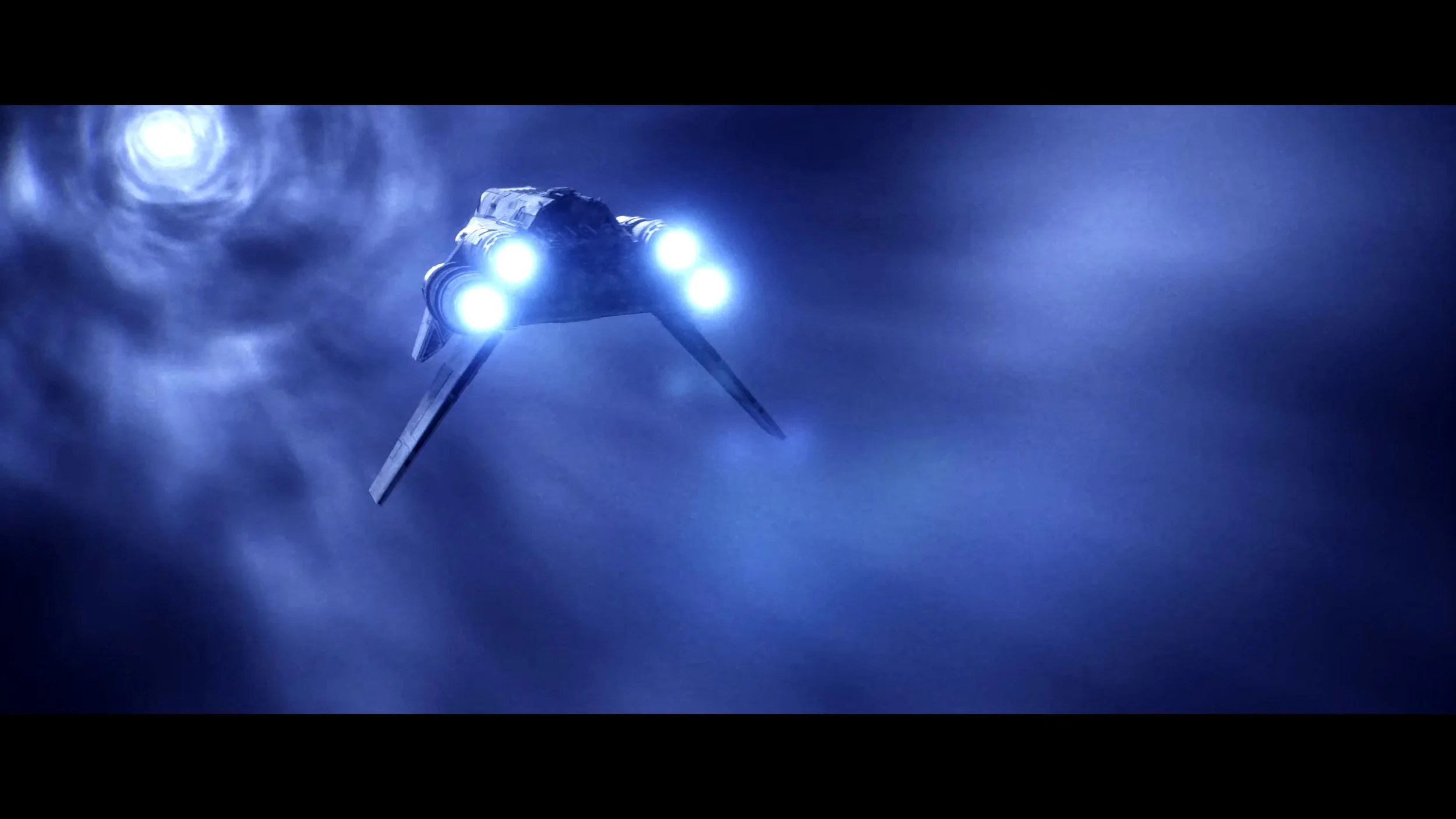
Sticking it to Sebulba, one more time
I was excited to play Star Wars: Galactic Racer from the moment it was first revealed. However, I will admit that with so many massive releases surrounding it, this was one game that gradually slipped down my priority list. Having now played it, I am extremely glad that I didn’t skip over it in favour of something else, because Galactic Racer has quickly become the kind of racing game I can see myself returning to for months to come.
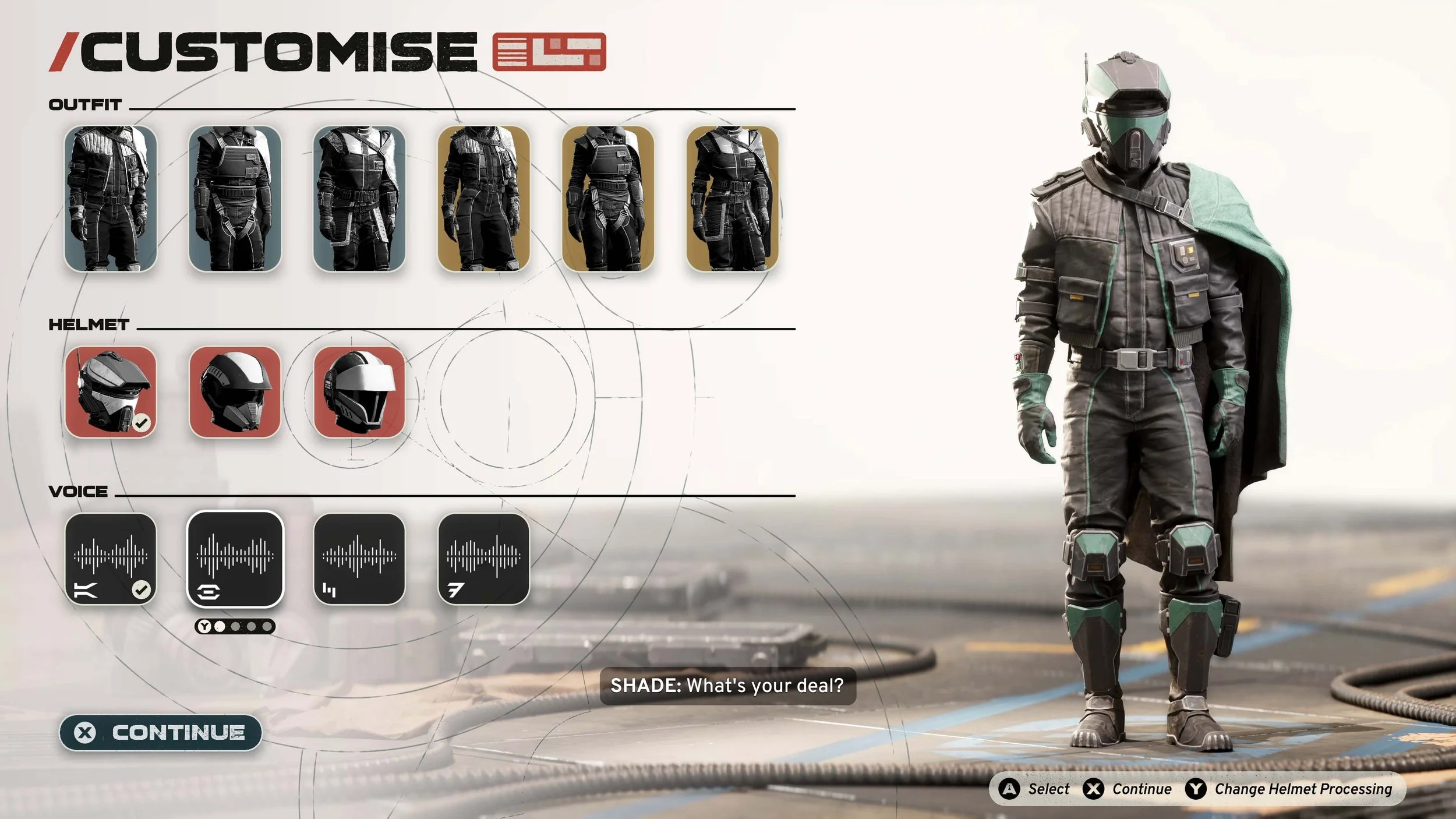
Perhaps the biggest surprise here is just how much effort has gone into the game's story. You play as Shade, a mysterious helmeted racer who finds themselves drawn into the Galactic League and the growing conflict surrounding its biggest personalities. Shade can also be customised with different outfits and helmets, while you can select their voice, including an option that gives them the kind of digital gibberish frequently heard throughout the franchise. I went into Galactic Racer expecting the narrative to essentially provide an excuse to travel between planets and race increasingly faster vehicles, but there is considerably more going on here than I anticipated.
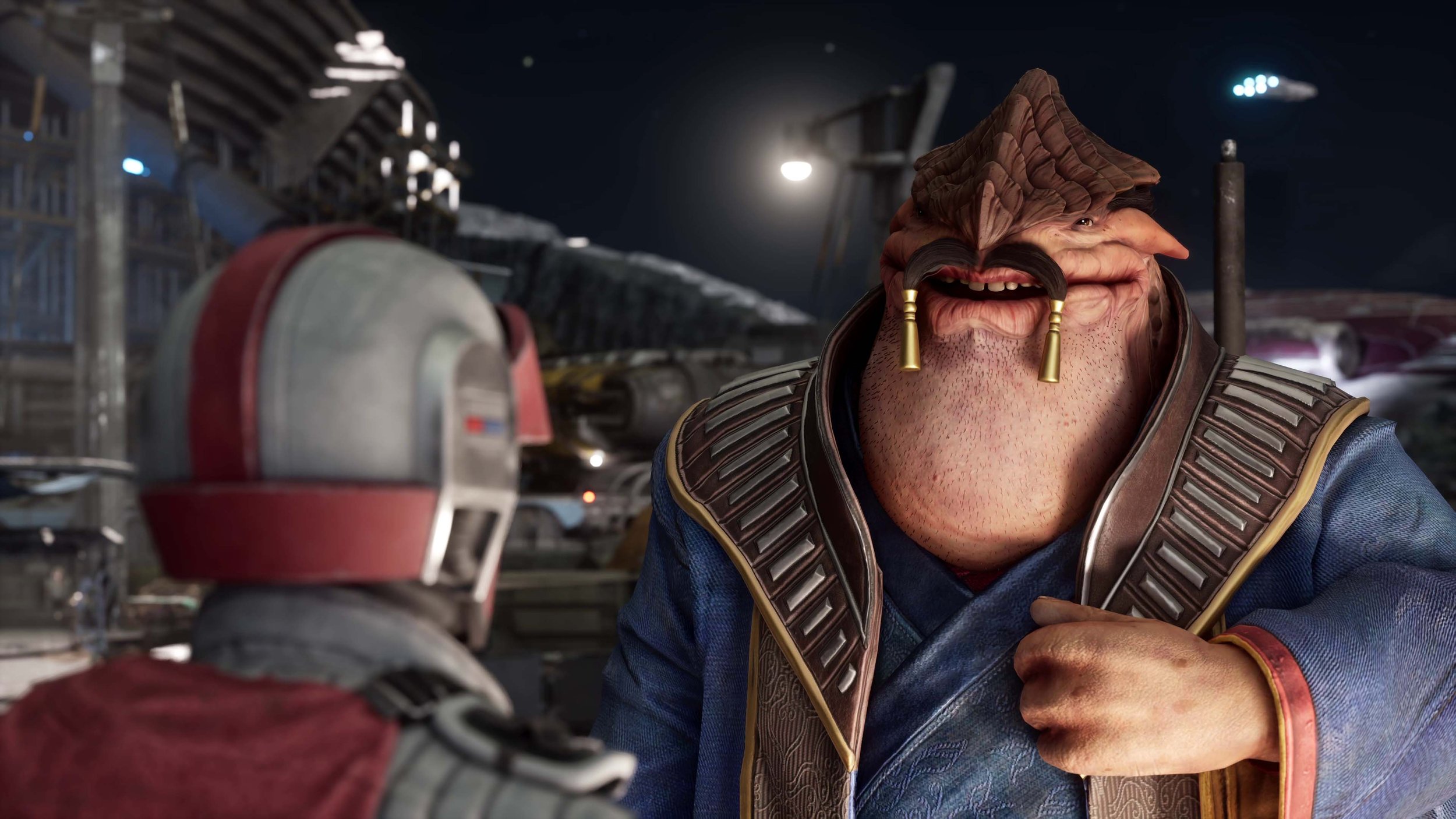
Unfortunately, the roguelike structure that makes the racing so addictive can occasionally work against the storytelling. Different routes and events mean that narrative beats do not always arrive with the kind of cohesion you would expect from a more traditionally structured campaign. Characters and plot threads can appear, disappear, and develop at slightly awkward intervals depending on how your runs progress, and there were moments where I felt like the story was fighting against the structure of the game rather than benefiting from it.
Thankfully, once you are actually racing, almost all of those complaints quickly disappear behind you as the boost kicks in and you slingshot past the competition. The racing in Star Wars: Galactic Racer is outstanding, combining an incredible sense of speed with vehicles that genuinely feel different from one another. Landspeeders, speeder bikes, and skim speeders each demand a slightly different approach, and switching between them never feels like simply selecting a different visual model with slightly altered statistics.
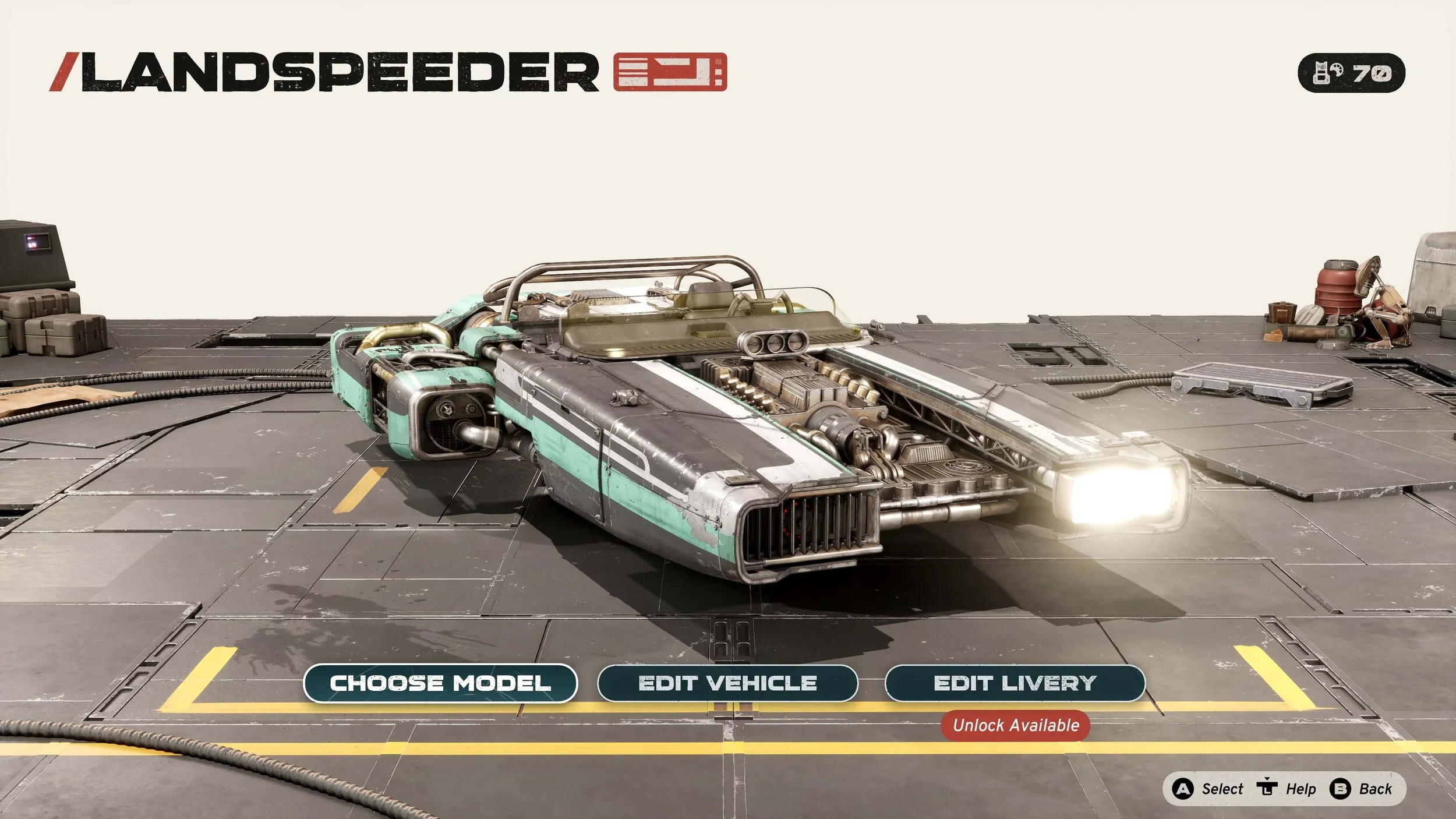
Those differences become even more noticeable as you start upgrading your chosen vehicle. Completing races earns resources that can be invested into various stats, including cornering, drifting, resilience, battery capacity, and more. These upgrades can dramatically change how a racer behaves, giving you plenty of opportunity to shape a machine around the way you personally want to race. It is one of those progression systems where upgrades rarely feel like meaningless percentage increases because you can actually feel the difference they make once you get back onto the track.
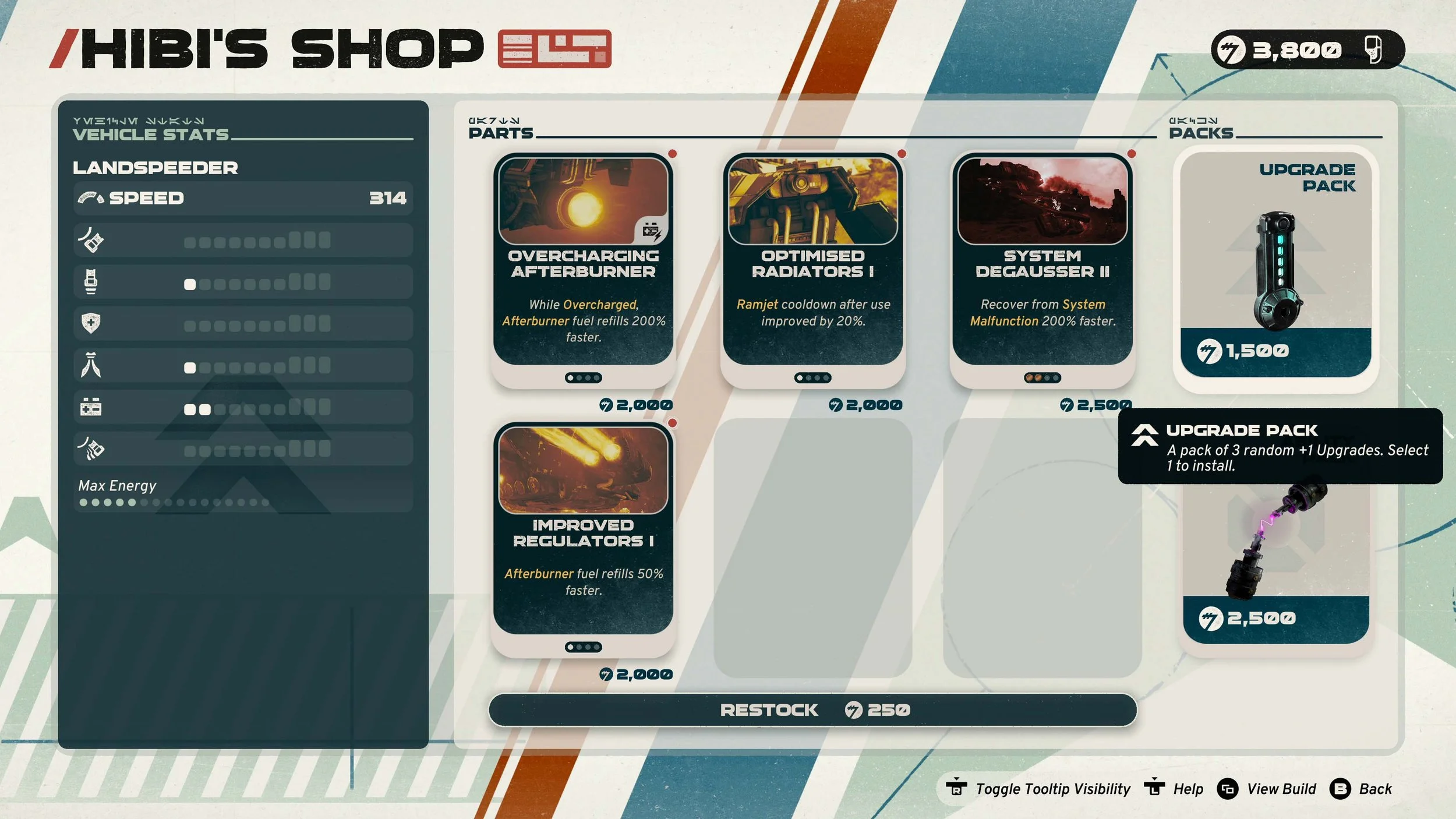
There is another layer to that progression through the shops you can encounter between races. Currency earned throughout a run can be spent on different abilities and modifiers for those abilities, allowing you to further customize your setup around the way you want to approach each tour. Combined with the upgrades to your vehicle itself, there is a surprising amount of flexibility here, and experimenting with different combinations gives you another reason to keep jumping back into races.
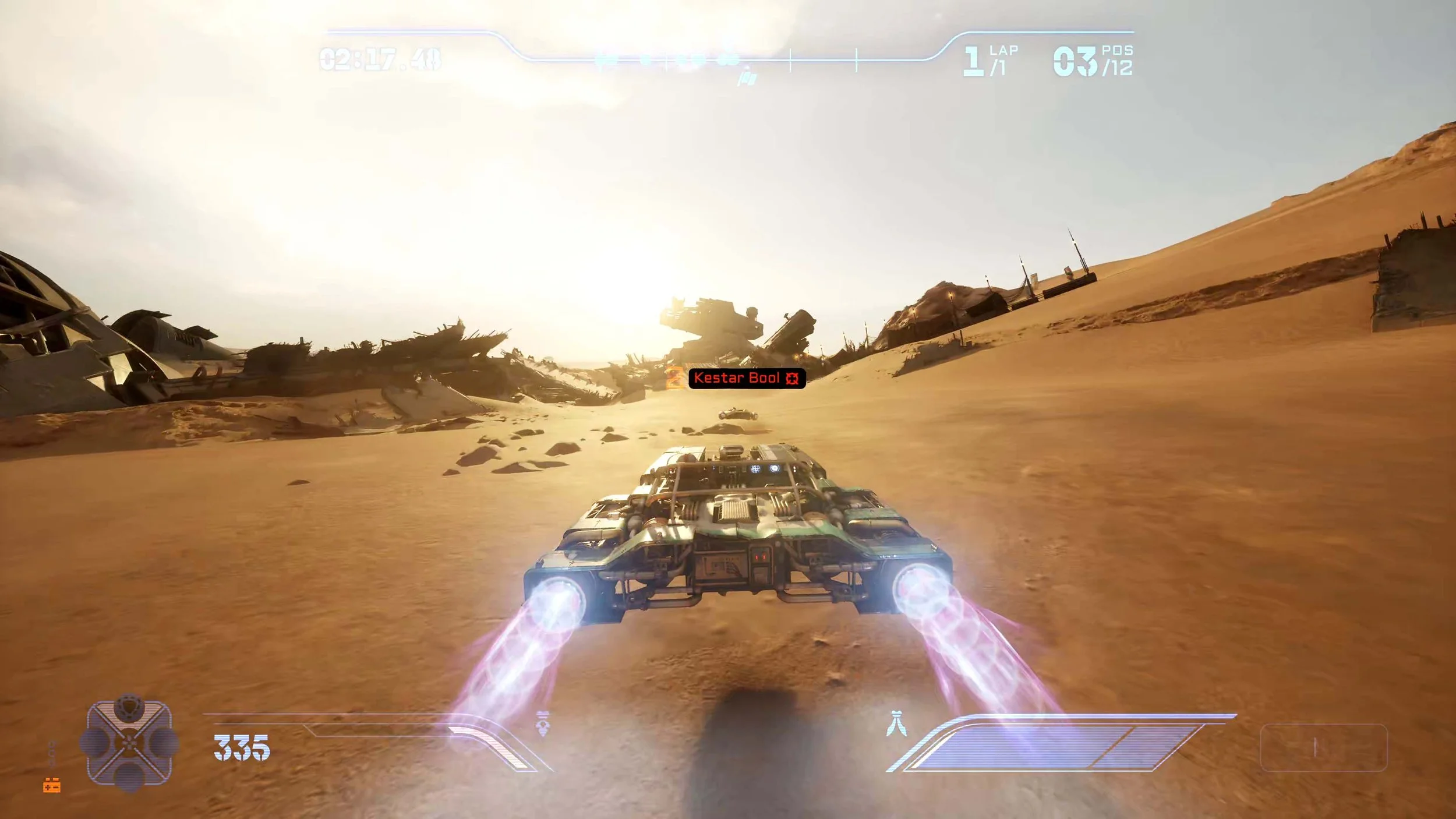
There is also considerably more going on during a race than simply holding the accelerator and finding the fastest racing line. Managing your speed is an important part of the experience, especially when balancing the different boost systems against the danger of overheating your vehicle. Rival racers are also extremely aggressive and are more than happy to attack, ram, and generally make your life considerably more difficult, turning races into chaotic battles where simply being the fastest racer isn't always enough.
This is where the roguelike elements work considerably better. A failed run rarely left me wanting to stop playing because the progression constantly feeds into that familiar "one more race" mentality that the best racing games manage to create. Even when things go wrong, you are usually making progress towards improving your vehicle, unlocking something new, or earning the resources needed to make your next attempt more successful. Before long, what was supposed to be one final race can quite easily turn into another hour of playing.
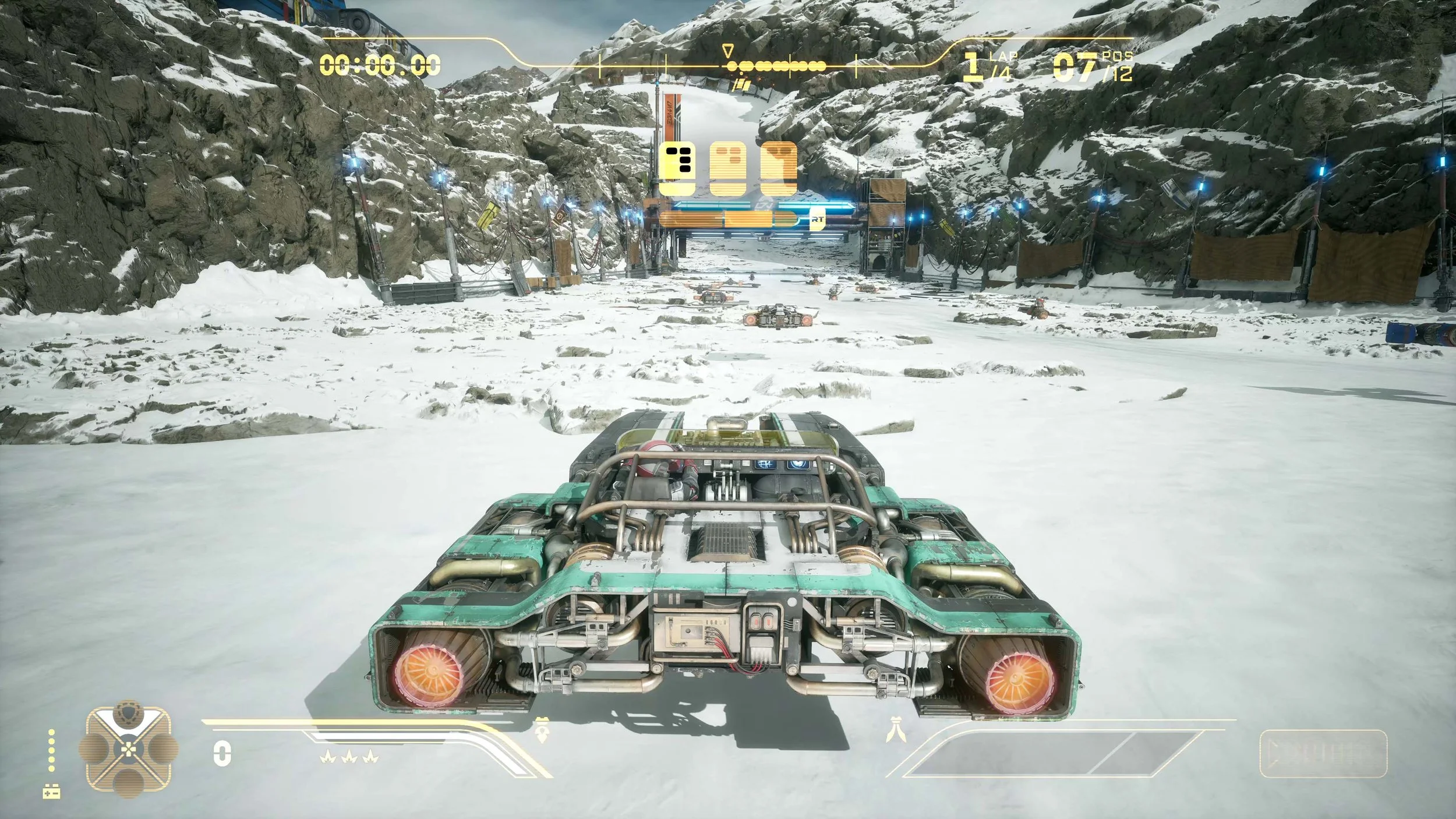
The tracks themselves are slightly more inconsistent. Racing across different planets gives Galactic Racer plenty of environmental variety overall, with different locations introducing their own hazards and visual identities. However, tracks located on the same planet can often feel far too similar to one another, to the point where certain races started blending together rather than feeling like entirely new challenges.
The different planets also have an impact beyond simply changing the scenery. Environmental conditions can directly affect the way you approach a race, with colder snow-covered locations helping to reduce the amount of burn generated thanks to the cooling effect of the environment. That gives you more freedom to push your boost systems harder than you might elsewhere, and mechanical differences like this help give each planet its own identity beyond its visual design.
Between races you are also able to walk around rather than simply navigating everything through menus. From a presentational standpoint I actually quite like this, as it makes the Galactic League feel more like an actual place and gives you an opportunity to interact with the wider cast outside of racing. Often, once you've returned from a run, you'll come face-to-face with various drivers looking to intimidate you before the next tour. From a gameplay perspective, however, I am less convinced it was necessary, and there were definitely occasions where I would have preferred to immediately move onto the next race rather than walk between different areas first.
I played Star Wars: Galactic Racer on PC and performance was outstanding throughout my time with the game. Running at native 4K resolution using the Epic settings preset with DLAA enabled, I was comfortably achieving well over 100fps. Considering just how fast the game can become and how much can be happening on screen during some races, that level of performance helps the experience feel incredibly responsive and lets the excellent sense of speed shine.
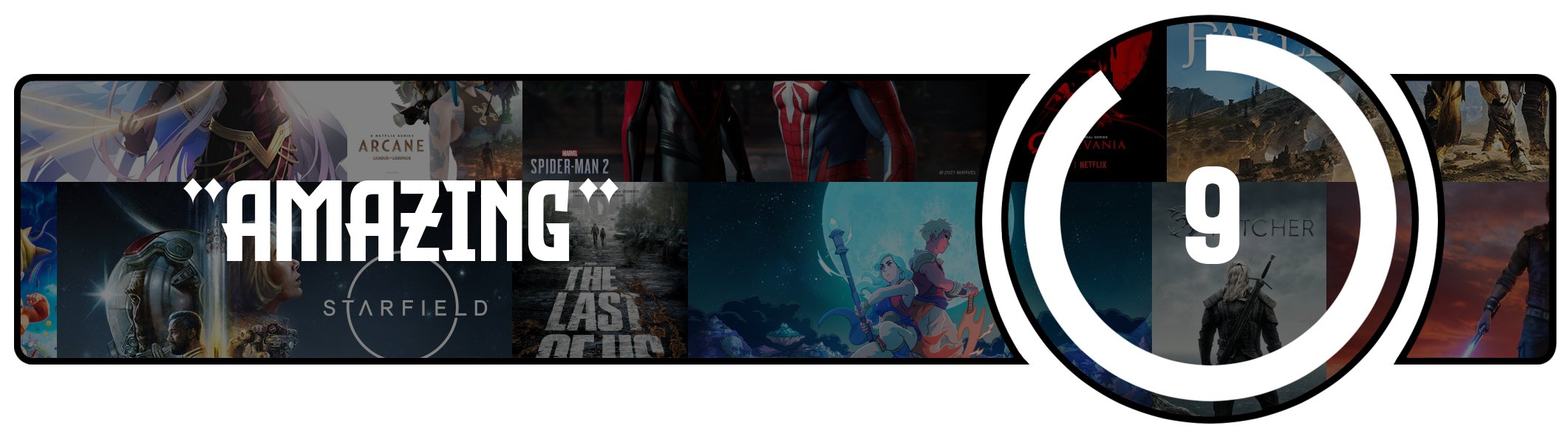
Ultimately, Star Wars: Galactic Racer surprised me. I expected an enjoyable Star Wars racing game, but what I got was something with far more depth, progression, and staying power than I anticipated. The roguelike campaign structure occasionally gets in the way of its surprisingly ambitious story, the similarities between tracks on individual planets can become noticeable, and some of the walking sections feel unnecessary from a gameplay perspective.
None of those issues change the fact that the actual racing is exceptional. The different vehicles feel genuinely distinct, progression constantly gives you something new to chase, and the roguelike structure creates an addictive loop that makes it incredibly difficult to stop after just one more race. Star Wars: Galactic Racer may have nearly disappeared beneath a packed release schedule for me, but now that I have played it, I can already tell it is going to remain installed for a very long time, in a galaxy far, far away..
Developer - Fuse Games
Publisher - Secret Mode
Released - October 6th, 2026
Available On - PC, PS5, Xbox Series X/S
Rated - (E10+) - Fantasy Violence, Language, In-Game Purchases, and Users Interact.
Platform Reviewed - PC
Review Access - A review code for Star Wars: Galactic Racer was provided by the publisher for the purpose of this review.
I’m Jordan I have a background in game design and am deeply passionate about accessibility in gaming. My favourite games/franchises include Shenmue, Red Dead Redemption 2, Plague Tale: Requiem, Metal Gear Solid 3, Yakuza, Splinter Cell, and Assassin’s Creed.