
Lost in Space
With Until Dawn, Supermassive Games captured lightning in a bottle. It was cheesy, often over the top, and filled with teenagers making the worst choices possible, resulting in some gruesome deaths. Still, the choose-your-own-adventure nature of it made it a popular game, not just as a single player experience, but one you could enjoy with friends, swapping the controller around and seeing how their choices would play out. It was, by all accounts, a masterclass in its genre.
The Dark Pictures Anthology series that would follow would focus a lot on that type of shared experience, even going so far as adding co-op into each of the four main entries in the series and a functional “movie-night” mode where each player would take control of a specific character. And yet, Until Dawn remained the better game.
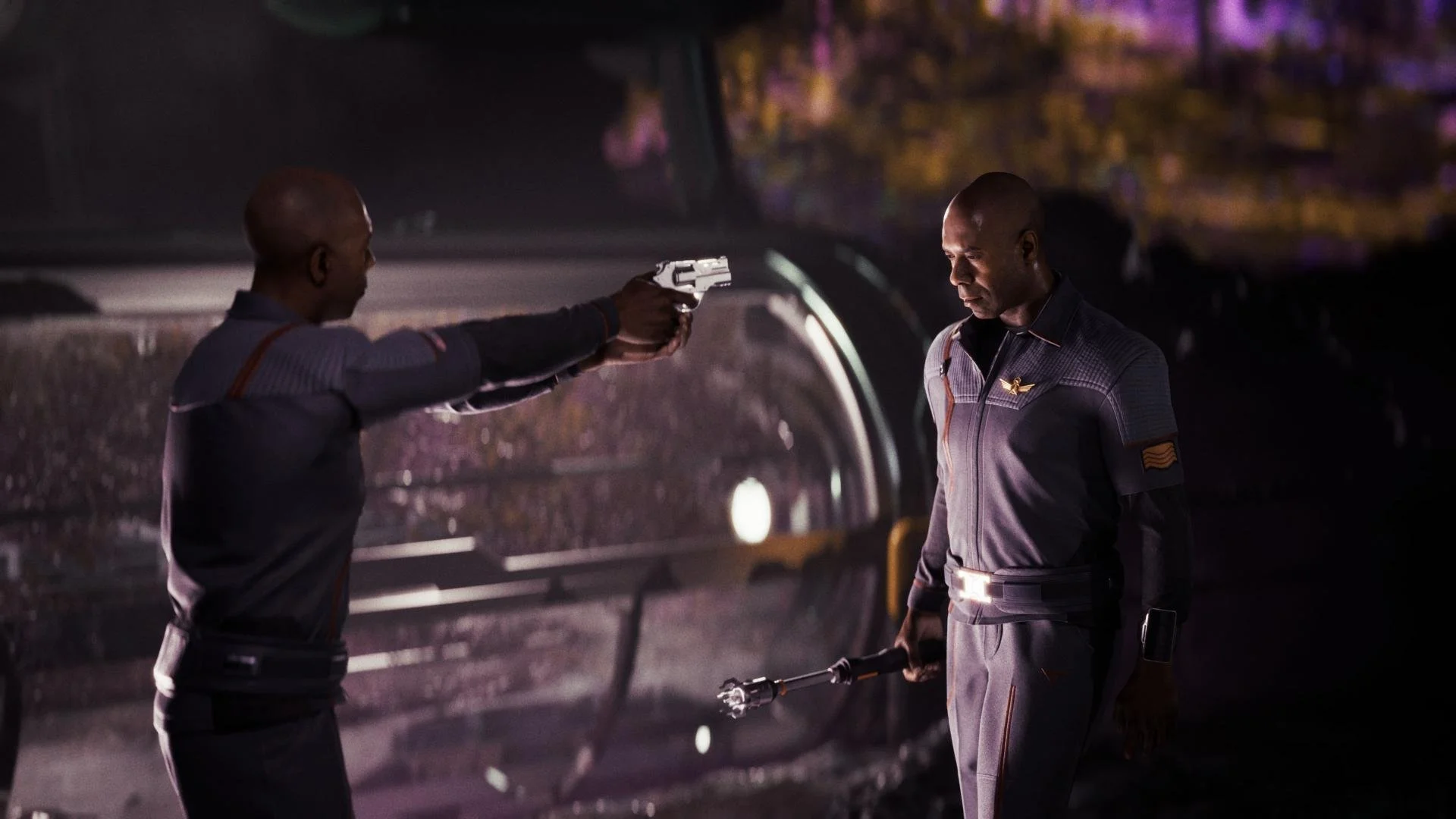
However, with Directive 8020, Supermassive Games reinvents the formula again, giving you far more control over each character and the ways in which they die or allowing you to rewind a fatal mistake and try again. It doesn’t feel as fresh as I think it could have, but the atmosphere and tension is remarkably well crafted, even if not a single jump scare nailed the landing.
What is rather odd about Directive 8020 is that while it is a Dark Pictures game, Supermassive Games, who took over publishing duties this time around, has chosen to not directly market the game as such. There is no branding on the cover or real attempt to mention it whatsoever. If you were not following the game’s entire marketing campaign or reveal, you likely wouldn’t have even known.
Directive 8020 is, by all accounts, a refresh of the Dark Pictures series, a season two, if you will. However, while I did thoroughly enjoy the game, having all but one member of my team make it out alive, with one death being a choice I was very content with, it lacks that new car smell due to one glaring factor; its cast, or rather, their faces. Throughout the Dark Pictures Anthology, several actors were used as the base for the bulk of characters going forward. Voices would change from game to game, but apart from the central celebrity headlining the game, the supporting cast would be made up of the same few individuals whose faces would repeat game in and game out.
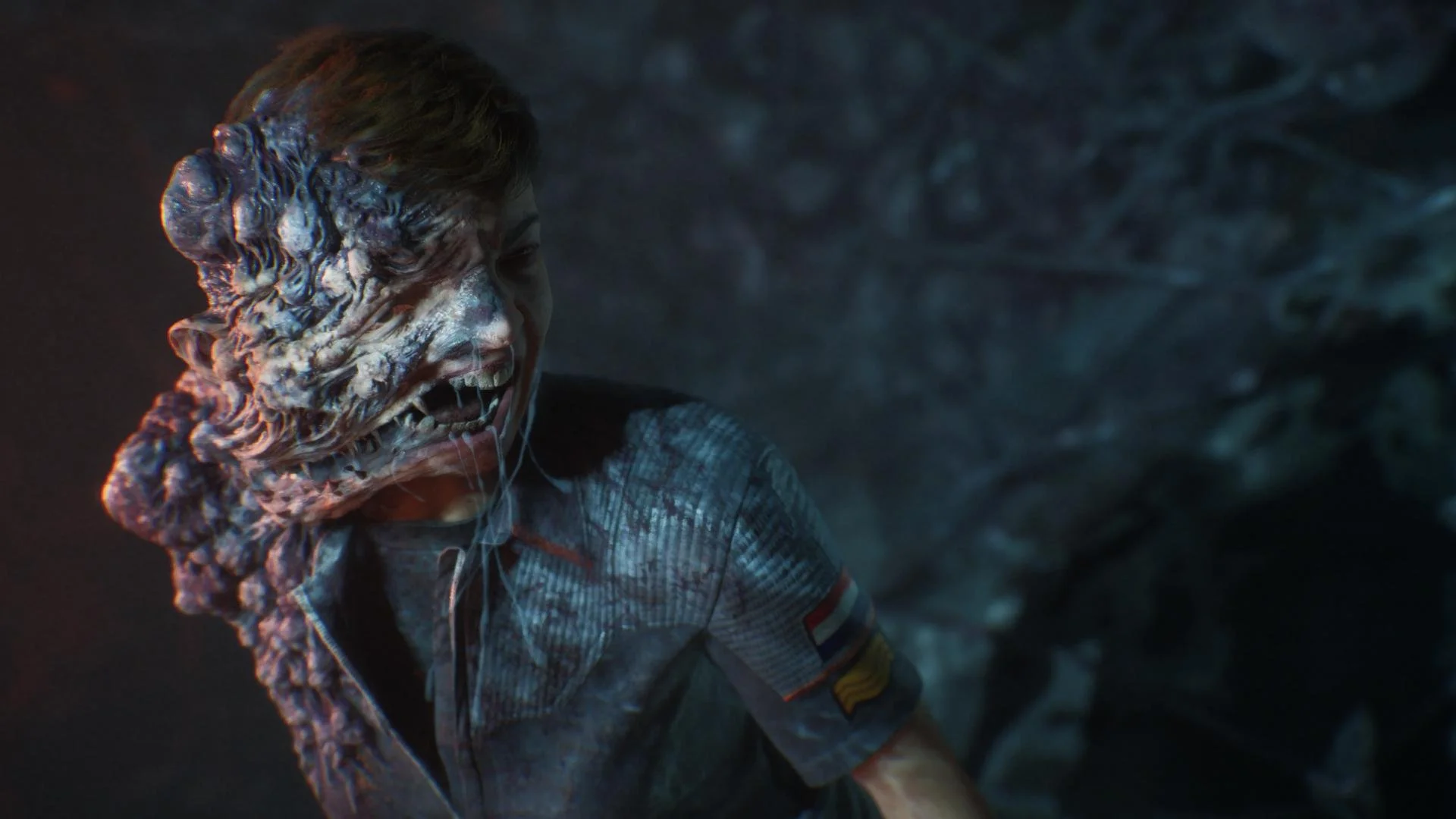
Now, this didn’t ruin the experience for me, and some players may not even care, but it did lessen the appeal of the characters they were playing. The performances are all solid, with a few exceptions, but as these were all the same faces from the previous games, it lessens Directive 8020’s fresh new rebrand, given the game is mostly a different type of experience in the genre.
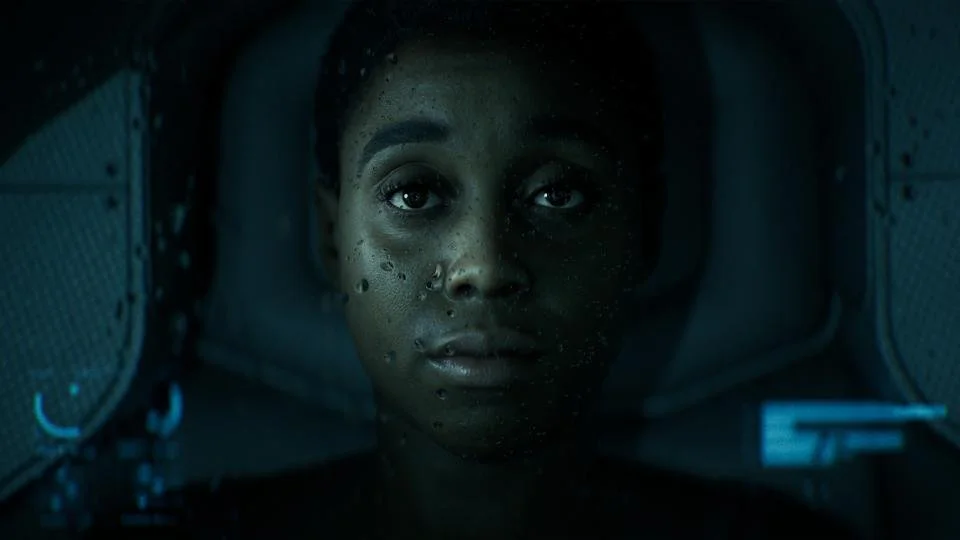
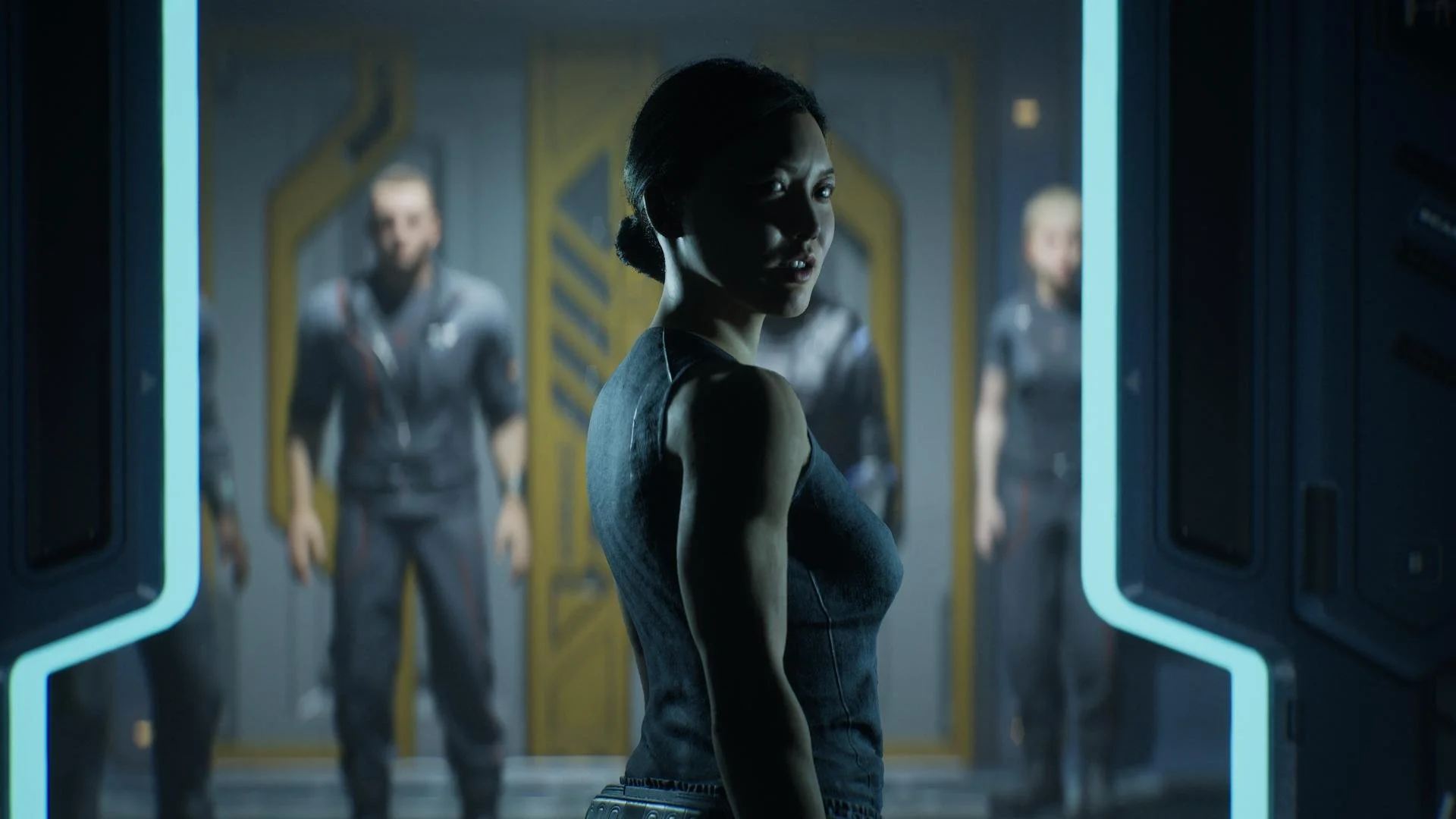
Supermassive Games has always had a knack for choosing the perfect celebrity to be front and center. Here, Lashana Lynch is a great choice. Known for Captain Marvel, No Time to Die, and Bob Marley: One Love, Lynch is excellent here, and brings a fantastic performance to the whole package. While Lynch does feature as one the central characters, I felt I barely played AS her. Still, she does have the most backstory, with flashback scenes that start to piece things together as to why she signed up.
Directive 8020 can, at times, feel like the previous games, but it makes a lot of changes to how the actual gameplay can affect the story, its several outcomes, and how you interact with the environment. While there are plenty of QTE’s to navigate, especially in one particular chapter, the game feels less reliant on them overall. Instead, you feel like your mobility and navigation of the ship is more a threat to your survival than most of the dialogue or choices you make as you are running for your life. All said, Directive 8020 feels less like a movie and more like a traditional survival horror game, to an extent.
Part of this is due to how you control and use your character. You have full control on the camera, can duck and use platforms and the environment as cover, and have full manoeuvrability during chase sequences, with the game rarely taking this control away from you. If you were not interested in the Dark Pictures series due to the games feeling like nothing more than interactive movies, then Directive 8020 might interest you due to it feeling more like a traditional game, with few sequences that feel like it is leaning back into the prior game’s DNA.
While more control over your character can result in deaths occurring in slightly different ways, and at different times, there are a few moments where the game takes some control away from you and this leads to lengthy cutscenes where a death could have easily been an option there. For example, there is a moment where the characters are being assaulted from falling debris. At no point do you have any action to make that could result in you getting crushed. These moments are rare, but do stand out, especially given one sequence in the game where you are constantly QTE dodging every last bit of danger thrown at you.
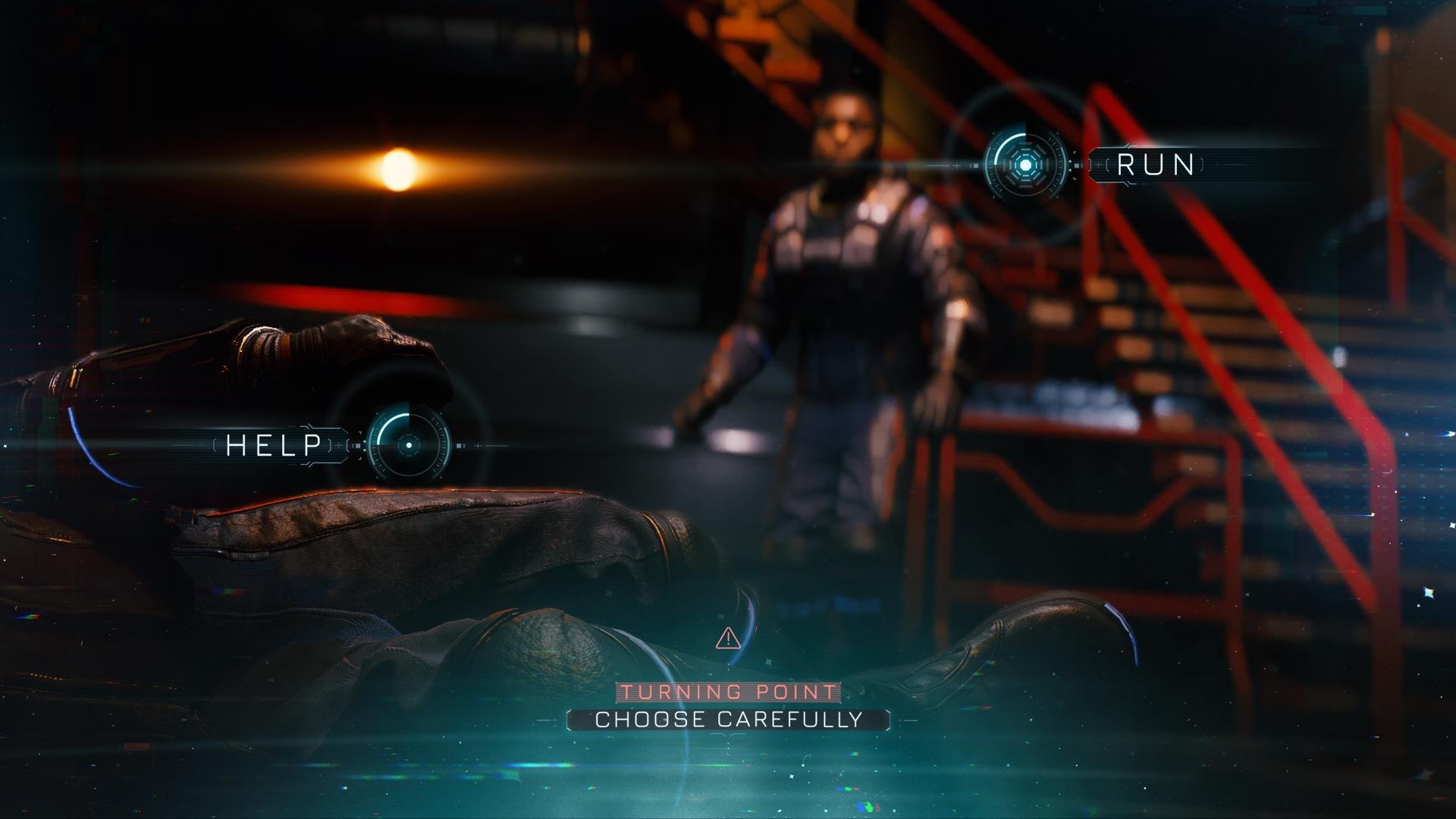
Throughout the eight chapters, you'll have collectibles to find that flesh out the story, as well discovering the brutal ways the cast can die. You'll be able to see how many deaths are available each chapter via a menu option that also provides a way to undo choices. Turning Points are available, depending on the difficulty you choose, and they allow you to rewind back to a choice and pick the other option. Want to save a character or have them die instead? This is how you do it. Sure, it can take away some of the tension, but as someone who made a dumb choice in The Quarry in the game's final minutes, I would have loved this feature back then.
Turning Points also let you see the entire branching paths of each chapter, as well as how you would access different choices. Characters have traits to build up or learn, and some choices are only available when you've reached those milestones.
You play as several members of the Cassiopeia, a ship cast out into the deep reaches of space 12 light years away from Earth. Their mission is to survey Tau Ceti f, a planet detected by previously sent out probes to ensure that terraforming is possible, to provide Earth a new home. As Earth is dying, this mission is one that could save humanity. They are to survey the planet for their sister ship, the Andromeda, but their mission goes sideways and the Cassiopeia crash lands on Tau Ceti f, and the team have to contend with an alien lifeform that is hunting them down. This alien can also take their form, mimic them, and sow distrust among the crew and you attempt to determine friend from foe.
It's clear that Directive 8020 is inspired by The Thing, John Carpenter’s 1982 classic. The film does a good job at keeping you guessing, as characters are always suspicious of who is actually who they are.
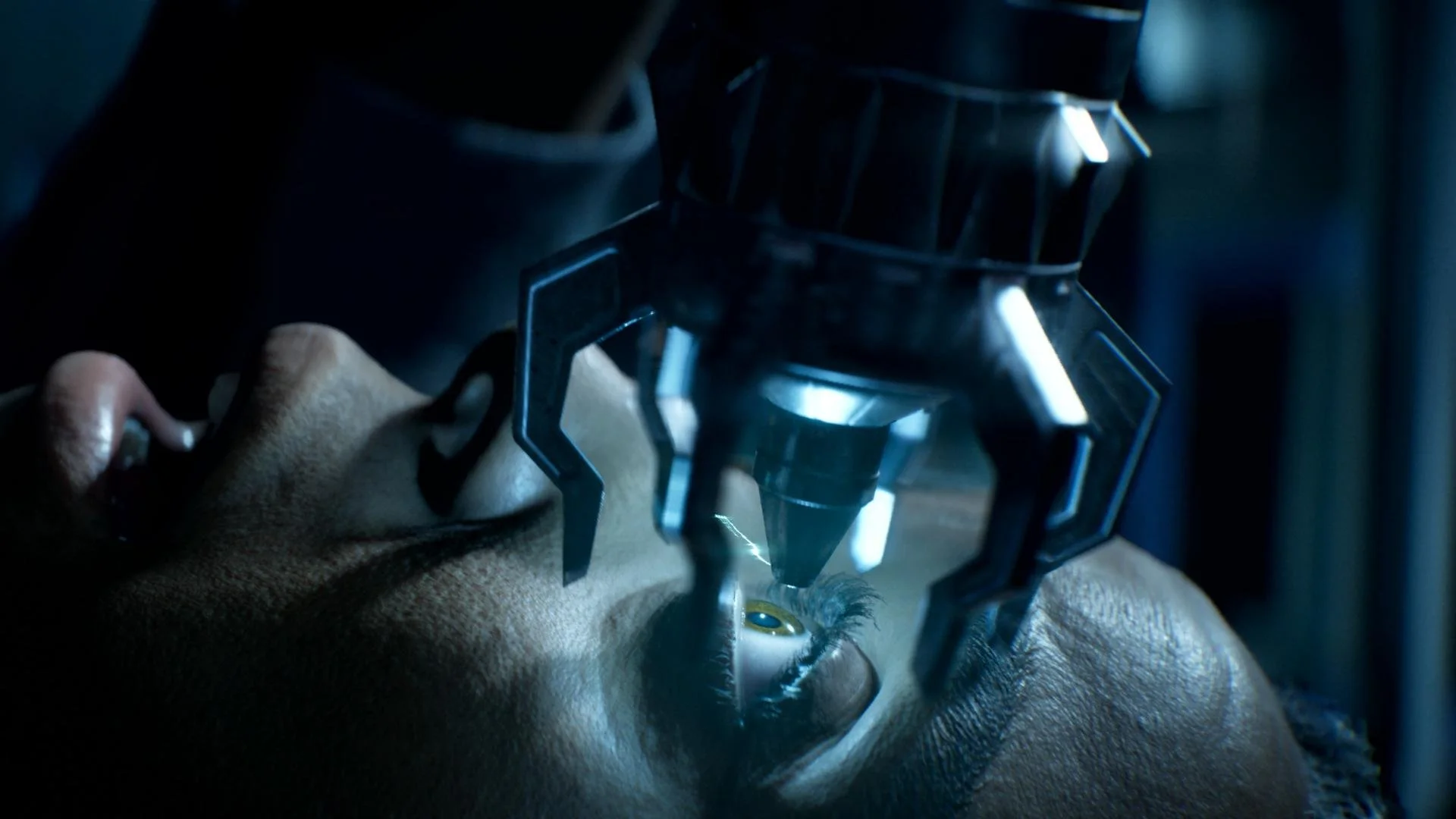
Despite its inspirations, the threat of the alien hiding amongst the crew doesn't really play a significant role here, and that lack of doing so sort of cheapens the idea that they could be anyone around you. I would get separated from my team and despite meeting back up with them, the game never tried to pull a fast one on me and made me question if this reunion was actually legit, or a trap to get me alone.
That said, one part of the story did actually take me by surprise, and the narrative was better for it. It's handled extremely well, and honestly, makes for a good set up should they plan on any type of sequel. And, for those who may skip the credits and shut the game down upon completion, make sure you stay tuned after the credits for one of many different endings.
However, there is one part of the execution in the game's early story that wasn't handled so well. Early on, you jump ahead 17-18 hours and take part in a few tense moments of stealthing around the alien creature mimicking one of your shipmates. One sequence of this was actually with a character we hadn't been introduced to yet, which I felt weakened my desire to keep him alive. These sequences then sort of fail to deliver on the mimic’s ability to scare me later on, as I knew who was going to be who and that was a big letdown.
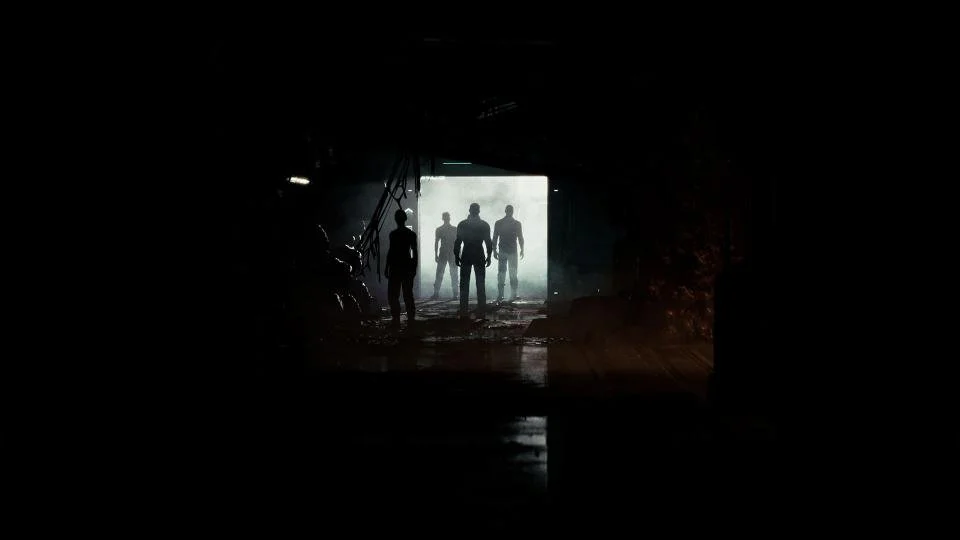
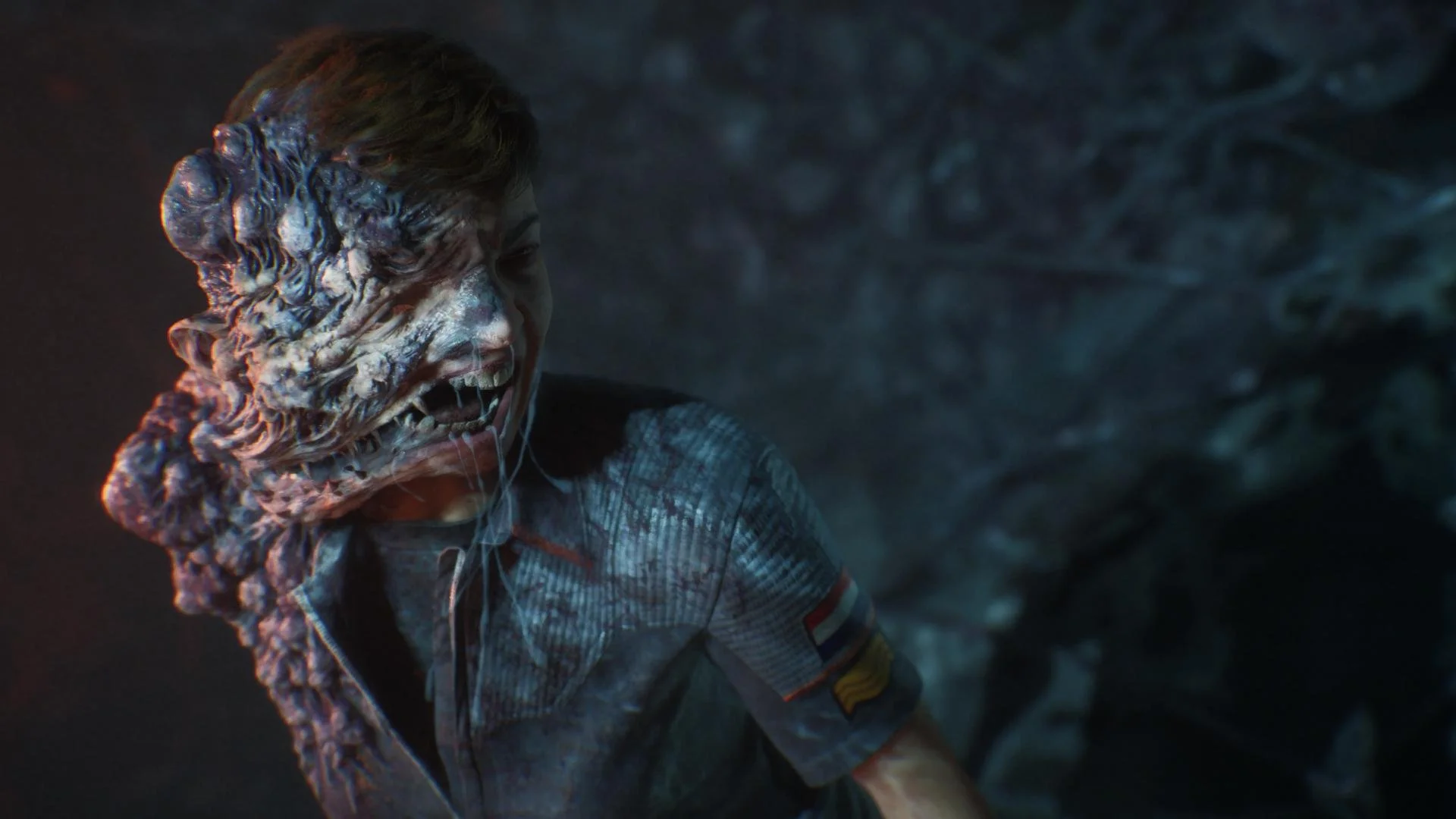
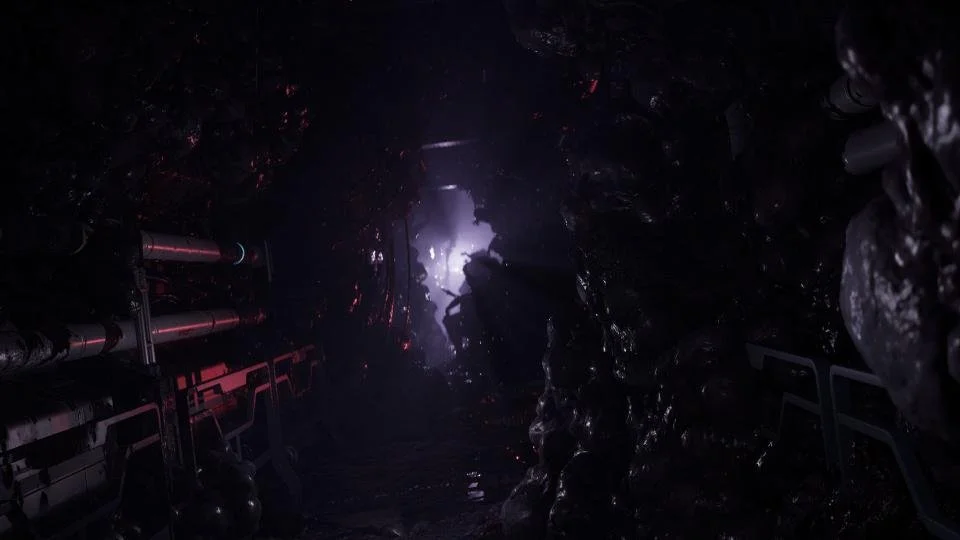
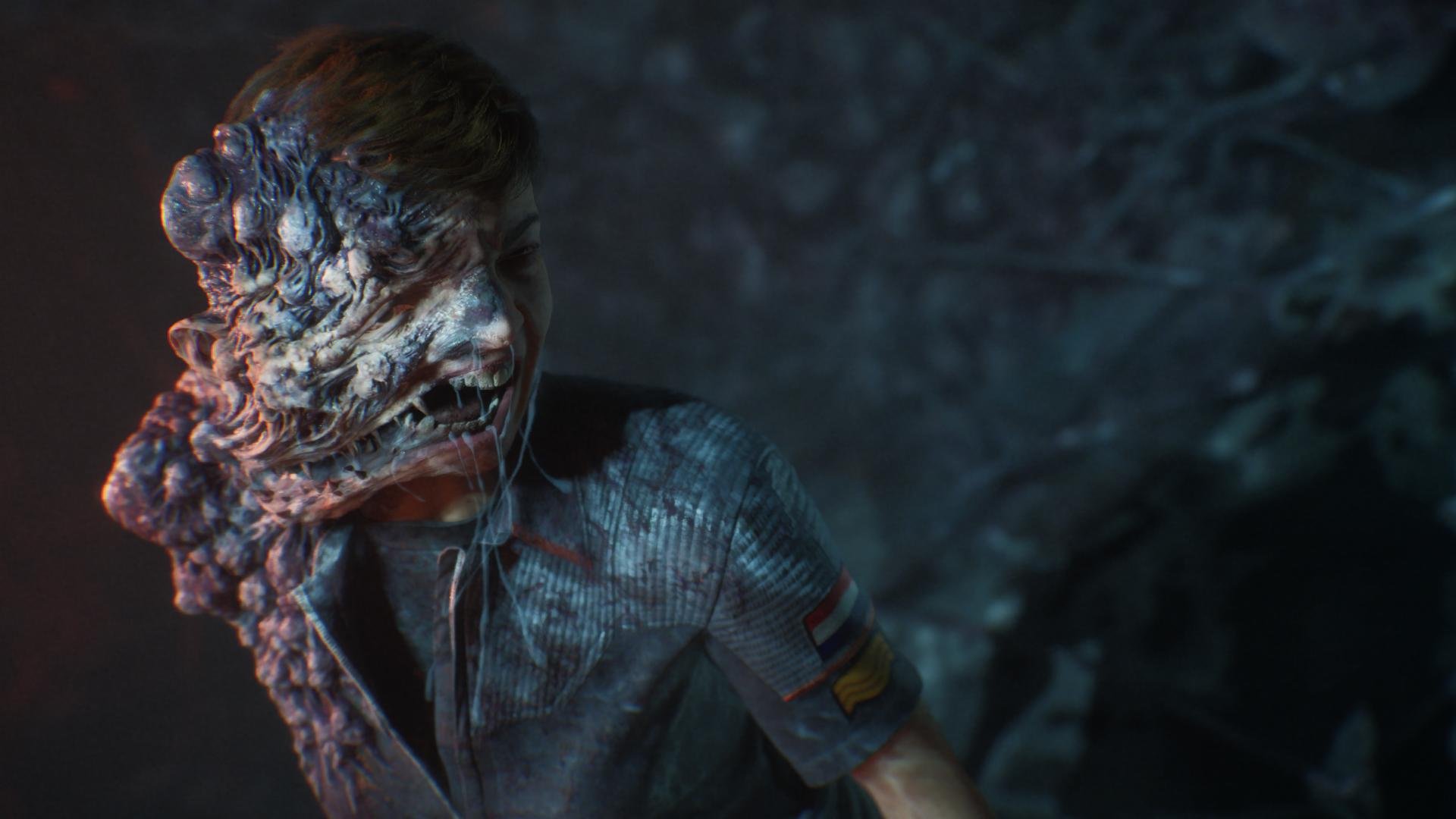
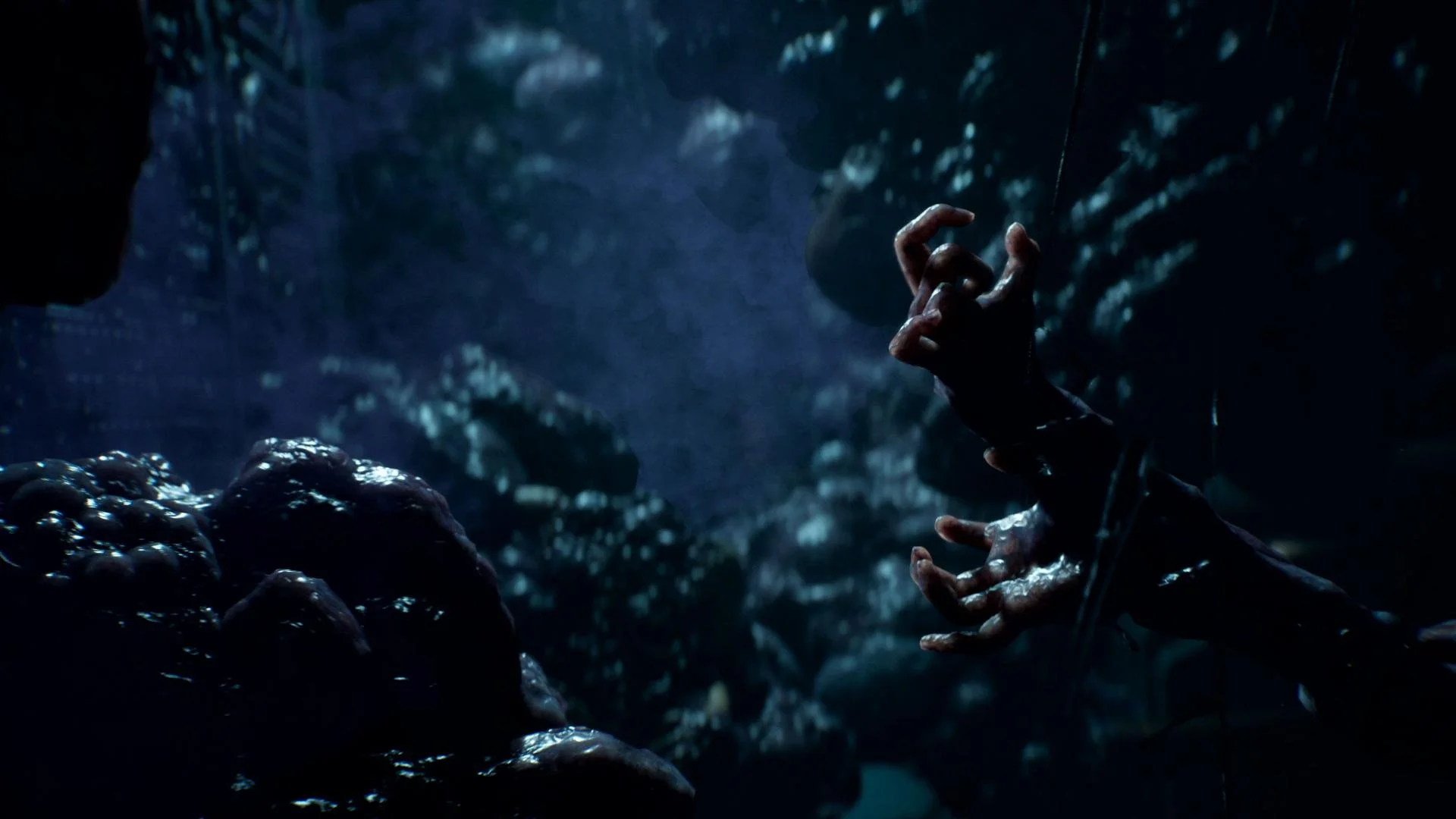
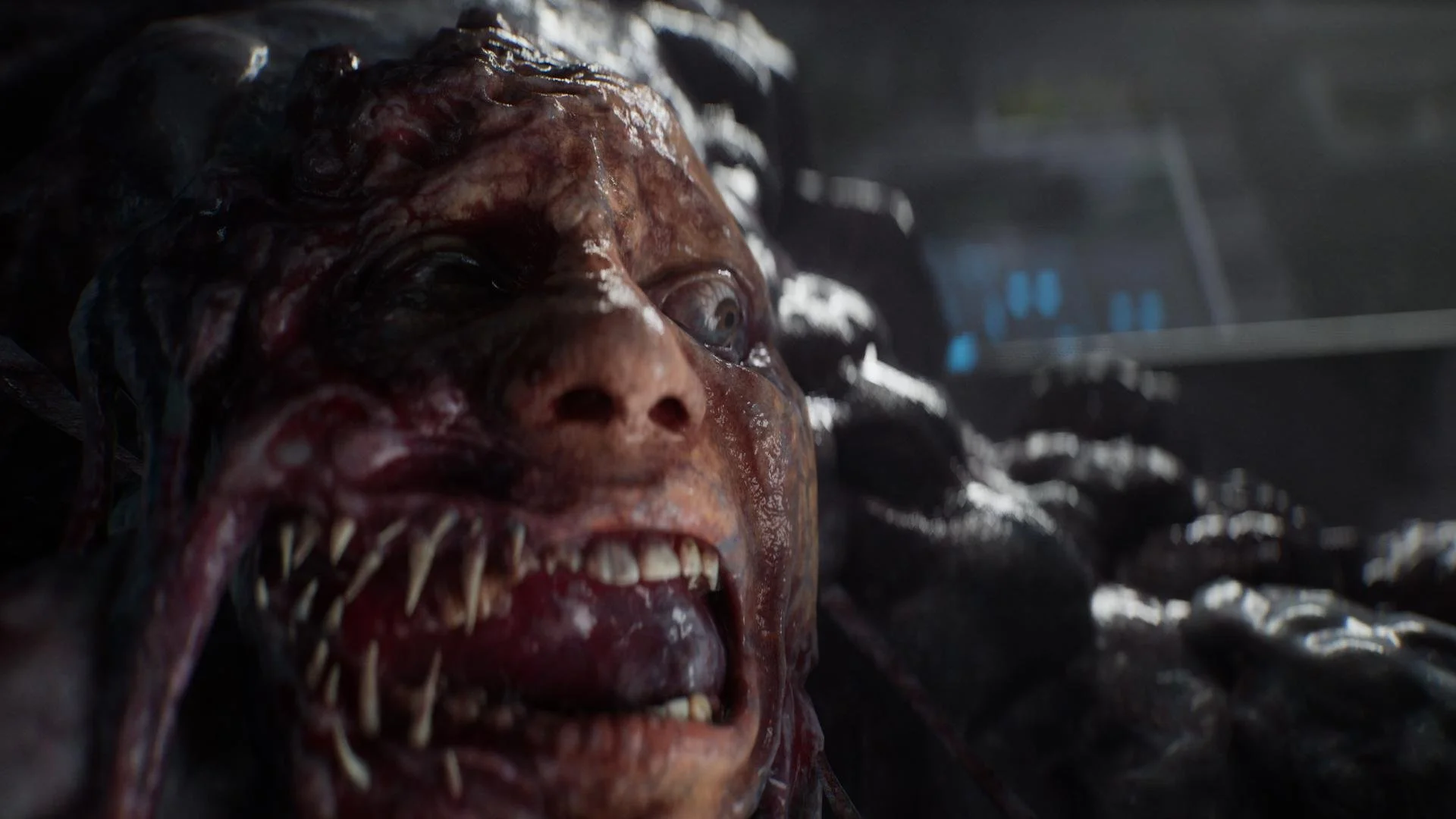
What Directive 8020 does remarkably well is the atmosphere and the design and aesthetics of the ship. As the alien presence on the ship starts to shut down systems with its goop and alien sludge, the ship starts to get incredibly tense and grotesquely infected as you start to move through affected areas. The puss-filled hallways, built of decaying bodies and half morphed alien shipmates, with hands reaching out as you slide through tight spaces always felt grimey and slick with said alien sludge.
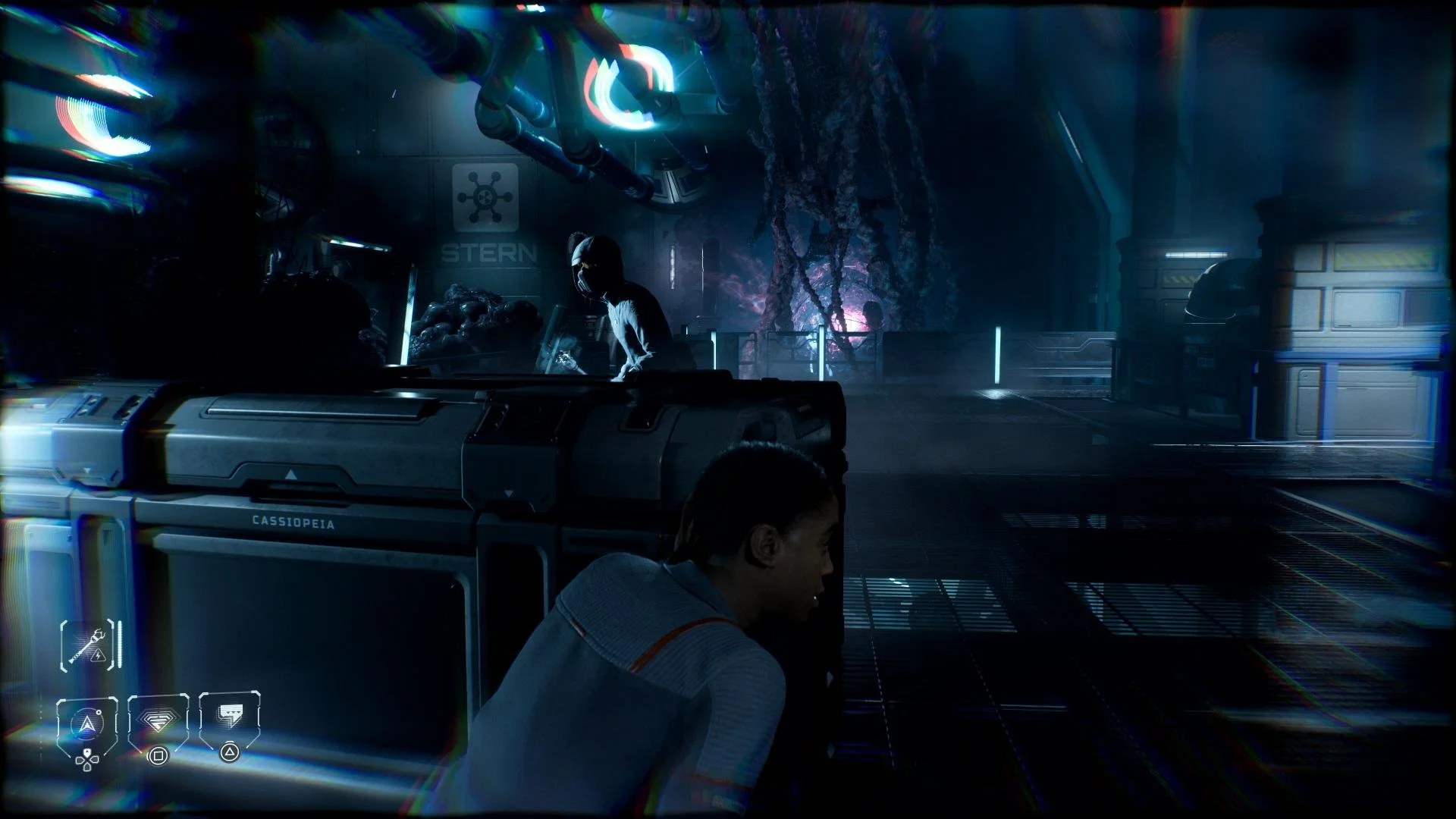
Stealth is a core gameplay system here and while there are no dedicated stealth mechanics, it gets the job done regardless. You'll need to avoid glass on the floor and keep ducked behind cover as you avoid alien patrols. You do get the chance to stun them if found, allowing you to find new cover and attempt to stealth around them yet again. You can pulse the area for organic and electrical material, allowing you to keep an eye on the various alien threats.
Moving around the ship has you using a stun rod to open doors via a pretty easy to understand mini-game of timing. You'll also need to find batteries for electrical panels that allow certain doors to be powered. This often requires you open shutters to bypass a locked door to use its battery on the next. There are also a few instances of changing the flow of power from one sector to a other, which makes stealth encounters more tense when you have to navigate a maze of debris and alien goo as you regulate the flow to the door you need and then stealth back around your foe, sometimes being able to activate panels to provide a distraction as you move past them.
The control you have with your character is a great change from the previous games. It gives you more freedom to explore, move the camera around, use your flashlight to navigate the ship, or even check your text messages via your wrist-mounted computer, which makes for absolute hilarity as you check it while being hunted, or during other tense moments. While it is eventually used to mess with you, once the alien starts to figure it out, I never once felt scared or intimidated by this new addition. In fact, during my playthrough, the alien texted me a total of two times.
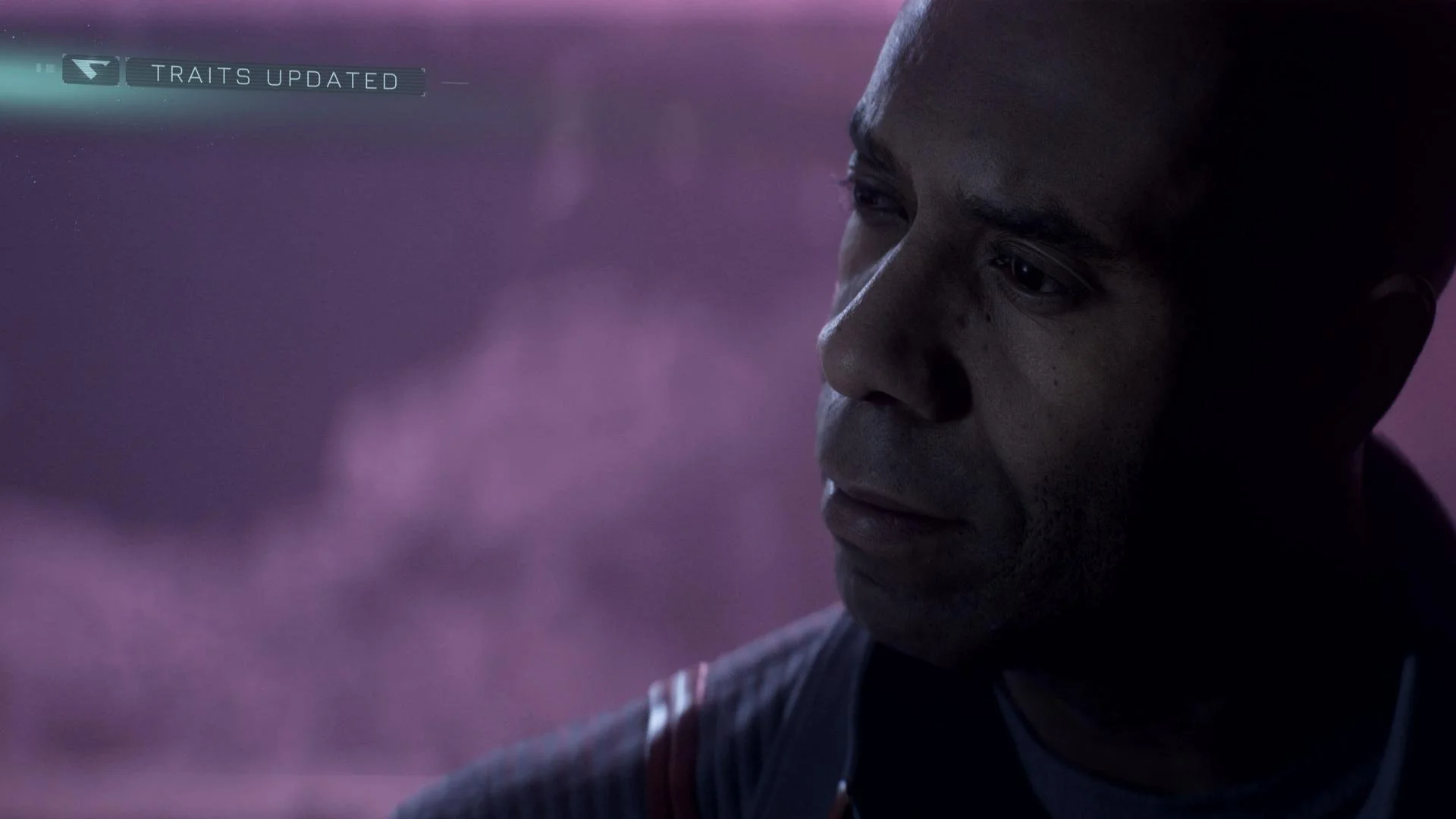
As you maneuver around the story, you'll make choices in dialogue that upgrade traits and move the story forward. Eventually, each character will achieve what is called their “Destiny” and each character has two to work towards. This allows certain characters to act in certain ways for the rest of the story, as if you are building them up to reflect your choices.
Visually, Supermassive Games has knocked it out of the park here as the swap to Unreal Engine 5 certainly aids in creating a moody and atmospheric game that revels in itself. Corridors are spooky and gooey in all the right ways, and the inclusion of mobile threats and the ability to navigate around them, knowing when and where to use your flashlight, and when to trigger a distraction, really excels due to the stunning visuals and art design.
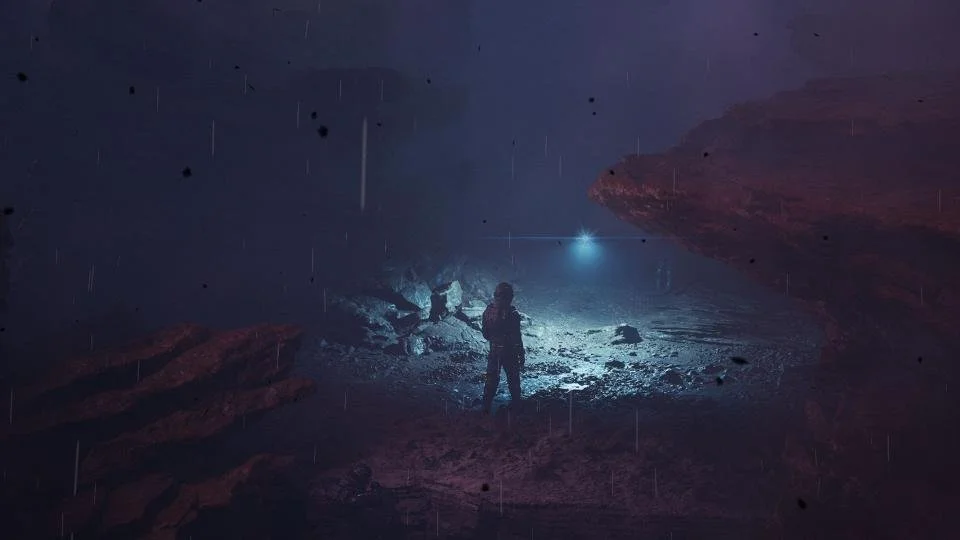
Headphones play a large role in enjoying horror games due to the sound design often providing subtle clues to the location of the enemies around you, the creaking of the ship, or the sound the alien goo makes when you trudge through it. Supermassive Games has done a great job here at letting sound often heighten the tension more so than anything its visuals can offer. It works well here, and provides an engaging experience that makes the game better.
Directive 8020 may lean into some of the formula of its past brethren, but smart gameplay choices make it a vastly more modern and engaging experience, despite the excessive reuse of faces we've seen throughout the entire anthology. Lashana Lynch may be the cover star, but the Cassiopeia might be the stand out character here due to some great art design and a engaging story that truly surprised me.
Developer - Supermassive Games.
Publisher - Supermassive Games.
Released - May 12tth, 2026.
Available On - Xbox Series X/S, PS5, PC.
Rated - (M) - Blood and Gore, Intense Violence, Strong Language.
Platform Reviewed - Xbox Series X/S.
Review Access - A review code for Directive 8020 was provided by the publisher for the purpose of this review.
Jeff is the original founder of Analog Stick Gaming. His favorite games include The Witcher III, the Mass Effect Trilogy, Hi-Fi Rush, Stellar Blade, Hellbade: Senua’s Sacrifice, and the Legend of Heroes series, especially Trails of Cold Steel III & IV.