
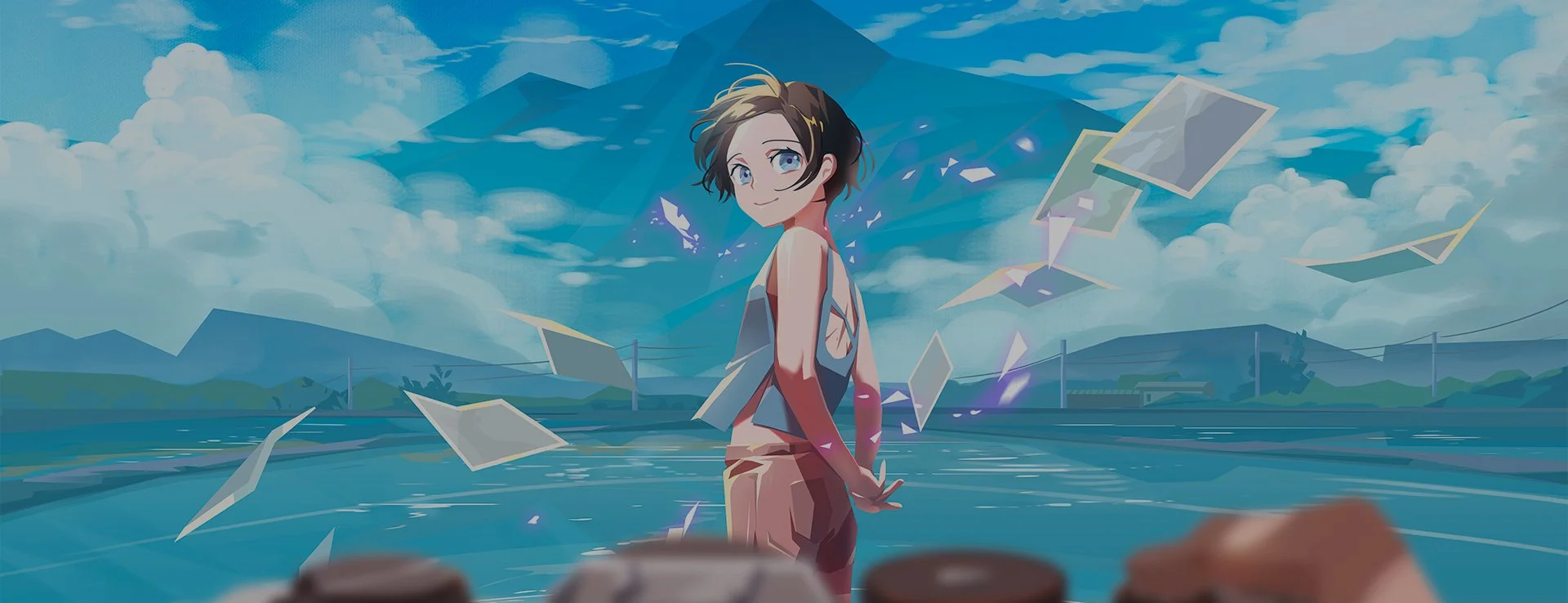
A narrative driven tale of love, terrible loss and the fight for hope that lingers.
Life is an unpredictable and nebulous flow. Even the brightest passions and well laid plans can be derailed by unexpected events of a tragic nature. If you let yourself get gripped by those shadows, you could become lost and swallowed up beneath their dark waves. It is up to you to forge ahead and rely on your strength that never left you and the bonds you have with those around you and fight to pull yourself back to a brighter place. It is all about how and what you choose to carry with you and how you keep what's important from fading.
In a story of this nature, Eugene, a tired man in his 40s, struggles to maintain his outlook on life in general. Despite his positive view and hardwork, all of his plans and even his marriage have fallen apart. He now finds himself alone and brooding against what was. He is traveling home for his grandfather's funeral and winds up in a tense, somewhat one-sided conversation with his father. He is a stubborn, bull headed man that insists Eugene be home earlier than Eugene had planned. His father doesn't seem to be listening to him and just as Eugene becomes frustrated, something unseen in the foggy road, causes the car to crash. When he comes to, Eugene finds himself stranded in a roadway tunnel, his car no longer working and stuck behind a large overturned tree trunk. Perched on top of the trunk is a curious faceless statue holding a camera as though they are peering at what lies ahead. Eugene does think this is strange, but resolves to make his way to an exit to find help.
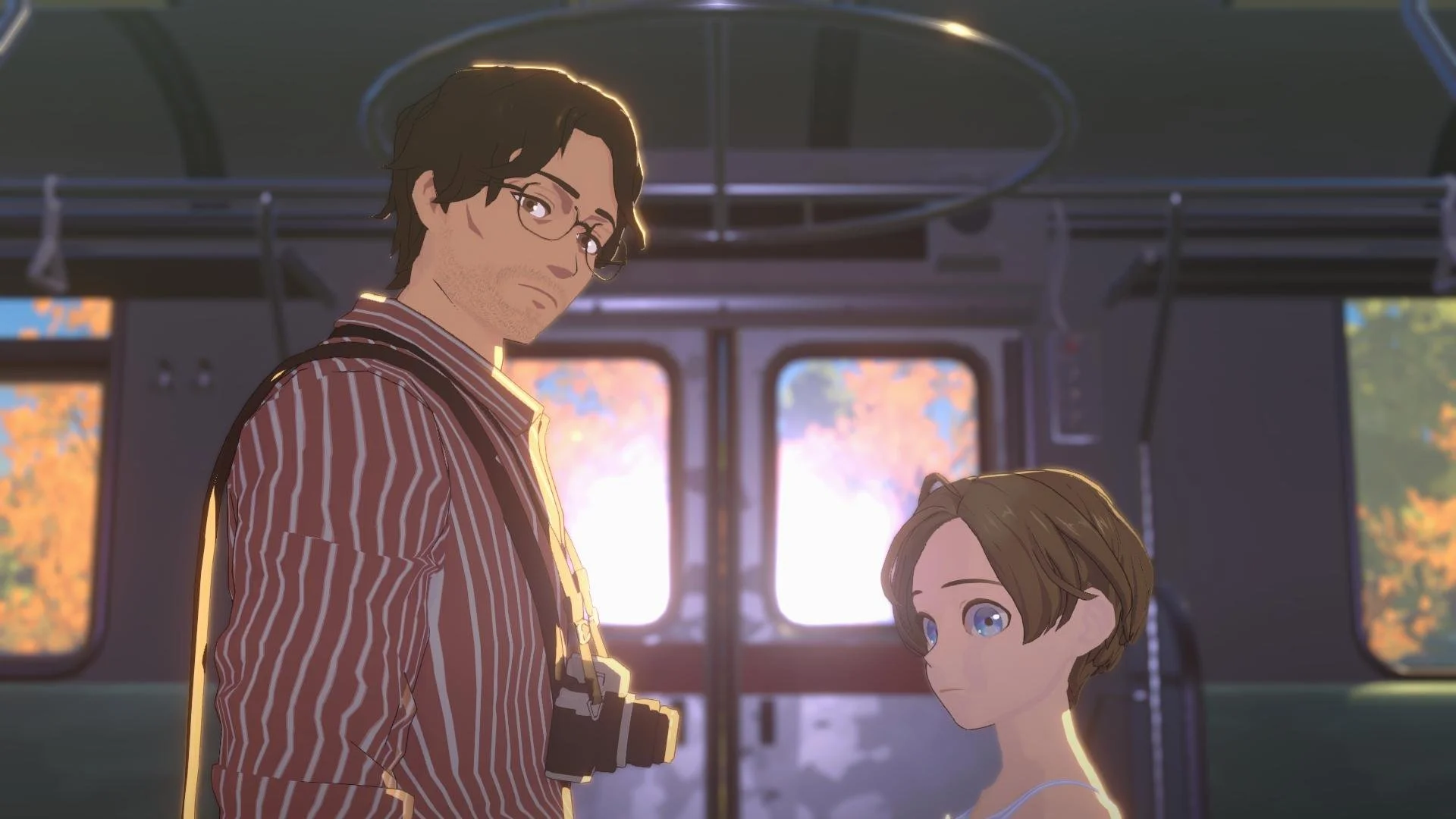
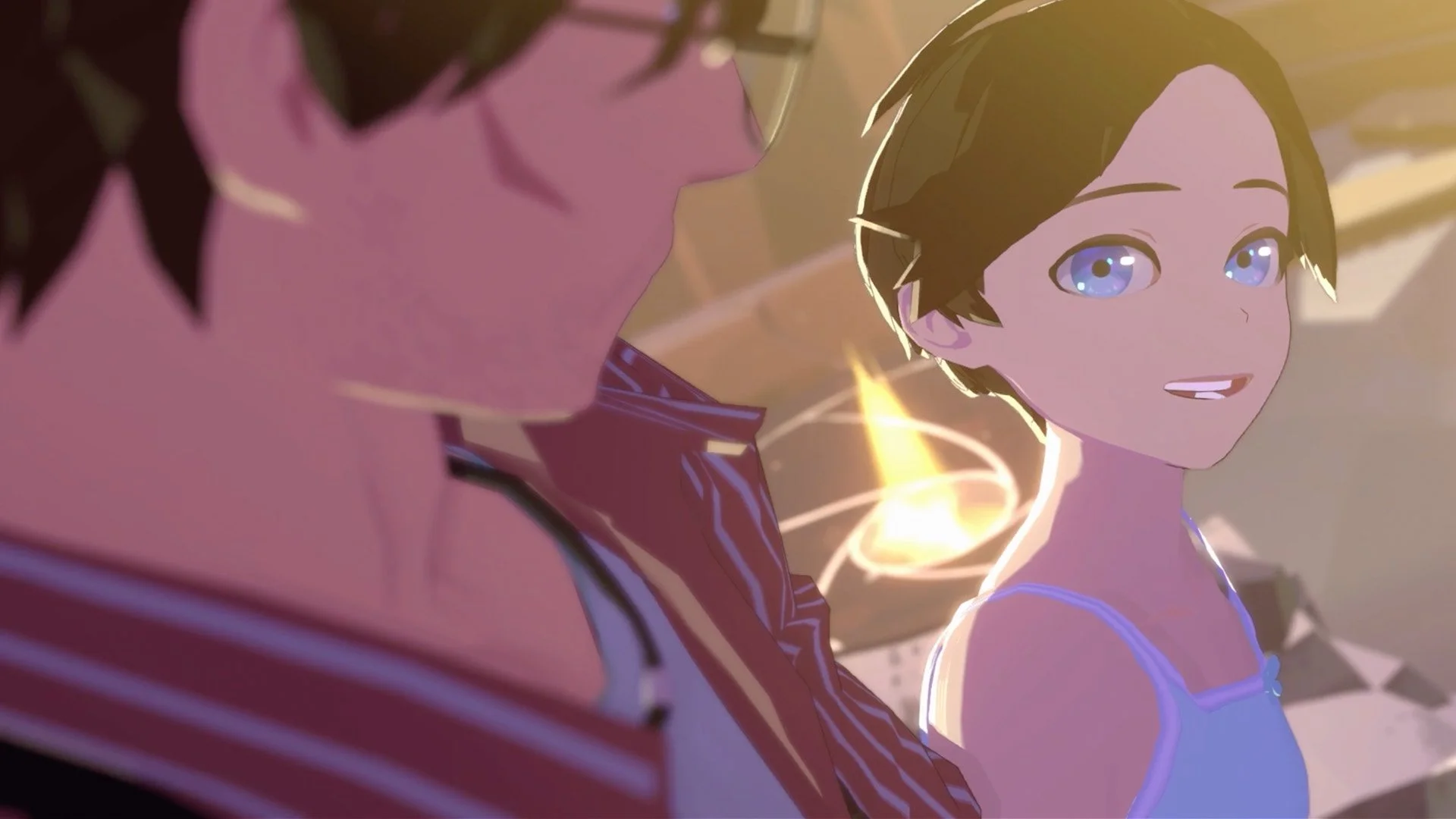
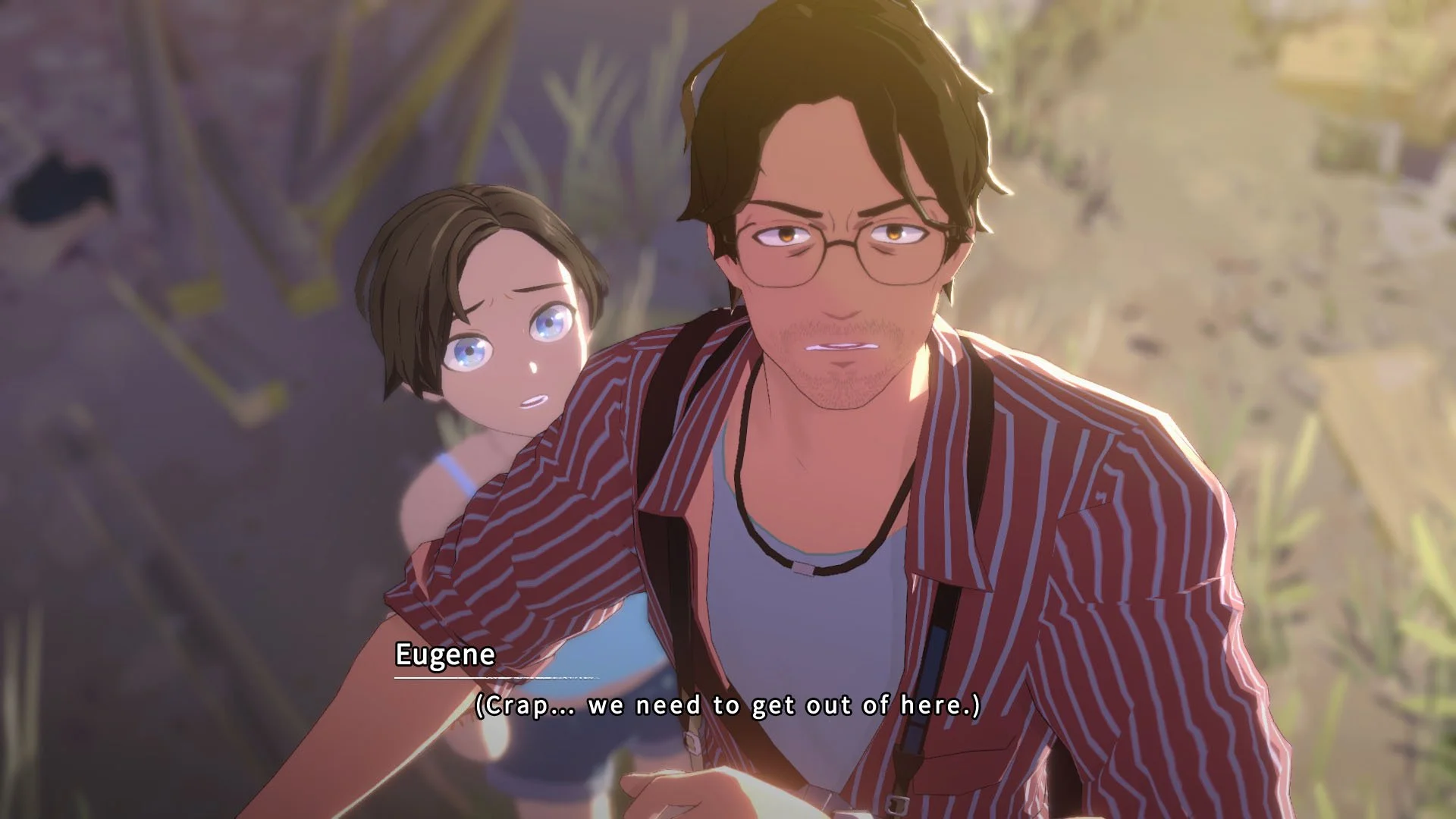
Unfortunately, things are not as simple as it seems and he finds himself stuck in a weird unknown land that is both familiar and alien to him. He soon comes across a lone girl too weak to stand on her own. Eugene is wary and unsure of where she came from, but resolves to help her anyway. How could he possibly leave a child alone in such a place? No sooner has he secured the child on his back, the child weakly urges him to run. Something terrible and dark is coming for them both.
When you gain control, you must race through the dense trees towards a safety you hope is there even though you can't see it yet. I was a little nervous at first, due to not knowing any controls yet. But fear not! The speed of the run is set so you only need to steer with the analog stick. Once you break out of the trees, and are in the next area, you'll be given more freedom and things to explore. The controls start off nice and simple. There isn't any dash button holding at all, but the pace is still quick enough you won't feel sluggish or hindered in your travel.
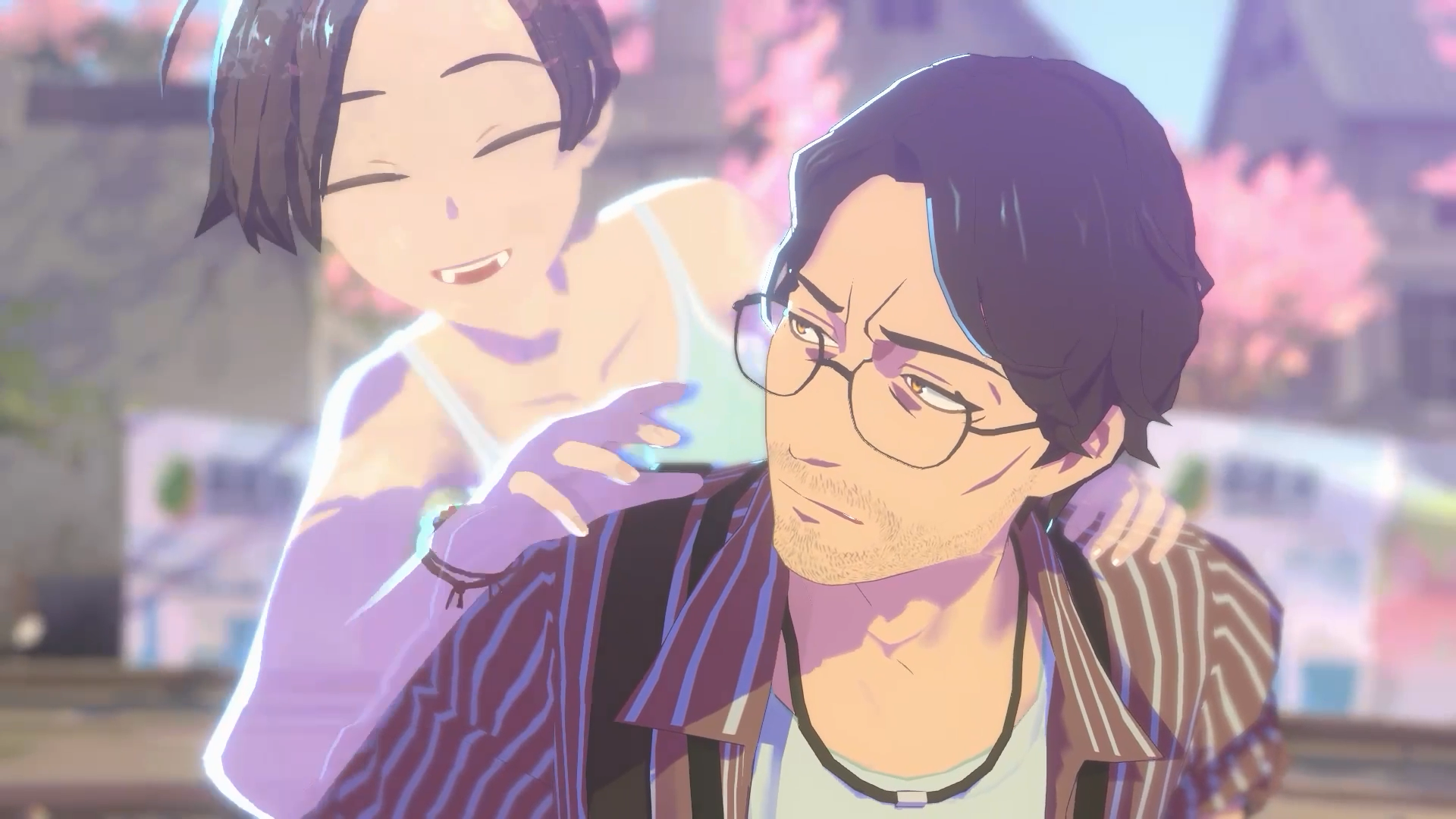
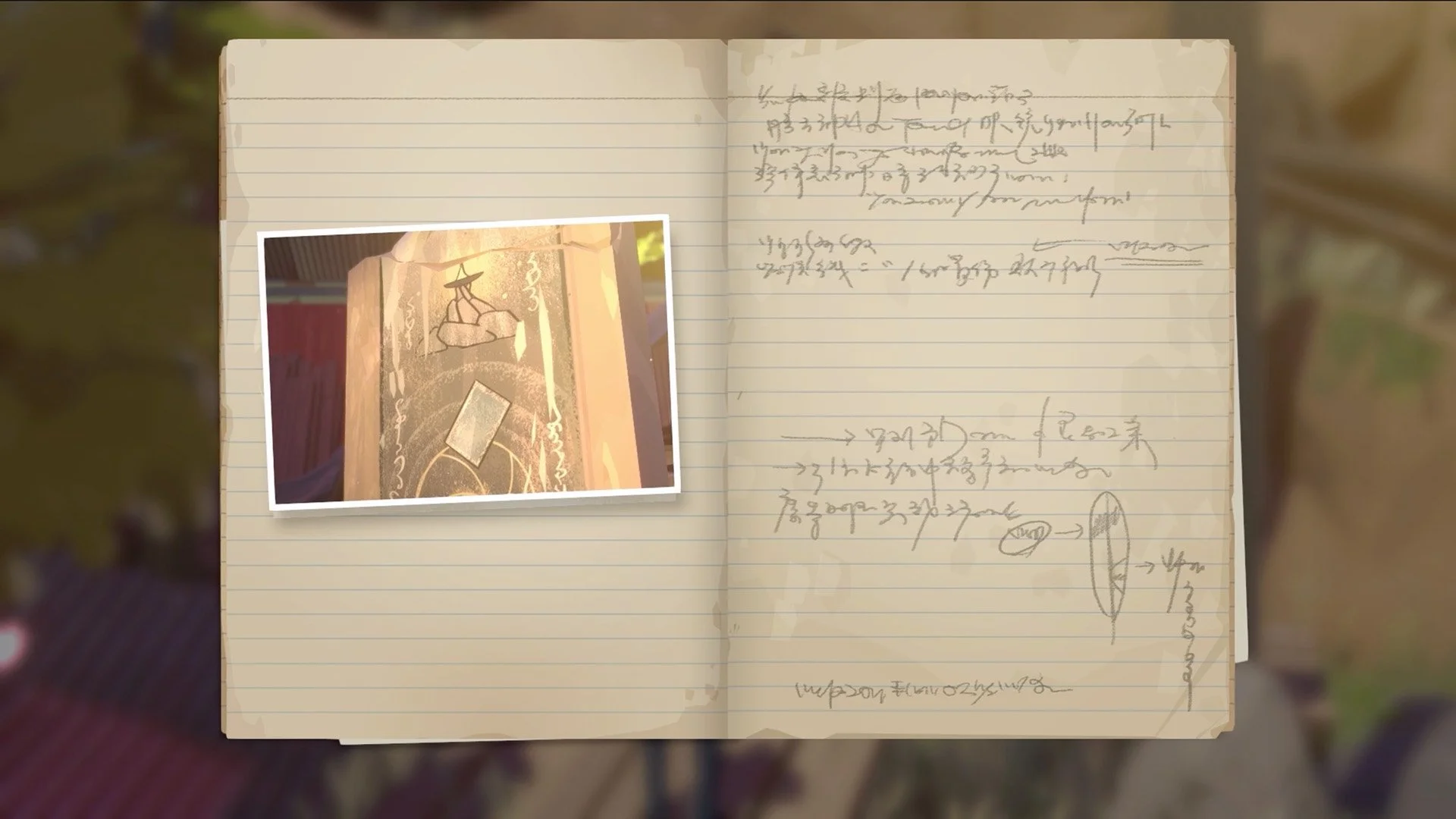
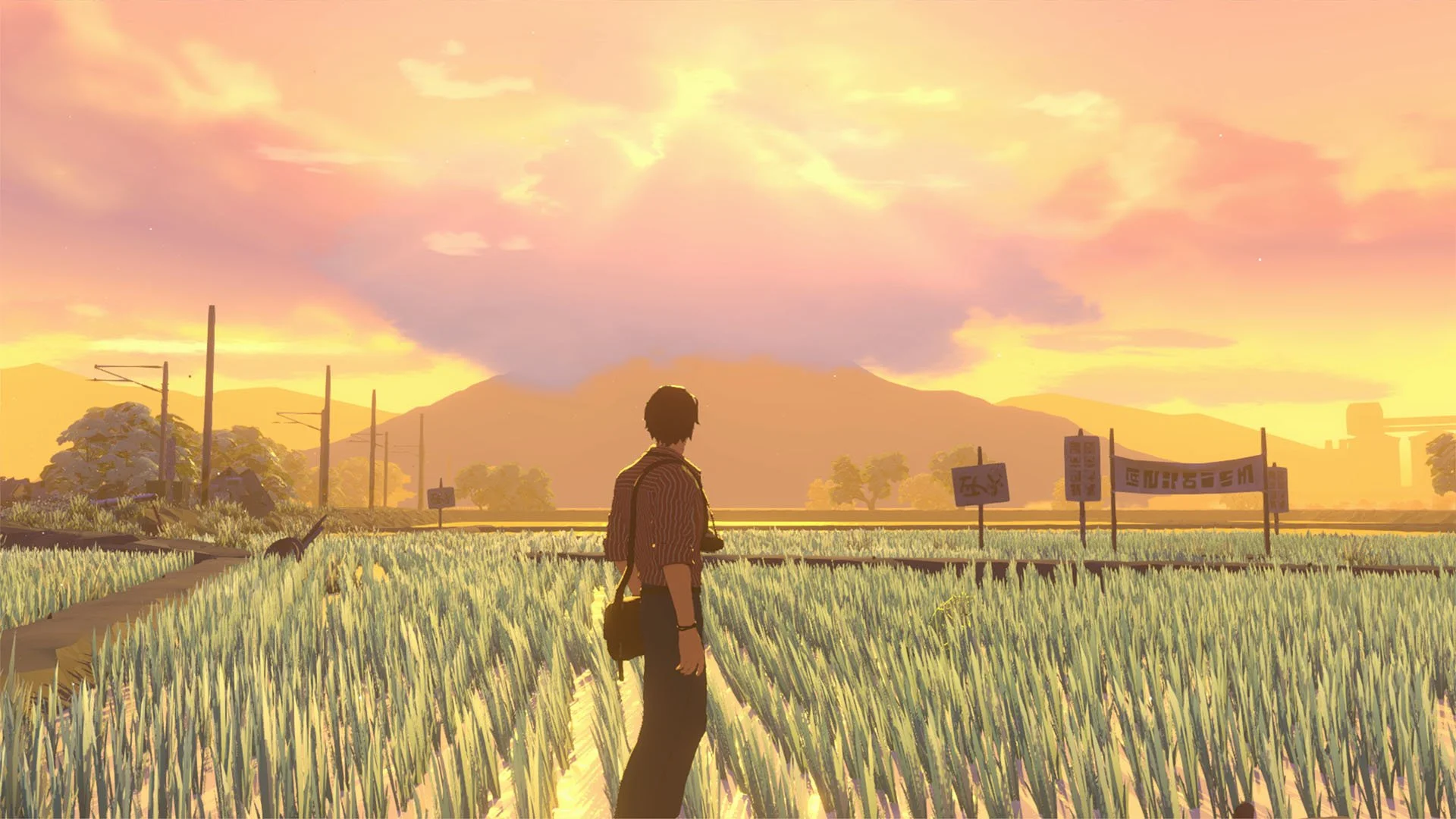
The exploration itself in Opus is set at a relaxing pace and is largely contained within whatever area you find yourself in, but at the same time it is wonderfully expansive inside those invisible borders. You will find something interesting to examine, make note of or take photos of around every corner. Very quickly, a once claustrophobic feeling you'll get in some of the dusty ruined buildings you explore, expands to encompass something much larger than you thought possible. You need to make sure to regularly check back with your notes often in order to piece together the mystery of each spirit you meet along the way. Doing so will greatly help them, even though some may stubbornly refuse at first, and in the long run it will uncover more keys to your own progression through the Dusklands.
When speaking on progression and mechanics, we can not forget the one that makes up for the lion's share of the game. I'm talking about Eugene's camera. It is your eyes and the central driving force to how you will think and move throughout the world. You will use it to take photos, aid the spirits you meet, resolve puzzles and unlock memories Eugene seems to have left behind. How you “level up” in the game is not through your character but through the camera. The more you use it and the more you discover, you acquire “currency” in the form of embershine flower seeds. These flowers are also a major focus in the game, so naturally they are central in tandem with the camera.
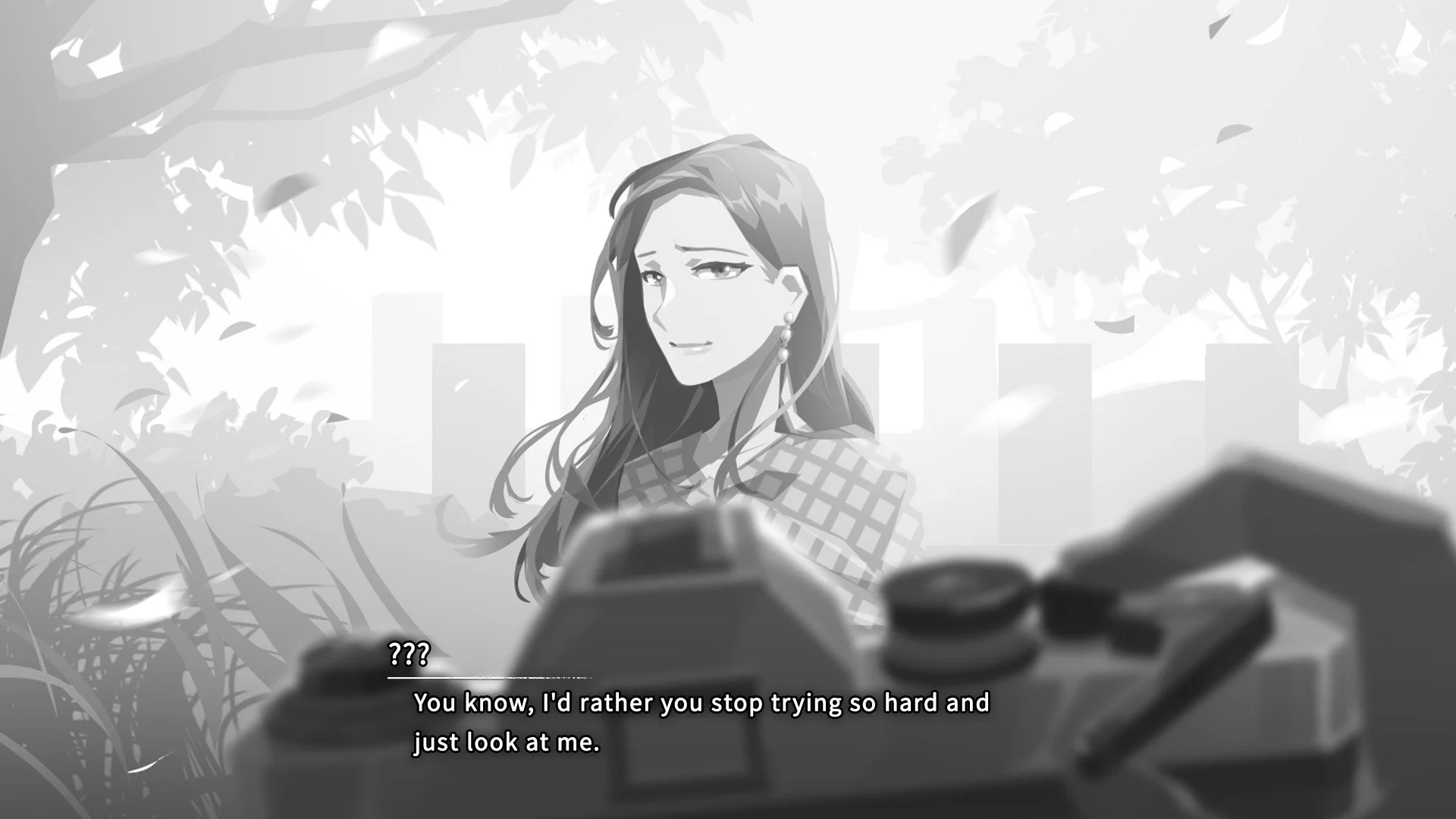
The seeds are offered to the ceremonial fire bowls scattered throughout the Dusklands. In return you will receive missing notes, lens cleansing kits, extra album pages to hold more photos and different attachments that give your camera different abilities. Some of these are story driven, but many of them are up to the player to acquire. No, it is not a shop that shows each item you can get and the amount of seeds you need to spend. Instead, it is a blind act where you won't know when a new item is coming, or even what it is. A notification will pop up at the top of the screen or, in the case of camera attachments, you'll get a notifying rumble and the item appears in the center of the screen. Thankfully, anything that is story required, a different selection at the fire bowl will pop up.
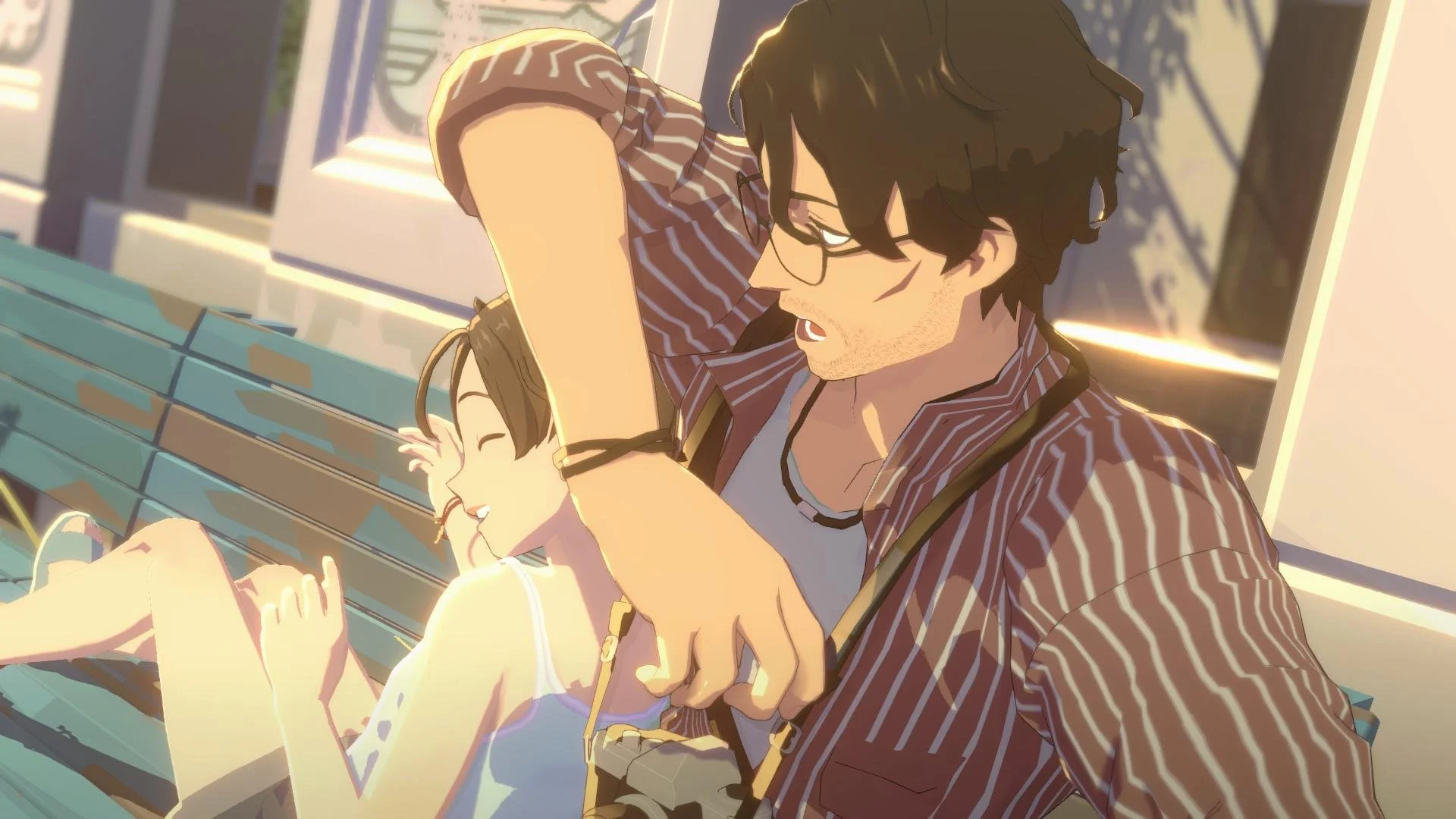
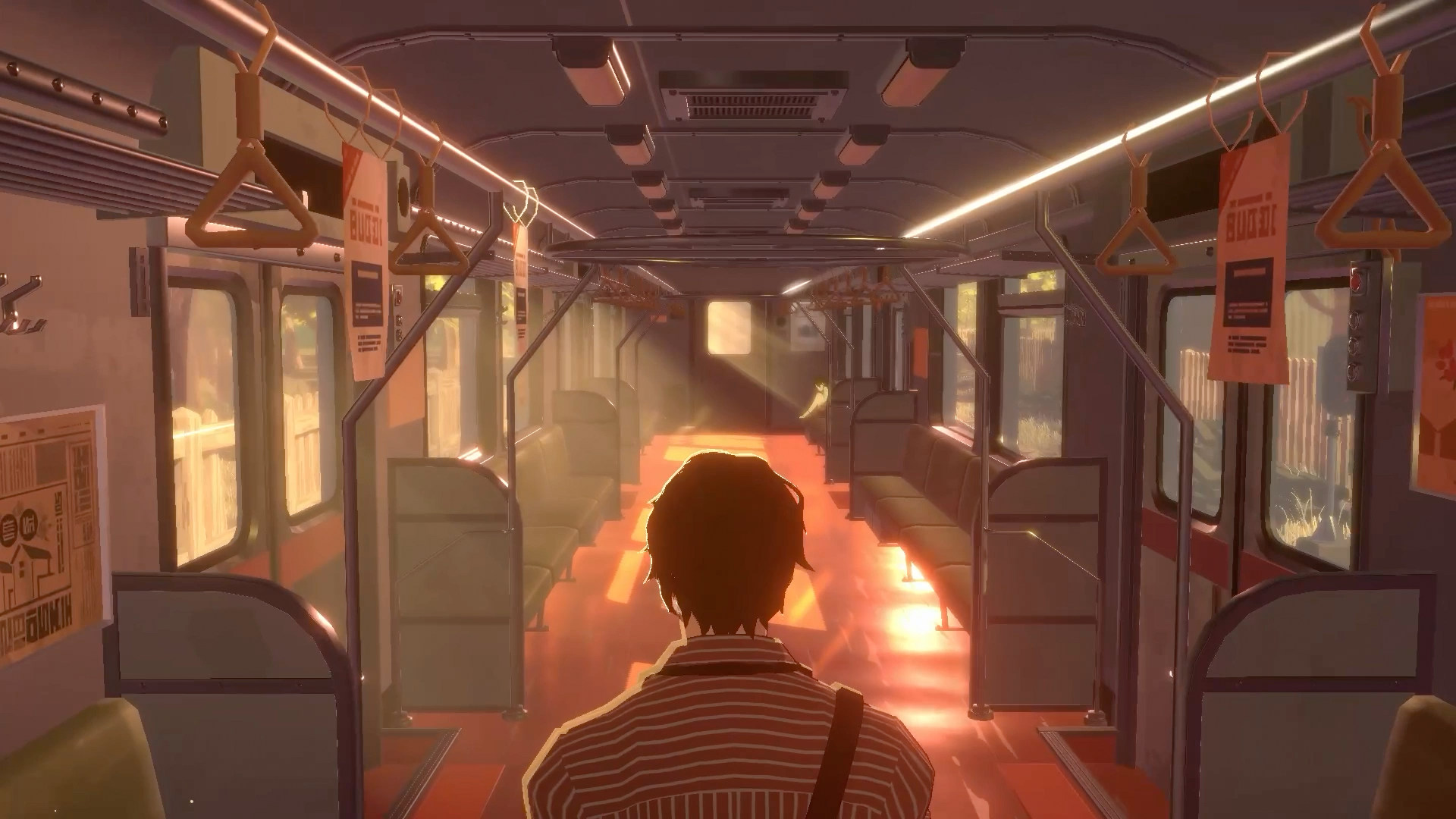
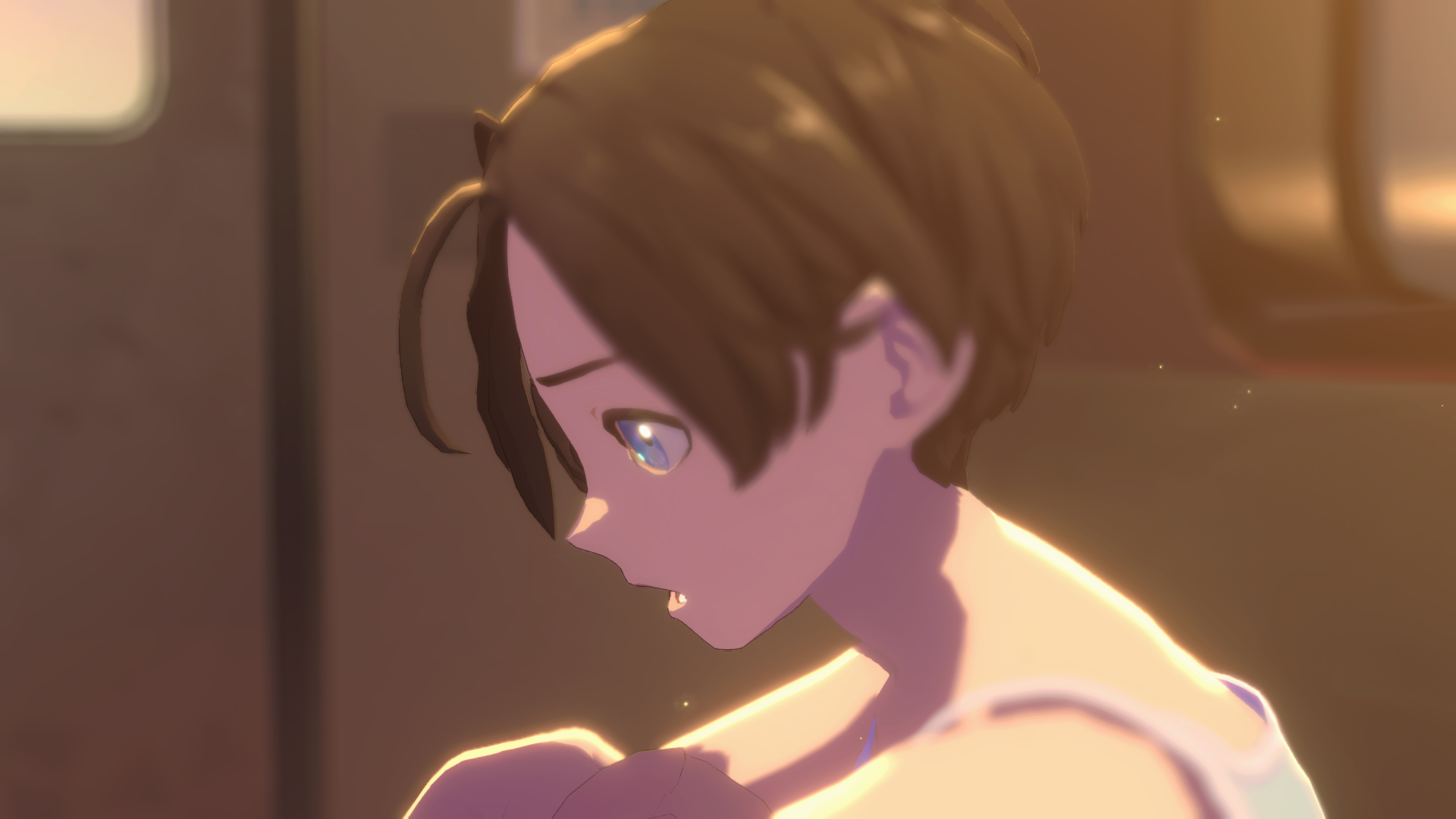
Visually, Opus: Prism Peak is a work of art in motion. It is as though you have been given the reins to an emotionally moving Studio Ghibli anime epic. Every character is wonderfully written and responds with voice acting so fitting the characters feel born to the world rather than crafted by hands in a studio. The music and sound direction pulls at your core every step Eugene takes with you. Even the smooth animation that moves the characters around is purposeful and their mannerisms even speak to who they are as beings in that world.
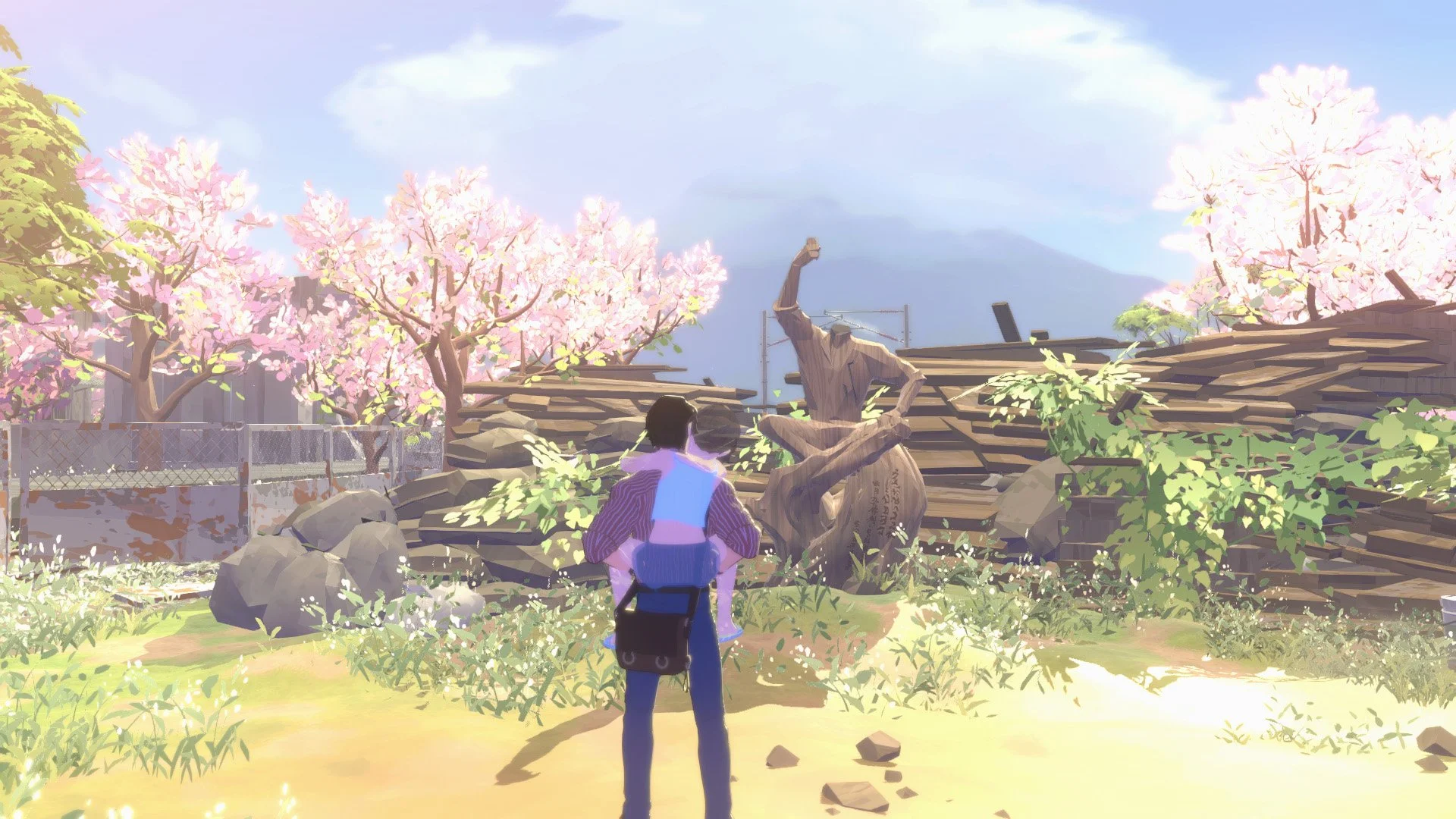
Now that we've talked at length on the tale that is Opus: Prism peak, let's discuss the inner workings behind the scene. Myself, I had the honor of being gifted a copy for the Switch 2, but the game is also available for Switch 1 and PC. While the PC version runs quite steady and smooth at 60 fps on a high end PC, it will still run quite well at 50fps or below on minimum requirement settings. Steam deck owners can run the game at a respectably stable 45 - 50 fps on medium settings, while others have reported that it will waver and sometimes crash if pushed to maximum.
Unfortunately, on Switch 1 and 2, at the time of my playthrough, there are a lot of performance issues with these versions, Switch 1 being the worst of the two versions, but not by an insurmountable margin. Switch 2 pushed the game impressively for a new hybrid system, but quite frequently chugged and strained at more technically dense areas or even quick movement in quieter places. It ran at inconsistent levels, with fps ranging anywhere from 50 to a sadly stuttering 20, and some moments where it even dipped lower than that. While the developers worked hard to rectify this as soon as possible, with the latest patches releasing only a couple days prior, there are reportedly still some lingering performance issues. As of the completion of this review they are continuing work on this issue in the hope of presenting struggling Switch players with the most optimal version.
I honestly couldn't be happier with their efforts, before, during, and even after the patches. While the technical problems slightly hurt my immersion with the game, it never weighed down my overall experience with it. If anything, it gave me an excuse to re-dive into the Dusklands and attempt a different ending. The world of Opus: Prism Peak is a finely crafted tale that ebbs and flows with wrenching and heavy emotion not often felt in many forms of media these days. I kindly recommend Eugene's story to anyone ready to take the plunge into a new world that threatens to pull you in and never let go of the heart it exposes in you.
Developer - SIGONO INC.
Publisher - SHUEISHA GAMES.
Released - April 16th, 2026
Available On - Nintendo Switch, Nintendo Switch 2, PC.
Rated - (E 10) - Fantasy Violence, Mild Language, Use of Alcohol.
Platform Reviewed - Nintendo Switch 2.
Review Access - A review code for OPUS: Prism Peak was provided by the publisher for the purpose of this review.
Rebecca is a huge fan of JRPG’s, RPG’s, and Survival Horror. From Silent Hill to Resident evil. Xenogears and Final Fantasy. When she isn’t tinkering with skill trees or equipping the right rifle to take down numerous monsters, you can find her farming away on Stardew Valley.