
The Dragon Tamer
Back in 2019, I checked out Eko Software’s contribution to the wealth of Warhammer games in Warhammer: Chaosbane. While its combat was the star of the show, it was a middling effort nonetheless, a passable and yet enjoyable isometric hack and slash, in the vein of action RPGs like Diablo. Now, seven years later, they return to the genre with the release of Dragonkin, a new IP by the studio, and a much better effort, despite its familiar flaws.
Dragonkin is set in a rich fantasy world, one corrupted by the blood of dragons, a threat to the world as their prison is no longer viable, as their influence and reach suddenly start to be known. As the prior heroes who once banished them are part of a high council, they set you on a path to restore the balance and put a stop to the banished ones, once and for all.
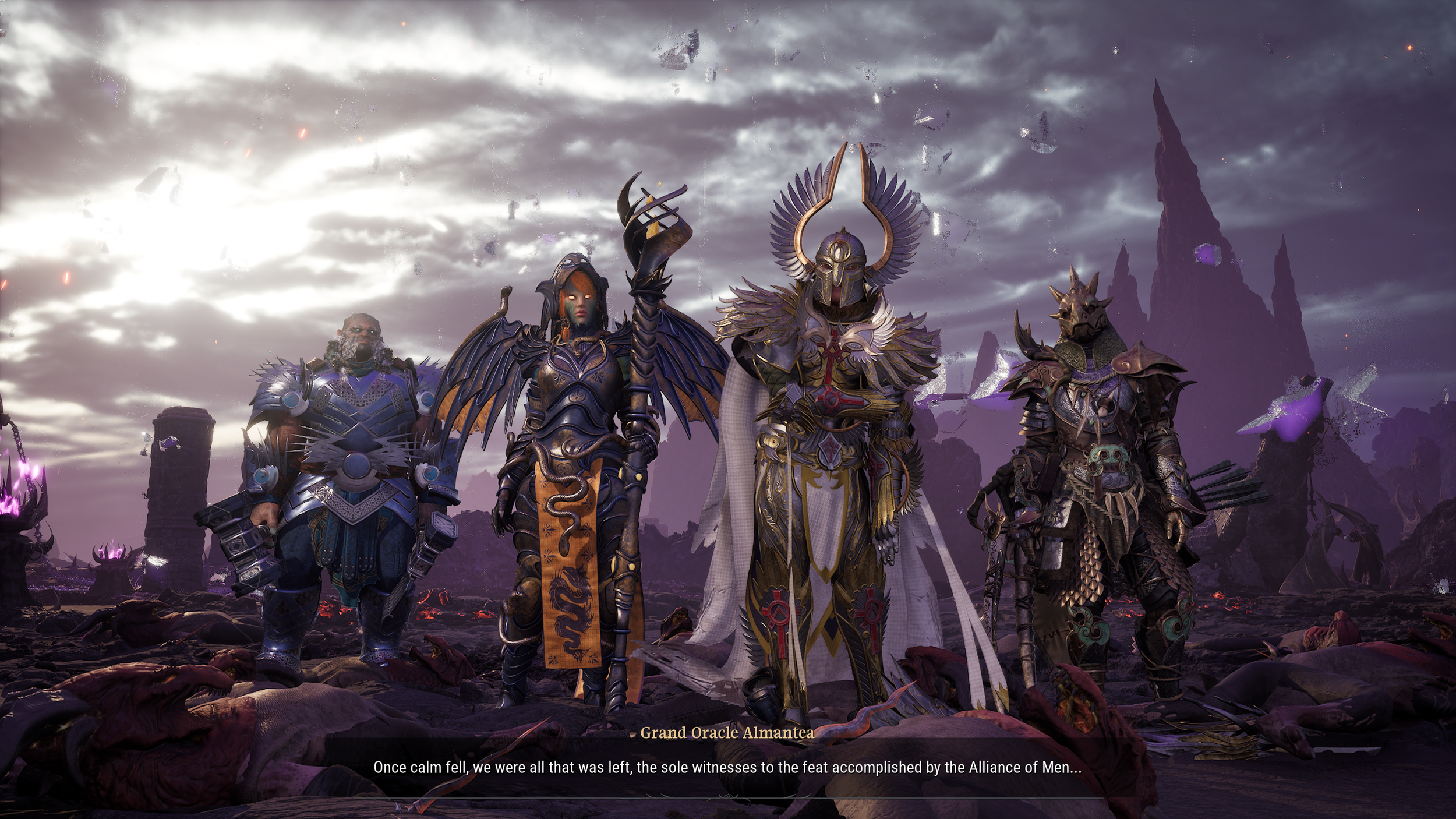
As a premise, Dragonkin has some great moments, especially as you get to relive this banishing, as the heroes come together and stop the original threat in one of the most satisfying prologues I've ever played. Here, you are introduced to the four classes, maxed out and filled to the brim with power. This allows you to see where your chosen character will end up, giving you ample time with each class to know what you're signing up for when the time to choose is upon you.
The story is very busy with names, terms, and places, but they are rarely introduced in a way that we fully grasp them. Ancient rites and rituals filled most of the dialogue, with people and places you'll visit and interact with, but the story built around those elements doesn't quite land, at least initially. While it does get to a very satisfying final few hours, the path there is somewhat inconsistent.
You play as a new recruit to this cause, showing your worth before the council as you are then set forth on missions deemed impossible. Your action will sway naysayers and convert others to your cause, becoming the “Dragon Tamer” as you look to achieve the impossible.
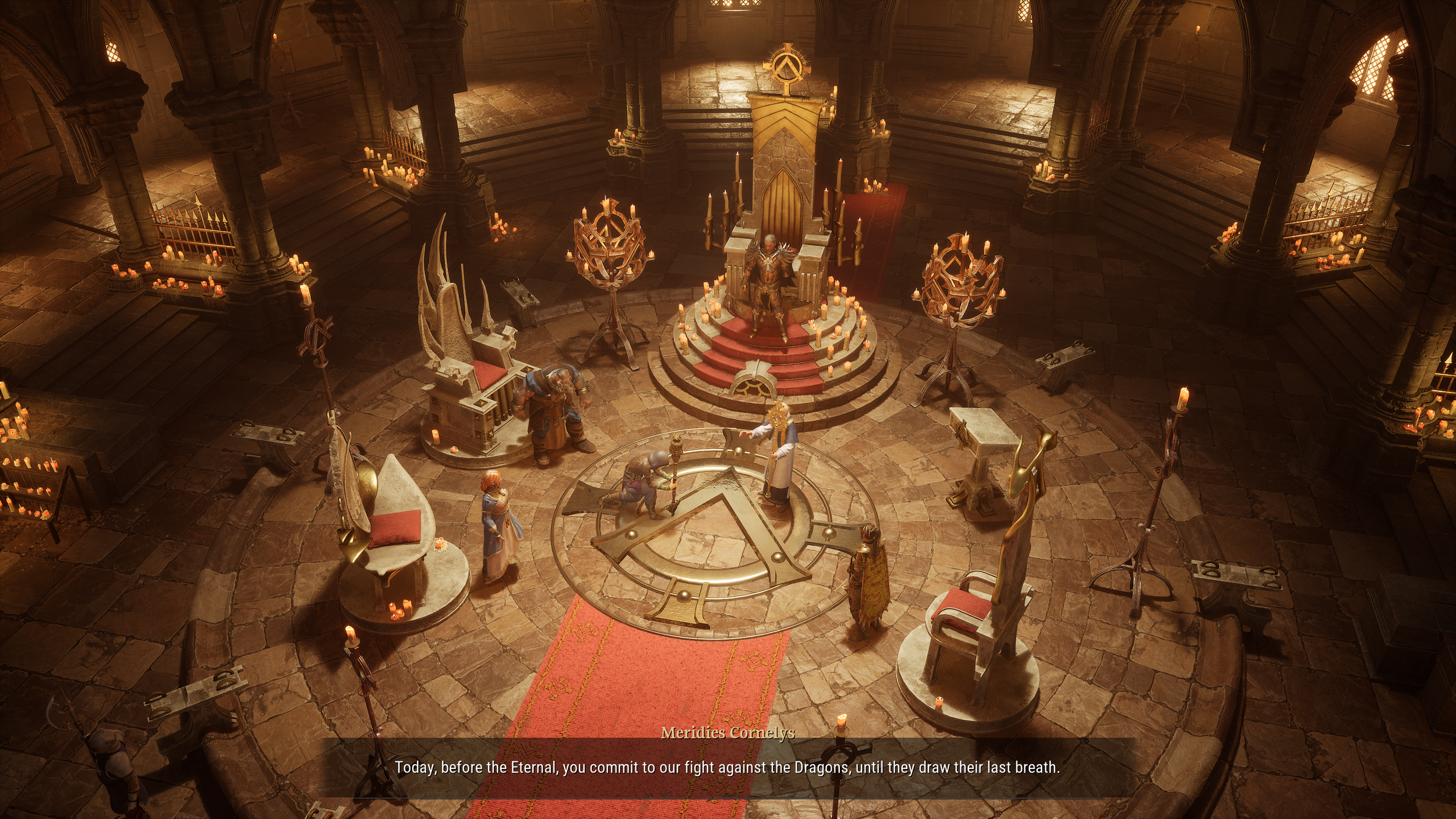
Frankly, it's a better use for your character than most action RPGs and does make you feel important to the story, but with a lack of any dialogue, you don't get a say in the various accusations and conflicts that result in the council butting heads. I do enjoy the infighting, the clash of personalities and traditions, even the moment where a member of the council wants to defy an order and tinkers with a magical item to show how a cast aside idea may lead to their salvation.
Still, your character feels hollow, like they don't have really any personality or skin in the game. I like their purpose, but you feel like an empty shell, unable to talk, make choices, and really have a narrative impact on the story.
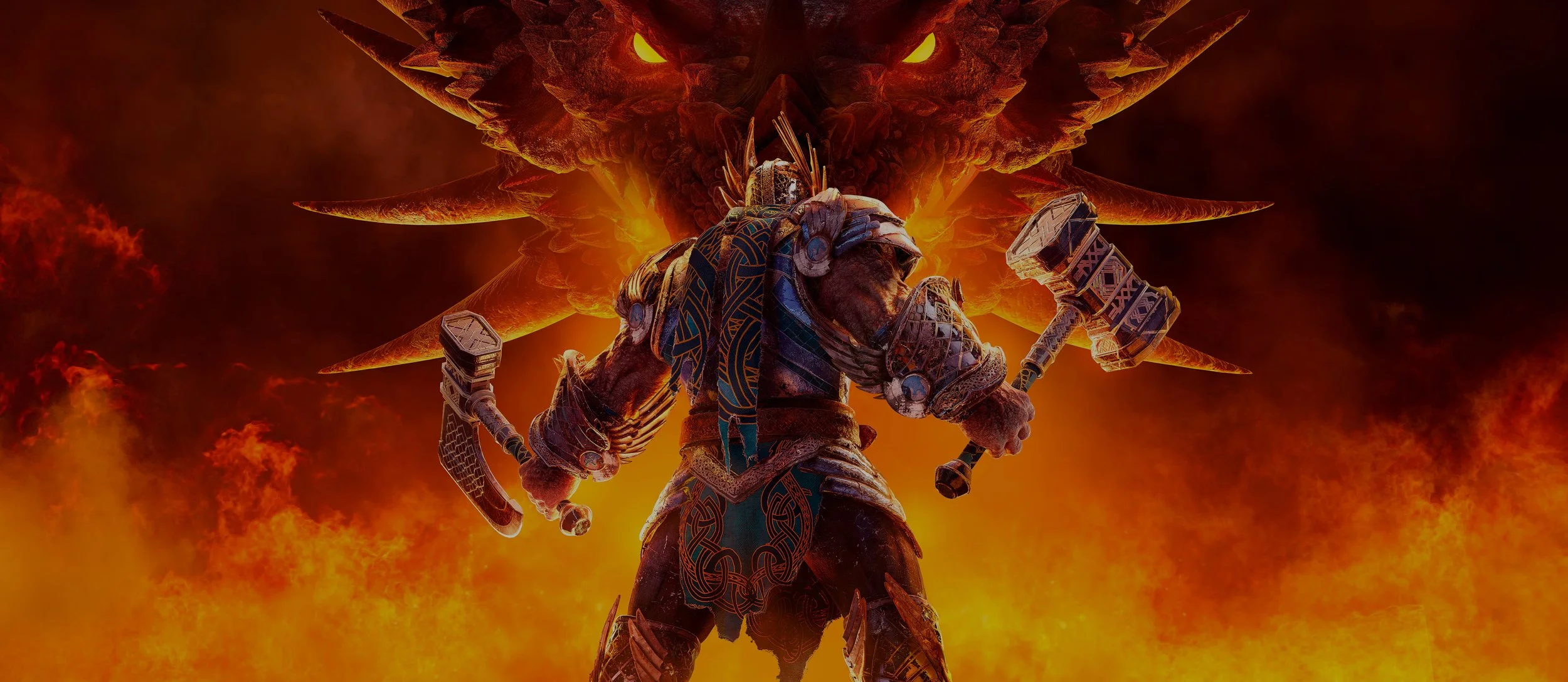
That said, amongst the battles, Dragonkin does a lot to convey the story surrounding you. I do think some dialogue goes on a bit too long, especially with fairly mediocre voice acting, but it does a lot to develop the side characters, as several missions have you fighting side by side. Jorn, for example, is an almost Viking-like warrior, a barbarian who is built for combat and glory. However, you get to see why he fights, and it's not to help; it is for his own personal vanity.
These moments help flesh them out and are honestly more enjoyable than the main story, which again, is filled with terms, people, and places you'll generally care little about. While you'll likely skip most of the story in favor of chatting with your friends in co-op, for those who want something to dig into, your mileage will vary here.
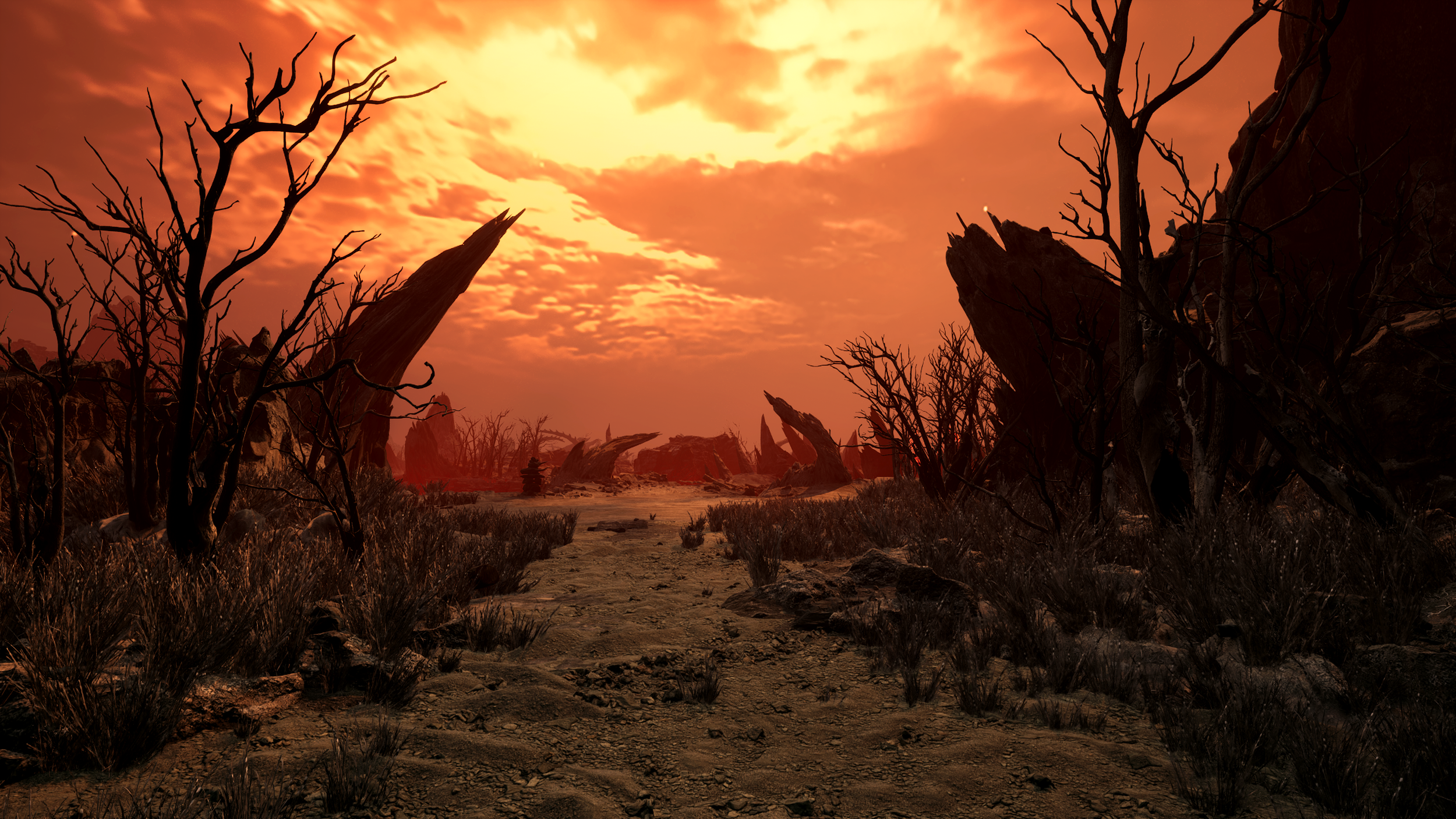
As you explore the various biomes, which are made up of forests, jungles, swamps, and frost-covered mountains, you'll witness the corruption of the dragon's firehand, both in their environments, through their numerous evil forces, and cults that either worship them or are controlled by the dragons themselves. Thankfully, you'll have a mystical scale that blocks the intrusion of the voices used by the dragons to control who they want, turning them to their side with their sweet words.
Many of the locations you visit here are massive, labyrinthine environments that are often too big for their own good. There are alternative paths, hidden relics, and countless battles you'll either skip in favor of the main path or dive into to scrounge up every last bit of experience in the map. There are fast travel portals to free from the infection, as well as resources to gather that are used to enhance armor or craft potions that you'll need to push your character toward greatness.
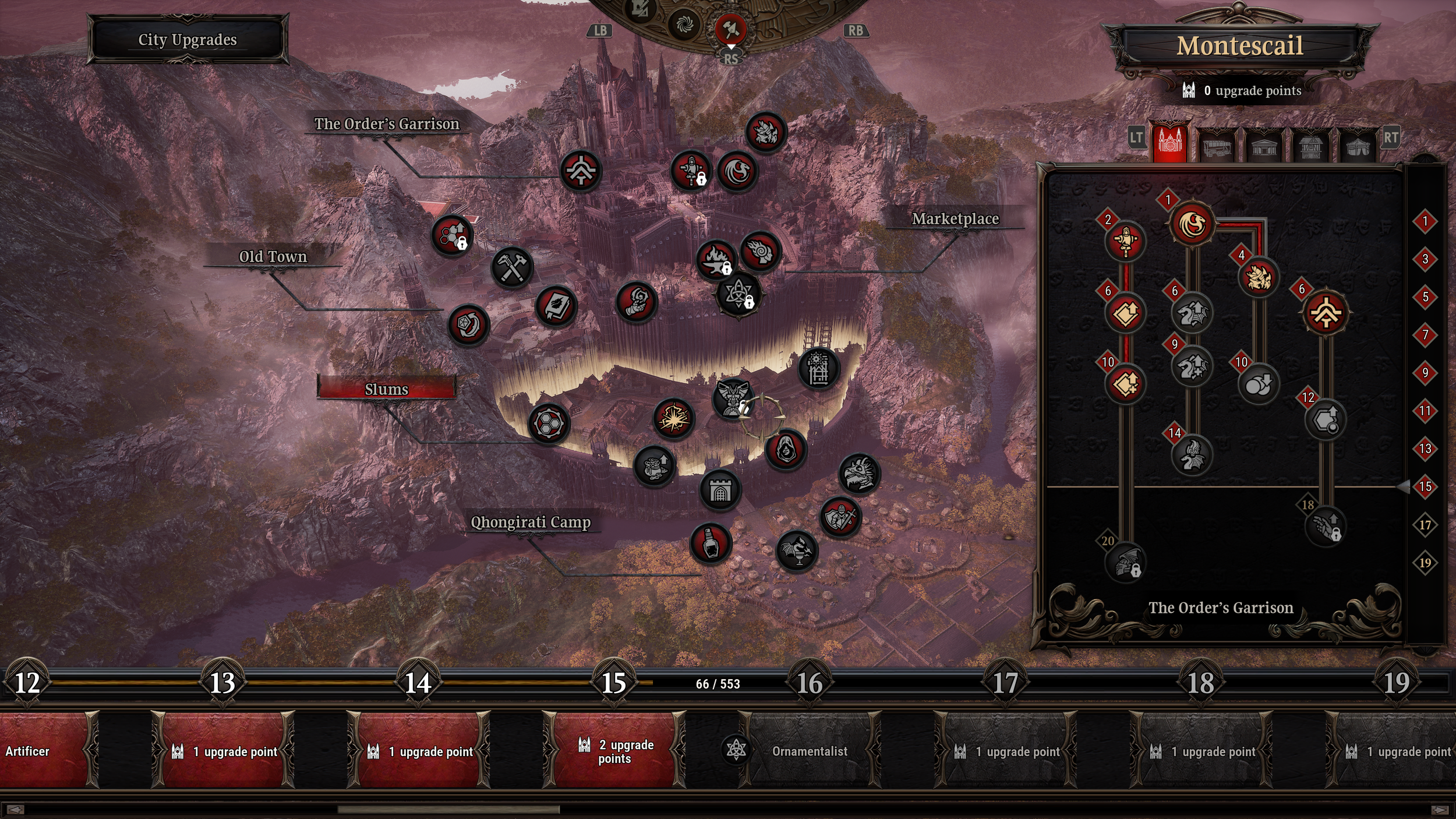
Much of that customization comes from the city of Montescail. You'll actually earn experience toward improving various outlets across this hub. From rings to alchemy to how you'll upgrade or enhance your gear, these facilities are worth investing in. For example, Alchemy can be upgraded to craft significantly better potions that not only heal more, but also quicker, and a bigger healing bonus on consumption. And, with potions being infinite and relying on a cooldown, better and more potent variations are a must to survive.
As you perform various tasks, such as finding panoramic views or relics, you'll increase your cities’ level, earning new facilities or upgrade points. Training yards are essential to upgrade, as it denotes the amount of experience you earn, leveling you up significantly faster. While you don't have a say in the look of upgraded buildings or create the city yourself, it is a robust and interesting system that helps customize your journey.
If I had to knock Dragonkin for one grievous sin, it would be a total lack of character customization. In fact, there isn't a single slider or anything towards customizing the look or gender of your hero. Sure, you're hiding all of it behind armor and hoods and helmets, but as each character is a preset option, they never feel yours, despite all the progress and tinkering you do to their stats.
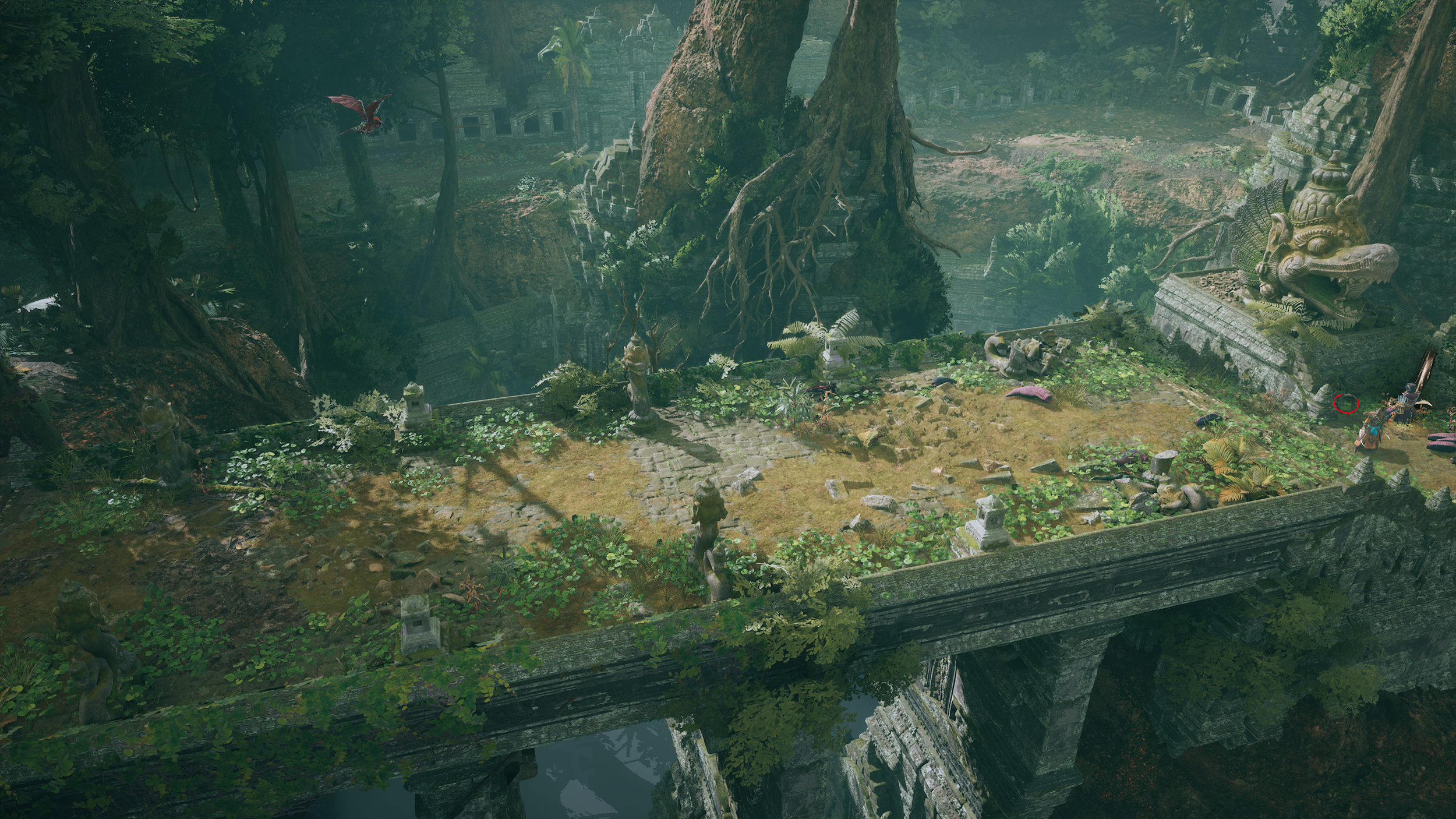
Armor is fine enough with some good to great designs, but it is also boring and generic when it comes to their stats, the colors for their rarity, and even how you upgrade each piece. Armor relies on the same systems we've seen before, especially via Diablo, and fails to be something unique here. While tried and true does allow the game to be easily read and digestible, it also prevents Dragonkin from doing something original.
However, on the other side of that coin, the way you equip skills is refreshingly original, and while somewhat difficult to parse the minutiae of how it truly works, at a glance, it nonetheless allows skills to feel unique, even amongst the same skills. The Ancestral grid is a honeycomb grid that allows you to slot in skills that have additional perks attached to them. These vary in segments, with some being in two or three, to far more as you find higher rank alternatives.
While hard to initially master, finding a version of my main attack that boosted up my critical chance and base damage was a great find, especially after having that attack for almost a dozen hours. This system is interesting and avoids the simple use of a skill tree to unlock new skills, as they become loot themselves, subject to RNG, but nonetheless original.
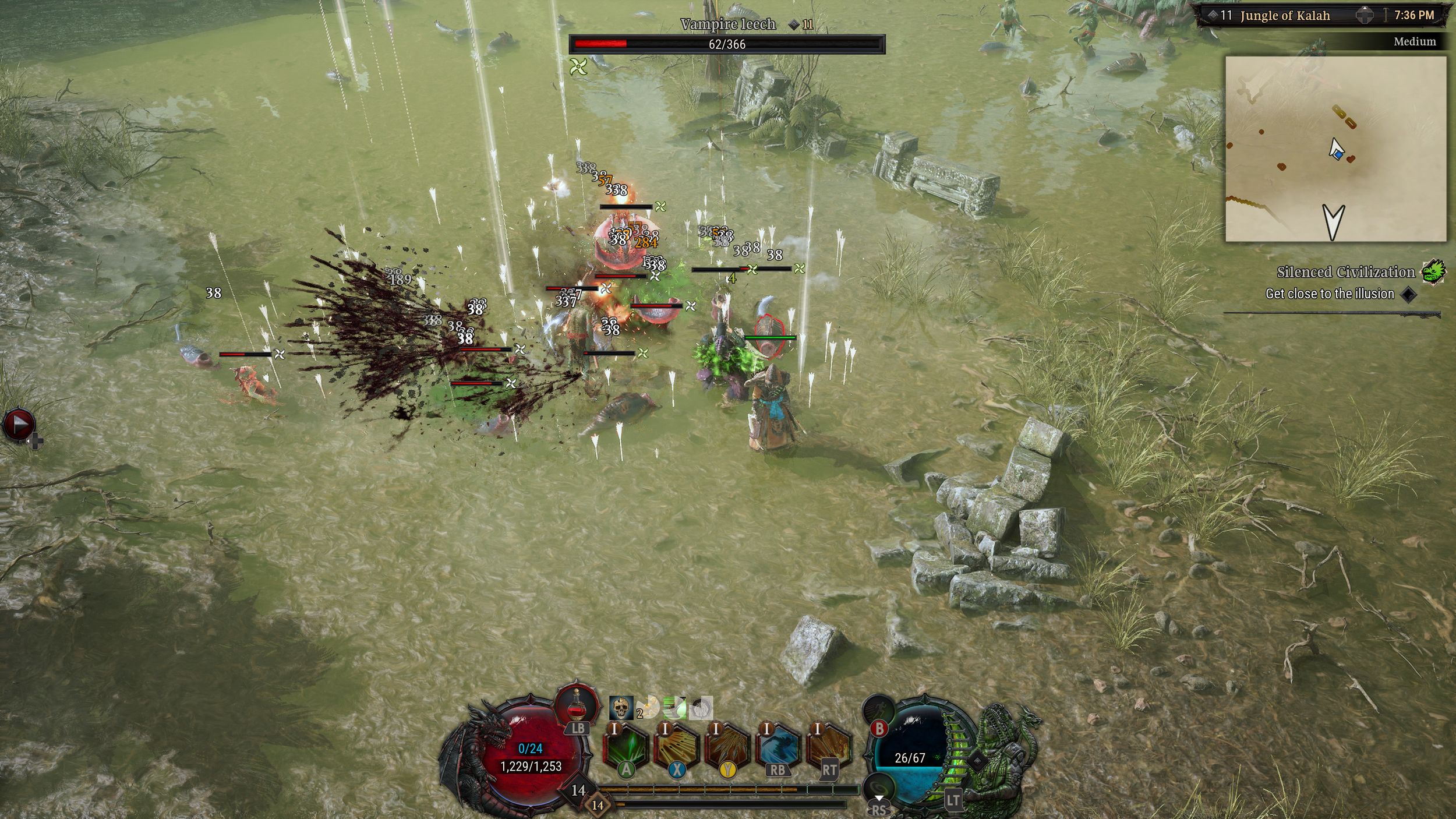
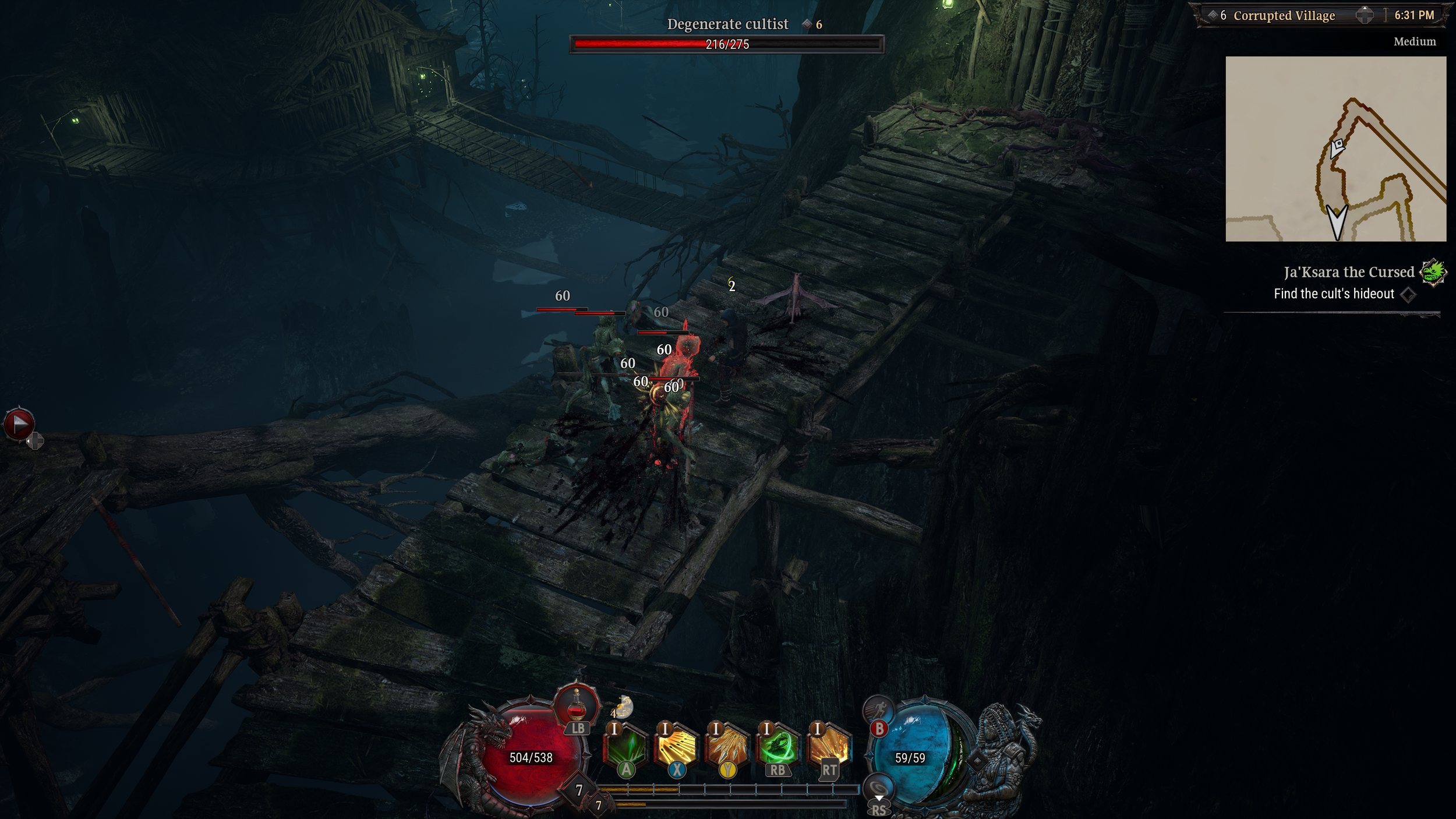
I chose the archer for my class as ranged classes were always my bread and butter. You'll also get to choose from the Knight, Oracle, Barbarian, and Tracker, who serves as the archer, as they each have their pros and cons. I opted for a ricocheting arrow as my main, a burst of arrows as my secondary, but ultimately, my best attack was a volley of arrows that destroyed large groups. I capped off my kit with a poison bomb and a melee attack that did significant damage when it hit. Still, that volley of arrows was something I could just spam and see health bars deplete in seconds.
While combat does feel extremely satisfying, there is a good deal of repetition due to the extreme level size and the lack of several enemy types in each environment. Some locations have puzzles to activate, such as connection beams to melt ice, cleansing lanterns to move around, or patterns to solve via a series of obelisks. These distractions are fine, but are few, and the majority of your time is mowing down the hordes as you make your way to the bosses of each realm.
Now, I say hordes because you are often swarmed by at least a dozen or so enemies, and the power fantasy here is significantly more impactful than other games in the genre. You feel powerful, and that's always a good thing. Yes, the hordes are fairly easy, but your abilities always feel like you have the means to slaughter anything.
While you'll have a few human enemies, the real treat when it comes to bosses is the dragons themselves. These are spectacles that have at least two phases, with some having additional gameplay segments sandwiched between them. These were incredibly enjoyable, especially an ice dragon, whose body was more of a snake, given its extreme length. While I won’t say who, one dragon did have a bit of a belly, which was pretty humorous.
One challenge in the game wasn't my favorite; this was the test of Will. It glitched on me twice, making me redo it three times. Early on, you'll have to enter the dreams of one of the main characters. This is a timed wave-based battle with 30 waves. So yeah, I had to do 90 waves for it to finally complete. This was exhausting, and I hope you don't experience this particular glitch. While this is mentioned in the activities tab, I oddly had one instance of this, so I am not sure if there are more, but you can keep going for more rewards than just the 30 waves.
There are a few other systems that play into how you outfit your hero. You have a pet dragon called a wyrmling that grants you additional stats, and you can even make armor for them as well. They don't do much damage, but more stats and bonuses are always a good thing; that, and they are adorable.
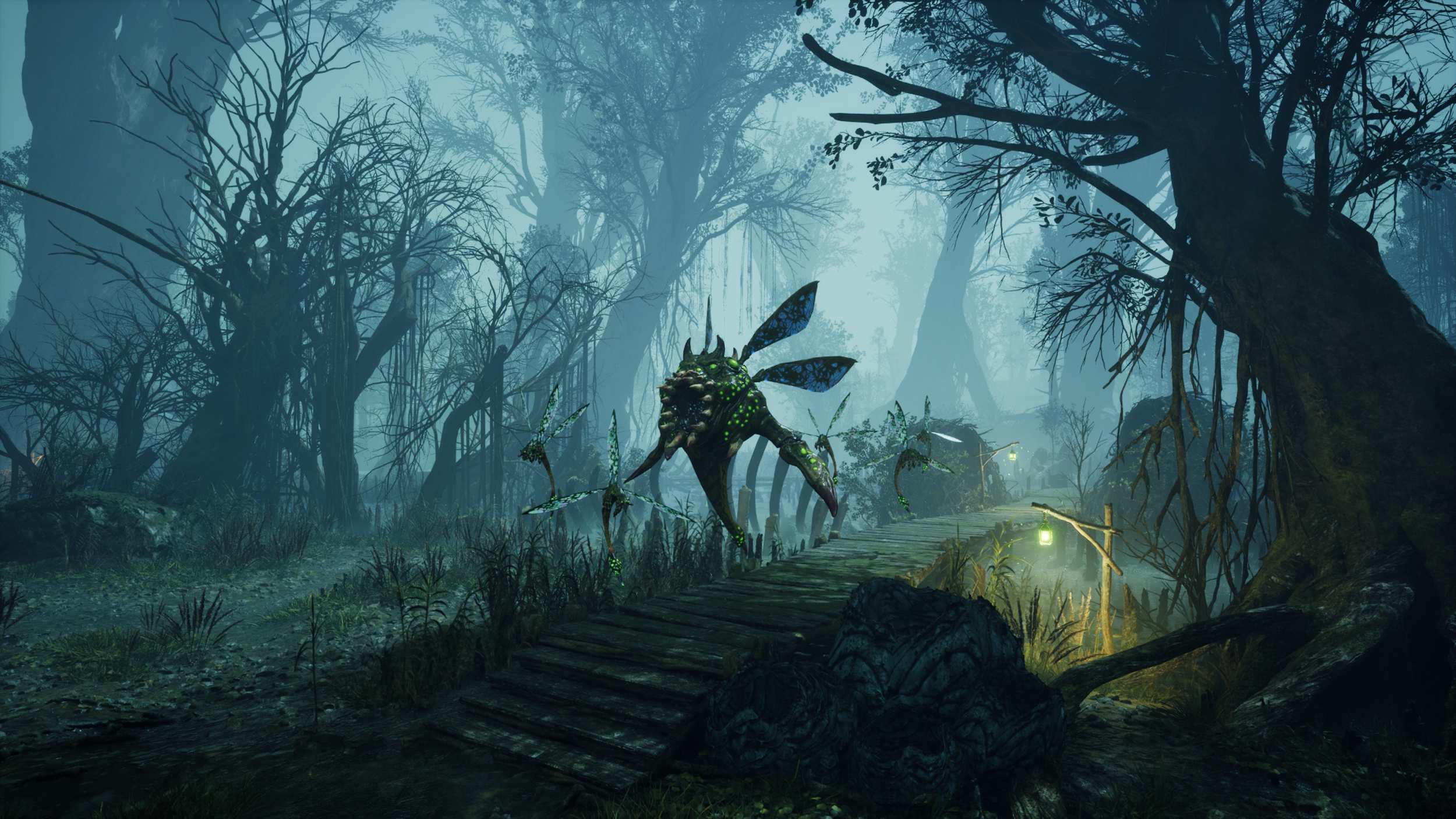
You also have ancestors that grant you a boon, and to be honest, I didn't even know this system existed until about fifteen hours in. That said, you can’t really tackle much of this until the endgame, as you use tribute items, such as hearts and organs of various dragons, to then boost certain ancestors and grant you more power.
Talents are another system that I rarely engaged with. Talents are the ultimate passive skill. These are obtained via a points system. Each talent has several ranks with stacking effects. Some even offer exclusive bonuses at the highest rank. Talent points apparently come from the wyrmling and through various pieces of rare equipment; however, I never knew if I gained any, at least via a prompt, or how I accessed them through the wyrmling.
Once you’ve wrapped the campaign, you’ll have a series of endgame activities to take on. Firstly, you’ll have Hunting Maps. These provide access to a wide range of draconic creature hunts. Each point on the map starts a unique hunt of variable duration, modifiers, minimum difficulty level, and rewards. Major hunts require that a set number of maps be completed first. Chaos Hunts are random encounters, resulting in a quest in a specific location in the world. Before setting off on your adventure, you can influence your chances, notably by choosing the game difficulty or Draconic Fate Cards. These cards make it possible to select negative effects, and these allow you to then attach bonuses to your mission.
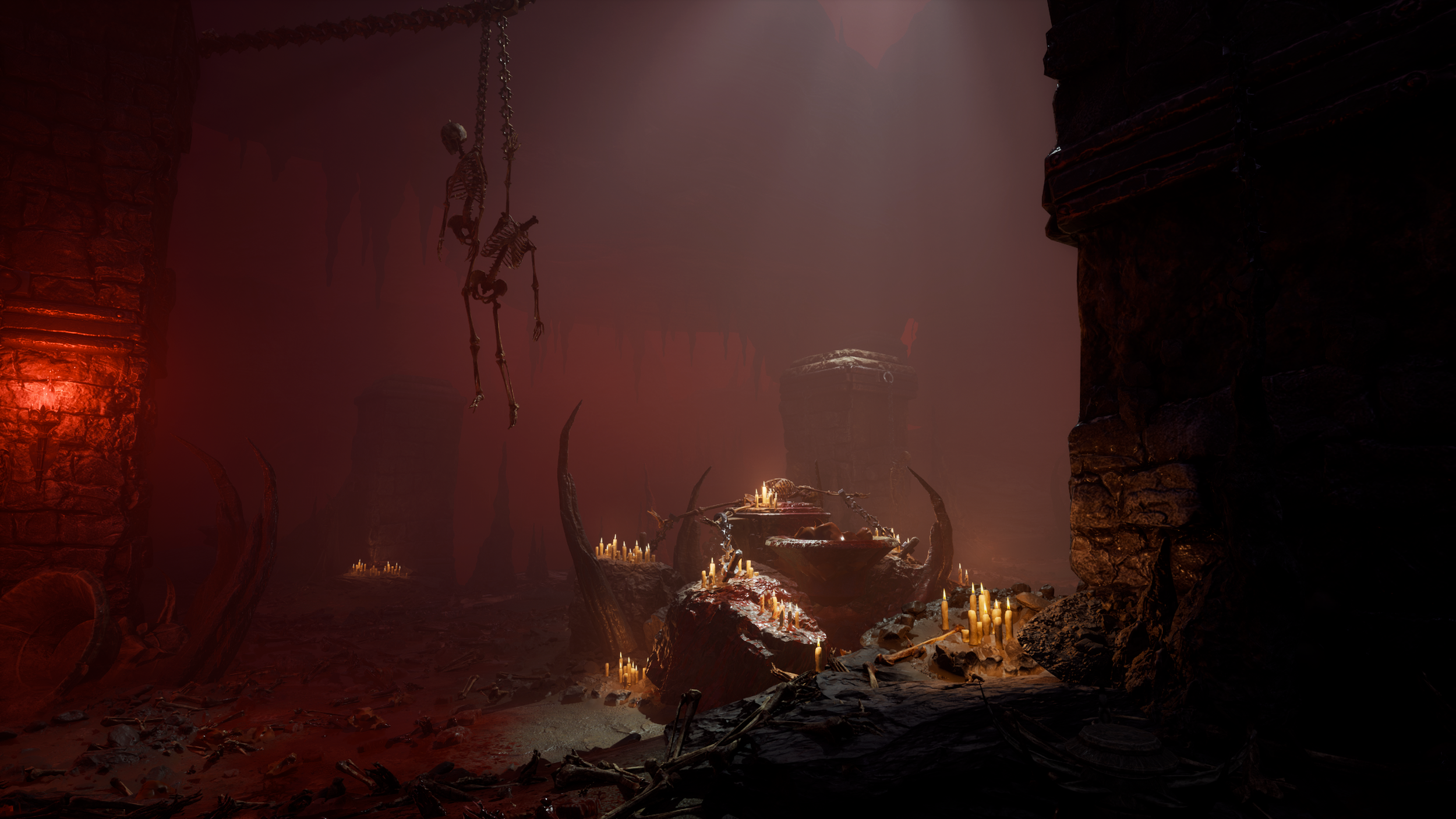
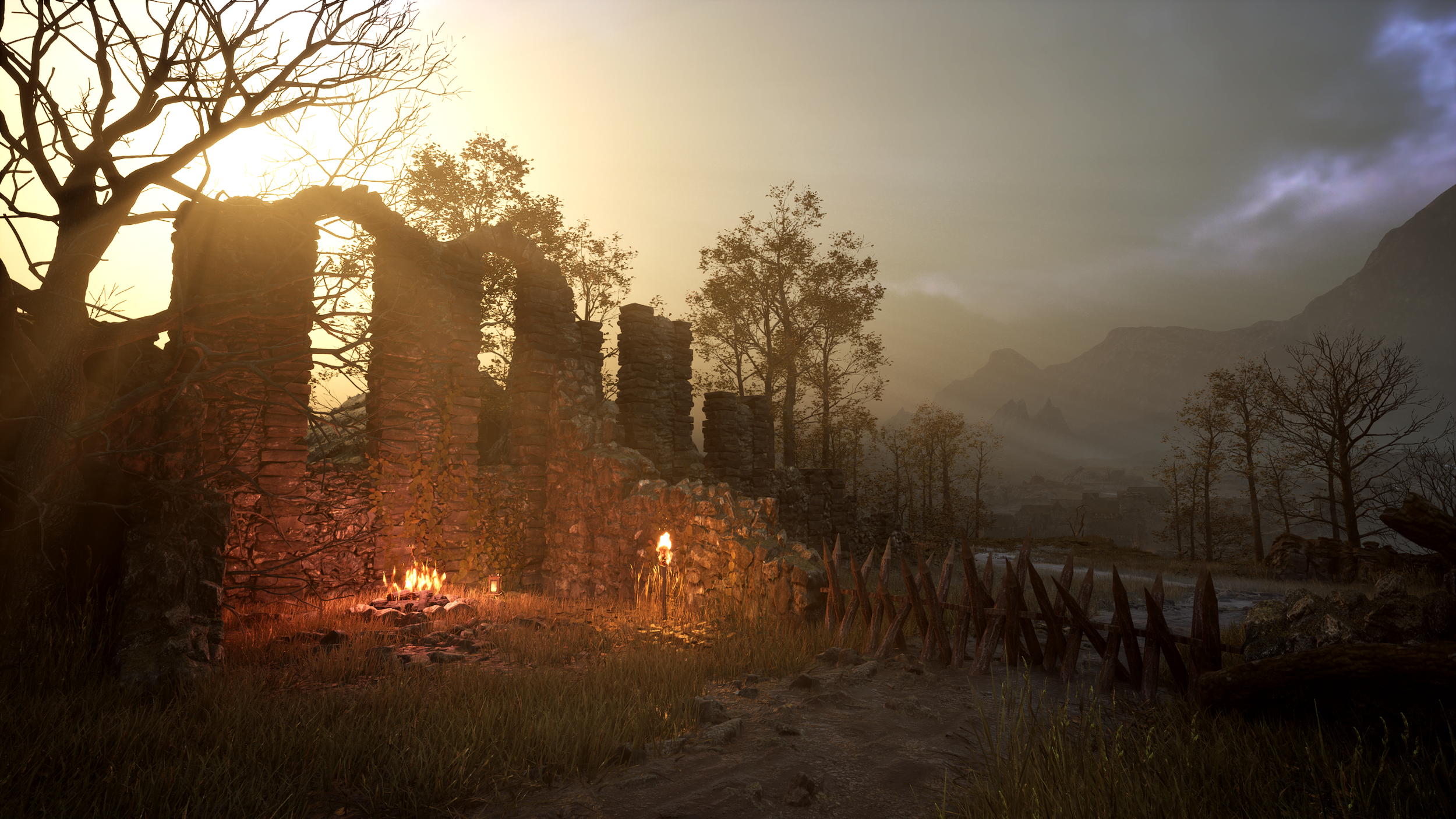
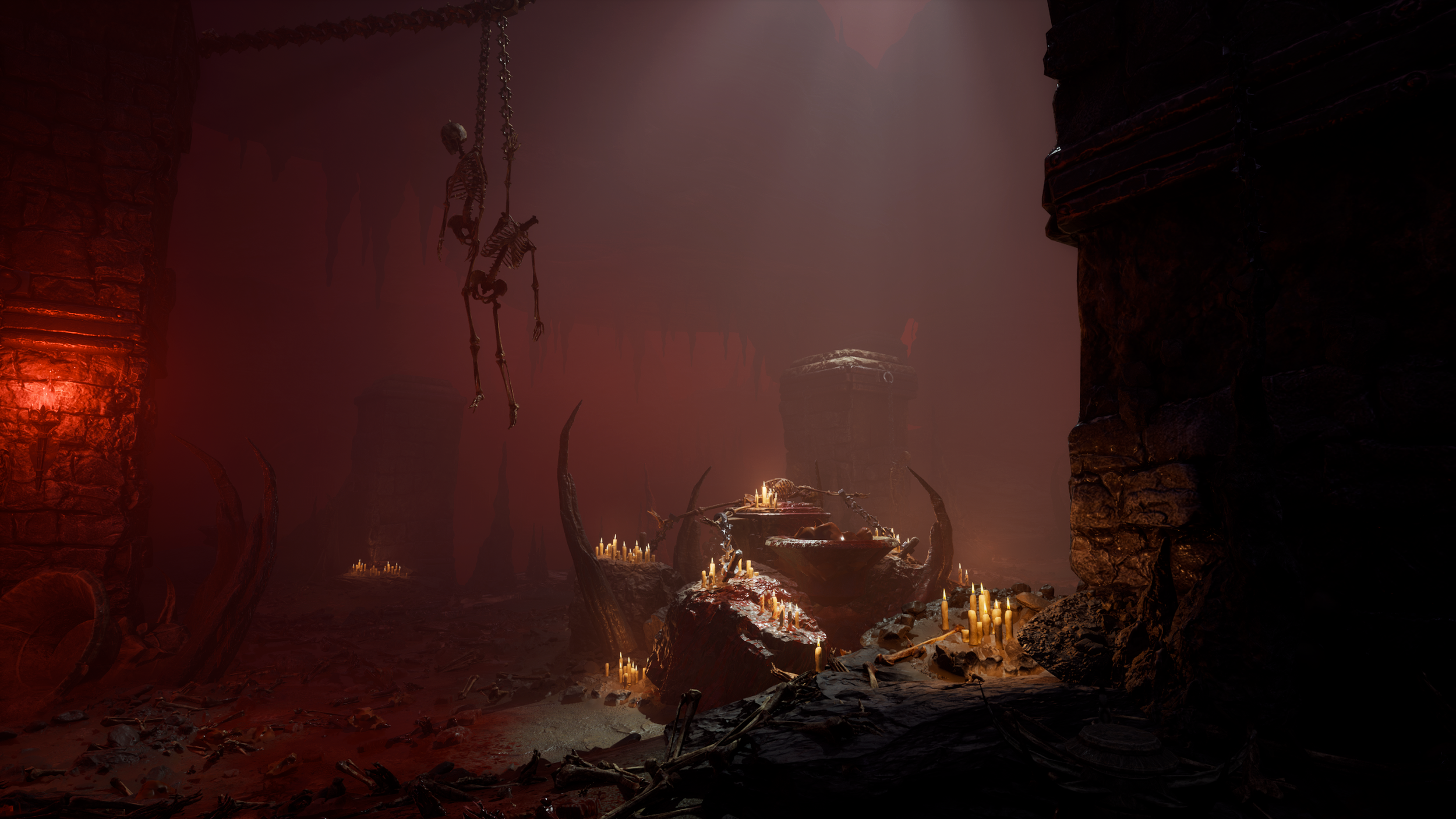
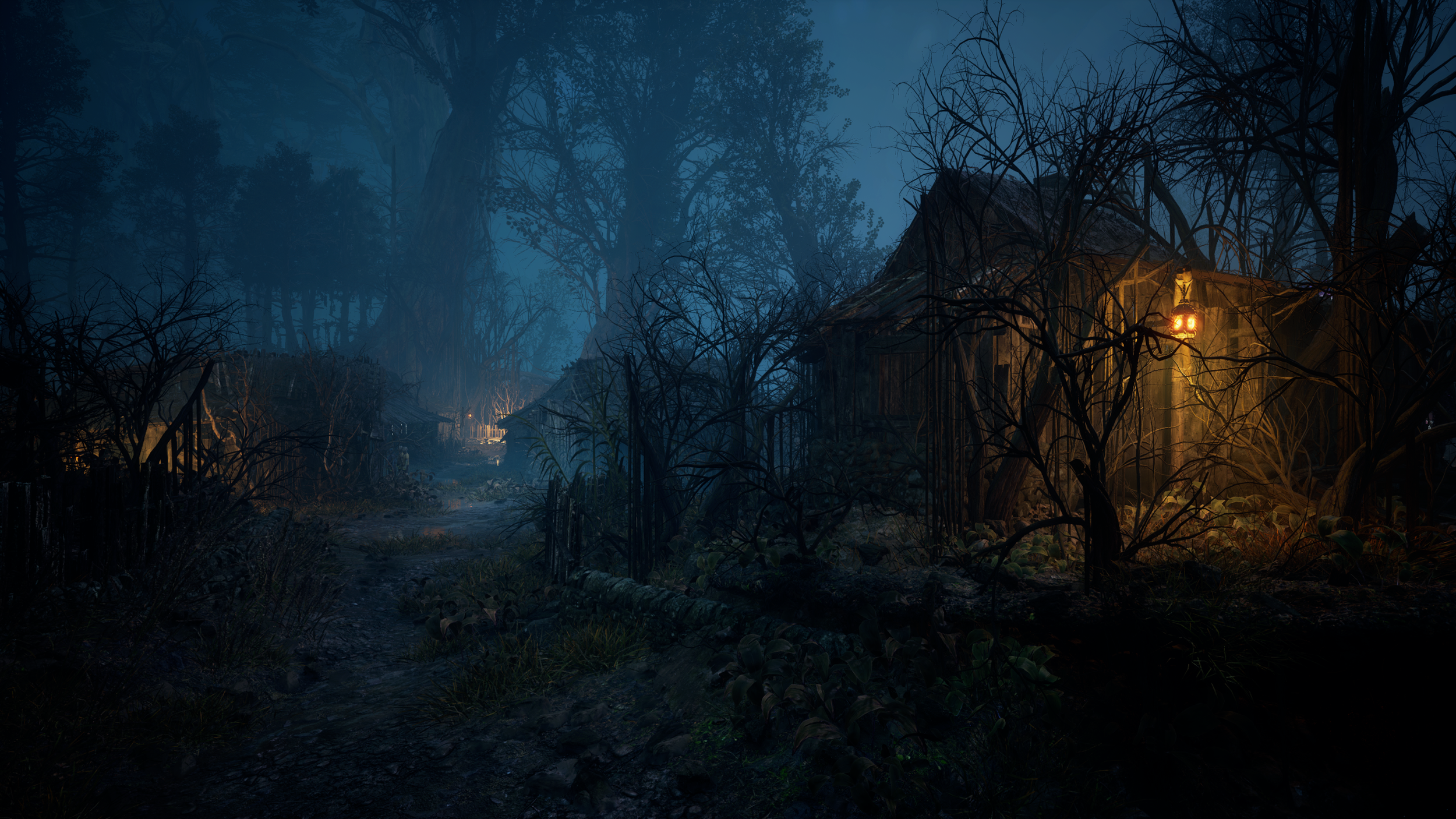
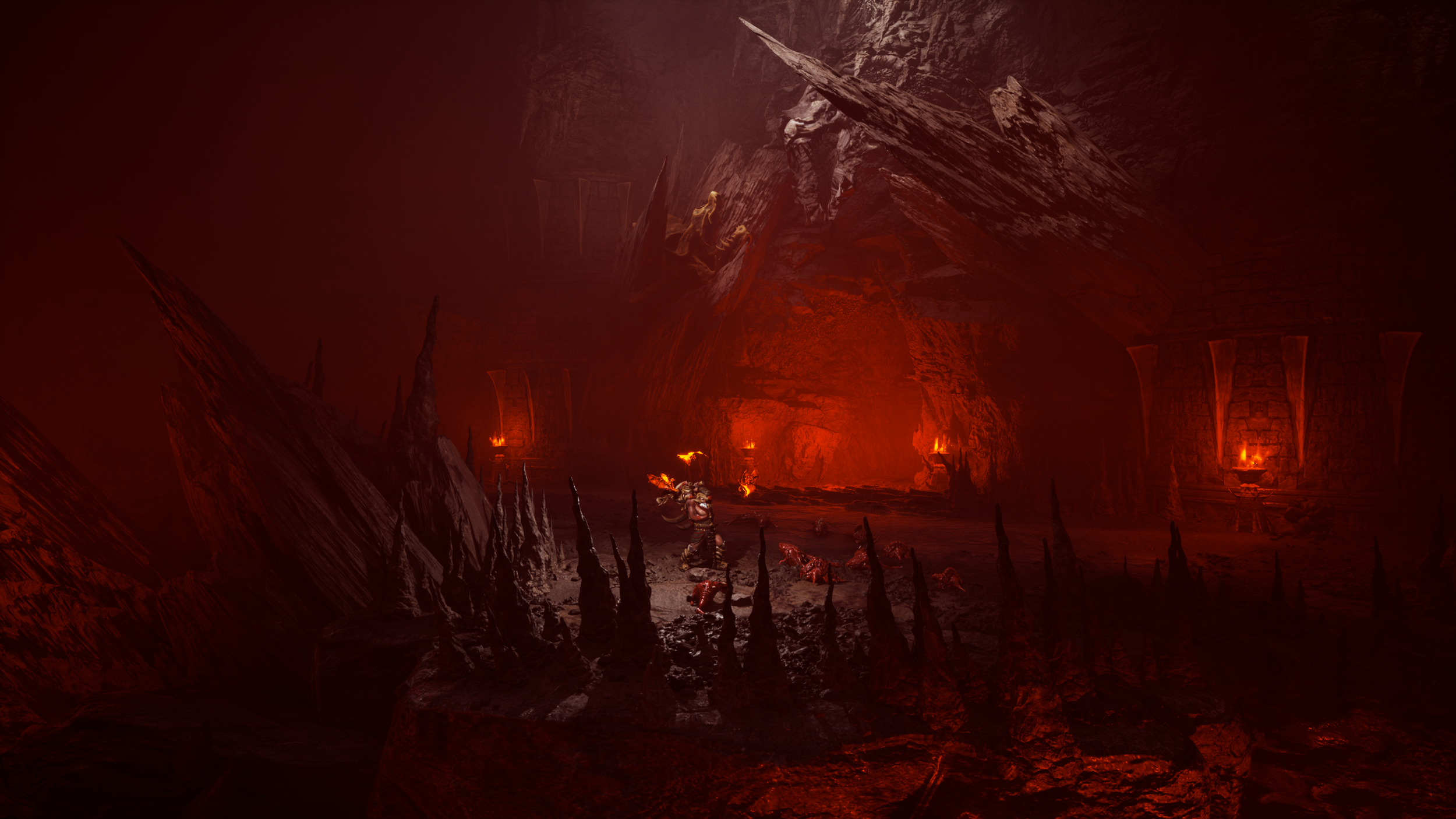
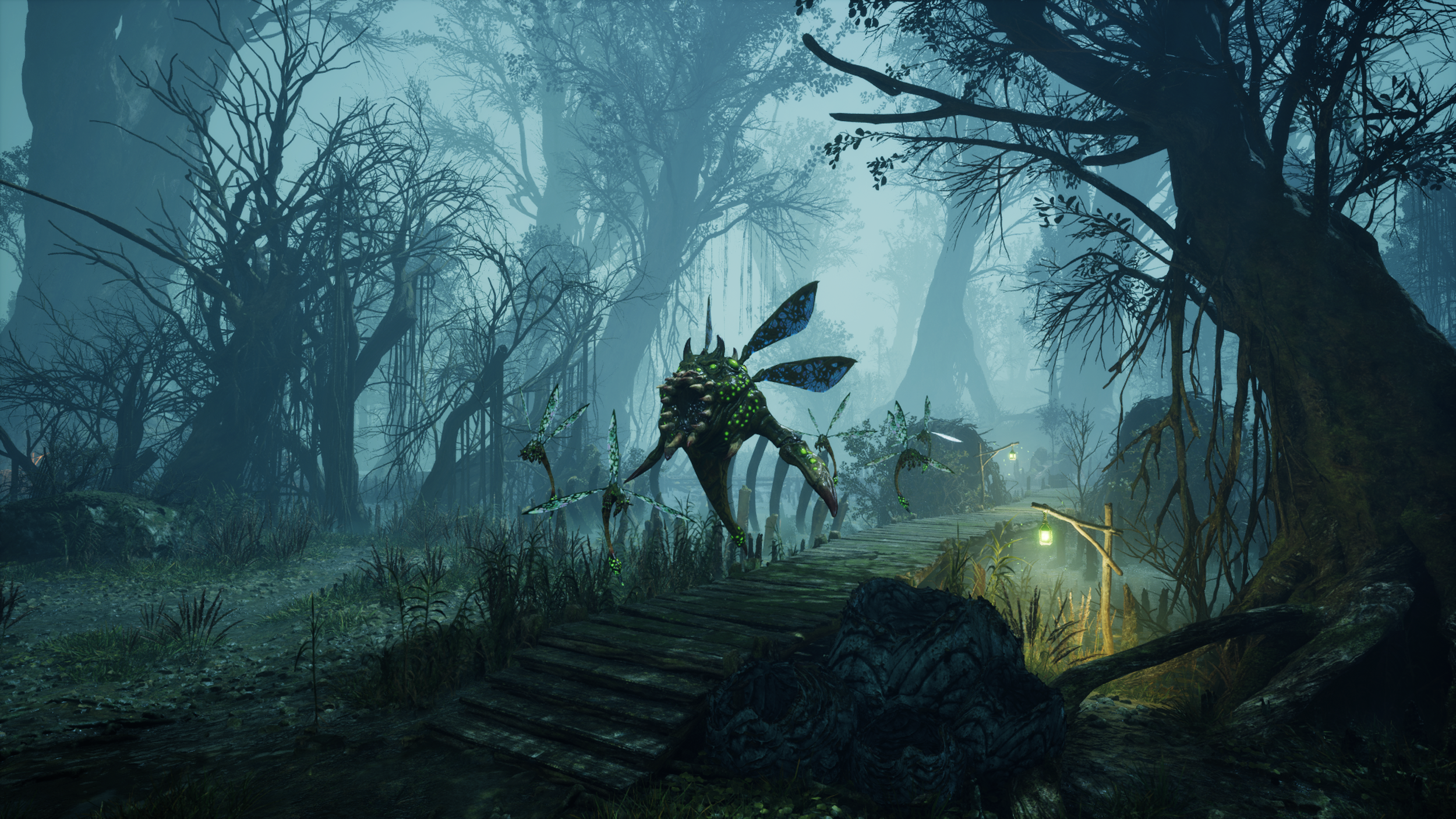
Much like Chaosbane, Dragonkin is gorgeous and has a great deal of detail in its surroundings. There is a nice, diverse selection of environments, and monsters, bosses, and characters all look good, given that this is an isometric game, and you rarely see characters up close. For any of the game's failings, its visuals and presentation are not one of them.
Dragonkin’s narrative isn’t its strongest element, despite some compelling sequel bait. Still, it has the right amount of power fantasy and thrilling combat to keep you and some friends occupied throughout its roughly 25-hour campaign. It may not be the next big action RPG, but it is more than satisfying enough to excel in the genre.
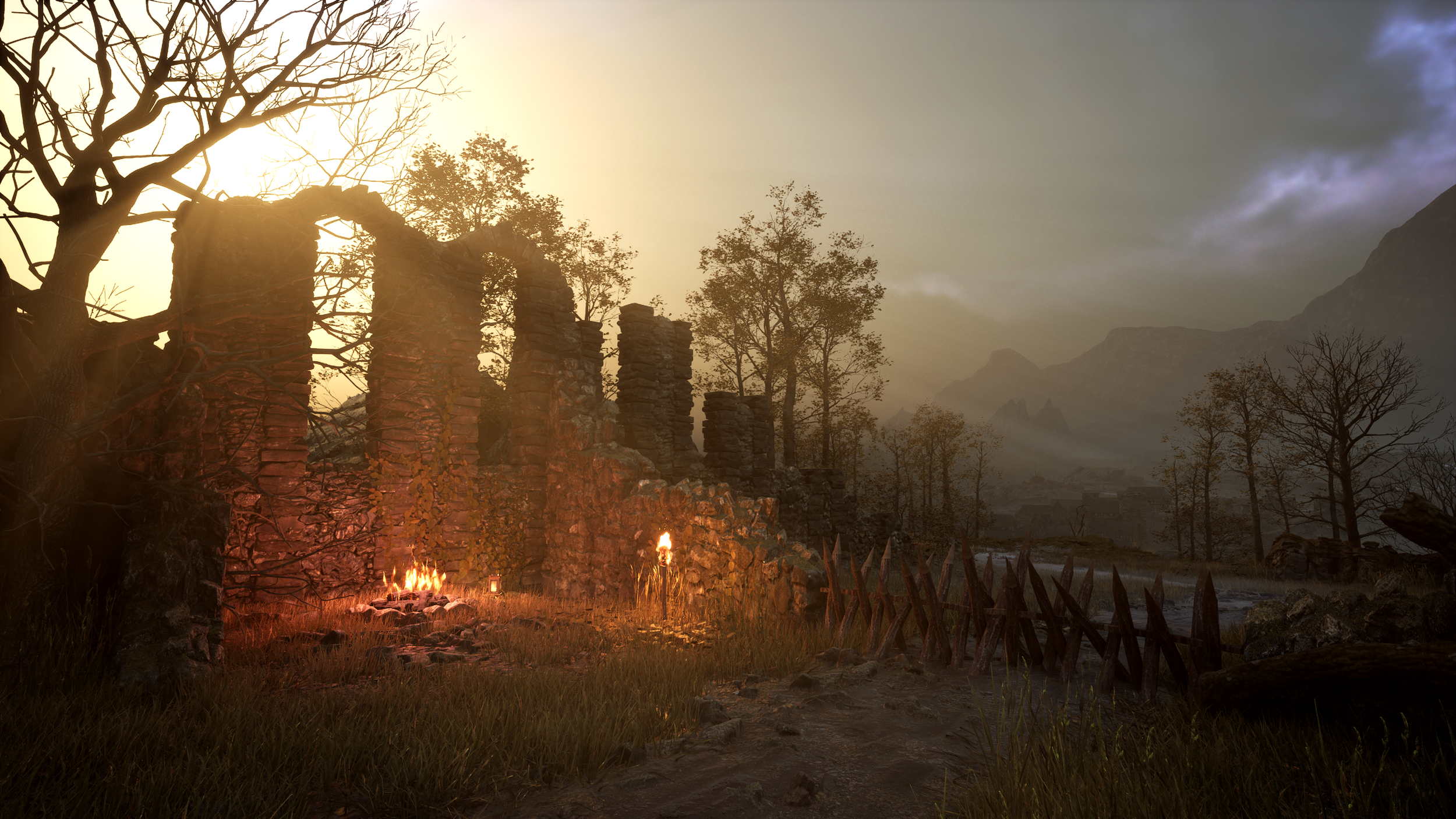
Developer - Eko Software. Publisher - Nacon. Released - March 16th, 2026. Available On - Xbox Series X/S, PS5, PC. Rated - (T) Blood, Violence. Platform Reviewed - Xbox Series X. Review Access - A review code for Dragonkin: The Banished was provided by the publisher for the purpose of this review.
Jeff is the original founder of Analog Stick Gaming. His favorite games include The Witcher III, the Mass Effect Trilogy, Hi-Fi Rush, Stellar Blade, Hellbade: Senua’s Sacrifice, and the Legend of Heroes series, especially Trails of Cold Steel III & IV.