
For those who come after.
DigixArt’s Road 96 was a compelling entry in the choice-based narrative games made popular through the likes of Life is Strange and the impressive catalog of Telltale Games. However, Road 96’s story shifted around multiple characters and kept the story moving, making your choices have real weight to them. However, DigixArt wouldn't stay content with a narrative built around your choices, but that of those who came before.
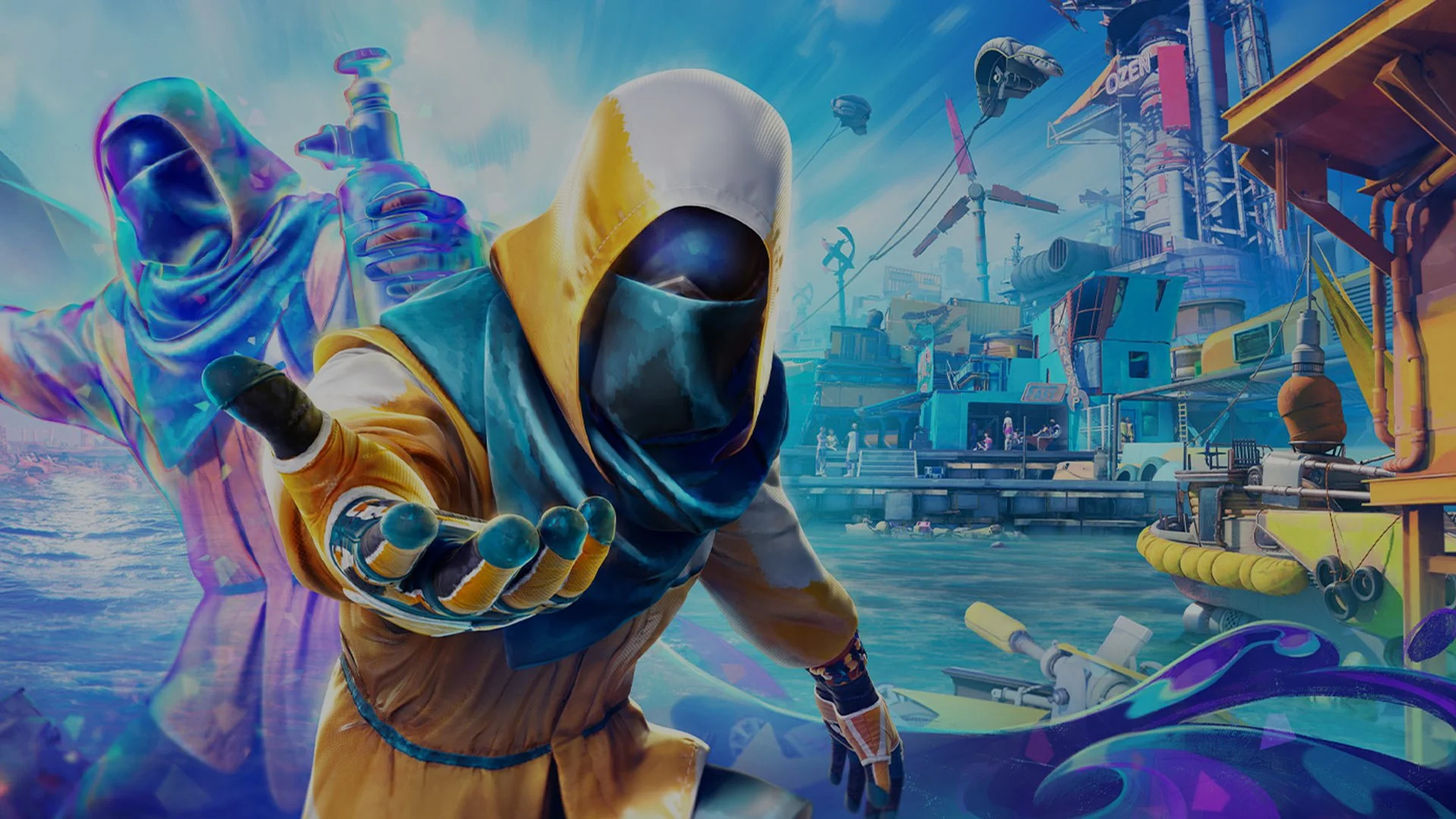
Set in the flooded world of Eylnd, mankind is on the brink of extinction due to an illness that has no apparent cure. This illness, Plastemia, is fatal, as microplastics cause its victims to eventually solidify into plastic themselves. You'll see countless people afflicted, with even more cast aside, their plastic husks on display like some cruel art exhibit.
Tides of Tomorrow may be the most ambitious title in this flexible narrative genre I've ever seen. You play as a Tidewalker, a mystical being that is tied to a looming prophecy. However, as there are multiple Tidewalkers, you are following in their footsteps while leaving a set of your own.
Other games in the genre have you existing in a world shaped by your choices. While you will make said choices here, you'll follow another player and have to deal with the state of the world governed by their choices. Factions will gain or lose power over those choices, the people may suffer or thrive, or your own standing with each settlement may live or die on the choices made before you. It is safe to say that most players will not experience this game the same way as someone else.
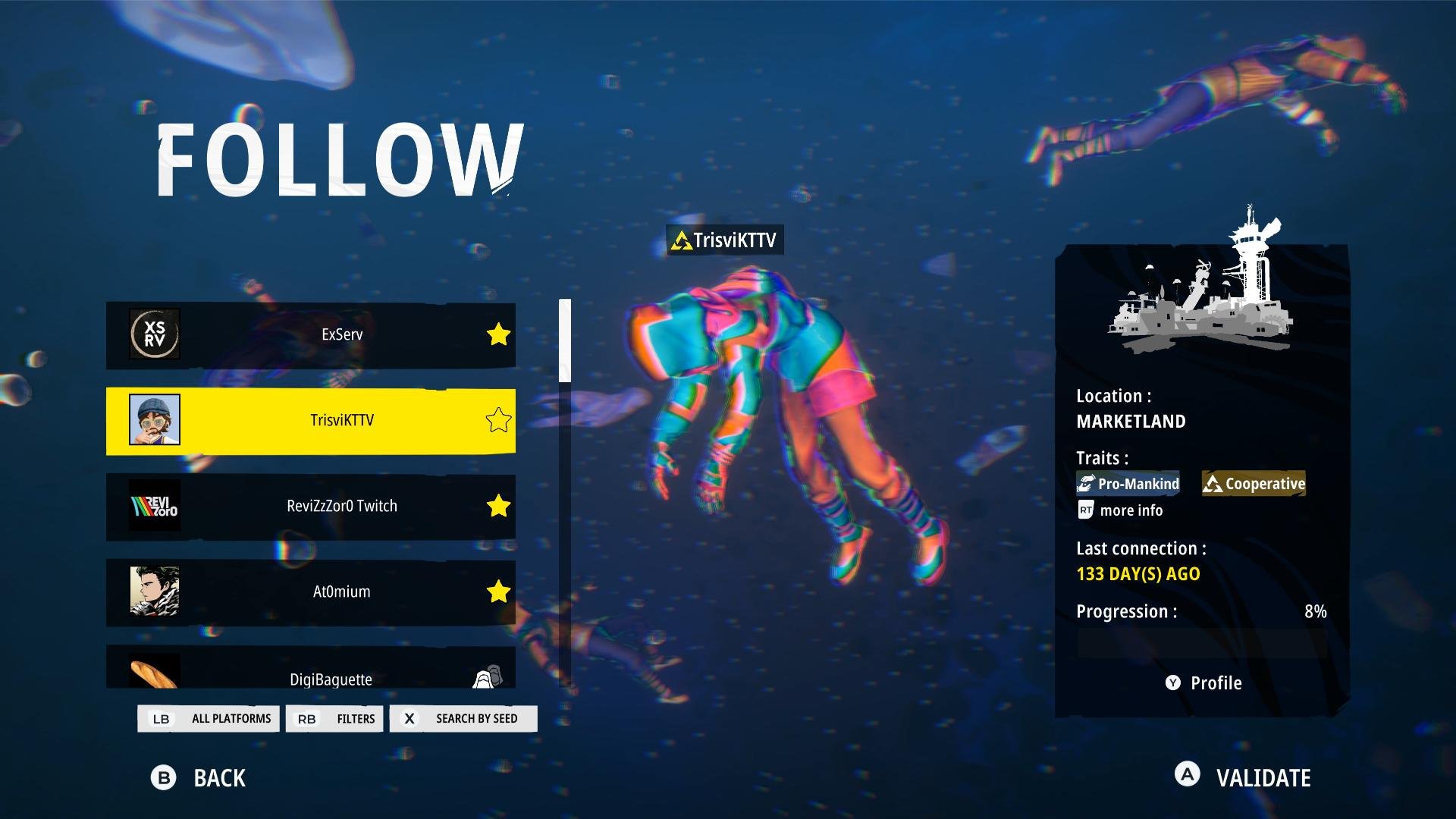
This is where Tides of Tomorrow shines, through a crucial mechanic called Online Story-Link. This is a feature in the game that collects the play data of other players and projects their world state to you, and you'll choose to enter that world state or take a different path. Regardless, you are almost always following another player throughout the adventure.
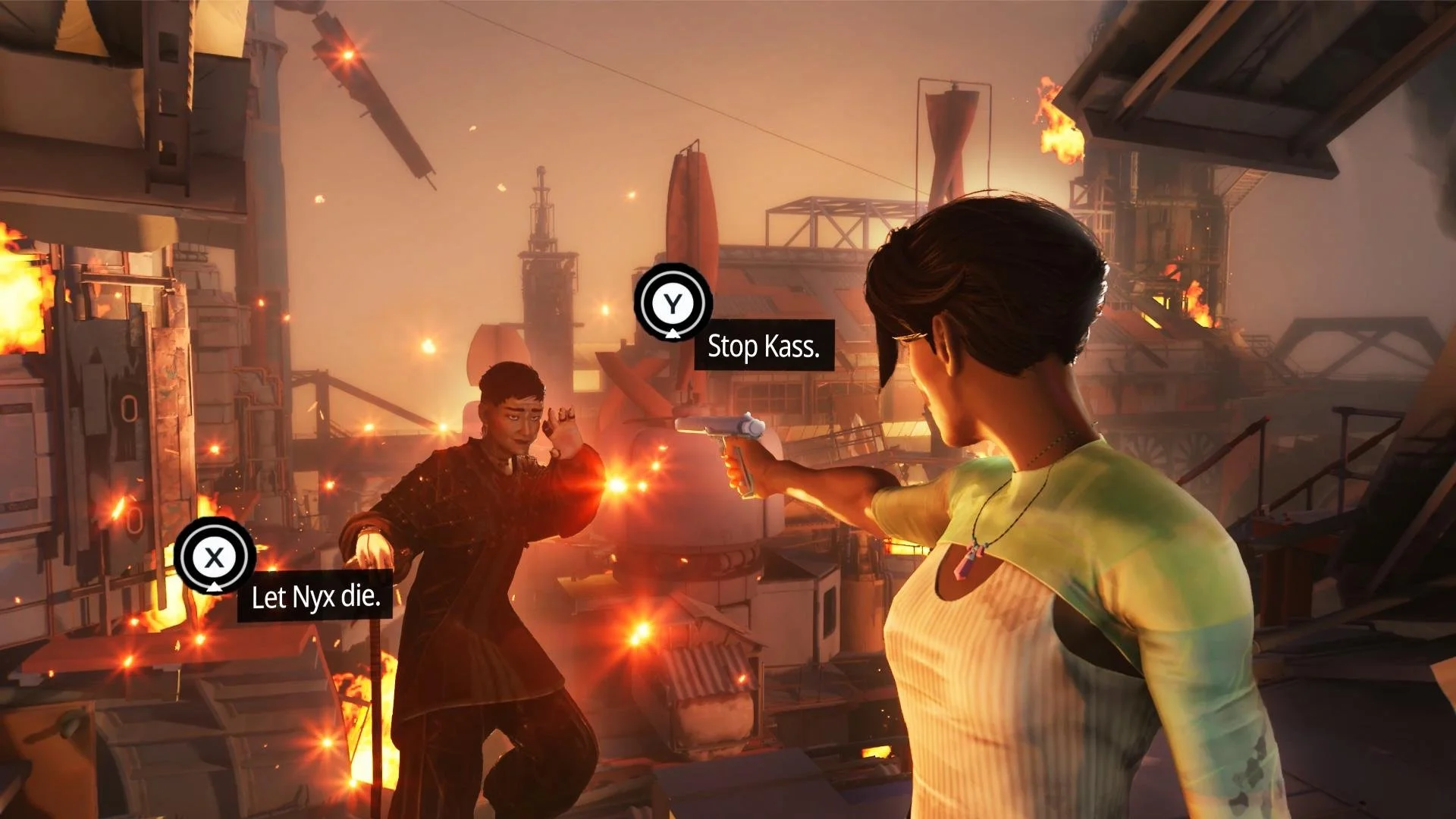
While there is an offline mode, you'll really miss out on the human nature of this experiment. Some players will be kind or compassionate about those who follow, while others will hoard all resources and leave chaos and carnage in their wake. You'll have to make choices that either aid in your own survival or take the harder path and give up precious resources and scrap so the next player behind you has an easier time.
Despite the single-player nature of what Tides of Tomorrow is, there is still this sense of multiplayer to the whole ordeal. You can choose to abandon the player ahead if you choose to alter your path, but know that they can and could return once you move back to where your paths align.
While you do get to choose your initial connected compatriot, you can also enter in the Seed Code of a friend or a Streamer you enjoy watching. And, there are perks to following a famous Tidewalker as well, so keep that in mind.
I'll also add that during my time here, this idea of seeing the paths of others reminded me of the online features of the Souls games, where you would interact with the scribbles or markers on the ground and see how they died, or the messages they would leave behind. It does have some of that energy, but so much more as you get to do more than just know the path of those who came before, but live in that world.
Now, it's not just the story that will be altered, but the items you'll find, the scrap you'll use to buy things, and of course, Ozen, the resource you'll need to calm down the Plastemia that is ravaging your body. Yes, you are this prophesied figure, but you, too, are not immune to its effects. In fact, you'll start to lose your battle with it after each mission, so it is in your best interest to scavenge more. However, starving that world of Ozen makes it less available for those who follow you. Still, you gotta look out for yourself, right?
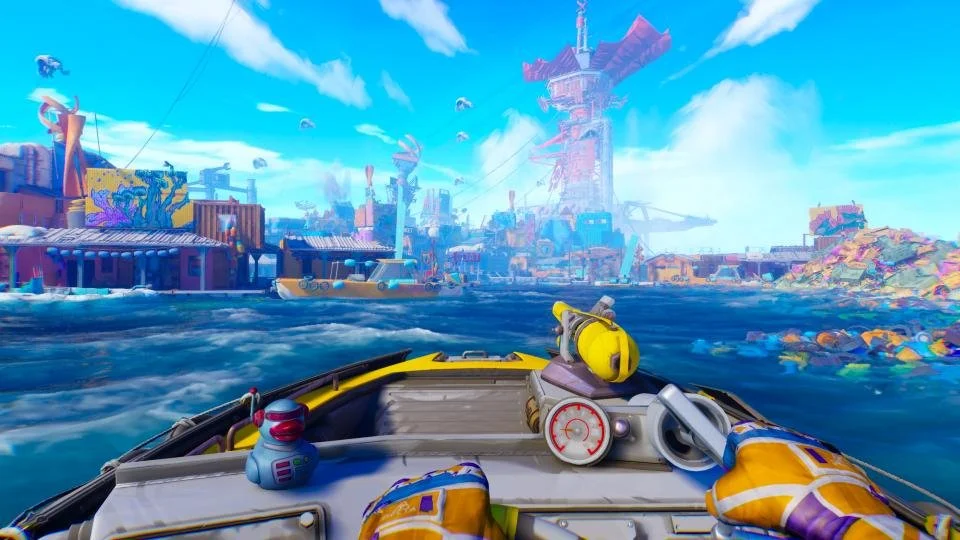
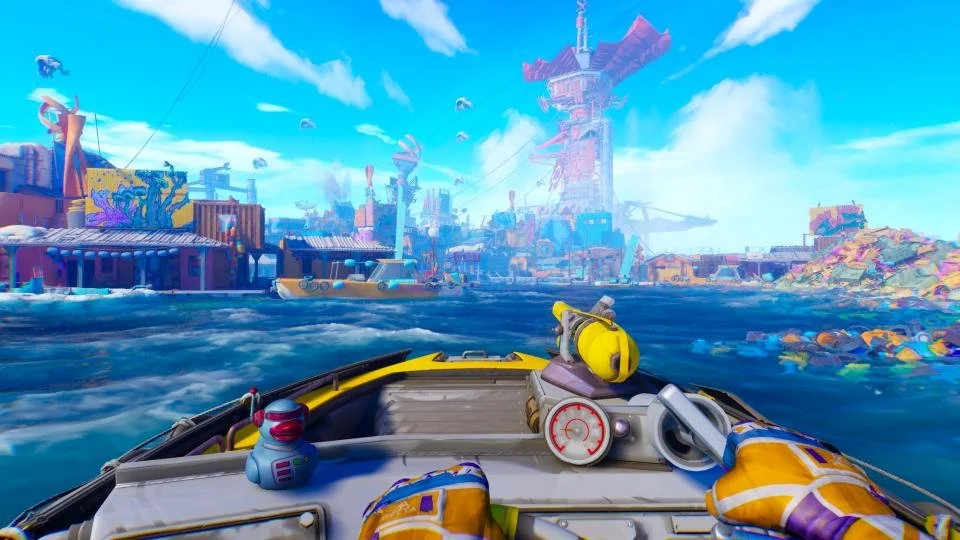
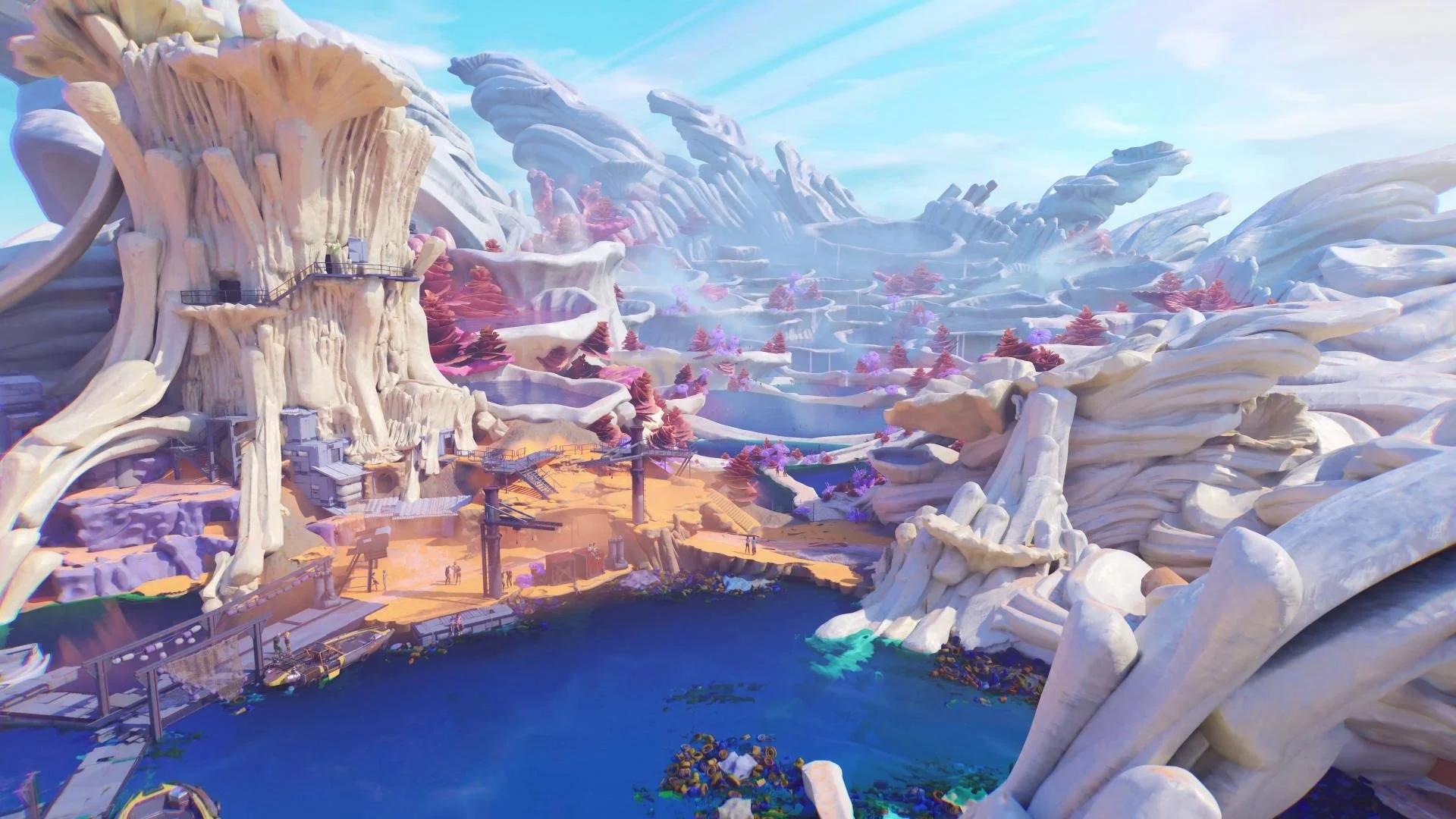
Elynd is consumed by water, with every settlement floating on the water's surface, like some makeshift collective raft, with little landmass to be seen. Each location is overfilled with plastic, just floating and almost overwhelming you in its presence. If a garbage dump had an ocean flooding it, Eylnd would be the result.
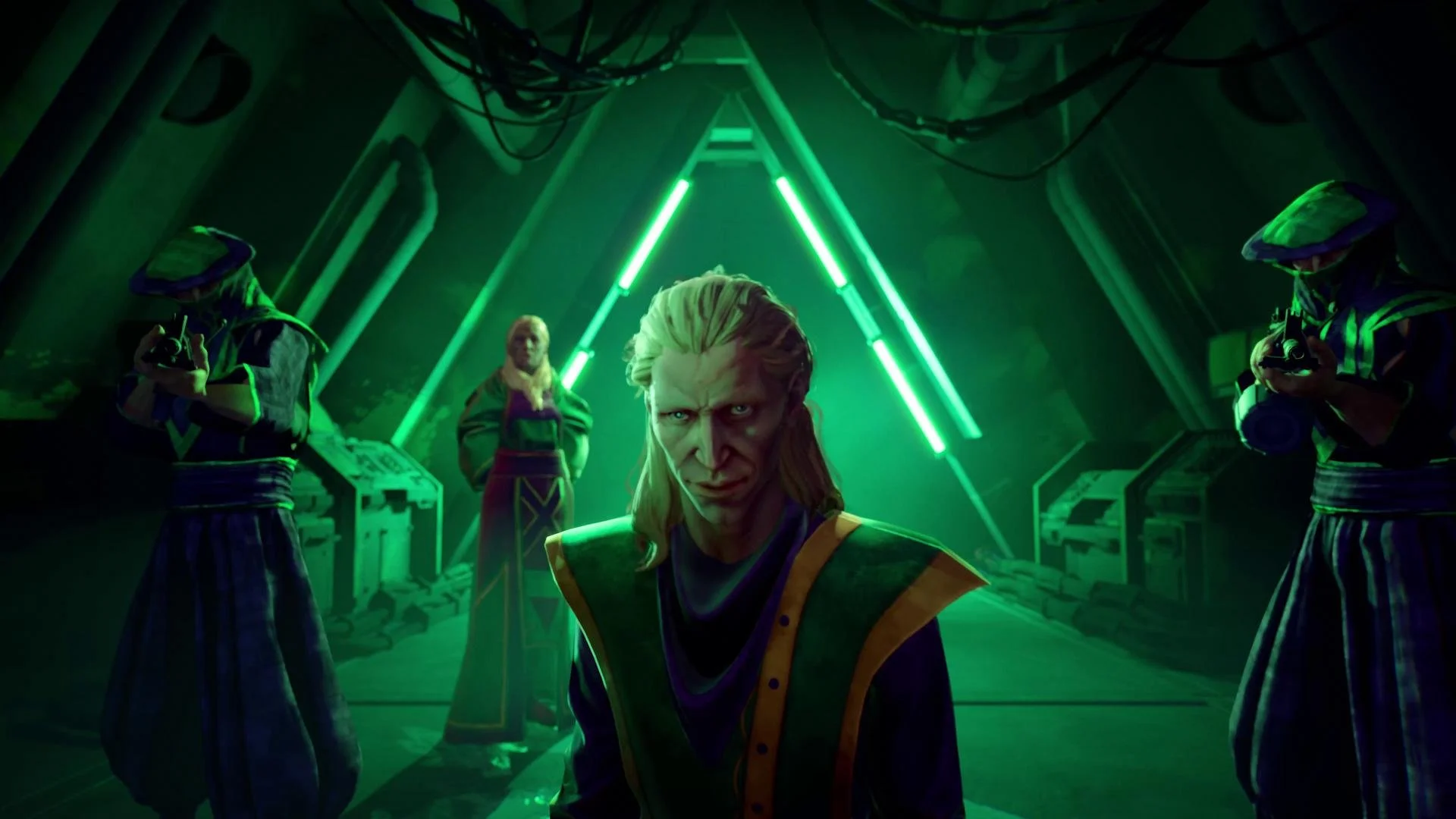
Each location generally has a central figure at the lead, whether it is via the Marauders, the Mystics, or the Reclaimers, who each have their own problems that you'll either look to solve, fix due to the issues with the previous Tidewalker, or ignore and cause harm for the next to follow you.
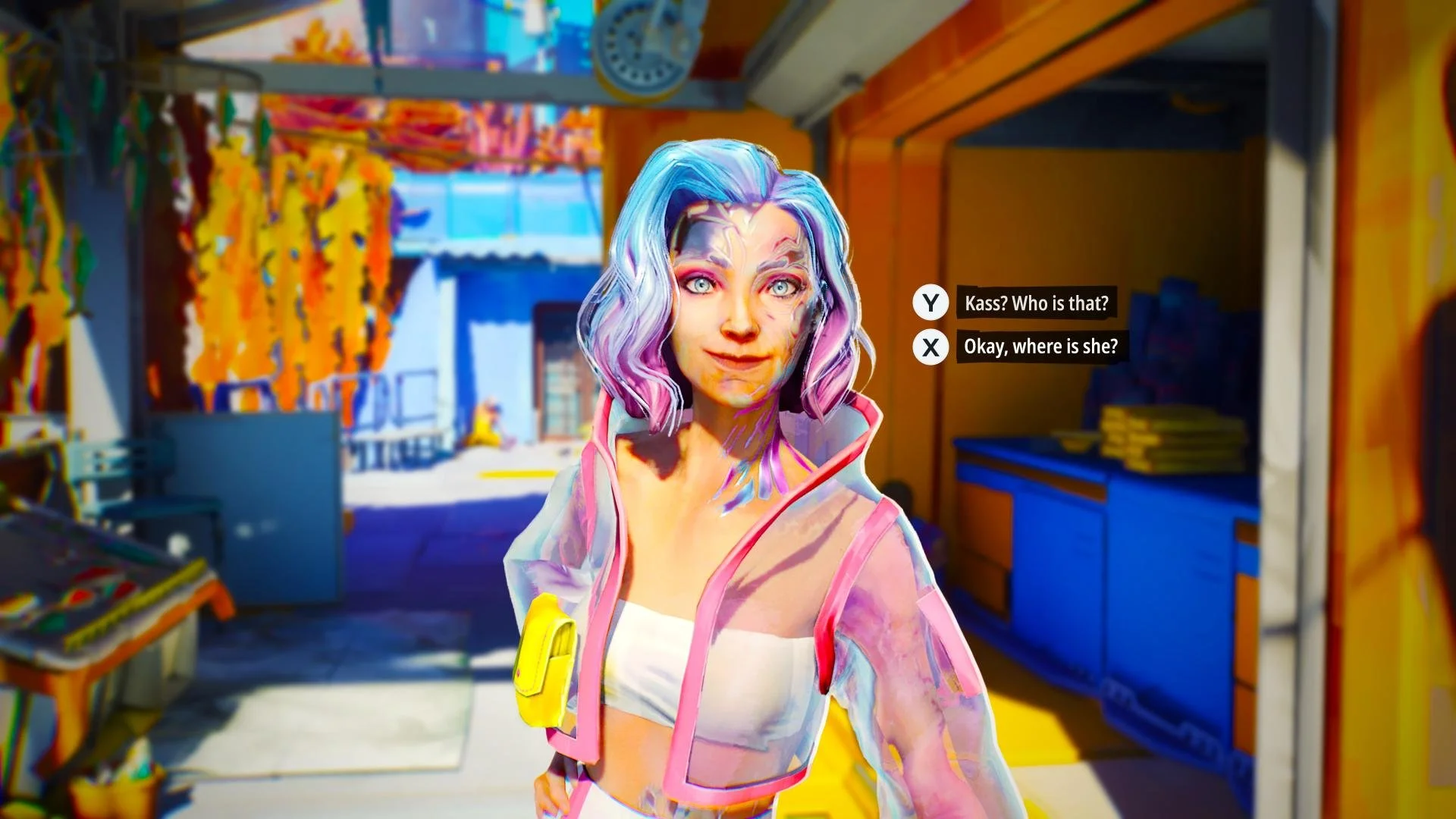
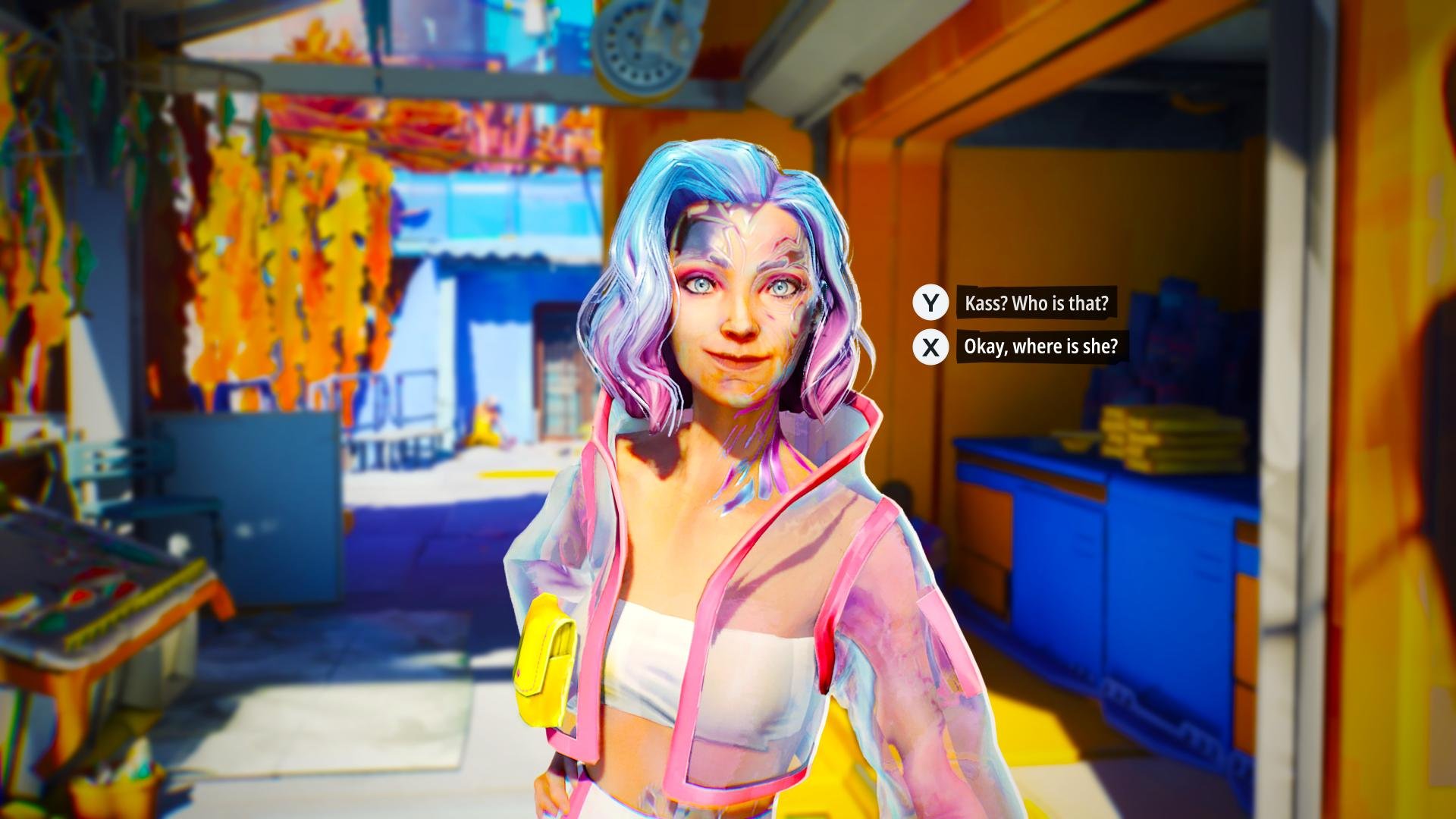
Each faction also has a character you’ll engage with, from Nahe to Eyla, to Nyx, and Kass; each are part of the factions you’ll engage with, and how they see you will be determined by your actions. Eyla is a stand out character, not only due to her overall design, but a stunning vocal performance.
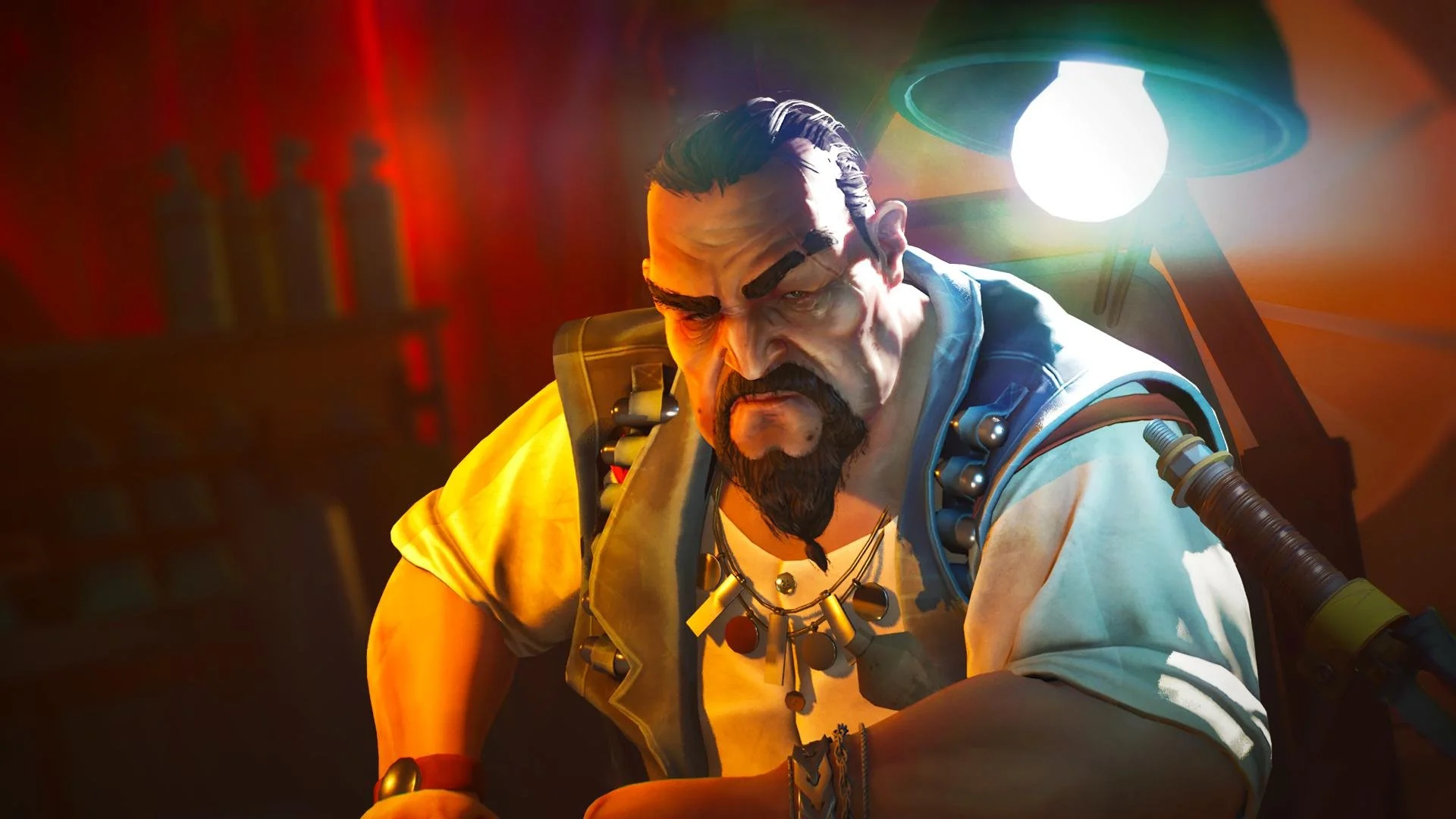
The Marauders are a faction you'll have the most friction with due to their abrasive leader, Obin. However, you'll start to see why he is how he is and how the other factions influence his control over Ozen. The Mystics play a big role here regarding the illness, and they are likely to be the faction most players align with. The Reclaimers are folks who just want to survive, clinging to what life they have, and their lives are influenced not only by your choices, but also by the state of the world you find yourself in.
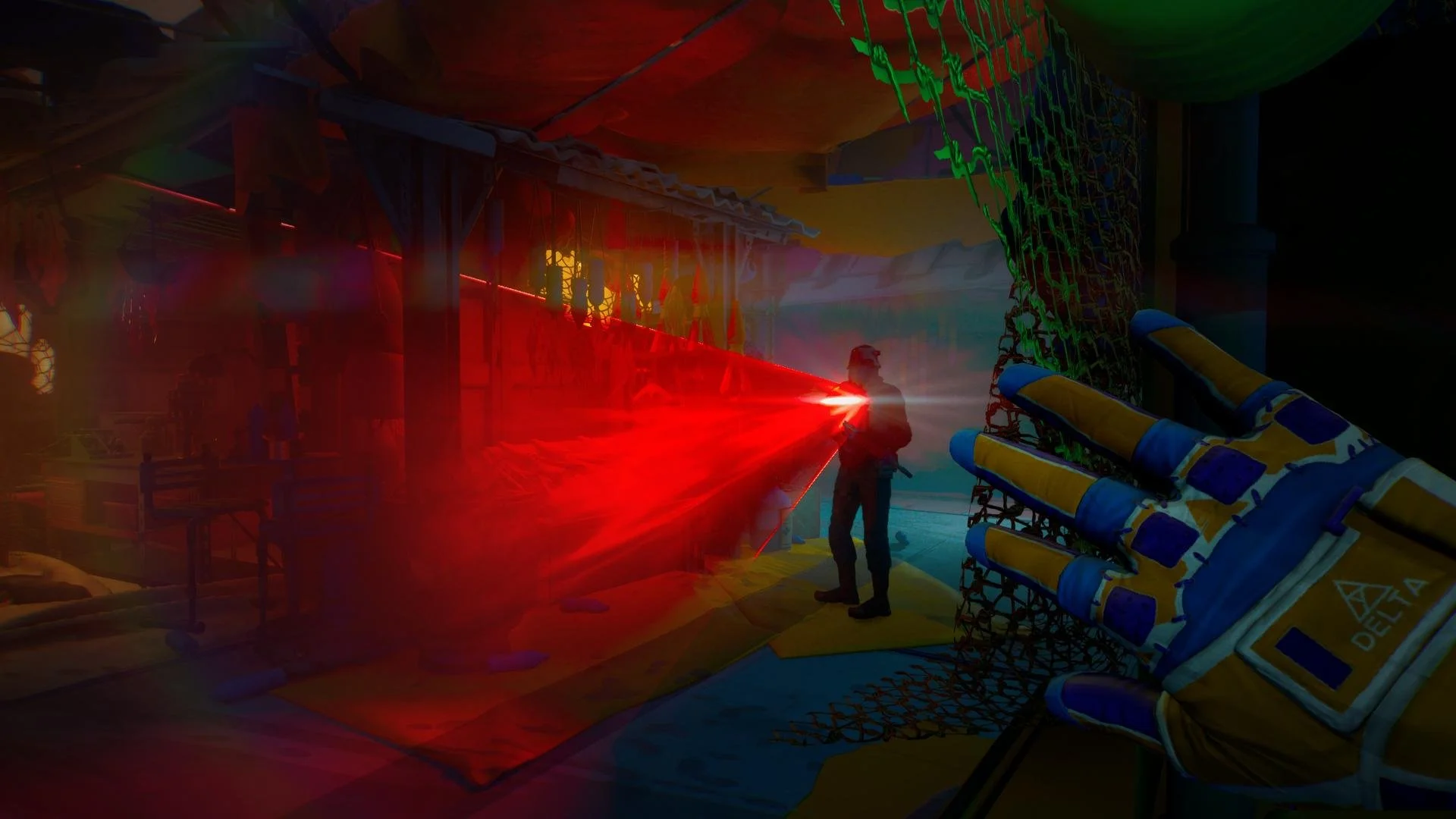
During one moment in the game, you'll be tasked with handing out Ozen to the people. Now, you could hoard it all yourself and keep it, give it out to those who desperately need it, or give one to the sick guard on duty. While I did given a pair of old siblings a cannisters each, as one as one in the worker’s area, I did give one to guard, which caused an uproar. However, due to who else I gave one too, some of the stood up for me.
How the previous Tidewalkers are injected into your story is through visions. This is the role the Tidewalker plays as they gain glimpses into the choices made by their predecessor. Some visions are minor, such as seeing them activate an elevator, perform an emote, or jump across a platform, to major ones where you'll glean a bit of the story found in their own personal world state, how they have dealt with the choices given to them. Some visions even help you solve puzzles, dialogue choices, or in a battle arena, where you can see what direction your opponent dodges to.
Eventually, those visions start to play a much bigger role and start to really put the sci-fi into this post-apocalyptic world. I have to say, this is where the story really ramped up, with some moments I had wanted to see since the premise was presented to me. It goes in some cool places as the visions start to really affect the story in far more interesting ways than just seeing past events.

Now, Eylnd itself is a pretty good chunk of real estate. And with so much water, you'll need a boat to get around. Thankfully, you'll steal one of a few set aside for you during the early moments of the game, giving you the choice of style and color. And, as you explore the deeper areas of Eylnd, you'll find collectible ducks that you can scatter around your boat for decoration. These are dressed up in little outfits, and honestly worth exploring for.
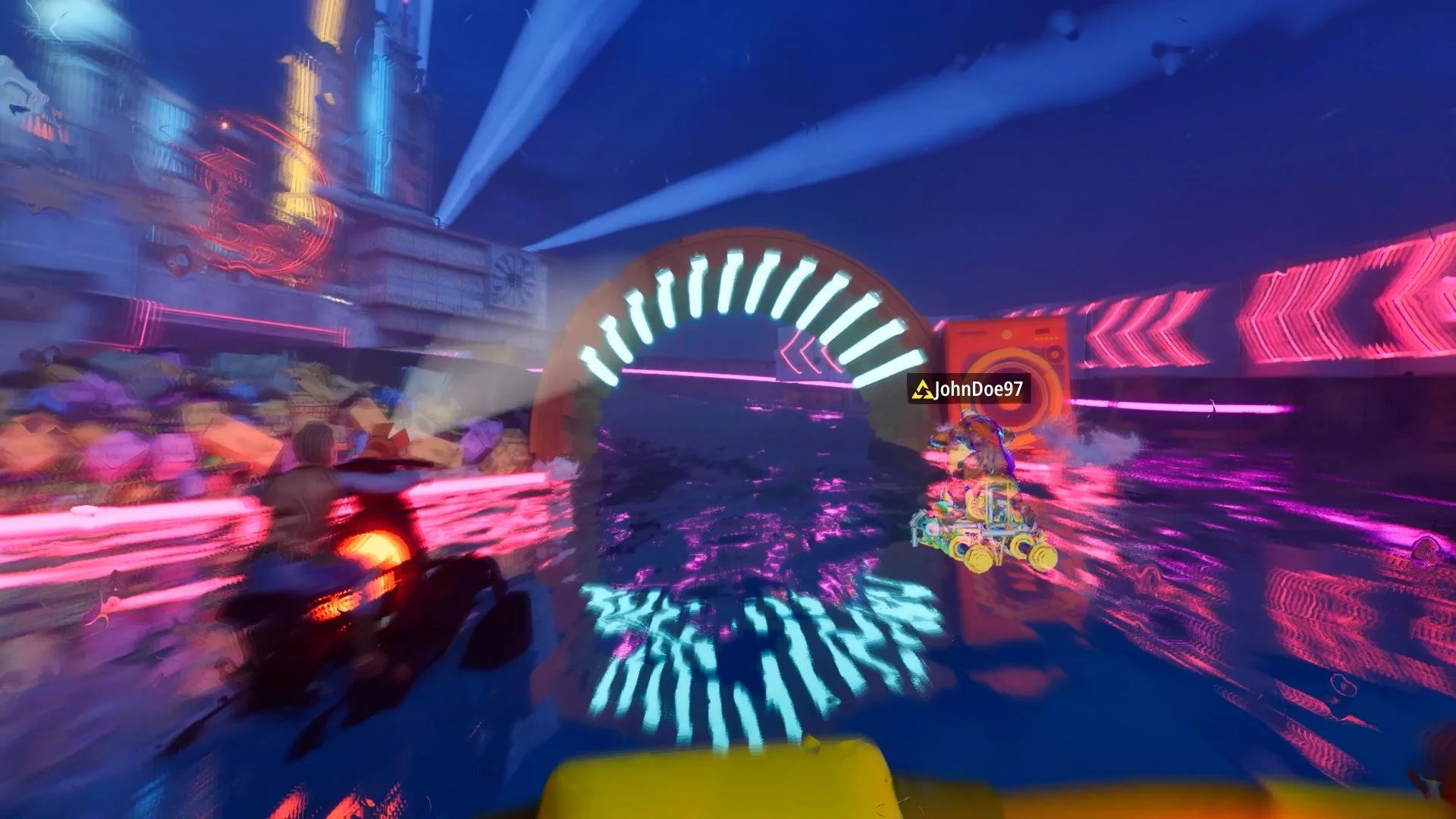
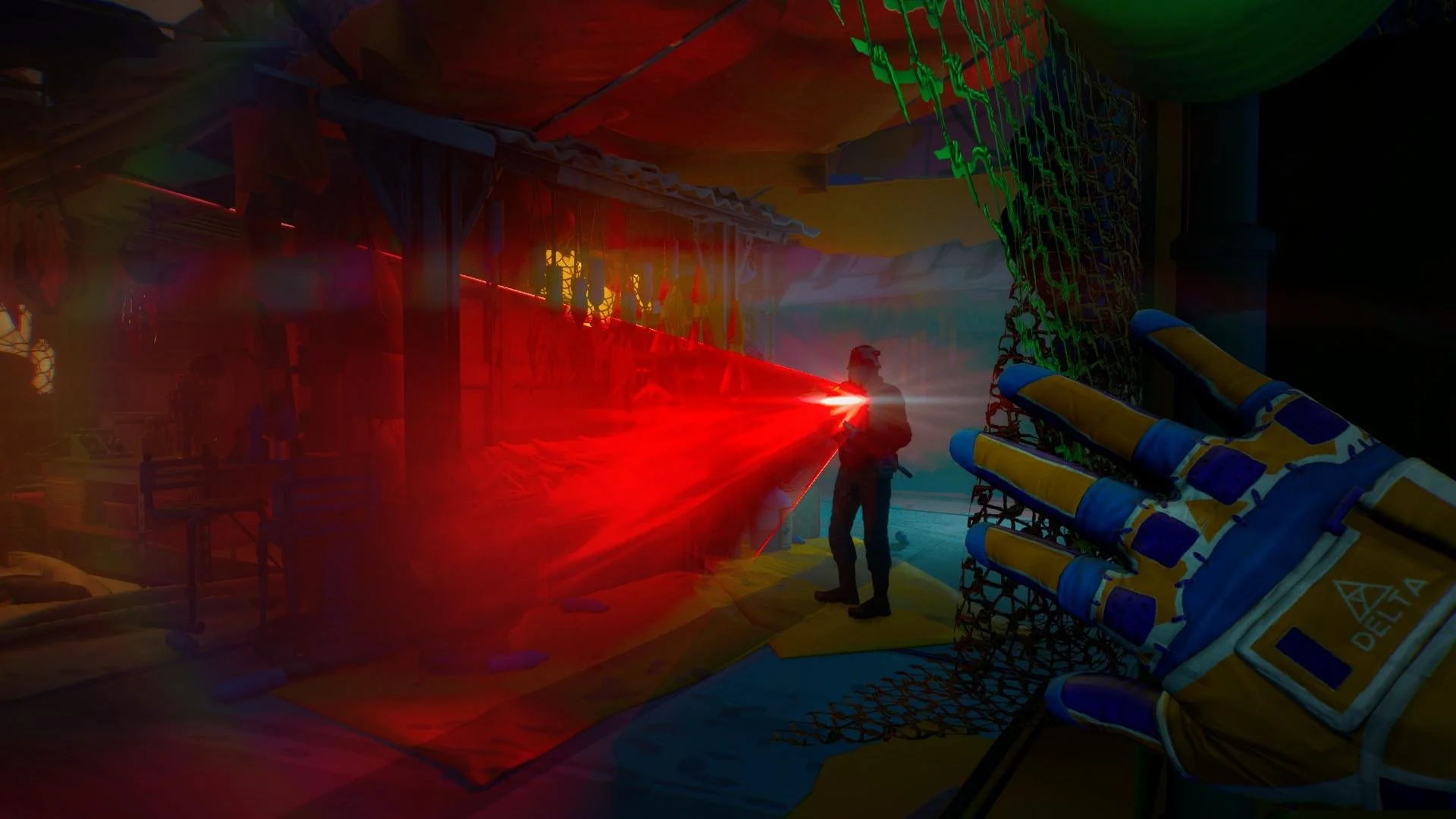
Sailing is kept very restrictive in zones, as you'll simply sail out into the sea and then load to the area you've chosen to set sail to. You'll usually have a choice between missions or extra locations, with the latter not affecting your Plastemia, and usually allowing you to buy more as you find shopkeepers or the like. Some need a bit of convincing to sell, such as bombing their boat during combat, but they eventually come around. That said, some battles are just that, a battle to the death, with usually just scrap as the reward. Hell, I've been attacked by Marauders during the brief areas you'll use as a pre-emptive loading screen. Battles are as easy as getting close and pressing X to fire off your gun and then waiting for the brief cooldown while you dodge incoming fire indicated by red circles on the water's surface.
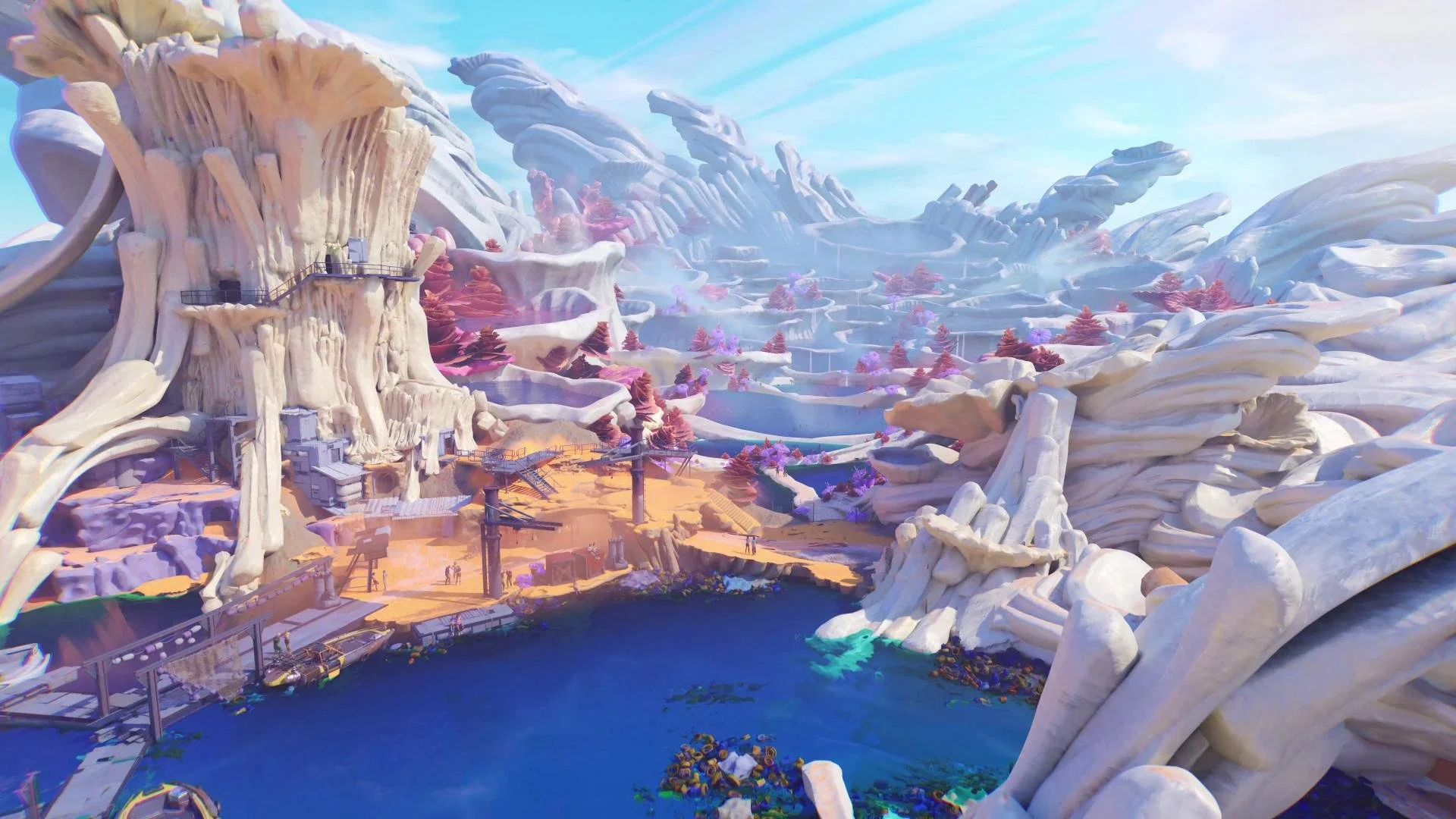
The visual style of Tides of Tomorrow is a more neon influence over the likes of Road 96, with a very bright and colorful world, even if a few locations look far too similar. The model work is similar to their past outings with character animation and texture work to be suitable for the style they are going for, but it isn’t going to really wow newcomers. This isn't a visually pleasing title in the extreme graphical fidelity category, but it is very nice to look at, and its scope and aesthetic are nonetheless great for the scale we see from the indie scene.
While some locations could differ more to make them unique from one another, there is still a good balance of environments that have you stealthing through enemy bases or being welcomed as an ally. The world here is one that you'll visit under different conditions, and that does affect how you see the world and what you get from it.
Tides of Tomorrow is a very unique narrative-driven title that could start a whole new genre. We've seen shared choices through various games, such as showing the percentage certain players made with said choices, but never to the extent of living in the choices made by other players. To that end, Tides of Tomorrow gives us a unique thread to pull on, and while it may unravel one of several different ways, it still provides a compelling reason to not only enjoy the story once, but to dive back in and see it from a totally different perspective, that, and hording every Ozen canisters you find to really screw over whoever decides to follow you, or you know, not doing that…
Developer - Digixart.
Publisher - THQ Nordic, Plaion
Released - April 22nd, 2026
Available On - Xbox Series X/S, PS5, PC.
Rated - (M) - Blood, Strong Language, and Violence.
Platform Reviewed - Xbox Series X.
Review Access - A review code for Tides of Tomorrow was provided by the publisher for the purpose of this review.
Jeff is the original founder of Analog Stick Gaming. His favorite games include The Witcher III, the Mass Effect Trilogy, Hi-Fi Rush, Stellar Blade, Hellbade: Senua’s Sacrifice, and the Legend of Heroes series, especially Trails of Cold Steel III & IV.