
Time to Hack.
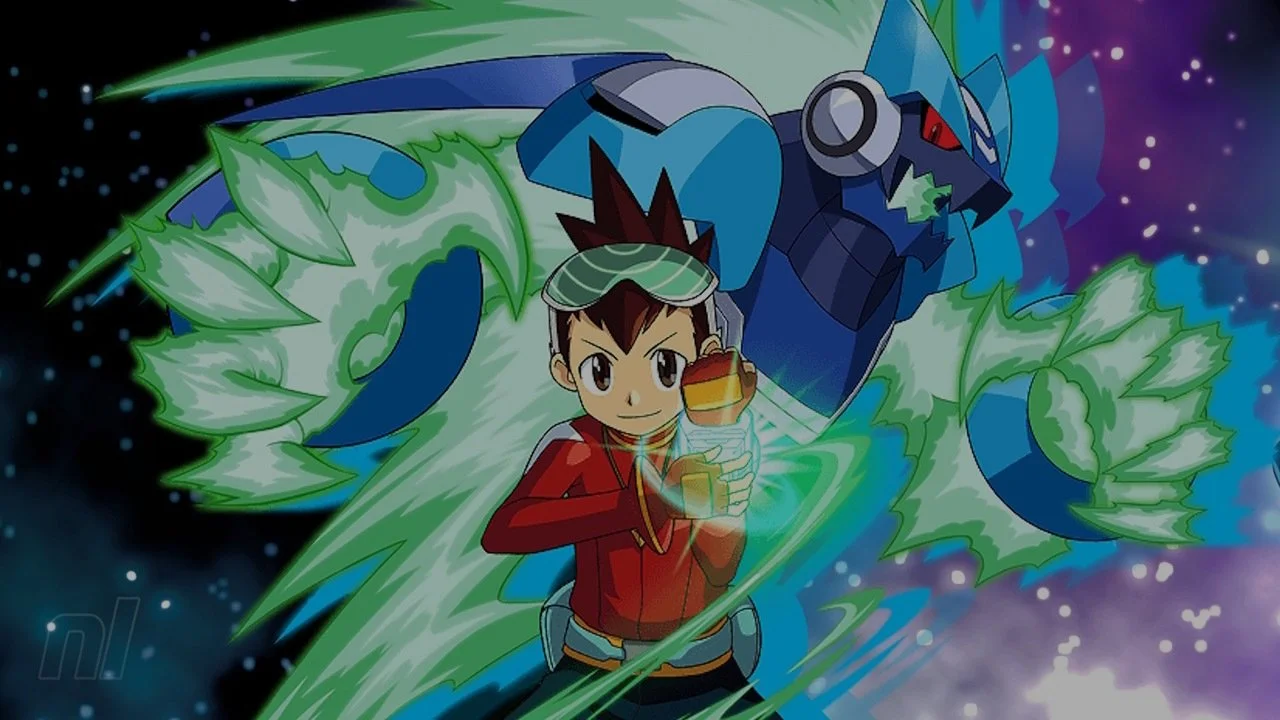
Star Force was a trilogy of games that skipped me by, despite my love for the Battle Network series. This collection offers 7 games, online battles, trading, and a full gallery of some impressive, never-before-seen artwork. This is a fantastic collection, if only lessened by one particular blemish. That said, let’s hack in and enter the world of Mega Man Star Force!
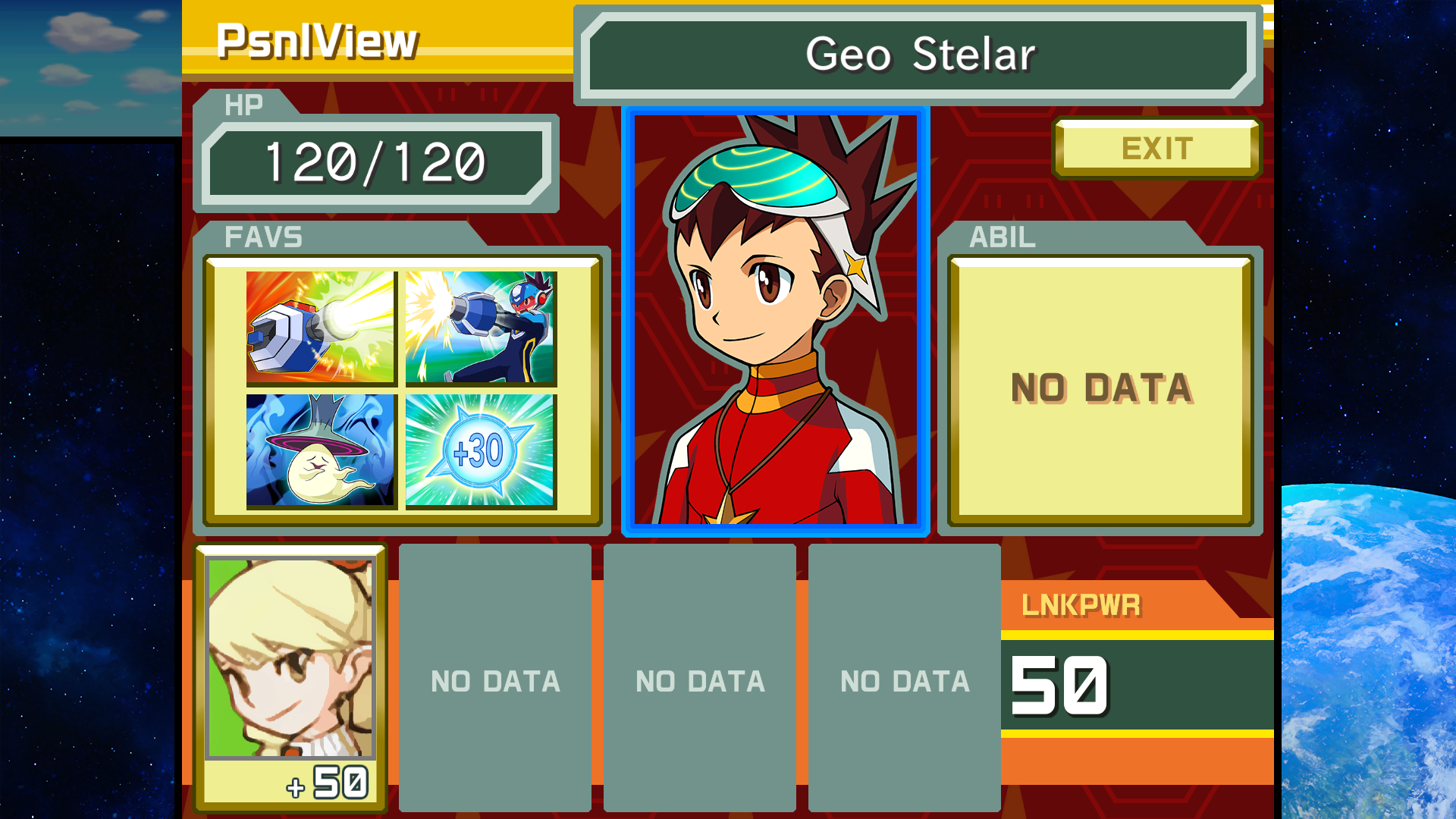
Taking place far into the future of the Battle Network series, players take on the role of Geo Stellar, a youth who lost his father during a mysterious event in space that saw the Peace space station suddenly disappear. This caused Geo to admire the stars, to sit each night patiently staring up at the sky, hoping that his father would return. However, while he is visited by someone, it's an alien known as Omega-Xis that partners with Geo to become Mega Man, a mysterious entity that also knew Geo’s father. And, as the planet is invaded by a small force attempting to track down Omega-Xis, the pair team up to stop this invasion.
Now, this first game is excellent, and does a lot to not only build up Geo and Omega-Xis, especially as Geo initially wants nothing to do with being Mega Man, but it is also a compelling story about a boy who has lost his father. There are some pretty emotional beats here that serve both Geo and the story well, even if the supporting cast is a bit too cartoony. Nonetheless, Geo and Omega-Xis’s relationship is strong throughout.
What's been known for years about the series is that each of the three core entries had a somewhat different arrangement of writers, and this is likely the cause for the second entry to feel more like a Saturday morning cartoon instead of the more emotional tone set in the first game. Geo’s story arc, built around his father's disappearance, grounds the first game into something truly emotional, especially once we discover what has transpired.
While the first and third entries are fantastic, I do find the second entry to sadly not hold up and is easily skippable, given the lacking main villains and a less interesting and emotionally void story. As the third entry refines and adds some quality of life features needed for the series, the second game lacks anything to really make it even enjoyable. That said, I pushed through it and savored the next game like I was starving.
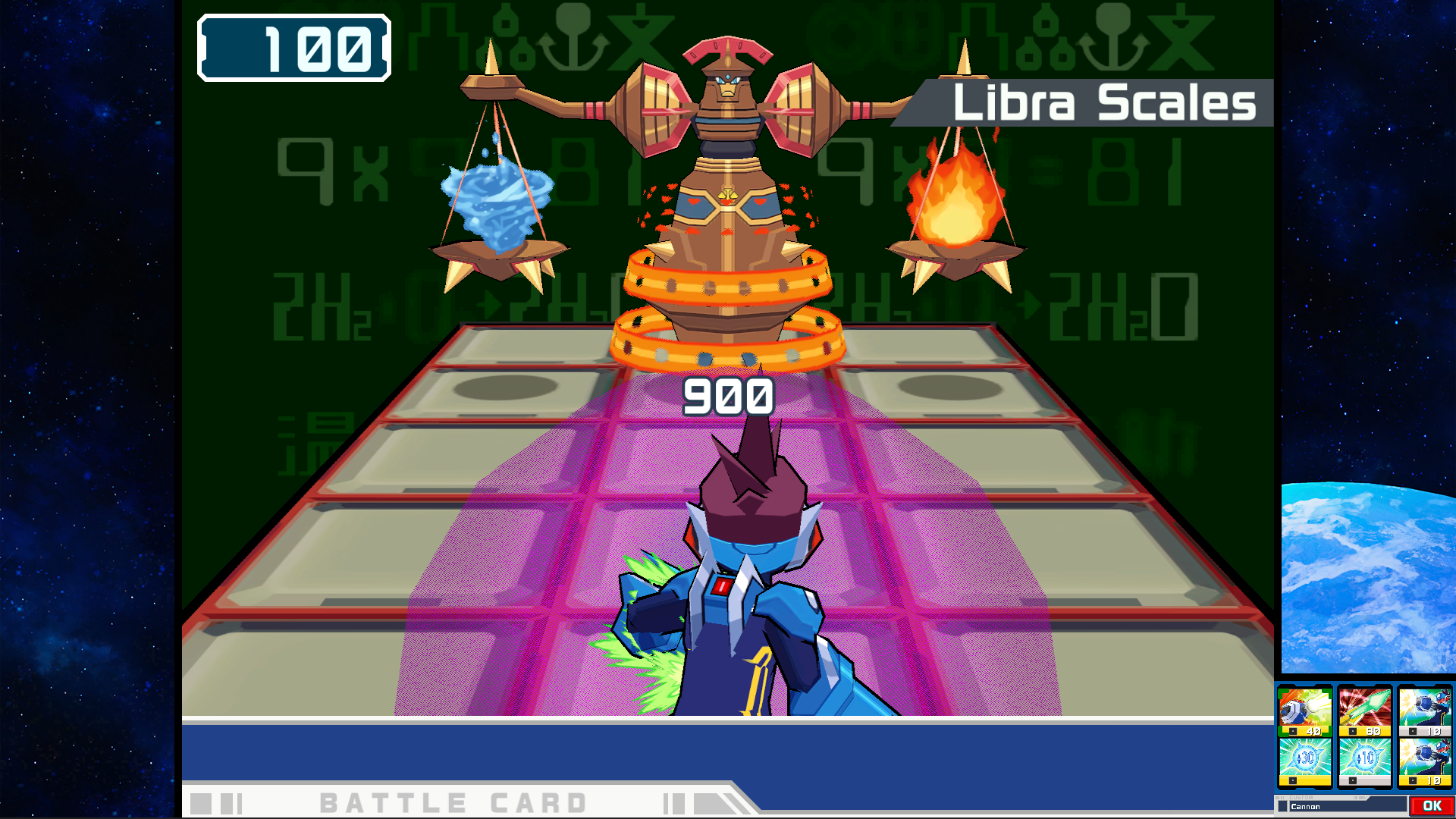
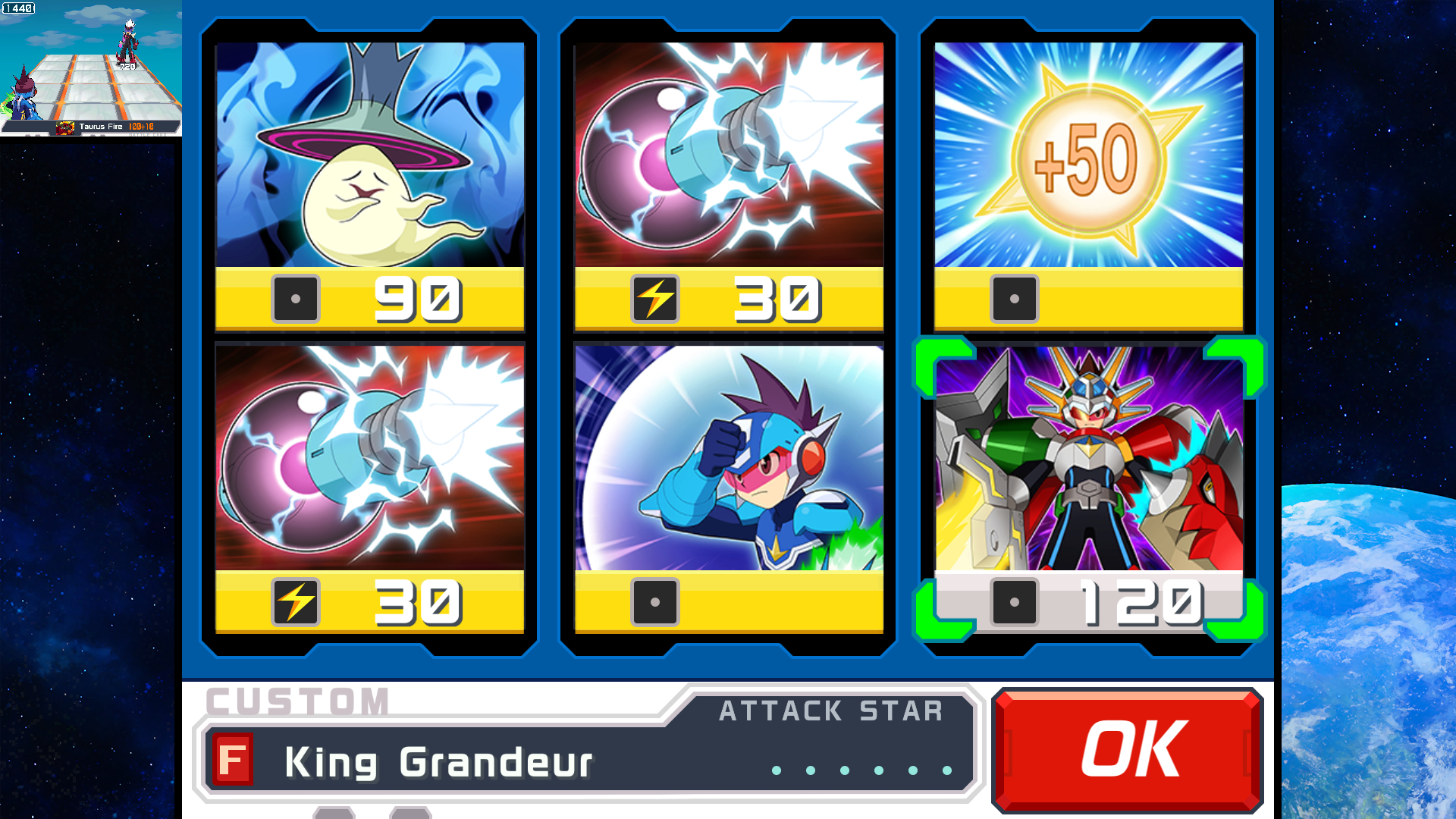
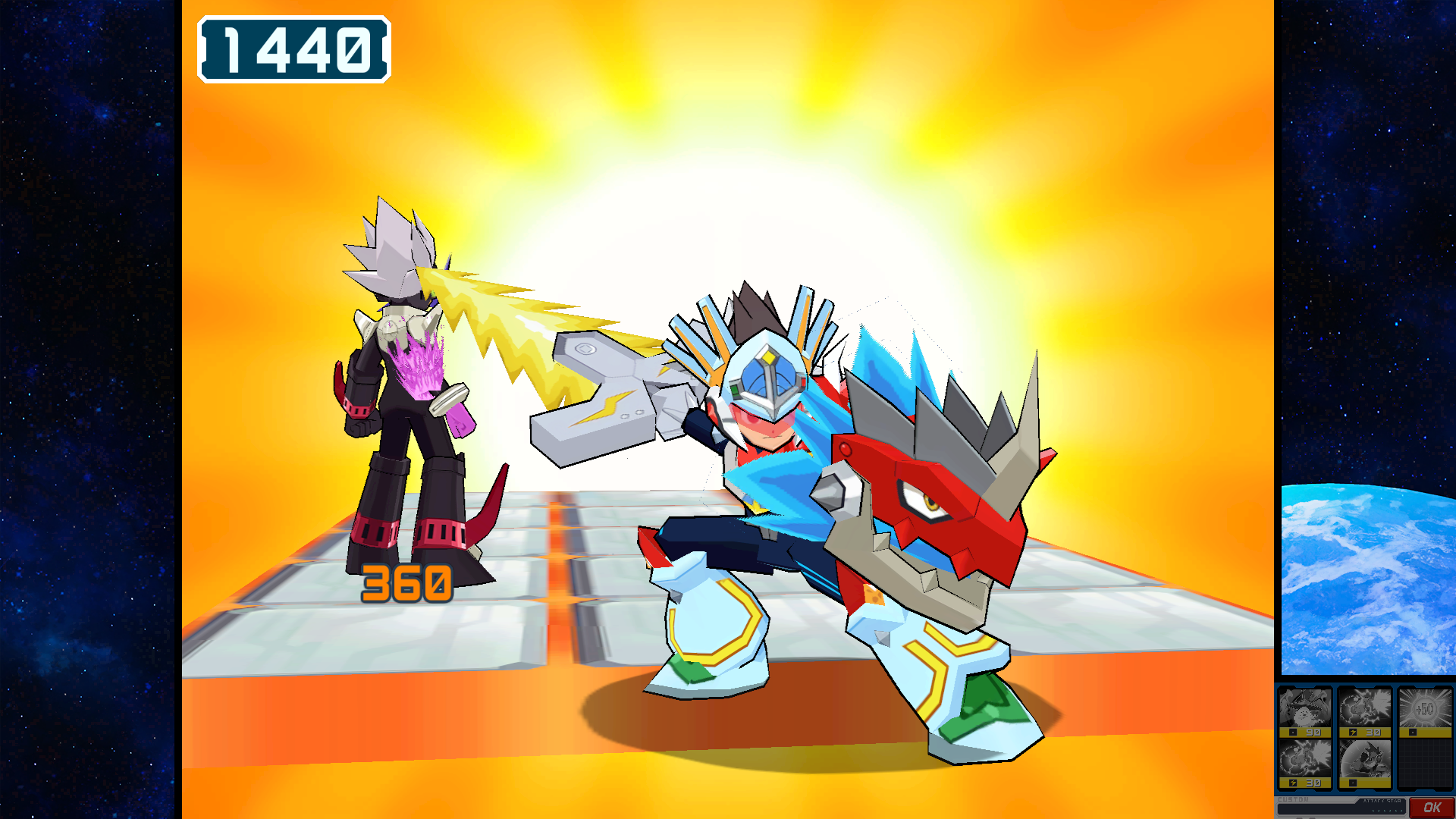
The Battle system isn't too far removed from what Battle Network provided, as you're still moving around on a grid, albeit from a different perspective. Here, Mega Man can move left or right on a 5 x 3 grid, as opposed to the side view that gave Mega Man a bit more freedom. This change does limit some of the movement, but the cards you use in battle more than make up for this, not to mention enemies that can barrel down the lane and force you to move. While you do have a blaster and shield, your cards are where you'll really tinker around with to provide you with defensive and offensive moves to win.
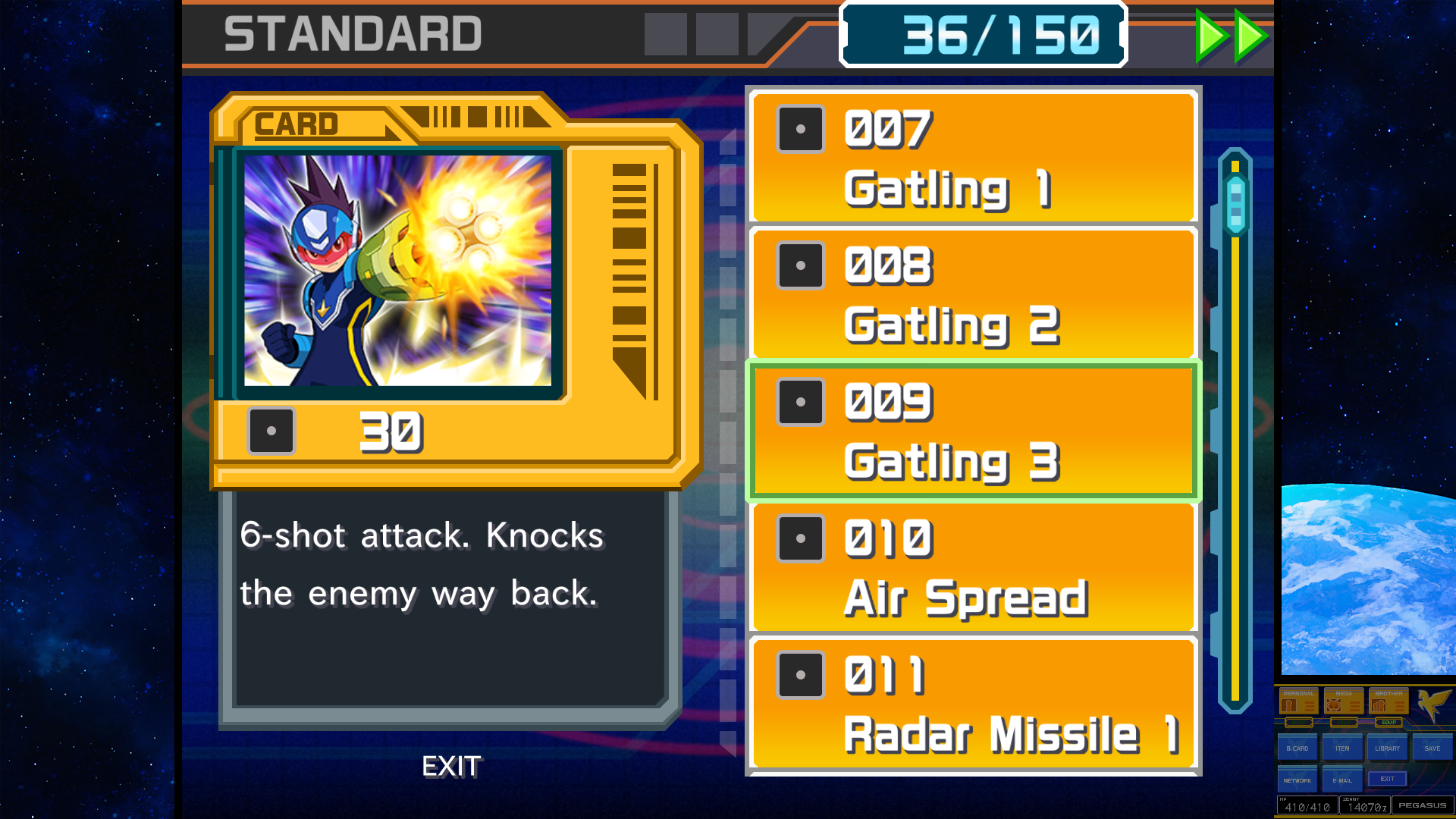
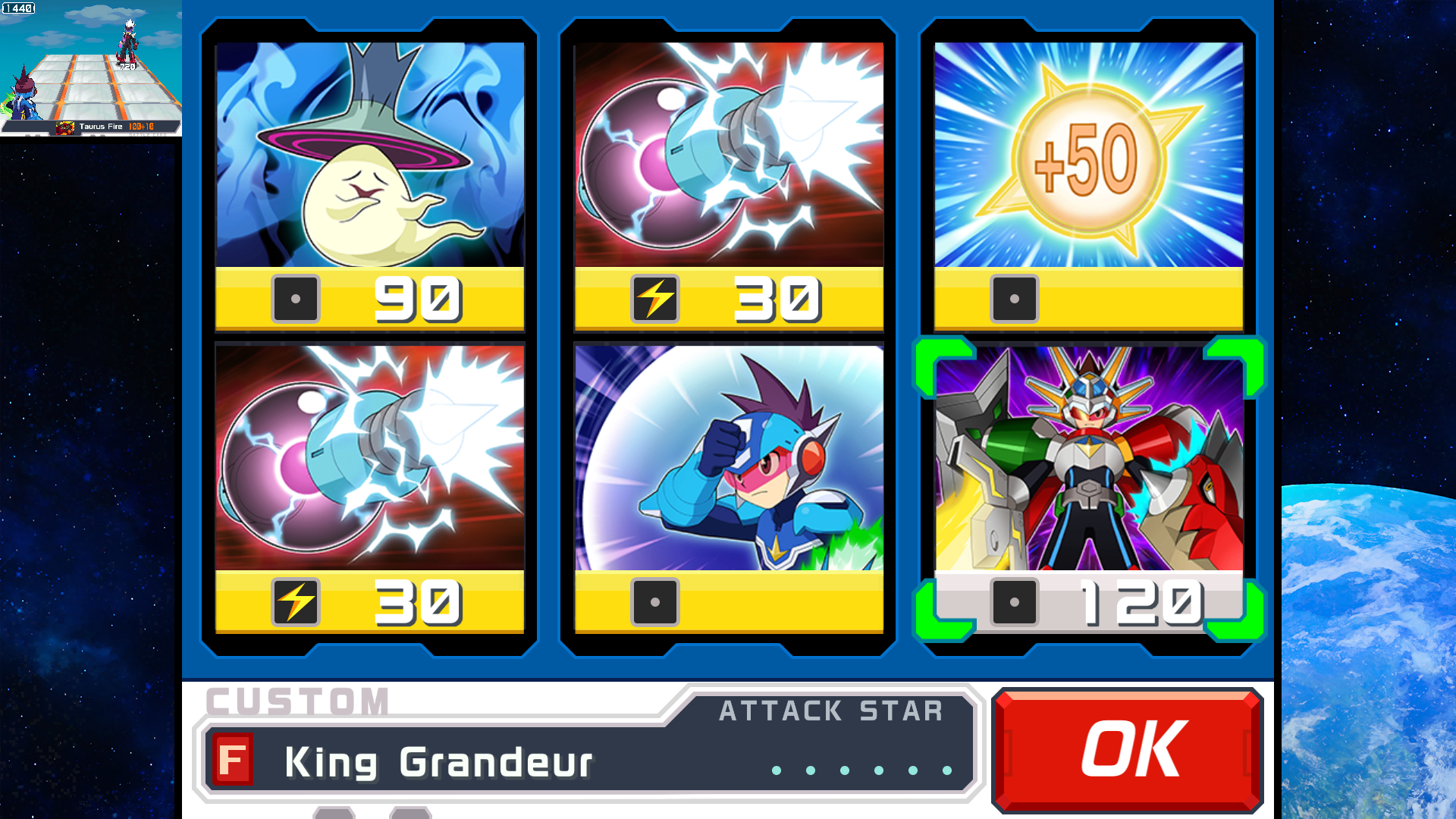
Battles can often take just a few seconds, compared to boss fights that take considerably longer. As you attack, you'll build up a meter that allows you to play your cards. Cards can be chosen based on their types, with duplicates allowing you to use more cards in a single turn. Grey cards are freebies, so you can stack multiple cards to dish out more damage. Cards range from sword slashes, bombs, and ranged attacks to providing a bubble shield or invisibility. And with the ability to gain new cards and restructure your deck, there is a lot of freedom to build certain types of decks.
To boost your deck even further, there are Brother Bands. This system sees you adding friends to your deck, those with whom you have formed a bond. It does sort of suck the wind out of the room that each game narratively resets all your bands, but given you don't want to start each game with extremely powerful attacks, it makes sense. Each “Brother” you add has various abilities, so it's smart to use this system across each game in the trilogy.
Now, while this is a trilogy, each title has different editions, something that is borrowed from the Pokémon series of games. These differences come down to different transformations and alternative cards and forms that can affect gameplay. While the story is the same, these changes are more cosmetic in certain circumstances, and you never feel like you are playing the wrong edition. That said, I do wish the menu for each game would detail these differences a bit more and provide newcomers with the information needed to make the right choice for them.
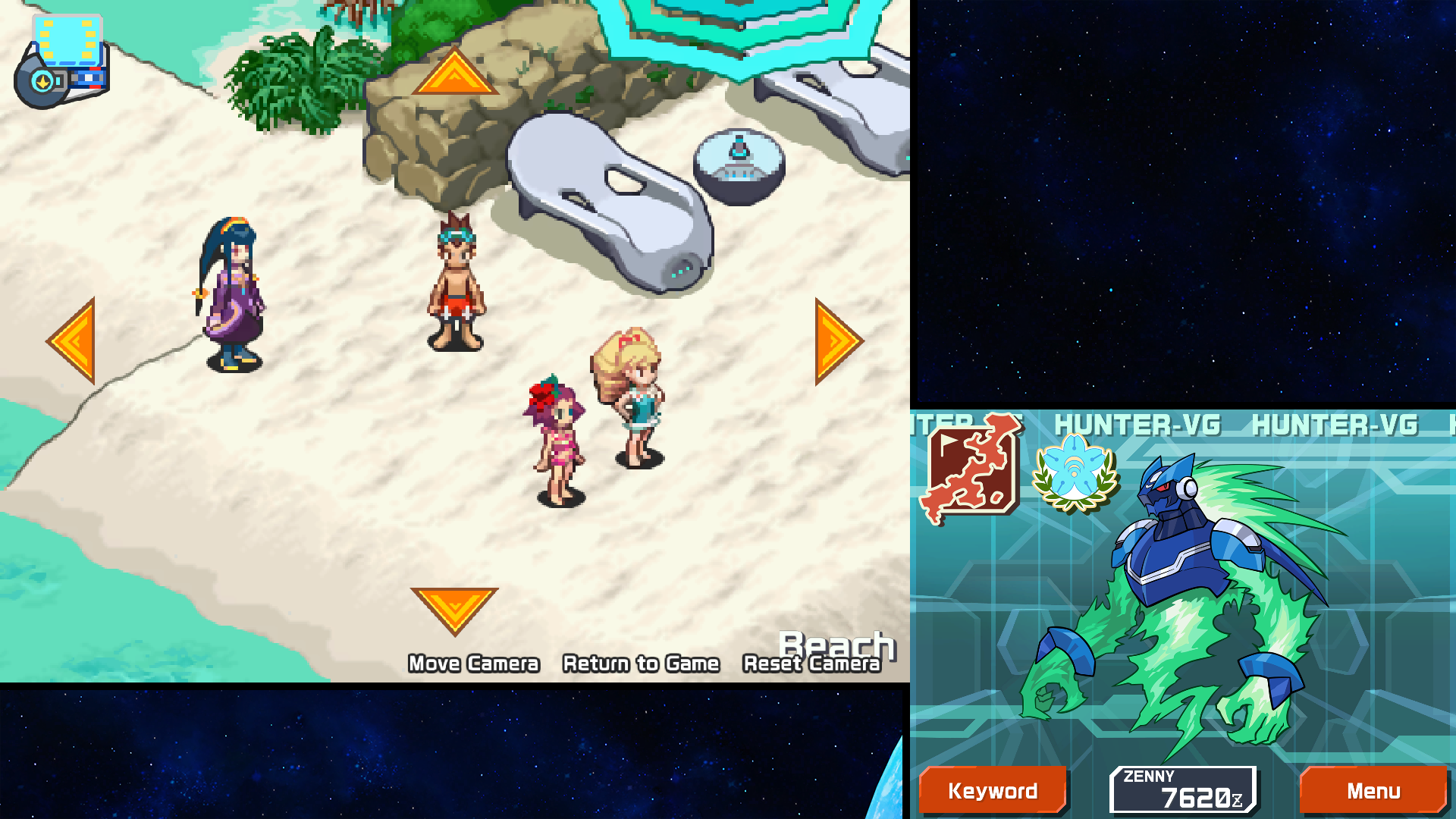
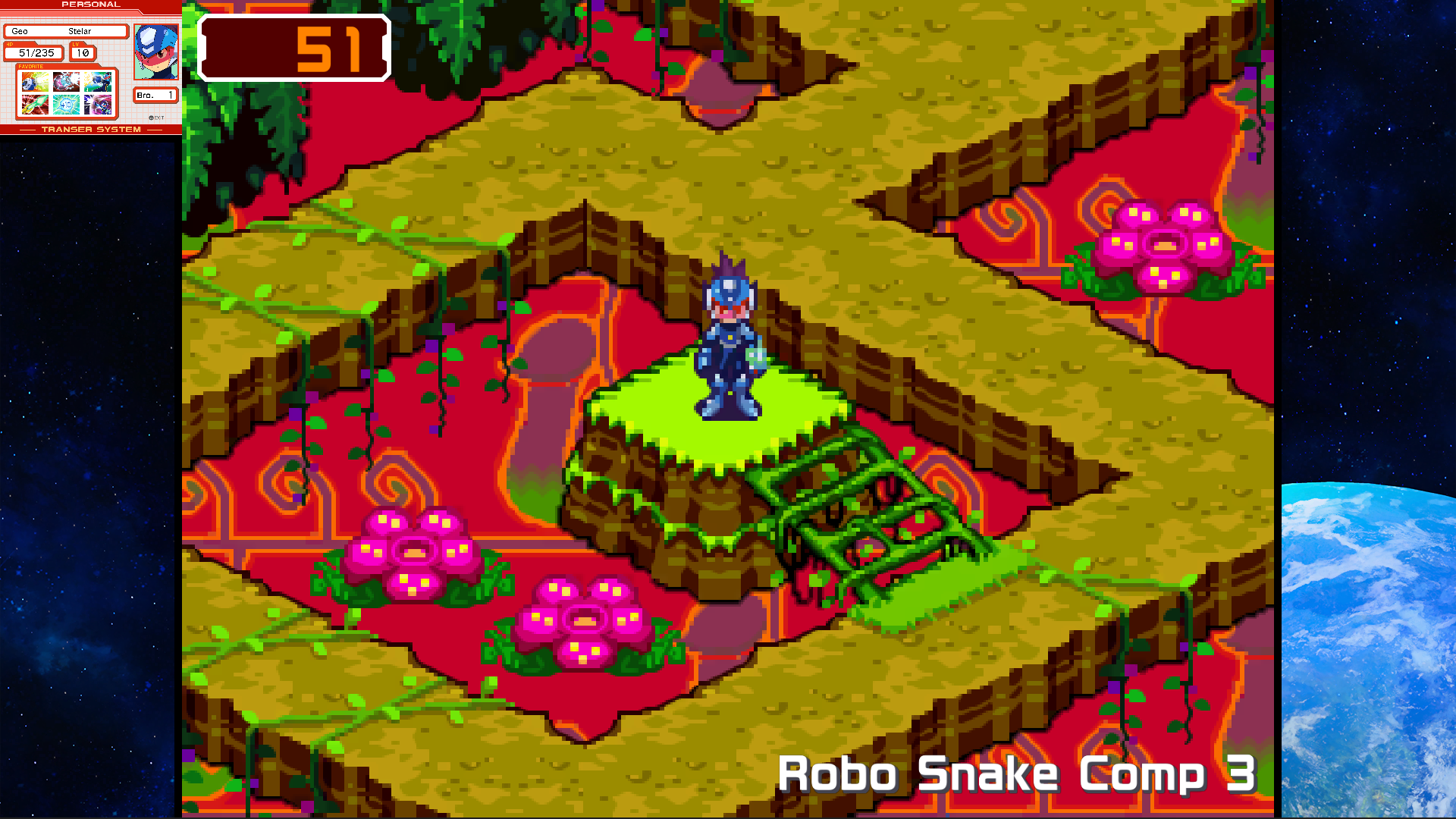
If you played through the Battle Network series, you’ll likely know what to expect here from the game’s visuals, the isometric view of moving around the environment, and the way you “hack” into the different realms that coexist in the world. Each game visually looks the same, with limits on how much more detailed or varied the backgrounds or character models get with each entry.
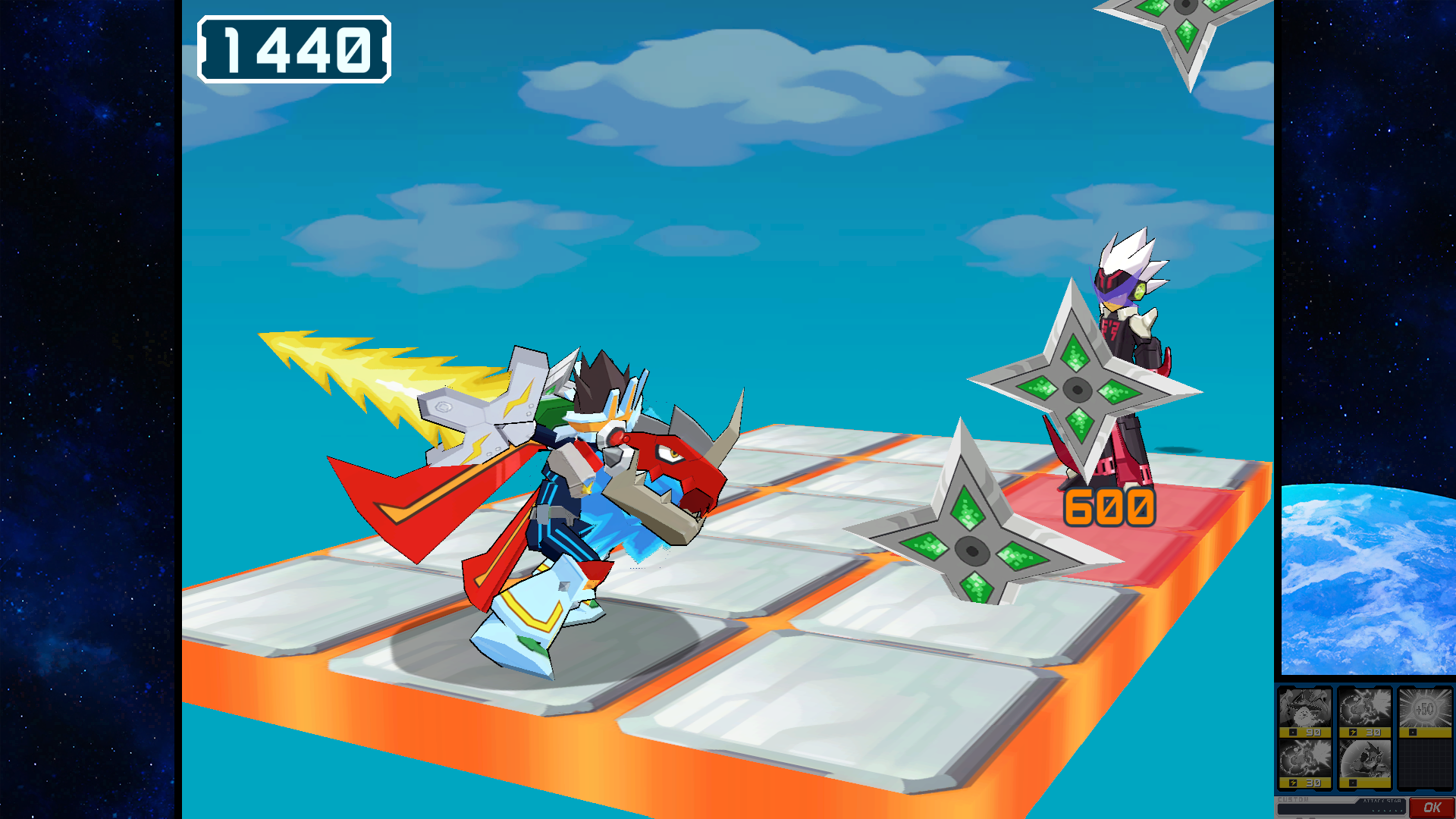
The collection also sees improved resolution and upscaling, as well as providing optional smoothing filters to improve the 3D models and general visuals, or allowing players to keep the pixelated original. This is on top of rebuilt animations and art, with portraits entirely redone. While some may prefer the original, I'm fully on board with the revamped visuals.
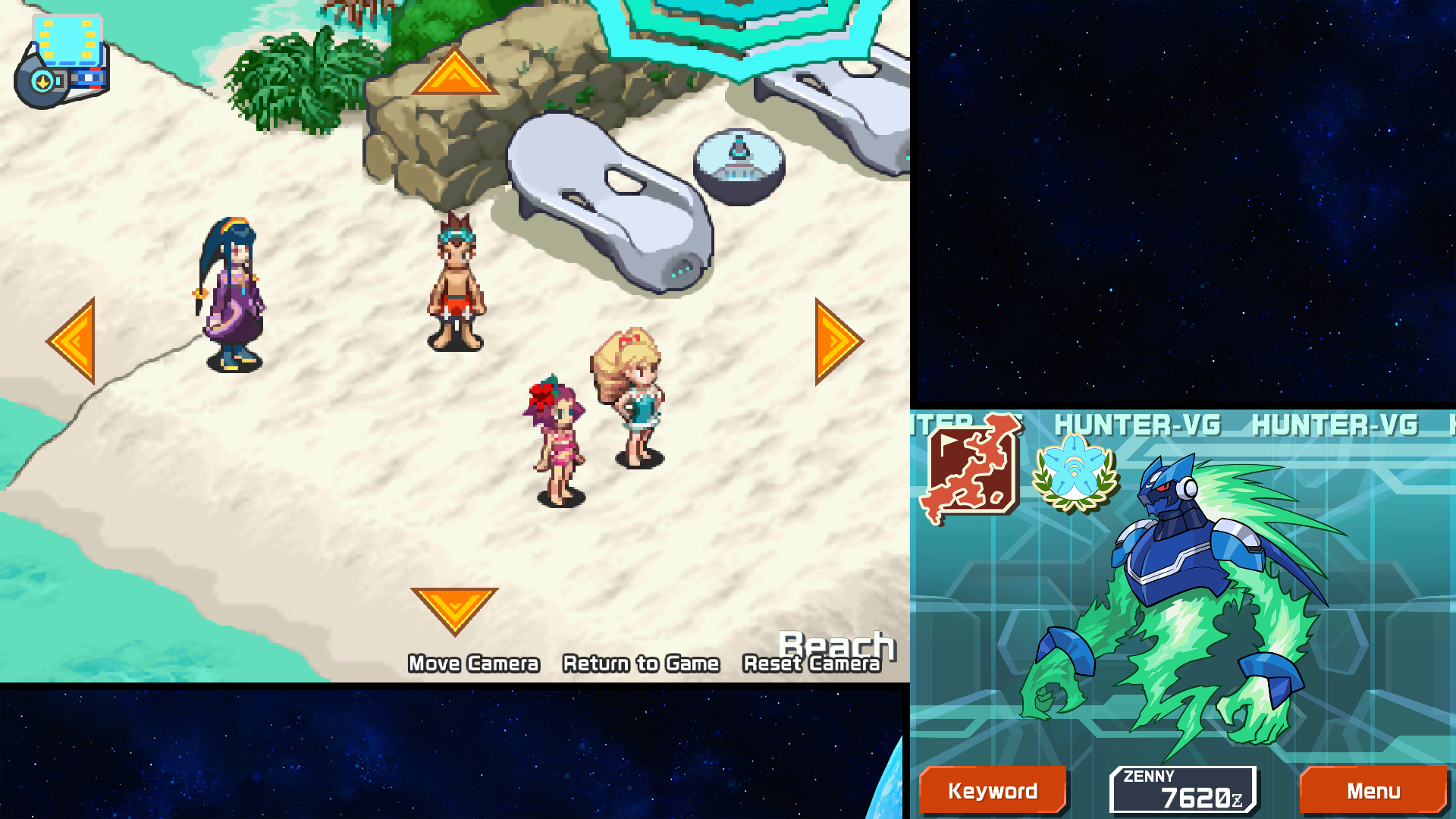
Since the games were on the DS, the two-screen system here is handled on one screen, with the ability to scale the second screen to whatever you want, with a single button press to make it full screen. It works well, and could translate to more DS games making the jump to consoles.
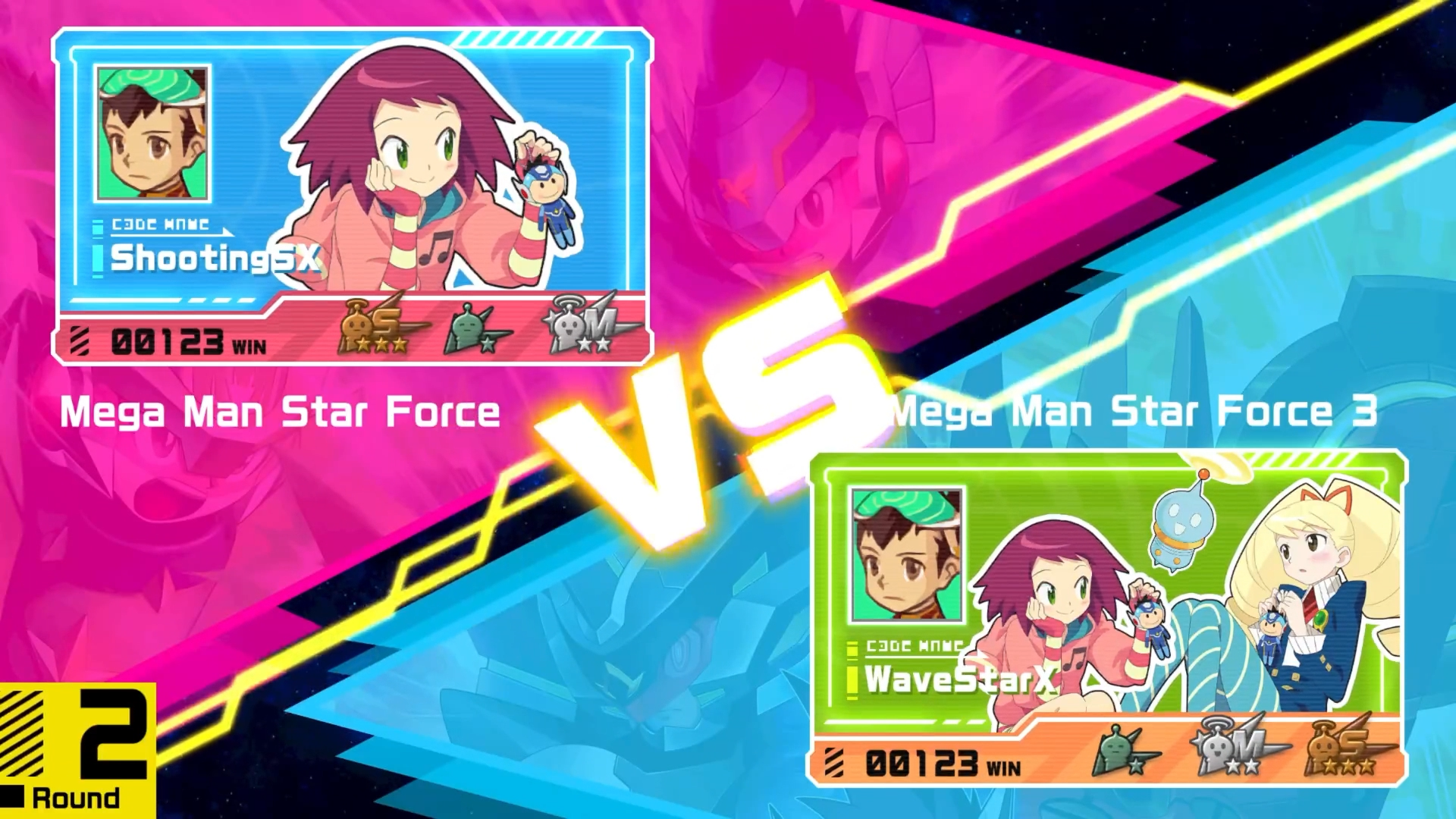
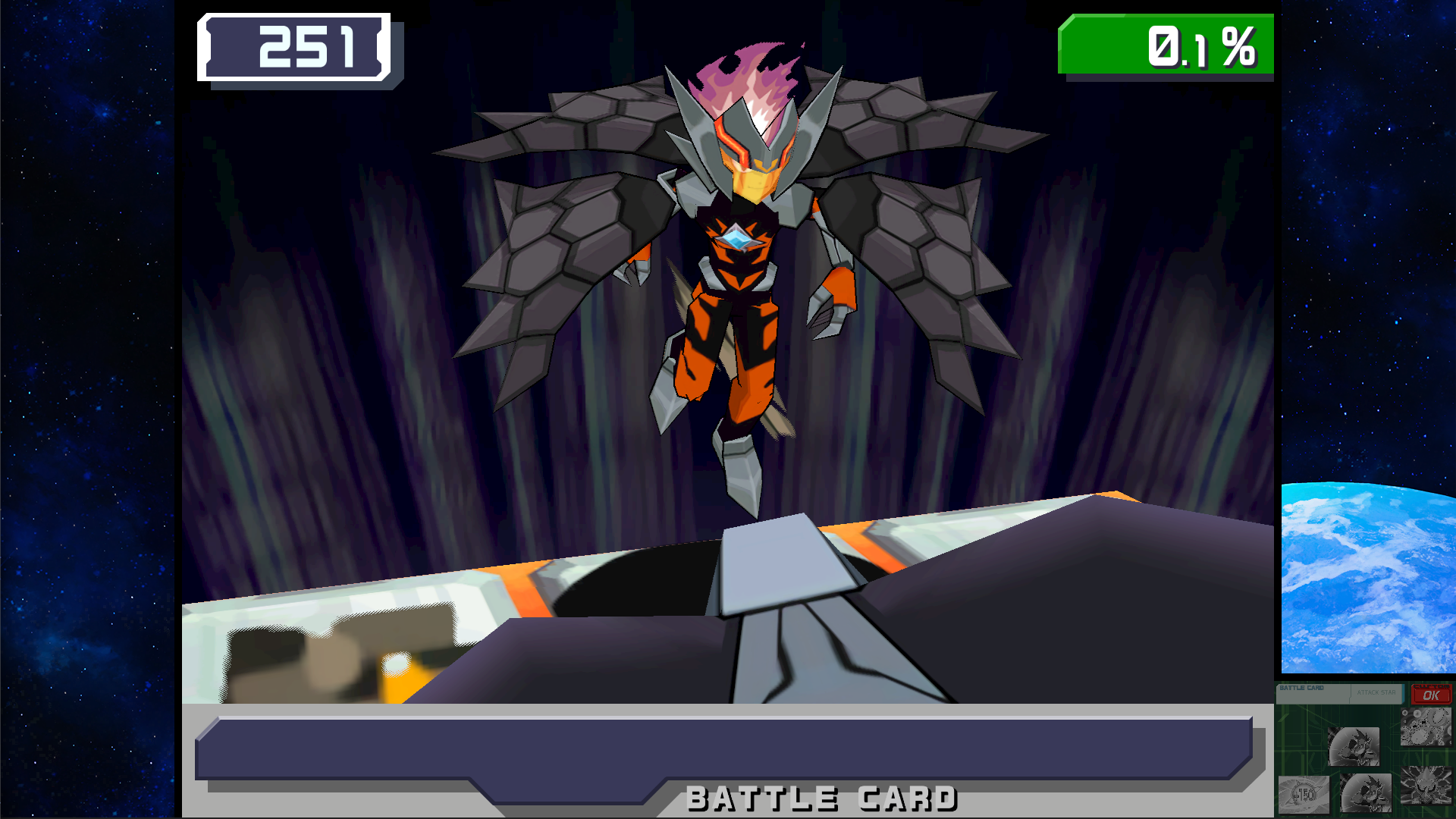
The collection also features impressive online functionality for each of the seven titles. This includes ranked and casual battles, card trading, and an expanded Brother Band system for up to 100 connections you can make online. Players also have the option of using rental decks and battling across all game versions. There is also an extremely well-put-together gallery mode with high-resolution promotional artwork and never-before-seen concept sketches, with a music player, track rearrangement, and the Battle Card Database. Given what Capcom has done before with their fighting collections, it is impressive to see Star Force get the same treatment.
With two excellent entries and even the disappointing second game, each providing slightly different versions, not to mention the game's online component, it truly gives players a decent amount here to really enjoy. While Battle Network will always be my preferred Mega Man Spin-off, Star Force nonetheless is a suitable continuation of the world and some of its basic combat systems. Star Force excels when it dives into the emotional beats of its cast, and less when it feels like a Saturday morning cartoon.
Developer - Capcom. Publisher - Capcom. Released - March 27th, 2026. Available On - Xbox One/Series X/S, PS4/PS5, Nintendo Switch, PC. Rated - (E 10+) Fantasy Violence. Platform Reviewed - Nintendo Switch. Review Access - A review code for Mega Man Star Force Legacy Collection was provided by the publisher for the purpose of this review.
Jeff is the original founder of Analog Stick Gaming. His favorite games include The Witcher III, the Mass Effect Trilogy, Hi-Fi Rush, Stellar Blade, Hellbade: Senua’s Sacrifice, and the Legend of Heroes series, especially Trails of Cold Steel III & IV.