
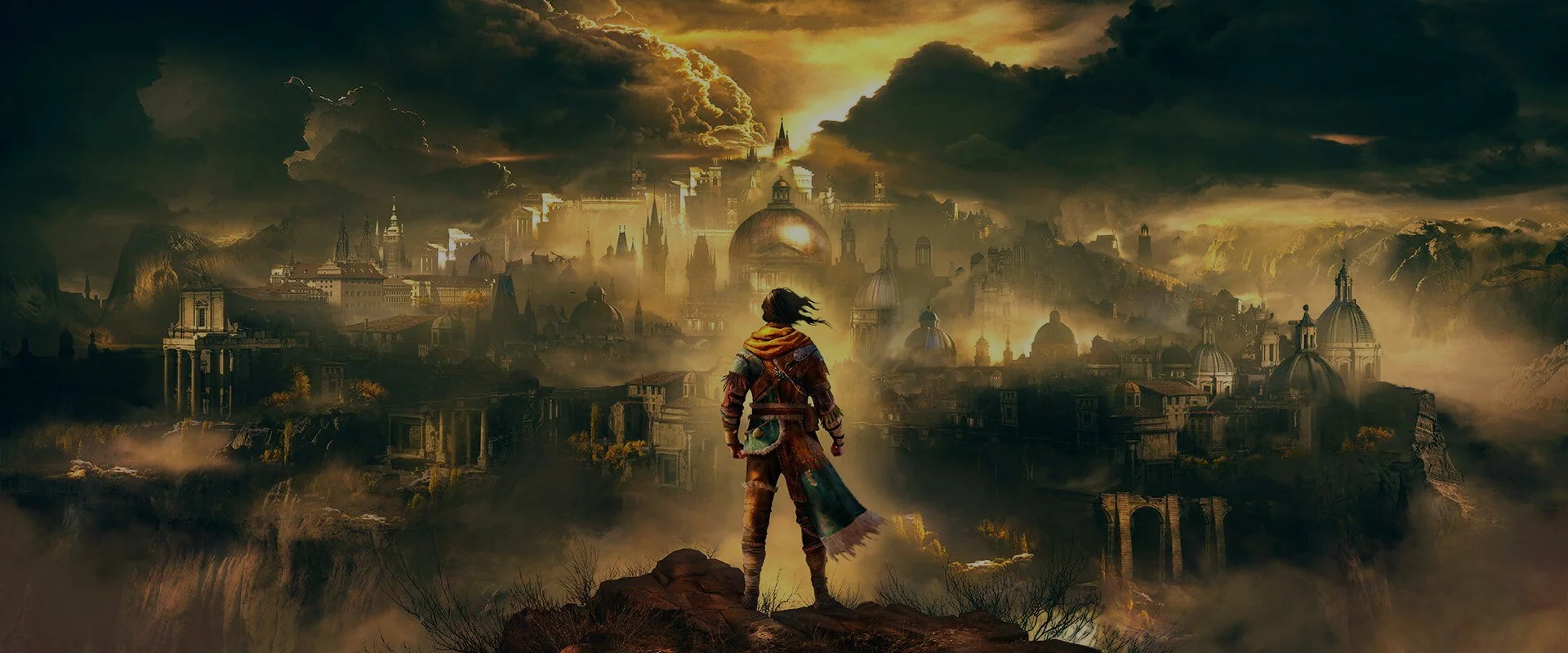
The Horrors that take root in our hearts.
With each release, French studio Spiders aims to reinvent itself. Whether this is by a whole new change in scenery, through its combat, or the genre itself. Still, there has always been that “Spiders” feel to each and every release. While Technomancer did take place in the world built in Mars Vlogs, Greedfall: The Dying World is the first time Spiders has officially revisited a prior game, despite the title lacking the traditional sequel number.
Set a few years prior to the events of the first game, Greedfall: The Dying World tells a whole new story with a fresh cast of characters, despite more than a handful of similar plot beats. In fact, reading over my prior review, I was surprised at how much that review speaks to what Spiders has built here some 6 years later. That said, given the political and racial tolerances of that era, I'm not surprised that the story here does borrow much of that conversation.
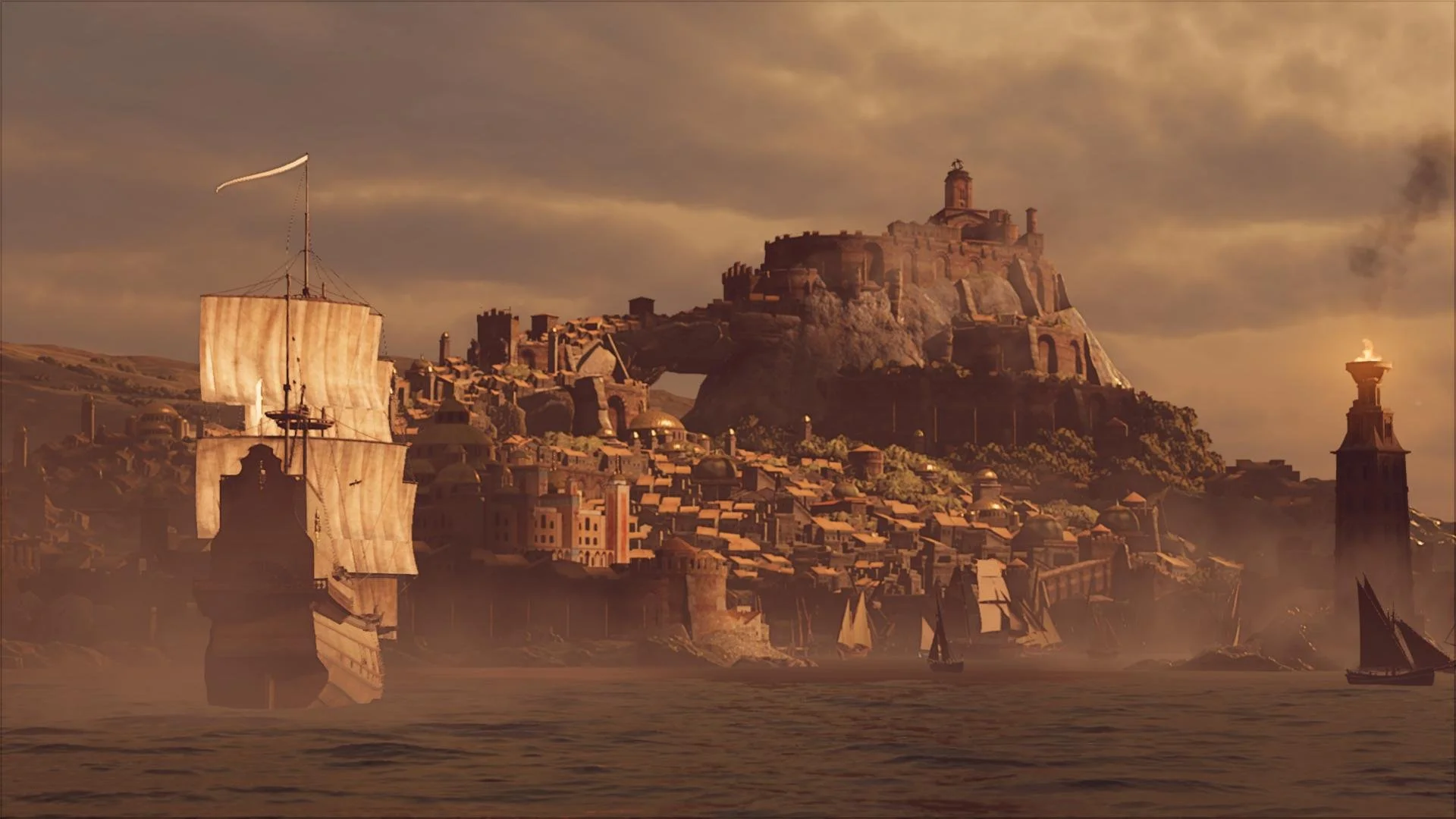
While Greedfall had you heading out into the world to investigate the possibility of a cure to an illness that was plaguing your people, The Dying World changes that up slightly. While you do start your journey attempting to find out what is making your people sick, that only serves as a test to showcase your ability to problem solve and to protect your people, as you have recently become a Doneigad to your clan, a sort of cherished protector. After this investigation is completed, you are kidnapped and hauled onto a boat, with various tests performed on you before you are eventually broken out of prison by someone with a familiar last name to fans of the original game.
The story that follows digs into those tests, why your people have been abducted, and, of course, what lies in store for your island home. You’ll spend a good portion of the game attempting to not only find a ship to voyage home, but a benefactor to assist in getting there. Along the way, you’ll stumble onto various secrets and conspiracies about just how your people are being used, the ramifications of what it all means, while also navigating a political and racial landscape that comes from the free world and their opinions and expectations of you. Now, while that can sum up a good portion of what we experienced in the first game, it digs a bit deeper, as you tend to have a bit more choice in how certain events play out. While sequels generally come with the studio having something new to say, that sadly isn’t the case here, as we revisit a lot of the same themes and conversations that 2019’s Greedfall already covered head to toe.
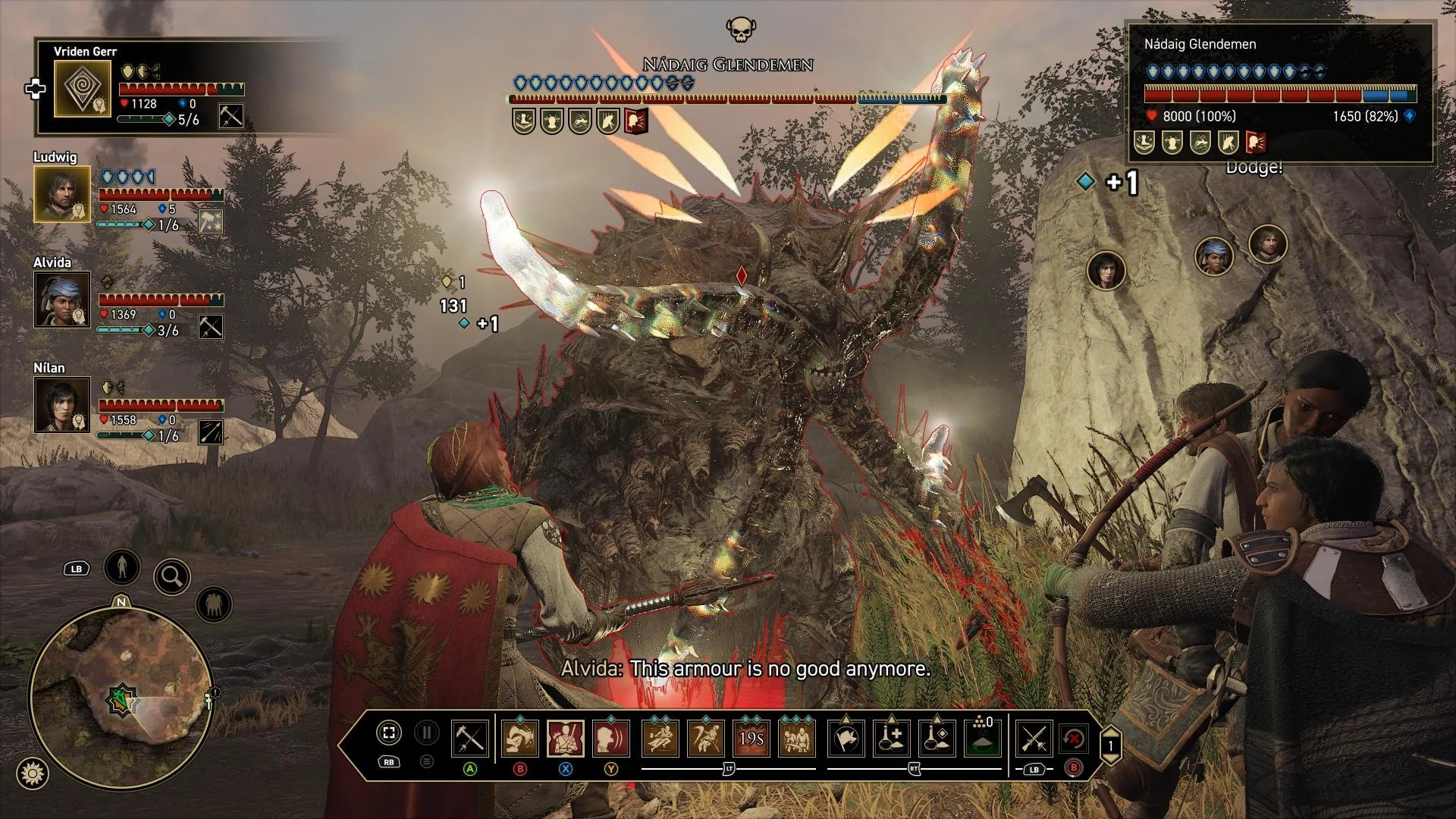
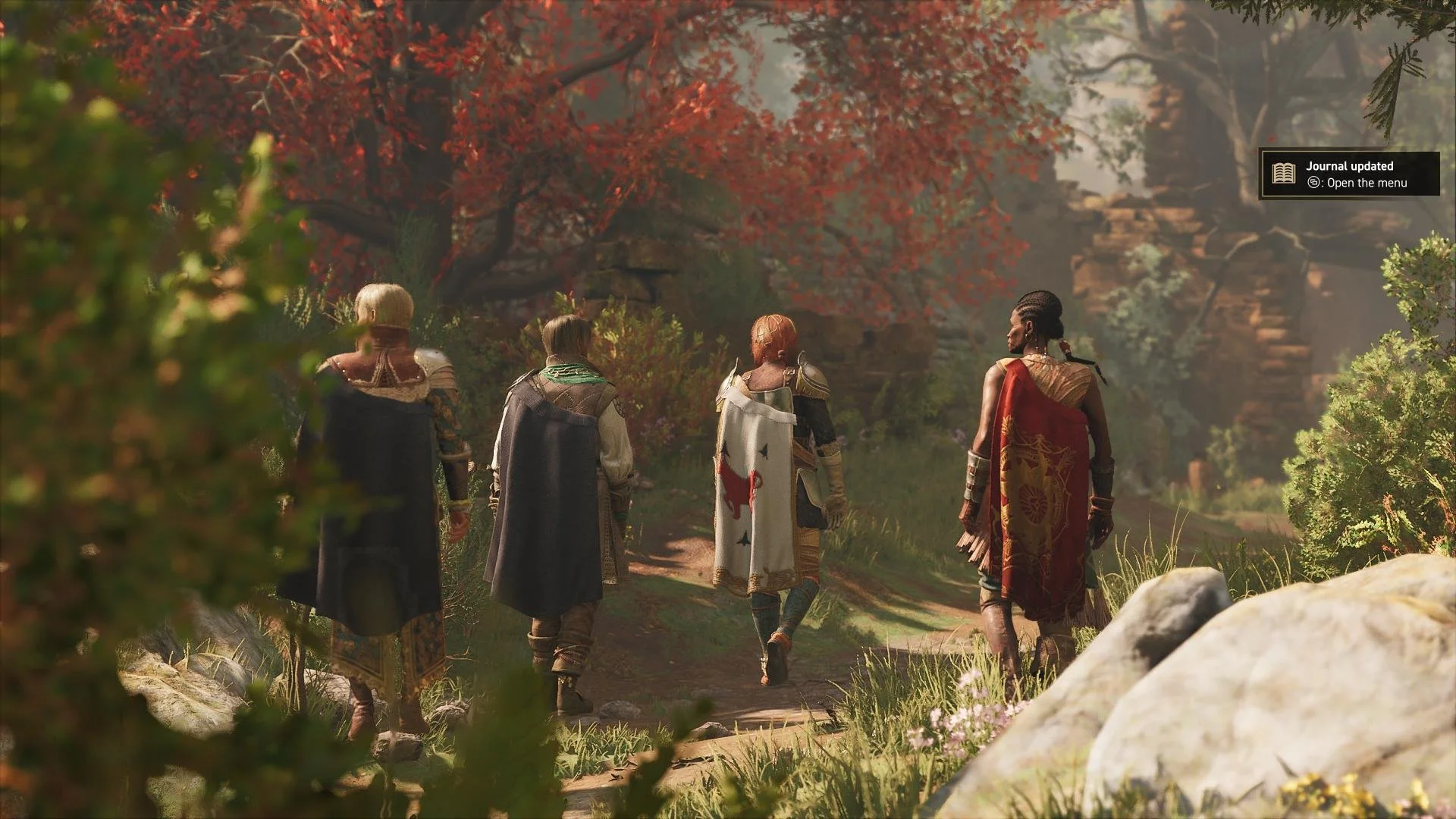
While the main story is intriguing and gets to the heart of how you and your people play into the narrative, you’ll be joined by a collective of characters from various walks of life. Much like in the first game, you’ll be joined by people of each overall faction, and while I do prefer the original companions a bit more than what we get here, there are still a few standouts that really do shine. While there is one companion I won’t talk about, due to story spoilers, you are joined by a good-sized group that covers most of the various classes and weapon types in the game.
First, you’ll be joined by your friend Nilan, who has also gone through the rite of Doneigad. While Nilan’s temperament and impatience do get the better of him, his heart is in the right place. Then we have Sybille de Vespe, who comes with a very impressive and familiar last name, as well as deep connections to one of the more influential families across Gacane. Next is Ludwig, a smuggler who was once a soldier of the Deutan Empire, whose connections are invaluable here, as you are strangers in a strange land. Then we have Fausta, a woman who escapes with you during your prison break, who begins her relationship with you as a bit of a mystery. Then we have Alvida, who is instrumental in your escape, and who is responsible for the ship you’ll come into. There are two additional members, but I’ll leave those for you to discover, as one is quite the surprise.
Now, the cast is fairly engaging, apart from a few whose stories didn’t quite land for me. Each companion has a series of side quests that build up their friendship with you. Some of these missions are almost better than the main story, but a few result in a few quests that border on being far too plain and predictable. In fact, let’s discuss one of them.
At a key point in the story, you discover that Fausta’s brother is trying to finance a missionary group to look out for and care for refugees. Now, financing this mission was rather simple; however, you eventually go to visit that camp and find that guards are arresting the refugees on the charge of theft. The man in charge of the group takes responsibility, and the refugees then have a week to leave before the camp is closed and the land is forfeited by the church. Now, as we were then put in charge of trying to find out the truth behind the thefts, a man comes up, practically twirling his evil mustache, and comments on how those refugees got what was coming to them. Sure enough, after talking to him on his property a bit later, he literally tells you he is behind it all, complete with his motive. There could have been an interesting mission here, one where we discover the truth on our own, but nope, they took the easy way out and basically laid all their cards on the table and said to follow the objective marker instead.
This sort of simple one-note storytelling happens with a few other companion stories, as well as through some of the puzzles that you’ll solve, such as trying to open a locked door in the ruins, for which the solution is basically spelled out for you. I don’t mind some guidance, but every single puzzle in this game is basically telling you the answer either right off the bat or showing the solution before you have a chance to look around. The puzzle simplicity is one thing, but the story elements being so one-note, especially for a game with dialogue choices and branching paths, is sadly disappointing.
Greedfall: The Dying World entered into early access in September of 2024, going through numerous updates and changes since. Through many interviews with the team, many of those changes were made to reflect upon the criticisms of the first game, making this new entry more attractive to those who passed on the first. One major change is the game’s combat, and while I did eventually come to grips with enjoying it, the initial reveal that it was being entirely redone from the ground up and becoming less of an action RPG did sour my expectations quite a bit, to the point where I was debating not even checking it out. In fact, I’ve seen talk of fans of the original game passing on this entry, and that isn’t a good look.
Greedfall’s combat was the most talked-about issue back when the original released. Some found it too easy, others criticized the lack of depth, and others wanted to be able to also control the companions as well. This led to a survey distributed to fans that illustrated the need for change. In fact, Creative Director Jehanne Rousseau, stated in an interview with WCCFTECH, that “The public wouldn’t have accepted it if we stuck to the first game’s combat”. While I don't believe that to be true, it has excited some players who found the first game to be lacking, but also frustrated fans of the original who wanted to return to a world they fell in love with.
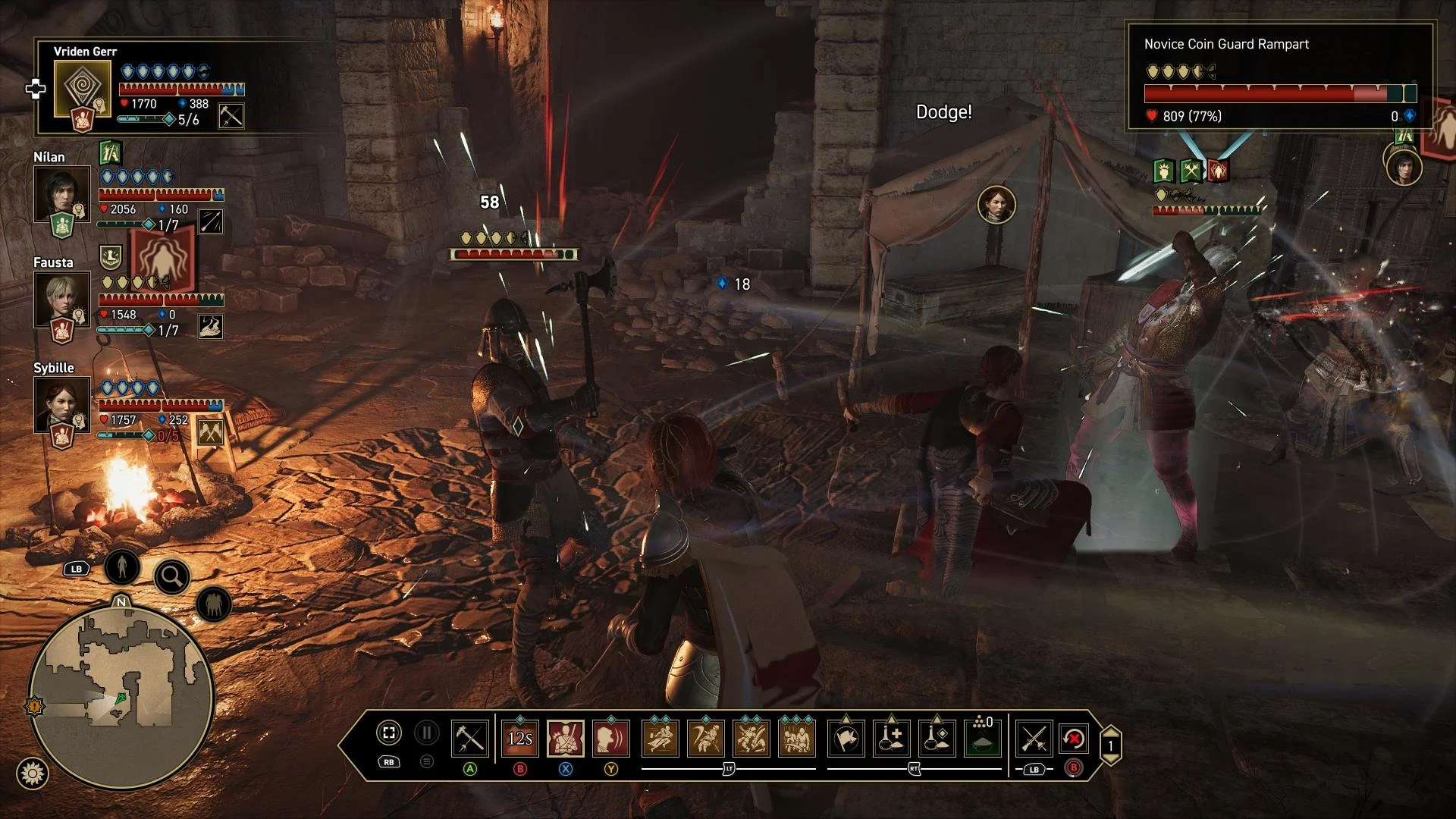
The change made to combat drastically changes the experience, as what was once an action RPG is now a Real-Time with pause combat experience that harkens back to older BioWare games like Star Wars: Knights of the Old Republic, and even modern games that allow you to pause combat, make choices, and survey the battlefield from all perspectives. It works, and can be enjoyable, but to be honest, it wasn't what I personally wanted from Spiders. That said, I've made my peace with the combat and, thanks to one particular setting, even started to enjoy it, despite loving the previous game’s combat significantly more.
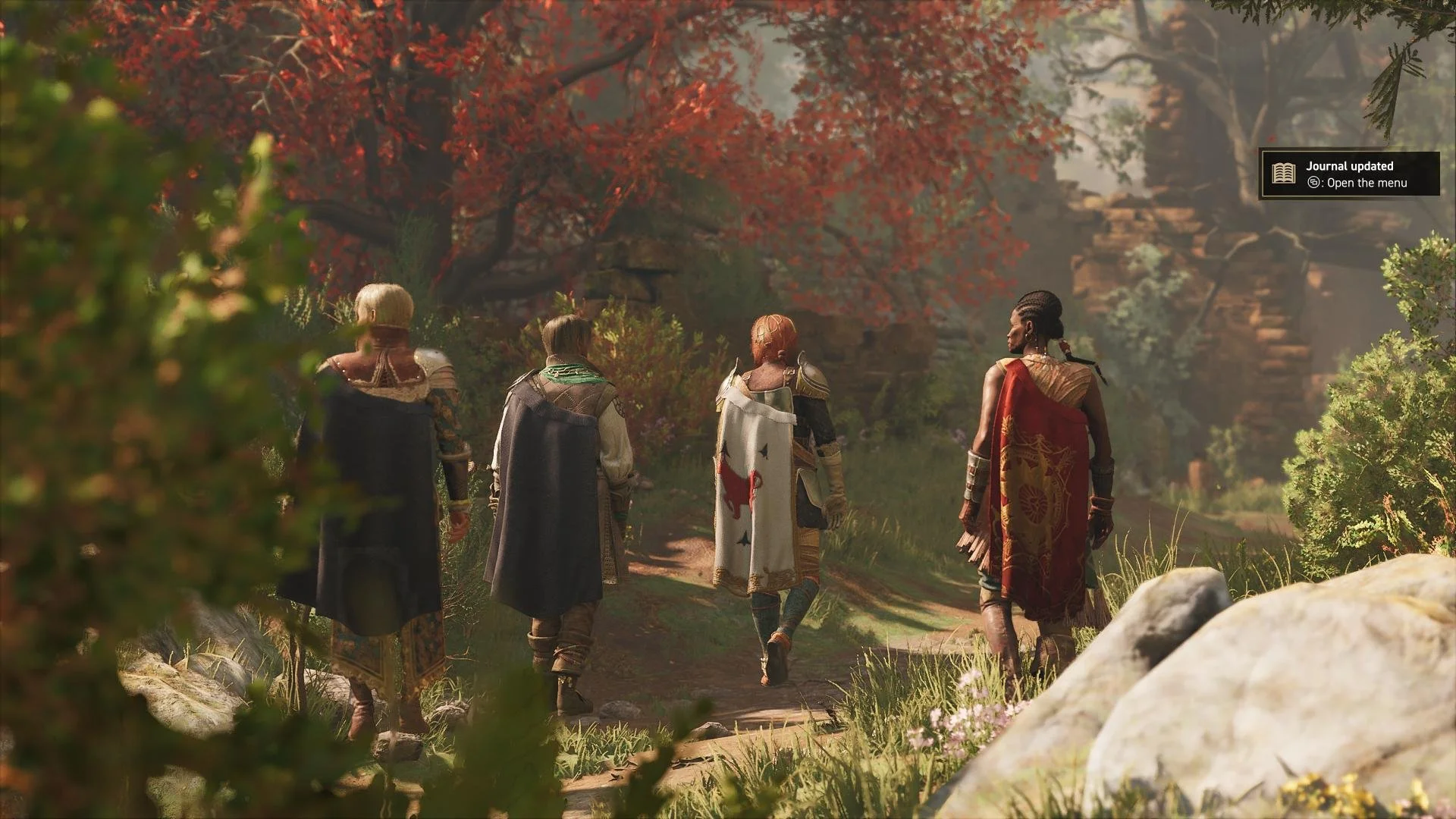
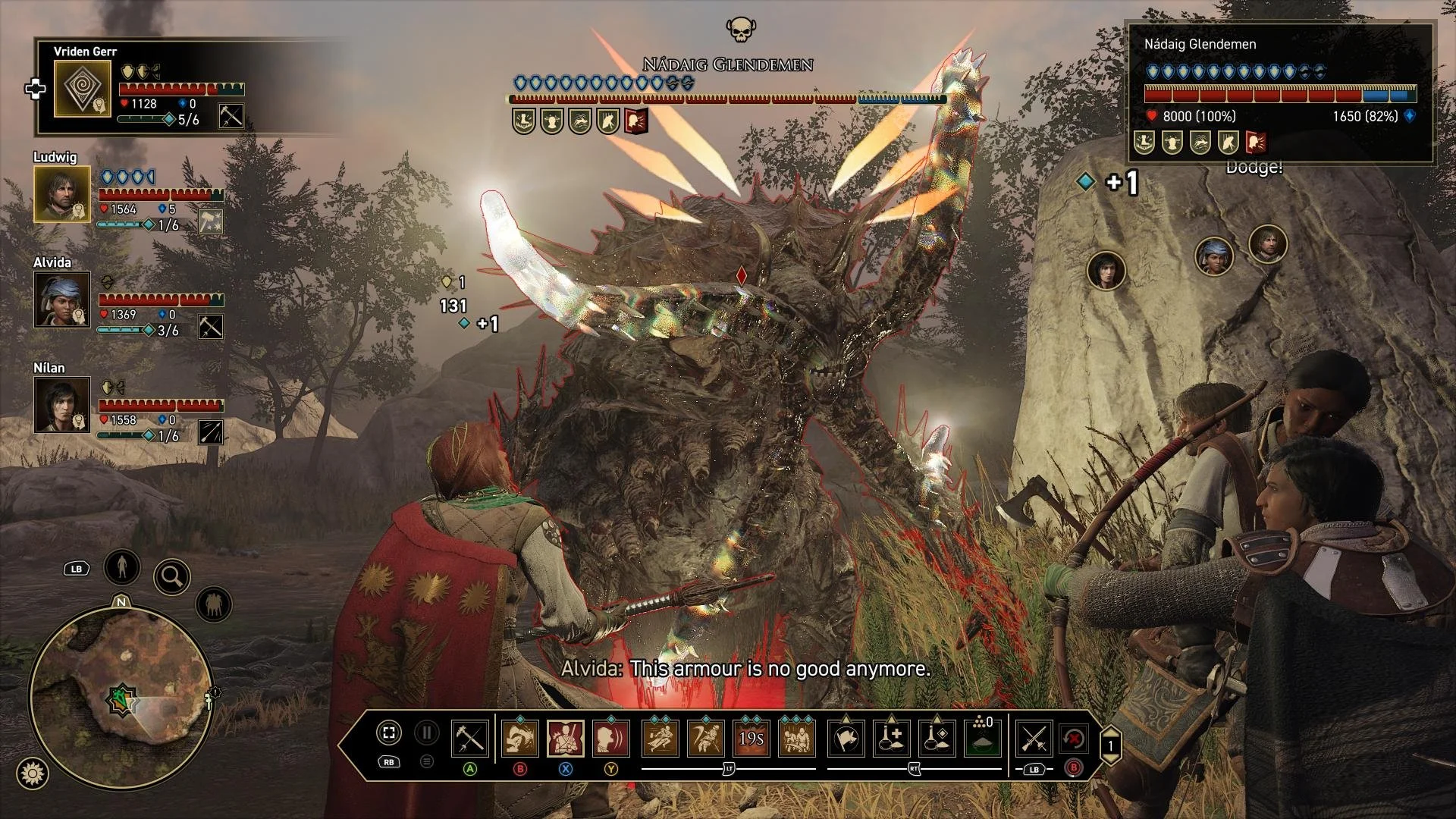
When you start up The Dying World, you'll have three options for combat: Tactical, Hybrid, and Focused. Tactical is a heavily paused system that allows you to stop all actions and then queue up to three actions per character, manage your party's health, and position your team. This mode allows you to essentially control all active companions on the field. Hybrid offers less of that while offering a faster combat pacing as a result. Focused is as close to the original combat system as the structure allows. This focuses just on the player character with limited pausing and a more direct focus on immediate action, offering abilities and a combat bar that fans of Knights of the Old Republic will recognize.
As someone who generally doesn't engage with Real-time with pause, I opted for the Focused experience, given it is the closest to having action-based combat that you'll get here. Companions regularly use skills, heal effectively, and while you can pause in case you get overwhelmed, this mode is more directed at players who just want to spam abilities and win battles. Mind you, you'll still need some aspects of strategy and min-maxing your abilities to win some of the more intense encounters, but sure, you will find the game much easier here as a result.
When you begin your journey, you'll choose from a few skill trees that offer up a particular weapon choice as their purpose, with a focus on upgrading select attributes that affect those weapons. Dying World does a great job at showing you what attributes to place points into and what you get out of them. For example, you don't need Willpower if you are a two-handed sword or mace user; however, if you use magic, then you won't need Strength, unless you are going to make a hybrid class and try to accommodate two different styles.
There are quite a few classes that you'll choose, and this will dictate the type of weapon you want and what attributes you'll want to invest those points in. You have the tank role in the Protector, the ranged attacker in the Hunter or Elite Shooter via the bow, or via magic with the Doneigad or Spellcaster. Then you have the axe-wielding Wild Fighter, or support roles with the Guide, Scout, or Healer. And given that you can place points into other classes, you can create hybrids; however, you'll want to pay attention to what other classes use similar attributes, so you don't spread yourself too thin, such as wanting to wield a two-handed sword as a magic user but then having no points in strength.
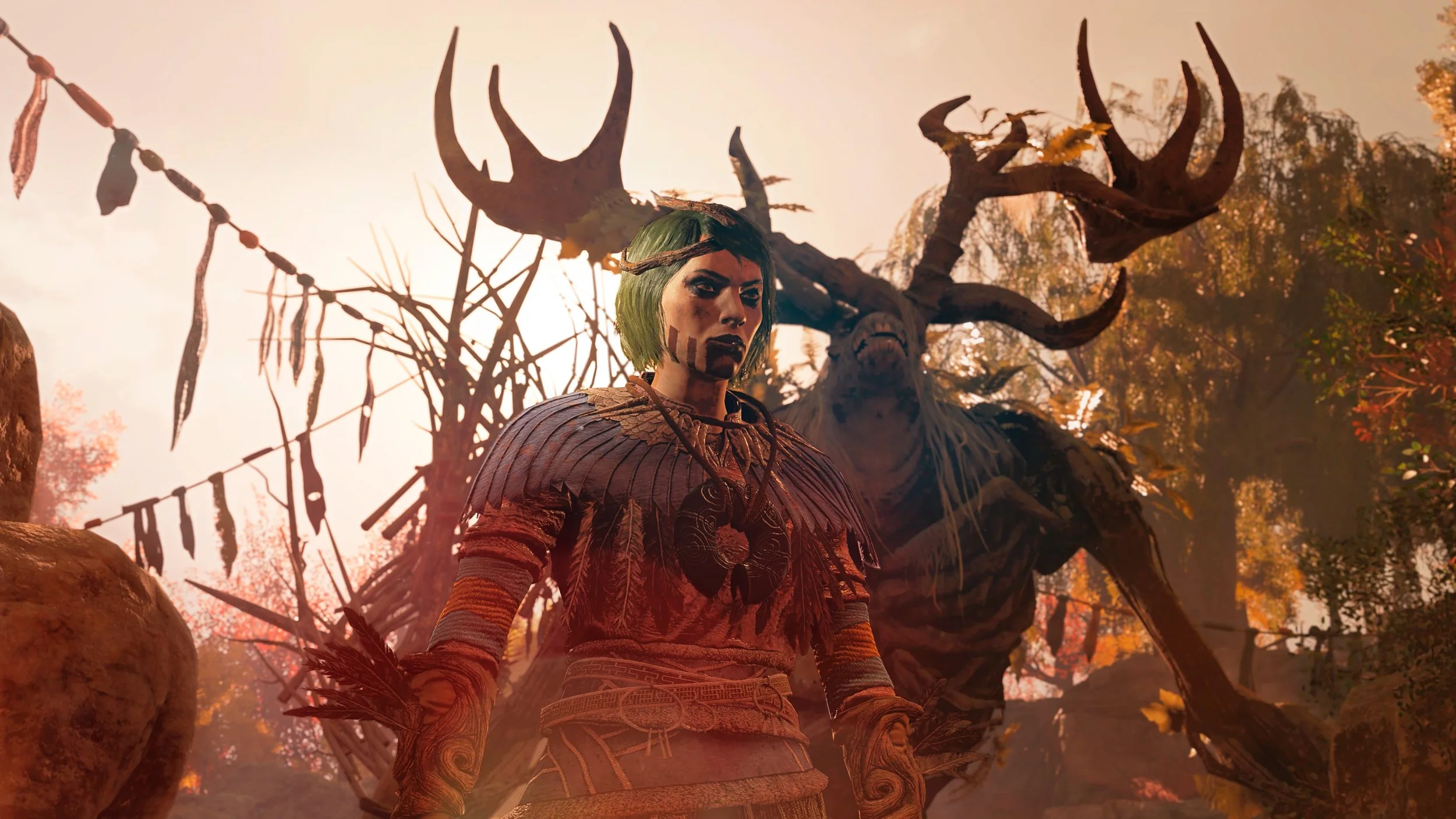
Once you pick a class, you'll be closed off from some other weapon types, which is where your companions come in handy. If you've chosen a more melee build and want some gunplay, you'll only be able to equip their skills on their skill tree if you chat with your companions and get them to teach you their ways. And, should you tire of one class and want to see how the other half lives, you can find respec items out in the world to shake things up, just don't expect to be able to re-customise your character. I didn't see an option to do so.
The Dying World follows in a lot of the original game’s footsteps, but becomes more of a dice-roll-based RPG as you’ll use defensive rolls to avoid damage or dish it out. While those rolls are not visible to the player, they exist in the background to keep you on your toes. As you attack, you’ll gain action points, which are then used to perform your abilities. Each character’s health bar is then protected by the amount of armor your gear has, and armor can be broken and cause more serious damage to that fighter. There are countless systems in play that affect combat, the status of your character, the effects that can plague them, stances, positioning bonuses, and even tactical orders that can often change the tide of battle.
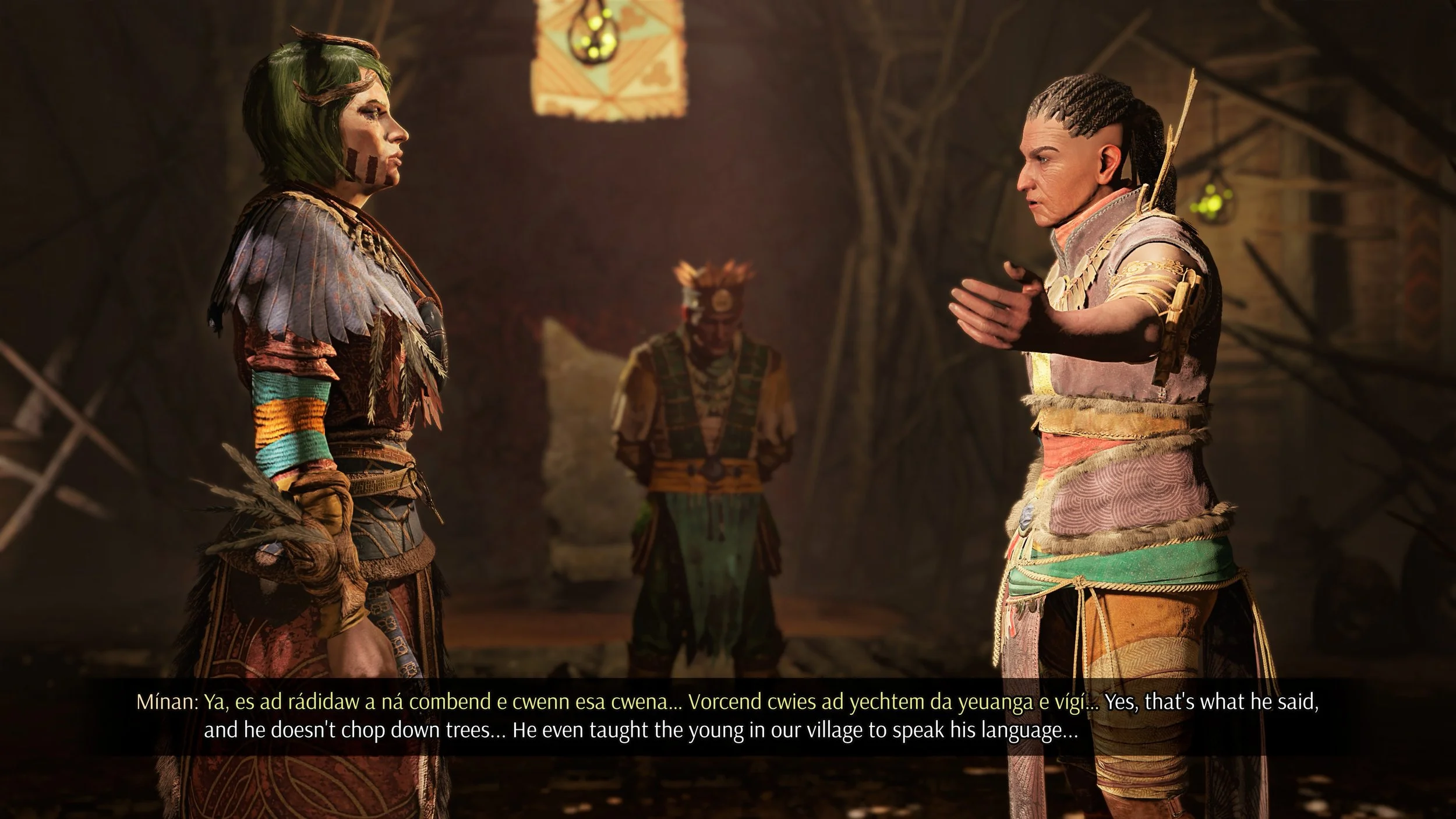
Despite The Dying World becoming more of an old-school RPG due to those dice-roll elements, you are still making dialogue choices that shape your alliances with various factions as you did in the original. During the early access period, dialogue and certain choices were addressed, making it easier to determine how certain outcomes would prevail, making the system just a bit easier to handle, but difficult to address if you don’t spec your character in the ways of their talents. While you can reload your save should you fail a dialogue choice, there are systems in play that can make those choices easier and more reliable, even if I did fail a 100% option once, for some reason.
As you level up your protagonist, you’ll be able to place a single point every few levels into one of six talents: Craftsmanship, Survival, Diplomacy, Stealth, Alchemy, and Mechanisms. While some gear, such as capes, can bump those points up a little higher, it’s solid advice to have at least 2 or 3 in diplomacy to up those chances from 15% to at least 65%, making a reload being an option less often. That said, I maxed out craftsmanship early to be able to craft better gear and use my tools to enhance those same items, borrowing the same upgrade system that was present in the first game.
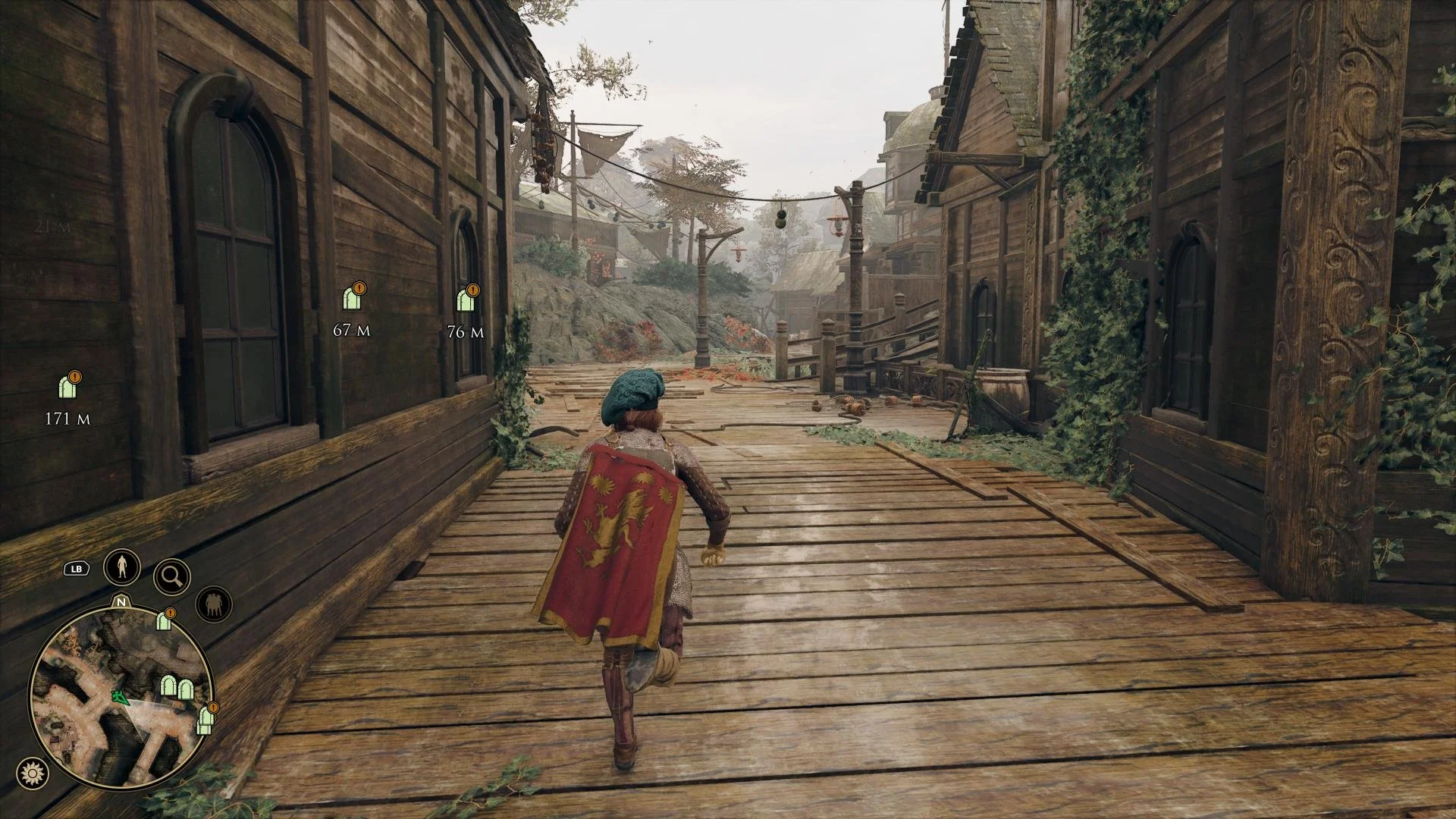
Each class has its own skill tree, and companions even have their own as well, allowing you to really dig into how each class works. You gain a skill point each level, as well as an attribute point, and this is how you’ll flavor your skills and either be a master of one or an apprentice of many. Again, how you fit your character is up to you, but there are benefits to keeping somewhat linear instead of spreading out the love across the whole kit.
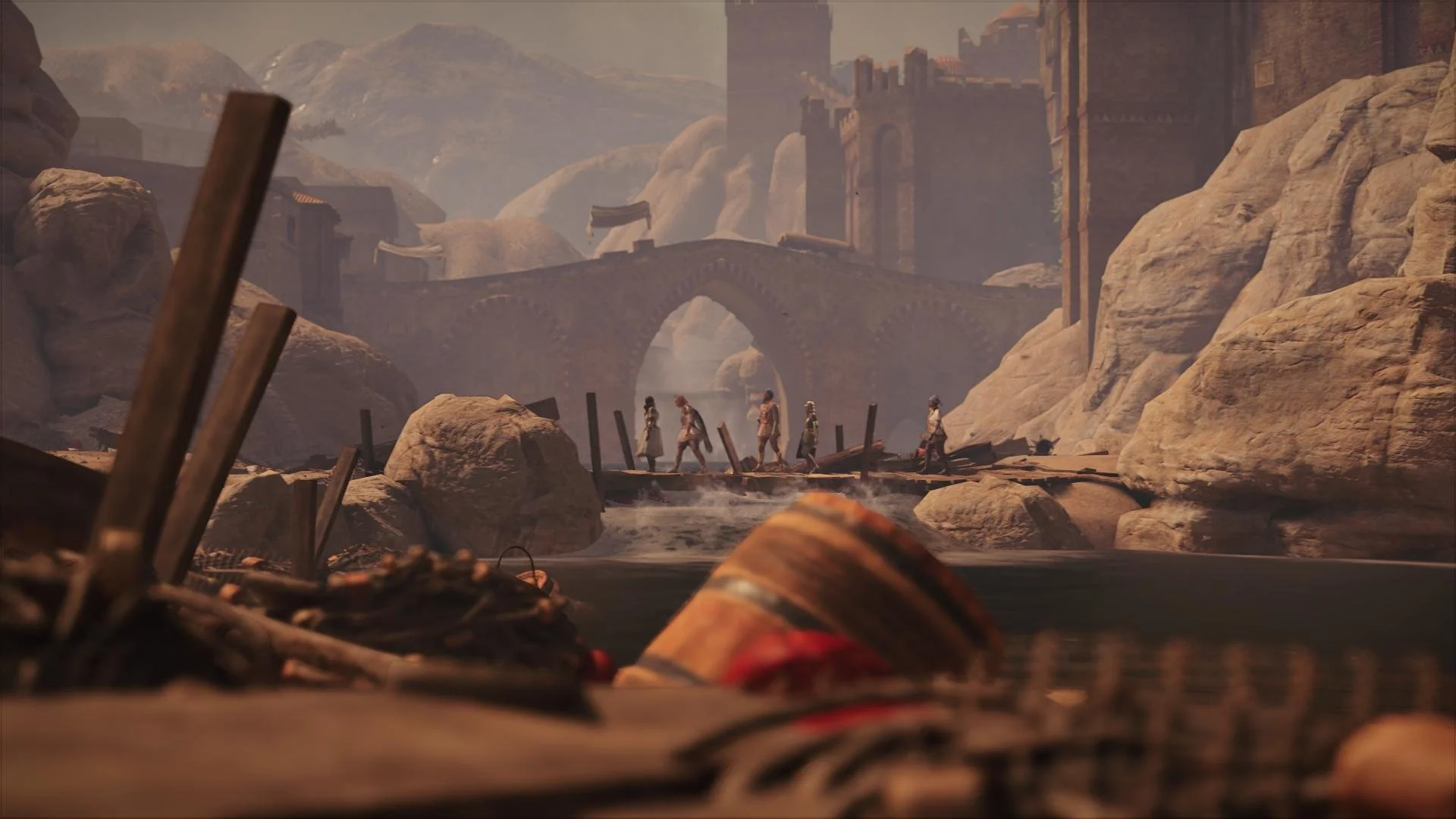
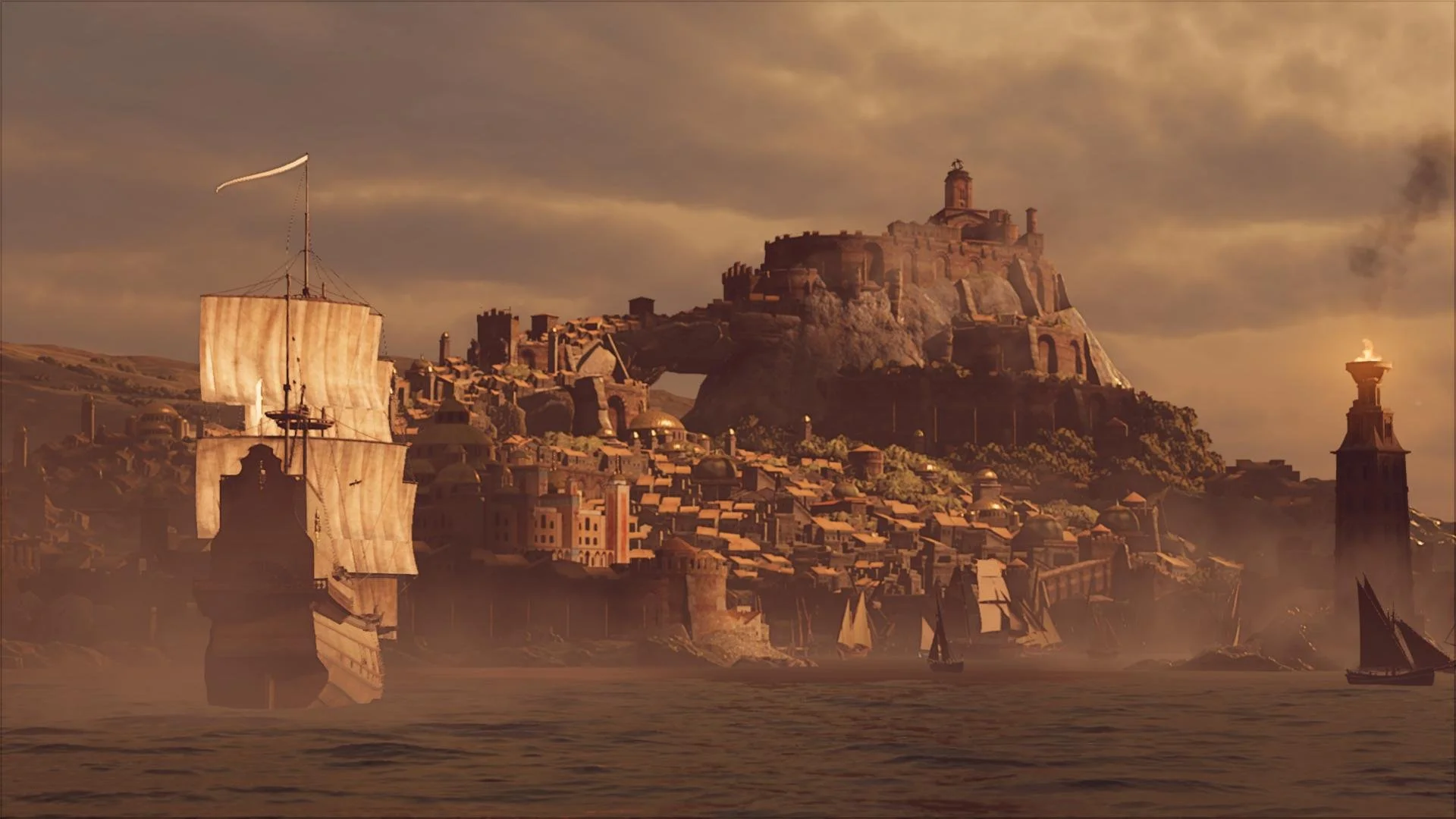
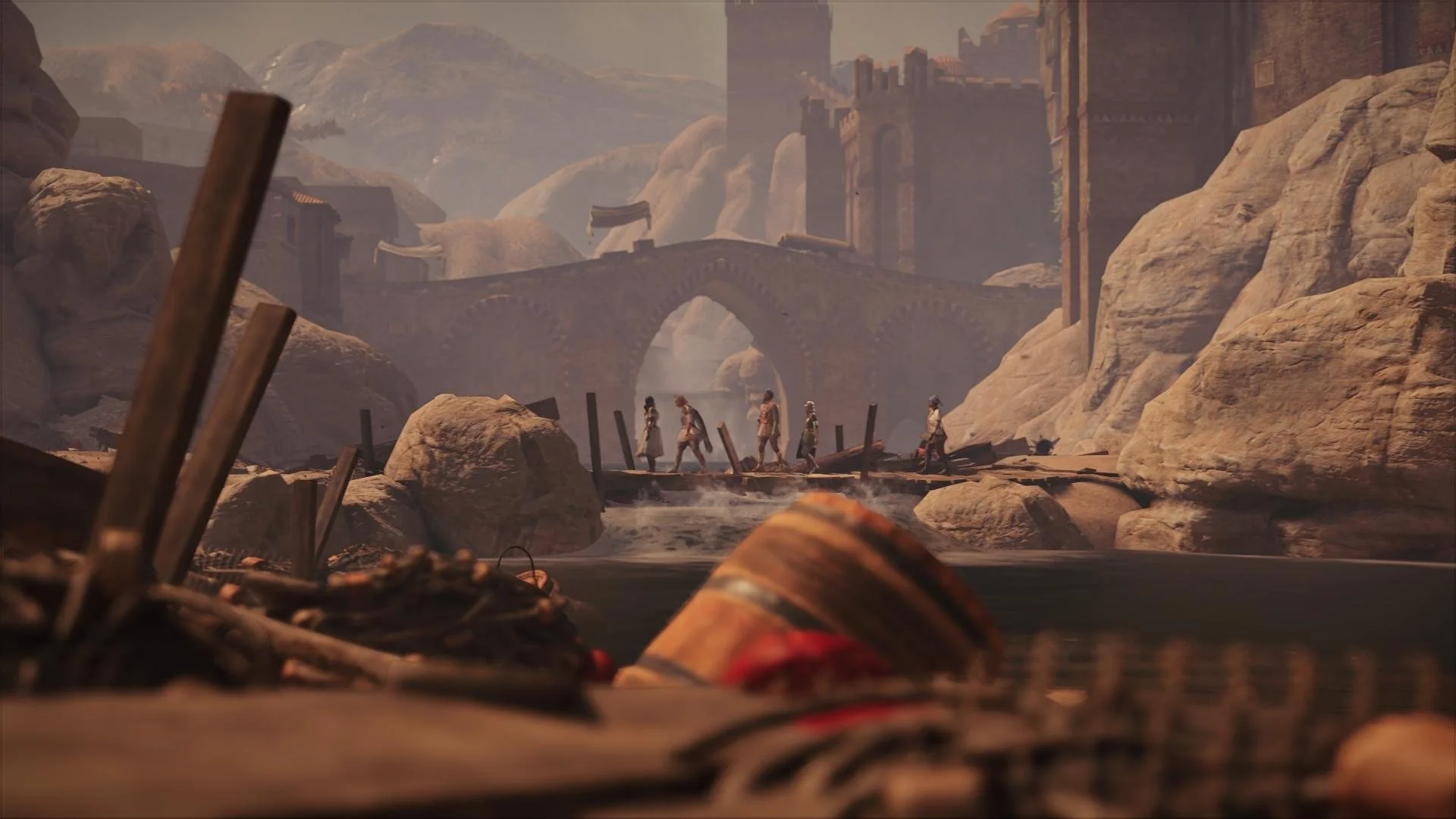
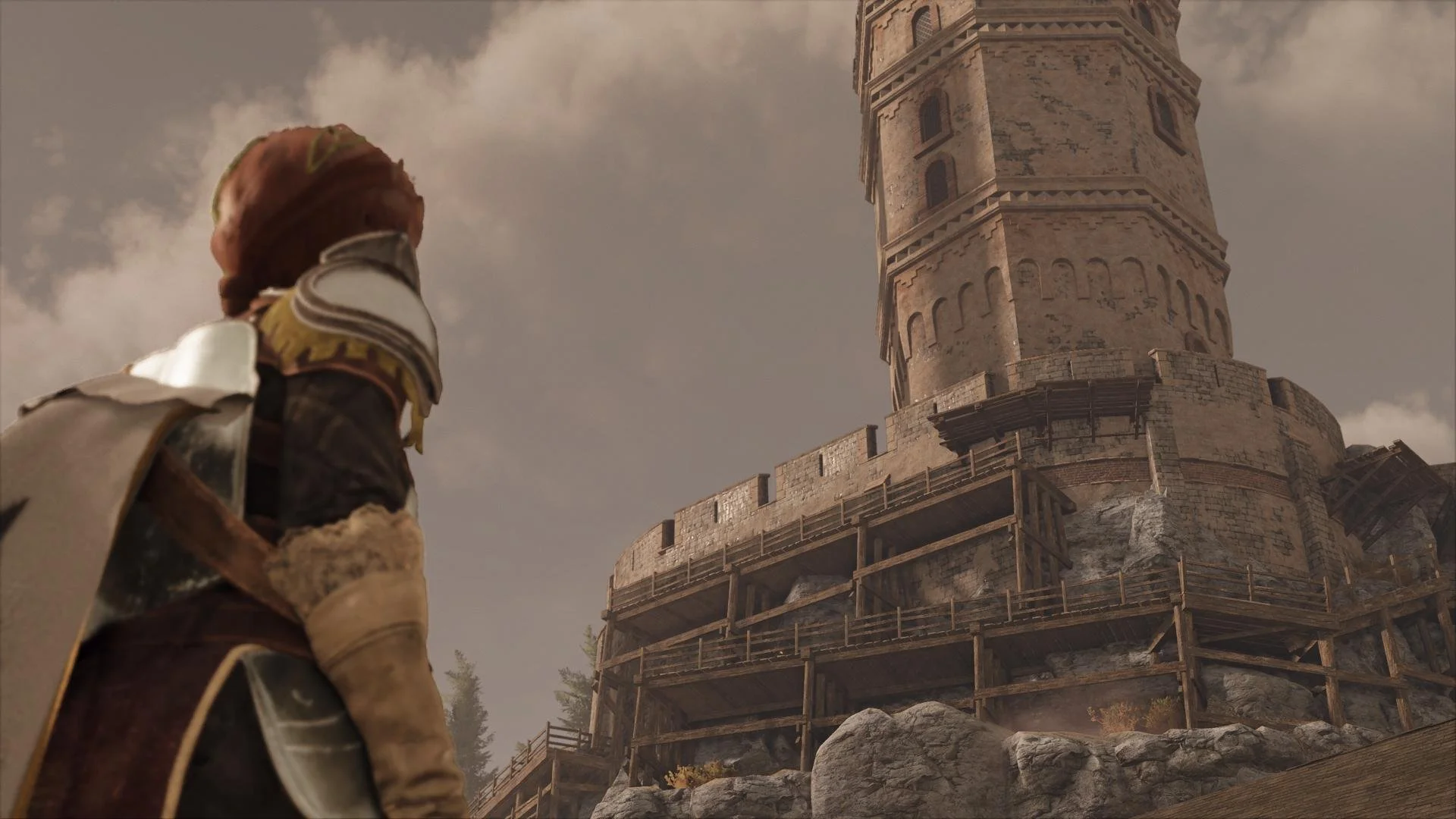
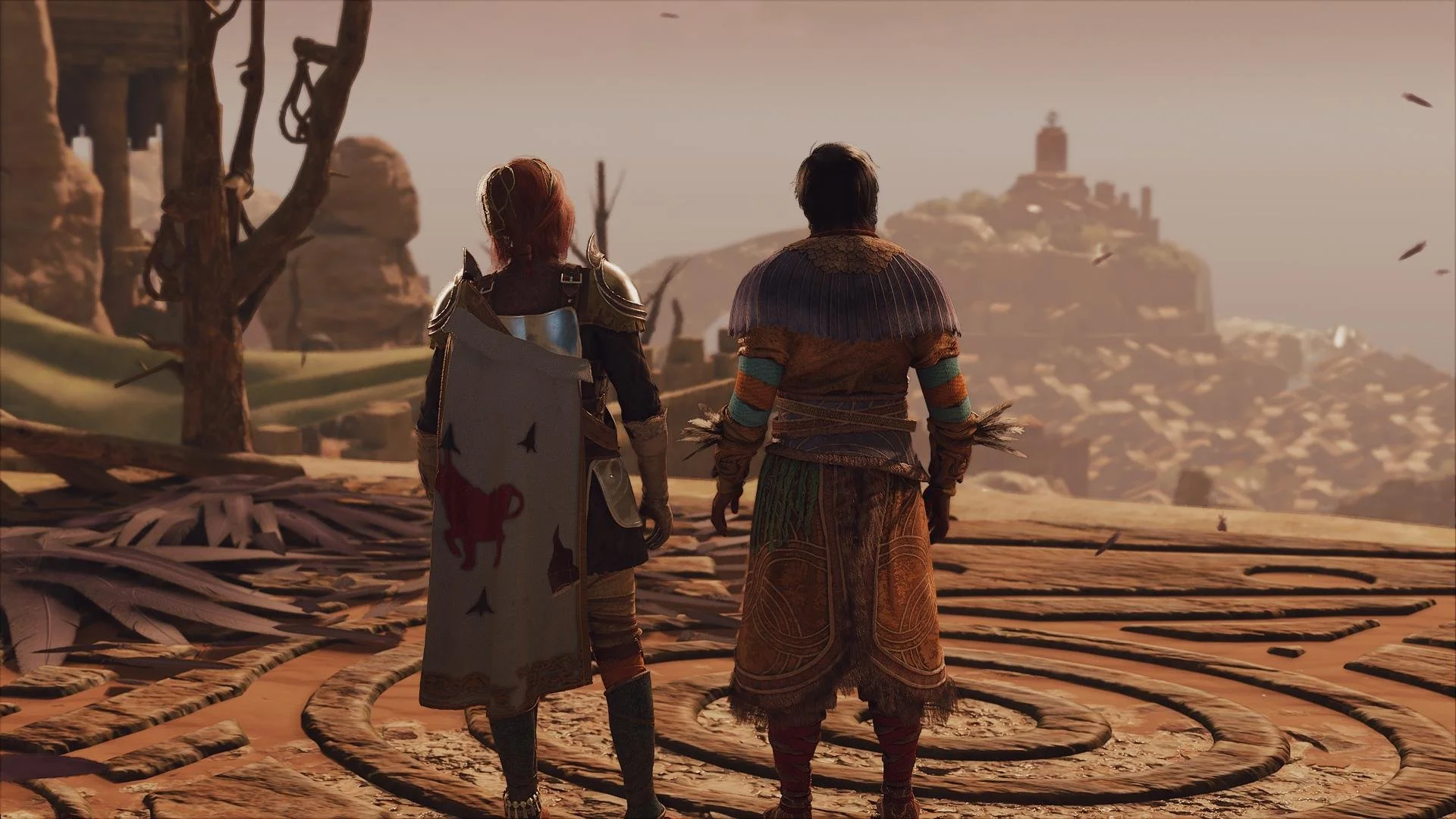
From a raw gameplay perspective, this is a better version of what we had in 2019, with far bigger and more exciting environments, vast cities, and stronger visuals, even if the human element still tends to be the game’s weakest point visually. Still, the act of playing this adventure is nonetheless great. While playing on the Xbox Series X, I had the option of either performance or quality, and while the drop in framerate was a bit noticeable, I preferred quality as the game simply looks drastically better as a result, as details stand out significantly more.
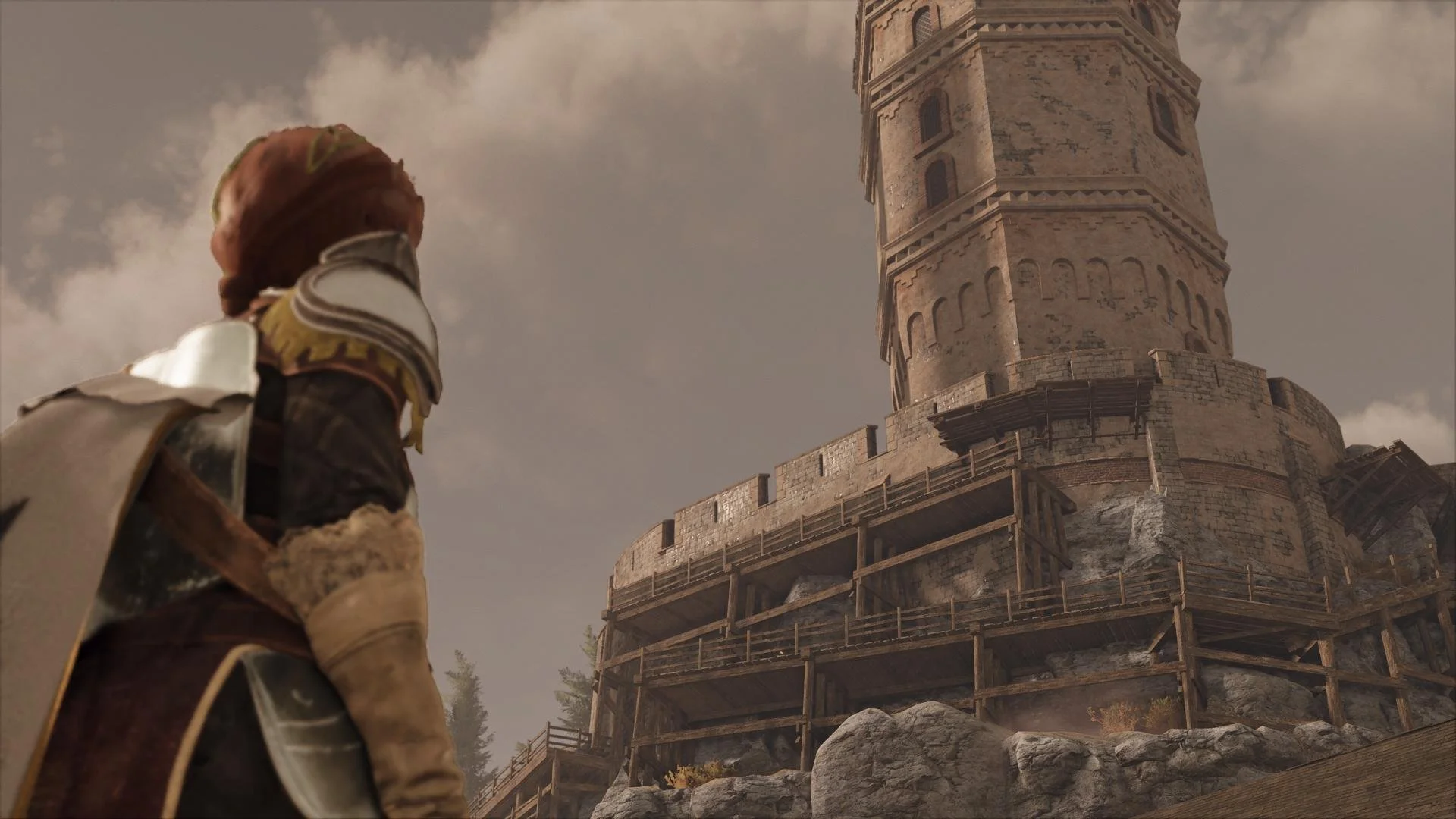
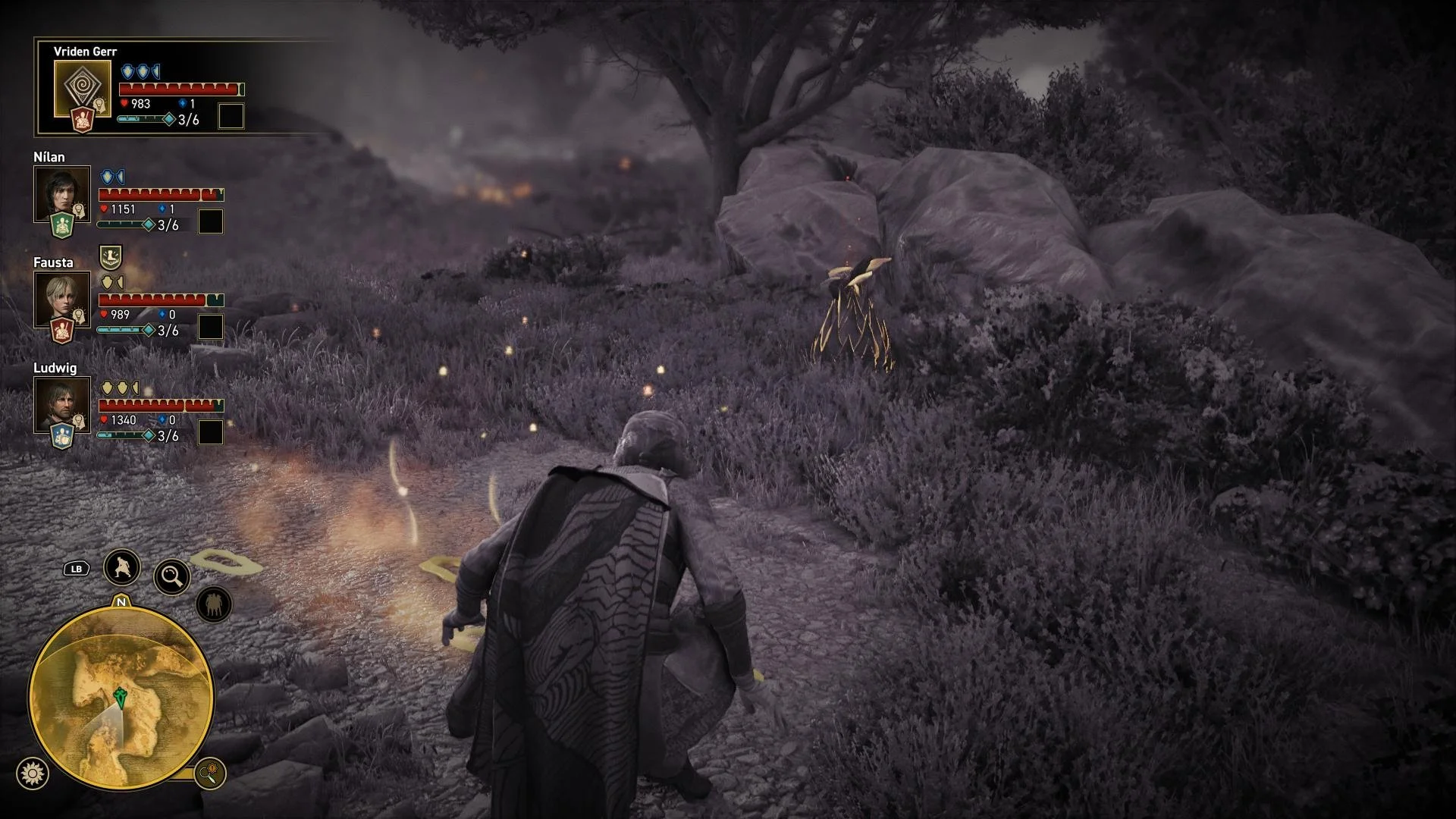
Due to much wider and spacious environments and massive cities to explore, going off the beaten path was always worth it, as was opening a chest or a locked door with a 15% success chance on the first try, which was absolutely thrilling. Spiders took what worked in the first game and really built around it, making this world to explore truly worth it.
Finally, while the game has left early access, I had a host of glitches and technical issues almost constantly, which is why I didn't score it a .5 higher. I had moments where I couldn't attack, characters shaking during cutscenes, to interaction prompts going missing. While all of this was fixed during a reboot, I experienced some form of technical blemish almost hourly.
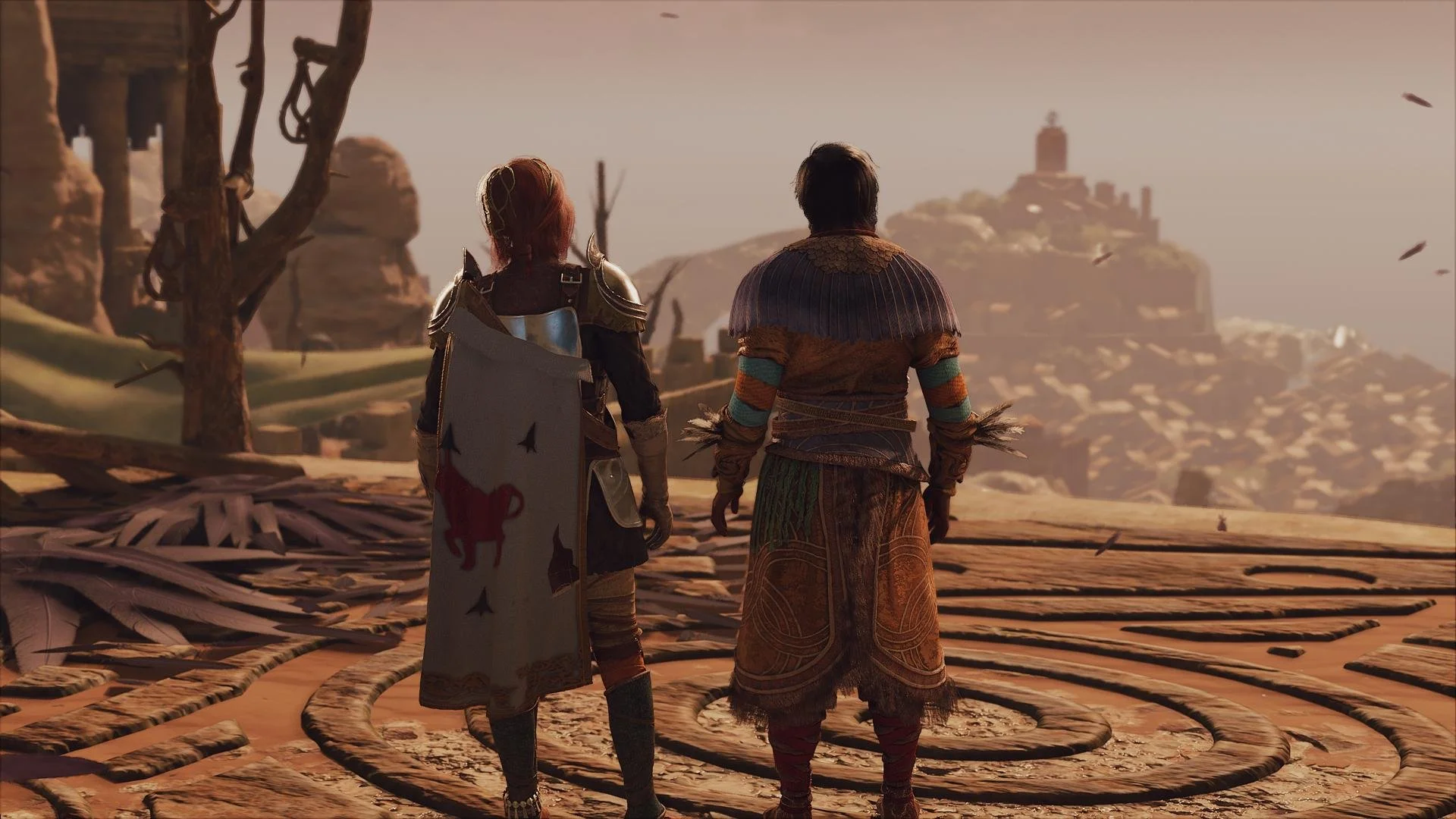
Greedfall: The Dying World was not my first choice for Spiders to return to, but I’m glad they did. This does feel like a better overall package than the first game, even if I would have preferred they refined and enhanced the original game’s combat instead of tearing it down and appealing to those who passed on the original game entirely, possibly pushing fans of the original to the side. Still, the core aspect of what made Greedfall so good, and the soul of that experience, flourishes here with some great characters, a solid main story, and yes, a few fumbles along the way. Regardless, Spiders broke out of their comfort zone to tackle a type of deep RPG they’ve never really delivered before, and few studios can say they did that.
Developer - Spiders.
Publisher - Nacon.
Released - March 10th, 2026 (PC), March 12th, 2026 (Consoles).
Available On - PS5, Xbox Series X/S, PC.
Rated - (T) - Blood, Language, Suggestive Themes, Use of Alcohol, Violence.
Platform Reviewed - Xbox Series X/S.
Review Access - A review code for Greedfall: The Dying World was provided by the publisher for the purpose of this review.
Jeff is the original founder of Analog Stick Gaming. His favorite games include The Witcher III, the Mass Effect Trilogy, Hi-Fi Rush, Stellar Blade, Hellbade: Senua’s Sacrifice, and the Legend of Heroes series, especially Trails of Cold Steel III & IV.