
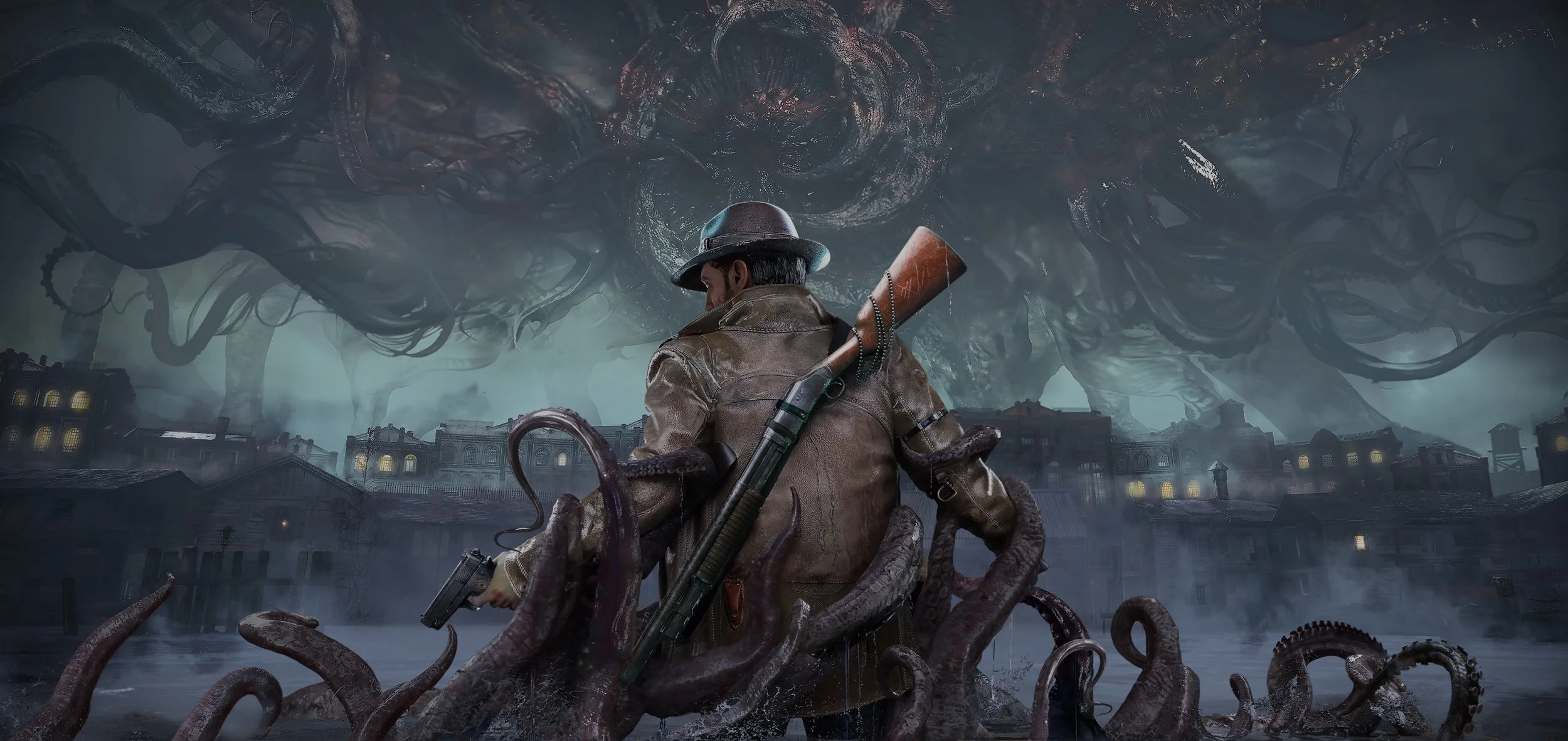
Lovecraftian Evil.
There are several instances of a studio moving from one genre to another, often resulting in games that would go on to define their legacy. Guerilla Games experienced this when they left the Killzone franchise behind for the more colorful and lively Horizon: Zero Dawn. Similarly, Fromsoftware went from being a remarkably niche developer of King’s Field and Armored Core to a studio that would redefine the action adventure space with the creation of the Souls genre. However, when you take an existing IP and drastically change its genre, it can alienate the existing fan base entirely, making them feel like a second class citizen to a series they've supported since day one. That said, you can often reach a larger audience, but only if you nail the execution.
That very situation is oddly similar to Greedfall 2, which would eventually drop the sequel number and simply release as Greedfall: The Dying World instead. While it was nonetheless a prequel to the original, the combat saw a major change and it made it feel like this game was made more for the people who passed on it in the first place than a game for those who were eagerly anticipating a sequel to a game they loved. And, as I researched opinions about that very thing for my review of said game, it was clear, older fans were not digging the new changes, myself included. While I made peace with those alterations, it nonetheless caused friction to what I expected, and what was delivered.
The Dying World felt different, and while a sequel, or in this case a prequel, should improve upon the original, it shouldn’t fundamentally alter the DNA of the whole experience. It should feel new, not ‘different’. Now, that said, if that rule had been ironclad, then we wouldn’t have had the likes of Fallout 3, Yakuza: Like a Dragon, or what the Dynasty Warrior games would eventually evolved into. So yes, there are some times where this has worked. However, in the case of Fallout and Yakuza, the passage of time or a lengthy series stay had resulted in redefining those experiences after many years.
I bring this up because despite there only being one other game in the series, The Sinking City 2 is a very different experience than its predecessor. This was a slow burn detective game, where conversation and investigation was front and center. While the original was criticized for poor combat and lacking genuine scares, it felt that developer Frogwares heavily concentrated on addressing these specific issues instead of leaning into what worked so well before and what allowed the original to be as beloved as it is. It didn’t quite reach a sizable audience when it first released, but it has since become something of a hidden gem or cult classic, if you will.
2019’s The Sinking City was a third person detective game set in the Lovecraftian horrors of Oakmont, Massachusetts, in the 1920s. You were sent to the city due to experiencing some bad nightmares, and as a detective, you immediately sense something is amiss when the locals start explaining that they too have had the same visions. From there, you take on a series of cases, deal with civil unrest and racial tensions, talk to witnesses, dive into police files and archives newspapers, experience paranormal visions, and gun down a variety of monsters known as Wylebeasts. The game was full of character and charm, despite the ‘eurojank’ appeal of what the team was known for via their Sherlock Holmes heritage.
Given Frogware's history with Sherlock Holmes, that detective and clue-chasing playstyle felt extremely natural for The Sinking City and it knew the type of game it was trying to be. You would gather clues, combine them in your mind palace to craft and organize evidence, and then play out those solutions to solve cases and, in some moments, choose how those cases would be resolved. It was a detective game first, and third person shooter second, and that is why the game has its fan base and following. The combat was serviceable, but certainly not great, but that isn’t generally what players wanted from it, with many even saying the game would have been better without combat entirely. The detective nature of the game is what gathered its initial fan base, and it appears that Frogwares is moving away from that, given how financially sour the genre has gone as of late. Honestly, I can't blame them. And with AA ‘eurojank’ studios being shut down one after another, a safe bet is the strongest one to take right now.
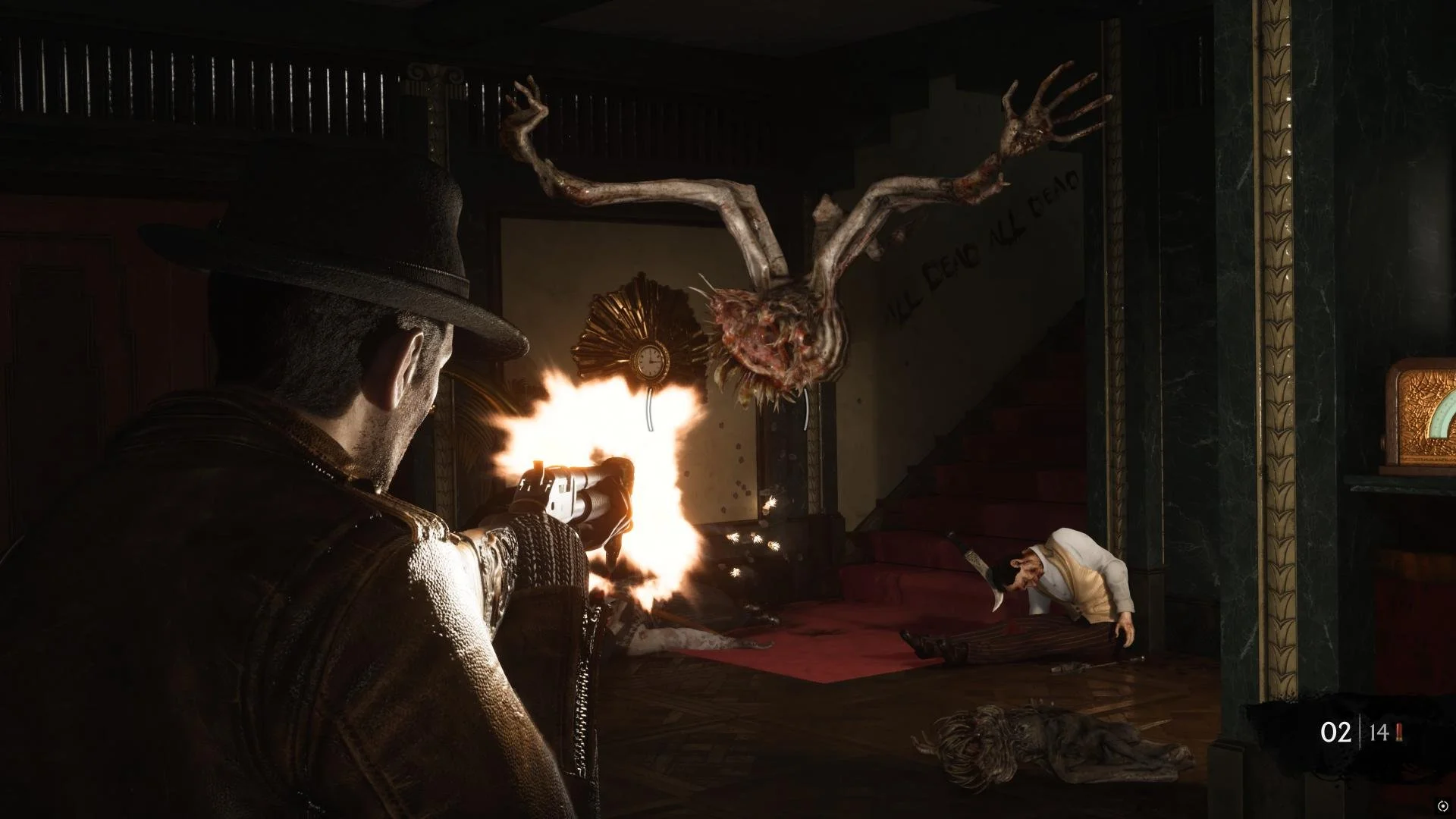
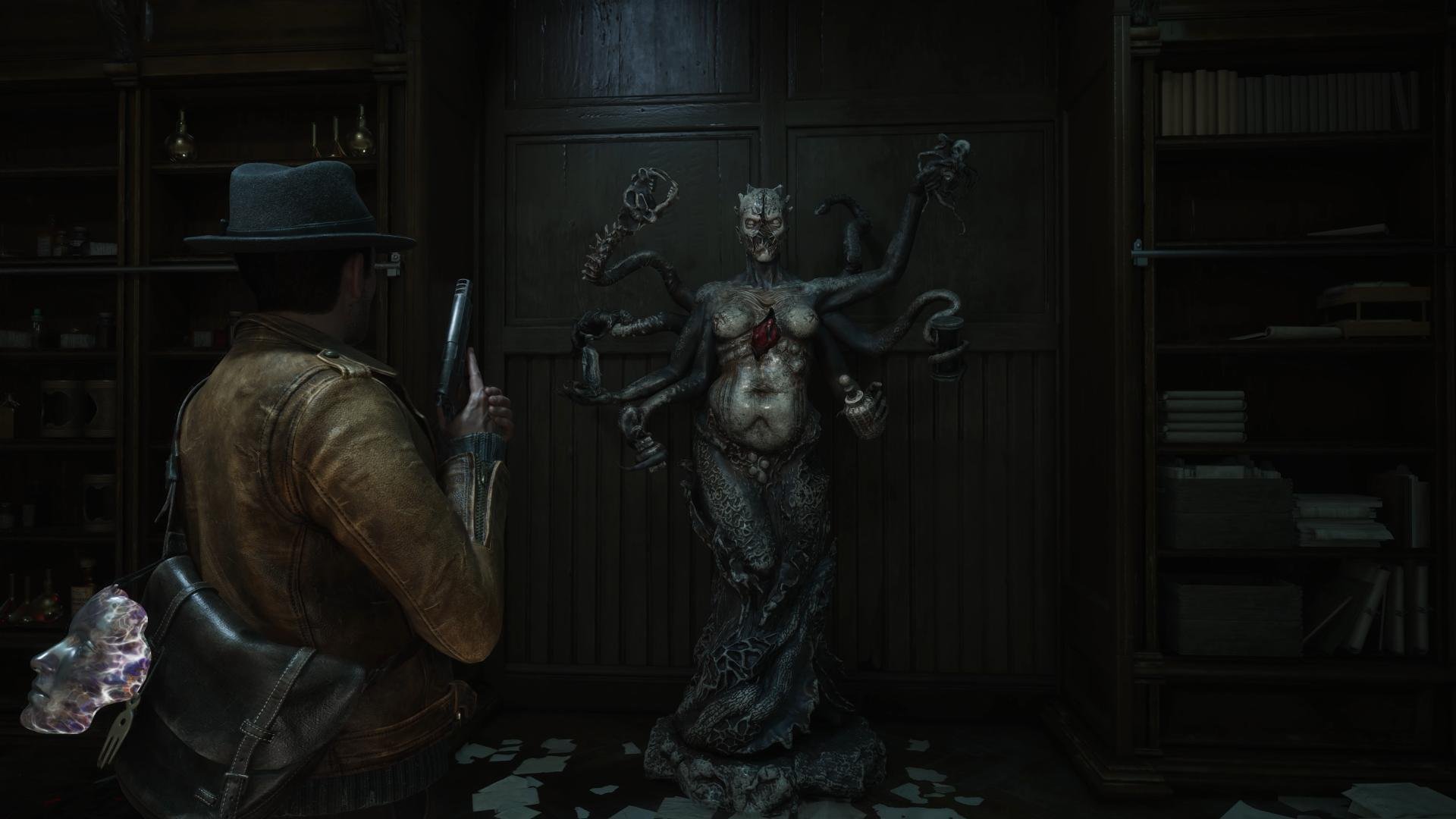
I mentioned before that Frogwares leaned into addressing the first game’s biggest criticisms; the poor shooting and lack of genuine scares, and that is exactly what they did. The shooting is rock solid, with a decent emphasis on melee strikes and boot crunching stomps, when bullets are running low. The atmosphere is genuinely eerie, with limited lighting allowing some of the creature designs to really invoke true dread as they shuffle out of the dark. The sound design is top tier, making you constantly afraid of what is possibly around every corner. However, with only focusing on improving those two components, the DNA of the original The Sinking City feels left behind and pushed to the side. As a game, The Sinking City 2 is fantastic, incredible even, but as a sequel, it lacks a real connection to the first game.
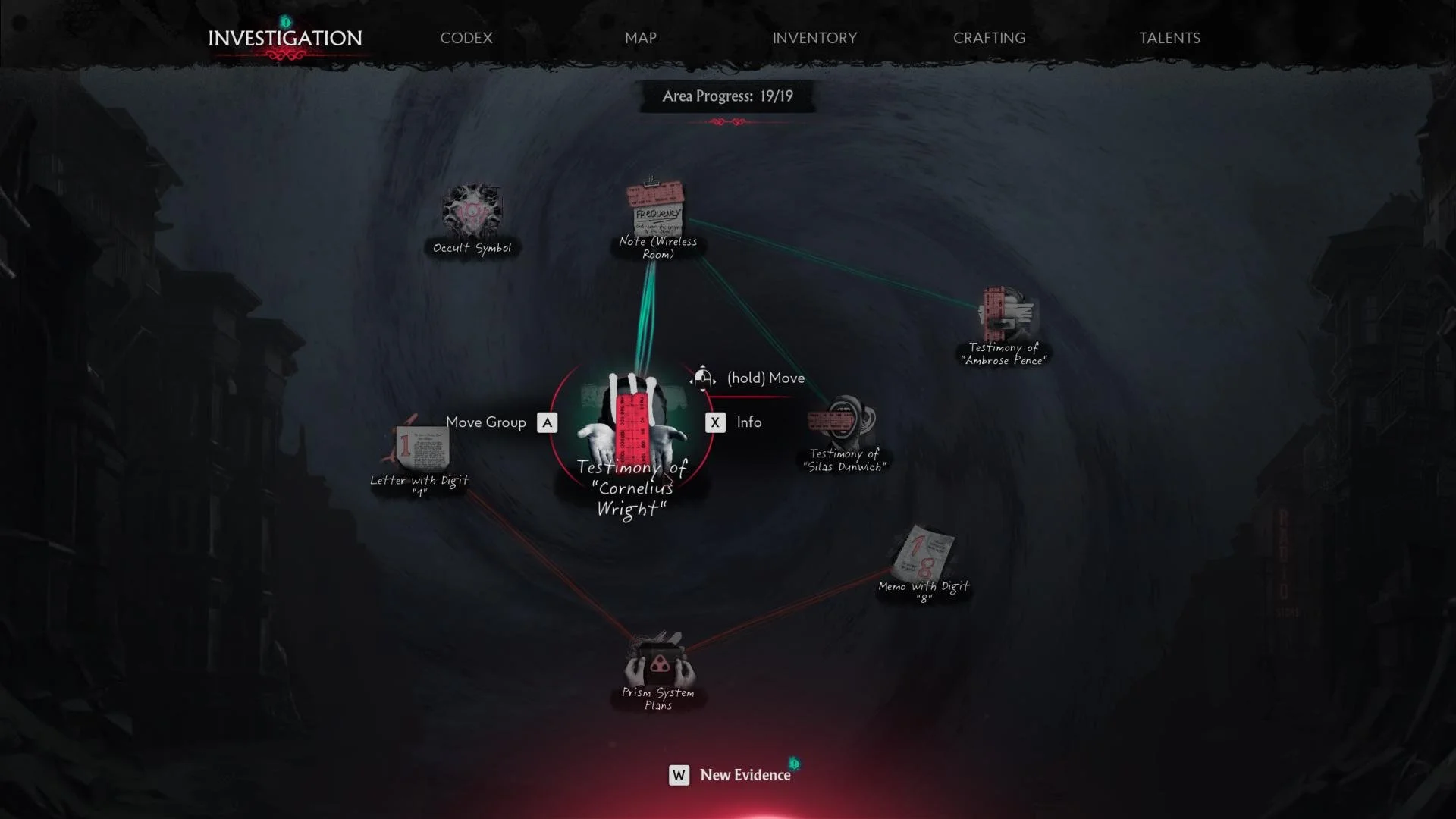
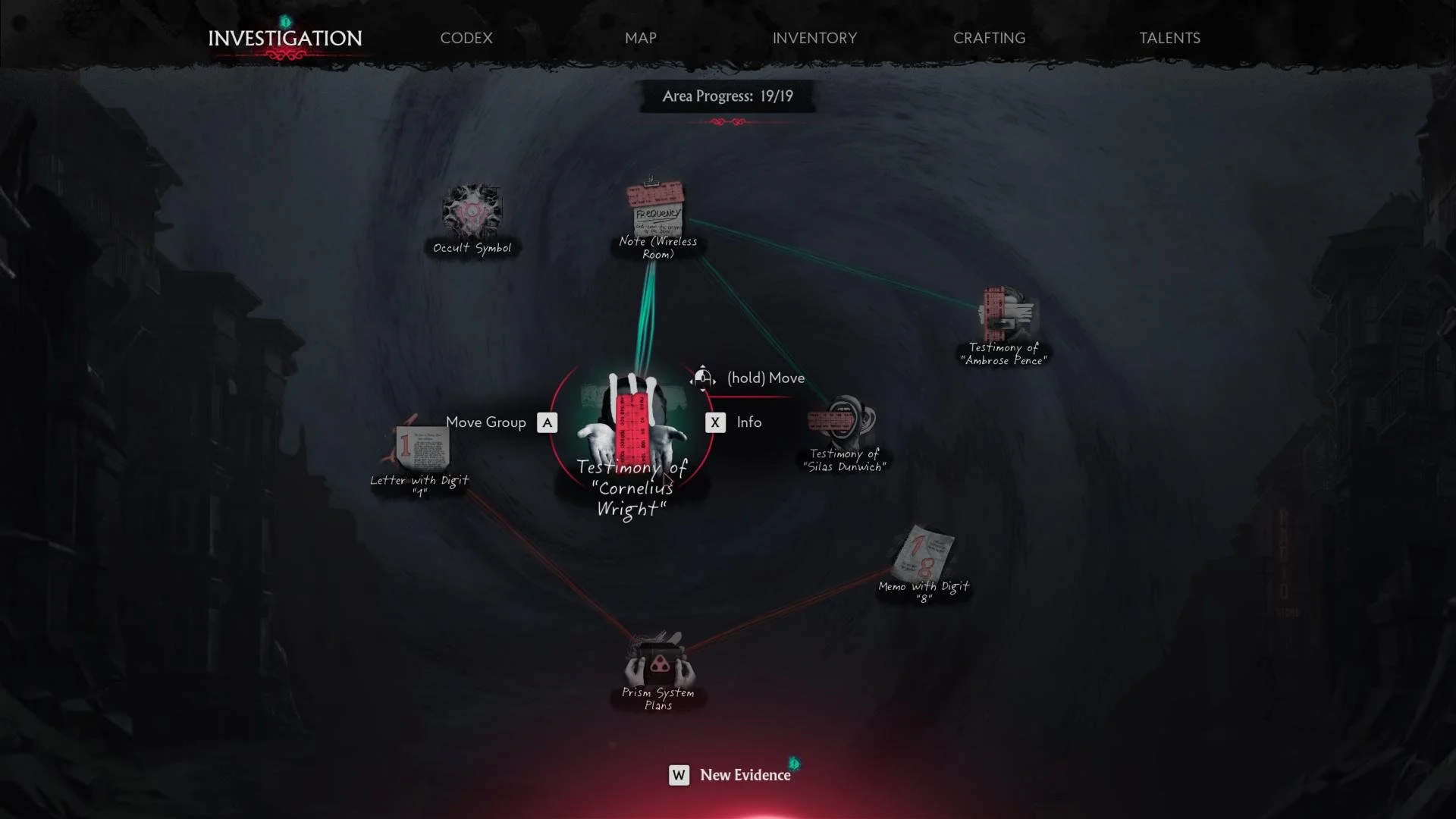
This is largely felt in the detective side of this roughly 12-15 hour journey. You don’t take on cases, talk to witnesses, and while there are a few side characters, they generally are a means to an end rather than compelling and engaging personalities. You engage with them once or twice, and then never see them again. While there is some light detective work, the “mind palace”, which is now called the “Investigation Space” is a menu-driven evidence mechanic where you pair together linking documents to solve their solution. The developers also allow you to choose if the documents have their key elements highlighted or not, making the apparent connections harder to figure out or pointed out for you.
This slimmed down approach to gathering evidence and clues usually pushes you toward unlocking caches and safes, rather than anything meaningful to the story. That’s not to say there are not some decent moments here, but it lacks the depth of what Frogwares has brilliantly pulled off before. Let’s just say, you won’t get stuck on many, if any, of the ‘cases’ here. Hell, you might even figure out codes and puzzles before you've gathered all the clues, such as a series of four clues about a safe code. Once you know the first and last digit, then it's easy enough to stumble upon the last two digits needed.
What Frogwares has done is taken this detective IP and distanced itself from their Sherlock Holmes games and basically evolved it into Resident Evil. While the game itself is actually great, for what it is, I do wish this had been built as a spin-off or a whole new franchise instead of sacrificing The Sinking City and what it was. Hell, I wouldn’t have minded the switch to a new genre if the core pillars of what The SInking City was were better handled here, instead of feeling optional and shallow. There is a way to apply the detective side of the game into a survival horror setting, but that isn’t the case here.
What a lot of people won’t know or understand about Frogwares and The Sinking City 2 is that its entire development took place during the Ukraine and Russian war. In fact, nearly a dozen members of the team were drafted and had to leave the project to serve. Even when new staff would arrive, some would soon have to leave as well, drafted to ensure the survival of Ukraine. The war meant that the team never all met in person, that some families would move outside the city to be safer from attacks, to not even being able to celebrate the launch of the game united as a team. Making a game is a damn near miracle, so developing one in such conditions is beyond impressive.
This caused the team to look at what The Sinking City 2 would end up becoming. As they too fought for their survival, both as a studio and as themselves and their respective families, Survival Horror suddenly became something the studio felt like they needed to pursue. This was also due to the team needing to financially survive, as detective games were not pulling in the revenue they once were. Given the success of the Resident Evil and Silent 2 Remakes, as well as the recently released Resident Evil 9: Requiem, survival horror is hotter now than it has ever been.
My review is meant to be looking at The Sinking City 2 from both sides of the Lovecraftian Coin. One side is how it operates as a sequel, and the other side is about what it has now become. While there is a lot to enjoy about what Frogwares has done here, it might not be the game that fans of the original have been waiting almost seven years for. While I do enjoy what this sequel offers, this wasn’t the game I had hoped it would be. However, I can only review the game on what it is, not what I hoped it had been. And, if it means the team gets to stay around to continue making games, that to me, is the most important and satisfying thing.
So, after all that, let’s review The Sinking City 2.
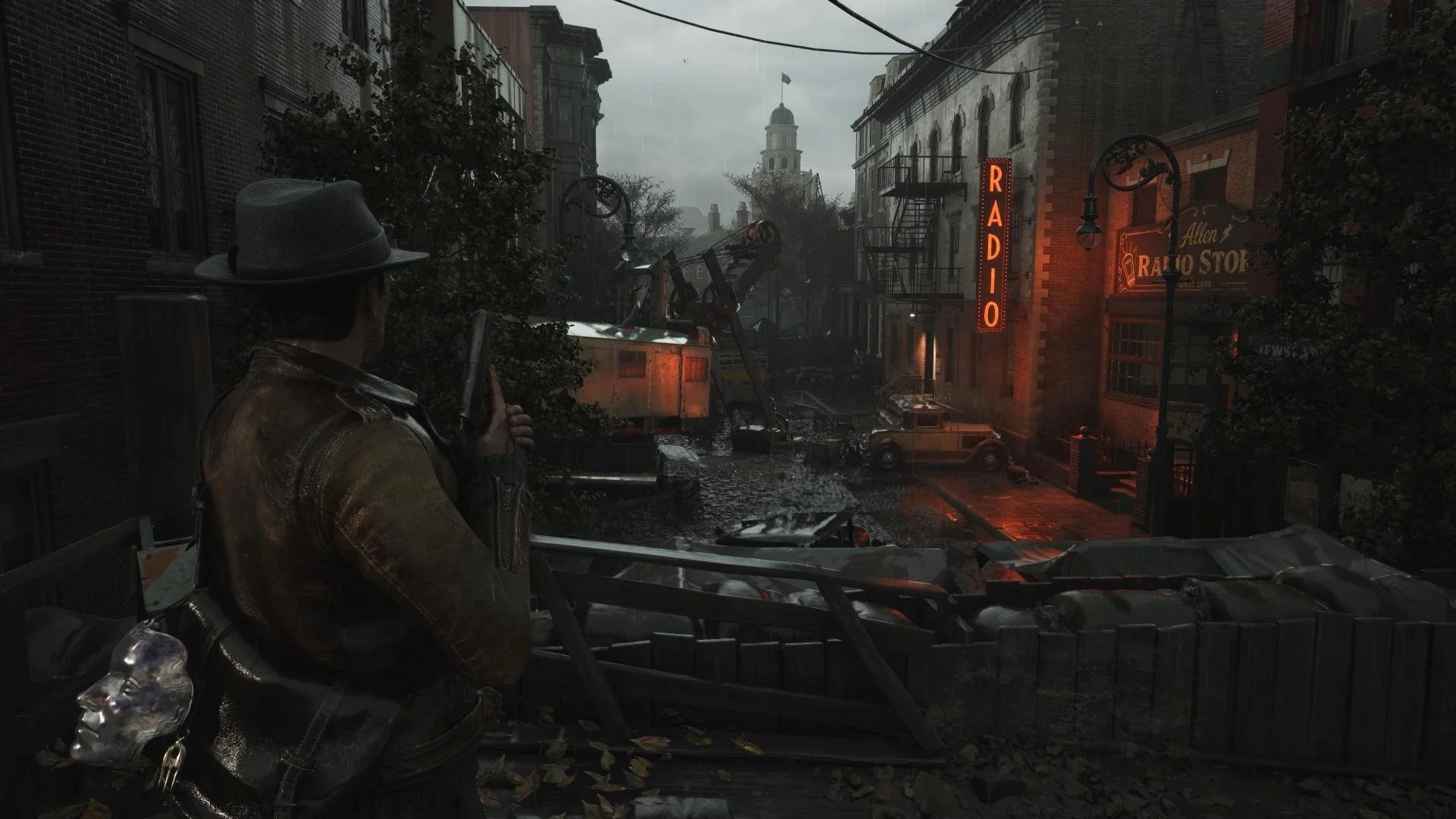
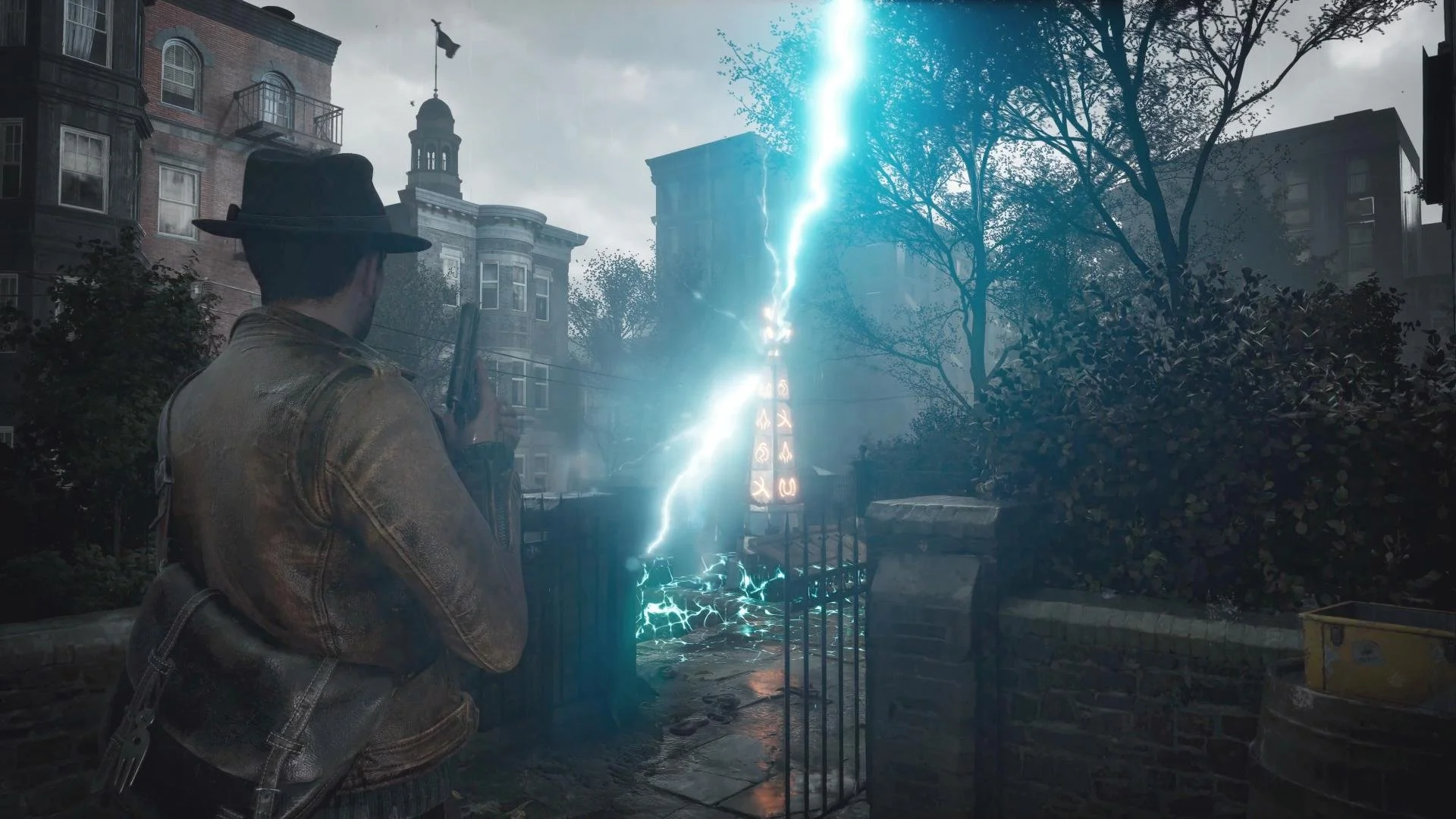
The Sinking City 2 takes place in the most Lovecraftian city known of the literature; Arkham. Struck by a mysterious supernatural flood in May of 1929, the city has been largely evacuated over the past several months, save for a few stranglers who are attempting to reach the last shuttles out of town. Arkham remains as a deserted, decaying, and overrun city, with blockades up to stop the rising water, but defeated daily as the rain just won’t stop.
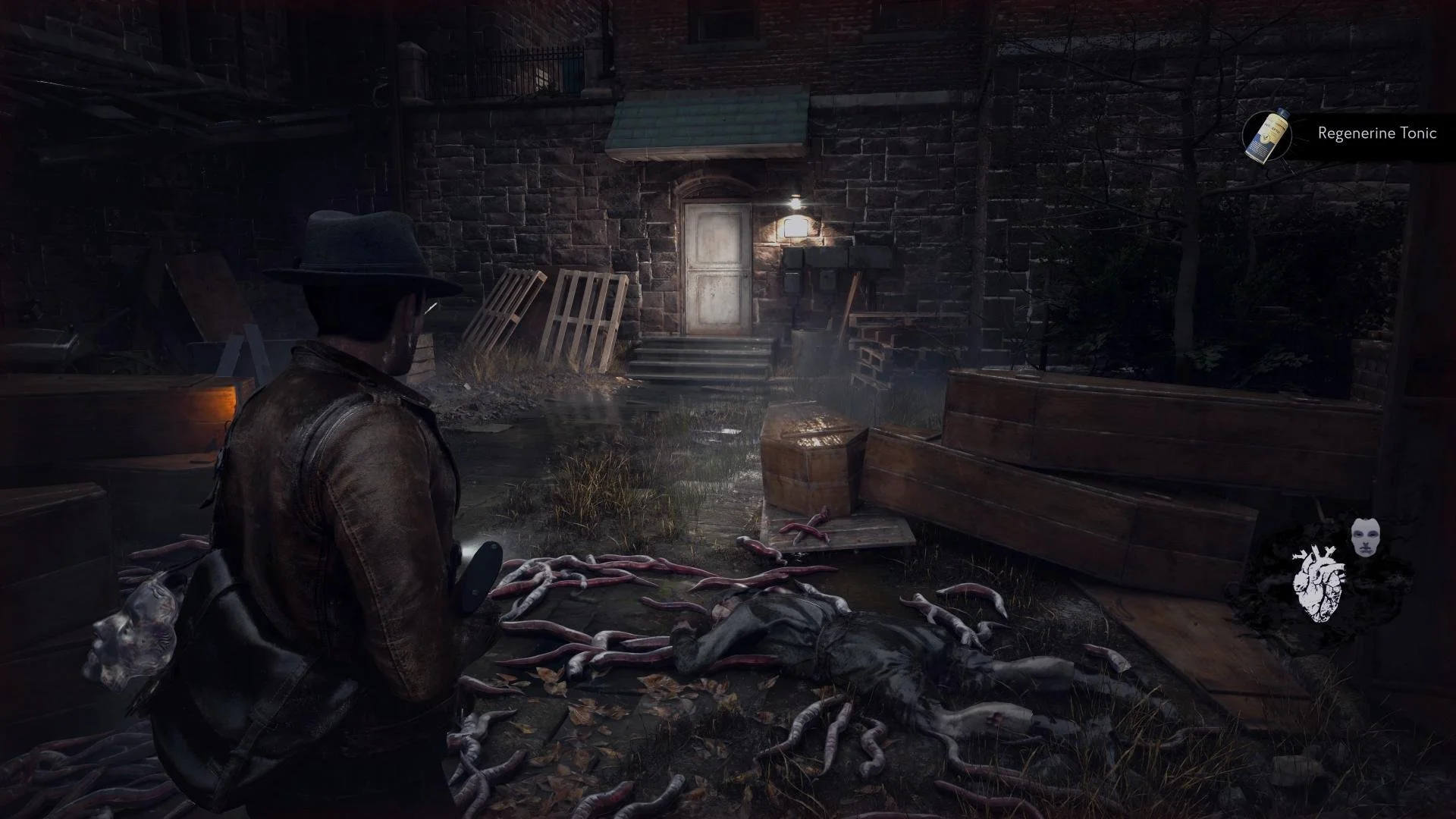
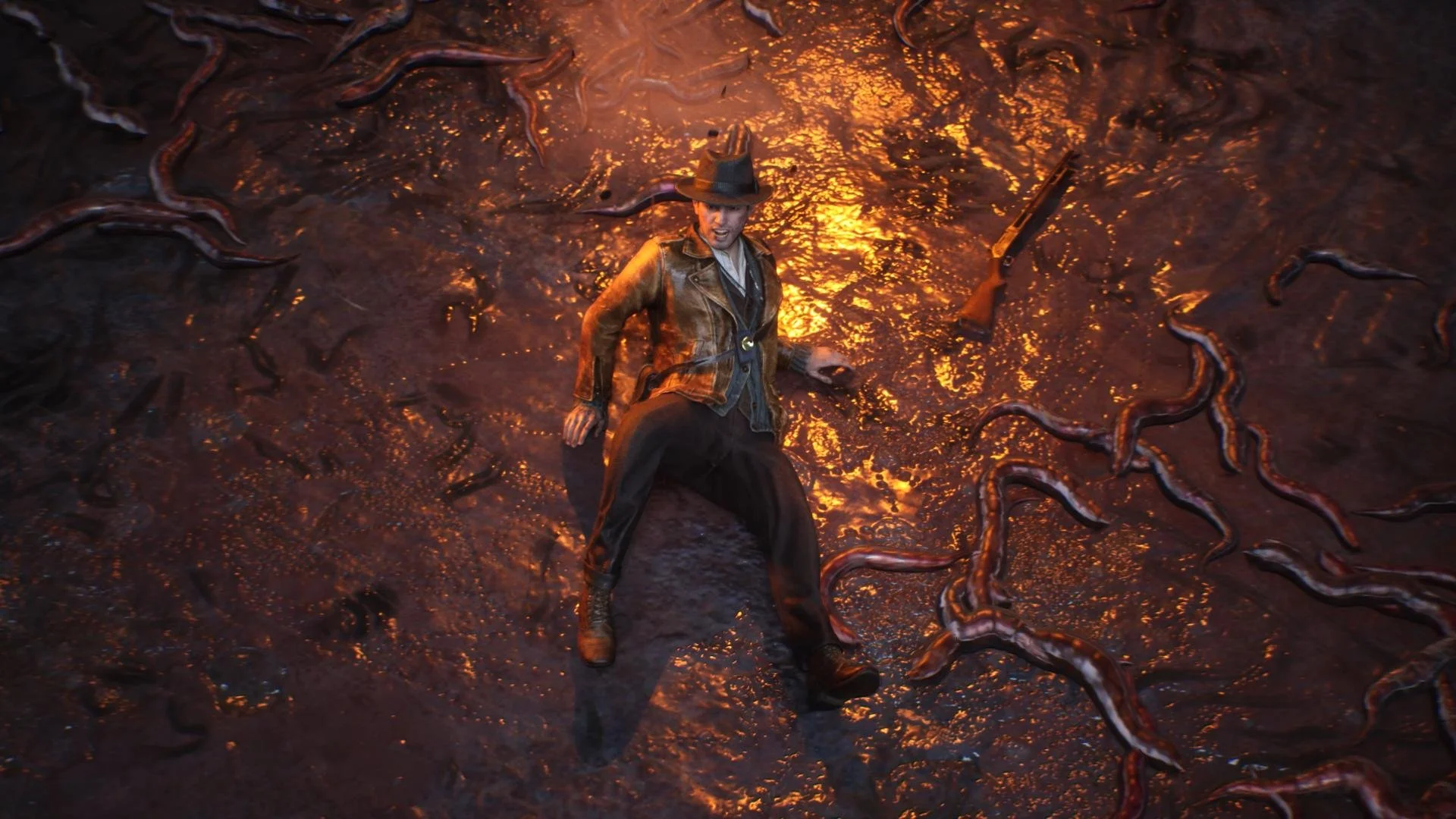
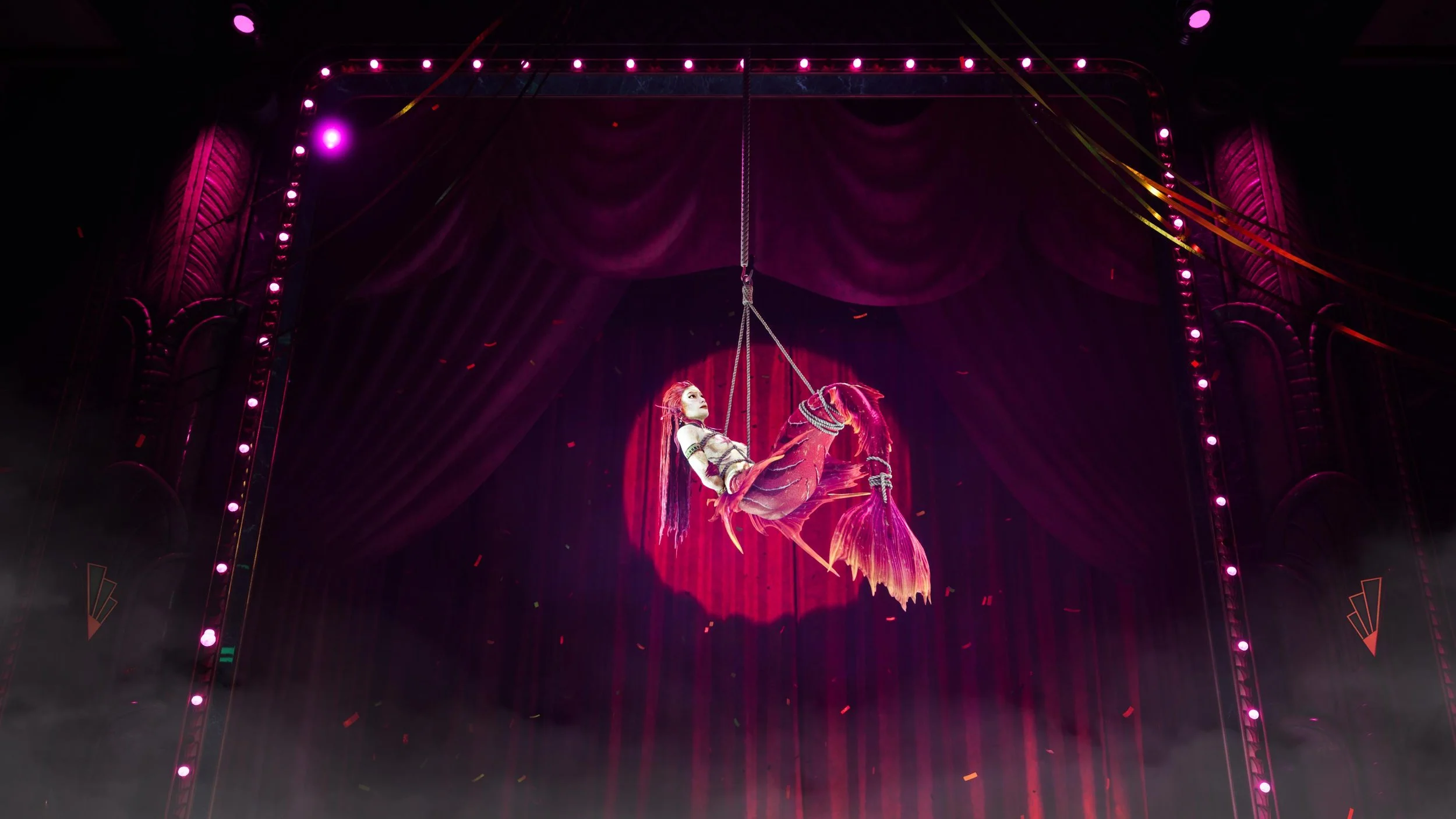
However, it isn’t just the rain that has been a menace to the city as grotesque worms called the Slither have invested the water, homes, and the bodies of the dead, reanimating them, giving them almost zombie-like qualities. And, if it was just the Slither to worry about, that would be a different thing almost entirely. The Sinking City 2 leans into the Eldritch horrors with almost a half dozen monstrosities to contend with.
The story revolves around two people who still reside in Arkham, despite the flood. They are Calvin Rafferty, and Faye Bennett. Both are obsessed over ancient Occult relics, and their shared passion is how the two met. Calvin, an Occult Adventurer, is our lead, and while he isn’t a true detective, as was the case with Charles Reed in the first title, he still is able to piece clues together and have some idea how to manoeuvre those clues around to form the evidence he needs to progress on.
However, while their love of the Occult is one thing, a ritual that sees the two attempting to reach the Dreamlands, goes catastrophically wrong. Calvin wakes up with no memory of what has occurred, and Faye is trapped in some sort of supernatural limbo, complete with a metallic mask called the Nightshade that materialized over her face once the two were back in their loft. This coma prompts Calvin to feverishly research for a cure, and after months of attempts and procuring the items he needs, he only finds himself short of one such object, an Occult book of rituals. Where would such a book be? Why, in the same library where the two met.
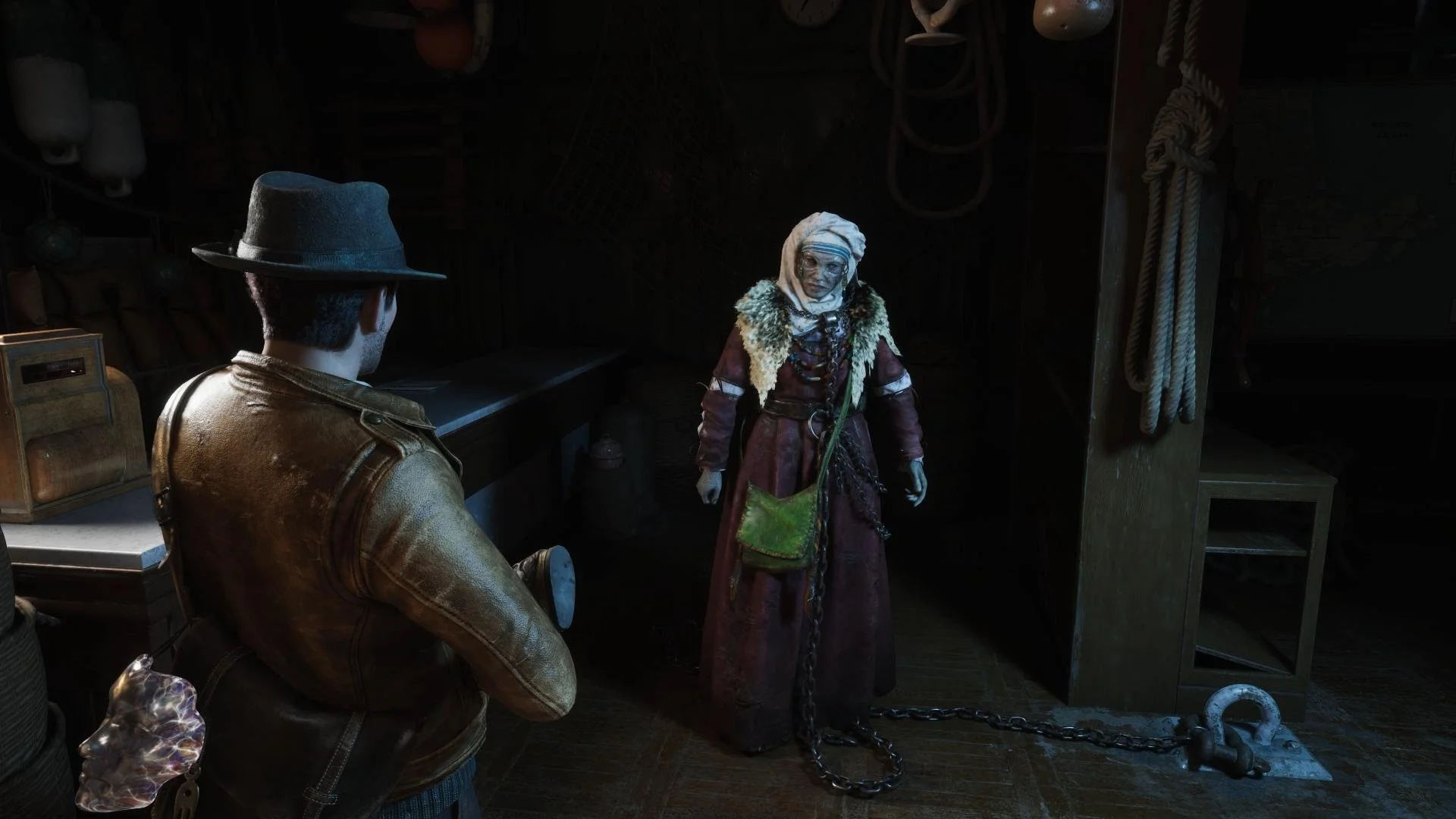
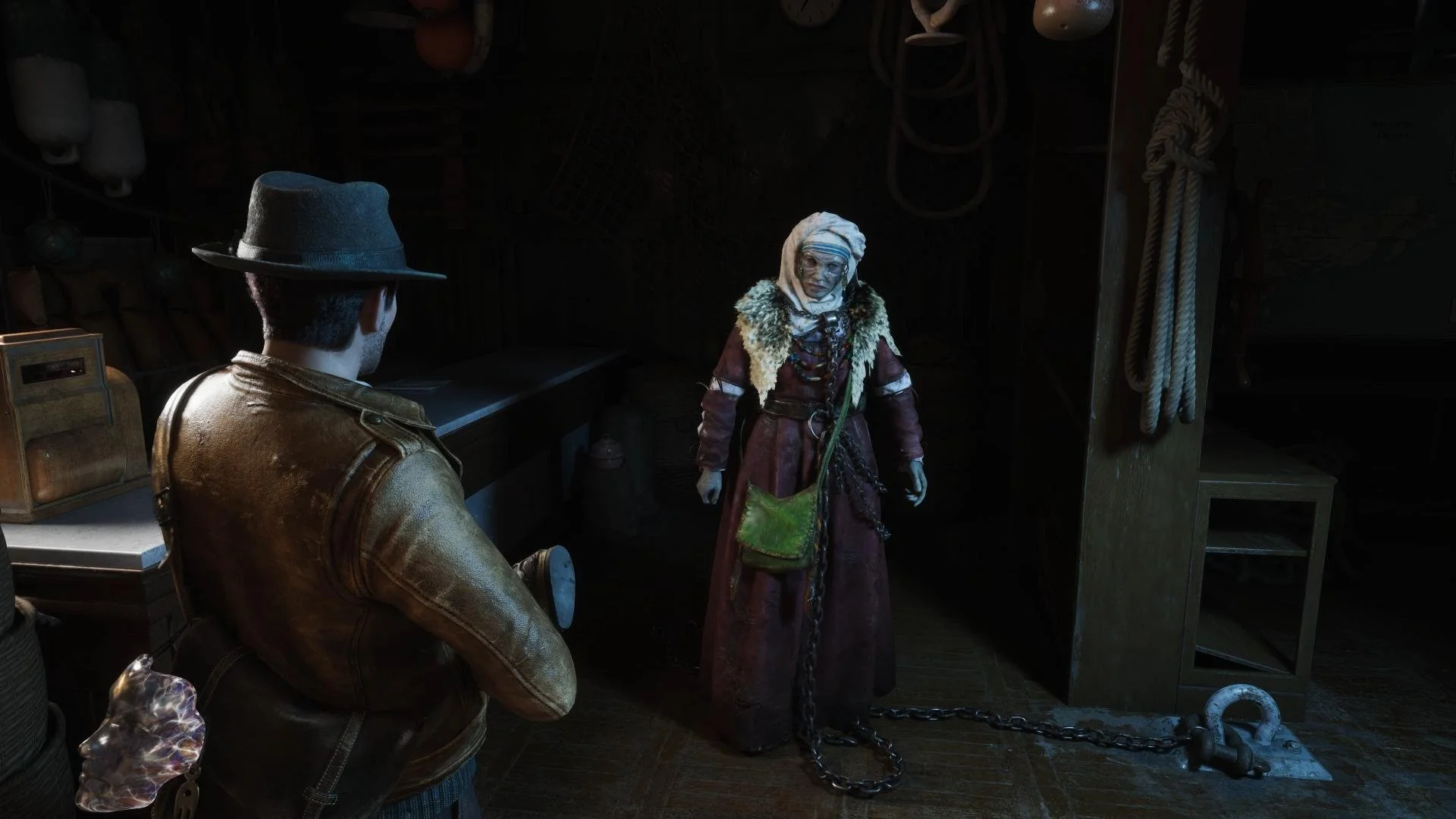
Now, while this task is one you’ll complete in the game’s opening chapter, a location that is very similar to The Sinking City of old, it doesn’t quite go Calvin’s way as the ritual is interrupted and Faye’s body is abruptly taken by a mysterious force. However, as Calvin comes to, all is not lost as Faye’s spirit remains with him, weakened but then quickly housed in the Nightshade mask, due to her deep connection to it. This connection allows the two to get their bearings and work as a unit in their attempt to retrieve her body and finish the ritual.
What I really enjoy about Calvin and Faye’s relationship is you get to see some of it through flashbacks and conversations between the two. Having them together is a wonderful storytelling device as we are not just learning about them through voice memos or documents, or even the aforementioned flashbacks. They talk like a couple, engage with each other as they are lost or confused, and work together, despite the few squabbles due to the stress of the matter. I mean, how many Lovecraftian horrors have caused smooth sailing between the couples you know?
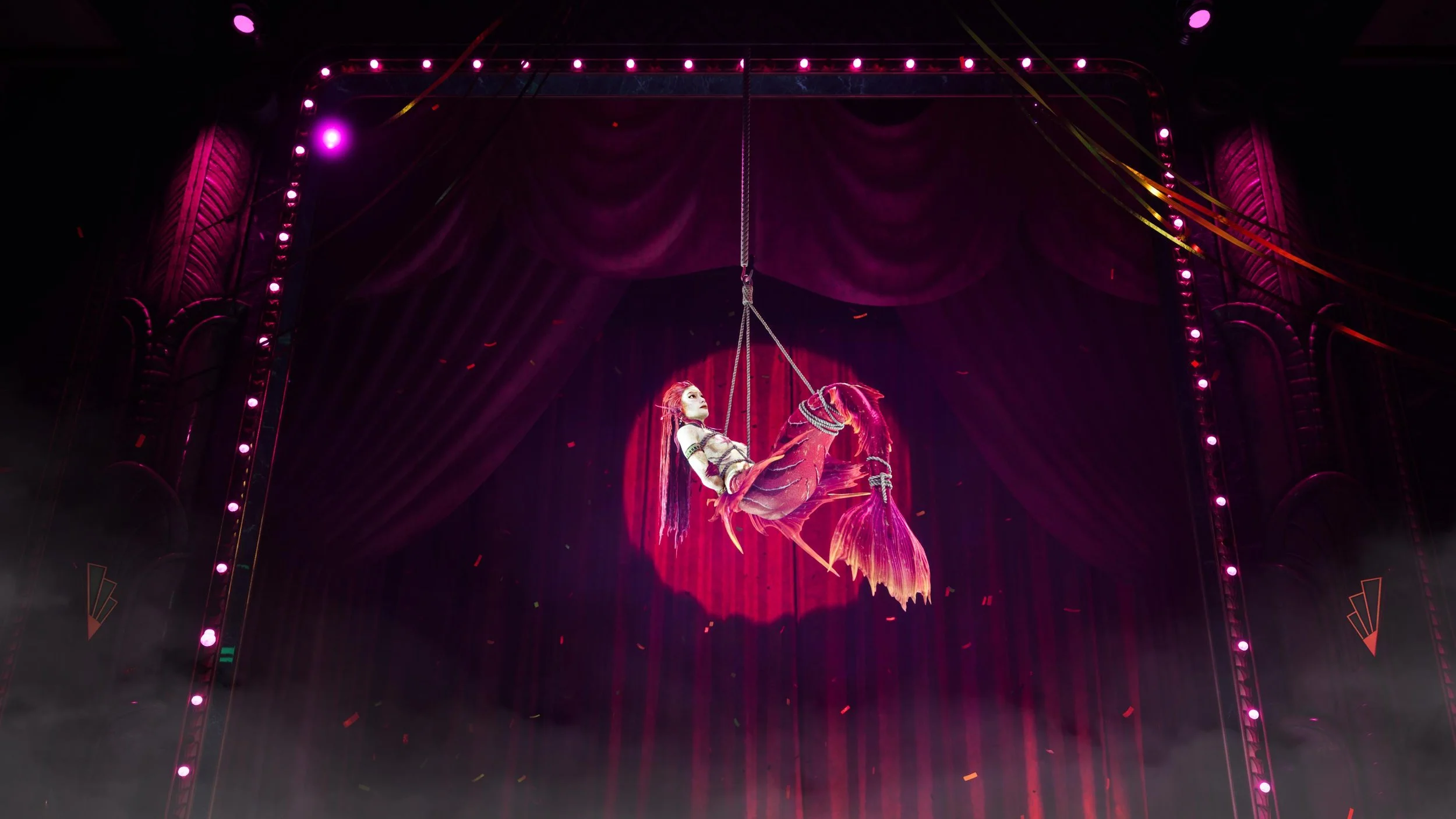
This union develops their relationship to us as the game goes on as you begin to understand just what the two meant to each other. Survival Horror games are not without their links to similar pairings and details about a past relationship, with the likes of James and Mary from Silent Hill 2, and Isaac Clarke and Nicole, from Dead Space as examples.
However, The Sinking City 2 goes deeper into their bond far more than the genre normally offers as they are travelling together through the bulk of the game. Silent Hill and Dead Space provided a good amount of context and history between their pairings, but Mary and Nicole were not present during the bulk of their respective games. This paired together format allows questions and answers that the genre normally refrains from delivering to be present as a constant companion. As Frogwares has always had good dialogue and character building throughout their games, it certainly stands as a strength here and shines through.
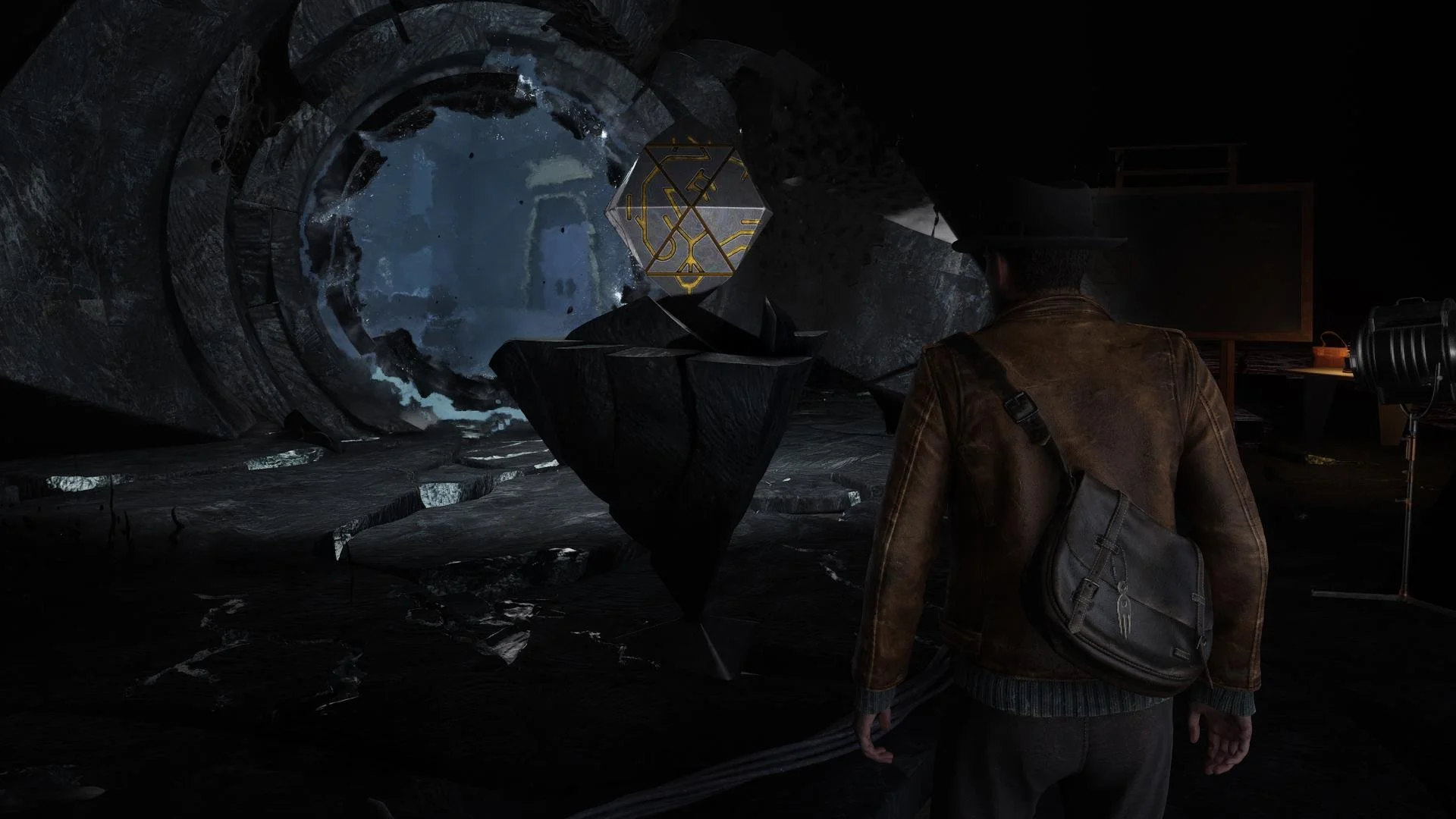
Once you progress through the opening chapter, this is where The Sinking City 2 starts to feel more like survival horror and less like its past. The more open-zone structure is traded for tightly packed and barely lit corridors, as your flashlight can barely make a difference in most locations. Doors require impossible keys, holographic faces to bypass encrypted locks, and numerous puzzles that rely on exhausted exploration. And, most importantly, ammo is scarce, making every bullet count.
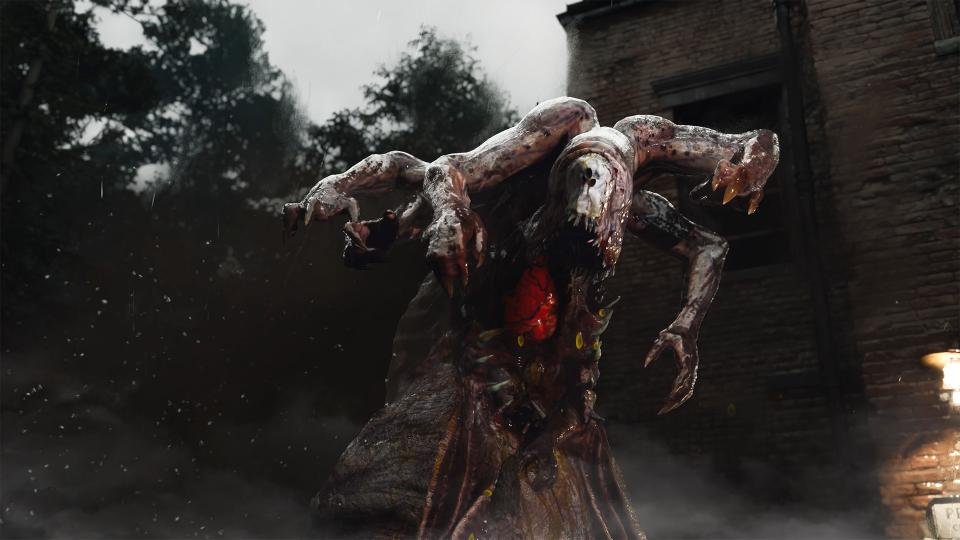
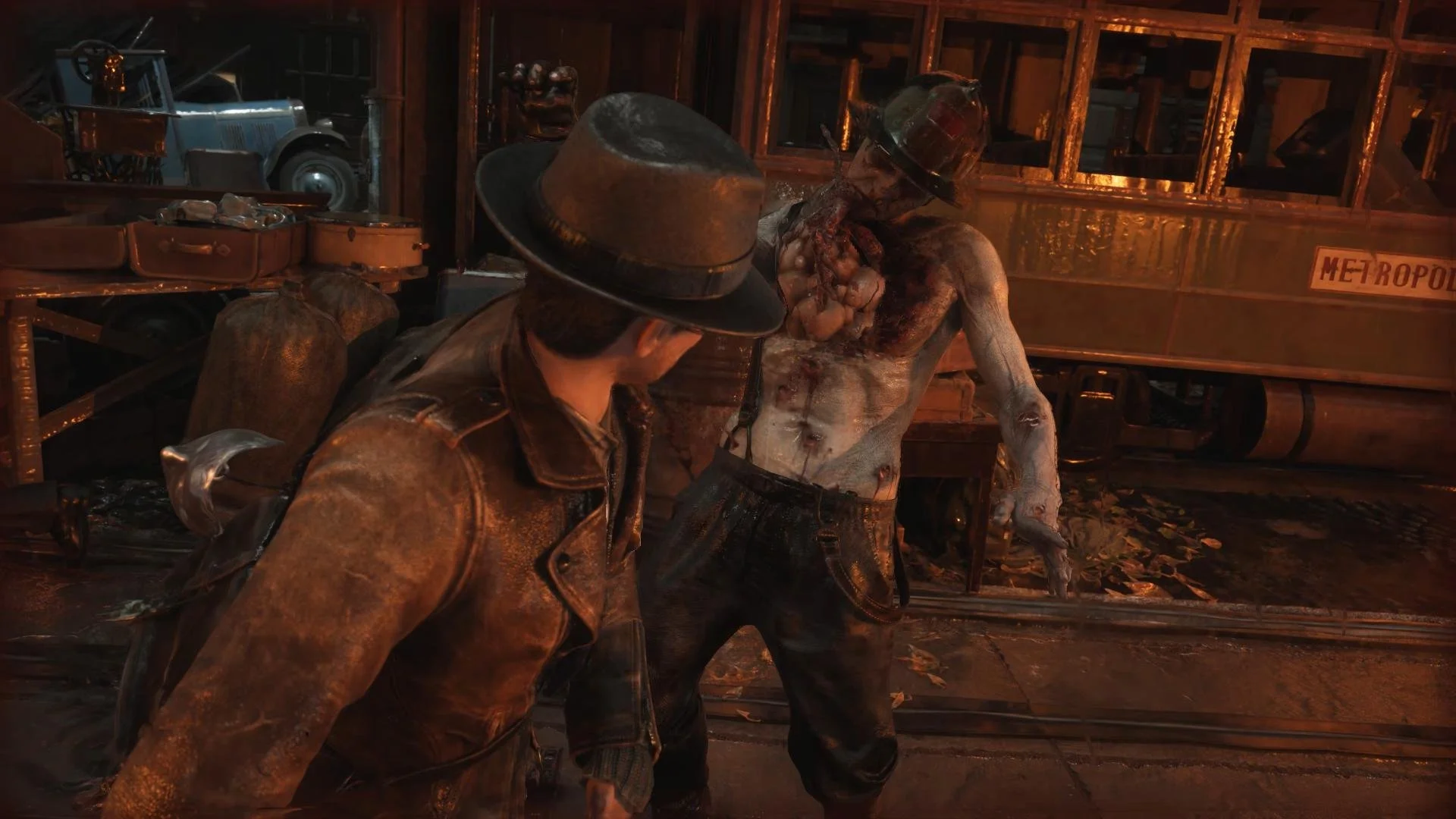
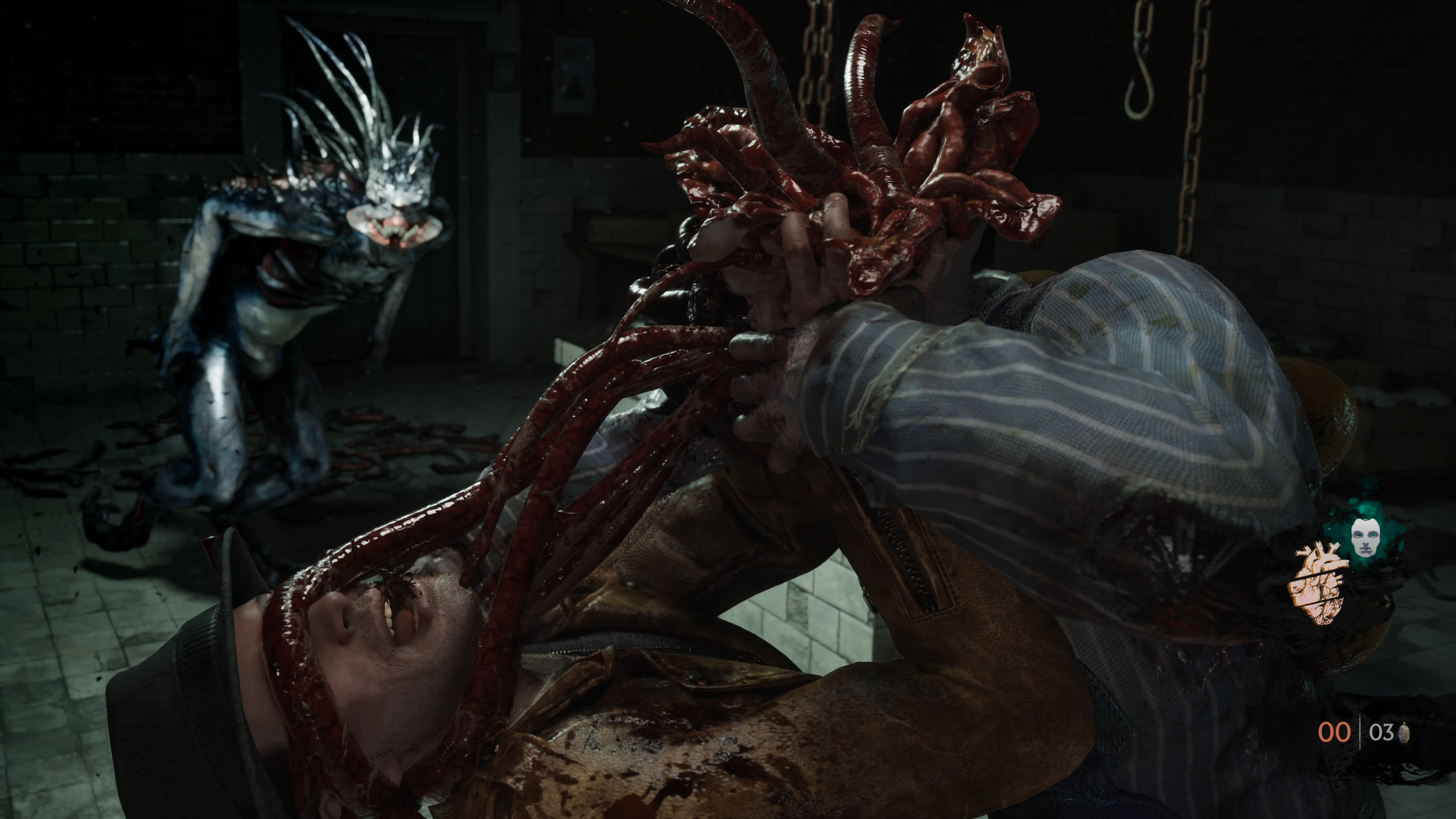
Calvin will obtain new weapons to add to his arsenal, as shotguns and rifles begin to make their way to him, each with a few upgrades to help pack a bit more punch to putting down the horrors all around him. Guns feel good, impactful, and shooting handles like you would expect, given the inspirations this title is clinging to. You’ll shoot grotesque sores that appear on enemy limbs to stun them, with melee finishers or extra bullets finishing the job. You can even crush the slither that comes pouring out of them to prevent them from going to other bodies in ways that would make Isaac Clarke proud.
However, with new guns, bullets, healing items, and more, inventory starts to become an issue when you add in special items, keys, crafting components, and more. You initially start off with an extremely limited satchel, but upgrades come as you explore. Emergency Relief Crates are somewhat rare, but can hold such upgrades, as well as a few that contain weapon upgrades and the unfortunate ones that merely hold ammo. You’l find their much-needed keys here and there, and sometimes holding onto a key or saving before you open them, can have you saving those limited keys for the crates that house better options.
As you complete cases, combat foes, or solve puzzles, you’ll earn Dream Essence. This then can purchase talents that can be slotted into the Nightshade mask. Most talents are cheap, with only costing around three or so units, whereas opening up the mask costs a lot more but provides the benefit of having more talents working for you.
Talents range from Basic, Intermediate, and Advanced, all the way to Expert. Expert Talents are unlocked through your Eldritch Rewards, which are challenges similar to the points system found in Resident Evil, where you would unlock unlimited ammo, guns, and additional perks and gameplay elements. Basic Talents include taking less damage from the Slither Pawns, to reloading your gun a little faster. Intermediate grants you more ammo from crafting, or receiving more from your healing items. Advanced then covers various things from weak points taking more damage, dealing more harm when at low health, or being able to take more damage. That said, there are only a few Talents, and some feel sort of lacking in appeal, and are easy to pass over.
Expert, which is likely something you’ll engage with on New Game+, rounds out your upgrades with a few that offer up great perks but with a trade off. For example, Ruptured Core causes destroyed weak spots to cause a significant burst of carnage, whereas Vessel of Destruction allows you to inflict enormous damage but also take it in return, making you a bit of a glass cannon.
Adjusting Talents, as well as manually saving, are only possible in safe rooms; however, the game does have some autosave functionality as well. While the idea of a safe room isn’t anything new, they actually wrote how they exist into the story and it’s pretty cool. As much of what is happening is due to their failed ritual in the dreamlands, leaving a lingering presence around Arkham, the safe rooms all take place in snapshots of Calvin's memory. While the layouts will change, Calvin's and Faye's own personal belongings are present, making the rooms feel like part of them.
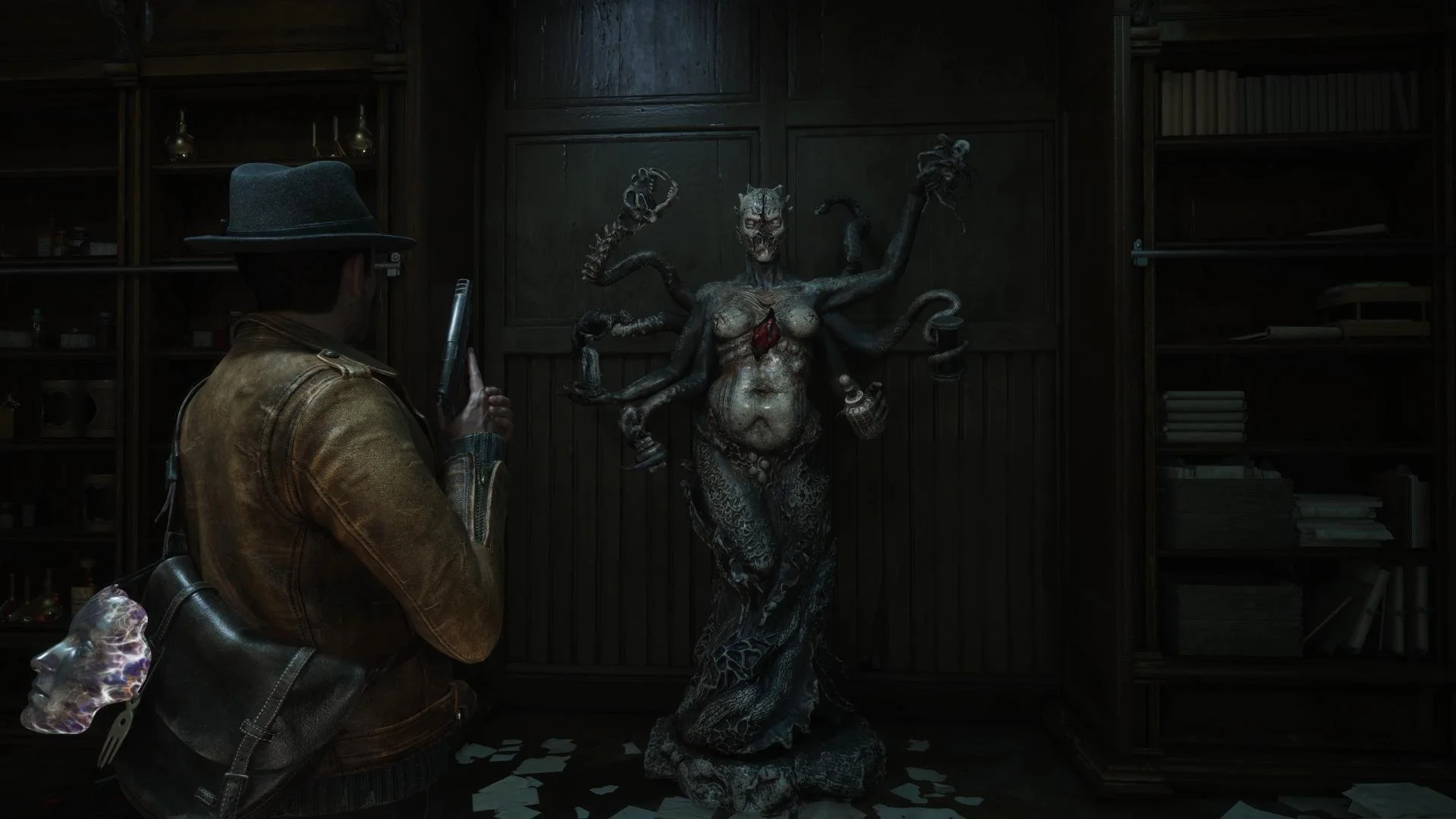
There is even an interesting moment when Calvin exits one in front of a side character, as they remark that Calvin sort of just came out of nowhere. Safe rooms have a Talent desk, a storage box, a record player with a giant shell on it, which is used to save your game, as well as a lot of environmental storytelling with pictures of the couple through their relationship.
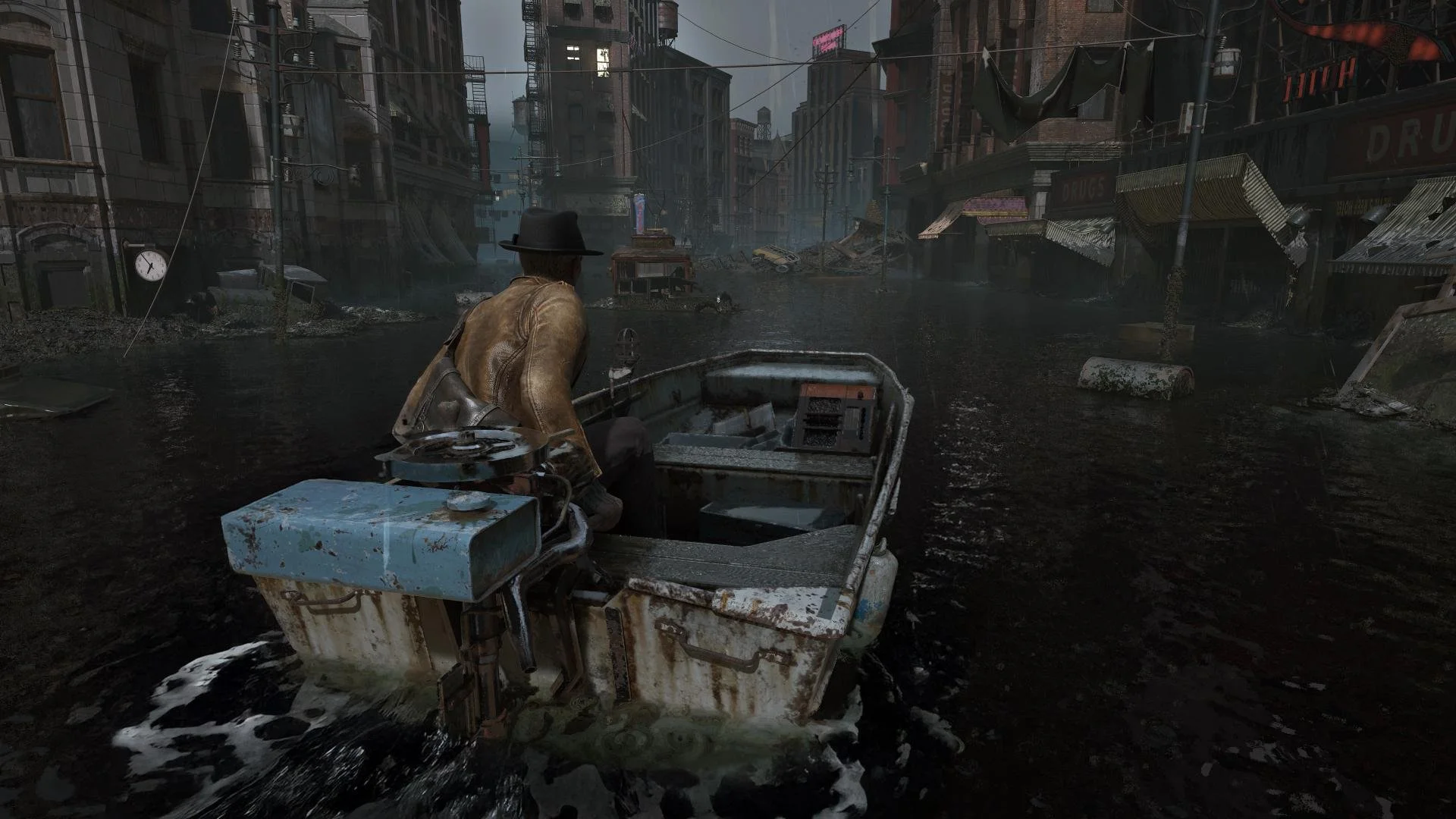
Across your journey to track down Faye’s body and get to the bottom of the ritual, you’ll explore a few locations. The opening city of Arkham serves mostly as an introductory location, and doesn’t quite share in the design philosophy that the rest of the game shifts to. You do get to use the boat a bit later on, but it’s not used in the same method, but more of a way to cross a body of water than using it to traverse a flooded location.
From a flooded Fish Market to the depths of a frozen city, there is a lot going on that provides locations we really haven’t ventured to in this space. The Fish Market is an amazing location, loaded with numerous shortcuts, doors looked via Octopus arms, open freezers, and a host of rooms, offices, and market booths. It's a very unique location that is brilliantly designed, and is a stand out here.
However, one location, while still great to explore, does suffer a tiny bit given that Resident Evil 9: Requiem did just give us a big multi-floor medical care facility, so its impact here doesn’t quite stand out. I love the facial recognition element of having certain doors locked, but it is a location that does suffer the most simply due to bad timing.
Regardless, the environments look fantastic, with Unreal Engine 5 doing its job and providing a great amount of detail, especially as much of each location is flooded in darkness. The lighting also serves as a great way to make these locations really sing, and Frogwares has really upped their game here with not just the visuals, but their use of the tech as well.
Navigating each location is through a series of locked doors, tight corridors, and moody exteriors through a series of short cuts and back doors. Fans of Capcom's classic will recognize the similar design also present in the game's maps, with colors representing cleared rooms or those will secrets left to tell.
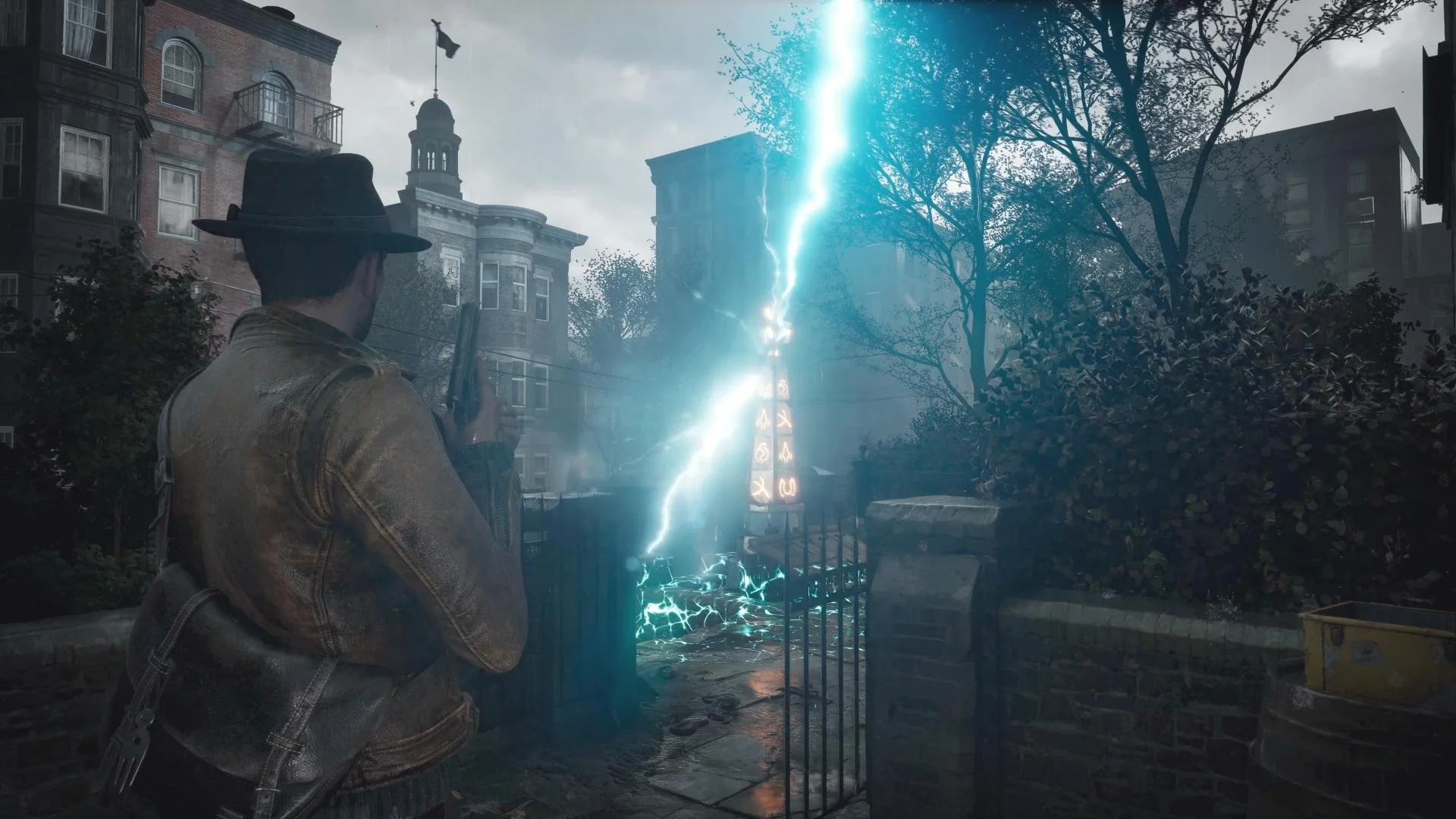
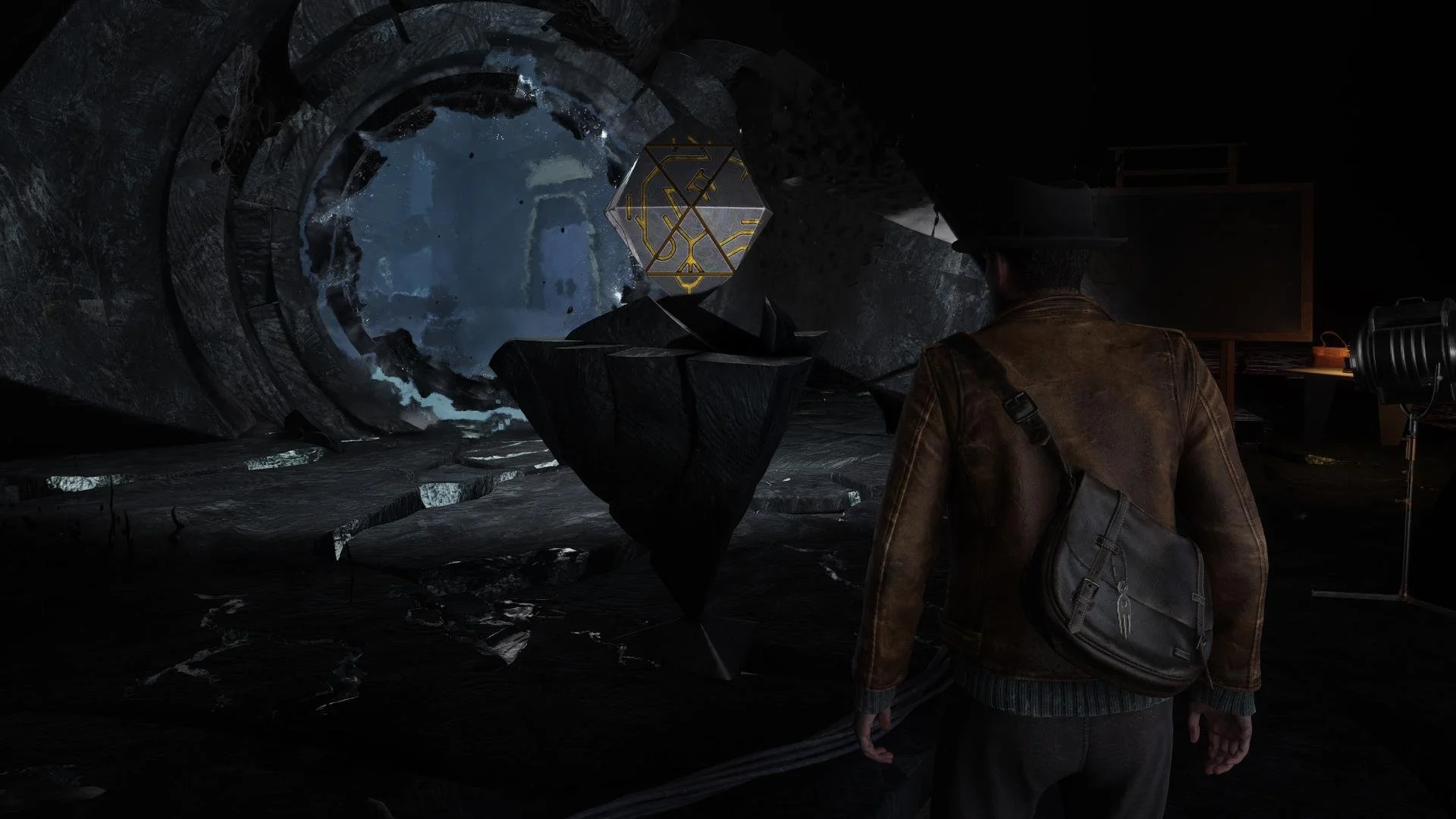
Each location is filled with puzzles, some through learning the codes to pop a lock, the switches needed to power up a generator, or deciphering the occult symbols to spell out their solution. From rotating a series of said symbols, to powering up technological keys, which require their own set of symbols, certain puzzles start to take shape as fitting well within the Lovecraftian theme. While not every puzzle is a winner, several are satisfying, with even one being a certain point on a wall where you need to shoot, one I found by simply being curious.
Monsters fill out the various shapes and forms we expect of Eldritch horror, with creepy crawlies and shambling zombie-like humanoids. They work themselves up to abominations and harvesters, who deal significant damage and are vastly intimidating. You’ll encounter mini-bosses in the Juggernauts, who are the combination of every Lovecraftian horror you can imagine, as they move their hulking body around, forcing you to take a stand. However, my favorite of the bunch are the Revenants, who pull their face apart from a vertical split, and fire off blasts at you. As their face glows red, it burns in the darkness and makes them visible, allows you to either run from fear, or gun them down.
The Sinking City is a visually impressive title, and its presentation isn’t just what you see. The sound design is remarkable, with genuine fear building from all the sounds, or sometimes the entire lack of sound, fueling your dread. It doesn’t quite hit Capcom levels of quality, but this is likely the best attempt at doing so, with various other Survival Horror titles barely keeping up.
While I do wonder what a true sequel to The Sinking City would have felt like, this new direction does push the series into an interesting route that I hadn’t considered. I am saddened to see the detective aspects fade more into the background, but with thrilling combat, an atmosphere that fills you with dread, and Frogwares’ strong character work, I’m eager to see where they could take us next.
My takeaway is that while The Sinking City 2 isn’t quite a true sequel or that it feels as part of its heritage, the steps made to evolve the series into something more financially viable is a smart play and Frogwares has done their homework, or at least peaked over the shoulder in front of them to create a very impressive attempt at the genre. It doesn’t quite nail everything, with an ending that will certainly be talked about at length in numerous Youtube essays, but the journey through its Lovecraftian horrors is extremely well done and a showpiece for the studio, as well as a vision I can certainly get behind.
Developer - Frogwares. Publisher - Frogwares. Released - August 18th, 2026. Available On - PS5, Xbox Series X/S, PC. Rated - (M) Blood and Gore, Intense Violence, Partial Nudity, Sexual Themes, Strong Language. Platform Reviewed - Xbox Series X. Review Access - A review code for The Sinking City 2 was provided by the publisher for the purpose of this review.
Jeff is the original founder of Analog Stick Gaming. His favorite games include The Witcher III, the Mass Effect Trilogy, Hi-Fi Rush, Stellar Blade, Hellbade: Senua’s Sacrifice, and the Legend of Heroes series, especially Trails of Cold Steel III & IV.