
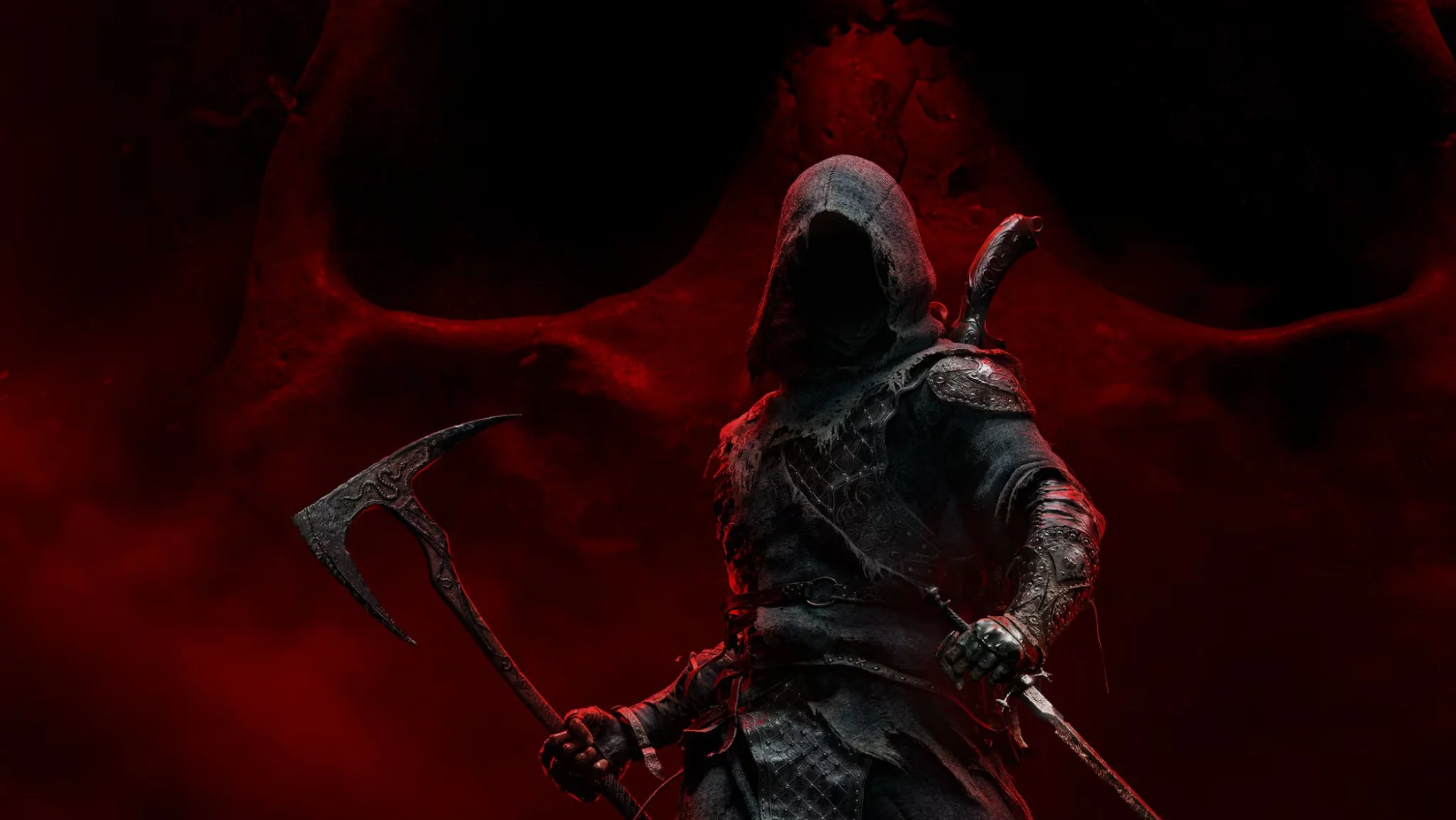
Hero In A Whole Shell
Mortal Shell II has been one of my most anticipated titles of 2026, and thankfully, it was worth the wait. This is, of course, the sequel to Cold Symmetry’s Soulslike, Mortal Shell, which was released back in 2020. I thoroughly enjoyed the original, and this sequel feels like the studio took everything that worked before and expanded upon it in almost every conceivable way.
For those who don’t know, Mortal Shell’s twist on the Soulslike formula is the Shell system. Instead of selecting a traditional class, you inhabit, for lack of a better term, the mortal shells of several long-dead people. From the returning stealth-focused Tiel the Acolyte, and Eredrim, a more brutish knight who can apply stagger with ease, to familiar faces that are now playable alongside completely new additions. There is plenty of variety on offer, making choice feel like a progression of its own.
Each Shell comes with its own unique abilities. Some can temporarily become invisible, allowing you to land a powerful backstab, or simply avoid detection entirely, while others can activate defensive abilities that minimise incoming damage. Effectively, the Shells are Mortal Shell II’s version of classes, but Cold Symmetry has given them considerably more personality than you would typically expect from a class-based system.
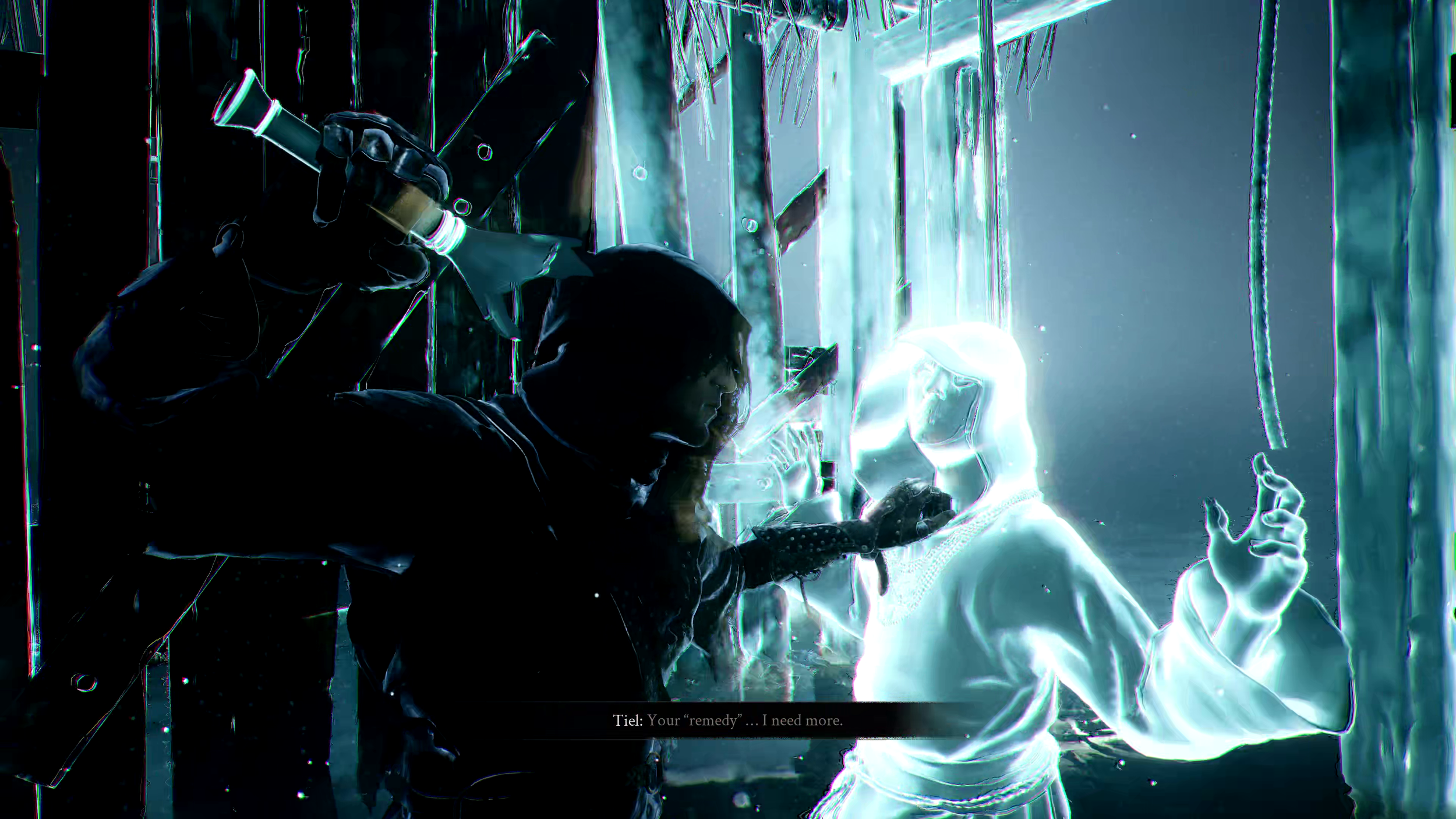
Every Shell has its own history, and throughout the game you can discover more about the people whose bodies you are inhabiting. There are even flashbacks that allow you to experience moments from their past, giving each one an identity beyond simply being a collection of statistics and abilities. Certain resources also allow you to increase your bond with a Shell, opening up additional skills and abilities as you progress.
It makes discovering a new Shell genuinely exciting because you're not simply wondering what its stats are. You want to know how it plays, what abilities it offers, and who this person actually was before you came along and decided their corpse looked useful.
But just like any great Soulslike, classes are only one part of creating a build. Mortal Shell II has a variety of weapons to discover for both melee and ranged combat, alongside Tarstones that provide different buffs and abilities. There is so much flexibility here that after finishing the game primarily using Tiel, I immediately wanted to go back and play through it again using an entirely different Shell and weapon combination.
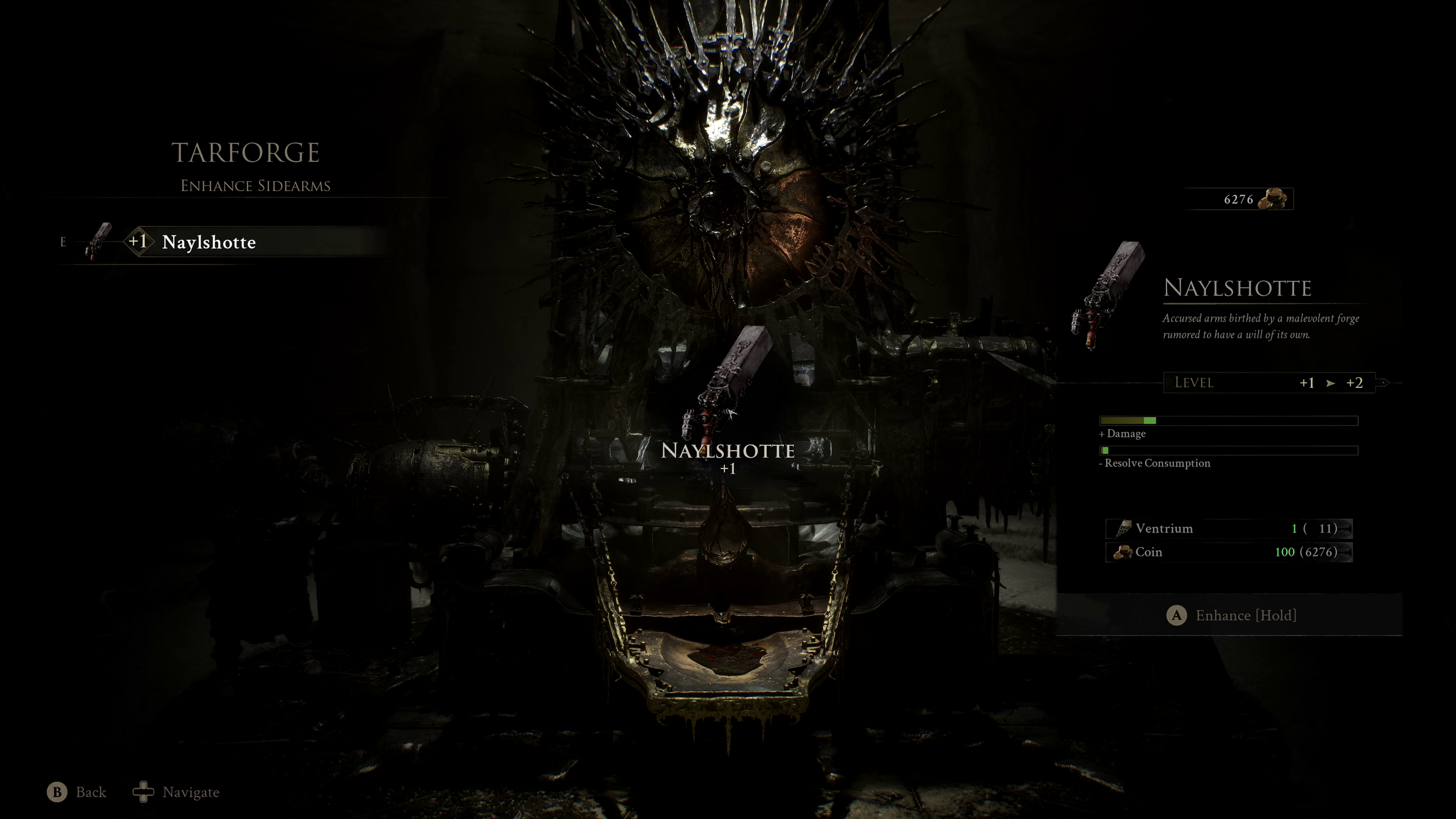
That build variety is one of Mortal Shell II's biggest strengths. You can find something that suits your preferred playstyle and stick with it, or constantly experiment as new weapons, Tarstones, and Shells become available. Despite spending most of my playthrough with Tiel, I was constantly being tempted by new toys that made me wonder how differently certain encounters would have played if I had built my character another way.
Combat itself will immediately feel familiar to anyone who has spent time with the Soulslike genre. You have light and heavy attacks, dodging, blocking, parrying, and weapon abilities, but Mortal Shell II has one major difference that completely changes the pace of its combat: there is no traditional stamina meter. A design choice that I absolutely love.
You aren't constantly staring at a green bar wondering whether you've got enough stamina left to attack one more time or dodge away from an incoming strike. Instead, Mortal Shell II lets you focus on the fight itself. You still can't simply mindlessly spam attacks because enemies will happily punish you for getting greedy, but removing stamina makes combat feel considerably more fluid and aggressive.
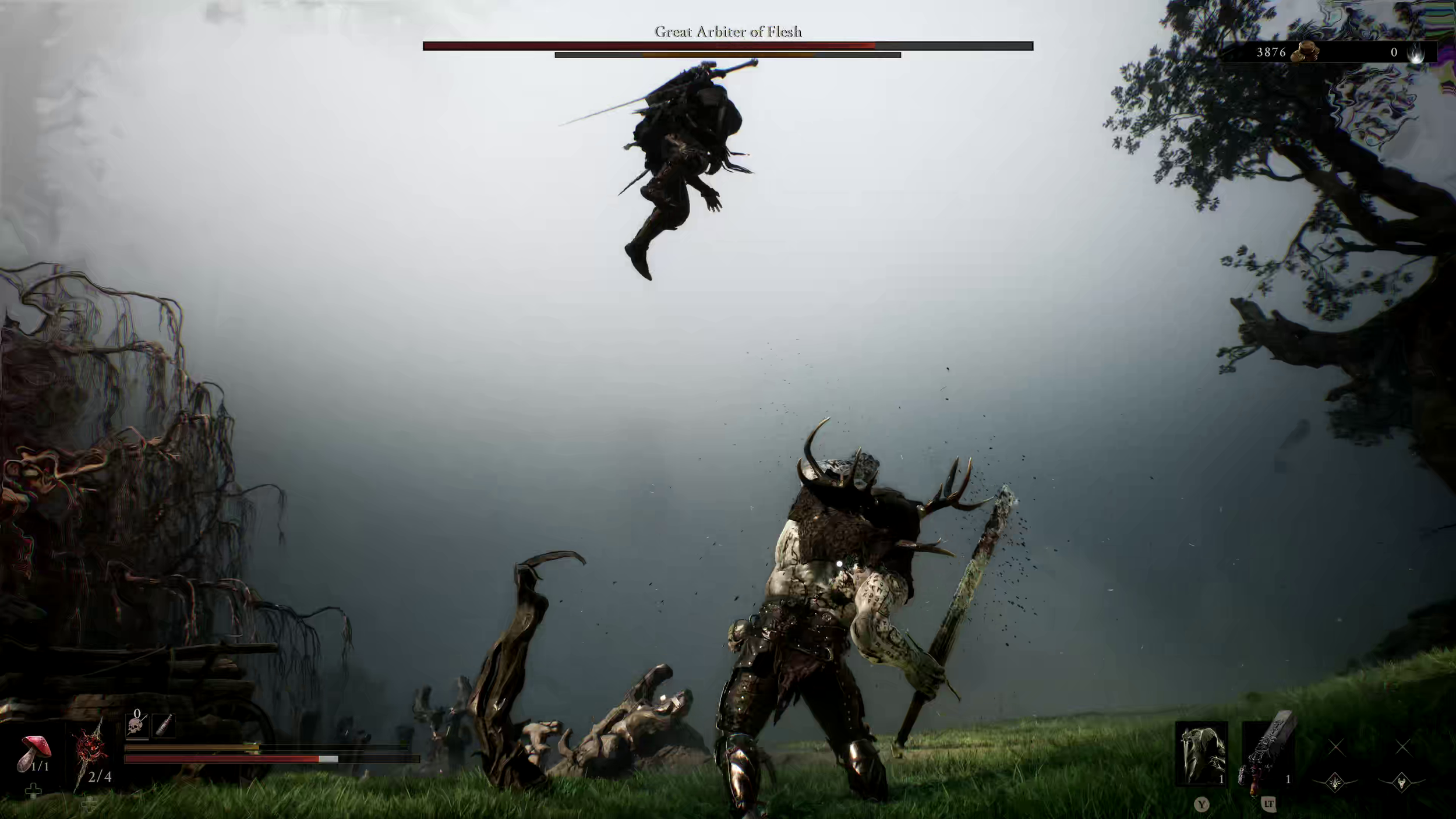
Defence instead revolves around systems such as posture, meaning there are still consequences for sitting behind your defences and absorbing everything an enemy throws at you. Take too much punishment and you'll find yourself staggered, knocked down, or potentially forced out of your Shell entirely. It creates a combat system that is fast without becoming thoughtless.
Break Damage is another huge part of that system. Alongside dealing normal damage, your attacks can build Break Damage against enemies, eventually staggering them and opening them up for a devastating riposte. Against standard enemies this can quickly turn the tide of a fight, but against bosses it becomes even more important, with some encounters requiring you to properly break through their defences before you're able to cause serious damage.
Once you start combining Break Damage, Shell abilities, weapon upgrades, and Tarstones, Mortal Shell II's combat really starts to shine. There were plenty of moments where I realised an ability or Tarstone I'd previously ignored suddenly fitted perfectly with the build I was putting together.
The weapons themselves also feel great to use. Attacks have real weight behind them, and landing a powerful strike or riposte feels satisfyingly brutal. Enemies don't simply feel like health bars that you're gradually shaving numbers from; your attacks have impact, and when you finally break through an enemy who has been causing you problems, it feels fantastic.
Of course, a Soulslike lives and dies by its bosses, and Mortal Shell II has some brilliant encounters. Cold Symmetry has done a great job of creating bosses that test your understanding of the combat systems rather than simply asking you to dodge the same attack pattern repeatedly. Learning when to attack, when to reposition, and how to build Break Damage becomes incredibly important, particularly as you get deeper into the game.
Some bosses absolutely kicked my ass, but that's exactly what I want from this genre. There are few things more satisfying than spending attempt after attempt learning a boss, gradually understanding what you've been doing wrong and then finally landing that killing blow.
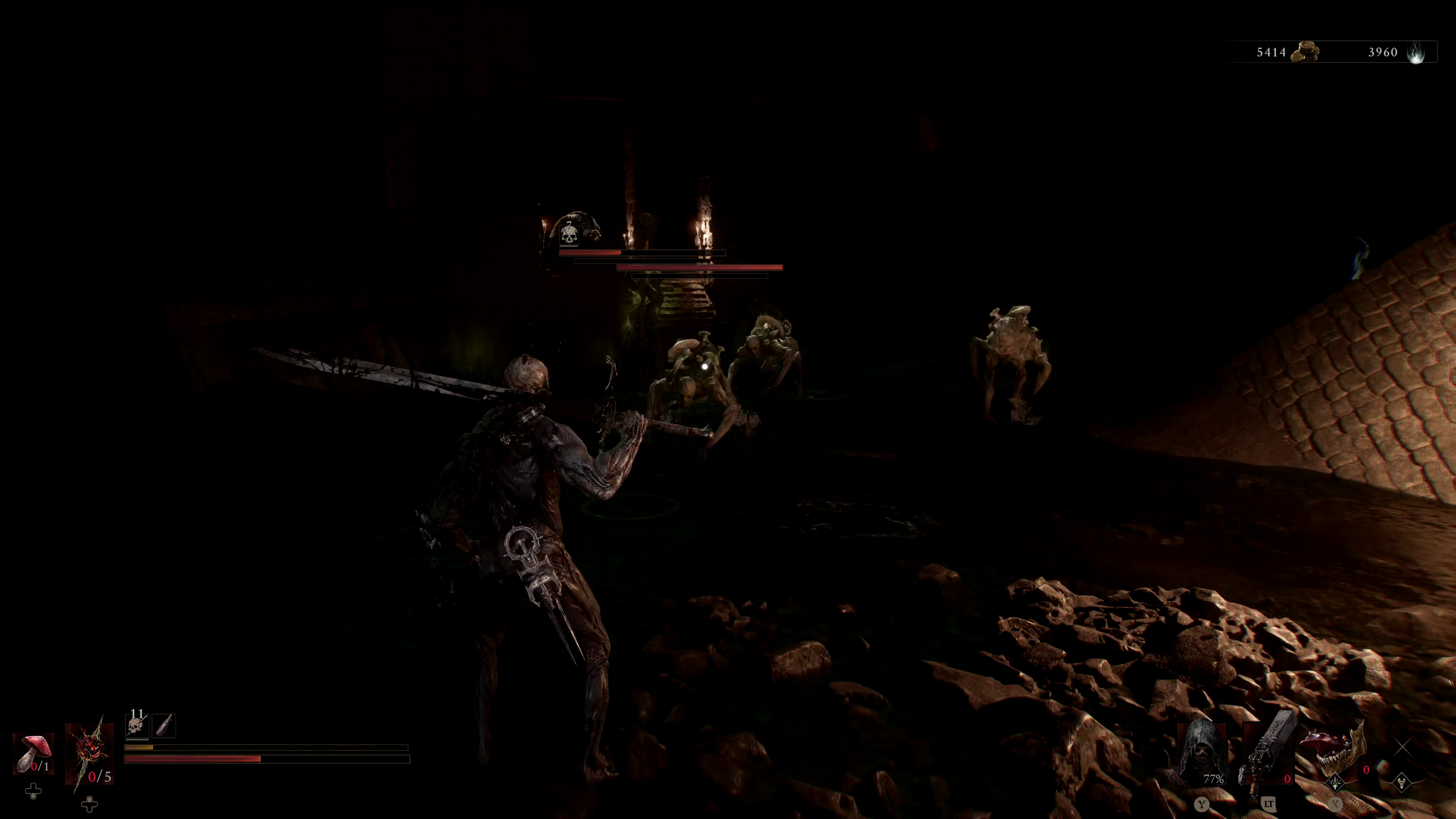
Thankfully, I never experienced the camera problems that can sometimes plague games like this. Even during fights against larger enemies or when dealing with multiple opponents, I found the camera reliable throughout my playthrough, which meant that whenever I died, I generally knew exactly what I'd done wrong.
The other major highlight is the world itself. Mortal Shell II is considerably larger than its predecessor, but more importantly, it feels like a world that actually rewards you for exploring it. Areas connect together in ways that constantly encourage you to wander away from the obvious path, and I regularly found myself heading toward something I'd spotted in the distance only to realise twenty minutes later that I'd completely forgotten what I was originally supposed to be doing. That is one of the biggest compliments I can give an open-world or interconnected game.
Exploration rarely feels like wasted time because there is almost always something waiting for you. You might discover a new weapon, Shell, Tarstone, quest or another path entirely. Fast travel eventually makes moving around much easier, but there were plenty of times where I preferred travelling normally because I knew there was a good chance I'd stumble across something I'd previously missed.
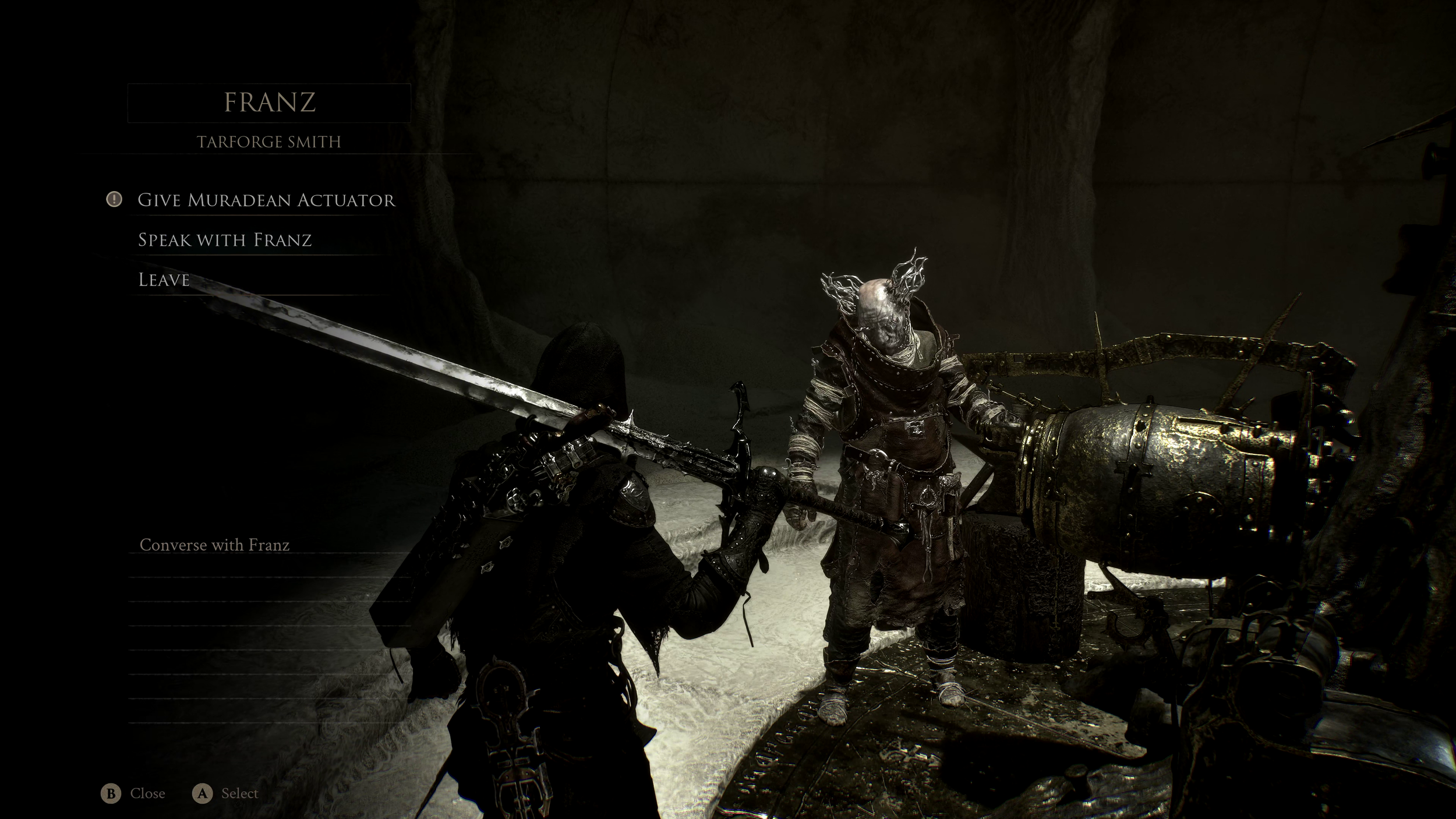
In that respect, Mortal Shell II occasionally gave me the same feeling I had exploring Elden Ring. I'm not saying the two games structure their worlds in exactly the same way, because they absolutely don't, but they both understand the importance of making the player curious.
If I can see something interesting in the distance, I want to know whether I can get there. More often than not, Mortal Shell II lets you find out. Traversal is surprisingly enjoyable thanks to forgiving fall damage. Being able to throw yourself from ridiculous heights and effectively superhero land at the bottom makes exploring vertical environments much less frustrating than it could have been. It encourages you to experiment rather than constantly worrying that stepping off the wrong ledge is going to result in an instant trip back to the nearest checkpoint.
Visually, Mortal Shell II is also a massive improvement over the original game. Cold Symmetry's dark, grotesque art direction was already one of the original Mortal Shell's strengths, but the increased scale of the sequel gives that style considerably more room to breathe.
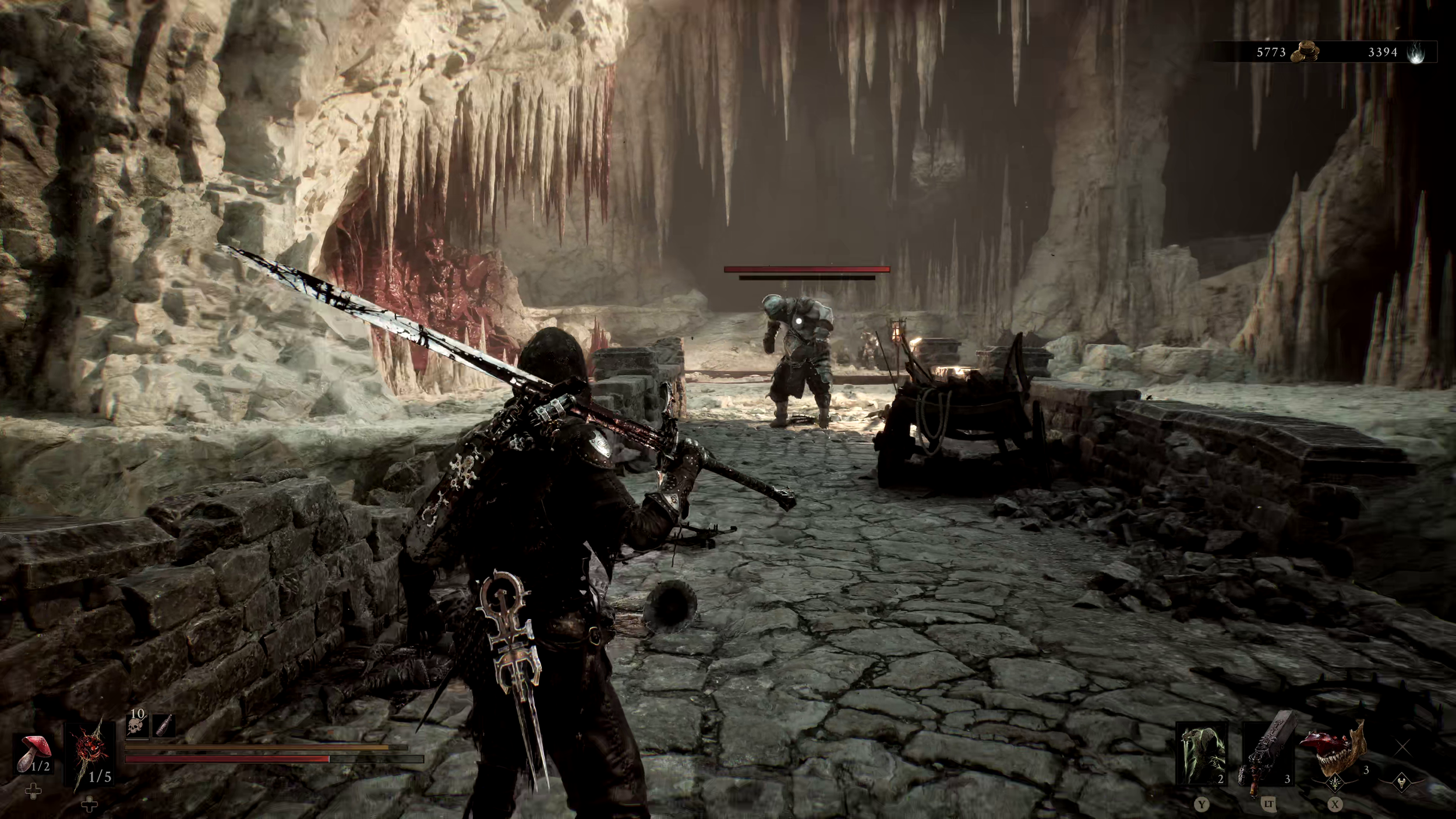
Huge structures tower over the landscape, ruined environments stretch into the distance and some locations look absolutely incredible. There is a constant sense that you're exploring a world that has been completely torn apart, and the environments do just as much storytelling as the characters inhabiting them.
The audio deserves plenty of praise as well. Weapons sound suitably heavy when they connect, larger enemies have a genuinely threatening presence and environmental audio helps bring each area to life. Combined with the visual design, it creates an atmosphere that feels oppressive without every location simply becoming another dark corridor.
Performance on PC was also very solid throughout my 29-hour playthrough. I encountered some occasional stuttering in specific areas, alongside a handful of minor glitches and collision issues, but nothing that had any significant impact on my experience.
More importantly, I experienced no major bugs or crashes during my time with the game. Cold Symmetry is already aware of the smaller issues I encountered and is working to address them, but even in the build I played, Mortal Shell II was remarkably stable.
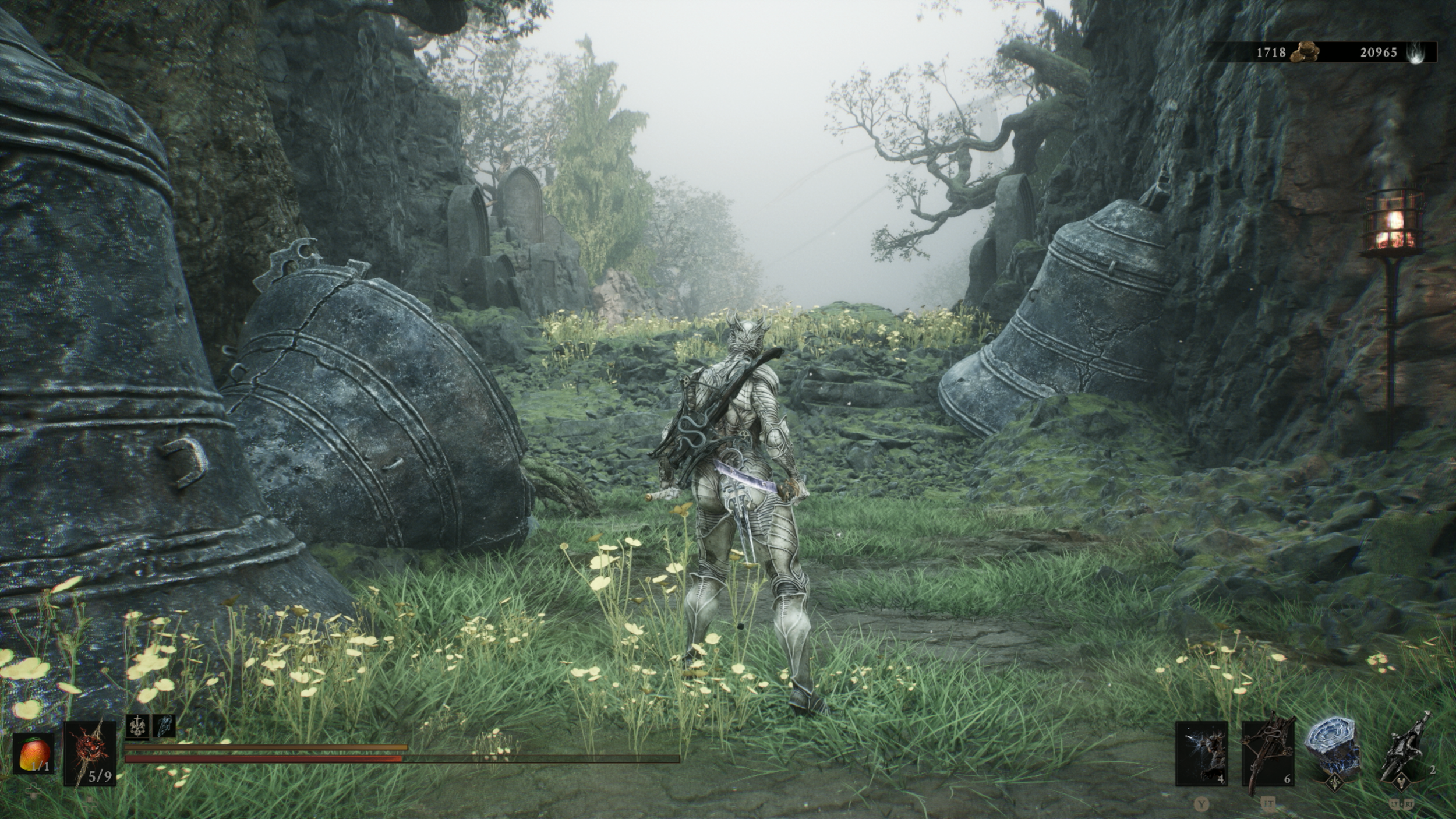
It took me approximately 29 hours to reach the credits, although that included plenty of exploring and inevitably getting distracted whenever I spotted something interesting in the distance. You could probably reach the end faster if you were determined to stay focused, but doing that feels like missing a huge part of what makes Mortal Shell II so enjoyable. By the time the credits rolled, I wasn't relieved that I'd finally finished it. I wanted to start again.
There really isn't anything about Mortal Shell II that I would consider a genuine criticism. There were difficult encounters, there were moments where I died repeatedly and there were times where the game absolutely battered me, but that's part of why I play these games in the first place.
If I could add one thing, however, it would be co-op. Being able to explore this world and take on bosses with another player, similar to Elden Ring or Lords of the Fallen, would have been the icing on the cake. I wouldn't call the lack of co-op a negative because Mortal Shell II is clearly designed as a single-player experience and it excels as one, but this is exactly the type of game that I would love to go through again alongside a friend. Thankfully, even without that option, I'm already incredibly tempted to start another playthrough.
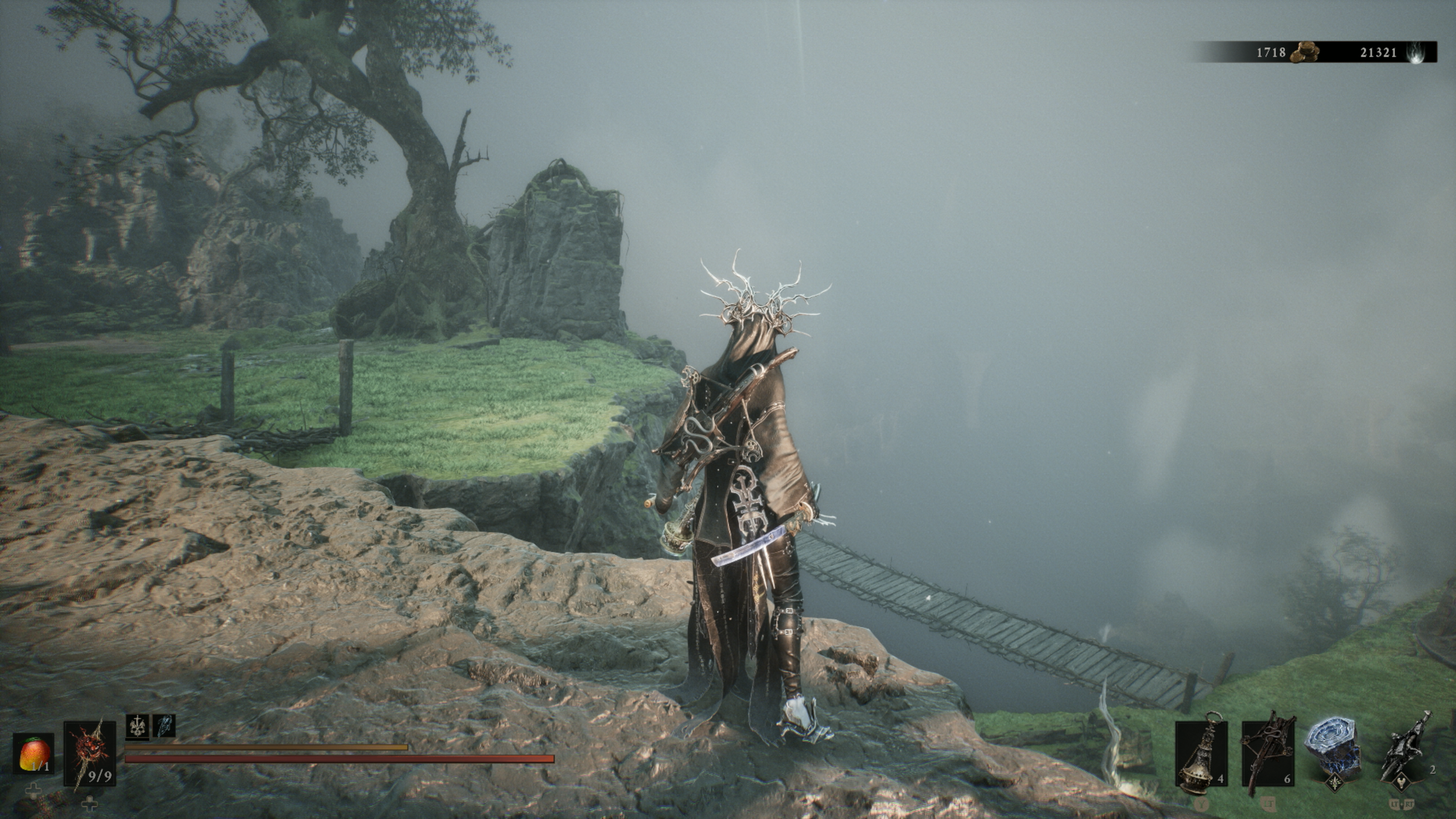
Mortal Shell II feels like Cold Symmetry taking everything it learned from the original and finally delivering the game that those ideas always had the potential to become. The Shell system gives it a genuine identity in an increasingly crowded genre. The combat is fast and satisfying, and the amount of build variety makes experimentation worthwhile and its interconnected world constantly rewards curiosity.
More importantly, I never felt like Mortal Shell II was simply trying to be another Dark Souls. It understands what makes the Soulslike genre work while adding enough of its own personality and ideas to stand confidently alongside the games that inspired it.
After nearly 30 hours, I came away with nothing more than complete satisfaction, with next to no complaints, apart from my desire to play this game with a friend. That said, Mortal Shell II is my favorite Soulslike since Elden Ring, and considering the titles that have released since then, it’s my highest recommendation that I can make. Cold Symmetry knew the assignment, and absolutely nailed it.
Developer - Cold Symmetry
Publisher - Playstack
Released - August 20th, 2026
Available On - PC, PS5, Xbox Series X/S
Rated - (M) - Blood and Gore, Intense Violence, Strong Language, Suggestive Themes
Platform Reviewed - PC
Review Access - A review code for Mortal Shell II was provided by the publisher for the purpose of this review.
I’m Jordan I have a background in game design and am deeply passionate about accessibility in gaming. My favourite games/franchises include Shenmue, Red Dead Redemption 2, Plague Tale: Requiem, Metal Gear Solid 3, Yakuza, Splinter Cell, and Assassin’s Creed.