
A light in the darkness.
Seven years ago, Asobo Studio, gave us A Plague Tale: Innocence, a 14th Century France stealth-adventure about a 15-year old French noble girl named Amicia and her ailing brother, Hugo. It would receive critical acclaim and be followed up with a sequel in A Plague Tale: Requiem, which would further the adventure of the siblings and garner the studio their first GOTY nomination at The Game Awards. Both titles felt incredibly personal in their stories, full of mature emotional storytelling, and extremely memorable characters.
Asobo had a knack for phenomenal storytelling, but wanted to test out their combat chops as both Innocence and Requiem were games that often hid from combat. Instead, rats were your weapon, and light your ally. Amici would have some scuffles, but would indirectly deal with her attackers as her age and frame were not designed or built for combat. That, and it wasn’t that kind of game.
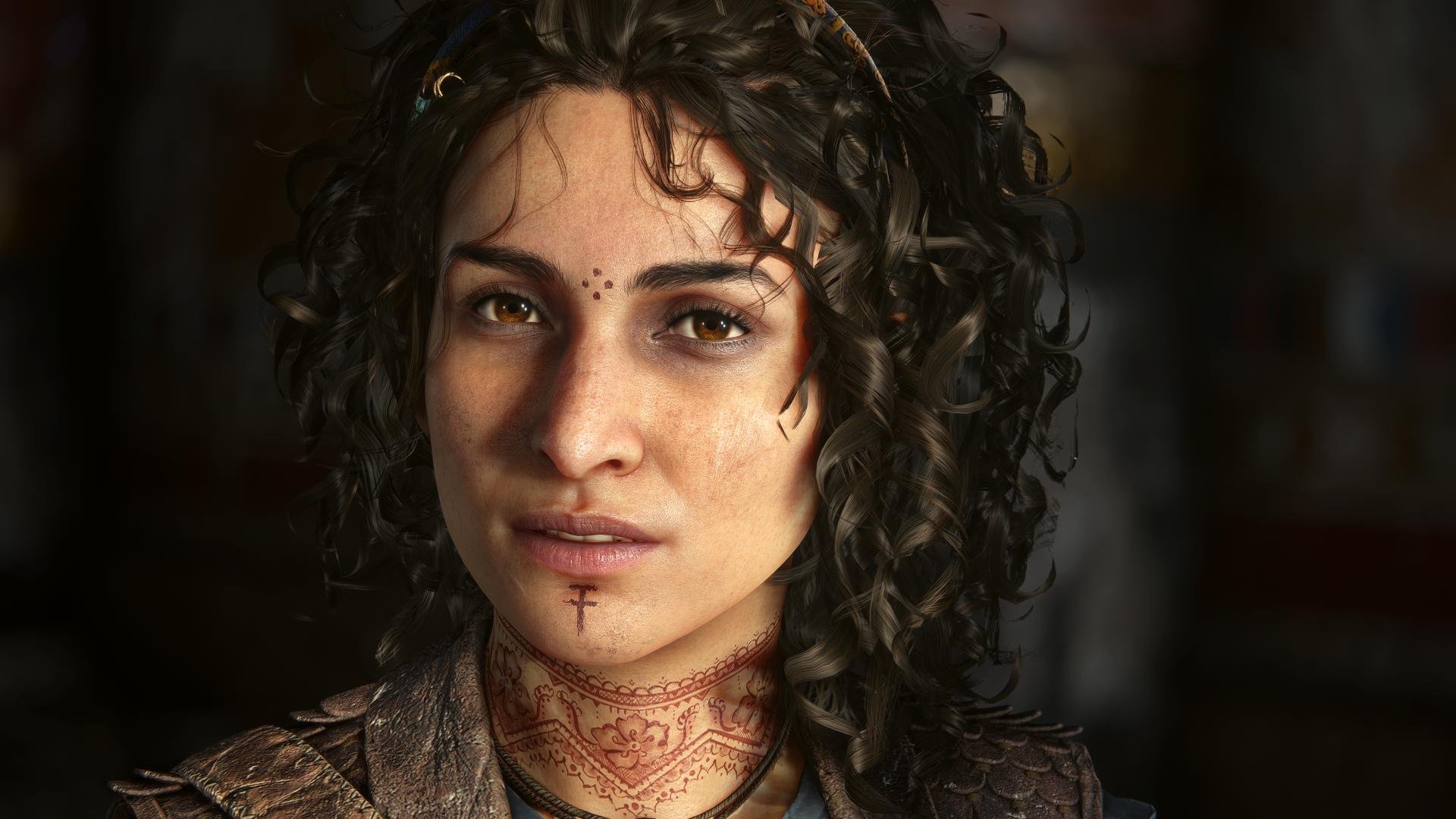
So, Asobo, taking a break from Amicia’s journey, wanted to make THAT kind of game, and they have in Resonance: A Plague Tale Legacy, featuring a beloved character from A Plague Tale: Requiem; Sophia. This smuggler, also known as the Sea Scorpion, became a close and personal ally to Amicia and Hugo, and her past is one we are only ever given a few lines of dialogue about. She was somewhat of a mystery. ‘Was’, being the key word now.
Resonance is that past and Asobo’s mature and emotional storytelling may be behind the backdrop of a game that feels equal parts Uncharted and Tomb Raider, but it’s still there, offering up a game that truly redefines the character and adds a level of curiosity to her motives that we never knew about. It took a character that was already interesting and made her even more so, especially given her role in Requiem.
Despite what I assumed from the initial trailers and press materials, Resonance goes places I really wasn’t expecting, and has some incredible set pieces and character moments that I’m going to be fairly light on as I discuss them. The game features two very different halves, two very different characters living two very different lives, and each illustrate their respective storylines in ways that are unique to each character, but ultimately are woven together to become Sophia’s story as a whole. It’s brutal, it's lovely, and it's incredibly heart wrenching. It’s also my favorite game of the studio’s so far.
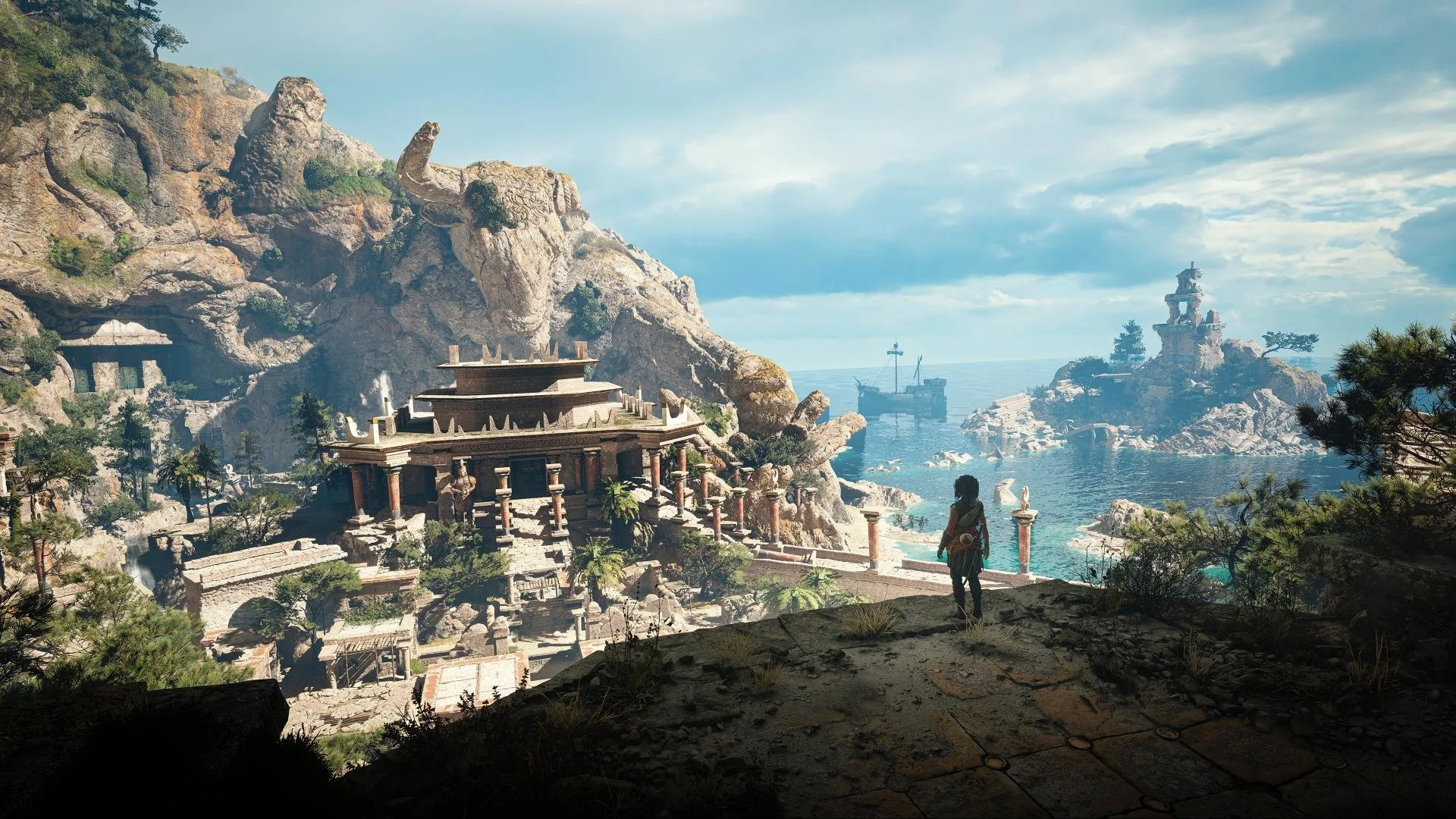
We meet Sophia as a young girl, locked away in a monastery after her mother feared she would follow the smuggler lifestyle of her father. However, during her stay, she was filling a book with drawings. Those drawings were not of her imagination, but of memories she was prone to experiencing through visions. Upon being rescued by her father, who had finally tracked her down, her visions and that book were used to discover a long forgotten island, aptly named the Minotaur’s Island.
Now, the game does borrow from some aspects of Greek Mythology. The Minotaur’s Island is basically a replacement for Crete, and Sophia’s memories are linked closely together with the hero of Athens, Theseus. Asobo makes a few twists and changes to the legend, and it is those changes that make the story largely unpredictable, to a point, anyway.
This island would be an obsession of her fathers, one that ultimately would consume him. While treasure and wealth were certainly motivational factors, the truth behind his obsession with the island is a lot more personal than we are led to believe. However, Sophia herself wanted answers to her visions all the same. Why was she having them? Who was this Greek warrior? And was the Minotaur actually real? She would eventually find her way to the island and discover those answers for herself, but at a cost she may not be willing to pay.
My biggest question going into Resonance was if it would feel like the series it is spinning off from. Would a change from stealth to direct combat cause it to lose its franchise identity. Thankfully, for a good chunk of the game, it very much feels like A Plague Tale, and offers up the same sort of personal storytelling we are accustomed to. There is also a similar darkness to the ordeal that lines up with Amicia’s journey, despite the execution being wildly different.
While I enjoyed Amicia and Hugo's emotional journey, I truly feel that Sophia's tale is better written and more fleshed out, and that is largely due to a compelling cast and the depth at which Sophia struggles with pushing through this mystery. To live is to suffer, or so I’ve been told by another game I am reviewing. Still, it works here as well.
When we fully take control of Sophia, she is 22 and very eager to prove herself. This is 15 years earlier than the events of Requiem. Here, she is being appraised and trained by Irene, who is a dominating force, and not easy to impress. Sophia's aptitude is insatiable, and she picks up the training extremely quickly. It's here where we learn combat and her offensive measures to counter her foe.
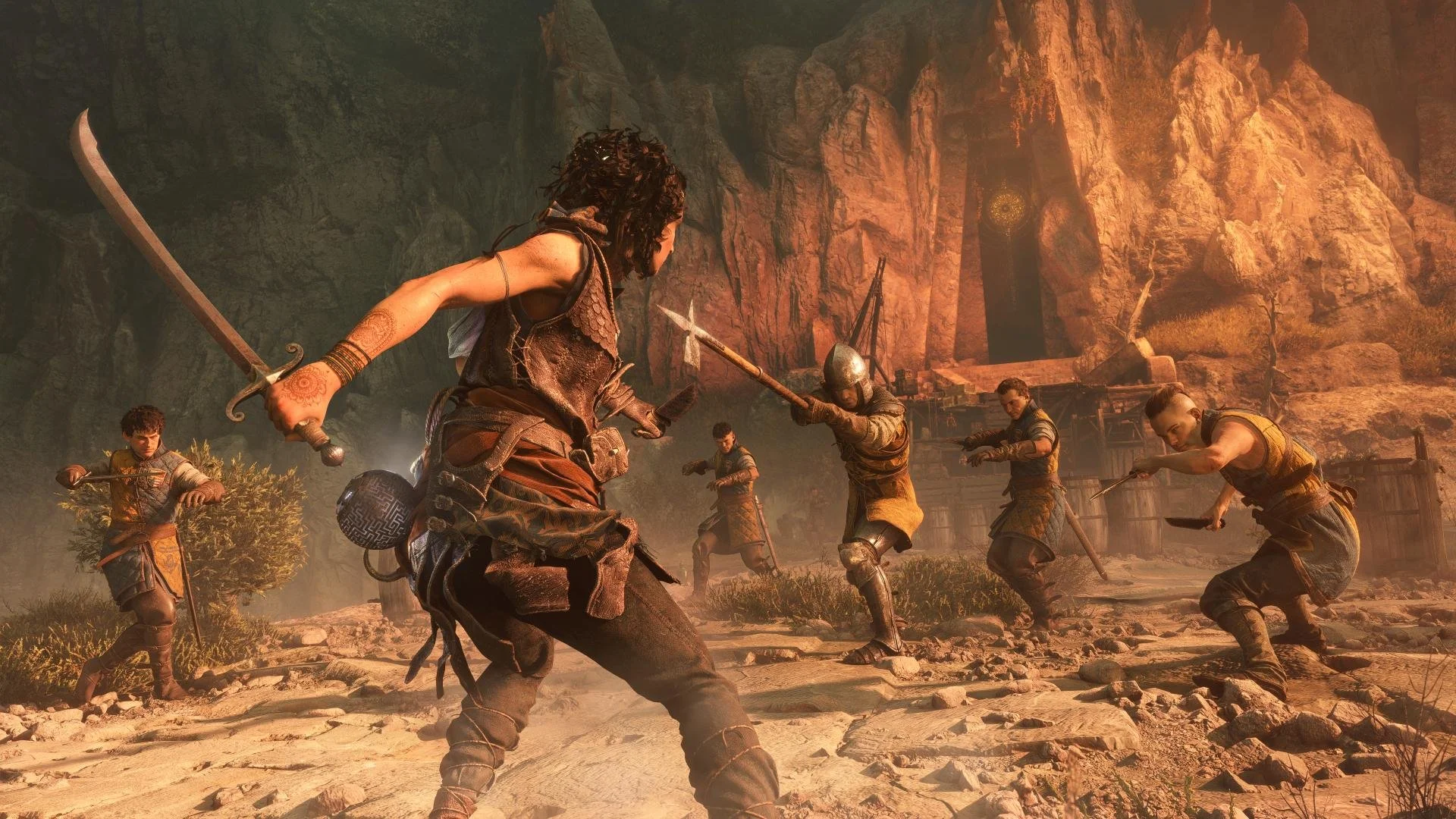
Despite her training, she is denied entry to the island. However, during a mission to track down the key to unlock the secrets of the island, the team is betrayed, their forces scattered and butchered, and as chaos ensues her home, she flees to the island with her closest friend, Leni, with said key, and her journal.
The island offers up the two different halves as previously mentioned. The initial few chapters take place above ground, offering a very Uncharted feel to the game. You’ll solve puzzles, zipline, and fight the army of soldiers that have been led to the island by a supposed traitor to your smuggling family, mysteriously known as the “Viper”. While the game does attempt to make you contemplate who it could be, I really wasn’t surprised at the outcome. This is largely due to the lack of any real characterization to them to throw me off the scent. Had the game done a better job at convincing me otherwise, then the ‘shock’ would have been more impactful.
Like Nathan Drake, you have a journal that you’ll refer to with clues to your surroundings and how to solve the various puzzles you’ll encounter. While some are drawn from the visions Sophia had, many are made by her father and his second in command, Faro. However, the drawings are largely incomplete, due to the pair exploring the island without the key. I was sort of puzzled by how far they got into the island without the key, with their expeditions seemingly pushing through the island’s secrets without much fuss.
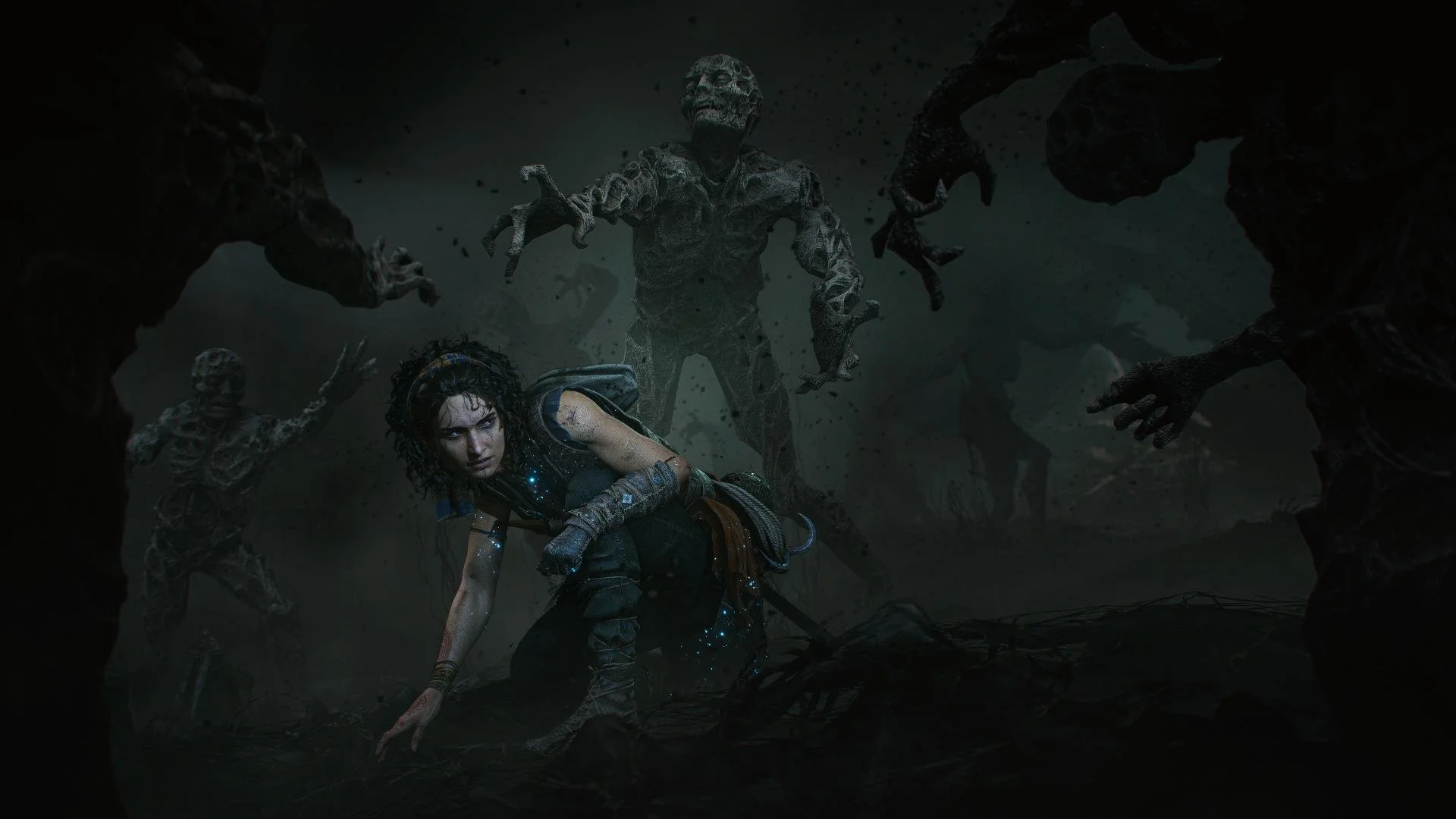
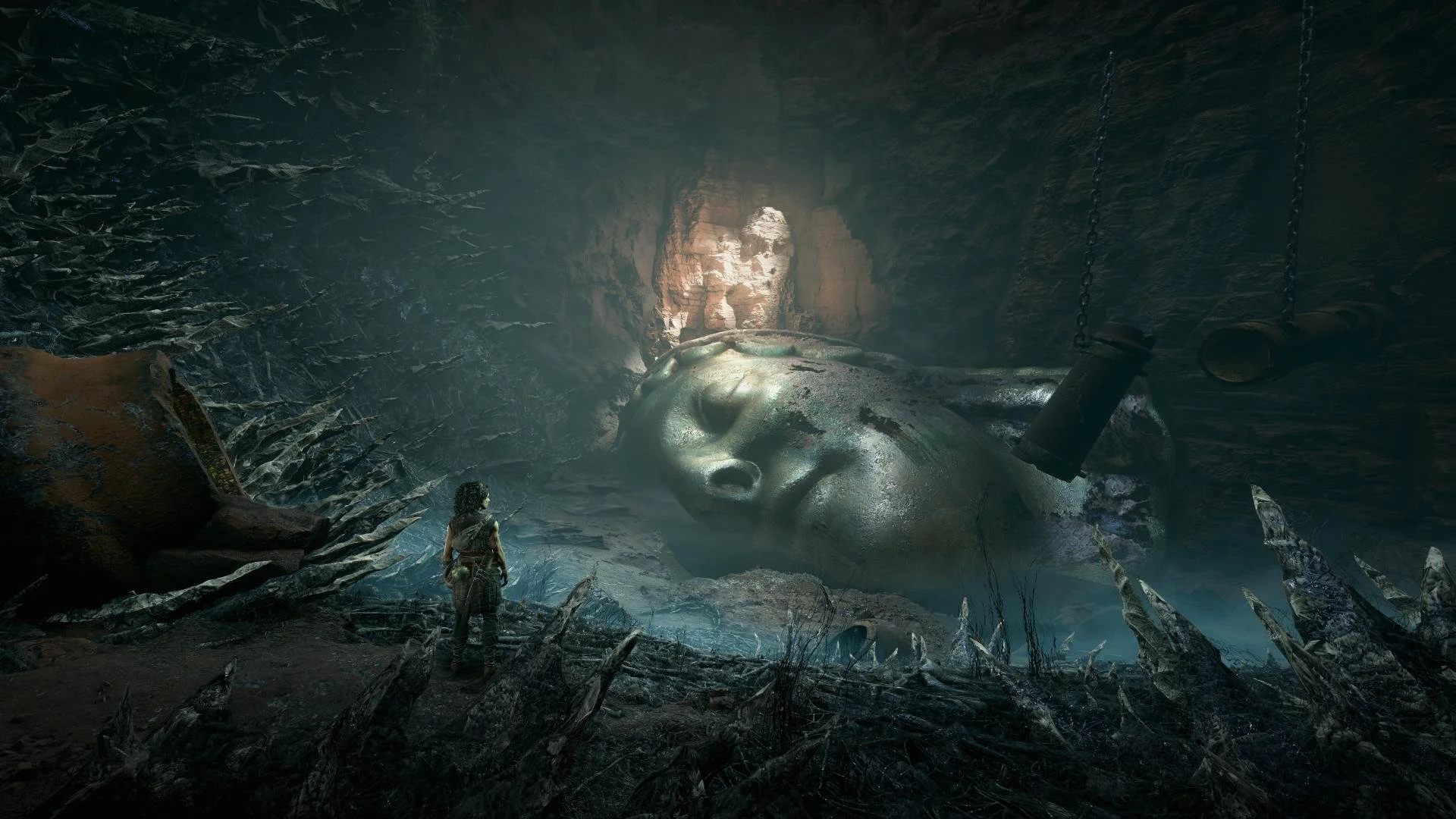
The second half of the journey leans more into the Tomb Raider feel of the game, especially the more darker and mature iterations by Crystal Dynamics and Eidos Montreal. Here, you are stalked by an entity that fears the light. It is an almost smoke-like snake with what I can only describe as the mouth similar to that of the Predator. Several sections of the game have you stealthing your way past it, or sprinting to the nearest light source, some of which you’ll need to spin up or strike with your sword to set it ablaze.
What makes these encounters even more tense is shortly into entering the darker reaches of the island, Sophia and Leni notice a blue dust that clings to them and the ground when they run or walk. This dust is generally how the creature seeks you out, with crouching and hiding being the only way you can move without generating this dust. It makes for some incredibly tense moments where you are trying to escape the creature. Eventually, you’ll have ways to fend off the threat, but for the bulk of your encounters, you’ll need to run, hide, or find a light source to survive.
While there are moments where you’ll be alone, Sophia is joined by her closest friend, Leni. Their relationship is one of the better aspects of the game. There is solid chemistry between the two and their playful nature between them is written extremely well. From trying to make sense of their current situation, or the moments where Leni will try to think of a name for her eventual ship, the moments the game gives us with them are those I treasure the most. And, like most games of its ilk, the story can’t wait to split the pair of you up.
Sophia may have come to the island with Leni, but her past also follows her. Faro, her father’s right hand, is also there, looking for answers and to understand why Sophia stole back her journal and left her people behind during the initial chaos to find the key. His relationship with her is strained, with Sophia claiming her visions have faded over the years. This lack of trust has a powerful impact on the story. That said, my only flaw with Faro is his voice is too on the nose for the type of character he is portraying, and it caused me to not enjoy his character as much. I love his writing, the dialogue, and his role here, but the voice work felt too much like what you’d expect from an animated film and felt too corny and overplayed here.
There are a few other supporting characters as well that are a big part of Sophia’s story. Irene is part of the smuggler crew, and is responsible for the training of Sophia during her youth. She is eager to test Sophia and make her able to defend herself when she can’t. We get to know some about her father Alec, and the past they shared when she was young, and are introduced to characters who have known Sophia during her youth, like Ezra, who was such a fun character.
However, the most important supporting character is Theseus. Now, I won’t be detailing much about them, but their involvement in the story is paramount to Sophia’s journey. Their trials are her trials, their pain is her pain. You get to understand Theseus and their own personal journey to understand the mystery around the island. Their resolution is something special and how it affects Sophia is just as emotional. They do take some swings with the legend, but those swings are what truly stands out when thinking about the character.
My overall thoughts on the story is that I truly loved it. I do feel some of the later elements do cause the last few chapters to drag on a bit too much, basically overstaying their welcome. However, the resolution and final steps that Sophia has to take are astounding, and took a character that I adored in Requiem and have made her my favorite of the series.
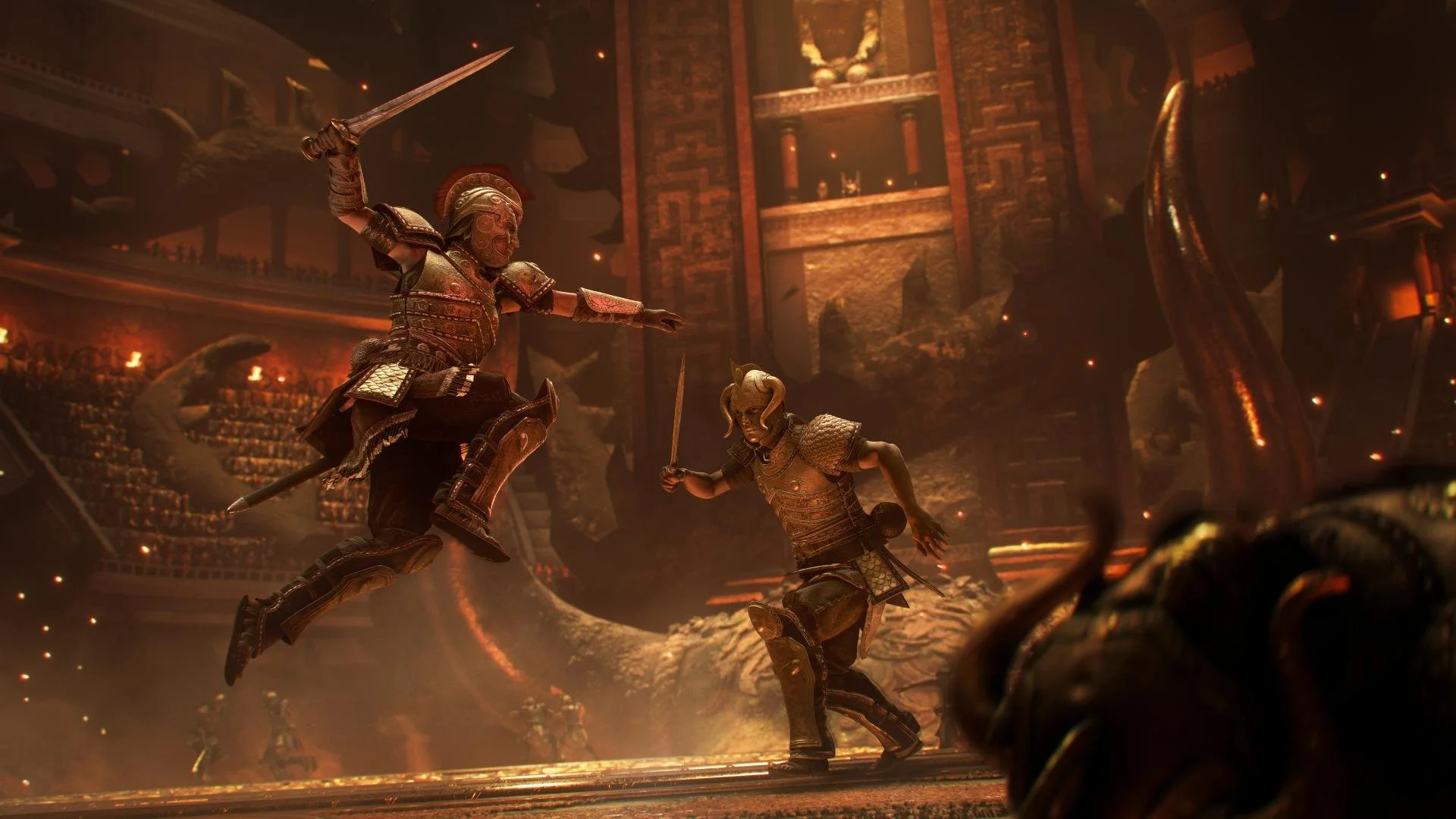
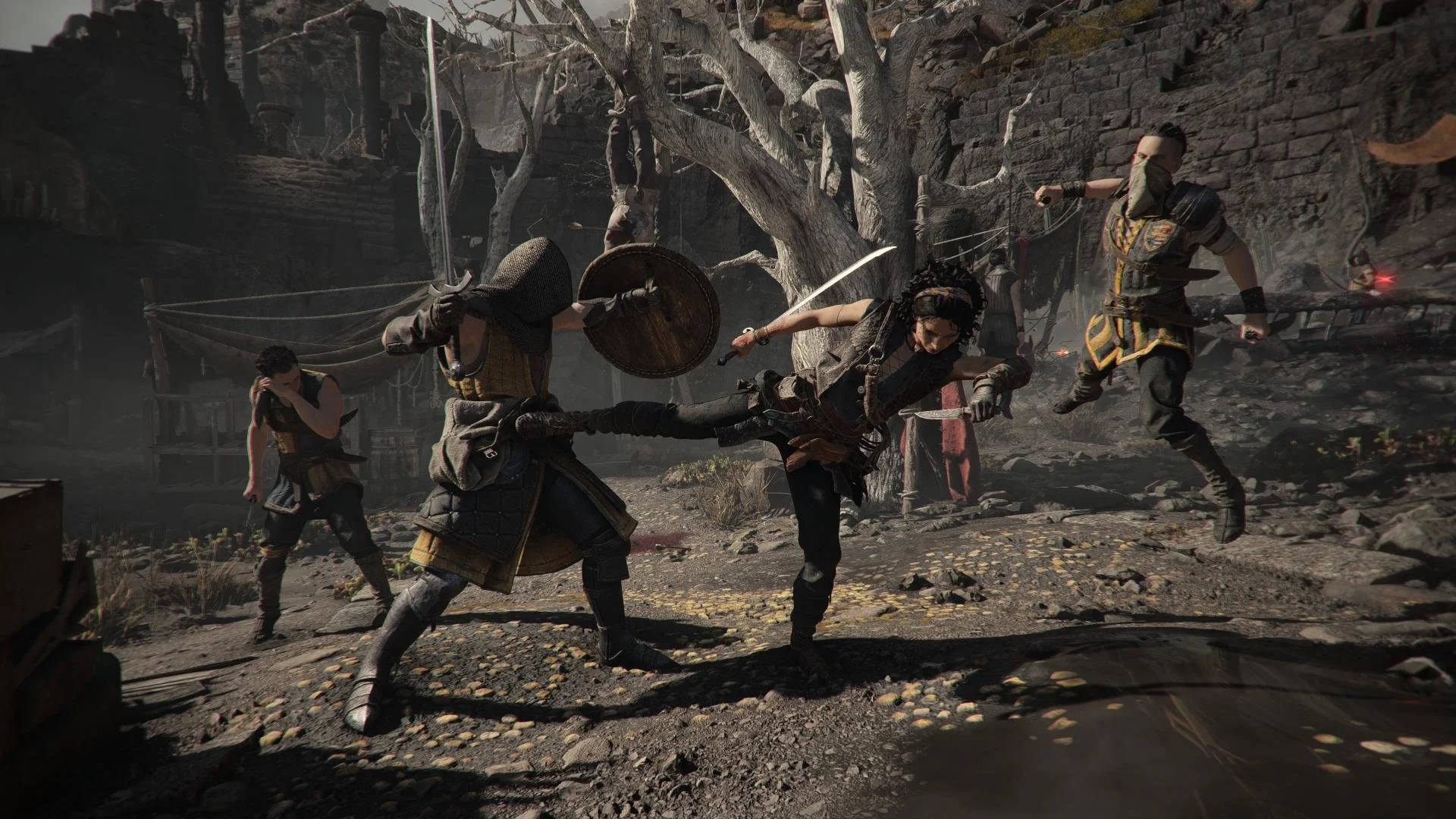
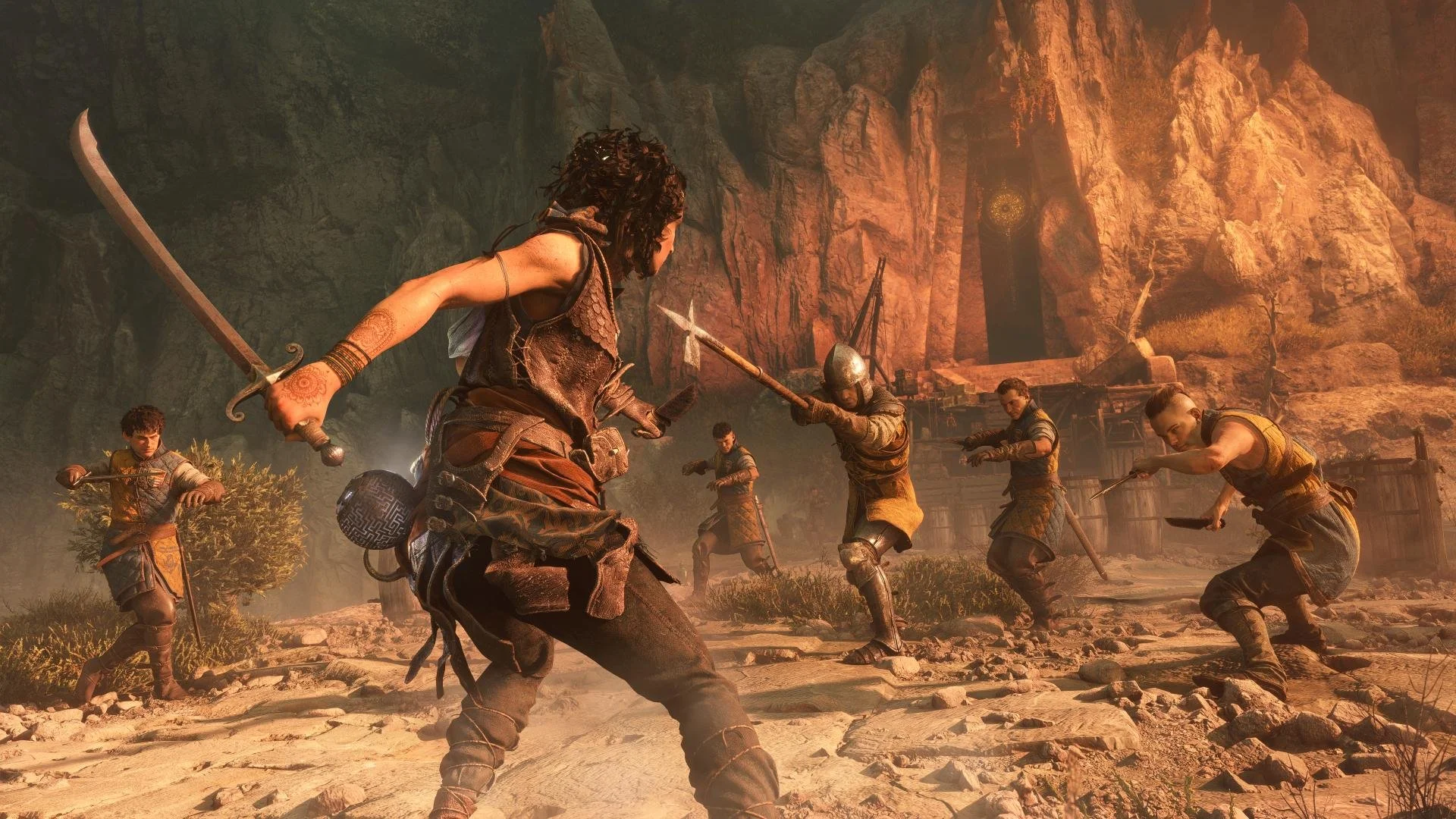
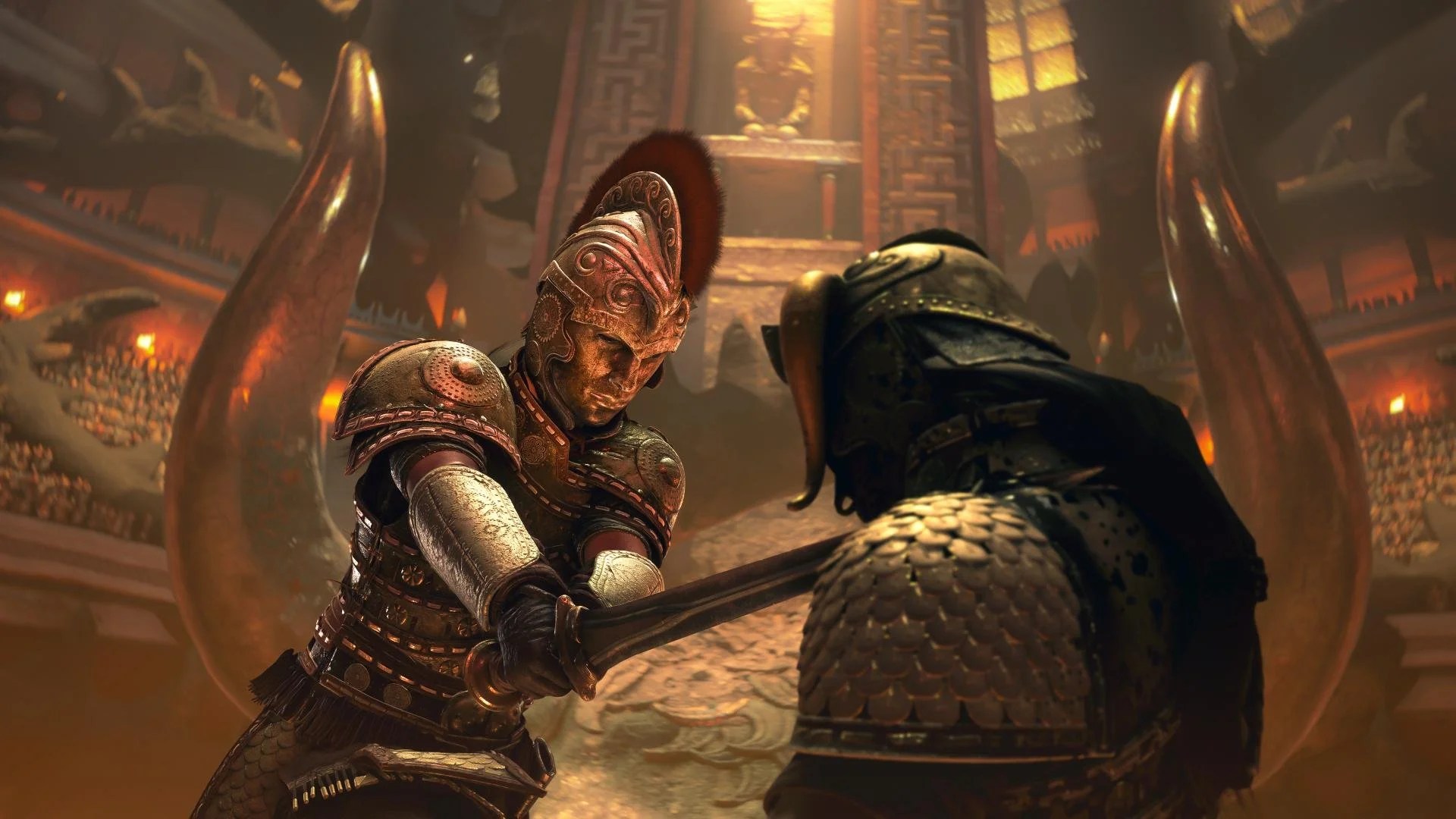
Combat is the biggest change from A Plague Tale: Innocence and Requiem in that you are directly assaulting and combatting soldiers, and other threats that lurk deeper down in the caverns beneath the surface. While it is wildly intuitive and does start to flesh itself out as you unlock new skills, the general combat feel is fairly basic and feels like the team wanted to focus on having an easy to master combat system rather than something more complex. It does mean that the general focus of combat has its cards played early and doesn’t evolve too much. Still, I’d rather have a tight combat system rather than one that is too convoluted and ends up falling apart at the seams.
Now, when I mean basic, I do mean basic. You have a single attack button that performs critical strikes if held down, which allows you to break through enemy defenses. You have both a block and a parry, both on the same button as a tap will parry and block if held down. You also have a grappling hook that serves as a way to get around, provided there is a convenient hook to grapple onto, or you can use it to pull enemies, such as ranged archers, off their perch and toward you.
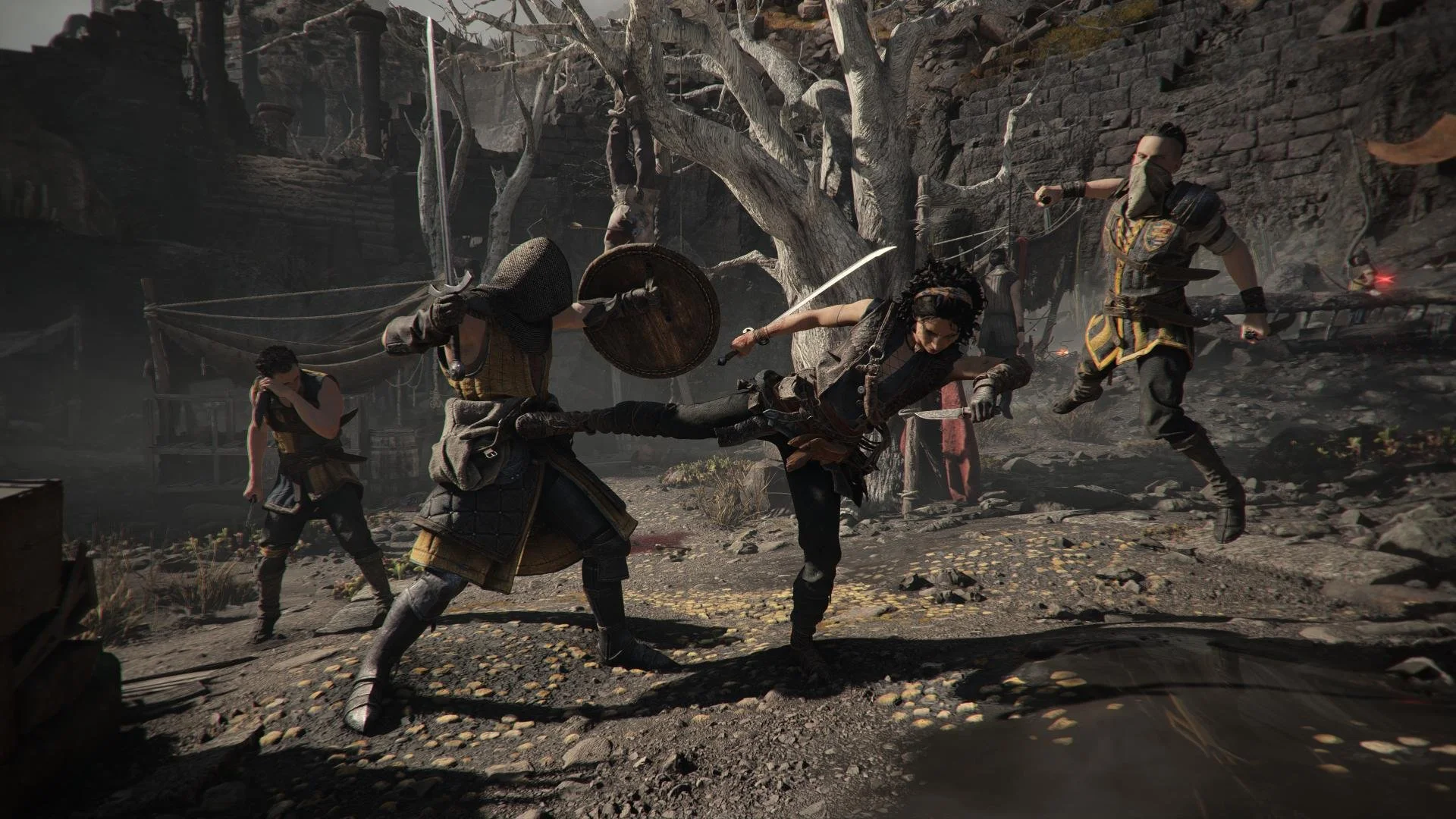
Sophia will also have a kick that can stun, or ‘this is sparta’ enemies into pits and off ledges. It is also good against enemies with shields, breaking their guard. You can level it up to double kick and eventually cause stun on every attempt. Eventually, you’ll unlock a spinning attack that requires it to be built up with its own focus gauge. This attack comes in handy when you are surrounded or just need a bit of breathing room.
Sophia can also dodge, which you’ll use quite a bit to avoid taking a devastating strike from the bigger and more offensive brutes.. However, parrying is where you’re likely to win most of your battles. You’ll parry and then build up their stagger meter, allowing you to then enact a finisher and ending the fight. Attacks feel weighty and impactful, which makes even the most trivial encounters feel solid in the mechanics. There is also a good feeling of chaining attacks together to make some fairly basic but ok combo strikes.
There are also plenty of options to add to combat via its skill systems. As you find skill tokens, which are called Resonance Points out in the world or via certain encounters, you’ll use those to then purchase skills. As you purchase a skill, the next ones increase by I believe around 5 tokens, and each skill has two additional addons that you purchase both at once, but can only equip one at a time. These skills range from doubling the stun damage when parrying at the last moment, chaining together a second dodge, or unleashing a second kick off the first. Now, the add ons to these, such as the aforementioned double kick, will either guarantee to push enemies back, regardless of being stunned, or increase stun damage when an enemy collides with other people or the environment. However, my favorite skill add-on to purchase was the ability to parry red attacks, which the game mentions can only be initially dodged.
Now, where combat falters is via the game’s few boss fights. They should be skill checks and powerful battles, but each fight is pretty much the same encounter but with slight variations on what your foe can do. One can toss daggers at you, while others simply use brute force and aoe attacks to force you back to play defensive. However, it is very easy to simply pick at them and then dodge back and repeat. One of the final battles at the end was a wall that I was having an issue with until I simply got in a few cheap shots and repeated and cleared it without getting hit once. Now, that said, the final boss itself is a very different affair and was fairly ok, if a bit one note in just exactly what you are doing. It fit with the narrative, but was lacking any real excitement. If the game has any noticeable flaws, it is with its boss encounters.
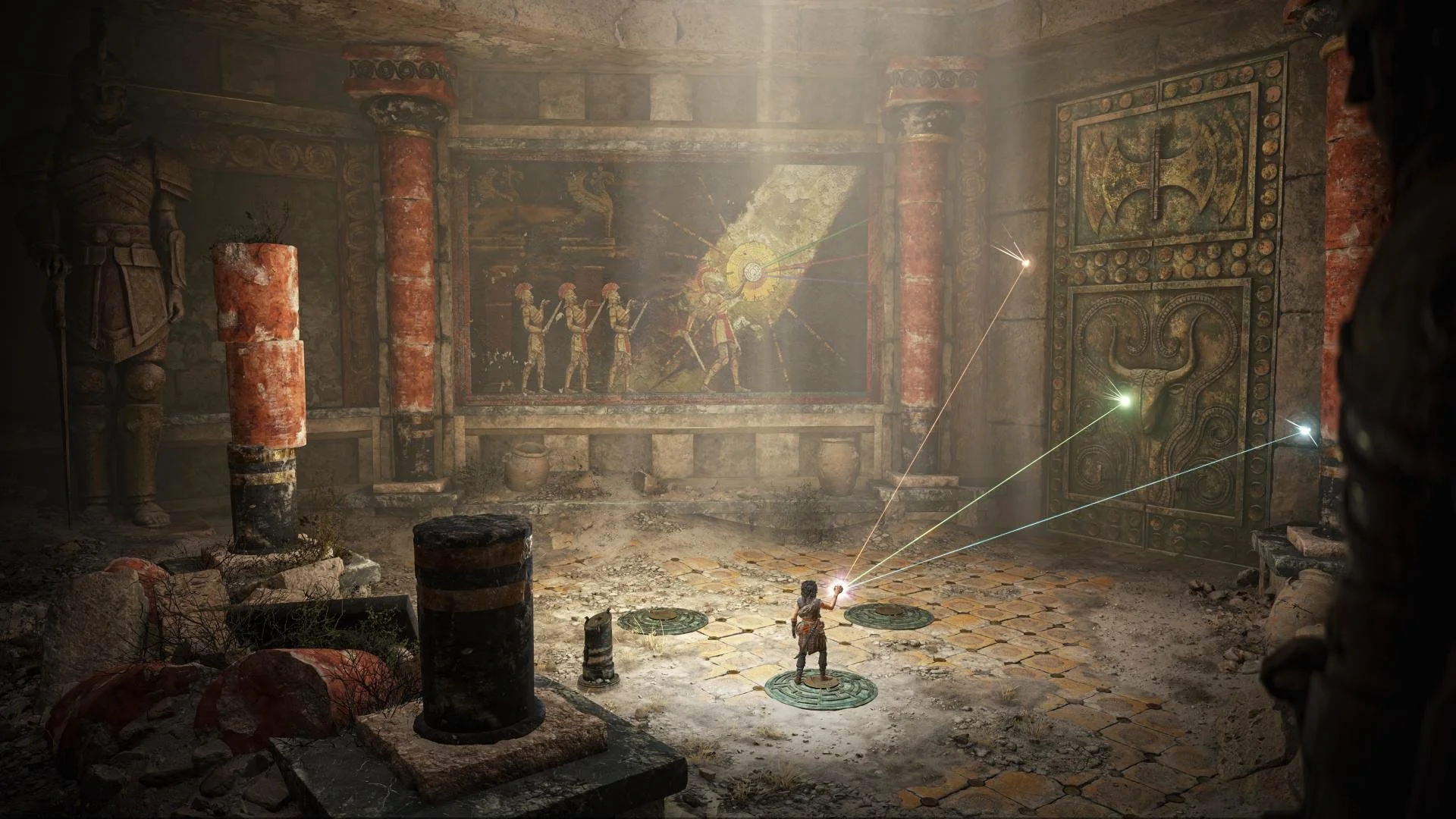
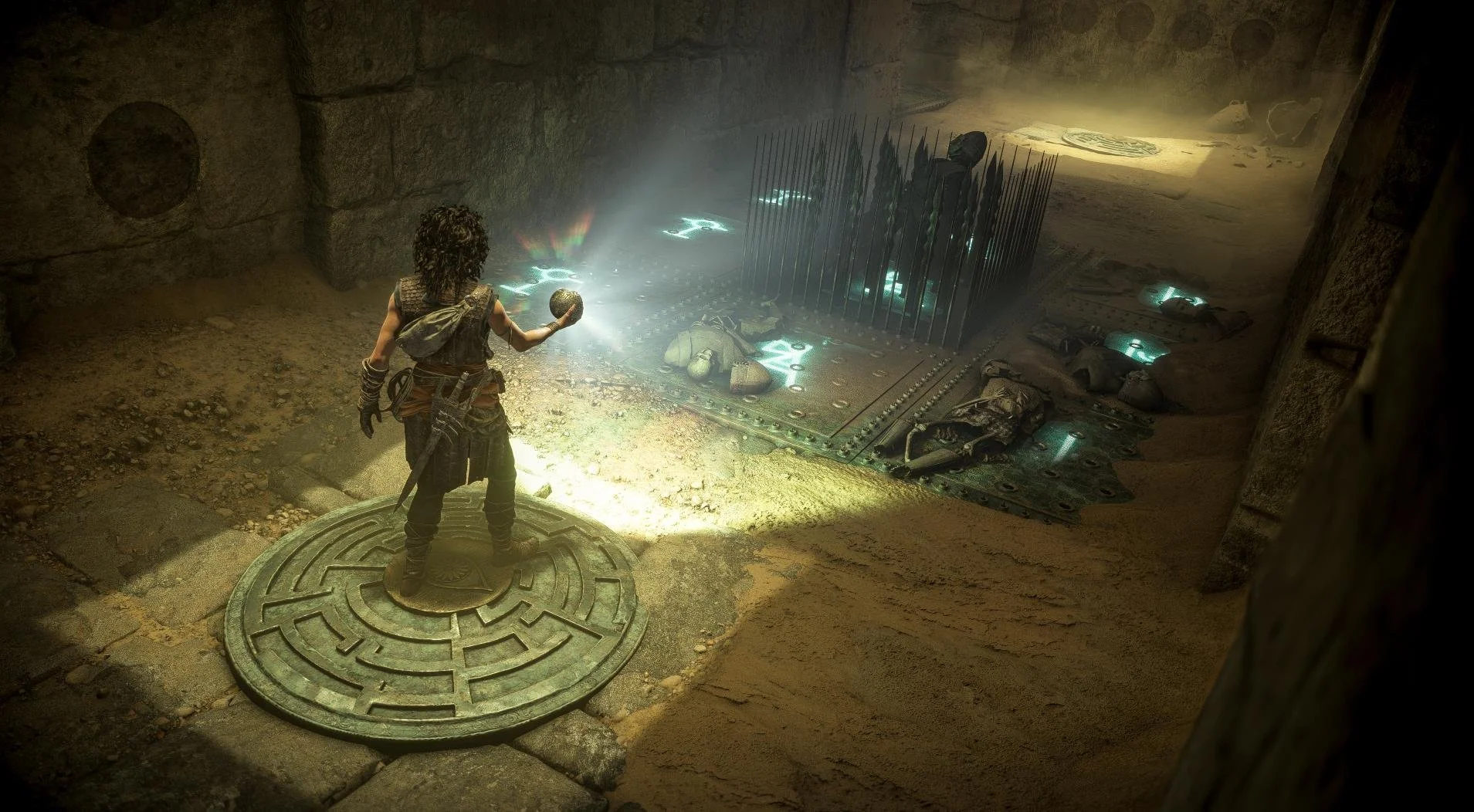
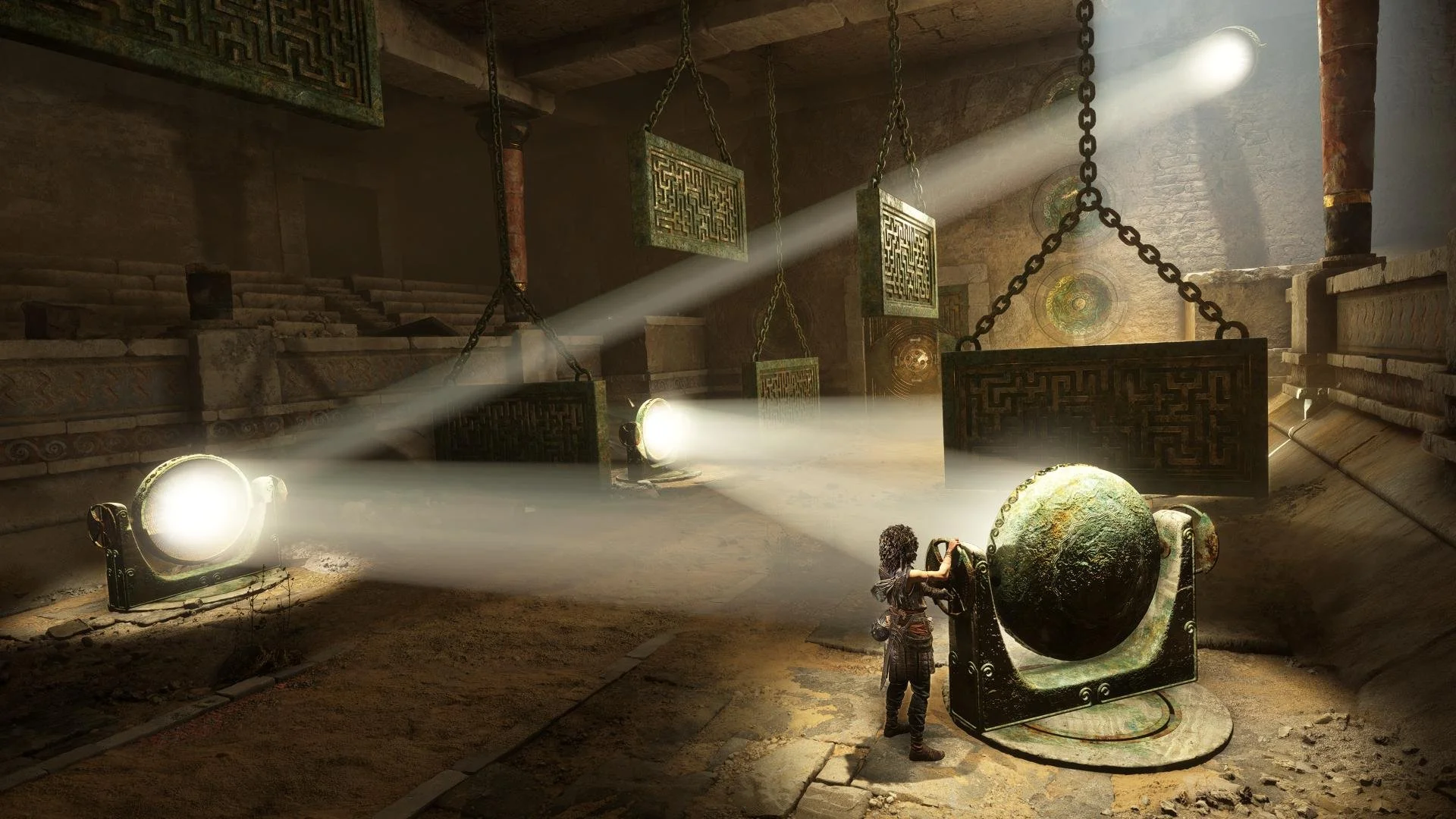
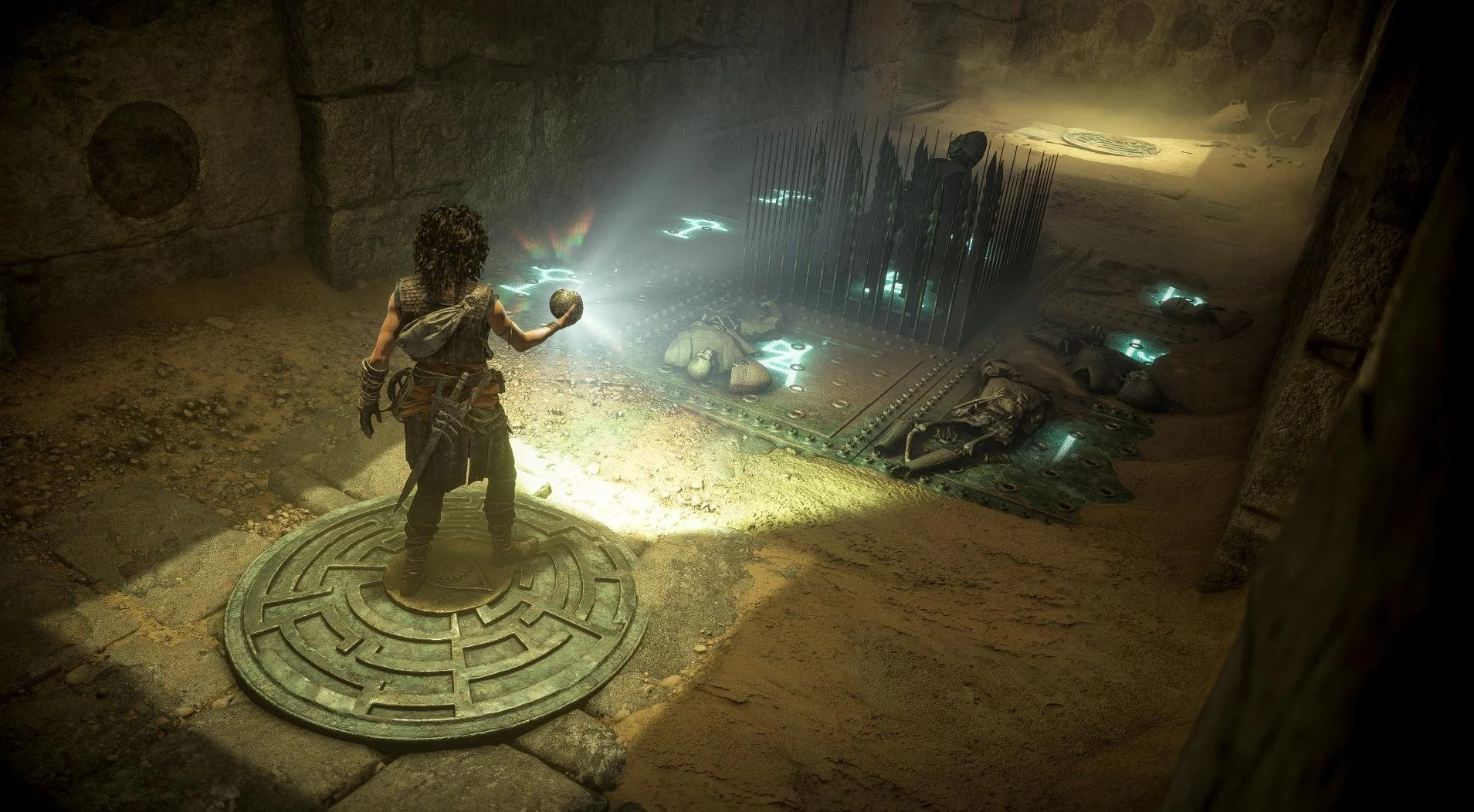
Apart from combat, Resonance: A Plague Tale Legacy has a ton of engaging puzzles that Sophia will need to solve, either on her own, or having her companion direct light while she navigates the surrounding area. The key that you have, which is a sphere, can be used to shine light nearby and reveal invisible secrets. From symbols to the path of how certain podiums and objects are linked, it’s a solid mechanic that is used extremely well. Another is shining out a red, blue, and green light that can be rotated to activate their respective colored locks. This forces you to find the correct perspective to power up the lock via the three colors. What I liked about this particular type of puzzle is some doors have additional colored locks, making you question which series of locks are meant to be ignored and which are meant to be used. This makes you question yourself, and that is what a good puzzle should do, it shouldn’t be spelled out for you, like most games often do.
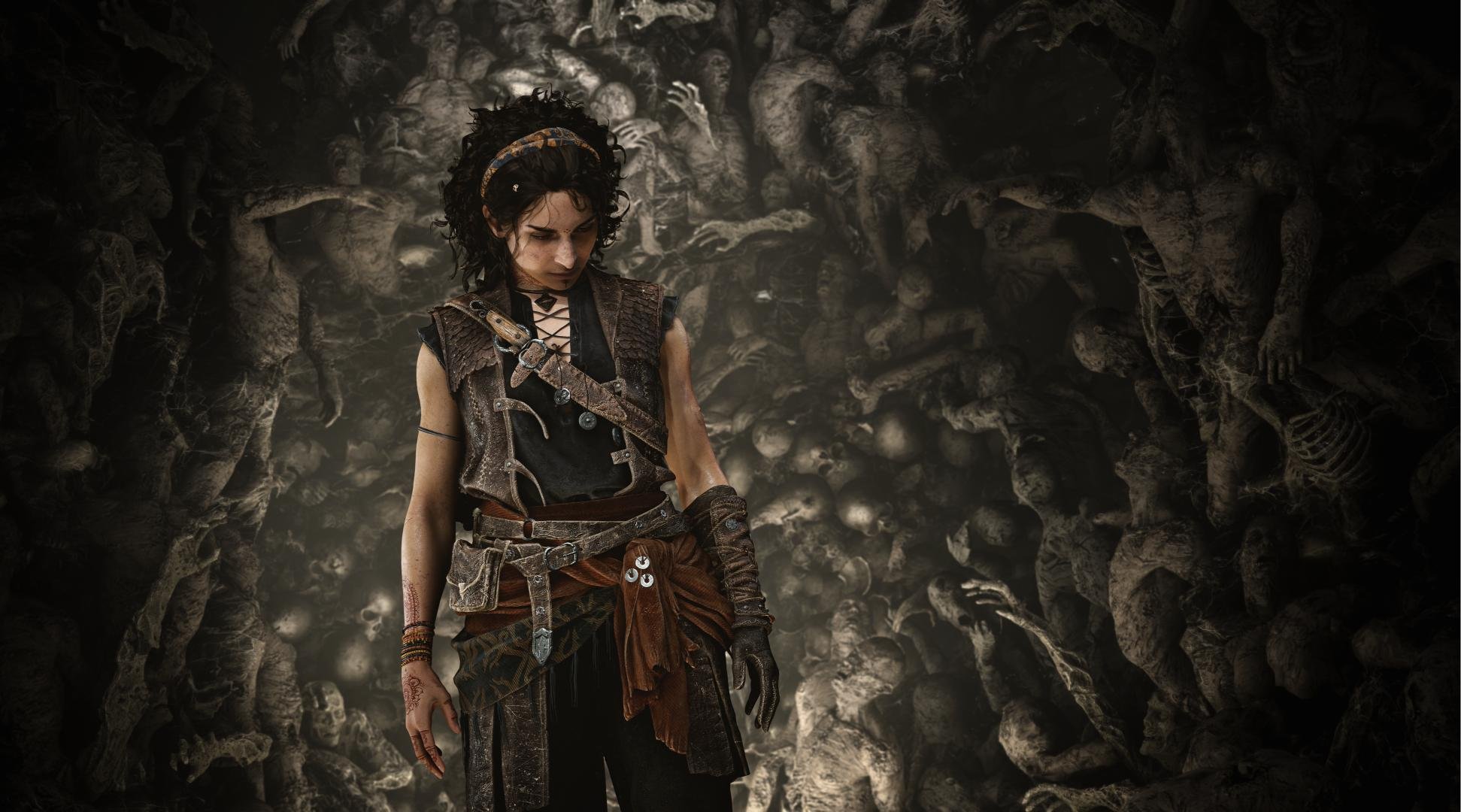
While the key does get additional abilities, I’ll leave those to be discovered. Regardless, the key is used in some fun ways to make puzzles extremely fulfilling. You are often redirecting light, which is a common puzzle trope, but the way in which these puzzles are crafted can often make them feel extremely fresh. I can’t say I was stuck on a puzzle for too long, and your partner will often provide hints, but often you can get a good idea of the puzzle by checking the journal, such as keeping track of certain symbols and how they correspond to the puzzle at hand.
While less impressive than combat or its puzzles, Sophia will discover swords and charms, each of which have different perks that alter specific traits and abilities. Swords range from falchions, a kopis, to greek swords, which removes her dagger, to a hollow-hilt option in the Xiphos, which inflicts more stun damage while parrying attacks. However, in return, Sophia can no longer block. Each sword has different traits, and are often found off the beaten path.
Charms are similar, and range from beads, arm bands, bracelets, trinkets, seals, and pierced coins, with most of them being visually part of her get up as you find them. These range from decreasing the likelihood that an archer hits you, a chance to increase the parry window, to a moderate chance to increase damage during a critical strike. Now, you may notice I said ‘chance’ and that is because it is up to that chance if it works, and the game will tell you when it does. It’s an interesting system and you feel relieved when it works.
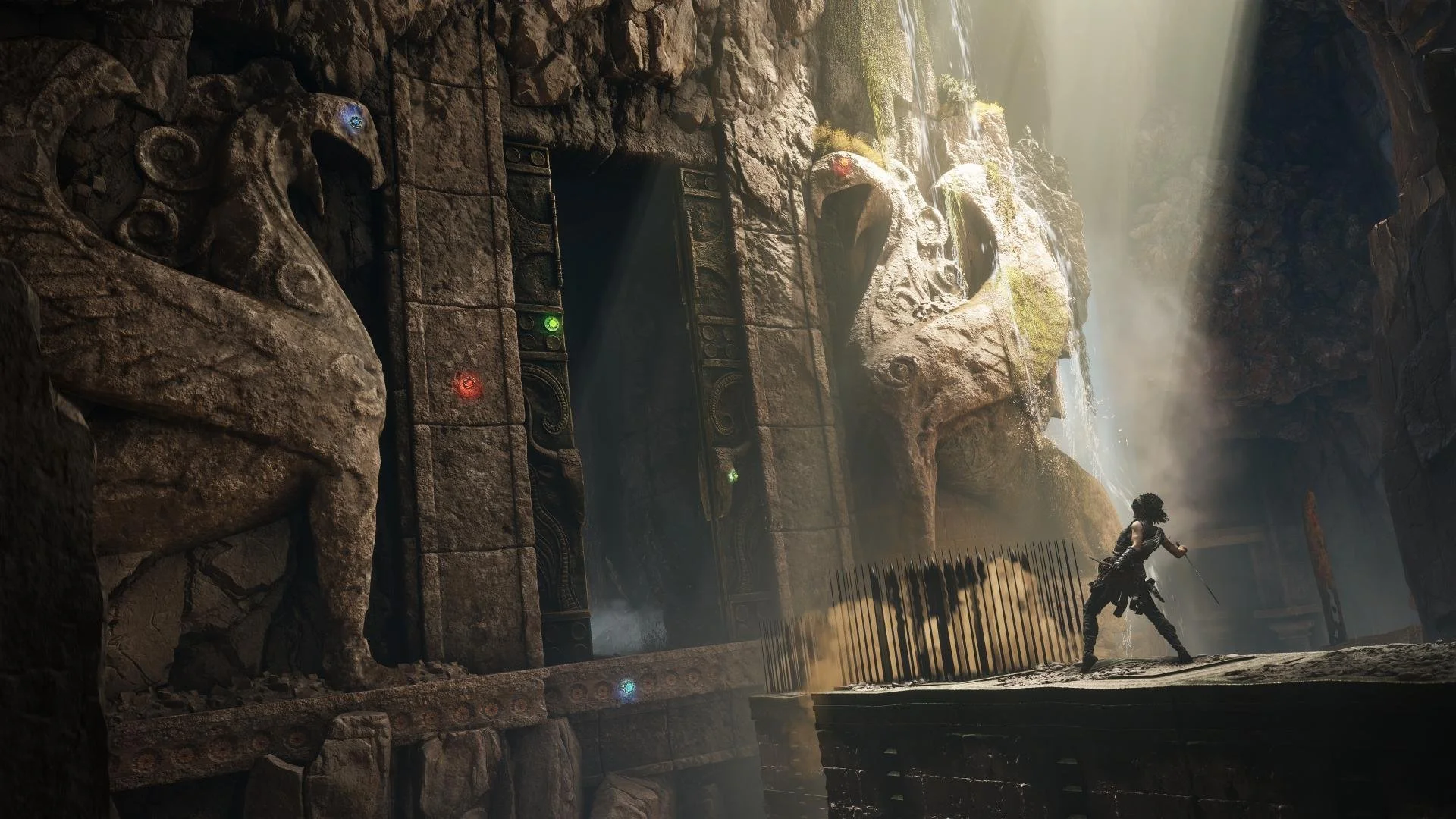
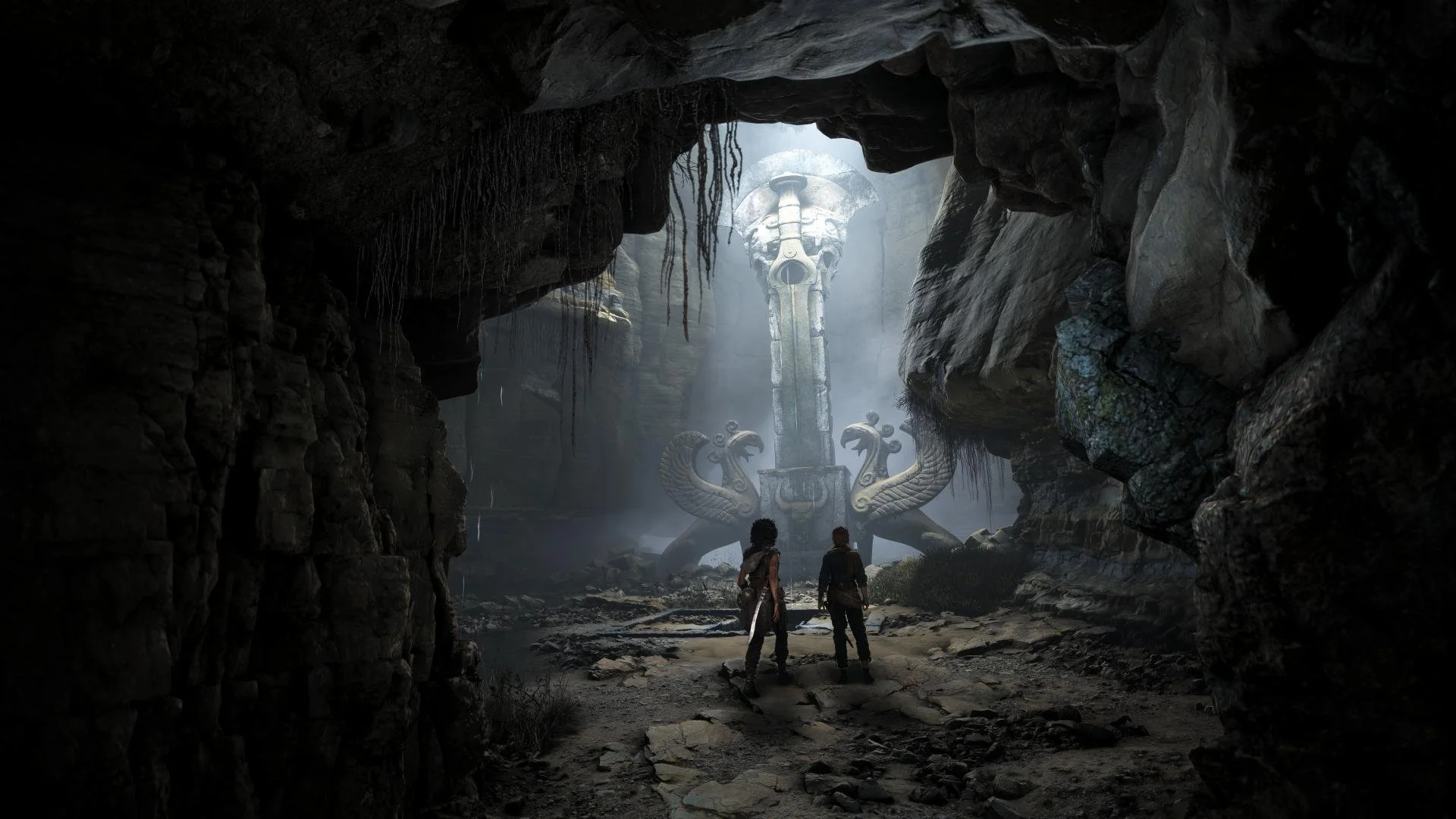
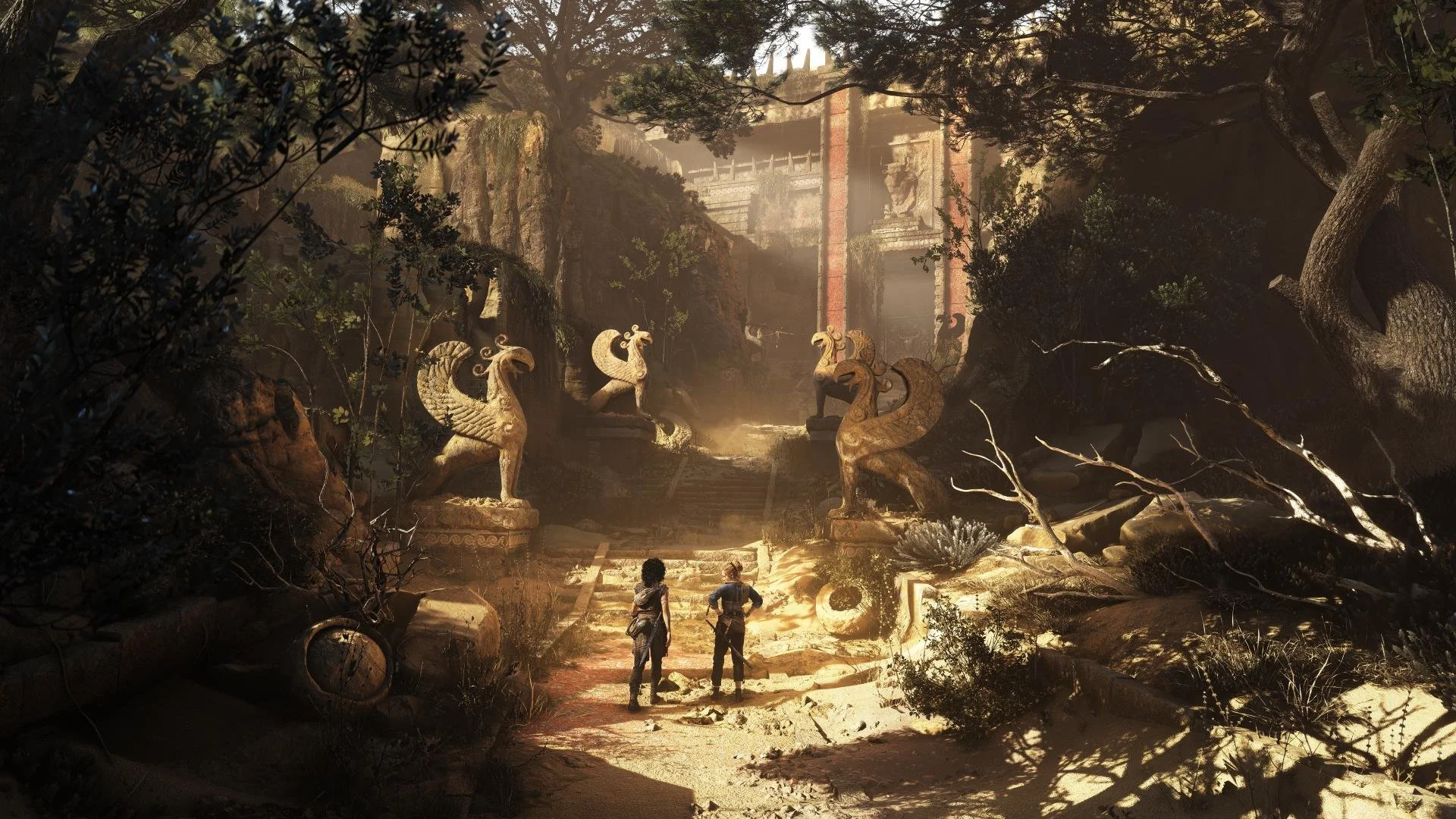
The Island itself, the temple, and what lurks down below, can often present some thrilling level design, both in exploration and in combat. Battle arenas feel big enough that you never feel crowded, and the scale on certain locations for puzzles, especially one where you are trying to light up a pillar at the center, feel massive in scale and often intimidating. Art direction is through the roof here with the best environments this team has ever crafted. From the outside growth of vegetation taking over the temple, to the death and decay that flooded the lower caverns, I was constantly impressed with the quality of work here, given that less than around 70 people worked on the game. It’s massively impressive and can often feel like it's giving studios that employ hundreds of people on a single game a run for their money.
The previous games in the series have always looked great, but Resonance is a step further. Their in-house Zouna engine is remarkable, and it is clear that the team has mastered it, given their output over the years. Characters and environments have fantastic detail, and character animation and facial work is damn good, especially given the team size. And while many will certainly use the top-side visuals as a basis for what to expect, it is what lurks down below that will be what people remember the most of its presentation.
Resonance: A Plague Tale Legacy is astounding, but does suffer a bit when it comes to the game’s lacking boss encounters, and some moments where the game wears out its welcome in the last few hours. Still, Asobo is a remarkable flexible studio that clearly knows how to produce real emotion out of its characters and stories in ways that defy the genre. And, it shows that the world built for this series could have many other tales worth telling. Still, I’d be down for an Amicia and Sophia road trip game, but please, no more rats.

Developer - Asobo Studio. Publisher - Focus Entertainment. Released - August 27th, 2026. Available On - PlayStation 5, Xbox Series X|S, and PC. Rated - (M) Blood, Strong Language, Violence. Platform Reviewed - Xbox Series X/S. Review Access - A review code for Resonance: A Plague Tale Legacy was provided by the publisher for the purpose of this review.
Jeff is the original founder of Analog Stick Gaming. His favorite games include The Witcher III, the Mass Effect Trilogy, Hi-Fi Rush, Stellar Blade, Hellbade: Senua’s Sacrifice, and the Legend of Heroes series, especially Trails of Cold Steel III & IV.