
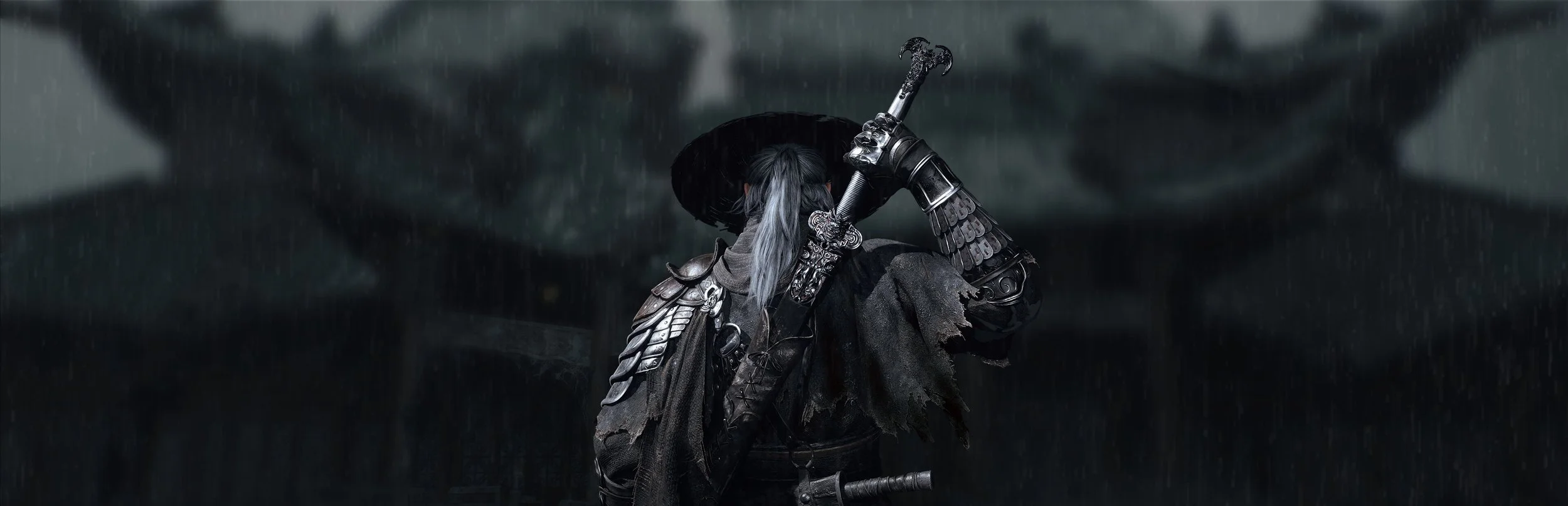
Wuxia Excellence.
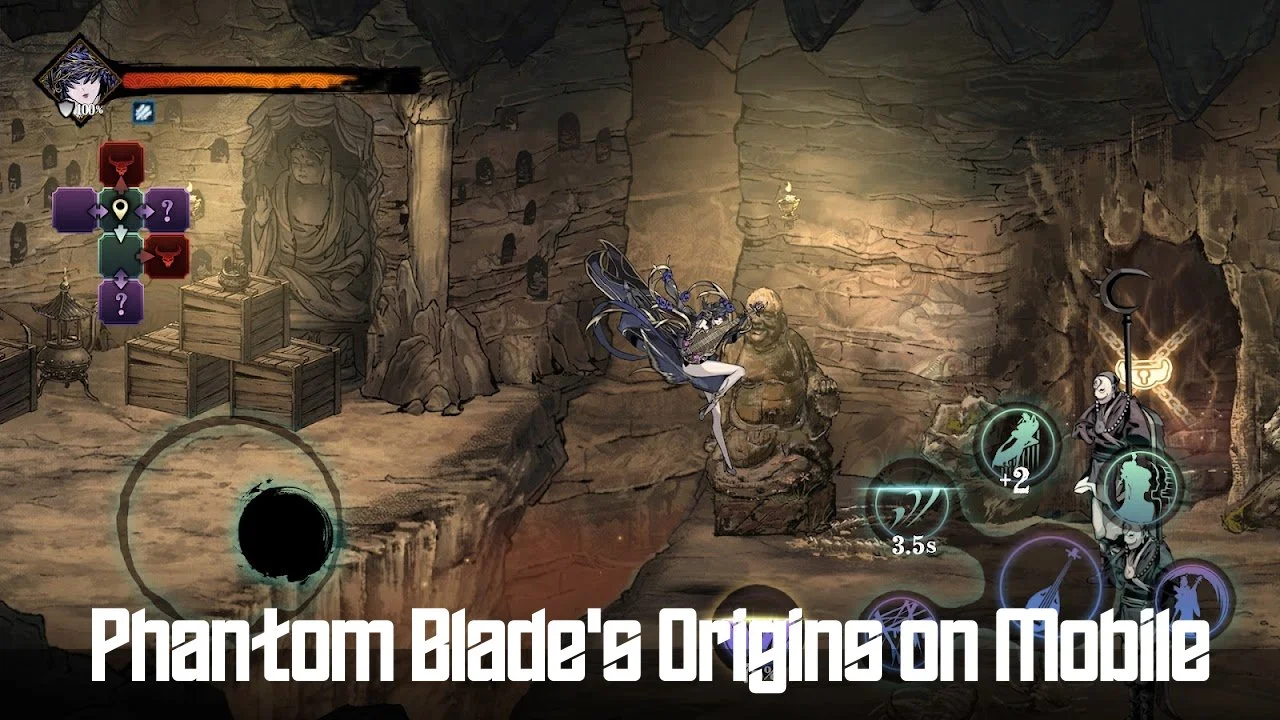
Back in 2008, Qiwei Liang, using RPG Maker, began his journey into game development. He would go on to form his own studio, Soulframe, in 2011, before eventually renaming the studio to S-Game, and adopting the Soulframe moniker for his own. This studio would continue this journey through the Rainblood series. Then, from 2014 to 2023, S-Game would develop four Phantom Blade titles for PC and mobile. However, in 2022, they would begin development on Phantom Blade Zero, a culmination of everything that had come before, and a path to illustrate their creative future. It was the first real test for the studio, and one they've passed with flying colors.
The development of Phantom Blade Zero is rather interesting. The game was initially a more scaled back version of what was delivered, but the reception to the reveal back in 2023, at a PlayStation Showcase, encouraged Soulframe and the team to ramp up the scale and depth, well beyond what the team had originally envisioned. Not bad for a game that had only been in development for just over a year.
In fact, the reveal was so impressive that many felt the game wasn't even real. That the fluid animations and choreography was too good to be true. Many assumed this was a trailer built using CG models, and not representative of actual gameplay, something many studios do all the time. It wasn't until people got their hands on the game that those concerns were laid to rest. It was real, and it was glorious.
The initial reception was also encouraged by Feng Ji, a producer on Black Myth Wukong, as he personally told Soulframe to create an epic single player game that would captivate gamers worldwide.
And, in 2024, when Black Myth Wukong released, it conveniently shone a light on Phantom Blade Zero, given a lot of their shared similarities, both in visuals, and their connection to Chinese culture and literature. This caused the team to receive even more funding, but also brought with it a degree of added pressure, now that the title was even more anticipated than before. Still, S-Game wanted to honor that reception and create something extraordinary. No shortcuts, no half-measures. It was all or nothing.
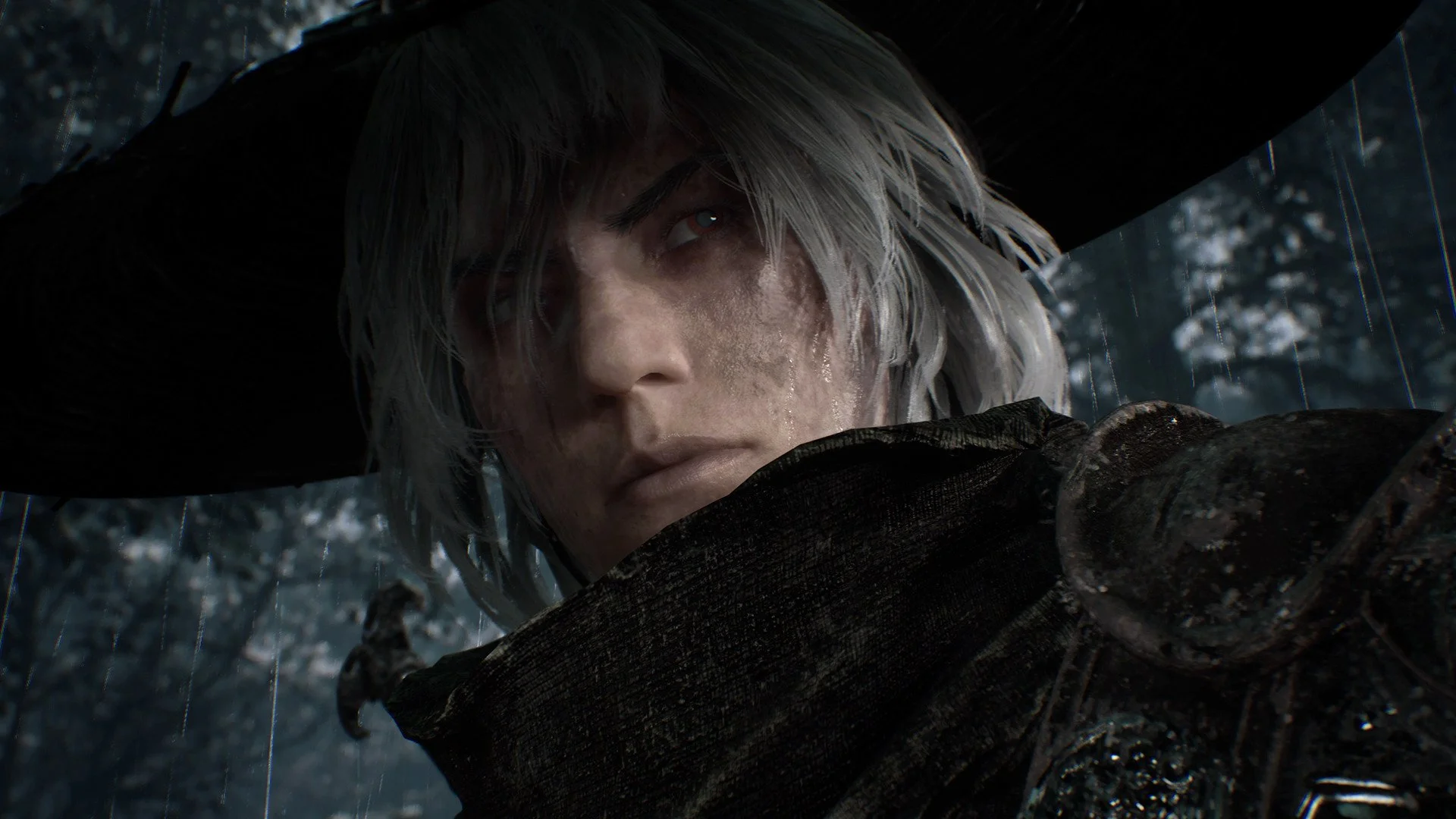
Phantom Blade Zero was designed around Chinese martial arts. However, as more of the game was shown off, it was then described by the developers as being “Kungfu-Punk”, and honestly, I see where they are coming from. Still, despite this added moniker, the team made sure that the influences of these martial arts were not played down or altered to change their meaning or history. This included reaching out to masters of the Shaolin Temple, Emei Mountain, and Guangdong’s Southern Lion Troupes, among countless others. This journey was meant to convey authentic martial arts action within the game, and that meant reaching out to these masters and having their input from day one. And not just any masters, but those who were the inheritors of those arts.
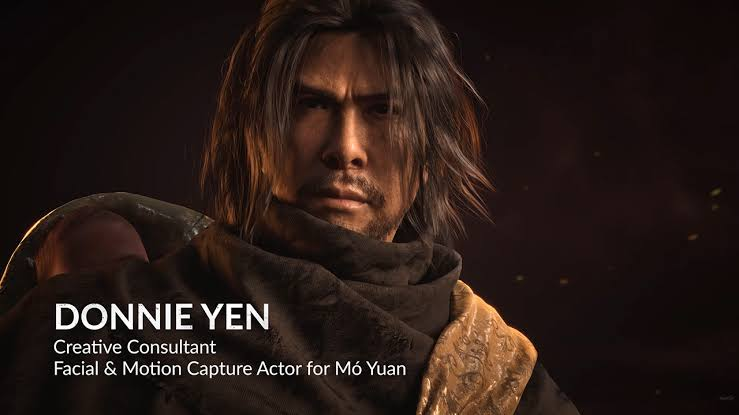
S-Game also brought in kungfu action star, Donnie Yen, to help guide the project as a consultant. While Yen also plays a pivotal character within the game, his expertise of making these arts translate to the screen, proved invaluable for the team. S-Game wanted the absolute best renditions of these martial arts to be transferred from the wire work and stunt choreography to the player, ensuring that nothing was lost in the process. This would make Phantom Blade Zero the most authentic representation of Chinese martial arts in gaming.
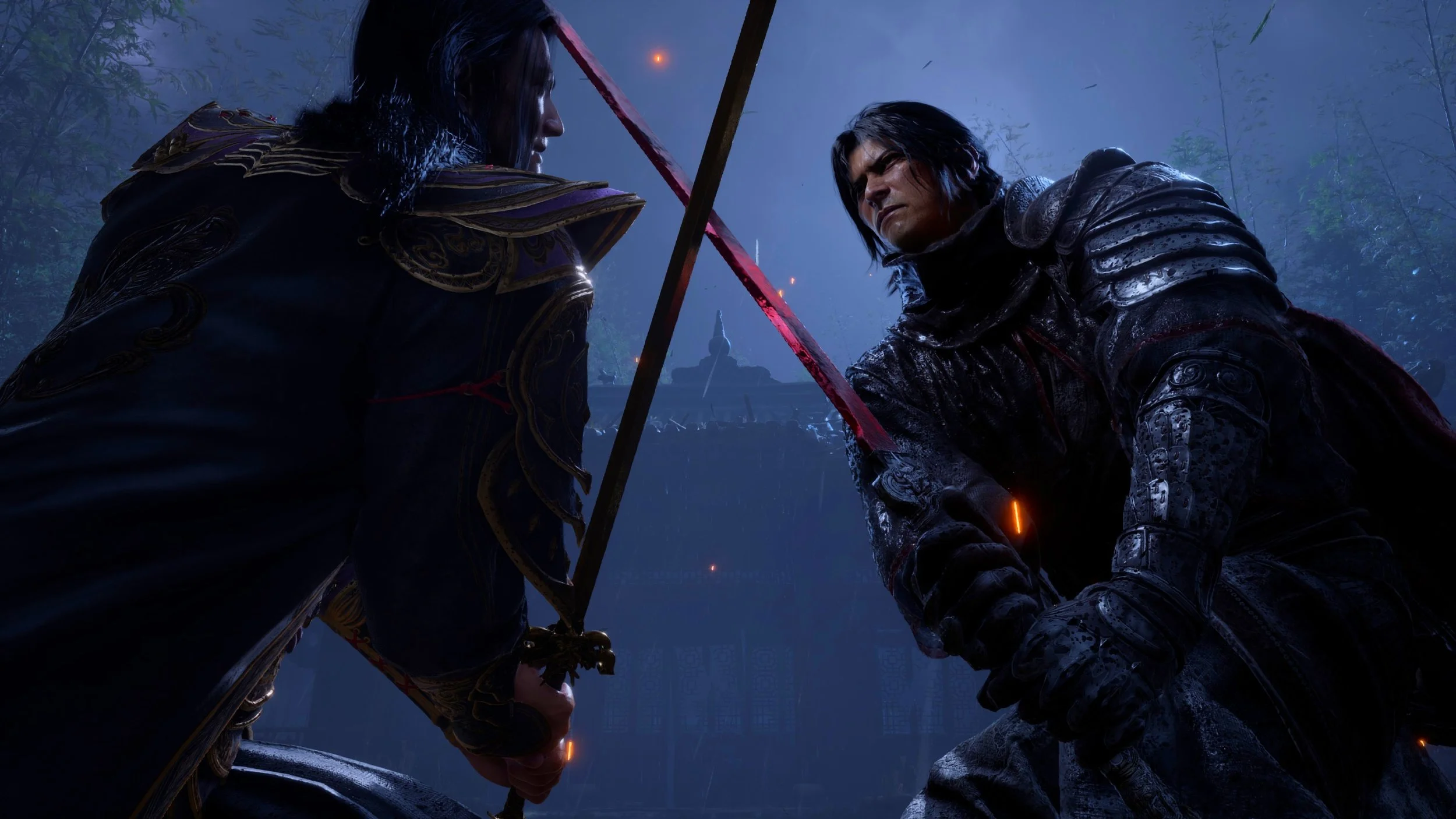
While the feel of each martial art was to be kept as authentic as possible, so was the act of the martial art itself. In typical games, defence is usually expressed as a blocking motion while Chinese martial arts depict both attacking and defending as one and the same, all based on the opponent’s movements. Soulframe Liang regarded action based on Chinese swordsmanship to be more than just a clashing of the blades in which the difference between offense and defense was minimal. This is generally why most Chinese action movies are based so much on deflection and action, as both defence and offense are used as a weapon.
The weapons used within Phantom Blade Zero are based on traditional Chinese weaponry, with flourishes to lean into some of the more mystical and fantastical elements, such as leeching health out of a foe, or sprouting flowers to drain their Sha-Chi. Still, the use of those weapons, the style of combat, and the essence of each weapon, all starts in a real place.
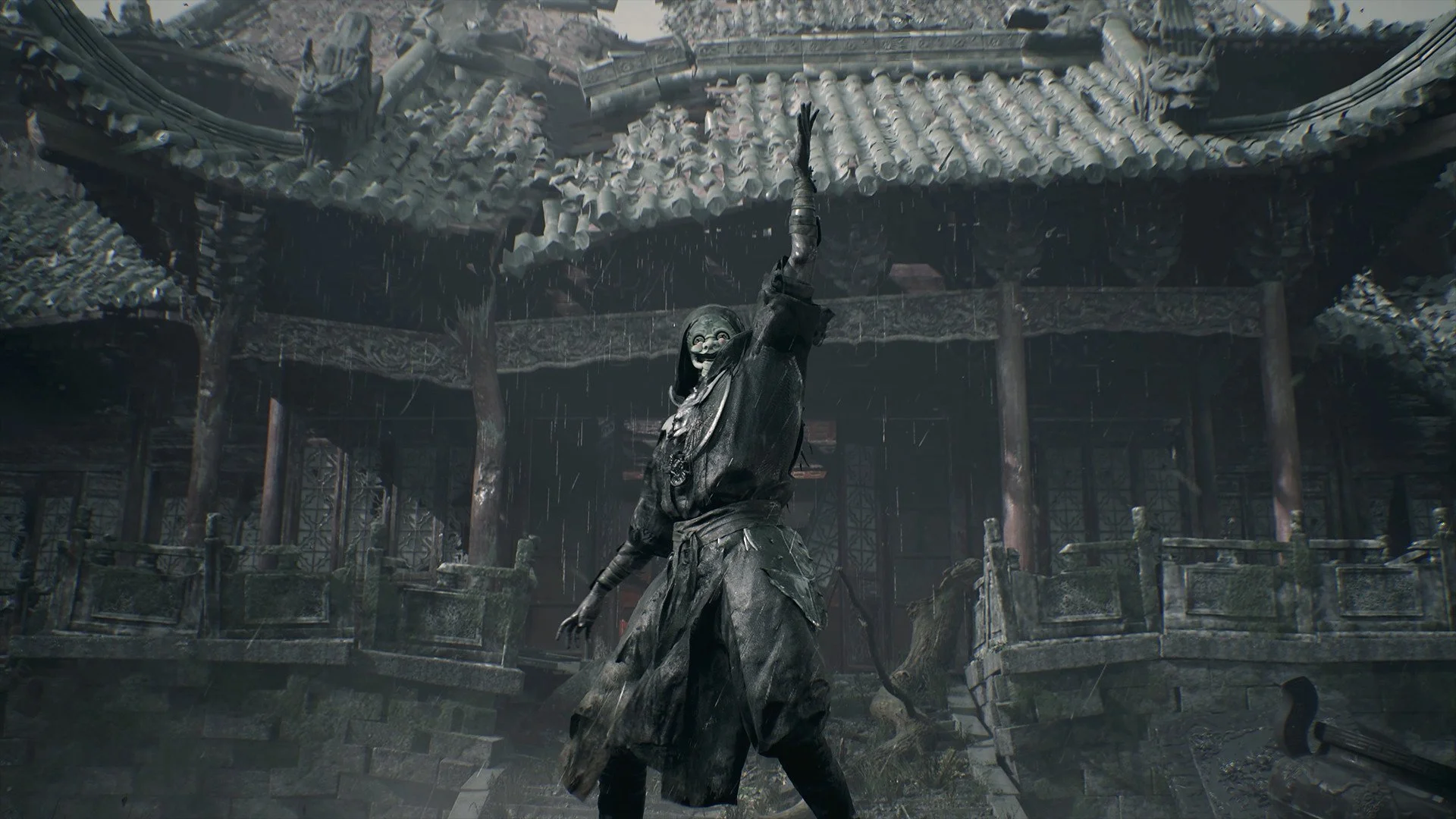
Something that Liang wanted to avoid was the typical classification of weaponry, such as where a short sword had the general combat abilities and feel of every other short sword, or that a long thick blade was always clunky and slow. This pairing of expectations was something he wanted to avoid. Each weapon needed to feel unique past its type, ensuring that combat was always unpredictable each time a new weapon was discovered. He wanted those experiences to feel fresh and new, even if you had assumptions on the weapon before using it.
In fact, there were several times where I wouldn't think a certain weapon would be fun, and then I'm suddenly five hours into using it and have maxed out its level. Honestly, there isn't a bad weapon amongst the bunch. There are a few that are not as good as I would have hoped for, but to be honest, any weapon can carry you to the end, it just takes time to master how the weapon functions, and the perks that arise when leveling it up. Hell, even the wooden starter sword is a viable weapon.
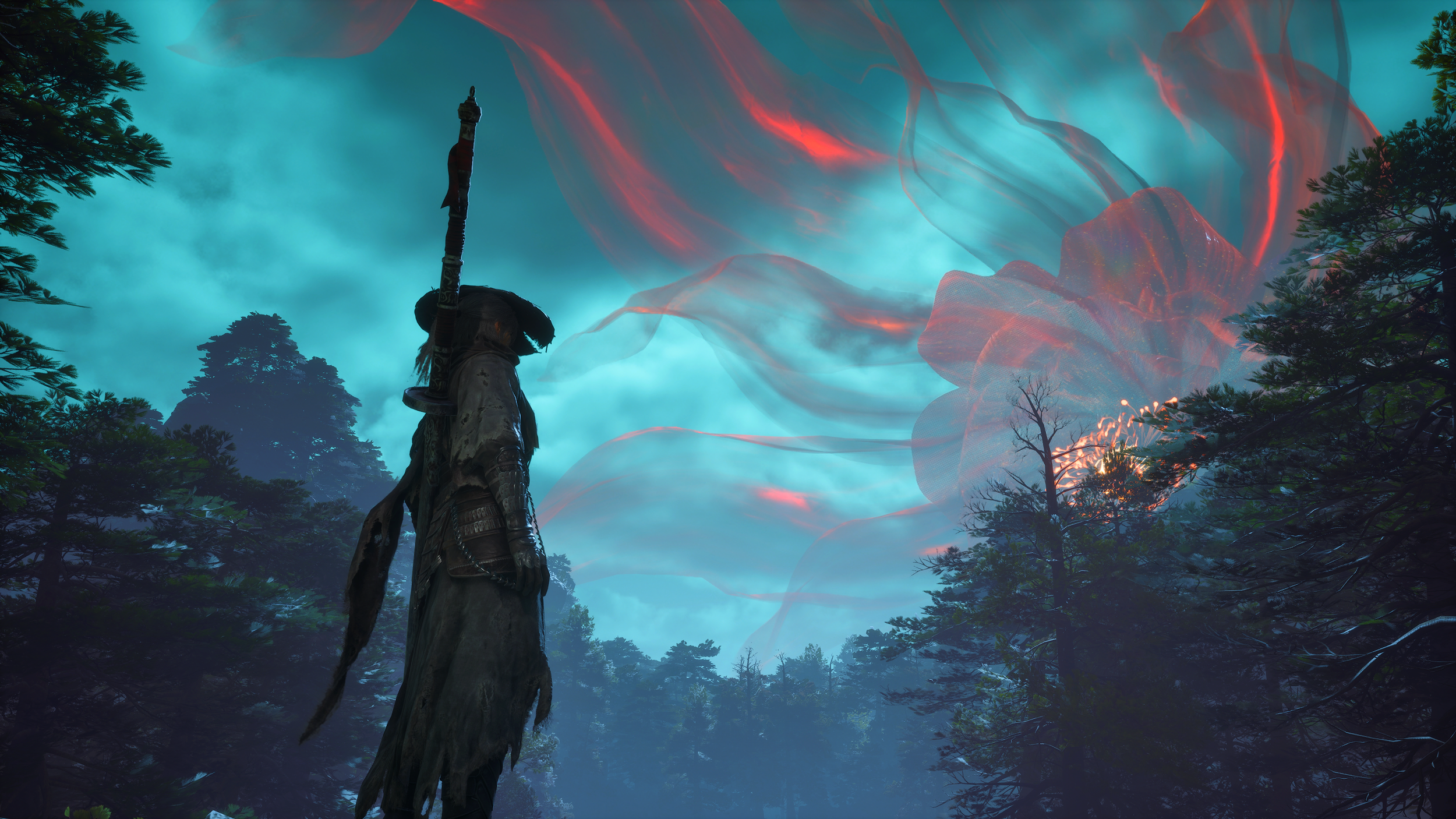
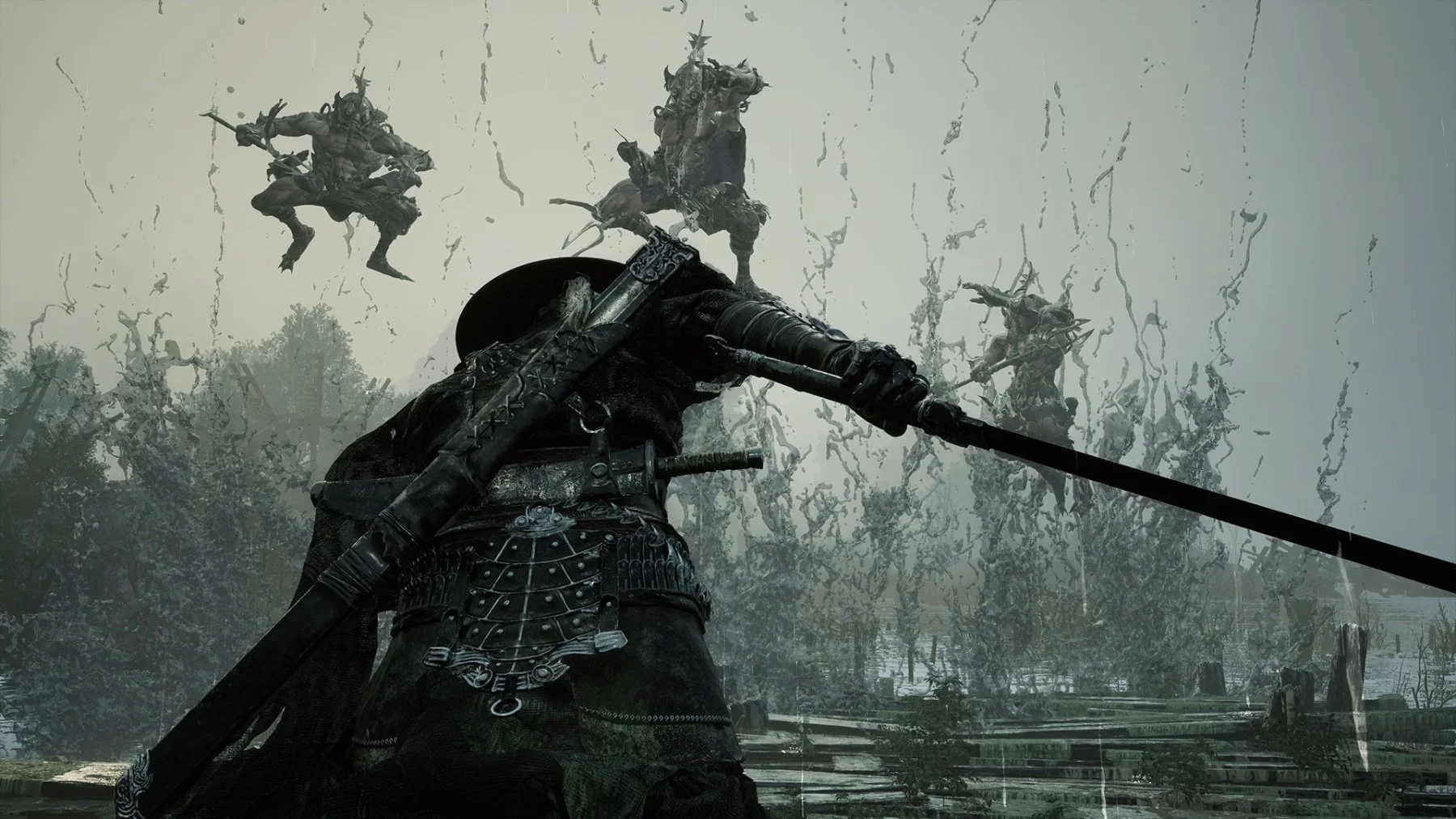
What helps those weapons feel unique is through a series of extremely fluid animations, which are included not just for the weapons themselves, but for the transitions between movements and between weapons. This would be additionally practiced through contextual button prompts, environmental interactions, and via many of the game’s cutscenes and multi-target combat encounters. Some weapons have the ability to strike multiple opponents, such as attacking with the blade to one foe and then kicking back to another in one single motion. So many animations in this game, via the countless weapons here, felt so much like the types of moves we’ve seen in kungfu movies, but rarely have been depicted in videogames so effortlessly, even ones based around kungfu itself. They get close, but often lack the dance associated with this sort of combat.
Once Phantom Blade Zero was revealed, with little information as to the type of game it was, many assumed it would follow in the likes of Black Myth Wukong and be that of a soulslike, however, that isn't the case. Phantom Blade Zero is more akin to something like the fluid combat and parrying of Sekiro mixed with the character action flare of Ninja Gaiden, Stellar Blade, or Devil May Cry 5. Though, to be fair, Phantom Blade Zero isn't something that feels lifted from anything, so downright comparing it to those titles doesn't really do the title justice.
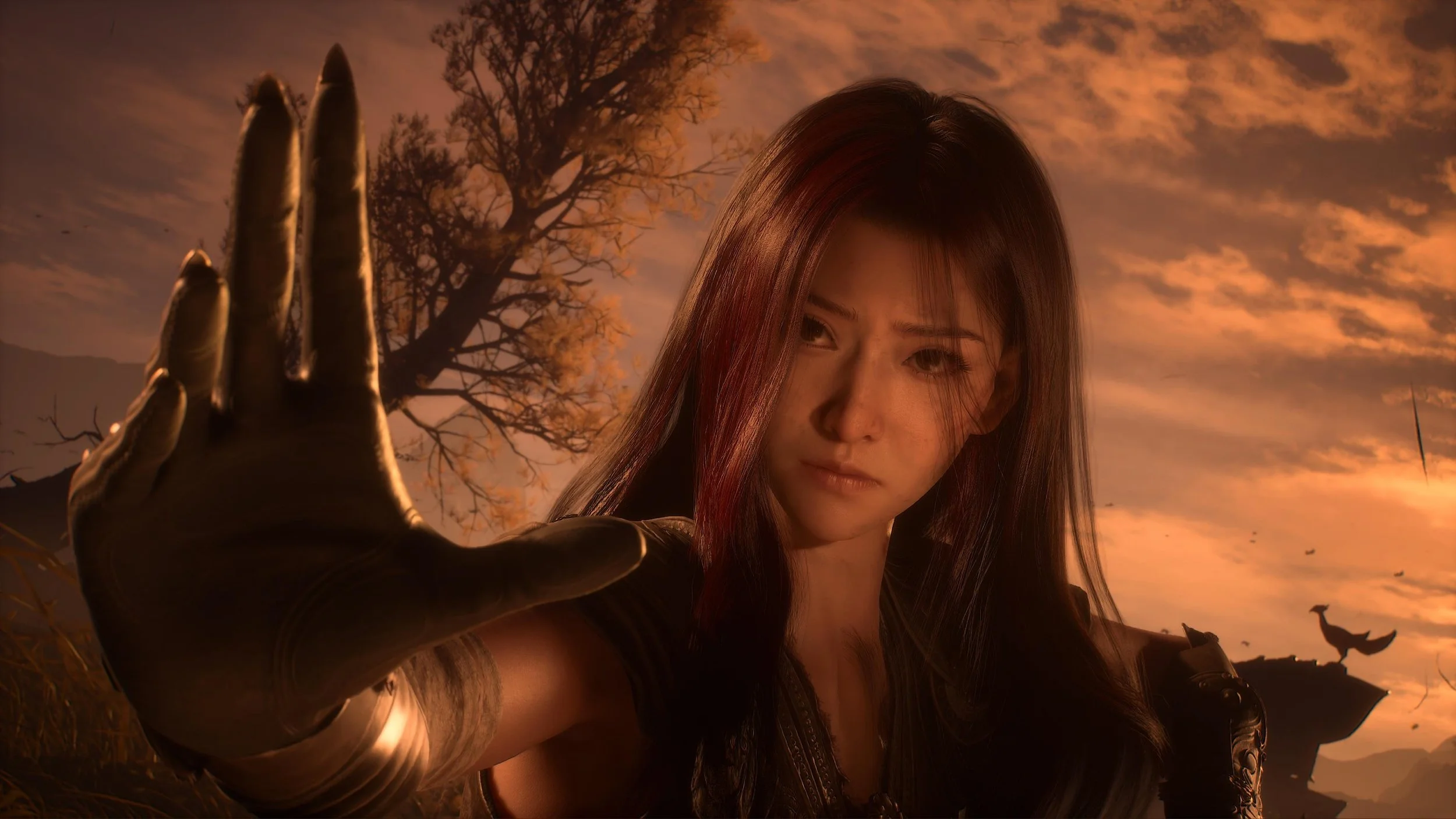
There are some similarities in its combat and overall design to that of a soulslike, but that isn't what Phantom Blade Zero is. Enemies don't ever respawn, and your currency isn't lost on death. While the game does still provide a solid challenge, even on its easier difficulty to a degree, it generally doesn't come with the same roadblock of difficulty unless you are playing on Hellwalker, in which you'll need to master your abilities to take major threats down. It has the appeal of a soulslike, without the restraints normally found in the genre.
Phantom Blade Zero has you taking on the role of Soul, a cast aside warrior framed for the murder of his Order’s leader. On the run, he is being hunted by his once sworn allies. However, the game truly begins during an encounter with his former best friend, Zuo Shang, as the two are locked in battle. The end of this encounter sees both stab each other in the heart. However, Soul is mysteriously granted an enchanted heart, by a being known as the Flesh Sculptor, thus bringing him back to life. However, this heart will kill him in 66 days. Soul then begins his own personal journey to not only extend his life, but discover the truth behind the murder of his former master, and what plans the order has for this world.
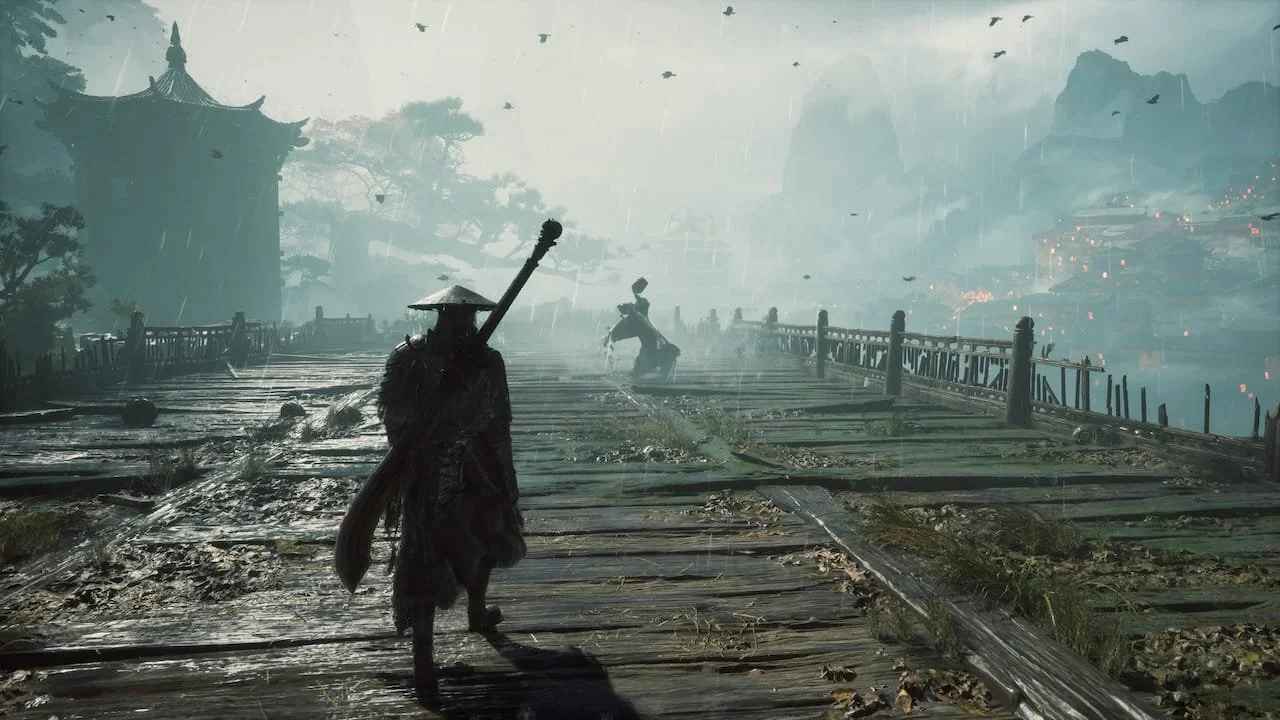
Now, the 66 days concept is interesting, and while it could have easily been something similar to the likes of The Blood of Dawnwalker, it isn’t even remotely similar. The 66 days concept unfolds one of two ways. Each time you reach a pivotal moment in the game, one where context is required to understand certain story elements, Soul will experience these moments as flashbacks and wake up the next day, thus having the counter reduce the days by one. He is dying of course, and those days need to be ticked away.
However, the real purpose for this timer is the 66 days mode. In this mode, which is unlocked on a second playthrough, each death will chip away at your remaining days. There are no manual saves, and dying on your last life will delete your entire save. While you can complete your original playthrough on any difficulty to earn this mode, the 66 days mode is locked to Hellwalker difficulty, the game’s hardest setting.
The story itself is present across all encounters, and it is viewed not only by its environments, but the countless memories you'll experience through blue flowers that are found as you explore Wulin, and all its locations. These blue flowers not only provide the backstory for many of the game's rich characters, bosses, and the lives of those Soul has encountered, but a full set of each memory will boost Soul’s maximum health, often by 5, 7, or 10%. So yeah, it's massively worth it to exhaust each area of these memories.
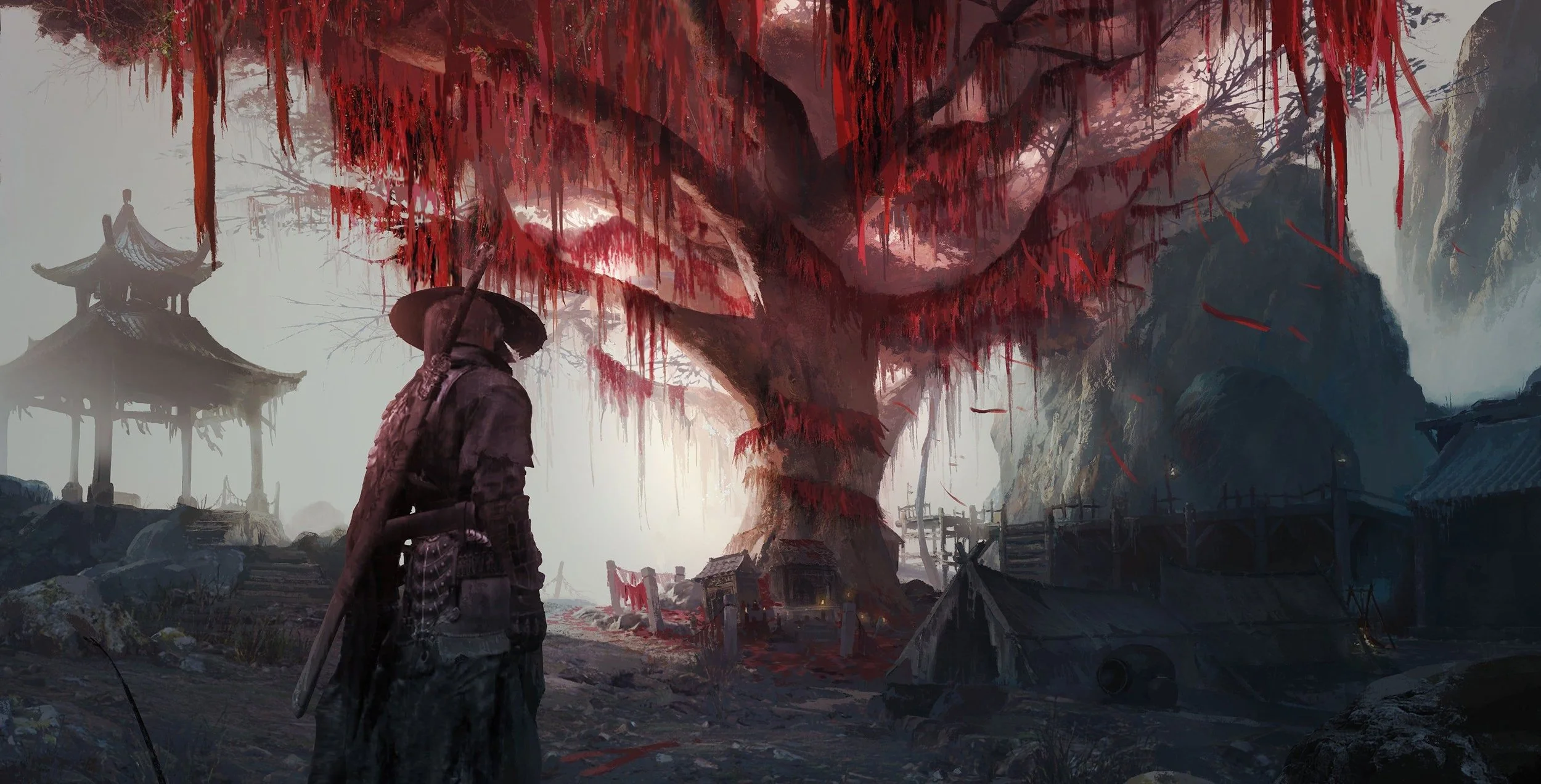
The story itself is immensely captivating, and learning the truth behind certain events makes your journey to the perfect ending to be that much sweeter. I will say that if you plan on playing Phantom Blade Zero, then you'll want to complete every main mission and track down every last relic for the merchant, as this will unlock the perfect ending, which includes the game's actual final boss. While I won't talk spoilers regarding each of the endings, the endings aside from the perfect ending are wildly unsatisfying. That said, when you get to a certain point, the game will point out if you have unfinished business, so make sure to make a hard save, just in case.
A lot of the story is based around Soul’s life, and the bonds he has made. Soul is well known, and as a kill order has been placed on him, this comes at the threat of encountering dangerous foes, and those he once called friends. The story also cuts away to events beyond Soul’s involvement, usually at those moments where a day will pass once you've witnessed those events.
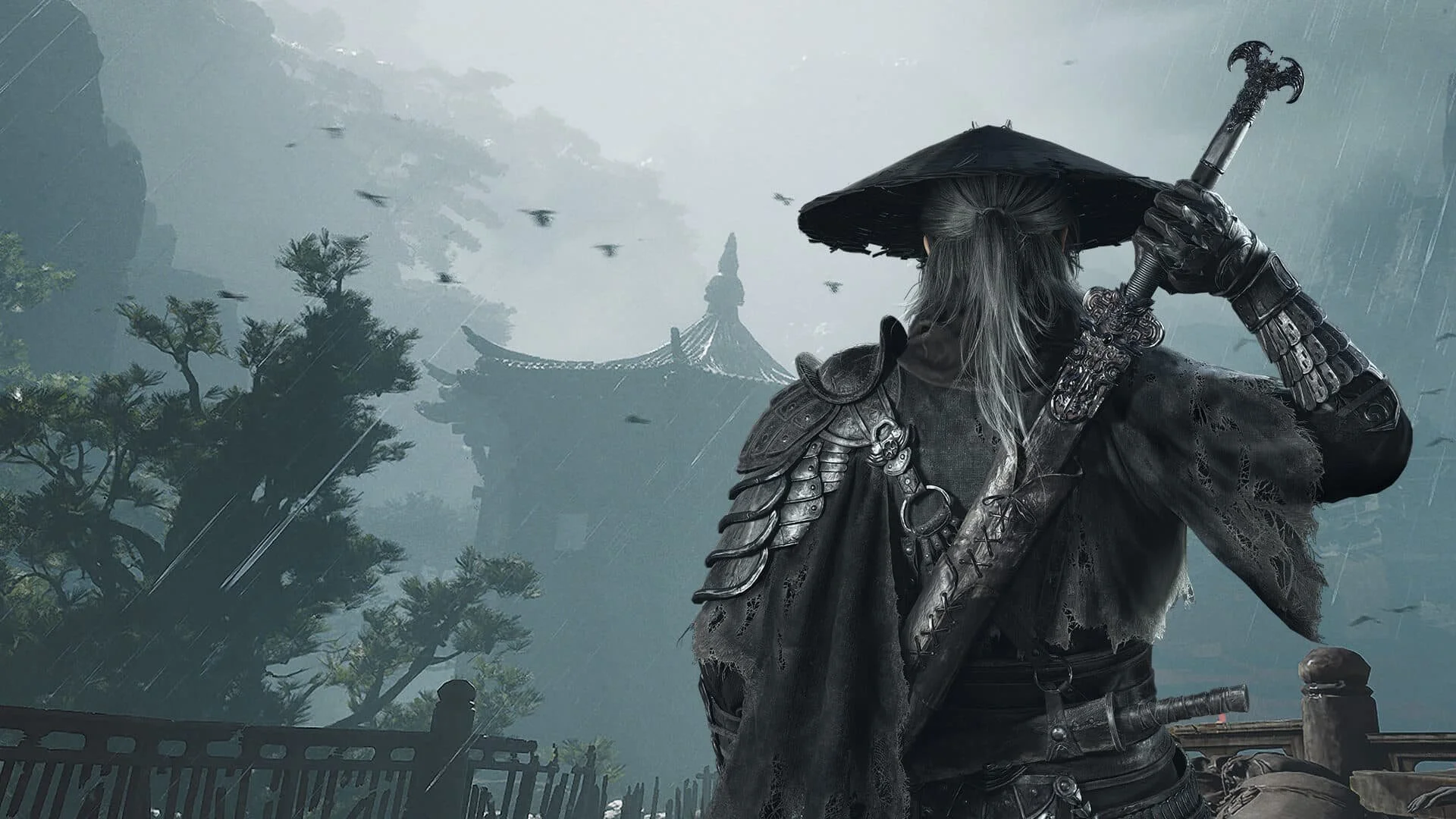
You'll find these story moments via a series of bells, with particular ones accompanied by a sculpture of a crane. These are effectively the game's take on Bonfires, but using them won't respawn foes. These bells allow you to manage your weapons, enhance them, upgrade items, or use them to fast travel. They are quite useful and often plentiful, especially before bosses.
A lot of the story focuses on wooden puppets that have been given the souls of others, for as corrupted or impure as the process can be. You'll encounter lost souls in these wooden shells, some lacking the memory of who they once were, but driven by their hopes, dreams, and desires. One side quest has you searching for the soulmate of someone who misses their lover dearly, only for the pair to find each other all over again, but devoid of knowing it themselves.
This game's general plot has deep emotional hooks across many of the game's characters, placing them in positions of acting in desperation to preserve their loved ones, or using the wooden vessels for nefarious purposes. And, as a man known as the Herald is behind much of these events, Soul becomes tasked with discovering their plan, and saving all of Wulin in the process.
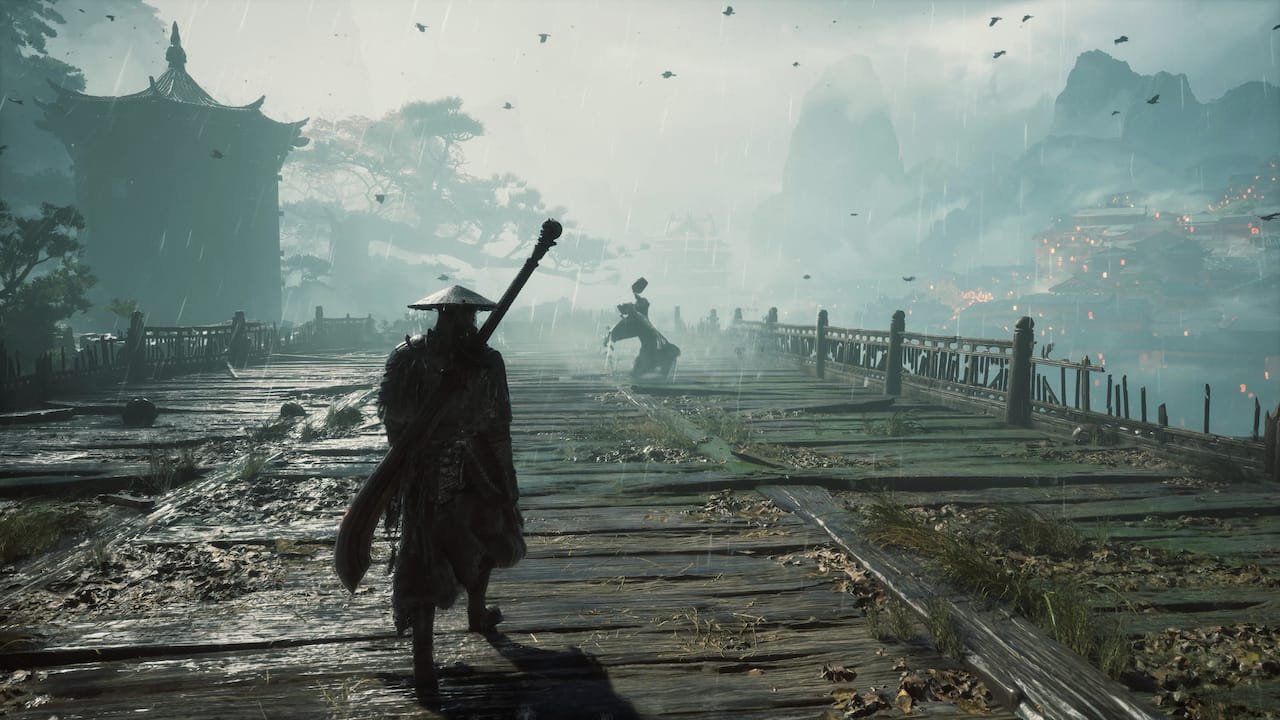
This twisted version of Ancient China is absolutely gorgeous, with its world, Wulin, being absolutely massive. One said locale has you commandeering a boat to reach secluded islands across a large lake, one island of which is a location for the aforementioned merchant, This area reminded me a lot of Resident Evil 4, and its use of a boat for similar reasons.
Still, these locations follow in a lot of the same design philosophy of a Souls game, such as shortcuts, ladders, and locked doors that, in the end, allow you to skip through massive sections of the game when backtracking. From the Crimson Forest, to the Weeping Creek Valley, or the aforementioned Meigu Lake, locations like the Mandate Encampment or the Mountain of Imprisonment, are giant environments that add extra flavor to the game, albeit being limited in their use of the main story. Sometimes these locations just exist to provide extra content, bosses, weapons, and combat, to give you more to do without feeling like padding or filler.
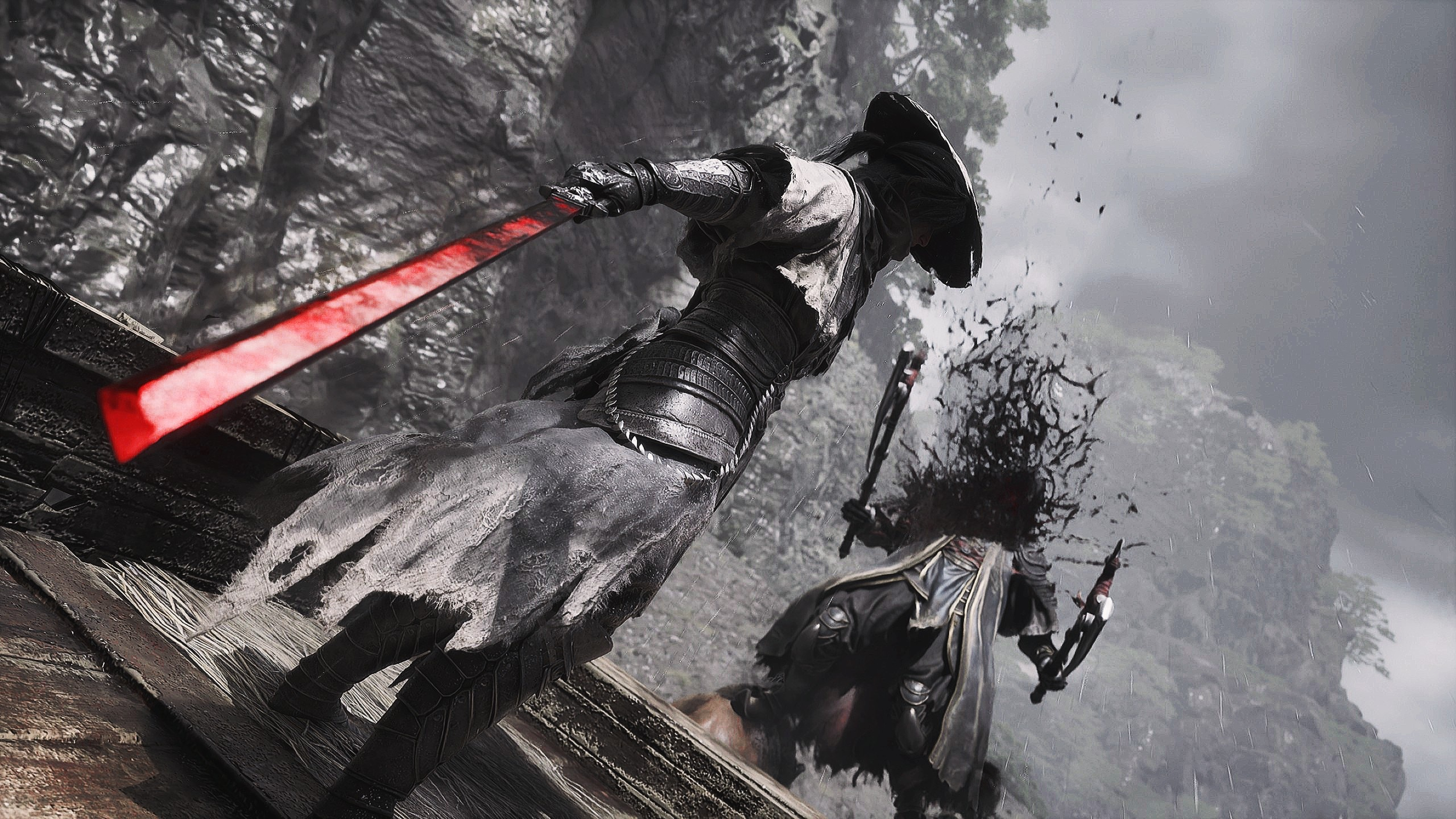
These locations, complete with various trials and bosses, always kept me entertained and relishing in the fact that earning new phantom edge weapons, which I'll touch on shortly, would unlock new passageways. While not a Metroidvania, certain phantom edge weapons will smash down barriers, unlock hidden doors, or even something simple as the bow shooting down items hung in trees.
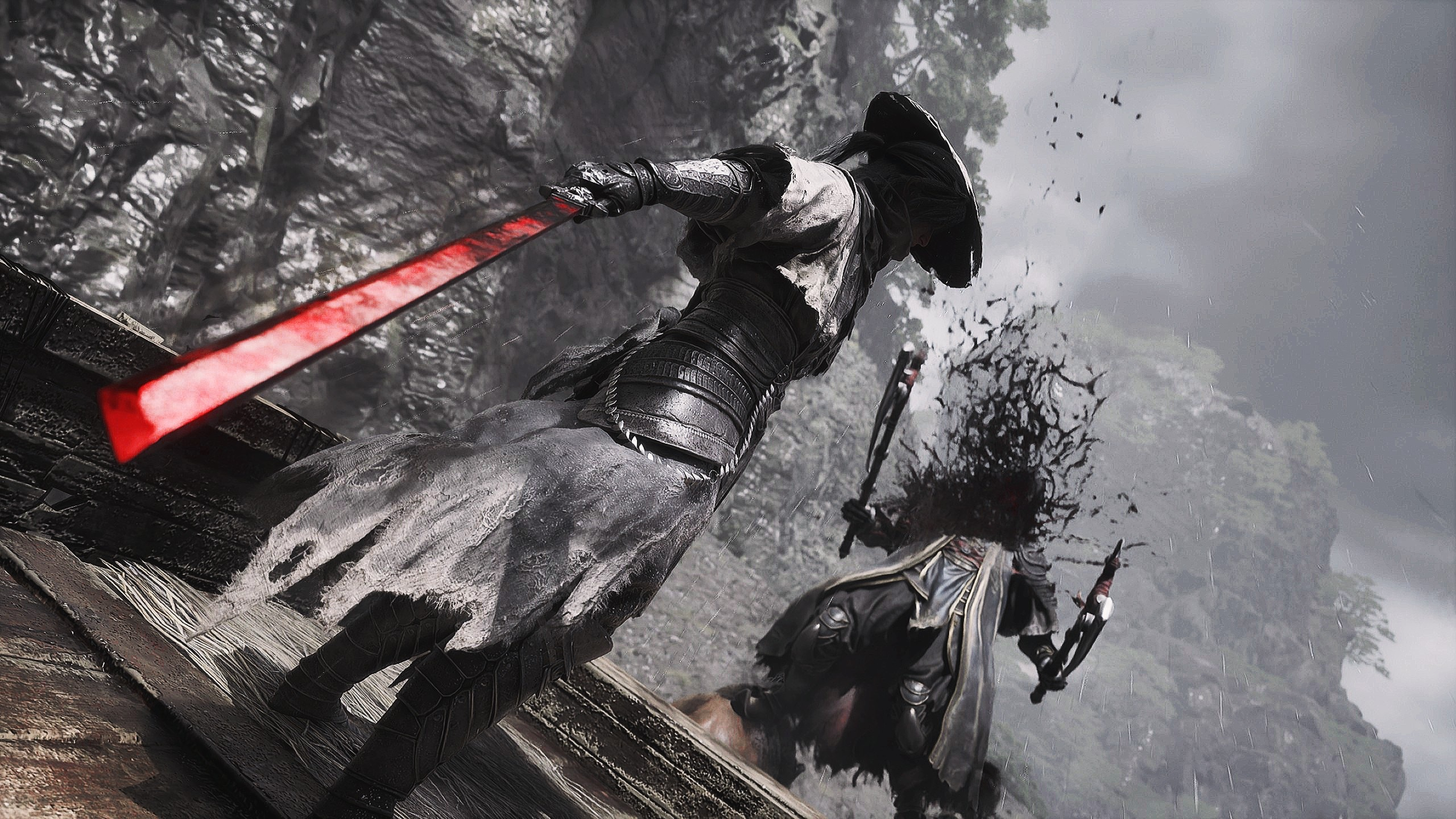
What really makes exploring these locations shine isn't just discovery, or tracking down blue flowers, or finding new weapons, but the act of combat itself. Phantom Blade Zero has the best action combat I've played since Bayonetta 2 and Stellar Blade, and surpasses them in every way. There isn't a more fluid and approachable combat system out there. It can feel chaotic, but you always feel like you have control of that chaos. Parrying and dodging is vastly satisfying when you pull it off, performing each action at blue and red flashes, respectively. If there is a more satisfying combat system out there, I've yet to see it, and I play a ton of these sorts of games. Some get close, but few are constantly as satisfying, especially throughout 30+ hours.
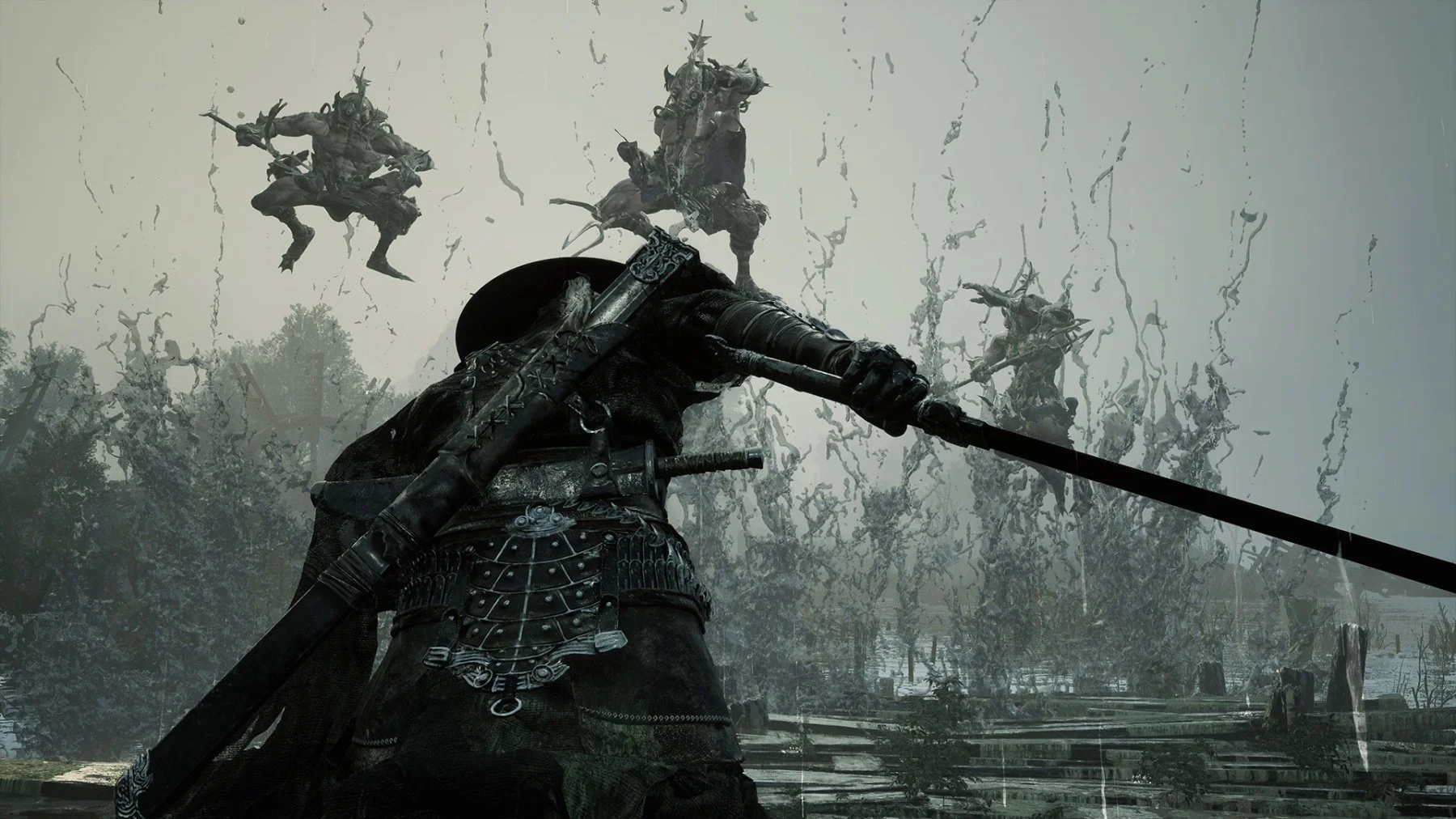
Phantom Blade Zero uses a stamina system called Sha-Chi, that is consumed on varying actions such as when you block, or perform heavy attacks. While it is not used for your standard sword strikes, or when you parry, it is fully consumed when using a weapon art, once charged. And, what allows this system to really shine is that swapping a weapon when it's drained will recharge the bar, allowing you to continue attacking. This allows the combat, which is defined by this system, to keep pace with whatever you are fighting.
Combat is handled through a four weapon system. You can equip two main or primary weapons, and two phantom edges, which are weapons that use a charge called Remnant Sparks. Your spark amount can be increased via the skill tree, but these allow these overpowered weapons to be used in battle sparingly, such as a large axe, a set of gauntlets, or even items that can summon a small army to help you in battle.
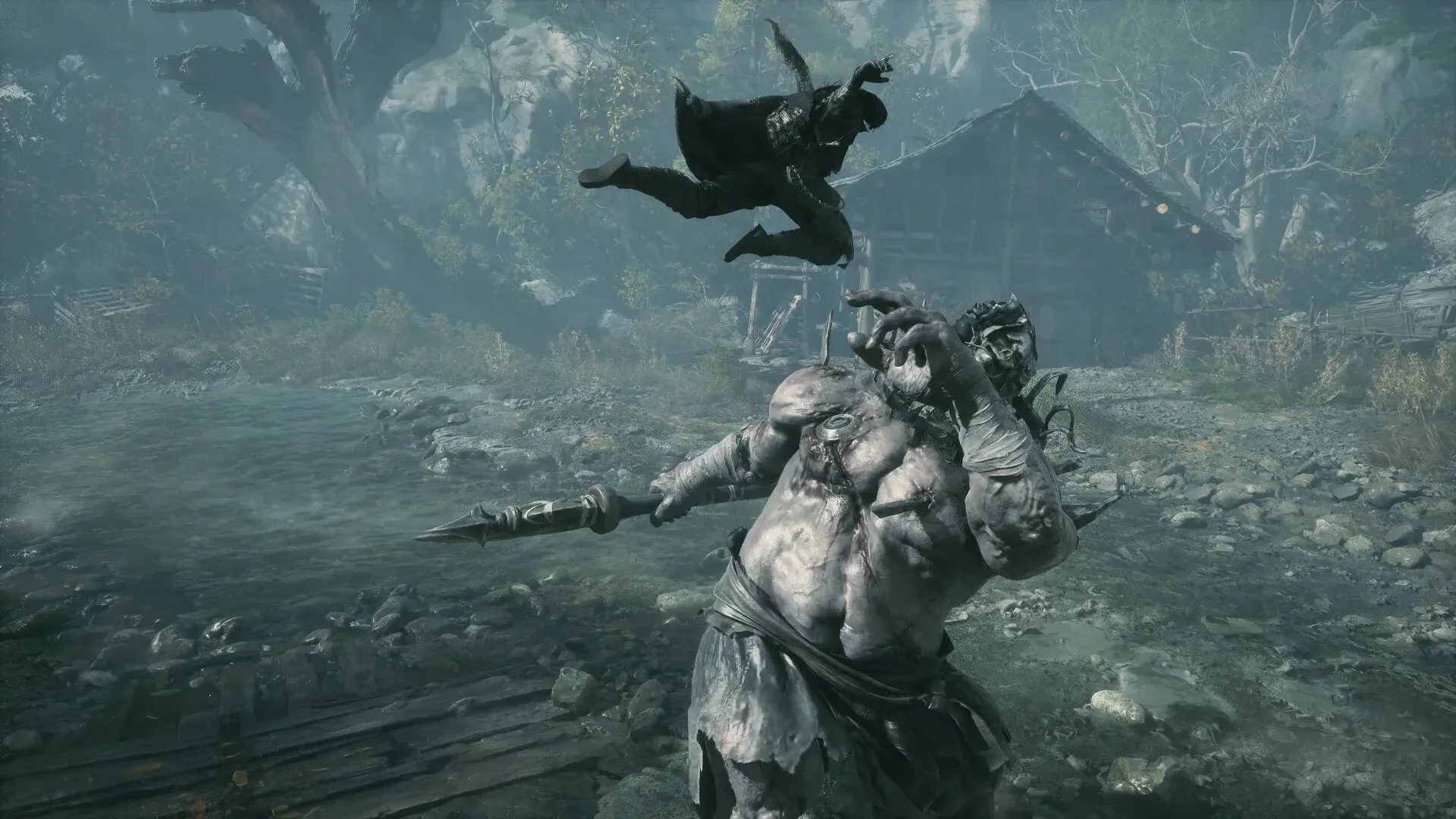
Each weapon and phantom edge can be upgraded, significantly. As you meet blacksmiths or specialists, you'll gain the ability to self-upgrade your gear, as well as accessories or your healing items. Each upgrade makes certain effects more potent, or, in the case of weapons, add on combo extenders, new abilities, or completely transform how the weapon works. Upgrades require certain materials, such as solvents, remnant dust, and specific metals, all dependent if your weapon is one-handed, two-handed, or dual-wield. And, should you feel like you've wasted materials or found a better weapon later on, you can revert a weapon back to level one and retain all those materials, with no cost until a weapon surpasses level 10, which is not much of a penalty. This freedom to invest in a weapon and then choose to leave it behind rewards experimentation, as opposed to limiting it.
How combat works is through the Sha-Chi system. Sure, your opponent will have a health bar, but some foes require their Sha-Chi meter to be depleted before significant damage can be inflicted. Basically, it is a break gauge that can stun your foe. The key to defeating your foe is mastering the ability to deflect and parry blue attacks, perfect dodging red attacks, which will move you around your foe for a devastating counter attack.
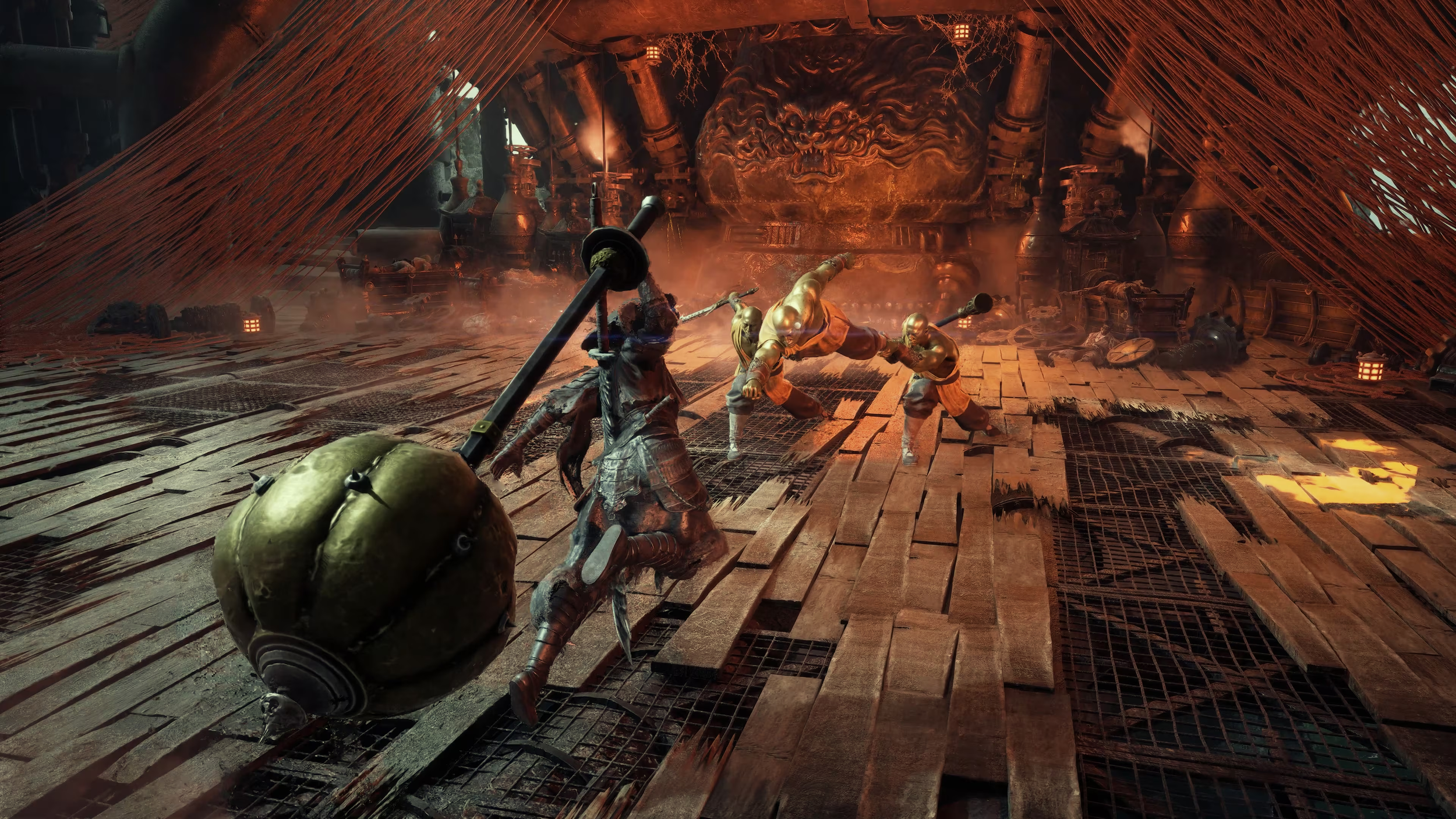
While this guard break system may sound repetitive due to the dance you're going to perform across combat, the boss variety is so substantial here that no two bosses feel the same. From a three phase battle that starts with a sword, to its second phase with gauntlets, to a third phase as you are then outnumbered, to even a fight where red strings puppeteer your foe around, these encounters consistently feel fresh and unique. One of the later battles has you opposite a warrior with this Guillotine-spinning weapon that can literally one-shot you, regardless of the difficulty you're on.
Every time a boss battle would begin, or as you approached an area that you knew would provide one, you know the kind, I was always excited to see what creative roadblock would come my way. One highlight is a pair of enemies controlling this Chinese dancing dragon, who moves and bounces around like those in Chinese parades. And, to add, when they are also voiced by Doug Cockle, it only makes the battle more memorable. Honestly, it's one of the coolest fights in the game.
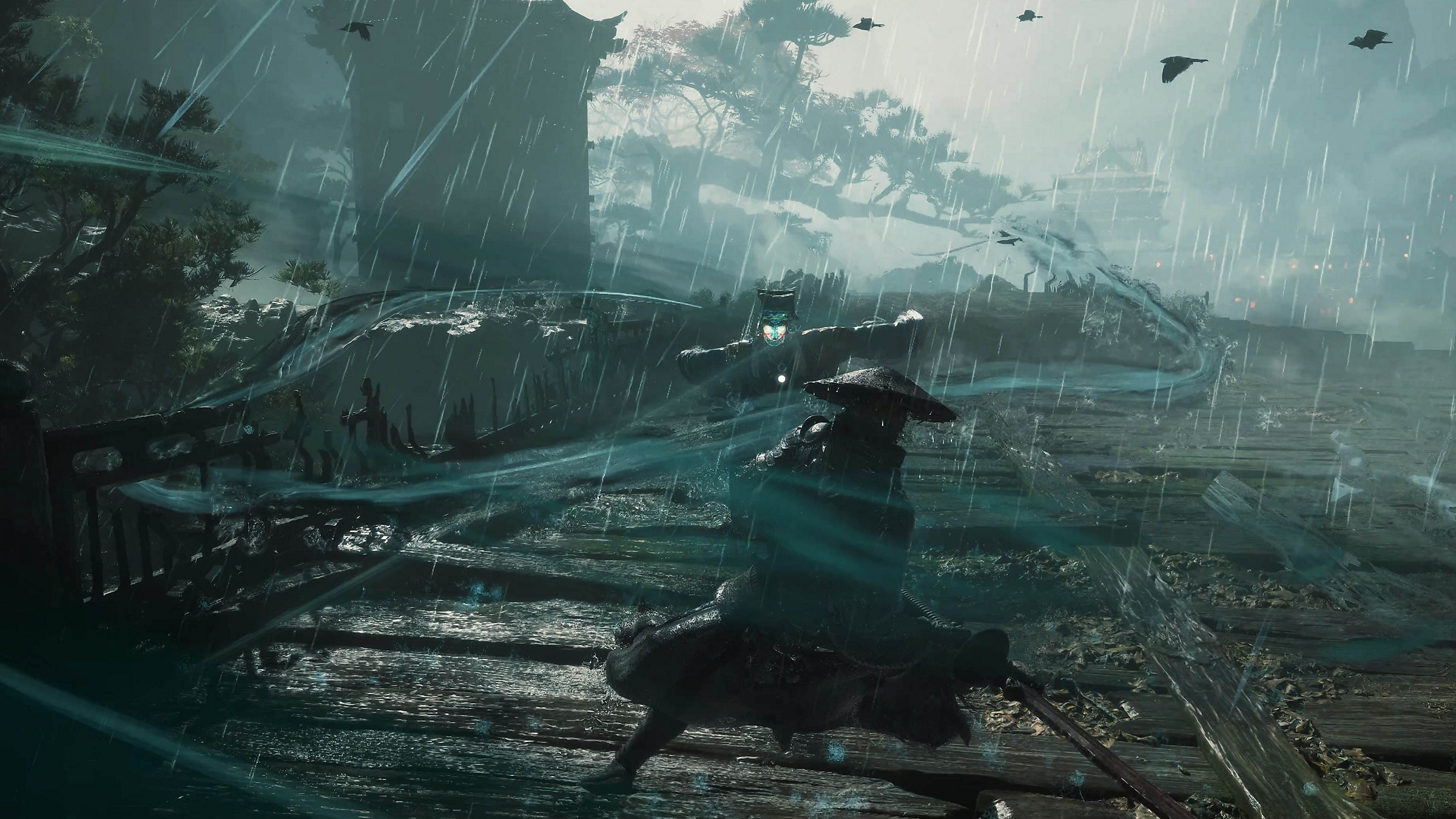
While a few battles are largely by the numbers, I can't think of a bad encounter or one I felt was lacking. Each has their own unique flavor, especially those who are more personal to Soul, and give a bit extra in the battle. There is a specific encounter with a boss named Bai Chilian, that is visually and mechanically a delight. This multi-phase fight was such a cool treat, and a real standout, especially as you wonder if it will ever end. And while not related to just this fight, should you die across most multi-phase encounters, you often start at the beginning of the latest phase you've unlocked, which is often a great quality of life feature.
Combat soars in Phantom Blade Zero, not only in boss fights, but even against fodder that has no chance against you. There is a rhythm and dance to every battle, as you use whatever weapons you have grown akin to using and then systematically reduce your opposition one by one. These simpler encounters became testing grounds for trying out new weapons, new combinations of phantom edge weapons, as well as the various accessories that boost and provide different perks. This also translates to your healing items, as some heal faster, more, or over time. All of which, I might add, are upgradable.
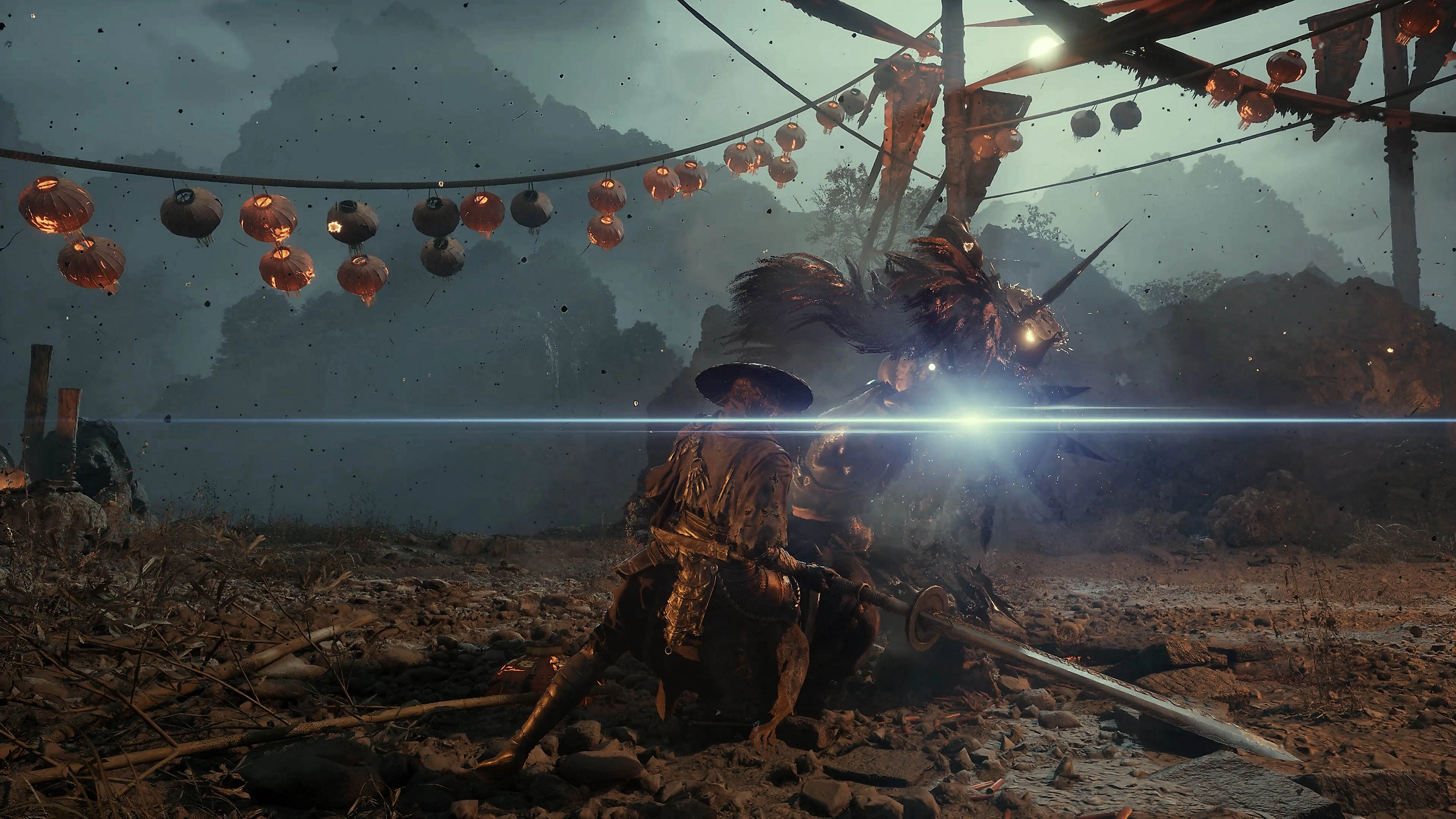
Powered by Unreal Engine 5, Phantom Blade Zero is stunningly gorgeous. For a new studio, one largely around 150 developers, this is a huge testament to not just building the game from scratch, as well as all the pre-production world building and Chinese martial arts training, but that they delivered such a massive game in less than four years, especially with a modest budget of around $55 Million USD. This is what happens when creativity is the lead, and not a game simply made to appease shareholders.
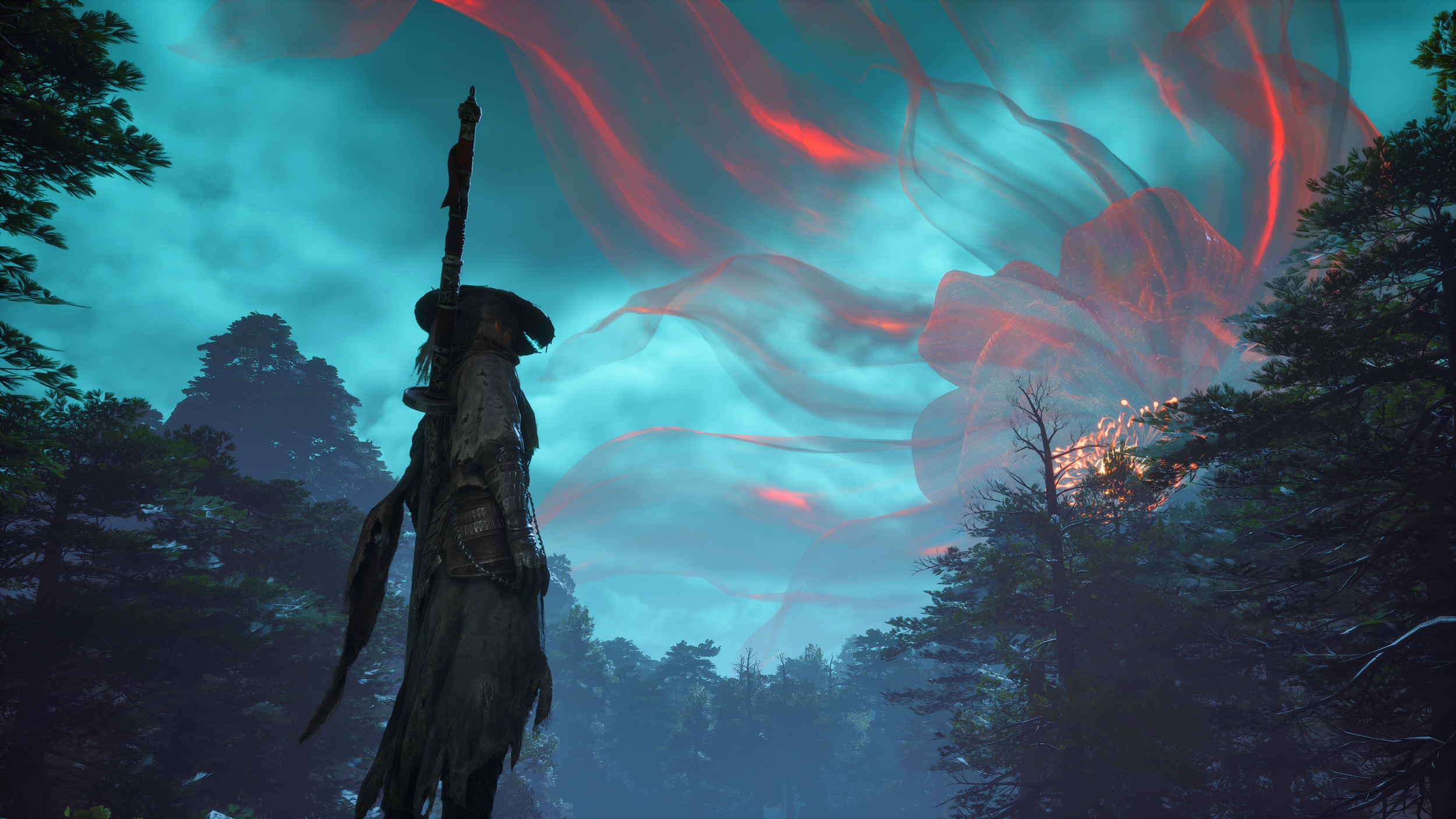
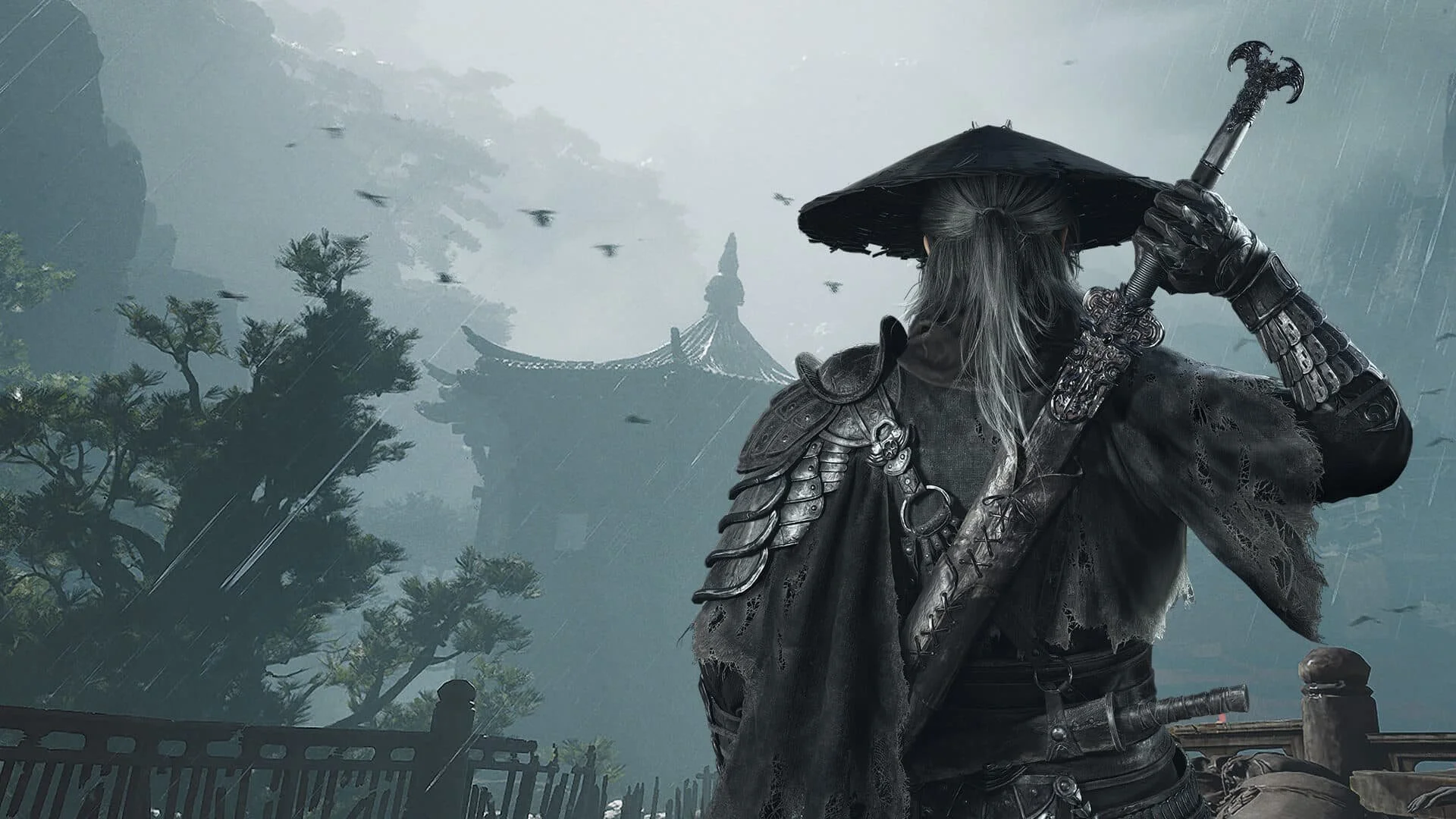
From its breathtaking environments, down to the smallest of combat fodder, Phantom Blade Zero is gorgeous. Soul’s outfits, of which there are a few, and even more if you've purchased the Digital Deluxe Edition, are wonderfully animated. There is a particular look to the game that does remind me Black Myth Wukong, so having that game as a benchmark for your expectations is a pretty good match.
The level of detail to each environment is fantastic, with nice touches that really bring these areas alive, or dead, depending on the time you visit. Some locations change a bit after a key point in the game, freezing over to allow you to access certain locations that were previously unlocked.
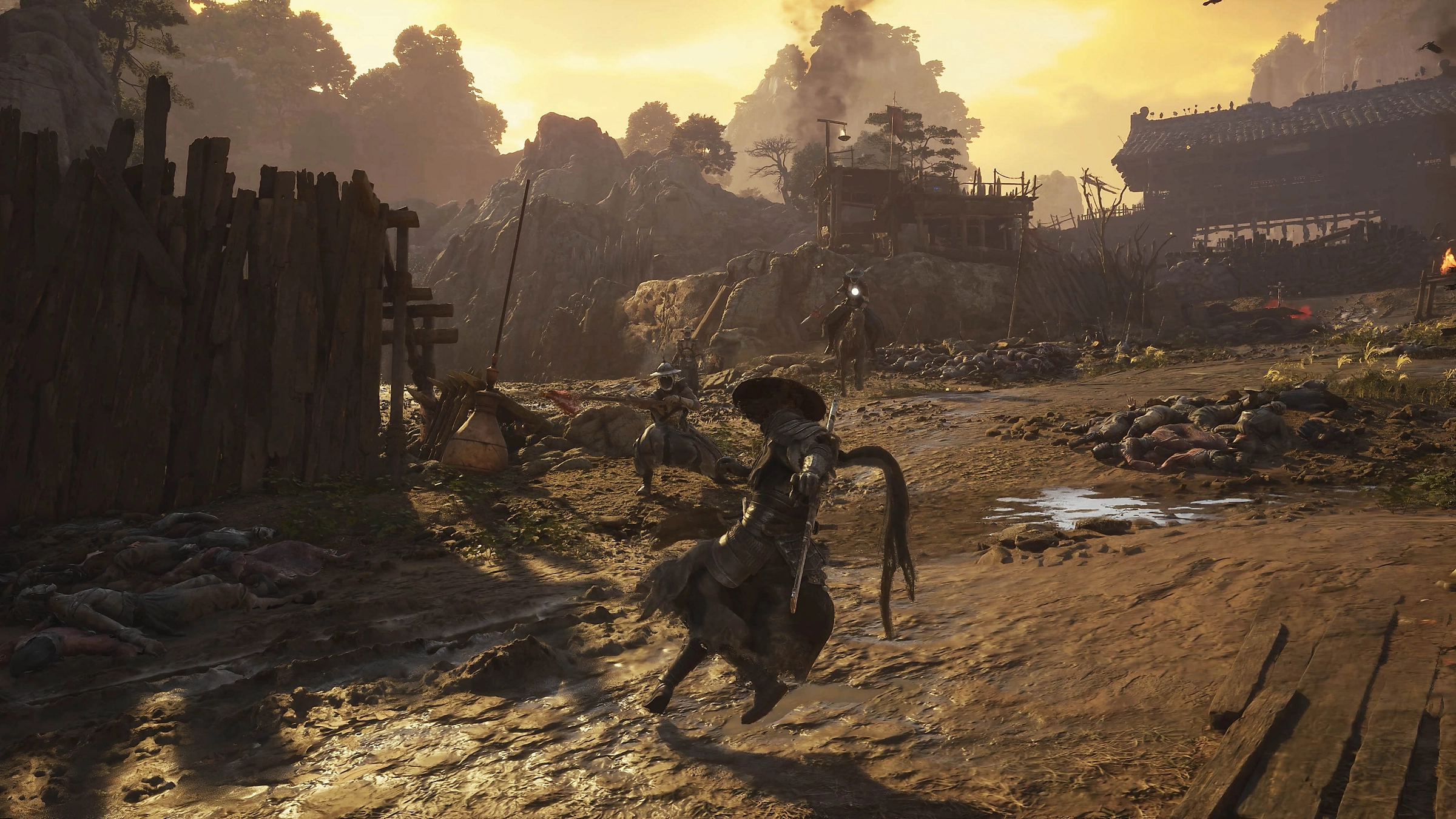
While the soundtrack is absolutely incredible, there is one downside to it, which I'll slowly get to. During S-Game’s developmental timeline, composer Caisheng Bo has worked alongside Soulframe Liang to create one masterpiece after another. The use of so many different instruments and sounds has made Phantom Blade Zero’s music, especially a few key boss themes, to be some of the best gaming music ever crafted.
This mix of erhu, xūn, and pipa—with rock, metal, electronic, dance, and hip-hop, create a sound that is massively unique, and, as mentioned, there are about three or four tracks that made me wonder just exactly what I was listening to, as it was unlike any music I had ever heard. This “Kungfupunk” as Soulframe puts it, was captivating, aggressive, and yet, beautiful.
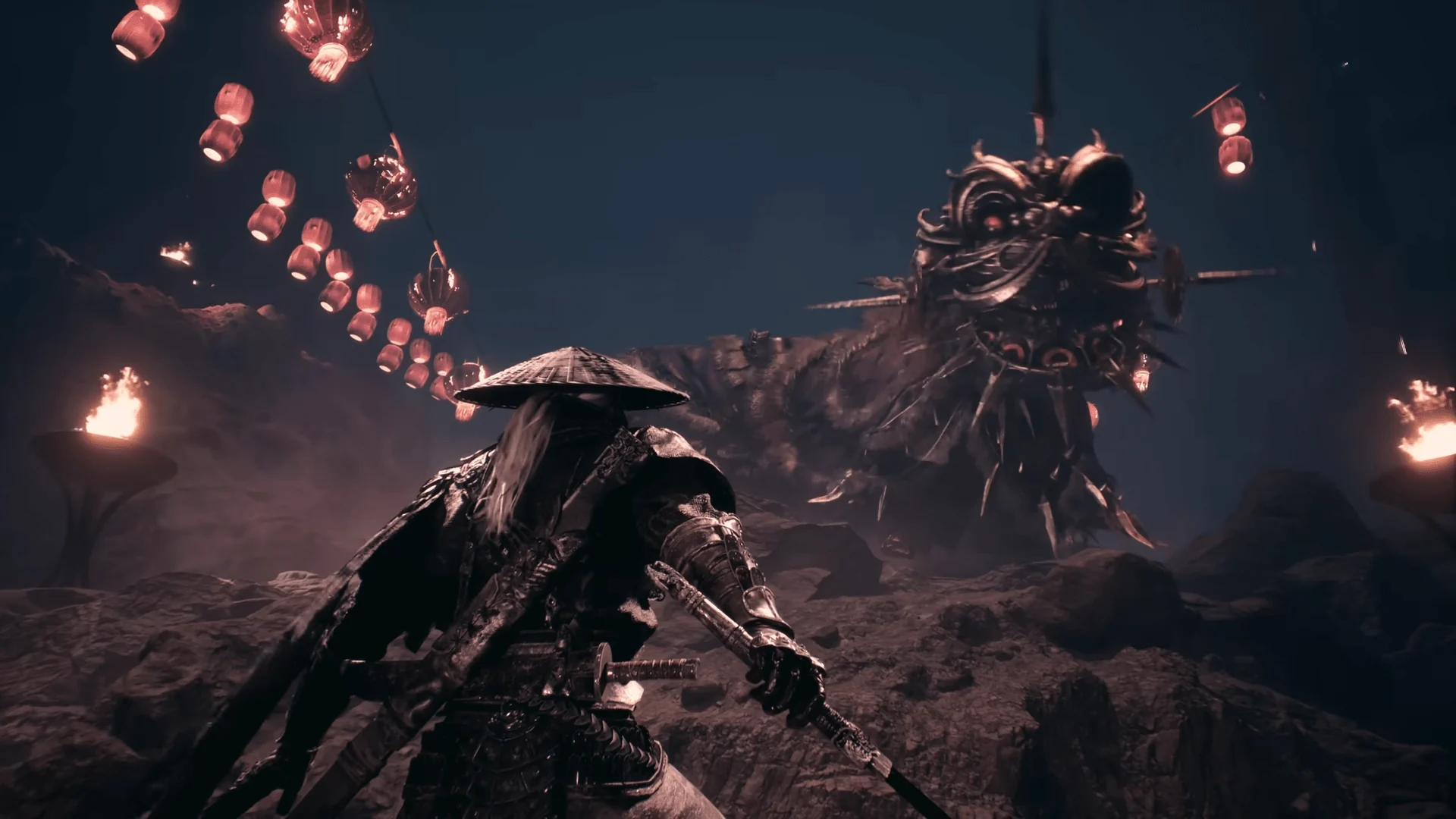
Now, the downside here is that Caisheng Bo won't be returning for a potential sequel, as the composer is deep in work on Tides of Annihilation. While I'm sure another composer will bring their own spin to a future game, I worry that the identity of the game will suffer, given how integrated the music is to the game. The music felt as important as the weapon I was wielding, the approach I would make in combat, and the energy I gained at the start of a fight, giving me the drive and focus to fight what stood in my way.
Like The Witcher 3, Phantom Blade Zero shows me the excellence that comes from the creative space in gaming, especially when a publisher isn't trying to squeeze out every dime out of its player base, and allows a developer to fly on their own. Phantom Blade Zero is hands down the greatest action game ever crafted, with such minimal flaws that I still consider it to be a perfect masterpiece. Phantom Blade Zero is now the gold standard for action games.
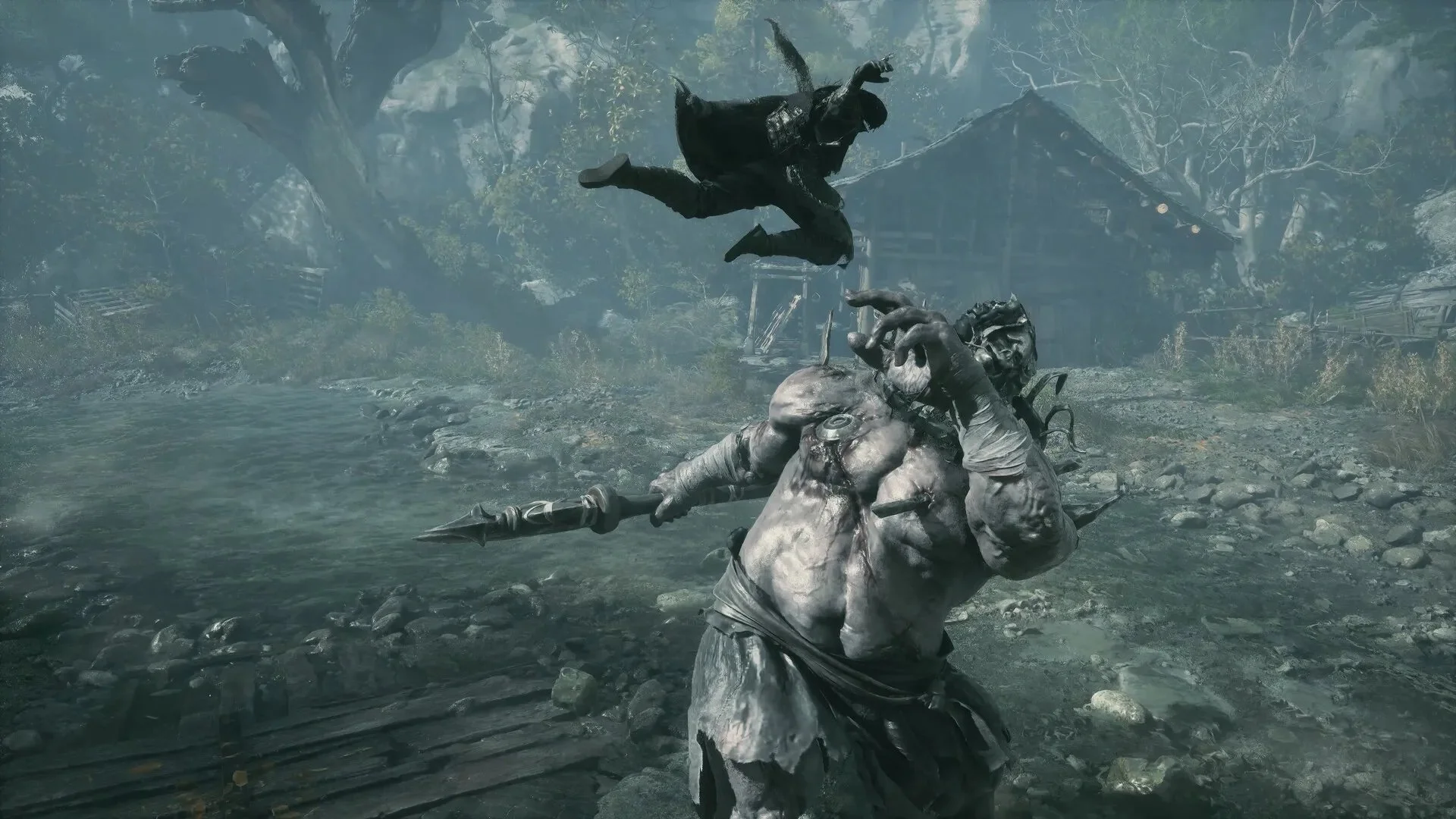
Developer - S-Game. Publisher - S-Game Publishing. Released - October 28th, 2026. Available On - PS5, PC. Rated - (M) Blood and Violence. Platform Reviewed - PS5. Review Access - Phantom Blade Zero was purchased by the reviewer for the purpose of this review.