
A Promising Soulslike That Doesn't Quite Deliver
There certainly isn't a shortage of Soulslike games these days, and with so many developers attempting to put their own spin on the formula popularized by FromSoftware, it can be difficult for something new to stand out. However, when One More Level, the studio responsible for the excellent Ghostrunner series, announced that its next project would be a first-person Soulslike set during an alternate version of the Napoleonic Wars, it immediately caught my attention. Having now spent time with Valor Mortis, I can safely say that there's a lot to like about what the developer has attempted here, even if the overall experience doesn't quite live up to its potential.
The game takes place in an alternate version of 19th-century Europe, where Napoleon Bonaparte emerged victorious at the Battle of Waterloo and continued his conquest of the continent. However, things aren't quite as straightforward as they might initially appear, with a mysterious plague transforming soldiers and civilians into horrifying creatures. You take control of William Dowsett, a British soldier serving in Napoleon's army who finds himself resurrected with little memory of his previous life. As you begin exploring the devastated landscapes of Europe, you'll gradually uncover the truth behind the plague, your resurrection, and the Emperor himself.
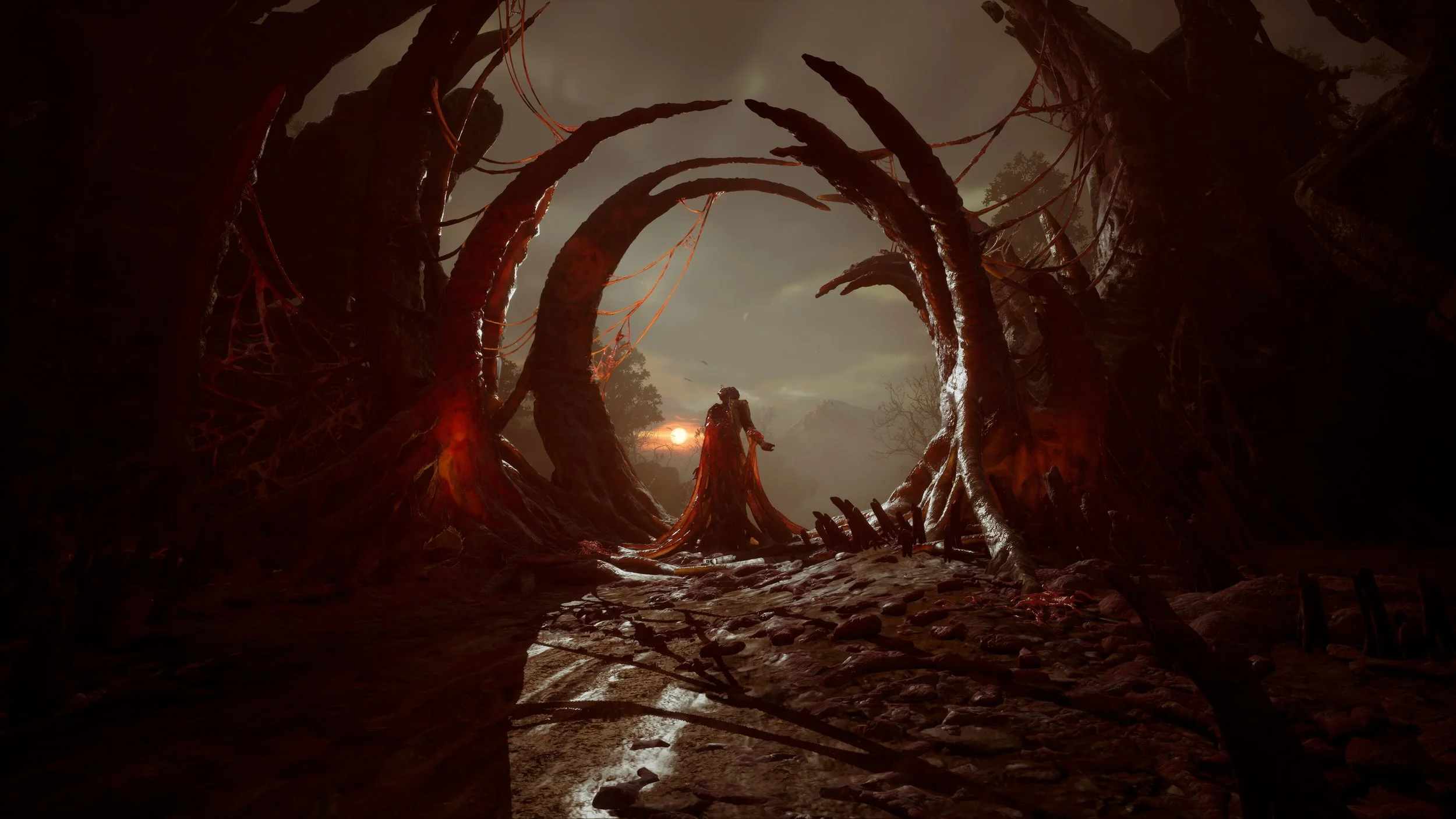
It's an interesting premise, and one that does a fantastic job of separating Valor Mortis from the countless other games within the genre. The combination of Napoleonic warfare and supernatural horror works surprisingly well, with the environments and enemy designs reflecting a world that has been completely torn apart by war and something considerably more sinister. There's also a greater emphasis on traditional storytelling than you might expect from a Soulslike, with the game providing enough information to keep you invested without relying entirely on environmental details and obscure dialogue. The story isn't perfect, particularly towards its conclusion, but the setting and overarching mystery were more than enough to keep me interested.
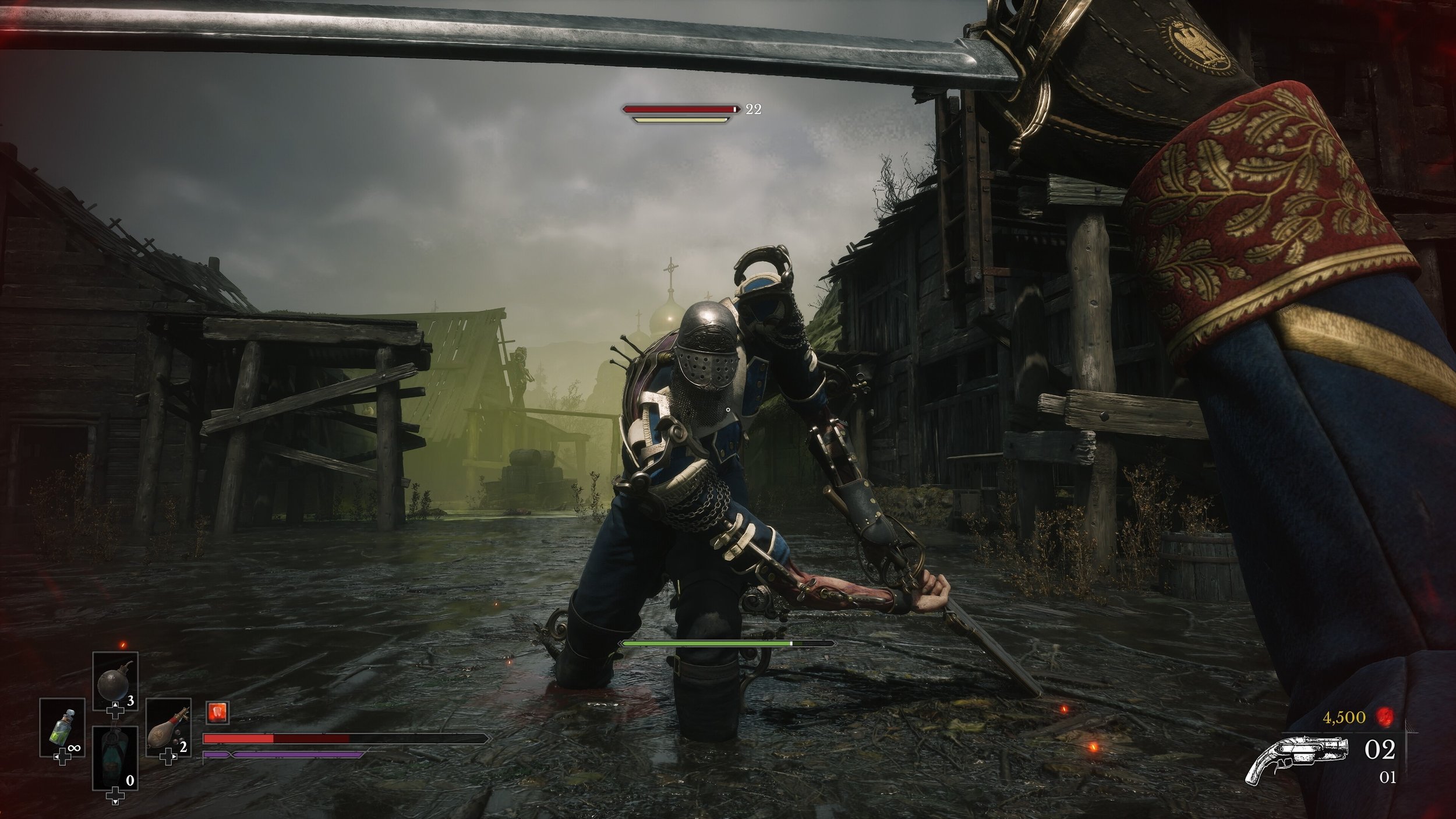
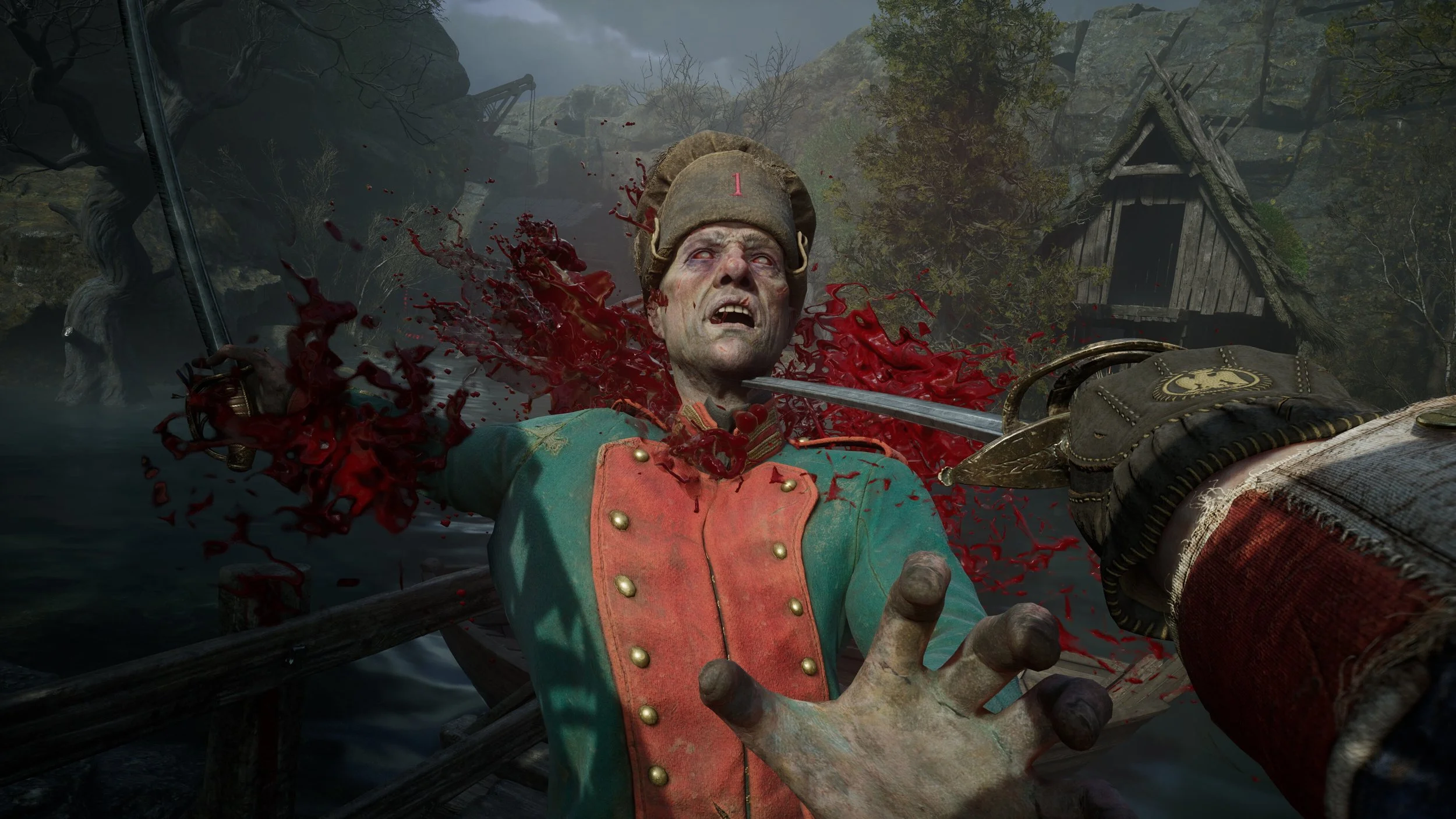
Of course, the biggest difference between Valor Mortis and most other Soulslike games is its first-person perspective, and it's something that I found myself both enjoying and becoming increasingly frustrated with throughout my time with the game. Combat follows many of the conventions we've come to expect from the genre, with stamina management, dodging, blocking, and parrying all playing an important role in overcoming the various enemies standing in your way. Rather than simply attacking everything in sight, you'll need to learn enemy attack patterns and identify the appropriate opportunities to retaliate, particularly when facing some of the game's tougher opponents.
When everything comes together, combat can be incredibly satisfying. Successfully parrying an incoming attack and breaking an enemy's posture opens them up to a devastating finishing move, and there's a certain satisfaction that comes from overcoming a difficult encounter after learning exactly how an opponent behaves. The first-person perspective helps give these encounters a more personal feeling, and when you're facing a single enemy, it's surprisingly easy to get into a rhythm with the combat system.
However, things begin to fall apart somewhat when you're facing multiple enemies at once. One of the biggest advantages of a traditional third-person Soulslike is the amount of information you can gather about your surroundings, particularly when several enemies are attempting to attack you simultaneously. Valor Mortis doesn't have that luxury, and keeping track of incoming attacks can become unnecessarily difficult when you're surrounded or dealing with enemies attacking from a distance. There were certainly moments where I couldn't help but feel that the game's encounter design would have been much better suited to a third-person perspective.
This becomes particularly noticeable in more confined environments, where the combination of limited visibility and restricted movement can make otherwise manageable encounters considerably more frustrating. I appreciate that One More Level wanted to do something different with the genre, and I certainly wouldn't suggest that the first-person approach is a complete failure, because it absolutely isn't. However, there are occasions where the game seems to be fighting against its own design decisions, rather than using them to its advantage.
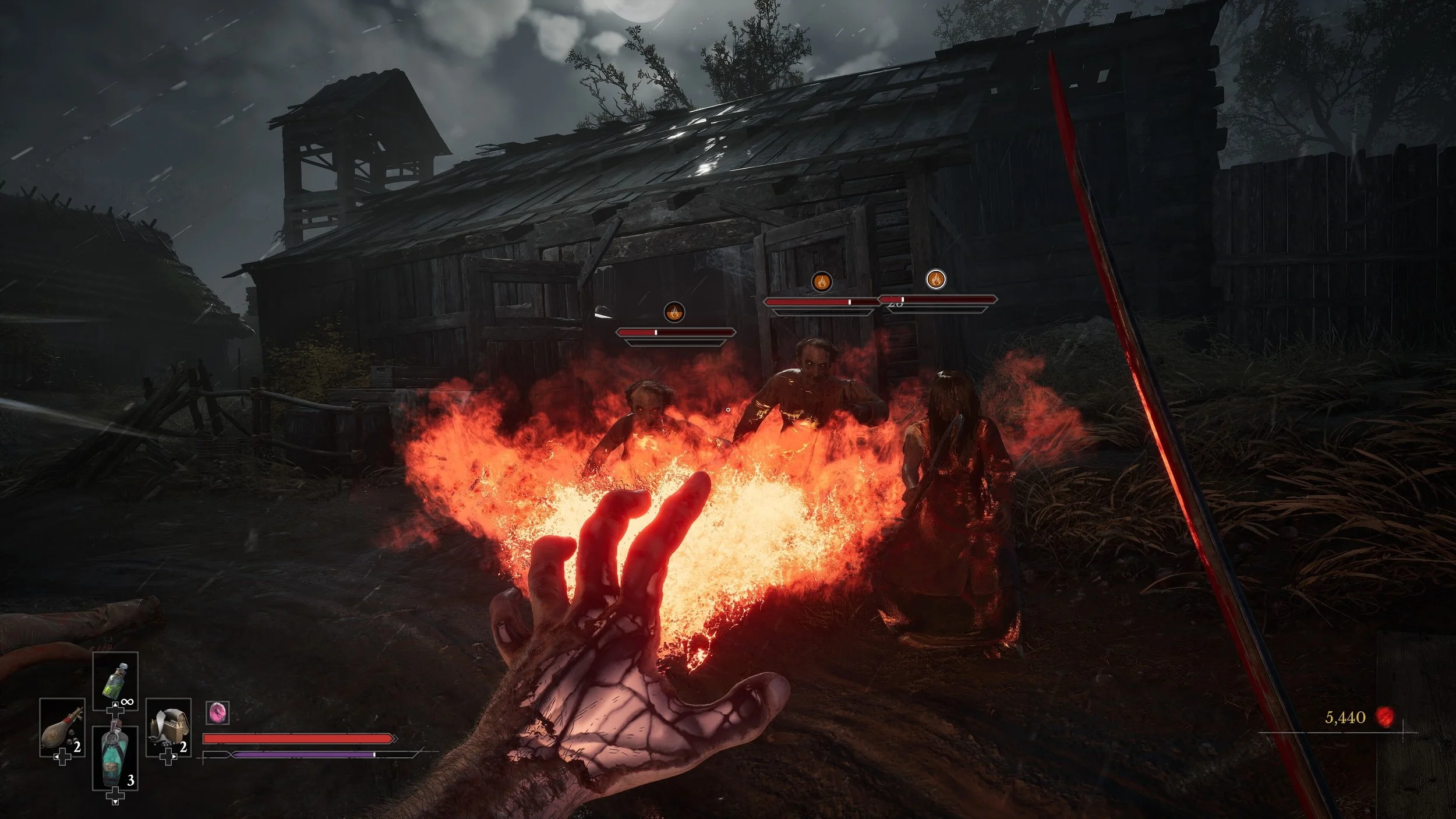
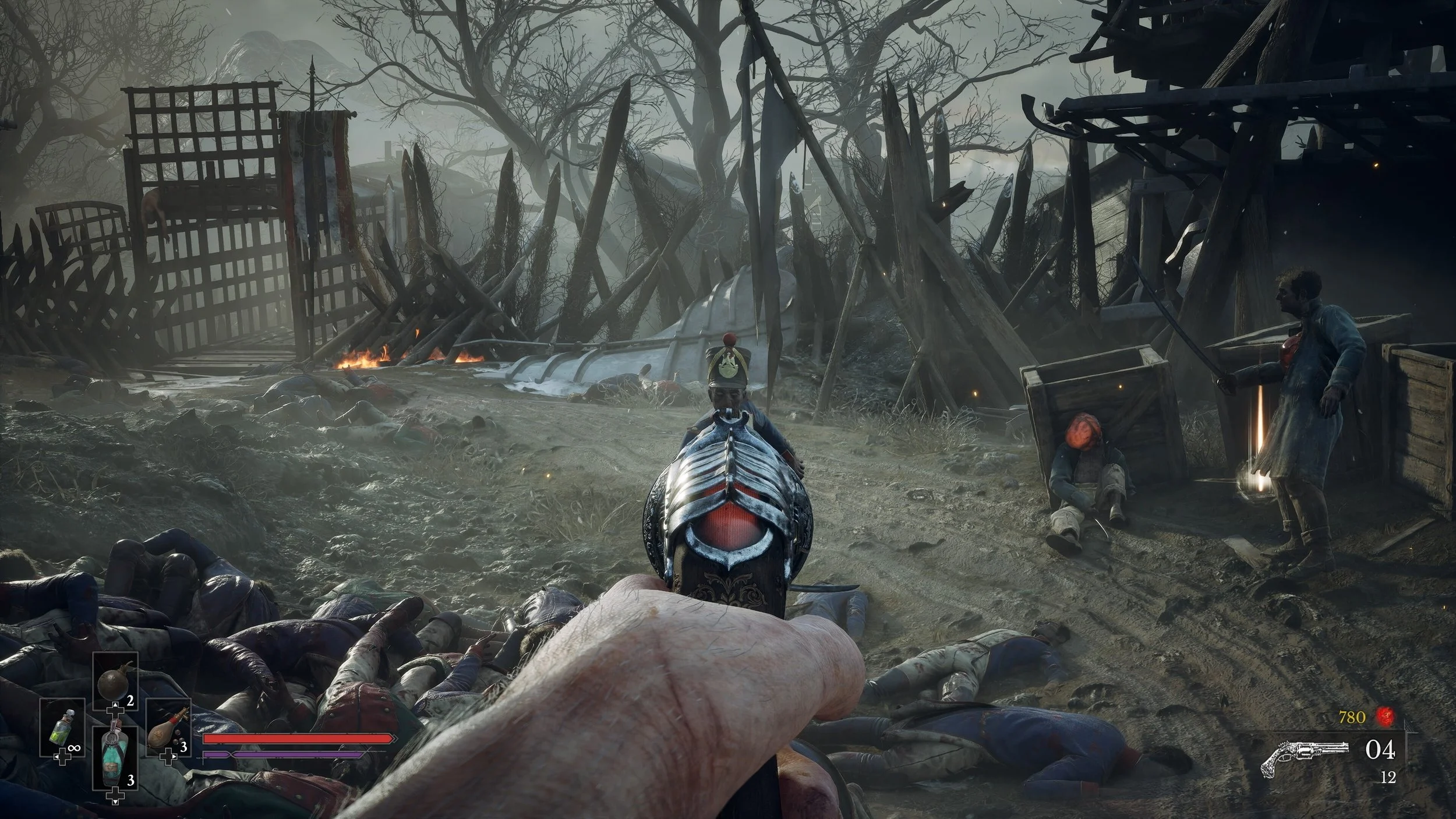
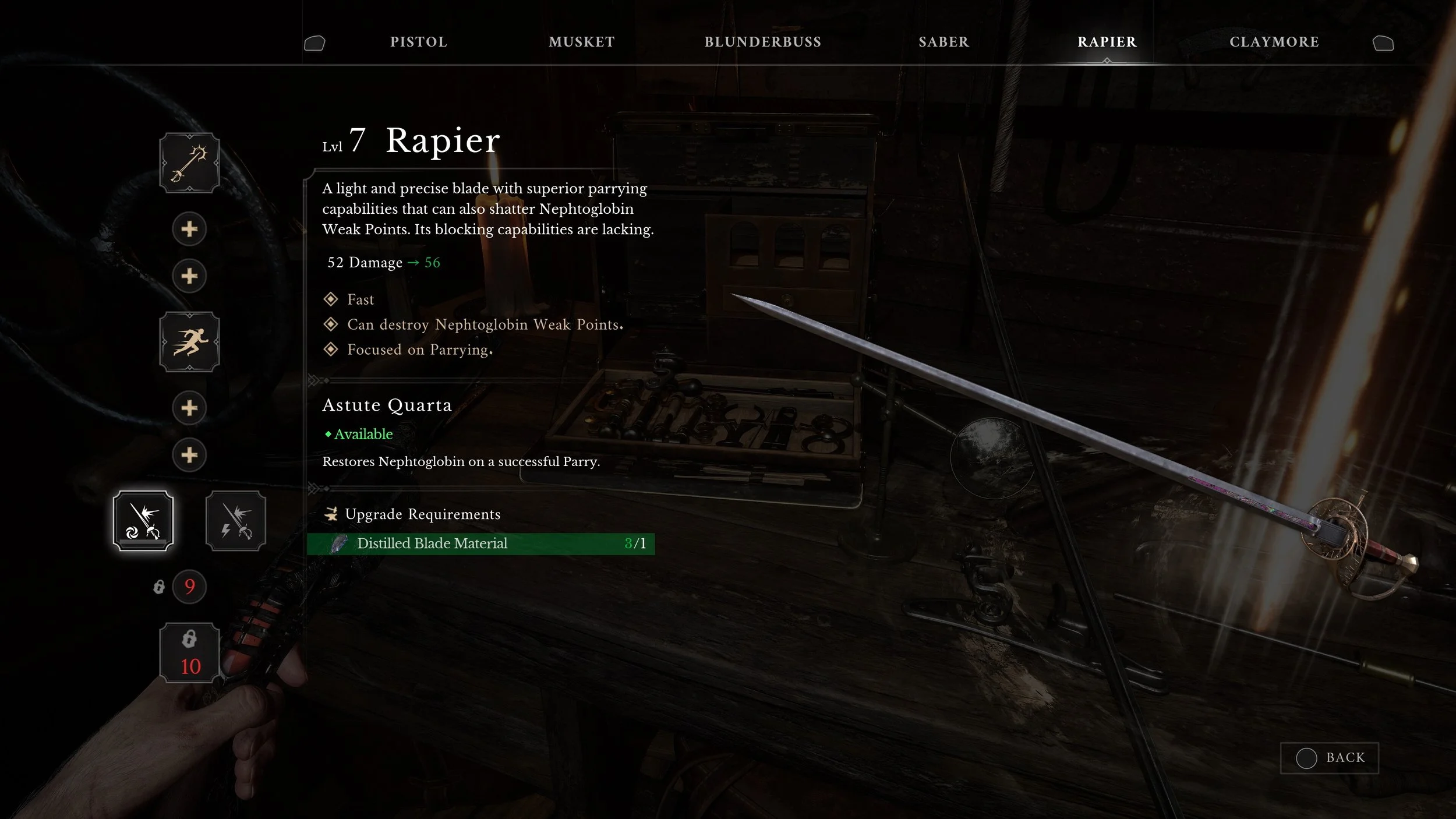
Alongside your melee weapons, Valor Mortis also introduces firearms and supernatural abilities that add some additional variety to combat. These abilities can be used to deal damage, control enemies, and even assist with traversal, which gives the gameplay some welcome flexibility. There are also elements of Ghostrunner's movement mechanics scattered throughout the experience, with certain sections encouraging you to approach encounters with a greater emphasis on mobility rather than simply standing your ground and waiting for an opportunity to attack.
Unfortunately, one of the biggest issues with Valor Mortis is that the gameplay doesn't evolve enough to remain consistently interesting throughout the entire campaign. The selection of weapons is relatively limited, and although the supernatural abilities help mix things up, it doesn't take particularly long before combat begins to feel repetitive. Enemy variety is another problem, with many of the same opponents appearing repeatedly throughout the adventure. This wouldn't necessarily be such an issue if there were more meaningful ways to approach each encounter, but the relatively straightforward progression system doesn't offer the same level of flexibility that we've seen from some of the genre's better examples.
Rather than relying on traditional RPG attributes, progression revolves around unlocking passive improvements and upgrading your existing abilities. It's a system that works well enough, but it doesn't provide the same freedom to experiment with different builds and playstyles. I certainly don't think every Soulslike needs an incredibly complicated progression system, but when the combat itself is already relatively limited in variety, having more options available would have gone a long way towards keeping things interesting.
Exploration is another area where Valor Mortis shows plenty of promise. The environments contain shortcuts, optional paths, and secrets to discover, with certain areas becoming accessible after unlocking new traversal abilities. There's a noticeable Metroidvania influence to parts of the level design, and I enjoyed having reasons to revisit previously explored locations. Unfortunately, the rewards for doing so aren't always particularly exciting, and whilst the exploration itself is enjoyable, it doesn't always provide enough incentive to thoroughly investigate every corner of the world.
From a presentation perspective, Valor Mortis is certainly an impressive-looking game. Built using Unreal Engine 5, the devastated battlefields, abandoned settlements, and more supernatural environments all do a great job of bringing its alternate version of history to life. There's a consistently oppressive atmosphere to the world, and the combination of lighting, environmental detail, and disturbing enemy designs helps reinforce the sense that something has gone terribly wrong. The voice acting is also strong, helping bring the game's unusual cast of characters to life.
I reviewed Valor Mortis on PC, playing at 4K resolution with the highest available graphics settings, and from a performance perspective, I was particularly impressed. Framerates remained extremely stable throughout my time with the game, which is exactly what you want from something that places such a heavy emphasis on precise timing and responsive controls. Unfortunately, despite how well the game performed, my experience was significantly let down by a surprising number of technical issues.
Throughout my playthrough, I encountered numerous bugs ranging from falling through the game world to finding myself completely unable to move. There were also occasions where enemies became stuck inside walls and other environmental objects, alongside various other technical problems that made the experience feel considerably less polished than it should have been. Some of these issues were little more than minor annoyances, whilst others were much more disruptive, and their frequency made them increasingly difficult to overlook.
This is particularly frustrating in a Soulslike, where failure is supposed to come from your own mistakes rather than problems with the game itself. I have absolutely no issue with a game being difficult, and learning from your mistakes is one of the things that makes this genre so rewarding. However, when you're dealing with situations where the environment or enemies aren't behaving as intended, that difficulty can quickly turn into frustration for all the wrong reasons. It's a shame because the actual performance is excellent, but stable framerates don't mean much when there are other technical problems regularly getting in the way of enjoying the experience.
Ultimately, I enjoyed my time with Valor Mortis, but it's also a game that left me feeling somewhat disappointed by the time I reached the end. The setting is genuinely interesting, the first-person approach provides a refreshing twist on the Soulslike formula, and there's certainly some enjoyable combat and exploration to be found here. Unfortunately, the limited gameplay variety, frustrating encounter design, and numerous technical issues prevent it from becoming something truly special.
Even at its $40 USD asking price, I find it difficult to wholeheartedly recommend Valor Mortis in its current state. That's not to say the game isn't worth playing, because I genuinely believe there's an enjoyable experience here, but there are enough problems that I'd struggle to suggest purchasing it at full price. However, with the game launching day one on Xbox Game Pass, I think experiencing it through a subscription service is a much easier recommendation. Similarly, if you can pick it up at a discount later down the line, preferably after One More Level has had an opportunity to address some of the technical issues, there's definitely enough here to make it worth your time.
More than anything, Valor Mortis feels like a promising first attempt at something different. One More Level has demonstrated that a first-person Soulslike can work, even if the execution isn't always as successful as the concept itself. With some additional polish and a little more variety, this could have been a genuinely excellent addition to the genre. As things stand, though, it's an enjoyable but flawed experience that never quite manages to reach its full potential.

Developer - One More Level
Publisher - One More Level, Lyrical Games
Released - October 13th, 2026
Available On - PC, PS5, Xbox Series X/S
Rated - (M) - Blood and Gore, Intense Violence, Strong Language
Platform Reviewed - PC
Review Access - A review code for Valor Mortis was provided by the publisher for the purpose of this review.
I’m Jordan I have a background in game design and am deeply passionate about accessibility in gaming. My favourite games/franchises include Shenmue, Red Dead Redemption 2, Plague Tale: Requiem, Metal Gear Solid 3, Yakuza, Splinter Cell, and Assassin’s Creed.