
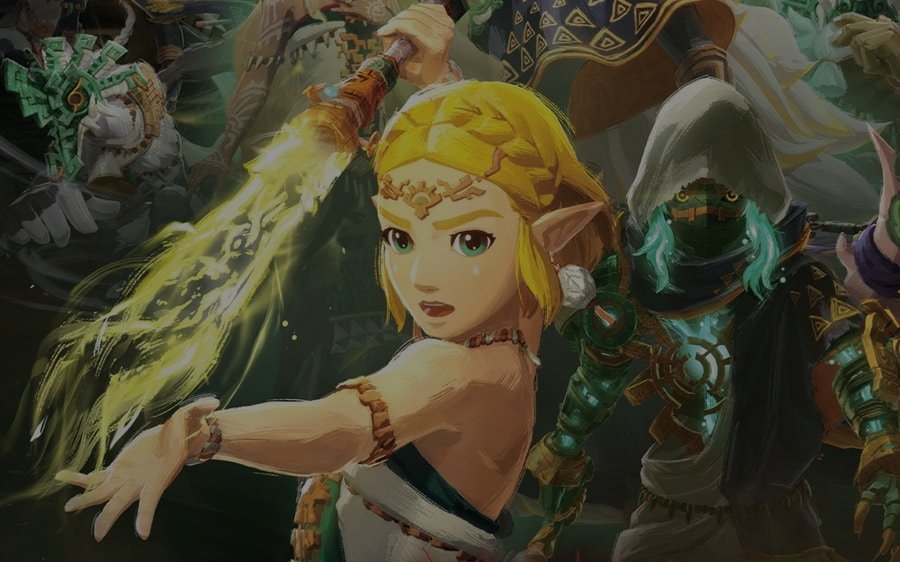
This game Hyrules.
While I've been a casual fan of the Dynasty Warriors franchise, it has been the licensed Nintendo spin-offs that have had me the most excited. We received two excellent entries in both Fire Emblem Warriors and Three Hopes, as well as The Legend of Zelda franchise seeing two entries in Hyrule Warriors and Age of Calamity. What has been the common denominator is that all four of those titles have been developed by Omega Force, whereas this new entry in Age of Imprisonment switches development chores to a new studio under Koei Tecmo, the oddly named AAA Games Studio.
When Age of Imprisonment was announced, it became my most anticipated release, given how much I adored Age of Calamity. What made it even more interesting is that Nintendo then claimed the events of this game would be canon, which wasn't the case with Age of Calamity. However, when it was revealed that Omega Force would not be developing the title, I was slightly worried, given that this new studio would see Age of Imprisonment being their first title. Thankfully, they knocked it out of the Hyrulian park and delivered a truly engaging entry that, in some ways, raises the bar for their storytelling and creativity, while also showcasing that the formula used for these entries needs a bit more variety.

Age of Imprisonment takes place during the timeline where Zelda and Link were separated during the opening of Tears of the Kingdom. While we were fed breadcrumbs of what she was up to, and ultimately, her return, this story left a lot of gaps that Age of Imprisonment fills in, as well as solving an eight year mystery that fans had been theorizing for nearly a decade.
The story begins as Zelda is transported back to the age when Hyrule was ruled by its first King, Rauru, and his Queen, Sonia. While we know the events that eventually befall them, Age of Imprisonment fleshes out these characters, and we get to see the full events of what transpired when Ganondorf attempted to fool the royal couple with his so-called allegiance to the King. We know the story, to an extent, but Age of Imprisonment does a more than serviceable job at filling in the blanks left by Tears of the Kingdom.
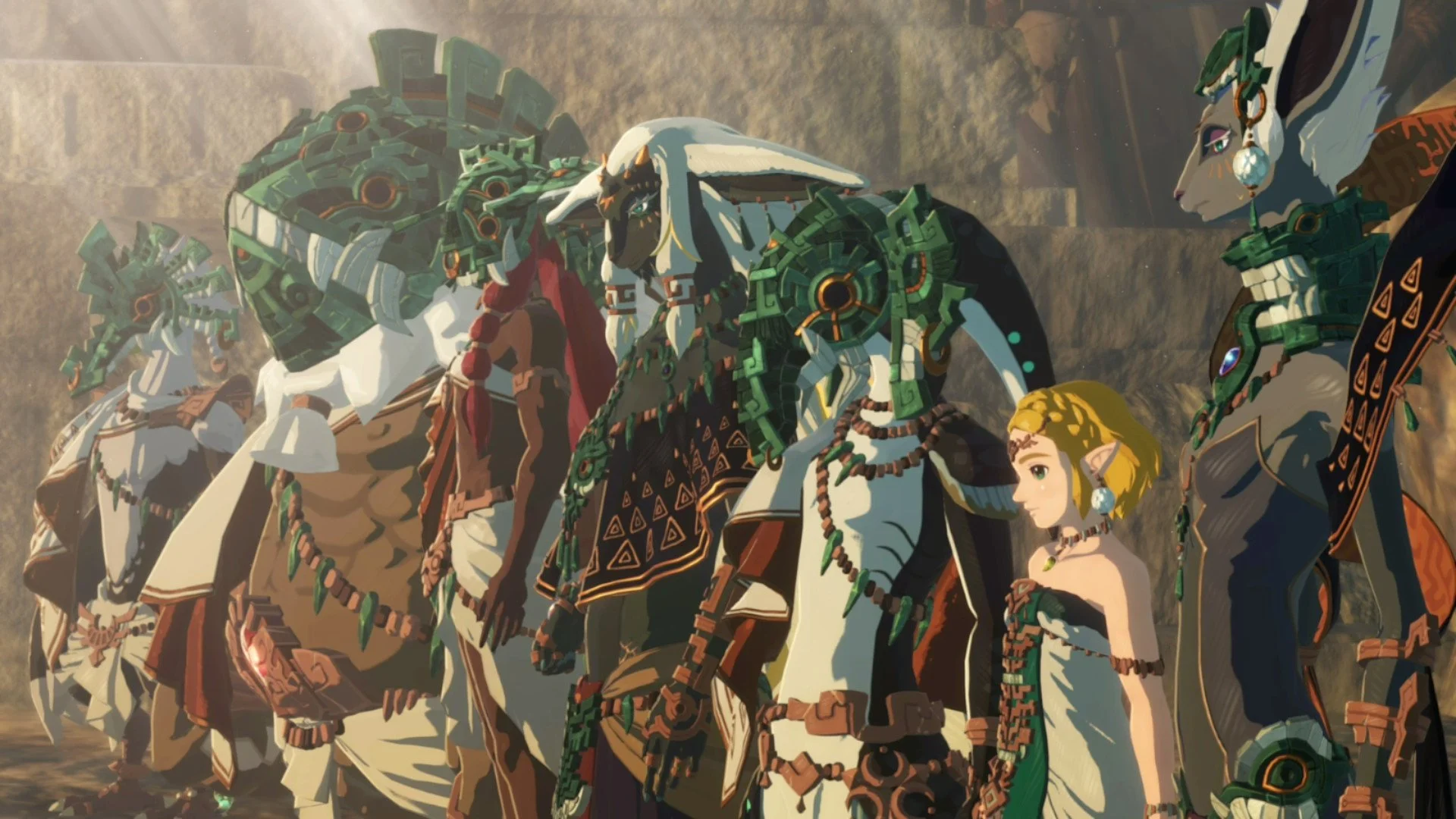
Throughout this story, we also get to know the sages to a remarkable degree. They are actually more defined here than the modern sages across any of the Zelda games. Ardi, the Garuda Sage, is put to test serving under Ganondorf, their Chieftain, despite every fiber in her body being against his rule. Seeing her come to grips with leading her people was a fantastically handled narrative that is paced extremely well.
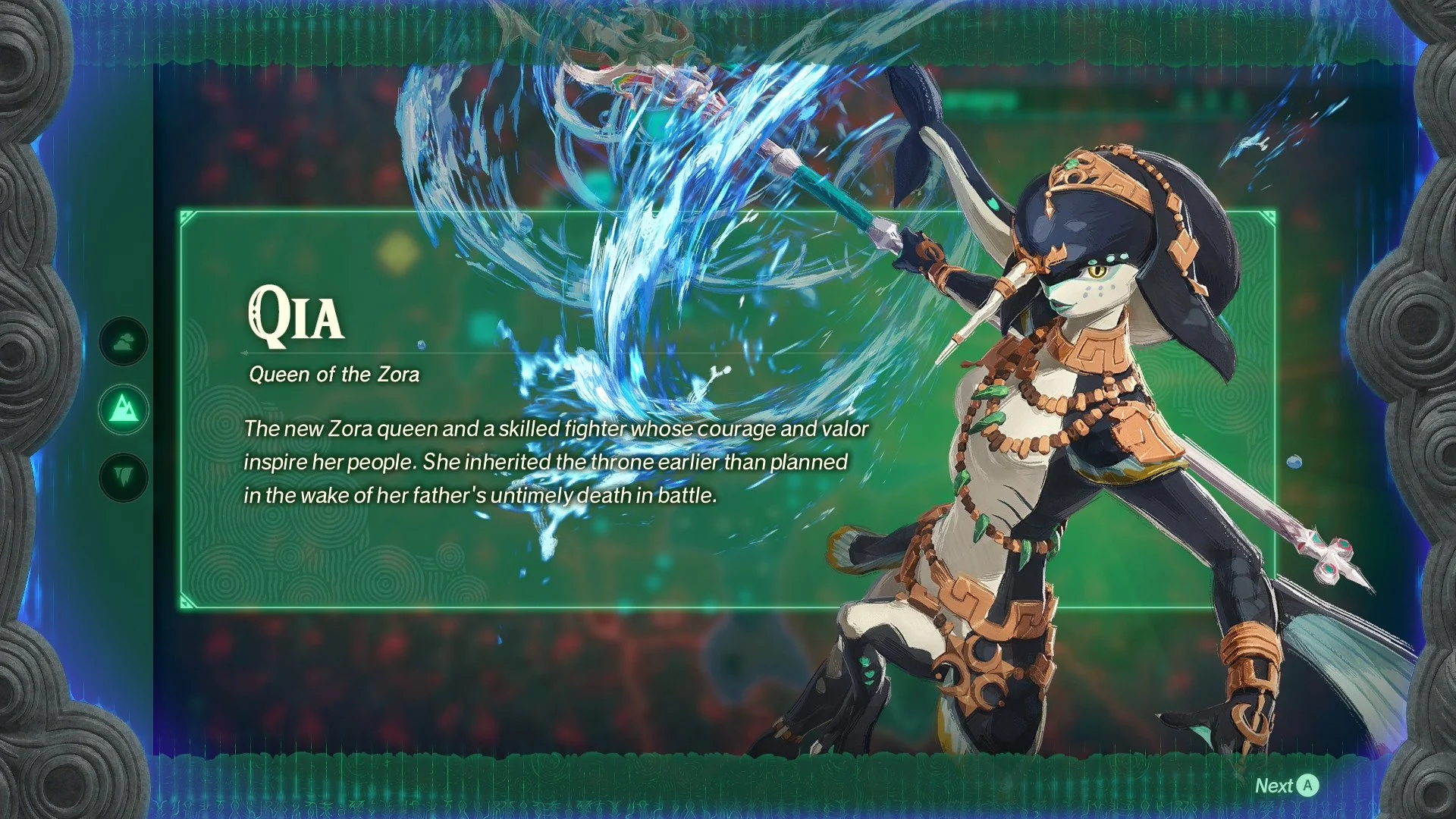
We are also introduced to Argraston, the Goron Sage, Qui, the Zora Sage, who has taken command of her people after the death of her father, and finally, Raphica, the Rito Sage. While these Sages prove to be a pivotal force in taking down Ganondorf, they lack a compelling story to really get behind. That said, Qui does have a great moment of character development once a mysterious figure has proven their worth as a trusted ally.
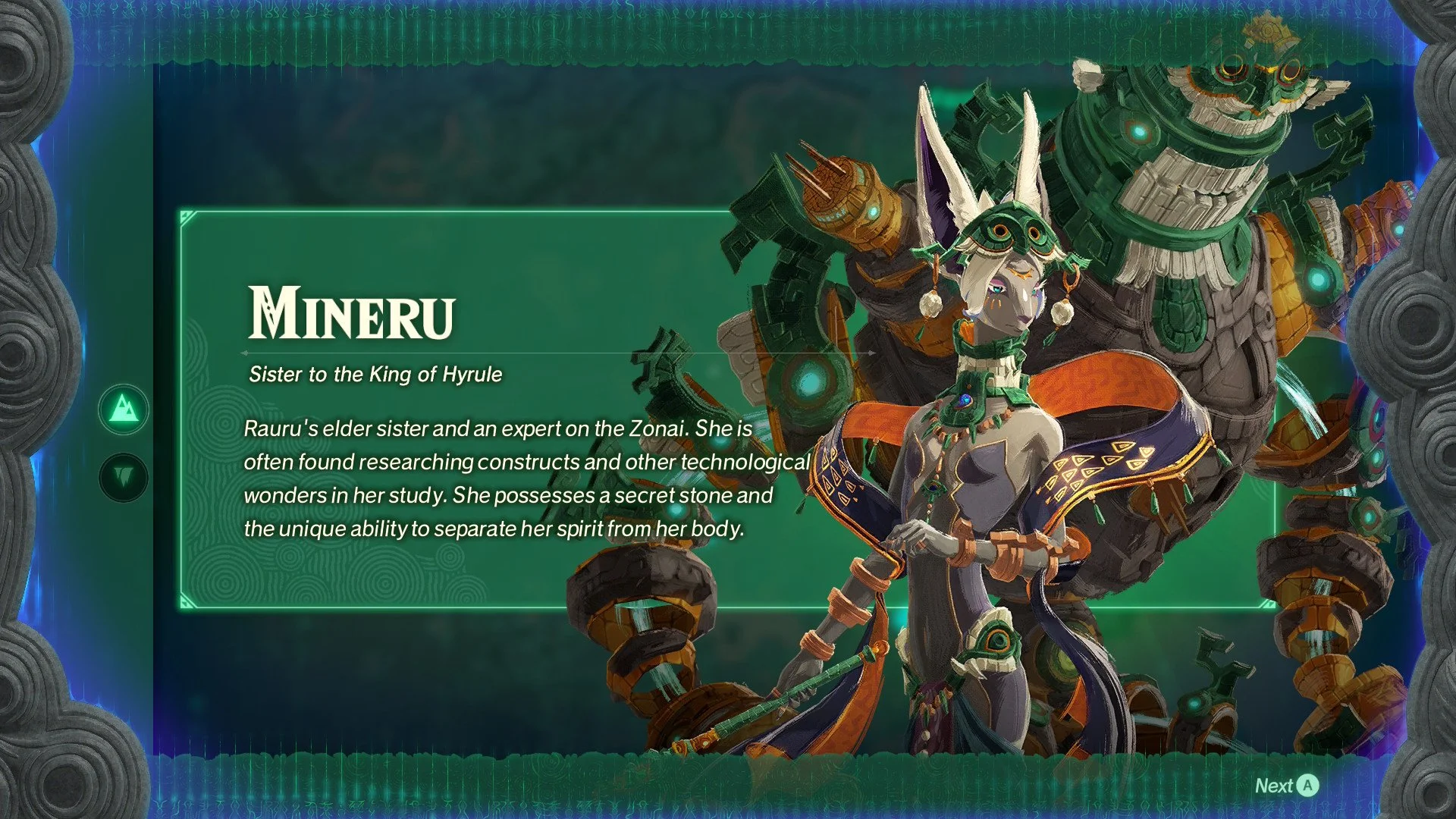
The last of the Sages to join Rauru and Queen Sonia is Mineru, the Sage of Spirit. We knew Mineru in Tears of the Kingdom, who became a trusted ally of Link in his fight against Ganon. She's here, and we get to see more of her interactions with the Zonai technology, given that she is of that race. We also get to see more interactions with her and Zelda, and her fascination with Zelda’s Purah Pad, given that it is from her future.
What is greatly expanded upon is Zelda's relationship with Rauru and Sonia, and how Sonia explains that Zelda will be someone that Rauru will need when the time is right. Now, with Tears of the Kingdom, we know how this plays out, but as explained before, they flesh out these visions into full scenes with added context to really make them sing.
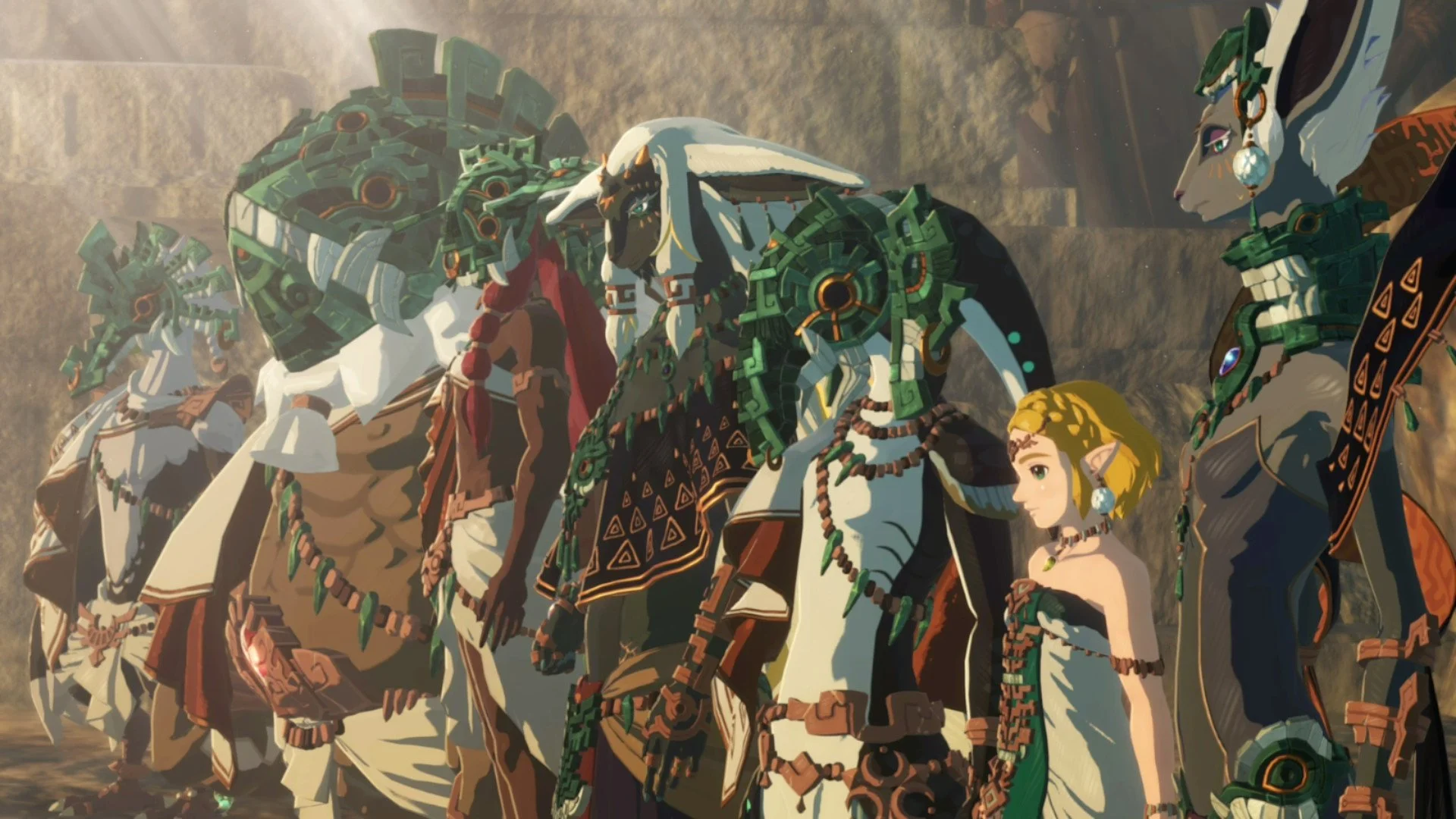
Despite Zelda being a central figure, Rauru, in a lot of ways, is the main protagonist here, given his involvement in the story and his quest to stop Ganondorf. His connection to the Sages and his quest to rule Hyrule with peace between each tribe is a noble one, and we even see the Sages gifted their ceremonial masks as a way to show that trust from one kingdom to another.
Sages aside, their followers feel like filler to make up a large roster of characters, Braton and Pastos, who represent the Goron, Vence and Pinnec of the Rito, Sholani and Ronza, who are Ardi’s most trusted guards, as well as Cadlan and Lago of the Rito, are also joined by Hyrulian forces in Typhan and Quino, who are wasted here and given not much more than their recruitment missions. They ultimately serve no purpose across the story, and you'll likely never use them.
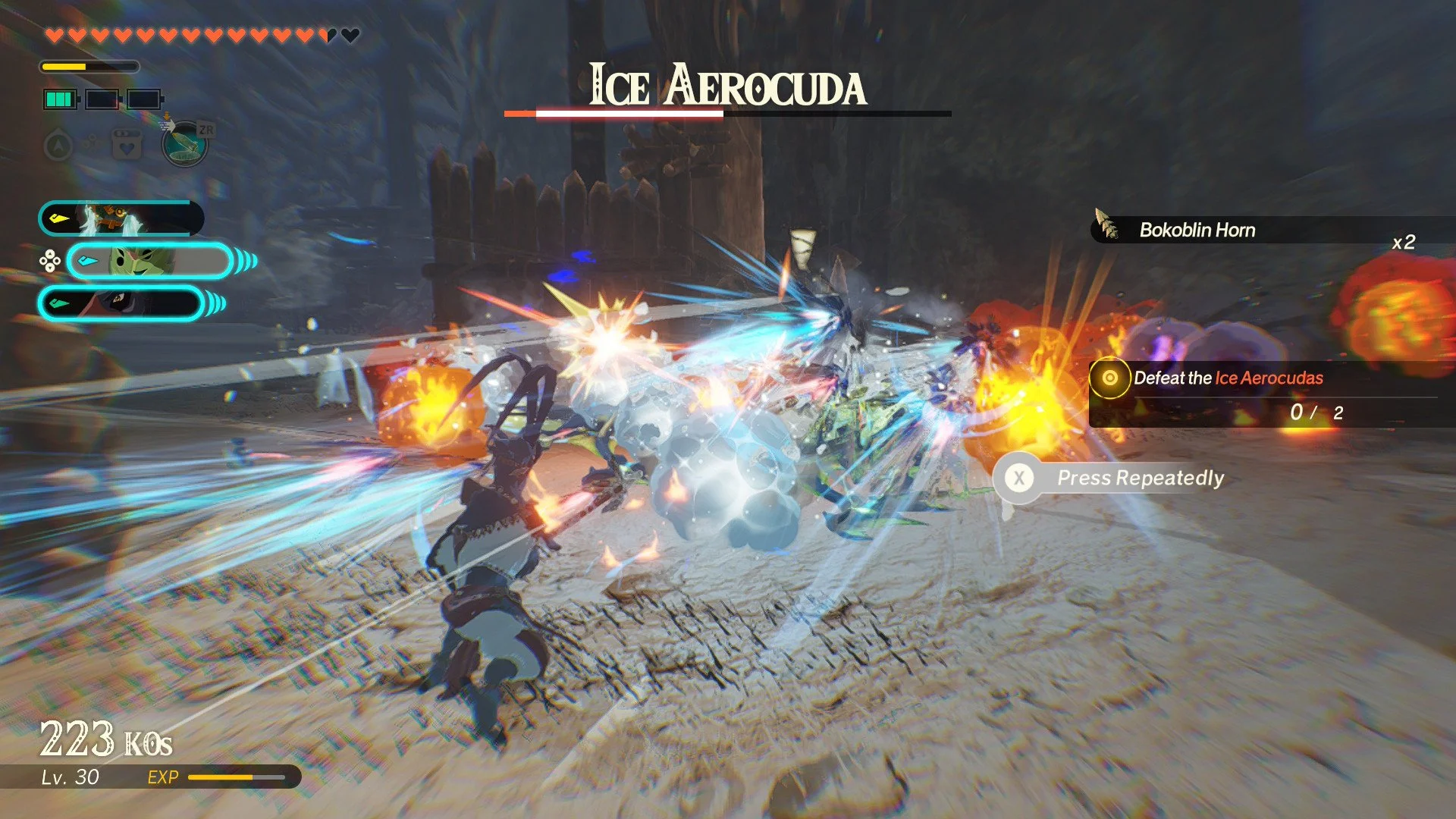
However, despite the Sages, the main characters, and their devoted followers, there is a duo of characters that you'll likely enjoy more than any other. Calamo, and his construct companion, a mysterious figure that shares a similarity with a certain Hyrulian hero. Calamo is a Korok warrior simply looking for a place to put down roots, to start a forest that will transcend time. However, on his quest, he accidentally triggers the resurrection of an ancient construct, and their unlikely friendship will save Hyrule.
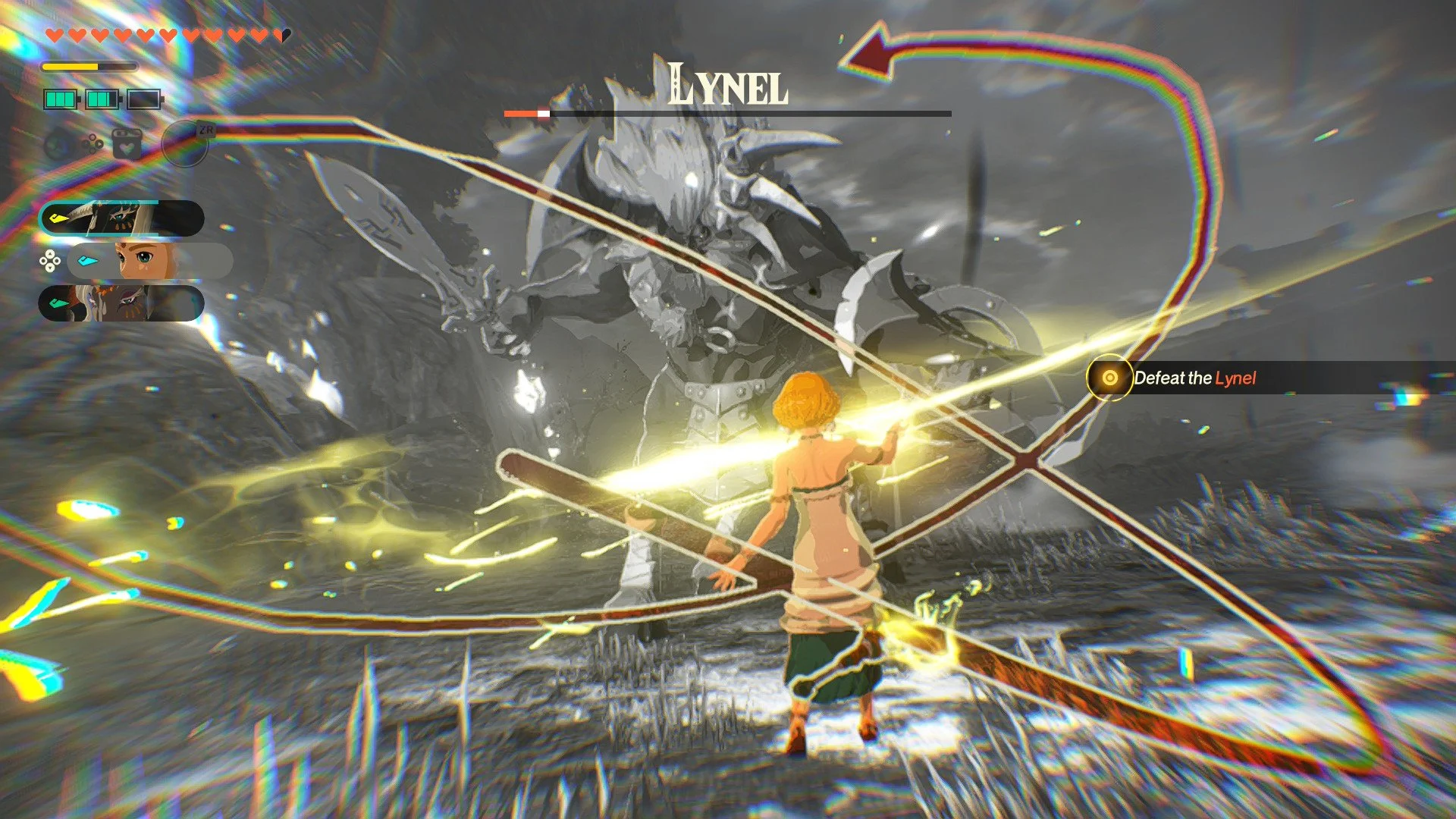
These two have the most impact of the entire story, and while I love the reason for how the construct was resurrected, I won't share that secret here; just know it is a wildly fun idea and explains his appearance. Still, the two are incredibly powerful, and it's wild to see a Korok take down a Lynel. Where their involvement aids gameplay is that the construct can also fly, allowing for these Panzer Dragoon/Star Fox segments, which, while few and far between, stand out as amazing slices of gameplay that help shake up the repetition. I do wish, however, that we got new weapons in a few sections to add to the aerial arsenal.
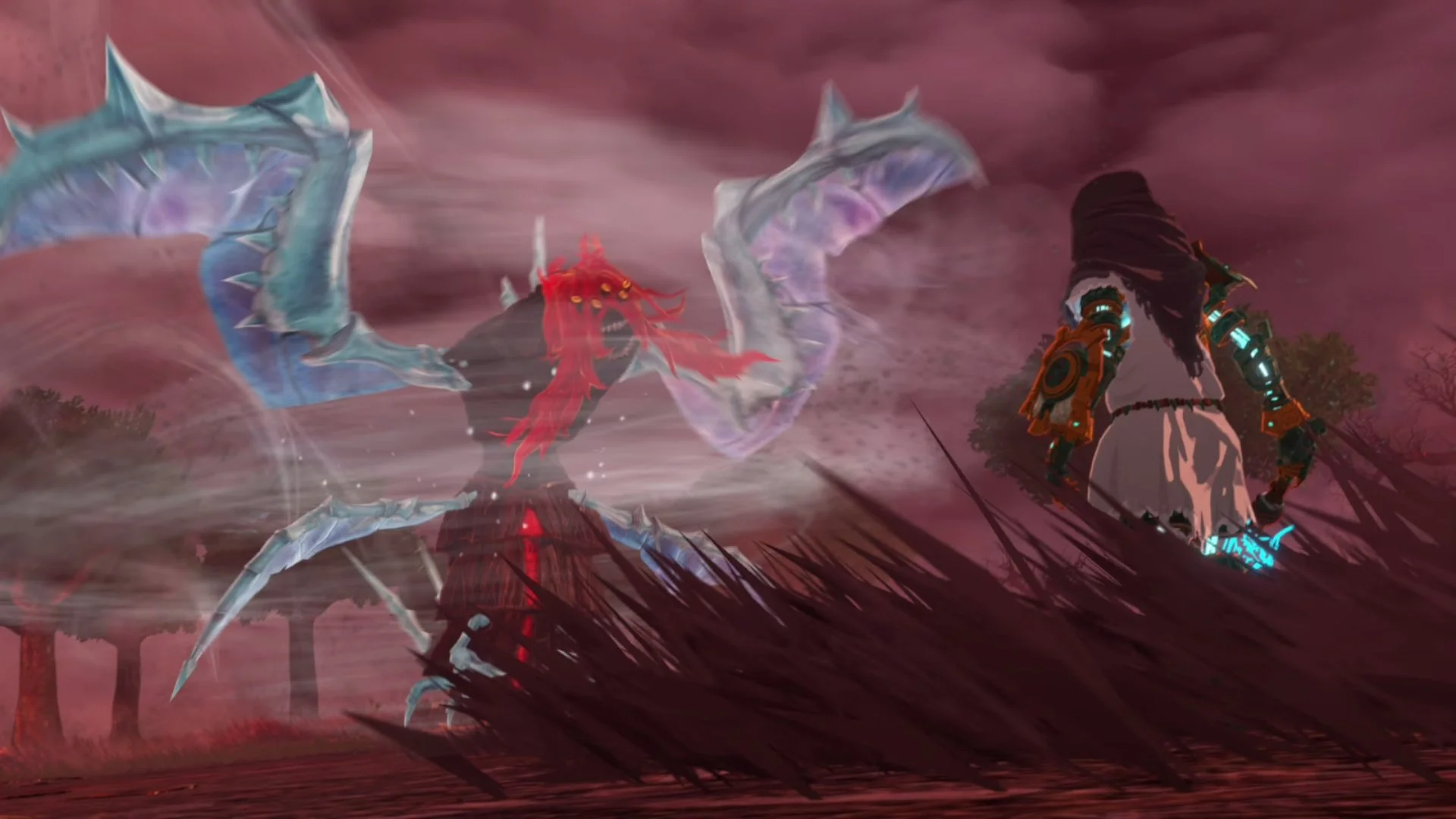
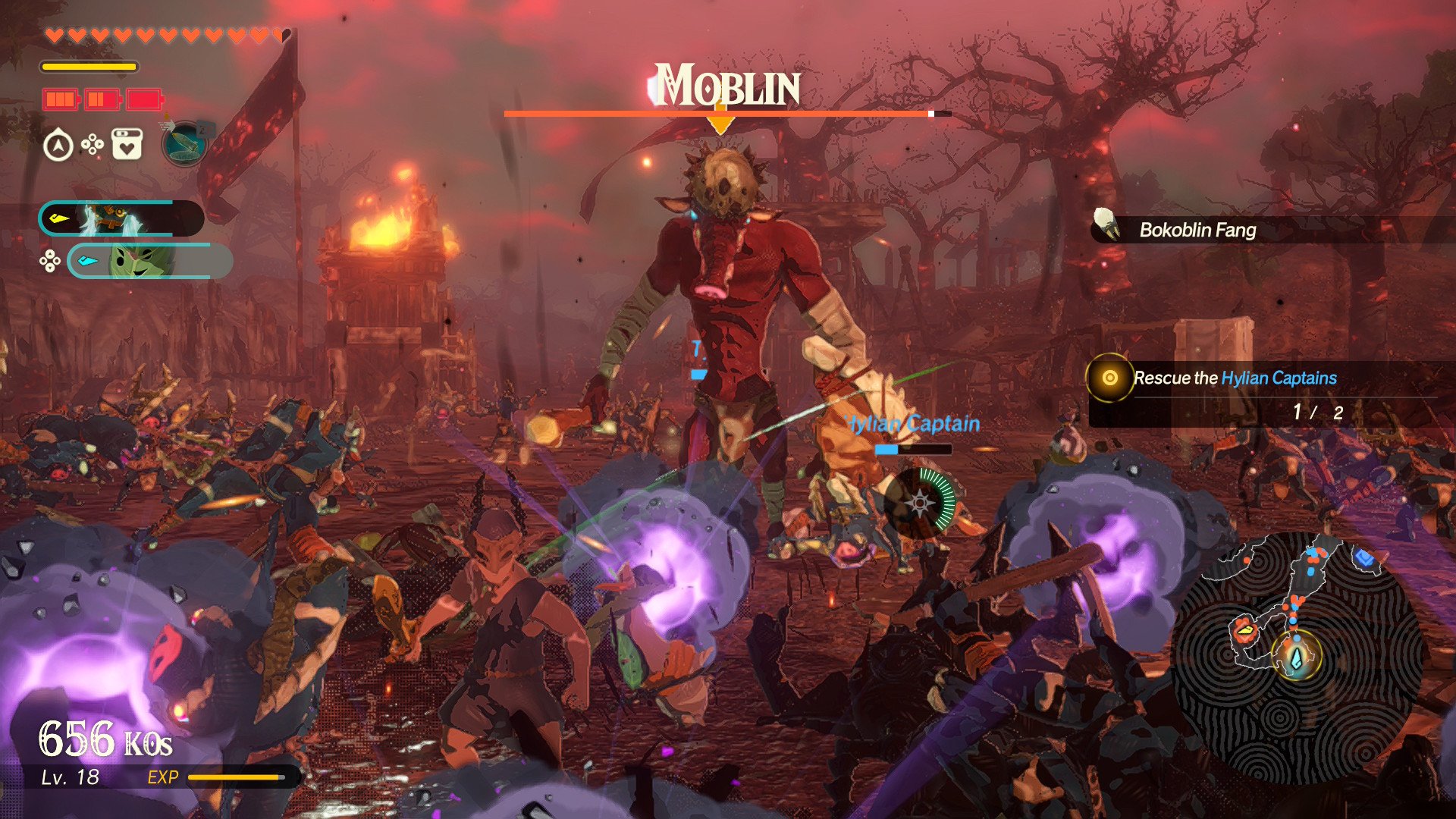
Now, gameplay for Age of Imprisonment is largely what we saw in Age of Calamity. There are some new additions, sure, but ultimately, it is very similar and doesn't stray from the path much at all. Devoid of having to save any forts or save allies, each level is fairly linear, with the odd massive level that has numerous paths to explore. If anything, the pathing is even more straightforward, and while that does streamline most encounters and missions, it also aids in making most levels the same stale straight line. It lacks the urgency of the previous Warrior games as a result. Thankfully, the combat still holds up and feels better in almost every regard.
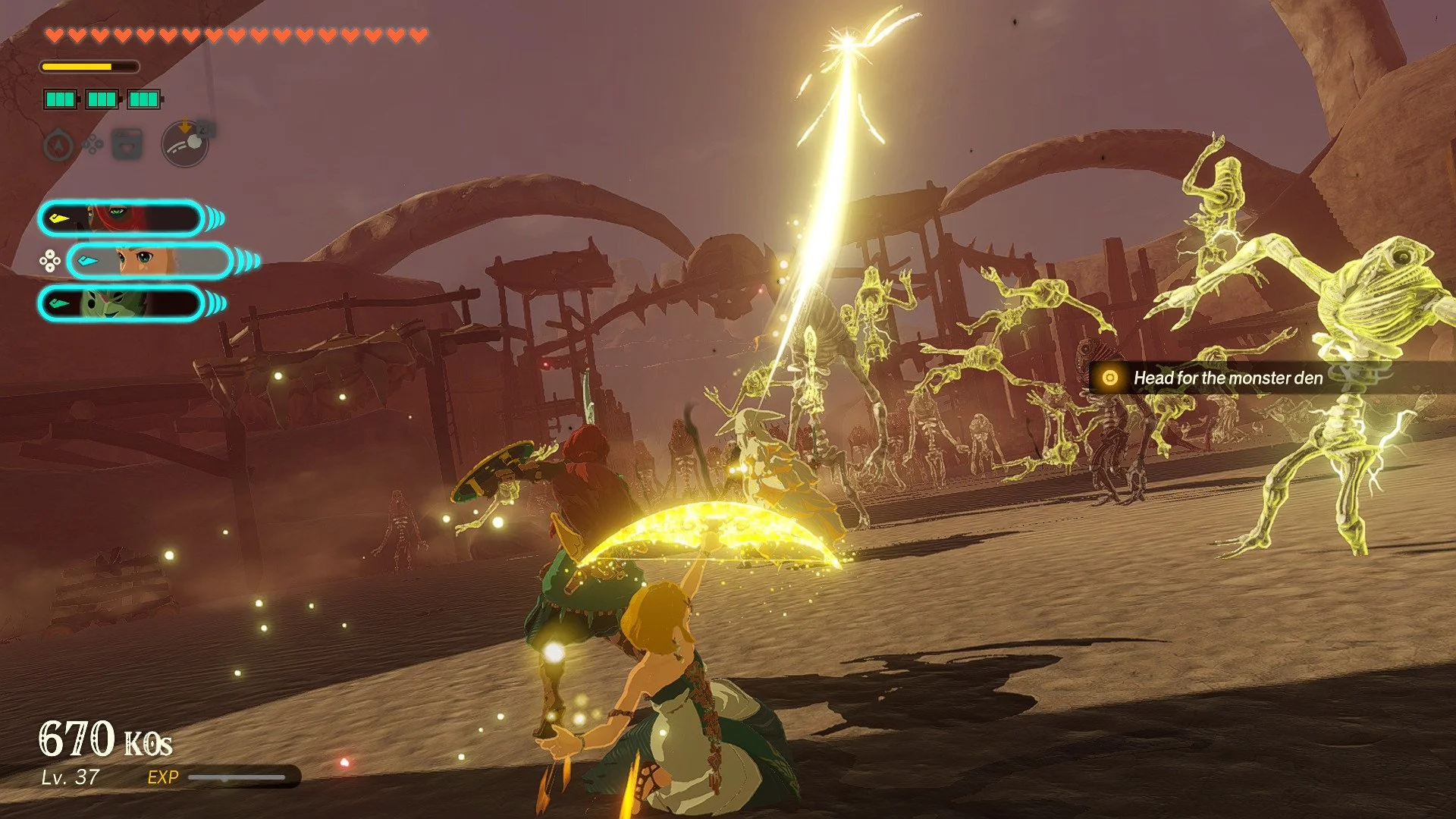
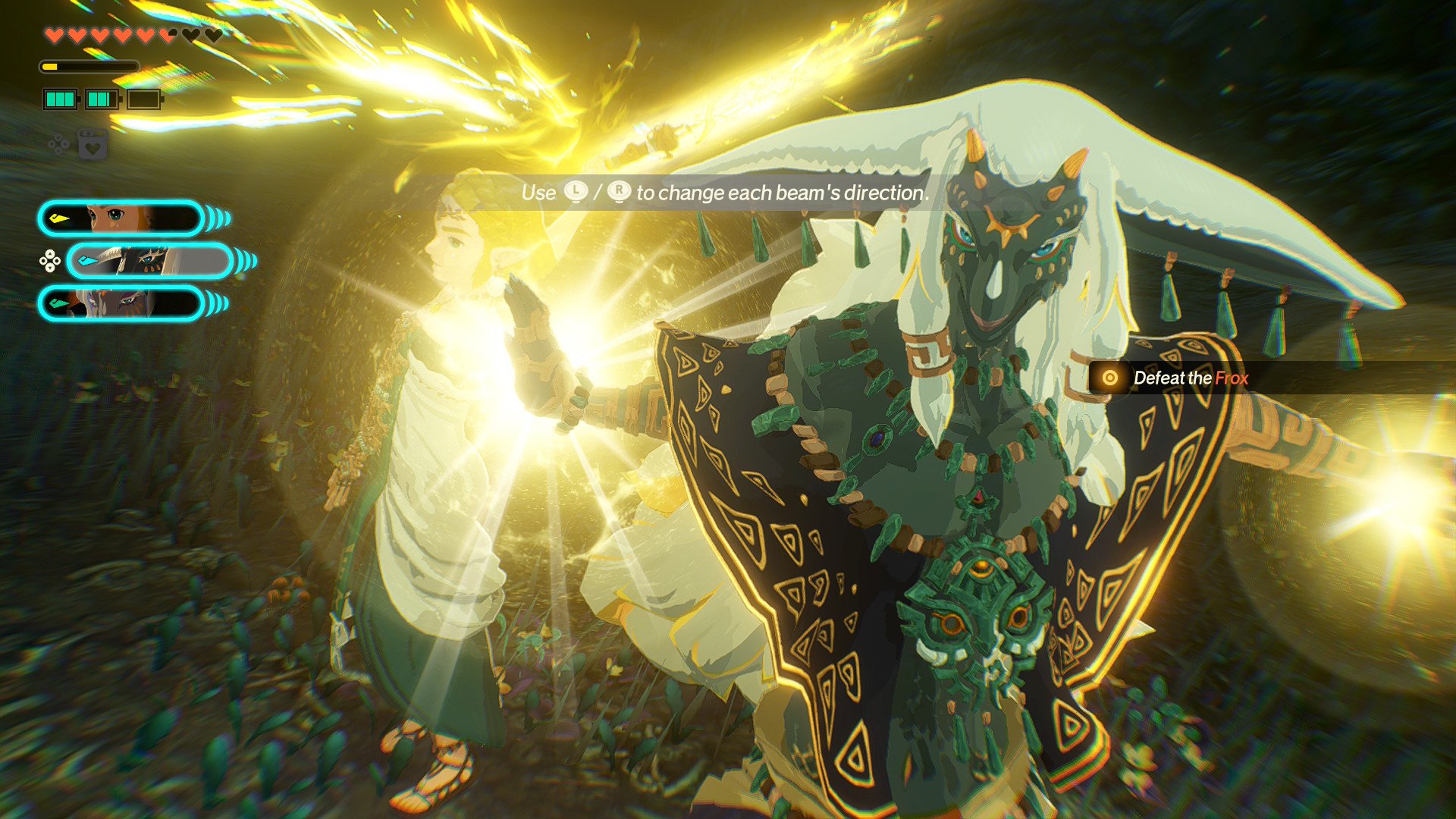
Likely the best addition to combat are the Sync Strikes. These are team-up attacks where two characters perform a unique move. While a few are massively disappointing, the bulk of these are wildly inventive, especially Rauru and Mineru, which has Rauru launching a series of glowing spears and unleashing them toward anything in front of him. Mineru and Zelda’s is another favorite that has Mineru granting Zelda a large Zonai Construct to pilot. These Sync Strikes require that both characters have their sync meter charged and are in proximity of one another.
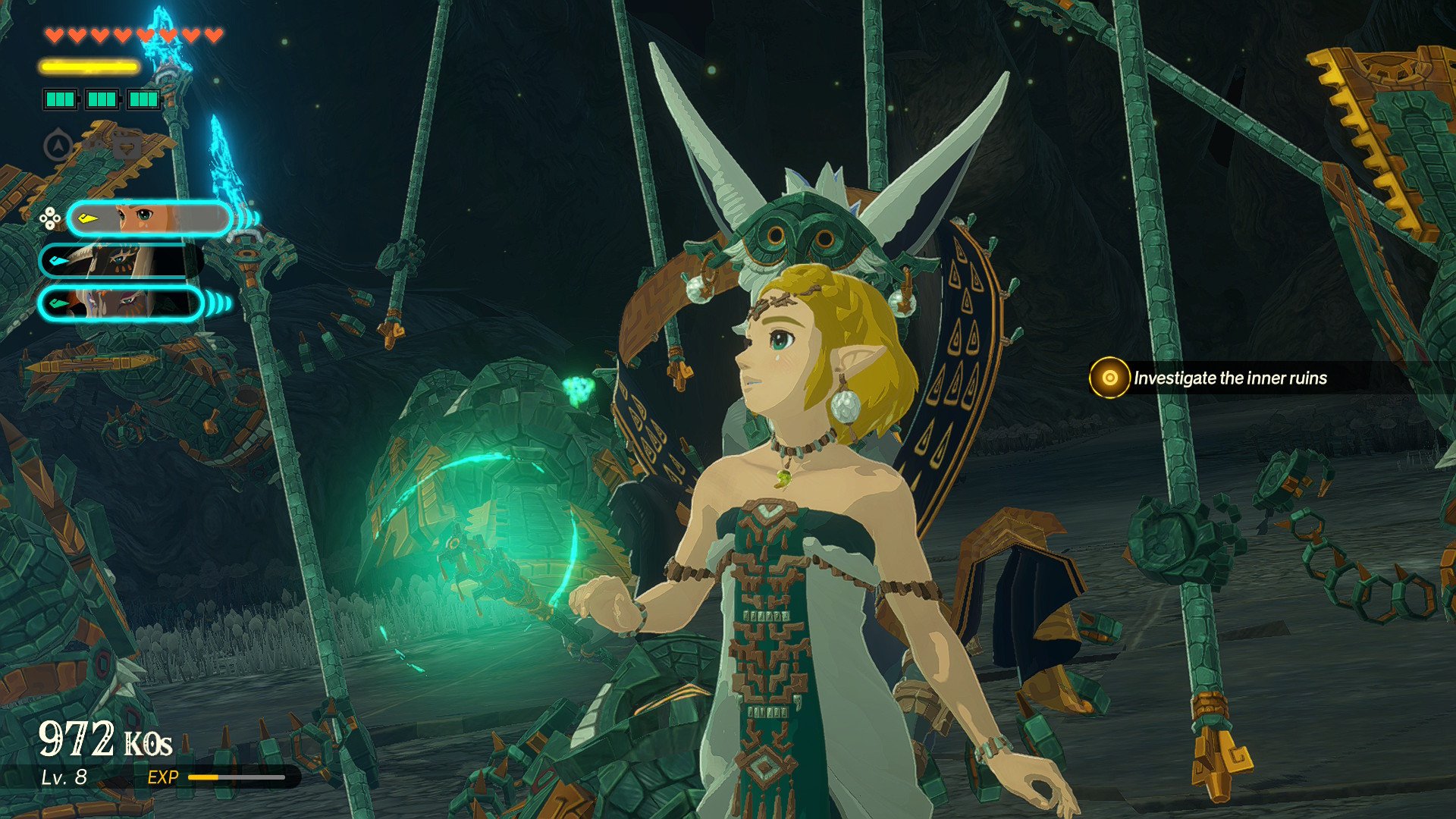
Given the addition of Zonai devices, additional abilities have been replaced to accommodate these ancient devices, used in a lot of the same ways Link used them in Tears of the Kingdom. From lasers, bombs, fans, and more, you'll use these a lot, provided you have Zonai battery charges. What I really like about these is that many can be set on the ground and continue their effect as you've moved on.
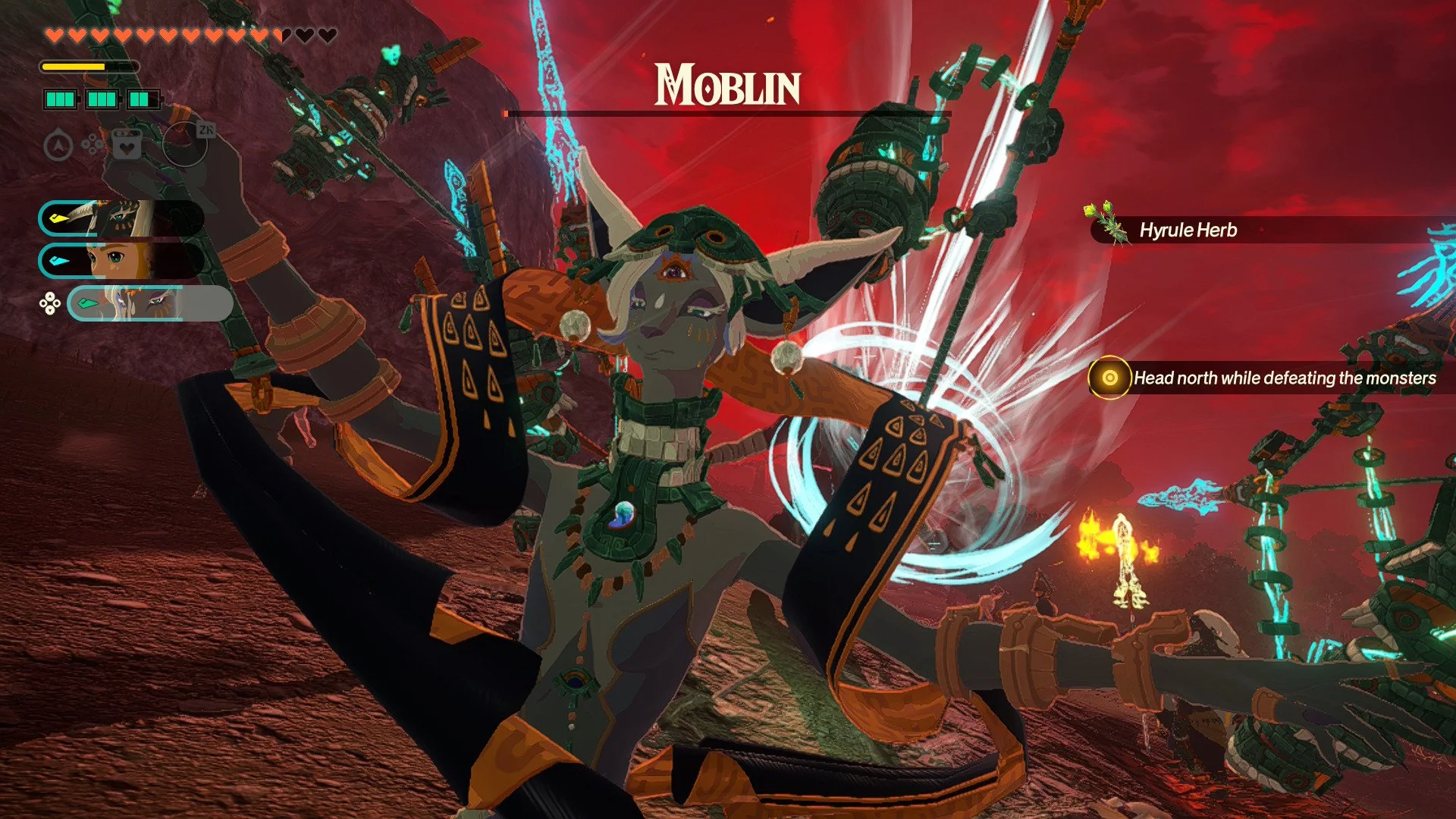
Each character also has a few special attacks, as well as attacks used when you break an enemy's guard. Special attacks can be used when your cooldown has expired, with many cleaving off huge chunks of a foe's health bar. Many of these special attacks have gorgeous animations, with a nice variety in their attacks, especially the likes of Mineru and her constructs, or Calamo and the Knight Construct, unleashing a bombardment of various elemental bombs.
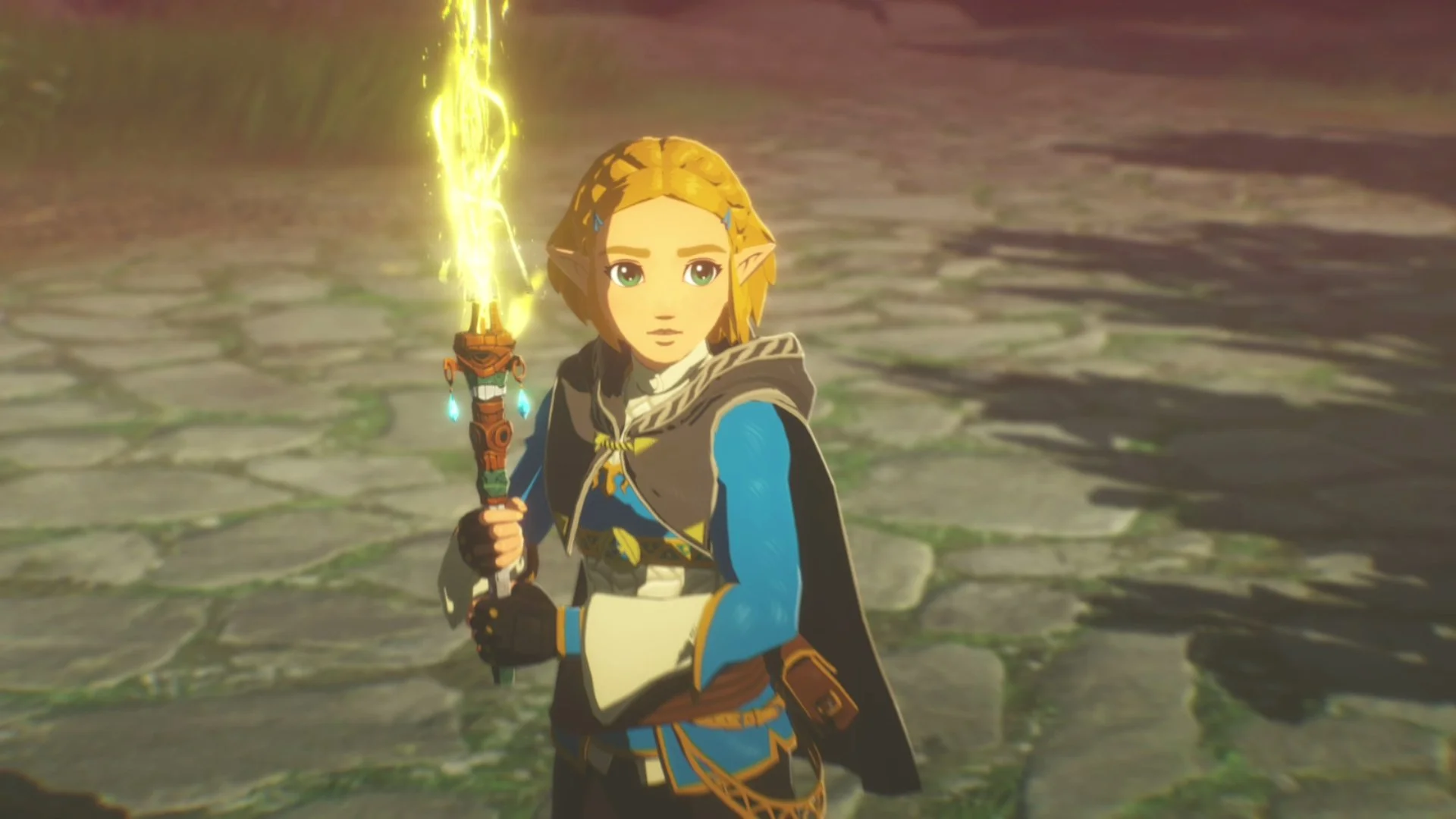
Where the extra variety in combat flourishes is in the combo attacks. As you press X and Y in varying succession, each character has a combo string that ends in wildly different attacks. From Zelda twirling around with a lightsaber-like wand, to Mineru building a massive monster-truck construct, these attacks have you memorizing a series of each character's best attacks for a variety of different enemy formations and encounters.
Adding to combat is elemental chaining. This is a mechanic where enemies can be afflicted by various elements, like lightning or fire. This causes chain reactions that are great for crowd control, and depending on the foe, can deal some harsh damage. And, as some enemies can be covered in mud, or some battlefields drenched in it, using water devices to clean them or the field, can be a lifesaver.
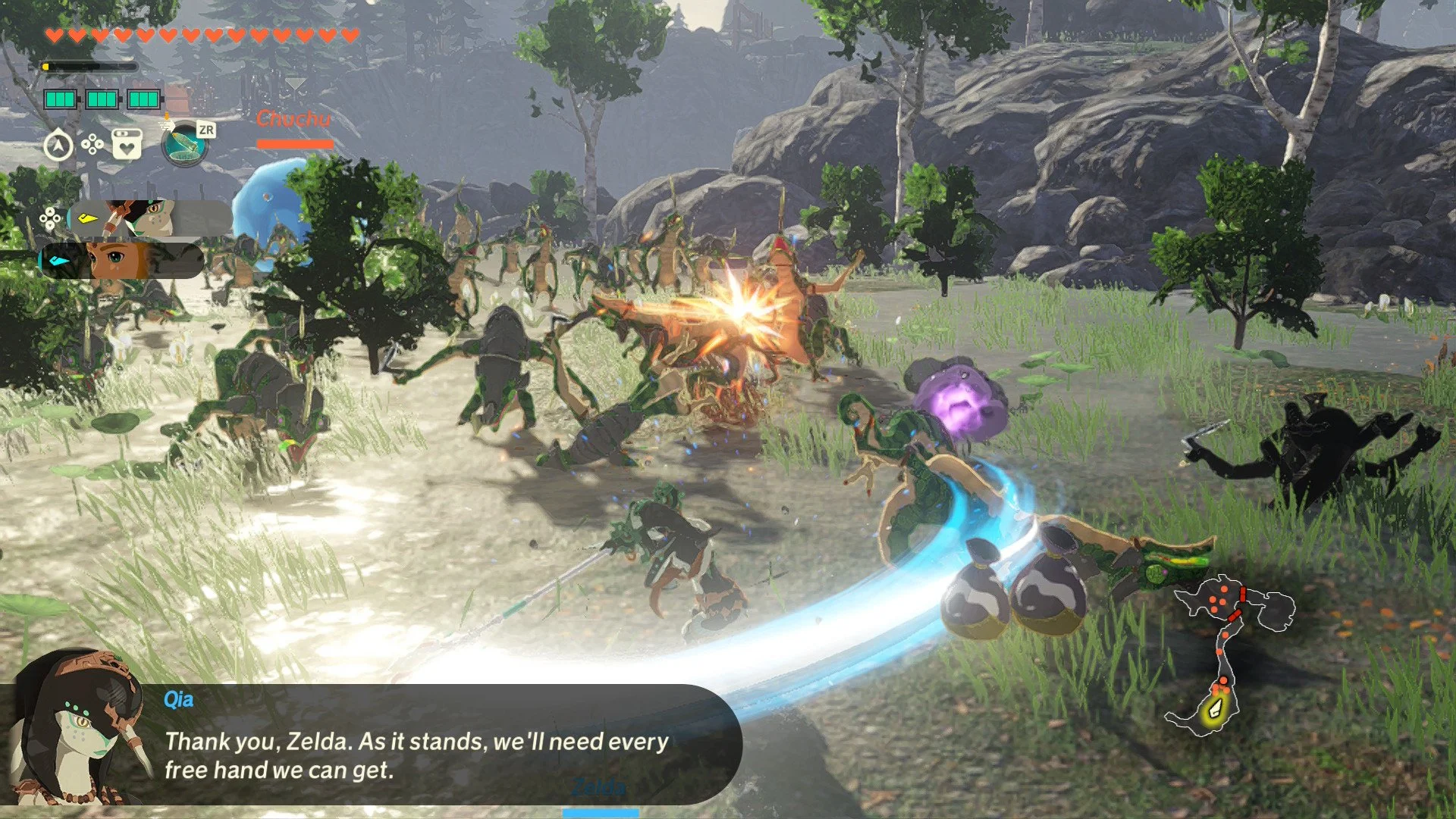
As you move around the larger locations, you'll be able to construct camps. These allow you to use tickets to refill characters' meters, show the location of treasures, or the Koroks that are hiding around most levels. The camp, however, isn't just a mid-mission mechanic as you'll outfit your team with stat bonuses before each mission begins. This is done by consuming and using certain items, similar to the cooking perks Link had in the previous mainline games.
Some missions will also allow you to customize your team, while some objectives require the use of particular characters. While this is a way to use your supporting characters, you likely won't as you'll want to level up your main cast, as you'll slowly start to see missions that are a much higher level than you'll be at the time. I also found that I had large level gaps between my cast, with Zelda being level 65 when a mission demanded 56, and some of the other sages were only level 45. I do recommend having max experience earnings for your camp bonuses to keep your team at least leveled up to the best you can.
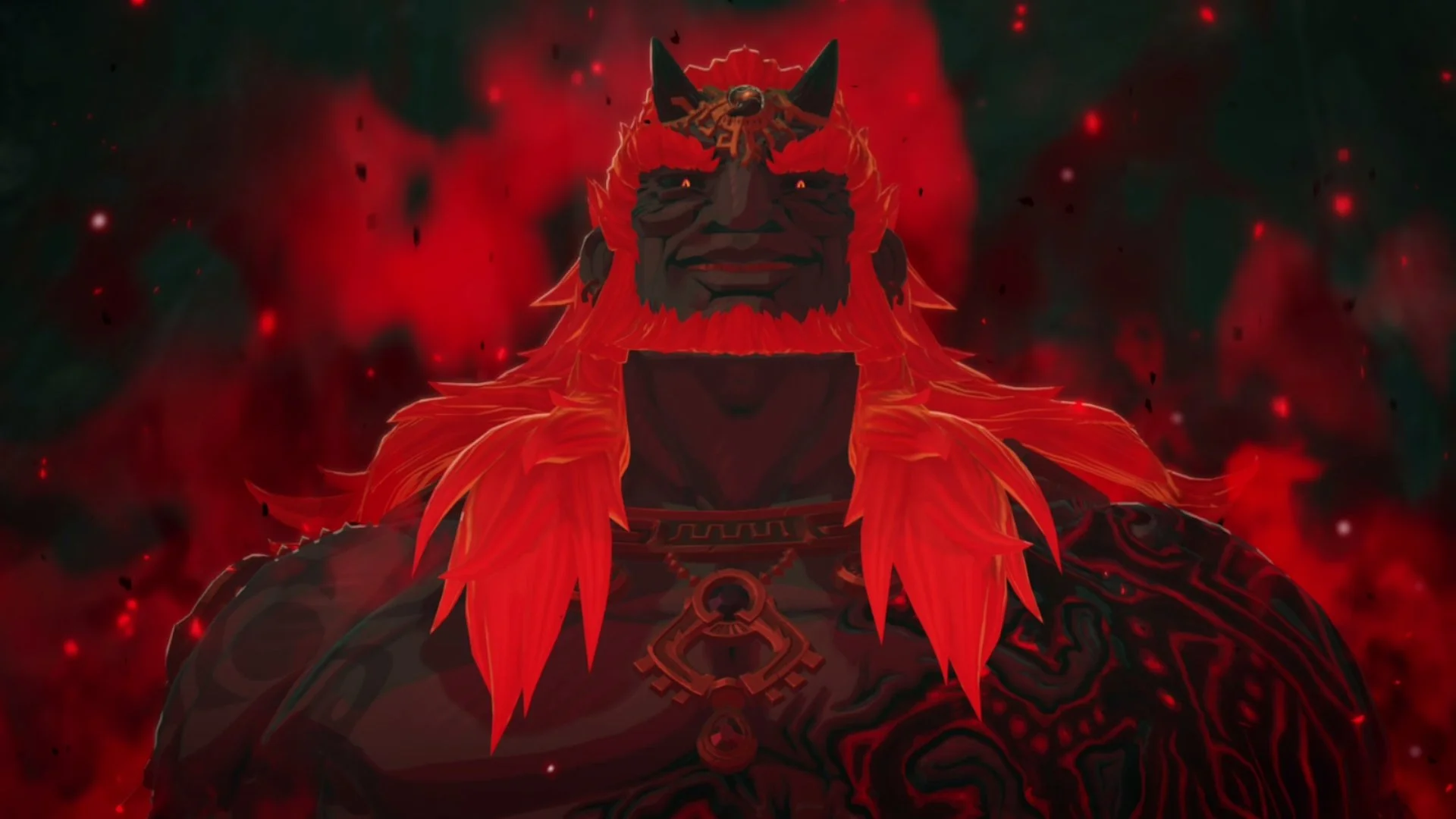
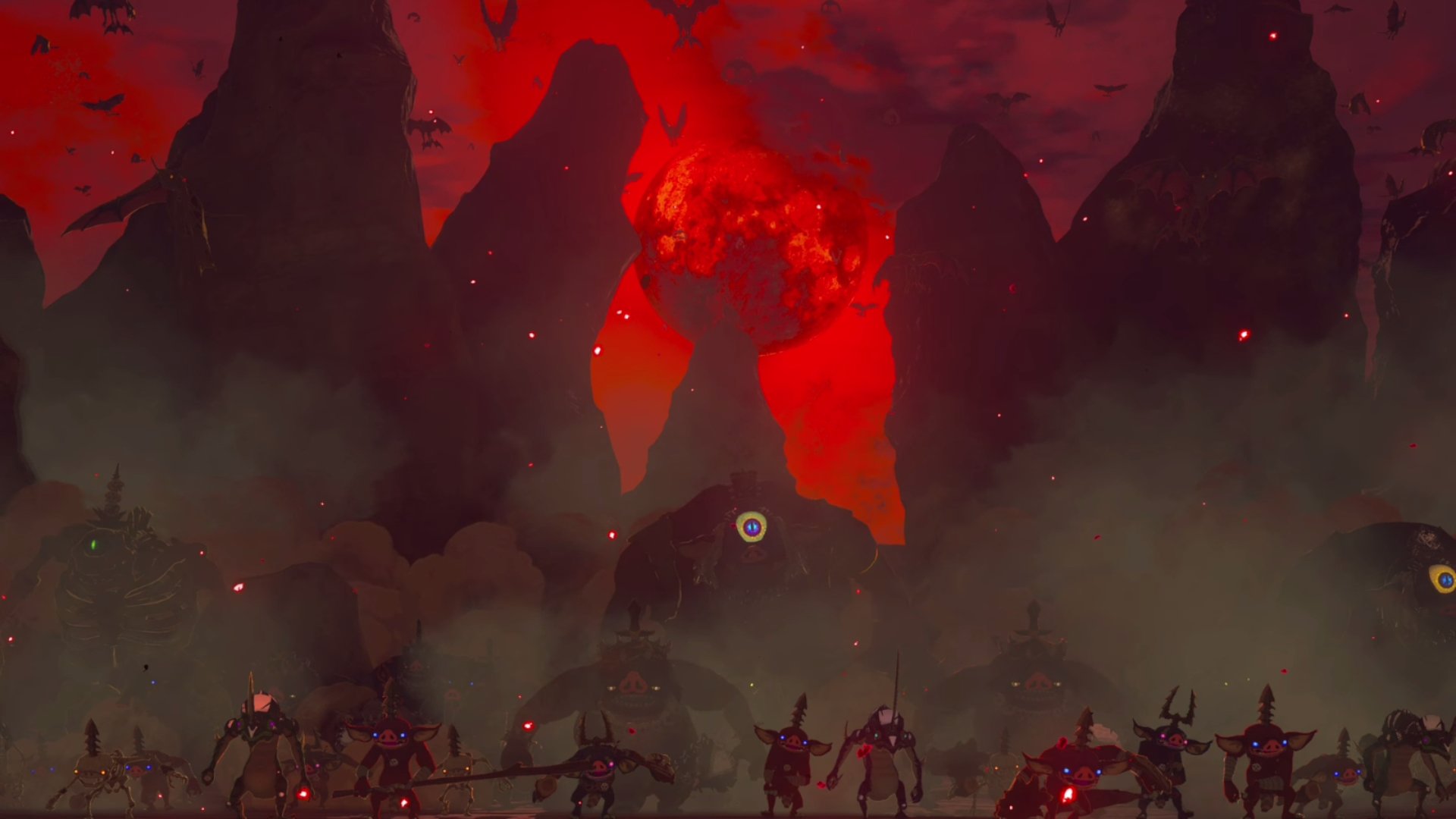
As you continue to progress through the story, completing a wide array of secondary missions, you'll do so to liberate Hyrule from Ganondorf’s control, both underground, on the surface, and into the skylands. The map will be segmented off between regions as you attempt to repel his forces and reestablish control over each region. Missions offer up a wealth of items that are then used to contribute toward regional goals. These are not missions, but they do reward you with new attack combos, additional hearts, and even additional special meter bars. These are certainly worth doing, and you can always find nearby missions that offer up the required items to unlock these. You'll also find trials that take you into familiar training rooms that offer up significantly better rewards as well.
Taking part in these missions and grinding to earn the required items does break up the pacing of the story, so do keep that in mind. I would often clear out the map before tackling the story mission, only for one mission to suddenly open up three to four more. This expands when you unlock those secondary characters as well. You'll also find shops and weapon enhancement camps as you begin to liberate more regions from Ganondorf's control. You'll also be alerted to regions that are about to be seized again, stating that in 3-4 battles, Ganondorf will once again take over that area. These missions are short, lasting maybe 4-5 minutes, at most, and thankfully offer up decent rewards and help grind experience for the tough battles to come.
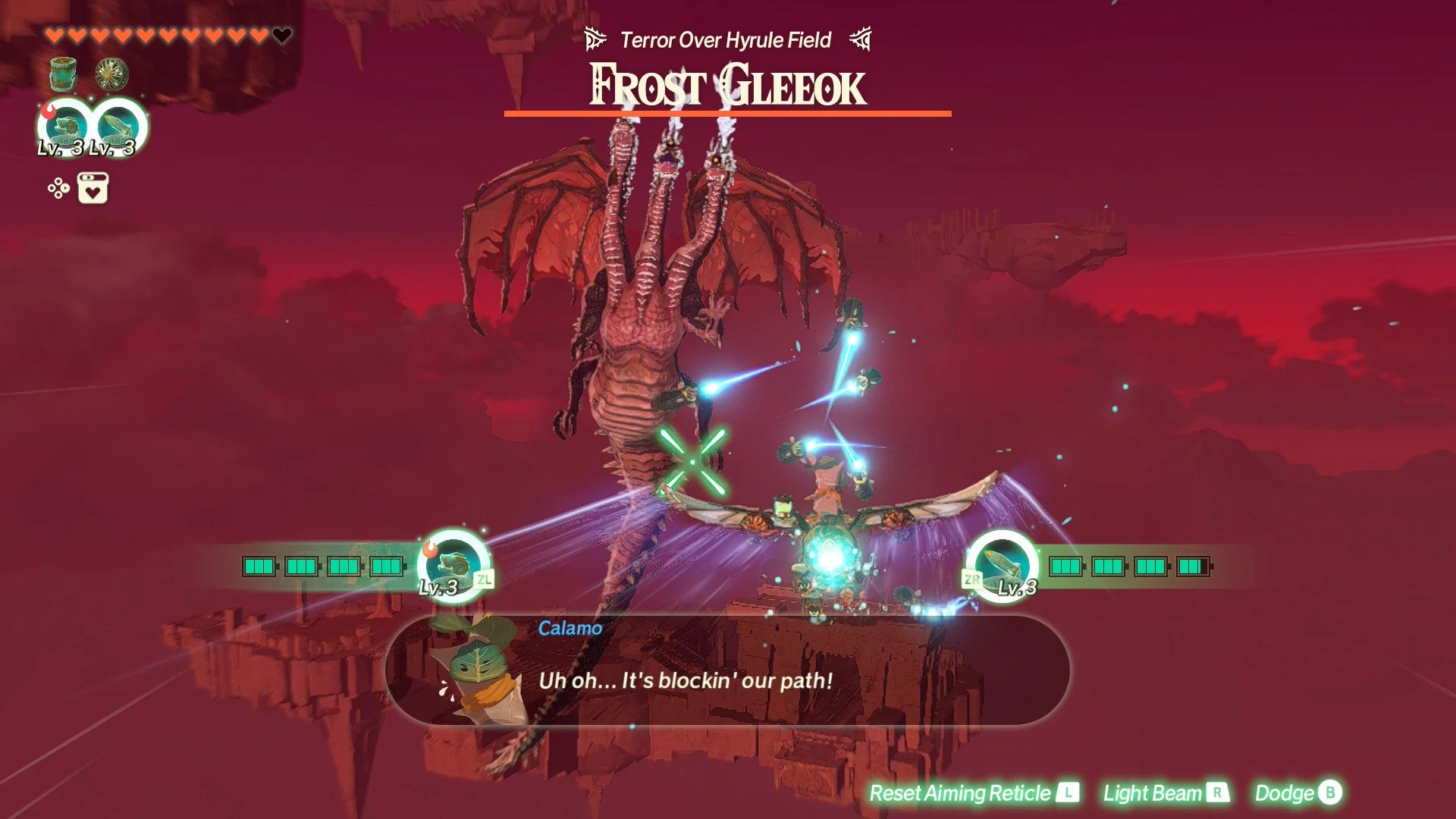
Now, most of my criticism of Age of Imprisonment comes from a complete lack of anything for the secondary characters to really do. There is literally no point for any of them to exist. You'll never use them in the main battles, and for the missions that allow you to alter your team, you'll want to use those missions to level up your main cast. My second issue is that there isn't enough to break up the moment-to-moment gameplay. By removing most of the Musou elements, you remove the urgency for each mission, as there is almost no way to fail. The flying missions are a welcome respite from the action, but I feel a third change in gameplay would have greatly benefited the game, especially if the secondary characters were involved in such an outing.
Age of Calamity was a title that didn't run well at all on the Nintendo Switch. While there is no official Switch 2 version or update coming, the native hardware of the Switch 2 does allow it to run how it should have in the first place. Here, Age of Imprisonment runs damn near flawlessly, if not for the video files that make up the cutscenes, instead of them running in real time. Still, the gameplay runs incredibly smoothly, despite a lot of hectic action. You're seeing a fairly steady 60fps with tiny drops here and there, but nowhere even remotely close to what Age of Calamity suffered.
Age of Imprisonment is a vastly enjoyable Zelda adventure that, like Age of Calamity before it, gave me a better story than Link’s last two outings. The world of The Legend of Zelda is massive, across numerous timelines and games. While the gameplay is certainly a different taste than the main series games, I simply find these to offer more of what I want; great combat, fun characters, and compelling story. Age of Imprisonment has new stewards in AAA Game Studio, and so far, they've succeeded in providing a wildly addictive game with only a few blemishes across the whole package.

Developer - Koei Tecmo / AAA Game Studio.
Publisher - Nintendo. Released - November 6th, 2025. Available On - Nintendo Switch 2. Rated - (T) - Fantasy Violence. Platform Reviewed - Nintendo Switch 2.
Review Access - Hyrule Warriors: Age of Imprisonment was purchased by the reviewer for the purpose of this review.
Jeff is the original founder of Analog Stick Gaming. His favorite games include The Witcher III, the Mass Effect Trilogy, Hi-Fi Rush, Stellar Blade, Hellbade: Senua’s Sacrifice, and the Legend of Heroes series, especially Trails of Cold Steel III & IV.