
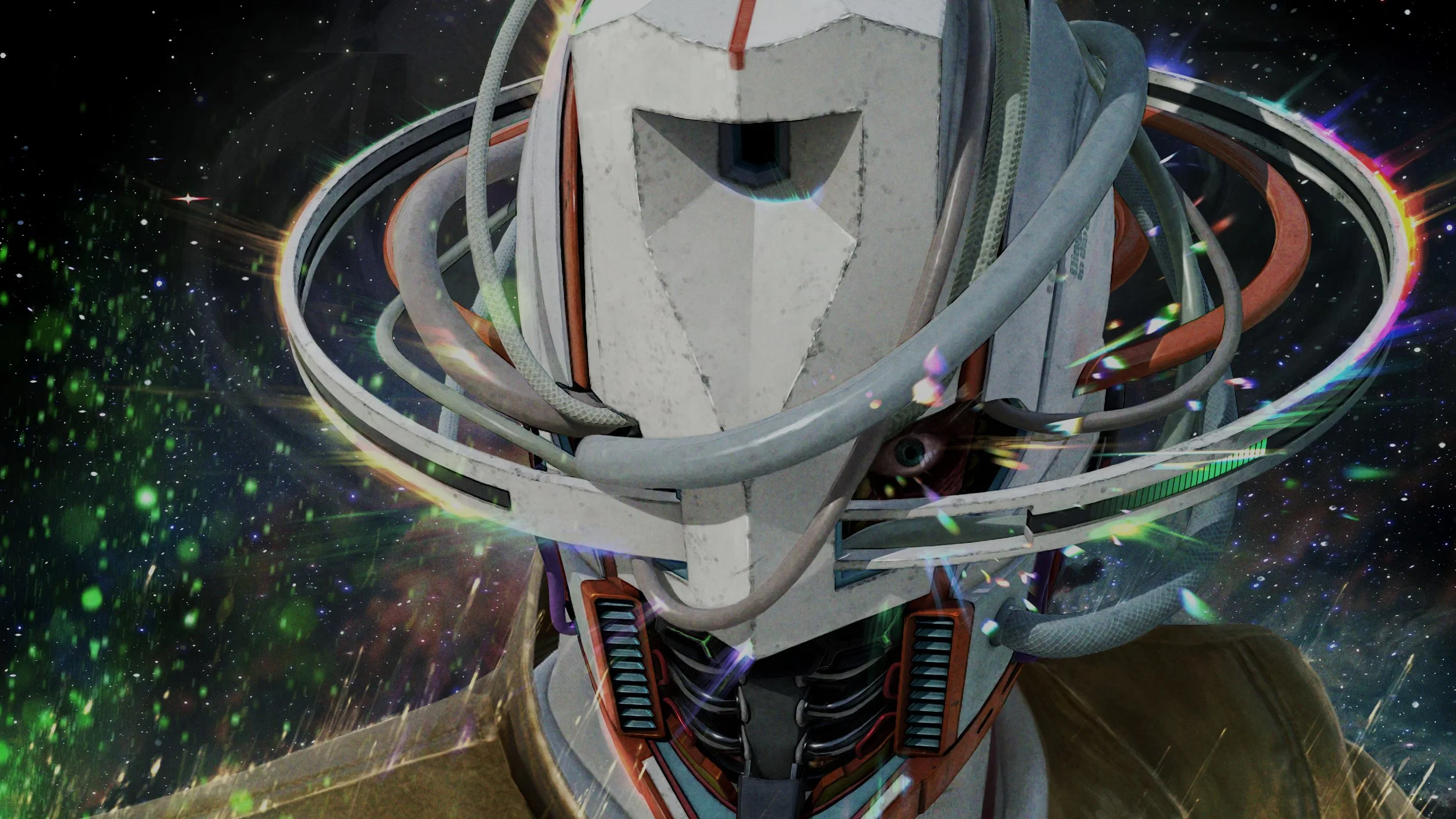
Where art thou, Juliet?
There are few developers who truly leave their stamp on gaming. For those that do, such as Hideo Kojima, Katsuhiro Harada, or Shigeru Miyamoto, you can instantly feel when those legendary creators have given their all to create their next masterpiece. That said, there is also room for discussion about a creator who can create games that are unlike anything you've played before, regardless of their quality. These are games that offer a level of personality and presentation to them that is rarely, if ever, duplicated.
When it comes to games that offer up such a wild side, I constantly think of Killer 7, Lollipop Chainsaw, Shadows of the Damned, or Travis Touchdown's antics in No More Heroes. These are creations, or at least games that were directed or written by a developer who, I feel, is often overlooked when talking about the greats: Goichi Suda, also known as Suda51.
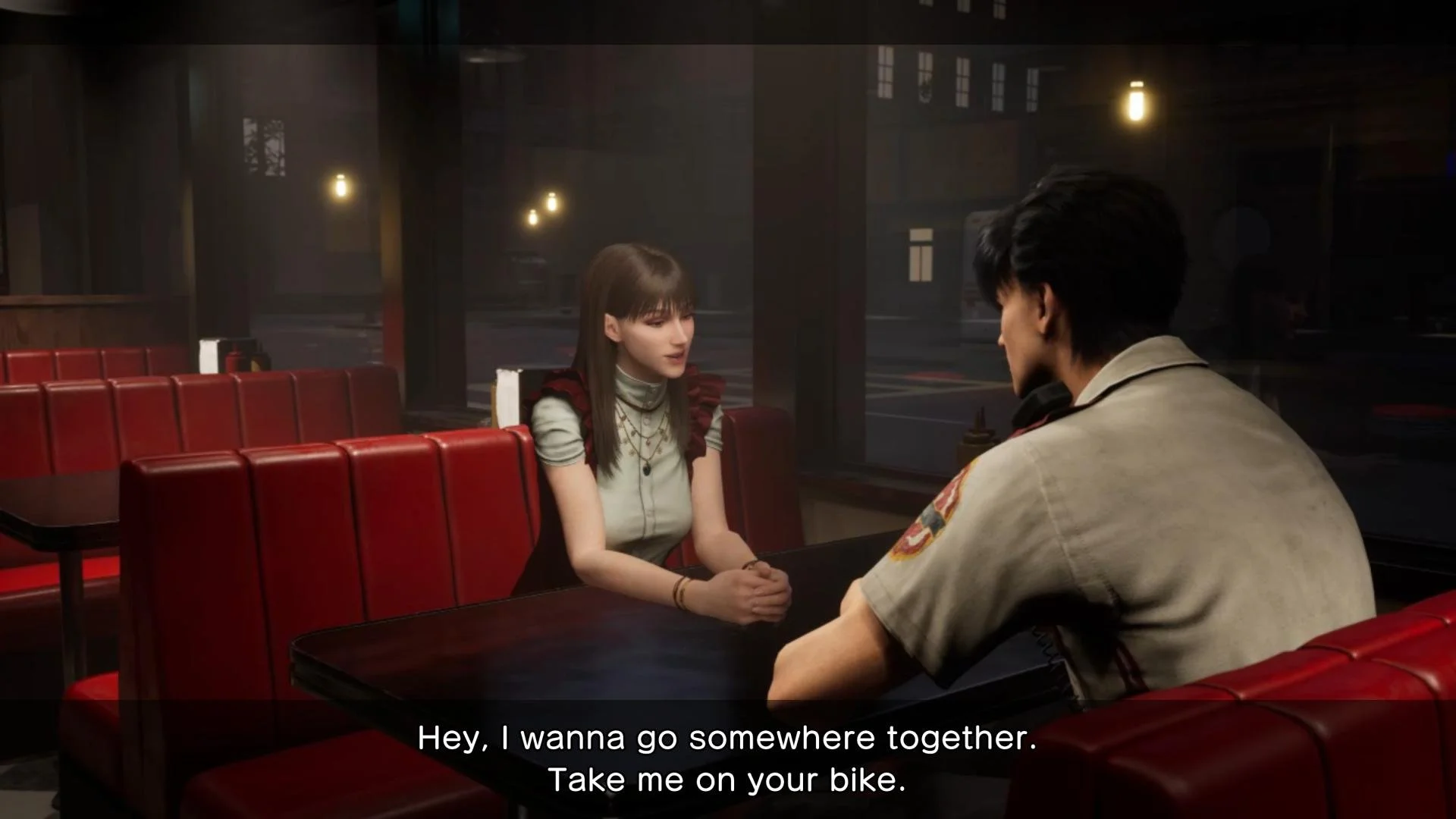
This man has such a unique view on gaming, offering experiences that border on the bizarre and offer up a level of crazy that we often don't see to this extreme; games that feel like a fever dream. Romeo is a Deadman, the latest from Suda51 and Grasshopper Manufacture, feels like the legendary creator was previously holding back, saving all that crazy for this very game, an experience that is often beyond description, and yet felt like nearly everything was slotted into place by a master. It's crazy, bizarre, and while a bit too formulaic at times, it often provided me with everything I wanted from it and more.
Romeo is a Deadman feels like the denied entries of a modern art exhibit, the statues or works of art that were deemed unfit for show, the pieces that were just a bit too crazy or out there. You can see the craftsmanship of what Suda51 is doing here, from the menus to the combat, the art design, and the music; especially that ONE song, it all flows in a way that makes this game a true work of art. It's not perfect, but some of the best art ever created is overflowing with its flaws and blemishes.
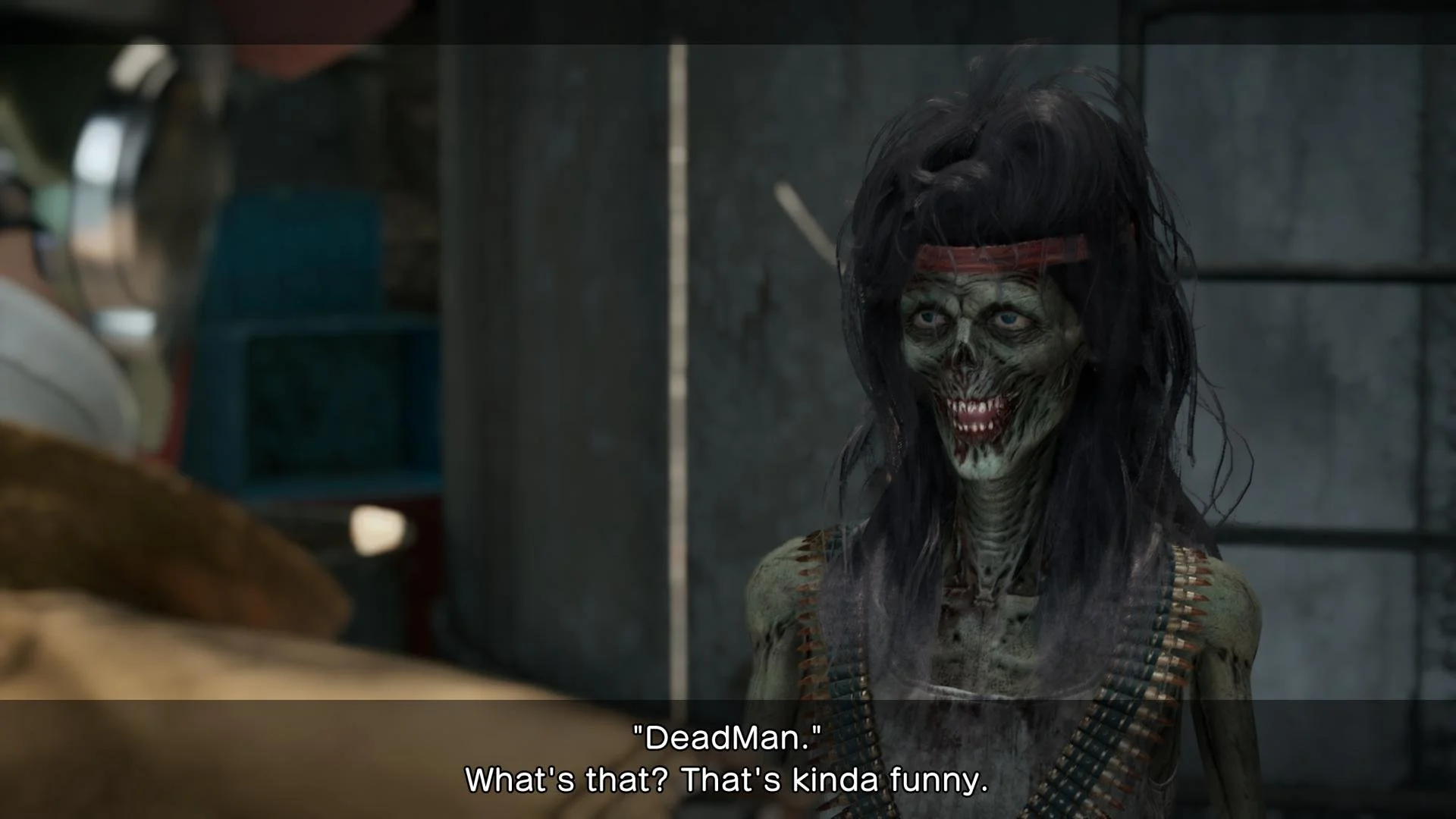
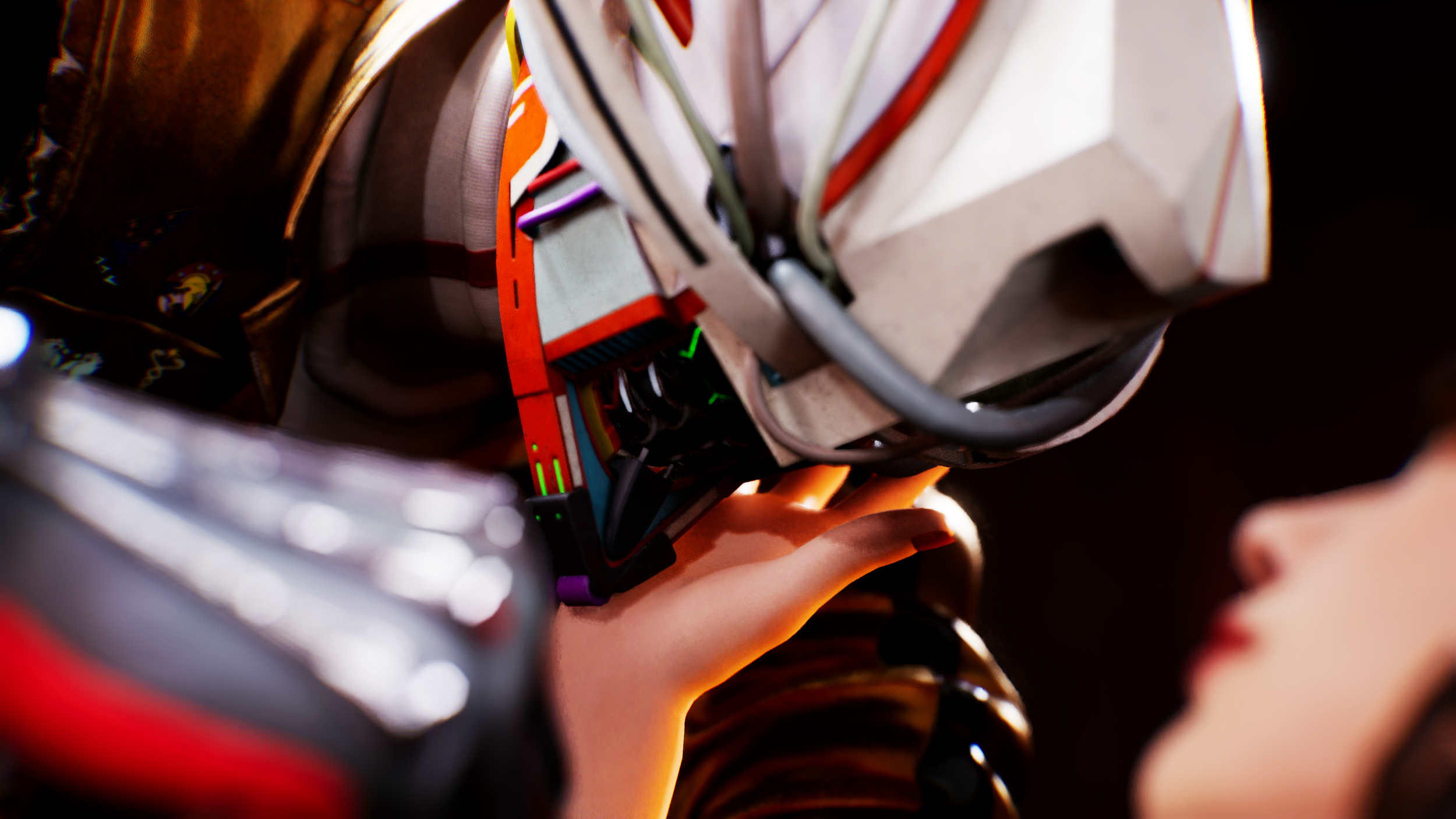
You play as Romeo Stargazer, a local deputy in a small town who is mortally wounded on the job. However, seconds before he dies, his Grandpa appears with the DeadGear Life Support System and brings him back to life, albeit in a fancy new suit, a specialized helmet, and a technological robotic arm, all the while giving him the name, Deadman. While this patrol is certainly out of the ordinary, it’s also a scene we see play out in different ways, acting as the start of most of the game’s chapters.
While this origin does change up when the game truly starts, detailing the exposition needed to kickstart this adventure, we find out that Romeo’s girlfriend, Juliet, is a space-time drifter that the FBI’s Time Space Division has been tracking for some time now. Romeo, I mean Deadman, who has always wanted to join the FBI, like his hero Fox Mulder, accepts, as does his Grandpa, Benjamin, who, while killed in the attack that resulted in Romeo becoming Deadman, now lives as a data pack grafted to the back of Romeo, I mean Deadman’s jacket. See, makes sense, right?
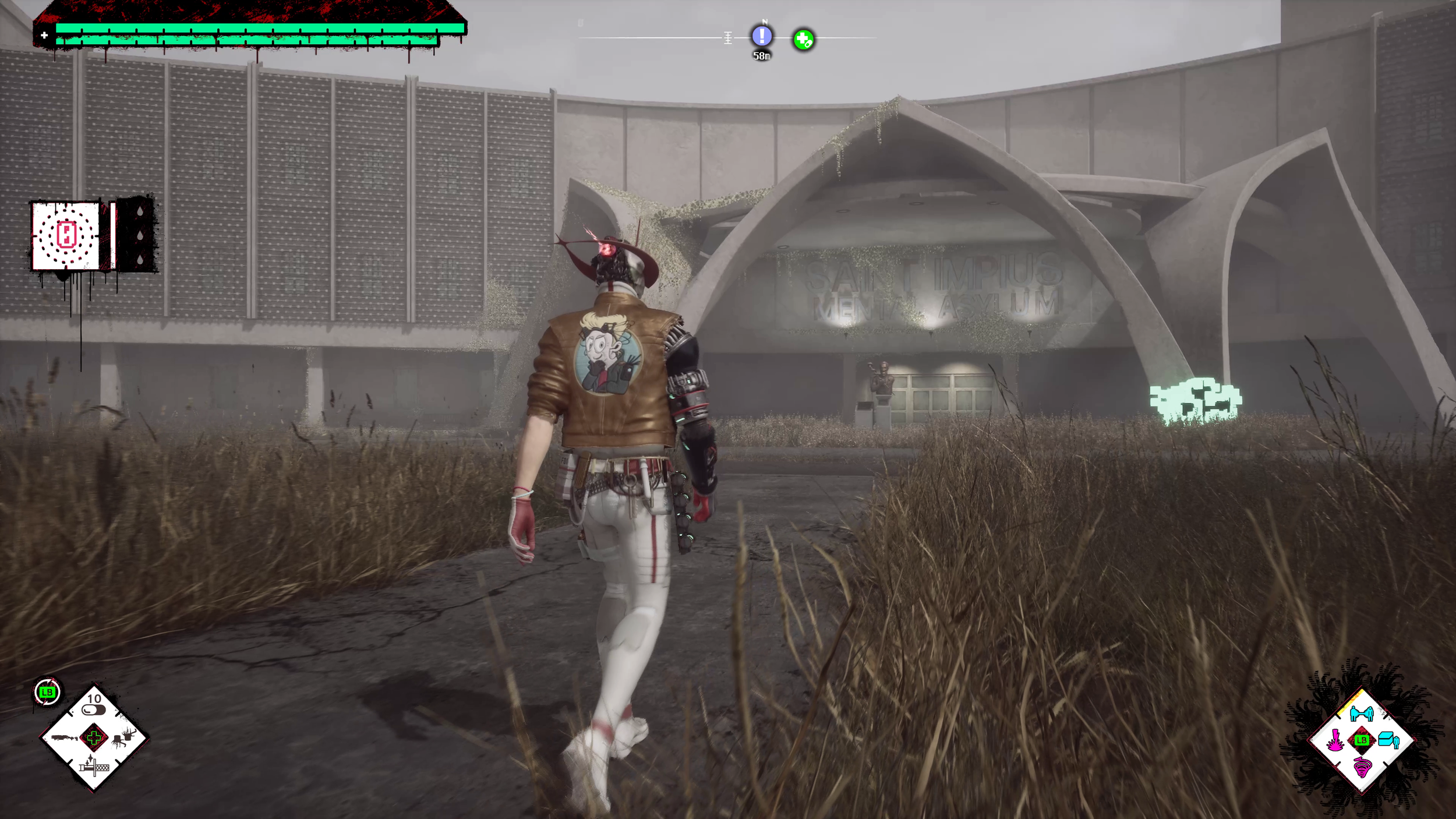
Romeo, I mean Deadman, is then sent out on missions that take place during different time periods, even if each area rarely allows you to feel what year they take place in. From an Insane Asylum to the underground lair of a Cult, to a shopping mall, you’ll attempt to find out what has happened to Juliet, as well as dealing with some time fugitives that have some loose ties with Juliet, as she has gifted them various powers and abilities. While these missions and their subsequent stories are rather enjoyable, I do wish the connection to Juliet was a bit more substantial, as these scenarios feel remarkably disconnected from the central plot. We are shown that Romeo, I mean, Deadman, has fought other variations of Juliet, and that likely would have been better than these random criminals, especially the jacked one shown via one of the game’s several comic book cutscenes.
The overall romantic plot between Romeo and Juliet here is lacking, with no real substance to their supposed relationship. Juliet feels at odds with how Romeo seems to be, and there isn't much to really tie the two together. The various Juliets we meet are vastly more interesting, and while Romeo is a solid character with some good dialogue, I do wish there was more work done to make me believe why Romeo is so intent on tracking the real Juliet down. Sure, he wants to see her smile one more time, but I rarely knew why.
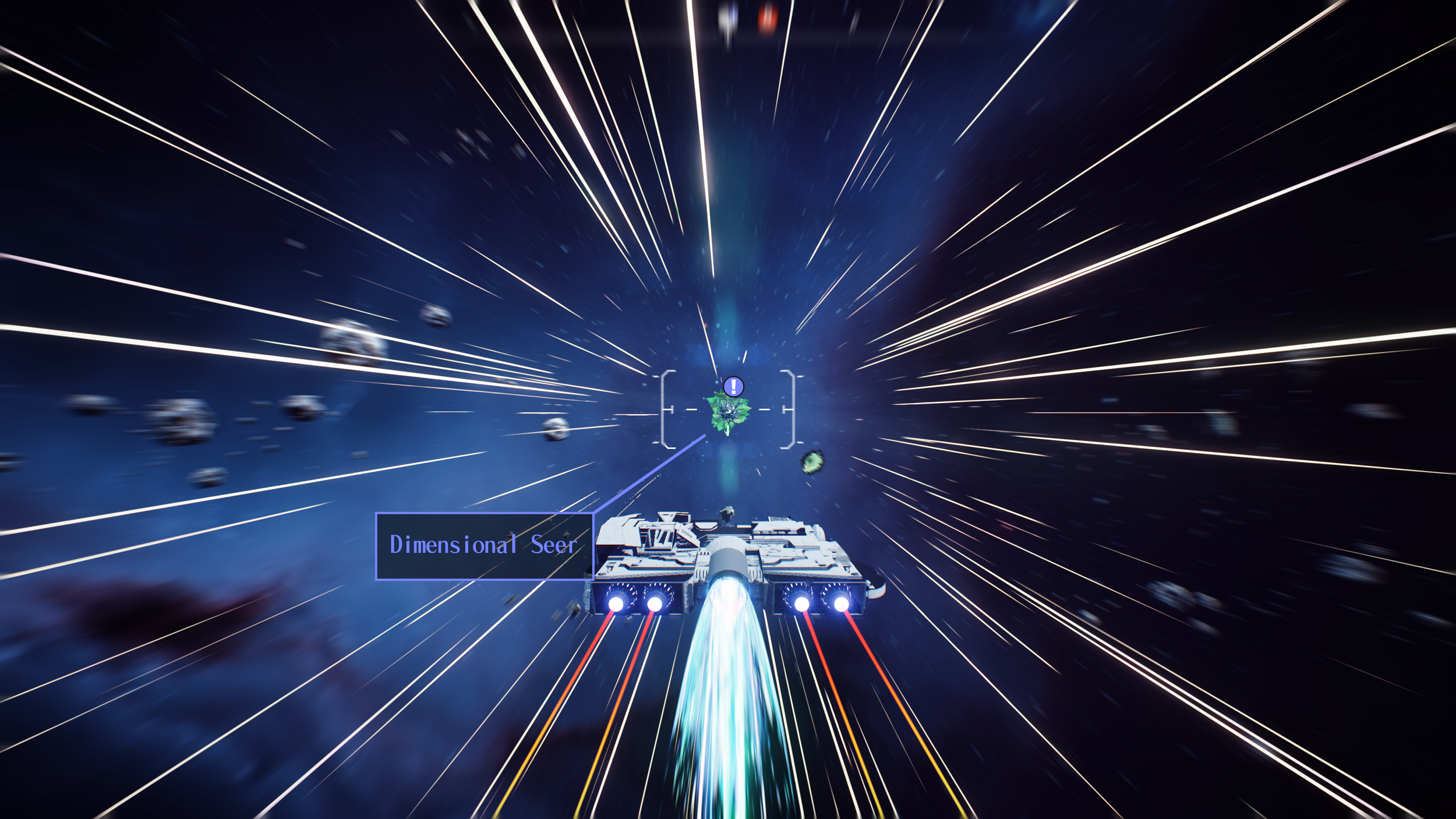
Flying through space-time is The Last Night, the FBI Space-Time Division’s flagship. You'll fly to the next location, or take in a series of dungeons while also collecting odds and ends that are floating around in space. There is also a pong mini-game for scanning planets that is just bizarre enough to be fun, especially as the time to play to scan is completely random, sometimes completing on a single bounce or not even one at all.
This time-space-faring vessel is filled with numerous characters, some personal to Romeo, such as his family in Marianna, his mother, and Luna, his sister. There is also SilverSox, who aids Romeo, I mean Deadman, with his training. Then there is WorstPink, who is stationed at the Infirmary, TheBlack, who is a bit of a mystery, GreenRiver, who you’ll mostly interact with via a computer in the Kitchen, as well as a shopkeeper in Shiroyabu, who is more or less just data. There are also more authority figures in BlueMountain and Kimberley, who are your direct superiors. Oh, and there is also a humanoid cat in RedBrown, who you’ll find in the cockpit of the starship. And yes, she is a real cat, I guess.
This cast is more or less pretty ok, but rarely serves anything groundbreaking to the story. You don’t need to even interact with any of them apart from the likes of Kimberley, BlueMountain, and SilverSox, as the rest are there to just fill out roles a ship would normally have. WorstPink can perform a check-up on you, while GreenRiver is mostly just there for little snippets of conversation. I also found it odd that SilverSox’s ethnicity would change depending on the art assets and artist. While this cast has some great conversations with Romeo, I mean Deadman, I do wish they served a greater purpose, not just the story, but gameplay as well.
Luna, Romeo’s sister, however, does serve the greatest purpose on the ship as she helps you grow Bastards. Ok, so that might not make sense, so let’s start over. Bastards are zombie-like Pokémon that you can summon into battle, which have a variety of different abilities. Some fire lasers, explode, or produce a blood-whirlwind, or even heal you. You can equip up to four of them, once you’ve unlocked the slots, and you’ll grow them in small patches of dirt on the ship. You’ll randomly select a trait and its name, which doesn’t serve a purpose, but is still remarkably fun. Hell, I would just grow them just to do this feature since some of the traits are hilarious, such as having perfect teeth or that they have 700K in savings. Man, that Bastard has more money than me…
Bastards have a great purpose in aiding Romeo, I mean Deadman, in combat, as do a few other systems. You have Badges and Pins that also help, with badges granting you passives like boosting your Blood Gauge draw, or increasing the drop rate of items. Pins, however, grant you additional Bastard slots as well as mobility functions such as the Double Dodge or the Jump Dash. Pins are gifted at key moments where Badges need to be either bought or found as you explore each time-period.
Another key feature in boosting Romeo, I mean Deadman’s power, is the DeadGear CannonBall. This Pac-Man-centric maze has you using resources to fly around a maze and collect power-ups that boost his attack power, HP, health recovery, or his aim speed, among other upgrades. This uses the same currency as most other upgrade systems, so it’s good to manage your priorities and then return to this mini-game. You’ll also have other menus to convert materials found in time-space to those for weapon upgrades, to purchasing new weapons as well, such as the long-sword in the Star Destroyer, gauntlets in the Juggernaut, to a pair of dual blades in the Arcadia, which was my go-to weapon. You also have ranged options in the Discovery, Diaspora, Nebuchadnezzar, and the Yggdrasil, which represent your revolver, shotgun, mini-gun, and rocket launcher, respectively.
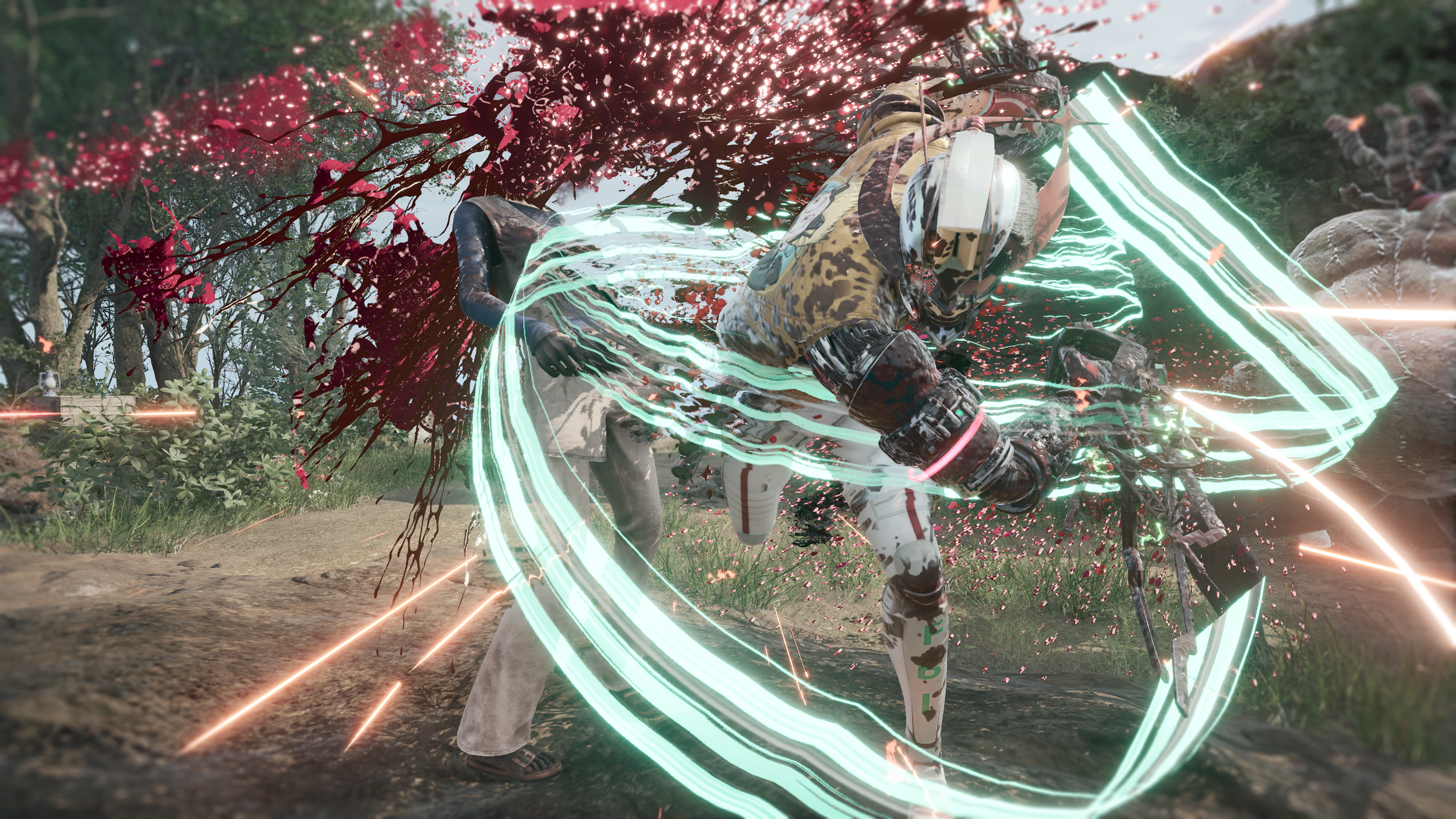
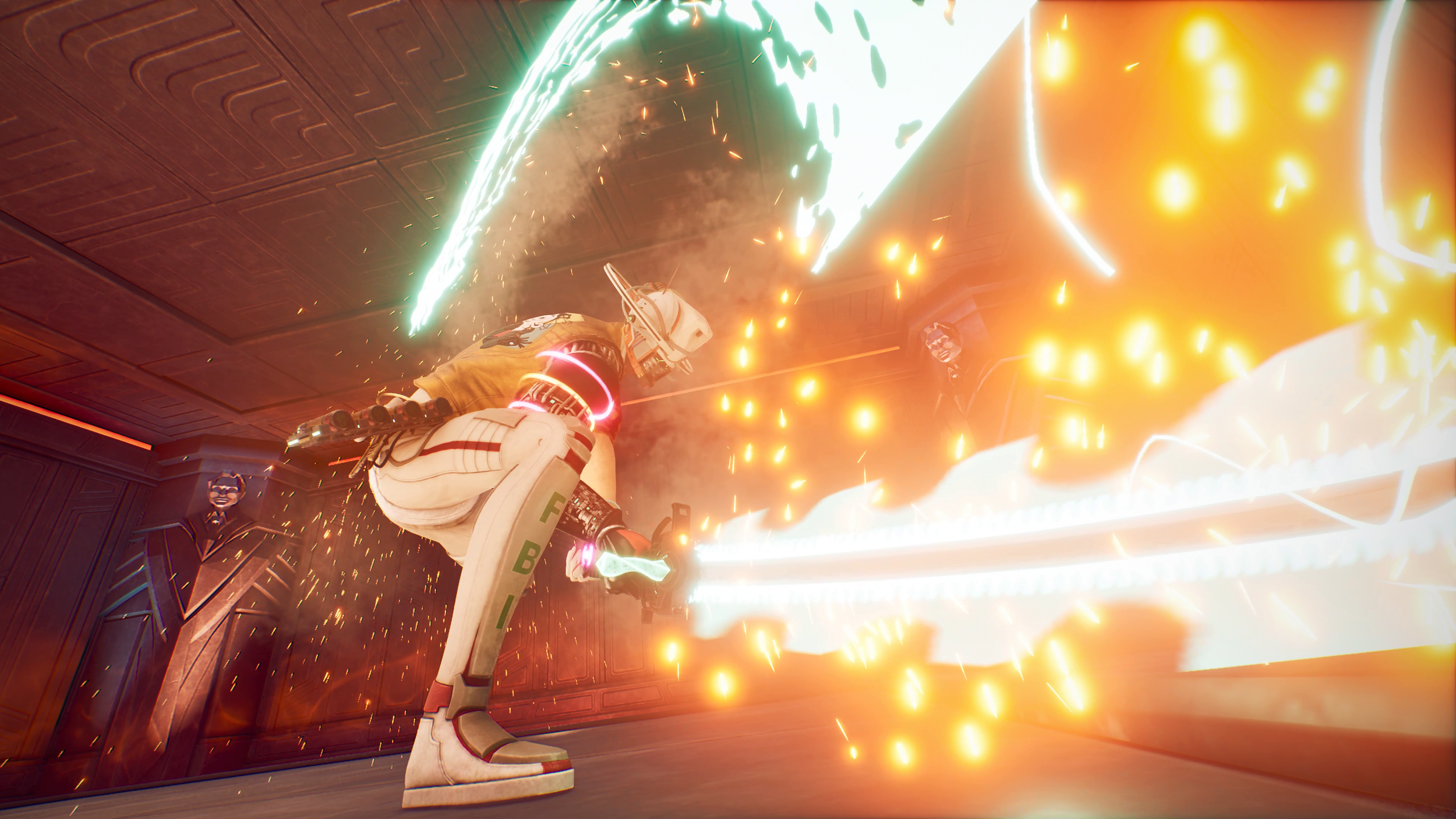
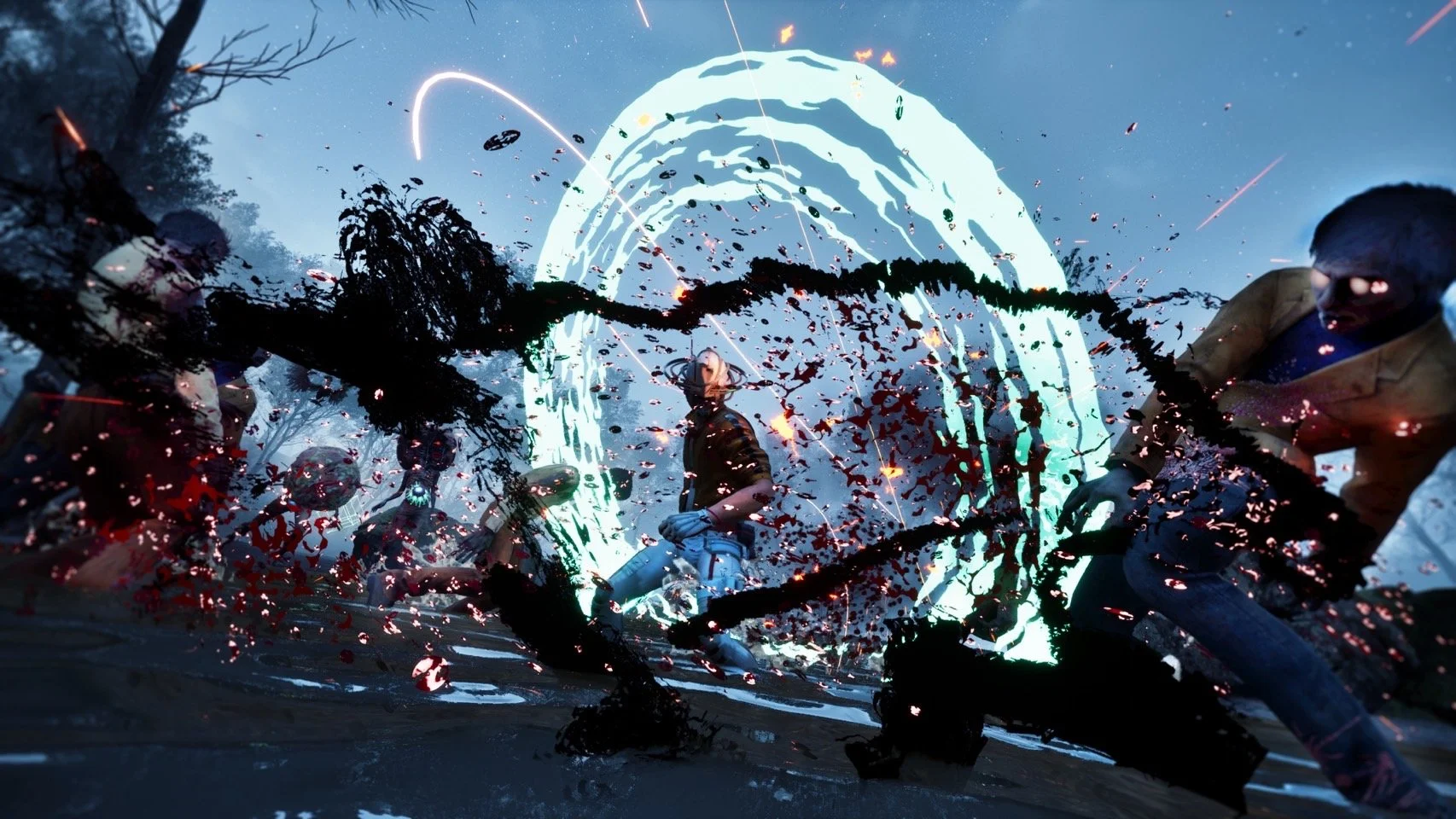
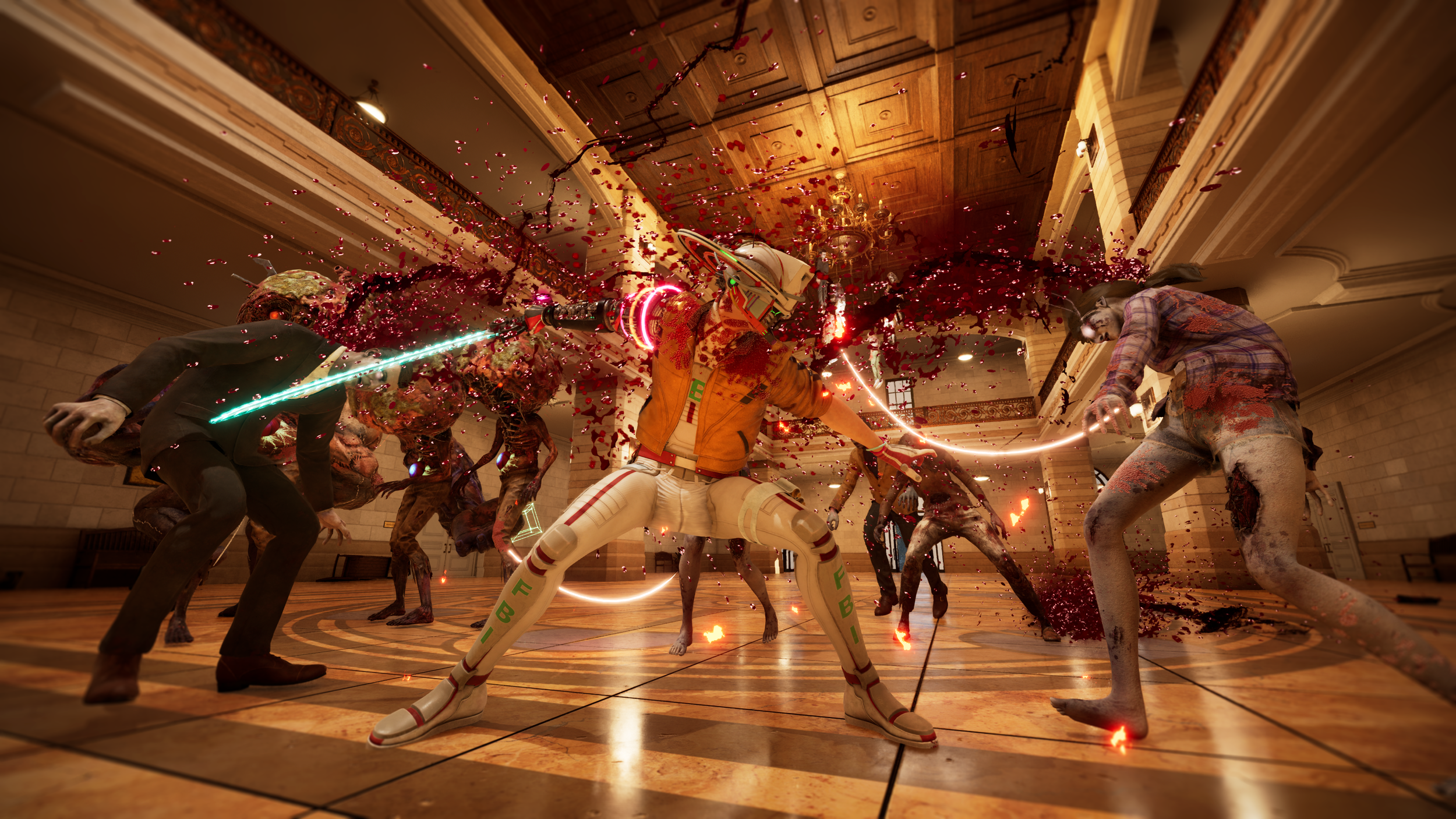
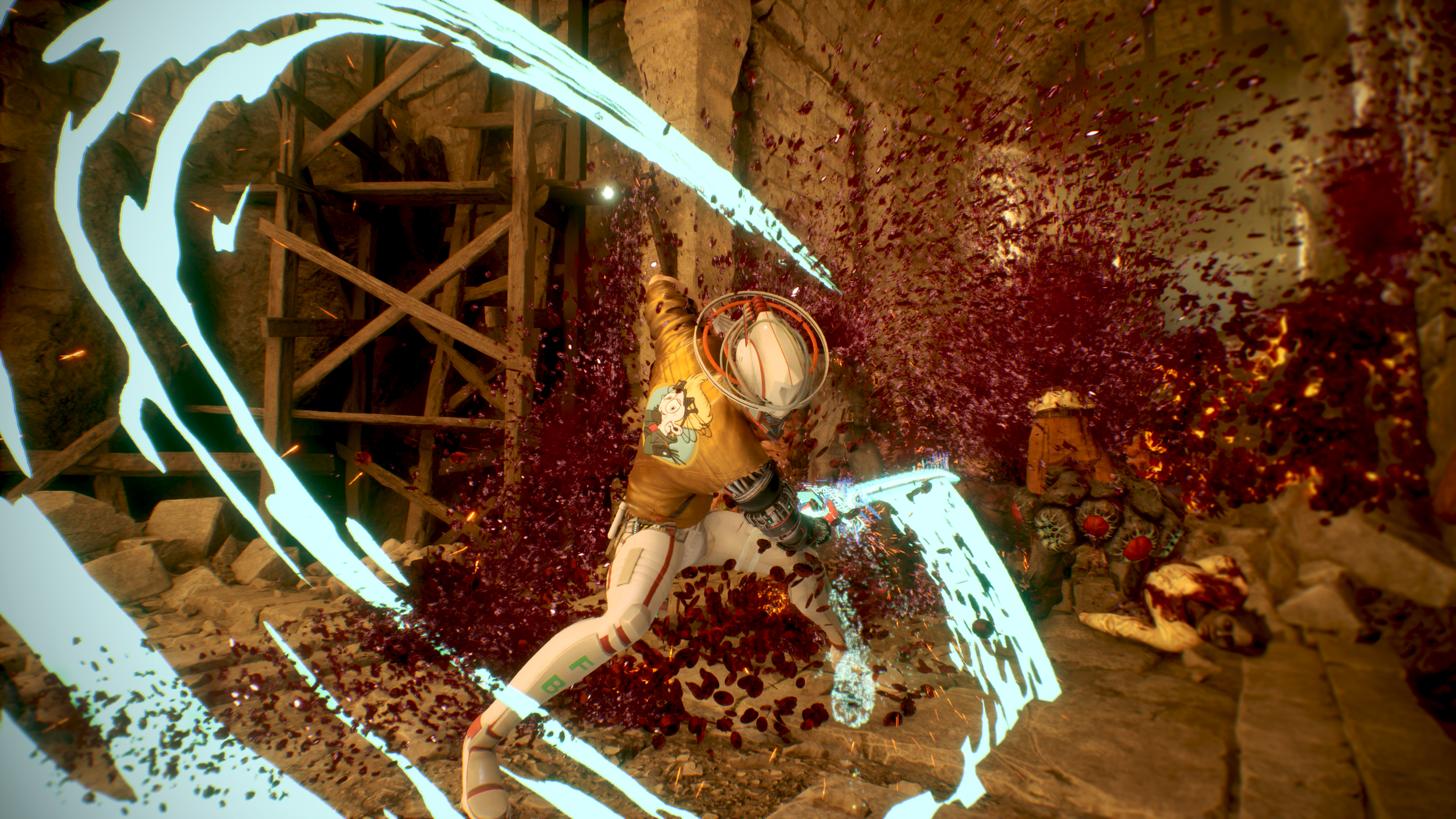
If you’ve played No More Heroes, then you are going to find combat very familiar. While combat is gory, with a lot of digital noise to represent the blood and digital effects that come with the style of this game. It does feel more janky than I’d have liked, especially given the time it has been since No More Heroes. You do have a dodge, but no animation cancels to use it effectively, and while the gun is extremely well-suited for hitting the weak points on your foes, illustrated via little flowers that adorn their body, the reload time and feel of the guns with manual aim leaves a lot to be desired, especially with the bats. However, using the target lock for the more frantic enemies and those aforementioned bats is the go-to move here, especially when you are high atop ledges and do not want to fall, again… and again.
Still, standard combat does feel good, even with these unfortunate rough edges, and a small delay it takes to really lean into your defenses. The number of times I’ve been knocked around without being able to really move is countless, but the action and spectacle of its combat system is still extremely cool and can make up for some of the unfortunate jank that comes with using the No More Heroes combat feel.
What adds to the overall jank is some of the movement. Climbing ladders results in Romeo standing completely still at its zenith for a full second before it lets you take control. This is a major pain in the ass when the top of the ladder is a battlefield with snipers and bats, meaning you will be knocked back and down the ladder to the ground below. This is largely an issue during a level much later in the game.
Reloading your gun is also painfully slow, and while you can upgrade that via the Cannoball mini-game, I really wish there was either a way to reload during combat, or that the gun just reloaded automatically. Given the delay to pulling off a dodge or attacking, not to mention being able to shoot once reloaded, these moments of inactivity can suck the wind out of your sails. While there could be a badge to aid in reloading, I just never found such a thing.

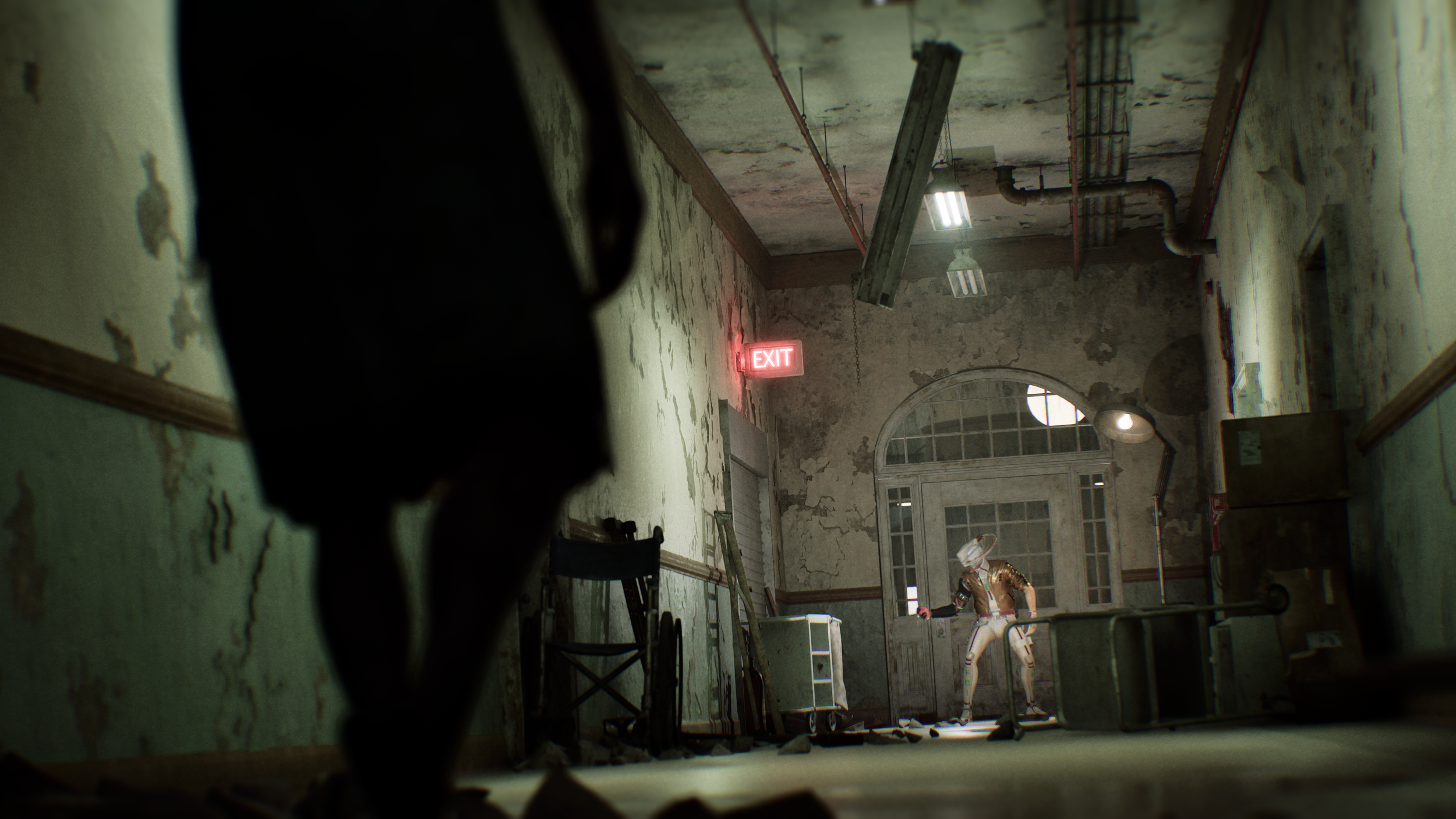
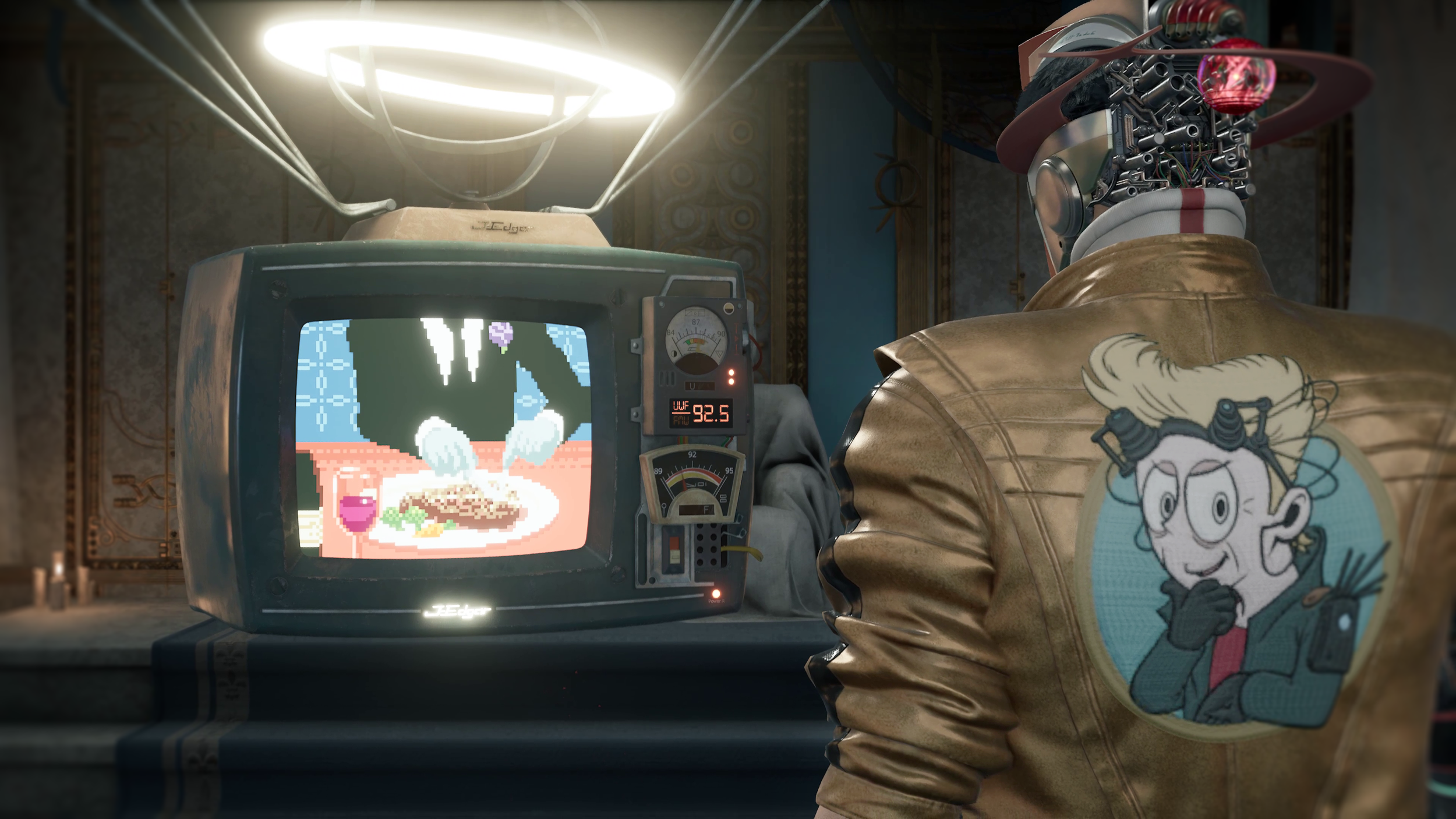
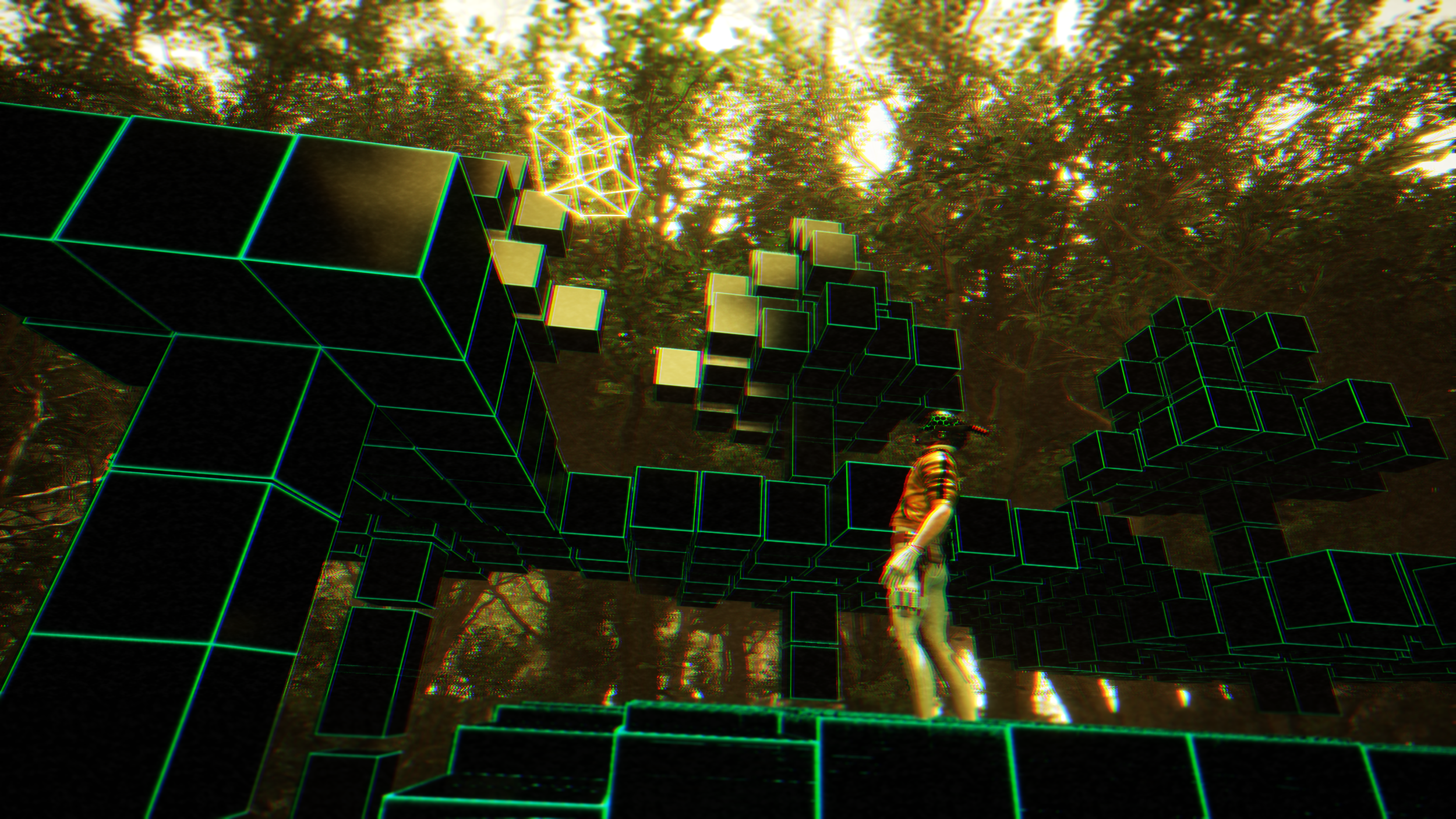
Each location you engage with does, unfortunately, have the same basic concept of how you navigate around. You'll explore the current year you are in, from cult sanctuaries, a shopping mall, to an insane asylum. These locations are generally mazes that have televisions that will transport you to subspace, another maze-like environment that will often have you attune with green orbs to solidify pathways. This subspace gimmick is the foundation of how you explore and get past locked doors or dead ends. While I don't mind the subspace areas, they lean into them far too much, instead of the actual time periods you are in. If the subspace areas echoed the era, then I feel aesthetically, they will be perfect for what they offer.
In each level, you'll have portals that also transport you to dungeons, which can also be travelled too aboard the Last Night vessel. These dungeons vary in layout, mostly, but are generally the same location, fighting the same enemies, and rarely offer up any decent rewards. As a result, I only completed about half of them, finding no real point to explore them.
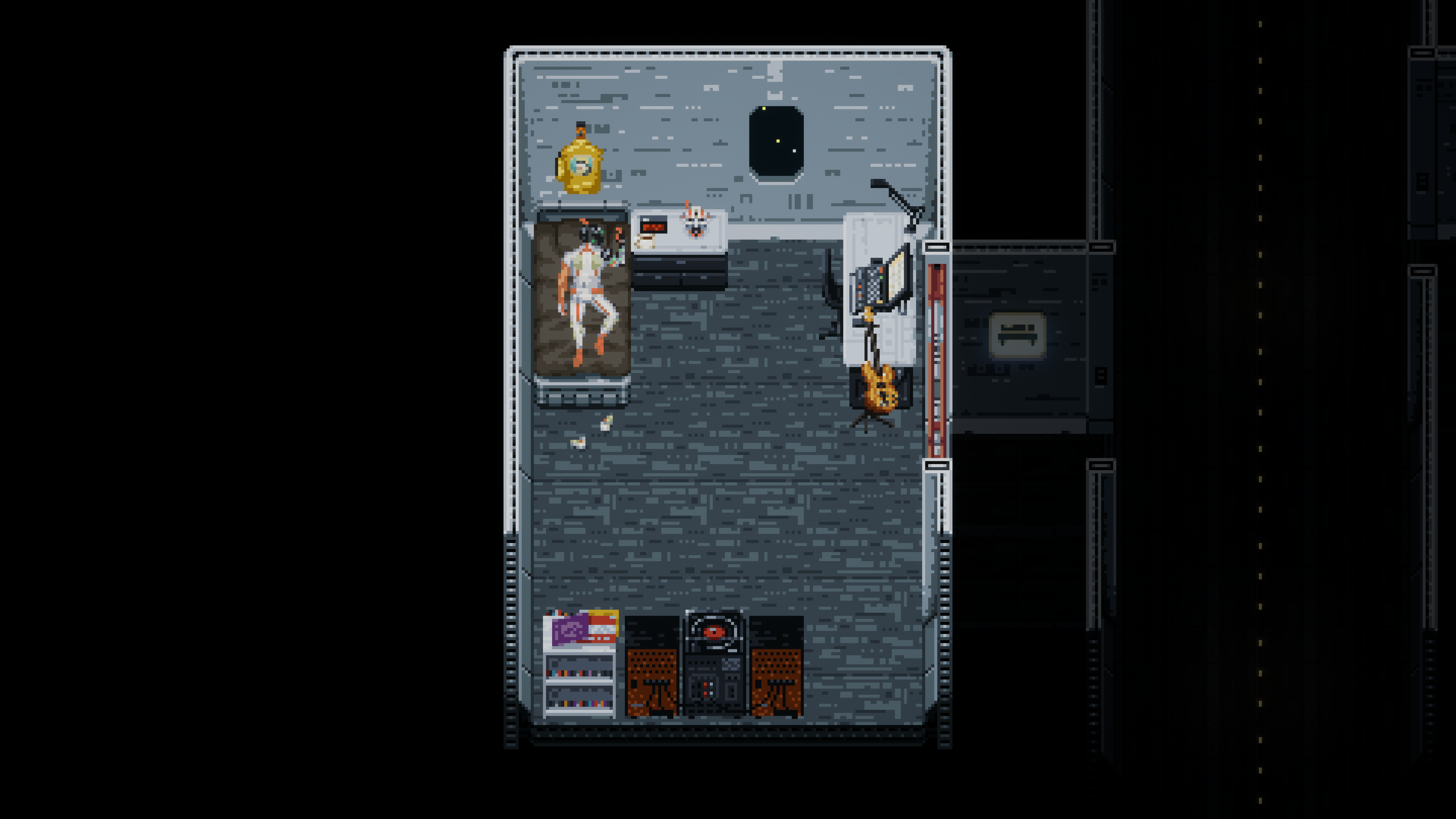
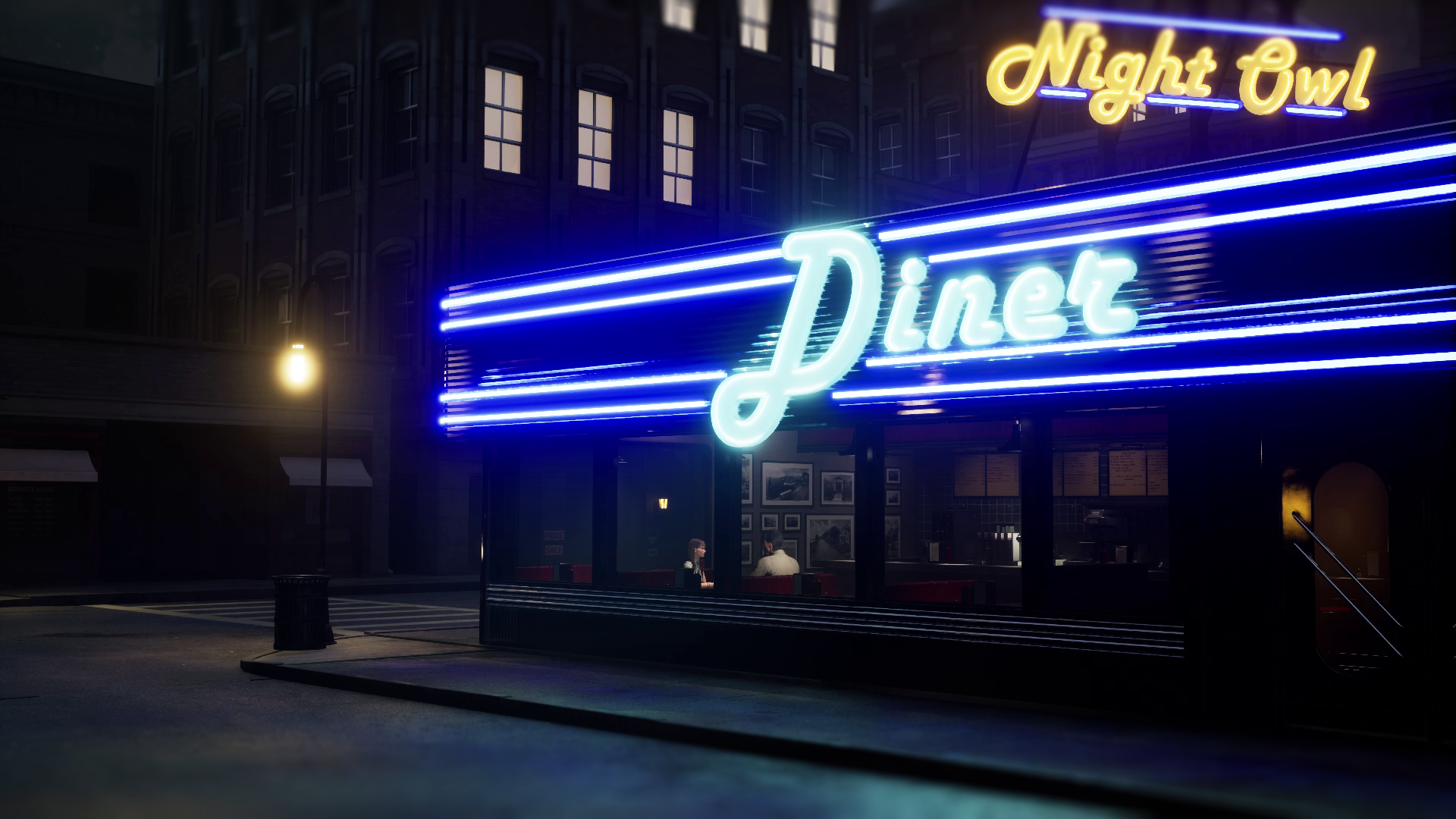
The Last Night ship itself is a pretty interesting place, mainly due to its 2D nature. This is an isometric/top-down 2D version of the ship, with rooms that feature the cast. That said, you'll really only interact with the aforementioned characters in their rooms when you truly need to or as part of the story. That, or for giggles, but I rarely found the desire to.
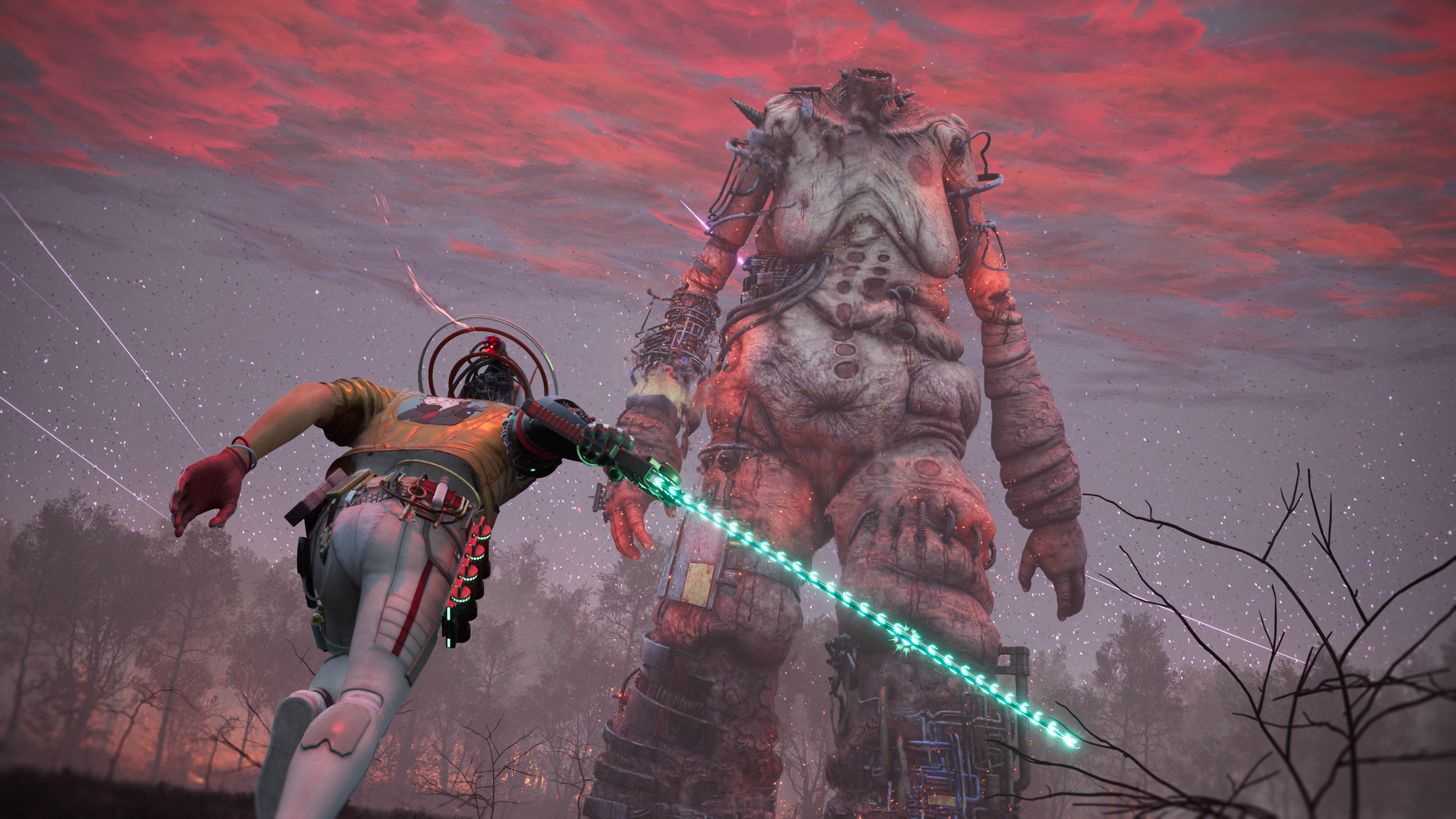
Visually, this is the best Grasshopper has done up until this point. It feels like a mixture of Shadows of the Damned and No More Heroes, but retaining all the noise found in Travis Touchdown’s adventures. While I wish the subspace zones were different from one to the next, to lean into the year they take place, they at least have a design language that makes them short affairs, well, apart from one, and you'll know when you get to it, because you'll want it to end as soon as possible.
Romeo, I mean Deadman, looks great, and his design is pulled from a lot of different places, and he genuinely is a visually cool character. Since the majority of his model is one of the few actually rendered of the cast, apart from him, his sister, or Juliet, there isn't much to really compare. Creature designs are bizarre, one especially is disturbing, and the animations, while not cancelable, are nonetheless well done. While it is not a leap forward from No More Heroes 3 in the feel of the game, it is a massive step forward visually.
One issue regarding its art design is that characters can visually change significantly depending on who draws them, models them, or how they are portrayed in the scene. It isn't a deal breaker or anything significant, but as I mentioned before, there are a few moments featuring Silver Sox where I had no idea it was him.
Romeo is a Deadman is certainly a Suda51 game, and while it is Grasshopper’s best in years, I do wish the No More Heroes jank didn't follow itself here and infect combat and general movement. Still, the craziness that is Romeo is a Deadman is sound, and those looking for another bizarre fever dream are likely to be pleased.


Developer - Grasshopper Manufacture.
Publisher - Grasshopper Manufacture.
Released - February 11th, 2025.
Available On - PS5, Xbox Series X/S, PC.
Rated - (M) - Intense Violence, Blood and Gore, Suggestive Themes, Use of Drugs, Strong Language.
Platform Reviewed - Xbox Series X/S.
Review Access - A review code for Romeo Is A Dead Man was provided by the publisher for the purpose of this review.
Jeff is the original founder of Analog Stick Gaming. His favorite games include The Witcher III, the Mass Effect Trilogy, Hi-Fi Rush, Stellar Blade, Hellbade: Senua’s Sacrifice, and the Legend of Heroes series, especially Trails of Cold Steel III & IV.