
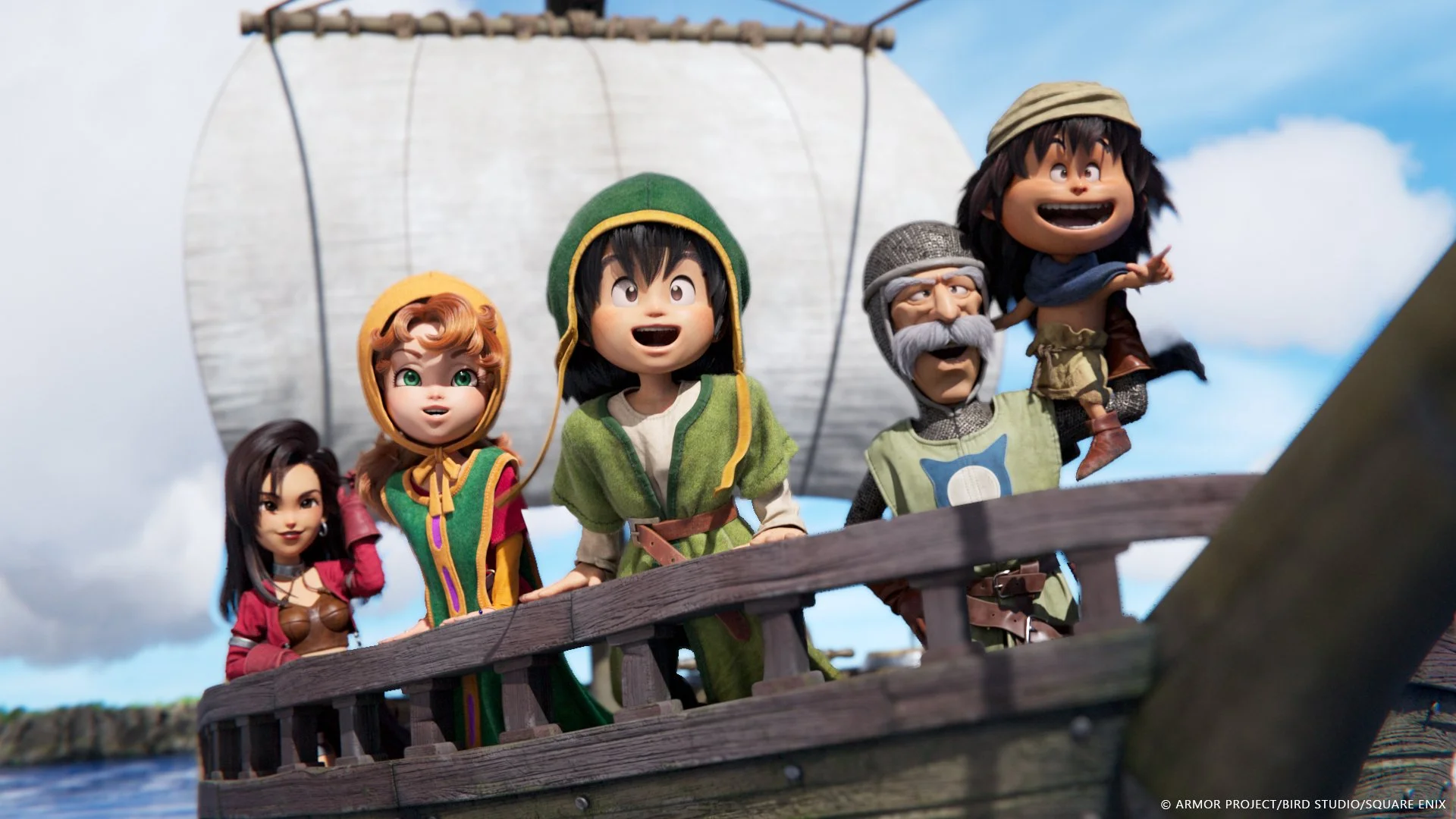
Adventure Awaits
Something about Dragon Quest VII Reimagined immediately caught my attention. Whether it was the art style, the beloved musical score, or something else entirely, I knew I wanted to play it. While I’m still relatively new to the Dragon Quest franchise, having only experienced the HD-2D remakes of the first three games, that newcomer perspective ended up being a strength. And after finally diving in, I’m extremely glad I did.
This felt like the right time and way to jump into what Dragon Quest VII is, and I don’t think I’ll be the only newcomer to this game. So, this review is from the perspective of a new player, and I was shocked to find that Dragon Quest VII Reimagined might be the most approachable, beginner-friendly turn-based JRPG that I’ve ever played.
When you first boot up Dragon Quest VII Reimagined, you're treated to an opening credits-style sequence before you even get to the title screen. With the iconic theme music playing over the intro and glimpses of what adventures await you, it really helps to get you hyped for the adventure ahead, especially as someone who’s never experienced the game before.
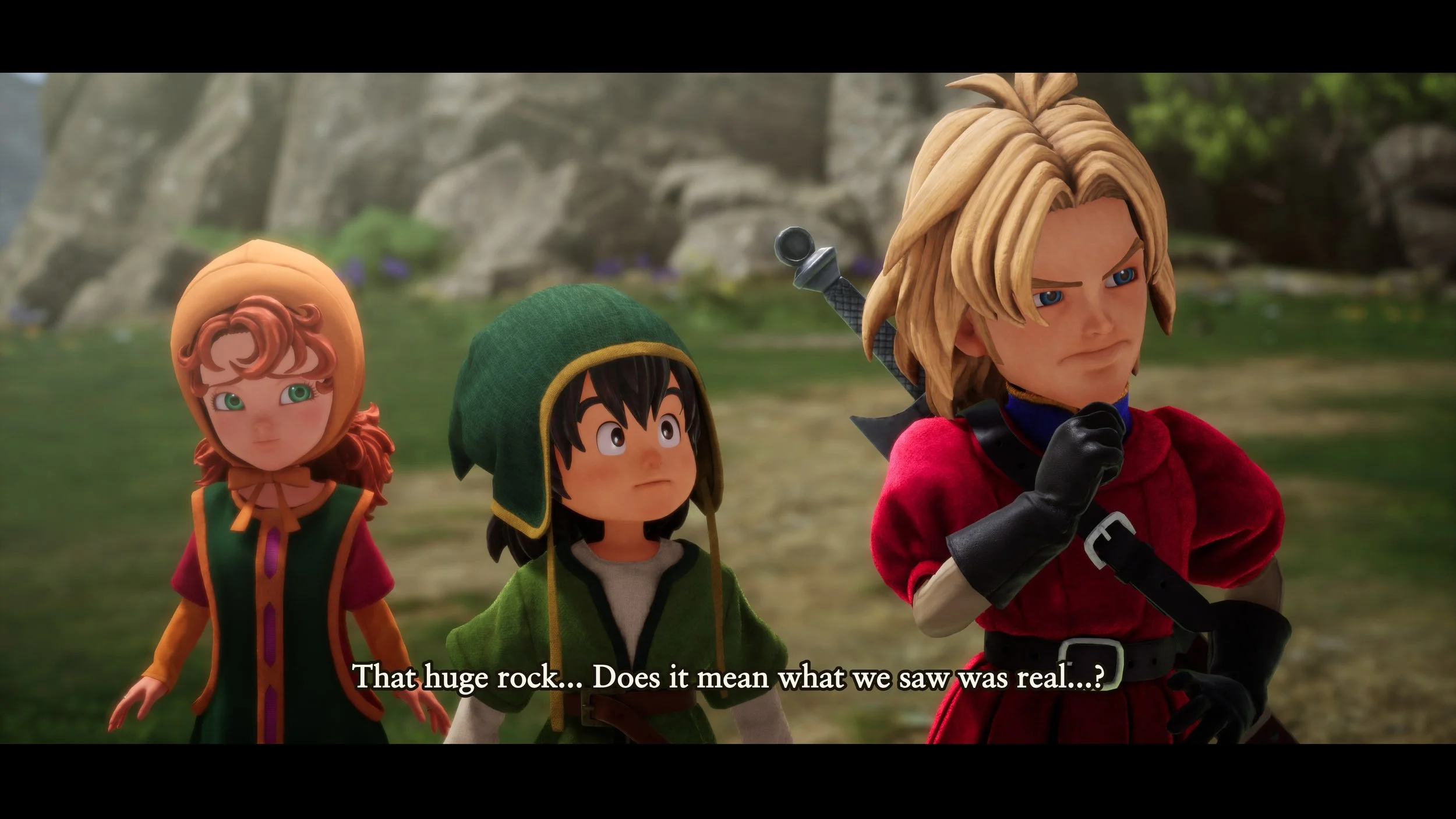
Once you dive into it, your adventure is very fast-paced. You play as a young boy, the son of a fisherman living in Pilchard Bay, and you’re somehow friends with the Prince of Estard, Keifer. You and Keifer are seemingly up to no good in your quest for adventure. That is, until you get summoned to the castle by King Donald (this dev team must be fans of the Sutherland family). While you’re speaking to the King, Prince Keifer sneaks off to the local ruins in the hopes of finding out the secrets it holds inside. Unfortunately, when you meet him at the ruins, you find that you can’t get inside, and instead, you discover a talking statue that asks you to prove your worth.
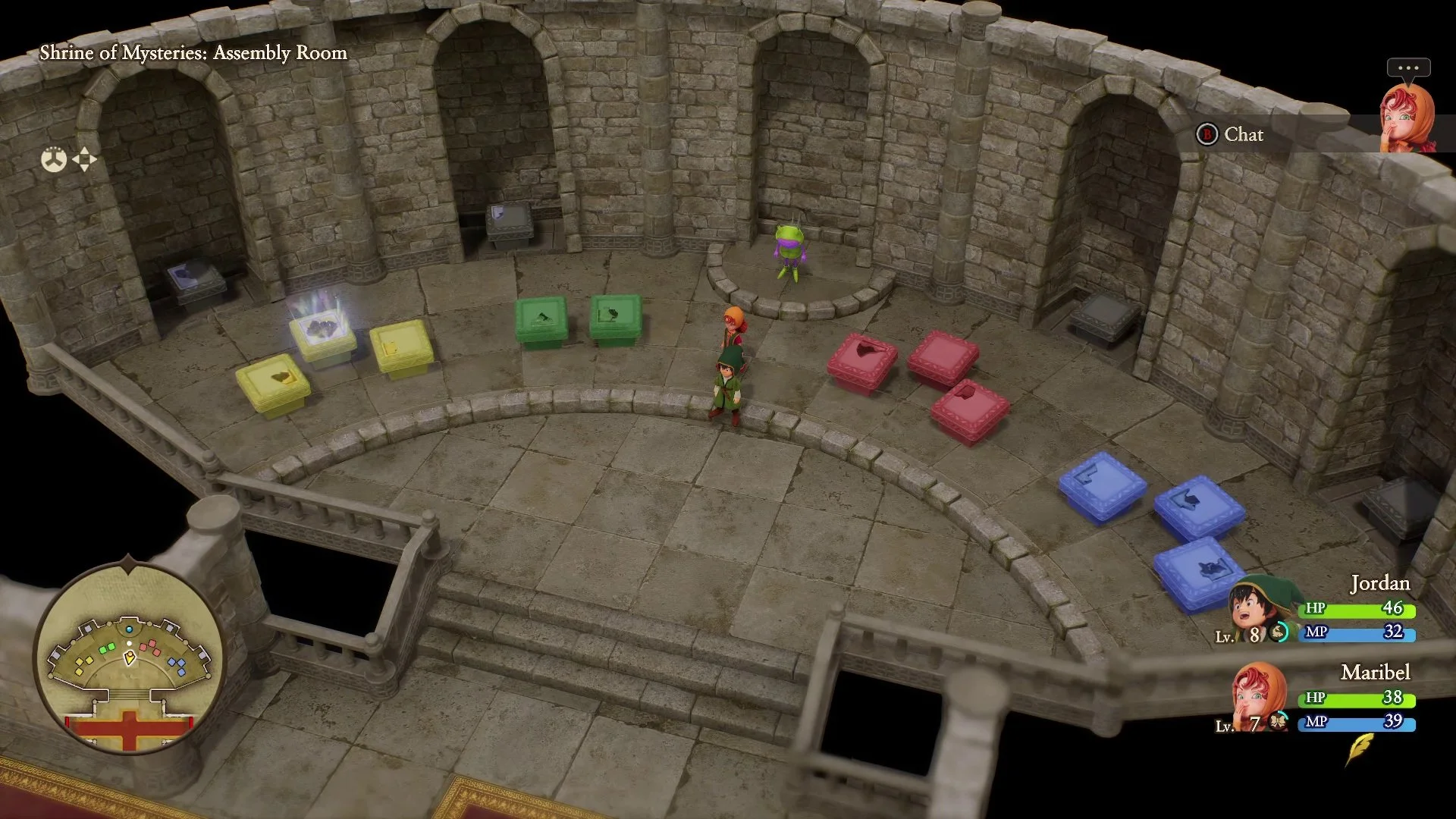
This leads you to undergo a series of trials, which involve some light puzzling and introduce you to the game’s turn-based combat. More on those elements in a minute! Completing these trials will award you with three stone tablets that create what looks like a map. Once you have the tablets and have completed the map, you can go back to the ruins and enter the shrine; it’s here that your adventure truly begins.
Inside, you find a mysterious alien-looking creature called The Caretaker who has been watching over this shrine for hundreds of years. He knows about the stone tablets you’ve collected and instructs you to place them on a table of the corresponding color. Once you fit together these tablet pieces, they begin to glow before pulling you and your party into a portal. After this ordeal, you end up in a strange land with no idea how to get home. This is the first of many adventures that await you in Dragon Quest VII Reimagined. That’s because your core quest involves finding these stone tablets, yet again, and putting them together at the shrine. Each tablet takes you to a new island with its own self-contained story for you to complete. As you do so, these islands start popping up out of the sea like Atlantis. This, of course, leads to much bigger questions and an overarching narrative that I won’t be spoiling in this review.
However, it’s worth mentioning that each of these self-contained stories has interesting characters whom you’ll grow to love and vibrant locations to explore. While islands take longer to complete, as you progress through the game, this approach and design make Dragon Quest VII Reimagined excellent for jump-in/jump-out gameplay sessions. You can complete lots of islands in an hour or less, meaning that even if you don’t have much free time, you’ll always feel like you're progressing, and you’ll get a nice self-contained story each time you play.
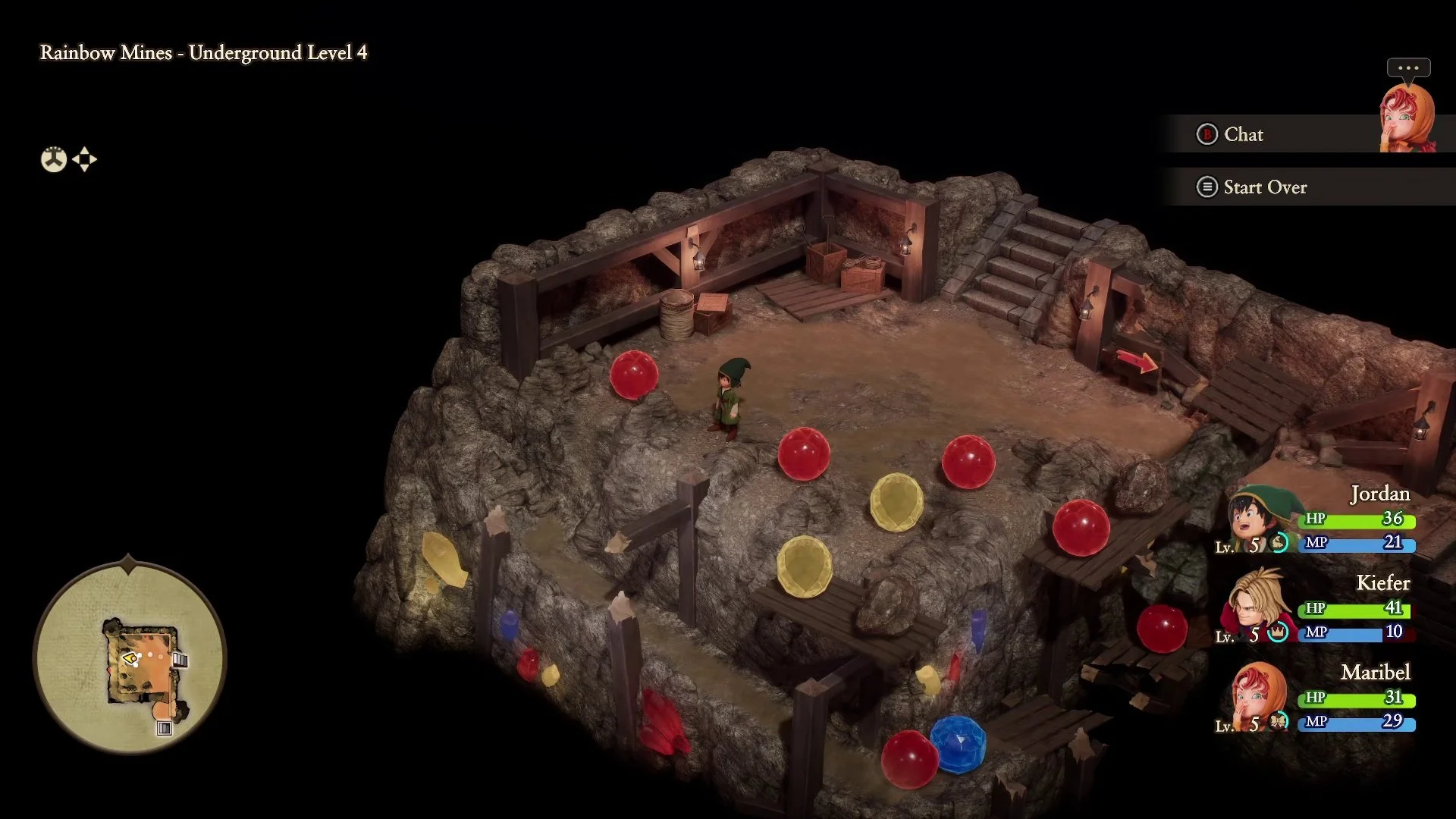
Now on to the puzzles. These distractions are quite simple, mostly involving moving various items around to create shadows or insert them into keyholes. Once you get further into the game, these puzzles become a little more complex in terms of how much thinking is required, but they remain mechanically simple. While the length of each puzzle varies from one to the next, you are not likely to get stuck or be unsure how to progress through them.
This is also true of combat. In gameplay terms, Dragon Quest VII Reimagined remains simple to play; it’s fully menu-based with no real-time elements. Each time it’s your turn or that of a member of your party, you can choose between a standard attack, using a skill, or taking up a defensive stance. Eventually, your party members will get worked up and gain the option to “Let Loose,” which is essentially like an ultimate ability that can really help turn the tide of any battle. One aspect of combat that I like, even though I don’t personally use it, is the ability to auto-battle, where you set up actions for each member of your party and then let the battles play out by themselves. This isn’t a new mechanic, as it was available in the recent HD-2D remake titles as well, but I was so glad to see it return here. However, this isn’t the only mechanic to make a return from the HD-2D remakes; we also see things like showing enemy weakness against specific skills and spells during combat return. It's important that these options return as they increase the accessibility of Dragon Quest VII Reimagined beyond what was available in the original game.
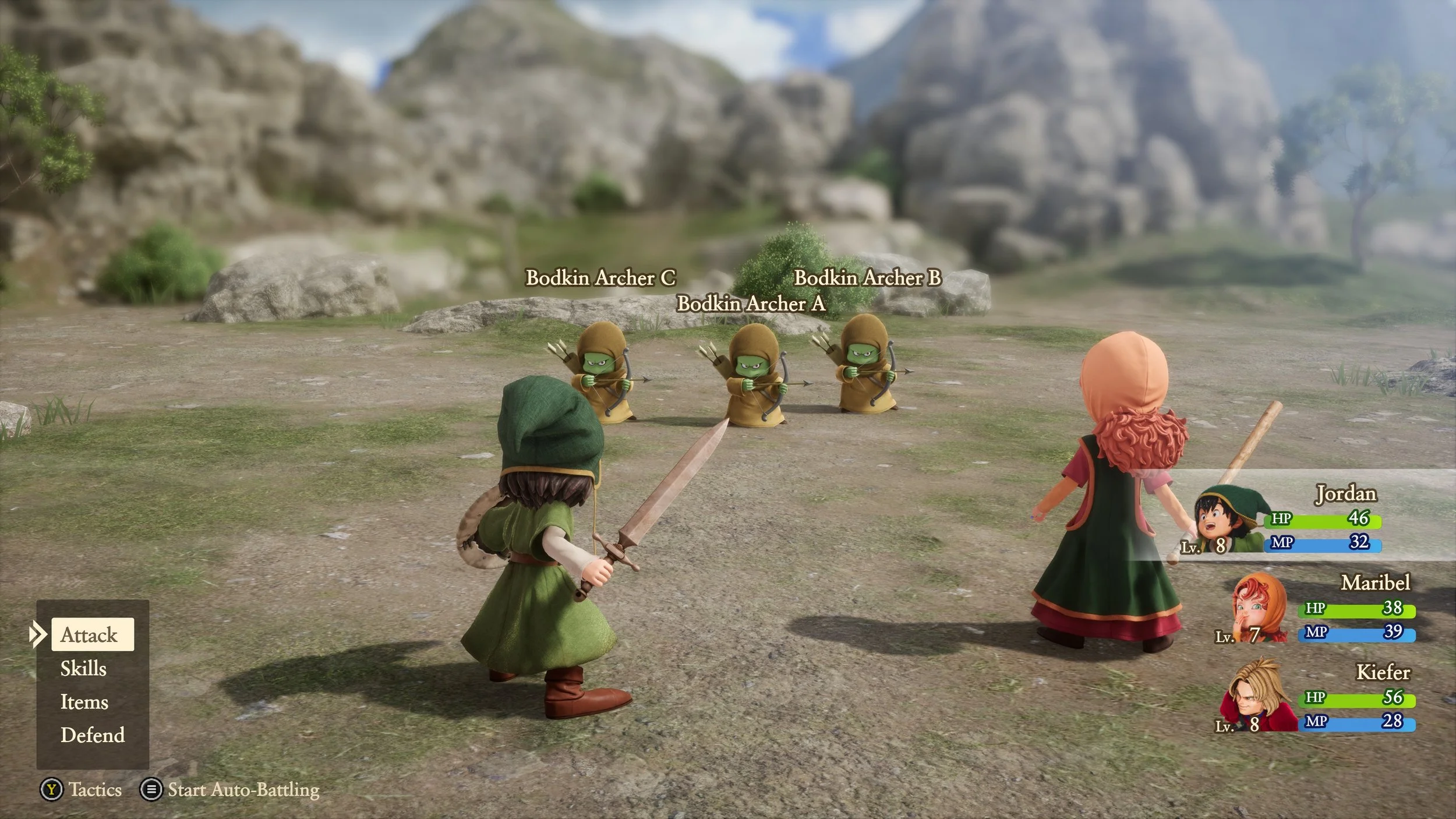
You might be wondering, “What’s the progression like? as I know some older JRPGs can be very grindy.” I had that same concern going into this title, but I’m pleased to say that this might be the most well-balanced progression I’ve encountered in a turn-based JRPG. During my playtime for the review, I haven’t once felt the need to grind. At times, I even felt overpowered, but in most scenarios, I’d say Dragon Quest VII Reimagined hits the perfect balance of leveling you up just in time for your next real challenge.
Obviously, leveling up your party isn’t the only aspect of progression; you also level up your vocations, which are the job roles in Dragon Quest VII Reimagined. Leveling these up gives each character new skills, and as you add more characters to your party, you get different vocations to play around with. Finding the right combination of vocations and making sure you’ve leveled them up enough is the difference between success and failure. In truth, I mostly stuck with the three initial vocations for your character, Keifer and Maribel, as they complement each other well, offering a good balance between your attacking and defensive options.
Then we have gear and weapons. While you travel around, you’ll find treasure chests and the occasional shop, which may contain weapons or armour for you to equip. Doing so will offer buffs to attack and defence while also impacting things such as the likelihood that you will dodge or block an incoming attack. You can also find accessories that boost stats, such as agility or HP, but the best accessories you can get are monster hearts. These hearts can be earned by defeating certain more powerful enemies that you find while traversing the worldmap of each island. More powerful monsters are identified by a special glow around them. Once you beat them, you get their heart, which, if equipped, allows for more specialized buffs. From finding items more easily to increasing critical hits and more, these hearts are worth pursuing, but to earn them, you’ll have to take on some of the toughest enemies Dragon Quest VII Reimagined has to offer.
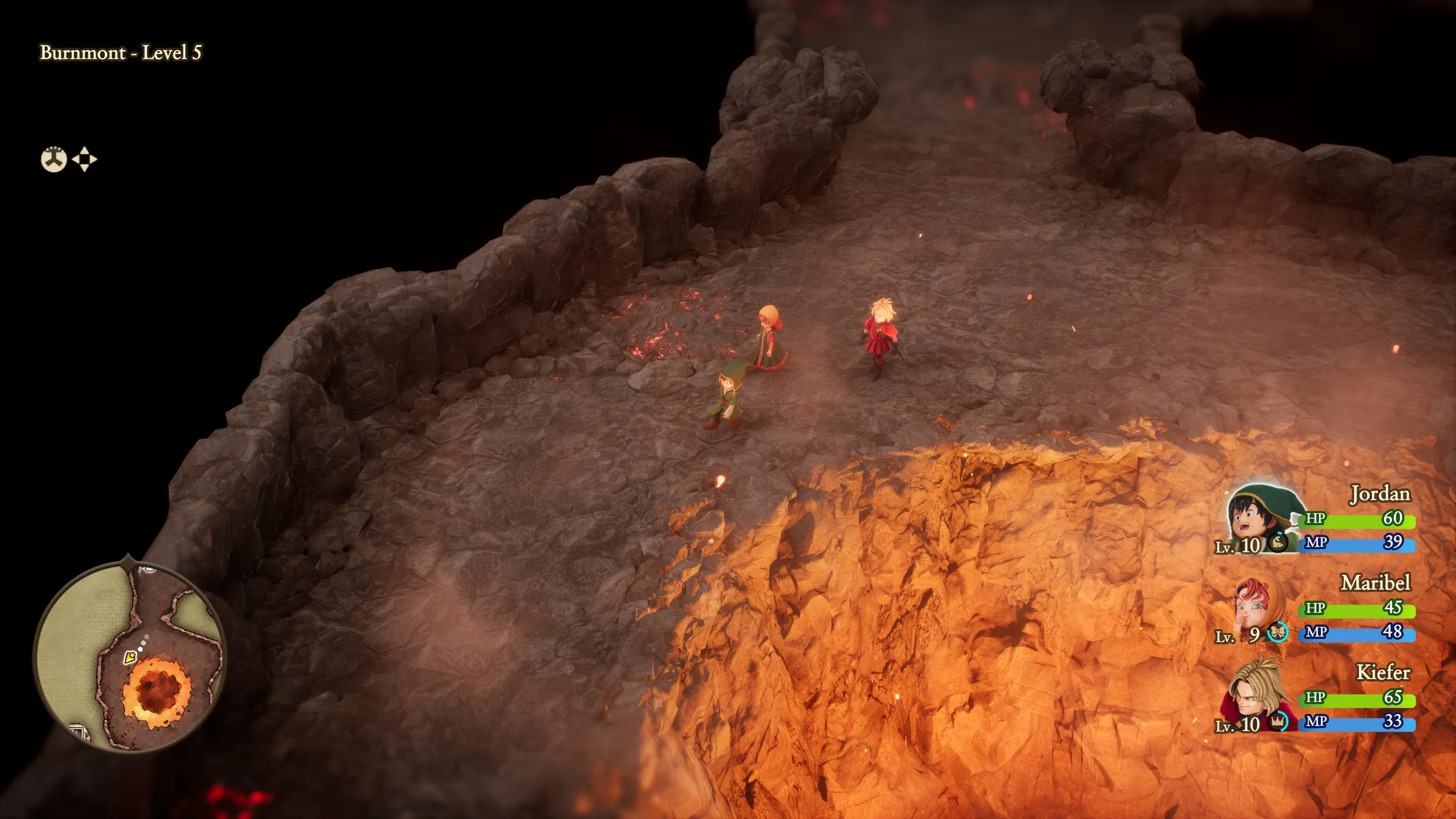
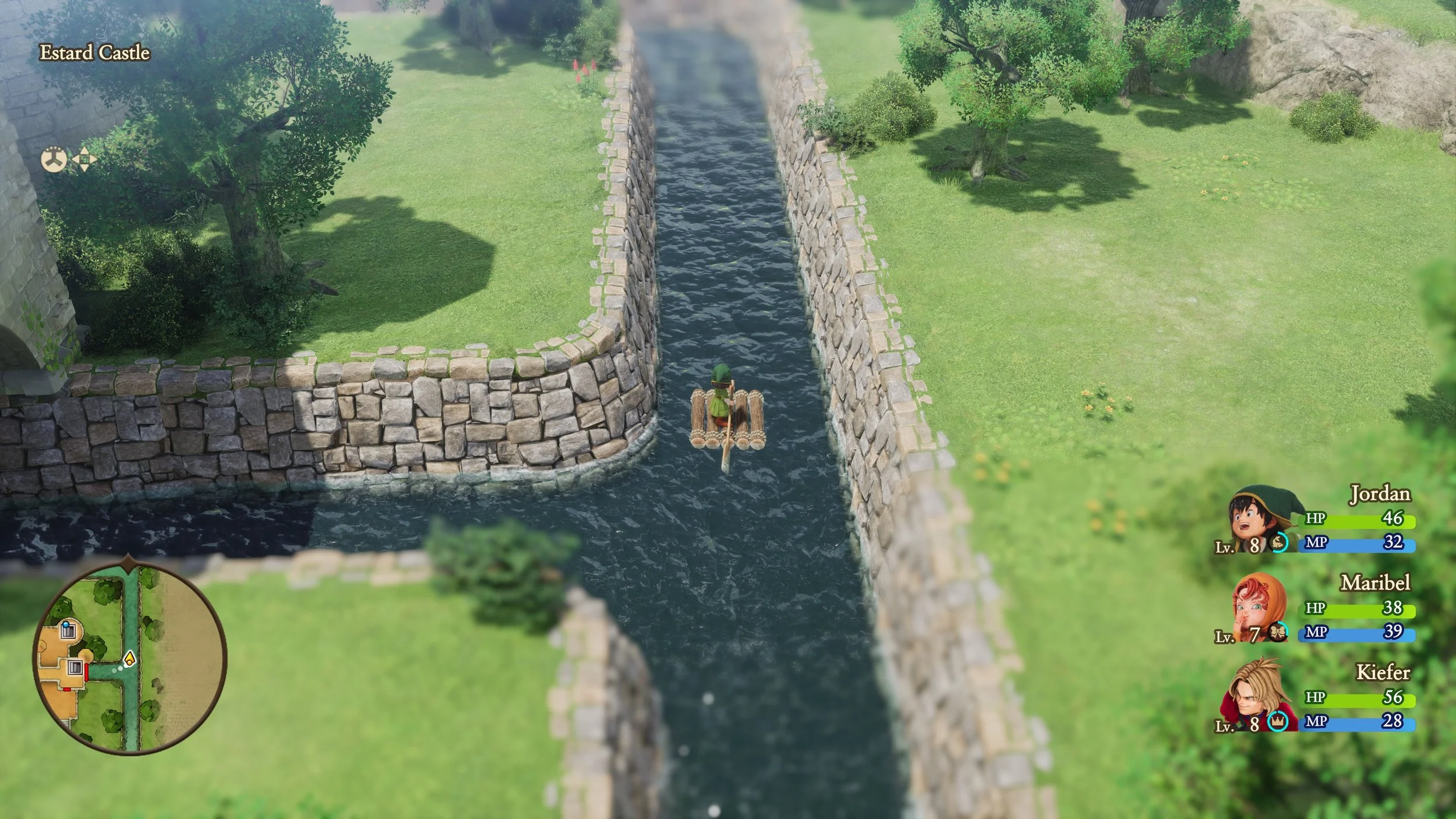
I couldn’t speak about Dragon Quest VII Reimagined without mentioning its presentation. In any remake or remaster, visuals play a crucial role in reintroducing the magic of an older title to long-time fans, as well as capturing a new audience. Square Enix could have easily leaned on the HD-2D style that defined the recent remakes of Dragon Quest 1, 2, and 3, but instead chose to fully reimagine this game in a new 3D art direction. The result successfully preserves the whimsical, magic-filled tone of the original release while bringing the style in line with a more modern presentation.
Seeing legendary manga artist Akira Toriyama’s character designs brought into a fully realized 3D space is downright amazing. Across every hill, valley, and sunken cavern, Toriyama’s unmistakable style is ever-present, giving the world a sense of warmth, personality, and charm that feels true to Dragon Quest at its core.
Audio is sure to be a bit more divisive depending on how you play and what you're expecting from specific elements. Let's be clear that the music in Dragon Quest VII Reimagined is amongst the best the genre has to offer, and it has quickly become one of my favourite soundtracks across gaming. I spent lots of time running around the open world, just listening to the soundtrack, which tells you how special it truly is. Every beat helps to immerse me further into the world and the adventures I have been on, making me feel more and more like I am the boy from Pilchard Bay on a grand quest. This excellent audio presentation extends to the sound effects department. Where everything, from attacks or interactions with items feel like they mesh perfectly with the game's tone and vibrancy.
Then we have the voice acting, and that’s where opinions will definitely differ. If you play with English voice-over as I did, you might feel different from those who played in Japanese. However, it will also largely depend on what you’re expecting from the writing as well. I’ll be honest, I don’t think that the writing here is revolutionary. At best, it’s basic and pretty cheesy, but in truth, I think it fits perfectly with the tone and aesthetics. You’re not playing as adults here; you’re children, and as such, they wouldn’t speak in the same way you’d expect an adult to talk. Children would speak exactly as the game is written. So once you take the writing for what it is and understand why it is that way, you realize that Dragon Quest VII Reimagined is supposed to be cheesy in an endearing sort of way.
The comedic voice acting only adds to that cheesiness, perhaps too much for some people. For me, it made every moment hilarious, especially given how British the English voiceover is. The moment I met Patrick, the most stereotypical Irish boy in a video game ever, on the first island, I couldn’t stop laughing, and I understood that there is a slapstick nature to the voice acting and localization here that I don’t remember often seeing in video games. The English voices won’t be for everyone, but for me, it only added to the endearing child-like joy of the writing itself.
I was unsure going into Dragon Quest VII Reimagined whether the game would meet my expectations and if I would cherish it as much as many players have for years. Ultimately, I have loved my time with this reimagined classic. I can’t wait to go back and continue playing even more of it in the coming months. Its simple design, combined with well-paced progression and storytelling, makes this the perfect title for anyone new to JRPG turn-based games, or for those short on time. While it doesn’t have much in the way of specific accessibility options, being a turn-based game where you can auto-battle adds a layer of accessibility that some games in the genre often overlook. With all that in mind, I highly recommend embarking on this lighthearted and cheerful adventure, as many of them await you in Dragon Quest VII Reimagined. Whether you’re a new or returning player, this is a truly great remake of a beloved JRPG that will stand the test of time for many years to come.

Developer - Square Enix, HEXADRIVE Inc.
Publisher - Square Enix
Released - January 29th, 2026
Available On - PS5, PC, Xbox Series X/S, Nintendo Switch, Nintendo Switch 2
Rated - (E10+) - Comic Mischief, Fantasy Violence, Mild Blood, Mild Language, Mild Suggestive Themes, Use of Alcohol
Platform Reviewed - PC
Review Access - A review code for Dragon Quest VII Reimagined was provided by the publisher for the purpose of this review.
I’m Jordan I have a background in game design and am deeply passionate about accessibility in gaming. My favourite games/franchises include Shenmue, Red Dead Redemption 2, Plague Tale: Requiem, Metal Gear Solid 3, Yakuza, Splinter Cell, and Assassin’s Creed.