
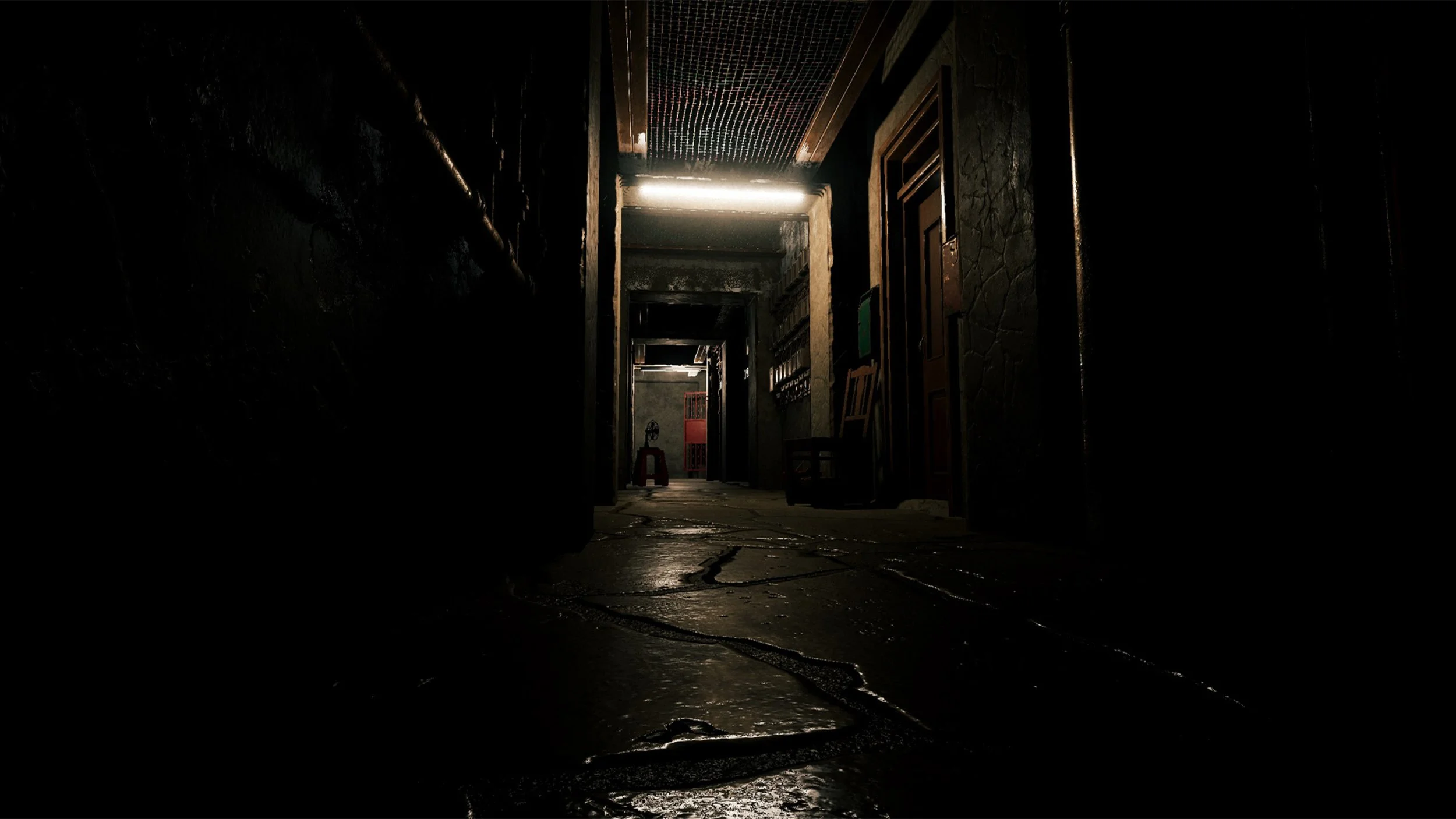
When monsters sign a lease.
I have always thought that the scope and depth of horror books and horror games should not necessarily be measured by the number of pages or hours they contain, but by the impact of their stories. I have quite enjoyed the experiences of each by both media types, sprawling and bite-sized in equal measure. Apartment 129 is such an example of a compact horror experience that benefits from its shorter length. Based on a real Turkish urban myth, it is also connected to the studio’s previous game, Y. Village. Now let's unlock that door and dare to step inside.
Our story begins with an amicable phone conversation between an online journalist and his cousin. They are discussing entering a long-abandoned apartment building that was host to strife and horrific tragedies. The main character, the journalist, is optimistic about what he may or may not find, even if the site that his cousin discovered is the infamous Apartment 129 of urban legend. Though the conversation is light and they joke with each other, there is a nervous undercurrent flowing underneath the two men's words. The journalist promises to be quick with his investigation, and his cousin, who readily admits he's afraid, refuses to accompany him but promises to help if he can. As the MC, you will be entering this dark and unknown space alone.
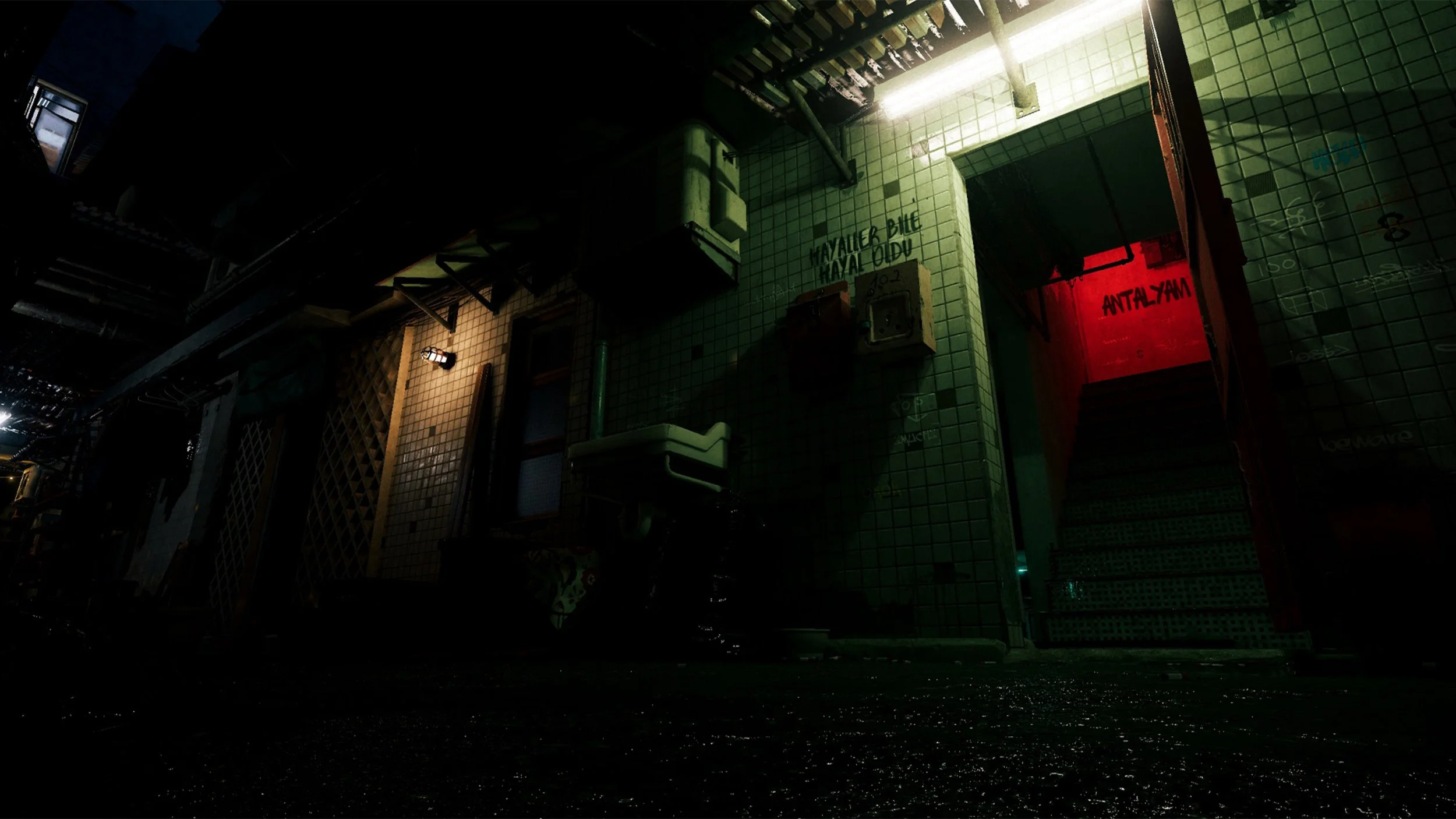
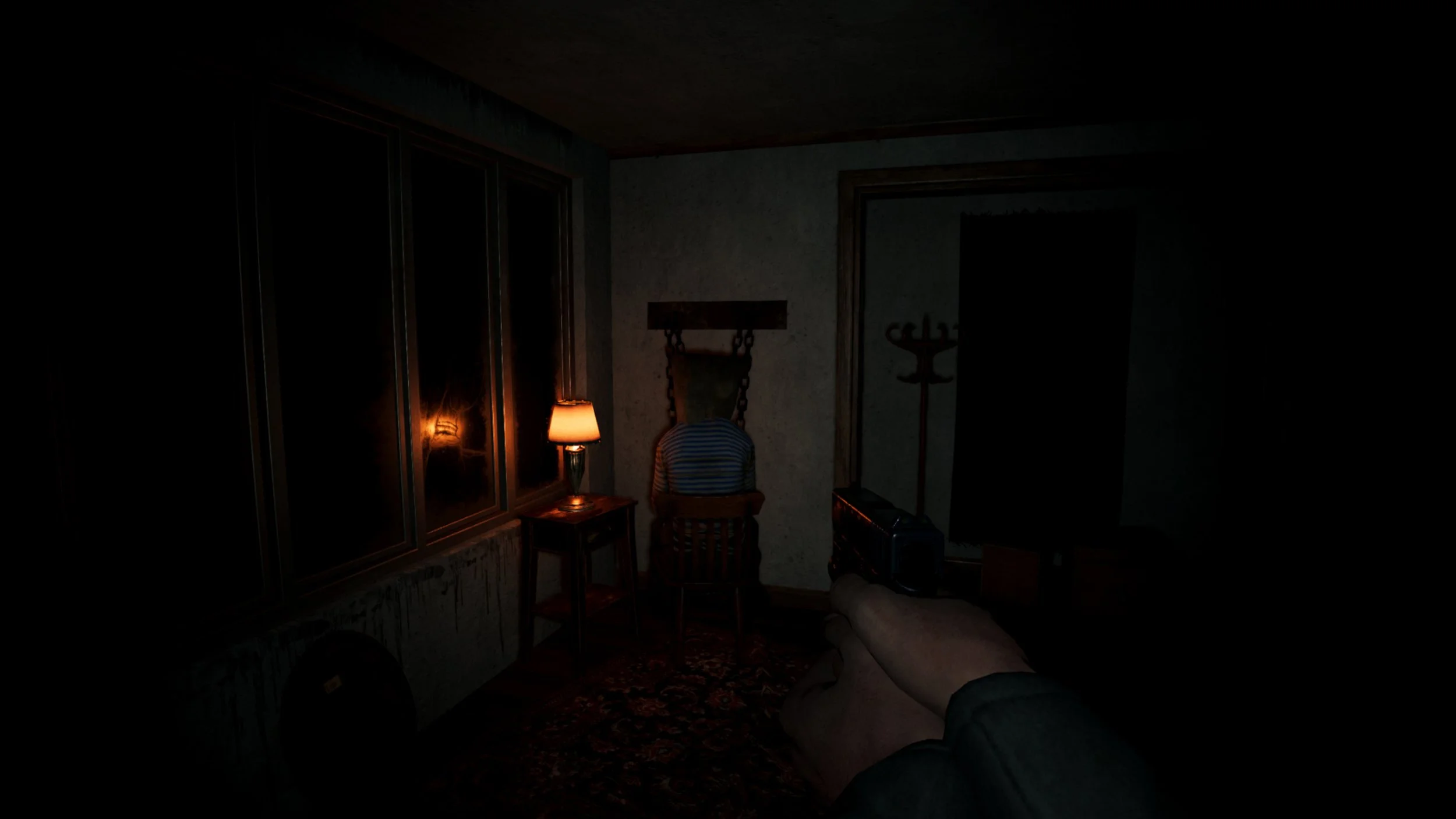
The gameplay of Apartment 129 is limited to basic movement, melee, gunplay, and exploration. Movement is smoothly animated, making exploration enjoyable to traverse. When exploring the environment, interactives are easy to discover as they are highlighted, or the shape of the cursor will change, and a label saying you can open it or pick it up will appear. I did, however, experience a few glitches where containers wouldn't open, even though they would play the sound effect, and the cursor would disappear.
At first, I had thought that maybe that meant the cupboards were stuck. When I reloaded the game after a break, there was an update, and the bug appeared to be rectified by the developers. For the rest of the game, I only ever noticed one other graphical bug, which appeared to be 2 doors layered over top of each other. I clicked on it, and one of the doors disappeared, but the other remained shut and wouldn't open to let me into the apartment I needed to be in. This was rectified with a reload of the game and didn't diminish my enjoyment of the game very much.
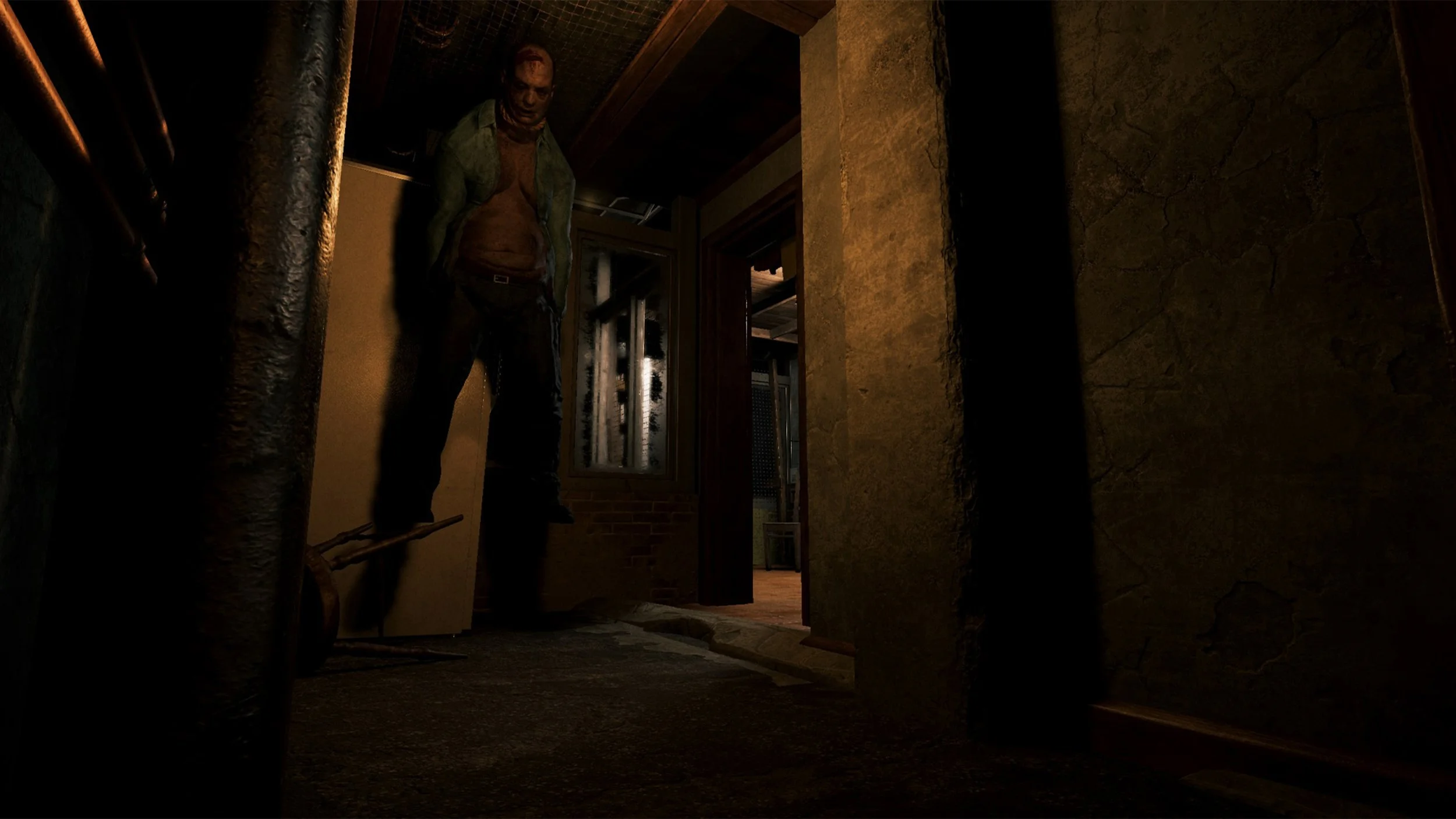
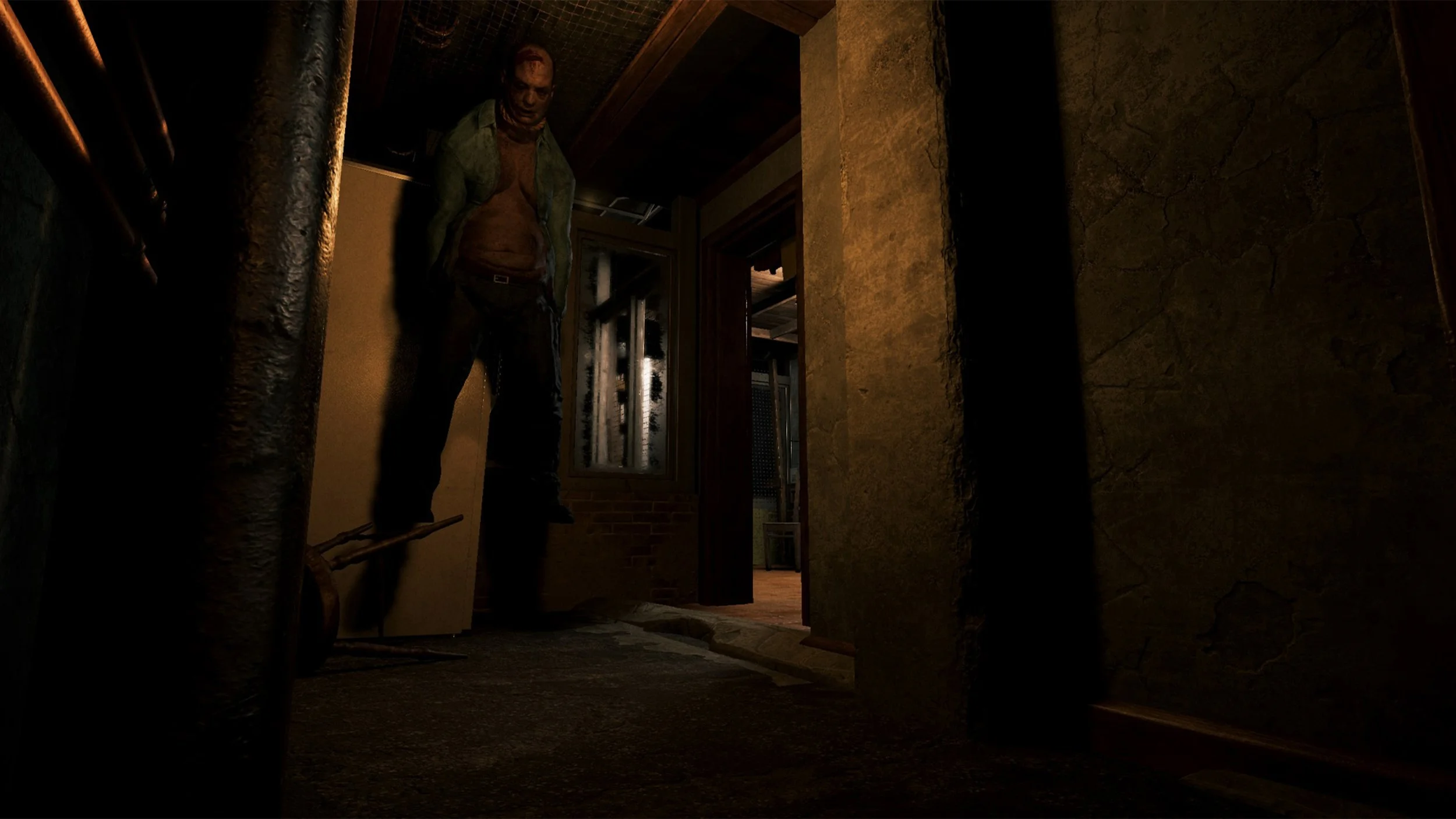
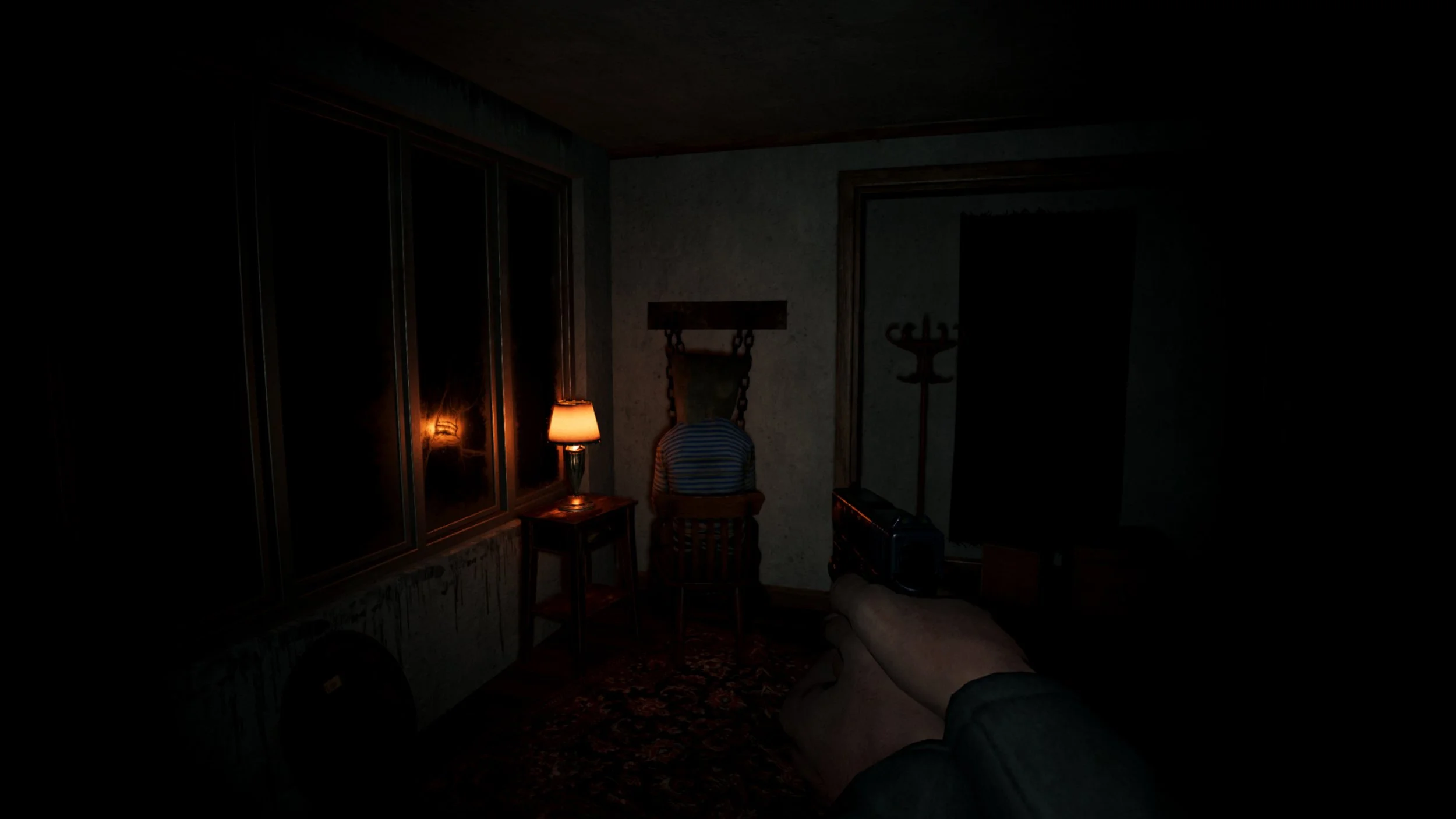
The combat itself, unfortunately, was a little disappointing, despite the smooth movement and controls for the rest of the game. The firing of the gun felt a little hollow, the melee weapon was a bit too sluggish, and there didn't seem to be any effect of impact on the monsters. They would continue to run around and attack as if nothing impeded them. Your character, however, would still need to reload or heal, and I would often die trying to retreat down the hall to give myself room to do so. The monster's reach was also disturbingly long and accurate, despite being visually far enough away to escape damage.
In fact, the only indication that you were hurt would be a brief red haze around the edges of the screen, but this would quickly disappear. This could lead you to believe that perhaps you escaped your fight with a monster without having been hurt too much, only to go back into the inventory menu to discover that you were one hit away from death's door. Sometimes, you would take a single swipe on your next encounter and die despite no visual on-screen cue that you were hurt at all. The game would benefit from some kind of on-screen health indicators or even just the red haze appearing when your HP dips below a certain point, and gets darker the closer you are to death, without disappearing.
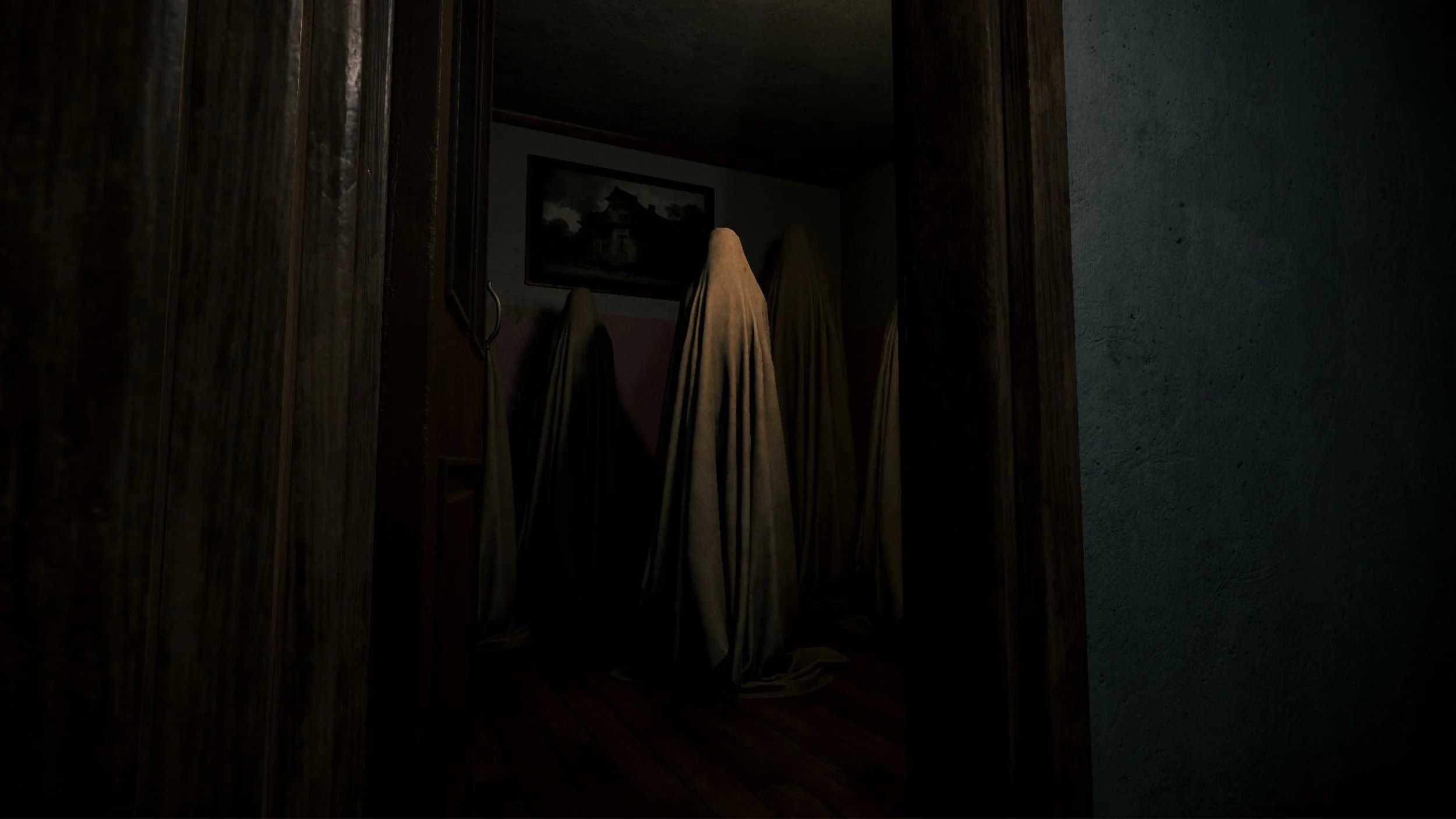
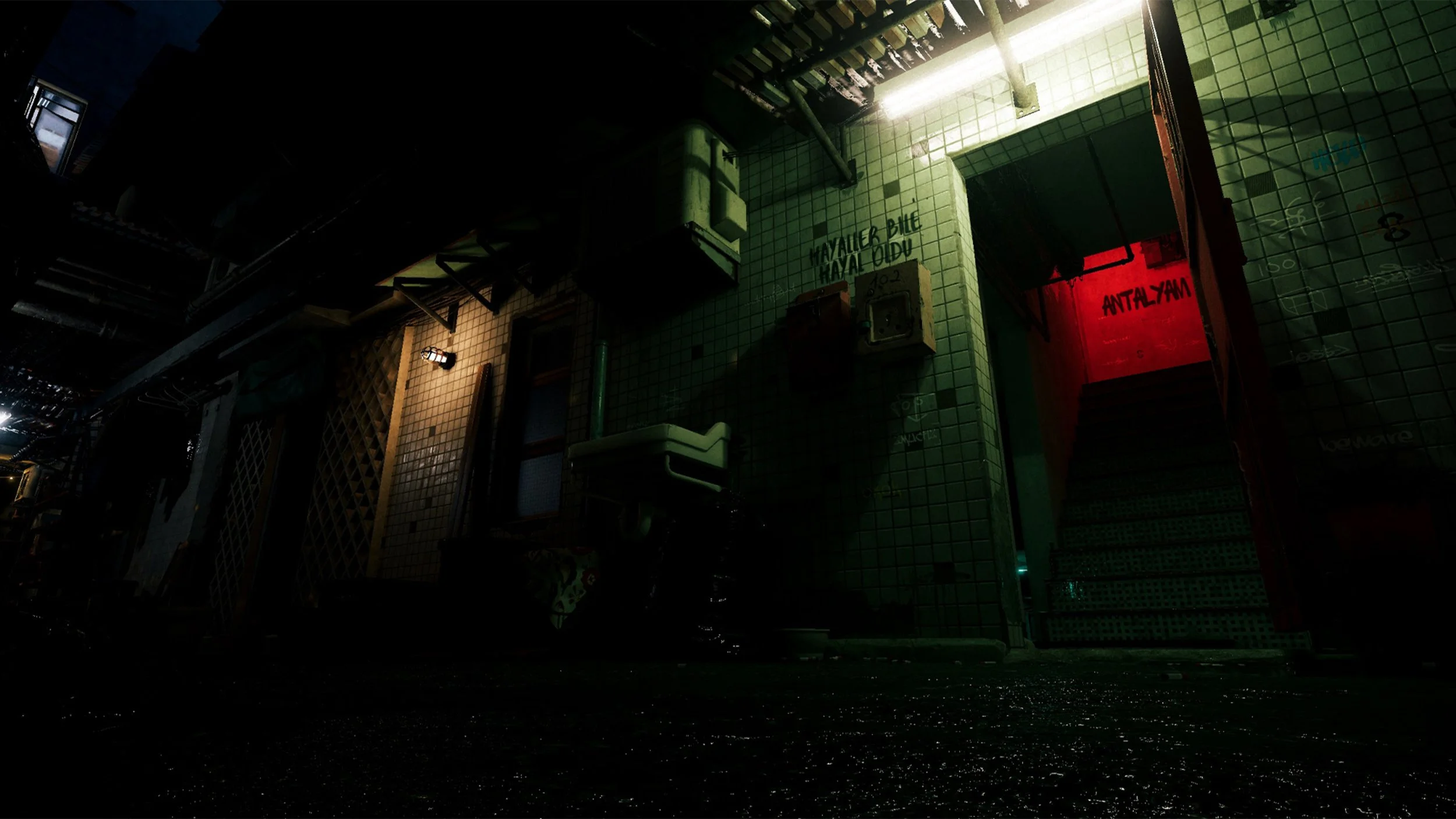
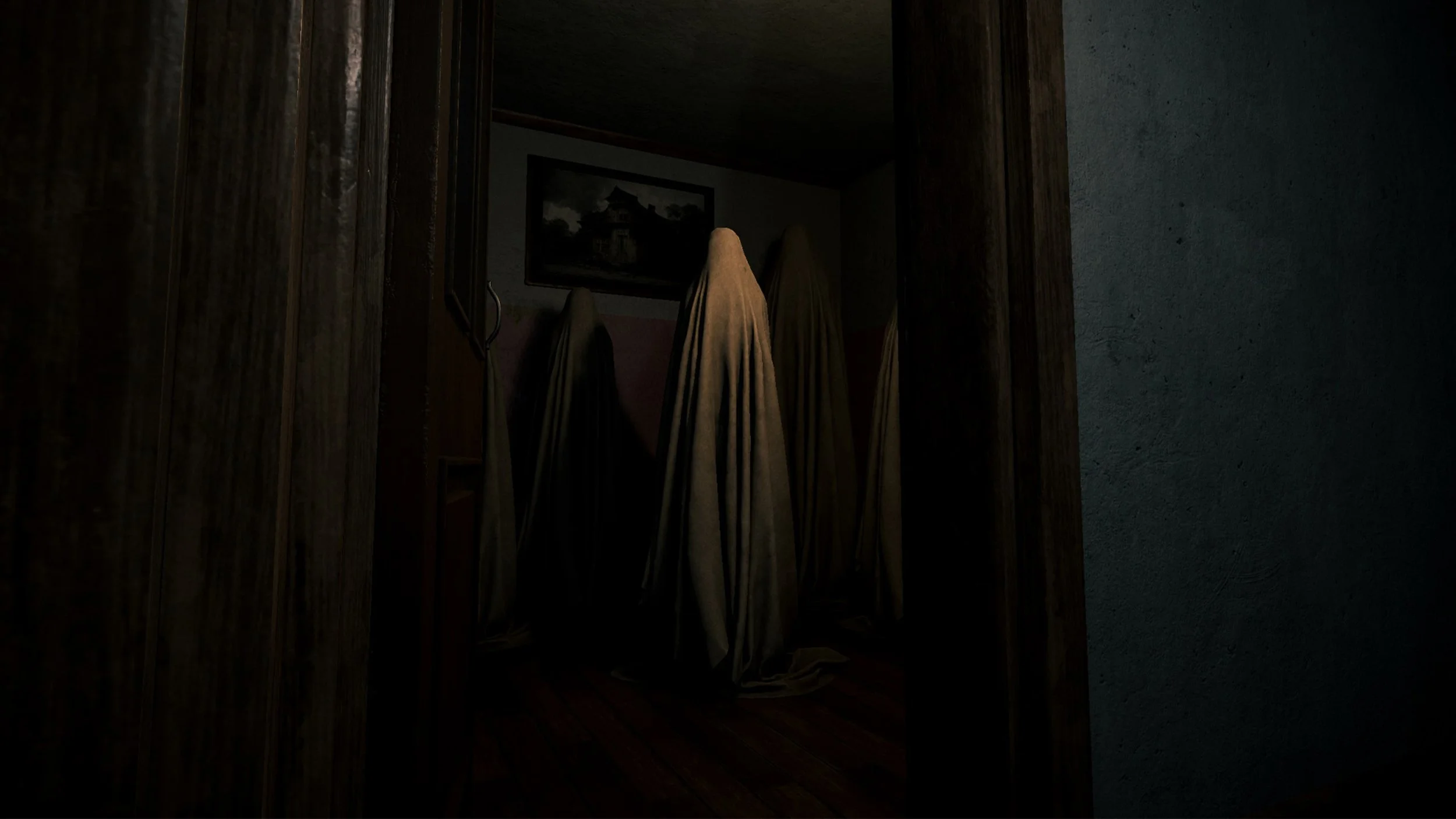
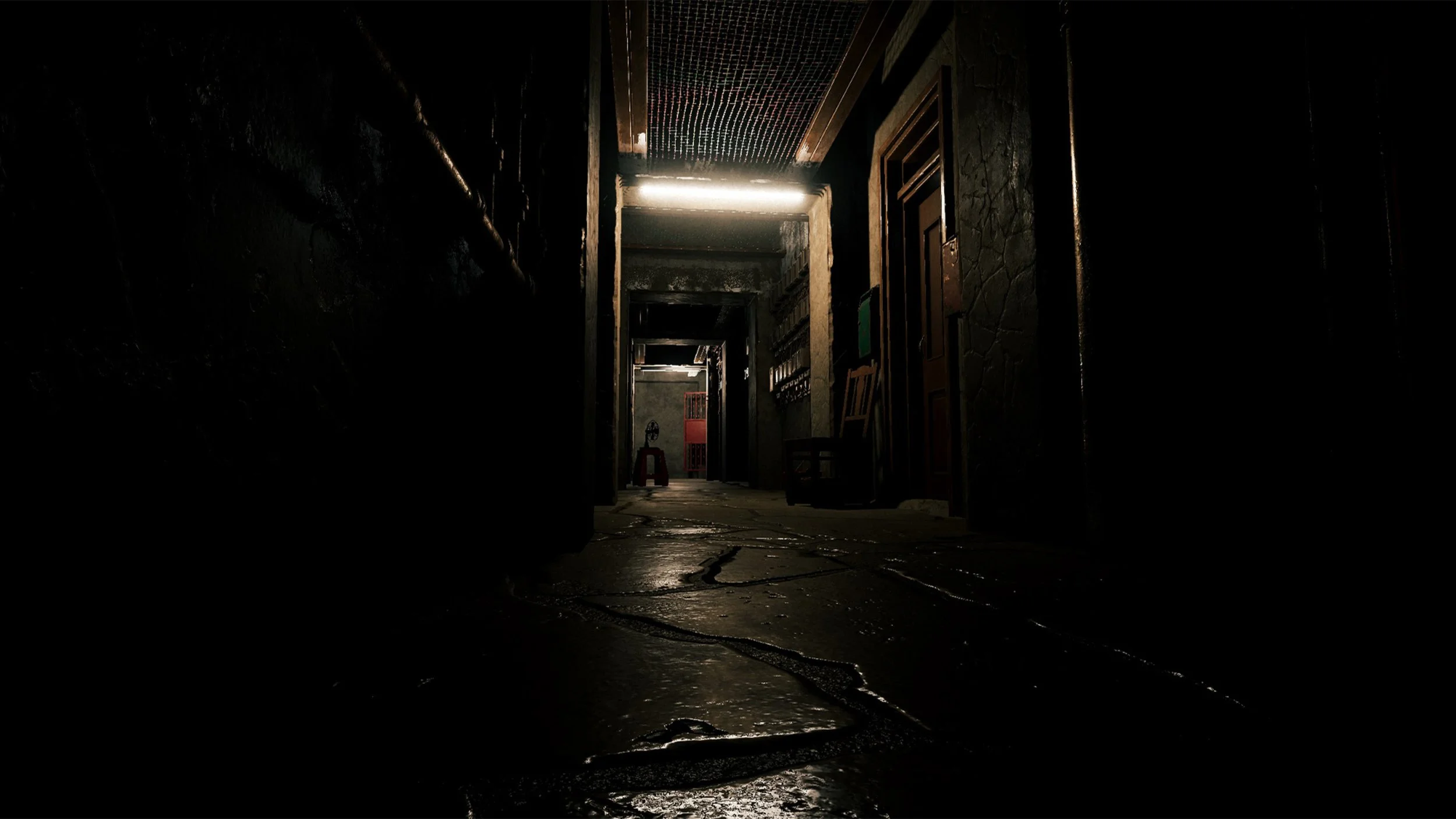
Visually, Apartment 129 is a dark and atmospheric treat. The building has many winding corridors and haunting dead ends. However, there are numerous strange doors and windows set into places that go nowhere or don't make structural sense. The derelict apartments themselves are sparsely decorated with debris from the lives that had been ruined there, and the way it's done is wonderfully eerie. The graphics are quite crisp and suffer no real stress or glitches, even when transitioning from slow movement to frantic dashing or spinning around. The atmosphere weighs heavily in the design choice to go without music, and the silence tends to let your imagination fester with the echoing sound of your footsteps and the settling of the building itself. Everything together was expertly crafted.
Through my time with the game, I didn't find too many negatives to sour my experience completely. The technical glitches were few, with some even being fixed after coming back from a break. There were a couple of cons, however, that sometimes took me out of the moment. A solid example would be the sluggish combat that worked in stark contrast with the smooth movement and enjoyable exploration. Also, the ending of the game is sadly another aspect of the game that let me down. I loved the story up until then, and even part of the way into it. Unfortunately, I felt it got weighed down with a lot of expositional information dumping. While the reveal was great and I thought it was really well written, I felt it just went on for far too long, with too much circling back with too many reiterated points. With the second half of it mostly being just one character explaining key points, after a bit, I found my attention withdrawing.
Overall, I enjoyed Apartment 129 despite the few flaws that drew me out of some moments. The developers, Dead Witness, crafted a great psychological horror experience that I recommend any aficionados of the genre try. We need more of these types of games out there, regardless of its issues, and I'm excited to see more in the future from Dead Witness and Axyos Games!

Developer - Dead Witness.
Publisher - Axyos Games.
Released - January 16th, 2026.
Available On - PS5, Xbox Series X/S, PC.
Rated - (M) - Blood and Gore, Intense Violence.
Platform Reviewed - Xbox Series X/S.
Review Access - A review code for Apartment No 129 was provided by the publisher for the purpose of this review.
Rebecca is a huge fan of JRPG’s, RPG’s, and Survival Horror. From Silent Hill to Resident evil. Xenogears and Final Fantasy. When she isn’t tinkering with skill trees or equipping the right rifle to take down numerous monsters, you can find her farming away on Stardew Valley.