

A Horror Fan’s Dream
Reanimal is the latest horror adventure from Tarsier Studios, the team behind the first two Little Nightmares games, as Supermassive Games would finish off the trilogy themselves. It goes without saying that if you enjoyed those experiences, then just like me, you’ve had your eye on Reanimal. However, is this new franchise able to continue the legacy of Tarsier Studios' previous work? The simple answer would be yes, but allow me to explain why.
Reanimal takes roughly six hours to complete, can be played entirely solo or in co-op, and delivers one of the strongest horror atmospheres in recent memory. So, where should we begin?
First things first, if you have played Tarsier’s previous releases, you’ll be familiar with what you find here in Reanimal. In fact, had this been simply labeled as another entry in the Little Nightmares series, no one would bat an eye. The game is a horror adventure with some platforming and light puzzle-solving involved, typical of what Tarsier had done with Little Nightmares.
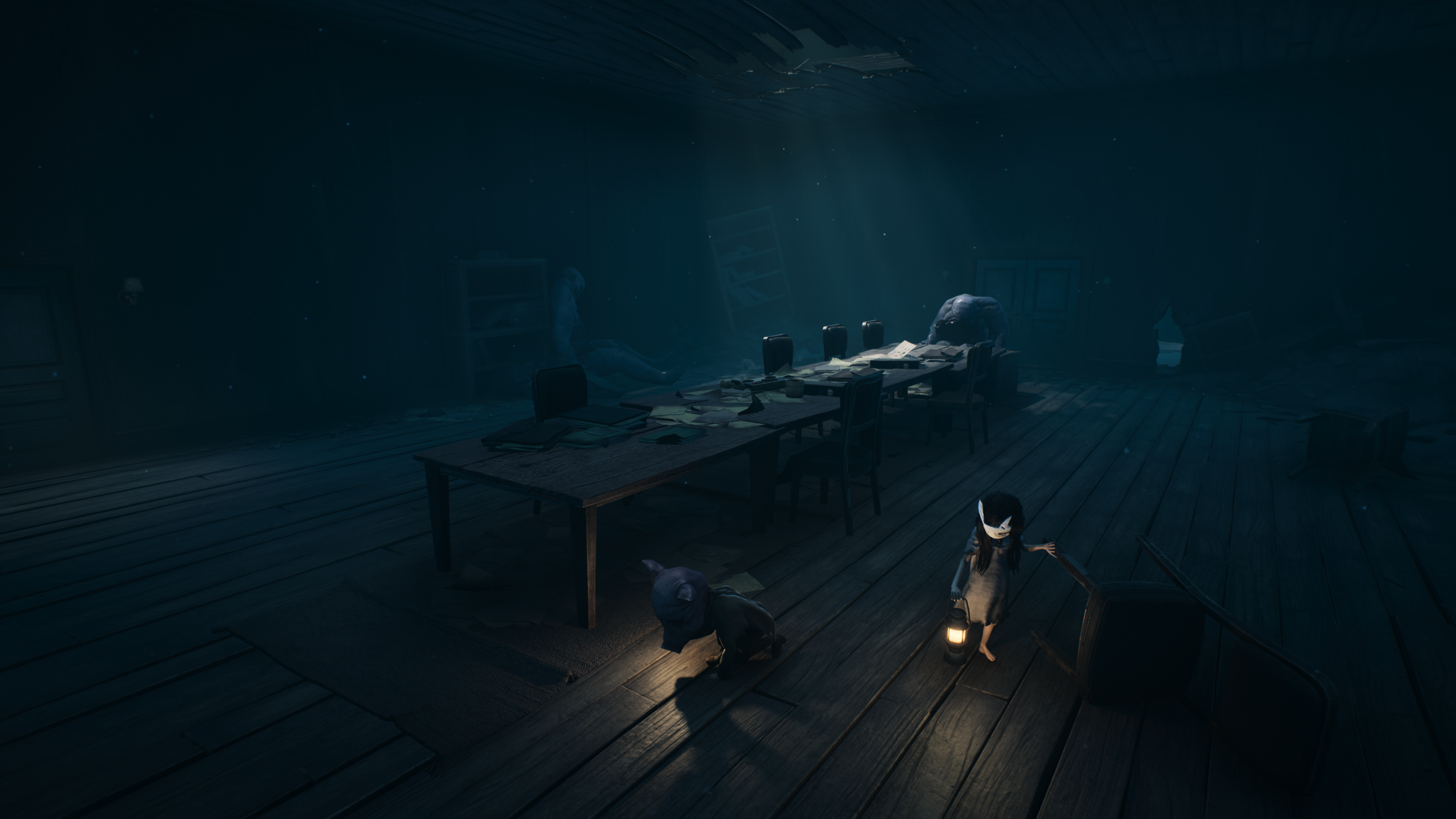
Here, you play as a brother and sister, lacking names, but full of personality. In single-player, you control one of the two; however, in co-op play, you control one of the two while a friend controls the other. Co-op can be played in both local and online but I wasn’t able to test this during the review period. This meant that my experience of Reanimal was completely solo, and playing in that way had some initial issues, which I’ll get to shortly. That said, playing by myself helped amplify so much of what Reanimal does well.
Before we get to the story, I want to assure you that I’ll do my best to avoid any major spoilers here. That means any mention of story and mechanics in this review will be from the first three hours of the game.
Reanimal starts with the boy in a small wooden speed boat, with only the flashing red lights on a series of buoys to guide you. Not too far in, you find the girl, whom the boy mentions he believes was dead. From here, you travel to the nearby shore, which holds a massive building that gave me Arkham Asylum vibes. It’s here that your adventure truly begins.
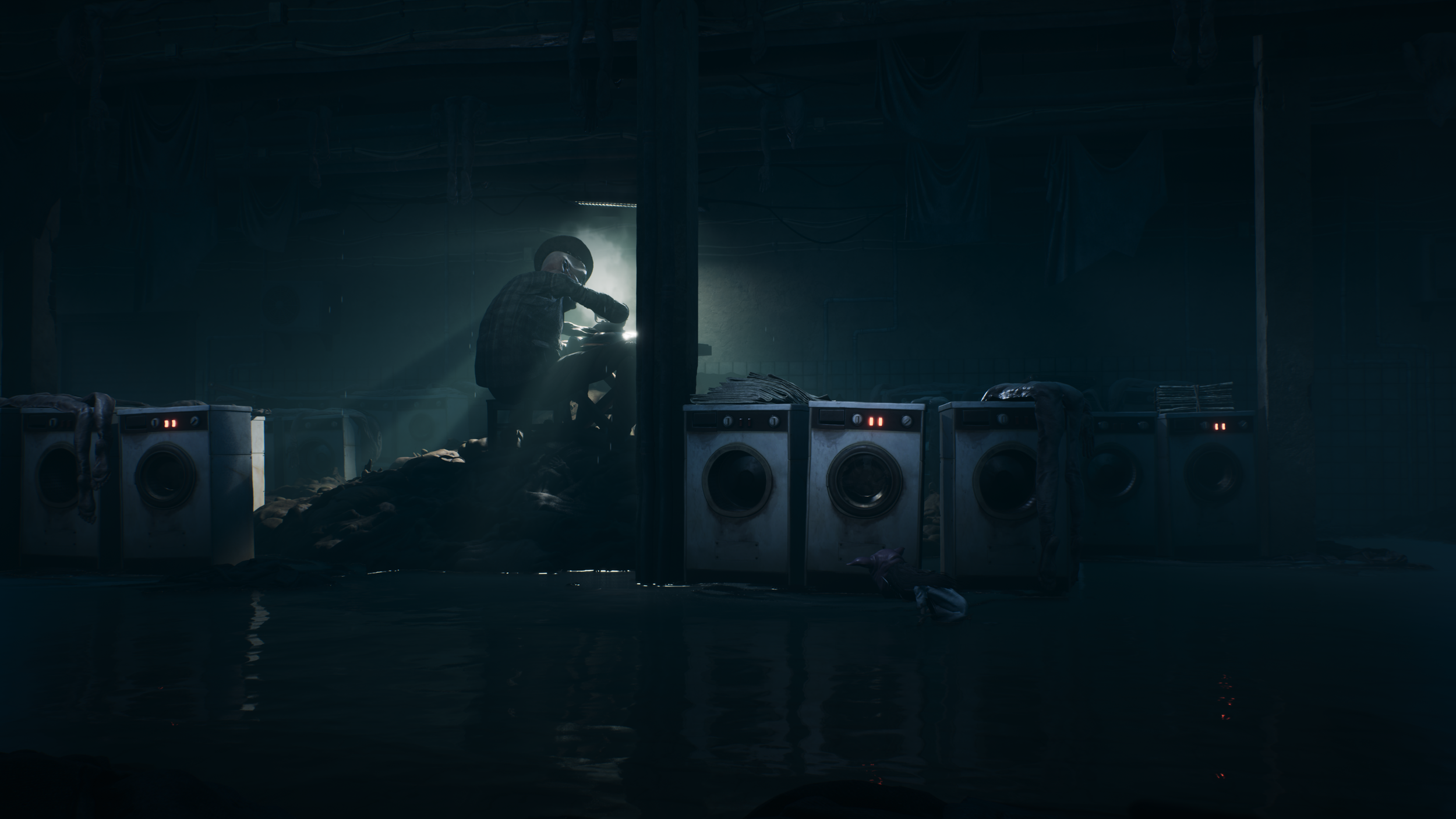
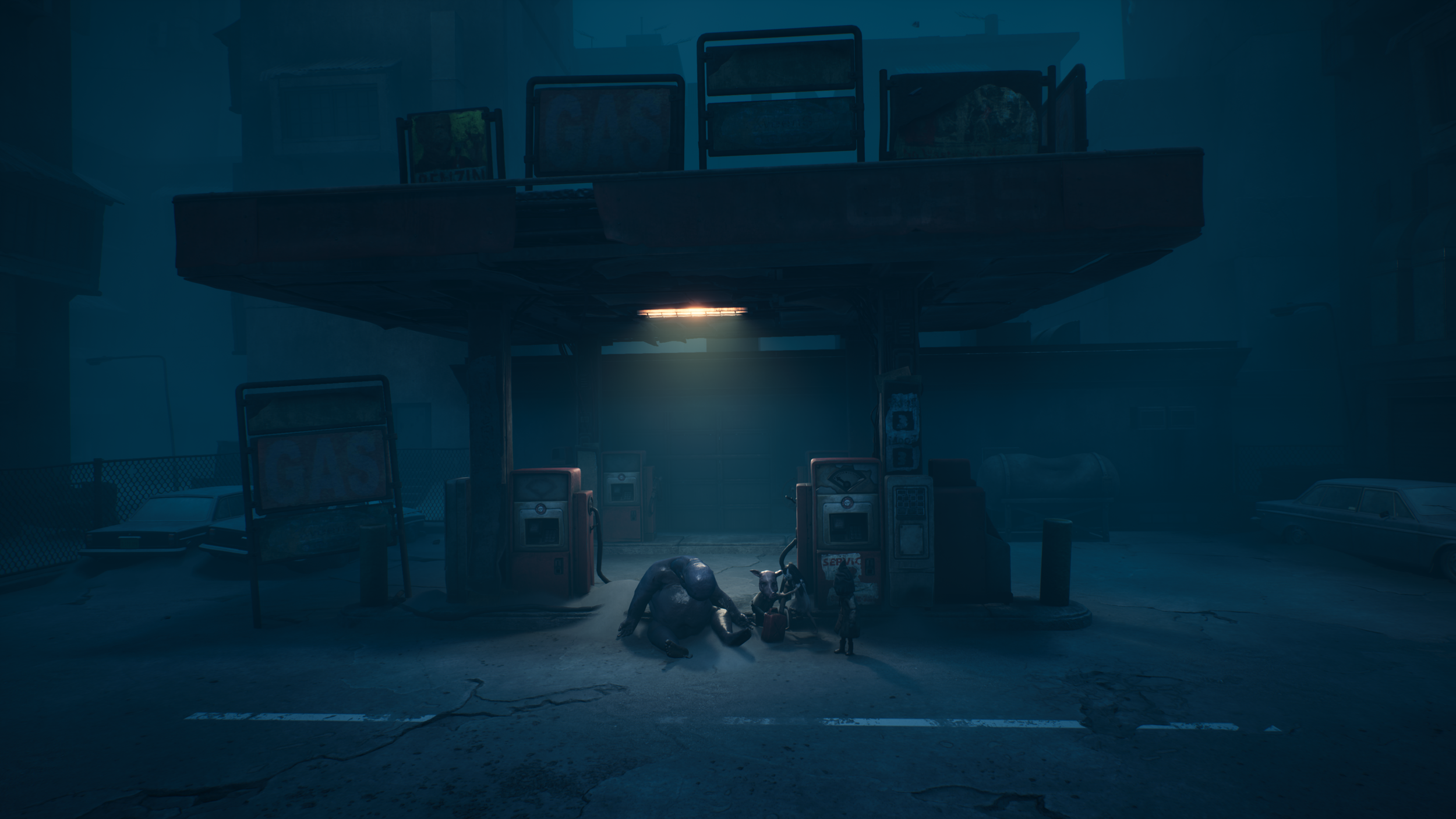
The atmosphere is the first thing you'll notice; it is stellar. As you explore as the siblings, you’ll see some horrific sights, including straight-up body horror at times. That horror is made even worse by the fact that everything in the world is bigger than the characters you play as. The first moment you see human skin hanging up to dry, or a giant man coming out of a corpse's stomach, is genuinely disturbing, sending chills down your spine. Reanimal may have you playing as children, but it definitely isn’t for children to play. It’s honestly one of the best horror games I’ve ever played from an environmental design and presentational level.
This is because the scariest parts of Reanimal are the things you don’t see and the audio design that accompanies them. There is an early moment in the game where you are walking through a misty forest area, and in the distance, you can hear the tune of an ice cream truck slowly getting closer. I have never felt more unnerved by audio design in a game in my life, and this was just the first of many times during my playthrough where I felt that way.
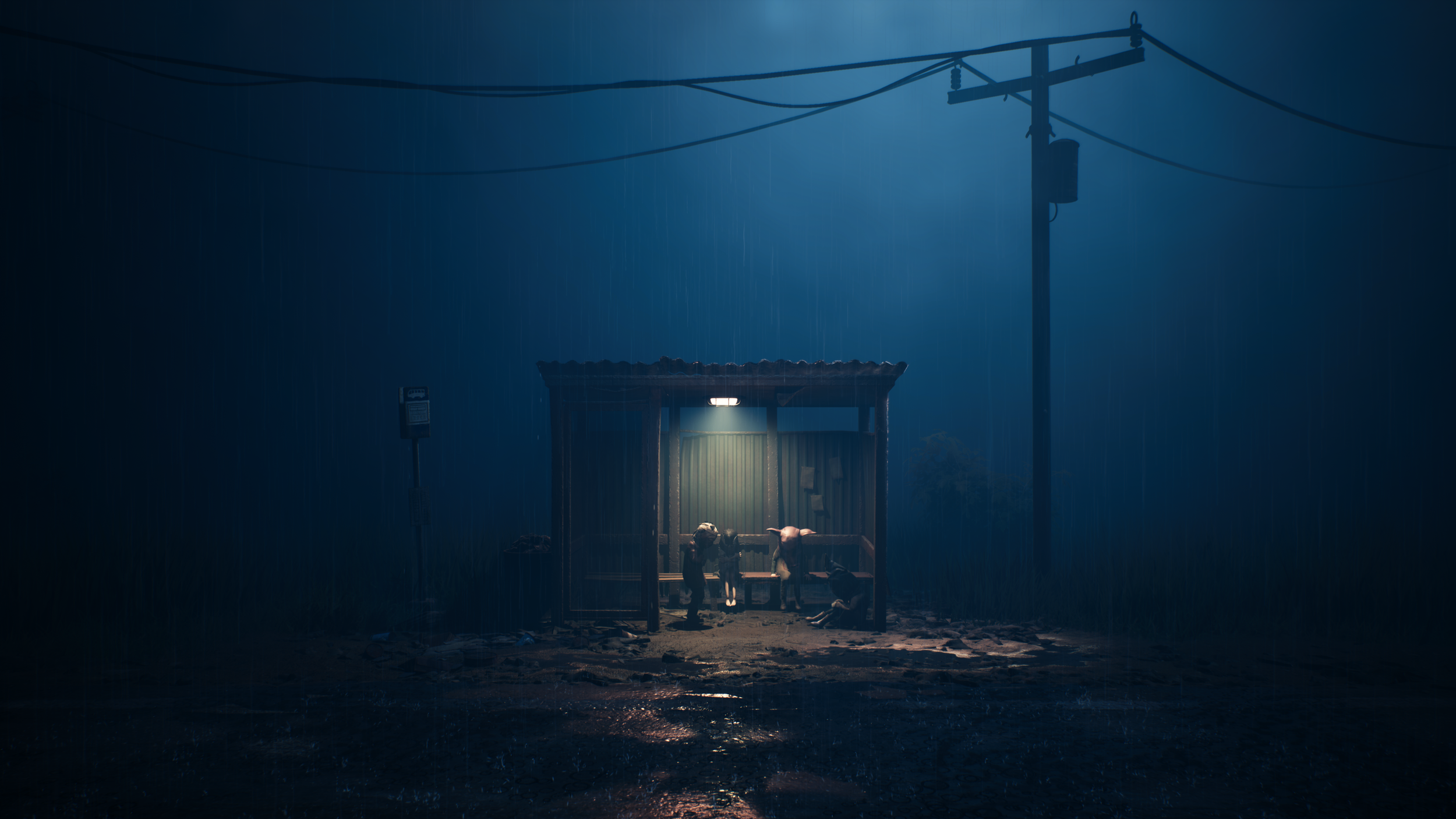
In Reanimal, your quest is to save your other friends from various grotesque beings, and while there is some combat in the game, the gameplay is more focused on platforming and some light puzzles. But how does it all work?
Well, the game is clearly designed with co-op gameplay in mind. I found this out when I was struggling to figure out how to hold something in place and cross a gap at the same time. It was a few minutes before the game popped up, telling me I could ask my AI sibling to interact with an item. This can be done by tapping the left bumper while looking at an interactable object. To interact with an object yourself, you press Y when close to something that glows or has a white dot above it when you’re nearby.
Many environmental puzzles require two separate actions to be done simultaneously, which can be an issue. For example, after you save your first friend and get back to your boat, you eventually get harpoons to use as weapons while traversing in the boat. These harpoons can be thrown by holding and then releasing the left bumper once you have a target selected. Selecting targets is attached to where you aim the lantern, which is controlled with the right stick. On the face of it, this isn’t difficult, but doing all that while also steering the boat and controlling its speed using the left stick and both triggers, respectively, can make some sections of the game clearly more challenging than they are intended to be.
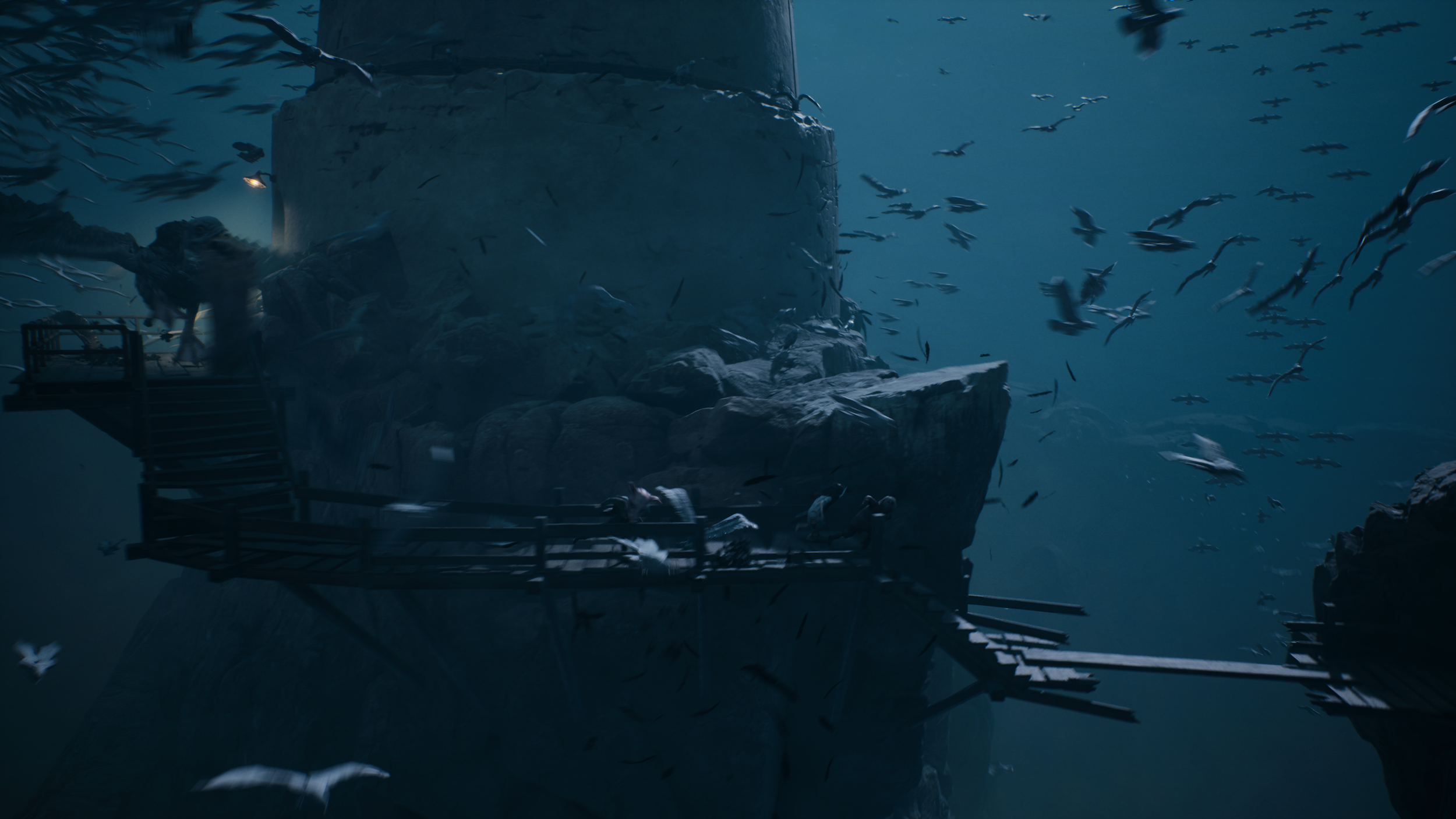
Playing on my own, I ultimately got used to it, and it was never a huge issue for me, but I do think players with conditions affecting their ability to do multiple inputs at once won’t be able to play Reanimal in single-player. While co-op play does alleviate this, more work on accessibility could have made this a moot point.
That being said, control challenges aside, Reanimal can be played entirely solo, and in my experience, that’s the best way to absorb its atmosphere. If I played in co-op, sure, the game would be a bit easier, but it would lose so much of its outstanding atmosphere. Given that what makes Reanimal so special is that atmosphere, it’s not something I would recommend diminishing. For example, the epic set-piece moments, like chase sequences or fighting a weird man as he hangs on to the side of an ice cream truck, would become more about fun with a friend than the terror it can induce when playing solo.
Having to crouch under tables while a giant looks for you, or move when a washing machine makes noise, or as you would jump, slide, or run from slithering human skins, is exhilarating. It’s these moments that invoke a real sense of dread and anxiety, something that’s only heightened when playing on your own. Playing with a friend risks turning them into spectacle and fun, diminishing the atmosphere the game works so hard to convey. In fact, Reanimal may very well have some of the best set pieces I’ve seen in the horror genre, and I never once wished I had played those moments through with a friend.
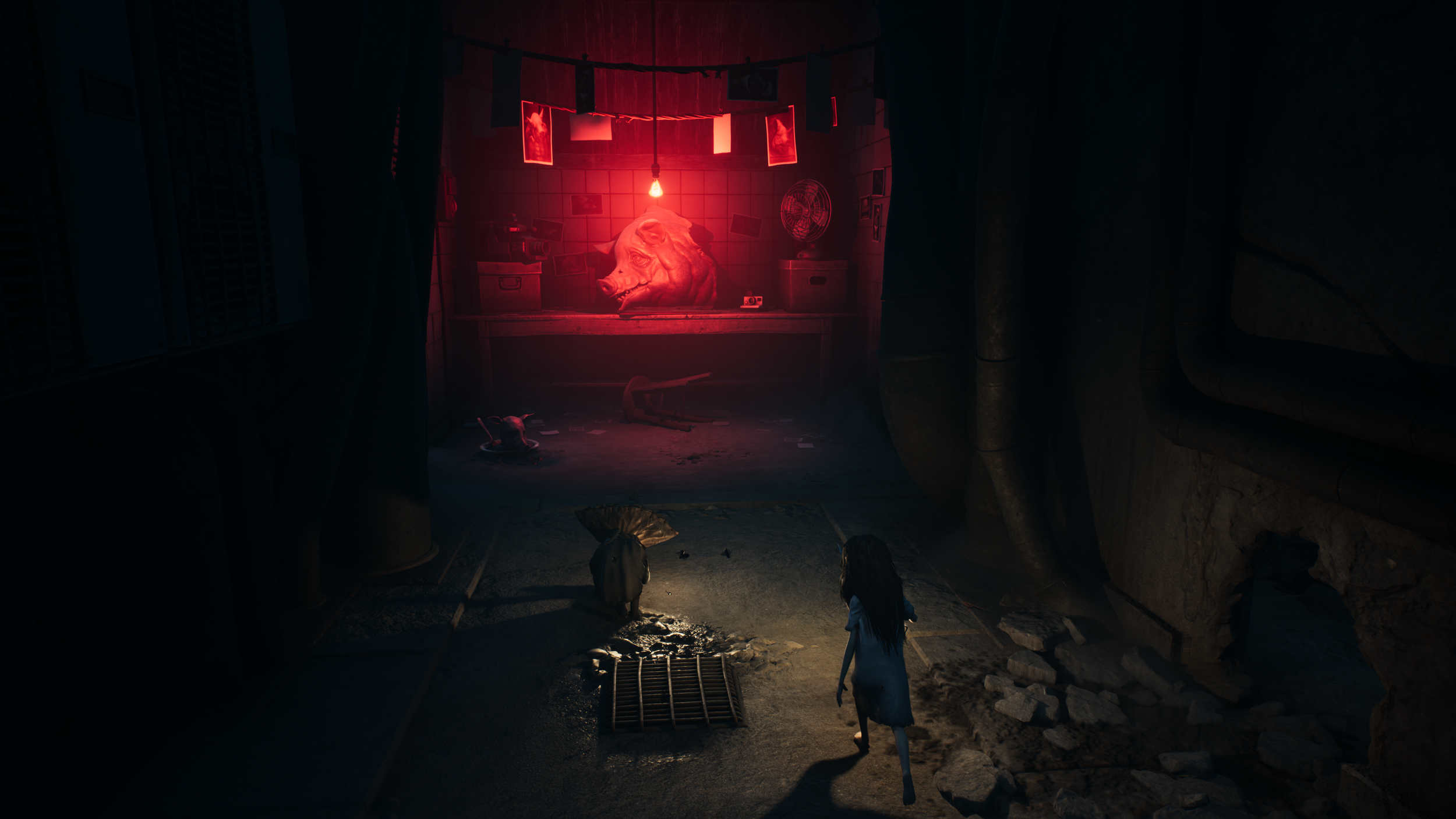
Absolutely play Reanimal with a friend if you want, but I’d recommend saving that fun for a second playthrough. That’s because, no spoilers, but there does seem to be multiple endings for this game, allowing for a great sense of replay that complements its short run time.
Outside of the potential control issues in single-player, Reanimal has a couple more issues that stop it from getting a maximum score from me. Firstly, its limited voice acting is good, but it isn’t always well placed in the audio mix, often being overpowered by the excellent musical score. Secondly, while the game is about exploring, and exploring is fun, the reward for doing so is minimal, with the only collectibles being different masks for your character and some concept art. Finally, there is currently a known issue on PC that makes the game more likely to crash on AMD hardware. I only had one crash myself, but it cost me around half an hour of progress, which may not seem like much. My full playthrough took around six hours, which aligns with the game’s overall short runtime.
Ultimately, the game’s few technical issues are completely overshadowed by Reanimals' excellence across world design, environmental storytelling, and set-piece moments, not to mention its eerie use of audio, especially via headphones. All of these elements, combined with the best atmosphere I’ve experienced in a horror game of this style, show that Tarsier Studios continue to make must-play games. Reanimal is a horror fan’s dream that surpasses Little Nightmares in almost every way.

Developer - Tarsier Studios
Publisher - THQ Nordic, Amplifier Studios
Released - February 13th, 2026
Available On - PS5, Xbox Series X/S, PC, Nintendo Switch 2
Rated - (M) - Blood and Gore, Partial Nudity, Violence
Platform Reviewed - PC
Review Access - A review code for REANIMAL was provided by the publisher for the purpose of this review.
I’m Jordan I have a background in game design and am deeply passionate about accessibility in gaming. My favourite games/franchises include Shenmue, Red Dead Redemption 2, Plague Tale: Requiem, Metal Gear Solid 3, Yakuza, Splinter Cell, and Assassin’s Creed.