
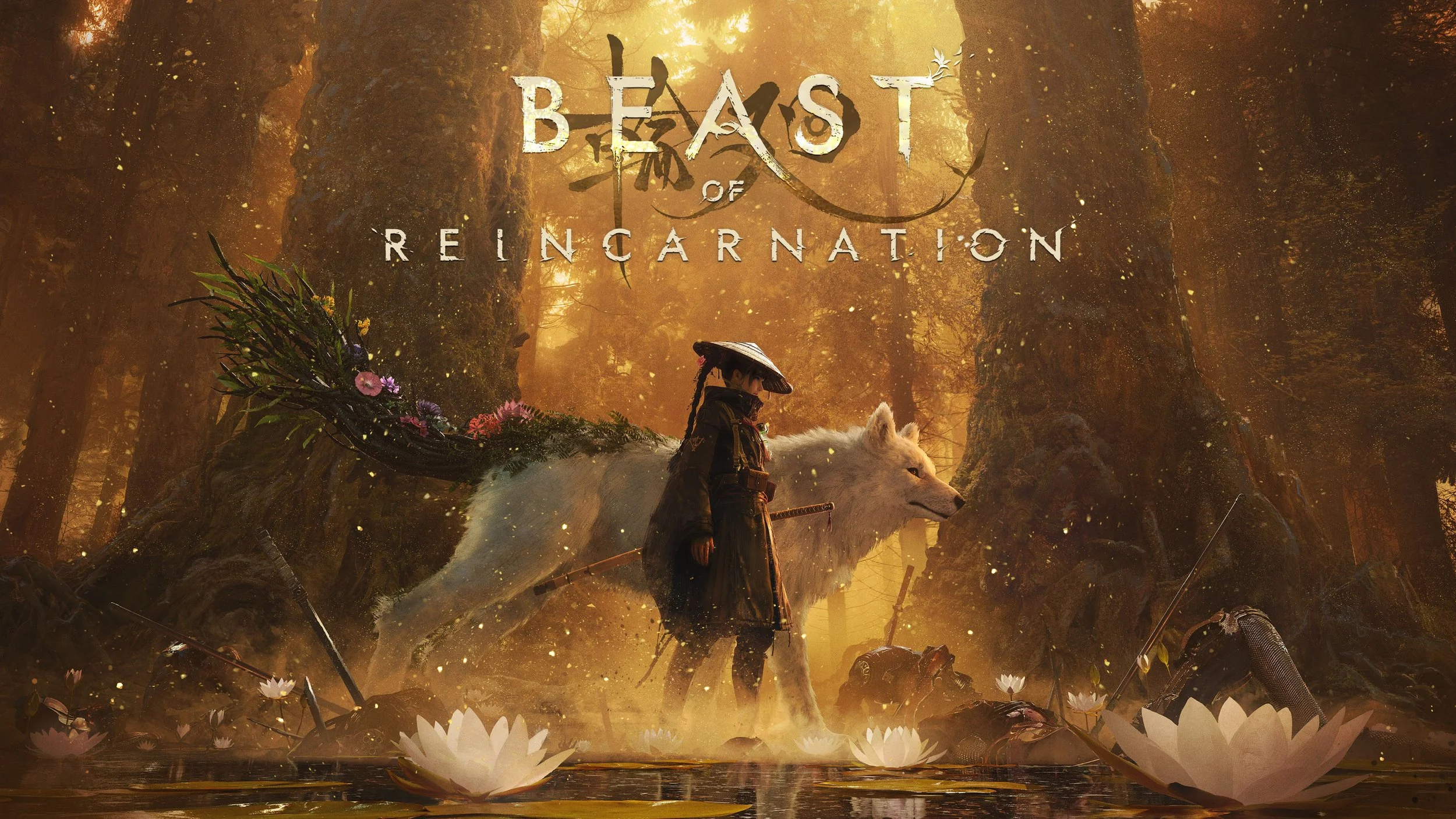
Pretty Koo’l
Game Freak has spent decades being almost entirely associated with Pokémon, but Beast of Reincarnation represents something considerably more ambitious. This post-apocalyptic action RPG takes inspiration from games such as NieR: Automata and Sekiro: Shadows Die Twice, combining fast-paced combat, open-ended exploration, crafting, progression systems, and a canine companion who quickly becomes one of the strongest parts of the entire experience. Koo might even be one of my favourite companions in gaming, but that is a discussion for another day.
It is an impressive departure for the studio and, for much of its roughly 28-hour runtime, Beast of Reincarnation is an enjoyable adventure. Unfortunately, it is also a game filled with individual systems and ideas that never quite come together as cohesively as they should. The combat remains fun for most of the experience, but begins to lose its edge during the closing hours, especially once you have mastered the parry mechanics. I loved exploring its world and how often my curiosity was rewarded, but the uneven story was always lingering in the back of my mind.
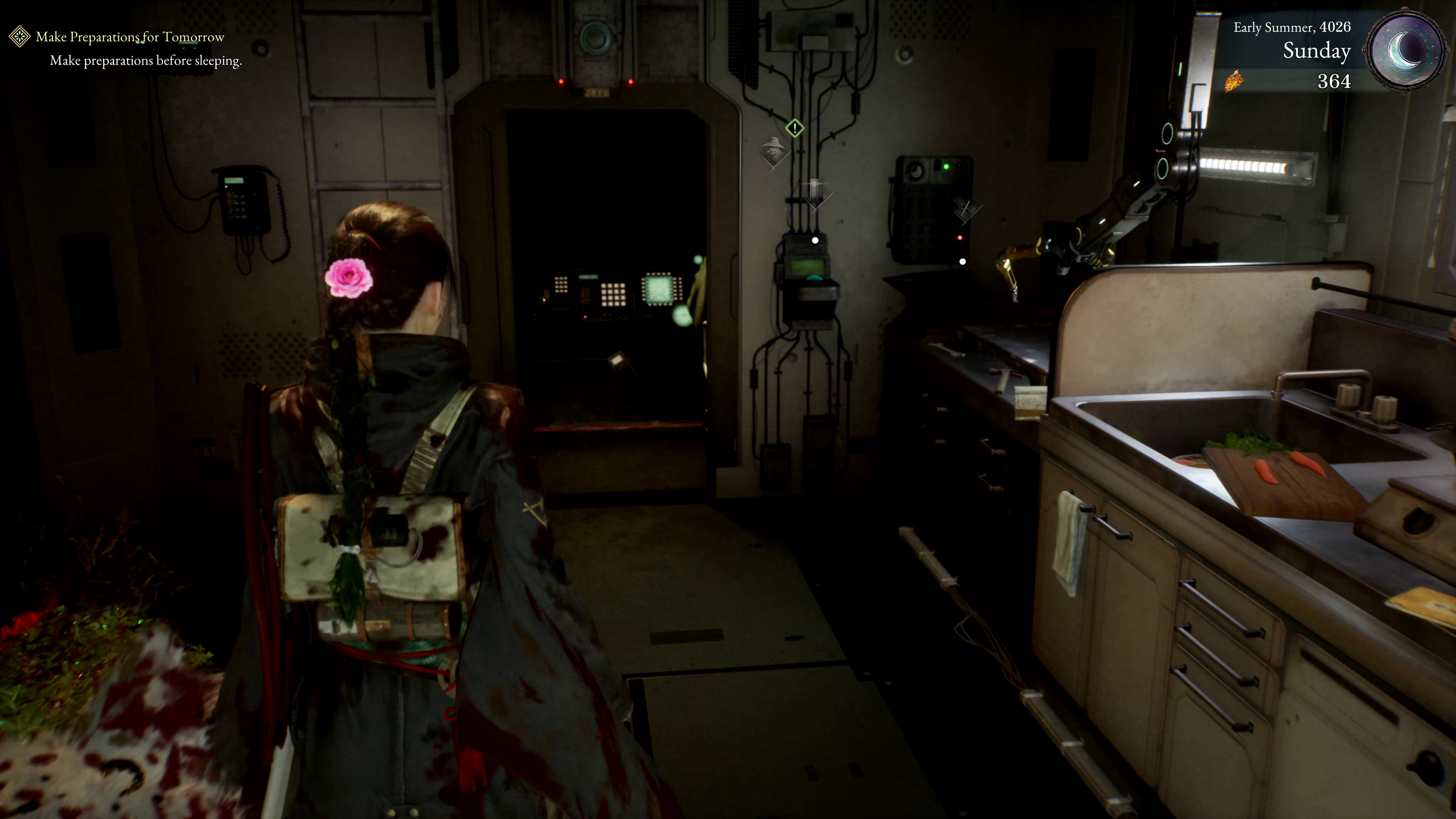
Beast of Reincarnation follows Emma, a young woman travelling through a dying world alongside her dog-like companion, Koo. Emma is known as a Blight-stained, a human who possesses abilities connected to the same corruption threatening what remains of civilisation. Because of this, she is feared and rejected by many of the people she encounters, despite also being one of the few individuals capable of saving them.
Emma and Koo are tasked with hunting powerful creatures known as Malefacts, including several Nushi whose abilities Emma must absorb before she can confront the titular Beast of Reincarnation. It is a straightforward setup, but the story gradually expands into something more personal as Emma begins to understand her own identity and develops a greater connection with the people and world around her.
Emma begins the game as an emotionally distant protagonist, which makes sense within the context of her character and provides plenty of room for her to develop throughout the journey. Her relationship with Koo is particularly important, giving the narrative a welcome sense of warmth that contrasts with the bleakness of the wider world.
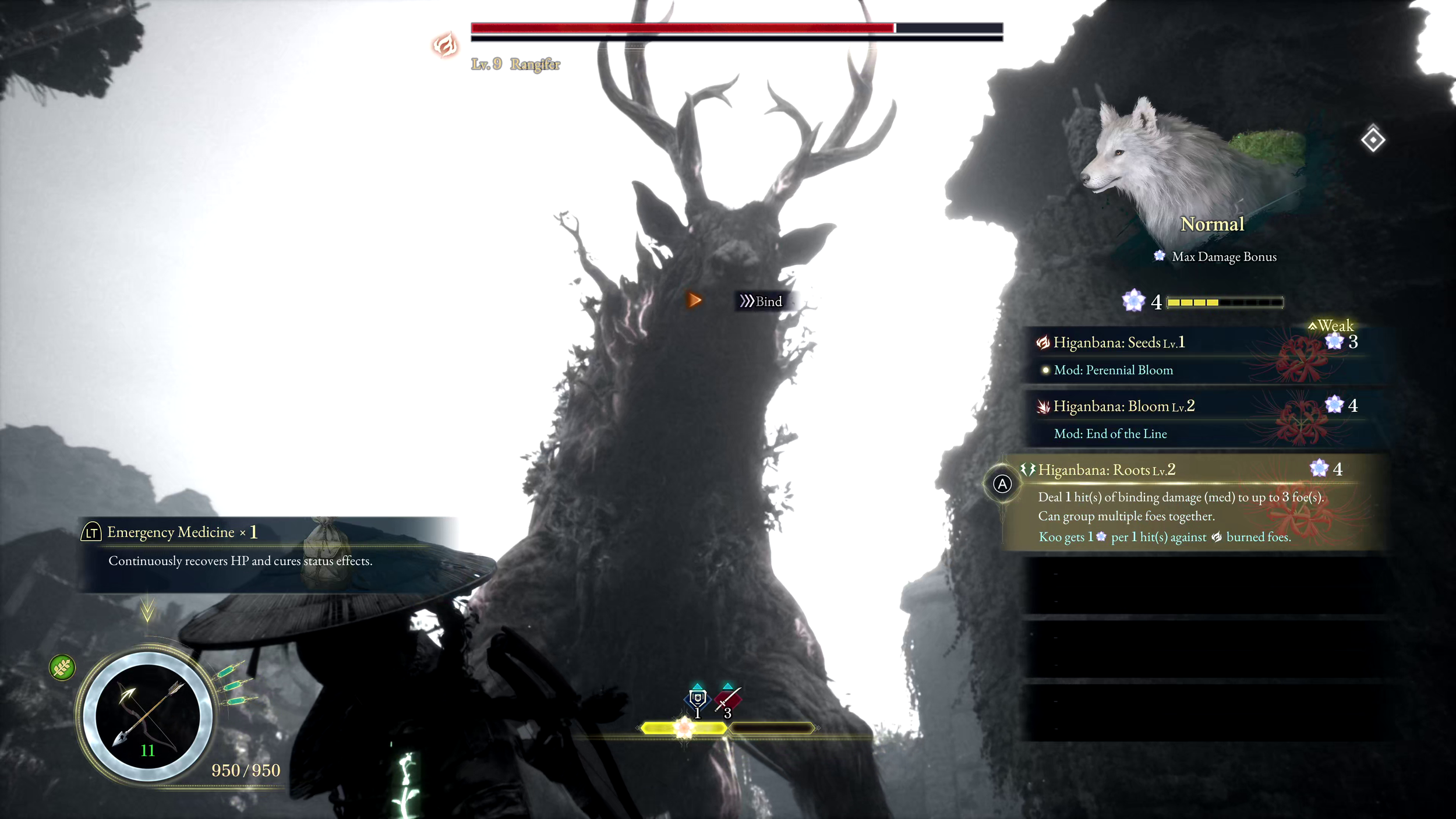
Koo is more than a cute animal companion added to make the game easier to market. He is central to Emma’s story, her personal growth, and many of the game’s strongest emotional moments. The relationship between Emma and Koo becomes the emotional foundation of the experience and remains compelling even when other parts of the narrative begin to falter.
While the story establishes an interesting world and introduces several potentially compelling characters, it struggles to maintain that momentum as it approaches its conclusion. The pacing begins to drag, while some of the supporting characters ultimately feel far less meaningful than they should. It often felt like Game Freak knew what it wanted from the story and its cast, but not how to approach its conclusion.
Several odd decisions are made with individual character arcs, causing potentially significant relationships and emotional moments to lose some of their intended impact. Characters who initially appear important can be pushed aside or taken in directions that do not feel entirely earned. As a result, the story does not deliver the emotional payoff that its premise and earlier chapters appear to be building towards.
That does not make the narrative bad, but it does leave it feeling underdeveloped. Emma and Koo remain an engaging pair throughout, yet many of the people surrounding them needed more time and stronger conclusions to make the latter portion of the story as effective as it could have been.
Combat is where Beast of Reincarnation initially makes its strongest impression. Despite some surface-level similarities, this is not really a traditional Soulslike. It is a much faster action RPG built around attacking, dodging, blocking, and, most importantly, parrying incoming strikes.
Successfully performing a perfect parry completely negates damage while also damaging an enemy’s posture. Breaking their posture allows Emma to either perform a powerful finishing attack or leave tougher opponents vulnerable to further punishment. Missing the perfect timing does not necessarily mean taking damage, as the input instead becomes a regular block, provided Emma still has enough energy remaining within her defensive gauge.
This makes the parry system considerably more forgiving than something like Sekiro. Players are still encouraged to learn enemy attack patterns and respond with precise timing, but the game provides enough protection that a single mistake rarely results in immediate punishment. It creates a satisfying rhythm of attacking and parrying, particularly during one-on-one encounters against larger enemies and bosses.
The controls are responsive, attacks feel impactful, and successfully parrying an extended combination remains satisfying throughout the game. There is a fluidity to the combat that makes even routine encounters enjoyable, and Beast of Reincarnation rarely feels sluggish or unresponsive.
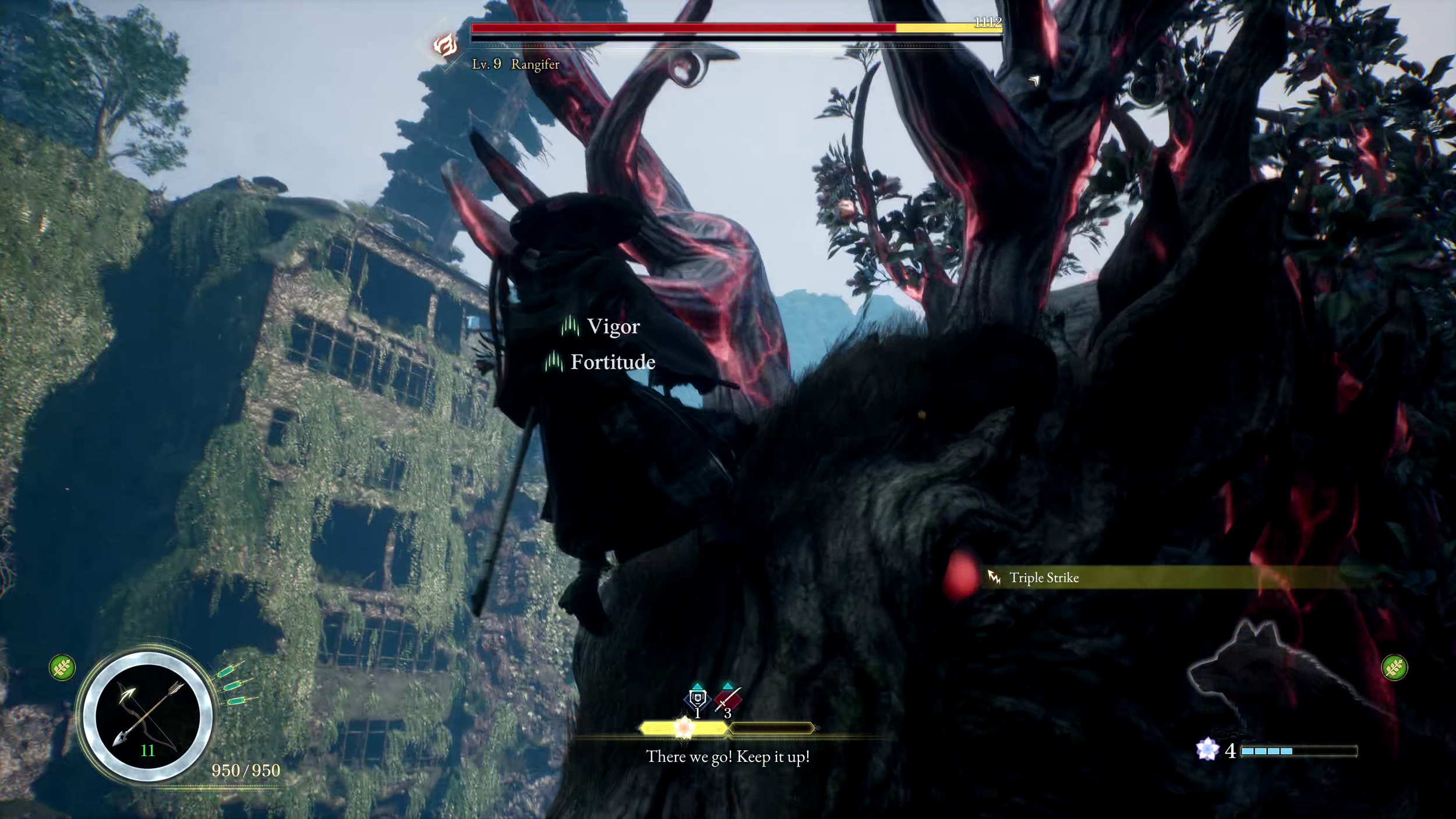
Koo adds another layer to these battles through a selection of offensive, defensive, and support abilities. He can attack independently, distract opponents, hold enemies in position, or help Emma recover health. Activating one of his commands slows the action while a skill is selected, although it does not completely pause the fight. This provides enough time to make a decision without completely removing the pressure of combat.
Upgrading Koo is just as important as improving Emma. Investing in his abilities can change the flow of an encounter, especially when facing more powerful opponents. His attacks also give the combat system an additional identity beyond its familiar parry mechanics, making Emma and Koo feel like a genuine team rather than a protagonist accompanied by a passive computer-controlled companion.
Unfortunately, the combat becomes noticeably easier once the parry timing has been mastered. The window is generous enough that, after several hours, most attacks can be countered consistently without much difficulty. Enemies continue to become stronger, but the fundamental challenge rarely evolves to match the player’s growing familiarity with the system.
Instead, the game frequently attempts to increase the difficulty by placing Emma against several enemies at once. This exposes the limitations of a combat system that works considerably better during focused one-on-one encounters.
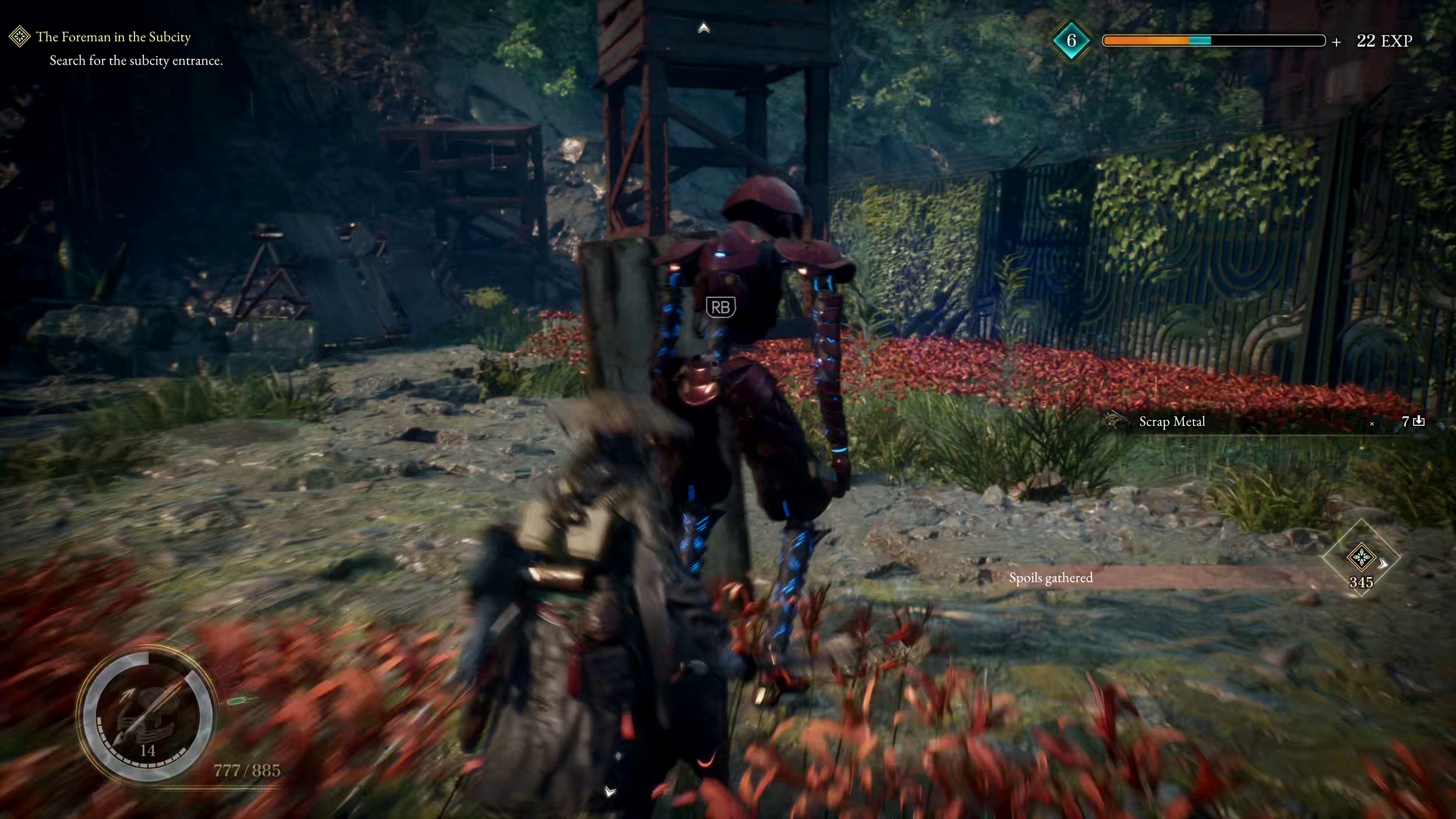
The camera and lock-on mechanics make it difficult to keep track of multiple attackers, and Emma can often be hit from behind by an enemy positioned outside the player’s view. Locking on to one opponent can make it harder to react to another, while avoiding the lock-on system entirely reduces the precision needed to parry specific attacks.
These encounters can feel less like a genuine test of skill and more like a fight against the camera and the limitations of the targeting system. It is particularly frustrating because the core combat is otherwise so enjoyable. Boss battles and elite enemies usually show the system at its best, but crowded fights highlight how poorly equipped it is to manage threats arriving from several directions.
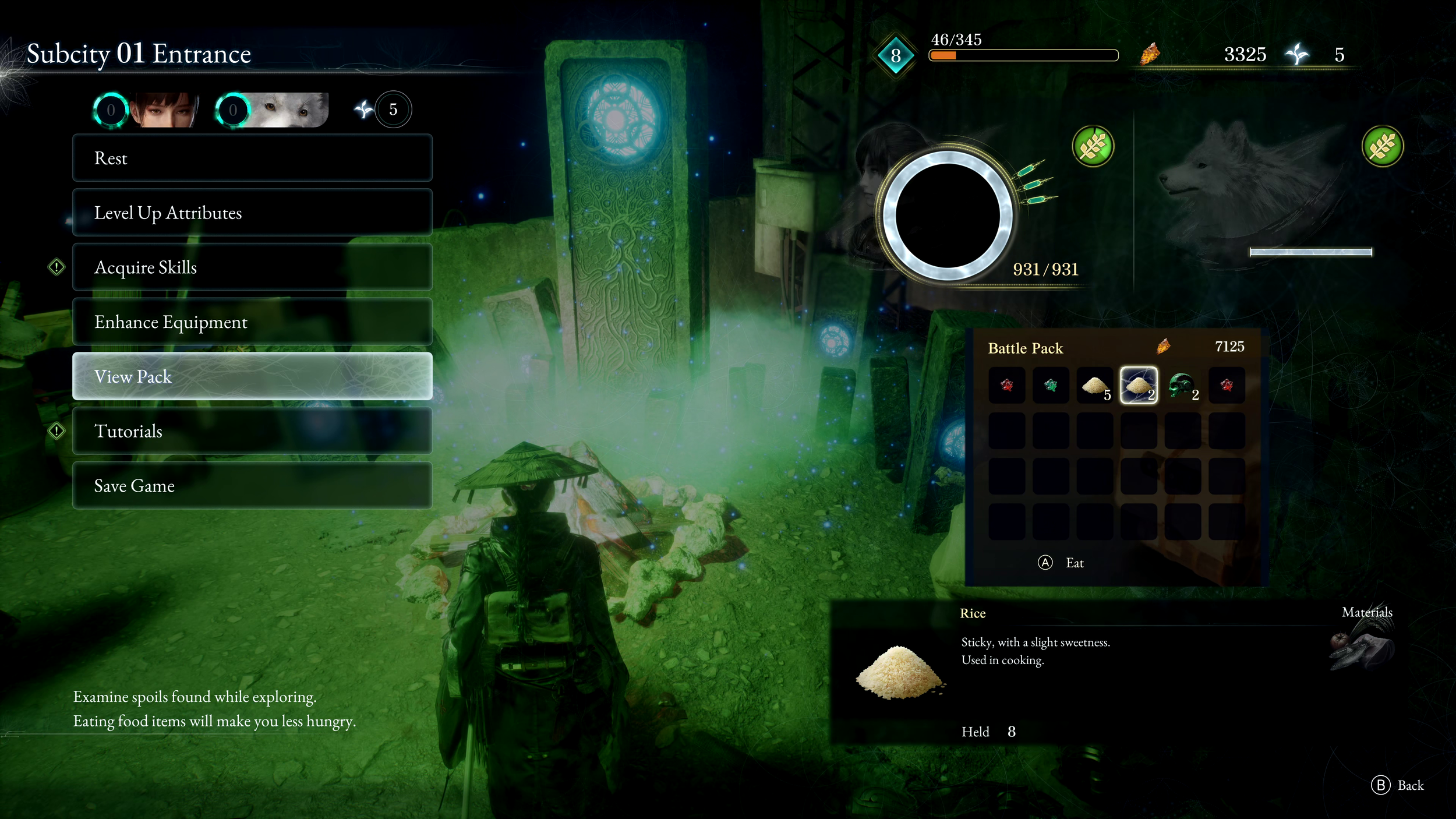
Beast of Reincarnation also contains an enormous number of progression and survival mechanics. Emma and Koo can be upgraded through skill trees, weapons can be enhanced, ammunition can be crafted, and resources can be collected throughout the world. There is also cooking, farming, and a mobile headquarters that can be improved as the adventure progresses.
Individually, many of these systems are useful. Cooking meals can provide permanent statistical improvements, while keeping Emma fed allows her to recover health during combat and strengthens her relationship with Koo. Exploring for materials, recipes, and upgrades provides a clear incentive to venture away from the main route.
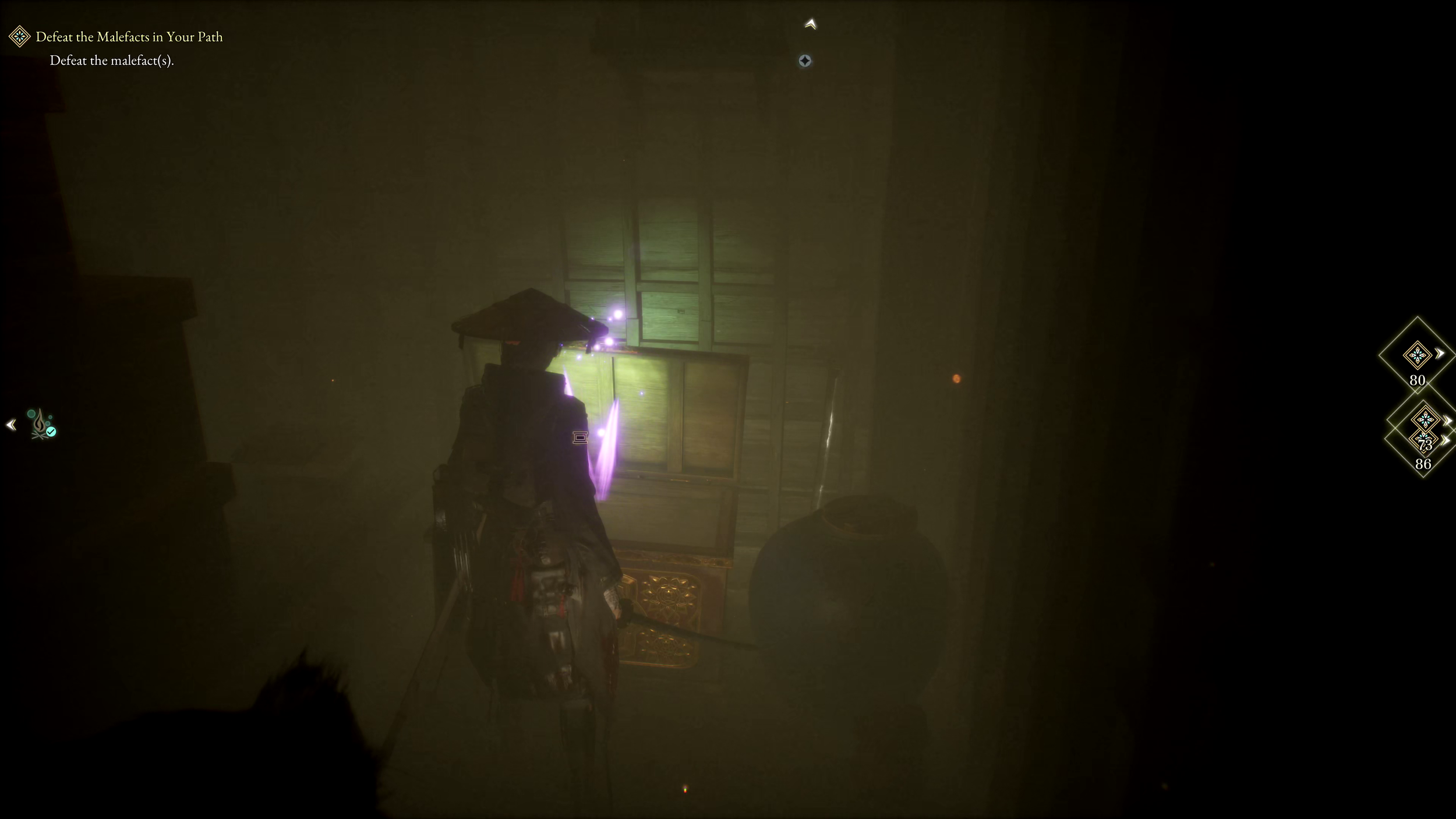
However, these mechanics never fully gel together. Beast of Reincarnation sometimes feels as though Game Freak included every progression system it could think of without deciding which ones should form the central foundation of the experience. There is always something to collect, craft, upgrade, or cook, but several of these mechanics feel like adjacent features rather than essential parts of a unified design.
The game would arguably have benefited from a more focused approach. There is plenty of depth available for players who enjoy engaging with every menu and gathering every available resource, but much of it feels unnecessary when the forgiving combat and generous parry system already make Emma extremely capable.
Exploration fares considerably better. The world is divided into large areas filled with materials, hidden routes, optional encounters, and environmental puzzles. Emma’s Blight-stained abilities allow her to reach distant platforms, pull herself towards specific points, and create pathways across otherwise inaccessible gaps.
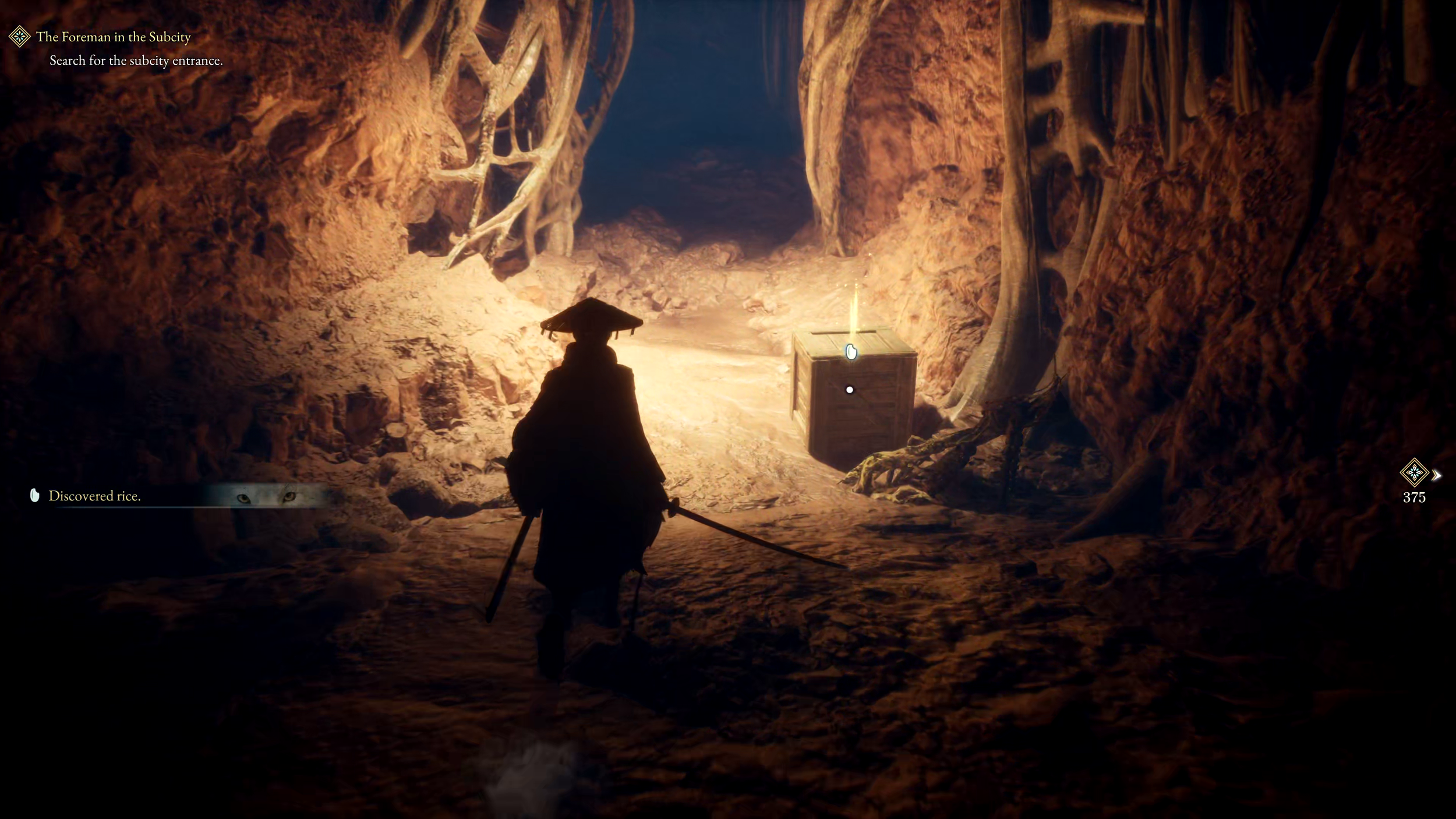
These abilities make traversal enjoyable and give the environments a strong sense of verticality. Areas that initially appear unreachable often contain a hidden route or require Emma to approach from a different angle. Wandering away from the main objective can lead to elite enemies, equipment, resources, smaller quests, and some striking environmental views.
The game’s map permanently records discovered points of interest, making it easy to return to an enemy or location later. Campfires act as checkpoints and fast-travel destinations while also providing access to character upgrades and other progression options. It is a familiar structure, but one that makes exploring the world convenient without removing the satisfaction of discovering something independently.
Koo is also useful outside of combat. He highlights nearby items and may retrieve resources that Emma passes while travelling. Players can interact with him, clean him, and, naturally, give him the attention that every good video-game dog deserves. These smaller details help strengthen the connection between the pair and ensure Koo remains involved throughout the entire experience.
Visually, Beast of Reincarnation features some impressive art direction. Its environments combine ruined remnants of civilisation with overgrown landscapes and the unnatural corruption caused by the Malefacts. The result is a world that feels beautiful, hostile, and close to complete collapse.
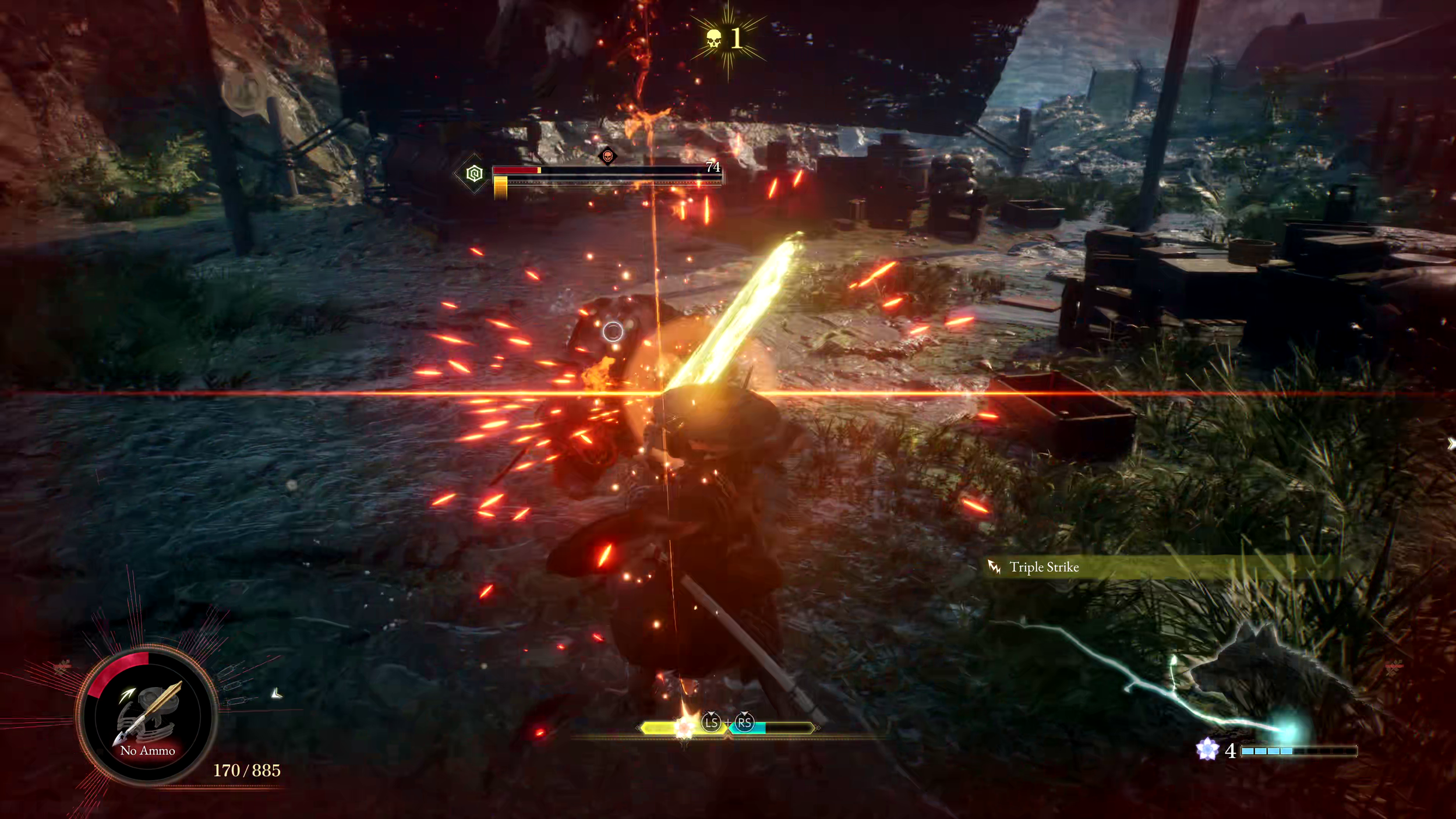
Character designs are strong, while the larger creatures and bosses are often visually memorable. However, the image quality can occasionally appear blurry or muddy, even while playing at 4K resolution using the highest available settings. Fine details are not always as clear as expected, and some environments lack the crisp presentation that the art direction deserves.
The overall visual design remains attractive, but the inconsistent clarity prevents the game from always looking as impressive as its strongest locations suggest it should.
The audio presentation is consistently good, although the soundtrack is easily its standout element. The music gives the world a distinctive atmosphere and elevates several of the game’s most important encounters. Exploration themes complement the melancholic environments, while boss battles are accompanied by more dramatic compositions that make those fights feel suitably significant.
The remaining audio work is solid, but it is the soundtrack that players are most likely to remember once the credits have finished.
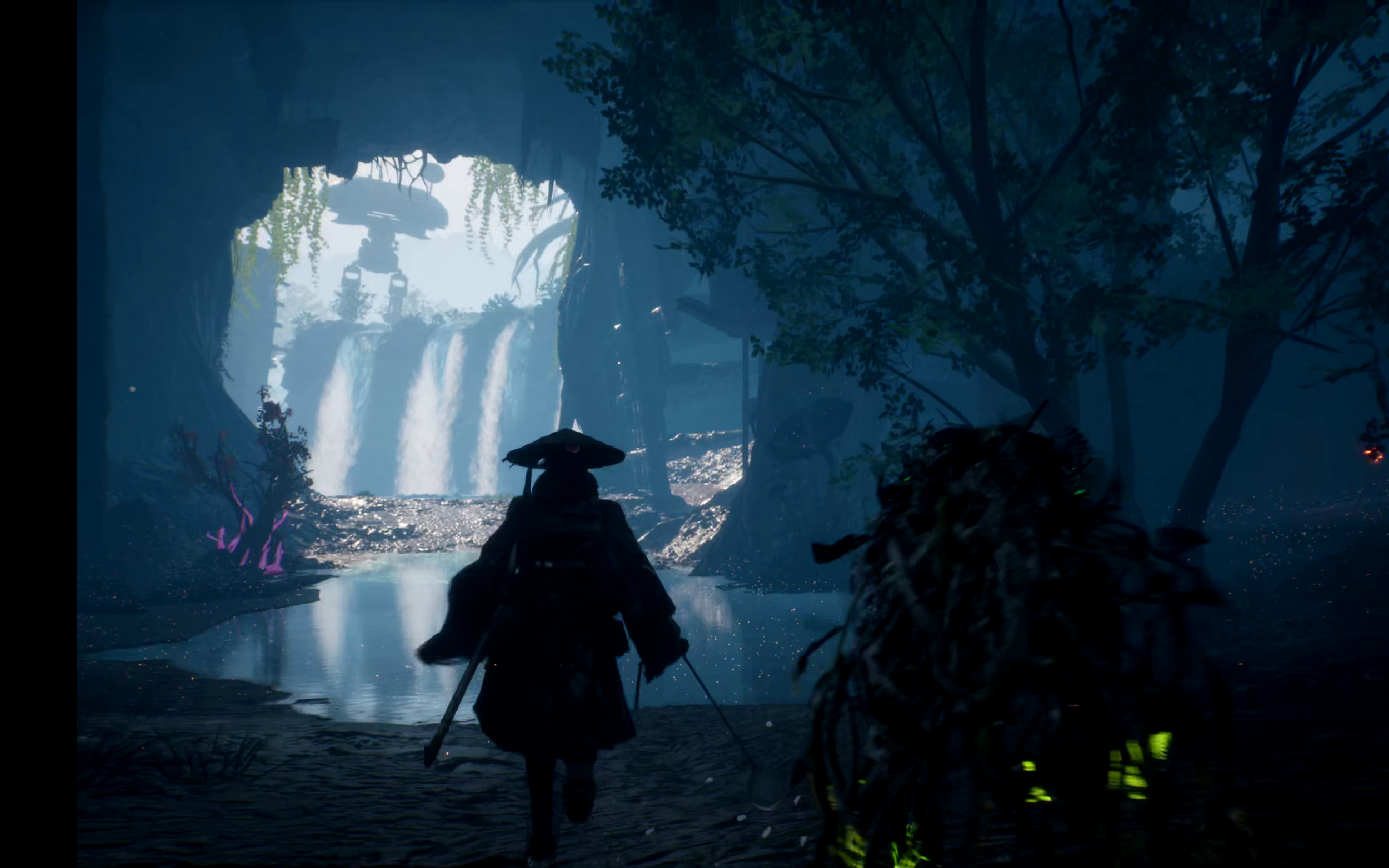
PC performance was excellent throughout my playthrough. At 4K using the highest available graphics settings, the game ran extremely well, and I did not encounter any bugs or technical problems during approximately 28 hours of play. There were no crashes, progression blockers, or noticeable issues that interrupted the experience.
That level of stability is particularly welcome in a game containing large environments, fast combat, and so many interconnected systems. Although the occasionally muddy image quality remains disappointing, the underlying performance of the PC version was consistently strong.
Beast of Reincarnation is an ambitious and frequently impressive step outside Game Freak’s usual comfort zone. Its combat is responsive and entertaining, Emma and Koo form a likeable central partnership, and its world rewards players who take the time to explore beyond the main route. The soundtrack is excellent, the art direction is attractive, and the PC version delivers strong technical performance.
At the same time, it is difficult to ignore how often the experience falls short of its full potential. The narrative loses momentum towards its conclusion, supporting characters are weakened by questionable decisions within their arcs, and the various crafting and progression mechanics never feel entirely cohesive. Combat remains enjoyable, but becomes too easy once its forgiving parry timing has been mastered, with multi-enemy encounters creating frustration rather than a more satisfying form of challenge.
Game Freak has created a solid foundation and demonstrated that it is capable of producing something far removed from Pokémon. Beast of Reincarnation is a good action RPG with some excellent ideas, but it needed a more focused collection of systems and a stronger final act to become the exceptional experience it occasionally threatens to be.

Developer - Game Freak
Publisher - Fictions
Released - August 3rd, 2026
Available On - PC, PS5, Xbox Series X/S
Rated - (T) - Blood, Violence
Platform Reviewed - PC
Review Access - A review code for Beast of Reincarnation was provided by the publisher for the purpose of this review.
I’m Jordan I have a background in game design and am deeply passionate about accessibility in gaming. My favourite games/franchises include Shenmue, Red Dead Redemption 2, Plague Tale: Requiem, Metal Gear Solid 3, Yakuza, Splinter Cell, and Assassin’s Creed.