
Go Ninja Go Ninja Go!
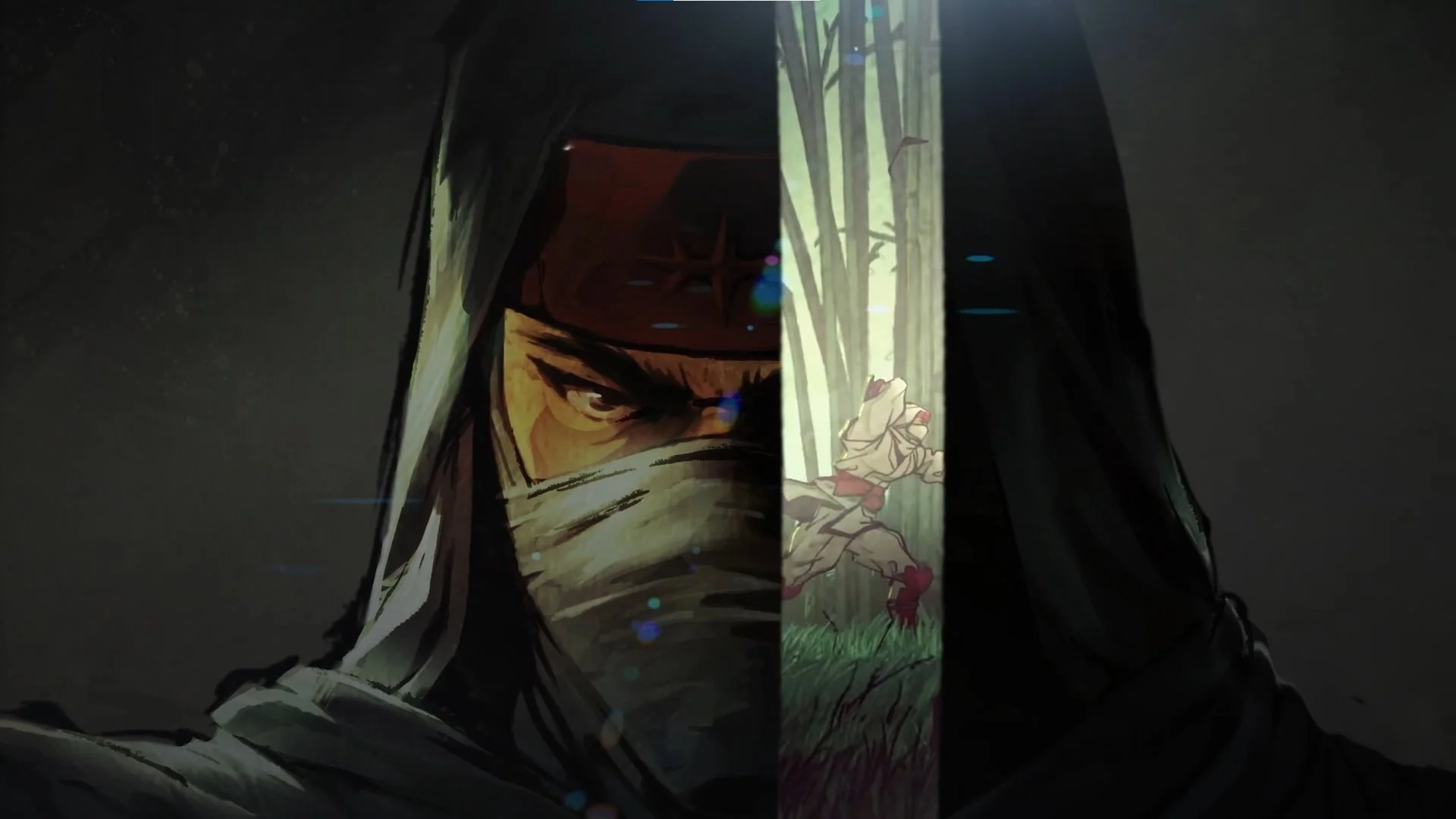
Debuting a year before the original Ninja Gaiden on the NES, Shinobi, for a time, was the de facto Ninja game. However, time wouldn't be kind to Shinobi, and future entries would often go unnoticed. Hell, some of them were not even called “Shinobi”. While it would attempt a reboot in 2002, as well as a sequel and a 3DS entry, it was a series that was largely forgotten. While Ninja Gaiden would benefit from a series of incredible games, Shinobi would, like a ninja, remain in the shadows.
It's rather interesting that 2025 would see both Ninja Gaiden and Shinobi both return to their side-scrolling roots. Ninja Gaiden: Ragebound and Shinobi: Art of Vengeance would release within weeks of each other, both offering a throwback style to their gameplay and aesthetics. While Ninja Gaiden would lean more into its retro roots with pixelated visuals and a far more simplistic design, Shinobi would offer beautifully hand-drawn visuals, modern sensibilities, and a huge emphasis on combat progression.
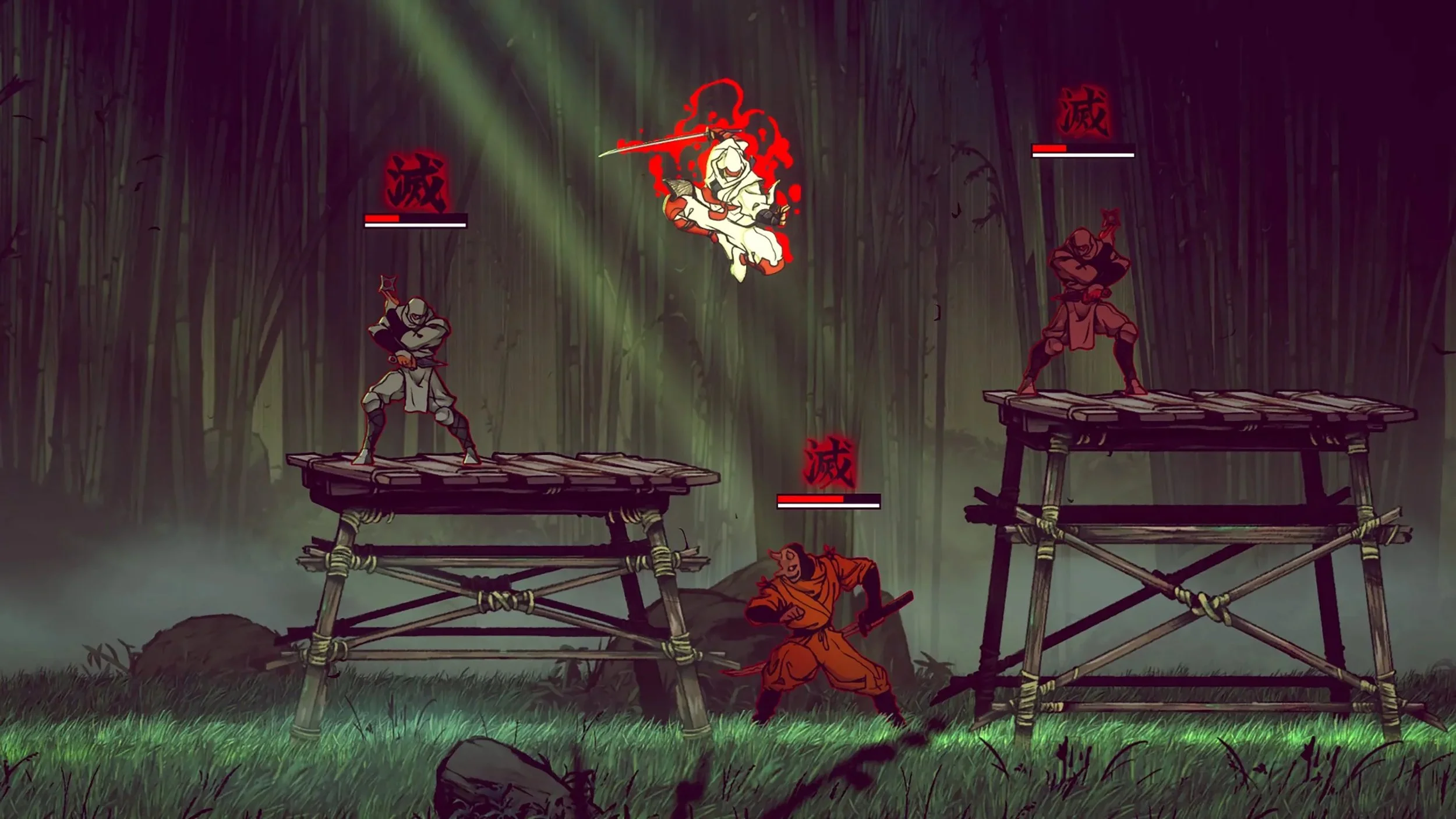
I'll get the comparisons out of the way here between the two Ninja games and simply say this; Shinobi: Art of Vengeance is the vastly superior of the two, and it's not even close. Ninja Gaiden: Ragebound is still a very enjoyable adventure, but it wastes its second character’s potential and lacks the combat progression to carry it through. Shinobi, however, rarely stumbles, and its combat progression is outstanding, providing a wealth of moves, abilities, and attacks to your arsenal that you almost feel spoiled for choice. In fact, during development, the studio found Joe Musashi, the game’s lead protagonist, to be too powerful, which led to the change in certain enemies' abilities and behaviors. While some teams would end up nerfing the hero, Lizardcube designed around it instead.
Shinobi: Art of Vengeance begins as the Oboro clan is attacked by evil forces, led by a man named Ruse. As you slaughter the endless supply of ENE Corp troops, as well as various monsters called the Yokai, Joe Musashi will stop at nothing to get his vengeance. Each of the heavily detailed stages places you one step closer to Ruse, as you deal with many of his generals and other forces that have aligned with this man. Ruse does have a few moments throughout the story, detailing his procurement of a strange relic that has granted him immortality, but the bulk of his presence is through stories conveyed by those he has wronged.
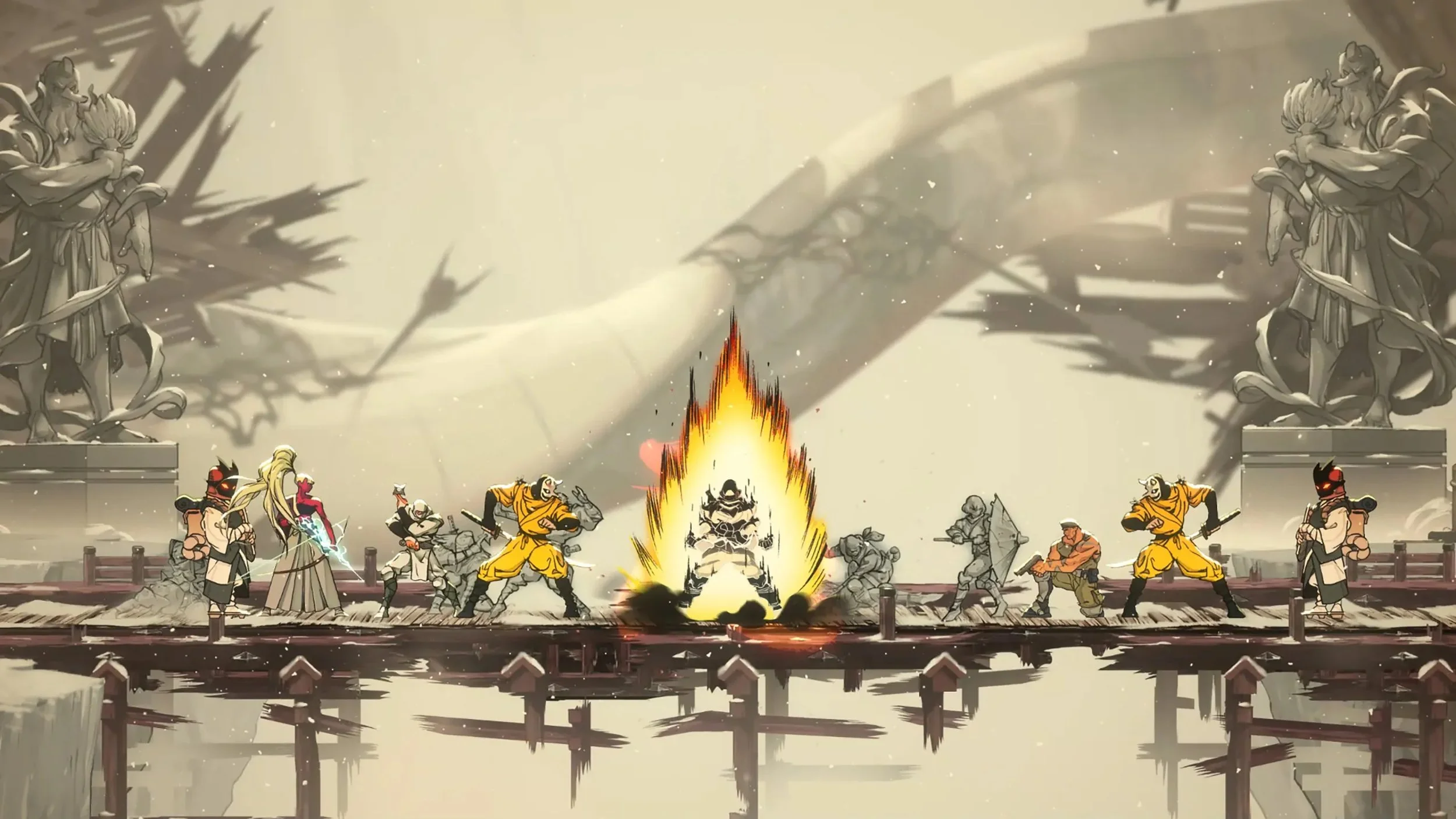
I'll remain tight-lipped about a few allies, but Joe Musashi will have some assistance, even if much of it is strictly story-based. They are not with you on missions or aiding in combat, but fighting “alongside” you from the nature of the story and their desire to see Ruse vanquished. I enjoyed these character moments, learning about Ruse and what he's done to get where he is. I did see one particular moment coming, given the stakes of the battle, but ultimately, Ruse was a capable villain for what we normally get out of a game like this. He's not perfect, but he is nonetheless a good villain.
Joe himself is nonetheless silent, apart from the various grunts. Numerous characters interact with him, and understand the meaning behind those grunts. The voice acting behind the cast works here for this type of game, with one particular character having a great speech that really hits home to Musashi. Others serve as characters that talk via cutscenes or in your ear as you slash, jump, and climb, throughout the 14 stages.
Levels are split up, and the game has a largely non-linear approach at certain points. You'll have bonus stages between each major segment on the map. These take up 3 of the game’s 14 stages. These have you either on a jet ski or on the back of your white wolf. Later stages will also have bonus stages within them to find, often resulting in some sort of platforming challenge. Levels also benefit from some drastic differences in locale, from fighting aboard a train, dishing out violence as you move through a fish market, to storming laboratories, windy deserts, to dashing across rooftops in a futuristic neon city.
Later, there is a stage called ENE Corp Laboratory, and it is designed far more like a Metroidvania, as you need to track down various enemies on the map to proceed. It was honestly the first stage where I really leaned into using the map, which helps in finding various collectibles and the optional objectives. If you are not one for finding or completing each and every minor objective, this might be the first stage you even realize there is a map.
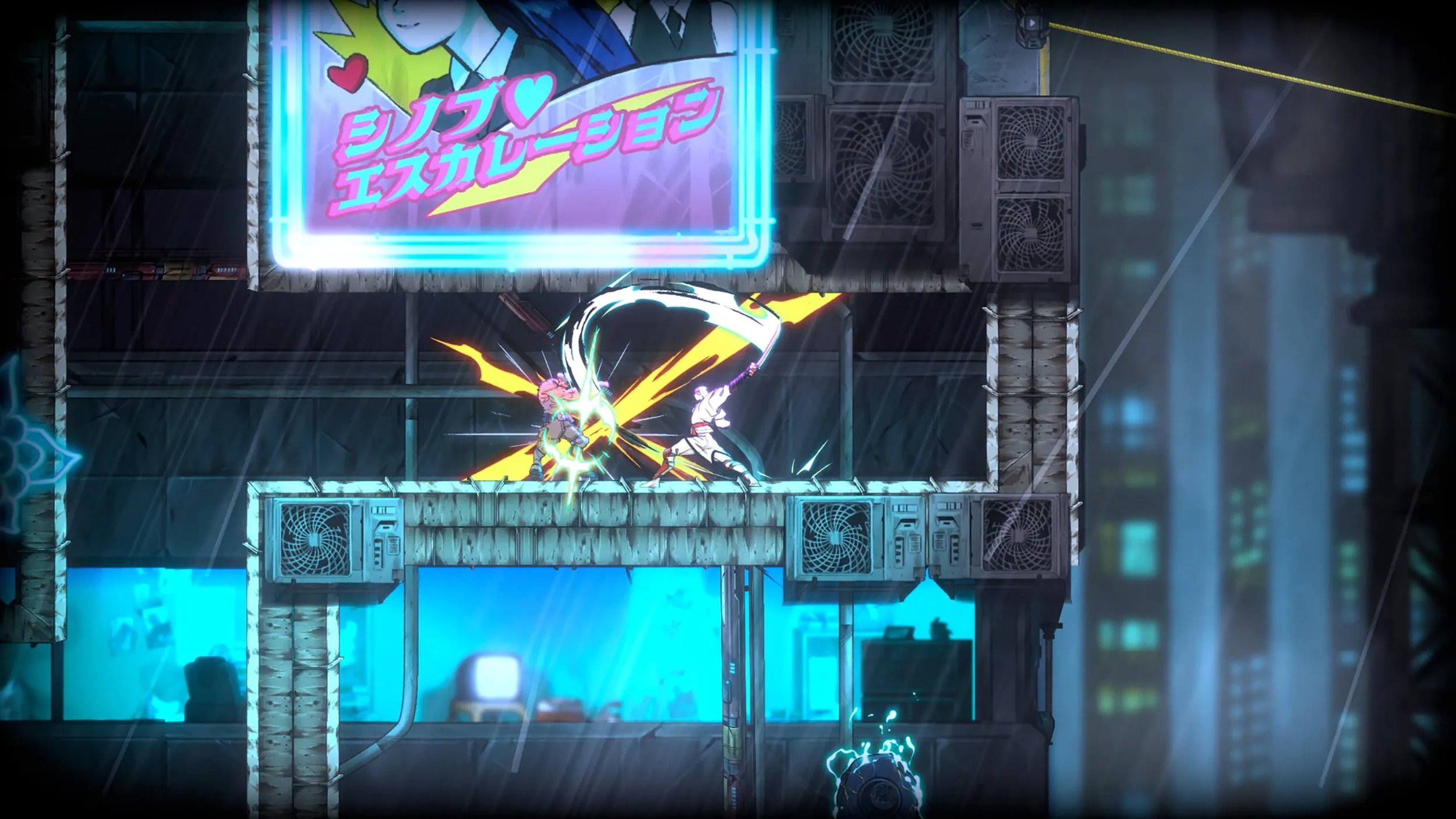
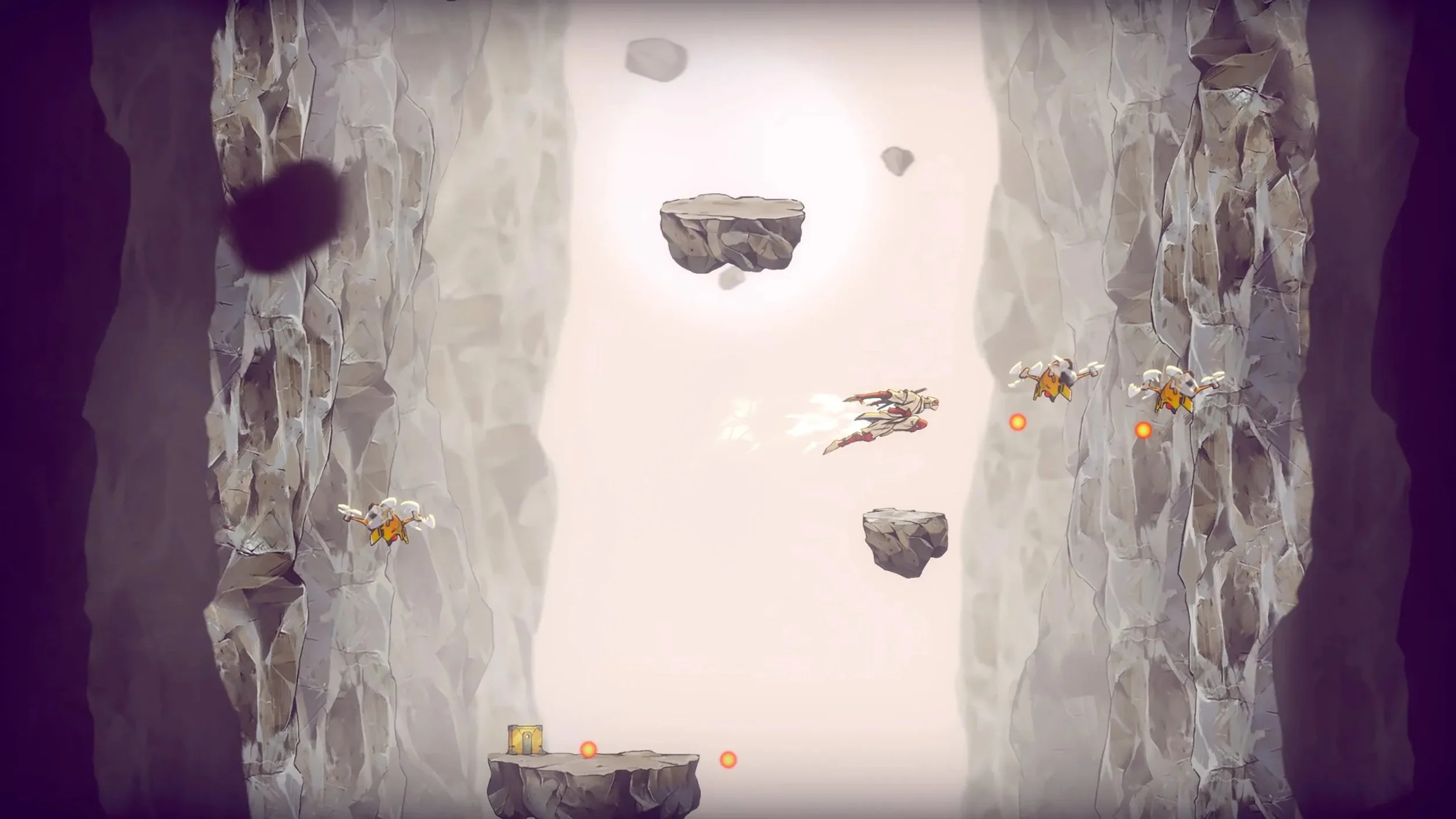
The stages really stand out, with a lot of abilities you'll earn that allow you to progress in ways similar to a Metroidvania. You have a grappling hook, the ability to glide up currents, and a set of claws to climb up walls. Some of the final stages really amp up the combination of those abilities, interchanging them from step to step. It’s not uncommon to fly up a draft, use the grappling hook to slingshot you into the air, grab onto a wall, and then glide to another wall, only to leap up and swing across a series of latches for the grappling hook, and finally double-jumping and dashing to a ledge.
Combat is where Shinobi outshines Ninja Gaiden: Ragebound in spades. You'll have the standard slice, but you can also slam straight down, pull off a drop kick, to a variety of other moves and combo attacks. Your combat abilities are labeled under four distinctions: Ninjutsu, Ninpo, Ningi, and Combat moves. Combat moves are where your standard attacks, combos, or aerial attacks originate. You’ll purchase most of these at a vendor as you track down the currency to buy them, as well as collectibles that expand the shop. From combo attacks that highlight your light or heavy attacks, Kunai throws, dive kicks, or spin slashes, there is a lot here to unlock and master.
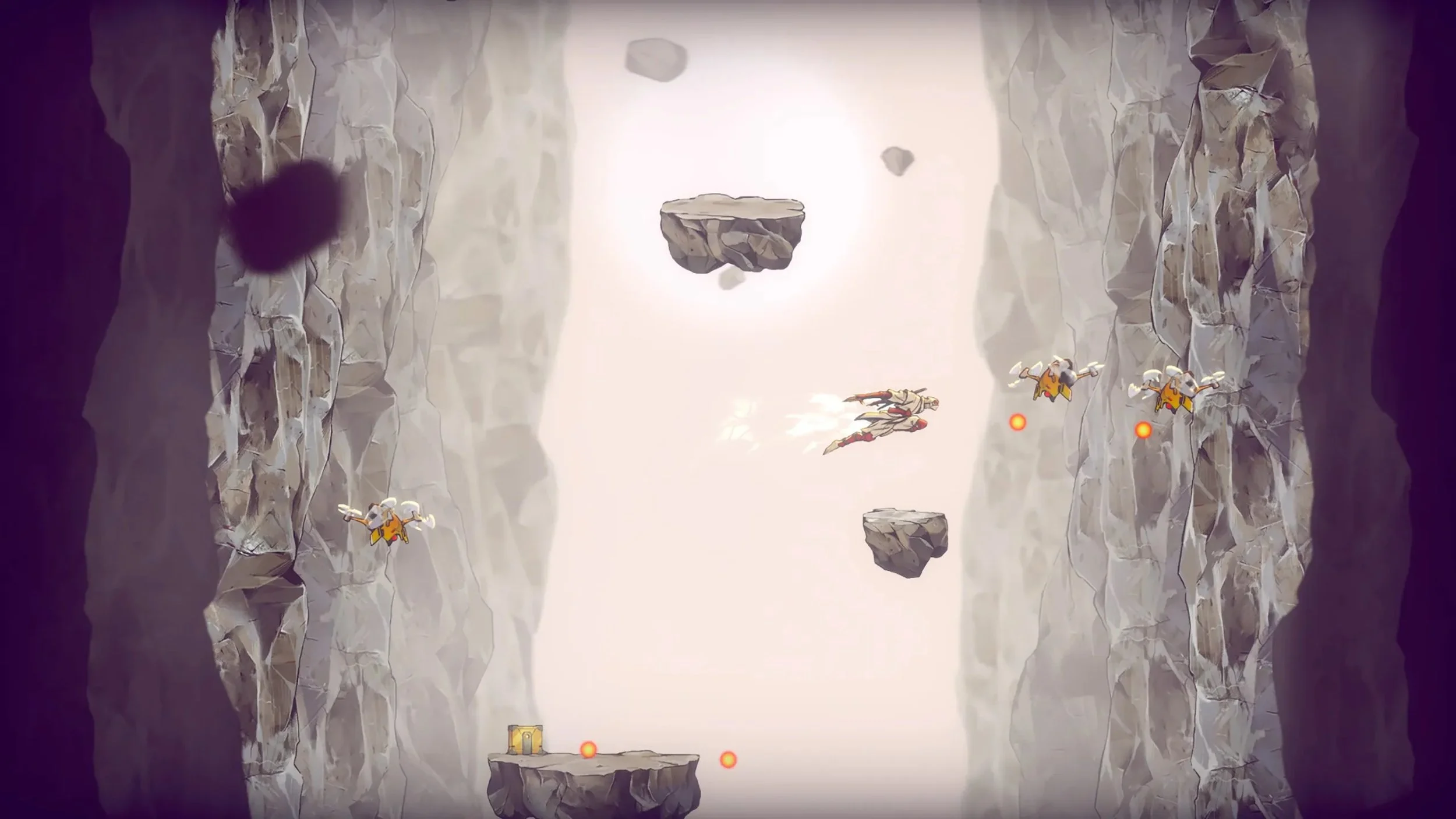
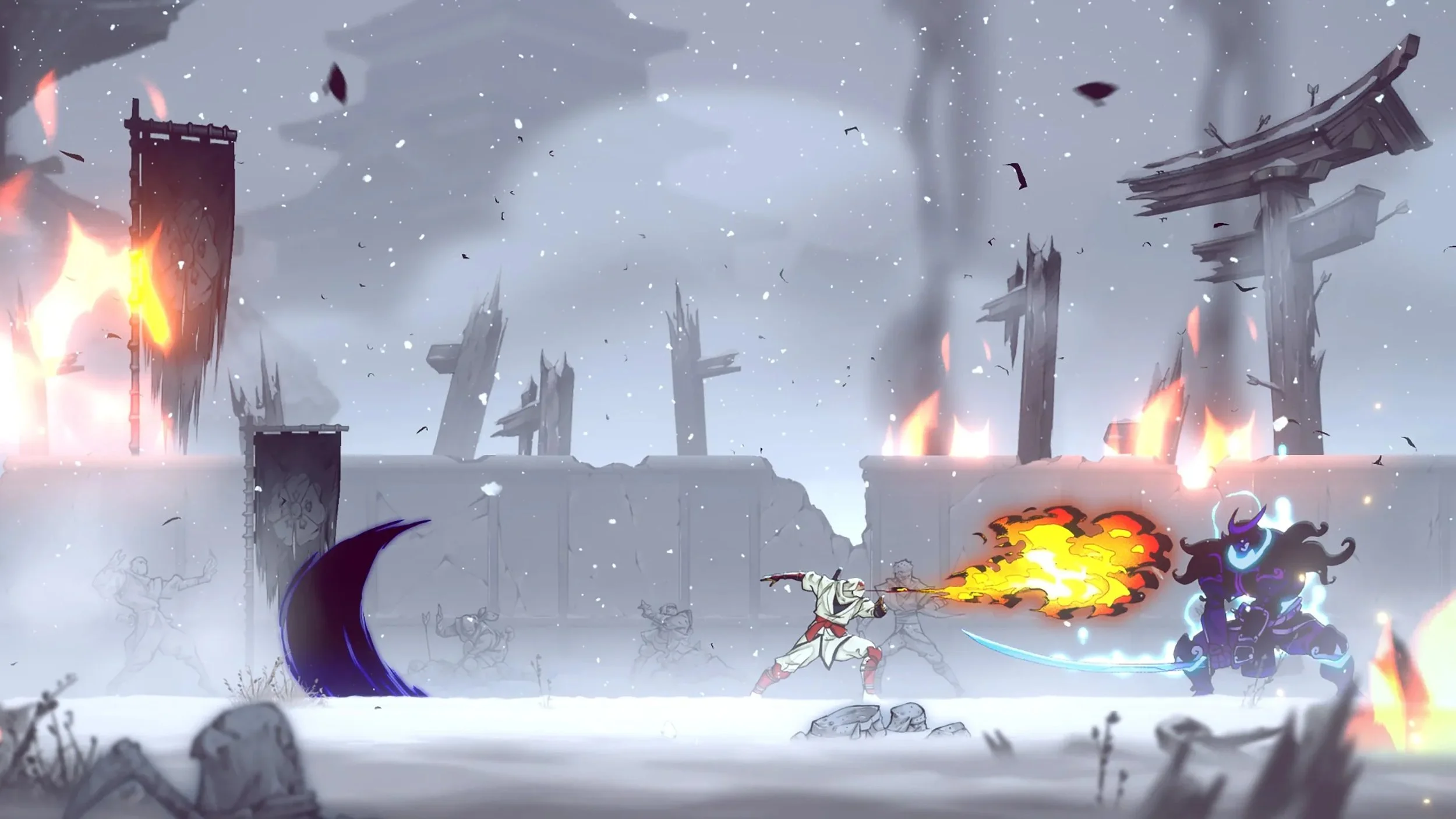
Your Ningi are abilities that you’ll unlock as you progress. These include your dash, flips, and ninja claws, to a cannon punch that breaks Yokai barriers, to a sword dive that performs this breakage should the barriers be horizontal. Your grappling hook and glider are also part of this category. Ninpo are your core special attacks. From setting enemies on fire, water shields, to throwing bombs or forming a supernatural snake, these abilities are used via a Ninpo Cell system, where it will be consumed upon the use of these attacks. Refilling that charge is easy, as you’ll simply see it build up upon defeating enemies.
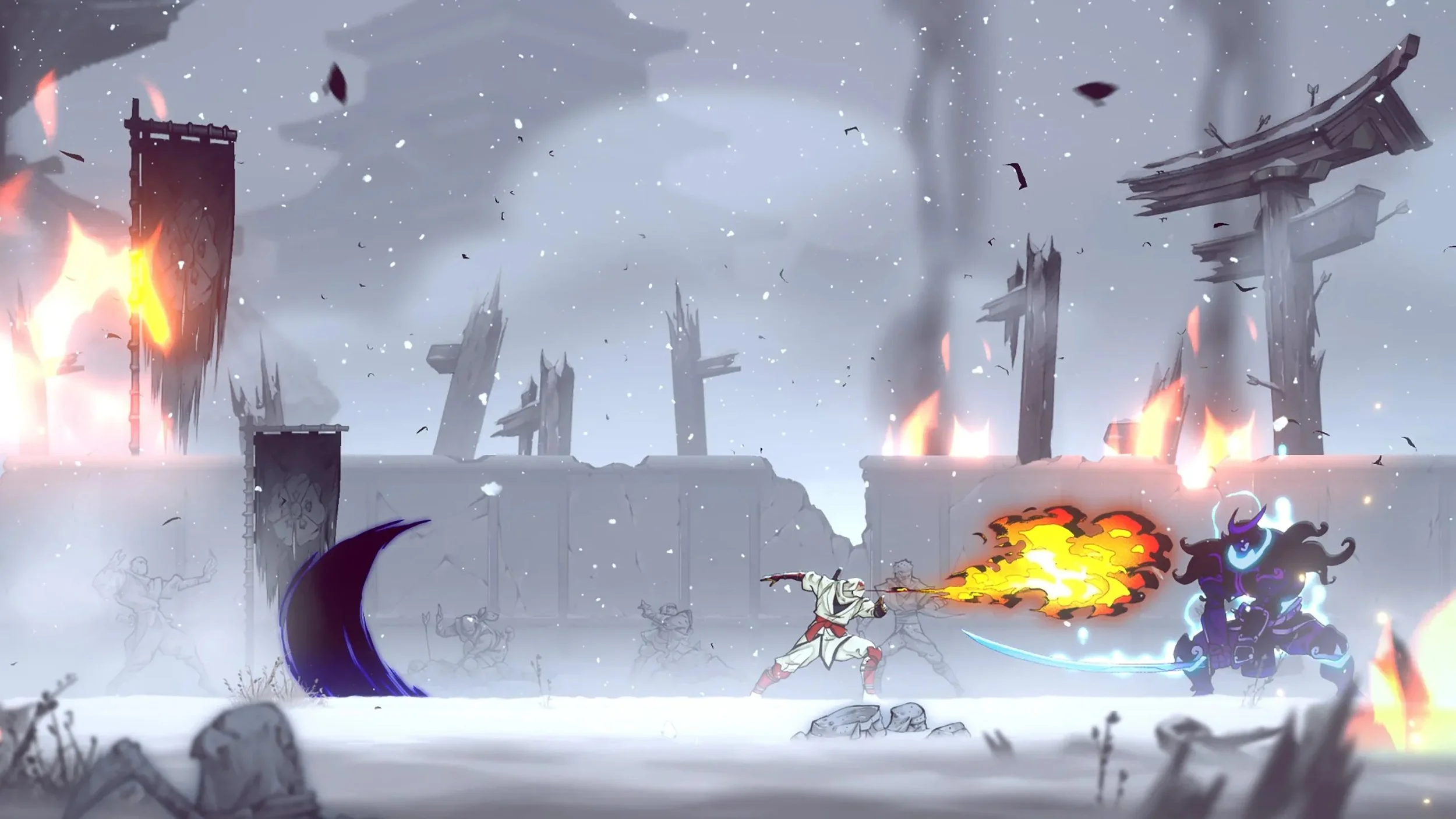
As you continue to exact your vengeance, you’ll eventually fill up an execution meter where you can then pull off one of a few Ninjustsu skills. Karyu: ignites and damages all onscreen enemies, Shisui: replenishes a large amount of health, Raijin: creates a temporary lightning shield, or Mijin: sacrifices a lot of health to deal massive damage to everything on screen. These skills can certainly come in handy, especially Shisui, as it will grant you back almost all your missing health.

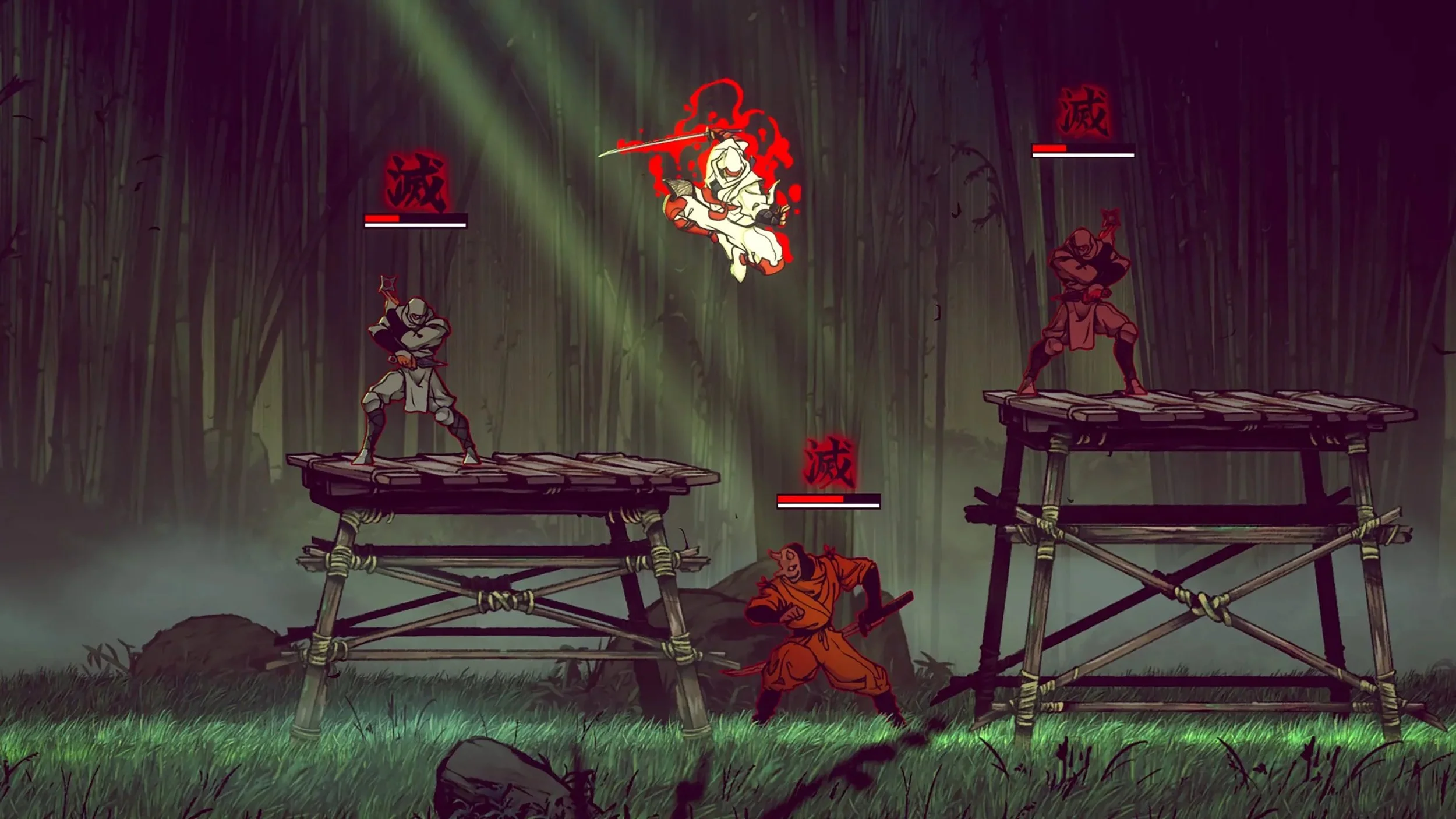
Combat feels incredibly snappy, and both incoming and outgoing damage having various levels of slowdown to allow impacts to hit hard. Enemies have a flash when hit, as do you, making those impacts visible. You’ll also be able to keep attacks up whilst in the air, leading to some insane combo chains. Sound effects and visual flair also play a huge role in the combat feeling punchy, tactile, and brutal.
Spread out across each level is a shop that will take those hard earned gold coins and collectibles to enhance and purchase from his shop. While most of his contents are new attacks, Ninpo, or upgrades, you’ll also find new outfits, such as a nice hot pink number called the Sakura Slayer. You’ll also be able to purchase Amulets, which can be equipped to Passive or Combo slots, with only one of each being equippable at once. There are 13 Passive Amulets, and 11 Combo Amulets to track down.
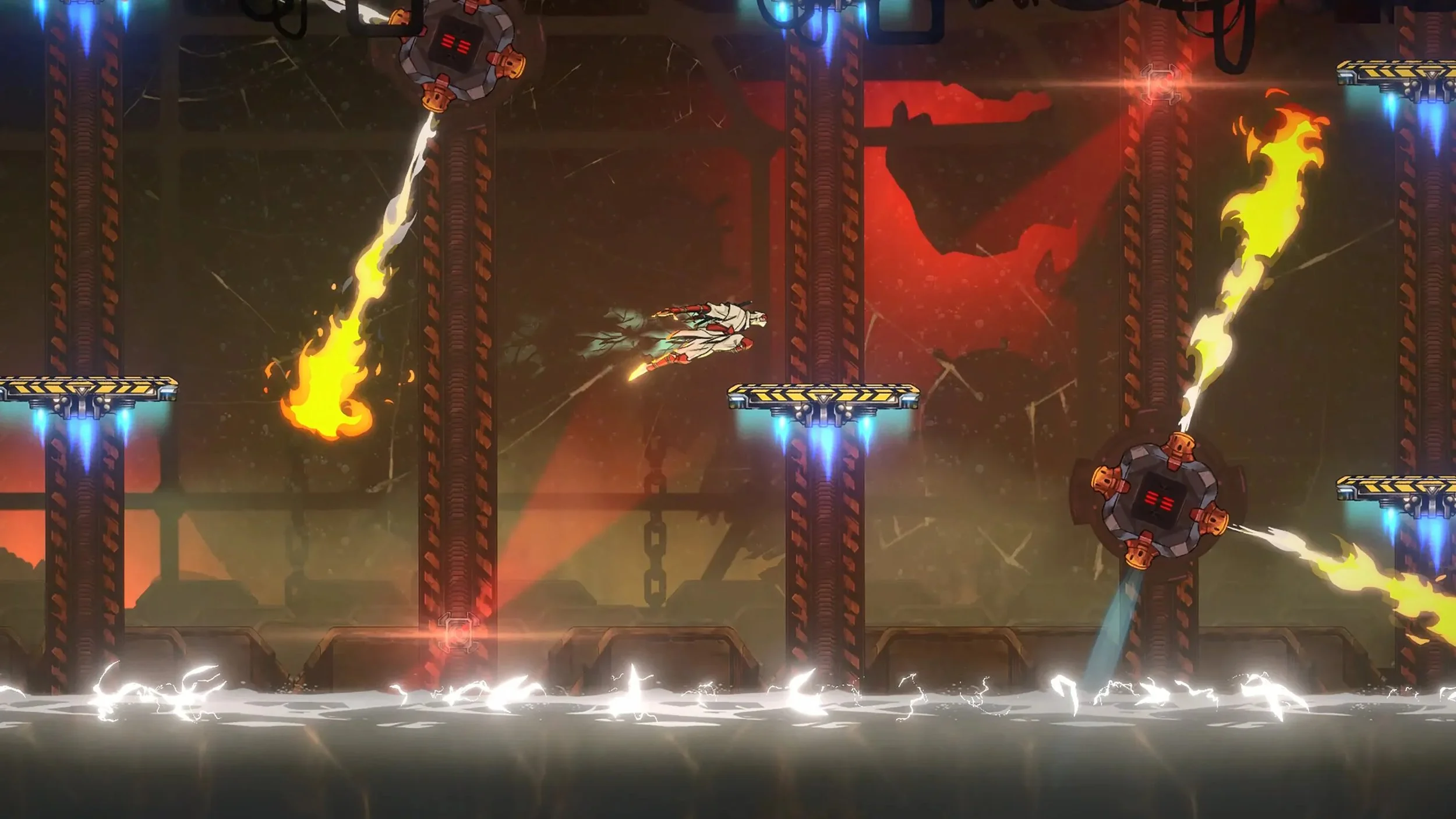
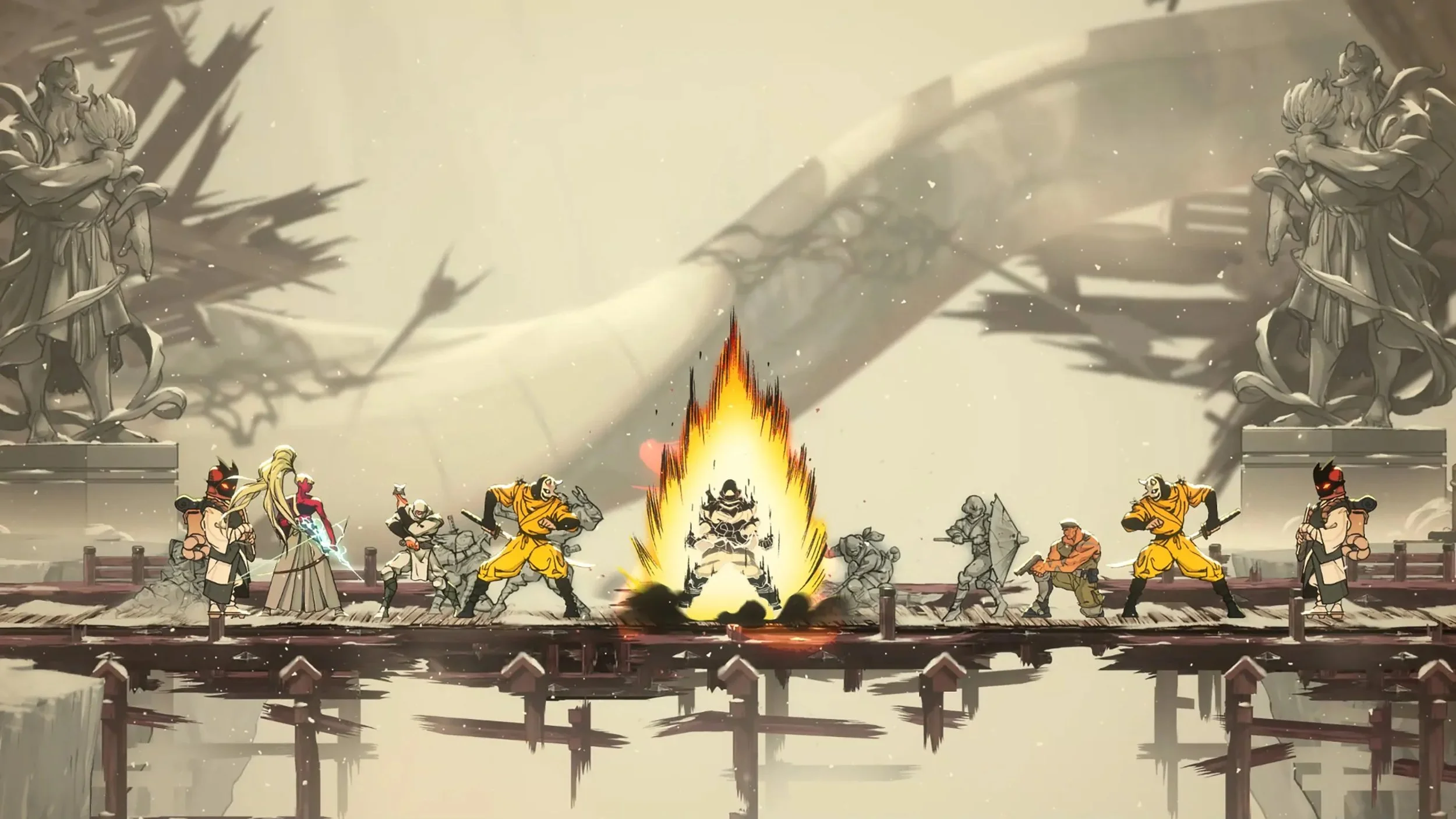
From the gorgeous artwork, especially the character portraits that remind me of old-school the Street Fighter Alpha series, everything Lizardcube has cooked up here is phenomenal. Stages have numerous layers to their backgrounds to make them feel massive, and yet lean enough to quickly complete in a few minutes. Some hazards have a bit too much to their hitbox, but ultimately, everything from a presentation standpoint is absolutely killer.
Yuzo Koshiro and Tee Lopes handle composing chores, and frankly, they hit it out of the park here. Koshiro is known for his work on previous Shinobi games as well as the original Streets of Rage. Lopes, however, known for Sonic Mania, also worked on Lizardcube’s Streets of Rage 4. Each provides some great music here and the title is simply better for it.
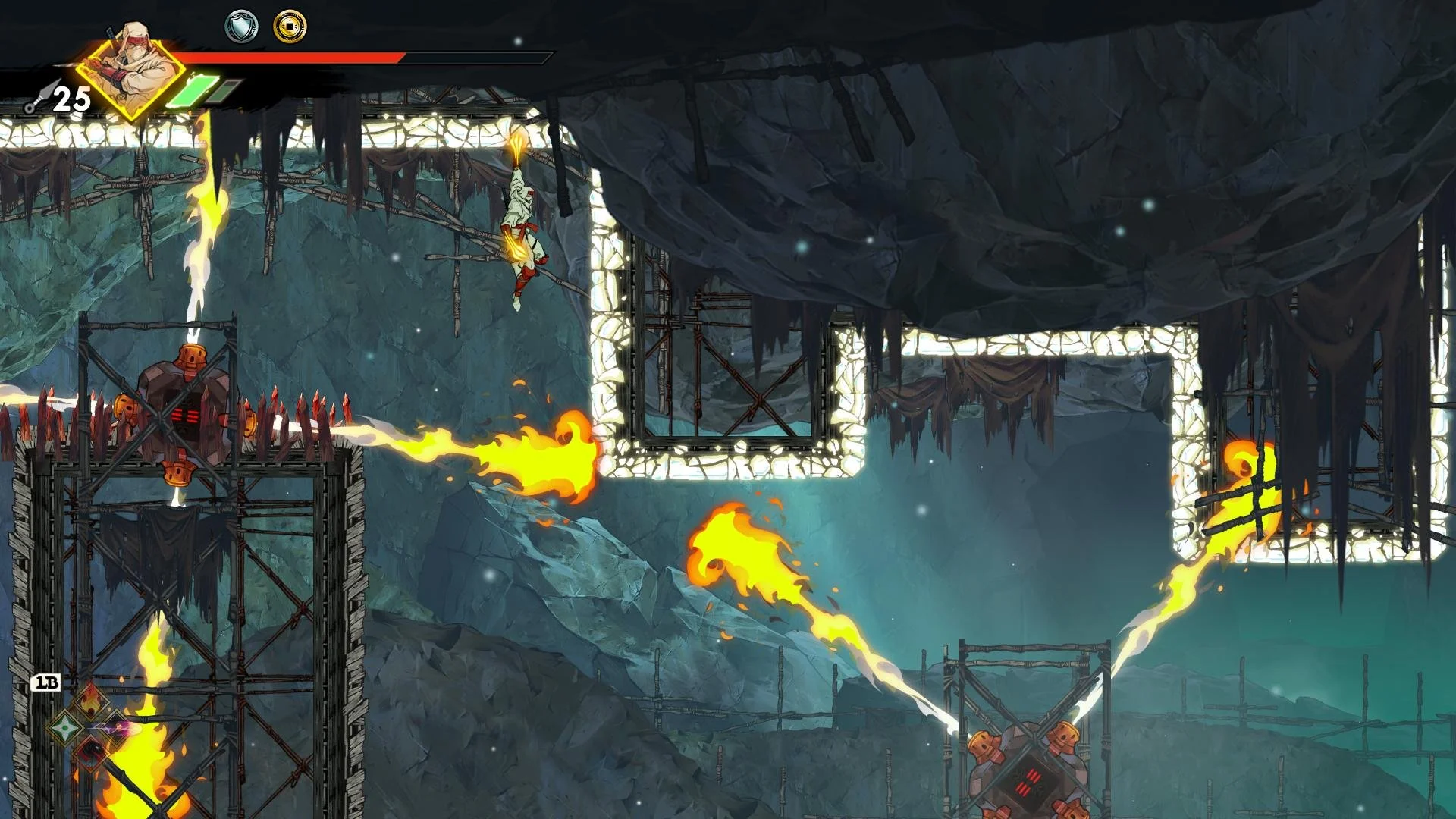
Shinobi: Art of Vengeance is truly fantastic, and the type of game I had wished Ninja Gaiden: Ragebound had been. It hits all the right beats for the genre, and its combat progression keeps Joe Musashi powerful without feeling unstoppable, due to some fantastic work with its roster of enemies and bosses. As Shinobi is the first step in Sega’s big ‘Power Surge Program’, it hopefully stands as a testament of the quality to come.

Similar to Ninja Gaiden: Ragebound, there are countless accessibility settings to make your adventure tailored more to your skill. From custom difficulty settings to more, there is a good amount to choose from. You can change Enemy Damage, Enemy Health, their attack rate, to how a gameover functions. You can also change the amount of damage you take from the environment and your Combo Amulet Threshold as well.


Developer - SEGA, Lizardcube. . Publisher - SEGA. Released - August 29th, 2025. Available On - Xbox One/Series X/S, PS4, PS5, Nintendo Switch, PC. Rated - (T) Blood, Violence. Platform Reviewed - Xbox Series X/S. Review Access - Review code was provided by the publisher for the purpose of this review.
Jeff is the original founder of Analog Stick Gaming. His favorite games include The Witcher III, the Mass Effect Trilogy, Hi-Fi Rush, Stellar Blade, Hellbade: Senua’s Sacrifice, and the Legend of Heroes series, especially Trails of Cold Steel III & IV.