
An Adventure Through Time
For years, fans have wanted Nintendo to return to the classic top-down style of The Legend of Zelda. Although the modern open-world games are fantastic in their own right, there is still something incredibly special about the carefully designed exploration, puzzle solving, progression, and real-time combat that defined such an experience as A Link to the Past. The Adventures of Elliot: The Millennium Tales may not carry the Zelda name, but it is the classic Zelda alternative that many players have been waiting years for.
Developed by Square Enix and Claytechworks, The Adventures of Elliot combines Team Asano’s stunning HD-2D art style with an action RPG that takes inspiration from some of the genre’s most beloved classics. It features expansive locations, puzzle-filled dungeons, hidden secrets, multiple weapons, meaningful character progression, and a story that spans thousands of years. The result is an exceptional adventure that feels wonderfully familiar while introducing enough of its own ideas to stand proudly on its own.
The story follows Elliot, an enthusiastic young adventurer living in a kingdom protected by the Spell of Safekeeping. This magical barrier prevents the dangerous creatures roaming the surrounding lands from entering the kingdom, but it must be continually maintained by Princess Heuria, the only person capable of casting it. Naturally, this peace does not last.
Following a betrayal from within the kingdom, Elliot finds himself pursuing a mysterious villain throughout time. His journey takes him across multiple eras as he attempts to uncover the source of a powerful curse and prevent the destruction of everything he knows. The central premise is admittedly familiar. There is a kingdom in danger, a princess who needs protecting, an evil force threatening the world, and a hero sent on a quest to stop it. However, a familiar premise does not automatically mean a bad story.
I was completely invested in Elliot’s adventure from beginning to end. Traveling between different time periods gives the narrative a sense of scale that grows significantly as the game progresses. Decisions and conflicts from one era can have enormous consequences hundreds or even thousands of years later, and seeing how civilizations rise, change, and sometimes disappear, makes the world feel as though it has a genuine history.
Each era introduces new communities, characters, conflicts, and environments. Locations that once felt safe may become dangerous, thriving settlements can become ruins, and actions taken in the past can completely alter what you discover in the future. The time-travel element is not simply a gimmick used to move the story forward. It is woven into the characters, quests, exploration, and overall structure of the world.
The story also explores themes surrounding trust, cooperation, prejudice, and the importance of understanding people from different backgrounds. These ideas are not always subtle, but they are presented with enough sincerity that they consistently worked for me.
Elliot himself quickly became one of my favorite parts of the game. He is optimistic, kind, determined, and genuinely wants to help the people he encounters. That may sound fairly simple on paper, but his personality brings an enormous amount of warmth to the adventure.
He never felt like a silent vessel or a generic protagonist designed purely to move the story forward. His enthusiasm, curiosity, and willingness to put himself in danger for others made him incredibly easy to root for. Elliot may not be the most complicated character ever written, but he does not need to be. His sincerity fits the tone of the adventure perfectly, especially as the story becomes more emotional and the consequences of traveling through time become increasingly apparent.
His relationship with Faie also gives the game much of its heart. Faie is a magical fairy who joins Elliot early in the adventure. She can certainly be talkative, but I found her enthusiasm charming rather than annoying. The friendship that develops between Elliot and Faie provides plenty of humor, warmth, and emotional depth throughout the journey.
More importantly, Faie is not simply there to provide dialogue or point Elliot toward the next objective. She is a major part of both the combat and puzzle-solving systems. In single-player, Elliot is controlled using the left analog stick, while Faie can be directed with the right stick. When you are not controlling her directly, she floats close to Elliot and can damage enemies she comes into contact with.
Throughout the adventure, Faie gains new abilities by completing special shrines. These powers can be used during combat, exploration, and puzzle solving, and each one gradually opens new possibilities within the world. The shrines are some of the strongest content in the entire game.
Each shrine introduces a new ability and then challenges you to understand how it works through a series of carefully designed puzzles. Rather than overwhelming you with a lengthy explanation, the game teaches you through experimentation. By the time you complete a shrine, you understand exactly how the new power works and where it may prove useful elsewhere. This is excellent game design.
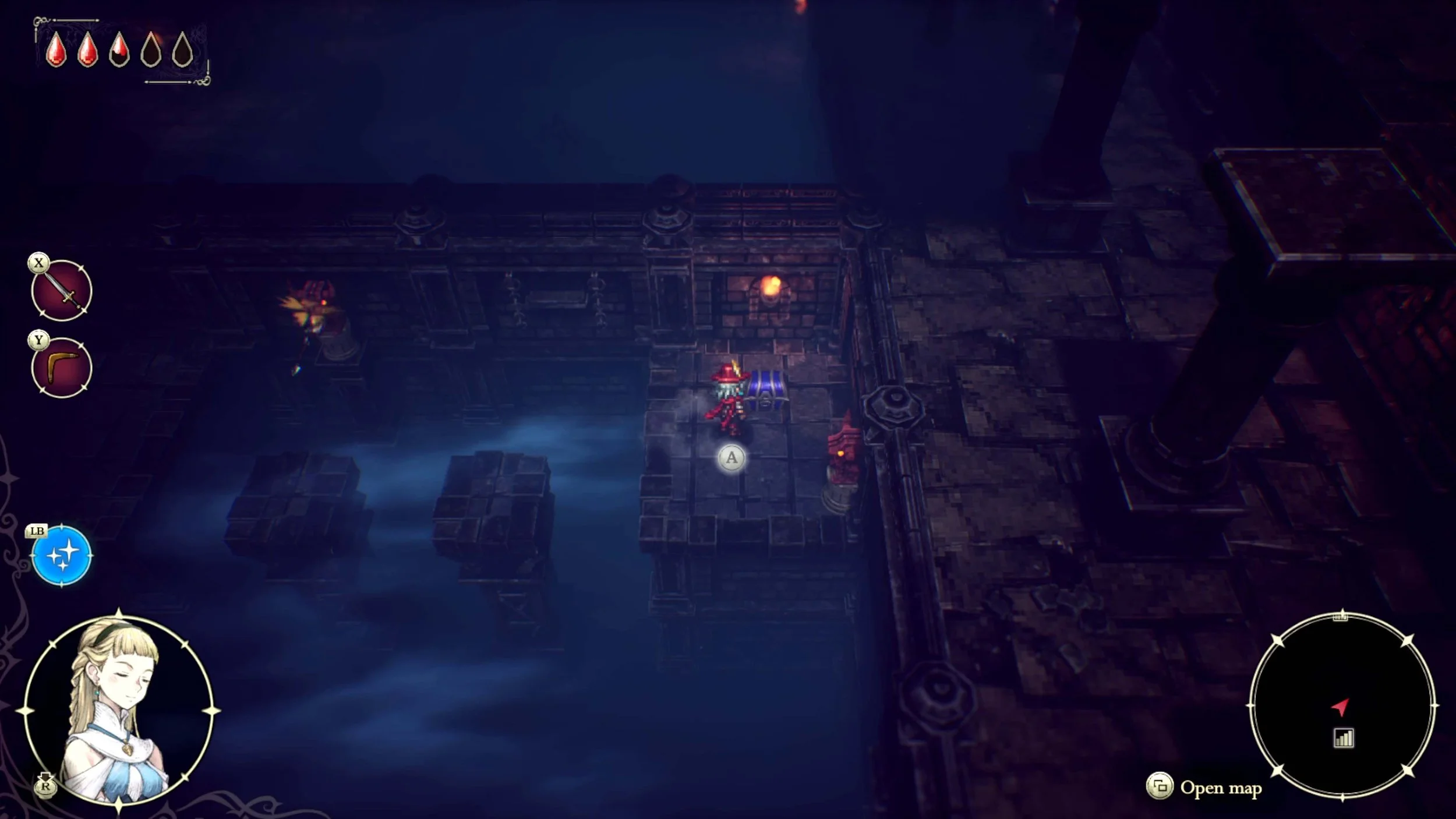
The Adventures of Elliot proudly wears its classic action-adventure influences on its sleeve. Its top-down perspective, hidden caves, dungeon design, health upgrades, environmental puzzles, and gradual ability progression immediately bring classic Zelda games to mind. However, it never feels like a cheap imitation.
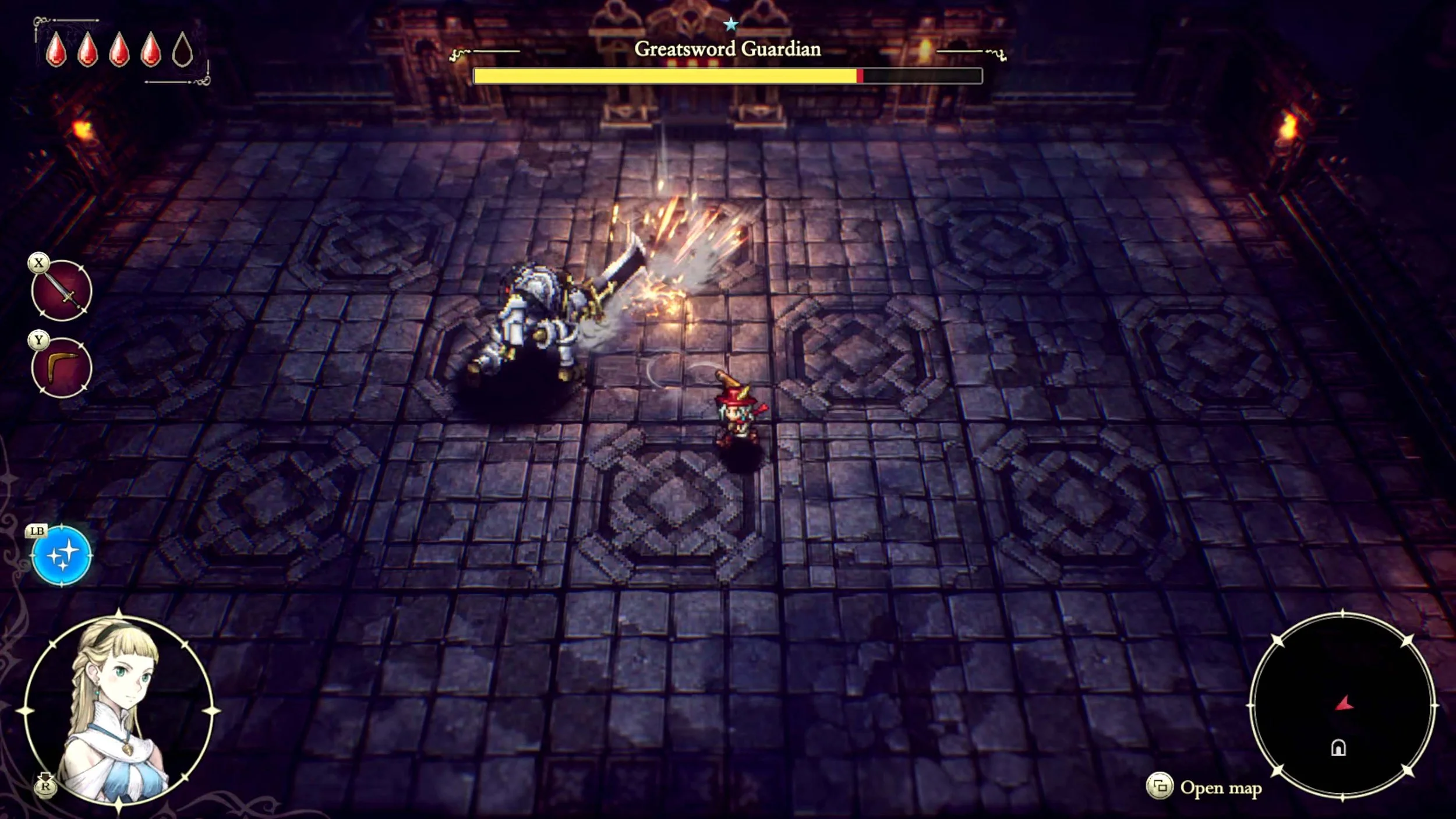
Instead, the game takes those familiar foundations and expands on them with deeper combat, extensive weapon variety, Magicite customization, larger environments, and a world that changes depending on the time period you visit. Exploration is constantly rewarding, with the world packed full of caves, ruins, shrines, combat trials, hidden treasure, side quests, and secret pathways. I rarely traveled in a particular direction without finding something worthwhile.
The game also does an excellent job of encouraging curiosity. You may discover an inaccessible route, a suspicious object, or a strange environmental feature long before you have the ability required to interact with it. Returning later with a new power often leads to hidden rewards, optional challenges, or completely new areas.
This creates the same satisfying progression loop that made classic Zelda games so memorable. You are constantly gaining new tools, remembering previously inaccessible locations, and returning to uncover secrets that were hiding in plain sight. The time-travel system makes that exploration even more interesting and layered.
A location may look completely different depending on the era, and side quests regularly ask you to investigate events across multiple points in history. An item discovered in the past may solve a problem in the future, while information learned in one era can completely change your understanding of another. The world feels carefully constructed rather than simply large for the sake of it.
Combat is fast, responsive, and surprisingly varied. Elliot eventually gains access to seven different weapon types, including swords, bows, spears, bombs, boomerangs, hammers, and chains and sickles. Each weapon plays differently enough that experimenting with them feels worthwhile.
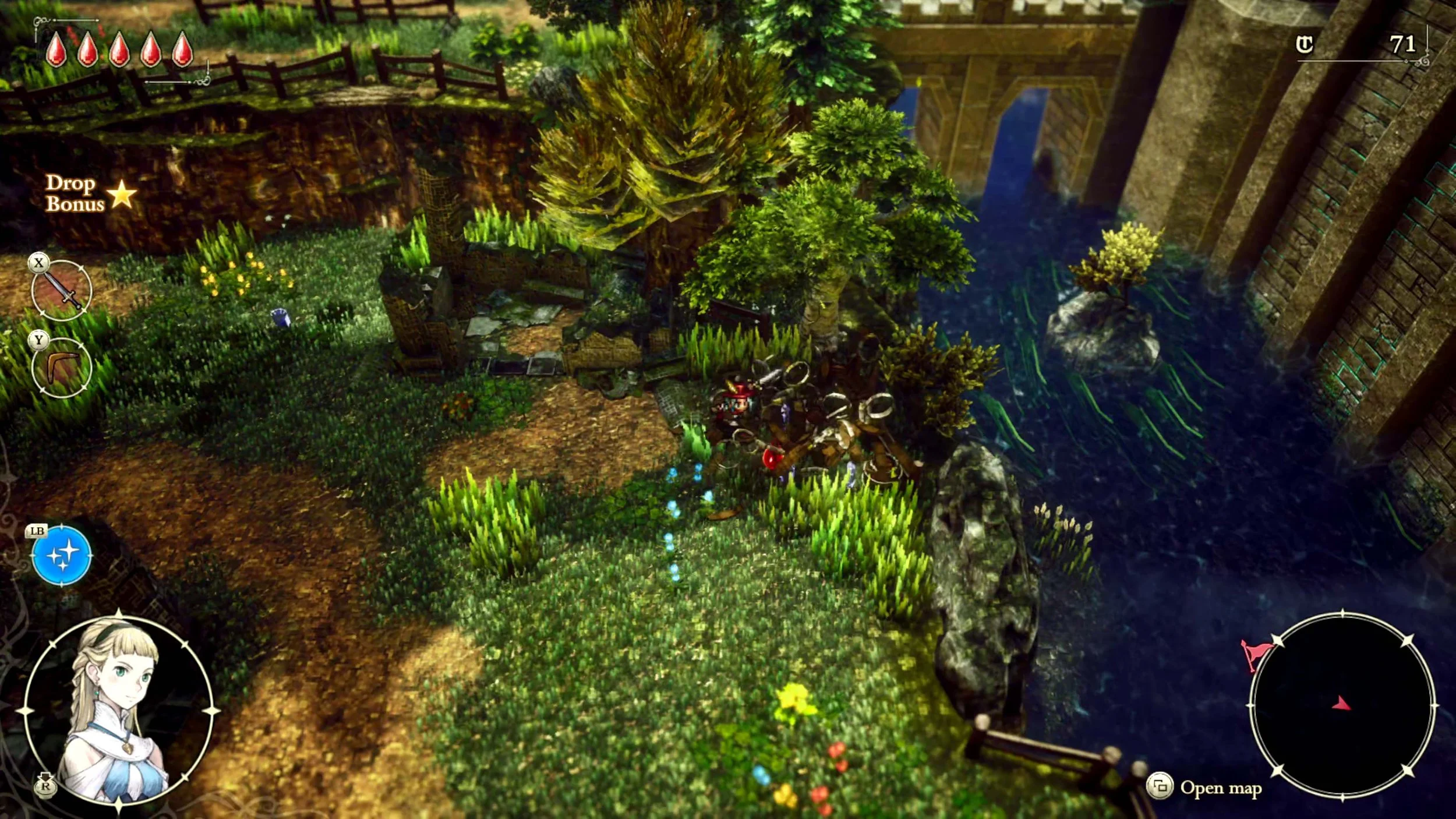
The sword provides reliable close-range attacks, while the bow and boomerang allow you to fight from a safer distance. The hammer delivers slower but heavier strikes, bombs are useful for controlling groups of enemies, and the chains and sickles provide wide attacks that can cover a significant amount of space.
You can equip two weapons at once and switch between them during combat. I generally preferred combining a close-range weapon with a ranged option, allowing me to adjust quickly depending on the enemy or boss I was facing. Each weapon also has its own charged attack, and these are not simply more powerful versions of standard strikes. Many of them change the way a weapon functions, giving you additional options for crowd control, range, mobility, or dealing heavy damage to a single target.
Although I naturally developed a few favorites, the game regularly encouraged me to switch weapons depending on the situation. Weapon customization comes through Magicite, which can be equipped to specific weapon types.
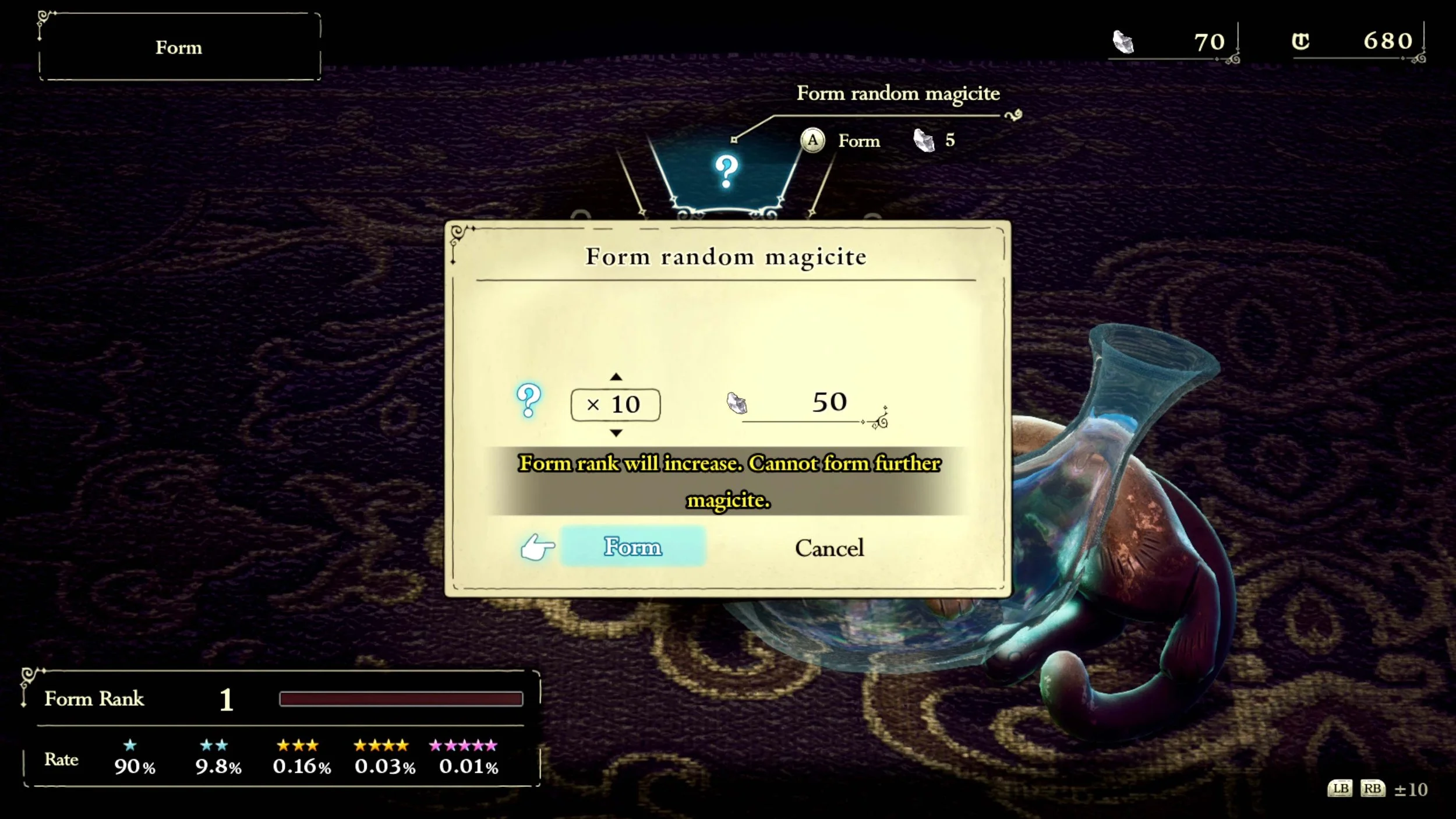
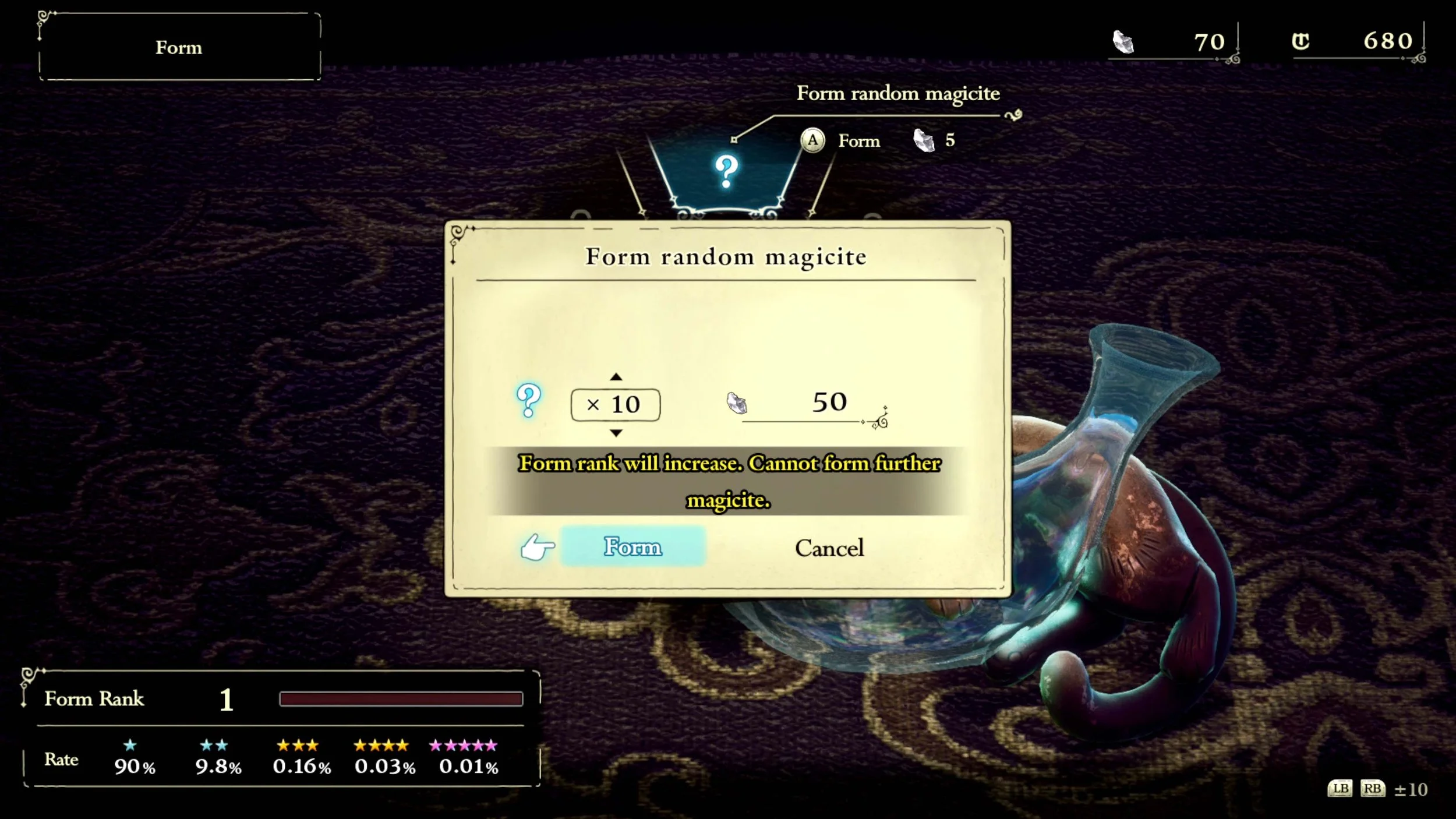
Magicite provides passive bonuses and special effects that can improve critical hit chances, strengthen attacks, or introduce risk-and-reward mechanics. This system allows you to shape Elliot around your preferred playstyle without becoming overly complicated. New and stronger versions of each weapon can also be found throughout the world. These are automatically equipped when discovered, keeping the basic progression simple while Magicite provides the more meaningful customization.
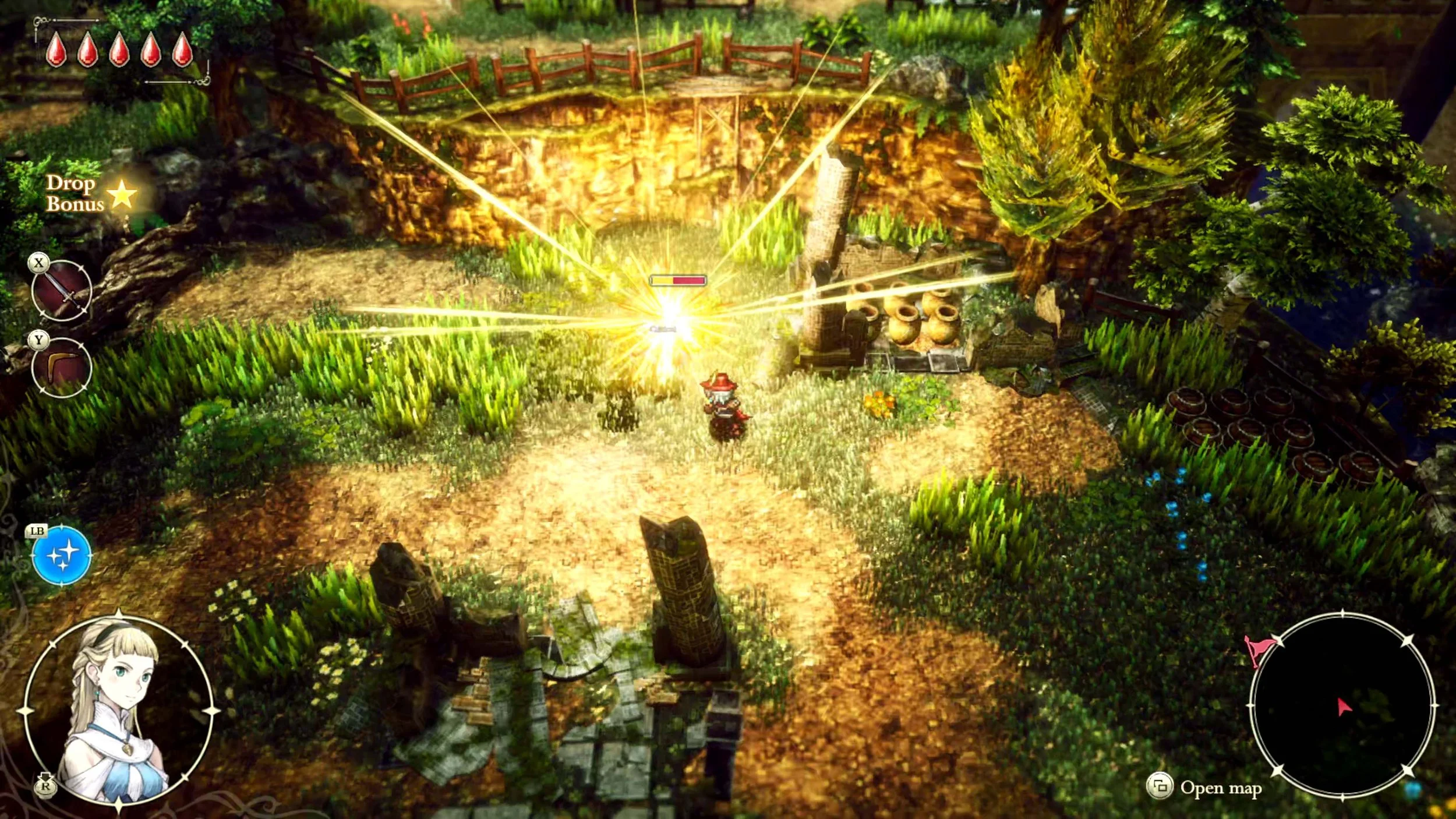
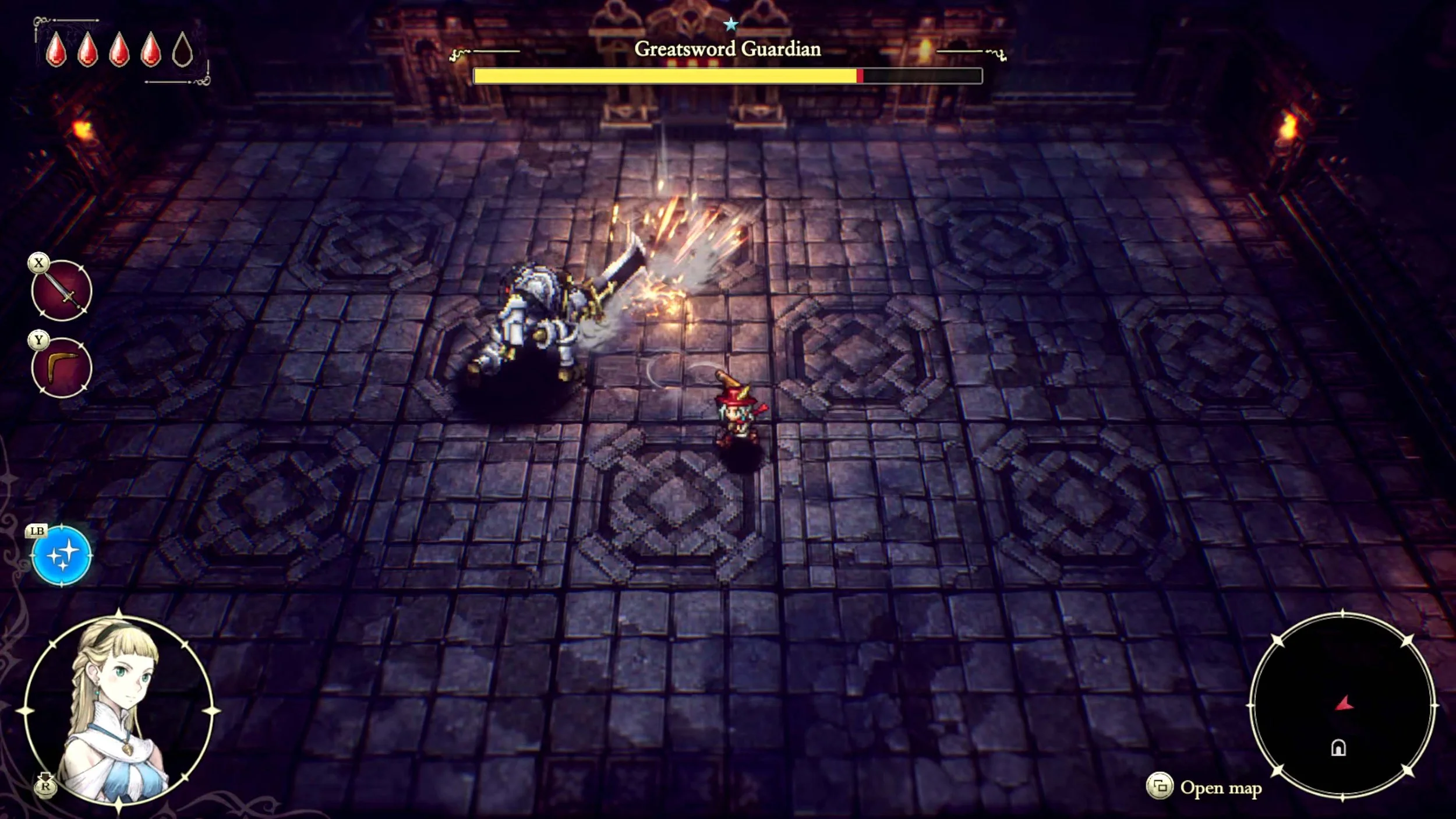
Elliot also has access to a shield that can block incoming attacks. Blocking drains stamina, meaning you cannot simply hold the shield indefinitely. You need to learn enemy patterns, choose the right moments to block, and lower the shield between attacks to recover stamina. This becomes increasingly important during the game’s boss battles.
The boss encounters are another major highlight. These fights regularly place Elliot against enormous creatures with unique attack patterns, multiple phases, and visually impressive abilities. They test everything you have learned, requiring you to block certain attacks, dodge environmental hazards, switch between weapons, use Faie’s powers, and identify brief opportunities to deal damage.
The range of weapons and abilities means there is rarely only one way to approach a fight. Some bosses are easier to manage from a distance, while others reward aggressive close-range attacks. The standard difficulty never becomes brutally challenging, but the bosses still provide enough resistance to remain exciting and satisfying.
Controlling Elliot and Faie simultaneously can occasionally become hectic during the busiest encounters. Managing two characters, multiple weapons, cooldowns, and enemy attacks requires concentration. However, the controls become surprisingly intuitive once you become comfortable using both analog sticks independently.
The game also supports local cooperative play, allowing a second player to take control of Faie. It is a brilliant addition that offers a completely different way to experience the adventure.
The Adventures of Elliot also includes a clever combat streak system. Defeating enemies without taking damage increases your streak, improving the amount of tul and items dropped by defeated enemies. Tul is the game’s main currency and can be used to purchase weapons, items, and supplies. However, it also plays an important role when Elliot dies.
Faie can spend tul to revive him, but the cost increases each time you die before reaching another save point. This creates an interesting balance between spending your currency on useful items and keeping enough available for emergencies. It also gives you a reason to continue caring about tul after you have already purchased most of the supplies you need.
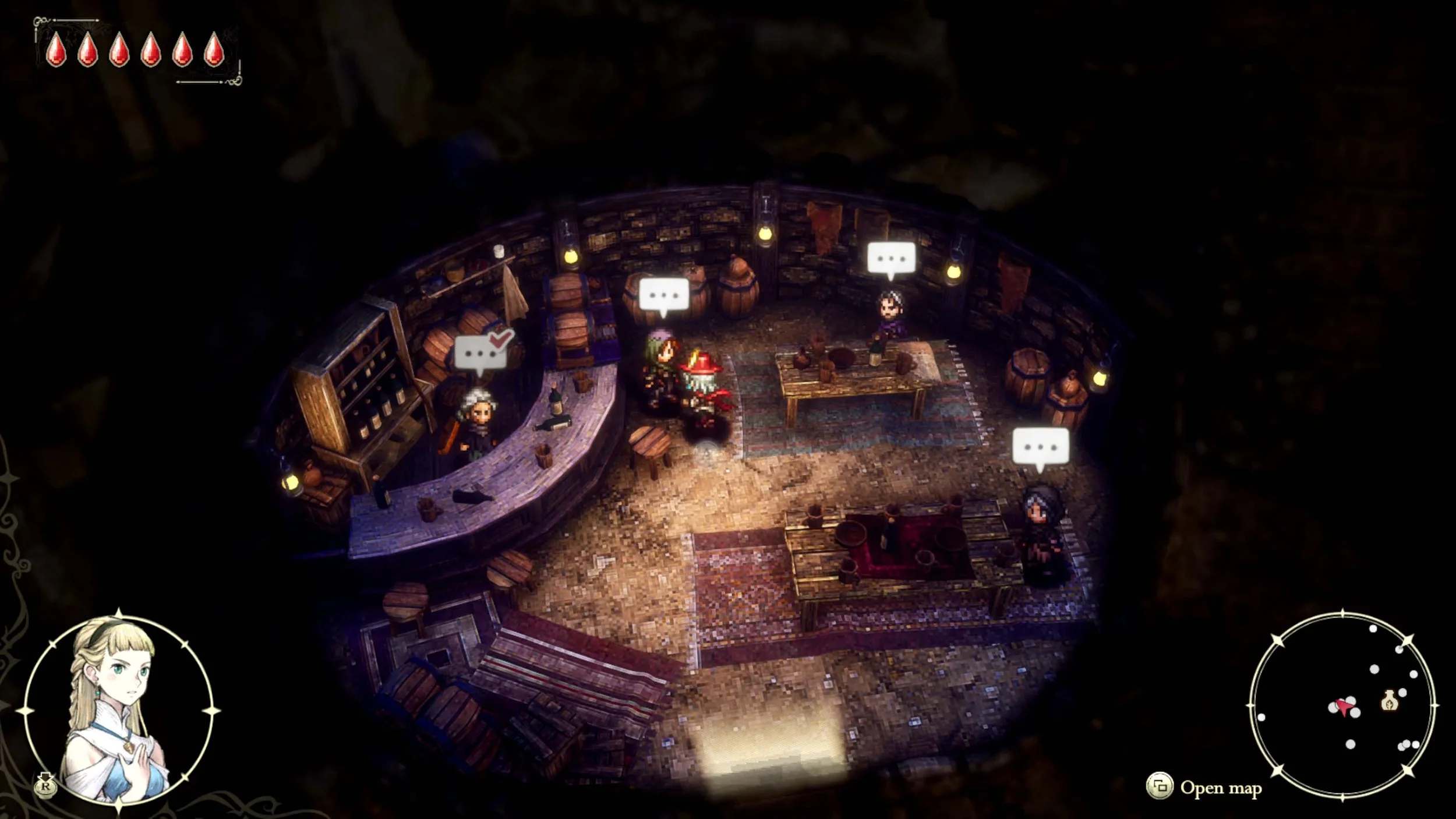
Side quests are spread throughout every era and often provide another reason to explore areas you may otherwise ignore. Some objectives are fairly standard, including collecting items or defeating a certain number of enemies. However, they rarely overstay their welcome and often lead to worthwhile rewards or interesting character moments.
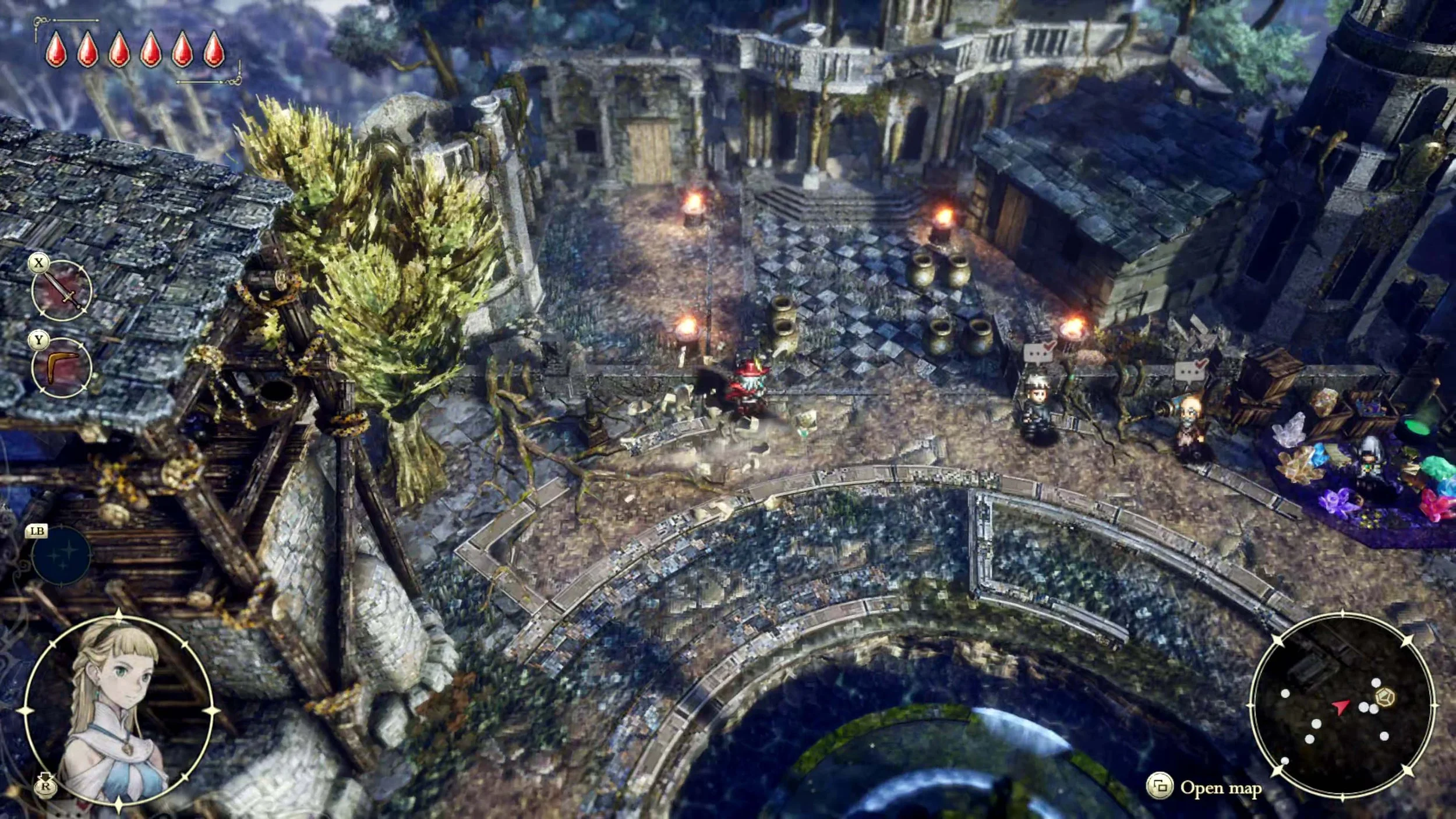
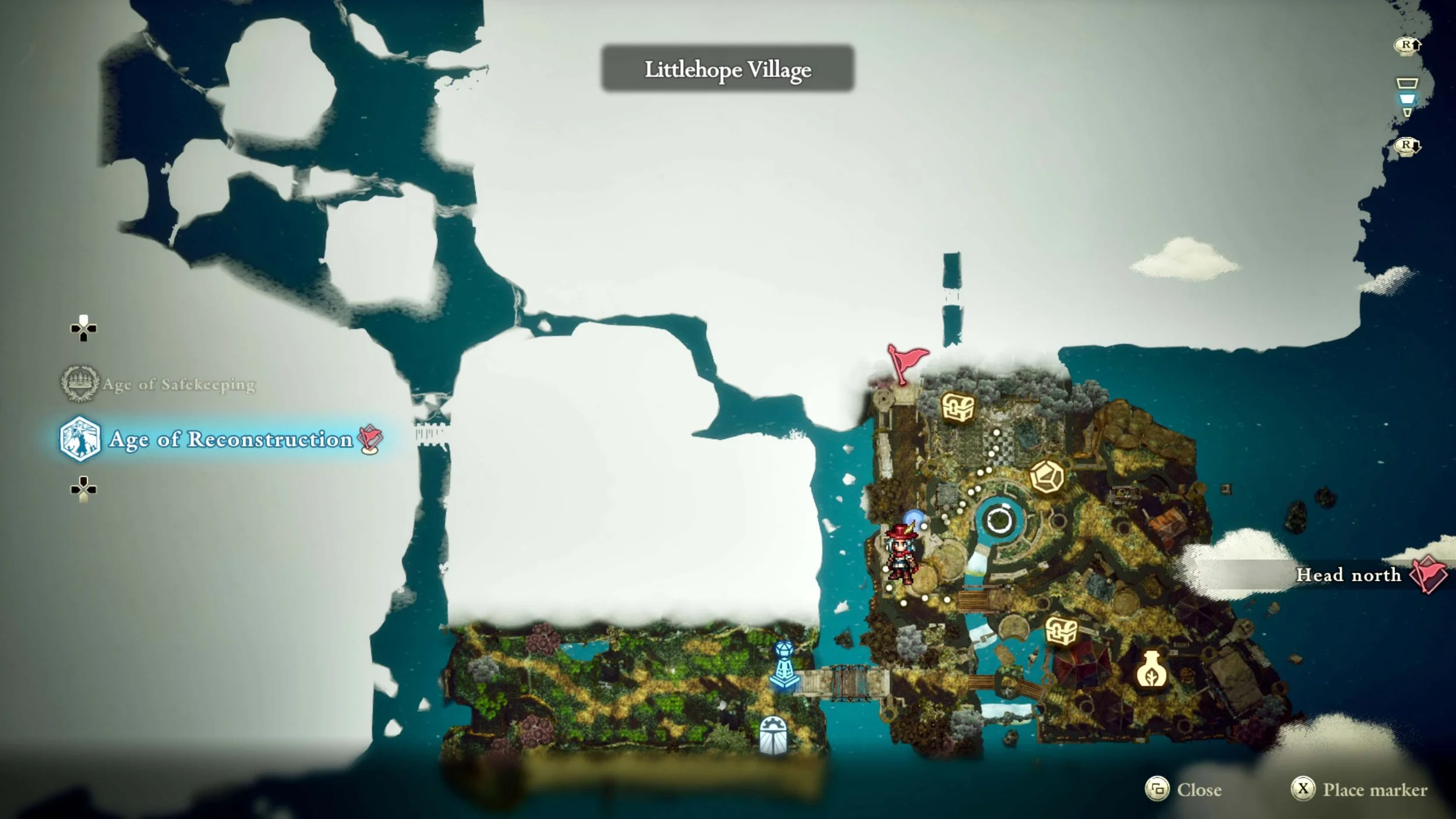
Several quests make excellent use of the time-travel premise, asking you to trace the origins of an event or solve a problem by visiting multiple eras. Fast travel is also incredibly generous. Once you discover a guidepost, you can return to it easily, allowing you to revisit previous locations without wasting time. This makes searching for missed secrets and completing side content far more enjoyable.
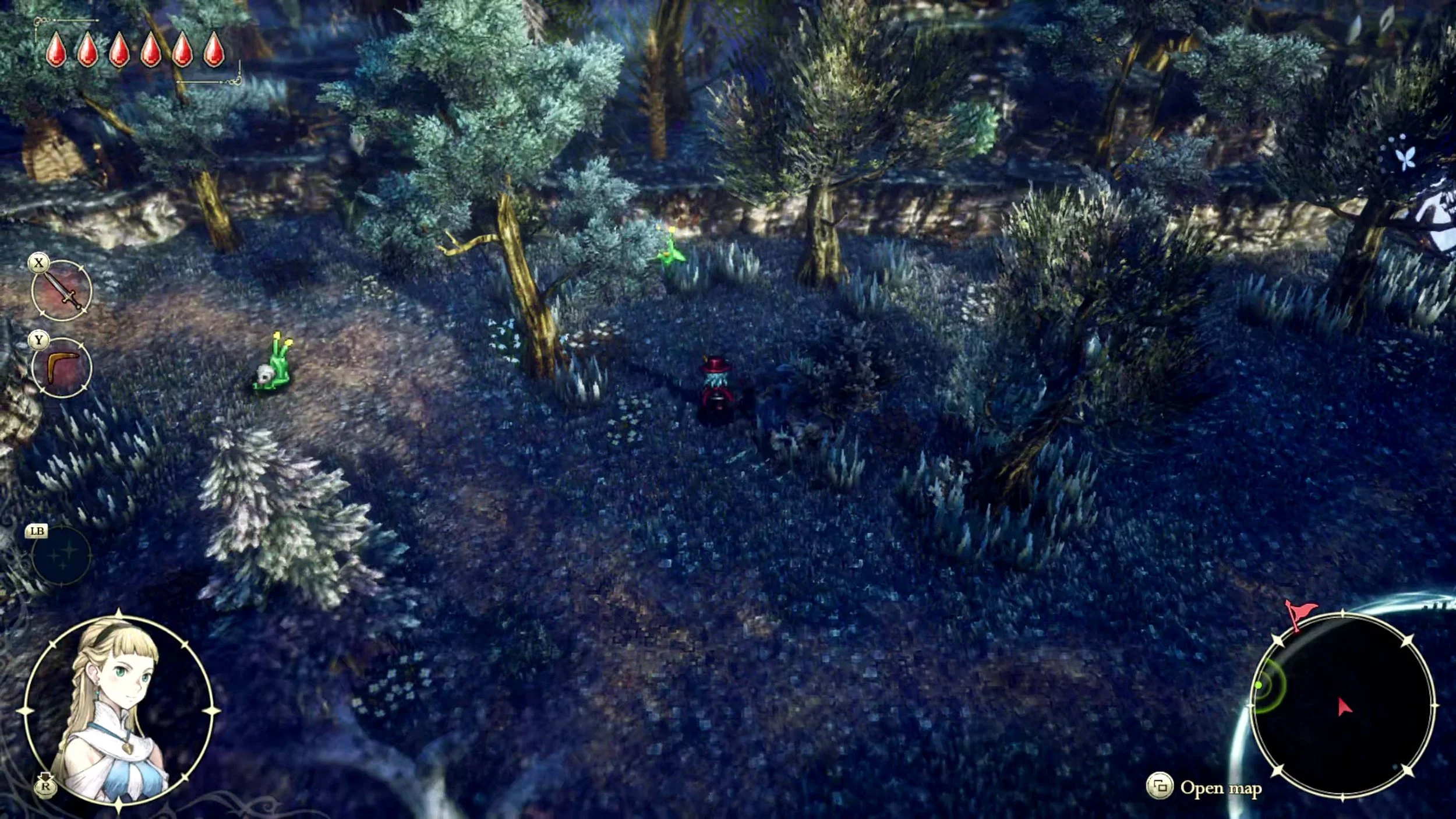
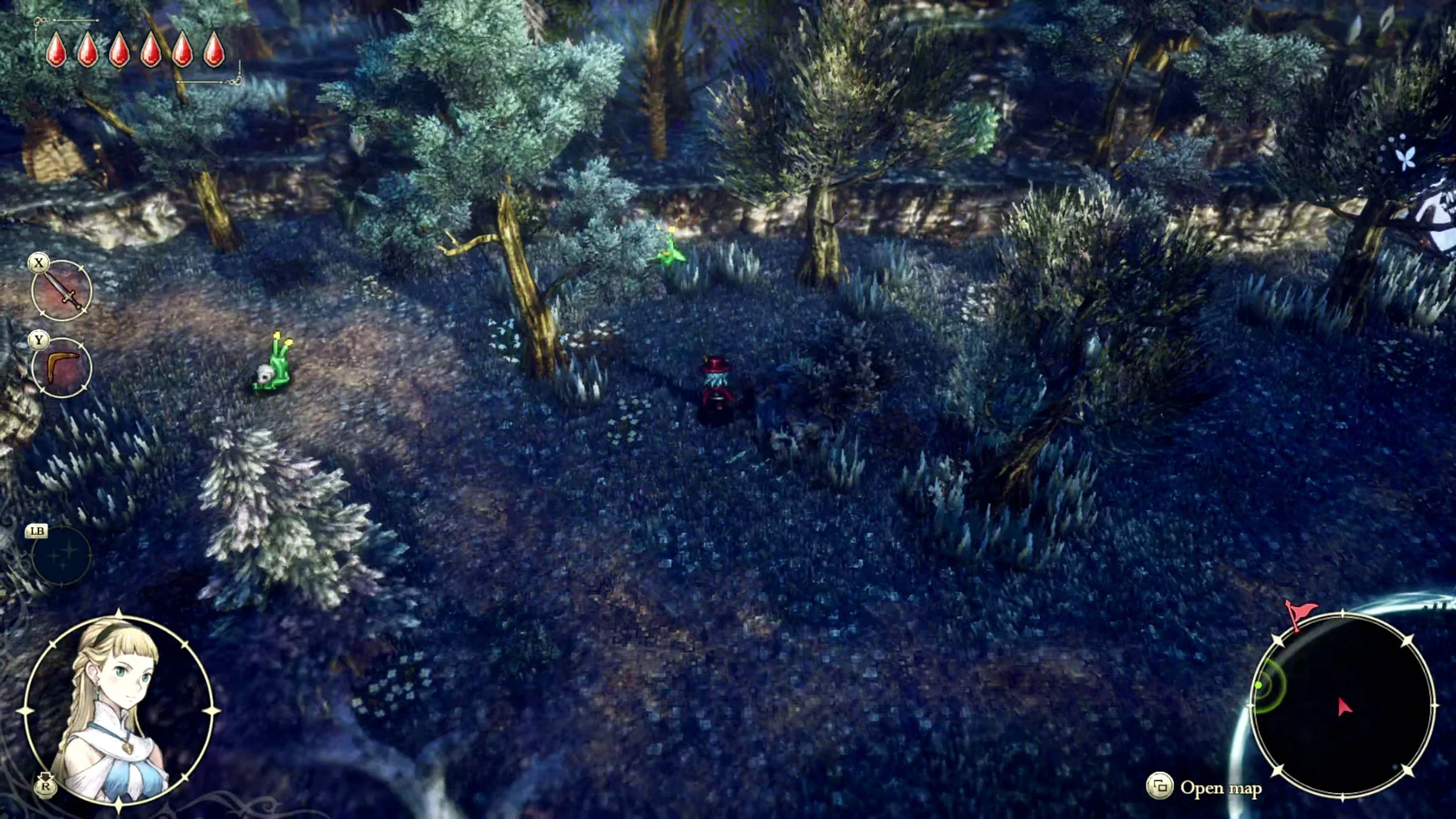
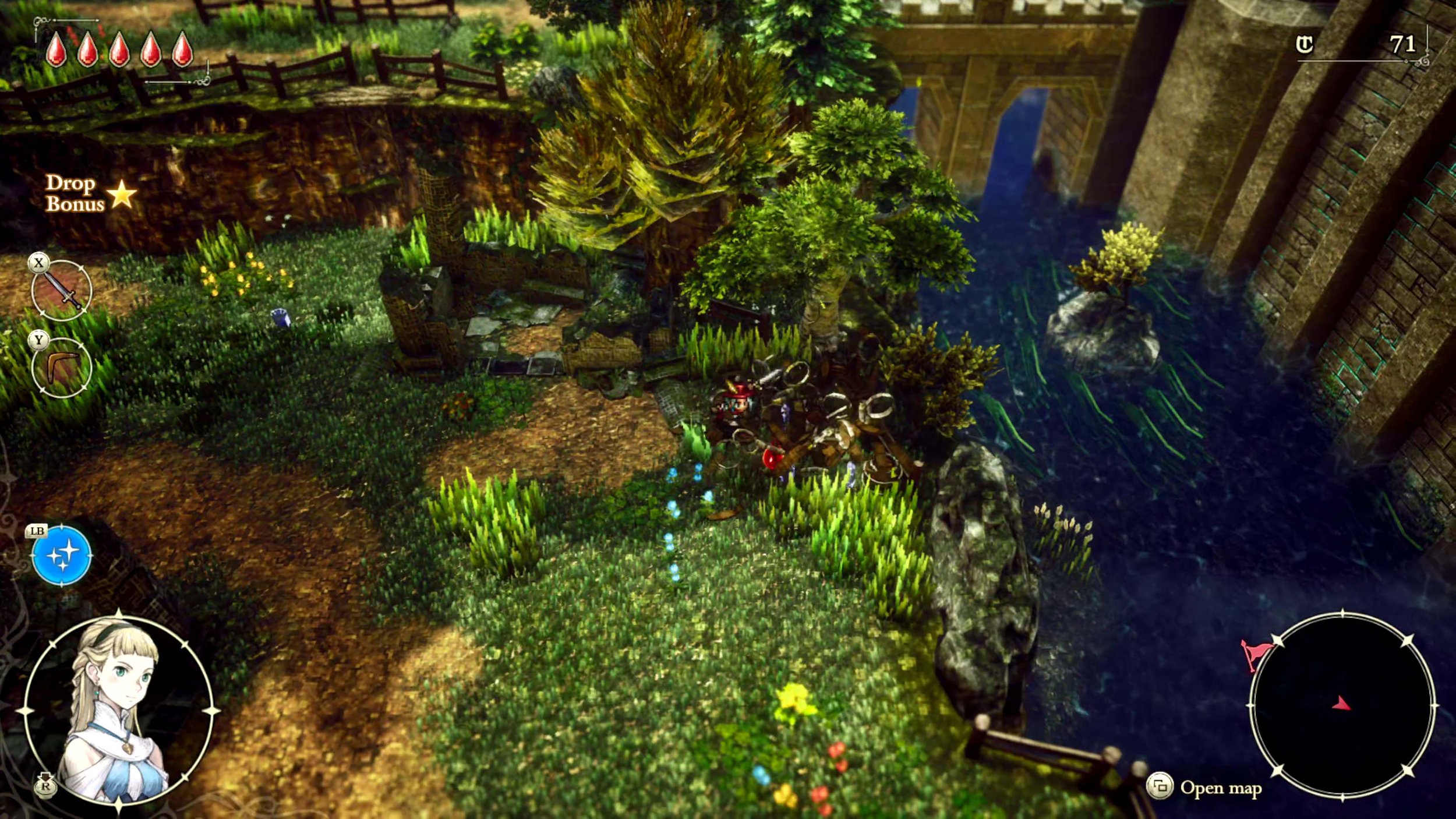
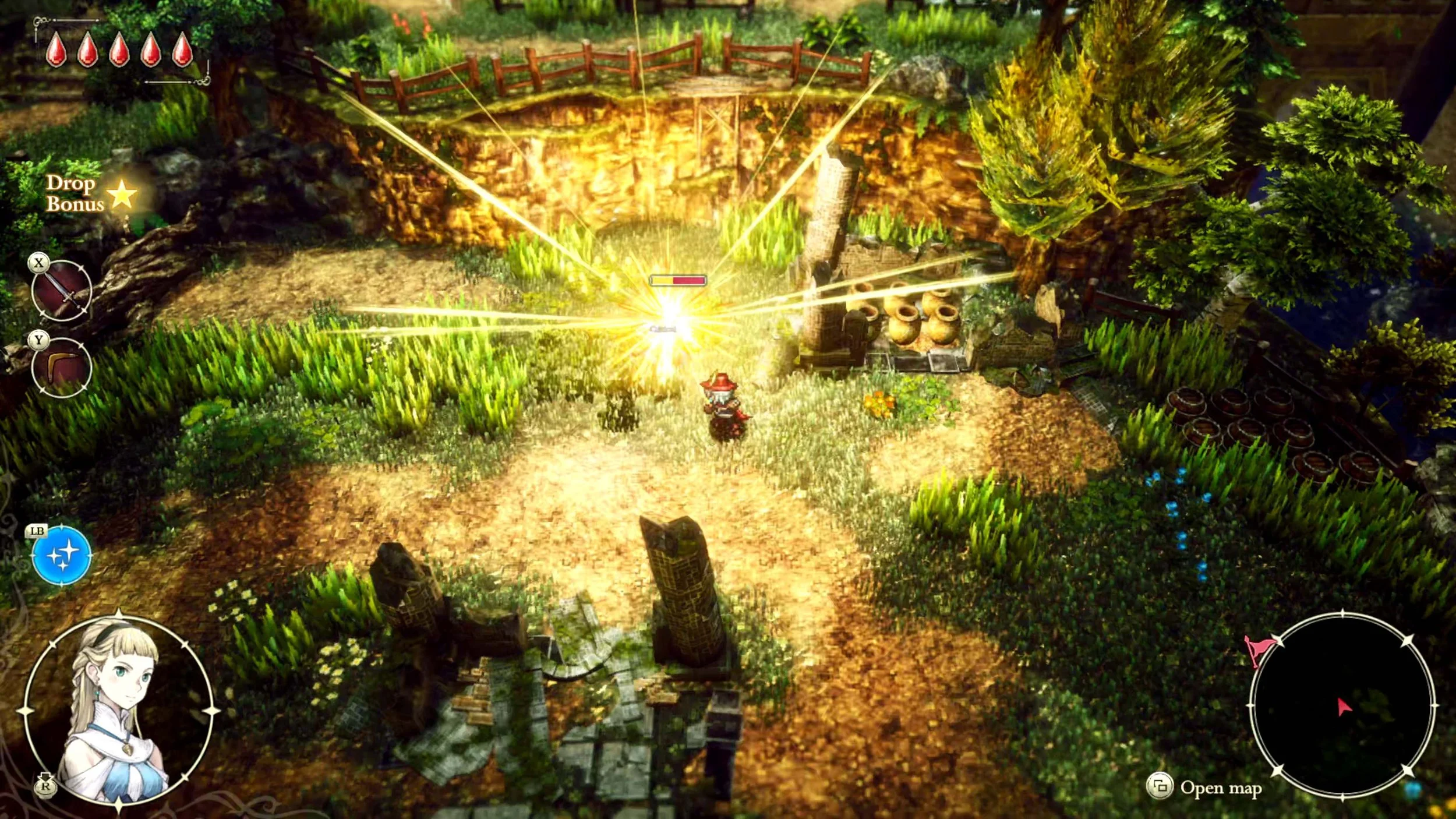
Visually, The Adventures of Elliot is absolutely stunning. Team Asano’s HD-2D style has already produced some beautiful games, but this is one of the finest examples of it so far. The pixel-art characters are filled with charm, while detailed 3D environments, impressive lighting, shadows, weather effects, and depth of field create a remarkable sense of atmosphere.
Each era has its own distinct visual identity. Lush forests, frozen landscapes, ancient ruins, deserts, settlements, and underground dungeons are all presented with incredible detail. Seasonal changes, different lighting conditions, and environmental alterations also help familiar locations feel completely different depending on when you visit them.
The art is fantastic across the entire game. There were numerous moments where I stopped moving simply to admire the environment, particularly when entering a new area or seeing how a familiar location had changed in another era.
The soundtrack is equally outstanding. Exploration themes make every environment feel inviting and mysterious, while combat tracks add energy to even the smallest encounters. Boss themes are appropriately dramatic, and the more emotional pieces give the story’s biggest moments significantly more impact.
There was never a point where the music felt like background noise. The soundtrack constantly elevates the exploration, combat, and storytelling. It gives each era a stronger identity and helps the adventure feel far grander than its retro-inspired presentation may initially suggest.
The voice acting is also consistently strong. Elliot’s performance captures his kindness, sincerity, and enthusiasm perfectly, while Faie’s energetic delivery makes her an immediately likeable companion. The supporting cast embraces the fantasy setting without becoming overly exaggerated.
I reviewed The Adventures of Elliot on PC and encountered no technical issues of any kind. There were no crashes, bugs, freezes, noticeable performance drops, or other problems throughout my entire playthrough. The game remained consistently smooth, and its incredible visual presentation was never undermined by technical problems.
That level of polish is particularly impressive considering the size of the world, the number of different eras, and the variety of visual effects on display.
The Adventures of Elliot: The Millennium Tales is the classic Zelda alternative that players have wanted for years. It captures everything that made traditional top-down action-adventure games so special, including rewarding exploration, memorable dungeons, clever puzzles, satisfying progression, and an endless stream of secrets to discover.
However, it does far more than simply recreate the past. Its varied weapons, Magicite customization, Faie’s unique abilities, time-travel mechanics, gorgeous HD-2D art, and outstanding soundtrack give the game an identity of its own.
The story may be based on familiar fantasy foundations, but I was completely invested in Elliot’s journey. Elliot is an incredibly likeable protagonist, and his relationship with Faie gives the entire adventure an enormous amount of heart.
Combined with its excellent combat, fantastic bosses, rewarding exploration, and flawless PC performance, The Adventures of Elliot stands as one of Team Asano’s greatest achievements. This is not merely a substitute for classic Zelda. It is a spectacular action RPG in its own right and one of the best games of 2026.

Developer - Square Enix, Claytechworks, Team Asano
Publisher - Square Enix
Released - June 18th, 2026
Available On - PC, PS5, Xbox Series X/S, Nintendo Switch 2
Rated - (T) - Fantasy Violence, Mild Language, Use of Alcohol
Platform Reviewed - PC
Review Access - A review code for The Adventures of Elliot: The Millennium Tales was provided by the publisher for the purpose of this review.
I’m Jordan I have a background in game design and am deeply passionate about accessibility in gaming. My favourite games/franchises include Shenmue, Red Dead Redemption 2, Plague Tale: Requiem, Metal Gear Solid 3, Yakuza, Splinter Cell, and Assassin’s Creed.