

A true evolution.
When I sat down to play Digimon Story: Time Stranger, I wasn't entirely sure what to expect. My digital monster knowledge was limited to the beginning era of the first anime series and the 2000 release of Digimon: The Movie. I was also intimidated by the fact that there had already been six other entries in the Digimon Story franchise. I was worried my lack of current digi-knowledge and little to no hands-on with the previous games would couple into a confusing and lackluster experience that would ultimately discolor my opinion, but by no fault of the developers, of course. Then it came to my attention that there had been a demo released that treated you to the first hour of the game. After getting to play with this delicious appetizer, I was delighted to discover that my fears no longer existed. I was now ready and eager to dive into the full game. My time could not have been better spent.
I had initially been intrigued that Digimon Story: Time Stranger was a single-player JRPG adventure with anime-inspired visuals. The best part was, never once was I treated like an underprepared “noob”. DSTS invited me in with a friendly open door into their world, its characters, and gave me a fresh start and introduction to all things Digimon.
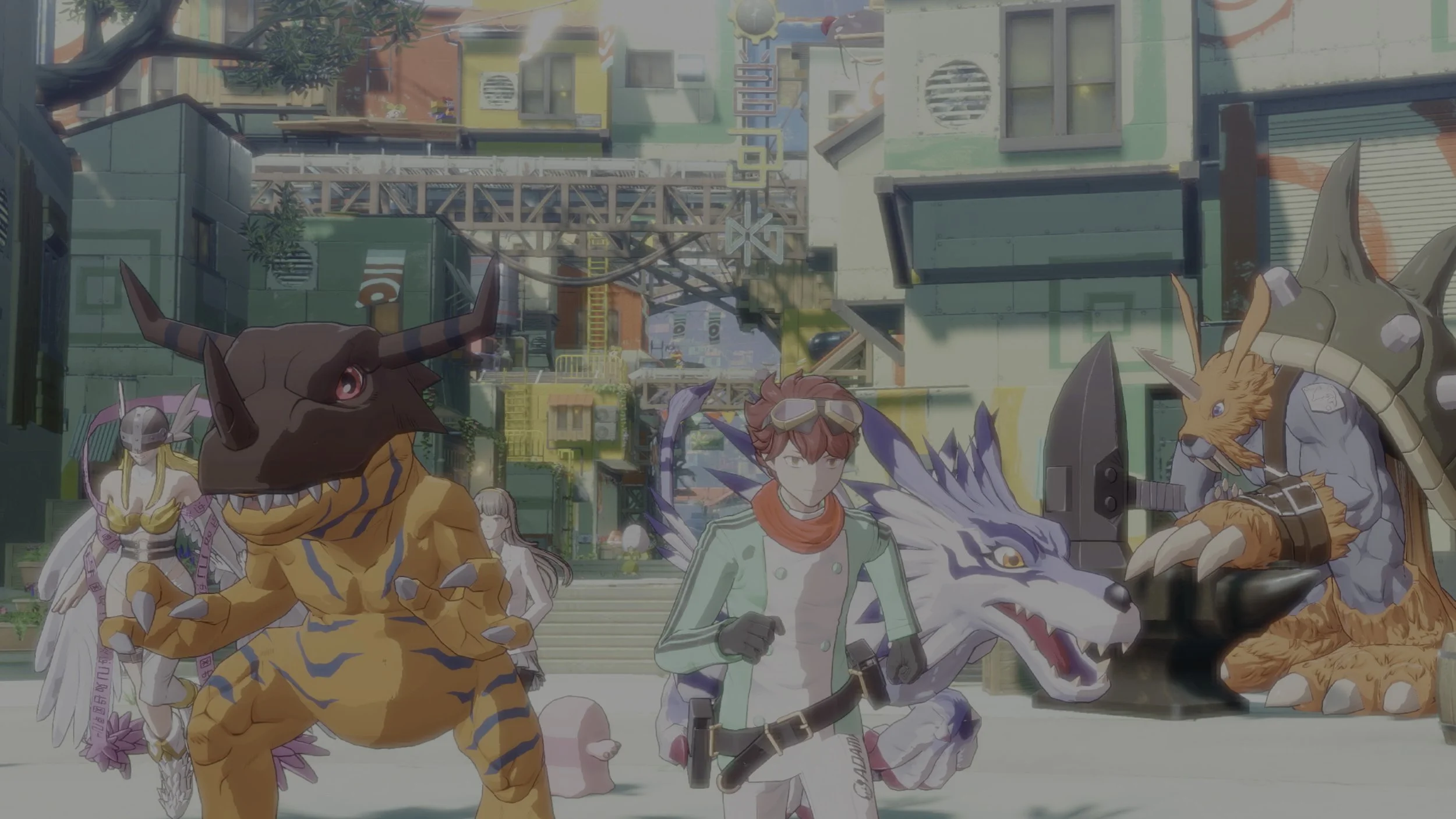
The game starts off with the soothing voice of an unseen narrator telling you about the state of things to come, and asks you to choose the avatar that best suits you. You are a secret agent of the ADAMAS organization, whose job it is to investigate anomalous events and prevent disastrous calamity. You arrive at a point in time when things are very tense. There are random sightings of odd things happening and destruction of areas with little to no explanation by officials or the government.
Worst of all, people are reporting that they've seen monsters. Areas are being closed off, and people are getting stranded and it's leading to unrest from the frightened citizens in the form of anger and protests. You are urged by your operator that you must figure out the cause in order to stop it, or the consequences could be dire. With resolved determination to save the people, you push forward with your investigation and into the massive government building that seems to be at the epicenter of the phenomena. What seems to be a pretty straightforward investigation quickly evolves into something quite grander than expected, and it turns out that humans may not be the only species involved and affected.

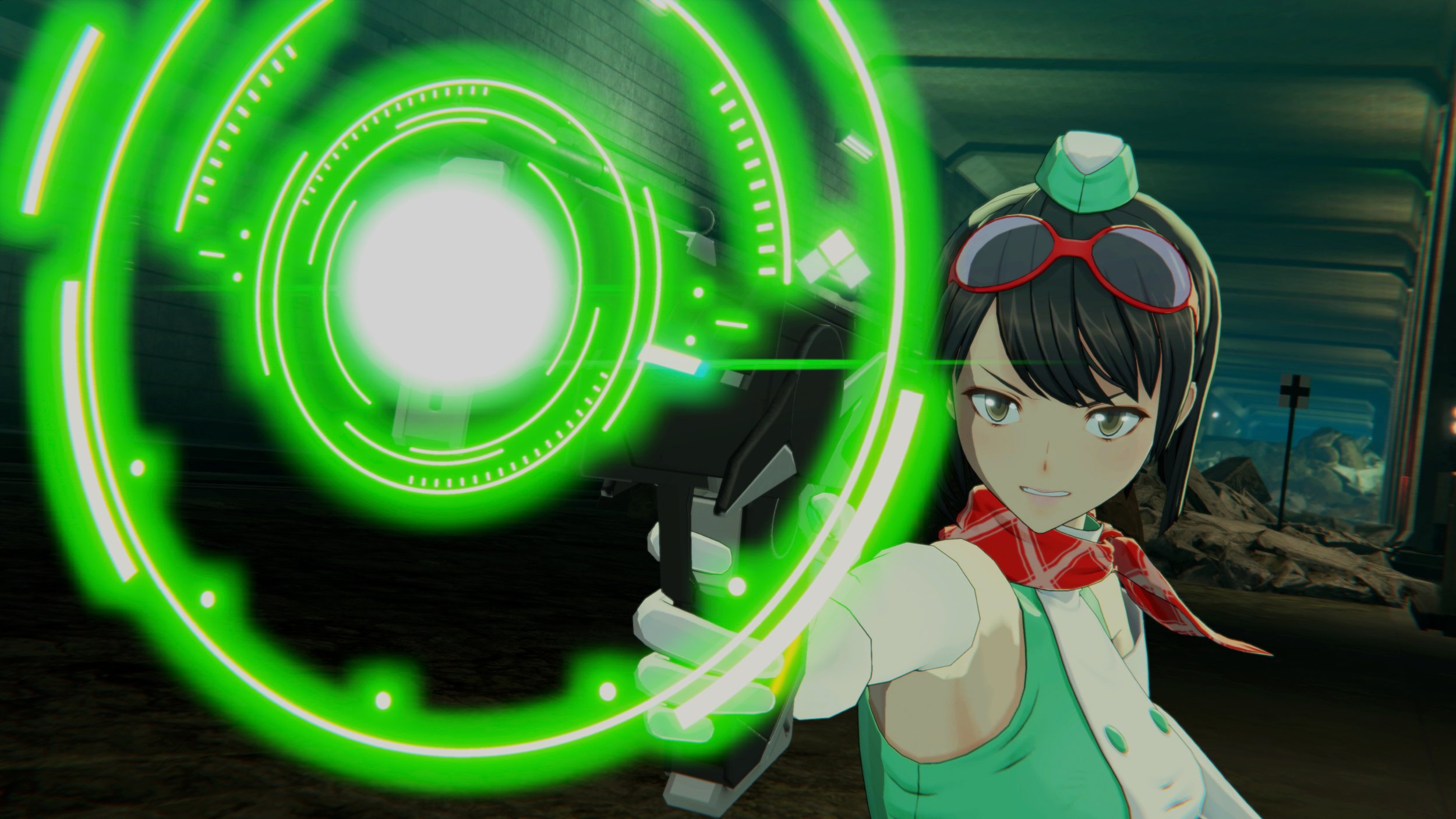
You can choose between a young man with wind-swept red hair and a bright smile, or a young lady with a graceful stance and determined air. Whoever doesn't get picked is going to be your partner, or operator, that stays in communication throughout the game and provides you with insight into the events or direction on what should be done. While the main character is a mostly silent protagonist, which can seem odd since they do have voice actors for said MC, the developers do an amazing job of never making you feel separated from what's going on, and that you are part of every conversation. Whether this is with the people you meet or even the Digimon you are adventuring with, it gives a great feeling of friendship and camaraderie.
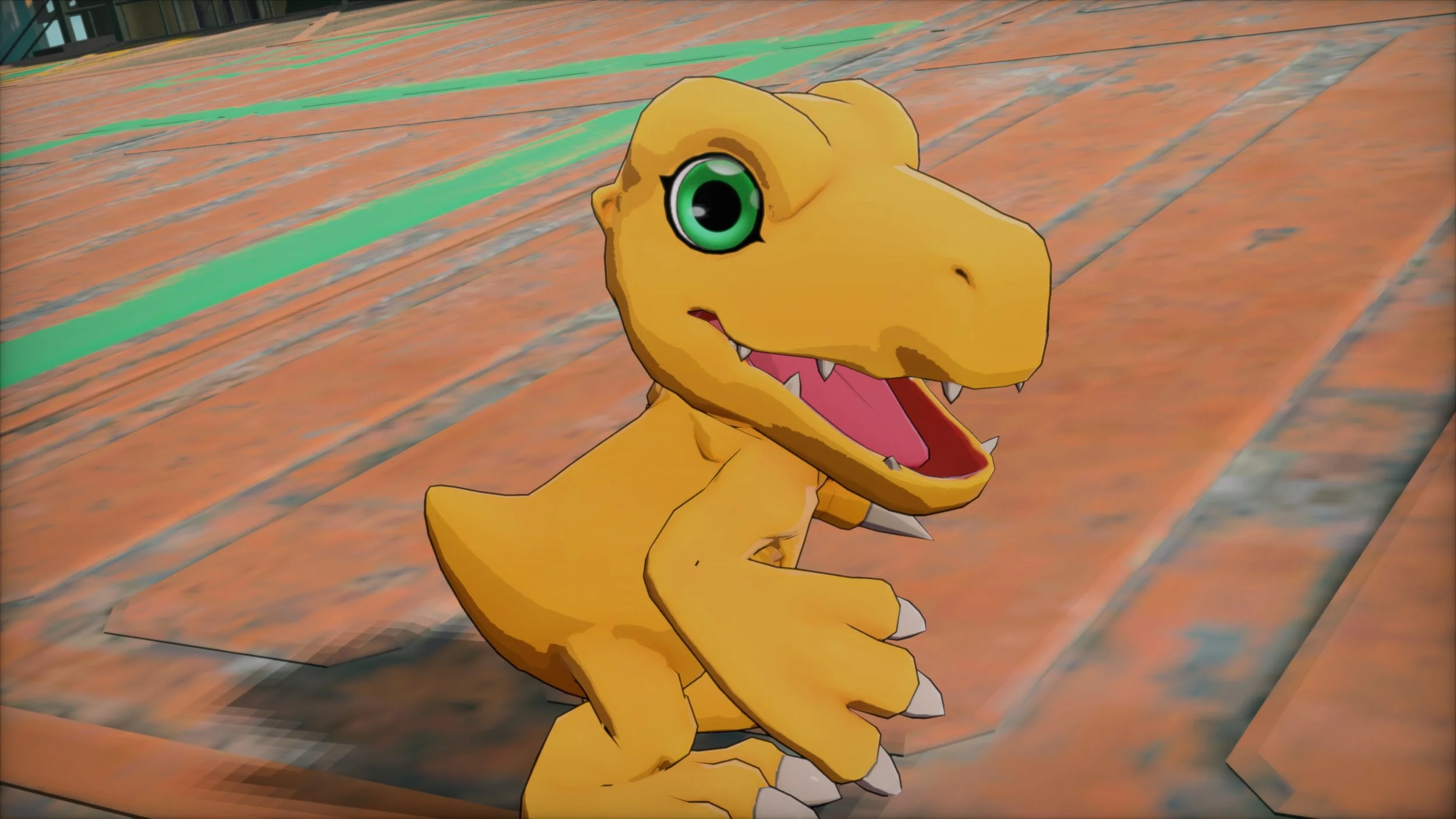
The friends you make are crafted with a lot of sincere personality in their expression and animation, and the voice acting is superbly done in a way that makes them feel alive and involved in the story. The Digimon themselves are not made to be accessories or tools, but feel like living and breathing creatures with thoughts, feelings, and lives of their own. Once in a while, they will give you an indication that they'd like to talk using a small icon above their head, or they will send you a message on your digital device. They ask for advice, might try apologizing for something they insist they did wrong, or make a comment on how they feel. While your response helps them resolve their conversation, it can also move or grow their personality type, which in turn will give them a series of abilities that can aid them in battle and even experience accumulation. This has been a unique and refreshing mechanic that breathes new life into the “monster partner” genre. I love the feeling of being able to care for them and help them as much as they have been there for me.

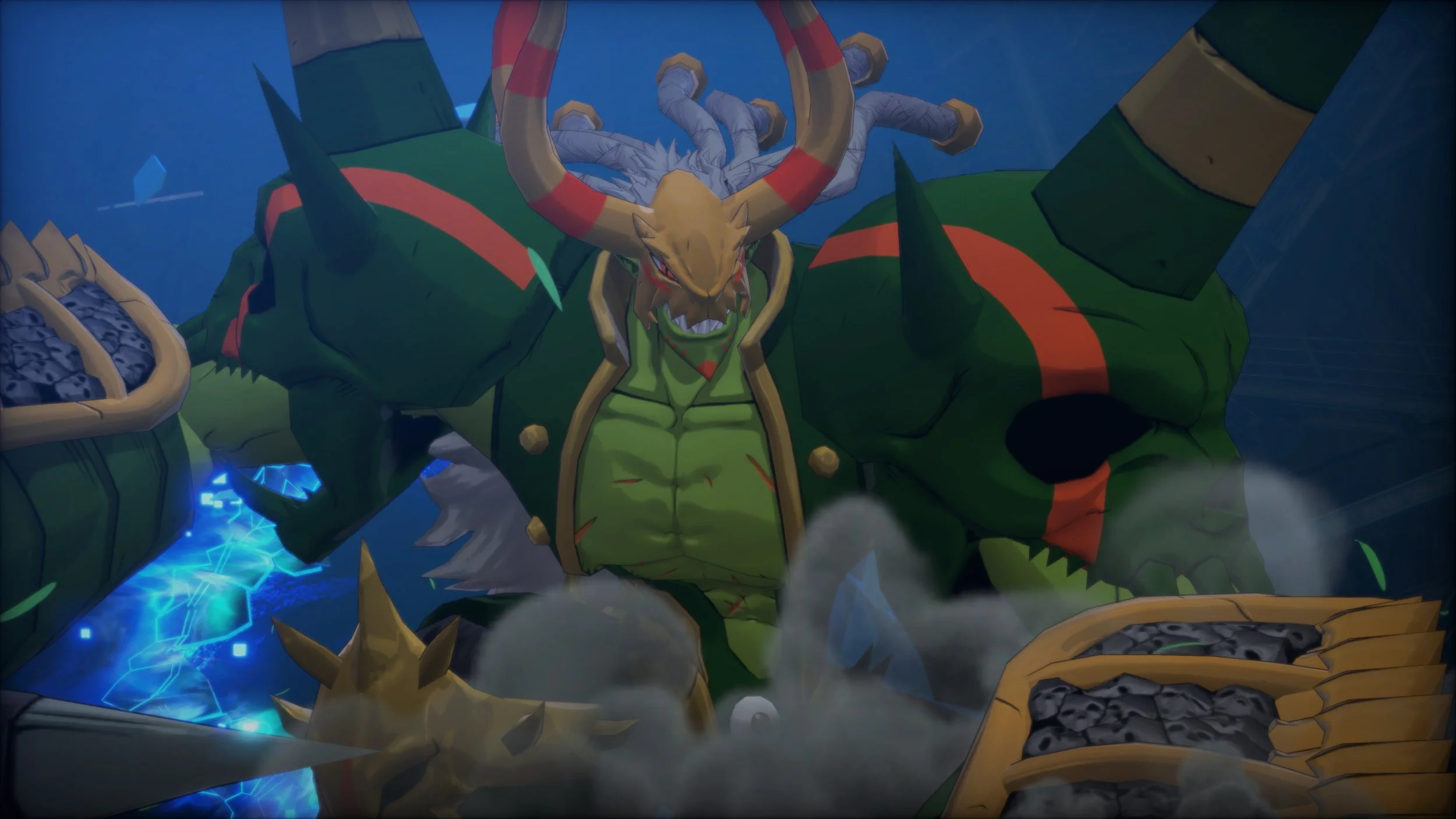
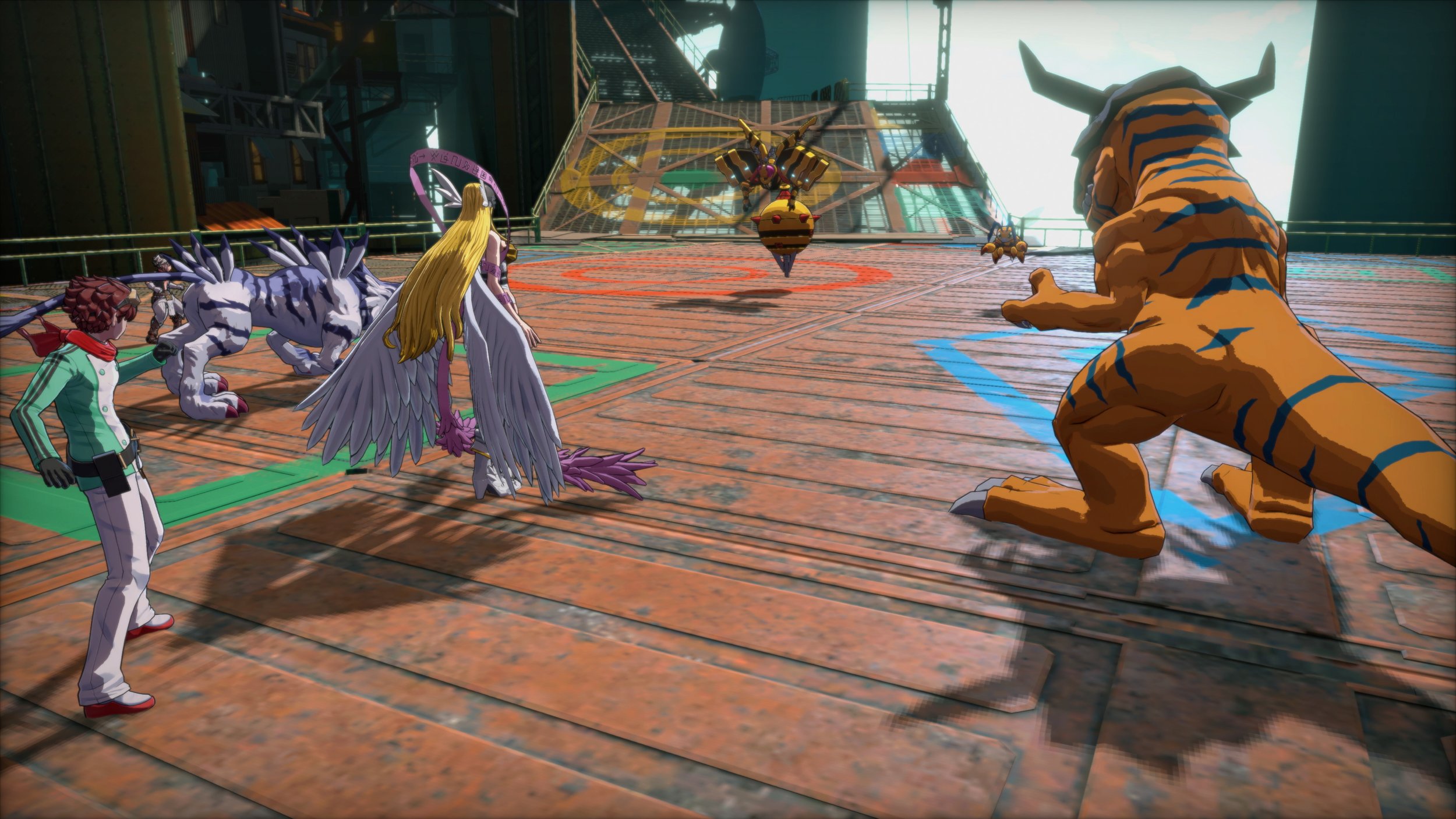
The power of these bonds is shown in the bright and bold spectacle of the battles. The strategy of which lies in the many different “elemental” types of the Digimon you'll meet throughout the game. Like in many RPGs of this kind, the elemental difference between your partners and the opposition can make or break the fight. In DSTS, there are even more types to keep in mind. Examples are virus, vaccine, data, and more. Vaccine-based Digimon are effective against viruses, viruses are good against data, and data does well against vaccines. Further in, these types can have elemental-based attacks that can affect the battles further. A virus Digimon that has plant and poison attacks will have a nemesis in a Digimon that utilizes fire attacks. It can seem confusing at first, but as long as you can remember basic types and elemental weaknesses and immunities, it will never be too overwhelming.
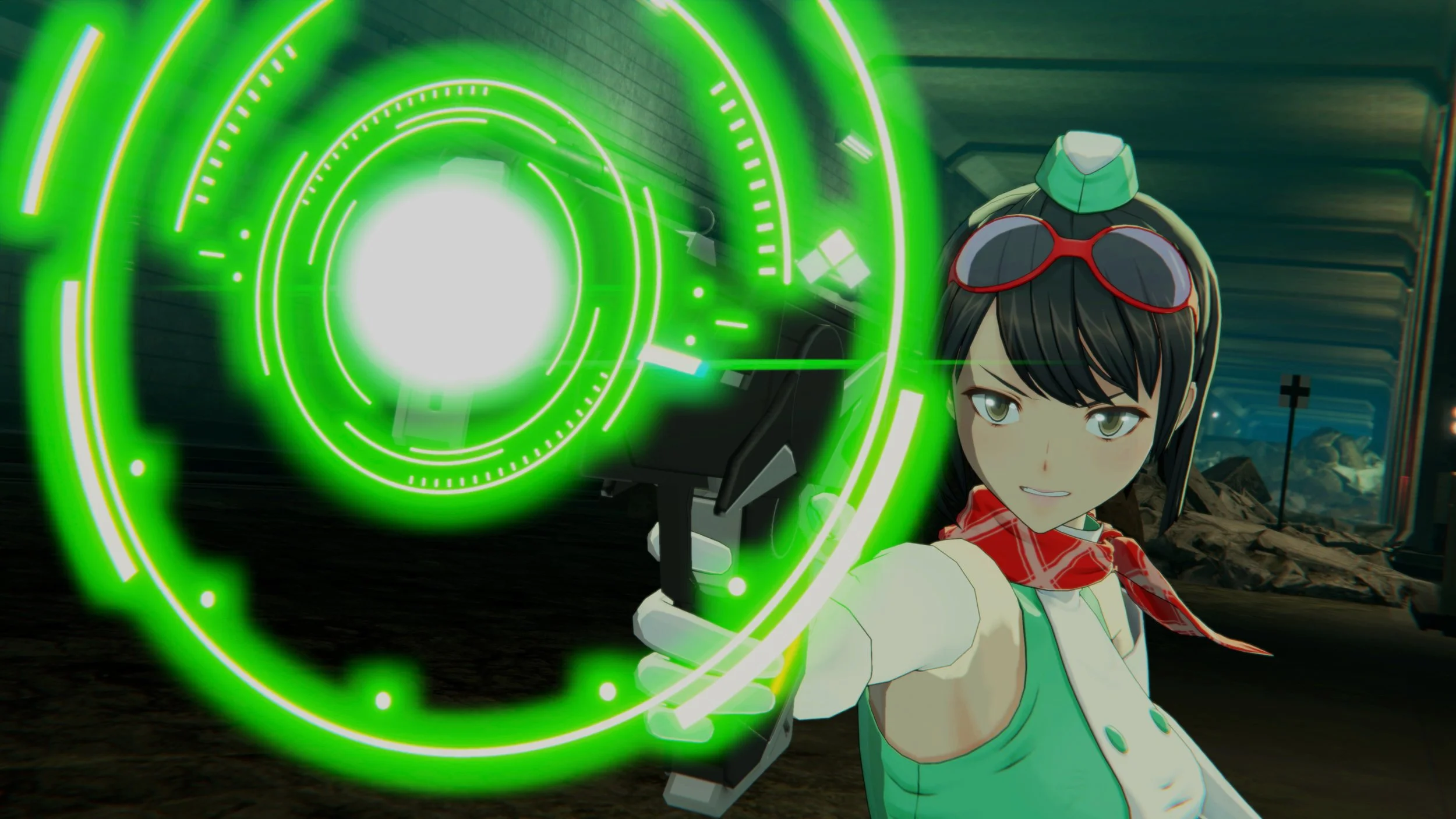
You also need to keep in mind your agent MC is not just window dressing or a background conductor giving orders. Your agent possesses their digital device, which can convert digital energy that gathers throughout the fighting by your Digimon partners and can be utilized using abilities of your own. You can unlock attacks that just deal massive damage, attacks that deal a little less but also deal debuffs, support abilities that bolster your Digimon friends, or defend them with shields.
If you feel that your Digimon of choice is still struggling, DSTS has crafted an interesting and unique optional area called the In-Between Theatre. This area exists in a pocket dimension of its own that is removed from time and flows at its own pace. The evidence is shown in the enigmatic girl who runs the main counter. You may see her as a little girl during one visit, later on as a young woman, and then even further on, she is a kid again. The denizens of the theater, this lady included, seem to want nothing more than to provide a place to rest, shop, train your digi pals, and even partake in miniature dungeons that are discoverable in areas while you are going through your missions. It can be a nice chill break that never makes you feel pressured to get back out there until you and your friends are ready.
Your missions will have you traveling through many different environments spanning two worlds, varying biomes, and yes, different moments in time. All of them have been wonderfully structured in a way that isn't difficult to navigate, providing forms of fast travel appropriate for the area you are in. However, if you do get a little turned around, a map overlay is easily summoned by the click of a button, or by going through your digital device menu, and will show you a destination point as well as red dots signifying any enemies about.
Speaking of menu navigation, a UI in an JRPG can honestly either be a useful aid or a hindrance. In Digimon Story: Time Stranger, the developers have crafted a colorful and easy-to-use system that is a breath of fresh air and fun to navigate. You can browse items, augment your ADAMAS agent with abilities or change their costumes for fun (or some cosmetics that can even affect a side mission), read up on your missions, and more.
One of your most important selections in said menu, it's your Digimon system. With this you can organize the Digimon you acquire, convert data gathered by battling various enemies to “summon” new digi friends, evolve your seasoned pals when they meet certain requirements, and even send them back to the digital expanse in exchange for yen.

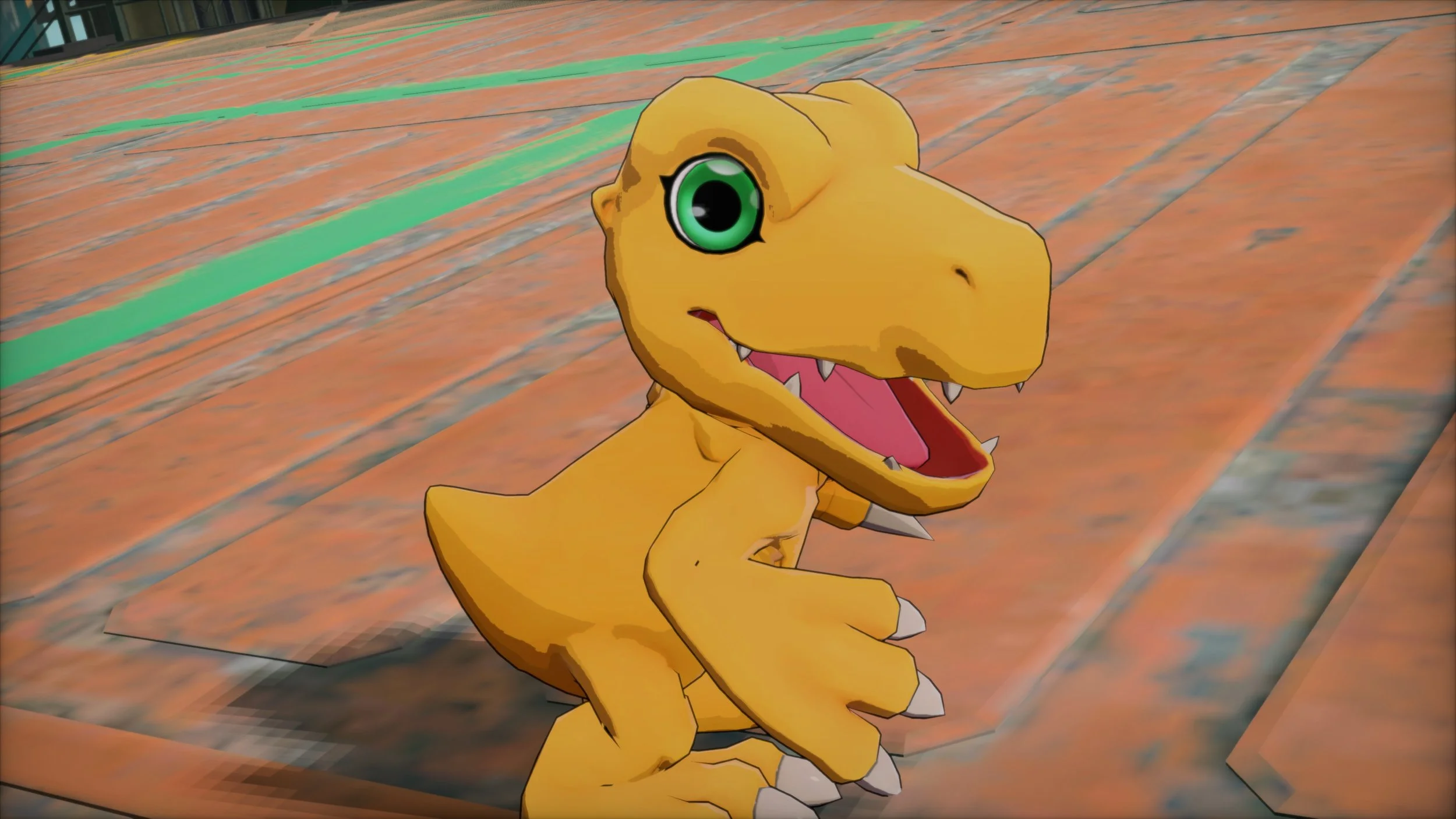
Now that we're on the subject of summoning and evolution, let's briefly discuss some of my favorite parts of this game. Summoning and evolving your Digimon! In the “summoned monsters” genre, this tends to be a fairly straightforward process with not a lot of variation from game to game. This is not generally a bad thing, but we've seen this before. Here in this game, however, you aren't “catching” monsters in the usual way. The more you fight enemies, the more data you will gather on them. Once you pass 100% on the ones you encounter, or up to 200% as you are urged in order to summon the best version possible, you can “convert” that data into new Digimon partners.
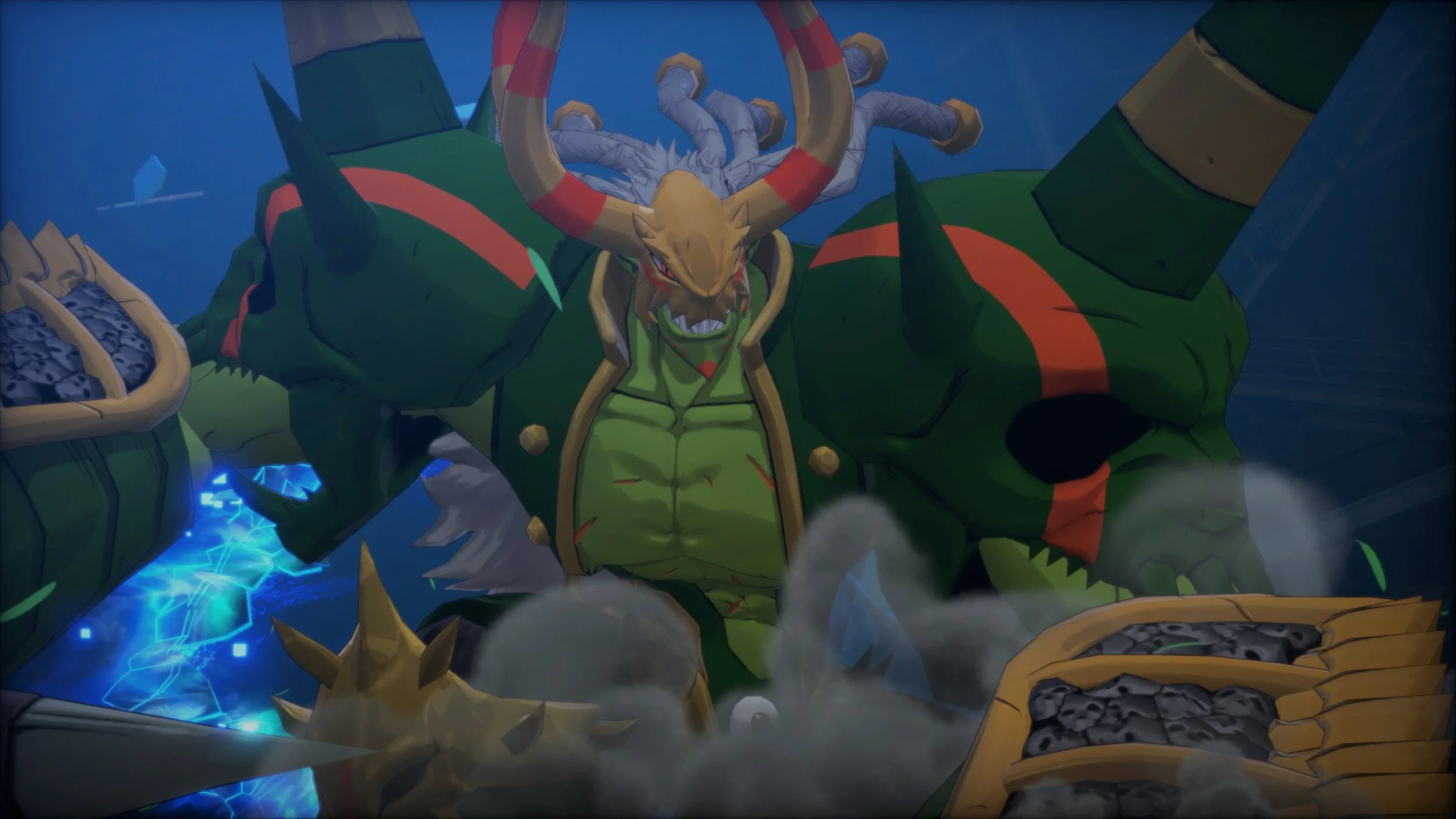
After they gain enough experience and hit certain stat requirements, you can choose to evolve your partners. But here is where it gets really interesting and what sets this game apart from a lot of others in this genre. Digivolution is not necessarily a static path with expected results. You can have many different, and often unknown, selections in what path you'd like them to take. You may have one selection open to you, but there are other paths available later if you are more patient and strategic in how you are training your digi pals. They can also look drastically different than their starter version and sometimes even change elemental attack types. You can augment these by equipping or de-equipping different attacks, abilities, and gear. That's not all. If you have a certain evolution in mind, but your Digimon has passed that fork in the road of choice (for example: at the time due to a missing requirement or item), you can de-evolve them and set them back on a new path. This last point makes the possibilities far more customizable and nearly endless.
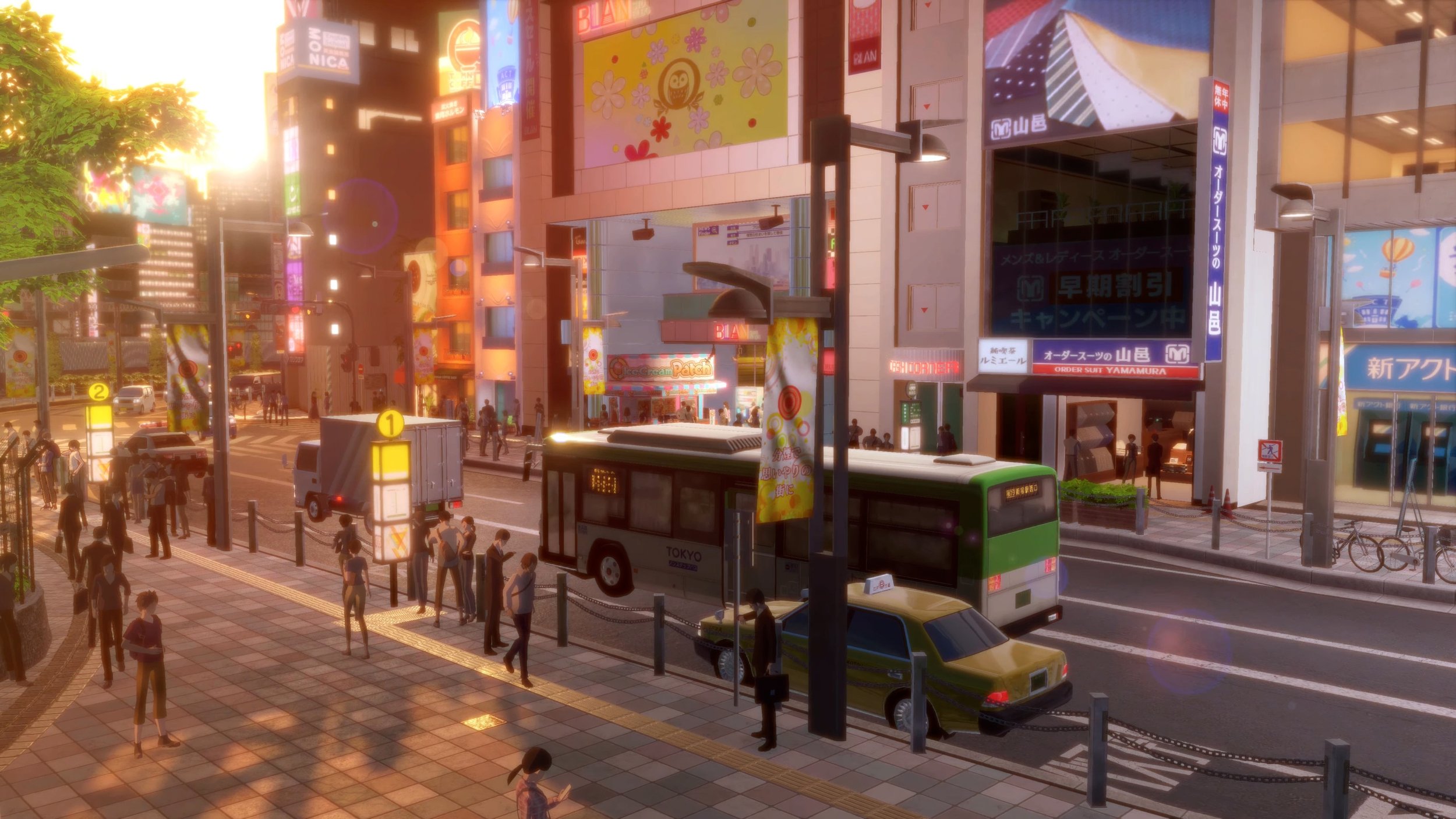
Visually, Digimon Story: Time Stranger is a variable feast of vibrant colors and expertly built scales of environment that can leave you in awe of towering buildings or how deep an oceanic environment goes. As you are running, walking, or riding Digimon through biomes, you really get a sense of vibrant life, whether from their many inhabitants or the vegetation of a forest/jungle type area. Sometimes I felt myself wandering and looking at the backgrounds, relishing the activity around me, or the sense of magnitude of my surroundings. There is even bare minimum to no graphical evidence of strain, even in highly populated areas or during action-heavy moments. I've only really noticed a few chugs in graphics concerning movements of people that would be bustling around in the backgrounds of urban areas or villages. Those were few and far between. This is amazing because of the abundance of characters, Digimon, and things in general happening on the screen at all times. The way they have designed and built this game is done quite well and functions quite smoothly in any given situation.
The only real complaints, if you can call them that, are the depth of the story and an awkward moment later in the game where there is a copious use of alcohol all of a sudden (and drunk Digimon to boot). I don't really have a problem with alcohol use or mention in video games, but considering the theme of the game (even with underage characters in your party) and the fact that it's never present, used, or even mentioned up until this point, it makes it feel a little jarring and out of place. It's even to the effect where there are many inebriated digital monsters partying around you, and a leader who is continuing his incoherent alcoholic binge in front of you while you are in the process of discussing important matters of approaching war. I feel like there could have either been no alcohol activity, or it could have been comfortably inserted in conversations or background activity in a way that shows its presence but is never a main focus. Then, when it does happen, like during celebrations, it doesn't feel too out of place.
The story itself that is crafted is fun and exciting, chock full of action, emotional conversations, but can seem shallow at some points. The plot is mostly predictable, big narrative turning points were great, but I never found myself gasping with surprise. I can't, however, really call this a dark or hugely negative mark that makes much of a dent in my final score.
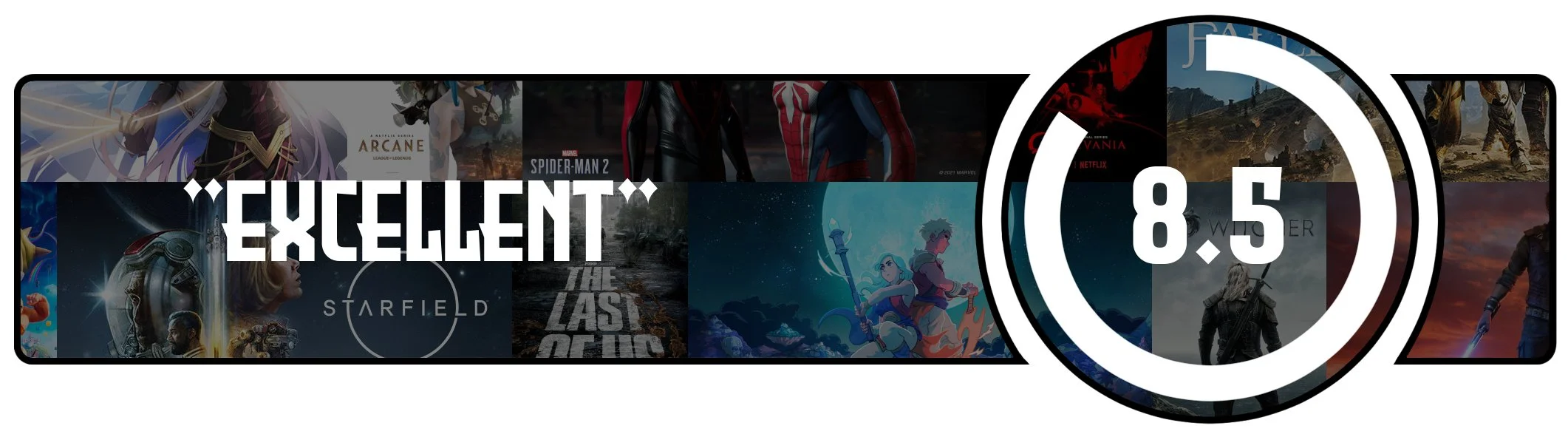
I have loved my time spent in Digimon Story: Time Stranger. It was a fun JRPG that was built with love and care that really showed and was felt wherever you and your partners bravely adventured. I honestly will recommend this title to anyone who loves JRPGs, monster friend themes, and generally anyone who will listen. Please give it a shot, and I hope you enjoy it as much as I and my newfound digifriends have!


Developer - Media Vision.
Publisher - Bandai Namco Entertainment. Released - October 2nd, 2025. Available On - PS5, Xbox Series X/S, PC. Rated - (T) - Fantasy Violence, Mild Language, Suggestive Themes, Use of Alcohol Platform Reviewed - PS5.
Review Access - Review code was provided by the publisher for the purpose of this review.
Rebecca is a huge fan of JRPG’s, RPG’s, and Survival Horror. From Silent Hill to Resident evil. Xenogears and Final Fantasy. When she isn’t tinkering with skill trees or equipping the right rifle to take down numerous monsters, you can find her farming away on Stardew Valley.