

Marking the Trail.
The Legend of Heroes games are a rare outing for the genre. They are one of the only JRPGs that each subsequent entry canonically moves the series forward within the same world, enriched by many of the same characters, and living with the consequences of each entry's story. As the series is about to wrap up its fourth arc, across a dozen games, with each arc taking place in a different country, few are as treasured as to where it all began with Trails in the Sky. Remade to match its modern siblings, it is clear as to even someone like myself who started with Trails of Cold Steel, as to why this series has remained as beloved with each new entry.
Originally released in 2004, and eventually ported to the PSP in 2006, the original Trails in the Sky will either look charmingly dated or perfect as it is, all depending on when you first experienced the start of this saga. It is the only trilogy in the series to not be found on modern consoles, so while a full port of those games likely would have sufficed and serviced its fans, Nihon Falcom instead decided to remake the game from scratch, implementing many new features from the Trails through Daybreak series, such as its hybrid combat system, but also to keep the series grounded in the lore and the tech-timeline this entry was originally known for.
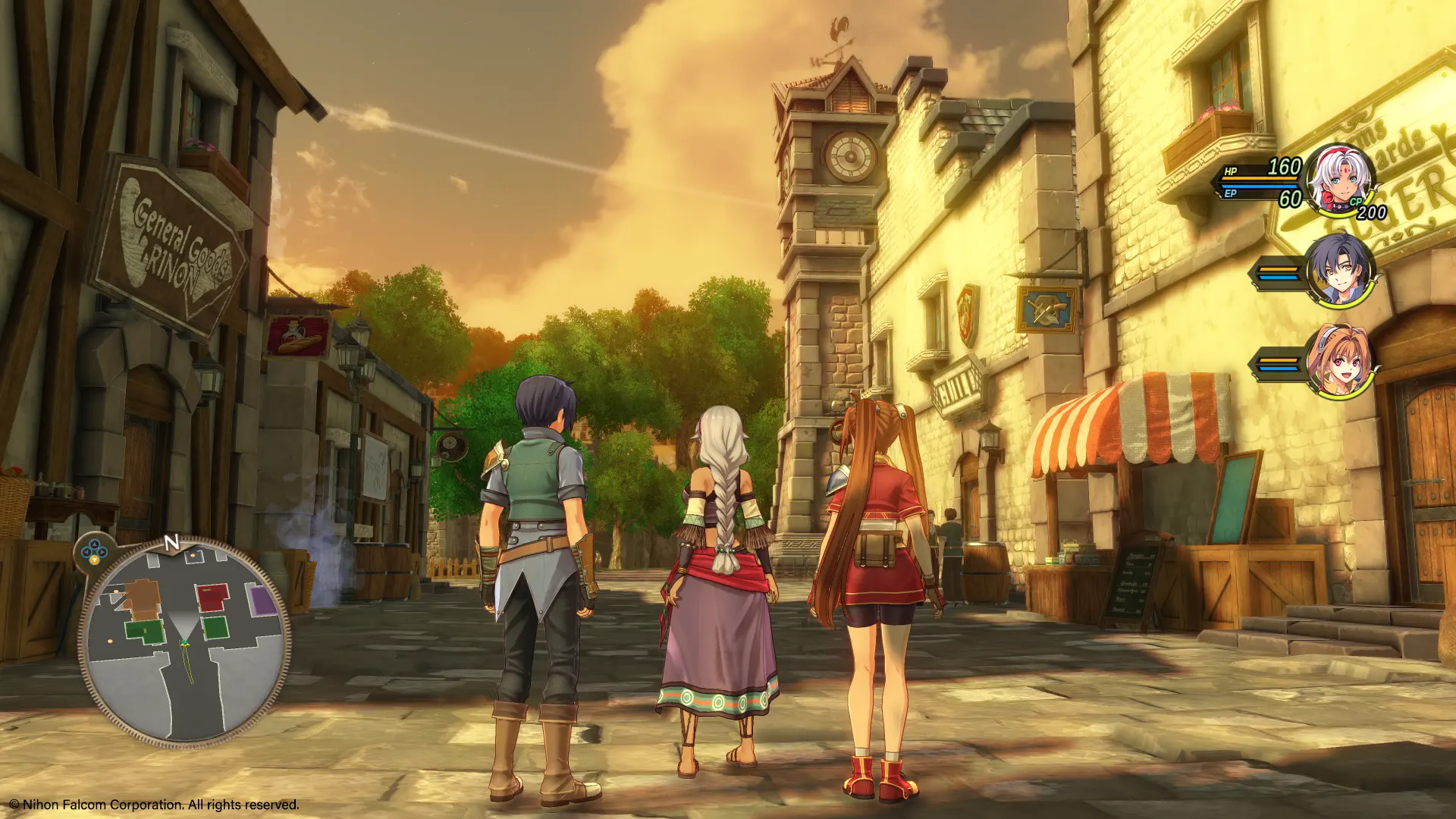
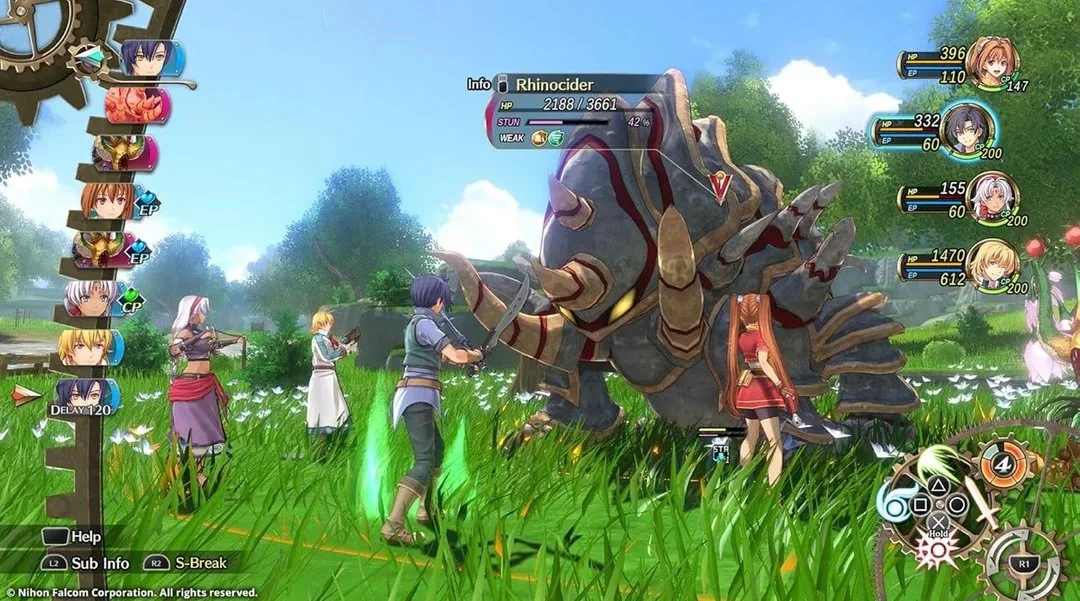
As newer entries would continue to develop their in-universe technology in the game with its orbment system changing each arc to flavor combat to change it up from entry to entry, it would have been easy for Nihon Falcom to simply alter this to match the modern series, or even to adapt the Trails of Cold Steel systems, which is where the series took a slightly dramatic change in how you equipped Quartz and their respective skills. Regardless, the combat system sees a few modern changes, but the fundamental turn-based systems remain intact and largely how fans remember, albeit with being able to now move around during your turn, and the hybrid real-time combat shenanigans present as you wander about.
Trails in the Sky has the benefit of starting the now eventual timeline, so it isn't stacked with hundreds of hours of backstory and dozens of character interactions that would make up the next three arcs. While the game does start with some pre-existing history between these things, the game has a slow burn to introduce you to all the major players and roll out information when you need it. Certain characters are meant to be in on more than the player knows, while some are oblivious and new, allowing the player to view much of the story through their own discovery.
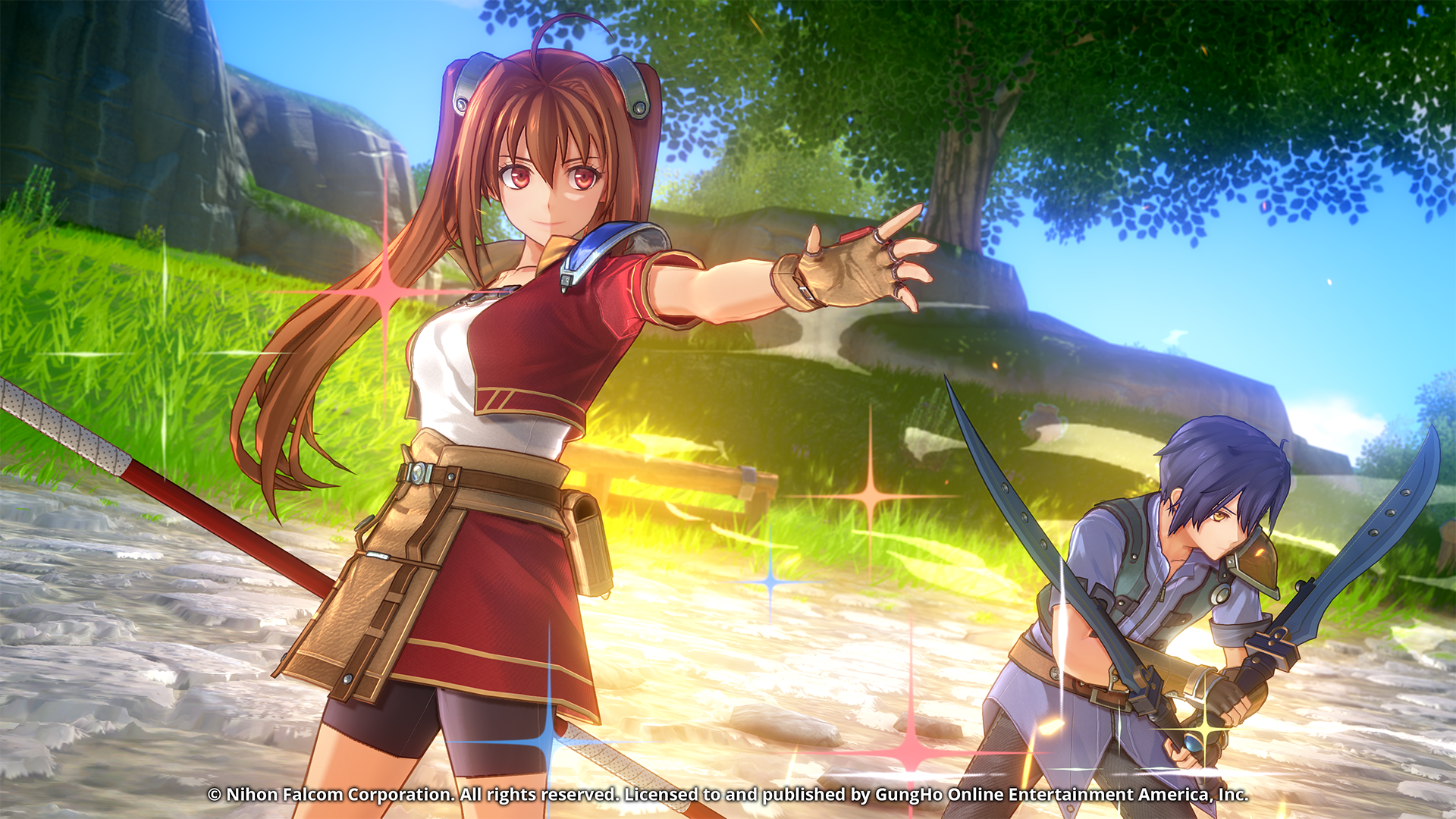
Basically, Liberal and the Erebonian Empire were at war with one another during the 100-day war. This has caused political tensions to arise once the war had come to a halt. While we learn much about this army, and how and why they were able to defend themselves against the Empire, while being far outgunned, we also get to know about a man named Cassius Bright, a Bracer, who is sent out to investigate what could be the breadcrumbs of more tension building between these nations. Bracers are mercenaries of sorts that aid in protecting the people and refraining from political interference. That said, Bracers work with the army to achieve the same goal. Where Trails in the Sky factors into this is that Cassius Bright’s daughter, Estelle, and her adopted brother, Joshua, begin their final test to become Bracers themselves, following in their father’s footsteps.
The Trails games have been a masterclass in handling multiple storylines throughout each game, and this is where it all began. While the bulk of the game's opening hours is seeing Estelle and Joshua’s journey to become senior bracers, it's also about the supposed whereabouts of Cassius Bright, the inner workings between the Army and the Intelligence Division, as well as the evil forces scheming in the background. As someone who has played every other entry in the series that followed this trilogy, seeing all the pieces come together with characters I knew, factions whose downfall I had already witnessed, was exhilarating.
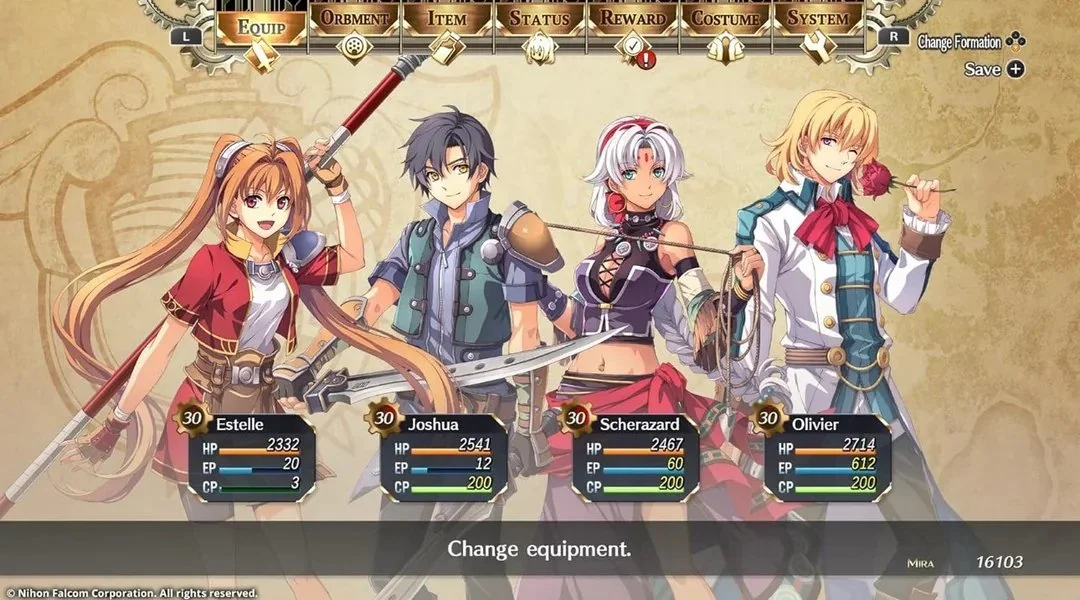
A lot of the charm of this series is in its characters. I knew of Estelle and Joshua from their appearances in later games, but this was the first time I was able to experience their past. I knew Scherazard Harvey and Olivier Lenheim, but seeing where they came from and how they all met recontextualized how I viewed them in later games. This holds true for Tita and Agate, and even Kilika Rouran, even though she didn't appear in the original. Still, seeing these characters featured here was a joy, despite the light retcon.
The Trails series would continue to be this collective of characters that have history together, the alliances and friendships that would develop, so seeing the birthplace of many of those connections was absolutely fun. Sure, anyone involving Cassius has some pre-set history already with the likes of Agate and Scherazard, among countless others, but still, this is the genesis of so much that follows that you can't help but feel like you are part of history.
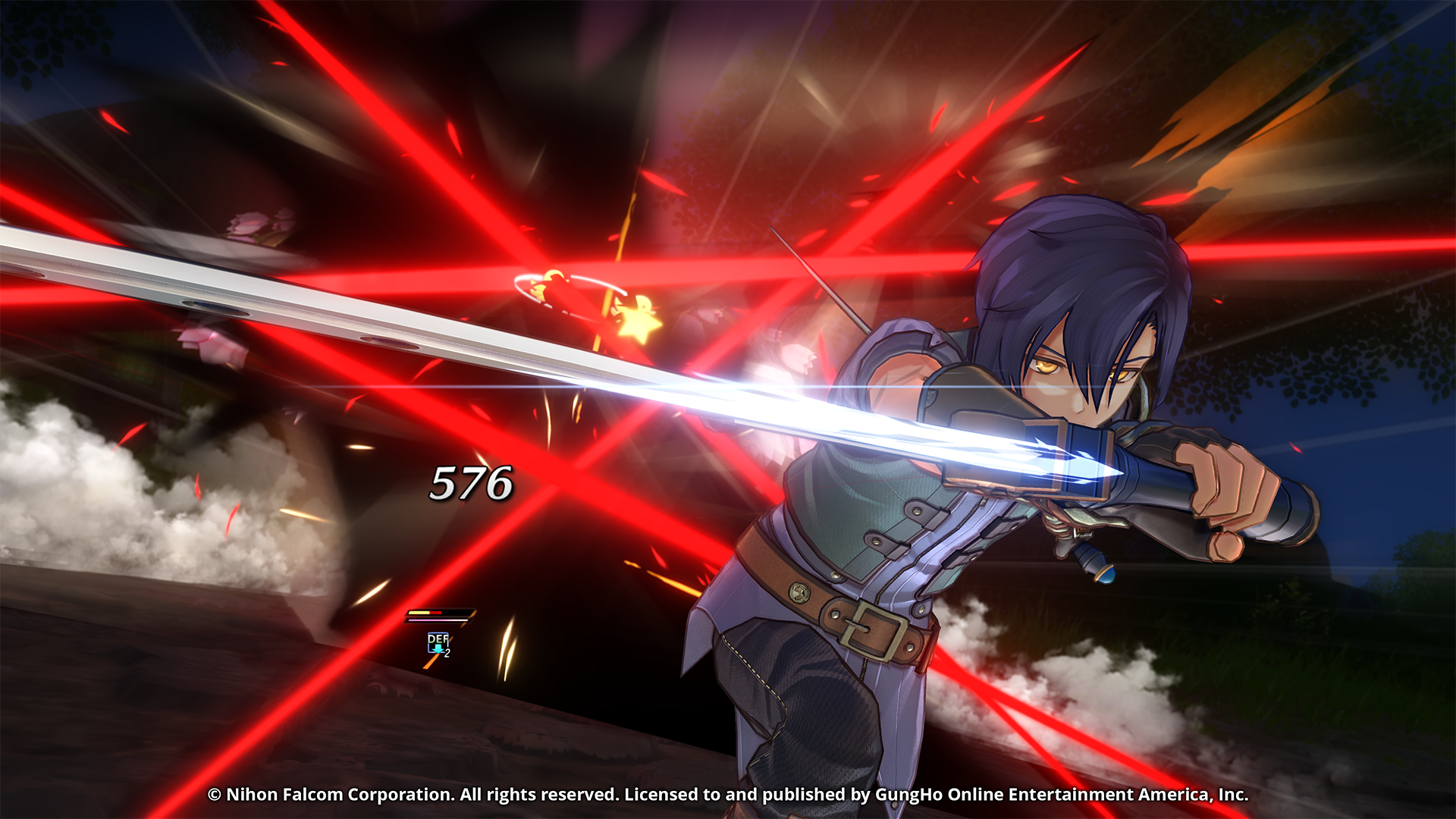
The objective-based story progression of the rest of the series is here, having Estelle and Joshua tasked with major and minor quests, including six all-new side quests that were not part of the original game. You'll visit a new town, get swept up in the major moments, and then move on to the next location, doing it all over again as the story starts to reveal more and more as the events get more dangerous and the stakes become more dire. I will say that the game's final half hour is what I love so much about this series, and it left me in awe.
Depending on your use of the game's speed settings for combat and exploration, and how much you take in exploring its fairly limited open areas, you'll likely be looking at around 30-45 hours, which is a bit longer than the original game. There are numerous fast travel markers to expedite your questing, and several side quests are nice and short, never feeling like they are dragging on. There are towers to explore; however, you really only need to see through a few of them, as we likely don't take advantage of them until the sequel. This; however, is speculation on my part as while they seem important, you don't do much more than run into a clumsy professor out trying to discover their secrets.
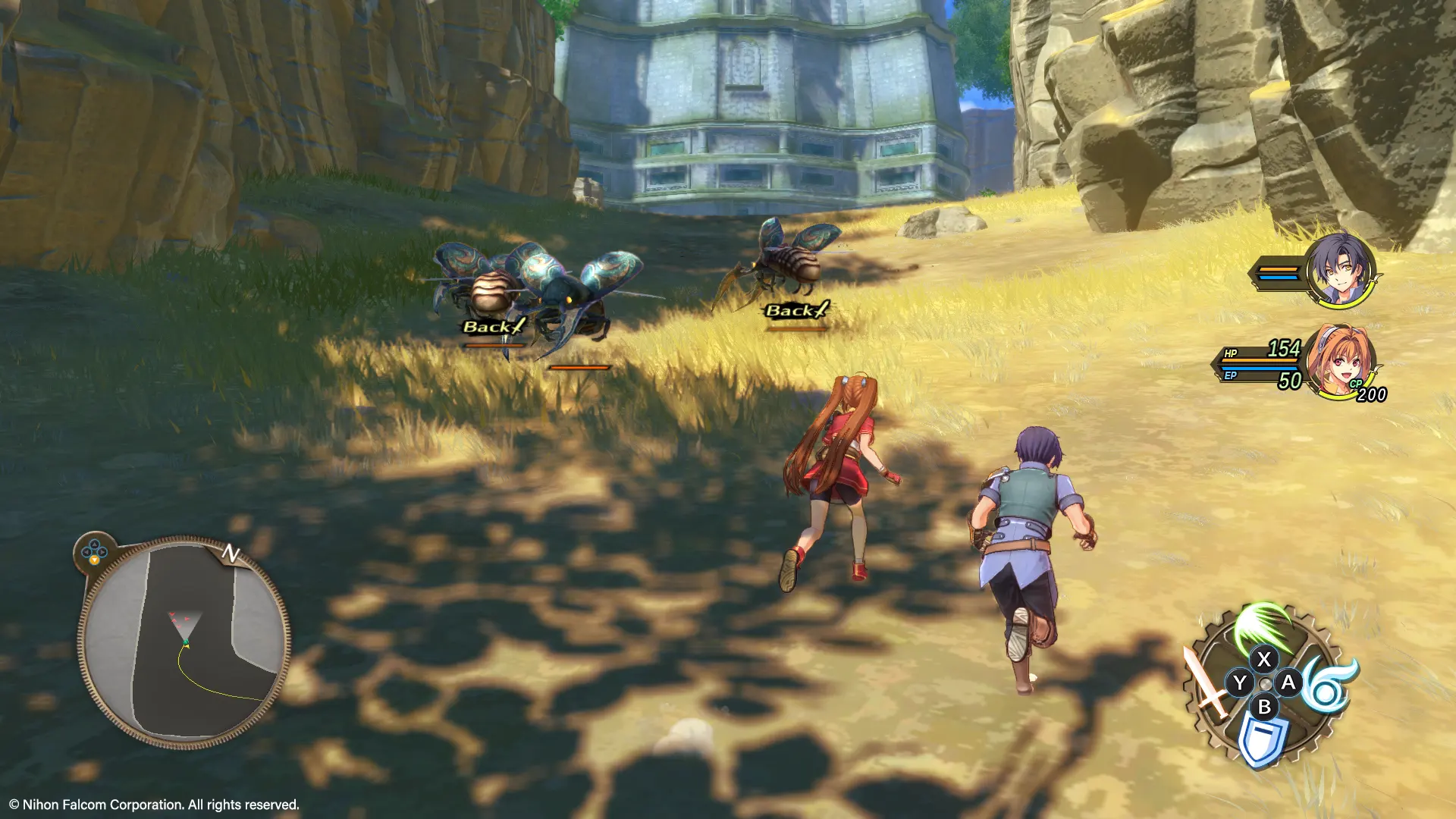
Combat has changed slightly depending on the entry, mostly due to the advances in orbment tech at their disposal. Here, orbment tech has only been around for 50 years, so it is still very much in its infancy. Orbments aid in granting special skills to their user by slotting quartz into a special device. You'll find refined and unrefined septium that can be crafted into these quartz, and also open up additional slots to add in more quartz. Unlike Trails of Cold Steel, there is no master quartz, so this system is far more basic and still grants you the abilities you want for combat.
Characters will be weapon-dependent such as Estelle only wielding a staff, or that punching gloves will be all that Zin can equip. You'll find new types to equip, upgrade materials to make them stronger, as well as outfits, shoes, and accessories, which all bring those stats up. You'll also unlock cosmetic items, but there are drastically fewer of those things this time around.
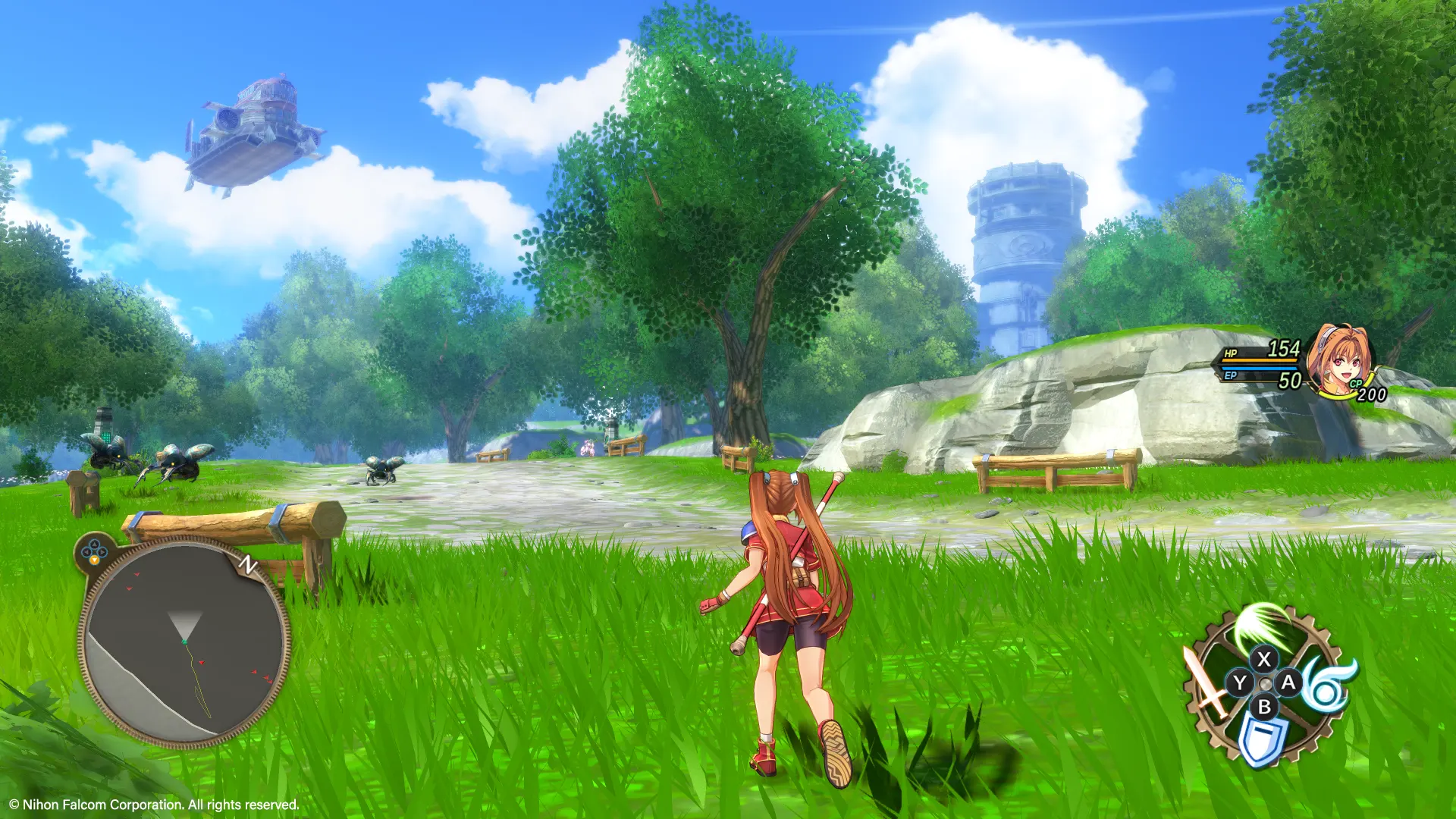
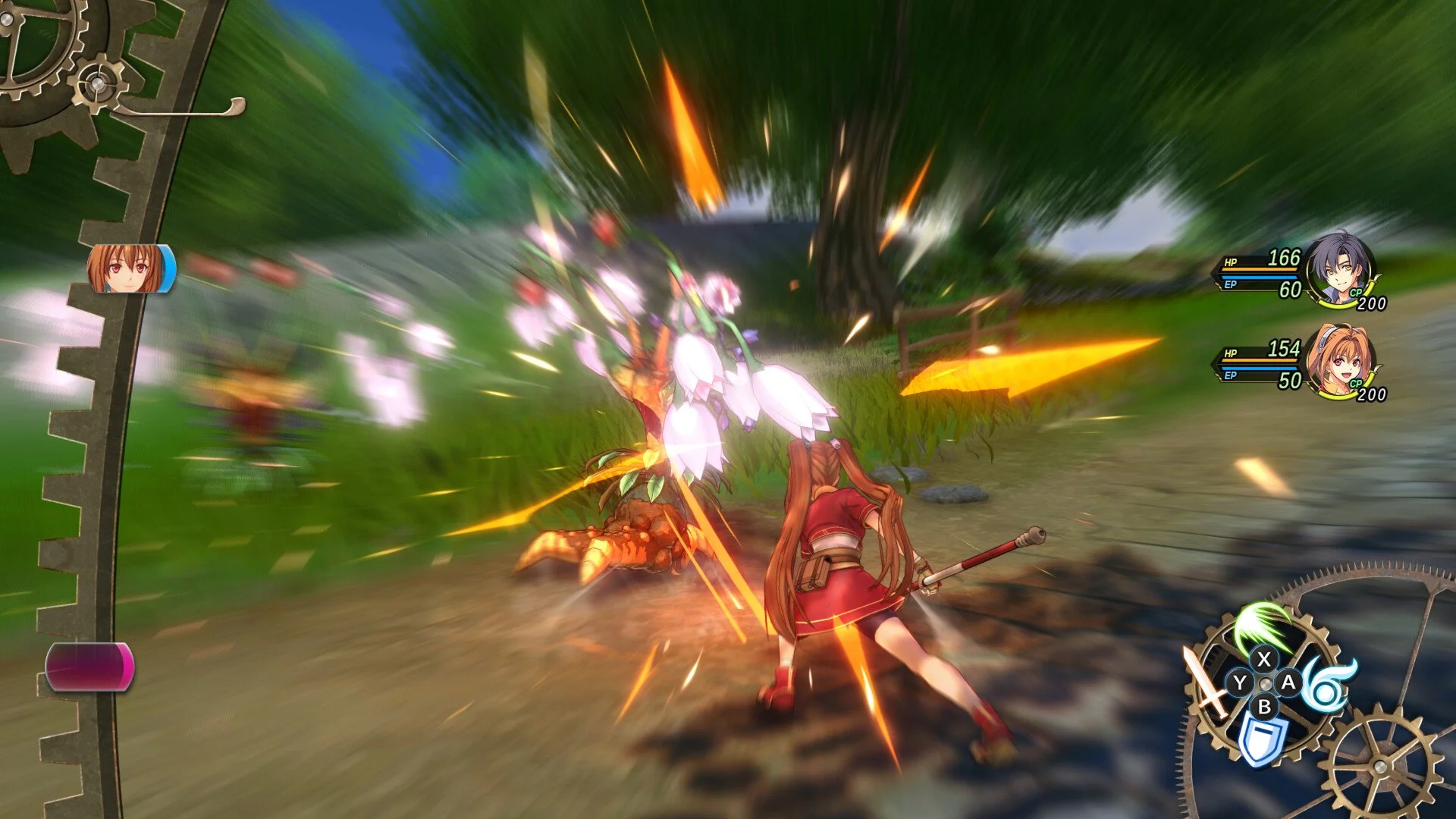
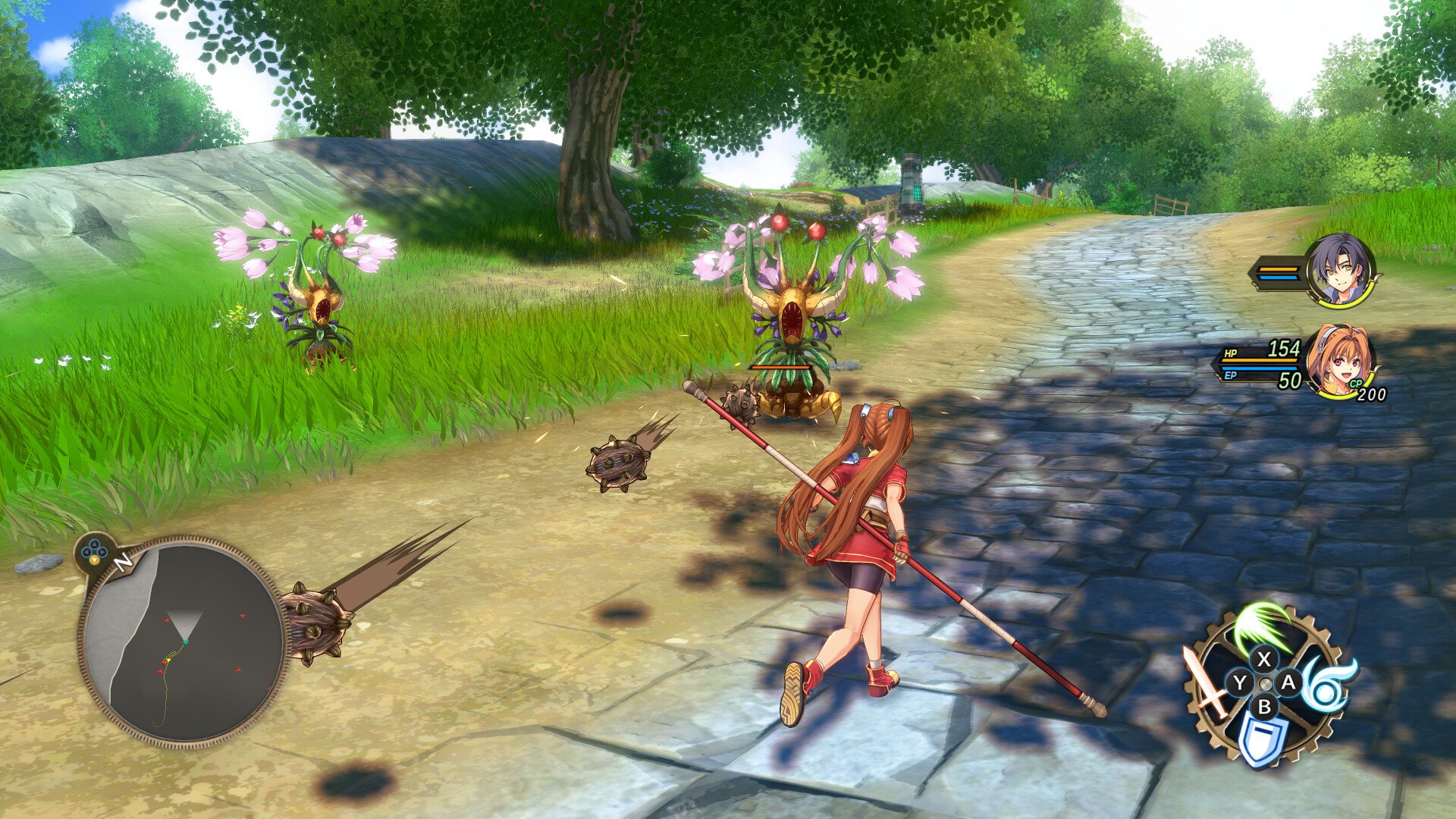
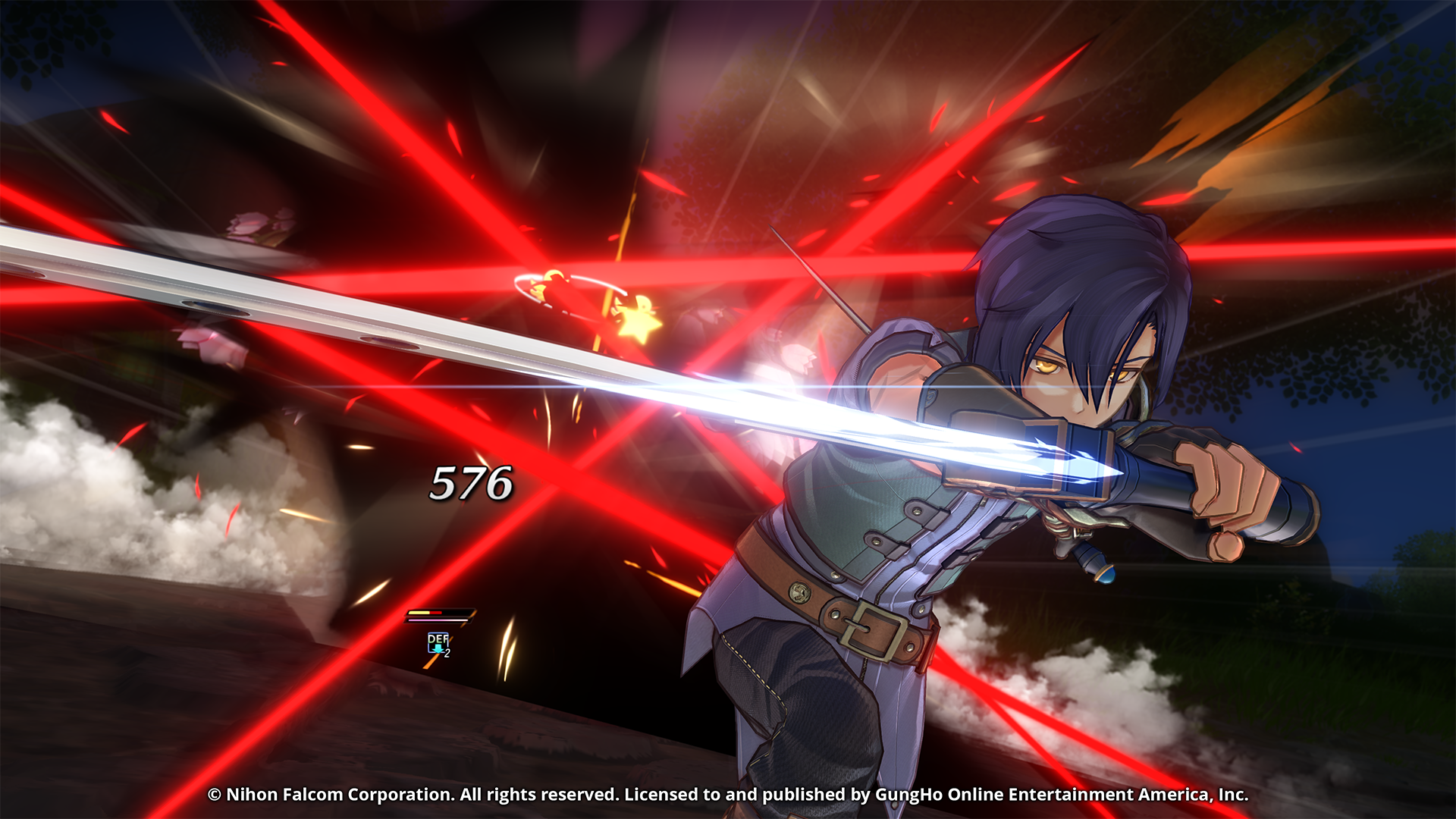
Combat works in two general ways: real-time hack and slash, which is still pretty limited to just weaker enemies, despite some new moves to pull off, and your standard turn-based combat. The real-time stuff is fun, and despite a new powered-up move that can deal some good damage and set up for an ambushed start, you won't use this method of combat for anything substantial in force.
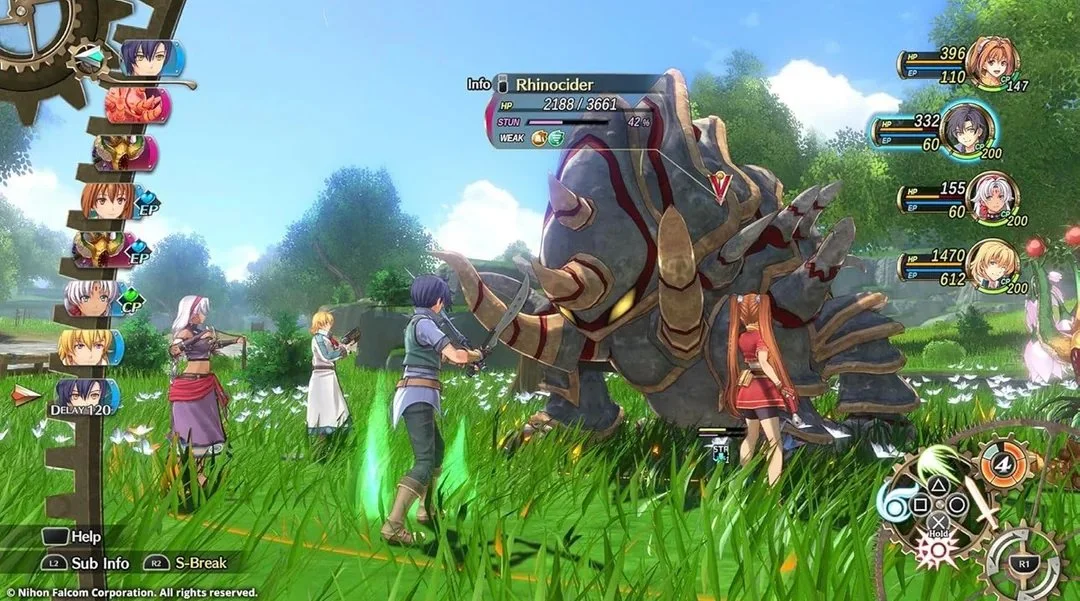
The turn-based systems here are in line with what the series has been doing for some time. You have a general attack which is weaker but immediate, crafts that while immediate, use CP, and Arts that use EP, which are more powerful, but act on your next turn. There are also team-up attacks that resemble the link system from Cold Steel, but without the actual linking. Should a character be nearby, they can assist in a simple follow-up, or a back-to-back chain attack. Later on, you'll have more options as well for team-up attacks between Estelle and Joshua.
What is also present across this remake is a whole new localization. The remake features a more authentic translation of the original Japanese script, fixing several errors, such as character names that were incorrectly displayed in the original. That said, there are a few modern words, like “totes” that are spoken, making the performances feel more up to today's standards. All in all, it is wonderfully executed and fits perfectly in line with the modern games.
Using the new FDK engine, which was first used in Trails through Daybreak, the remake looks incredible, including some great character animations and mocap efforts. The Switch 2 version looks and plays wonderfully, and while the PS5 version is the winner here due to a higher resolution and overall framerate, I didn't have a single issue prioritizing the game on Switch 2, allowing me to take it on the go. While I did not try the game out on the base Switch, it is reported that the upgrade to Switch 2 provides superior visuals, higher resolution, improved frame rate, and reduced load times compared to the standard Nintendo Switch version.
While I am certainly on the dubbed side of the argument when it comes to what language I wish to hear, the remake is the first Trails game to provide both English and Japanese languages. Personally, as I've played the other games in English, that was my preference, and all the performances are solid. That said, it does suffer from the same issue present in the series, in that not all the dialogue is spoken, and that certain conversations may only have one voice being performed out of the bunch. This is usually when a new character that has limited screen time is talking to the cast. It is still bizarre that they don't have all of the major moments voiced.
Trails in the Sky is truly fantastic, paving the way to the moments I adore across the series. This remake is easily one of the best in years, as while it brings new mechanics and systems to help modernize a now 20-year-old game, it maintains its essence almost perfectly. If you were holding out on the series due to the history and baggage that is found in the later games, this is hands down the way to do it. With a teaser trailer of its next entry to view once the credits roll, I am beyond pumped to continue this adventure with Estelle and Joshua, and everyone else I adore.


Developer - Nihon Falcom.
Publisher - GungHo Online Entertainment America. Released - September 19th, 2025. Available On - Nintendo Switch, Nintendo Switch 2, PS5, PC. Rated - (T) - Blood, Fantasy Violence, Language, Suggestive Themes, and Use of Alcohol and Tobacco Platform Reviewed - Nintendo Switch 2, PS5.
Review Access - Review code was provided by the publisher for the purpose of this review.
Jeff is the original founder of Analog Stick Gaming. His favorite games include The Witcher III, the Mass Effect Trilogy, Hi-Fi Rush, Stellar Blade, Hellbade: Senua’s Sacrifice, and the Legend of Heroes series, especially Trails of Cold Steel III & IV.