

Refinement of War.
Battlefield 2042 is an entry in the series that will mark a moment in time where Battlefield would change forever. Its troubled development cycle and disastrous launch soured the brand to where immediate structural changes would place Respawn Entertainment’s CEO, Vince Zampella, at the reins, a man largely responsible for one of Call of Duty's biggest games, Modern Warfare. Now, four years later, Battlefield is back. While it doesn't reinvent the series, it plays to its strengths and delivers a wildly satisfying entry from front to back.
Like Call of Duty, Battlefield looks to serve two audiences: one that wants an action-packed campaign, and also that of its content-rich multiplayer suite. While its campaign hasn't been terribly well-received, its multiplayer is another story altogether. That said, let's get into the campaign first, as it's a great deal better than what has been said about it already.
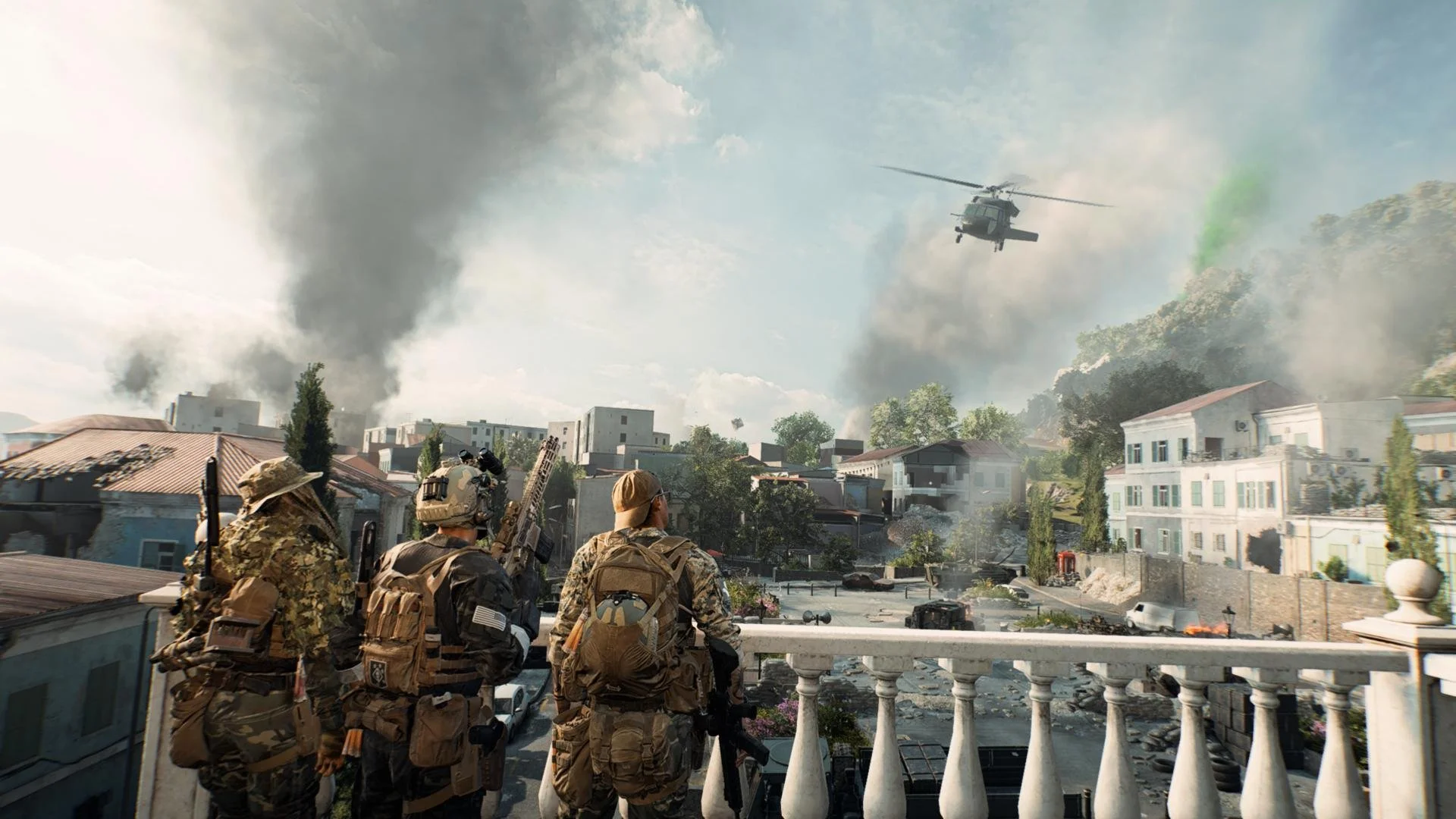
The campaign is about a military group known as Pax Armata, where they came from, who has been backing them, and how to finally put an end to their political interferences. In fact, their impact around the world saw the dissolution of NATO. This story starts as Dagger 1-3, the squad you'll take control of through nine missions, infiltrates the house of their operator, Mills, placing her under some intense interrogation. The missions that follow are events that transpired before, as the team starts to put the pieces together to show how they've been played from the start.
Dagger 1-3 consists of a few members of the squad, you have Dylan Murphy, who is the central protagonist of this story, a sniper in Simone “Gecko” Espina, who was a standout for me, as well as Cliff Lopez, Hayden Carter, and Lucas Hemlock, the latter of whom is something of an enigma. There is a mission where you play as an additional ally, but you'll take control of a few members of Dagger 1-3 throughout the remainder of the campaign. That said, I would have loved to learn more about them away from Dagger 1-3.
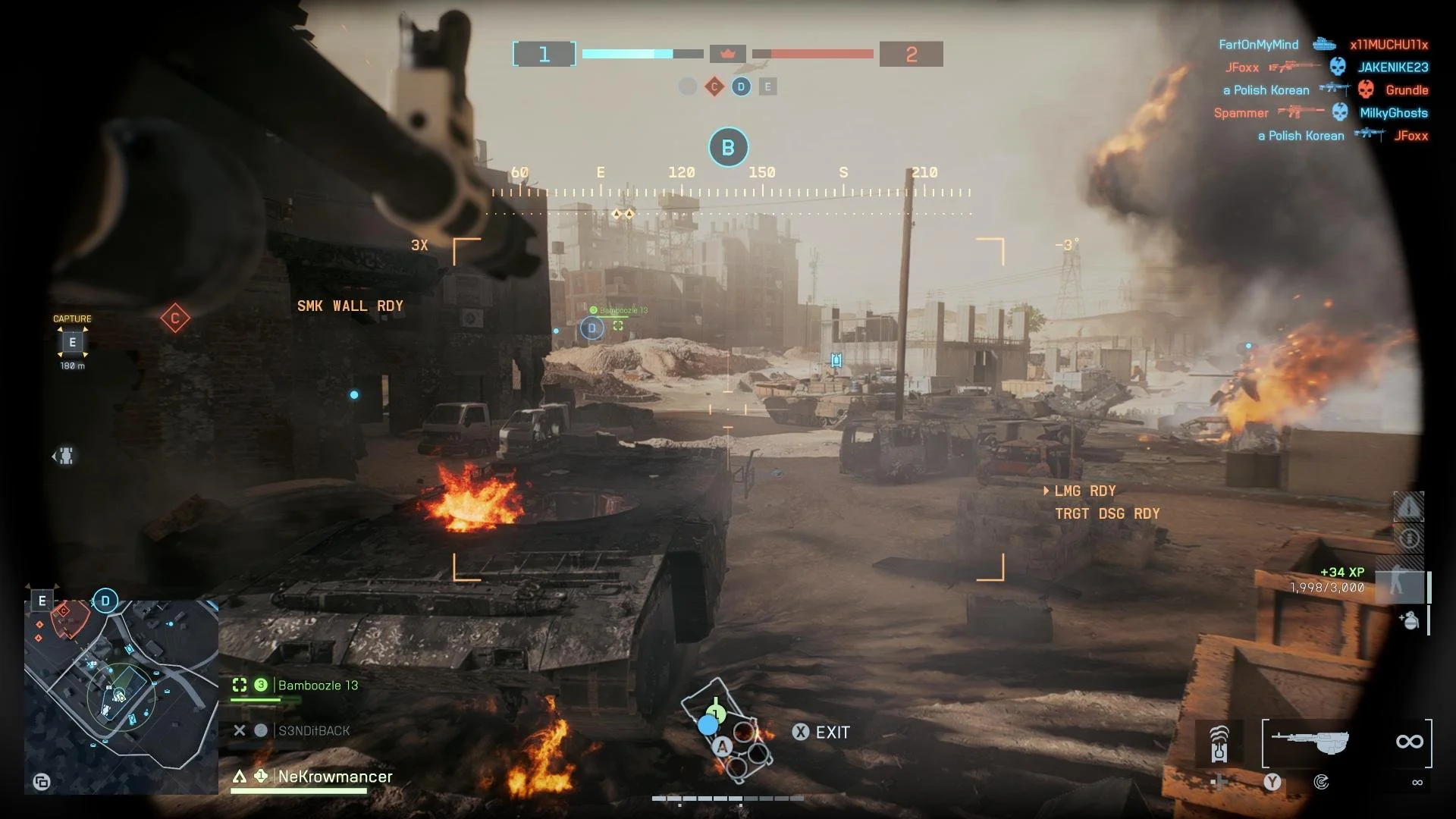
Now, if I had to fault the campaign in one area, it would be the flashback-type narrative structure as it often removes some of the stakes, given the appearance of the team reduces the moments where they could have pulled off a shocking death or something of that nature. Still, there are some surprises, and good ones at that, as you attempt to figure out the nature of Pax Armata and the ties it has to numerous government affiliations. Still, it's a narrative framing device I personally am not a fan of.
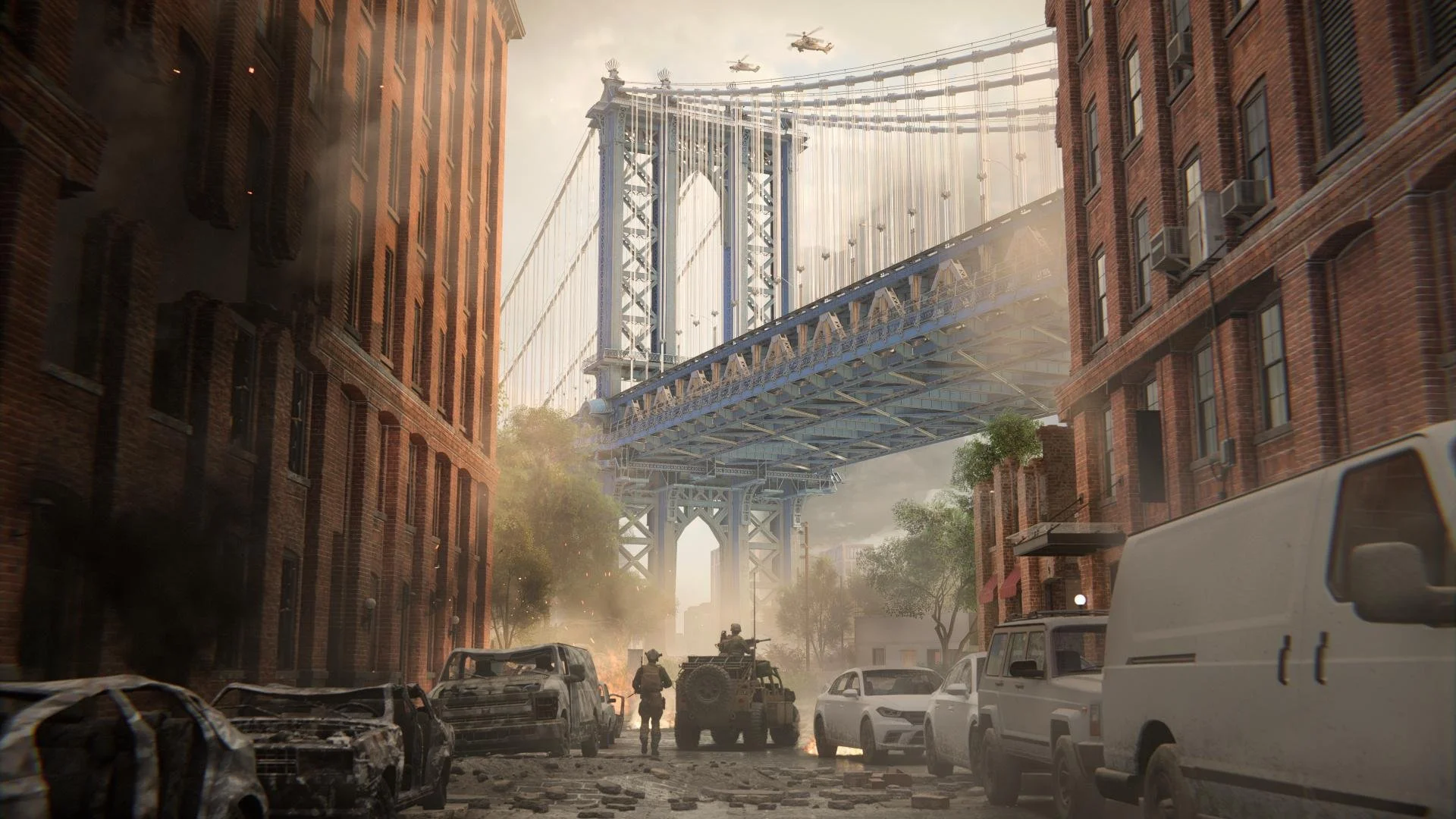
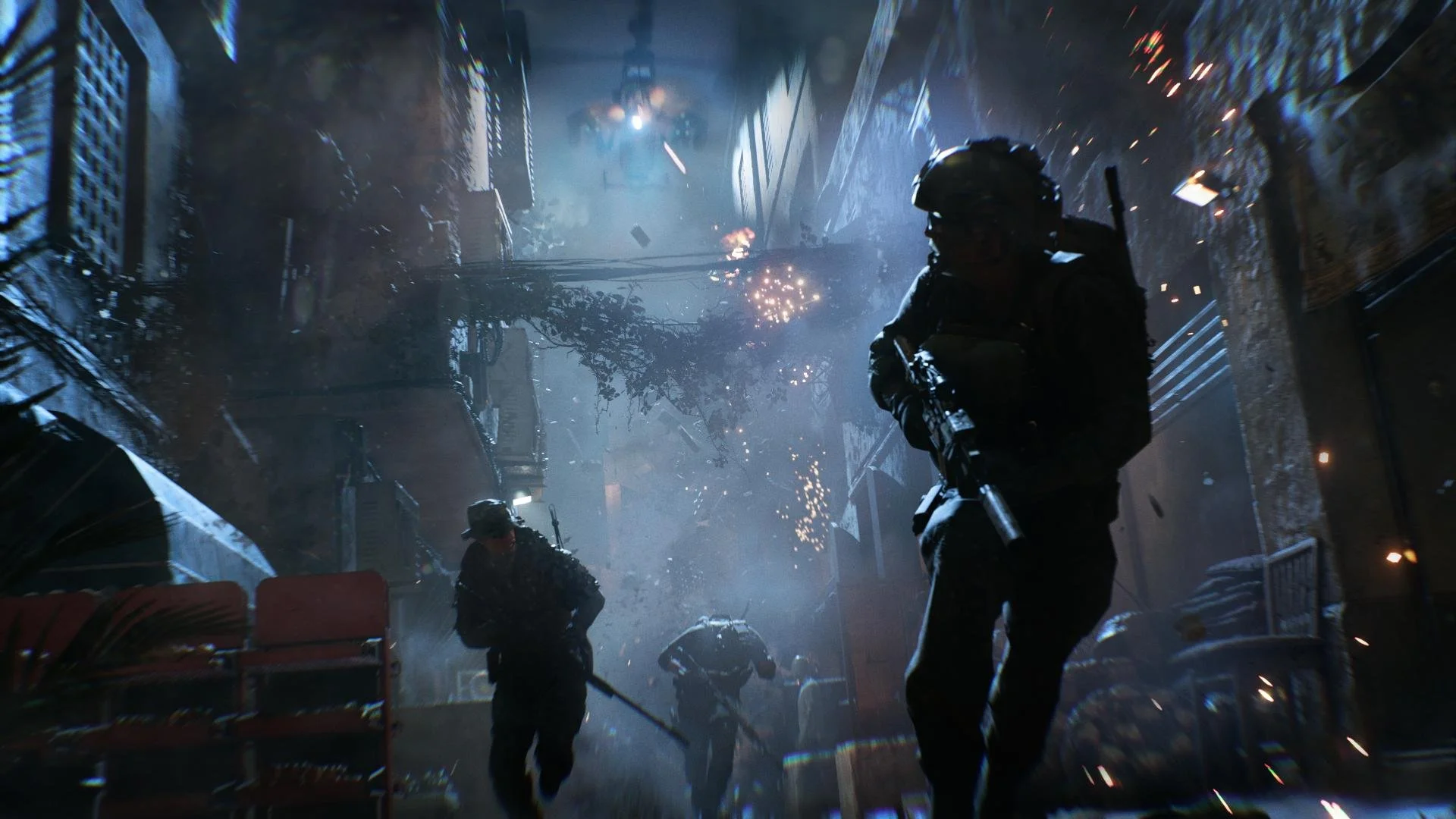
The campaign takes you all over the world, from New York to Egypt and the Iberian Peninsula. The nine missions do a good job at pushing the story along, providing some nice action-packed moments and some tense shootouts. Operation Ember Strike and Always Forward are stellar examples of how to do an action-packed mission. No Sleep, which takes place in Brooklyn, was another standout, almost giving us a glimpse at what a first-person The Division could look like. The game's sixth mission, Moving Mountains, is another great example as you try to navigate an HVT out of a New York City suburb.
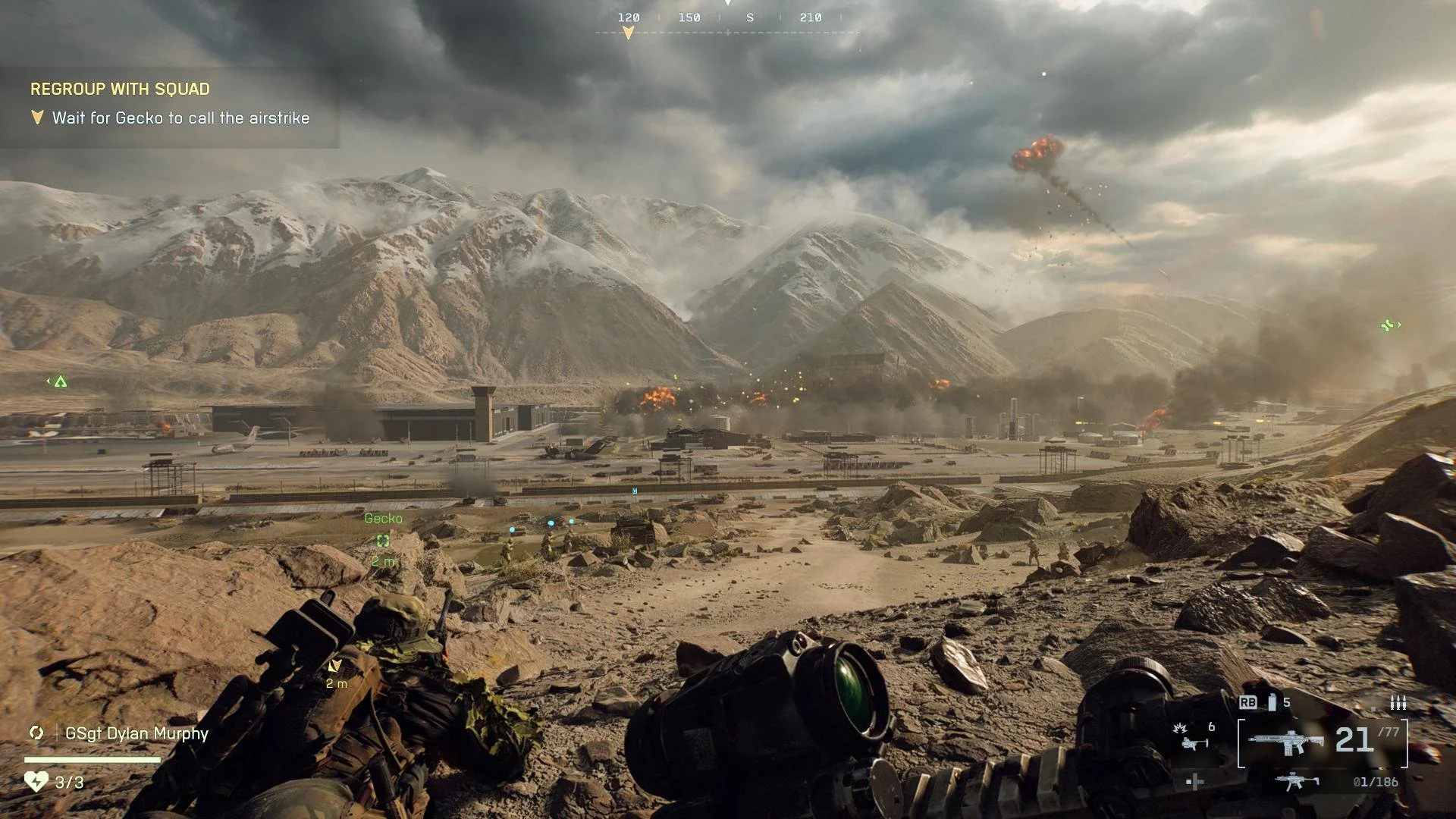
The story allows for a mixture of some truly great moments. You have sniper missions through Gecko that are truly engaging scenarios, to some great vehicle chases in the likes of Moving Mountains, or a pretty well-paced tank mission in Nile Guard. Now, all that said, some missions don't quite hit. Night Raid has all the structure of what should be a great mission, but lacks any real punch, and while some other missions like Always Faithful start off strong, a few missions collapse under the weight of some overused cliche tropes that we see in every single political thriller or Call of Duty campaign. The campaign itself, which is about 5 hours, is fairly impressive as a spectacle; it just lacks a story that remains captivating due to the way the narrative is framed.
Multiplayer is a very different beast if you are transitioning from Call of Duty to what EA has put on offer here. Still, there is a nice mixture here of something modern, like a recent Call of Duty to something more akin to Battlefield 3, or even 4. It certainly pulls from plenty of inspirations while never really defining its own identity. Gunplay feels weighty, and while it doesn’t fully engage with the new movement systems put in place via the latest Call of Duty, mobility is still an important aspect of Battlefield, and it blends several styles and systems via its Kinesthetic system that allows you to drag allies to heal, dodge rolling, to dives, slides, and going prone on a moments notice. Hell, you can even hitch a ride on the back of a tank. All that said, it feels like what Battlefield should feel like, and that’s a very good thing.
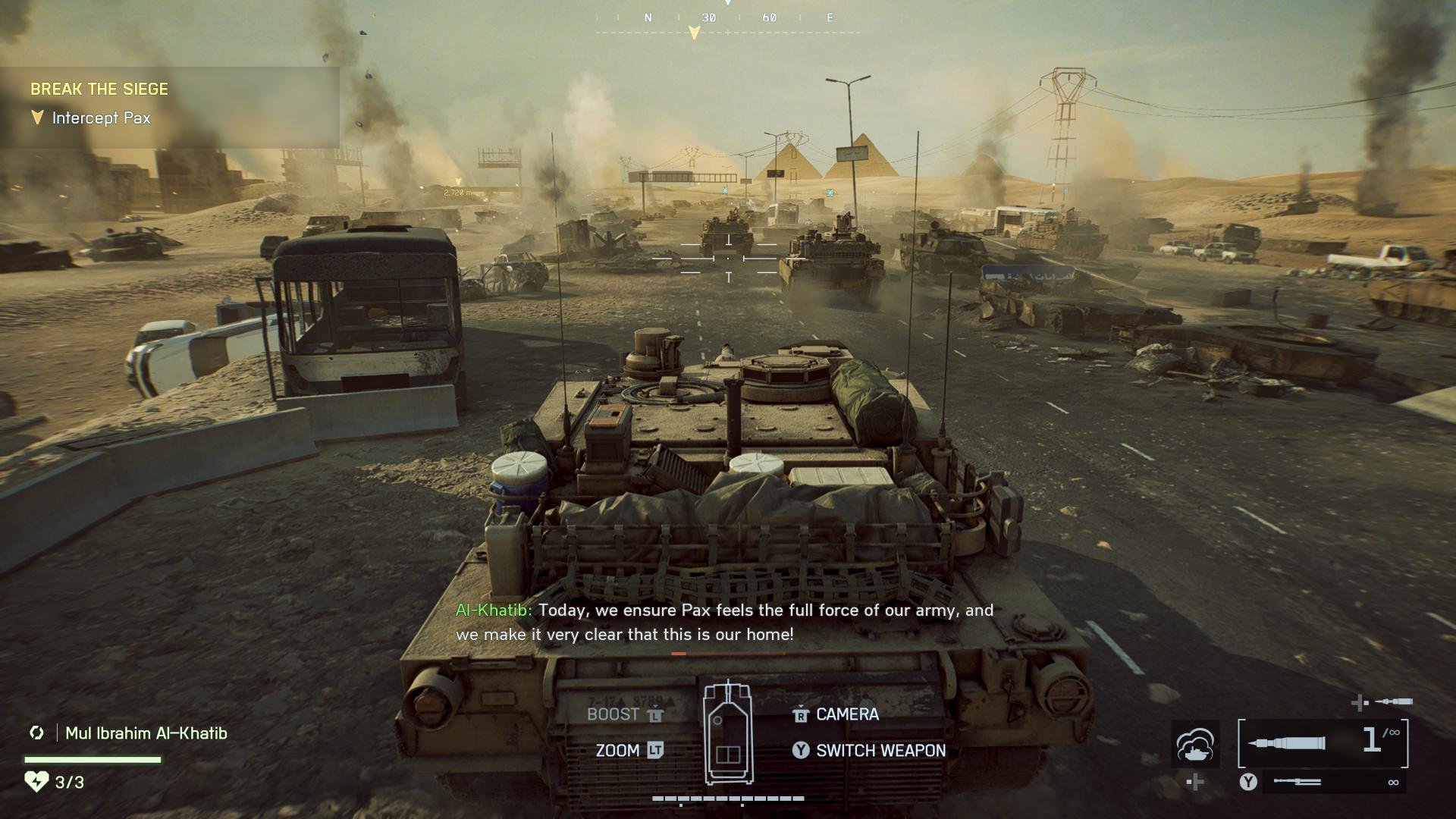
Part of the backlash surrounding 2042 was the Specialist system. The removal of the four-class system felt very unlike what Battlefield had crafted its identity around, and that this new system felt like the series was slowly creeping towards that of being a hero shooter. Thankfully, the four-class system is back in Battlefield 6, seeing the return of the Assault, Engineer, Support, and Recon classes all making a comeback. Each class has their own set of gadgets that compliment their role within the squad. This also allows your own personal skill set to flavor how good you are with that class and how you contribute to your squad.
Each class has their own preferred weapon, despite having access to pretty much the whole arsenal. Class weapons can be heavily customized, and each class essentially has a subclass to unlock with Training Paths that open up unique ways to play that class differently than what your squadmates or enemies have next to you. That said, it takes some serious work to unlock that ability to swap to the next path and really up your game. Still, it makes that progress really mean something when you get a whole new avenue to explore in that class.
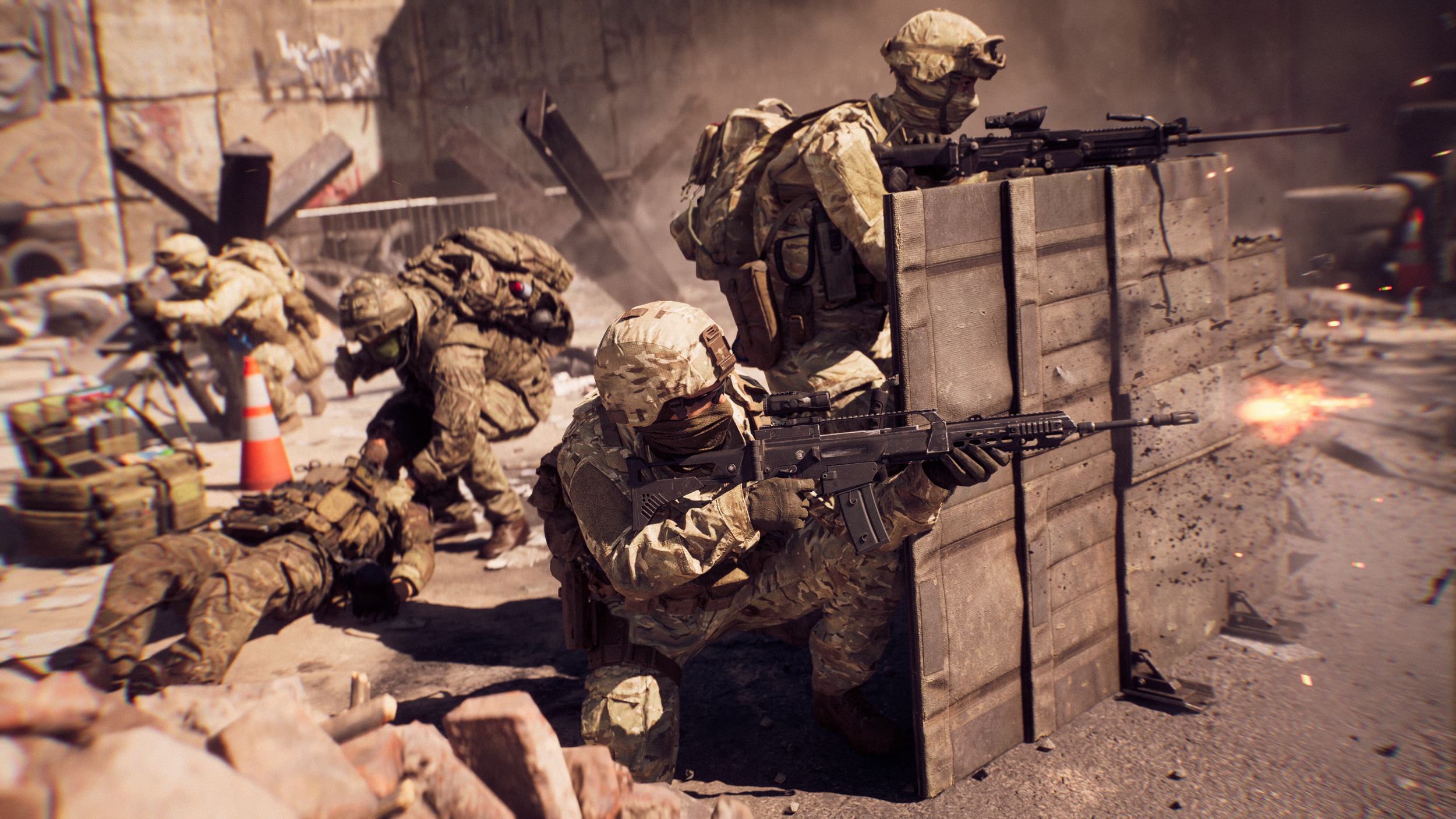
Putting in well over a dozen hours into multiplayer, I have noticed that unlocking new weapon parts and just basic leveling, without the use of boosters, is rather slow. I’ve even seen talk about how players are jumping into boosting matches to level up faster as opposed to natural play, something that EA is very aware of. While boosters do exist and greatly speed up your progression, I feel that proper tuning would only benefit the game with a slight increase in seeing your progression happen sooner rather than later.
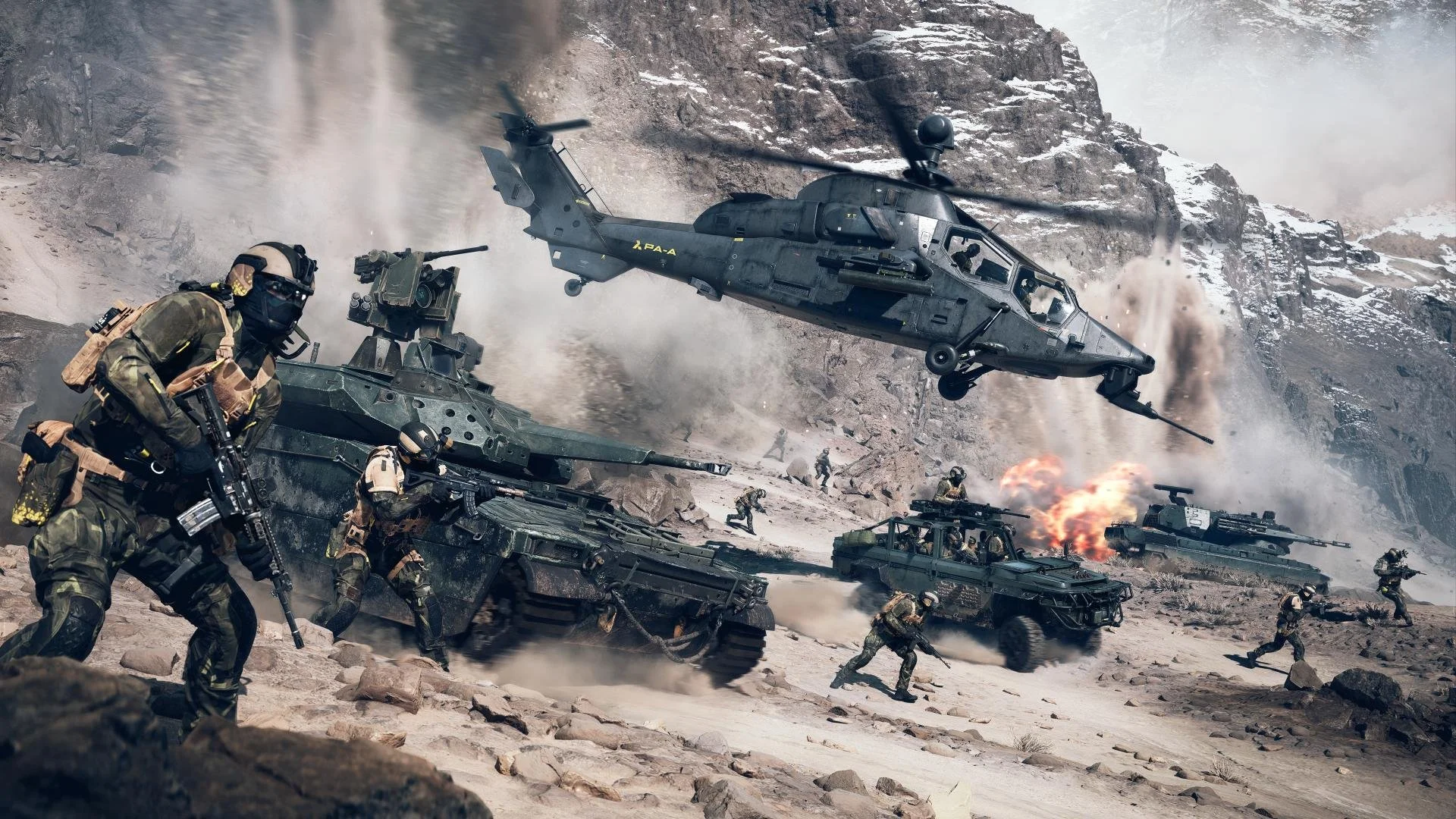
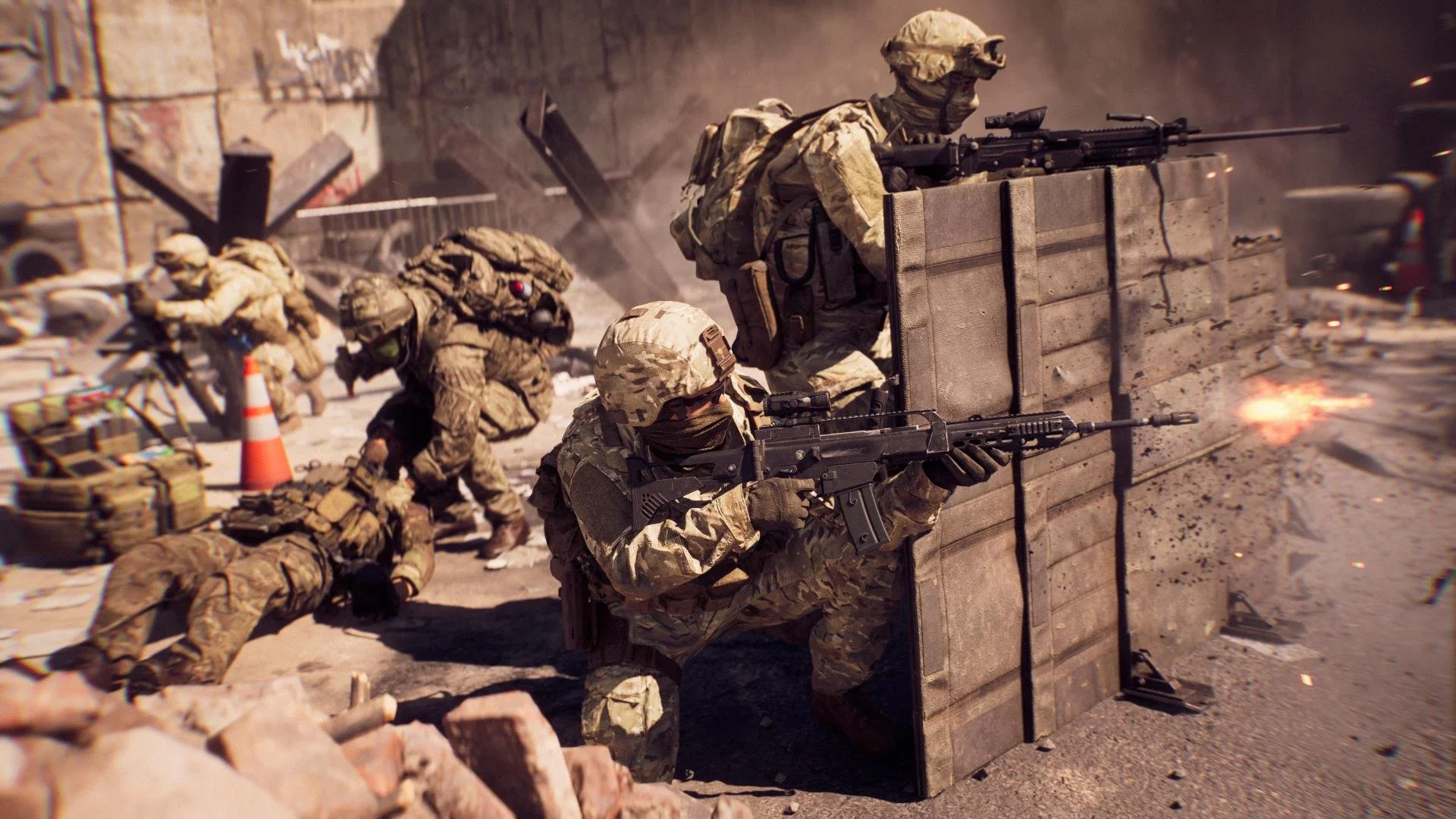
Battlefield has always had a leg up on Call of Duty by offering more methods of gameplay. Sure, you can simply rock it with just boots on the ground, but you’d be denying yourself of how Battlefield just offers more freedom with the use of vehicles, both on the ground and in the air. Riding shotgun in a tank and cratering the side of a building while someone else drives is a riot, as is decimating a whole squad when you are soaring through the sky. While riding the ATV is fun during the campaign, you’ll get swatted faster than an injured fly on your counter before you can even drive two feet. Battlefield is brutal, and it’s all the better for it.
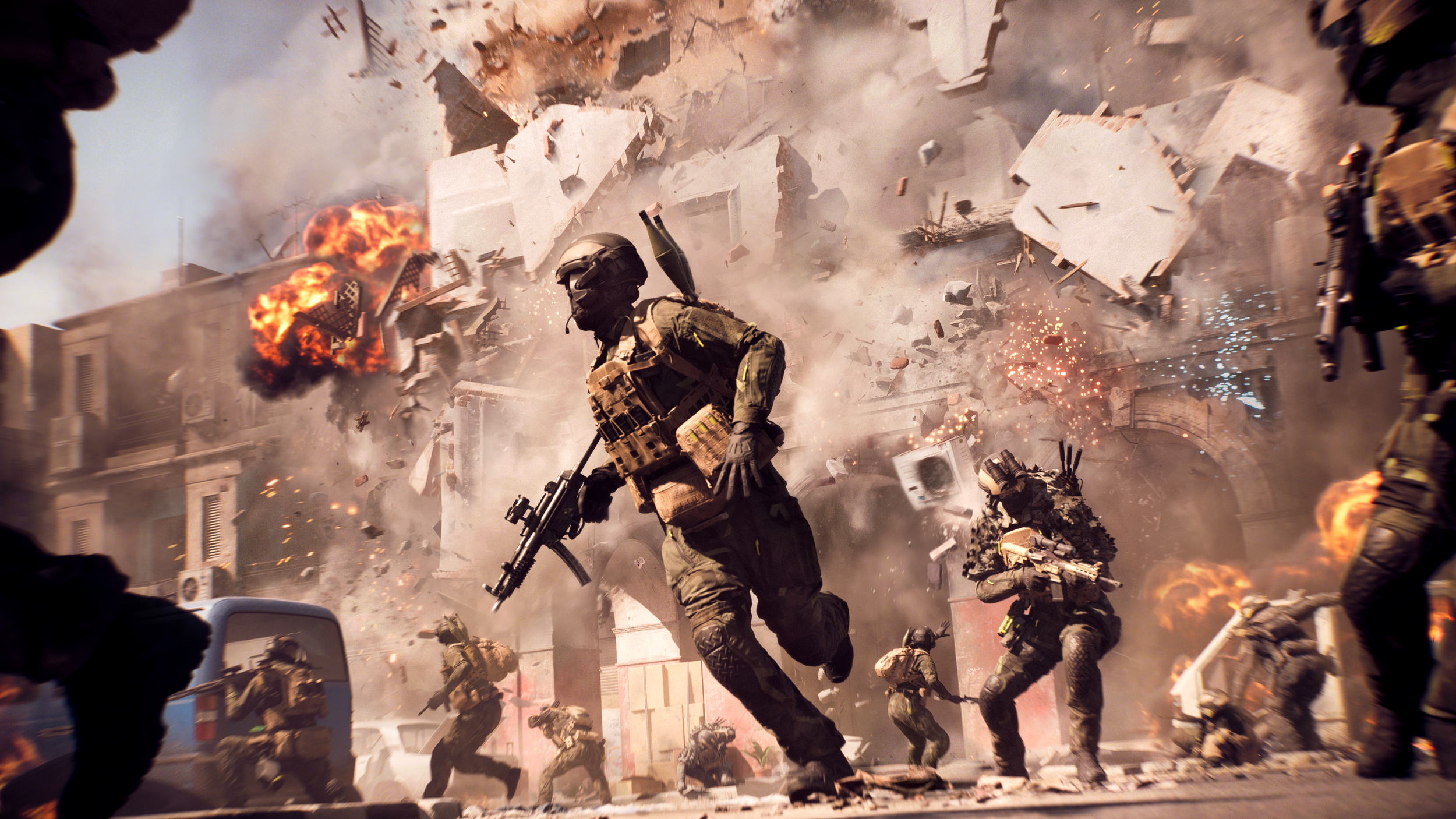
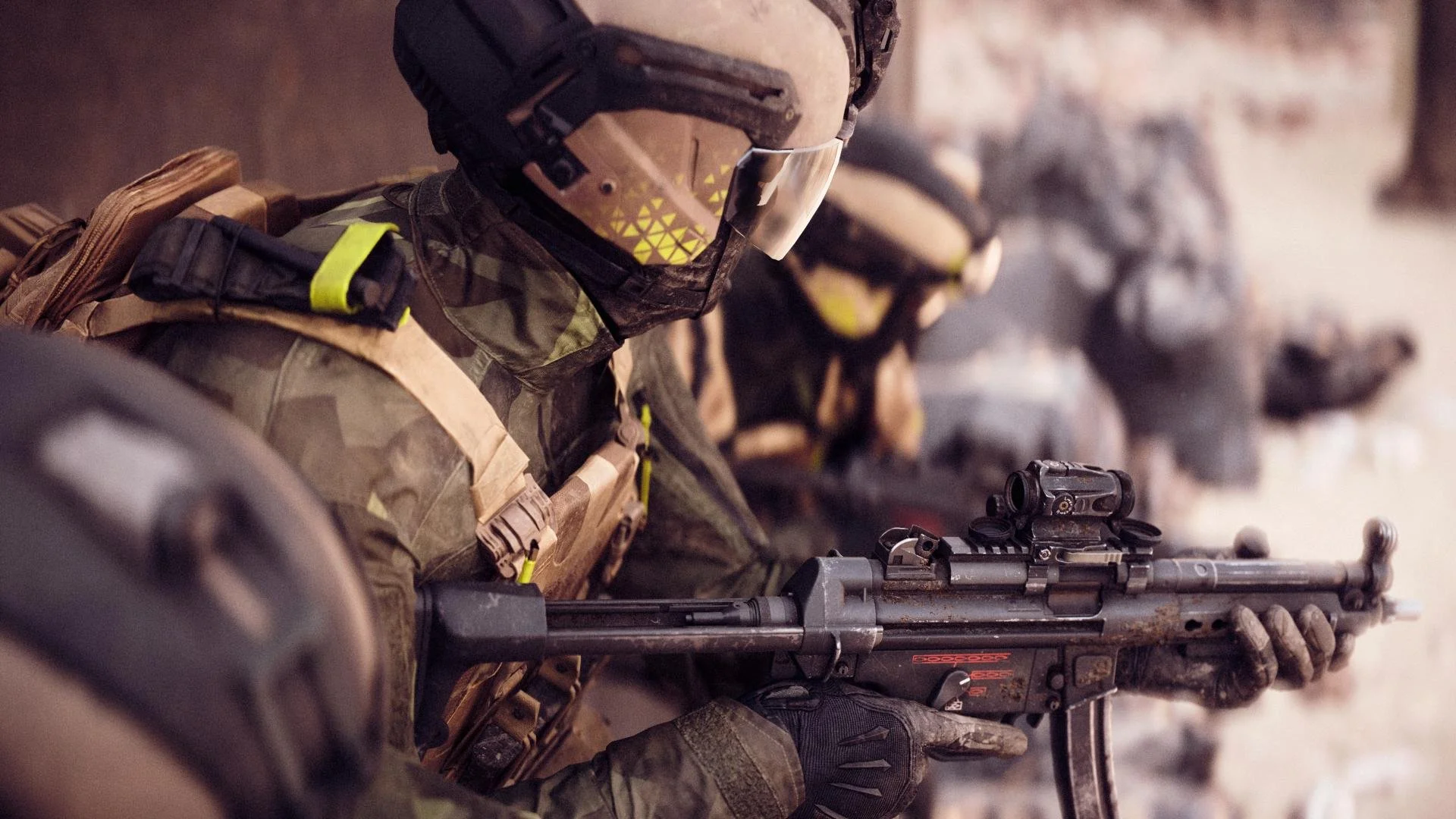
Still, despite those additional methods that separate Battlefield from its competition, much of the warzone is still fought via infantry. Weapons feel great, and adding a new attachment can really feel impactful when you are in a tense shoot-out, when that added stability comes into play. I did, however, have to drag the aiming sensitivity down by almost 60% as it was untamed and wild, having me aiming far too fast, and it just felt like an odd setting as the default. Thankfully, I found a sweet spot that was slightly sluggish and yet fluid enough for me to handle.
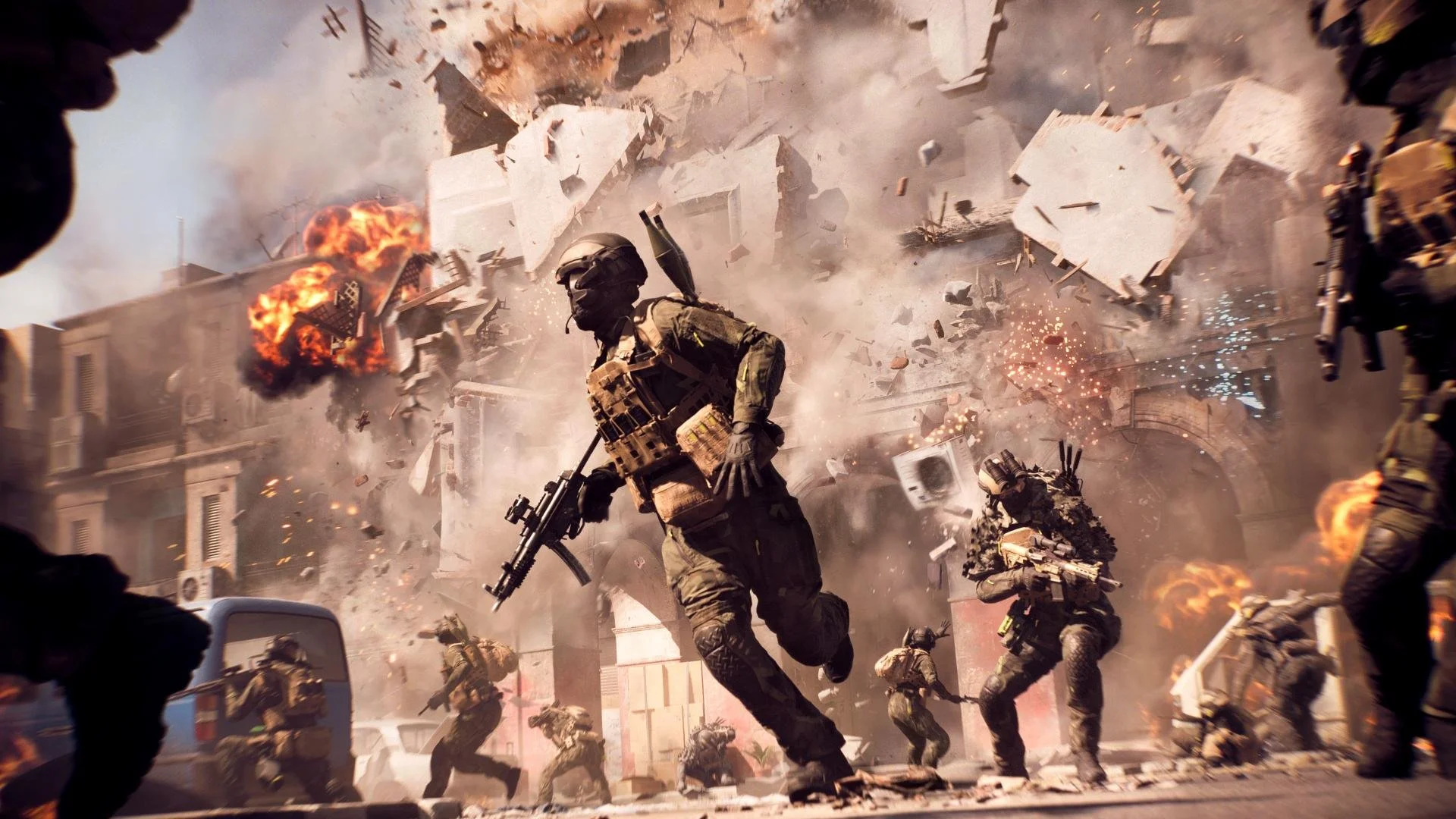
Battlefield also has the benefit of fairly destructible environments. Tanks can clear out entire buildings and leave them a wreck, snatching away a sniper’s nest and dropping the building down on a squad looking to shortcut through a suburb. While the level of destruction is certainly limited, it nonetheless can make for some tense firefights when you are trying to contend with infantry and a tank that is rolling down the street. Sure, you might have the gear to topple the tank, but do you have the luxury of pulling it off and not leaving your backside vulnerable, or, to that matter, if the building comes down around you in the process?

Each component, whether it is flying a plane, commanding a tank, or even working as a squad, has its challenges. Joining random players will see your squad immediately fractured as they all go to be the lone wolf. Planes are truly the toughest part to wrap my head around, at least in a way where I felt comfortable winning a dogfight. Tanks can certainly achieve plenty of kills due to their firepower and impact, but they can feel very vulnerable, especially as you attempt to maneuver such a weighty vehicle down some very tight roads. Knowing how to pilot these vehicles and work as a squad are hurdles that take you to victory rather than being on the underside of someone’s boot.
Battlefield returns with a heaping of modes that benefit all these styles of play. Conquest is likely to be the star of the show here with 64-player matches as you work with your team to capture zones and deplete the respawn tickets of the other team in the process. This mode offers everything that is in the kit of Battlefield 6, from planes, helicopters, to tanks, and more. It is the classic Battlefield experience. Escalation is a variation of Conquest mode that is new to Battlefield. Here, teams are tasked with holding more zones than the enemy. However, as these are captured, the zone shrinks the longer the match goes on. The team with the most points at the end of the match is the winner. And, should you like the idea of Conquest but want it to be a more tight affair, Domination is where you’ll likely find that satisfaction.
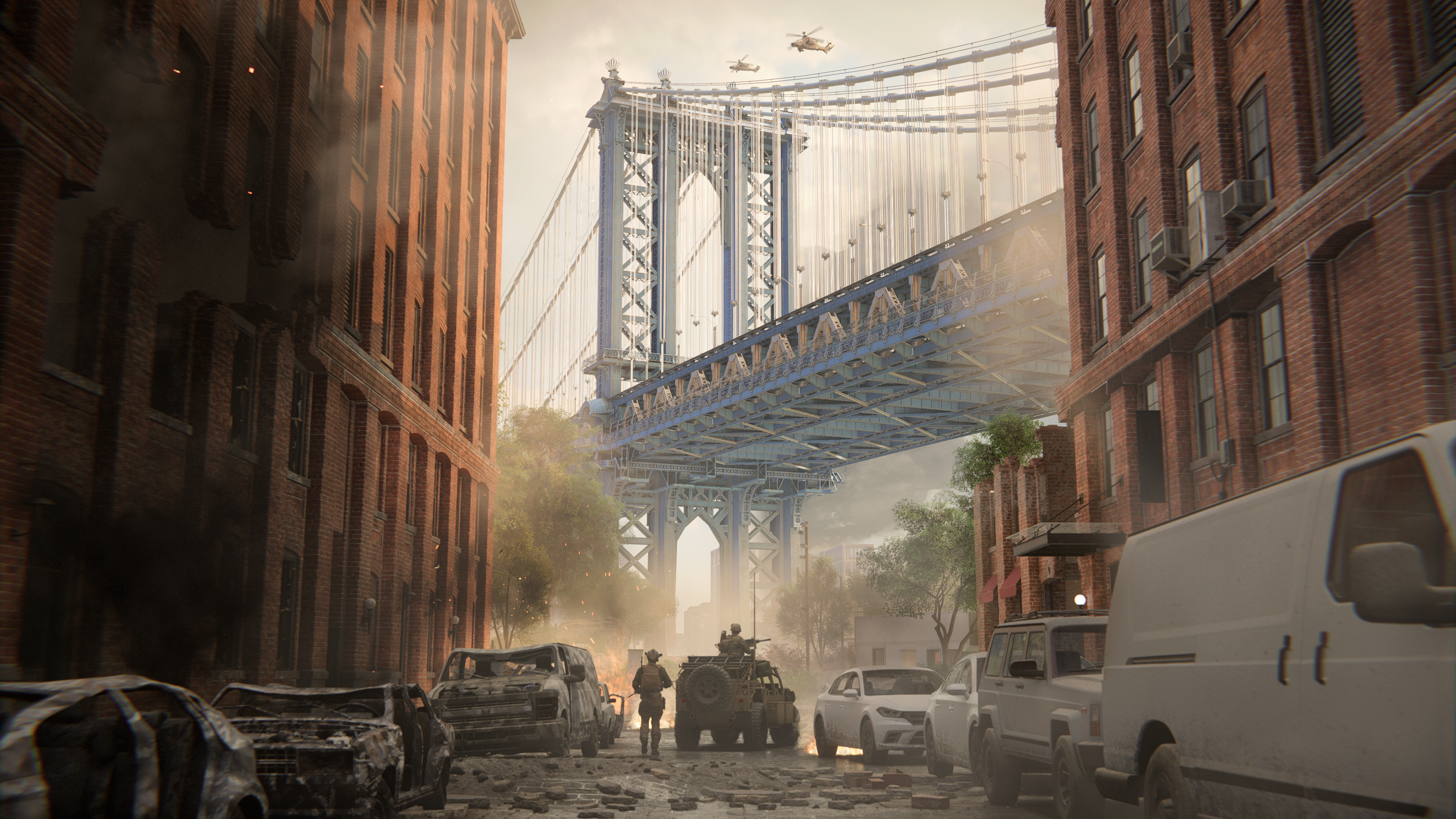
Breakthrough takes place on a large map, but smaller than what you find via Conquest. This mode is your classic attackers and defenders, as attackers have a limit to their respawns, and the defenders have unlimited respawns to keep up their defenses. The mode ends by either blocking any progress of the invaders or, if the invaders end up capturing every zone and pushing through the map. Rush, is a similar mode, but instead of capturing points on a map, players are planting bombs. Once successful, attackers move on to the next station.
Rounding out the modes are your typical affairs that are more akin to the likes of Call of Duty, focused more on infantry than anything featuring a vehicle. You have Team Deathmatch, Squad Deathmatch, and objective modes like Kill of the Hill. These modes are more intimate due to the smaller map sizes and the direct focus on gunplay. These modes are also likely a better fit for most of the daily challenges as you tend to see players a lot more than in open areas that become a sniper’s paradise.
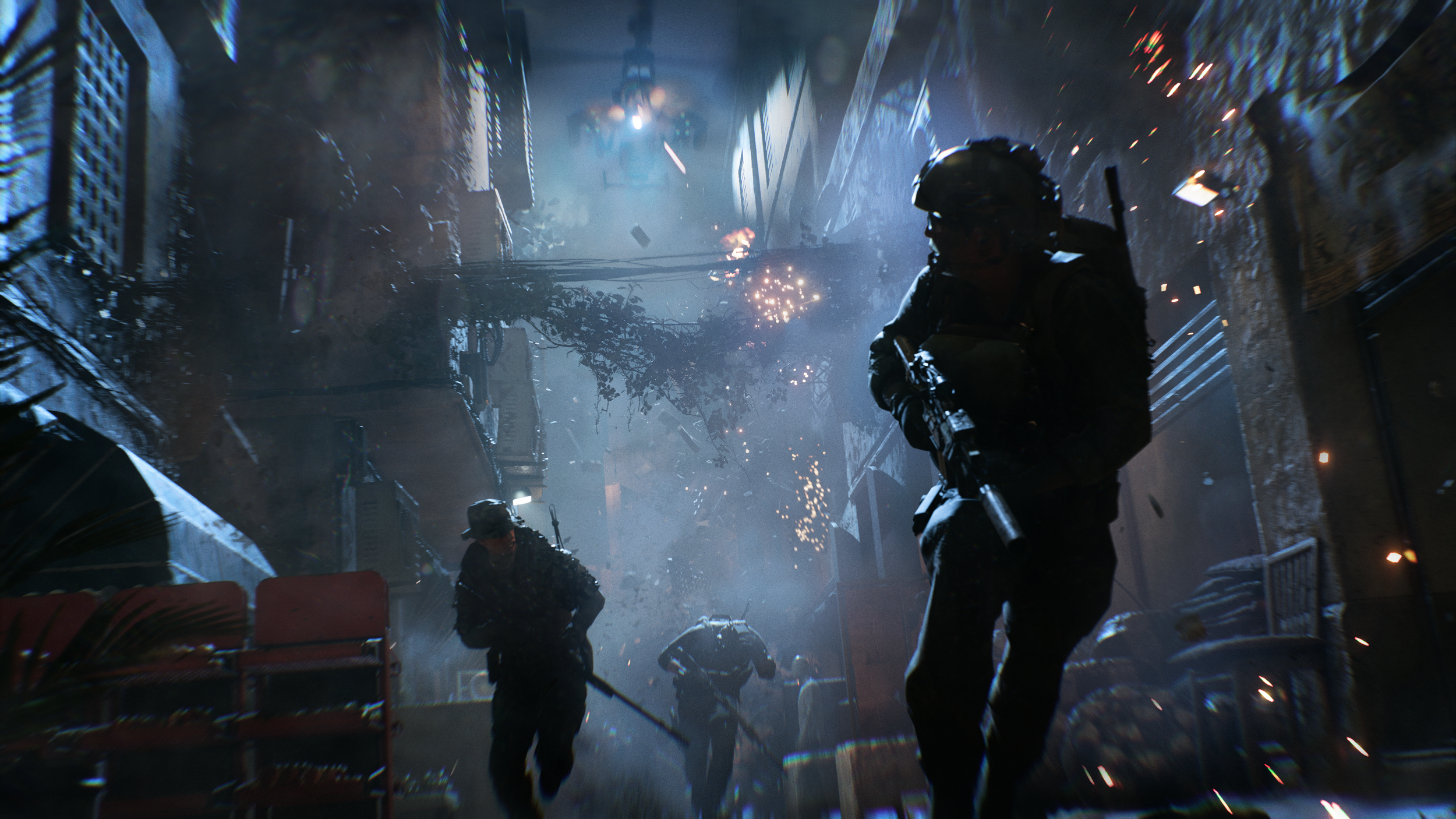
Also brought to Battlefield 6, and something I’ve yet to really dig into, is the Portal mode. This is a massive creation sandbox that is a collection suite of custom game experiences made by the community. This allows you to create custom game modes, advanced scripting with logic-based systems, full map rebuilding that even allows the use of previous Battlefield assets, to customizable rulesets, and progression-based XP, which could and is being used to aid in speeding up progression. It is an interesting toolset that can be something special when used properly, and that some real care has been put into what each map offers.
It’s hard not to be impressed visually by Battlefield 6. While the game is still using the Frostbite Engine, one that has bitten them in the past when not well utilized, Battlefield 6 is nonetheless a visual stunner, both in campaign and multiplayer. That said, I only have one complaint when it comes to its use in the campaign, and that the stark difference between the cutscene models of its main cast and their gameplay counterparts is wildly different, with the gameplay models just not holding up. Playing on Xbox Series X, the game ran at a very smooth 60, which seems to be the case for both PS5 and even the Xbox Series S. While you can run the game at a higher framerate, should you have the TV to do so, reports indicate that this 120fps mode runs at around 90-100, in most cases.
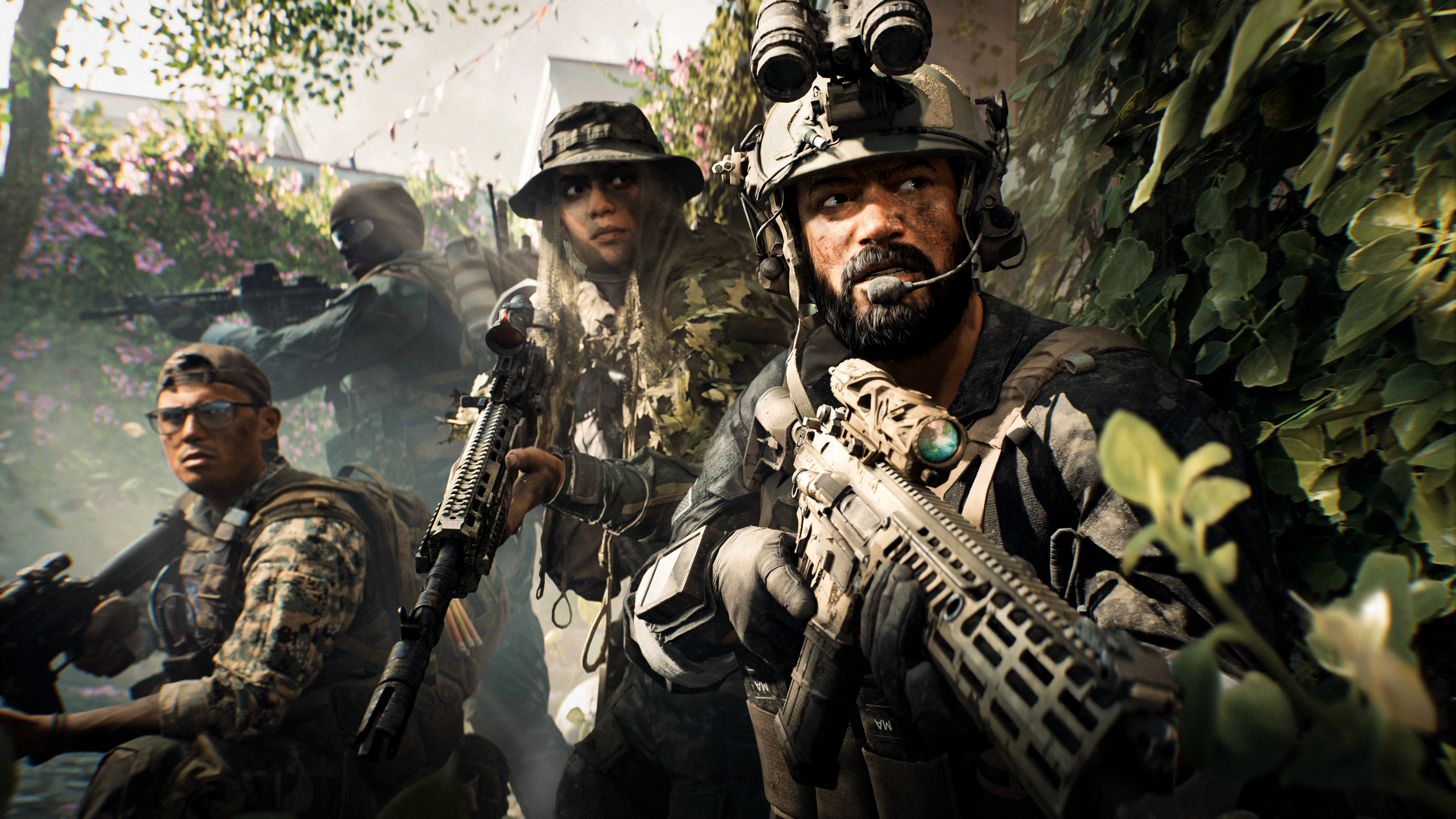
Battlefield 6 had a lot to prove, especially as it’s been the only franchise to really go toe to toe with Call of Duty. The initial sales of Battlefield 6 certainly show promise, and with a Battle Royale mode to drop at some point in the future, there is a lot to be hopeful for here. With a fairly decent campaign and a stellar multiplayer suite, Battlefield 6 is the best it’s been in nearly a decade, and as a fan of the franchise, I’m excited to finally like a Battlefield game again.
Developer - Battlefield Studios.
Publisher - EA. Released - October 10th, 2025. Available On - PC, Xbox Series X/S, PS5. Rated - (M) - Blood and Gore, Intense Violence, Strong Language. Platform Reviewed - Xbox Series X/S.
Review Access - Review code was provided by the publisher for the purpose of this review.
Jeff is the original founder of Analog Stick Gaming. His favorite games include The Witcher III, the Mass Effect Trilogy, Hi-Fi Rush, Stellar Blade, Hellbade: Senua’s Sacrifice, and the Legend of Heroes series, especially Trails of Cold Steel III & IV.