

Back and better than ever.
Borderlands has had a very uneven history over the past decade and change. Borderlands 2 was considered the peak of the series, with a fairly polarized third numbered entry that had many people question the future of the franchise. Tales from the Borderlands landed with critical acclaim, while its Gearbox-developed sequel was remarkably unmemorable. Tiny Tina’s Wonderlands may have done well enough to rebuild some of that lost trust, but it also didn’t help that its live-action film was an absolute disaster. Frankly, the Borderlands name had lost a lot of its charm.
That said, when Borderlands 4 was announced to be a return to what made the first two entries so beloved, almost neglecting Borderlands 3 as a whole, it provided a glimmer of hope that we could see this new entry really achieve what Borderlands 3 seemingly failed to do, despite my personal enjoyment of it. While I still have plenty of side quests, post-game activities, world events, and more to accomplish, Borderlands 4 is without question the sequel this series has needed for years. It’s fresh enough to bring in some modern mechanics and quality of life features, while also maintaining that pure Borderlands experience. It’s not perfect, but damn if it isn’t stunning.
Borderlands has been a series truly devoted to a few key pillars: loot, characters, gunplay, and humor. Where Borderlands 3 suffered was that it failed much of its cast, its overdone humor, and a story that just wasn’t nearly as good as its previous entry. The loot and gunplay; however, elevated that game to be a largely enjoyable experience. I did greatly enjoy Borderlands 3, but I did find that its humor was often painful and forced, driving some jokes into the ground to where you simply wanted to mute the game and put on a podcast. In fact, I did that regularly.
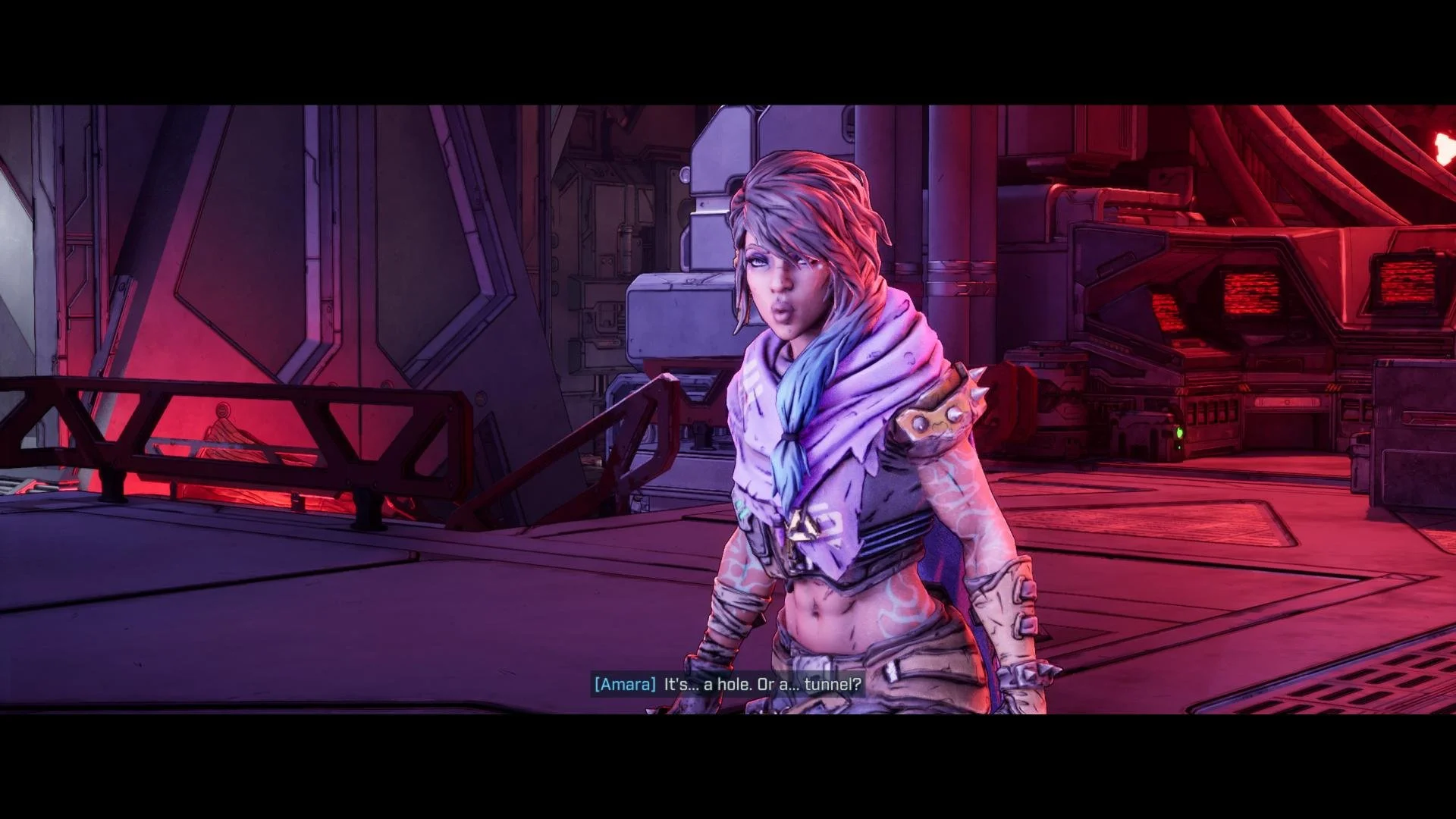
Borderlands 4 gets its humor right by allowing it to happen organically and not a single moment felt cringe or forced. Yes, some quests or chains of dialogue are built around a single joke, but it's nowhere near the likes of Borderlands 3, where they tried to throw so much at the wall and hoped something would stick. Most of the jokes here had me laughing out loud, and this caused me to be really engaged with the characters, especially Zane, as he plays a massive role here, as does Amara, both of whom were Vault Hunters from Borderlands 3. While there are a few more familiar faces, such as the return of fan-favorite Moxxi, these appearances don’t feel gratuitous or anything akin to lazy fan service.
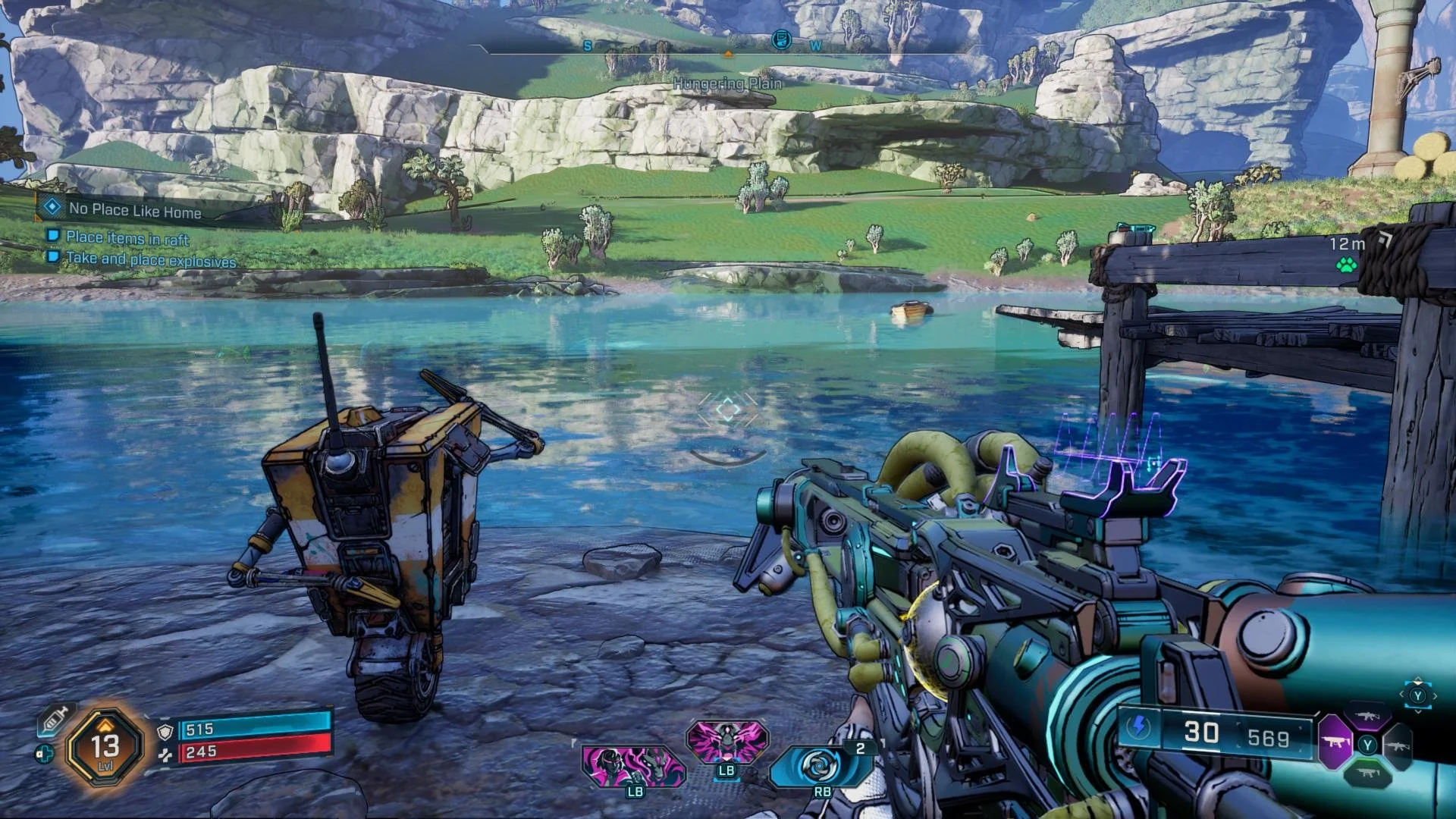
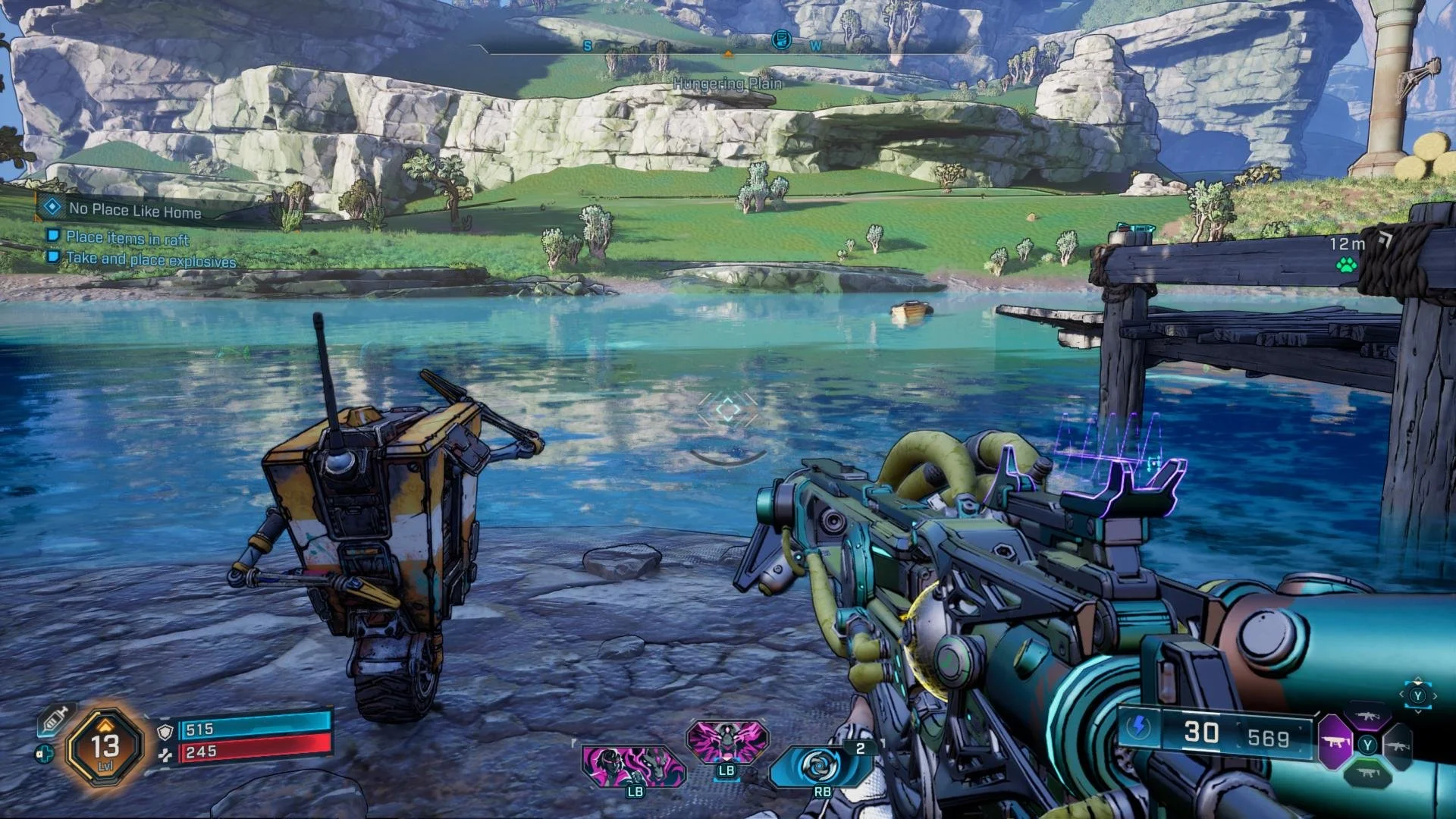
Claptrap does make an appearance here, but is used sparingly, which is perfect for him, given the unfortunate reliance the series has had on him, making the character almost insufferable in Borderlands 3. Despite his nature of being the series’ mascot and being forced into every storyline, his questline to find some mementos from his past ends in a moment of true growth for the character, and frankly, it’s one of the best moments in the game.
And, it’s not only the humor that Borderlands 4 improves on, as every single system has seen a complete overhaul. Borderlands 3 felt dated for the wrong reasons, leaning too far into the structure of a game seven years its senior. Borderlands 4 modernizes so many of its systems with all-new menus and UI, the ability to customize your character, weapons, vehicle, and more, all from the same menu, and countless other quality-of-life features the series has needed for years. While the gun sorting isn’t as good as it could be, it is at least freshened up from the floating menus of the past games.
Borderlands 4 also takes advantage of the new hardware by having the bulk of the game take place in one large sprawling location, Kairos. This prison planet had been hidden for thousands of years until Lilith slammed a moon into it, shattering the cloak that engulfed the planet. Kairos is home to plenty of biomes, with safehouses to expedite the fast travel process, as well as granting you summonable vehicles within the first few hours of the game.
Kairos feels massive, with plenty of encampments, bases, fortresses, vaults, and countless secrets, all begging for a Vault Hunter to go in guns blazing. Kairos is home to four central locations, all that have various districts within them. You’ll start in the Fadelands, which is home to the Hungering Plains, Idolator’s Noose, and the Dissected Plateau, among others. While those names generally mean nothing in the grand scheme of things, they each are home to numerous collectibles, all sorted for you to seek out every single one. You have lost capsules, echo logs, vault symbols, and more, all begging to be found.

What excited me most was that once you solve your first big bad, the whole map opens up to you to take on in whatever order you want. Best of all, is that it still adapts to your level, and the level of whoever else you bring in. If your co-op partner is level 9 and you are level 50, the game scales to each player, making the experience easy to share with friends. It also allows for mission progress to be saved for both players, ensuring nothing is wasted in your efforts to shoot up rippers and various abominations as a group. While I didn’t get the chance to try crossplay, online play between myself and a few friends ran without a hitch.
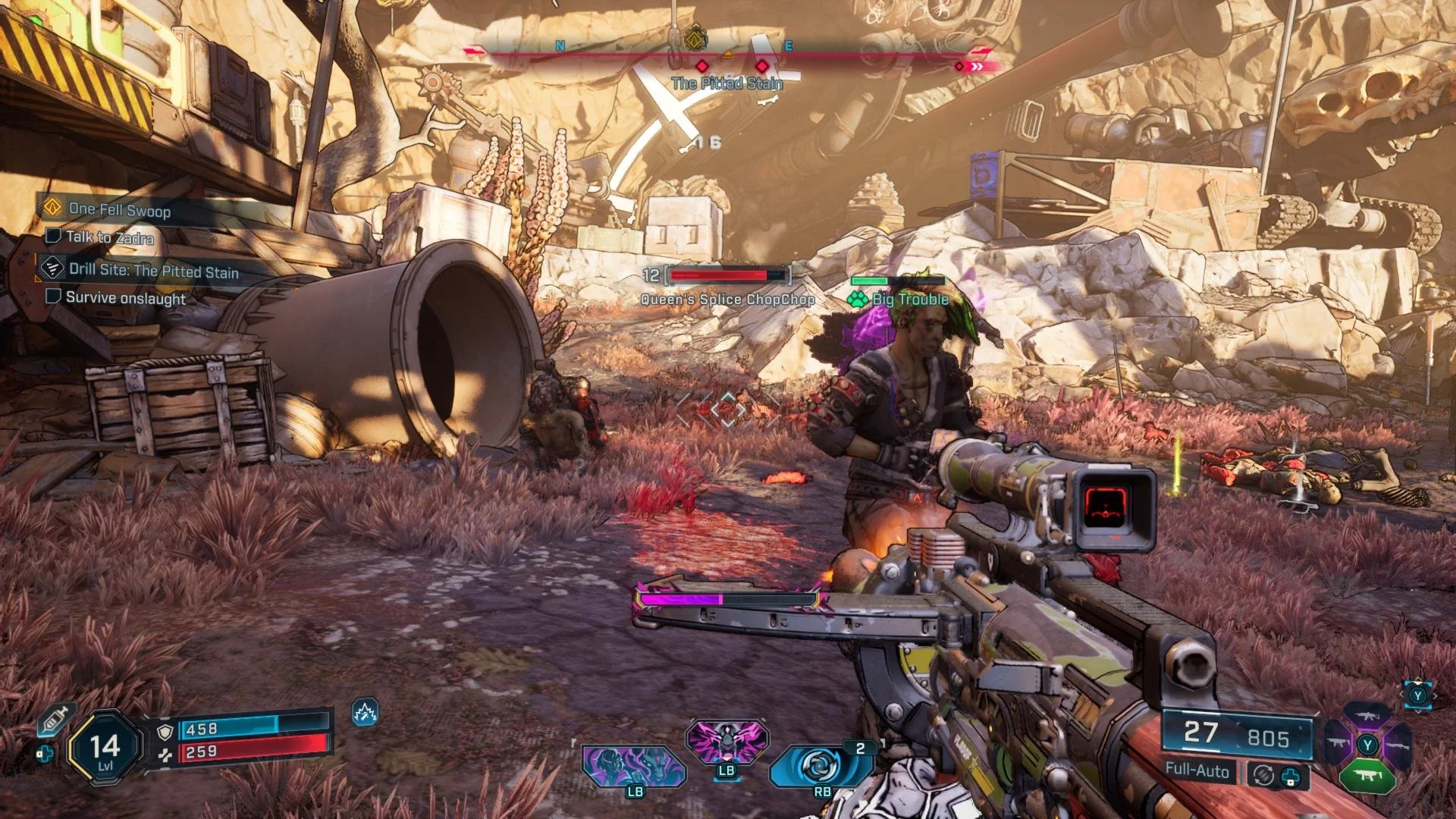
As you break away from the Fadelands, you’ll then be given the opportunity to immediately explore two other locations: Carcadia Burn and the Terminus Range. The Terminus Range is a snow-capped mountain range with a tribe that has some hilarious names, to Carcadia Burn, a vast open area that is more in line with the “brown” aesthetic of previous Borderlands games, complete with jagged rock cliffs and Moxxi’s bar.
Exploring Kairos can certainly be intimidating due to how much there is to do and how focused you may or may not be on the main story. While you could likely golden path the story within 15-20 hours, there is a wealth of side quests that add a lot of depth and purpose to the main story and your allies. In fact, some of the side quests feel like essential content, given where certain allies end up once you’ve freed them of one of the Timekeeper’s generals. The Outbounders, for example, have a quest where you help them secure an engine core to hopefully leave Kairos. This quest felt like a nice ending to much of their story. That said, there was so much more to explore with them and aid them in their quest to combat not only the Timekeeper, but his forces that are still out and about. This rings true with the other groups you encounter as you aim to stop the Timekeeper, once and for all.
Your journey begins as you are injected with a bolt into the base of your neck. This is a method of control for the Timekeeper, and despite your status as a Vault Hunter, you aim to remove that bolt and free everyone from the Timekeeper's control. The bolts play a huge part in the story as you’ll need to secure the bolts of his three generals, and use them to access the Timekeeper’s tower to confront him. The bolt also allows the Timekeeper to track your movements, converse with you, and ensure you are always aware of his presence. While this immediately gave me Suicide Squad vibes, the bolt injected in your neck only plays into a few key moments, one of which I was surprised it took them that long to execute on.

The general storyline regarding the Timekeeper is considerably better than what was present in Borderlands 3 due to the limited use of the Timekeeper himself. Handsome Jack in Borderlands 2 was constantly present, so keeping the Timekeeper away almost made him more of a threat as we got to know him through others who have only known his reign. There are countless quests, side quests, and voice recordings that illustrate just exactly who he is, and who he even was, as one central character to the story has known him for quite some time. While he is certainly a better villain than the Calypso Twins, that isn’t really saying much.
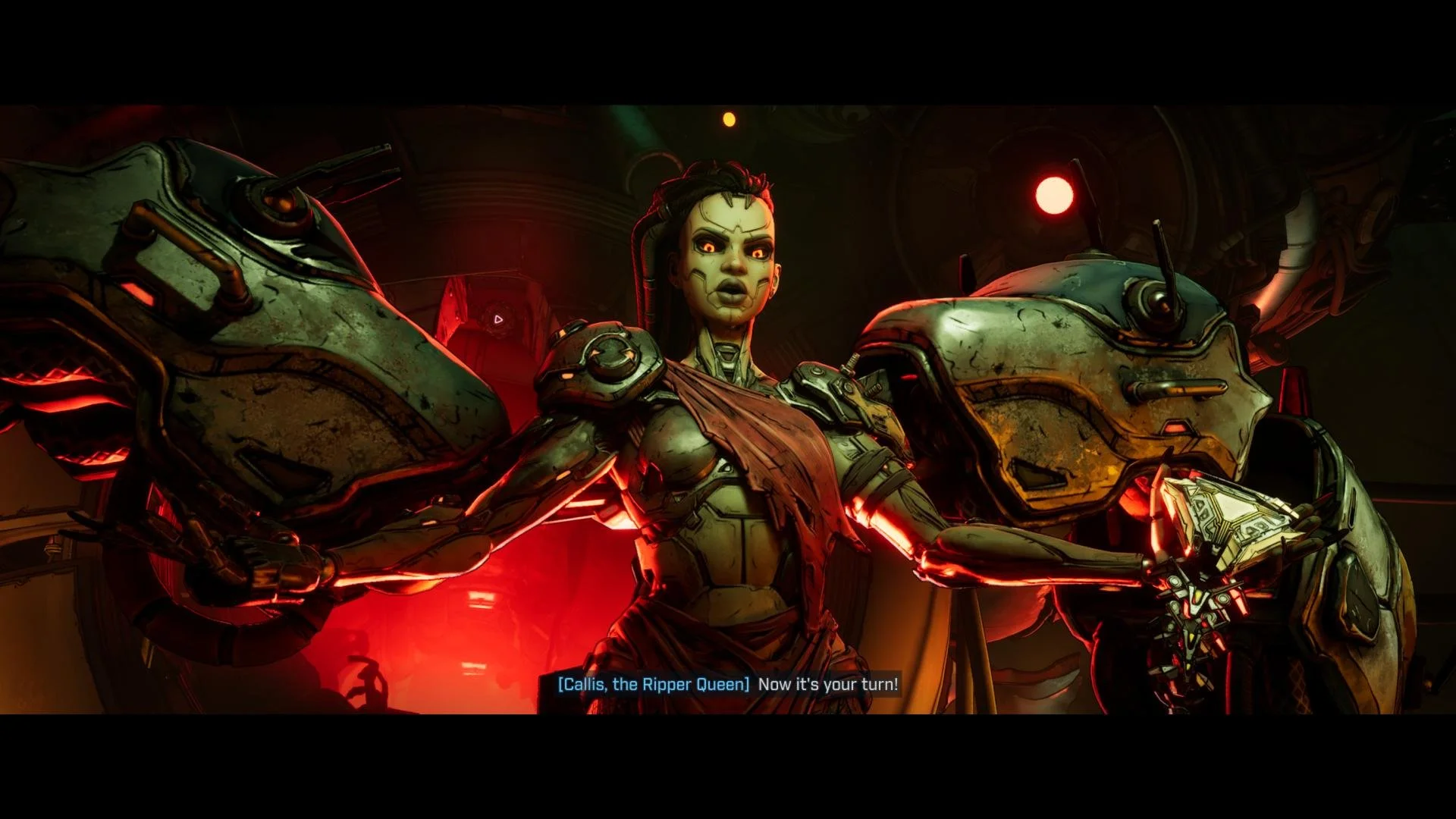
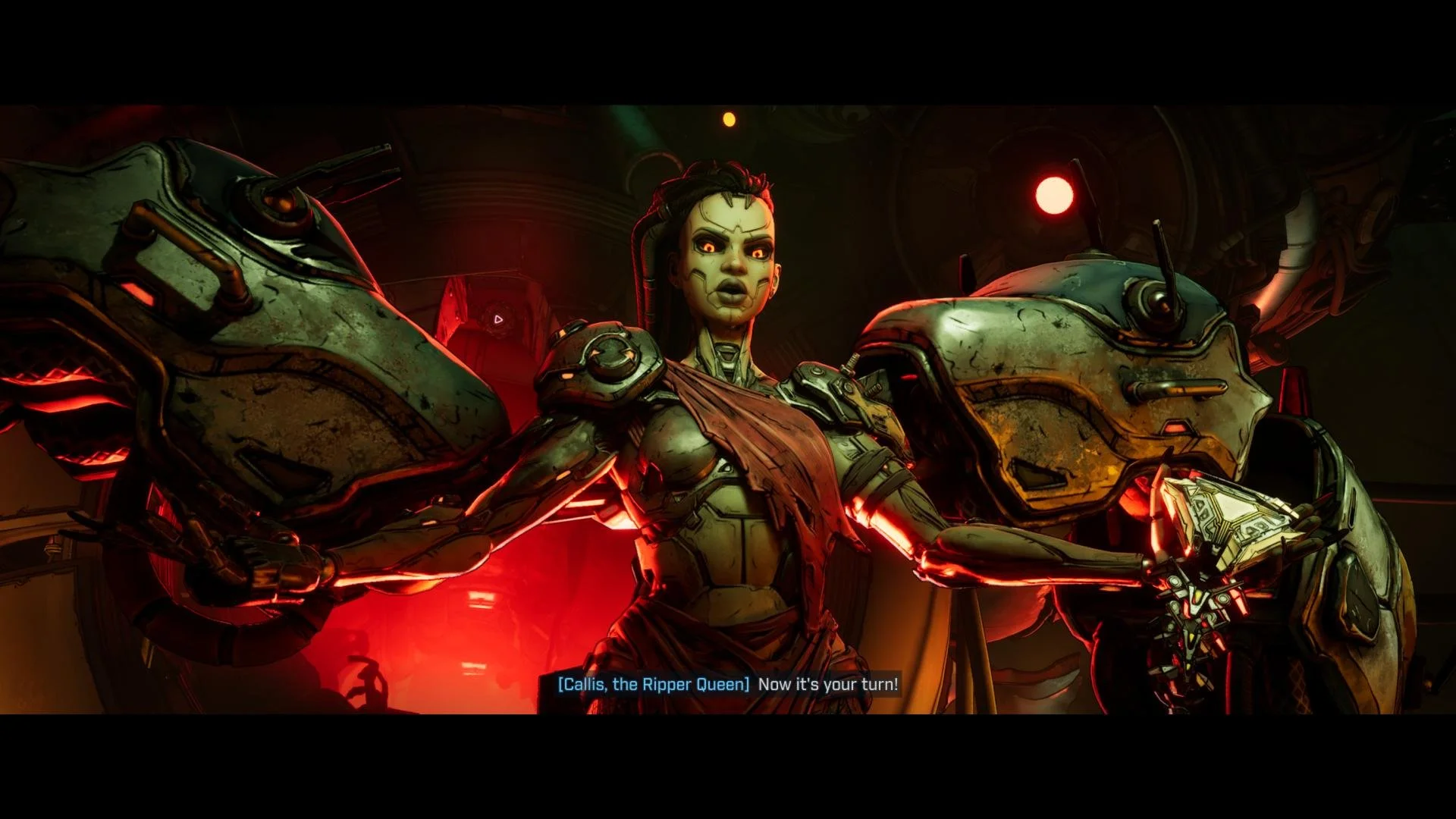
We also get to know him via his generals, who all have various aspects to their relationship with him. Idolator Sol is eager to impress him, and your involvement causes him to make good on his threats, impressing the Timekeeper to no end. I chose Vile Lictor next, who is eager to toy around with dangerous energies. Personally, the third villain in my way was Callis, the Ripper Queen, who was my favorite villain in the game, even more so than the Timekeeper himself. She was diabolical and extremely deadly, making her involvement to feel genuinely threatening, especially at a key point later on. While there is one more threat, someone whom I am not going to spoil, I found their resolution to be handled incredibly poorly, and it certainly caused the story to end on a messy finish.
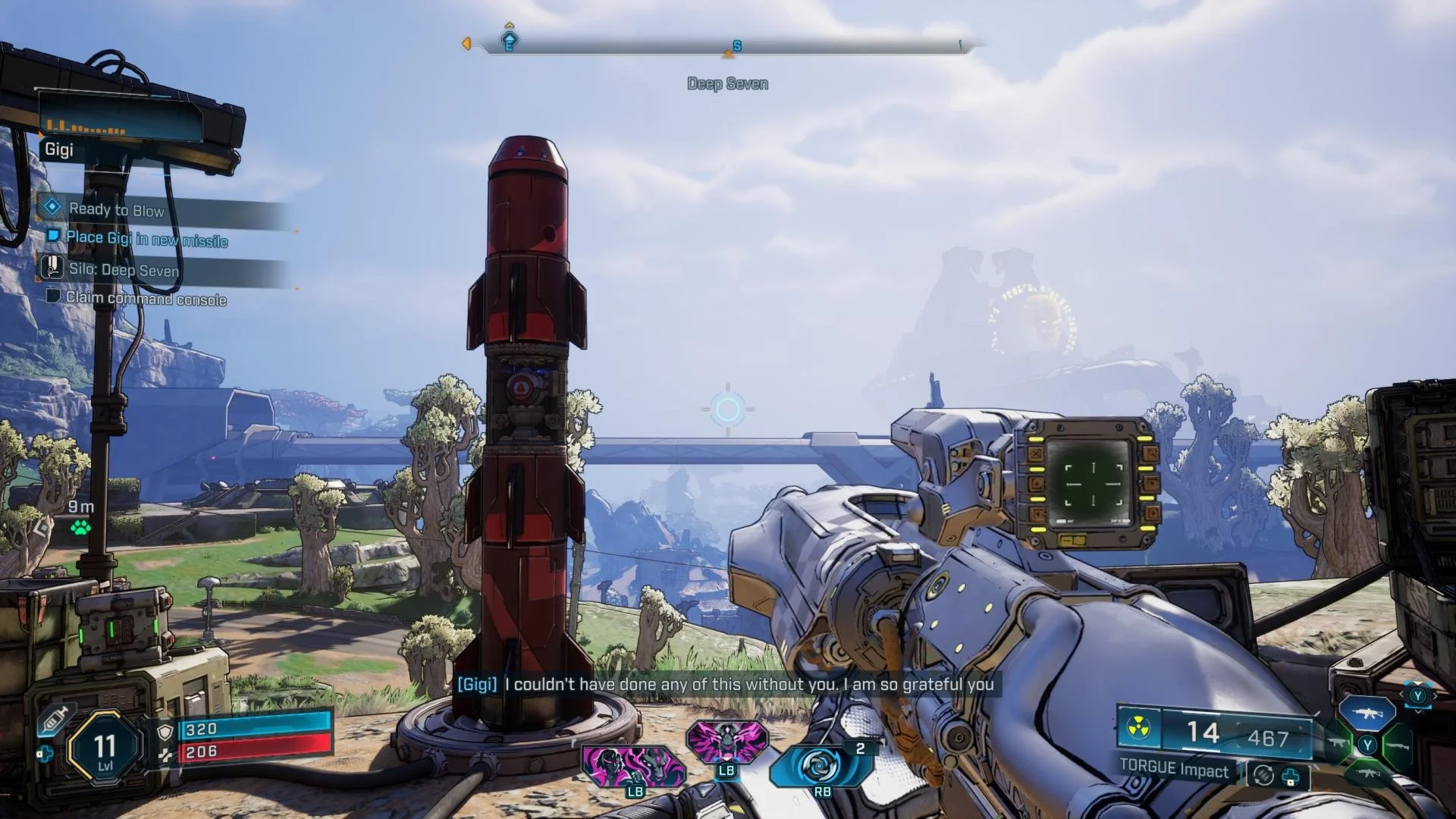
Each area of the map is under control by one of these generals, so you'll enter into the zone in an effort to take their core and get wrapped up in the events surrounding those groups and their efforts to battle these forces. The first of your allies is the Outbounders, a military-like group that almost feels like a group of soldiers that Roland would have been a great fit for. Rush and Conway were standouts for the group, with Conway being one of my favorite side characters in the game. The Augers find themselves at the mercy of Vile Lictor, and are descendants of early miners and scientists who were the first to encounter the Timekeeper. Lastly, are the Electi, who were previously citizens within the Timekeeper’s haven, the Dominion. When they were banished, a woman named Levaine took them to sanctuary and chose to oppose the Timekeeper.
These factions are nicely fleshed out and have some solid moments of coming to your aid. While they don’t really aid in the defeat of the Timekeeper, something I really was hoping for, they do aid in getting you to each of his generals, as well as bringing you in to learn more about them, their fight, and the places they call home. Each faction has a few standout characters, and while you are doing missions for the Electi, make sure to browse your spoils after a certain mission, or you can actually see a certain character die. Let’s just say I had no idea they were in peril and kept browsing my rewards until I noticed the countdown digits of their doom. Whoops.
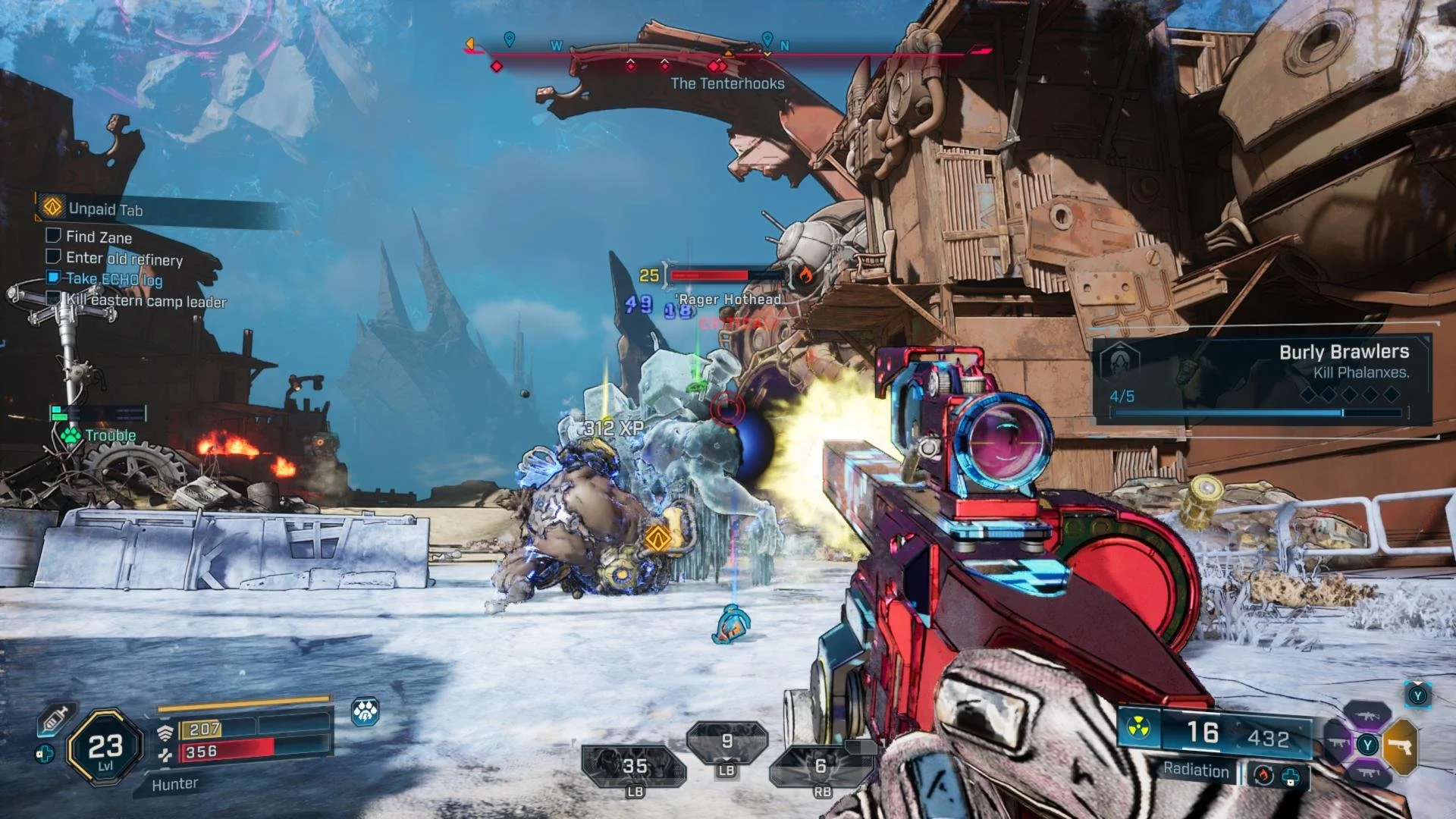
Navigating Kairos has been made extremely fun due to some smart additions and refinements of what has come before. Vehicles are summonable with a single button, and your Vault Hunter has a few new tricks up their sleeve. Characters can double jump, air dash, and even climb particular walls, even if having to jump from them to a platform behind you is not really that great, to be honest. You can mantle, and I do suggest changing the setting to push forward to mantle and not have to press A.
Very quickly into the game, you’ll unlock the grapple and hover pack. The grapple allows you to slingshot to certain points on the map or pull explosive canisters to you to chuck back at enemies. I do wish you could grapple enemies to you or leap towards them, or that more grapple points were present, given how few there really seem to be sometimes. The Hover Pack is a solid way to glide around, but I do suggest changing it to hold down the button as double jumping and hovering can often happen at the same time otherwise, making it pretty annoying. Still, you can really close the gap on some areas that in previous Borderlands games would be impossible to reach. Lastly, there is a slam, which I rarely used, given you have to get close to enemies to use it.

Adding to the similarities that Borderlands 4 has with Destiny, you’ll have a new companion in the form of Echo-4. While Echo-4 doesn’t chat your head off like your Ghost in Destiny, you’ll use them to display your path to your next objective, which I wish stayed around far longer than the max setting allows, to hack computers and various other hackable things. For as silent Echo-4 is, I was far more attached to them than what Destiny attempted to do with your Ghost. Echo-4 can be decked out in new designs and colors, with the ability to add batwings, party hats, and more.
Loot is a crucial component of Borderlands as its main selling feature is millions of guns, and while Borderlands 4 could have just sat back and done the bare minimum here, it rose to the challenge and took that “millions” and turned it into “billions” with a few smart choices. While I’ll get to the returning manufacturers shortly, Borderlands 4 brings three new brands of guns to the forefront. Detilus allows you to switch the type of ammo it uses. For example, you could have an assault rifle that can switch to use shotgun ammo, or a shotgun that uses SMG ammo. Ripper guns require a brief spin-up to unleash their ammo, but they do tend to do some killer damage as a result. Lastly, the Timekeeper’s Order rounds out the bunch, with guns that are built for precision and high burst damage. Once charged and released, their rounds deal some significant damage. That said, they are my least favorite of the new additions.
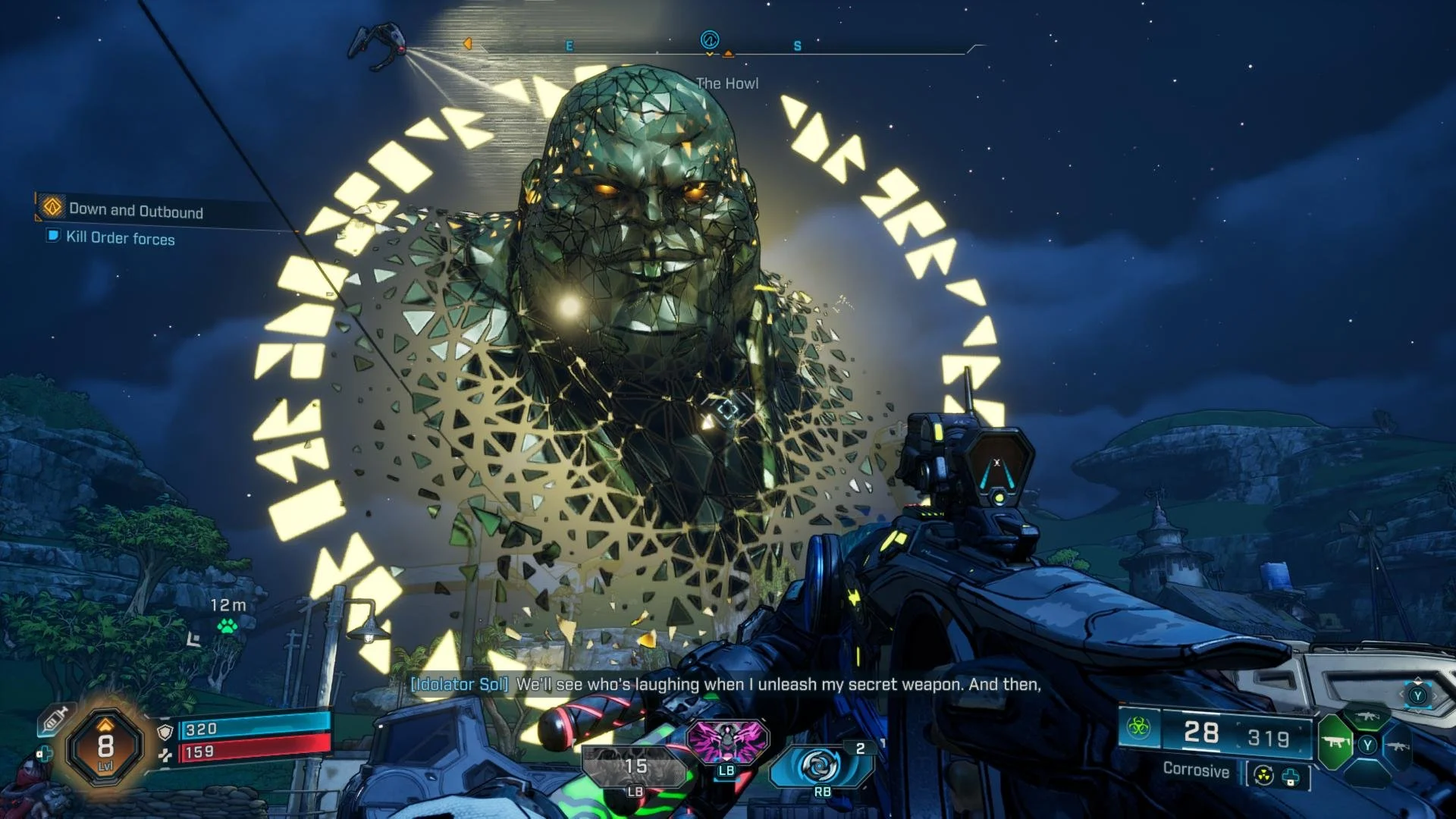
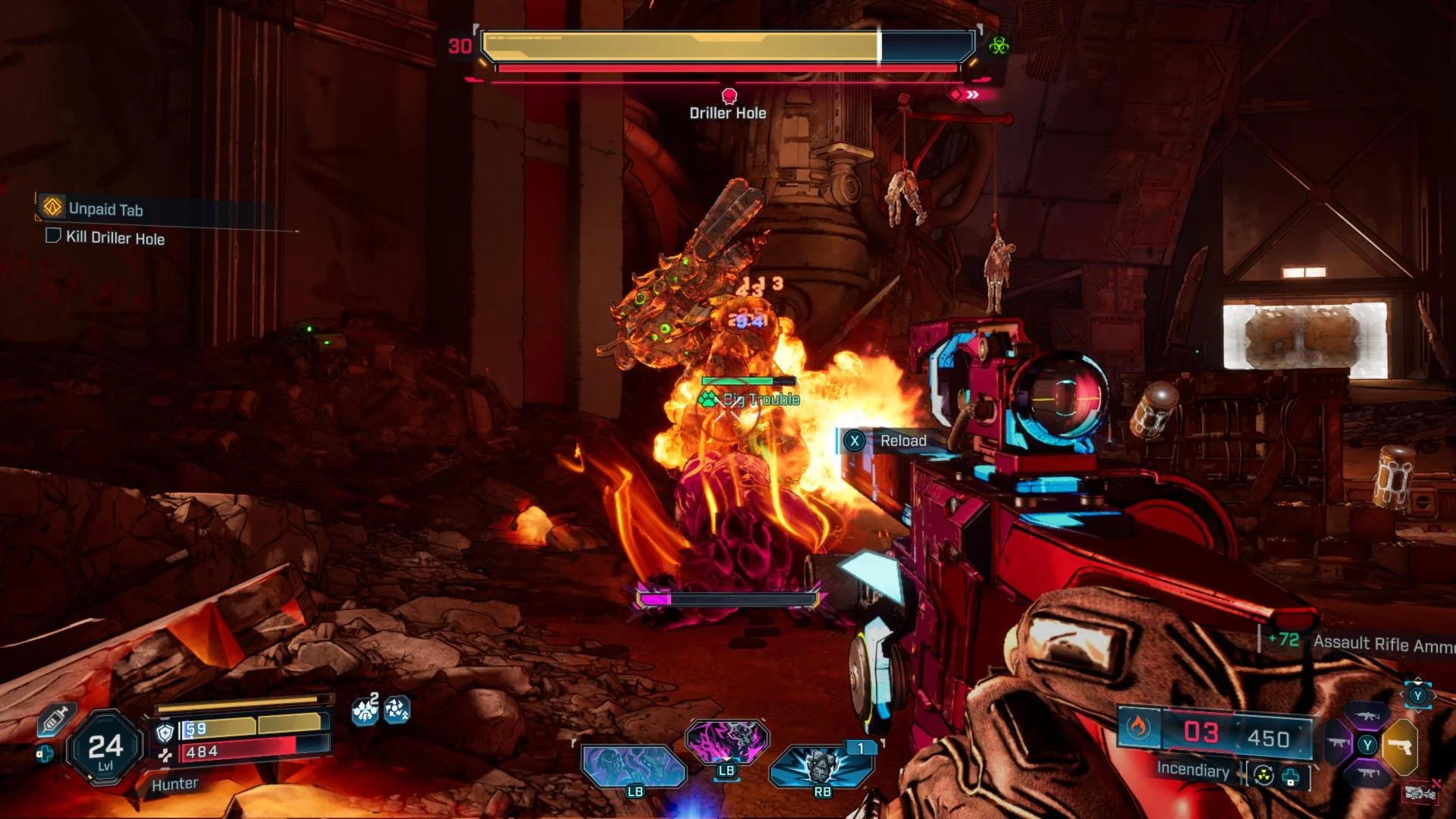
Returning is Jakobs with their ricocheting projectiles, Maliwan, which focuses on elemental damage, Tediore, which returns with their “throw and reload” mechanic, Torque, which specializes in explosive weaponry, and Vladof, which offers a high rate of fire and enormous magazine sizes, but at the cost of accuracy. Each of these returning guns has far more depth to them, with more perks than previous entries. Combine that with the ability to swap weapon perks from one gun to another using a post-game Firmware machine, and your weapons, loot, and everything else you can equip start to see even more possibilities.
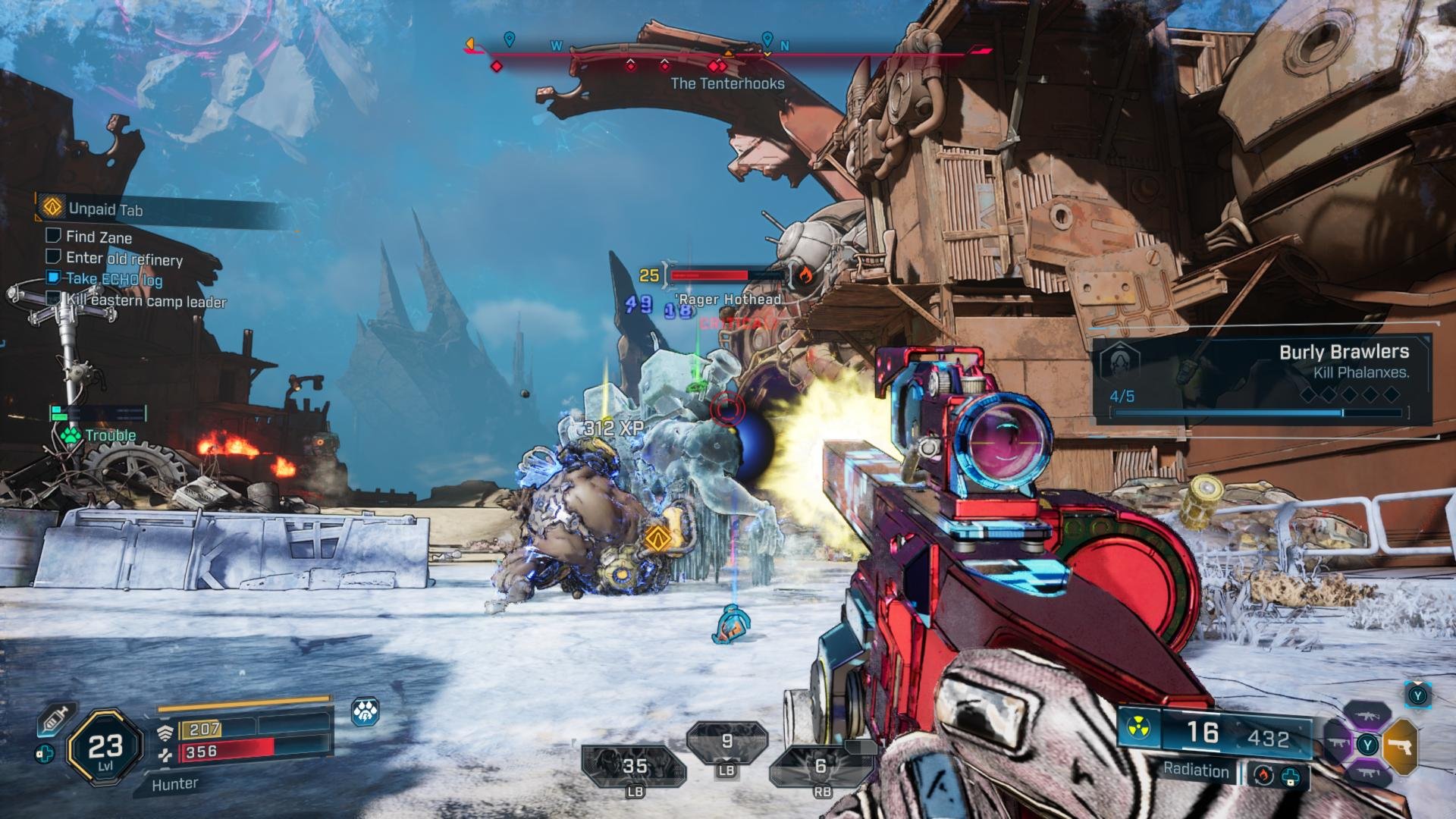
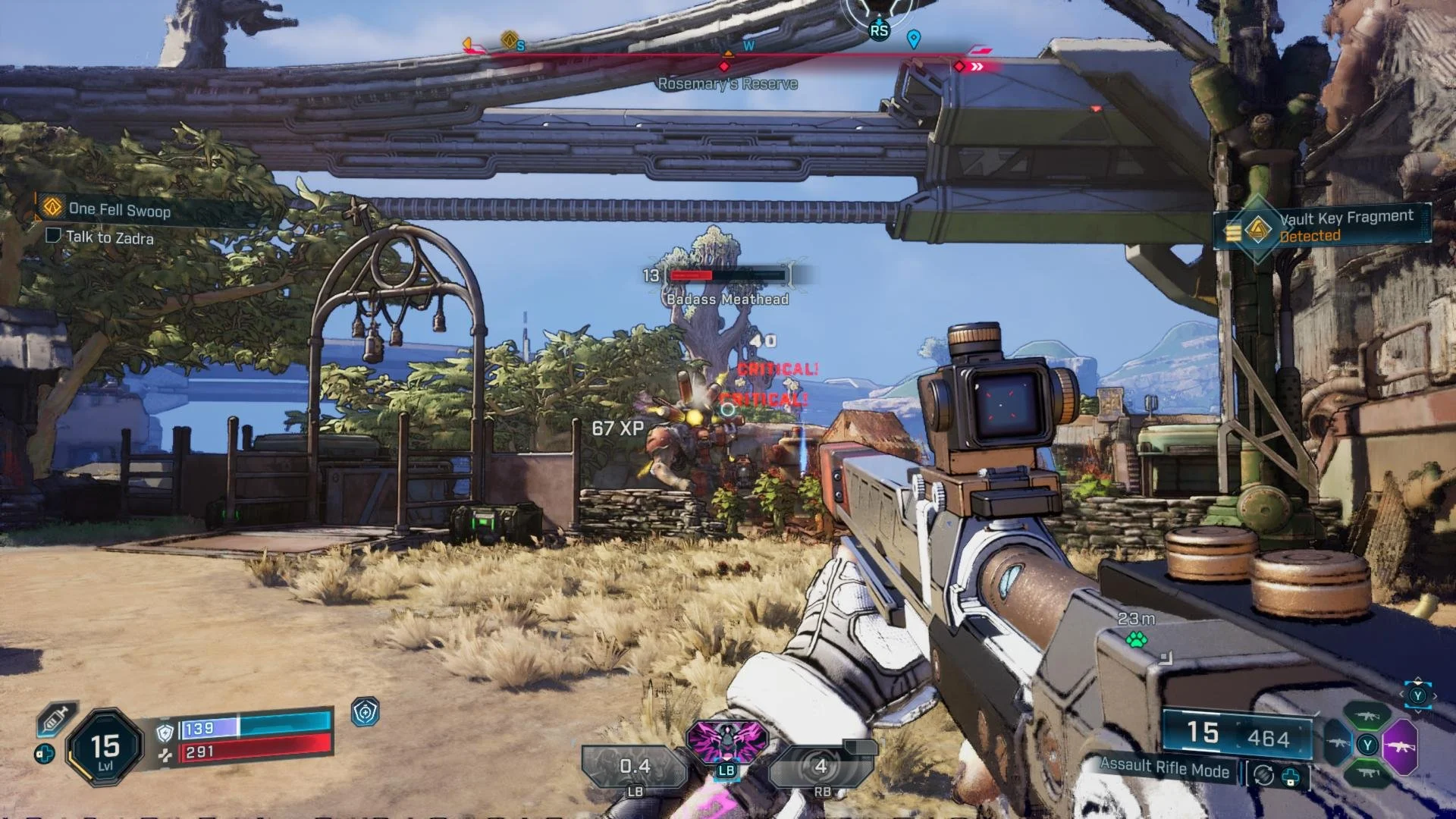
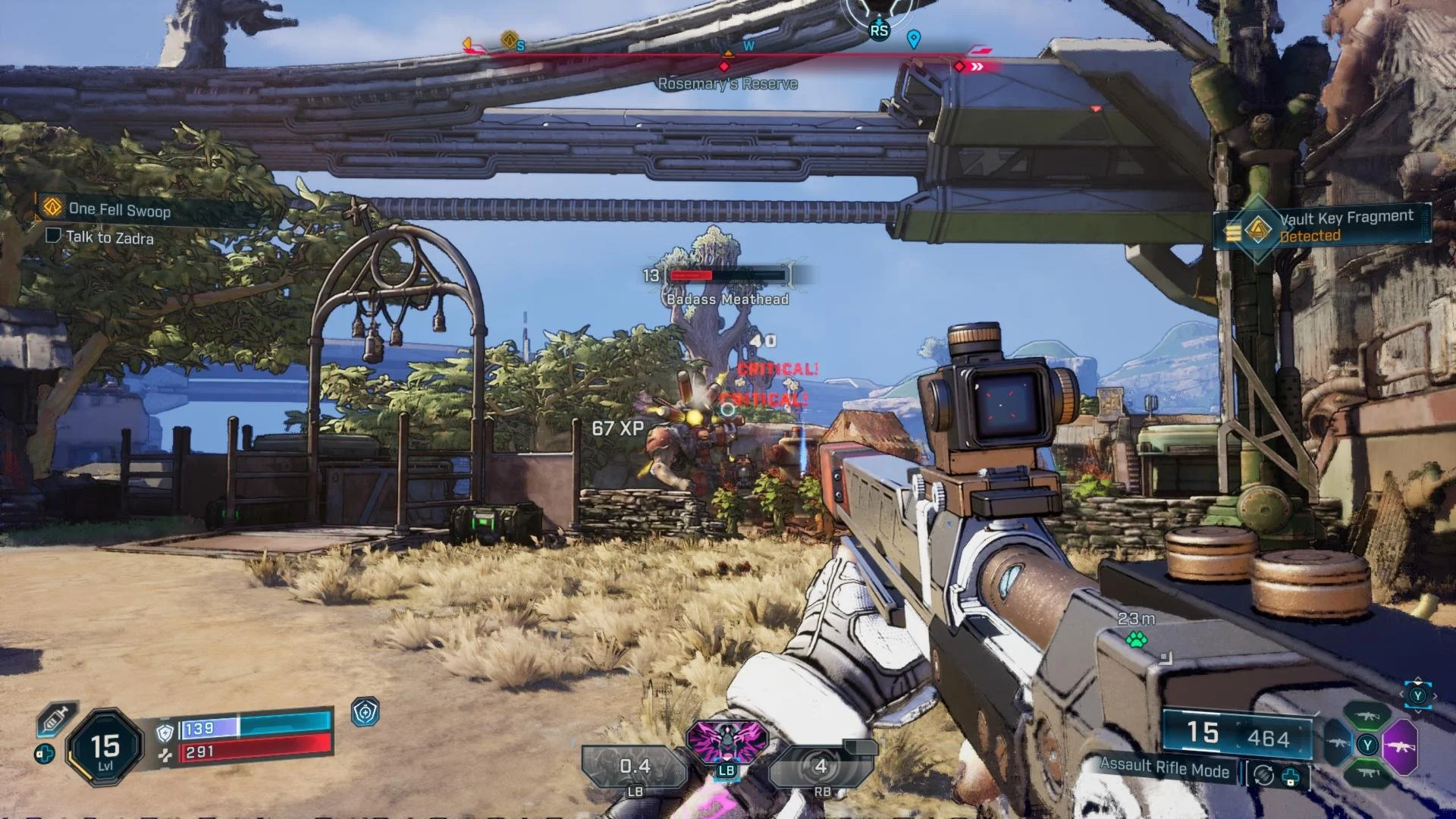
Gunplay feels great, even better than it did in Borderlands 3. Some of the new guns have a solid kick to them, with a certain SMG of mine taking the cake for my favorite weapon in all of Borderlands. The Superconducting Plasma Coil was a possible reward for a side quest to track down a legendary vending machine, and this legendary took my damage game to a whole new level. Since it was a Maliwan gun, it could swap between Shock Damage, which helped my build, and Radiation damage, which melted foes extremely quickly.
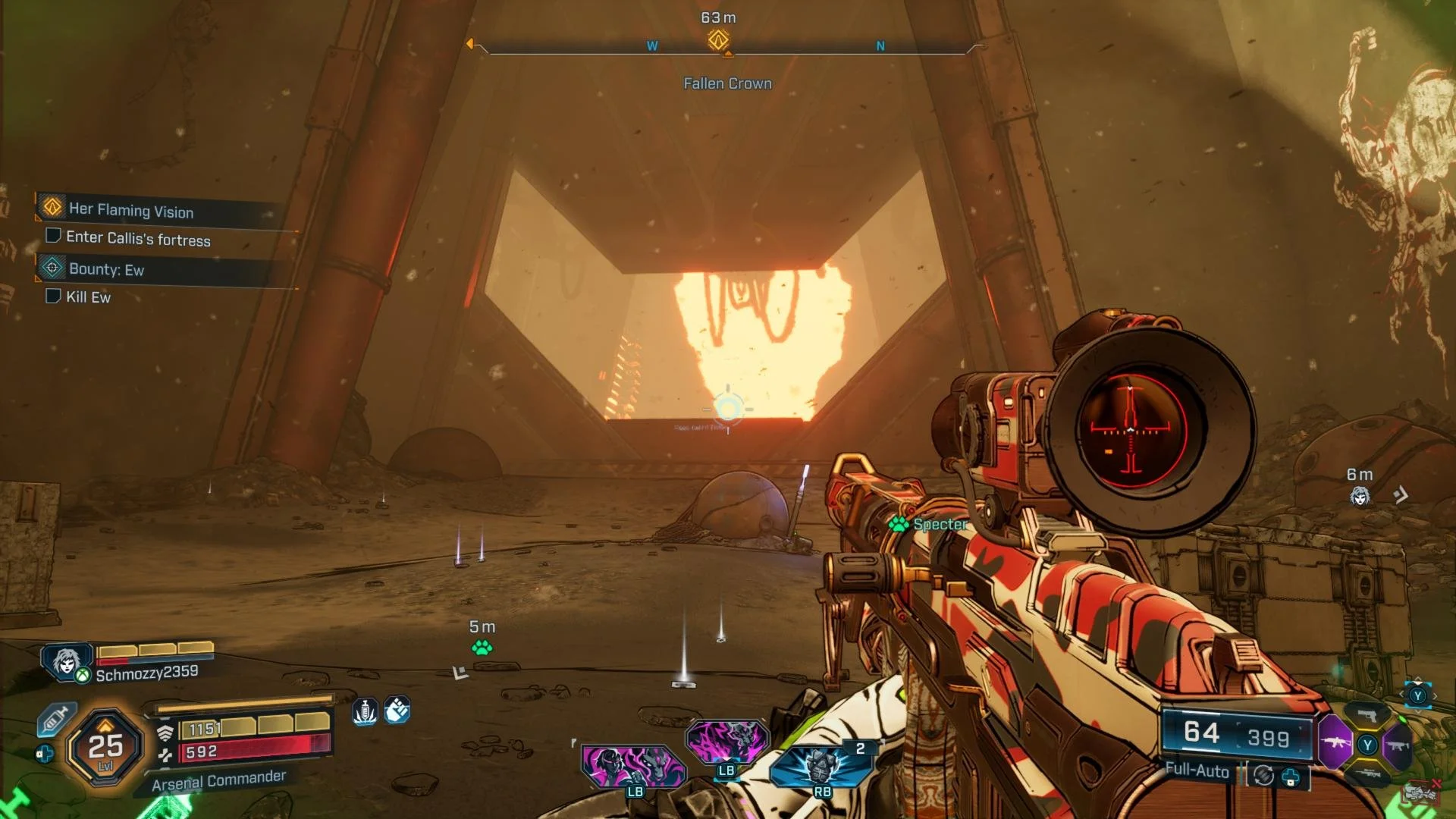
One change to Borderlands 4 that may upset certain folk is that heavy ordinance, such as the rocket launcher, is now part of the grenade slot, which can take a bit of getting used to. And, to be honest, I didn’t mind the change here, as once I found my Booming Spaghettifying Waterfall Grenade, it never left the slot. This grenade summoned a vortex that sucked in enemies, making them a sitting target. And, since it worked for the sub-bosses as well, it was a permanent part of my kit.
To increase your arsenal, you'll still be able to increase the amount of items you can hold, the increase to your bank size, as well as the amount of ammo you can hold per weapon type. This is done through SDU points, which you'll gain by completing several events and by tracking down certain locations. These consist of Liberating Safehouses and Silos, tracking down Vault Symbols, Lost capsules, Auger Shrines, and solving Evocarium puzzles, among other locations such as Ripper drill sites, Ancient Crawlers, and more.
Now, all of this mayhem is channeled through your Vault Hunter, and the typical classes return. You have Vex, a Siren who focuses on elemental damage and summoning. Then you have Rafa, an exosoldier who features fast and aggressive attacks, utilizing his exosuit to fabricate weapons, turrets, and more. Harlo is a scientist who uses their tech to control gravity and debuff enemies. Lastly, there is Amon, a bulking monster of a man who has high survivability, devastating melee attacks, and a powerful shield. Each Vault Hunter serves a different purpose in combat, and with a ton of customization, you can sort of get a unique look for them than what you’ll see elsewhere.
My playthrough was through Vex, as I loved the idea of having a spectral cat as I played through the majority of the game solo. Vex can also summon duplicates of herself, should you aim to lean on that particular side of the skill tree. As usual for Borderlands, you have three classes per Vault Hunter, with a specialization skill tree that unlocks when you beat the game. You'll also be able to start a new game with the different Vault Hunters and see them instantly leveled to 30, making it far easier to really give them a proper go.
The Specializations really help alter the character after spending some 40+ hours with them. This is similar to something like Diablo 4, as this never-ending system sees you leveling it up very frequently, and placing points into a variety of new perks. For the Siren, Vex, I invested heavily into the survivor column, boosting her maximum health and shield. You also have Brute, which increases gun damage, Sharpshooter, which helps accuracy and reload speed, and Runner, which assists via movement speed and melee damage. Once you start to work through each column, you’ll unlock Gadgeteer, Killer, and Daredevil, which require 10 points in two neighbouring columns. These aid in Ordnance, Critical Hit, and Status Effect damage, and Action Skill Cooldown rate, respectively. Each column also has its own unique perks in which you can equip four at once, once you’ve unlocked the slot.
Each character has a wide range of new heads, styles, and outfits, some of which are unlocked via different editions. I was sent the biggest version of the game, which did include some customization options, but honestly, the new styles and colors I unlocked were actually better and more varied. You'll get new looks for Echo-4, and a slew of vehicles and skins for them and your guns as well. There is a ton here to unlock, and you'll get them by just completing side quests and activities and then opening up the bonus chest you'll get as a reward. Missions will also detail what you'll unlock, so you can just target those to change your look up as often as you like.
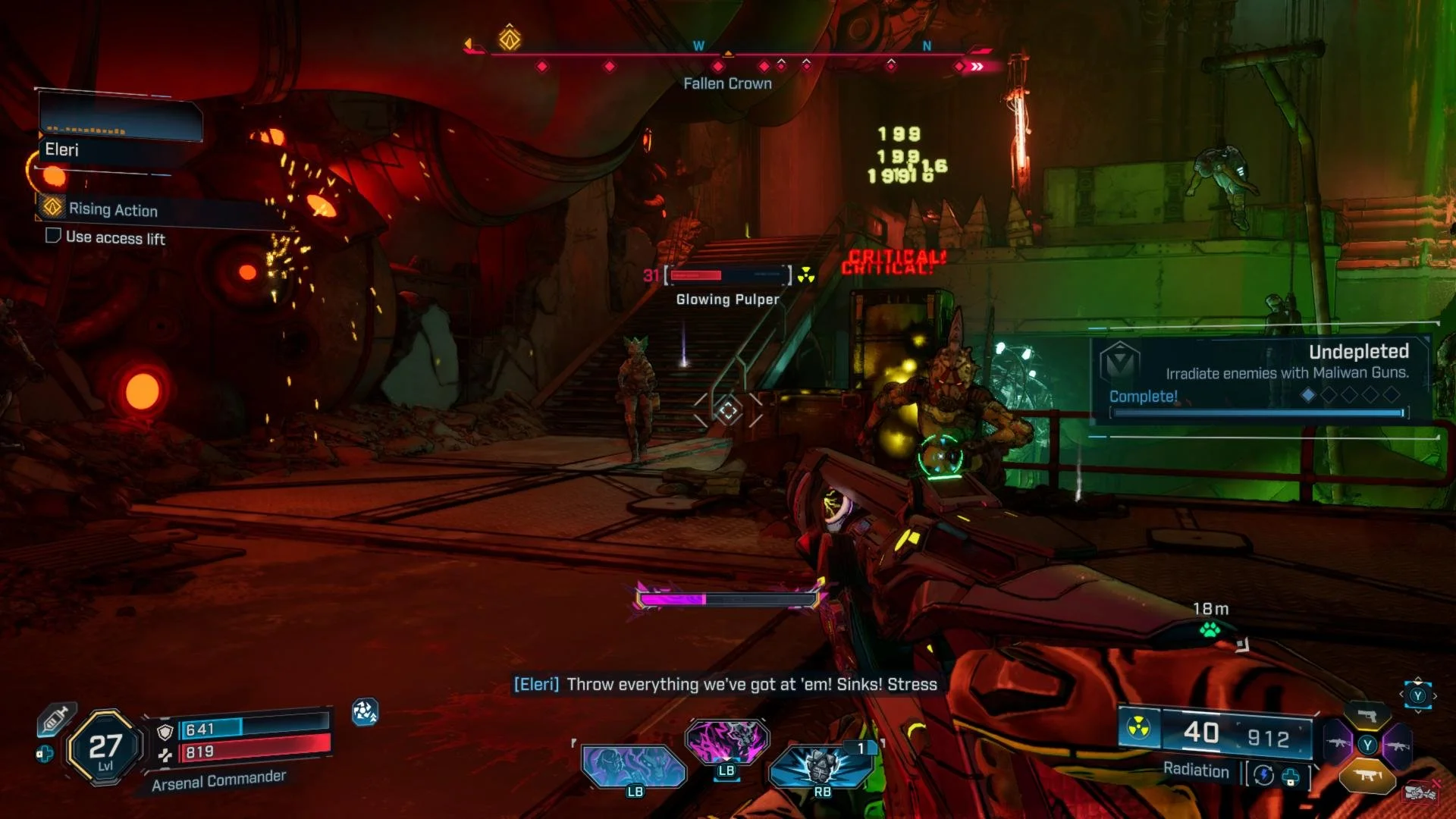
Once you've pushed through the campaign, you'll then unlock Ultimate Vault Hunter mode. This buffs the challenge significantly but not only by increasing enemy health, but giving them all sorts of modifiers to make them a greater challenge. Now, this is something you'll want to undertake as the loot can be far superior to the other difficulties. Ultimate Vault Hunter mode has additional ranks that are completed by completing a series of challenges, similar to the challenges you can complete during the campaign. Part of these challenges are wildcard missions that are variants of previous story missions, just much harder than you remember, due to some modifiers that greatly up the challenge.
Borderlands 4, regardless of your platform, is gorgeous. There is less of a focus on the game's cel-shaded look, but it is still part of the aesthetic. Walls are now properly modeled and shaded instead of just flat surfaces with fake geometry added in via the cel-shaded highlights. This is a huge visual upgrade from even Borderlands 3, as the initial starting area alone is jaw-dropping in detail, especially the cel-shaded highlights given to all the vegetation and the blades of grass. At the time of this writing, numerous outlets are talking about memory leaks dragging performance after long sessions, and the countless PC issues. As I only played Borderlands 4 on Xbox Series X, I experienced no issues whatsoever. Framerate constantly held up, and while I had a single glitch in a quest, reloading my game promptly fixed it.
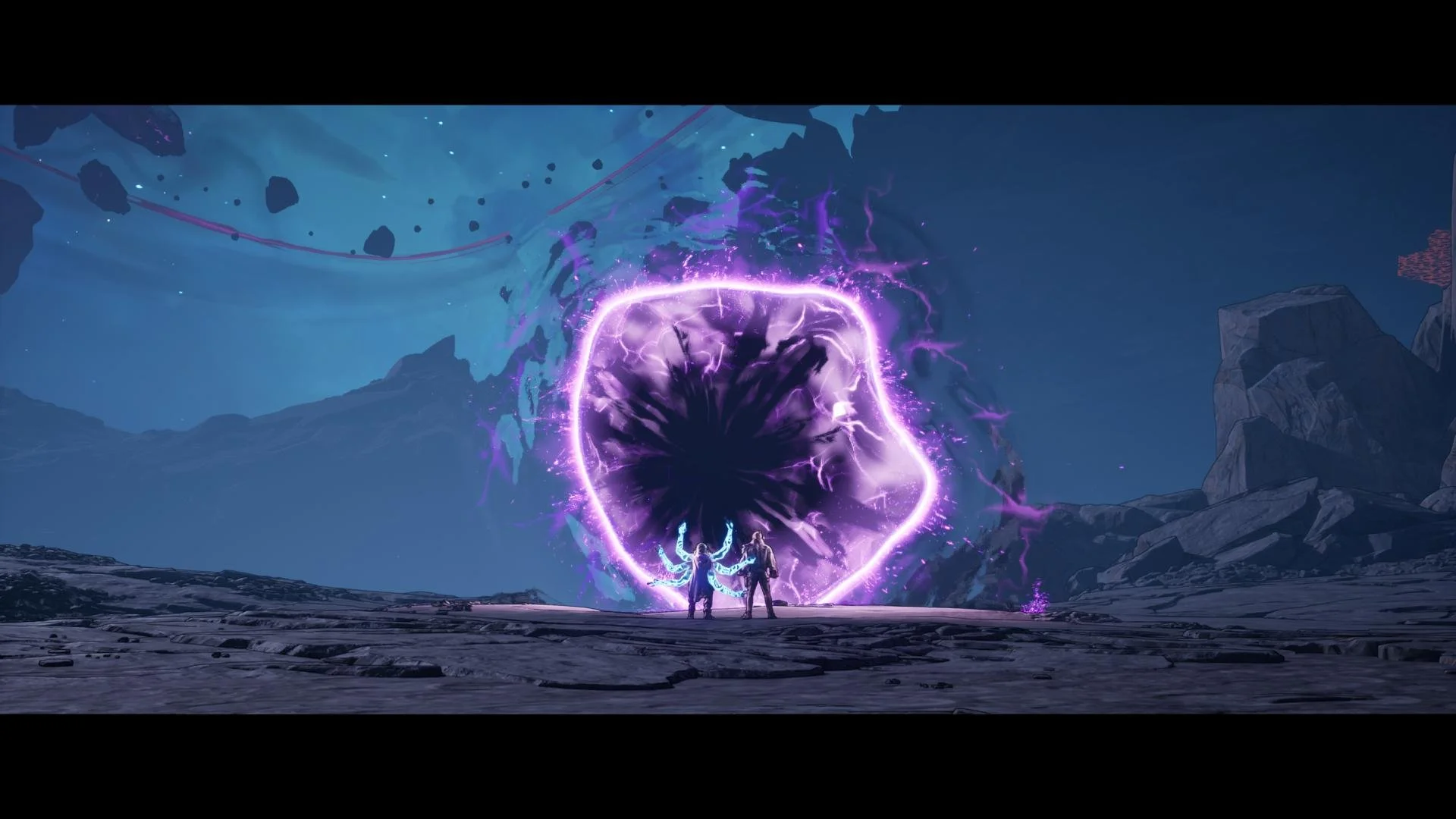
Borderlands 4 nails everything that a Borderlands sequel should. The story is excellent with a lot to look forward to via DLC, and the cast of characters, including your Vault Hunter, contribute to much of that story, in really engaging ways. With some great writing, solid humor, without going overboard, it causes the rest of the package to really shine. Combat is constantly engaging, the unique biomes offer a ton to explore, and with the endgame systems in place, there is a good amount to tackle while additional content is rolled out. Borderlands 4 was everything it needed to be, and despite a busy gaming season, you'll find me back on Kairos, raising some hell, and loving every second of it.


Developer - Gearbox Software.
Publisher - 2K Games. Released - September 12th, 2025. Available On - Xbox Series X/S, PS5, Nintendo Switch 2 (Currently Delayed), PC. Rated - (M) - Blood and Gore, Intense Violence, Sexual Themes, Strong Language. Platform Reviewed - Xbox Series X/S.
Review Access - Review code was provided by the publisher for the purpose of this review.
Jeff is the original founder of Analog Stick Gaming. His favorite games include The Witcher III, the Mass Effect Trilogy, Hi-Fi Rush, Stellar Blade, Hellbade: Senua’s Sacrifice, and the Legend of Heroes series, especially Trails of Cold Steel III & IV.