
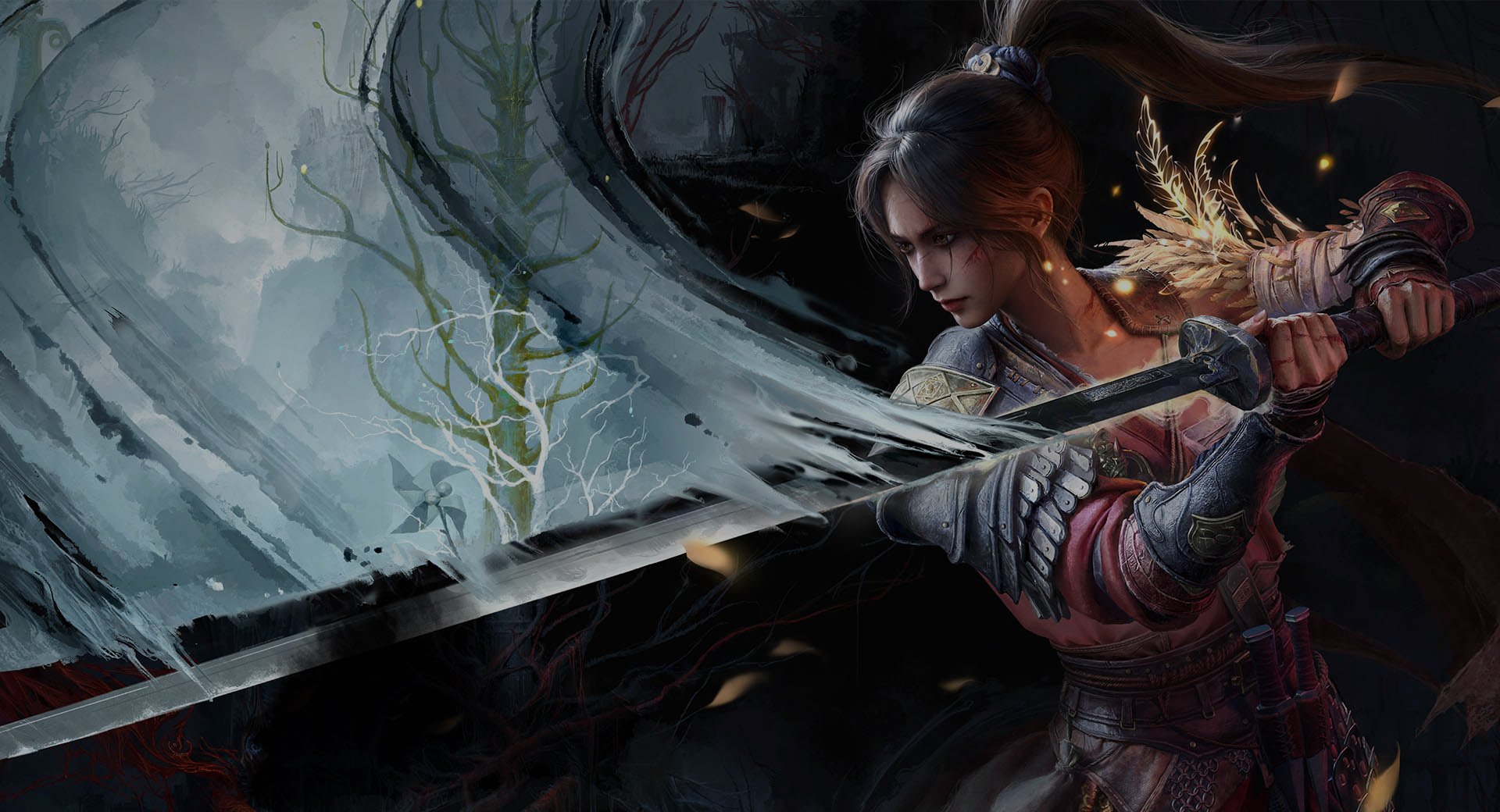
Get this girl a GPS.
The Soulslike genre is a tough nut to crack. Sure, we see a few dozen released or announced every year, with no end in sight, but few really stand out in a sea of games all looking to copy from the catalog of FromSoftware. It’s safe to say that for every Lies of P, Black Myth Wukong, or The Last Berserker: Khazan, we are subjected to several that aim to replicate the fundamentals, but stumble when it comes to capturing what made those games so beloved.
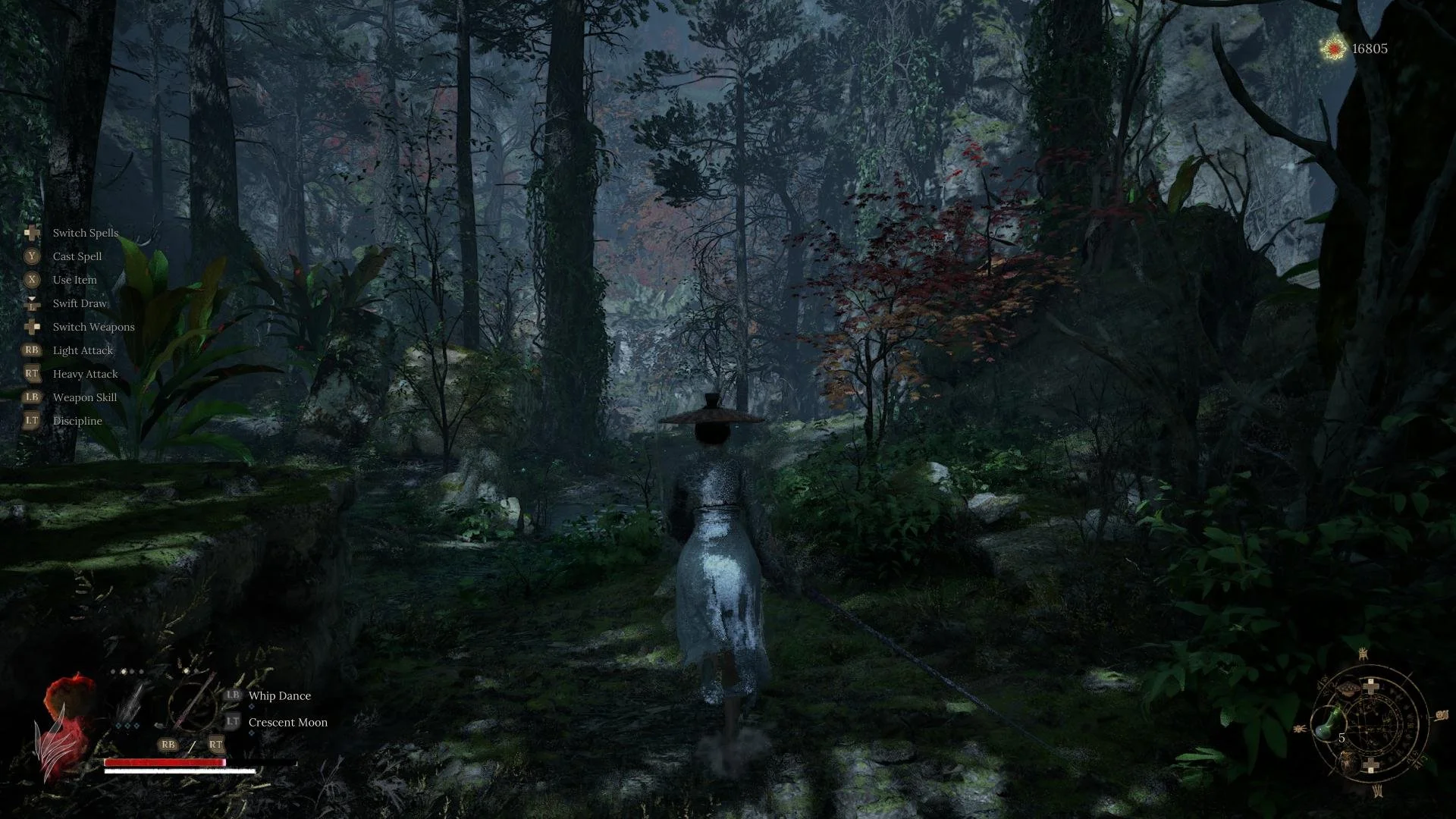
When Wuchang: Fallen Feathers was announced, it looked absolutely incredible. While this was the team’s first game, it looked to be an impressive debut, all showcased in Unreal Engine 5. After dumping well over 50 hours into this journey through a plagued land, I can say that while its visuals and environments are as stunning as its soundtrack, Wuchang sadly misses the mark when it comes to conveying where the player should go and what they should be doing. It’s one thing to find yourself lost in a game, immersed and just taken aback by the world and its characters, but literally getting lost ends making it like you are playing the game wrong.
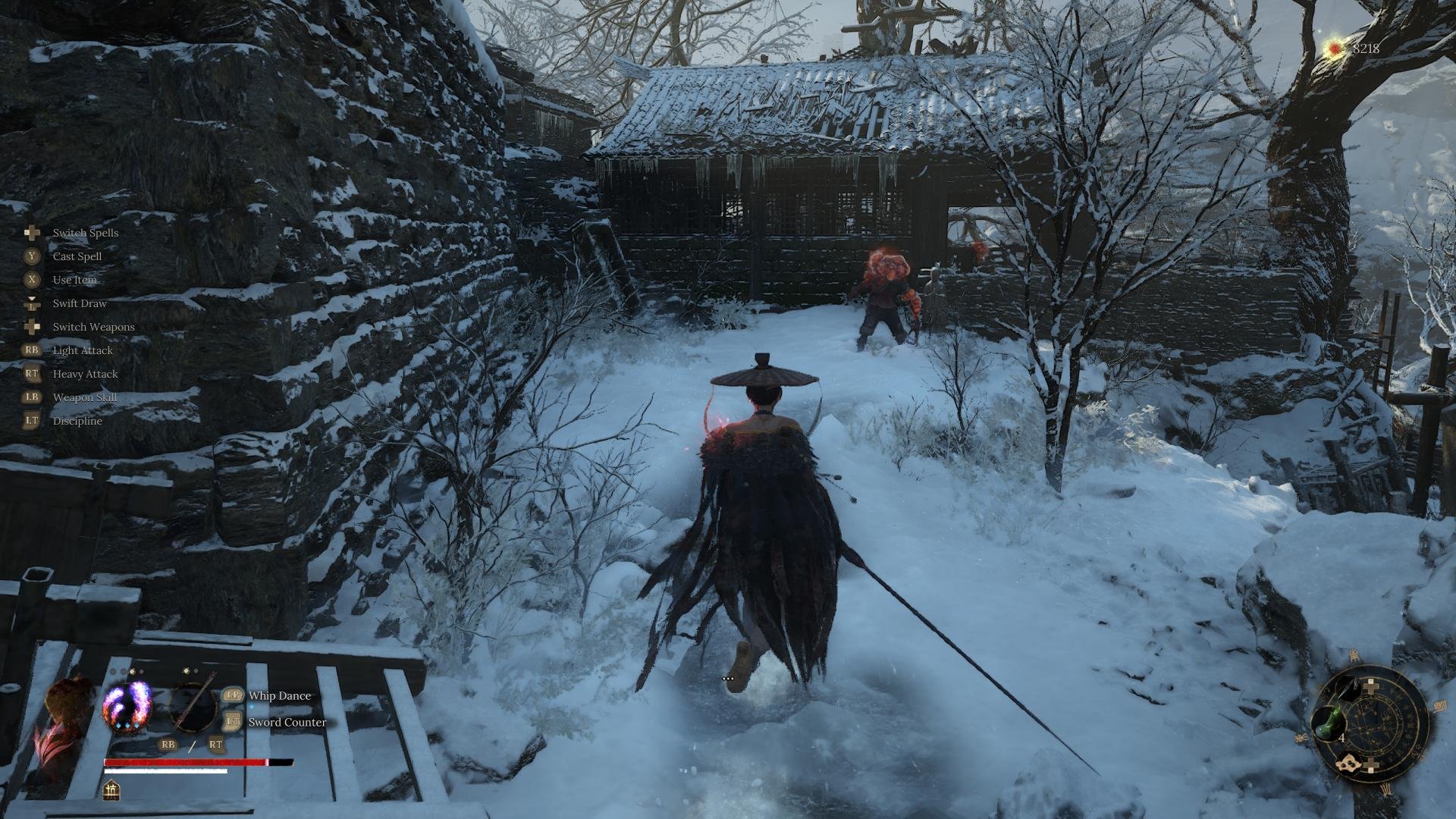
Wuchang: Fallen Feathers is set in the plague-riddled lands of Shu, taking place late into the Ming Dynasty. You awaken as a young pirate named Bai Wuchang, afflicted with a disease known as the Feathering. This widespread illness has taken its toll on this land, and few are able to remedy its effects. Apart from the visual of feathers growing out of your skin, you suffer grave memory loss and eventually become nothing more than a monster.
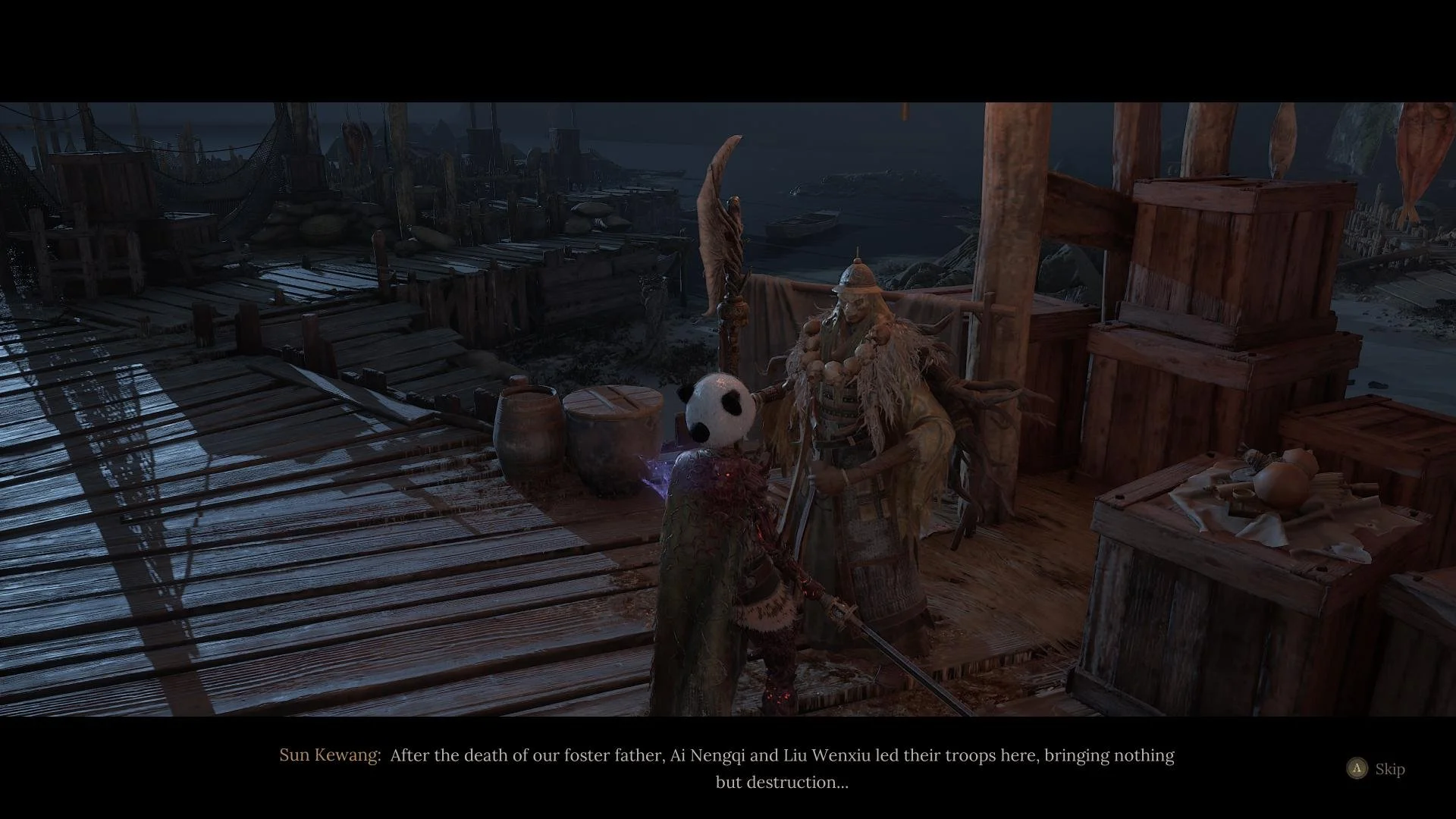
What is interesting about the setting is that Wuchang: Fallen Feathers takes place in an alternative history, taking locations and people from that time in history and placing them here alongside this war-torn and plague-ridden landscape. From Zhang Xianzhong’s four adopted sons to foreign missionaries in Gabriel de Magalhães and Lodovico Buglio, many characters featured here were prominent figures from the Three Kingdoms period. That said, the game certainly takes liberties with its assortment of monsters that are inspired by Chinese mythology.
When you wake up and discover that you are affected by the Feathering, you'll attempt to prevent it from taking over and turning you into the aforementioned monster. You'll be given medicine to stop this affliction in its tracks, but these items merely serve as regular healing items, more so than anything to actually remedy the disease. You'll meet a doctor who will fill you in on what the disease does, an ally who you have been apparently travelling with, even if they become nothing more than a stranger due to your memory loss. There are also a host of characters who either act as merchants, or the few that are barely surviving as is, often wanting items that you’ll track down in the world. While the illness has taken countless lives before, you seem to be surprisingly healthy, all things considered.
The story presented here is thankfully told through a lot of dialogue and cutscenes rather than lost notes and documents that, while those are present here, don't fall into the same trappings of what you find in a FromSoftware release. That said, the story is barely present during large portions of the game, at least to elements that make up the backbone of the narrative. It's not until several dozen hours in that it gains any sort of traction. You will have allies and those you'll converse with, but most of their involvement is a vague telling of where they are heading next, and the current situation you are already aware of. They do little to nothing to keep you engaged with the story. That said, not a single character in this game is really memorable or stands out.
While the narrative has usually been the least appreciated or expected aspect of a Soulslike, there is genuine effort here to convey one, but it's just not interesting. Bai Wuchang, the woman you embody, is an empty vessel with no personality and doesn't really have agency over what is going on. You find a new area, move on, fight a boss, and then try to piece together where you go next when the path comes to a dead end, and it's something that happens far too often. The number of times I've been lost with no clue where to go is staggering.
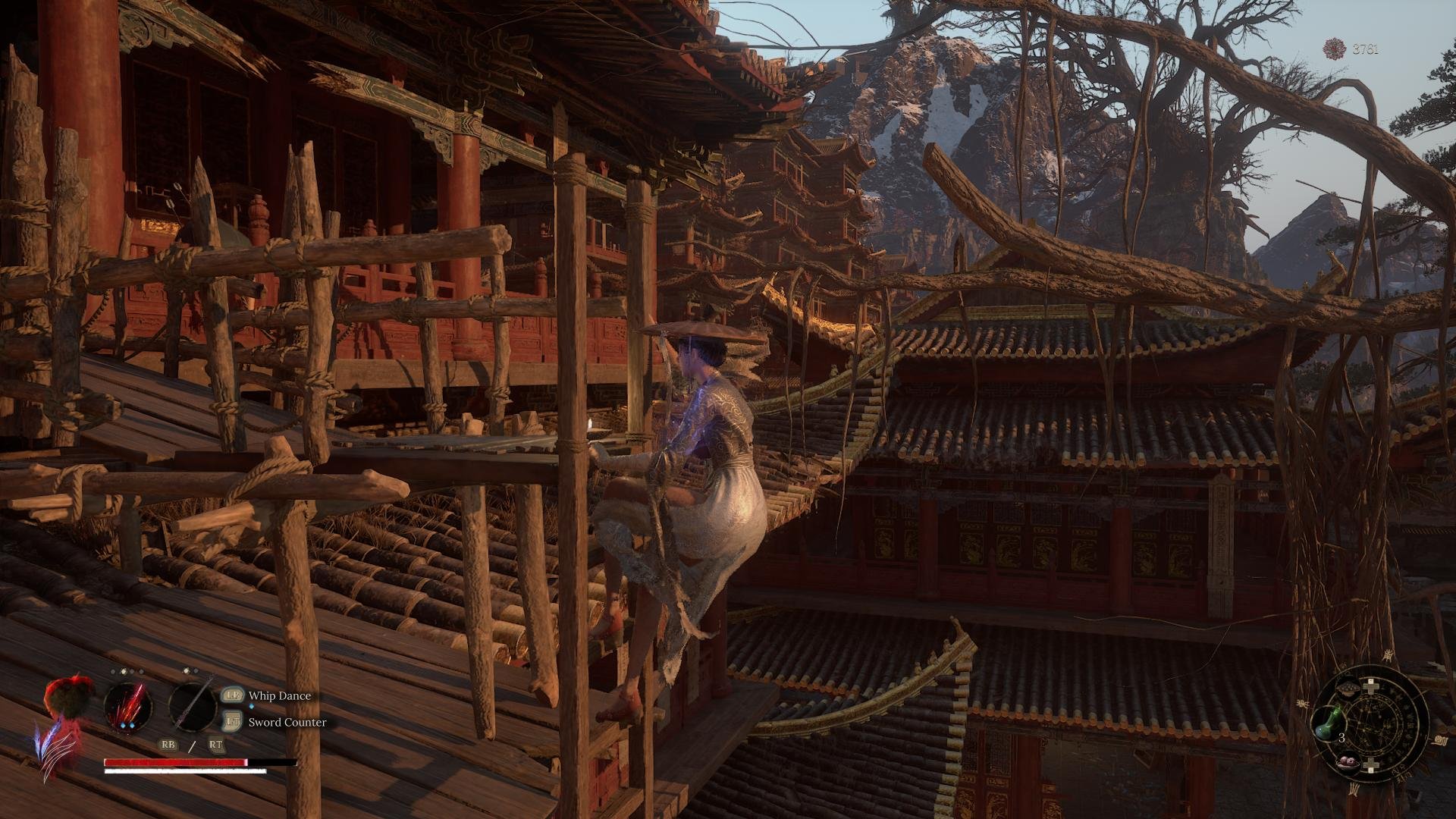
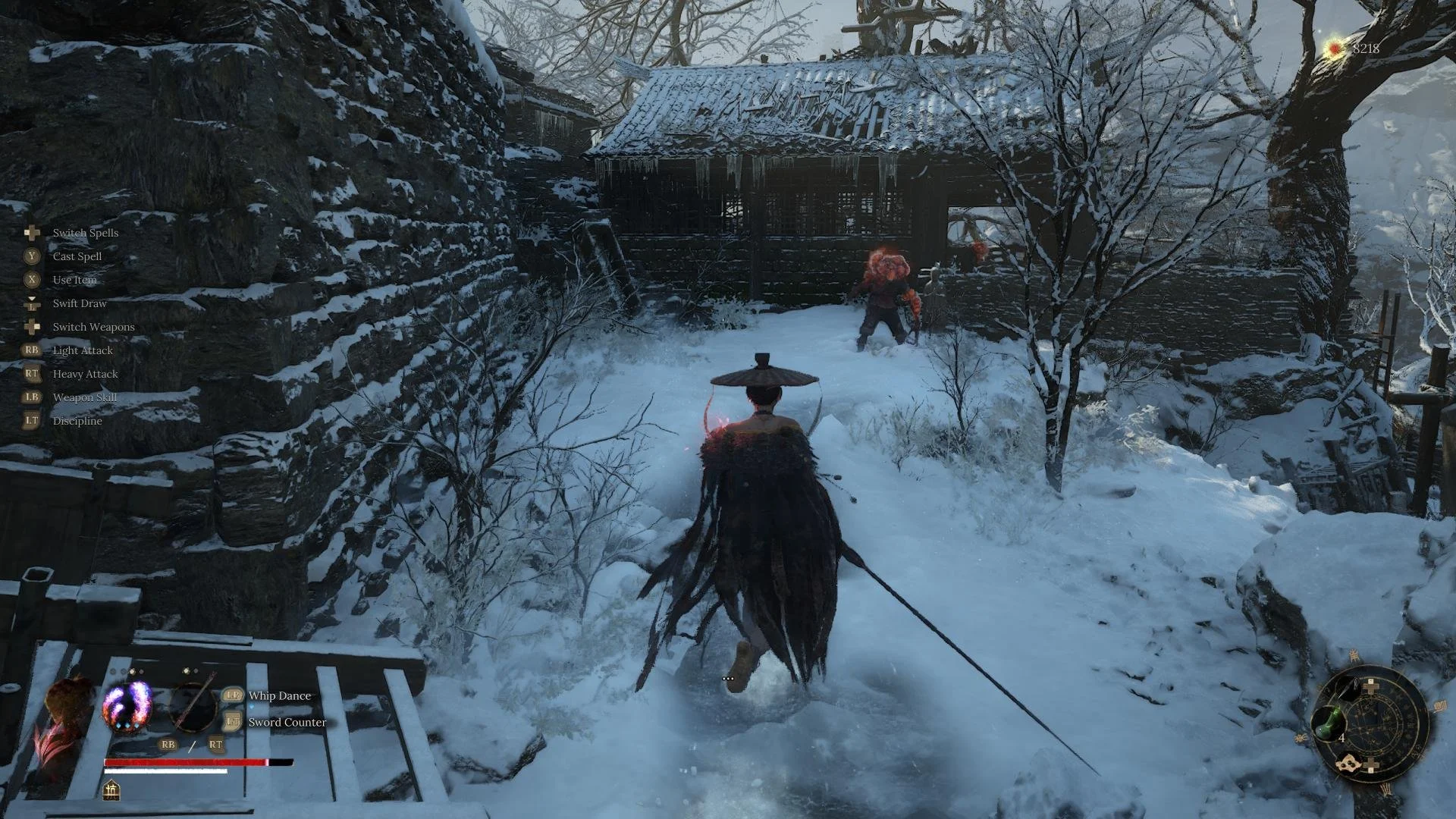
Yellow Paint has often been criticised for its overuse, making the path far too linear, or that it removes the act of discovery through exploration. However, without at least some aspect of it, you don’t have a way to guide the player to where they should go next or how they can navigate locations that might have their path obscured in some fashion. The number of blockades and obstacles in my way was plenty, but when some can be broken in a random alley and others cannot, it causes a lot of needless toying with the environment when there are no set rules or a way to identify the path ahead. Hell, I hadn’t even noticed a series of planks to cross at the top of a temple, mistaking them for the same piles of wood I’ve seen prior.
Wuchang: Fallen Feathers plays how one would expect, given the genre, but does have a few unique choices of its own that vary in how effective they actually are. Where Wuchang greatly differs is in how the game uses its magic system in connection with some of your weapon skills. First and foremost, Skyborn Might is the most important mechanic within the game. Skyborn Might is earned through a variety of attacks and dodges as you engage in battle. Spells, Disciplines, Weapon Skills, and Swift Draws all consume Skyborn Might, with all but spells being more potent when used alongside this mechanic.
However, let’s back up and go over a few of the game’s combat systems first. Combat uses your typical light and heavy attacks, with holding the heavy attack to charge it. Bai Wuchang can dodge, and performing a perfect dodge provides you with shimmer, which avoids an enemy move and grants you one stack of Skyborn Might. Swift Draw is the ability to perform an attack by swapping between your two equipped weapons, unleashing a hidden strike that can be rather powerful.
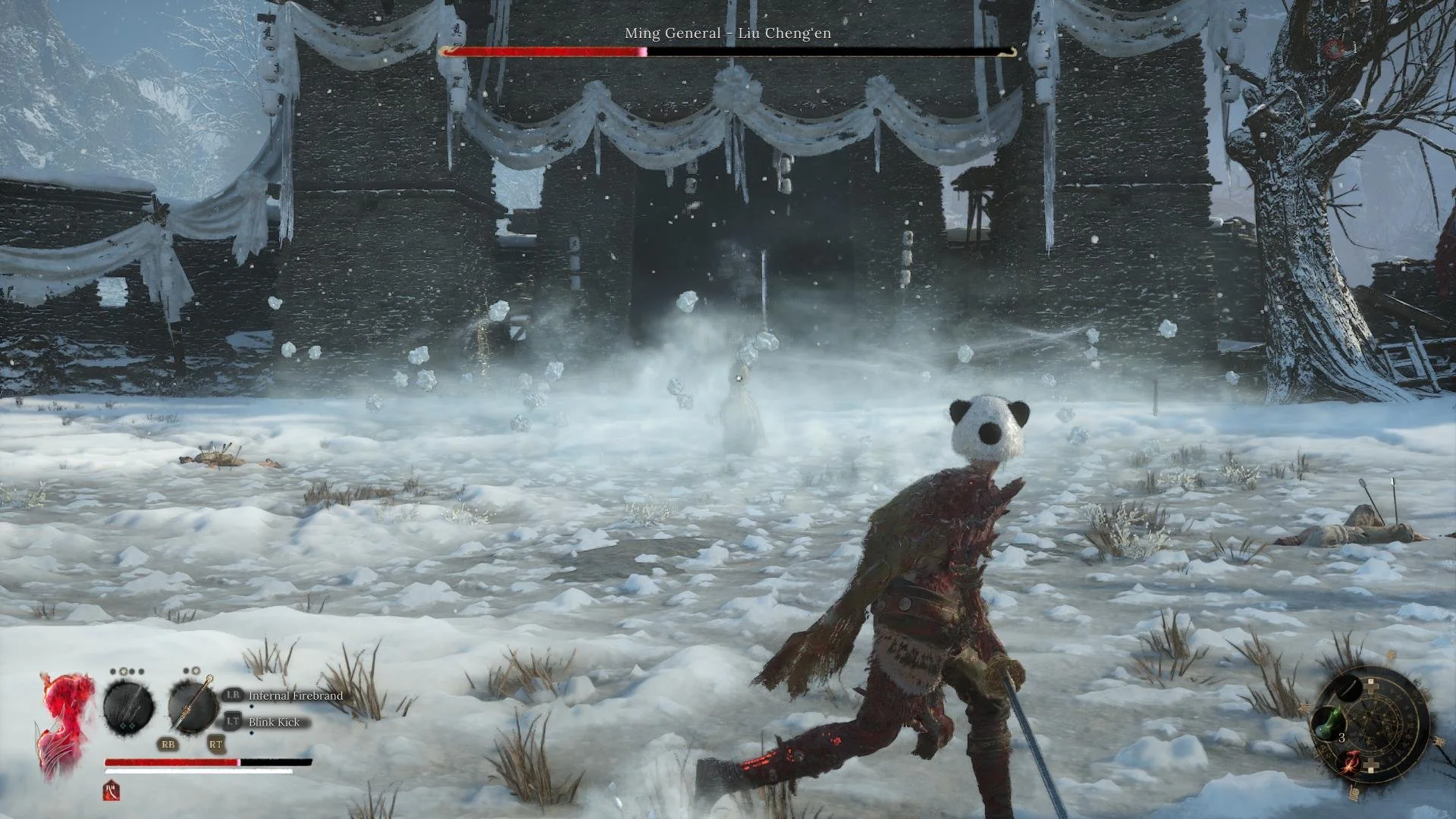
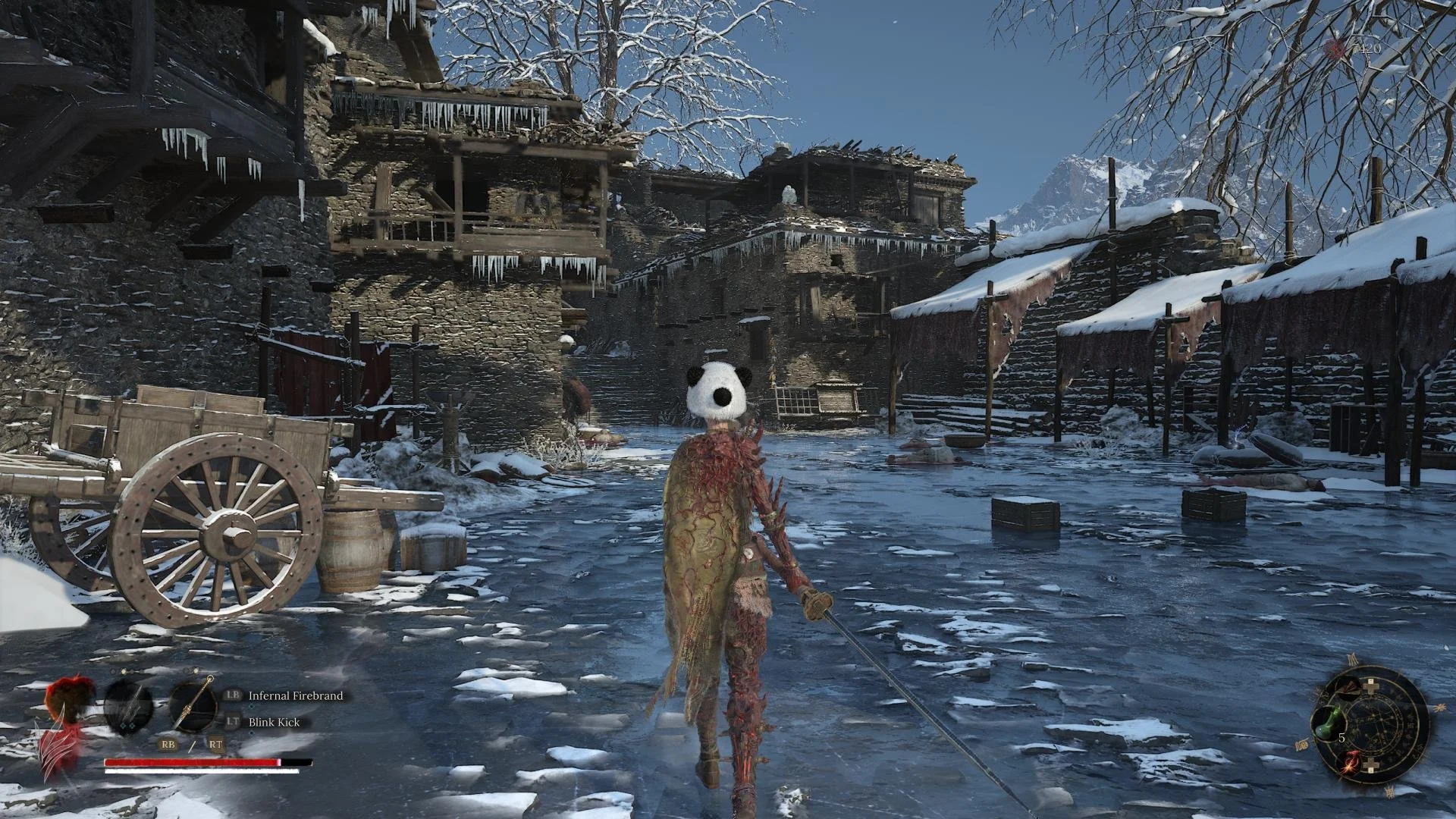
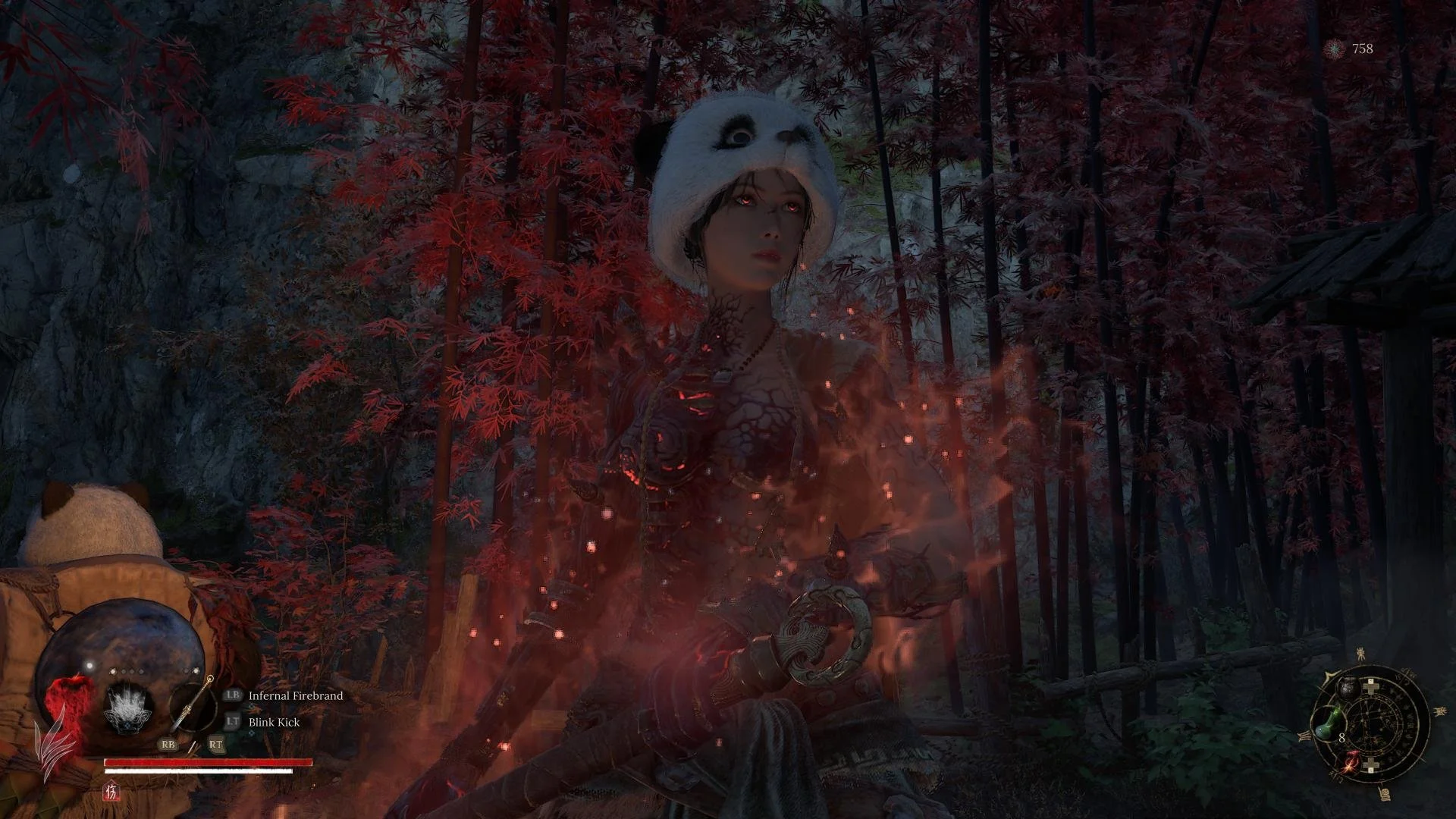
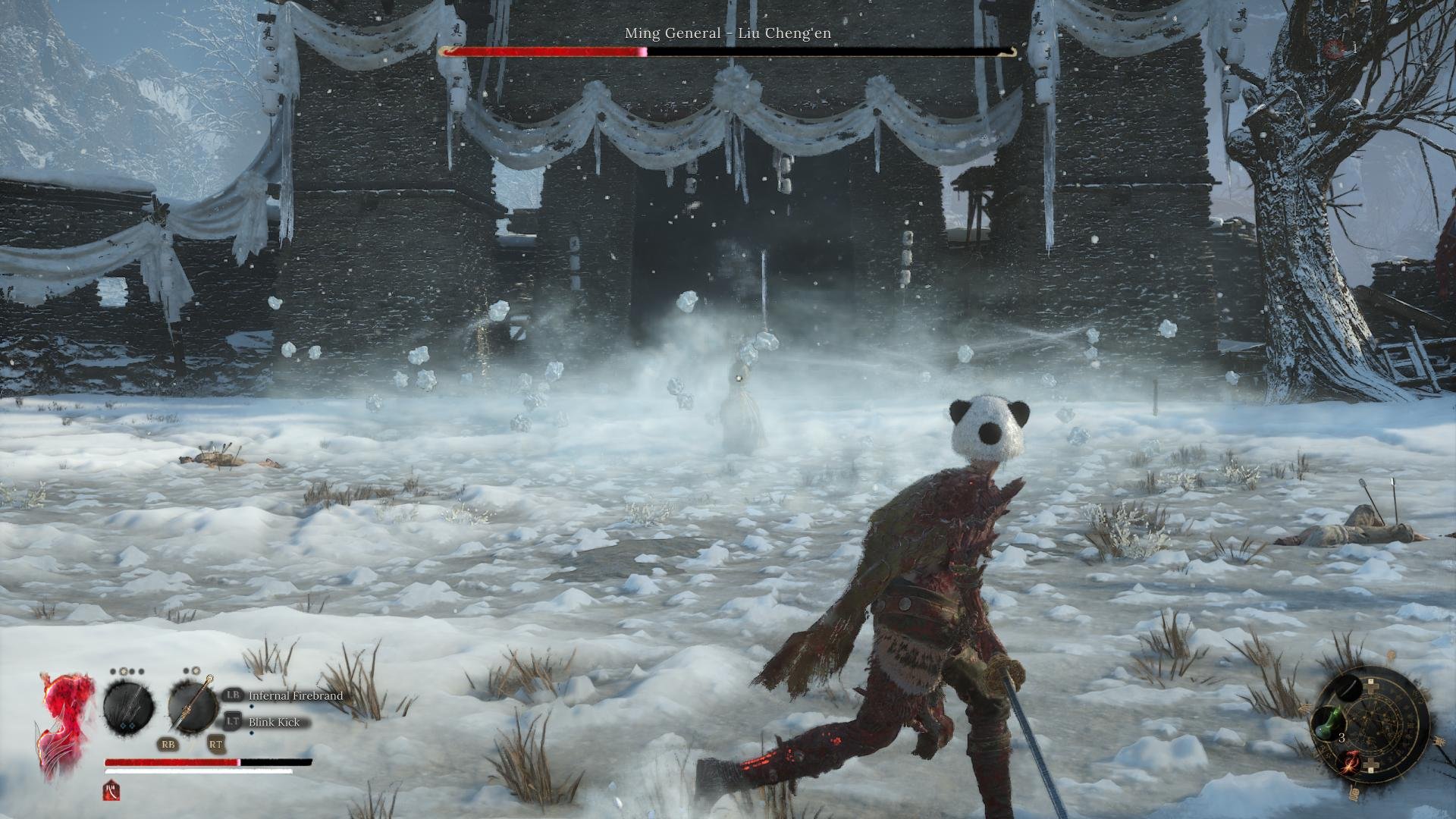
Disciplines are variant attacks or skills that you can equip to certain weapon types. For example, the longsword you start with has a skill called Blink Kick. However, while the axe you find already has Block, you cannot gain Block for that longsword until you earn the discipline for it, a node found a bit into the sword’s skill tree. Weapon Disciplines vary in their technique and use, so finding one that complements how you want to wield that weapon is crucial. Weapons also have skills, such as my Empyrean Greataxe, which has a skill called Empyrean Crash, an attack that launches you into the air for a strike from above. This works extremely well when attackers push forward toward you and leave themselves vulnerable from above. This attack was crucial in defeating a story boss found in Cloudspire, a frozen wasteland deep into the game.
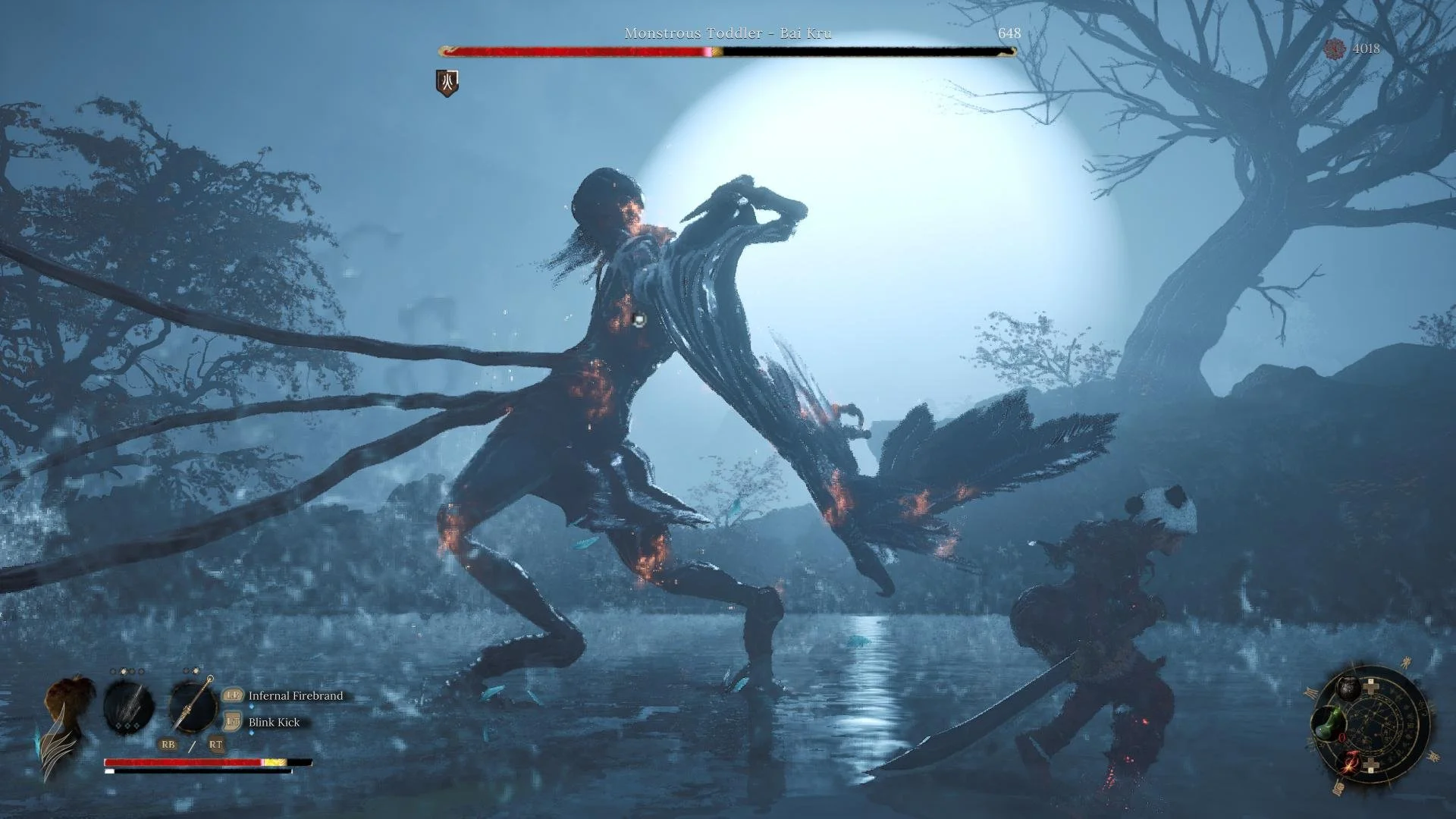
My Flamebringer Longsword, however, was the star of the show with the Infernal Firebrand attack that would cleave chunks of health off the most devastating foes when consuming Skyborn Might to cause the weapon to engulf itself in flames. This single move was the difference maker when taking on a monstrous tiger boss at Zhenwu Gate, found when pressing through the Zhenwu temple. Even the Empyrean Crash was boosted significantly when paired with Skyborn Might. While you can use those attacks without Skyborn Might, they hit like a wet paper bag in comparison.
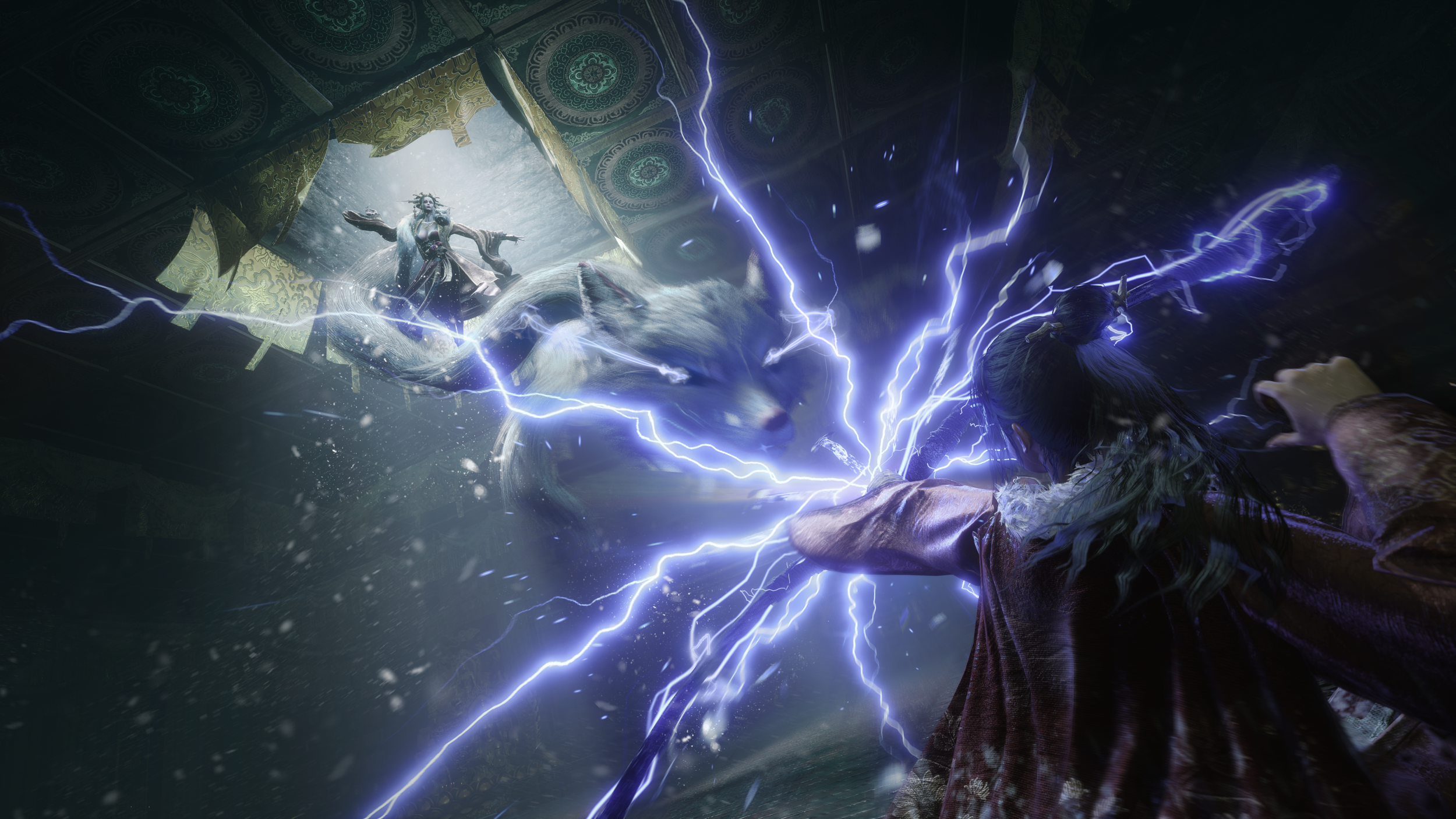
Depending on the Discipline, you can vary up your offensive and defensive counters through Deflecting, Blocking, or Clashing, which affect how you engage with incoming attacks. Some enemies will be far more vulnerable to certain Disciplines, so having a weapon that has that skill readily available can be crucial, as is learning the Discipline to apply it to another weapon.
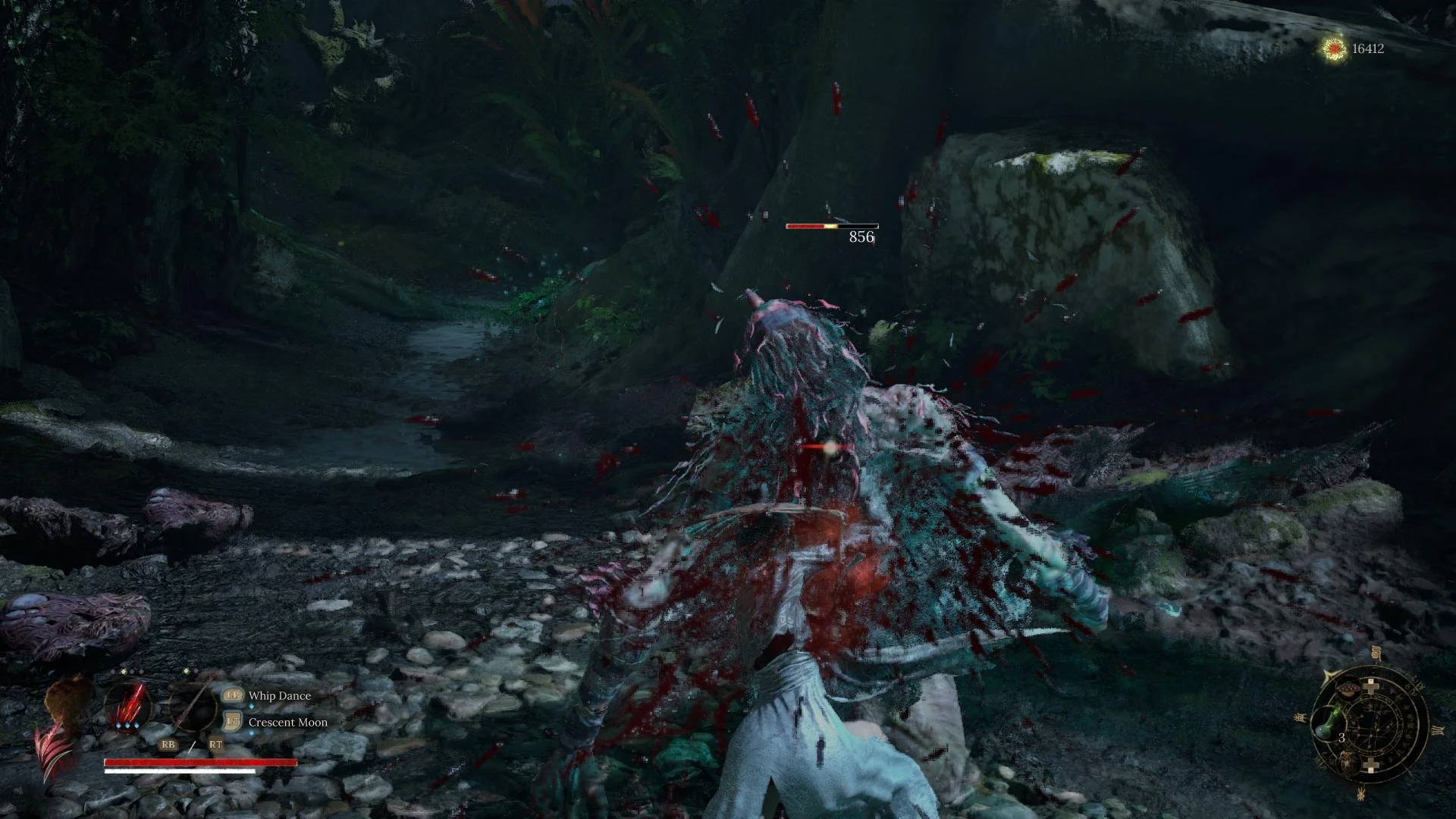
Enemies will take greater damage when you break them, which is called an Obliterate Strike. This can occur from a charged heavy attack from behind, a dash off a ledge to attack the enemy below, or by an onslaught of attacks as you fill their break gauge. This leaves the enemy wide open for an attack that can cleave off a sizable chunk of their health bar, boss or otherwise. Obviously, this is an attack found in countless Soulslikes, but it has a very satisfying crunch here that makes the move a blast to use.
Where Skyborn Might becomes a problem is when it is used as a currency for your spells as well. You’ll discover a wide range of spells that vary from close-range blasts to throwables that can reach across the battlefield. Each spell has a different Skyborn Might cost, ranging from one to five, with one offering weaker spells, and five being those can deal some fairly impressive damage, as long as your skill tree path is tailored to applying more damage for that type of attack. Echo of Lu Bingzhang, for example, was my favorite spell during the midway point of the game. It has you leaping into the air to throw a red spear that deals Feathering damage. While some spells have an animation too slow for bosses, some spells can cause widespread damage like throwing a series of daggers, a crescent-shaped spade of fire, to golden lotus flames that are cast in all directions.
As spells share your Skyborn Might, you often have to neglect them to pull off your weapon skills, given they often do more damage. Had spells used their own method of currency here, I likely would have used the spells far more. When Infernal Firebrand can dish out more damage with a single stack of Firebrand than a five-stack spell, something is a bit off here. While you can manipulate the skill tree and certain attacks to win back Skyborn Might with ease, there still isn’t a beneficial trade off to warranting spells over skills unless you are wanting to engage the boss from a distance, or that of a ranged attacker that is pestering you with ranged fire, which by the way is one of the biggest frustrations in the game due to how off-camera it tends to happen. Combine that with one of the slowest animations to getting back up I’ve ever seen, and it’s a recipe for disaster.
Weapons can often bring about elemental status debuffs, such as Blight, Paralysis, Burn, and Frostbite, among others, and you’ll want to find out weaknesses to your foes in order to counter them and deal far more damage otherwise. This also means equipping the right gear to halt the effects of certain conditions, such as frostbite, which impairs your stamina pool by half when afflicted. This is a pretty major component to the game, as some encounters can easily see you one-shotted, should you not be prepared, or that the status debuff is so significant that you cannot use the item fast enough, such as Despair, which instantly kills you when the debuff icon is filled; and holy shit can it fill FAST.
Weapons can also have Benedictions equipped to them as well. Benedictions are essentially gems that grant numerous buffs and perks. You’ll socket Benedictions onto your weapons to increase the capabilities of each equipped weapon. These are split into three types: Oath, Wisdom, and Memory, and each has various traits such as increasing damage dealt if you know three Discipline Skills, Obliterate attacks recovering a small amount of health, or Consecutive attacks increasing your base damage. These are earned and found pretty frequently, with having well over 30 before I was even halfway through the game.
Adding more to weapon boosting is Tempering. By inserting a bone needle into your Yanchi acupoint, you can endow your weapon with special effects. Some weapons require specific needles to activate; however, these Bone Needles also grant their respective weapon greater power as a result. This system felt massively underdeveloped, or at least extremely limited in the items that are needed to benefit from this system, as I rarely found new items to equip to really shake up anything more than just boosting aspects of my weapon’s damage, something that could have just been passive in the game instead. I get what they were trying to do here, but it’s the only system in the game that if a patch removed it entirely, you’d never know it was gone.
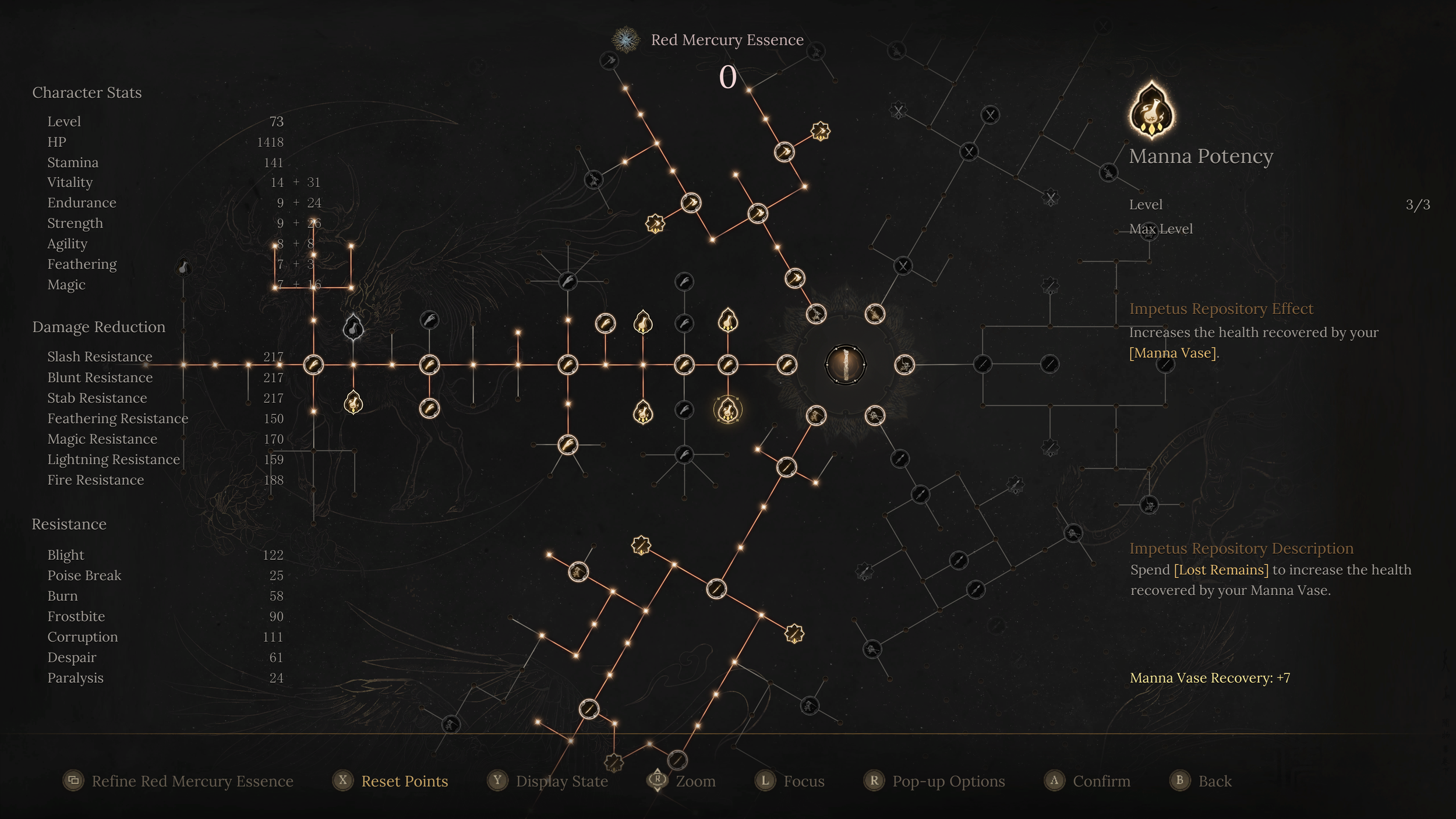
Now, to really accomplish anything here, the skill tree is where you’ll really make some moves in making Bai Wuchang formidable, as well as her weapons and skills. The Impetus Repository is said skill tree. As you earn Red Mercury Essence, you’ll use it to unlock nodes. Now, instead of just increasing base stats like every other Souls game, you find those stats on the paths to other nodes. The skill tree branches out from the start based on the different weapon types: Longswords, Swords, Daggers, Axes, and Spears. It also branches out to other means of progress through increasing your healing potions, and other base stats such as Feathering or Magic. This means that, should you want to heavily invest in strength or agility, you will have to invest in other weapon trees to find those nodes when the well has run dry on the path of your main weapon. It’s a system that many will either embrace or not really be taken with.
Bai Wuchang is going to die, and frankly, she will die a lot. Now, when she dies, her inner demon grows. Early on, the ceiling for said growth is lower, but eventually, you’ll be able to take a few more deaths before she is awoken. When you approach the place where you last died, when your inner demon’s growth is at maximum, they will appear. If you defeat them, that growth is cleansed, and you earn items for that victory. If you die, the same applies apart from the loss of your Red Mercury, and those items. However, it can actually pay off to have your demon partially grown. For example. If I am at least 50% grown, my spells cost one less Skyborn Might, a benefit from unlocking a certain node within the skill tree. Now, as this gauge grows, so does your attack power. That said, you also take more damage, making it a double-edged sword, but one that plays into your favor should you really be good at dodging attacks.
Apart from the various weapons you’ll unlock, many of them found as you defeat named enemies or bosses that fill up this wretched place, you’ll have a wide range of outfit pieces to craft the latest fashion within the Ming Dynasty. You’ll choose from head, chest, bracers, and leg armor, as well as three pendants that act as buffs for a variety of passive increases. Armor has various increases and decreases to stats as well, such as boosting your frostbite resistance, but lowering your corruption resistance as a result. While this can cause some insane fashion combinations, you can also apply the look of another piece over top and look however you want during the game. While Bai Wuchang can be tailored within the light aspects of some fan service, it’s remarkably mild here given the talk online about how Stellar Blade has caused this apparent rise in sexualized female characters. That isn’t the case here at all.

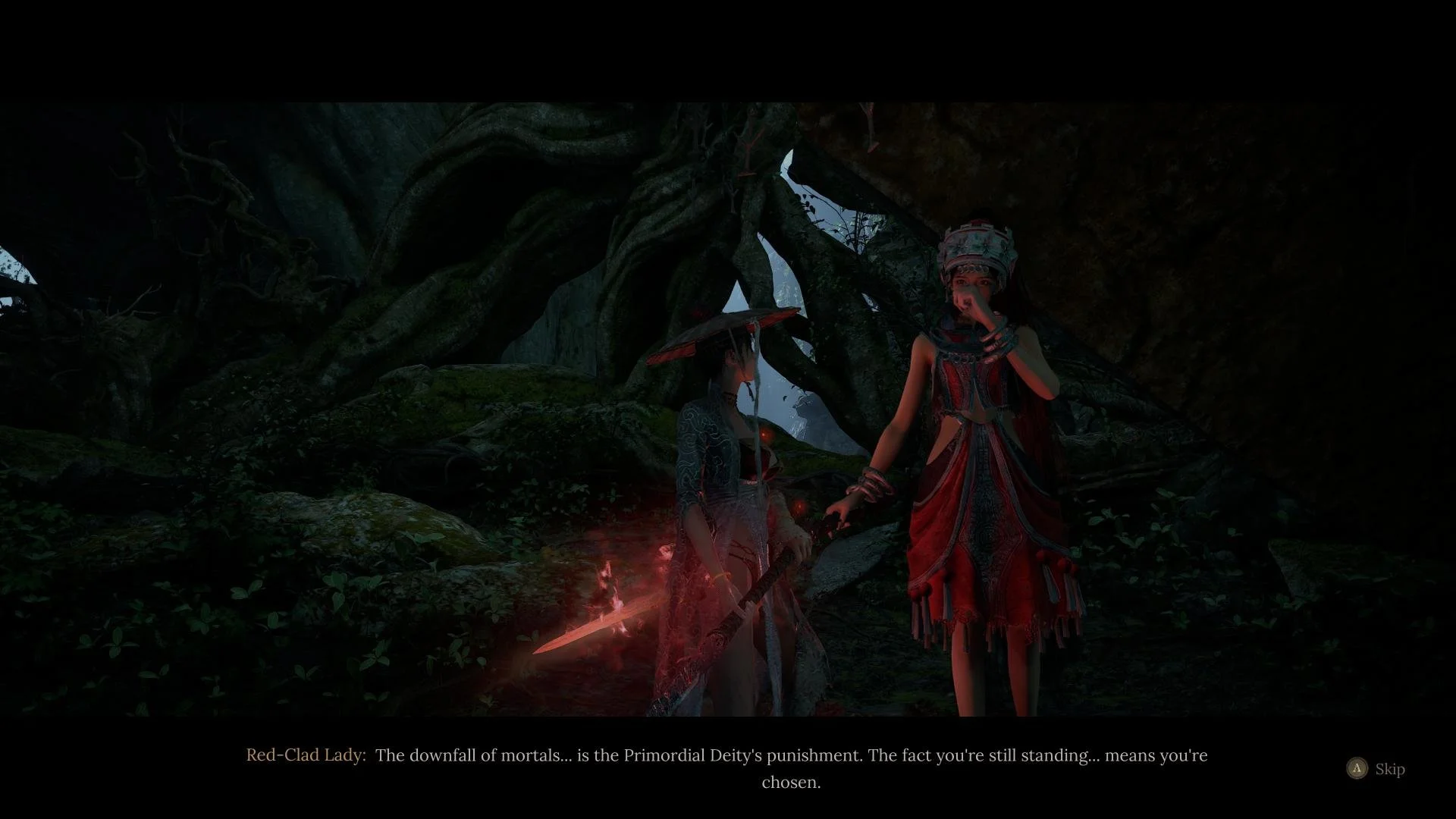
Early into the game, I met a wandering warrior who granted me a flute to play should I require his assistance. Leading up to the release, I wasn’t aware that this game even had a companion system, and discovering it did was something I was excited for, given my lack of real skill in this genre. However, to even say it does have a companion system is stretching the truth a ton. Yes, you can play a flute and summon this guy into battle, or sometimes your traveling companion; however, it’s never explained why he can be summoned with the same flute. The fights, however, that which you can actually do this in are very few and far between. Basically, if the boss has some ties to this guy or your ally, they can be summoned. If they don’t, then you are on your own. It’s such an inconsistent system that you often won’t even have the flute equipped when you eventually do run into such a battle where it can be used.
Basic enemies fall under a few different styles, with those that are equipped with a weapon and ready to dish out some close-quarters combat, dogs that will charge you in packs, or those that favor magic or ranged attacks. While there is a rhyme and reason to the melee attacks and the various creatures, the ranged foes can often have way too good of aim, especially in one of the barracks outside a specific temple. Hell, there is a guy with a cannon inside a tent that fires it off the split second he can see a pixel of your character. Given you cannot reach many of them apart from spamming your spells, which remember use Skyborn Might, these instances of being hit from off-camera are rage-inducing, especially when you start adding in those that toss out of the golden lotus attacks, and those that cause Despair buildup out of the blue. And, with Bai taking an age to even get up, it’s far too easy to be hit as you get up, something that cannot be avoided.
There are also areas that have mines littered about, making it far more challenging and cheap as you attempt to run away to seek shelter from the ranged enemy. This causes you to be on pins and needles in almost all circumstances, especially with Despair and those mines. Had Despair impaired certain aspects of your combat instead of just instantly killing you, then I’d be fine with dying due to it, but not as a result of simply getting too close to an enemy I cannot see, and seeing Despair just fill up in less time than it takes to consume the item to reduce it, it’s a status debuff that killed me dozens of times without any chance of stopping it fast enough.
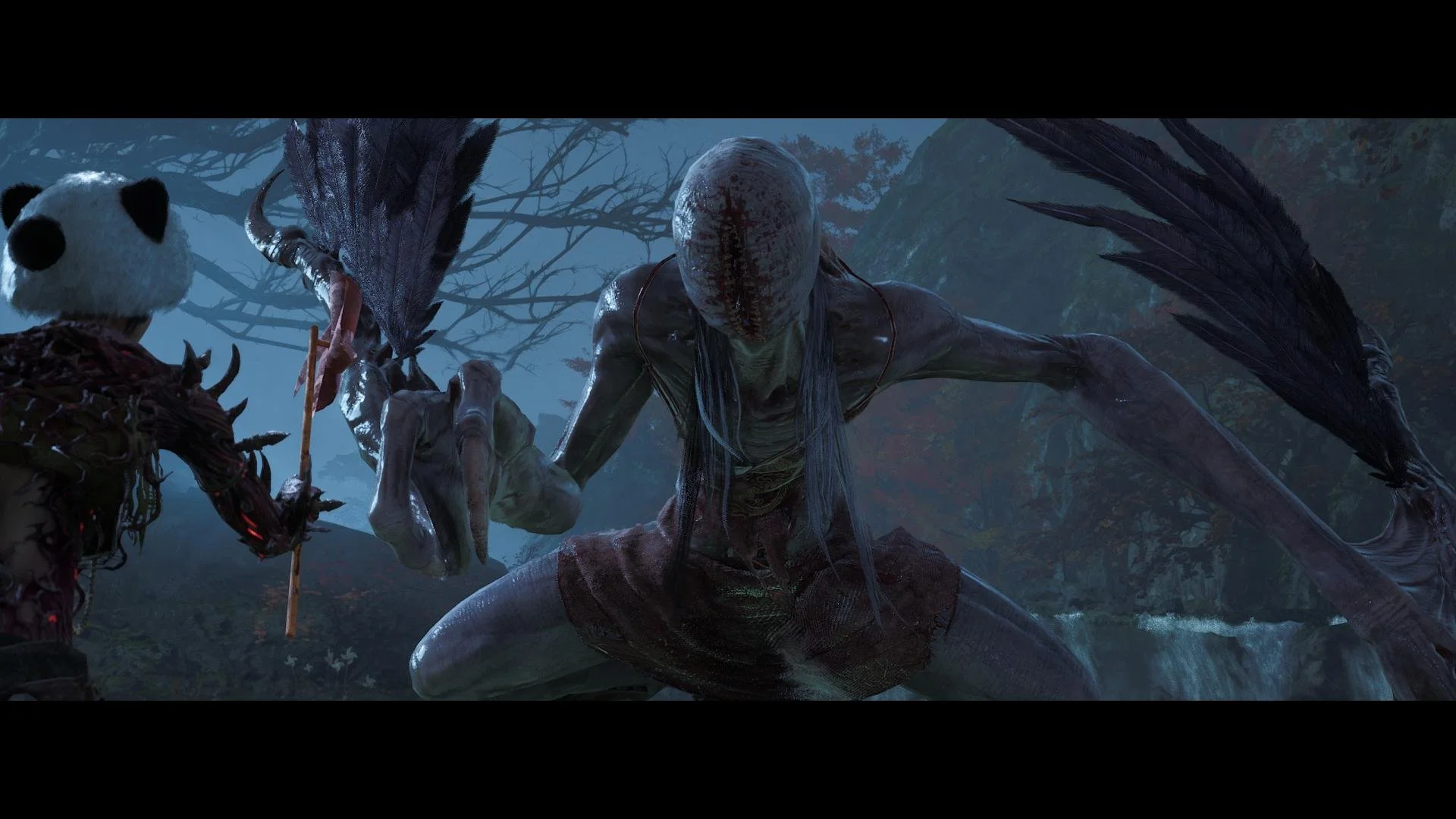
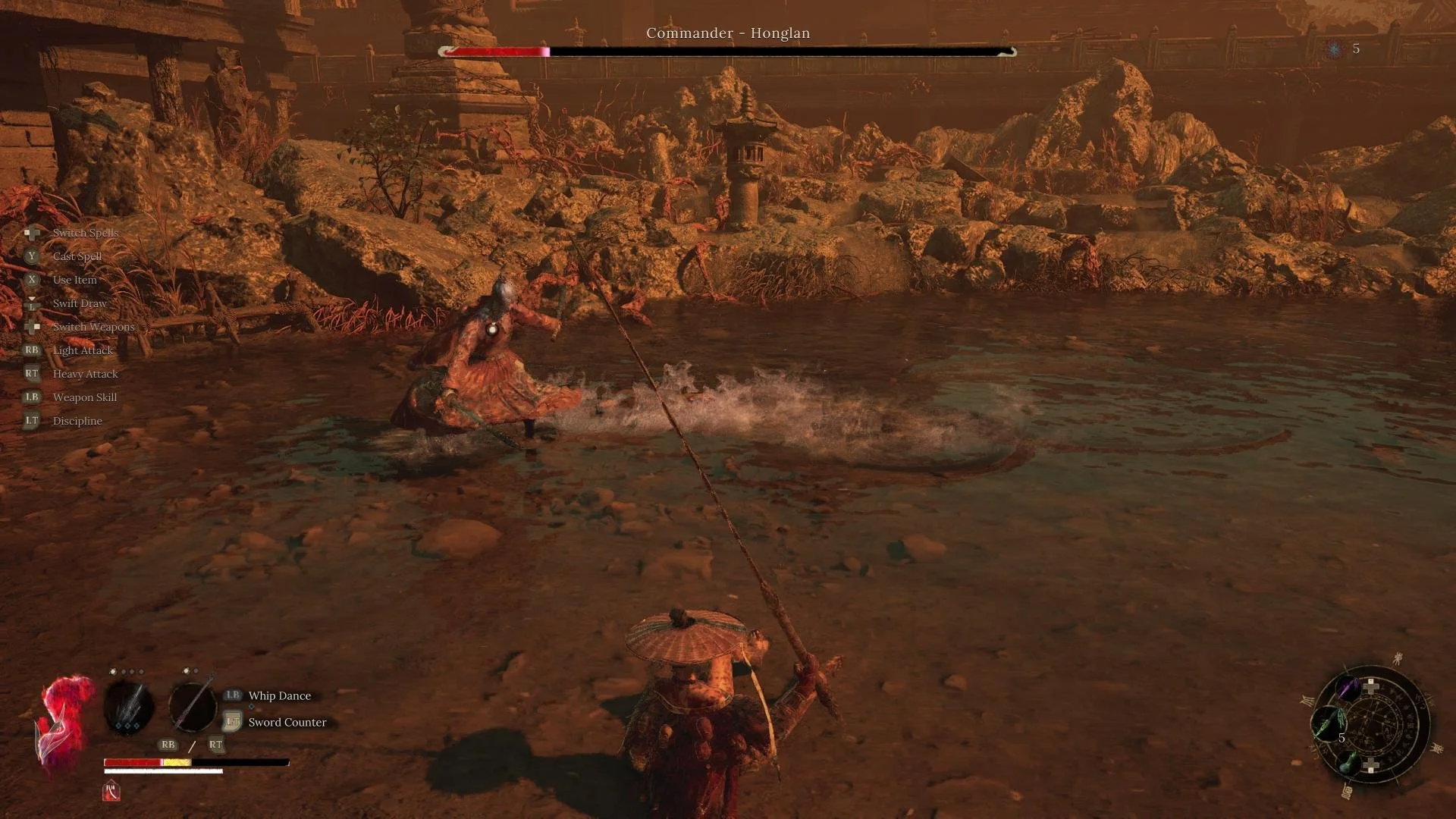
Bosses are the bread and butter of the Soulslike, and Wuchang’s vary in their design, often pulled from Chinese mythology and that of actual history, at least when it comes to the more humanoid foes. Some battles are incredibly hard with skill checks around every corner. During the game, I had about 4 bosses that really set me back a few days. My first wall was a commander that appeared once I drained a lake. This fight taught me how to use my spells effectively and how to take advantage of Skyborn Might. I would then find a wall in several others that could be encountered at different points, meaning I could leave some until later, until I would realize that maybe the way to actually go was actually through the other boss. I will say that some of these fights feel a tad too hard, especially an encounter that saw me take damage every time I struck them for damage. I fully expect some tuning to hit on a day one patch, given the difficulty spikes that waver here. I’m all for challenge, but some felt like a chore of trial and error, and a ton of luck.
With a few performance settings that vary from 30fps to 60fps, the game runs fairly well in most areas. I have a village in the game that dropped the game down to well under 30fps in the 60fps performance mode, as it chugged for several minutes until I left the area. Otherwise, the game ran extremely well. The PS5 Pro can run the game from anywhere between 40fps to 80fps, making it the ideal console platform to play it. Regardless, Leenzee has really benefited from Unreal Engine 5 here as the game is absolutely gorgeous.
Wuchang: Fallen Feathers could have been this studio's Lies of P moment, but much of its design creates unnecessary friction toward the player that can feel off-putting and can leave you scratching your head on where to go next. The mixing of Skyborn Might with its spells and skills is another hurdle in utilizing all the game’s systems in a cohesive manner, making some battles a rinse and repeat of the same skills over and over again. While I certainly enjoyed my time here, despite these issues, Wuchang: Fallen Feathers lacks anything that truly makes it memorable or anything to really make it stand out from a sea of other Soulslikes.


Developer - Leenzee . Publisher - 505 Games. Released - June 24th, 2025. Available On - Xbox Series X/S, PS5, PS5 Pro, Windows. Rated - (M) Blood and Gore, Language, Suggestive Themes, Violence. Platform Reviewed - Xbox Series X/S. Review Access - Review code was provided by the publisher for the purpose of this review.
Jeff is the original founder of Analog Stick Gaming. His favorite games include The Witcher III, the Mass Effect Trilogy, Hi-Fi Rush, Stellar Blade, Hellbade: Senua’s Sacrifice, and the Legend of Heroes series, especially Trails of Cold Steel III & IV.