
Resident Samurai
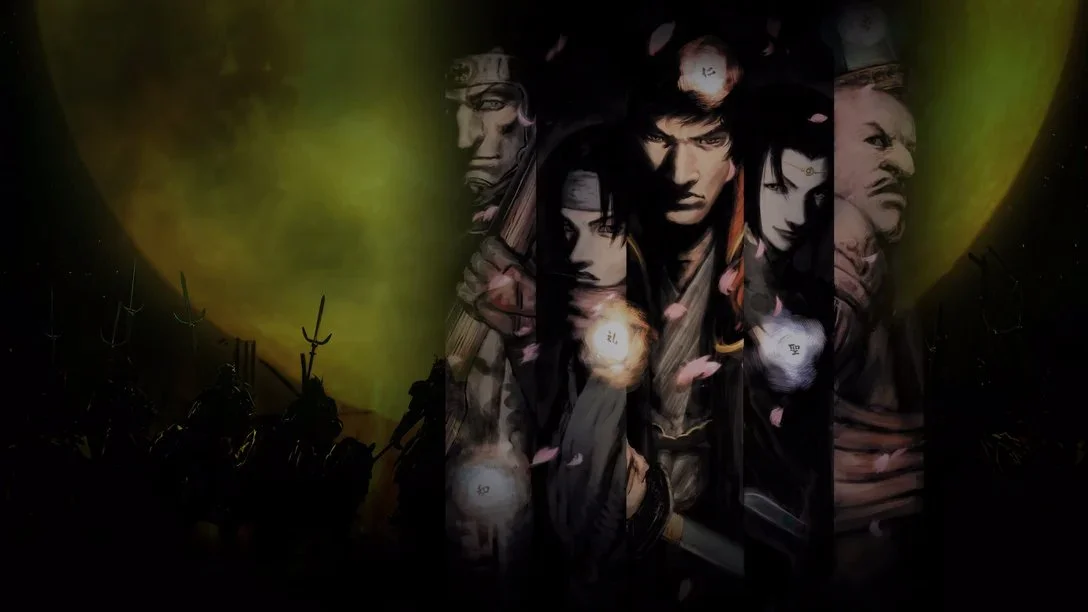
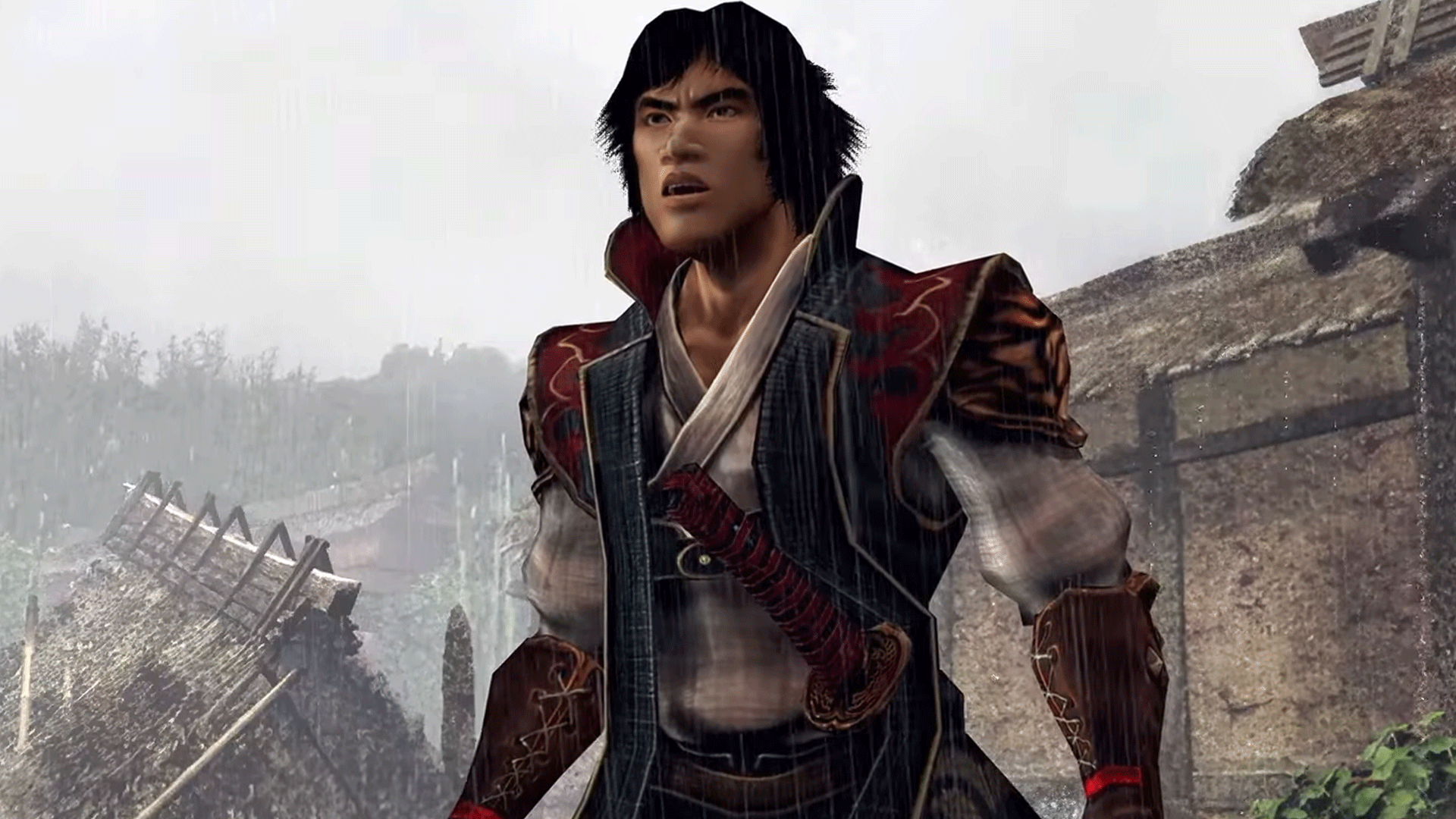
Onimusha Warlords featured Samanosuke Akechi as its lead, a character who became the overall icon of the series, and would only reappear in Onimusha 3 as he wasn’t technically present during the events of Onimusha 2: Samurai’s Destiny. Taking the lead of the series away for a complete entry was a gamble, but one that nonetheless resulted in a very impressive sequel, despite the change from Samanosuke to Jubei, a man bent on revenge and a protagonist that has the personality depth of a shallow puddle.
Onimusha has been one of several franchises that Capcom has nearly left to the wayside. From Dino Crisis to Lost Planet, Mega Man, and countless others, it always felt like the Resident Evil of Samurai games was stuffed in the back of Capcom’s storage locker never to be seen again. That said, the remaster for Onimusha: Warlords apparently sold well enough for not only to see Onimusha 2 receiving this remaster, but a whole new entry in the series to release in the near future with Onimusha: Way of the Sword.
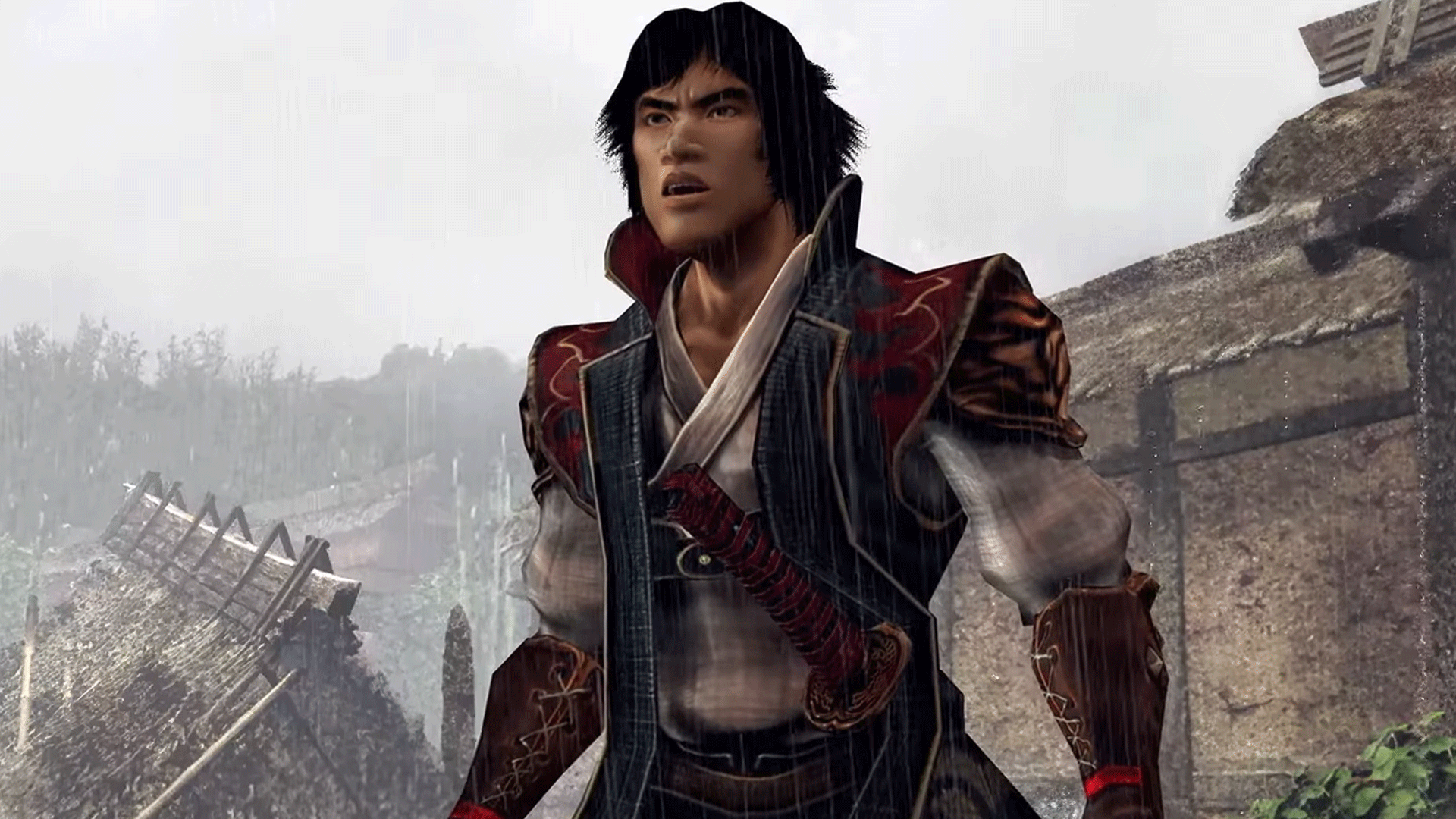
Onimusha 2: Samurai’s Destiny follows the events of the previous game as Lord Nobunaga has taken control of the Genma army after the death of Fortinbras at the hands of Samanosuke. Nobunaga's conquest then takes him to Yagyu village, in which he slaughters its populace with no resistance. Jubei Yagyu, a samurai who returns home, finds his friends and family killed. This begins his act of revenge as he will gain the power and allies needed to take down Nobunaga once and for all.
While you’ll be able to control his allies depending on a series of choices made throughout the game, it’s a shame each character wasn’t made to have their own mini-campaign, given each of them are vastly more interesting than Jubei. Still, the gameplay is where Onimusha 2 stands out from its predecessor, offering a variety of weapons, teamups with your allies, to a cast of interesting villains on your quest to defeat Nobunaga.
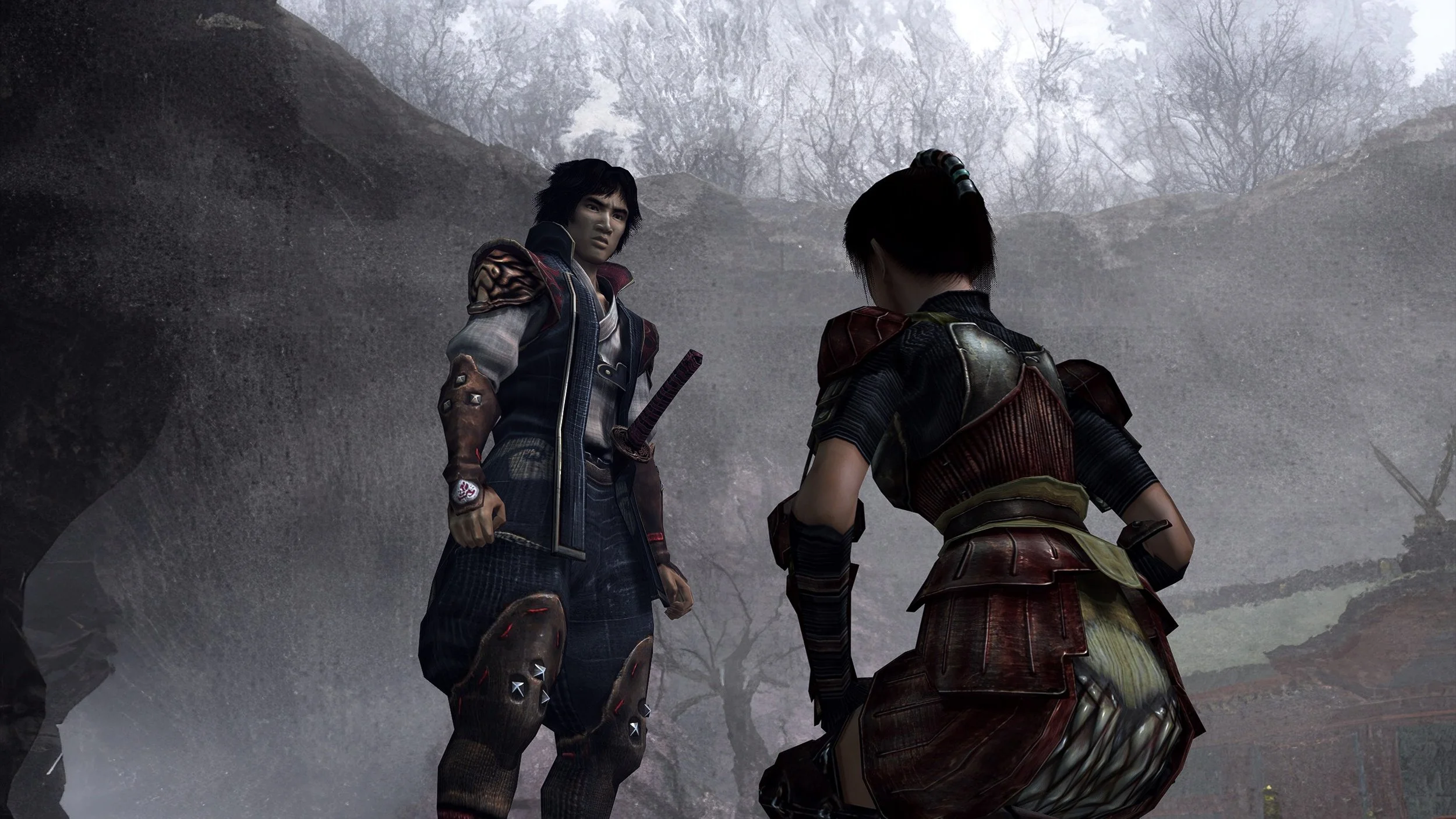
On Jubei’s quest for revenge, he will earn the gauntlet that allows him to harvest the souls of his enemies, collecting orbs of different colors that can refill portions of his health bar or used to level up his weapons and gear. That said, you really have to grind away to make this system work, given the 6-8 hour length of the campaign doesn’t give you enough soul currency to really make waves.
This remaster is pretty light on significant changes, making it a very minor upgrade apart from the improved visuals. Weapon swapping, better controls, auto-saves, and manual activation of his Onimusha form round out the basic improvements here, along with “Hell” difficulty being added. There is also an option to play with full Japanese voices, which I recommend simply due to the atrocious English dub that is eye-rolling with every line of dialogue. Honestly, it has one of the worst performances of all time with Jacob Barker as Jubei. This is also what drove me to care more about his allies than anything related to Jubei and his quest for revenge.
Onimusha 2 may dip its toes into more serious waters with its story, and many moments surrounding its cast, especially Ekei, but it also does have the occasional moments of humor among its cast that do balance out the tone. That said, there is a moment with a robotic horse that made me question what I was seeing, largely since that moment literally comes out of nowhere and not much else in the game really matches that level of crazy. The story itself is great, but largely apart from Jubei himself.
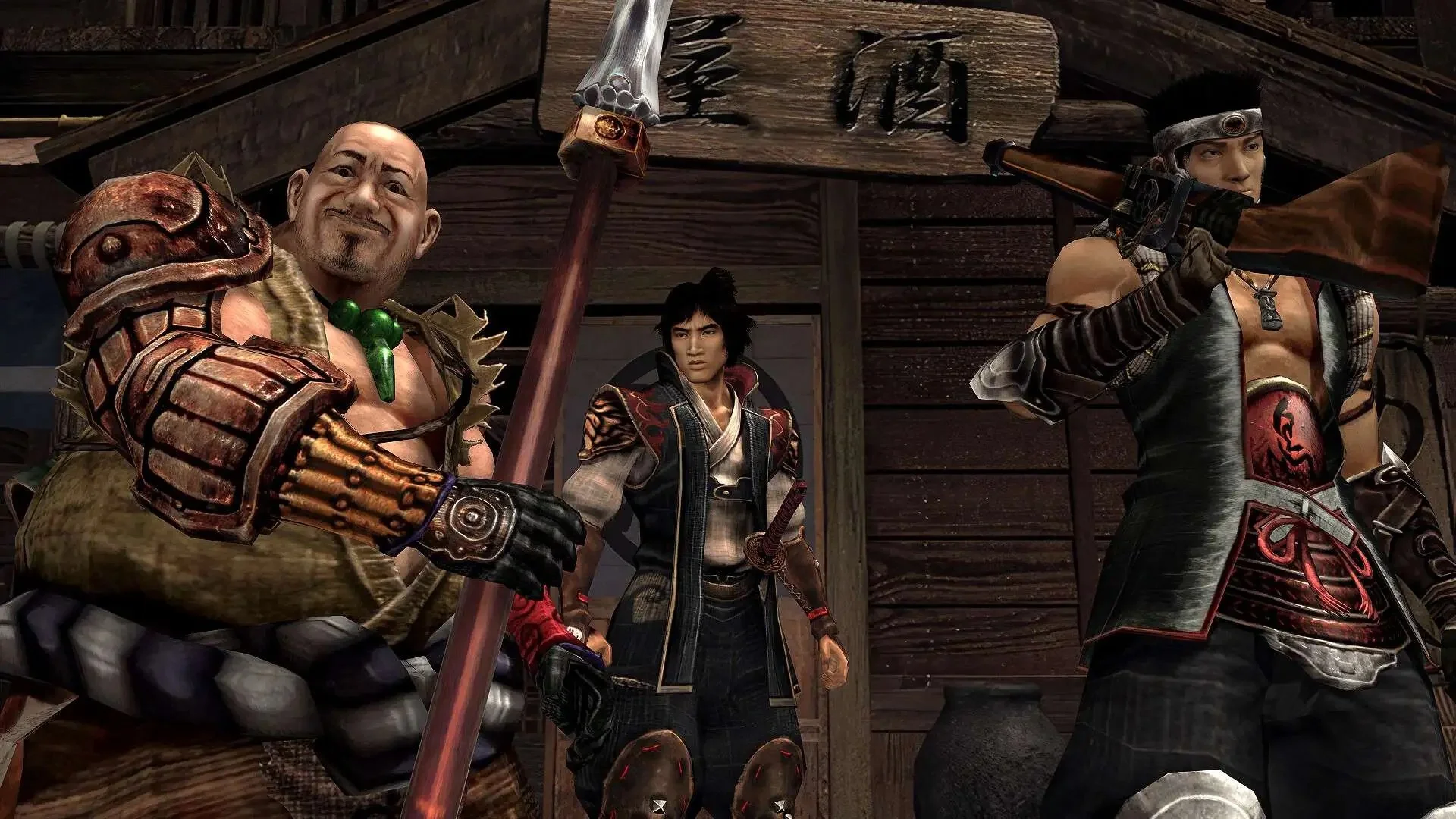
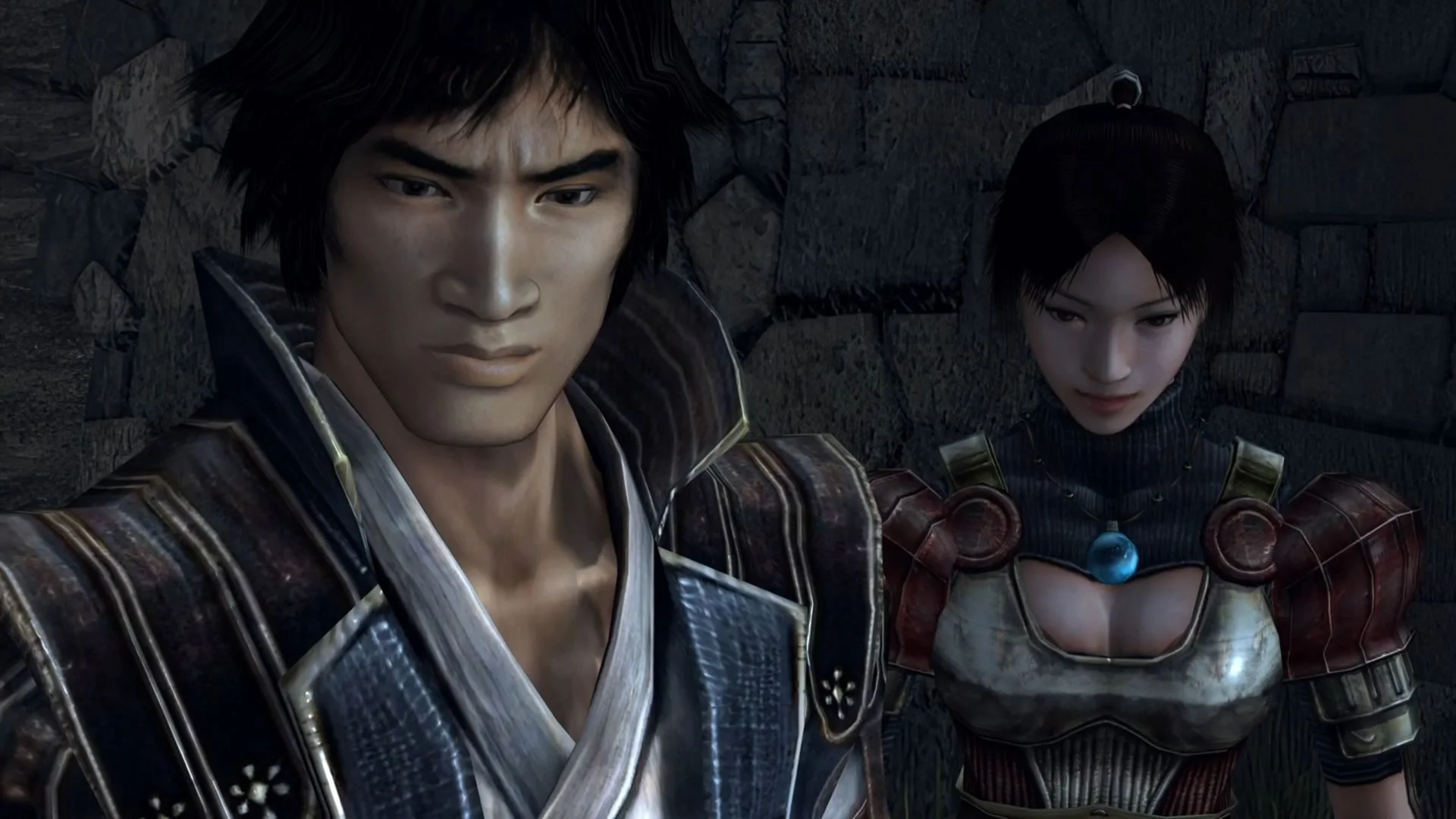
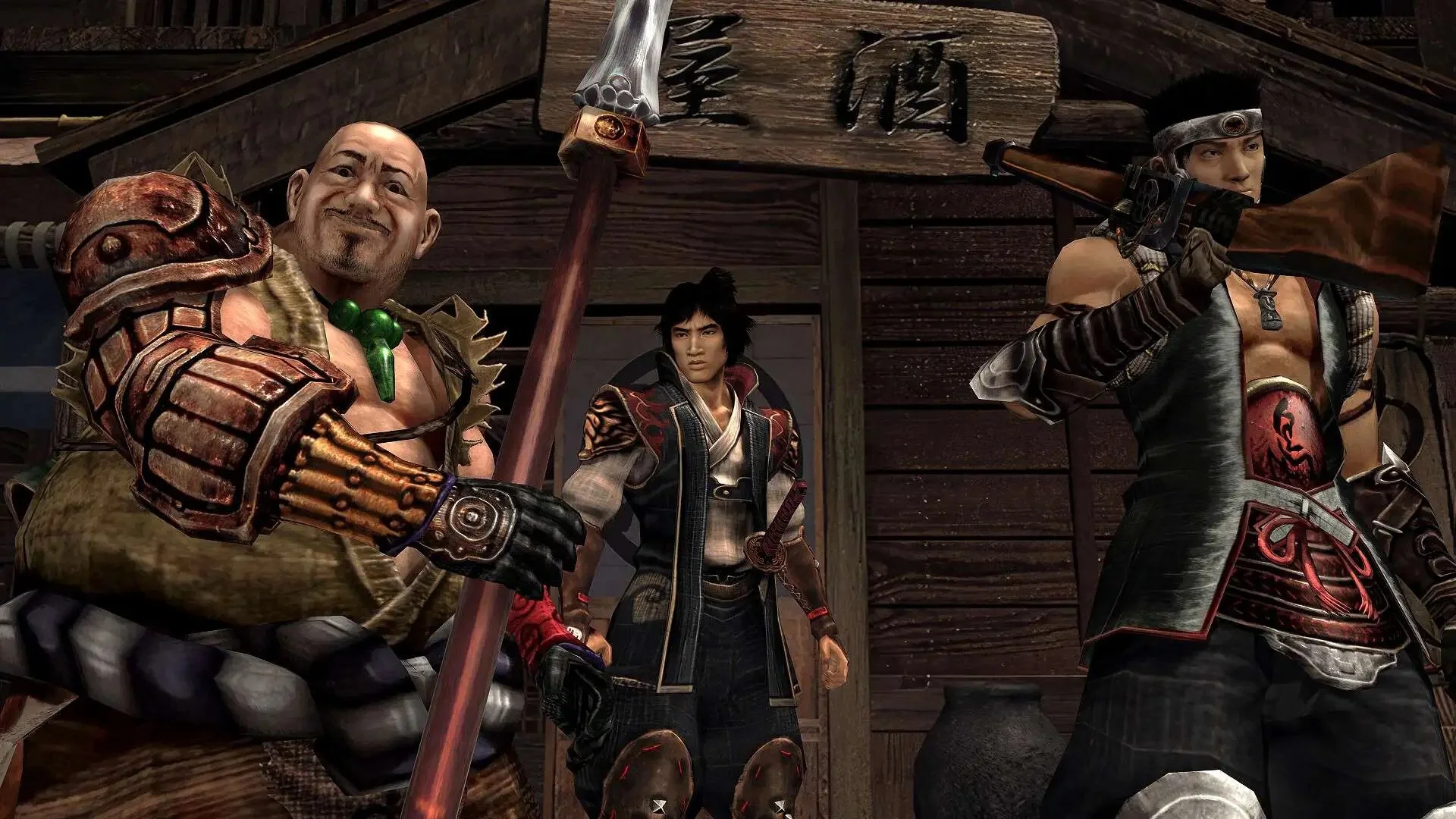
Jubei’s allies consist of Ekei Ankokuji, Magoichi Saiga, Kotaro Fuma, and Oyu. Ekei may come across as a complete mess of a human being, but his aspirations of becoming a Lord are rooted in some very personal drama that helps him become more than just the stereotype we’ve seen hundreds of times before. Magoichi is a level-headed member of the Kishu Saiga Gun Team and has the makings of a strong leader. His rifle is dangerous, and his aim is even more deadly. Kotaro is a young ninja from the Hojo clan who is the last member to be introduced, first being suspicious of Oya, a young woman who has one of the five Oni orbs, who is all too keen on rewarding Jubei with it for saving her life.
Each character can be given gifts that reward Jubei with various items as well as provide new and unique story moments and outcomes. Each character likes or dislikes certain things, such as giving Ekei naughty magazines or procuring educational material for Magoichi, which he adores. This system is great, but the menu implementation to present these gifts isn’t as clean as I’d have liked. Still, it’s a nice system to play around in, and the rewards are certainly worth it.
Samurai’s Destiny, like Warlords before it, can be summarized as simply being Resident Evil but with Samurai, and that isn’t that far off. It has the same tight spaces, fixed camera angles, which are abused to hell and back during boss fights, and a variety of item-based puzzles. Hell, you even use herbs to heal. While the gameplay is very different and more action-focused than what Resident Evil was at the time, it nonetheless does have its own personality and design that allows it to break free of that generalized statement. Still, it’s not far off from just being that to most players.
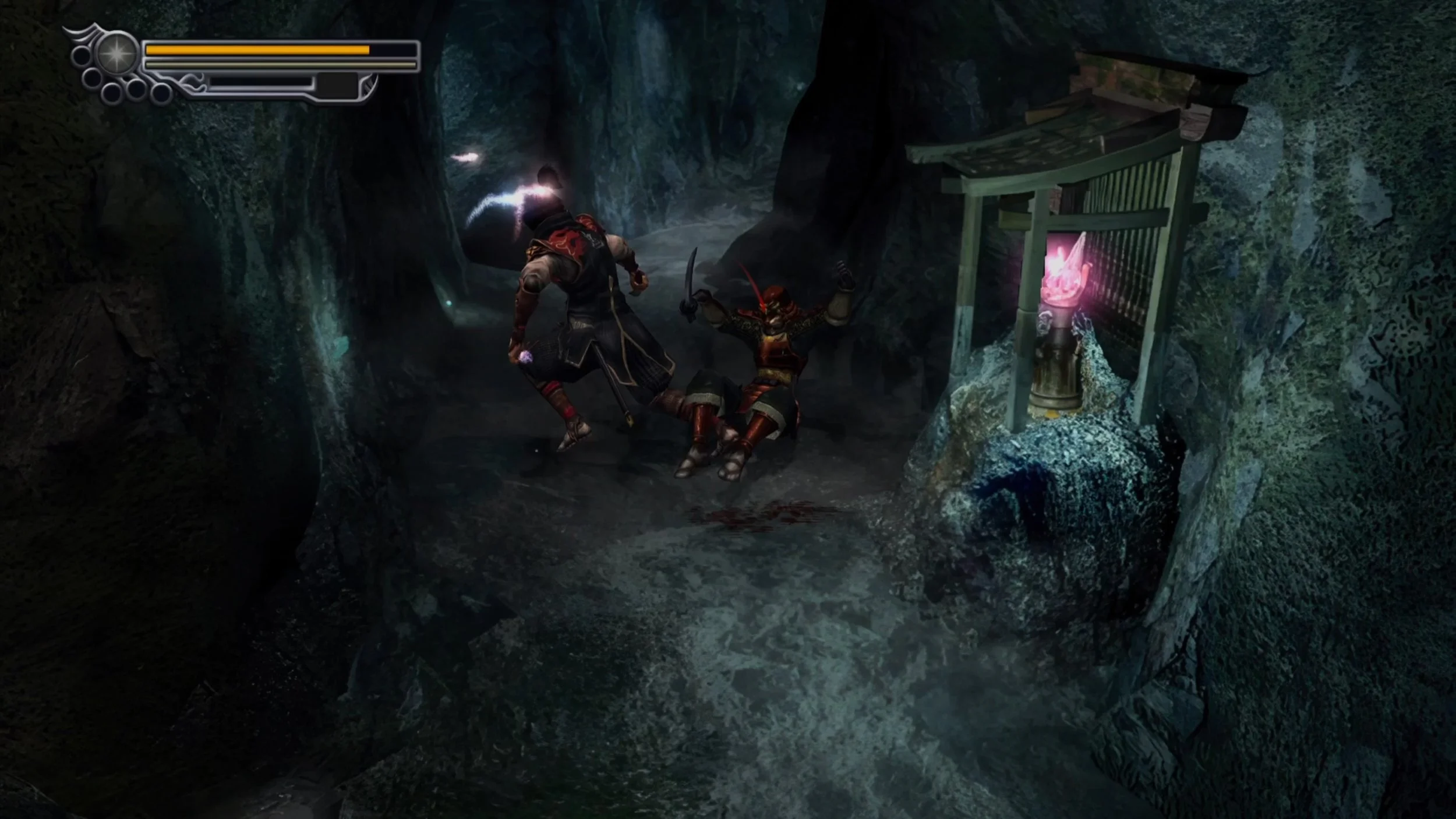
As I just mentioned, the fixed camera angles are easily the worst part of this game from a standard gameplay perspective. Most bosses are in small and limited spaces, with most having three or four angles as you move to different areas of the battlefield. This causes most attacks from the bosses to be performed off-camera, meaning you won’t see them coming. However, when you are low on health, your allies will arrive. While that can certainly help, their AI is not terribly impressive, and their appearance can happen when a boss is in mid-swing, meaning when the camera cuts back to you, you will likely get hit with no warning. It’s a shame these things were not addressed with this remaster, as they can make most encounters a frustrating nightmare.
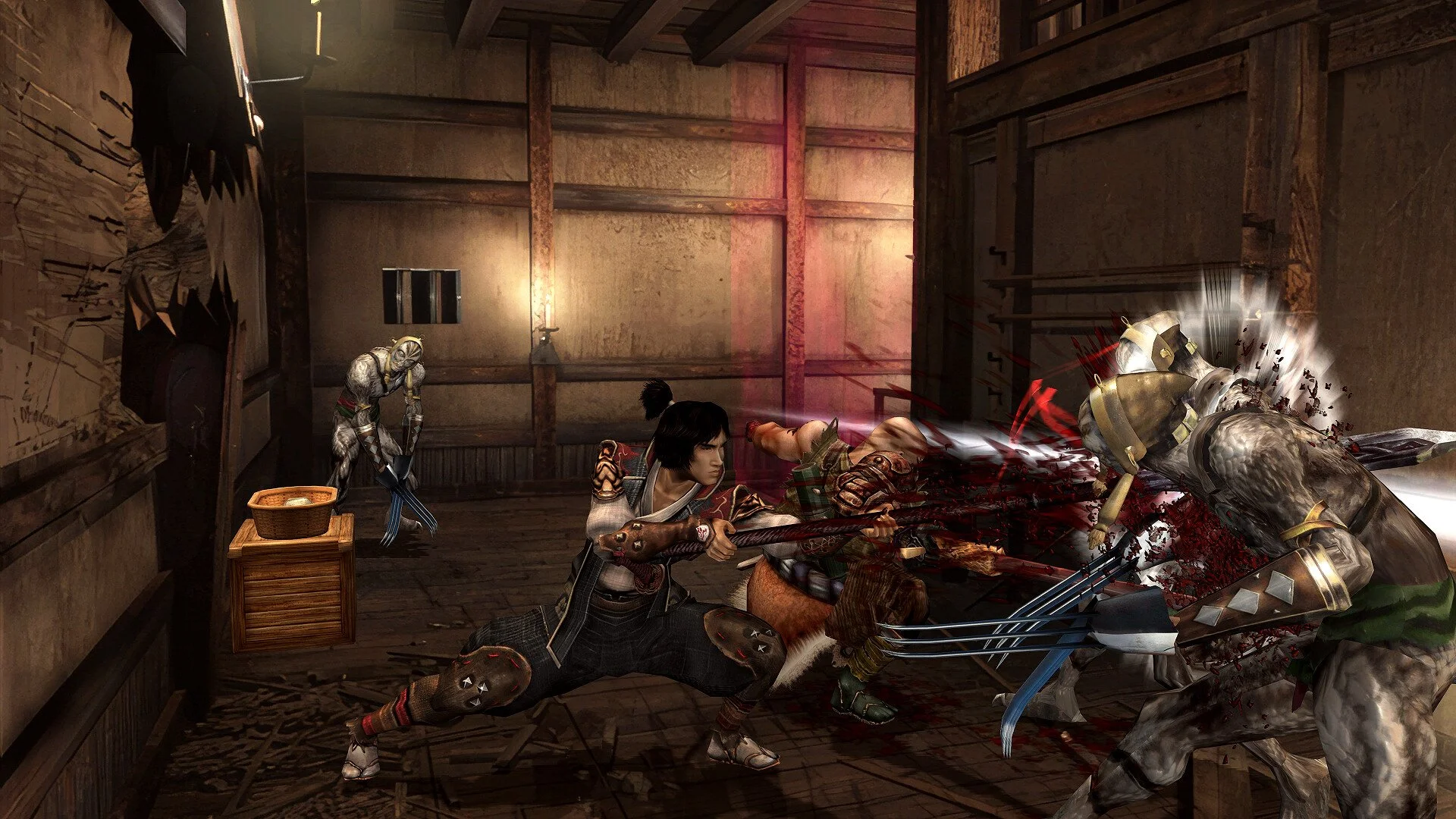
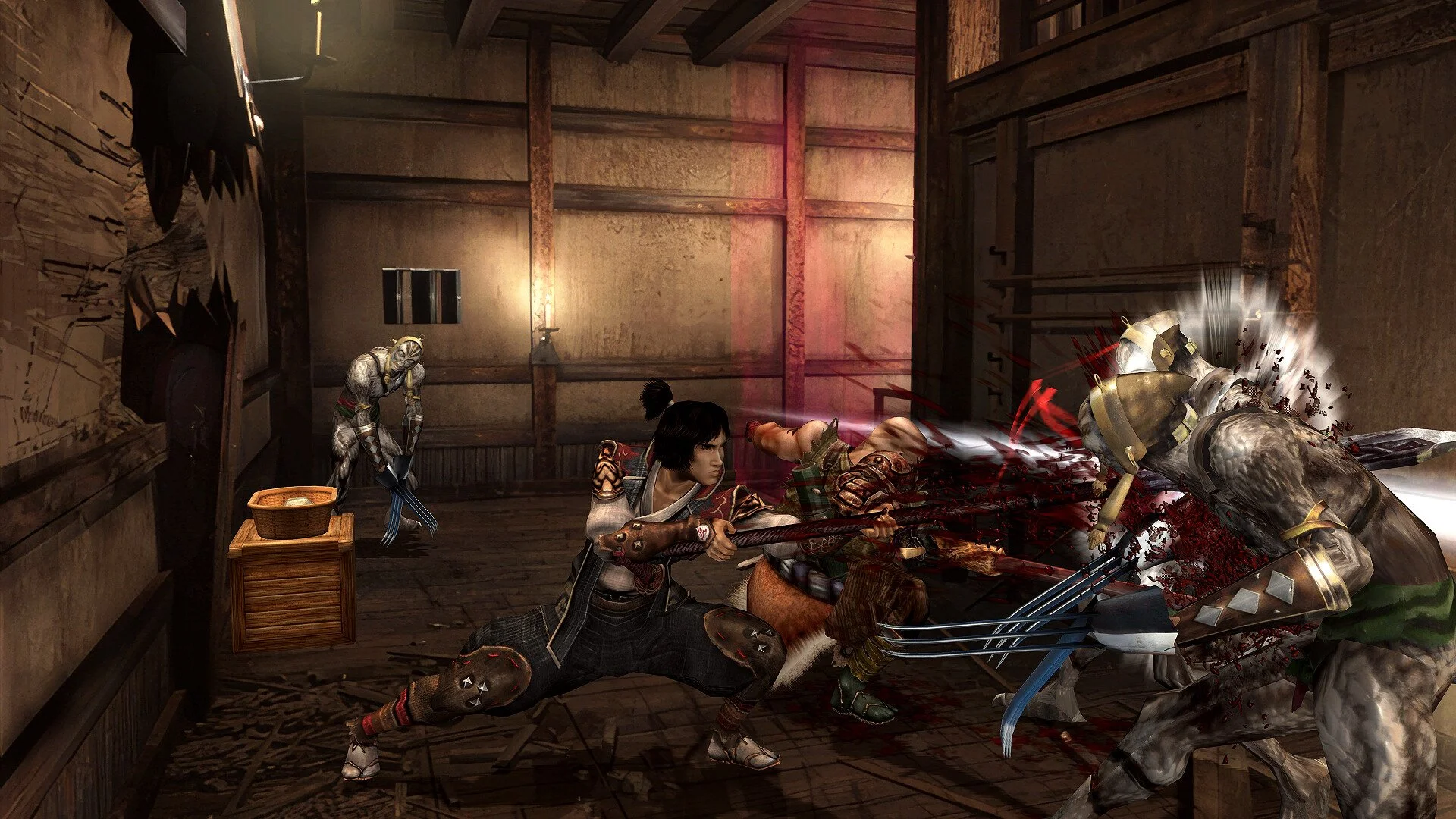
While it adapts the fixed camera angles of the Resident Evil series, its use of swords and magic certainly has it stand out. You’ll wield a variety of weapons from swords and bows to greatswords and rifles, each can be leveled up as you continue to collect the souls of the defeated. The Rekke-ken, for example, is a fiery greatsword that reminded me of the weapon Nightmare wields in Soul Calibur. Yet, it is the Senpumaru, a double-bladed sword that is easily the best weapon in the game, one I rarely changed from.
One of the more interesting aspects of combat, apart from the standard hacking and slashing, is the Issen critical attacks. Jubei can instantly kill enemies by slashing at the moment before their attack connects. While challenging, it is easily worth mastering. Still, with the onslaught of countless camera angle changes during combat, boss encounters, and exploration, all that skill can be thrown out the window when you are hit out of nowhere by something you cannot see. Honestly, it may be the only real drag of this whole game, and it is something that is a constant companion.
Onimusha 2: Samurai’s Destiny is a fairly by-the-numbers remaster that offers us the best version of the game, despite some opportunities to improve upon what was already there. A completely new take on the voice acting would have done wonders, a la Persona 3 Remake, as well as improved character models wouldn’t have hurt as well. Still, the game that is here is still a really enjoyable entry in the series, and a reminder of some of the best Capcom has almost left behind.


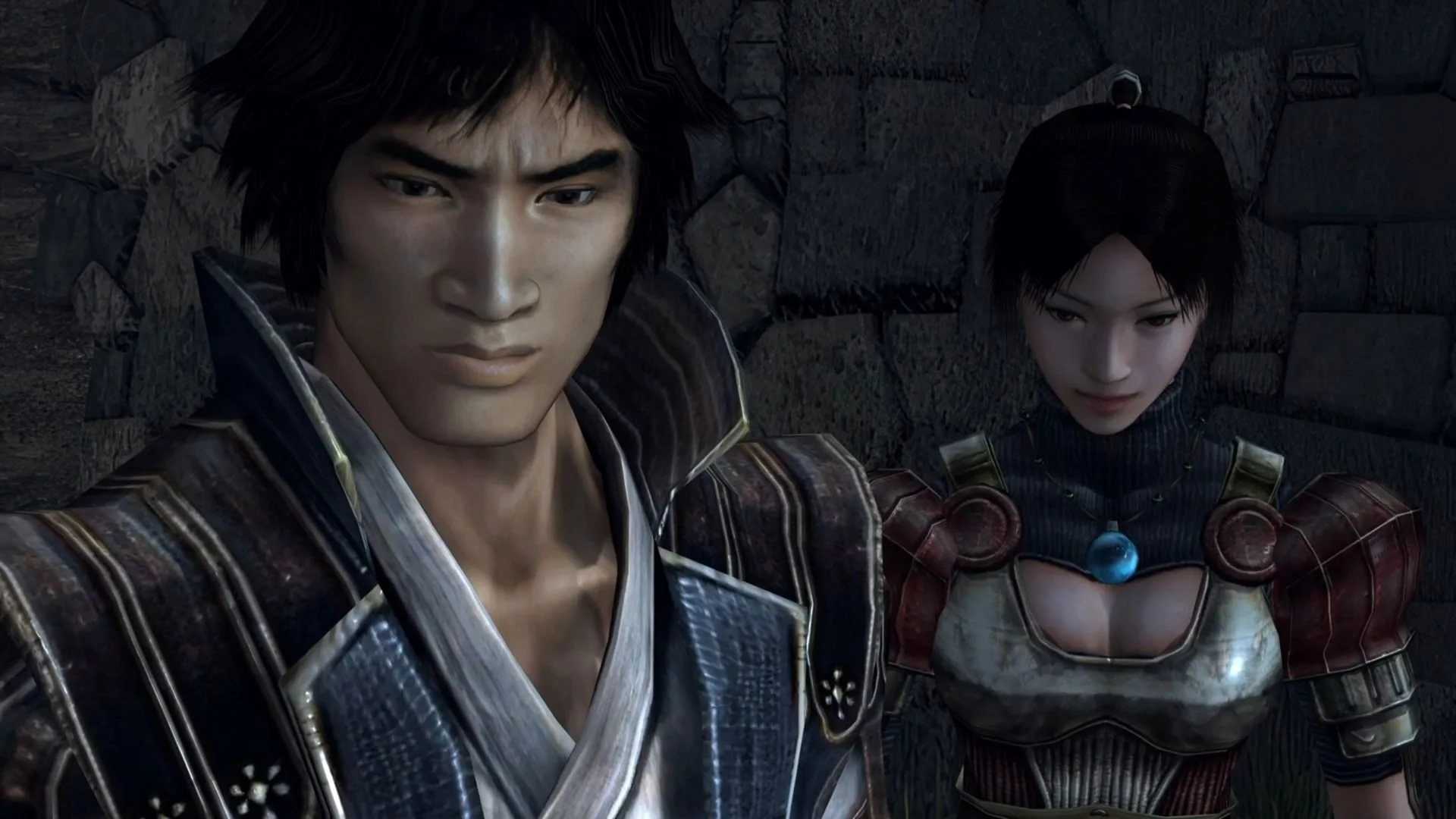
Developer - Capcom. Publisher - Capcom, Released - May 23rd, 2025. Available On - Xbox One, PS4, Nintendo Switch, PC. Rated - (M) Violence, Blood. Platform Reviewed - Xbox Series X. Review Access - Review code was provided by the publisher for the purpose of this review.
Jeff is the original founder of Analog Stick Gaming. His favorite games include The Witcher III, the Mass Effect Trilogy, Hi-Fi Rush, Stellar Blade, Hellbade: Senua’s Sacrifice, and the Legend of Heroes series, especially Trails of Cold Steel III & IV.