
West Side Staryu
Pokémon Legends: Arceus was a breath of fresh air for the Pokémon series. While the technical limitations of the aging Switch hardware didn't do it any favors, the new mechanics and rebuilt combat system allowed Arceus to break free of a tired formula and become something a bit more modern. Frankly, it was the Pokémon game I had wanted for years, and I had hoped the future of the series would take note and continue to evolve. Boy, was I wrong.
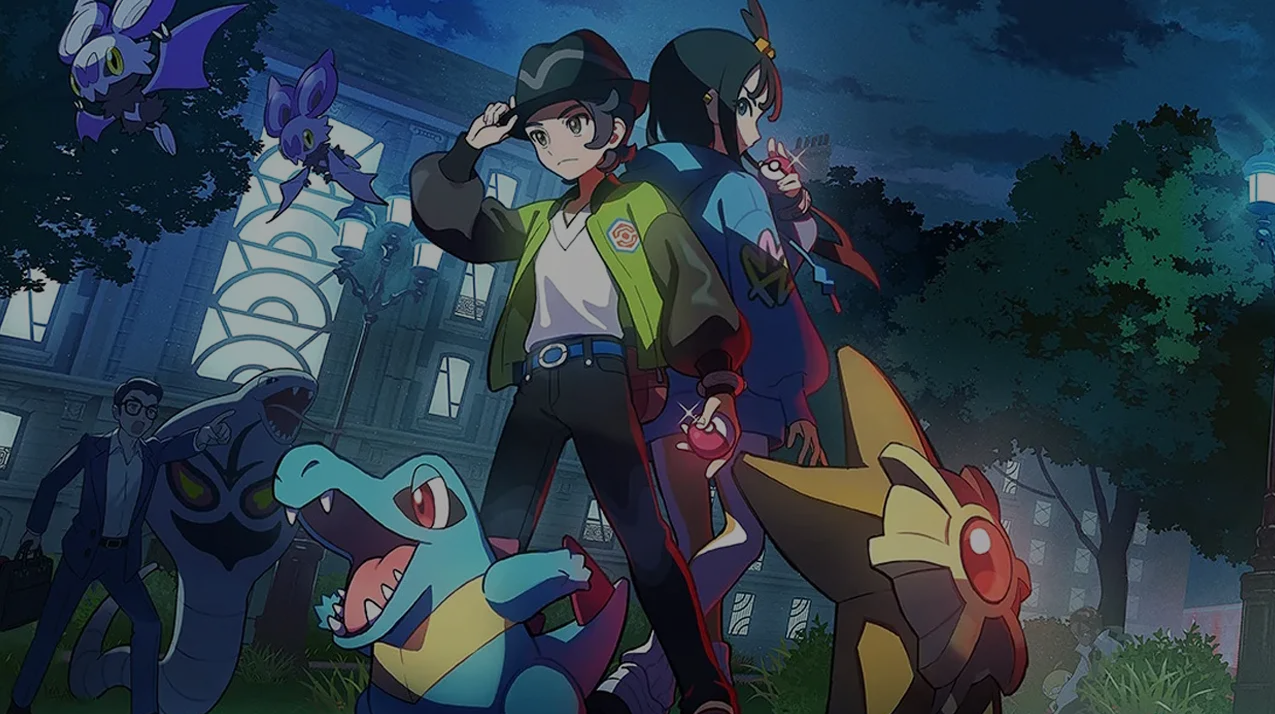
Pokémon Legends ZA stands as a sequel to the original Pokémon X and Y, taking place entirely in Lumiose City. As five years have passed since the events of those games, an urban construction plan is underway to rebuild major regions of the city, as well as implement wild areas for Pokémon to explore as they reside in the city. While its plans are to hopefully remove those areas to allow Pokémon to coexist with its residents, it's merely a dream at this moment in time. And, to make matters worse, Pokémon have suddenly begun to Mega-Evolve and cause chaos around the city. Well, that's what they say anyway, as you often find them just lounging about and not doing much of anything.
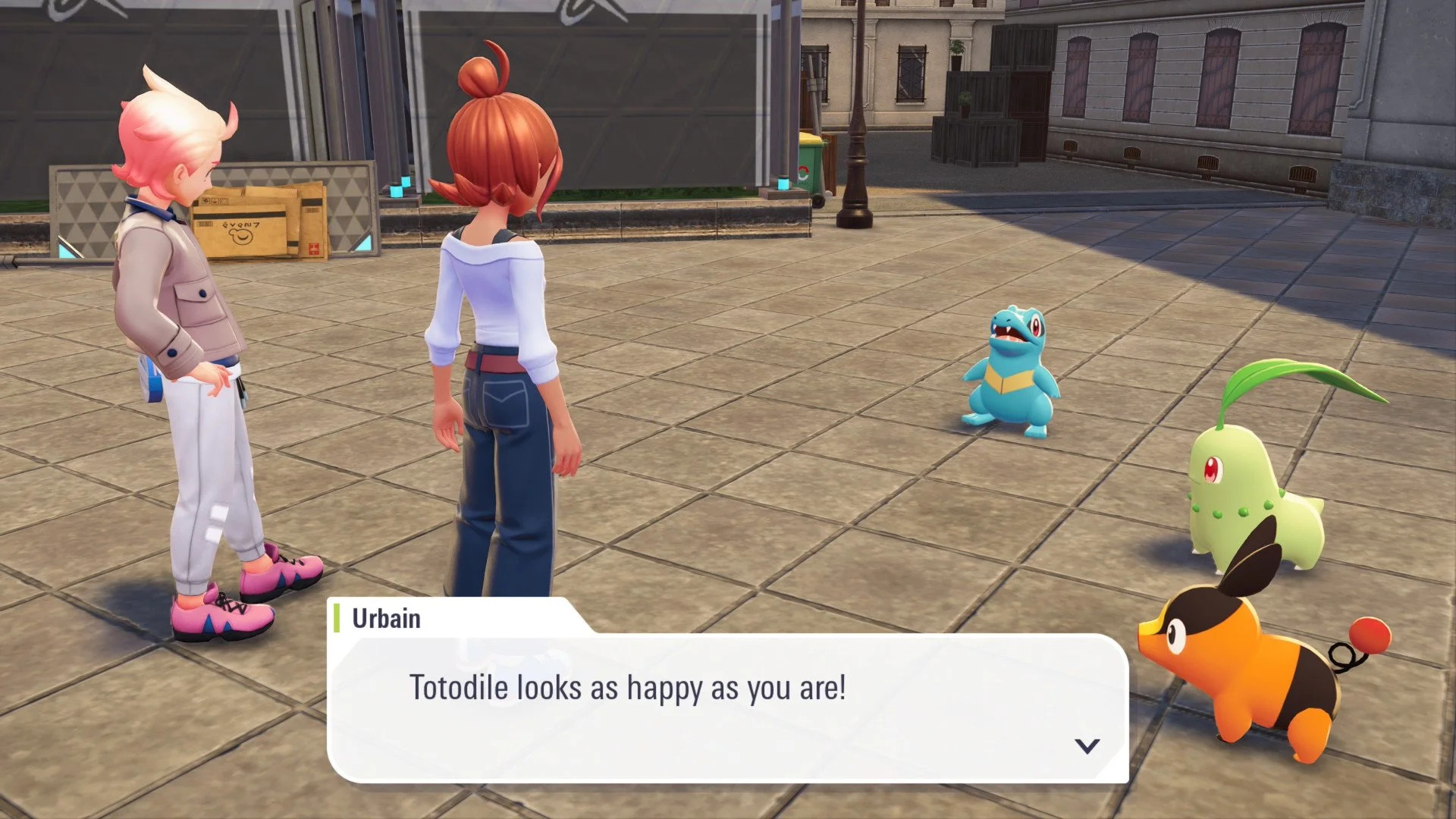
While cities are not a new concept to the Pokémon series, having a whole game confined to the city is certainly a choice. Lumiose City was a huge area to explore in the original game, but there was an adventure built around it, with the whole Kalos region to explore. This sense of adventure was extremely prevalent in Legends of Arceus, but with ZA taking place entirely in the city, it lacks what makes a Pokémon game truly shine.
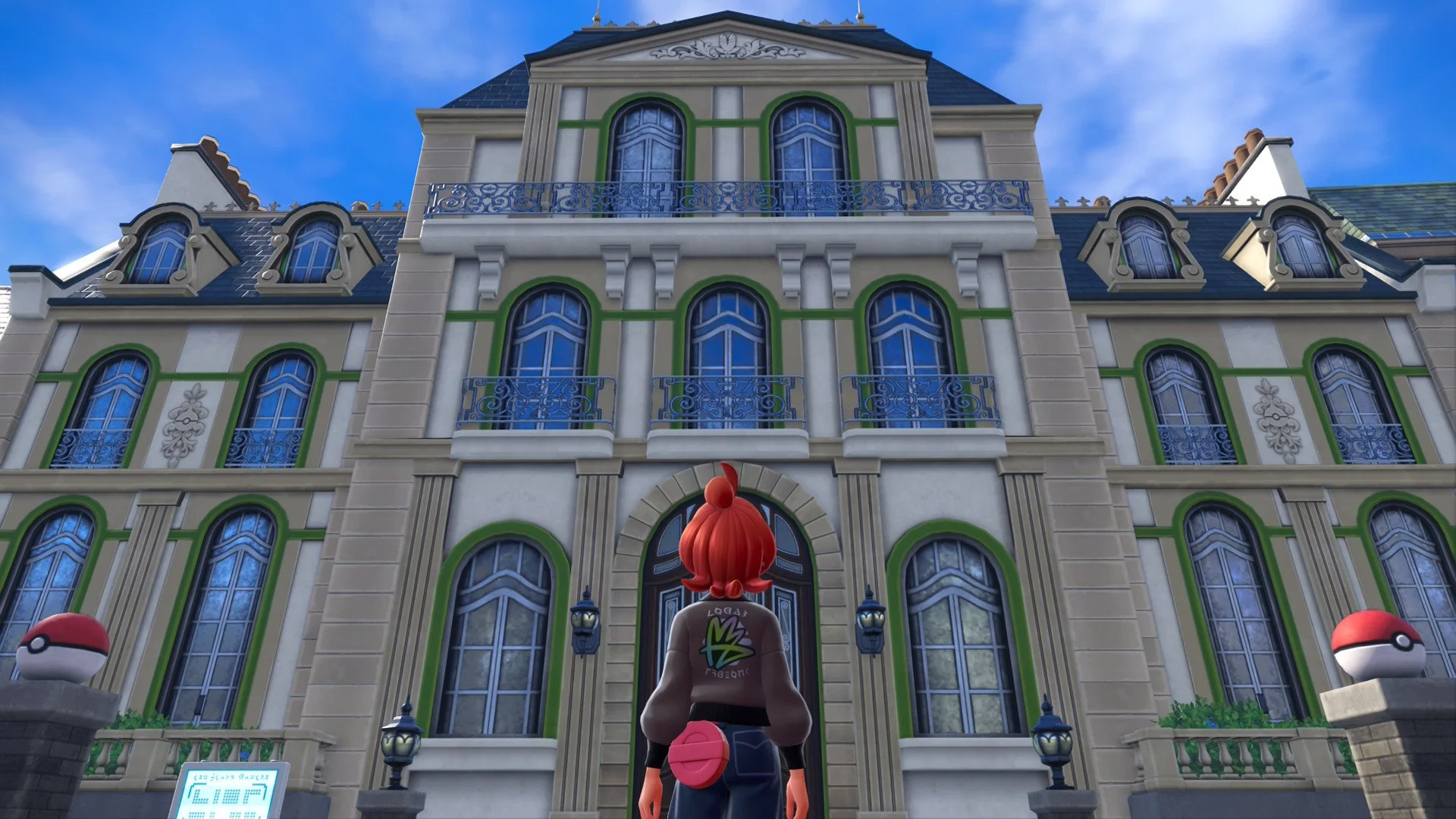
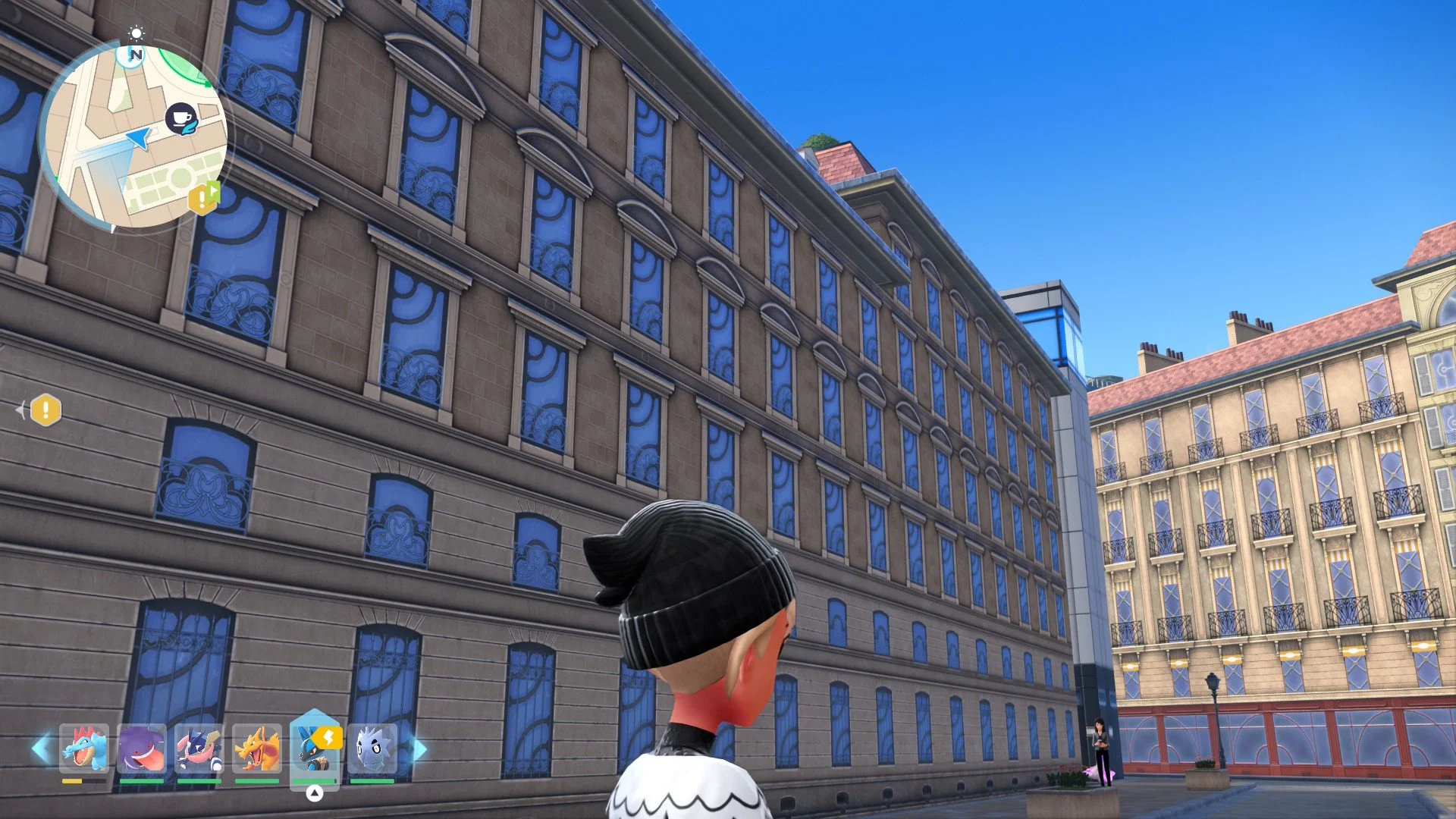
Leading up to its release, I knew ZA would be confined to the city; this was readily available information, so I wasn't shocked to find that this was the case. However, there are ways for a game like this to succeed, but Game Freak simply chose a format that served the original Switch hardware and took a very bland, basic, and easy route to produce a journey that is met with buildings being nothing but a series of repeating JPEGs, and a lack of true design to make each part of the city to feel unique. Hundreds of games have taken place in an entire city, but they ensured variety amongst the tall, repeating buildings. Here? That isn't the case at all.
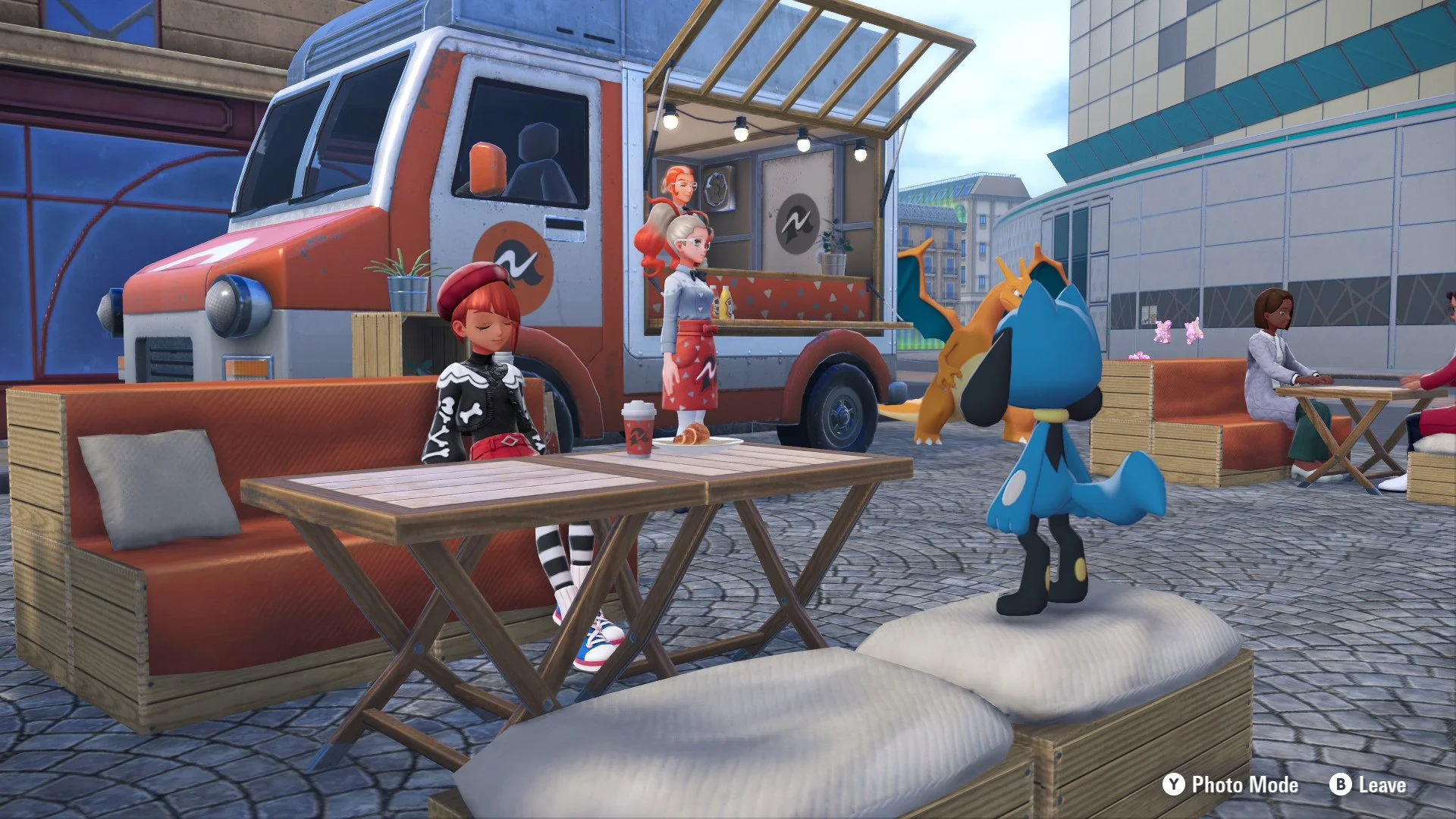
As it is, Lumiose City is boring, devoid of anything that really stands out from one block to the next. Despite the day and night cycles, complete with unskippable cutscene transitions, the city lacks memorable landmarks, locations that evoke any sort of smart level design. Instead, we have nonsensical designs that are built around shortcuts blocked by obstacles you'll need certain moves to be taught to your Pokémon to clear, certain ladders unlocked through side quests, pointless bridges from one building to the next, or a variety of progression blockers to aid in the maze-like formula that makes up Lumiose City. It's a nightmare of design that serves no purpose other than to just waste one's time.
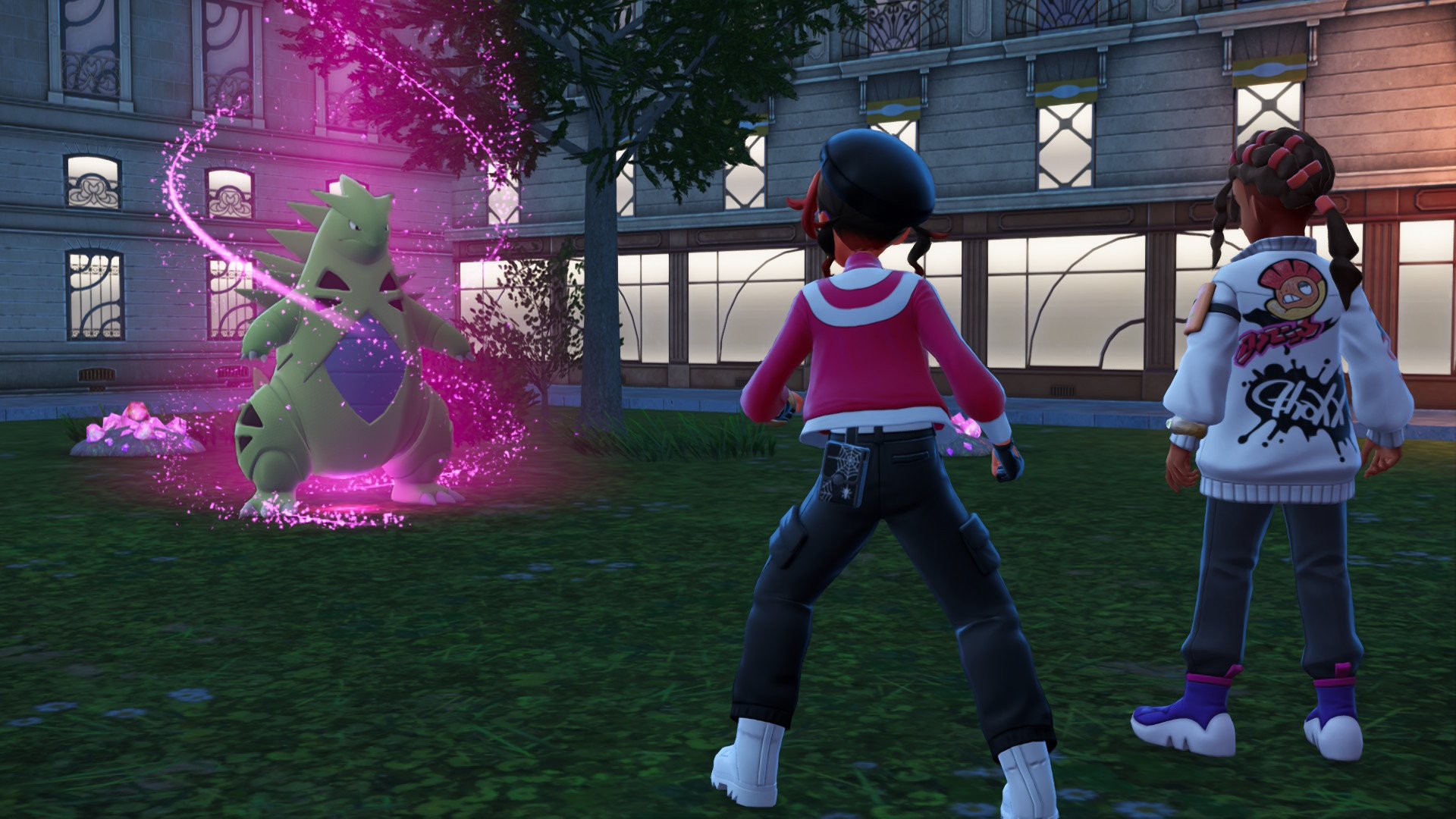
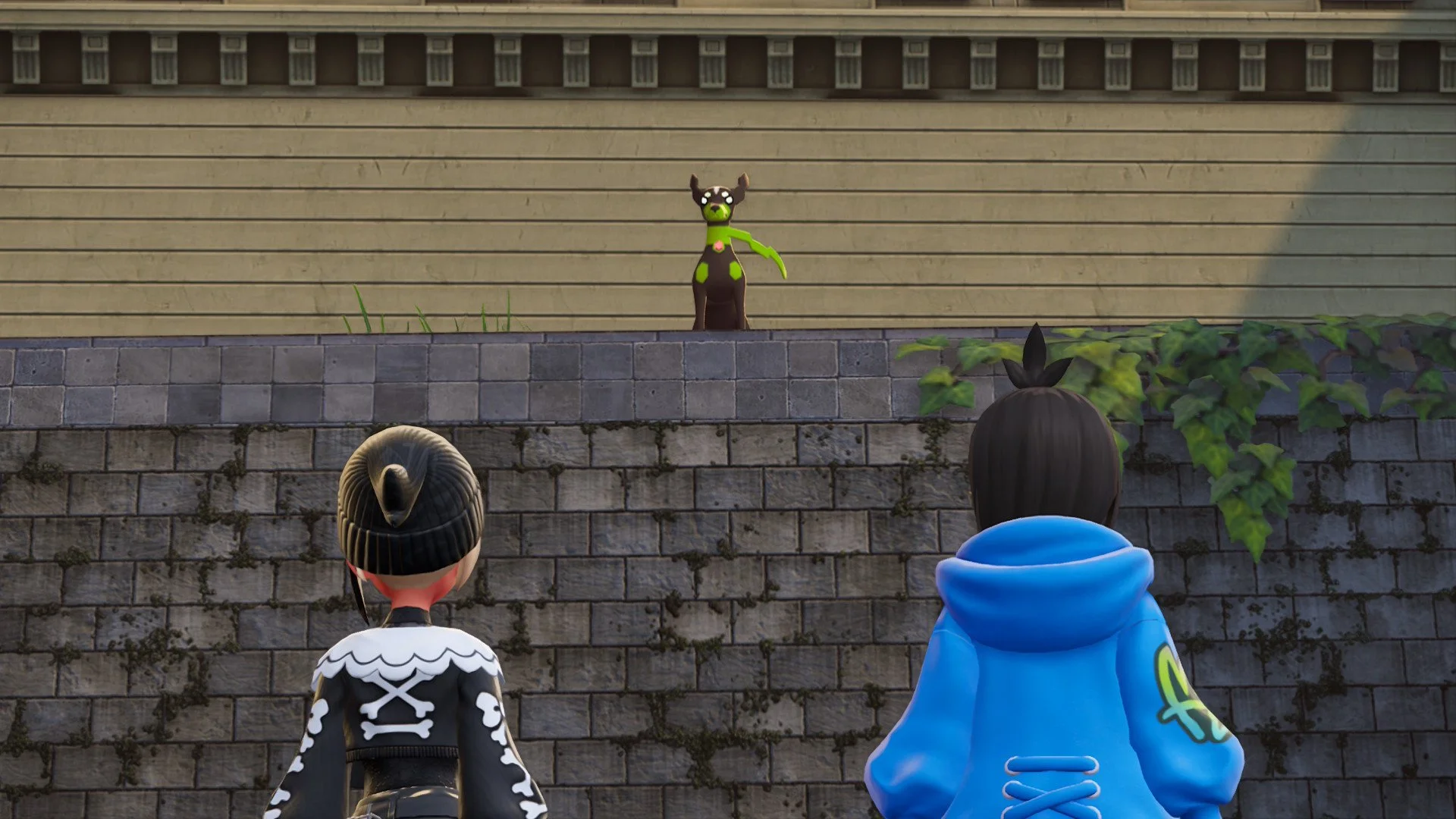
As you continue to progress through the story, new wild areas open up. These locations are built to allow Pokémon to thrive in some sort of natural habitat, but honestly, they are just popular tourist and minor landmarks that just happen to have Pokémon in them. There are no “wilds” to really make them seem like such a thing. If anything, they feel like incomplete parks, streets, and inconsequential landmarks that have Pokémon scattered about them, both on the ground and on the rooftops above.
Having your game take place in the city is a fine enough idea, but not making the city a place you want to explore is another. You'll struggle to find ways to get on top of certain buildings, occasionally run into sewers or underground places to capture more Pokémon, or take on one of a few dozen quests that are more or less the same four or five mission types, or people who just want to battle. You'll find cafes that offer up battles, Pokémon Centers to heal your Pokémon, and a variety of buildings that only serve to host a variety of supporting characters. Sure, you'll find a museum that pays tribute to a far better Pokémon game, but exploring it is a bland affair met only with the desire to install Arceus and go on an actual adventure.
What drives Legend ZA to some sort of satisfying destination is through its semi-real-time combat, which results in one of the best combat systems the series has ever seen, albeit with one major issue that frustrated me to no end when it would occur.
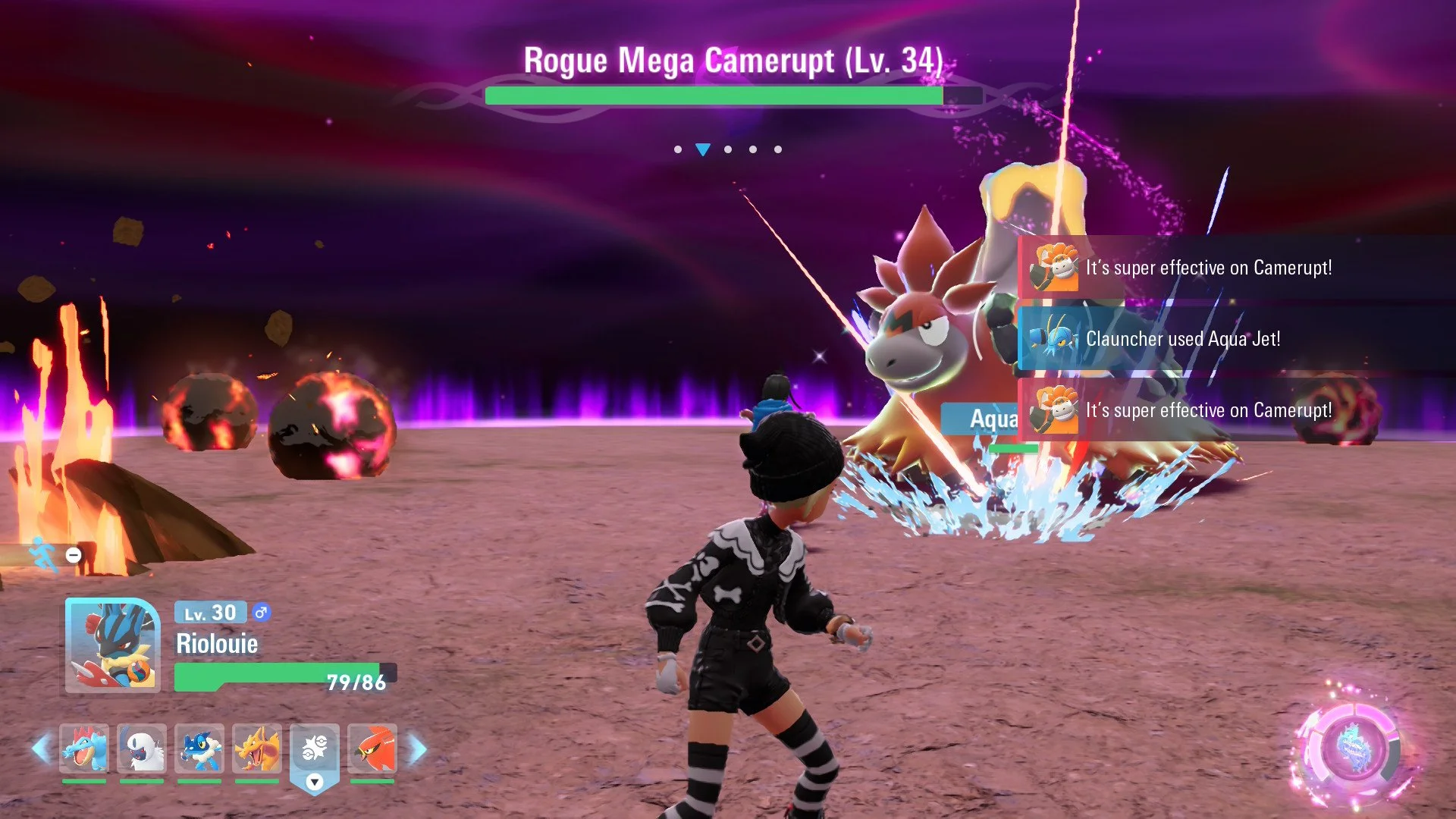
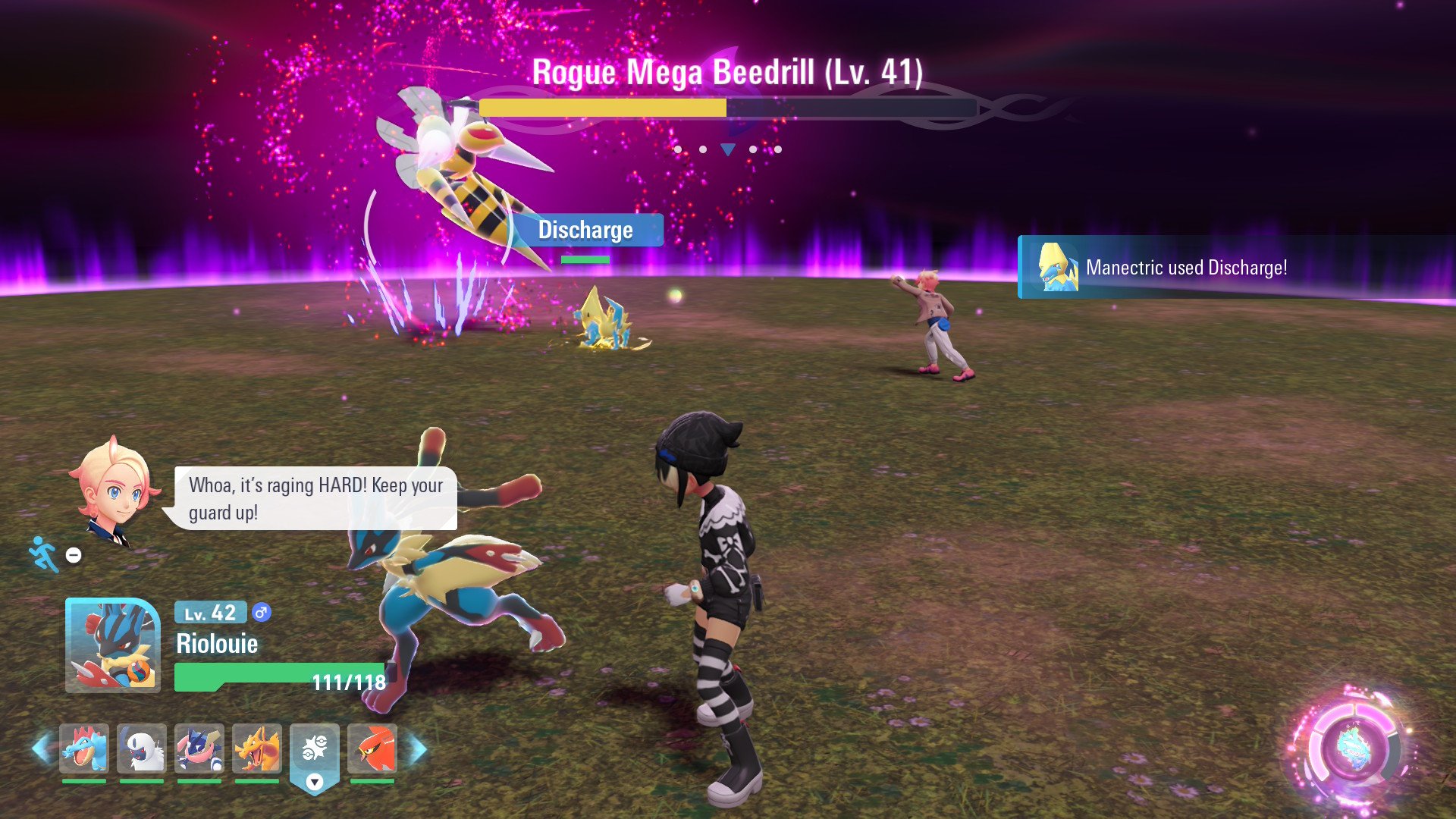
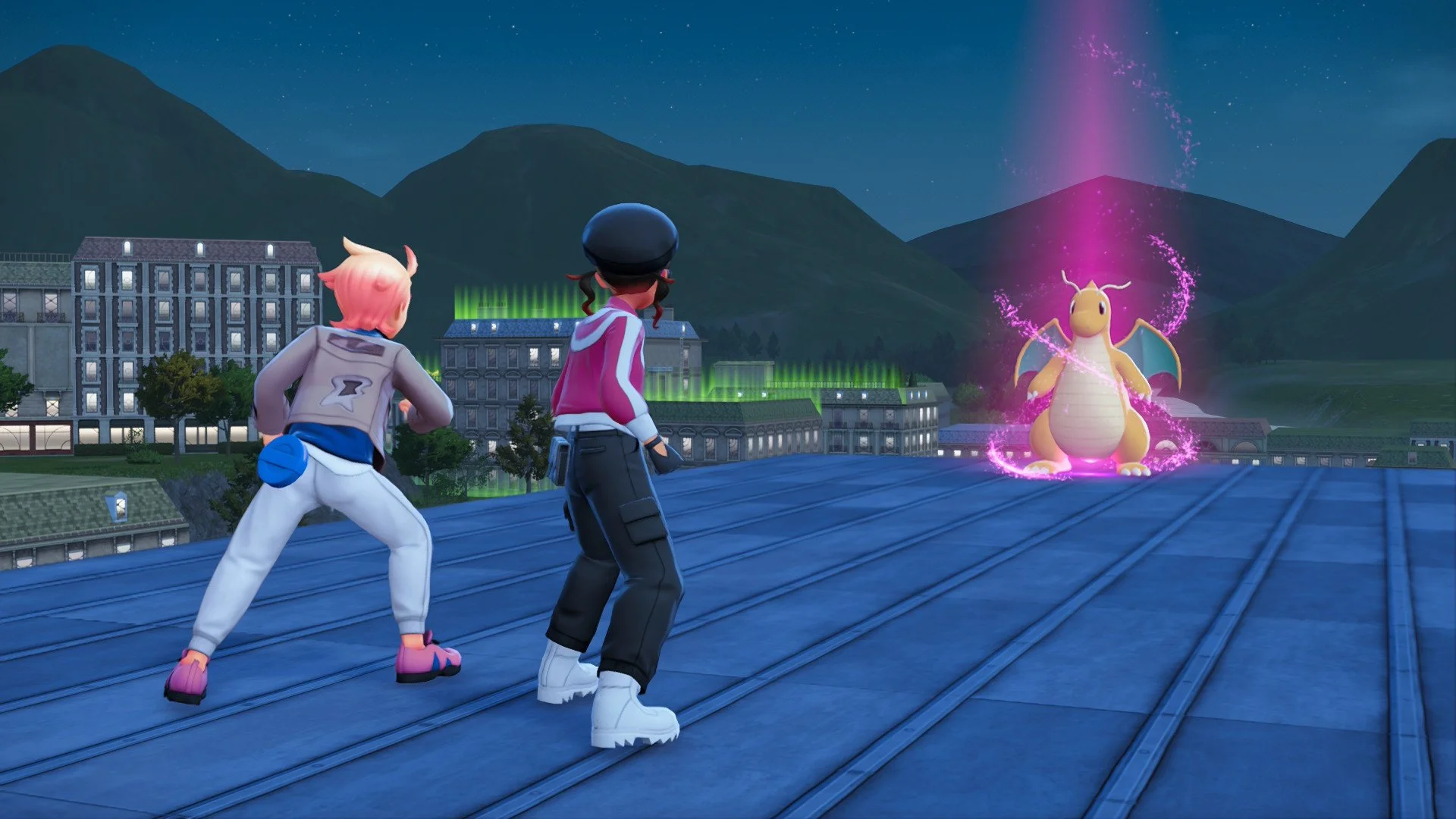
Combat works off a series of cooldowns as opposed to turn-based combat. It also allows you to move around during combat, giving you a better view of the battlefield and dodging attacks as well. You'll attack in real-time, firing off moves as you command your Pokémon. That said, the Pokémon will have a designated area to perform that move, so activating it will see them move into position and trigger the move.
However, the lock-in is extremely inconsistent, regardless of the distance between you and your opponent. This causes you to take unwanted attacks as a result. Also, when you are locked on, you cannot dodge incoming attacks as your trainer, making you entirely vulnerable during an attack.
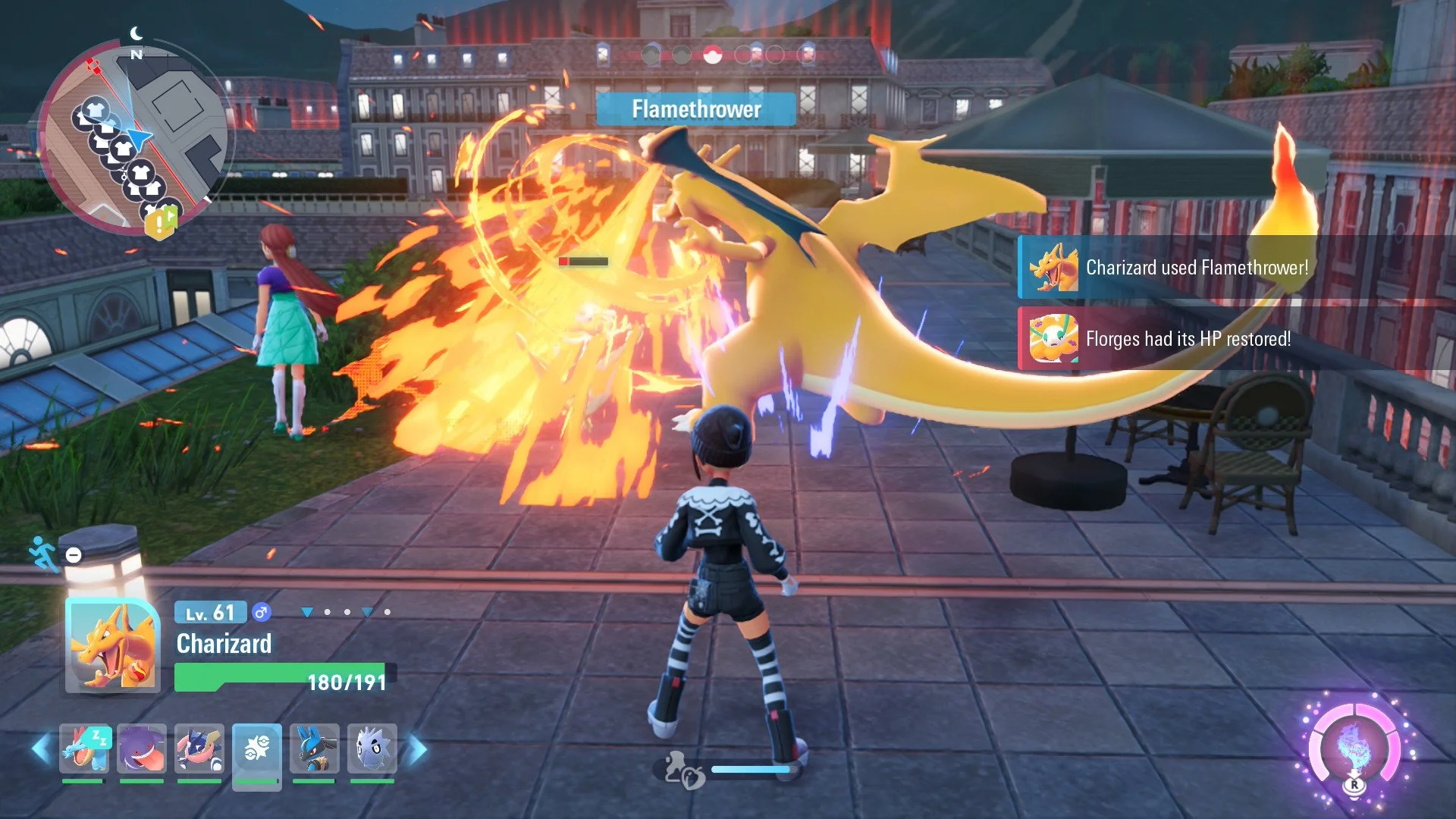
Regardless of these issues, this cooldown-based combat system allows you to use moves you likely haven't really used throughout the series, such as those that apply buffs, heal, or apply status effects. I was always a brute force player, and the majority of the time, I would decimate my opponent with my Pokémon's most powerful moves. Here, being able to cast deflect or HP absorb, or other status moves while I waited for my main attacks to be relieved of their cooldown, caused battles to be more strategic and led to quicker victories. If anything, it made those status moves feel even more important.
The gimmick in this entry is through Mega-Evolutions. This is done by having the Pokémon hold an item that allows that transformation. It sadly lacks depth, and while you can collect orbs to continue their Mega Charge, it really just makes their existing moves hit harder. You’ll fight dozens of Mega Evolution Pokémon through the story, and the final stretch of the game has some wildly unbalanced pairs of Evolutions that were a drag. All in all, it’s a very boring, basic, and uninspired gimmick that needs to be retired going forward.
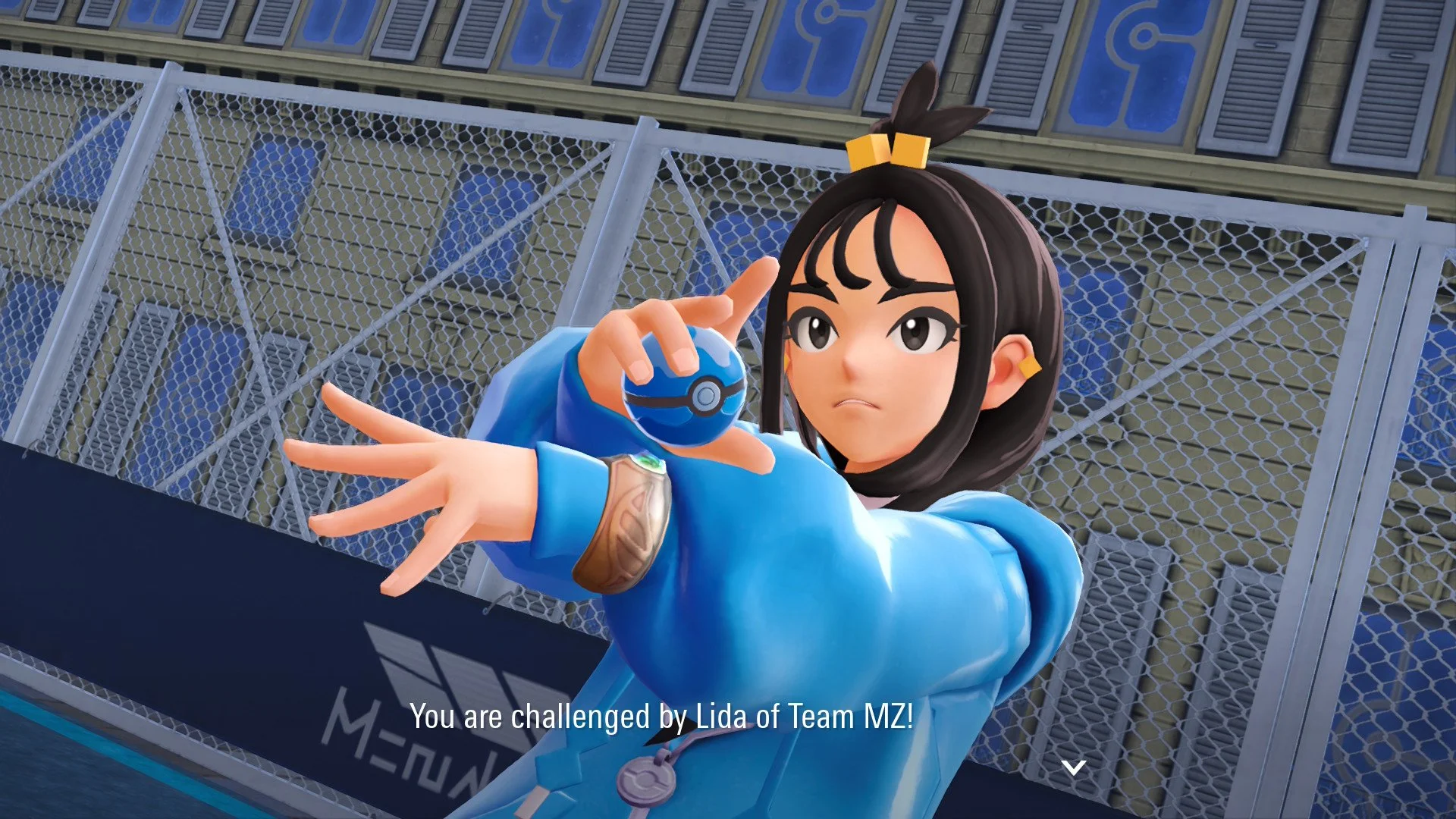
While combat certainly feels refreshing, the game is mind-numbingly easy. Any battle I took part in, regardless of whether it was a main mission or side quest, or even the cafes that have you battling multiple opponents, was no challenge, given the ample missions available and the nonstop battles to build up my team. I always found myself five to ten levels above anything, meaning the pacing of certain missions was not balanced. There is a forced tournament later on that I one-shotted every Pokémon. These were meant to be the best trainers in the city? Please. And while most Pokémon games have a tiring and difficult final boss, the final confrontation was an absolute cake walk.
While there is the underlying mission to get to the bottom of the mystery surrounding the Mega-Evolution Pokémon, you'll work up through the ranks across the city. Introduced very early is a ranking system that starts at Z and ends when you finally reach A rank. Thankfully, you get sped through much of this, but each rank challenge requires a ticket. These tickets are earned as you take part in night battles.
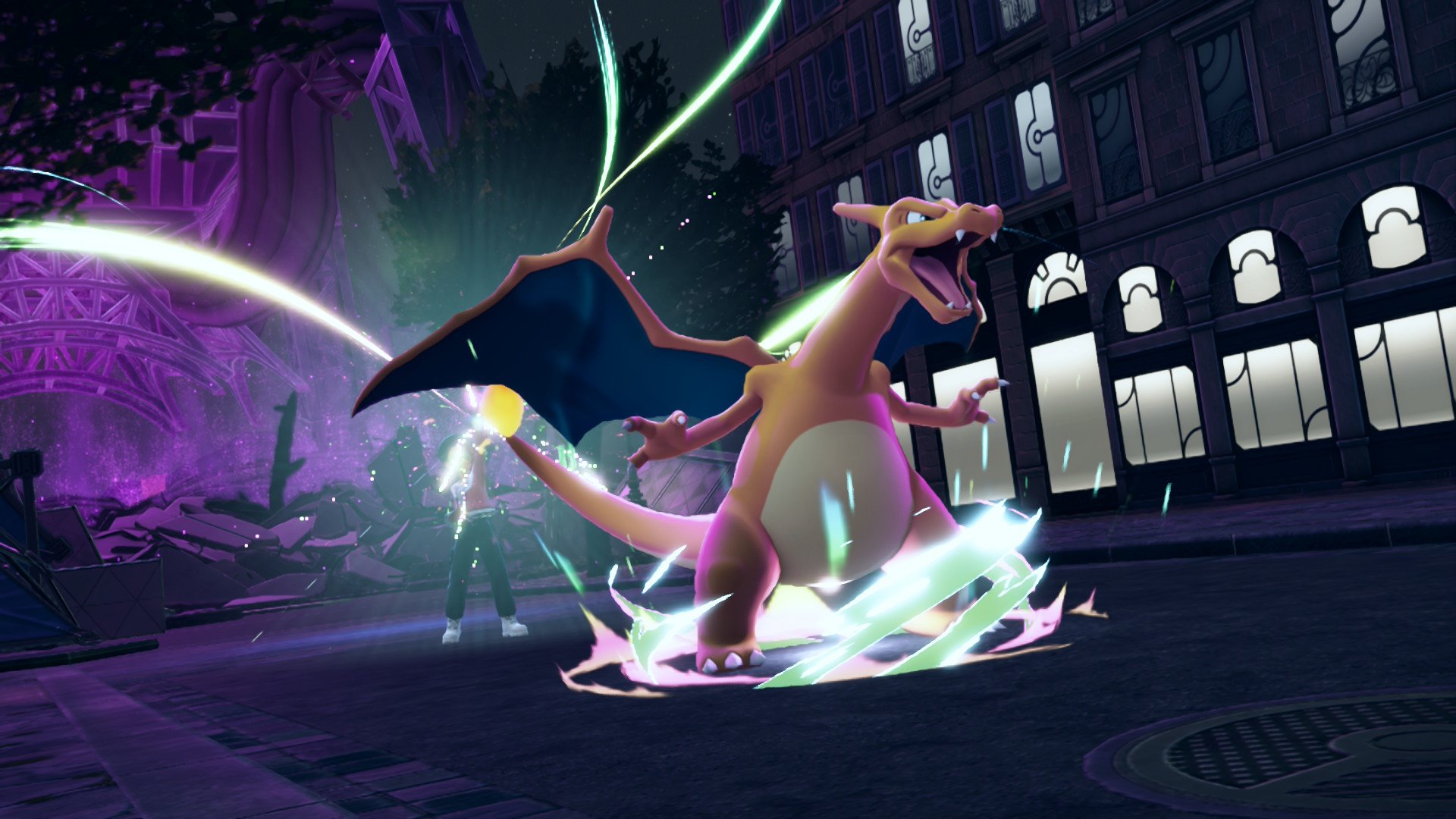
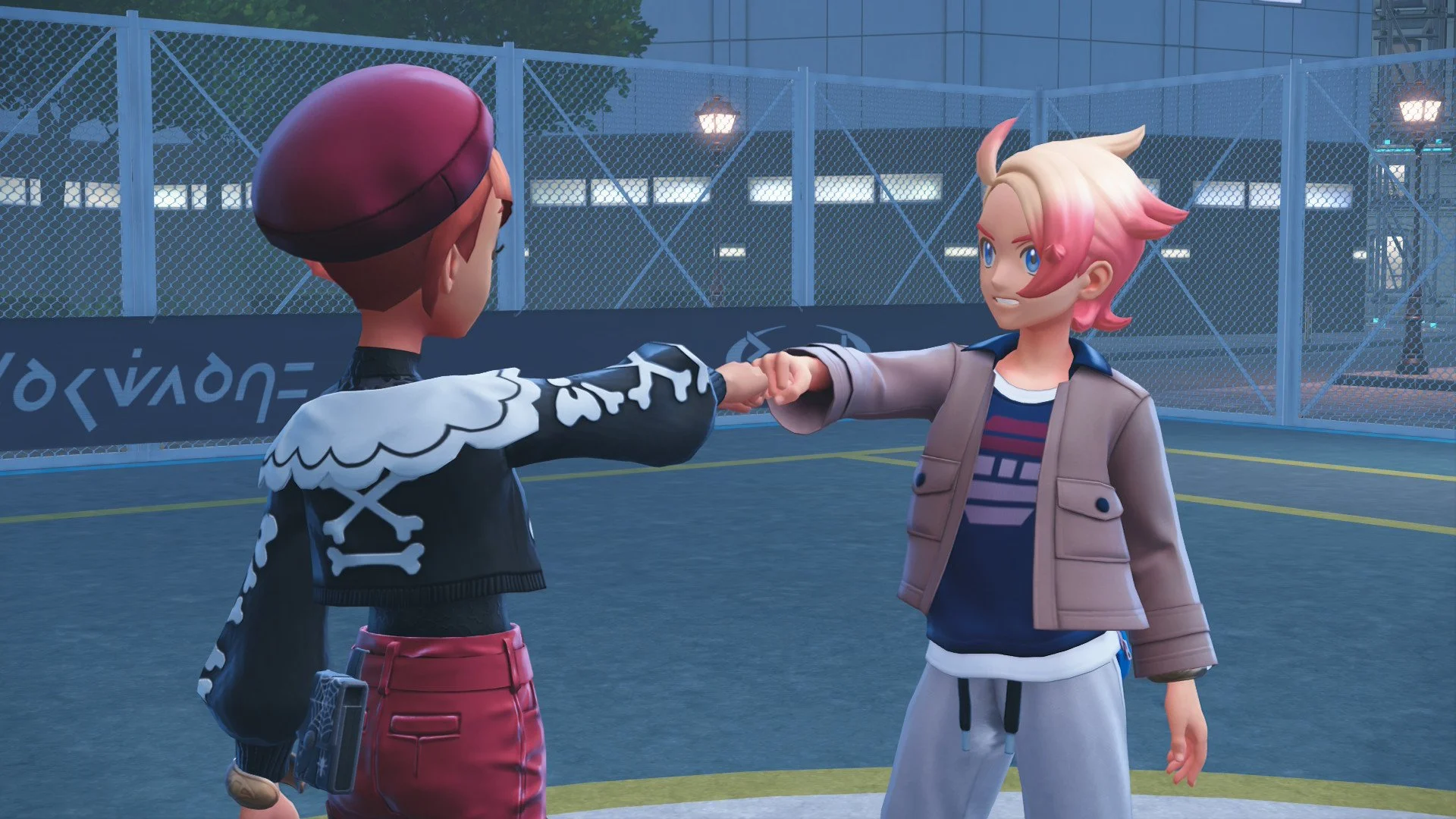
Lumiose City has a day and night cycle. You'll freely move around the city during the day, but at night, a section of the city is sectioned off by holographic walls, the same technology used to maintain the Wild Zones. This sectioned-off area at night has other trainers looking to rank up as well. Once you achieve a set number of points towards your ticket, you'll max out your earnings and be ready for the rank challenge battle.
Apart from battles, you'll have challenges that you can pick up, blue colored icons that present a large sum of points for completing a challenge. These range from one-shotting unaware Pokémon, dealing attacks of various elements, to defeating trainers who are higher rank than you. Night, as well as the Day, comes and goes rather quickly. So, you'll have a limited time to defeat trainers, complete challenges, and acquire medals, which factor into your totals at the end of the night. This then translates into items and cash, which you'll need to resupply your Pokémon with healing items and more Poké Balls.
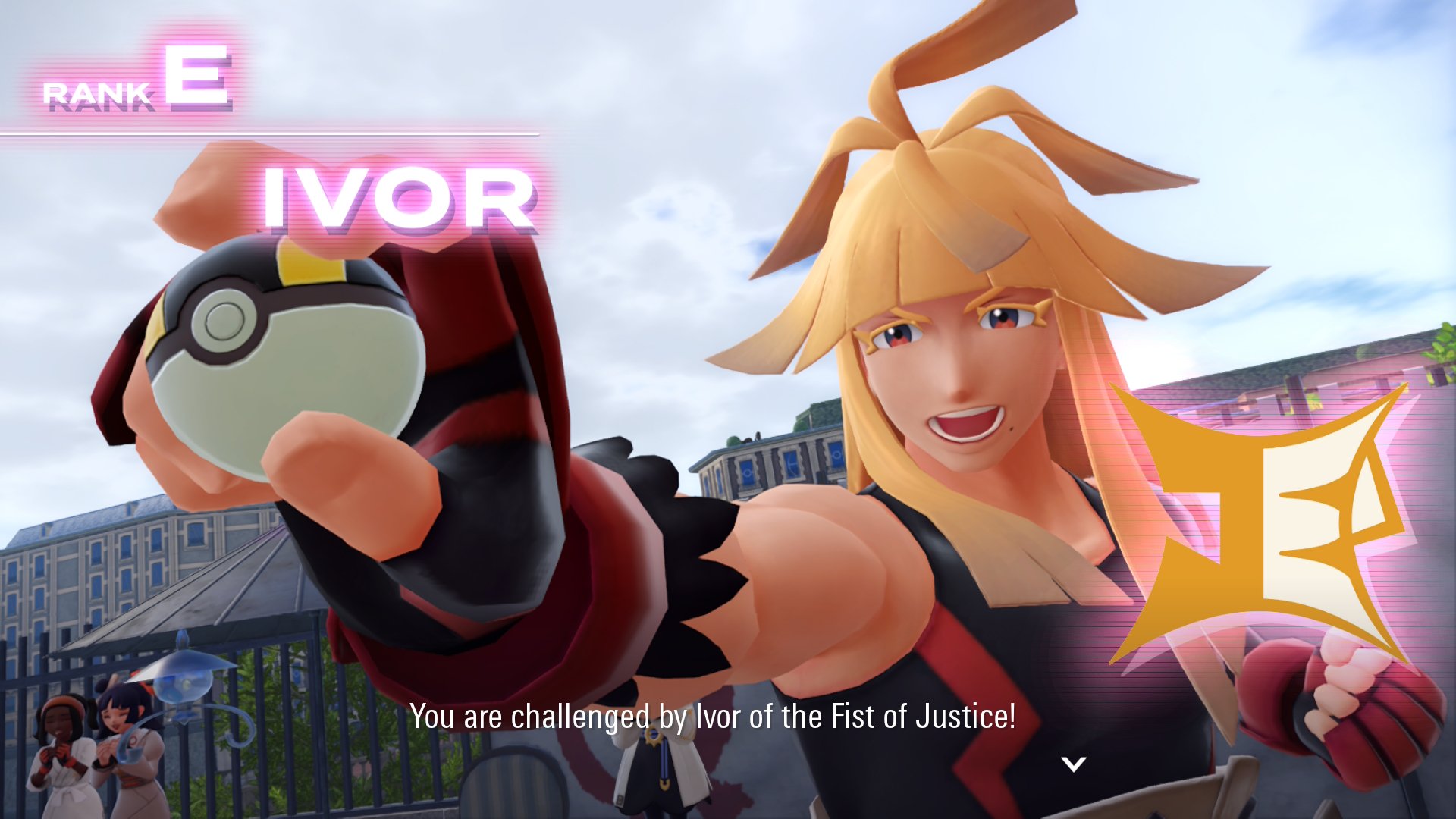
The rank system has some serious flaws in its logic. Some of the most influential people are nowhere near A rank, and some feel as if this rank system is new and they just started their quest to rank up. Urbain, for example, who is the first friend you'll make, isn't much higher than you when you begin. Overall, it doesn't make much sense and feels like an afterthought. Also, your targets are apparently picked at random, but they are ALWAYS the person you are talking to when your promotion rank match is announced. It's very predictable.
As you enter the city, you'll meet the aforementioned Urbain, that is, if you pick a female character. If you pick make, then you'll be greeted by Taunie, who essentially fills the same role as your friend/rival. You'll have other allies in Naveen and Lida, who all have their reasons for being part of a group called MZ. This group resides in Hotel Z, being guests of a Hotel that doesn't seem to have any other guests. It is hosted by Az, a man who is not only an extremely tall man, but is also thousands of years old.
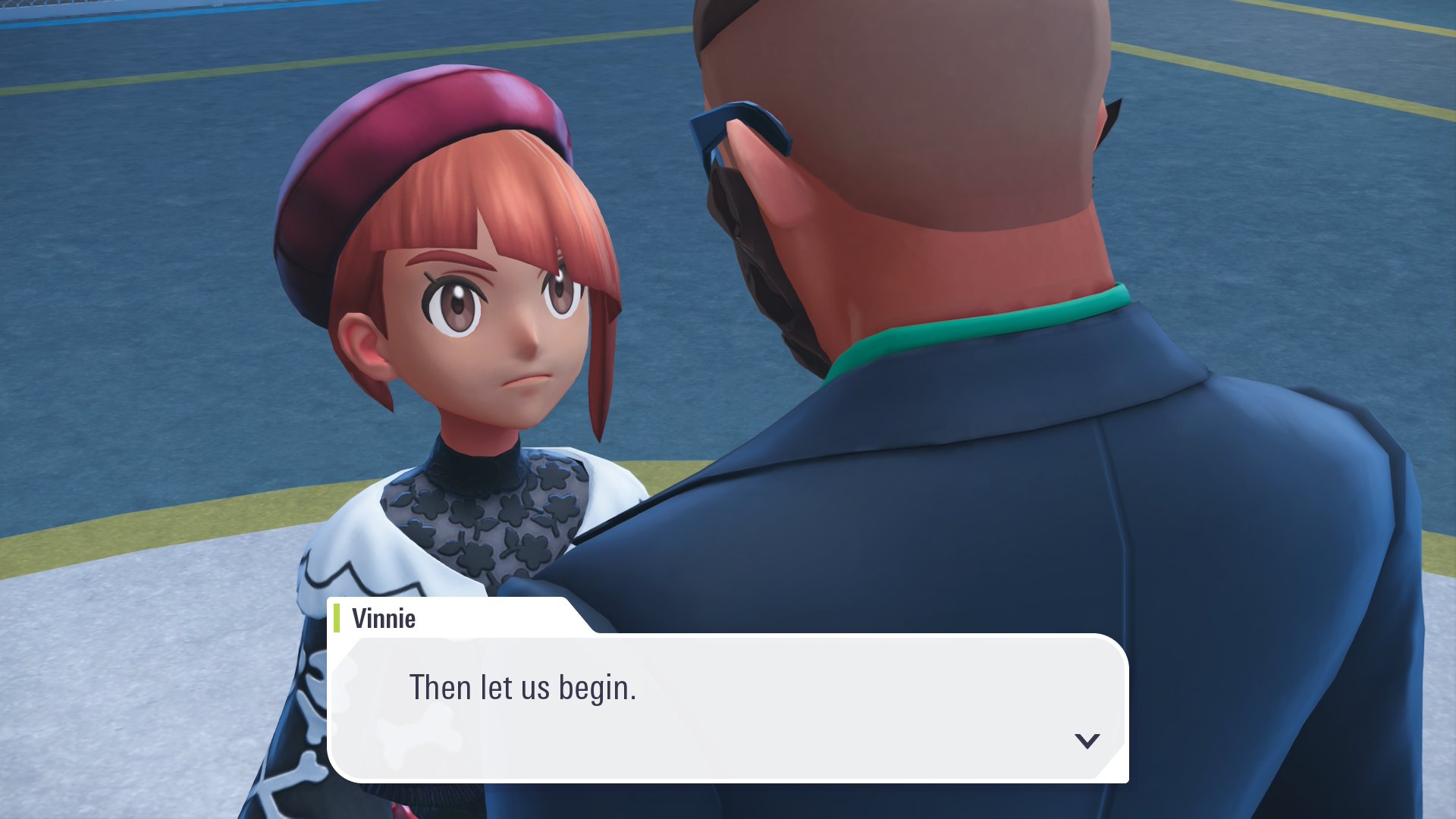
Hotel Z, Az, and team MZ have a pretty interesting history, given that Az has seen a lot and uses the hotel as a way to give back. You'll meet tons of other trainers, even a group that has this mob-like aesthetic, but they approach the needs of the city in the same way as MZ. While some groups fill the role of a villainous faction, none really look to do anything more than just give back to the city.
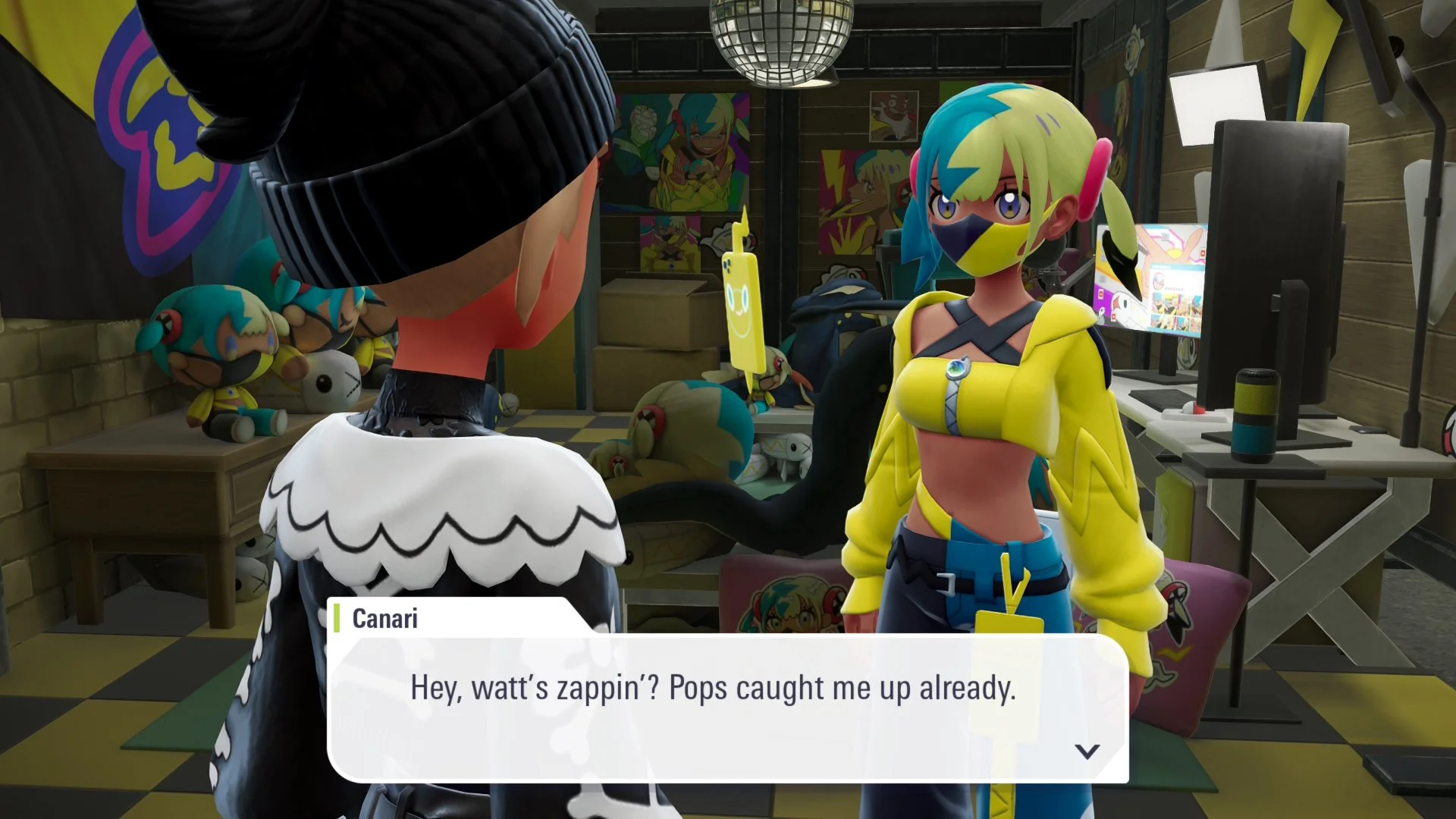
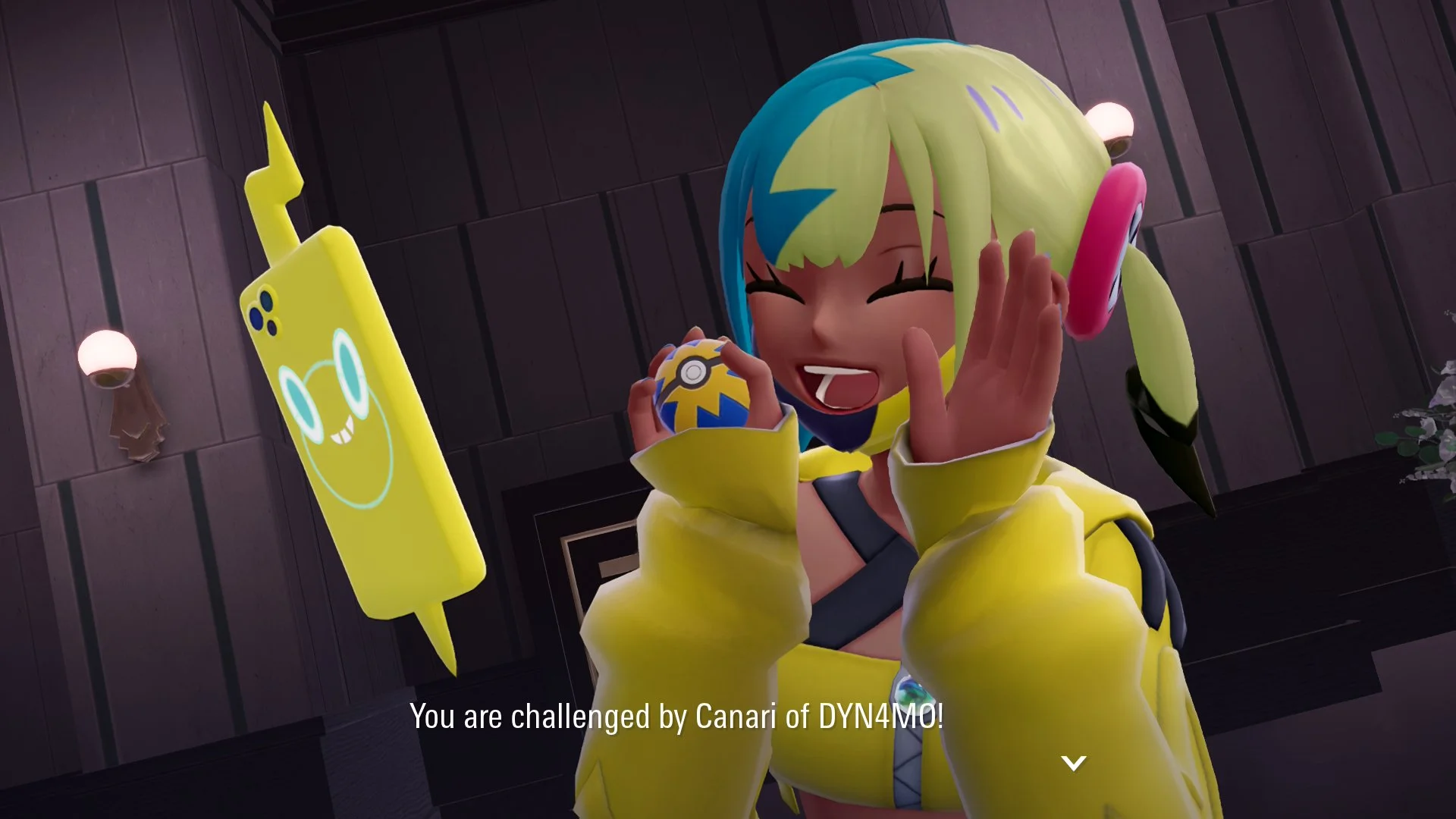
Still, some of the most interesting characters are used only for the rank matches, or the odd appearance later, such as in the tournament and parts of the game’s finale. You have a few quests through a streamer who is likely the most interesting character. But, after her rank challenge, and a mission after that, you never see her again until the tournament and a brief app later on. The same goes for a few of the other characters; they are almost treated like the Gym Leaders of old. While some characters do make appearances later on, there could have been more done to define these other characters in ways that complemented the lackluster story.
Legends ZA runs extremely well on the Switch 2, but that's expected given this is, at its core, a Switch 1 game. Texture quality is sharp, but given that most textures are just repeated, that's not saying much. While you can upgrade from Switch 1 to Switch 2, should you plan on getting the newest console later on, you'd be best to get the Switch 2 version physically, since it works in a Switch 1, but without all the performance updates the Switch 2 hardware provides. That said, if you upgrade from a Switch 1 cartridge, you won't see the texture pack installed, and have an interior version of the game, even when played on a Switch 2. This is frankly the laziest and worst upgrade system I've ever seen.
While the Pokémon series is home to some beloved movies and TV series, the games have simply not bridged the gap and brought their voice talent to the gaming scene. The games are devoid of any voice work, despite how intense and action-packed they look to present themselves. The lack of voice acting here zaps all the personality out of any character, and could have elevated the series and explained the full AAA price tag. It's 2025, Nintendo.
While I had my expectations in check, given the scope of what Legends ZA would offer, I was ultimately let down in a big way here. The Switch 2 version certainly provides some solid performance with the sharpest visuals the series has seen, but apart from an interesting battle system, everything else ZA tries to do is met with absolute failure. From boring side quests to a narrative loop that lasts far too long, and one of the most underwhelming finales across the franchise, ZA is simply boring and feels like filler until the next main entry.
Developer - Game Freak.
Publisher - Nintendo, The Pokémon Company. Released - October 16th, 2025. Available On - Nintendo Switch, Nintendo Switch 2. Rated - (E 10+) - Fantasy Violence. Platform Reviewed - Nintendo Switch 2.
Review Access - Pokémon Legends ZA - Nintendo Switch 2 Edition was purchased by the reviewer for the purpose of this review.
Jeff is the original founder of Analog Stick Gaming. His favorite games include The Witcher III, the Mass Effect Trilogy, Hi-Fi Rush, Stellar Blade, Hellbade: Senua’s Sacrifice, and the Legend of Heroes series, especially Trails of Cold Steel III & IV.