

the gore the merrier.
I headed into Killing Floor 3 with only knowing the legacy of its predecessors. I had heard they were excellent, especially its second entry, but it was a franchise I never got my hands on until now. That said, I am fully aware that many fans of the second game are not exactly feeling the changes made to this new entry, and that developer, Tripwire Interactive, has revealed a roadmap to address player concerns with the game. Now, as for what Killing Floor 3 offers on its own, regardless of its past, let’s dive into why Killing Floor 3 is a great time with friends and yet a bit disappointing as well.
The Killing Floor series has always been about one thing: killing zombies. While they are called “Zeds” here, they nonetheless act in the ways you would expect, with many different variations that start to expand away from the normal definition. Killing Floor 3 features a few classes that have unique specialities and weapons that benefit from the class chosen. You’ll join five other friends or random players as you tackle a series of waves that eventually end in a climactic showdown with one of three bosses: Impaler, Queen Crawler, and the Chimera. There are bite-sized narrative missions and challenges to tackle as well, but these are vastly underwhelming and only worth it for the rewards.
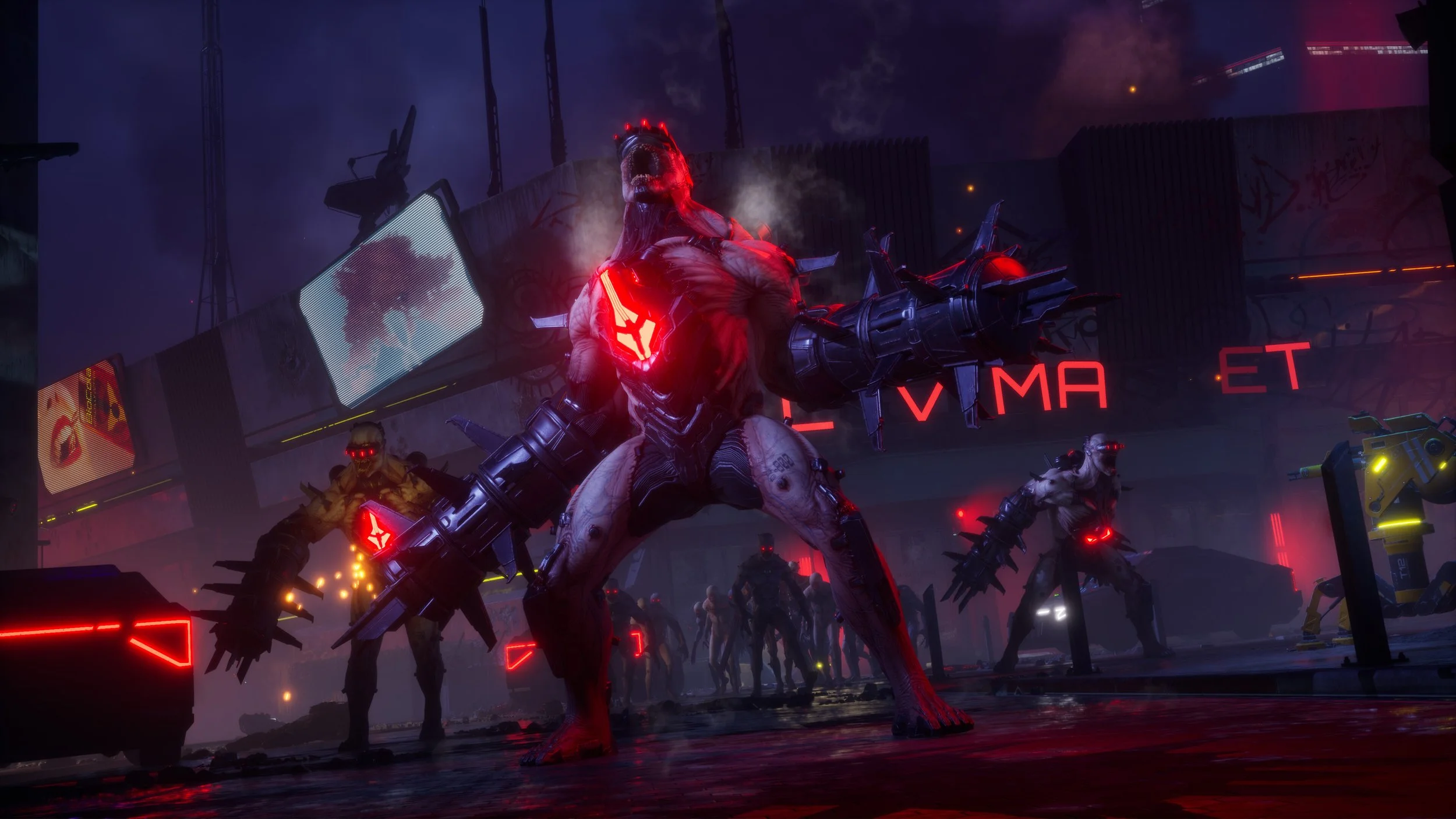
Killing Floor 3, despite several changes made to the series, keeps the intensity and core idea of the series intact. Where fans are divided is that Killing Floor 3 offers less content in the way of classes, which are referred to here as “Perks”. What is offered here is the Commando, Firebug, Engineer, Sharpshooter, Ninja, and Medic. This leaves Swat, Demolitions, Gunslinger, and Survivalist out of action. While some of the current Perks do feature aspects of those classes, launching with fewer classes, and even bosses, here than its predecessor is certainly a choice.
Each Perk has different stats and weaponry, allowing for your rounds to feel largely unique. The Commando has a drone, while the Firebug has a small assortment of fire-starter gadgets and guns. While you can equip other weapons that do move away from their class-specific gear, they often don’t feel as good to use or feel built around what your class is designed for. I also find it odd that Firebug has the same stats as the Engineer, or that the Sharpshooter has the same level of survivability for being a ranged class.
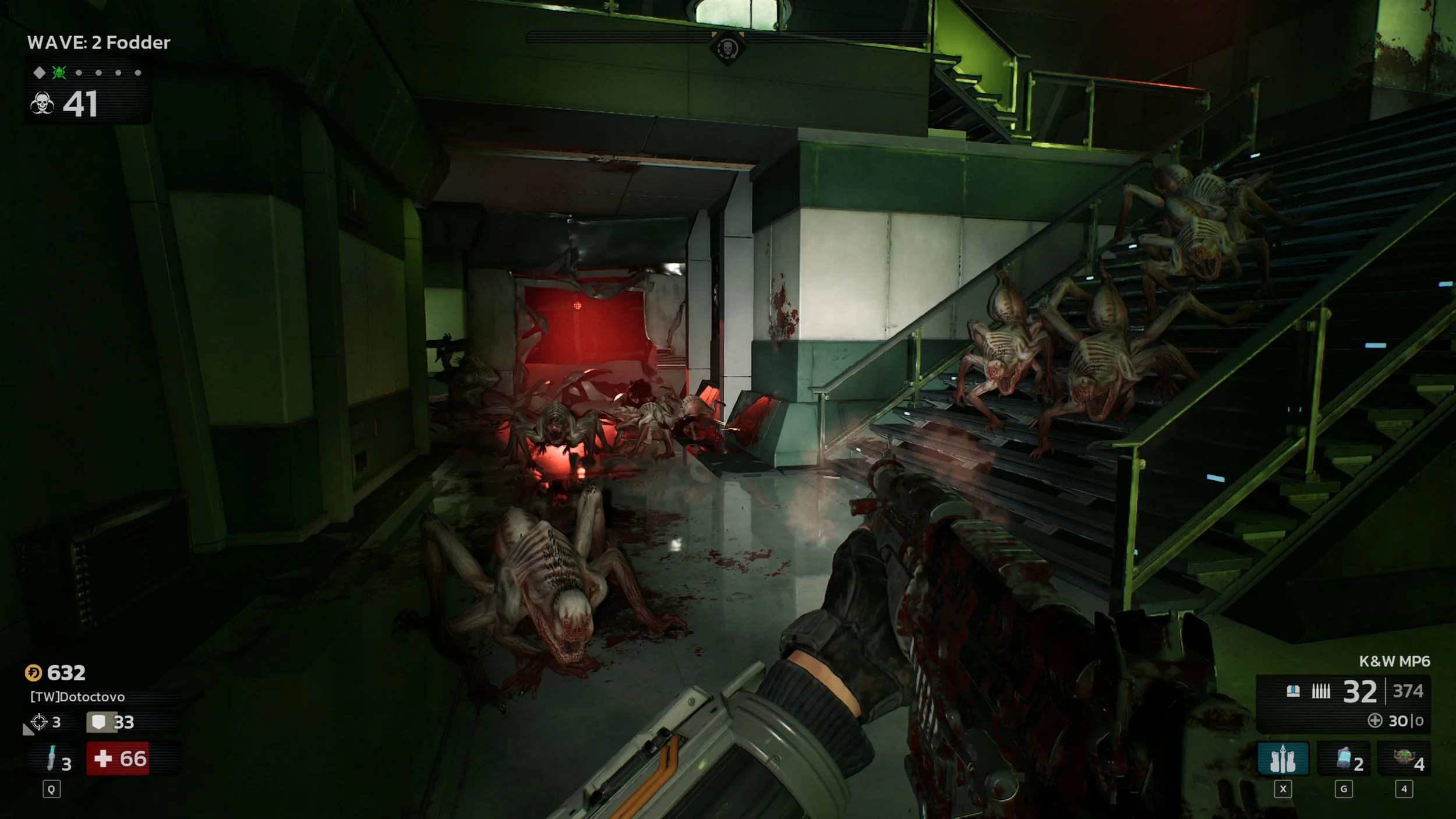
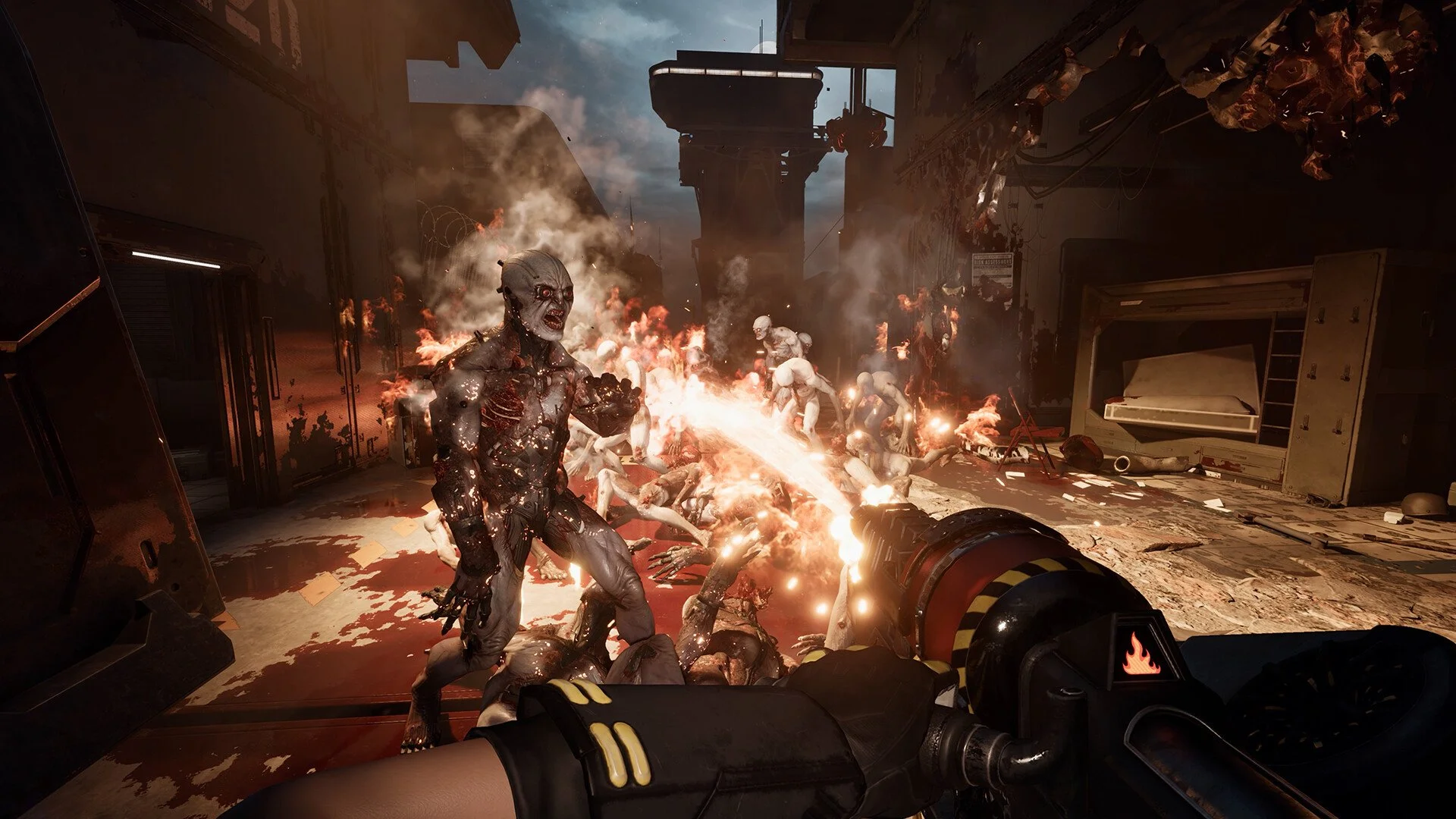
What isn’t really explained, or maybe I simply missed the prompt, is that you can fully customize your weapons and use crafting components you find in matches to improve your weapons, making them really feel unique from their base counterparts. As I mained the Firebug, I played around with variations of her Bimstone SMG, reducing my fire rate, but boosting my damage up and reducing my recoil as a result. It felt like a new gun. The same choices were made for my Dragon’s Breath Shotgun, giving it White phosphorus rounds and decreasing its recoil. While the weaponry variety to each class is largely basic, at just five weapons each, this method of customizing them does help, even a bit. Now, while the Ninja does have some added variety with their weapon set, they lack as many options to tinker around with, being mostly a melee class.
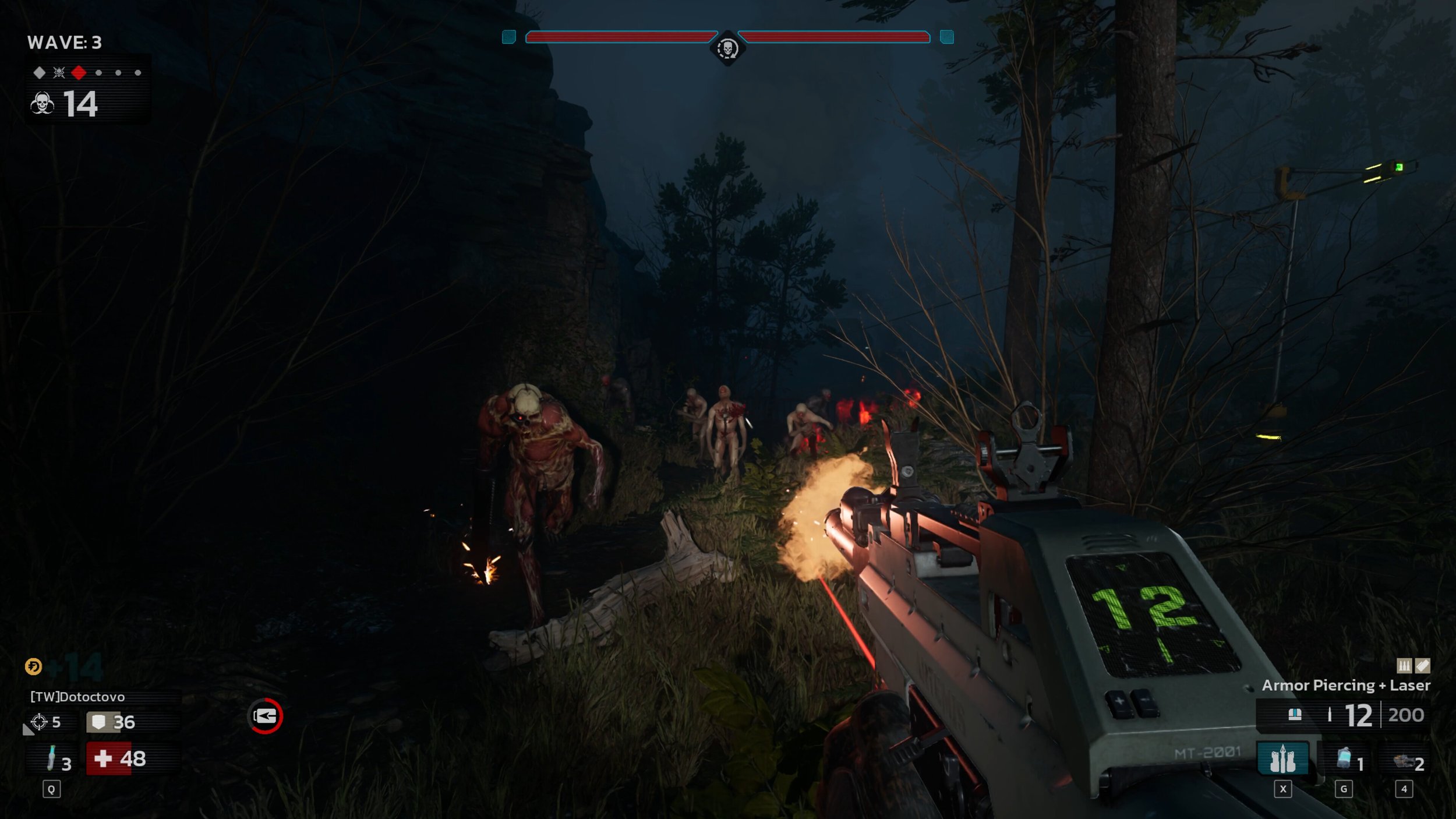
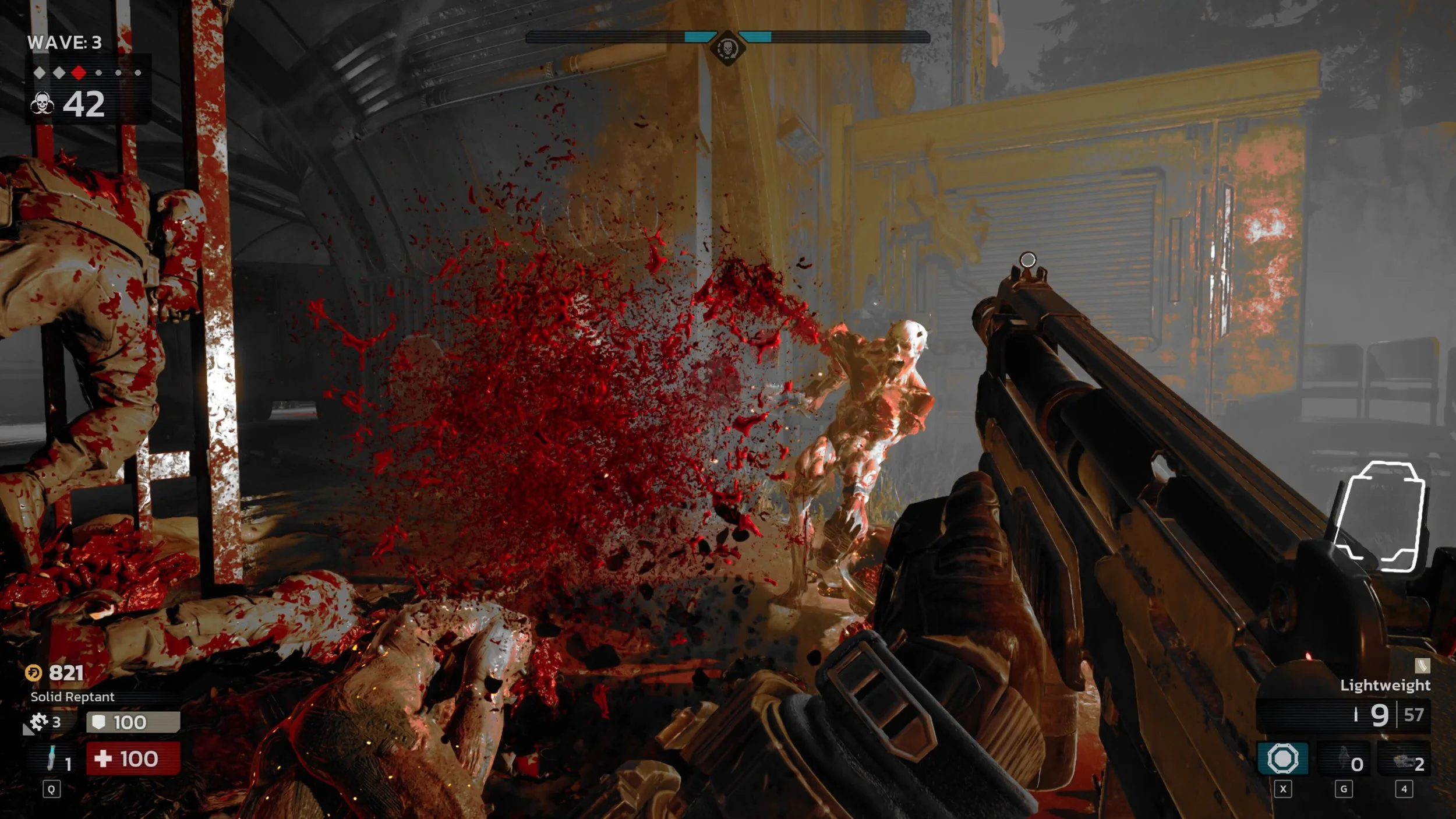
Regardless of the weapons and what you can do with them, shooting and general combat feels only serviceable. If you’ve played any first-person shooter built around zombie killing and general murder of grotesque creatures, then you’ll know what to expect here. Headshots are fine-tuned to feel good, and the dismemberment and overall carnage are very satisfying. And when you add that to your mobility to dash, sprint, or mantle over aspects of the environment, then you do get a greater sense of how you’re supposed to play this. Still, I can’t help but feel that combat feels generally like every other zombie horde game I’ve played before.
Progression is handled through a skill tree that initially feels like you're flying through it. Eventually, the grind starts to kick in. While I'm sure the replayability is meant to flesh out your main or to eventually max out the entire cast, the repetition of the gameplay and that there are only eight maps and three bosses start to really become apparent. Killing Floor 3, like those that have come before it, is meant to be played over and over again, but the match-to-match diversity is really only with the bosses and the level design, something that quickly becomes stale. While more is yet to come, the launch state of Killing Floor 3 leaves a lot to be desired.
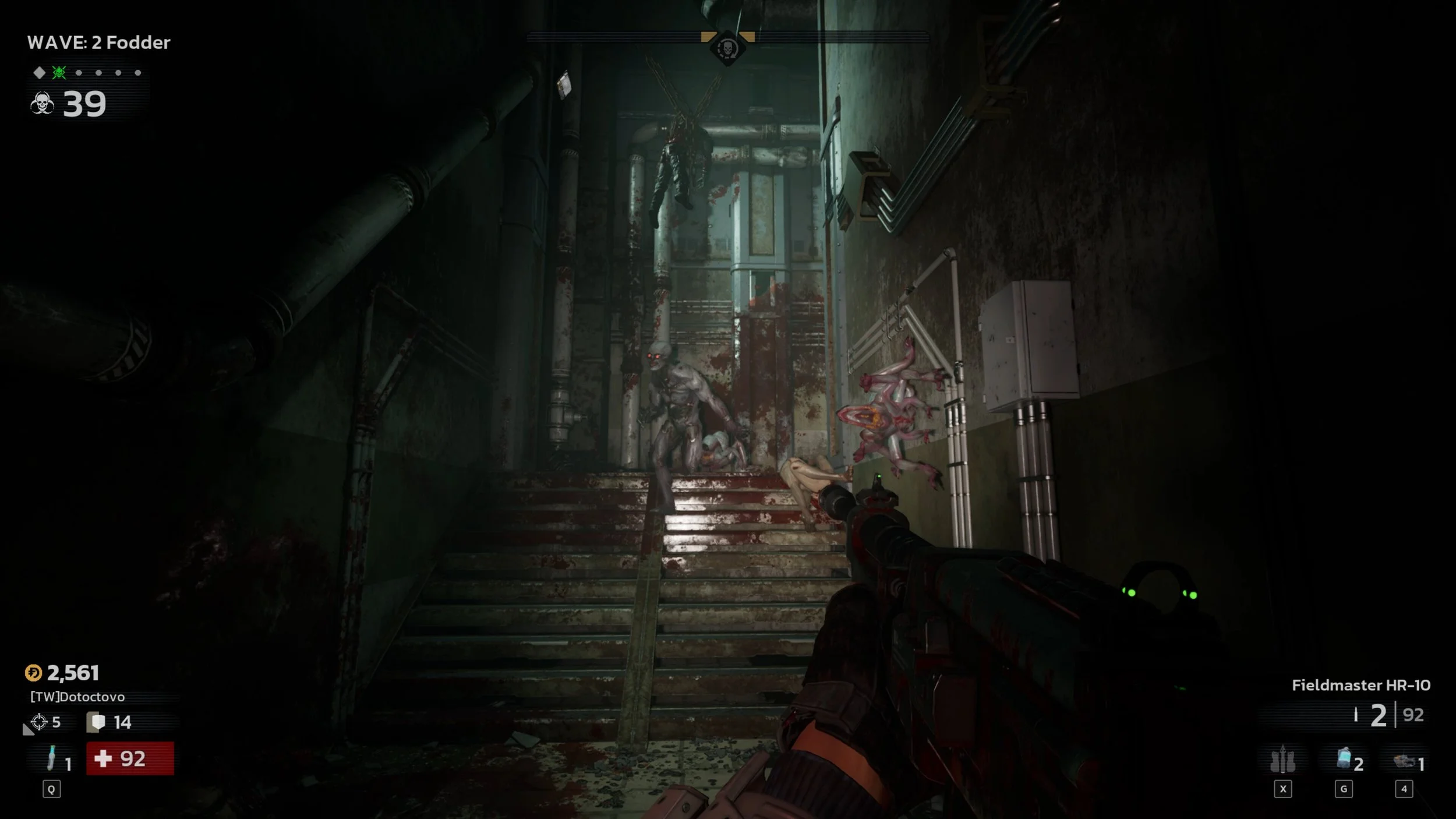
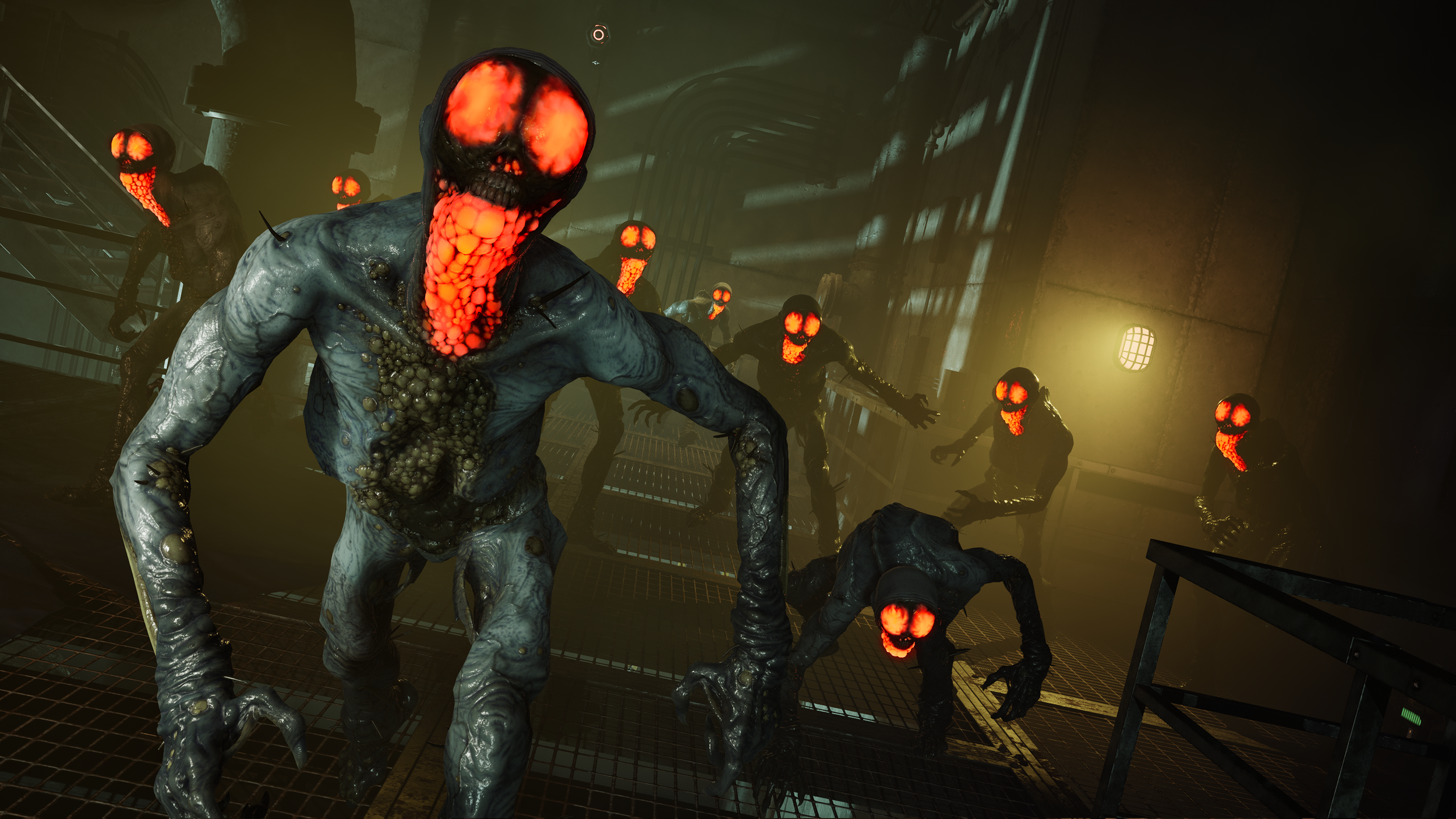
The Zeds that make up your fodder can present a good time, although, while there are new variations of existing enemies, it will be some time before new types are brought into the mix. Key changes to existing Zeds see that the Husks can now fly and shoot, Scrakes are now equipped with grappling hooks, Bloats and Cysts can fire off biological projectiles, and Sirens now have machine gun arm attachments. And to add, we also have clots, crawlers, fleshpounds, and gorefasts to round out the remaining types. It's a shame a few new types were not introduced here at launch.
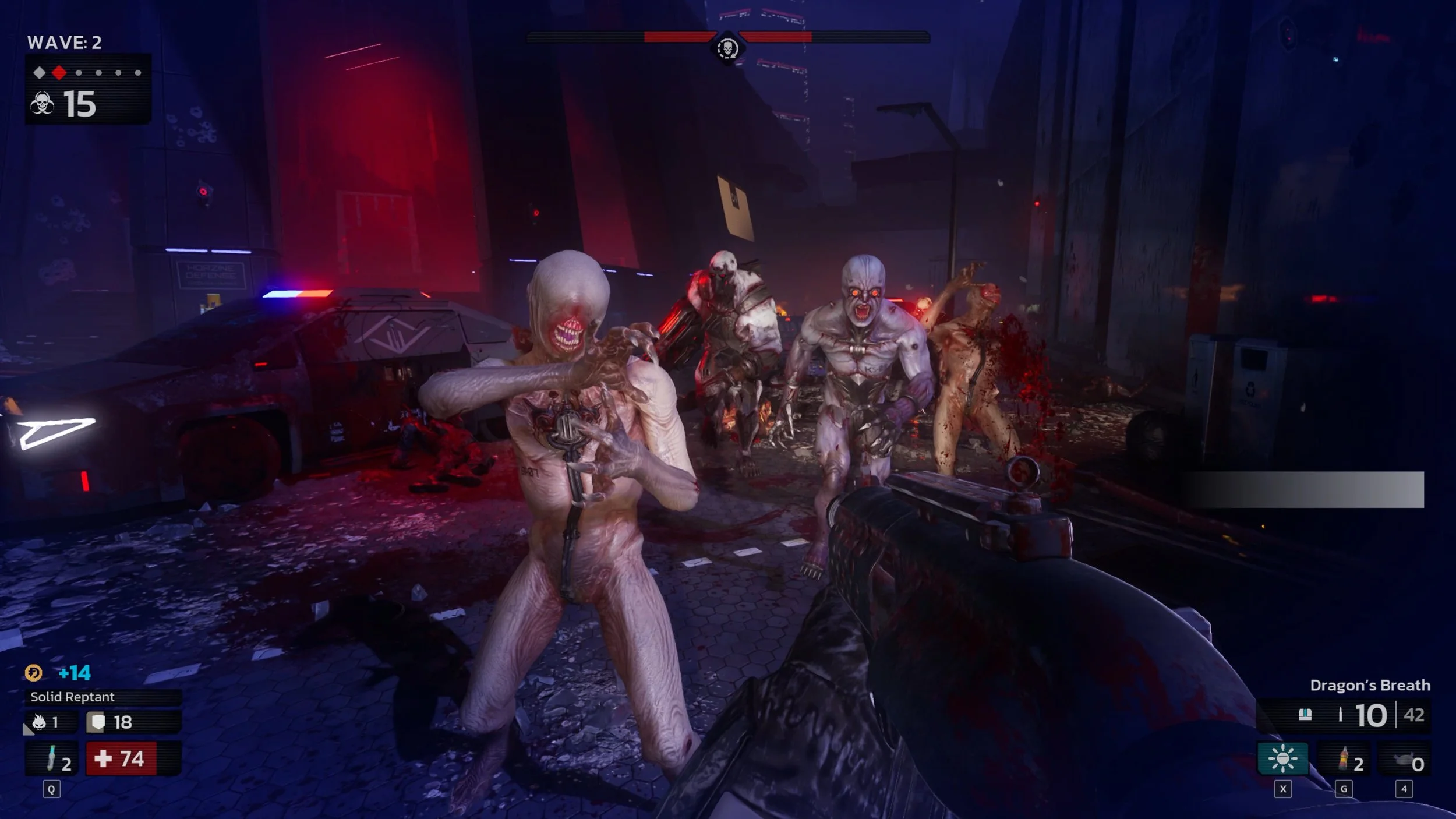
The eight maps at launch consist of city streets, army bases, underground labs, radar stations, forest bunkers, and more. Each map is rather large, and the chaos will generally find you regardless of where you are. You can engage with stationary turrets if you have the required item, and use ziplines to get around as well. After each round, you’ll be directed to the shop to increase the damage of your weapons and to exchange out anything you want, and repair your armor and refill your healing items. However, you cannot change to a different perk.
With the jump to Unreal Engine 5, the game does receive a visual bump up from its predecessors, considering that Killing Floor 2 used Unreal Engine 3. The detail to the Zeds and the bosses is largely impressive, as are the environments themselves. The advancements of the engine allow for greater detail, shadows, and lightning, and Tripwire takes decent advantage of this. It also allows for a greater use of its dismemberment system, M.E.A.T. (Meat Evisceration and Trauma)
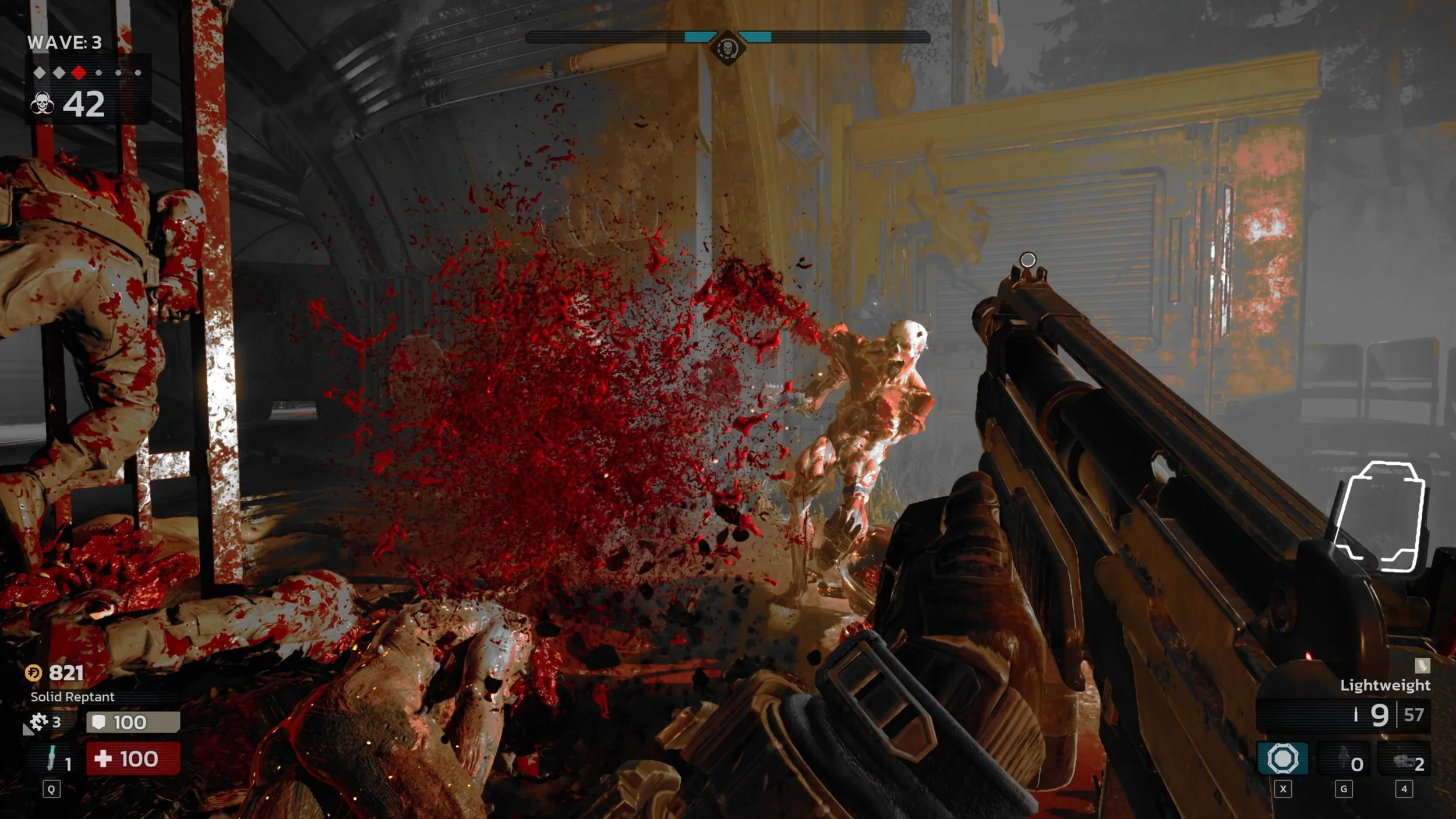
Killing Floor 3 is vastly more enjoyable with friends as you are communicating and joking around, thanks to full crossplay support, something that Killing Floor 2 didn’t have. The repetition isn’t so apparent then, but it’s hard to nonetheless stick with it after fighting the same three bosses over and over again. Progression does have its moments, but eventually does start to feel like a grind as you slowly work down their skill tree and tinker around with the battlepass, which does feature some paid elements. While Killing Floor 3 will eventually be a content-rich experience, it doesn’t have what it takes to remain in the conversation, at least right now. With Killing Floor 2 available, it’s likely going to be the better option for now, despite the few things Killing Floor 3 does right.



Developer - Tripwire Interactive.
Publisher - Tripwire Interactive. Released - July 24th, 2025. Available On - Xbox Series X/S, PS5, PC. Rated - (M) - Blood and Gore, Intense Violence, Strong Language. Platform Reviewed - Xbox Series X/S. Review Access - Review code was provided by the publisher for the purpose of this review.
Jeff is the original founder of Analog Stick Gaming. His favorite games include The Witcher III, the Mass Effect Trilogy, Hi-Fi Rush, Stellar Blade, Hellbade: Senua’s Sacrifice, and the Legend of Heroes series, especially Trails of Cold Steel III & IV.