
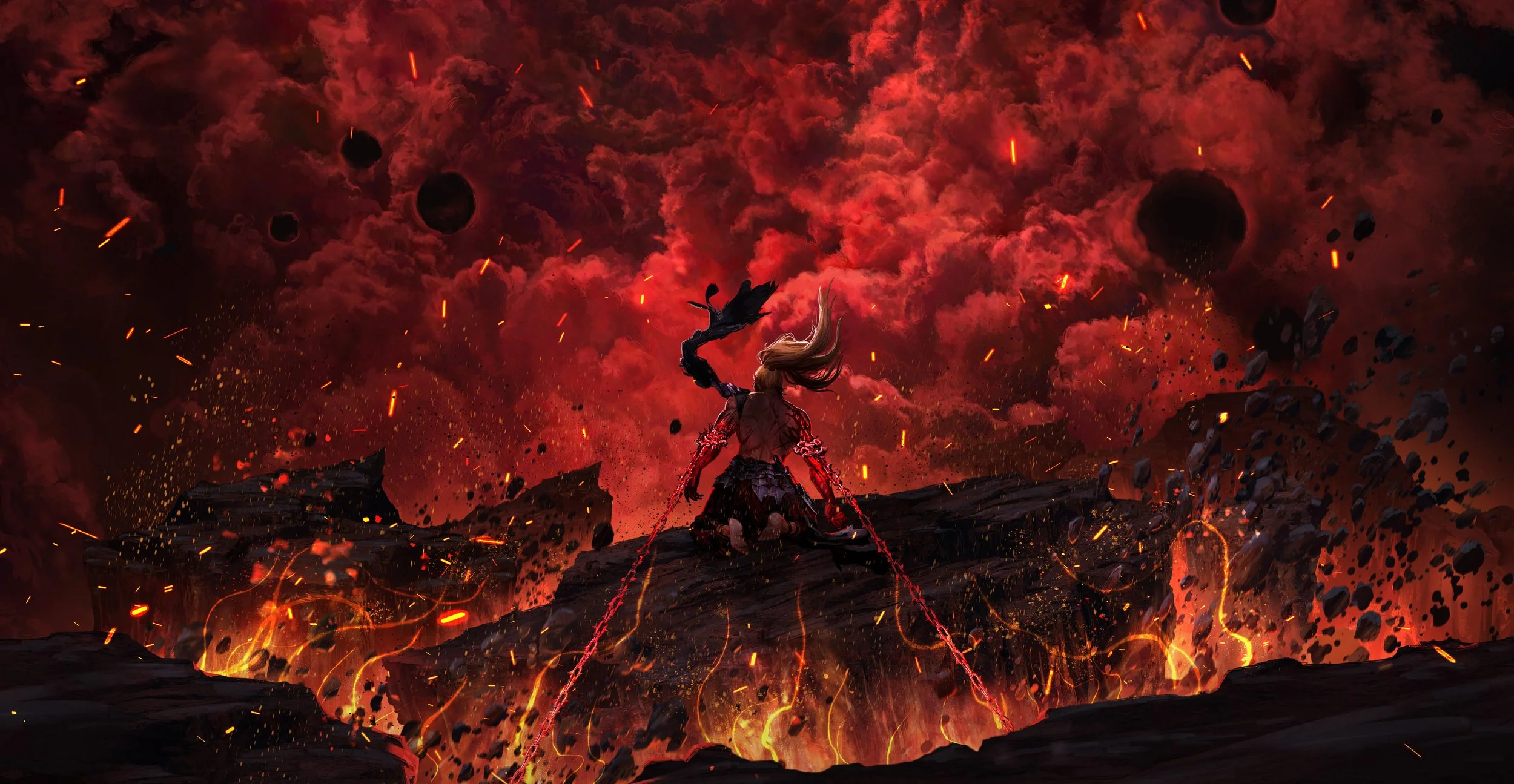
Time to go Berserk.
The First Berserker: Khazan, developed by Neople and published by Nexon is the latest Soulslike to enter into a very crowded genre. From indie to AA to AAA, many studios have attempted to create their own to compete with the force that is Fromsoftware. While Wo Long: Fallen Dynasty and the recent Lords of the Fallen have been at the top of my personal list for these counterparts to the likes of Elden Ring and beyond, First Berserker: Khazan now takes the crown and delivers a challenging and satisfying overall experience, all presented in a gorgeous art style and a wealth of customization for your Berserker.
While Khazan is part of the Dungeon and Fighter IP, it is entirely self-contained, requiring no prior knowledge of the characters, its world, or anything present in DNF. While longtime fans will be treated to moments that stand out and are part of that lore, newcomers are not missing out on anything crucial to simply enjoying the story, the interactions with its characters, and the narrative built around Khazan himself. As someone who is completely cut off from DNF, I still found tons to love here.
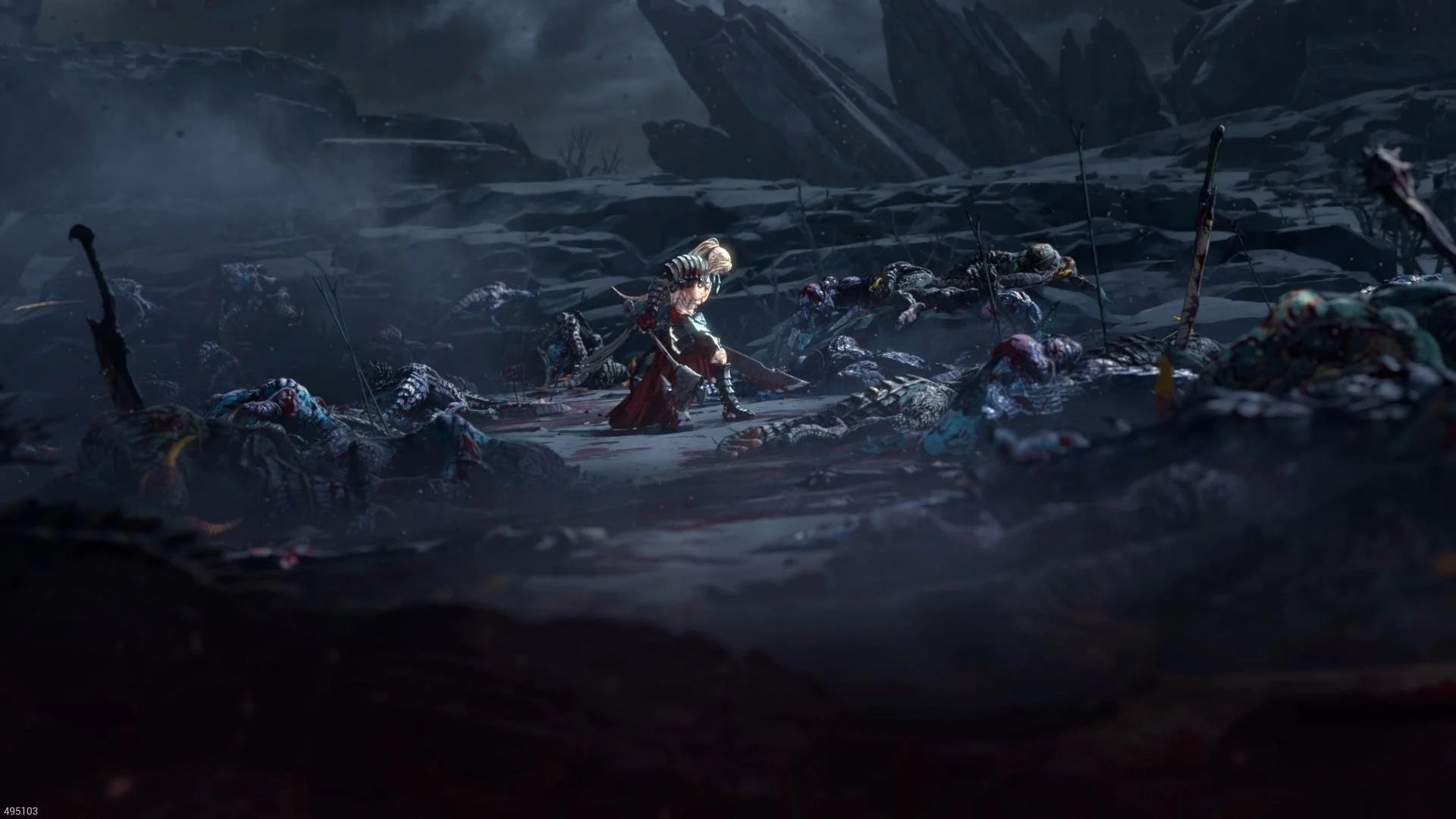
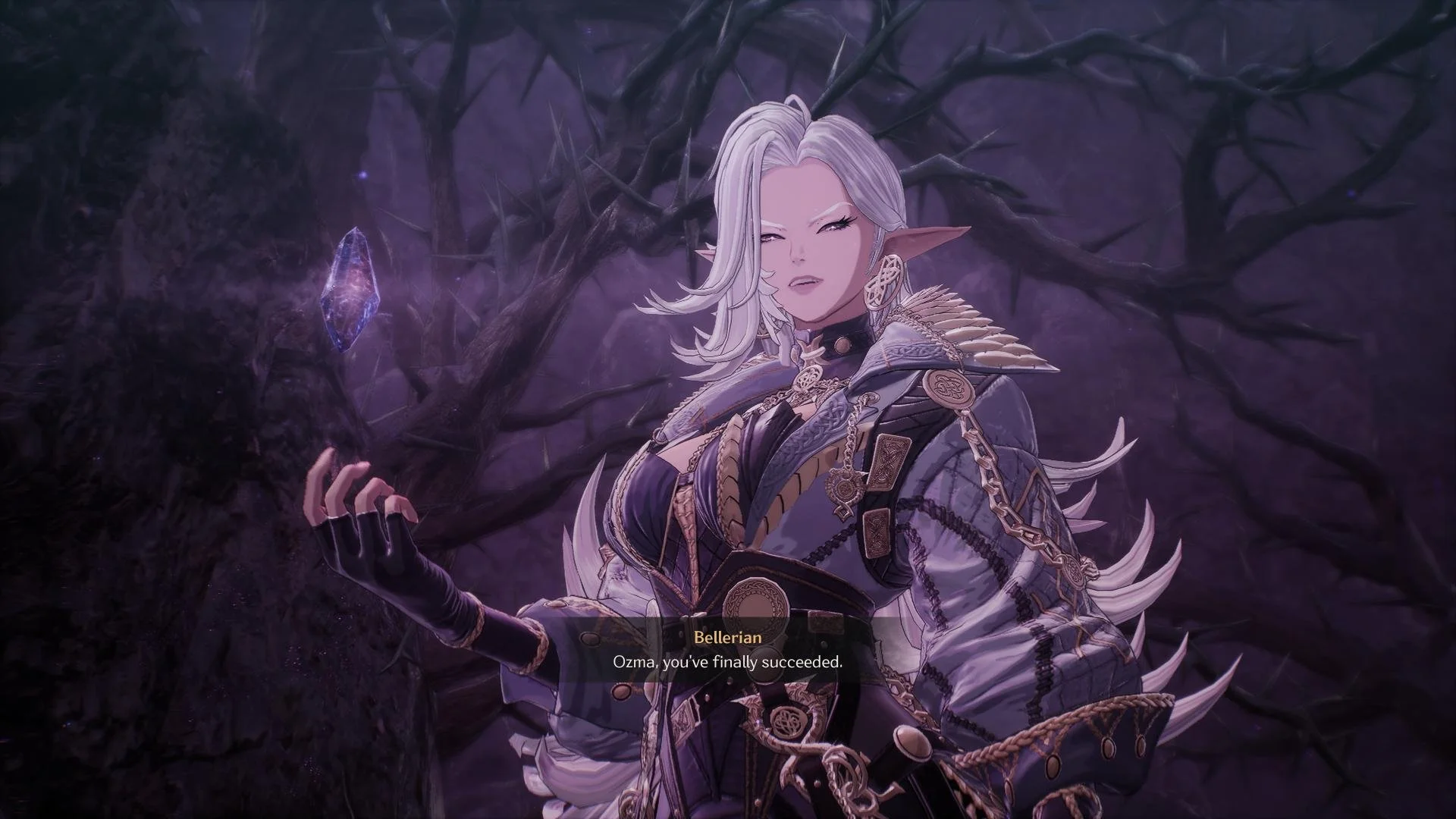
Khazan was once a proud warrior, a general simply serving his King, and silencing any who threatened the Kingdom. He fought alongside his ally and closest friend, Ozma, a powerful magic user. However, all that fame and loyalty was cast aside as the pair were mysteriously and suddenly charged with treason. Ozma was the first to be executed, with Khazan being taken away to be executed himself. However, during his transport, Khazan’s escorts are ambushed, and Khazan is possessed by the Blade Phantom, a dangerous threat who craves bloodshed and chaos. As Khazan is possessed, his beaten and wounded body is healed, and the pair strike a deal to allow him to not only get answers to why he was betrayed but to get the revenge he is so rightly owed.
Narrative has always been an odd and often optional companion of the Soulslike; either there is too much of it, or there is too little, and it is usually told through cryptic diary entries or scraps of lore attached to countless bits and bobs. Khazan strikes a good balance with limited moments that convey the story, but allows the cast of characters, both its allies and villains, to push the story forward. Why was Khazan charged with treason, why was Ozma and him set for execution, and what is the Blade Phantom's true motive? First Berserker may not have kept my interest through its entire campaign, but a great deal of the direction around his interactions with the cast, and especially the Blade Phantom, were enjoyable, well-directed, and nicely performed. While Ben Starr is the titular Khazan, his acting chops are rarely tested here.
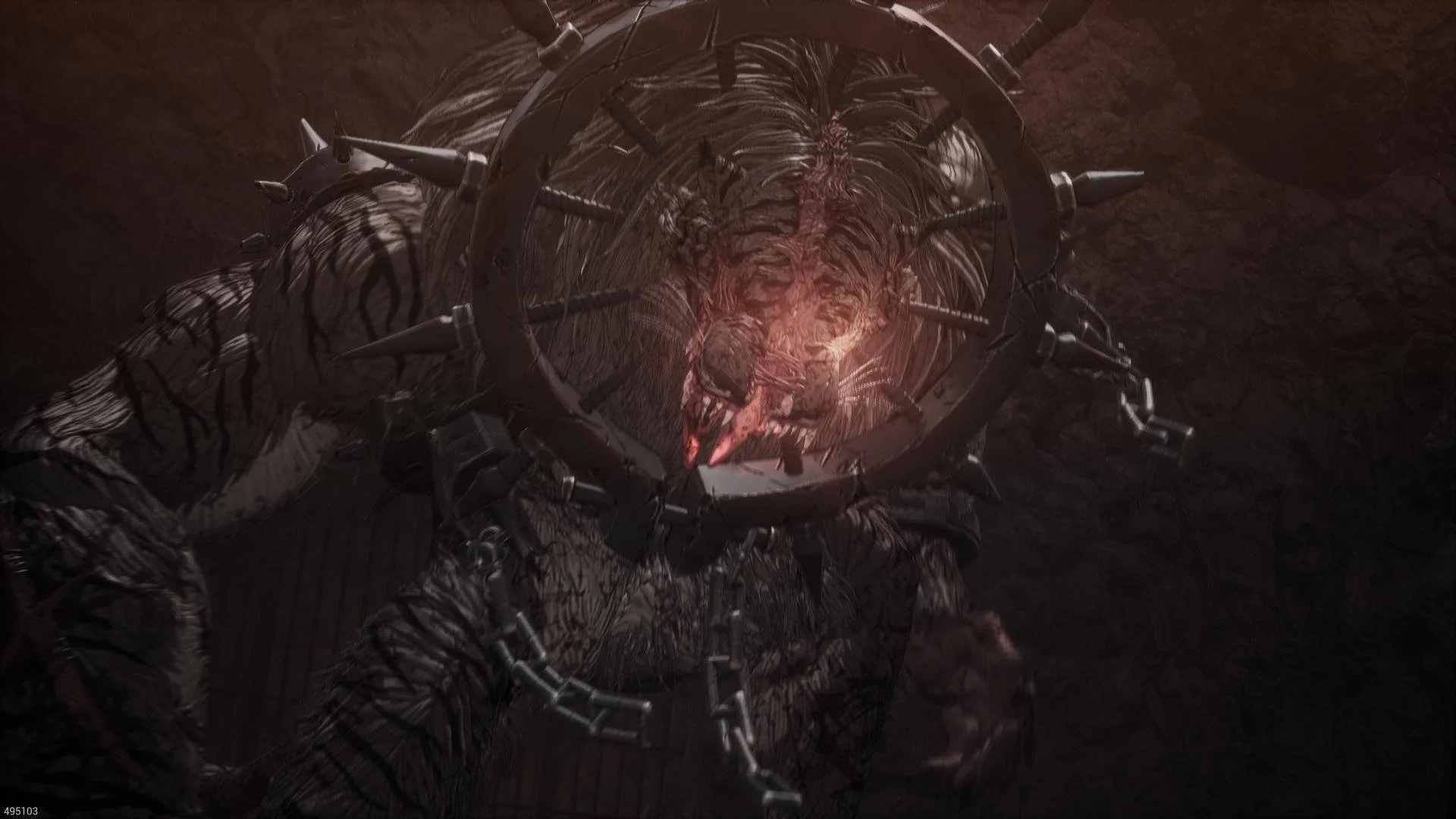
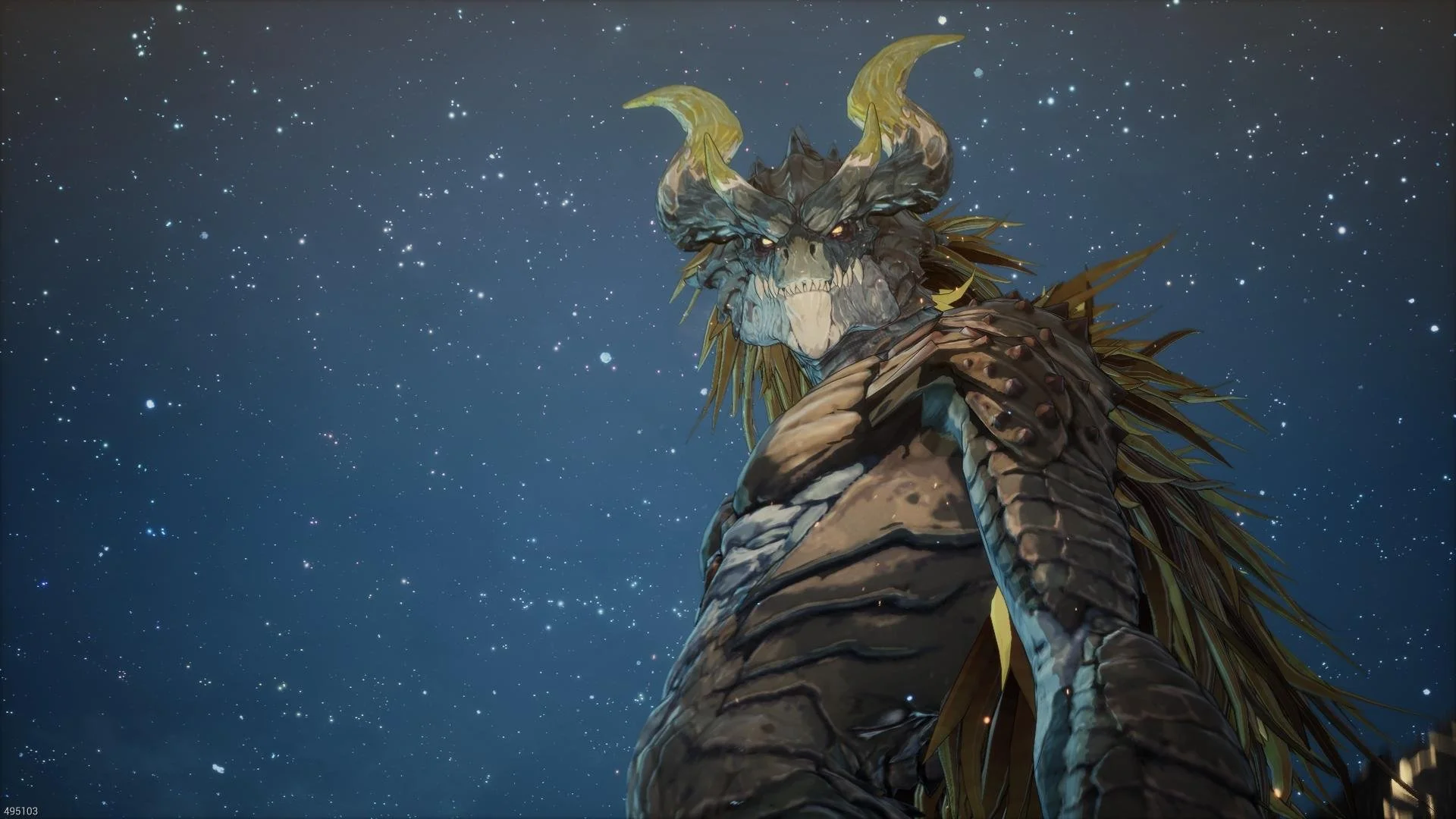
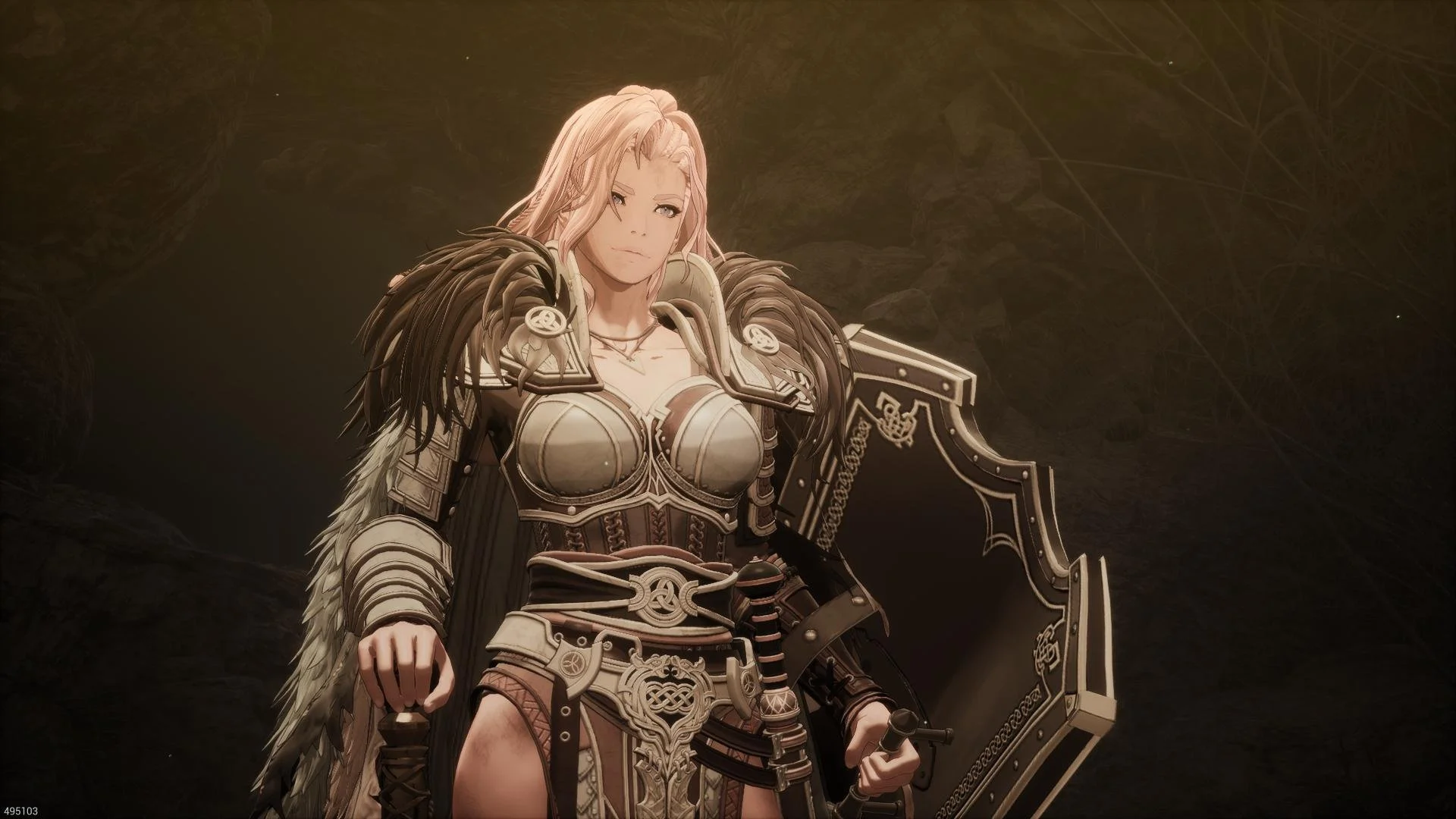
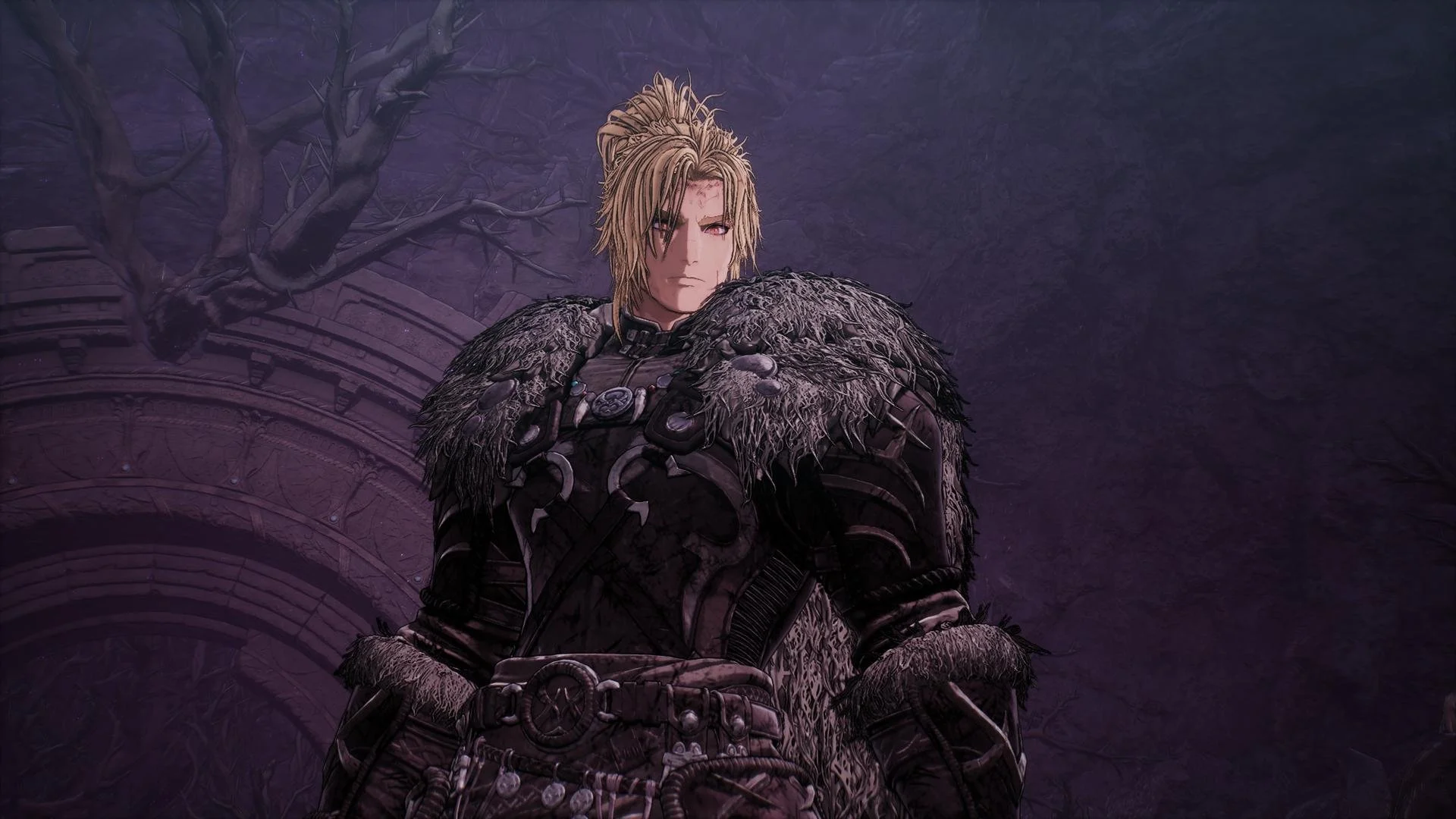
Part of Khazan’s appeal is the anime presentation. Soulsikes often attempt to capture the Fromsoftware charm by echoing the same type of atmosphere and aesthetic, but Khazan feels more akin to the likes of Code Vein and other games that display their characters with a cell-shaded anime approach. It allows Khazan to stand out, especially with the highly detailed character models that are bright, colorful, and oozing personality, especially the villains. Combine that with impressive voice work, and Khazan is a game that looks great, sounds great, and is a delight to play.
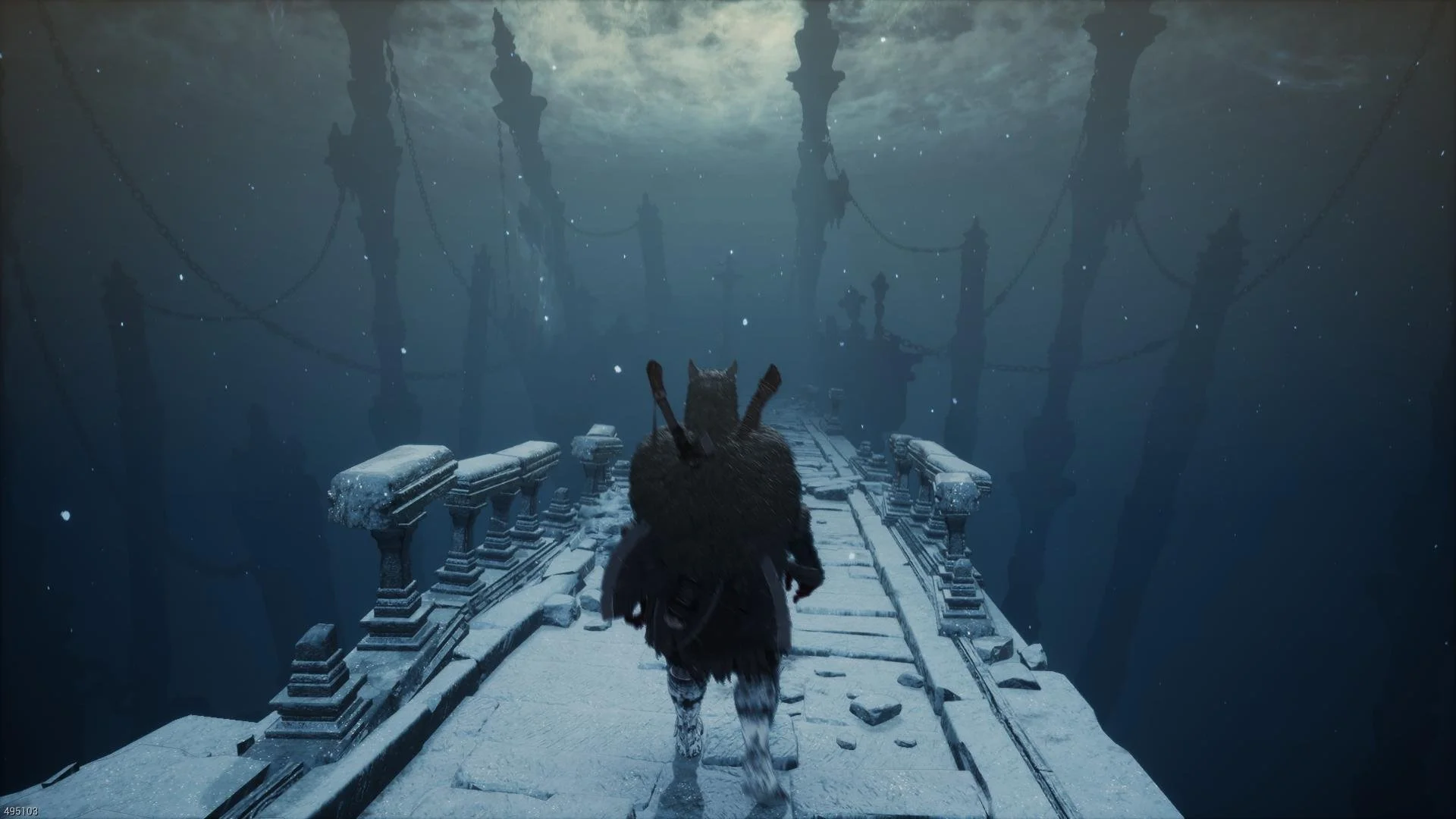
As you progress throughout the story, you'll rescue and gain the trust of several allies. From recruiting a blacksmith to a young man who runs his own shop, you'll occupy a hub world that exists both in the Blade Phantom’s realm, and that of the real world. As each location is in ruins, progress will rebuild once-crumbled platforms to access new locations that allow you to travel to new lands via a pillar, each zone plentiful with new areas for the story and with several side quests that reshuffle those locations with new threats, rewards, and challenging boss encounters.
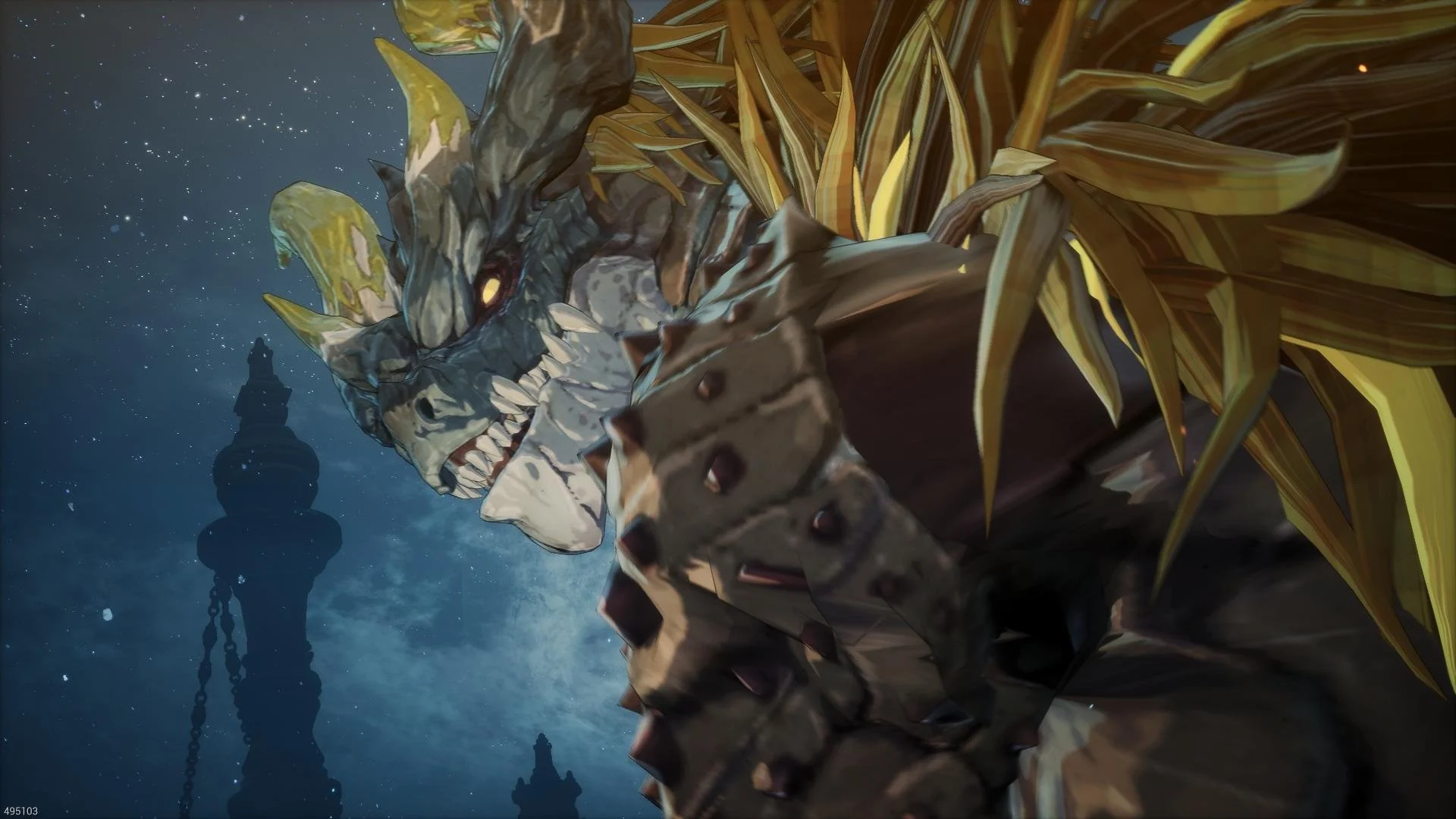
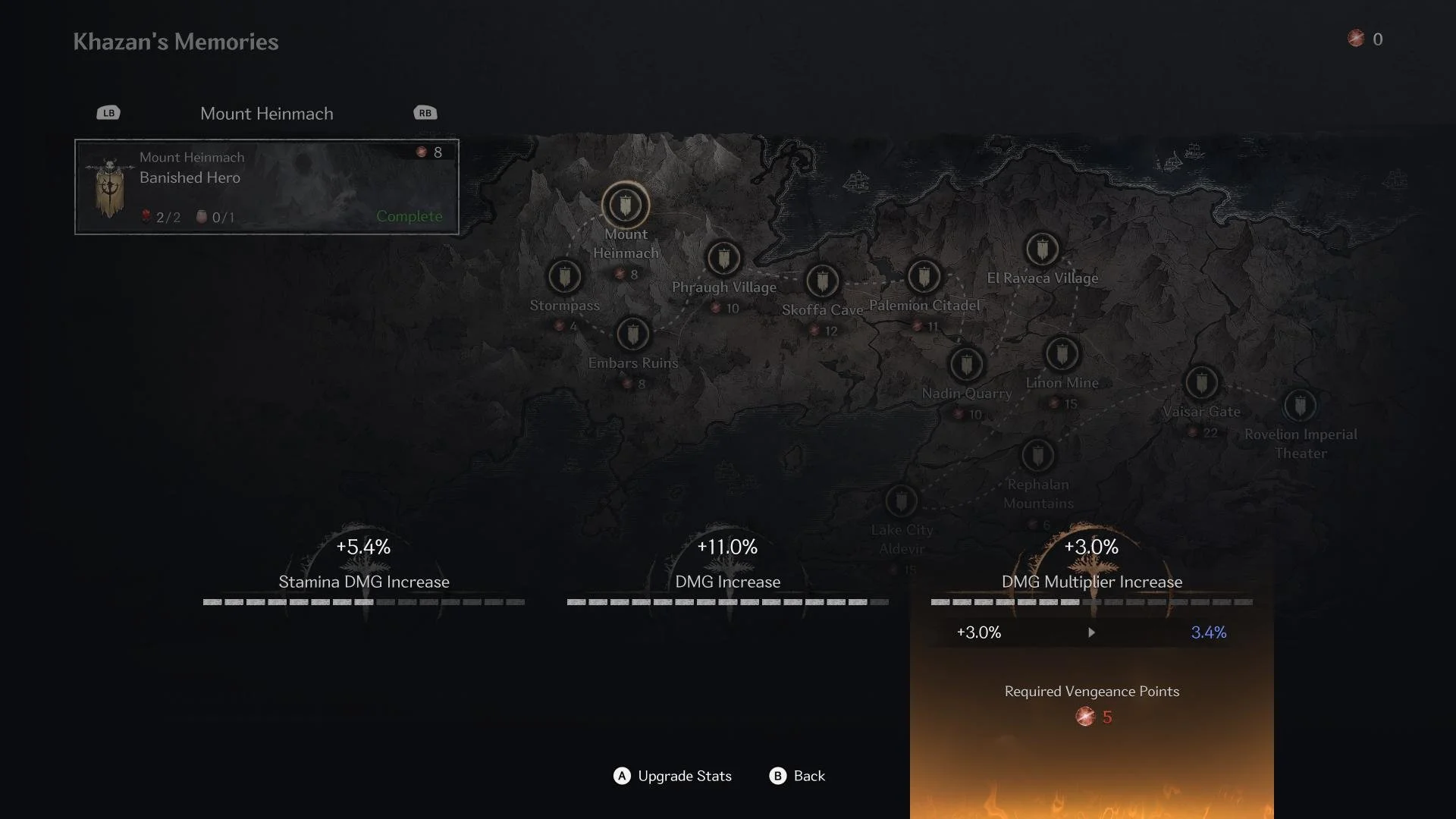
First Berserker: Khazan is typical of several linear-focused Soulslikes with minimal reconnection points. You'll still find off-the-beaten-path, hidden alcoves when using an elevator, shortcuts to countless chests and optional mini-bosses that will test your might, especially the tougher threats with menacingly glowing eyes. You'll also have the spirits of dead players to battle that can be summoned to earn gear upon your victory, and a spiritual essence as a reward that is then used to upgrade your own summoned ally. Locations are fairly spacious and make for some truly spectacular encounters. And, as you progress from area to area, unlocking what you’ll discover, Khazan will gain stat points that you can use to increase aspects of his damage and stamina.
Side quests, as mentioned, will reshuffle these areas, having a different starting point, and feature bosses that are not attached to the central story. From giant spiders to savage bears to deadly wolf-like creatures, there are plenty to butcher here along your quest for answers. Side quests naturally come from those who occupy the hub. They will have favors, and even the Blade Phantom himself will call on Khazan for a favor or two. Side quests are a great way to avoid the grind and provide fresh takes on existing environments. They also serve as another way to earn more essence for your summoned ally, as they will need countless level-ups to be even remotely helpful.
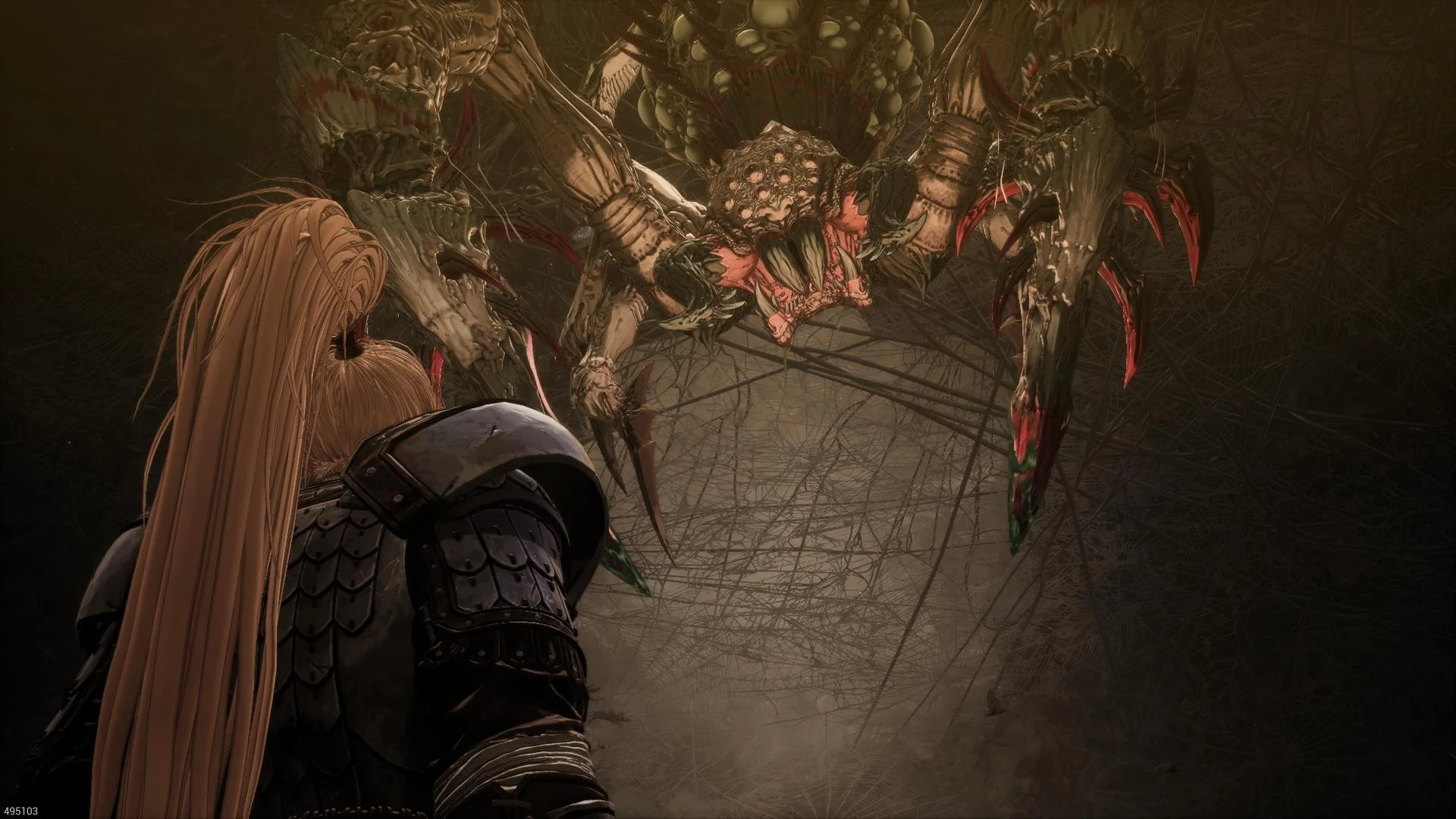
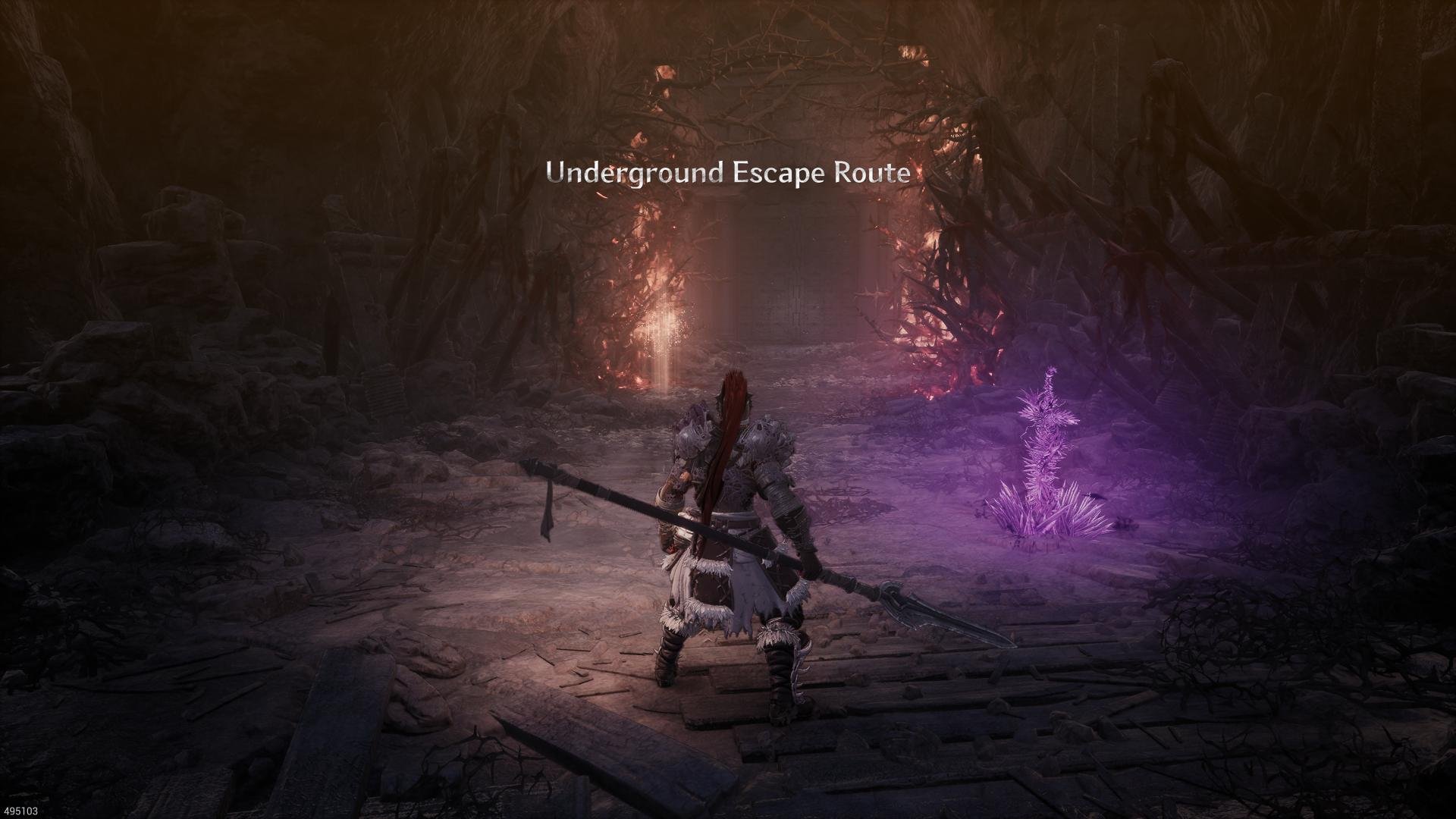
Unlike the current approach of the Soulslike, Khazan is not an open world or part of one large encompassing environment. Each level is a self-contained icon on a map as you travel from dilapidated ruins, abandoned villages, spider-filled caverns laced with poisonous water, to further examples of once populated settlements, to homes, save havens, and more, being occupied by monsters and demonic forces, driving away humanity, or transforming them into these very abominations.
The level design and much of the feel of the game feels very closely similar to the Nioh series. As someone who adored Nioh 2, I was surprised how similar this game felt to it. Levels can be varied and large in scale, but do have central paths that do lend to its linearity. This may dissuade fans of Fromsoftware who want their locations to feel wide and less constricting, or that they want more backtracking shortcuts apart from simply unlocking a door you'll find locked on the other side. That said, I do find it hilarious that Khazan can't simply reach through the wide bars and pull the locking bar free.

Khazan feels like if Nioh took the approach of the action of Bloodborne, and the parrying mechanics of Sekiro, breaking enemies in battle to take advantage of their weakened state. Some locations are packed with enemies, both close-range types and ranged. Ranged opponents usually consist of archers or magic casters, who have ridiculous aim, almost coming across as cheap and unfair. And, add in that some types can resurrect unless you destroy their body a second time, it can be a frantic hustle to ensure they stay dead while doing battle and parrying those around you. While you'll earn an item that prevents their resurrection later on, they can be quite the nuisance in the early game.
Combat is incredibly fast, fluid, and packs the weight you want from it. While you are limited to the greatsword, dual swords, or the spear, there is a wide variety of different types that complement a very well-structured skill tree that can ensure you feel more powerful with every upgrade. With countless upgrades to your kit, the upgrades feel like a substantial increase to combat depth, and it doesn't take long to become a force to be reckoned with. As I tended to main the spear, I found skills that greatly helped me destroy bosses, provided I had the gear to complement my stats.
With a well-executed lock-on system, you use a variety of attacks as well as light and heavy strikes that can be chained together in extremely satisfying ways. As someone who preferred the spear, as I just mentioned, I found ways to take out several foes at once, complete with a skill on the skill tree that allowed me to attack and appear behind my now-dazed enemy. This came in clutch for one of the game’s more challenging encounters, Trokka, who was the first wall that I truly had in the game, a fight that was incredibly challenging, and one that saw me take her on well over 60 times.
While you can dodge out of the way of most attacks, the parry is where Khazan really excels. This is where the game tends to reach into Sekiro’s toolbox as you'll have a break bar to fill up to then perform an execution-like attack. If you can constantly parry, you'll fill this gauge and keep the boss at bay. Being able to read their attacks is crucial, and knowing what should be blocked or parried, or dodged, is where this genre shines. Regardless of my build, I always found Khazan to control extremely well and felt that every death was my own fault.
Stamina is a huge factor in Khazan's combat, and having the gear and items equipped that provide more, as well as the speed of its recovery, is crucial. You can also use consumables to replenish your stamina as well. Each time I would get new gear, or craft it at the blacksmith, I would look to reroll certain attributes to keep my stamina high and its recovery as fast as I could get it. This allowed my spear attack to be something I could constantly pull off, draining their health and raising their break gauge.
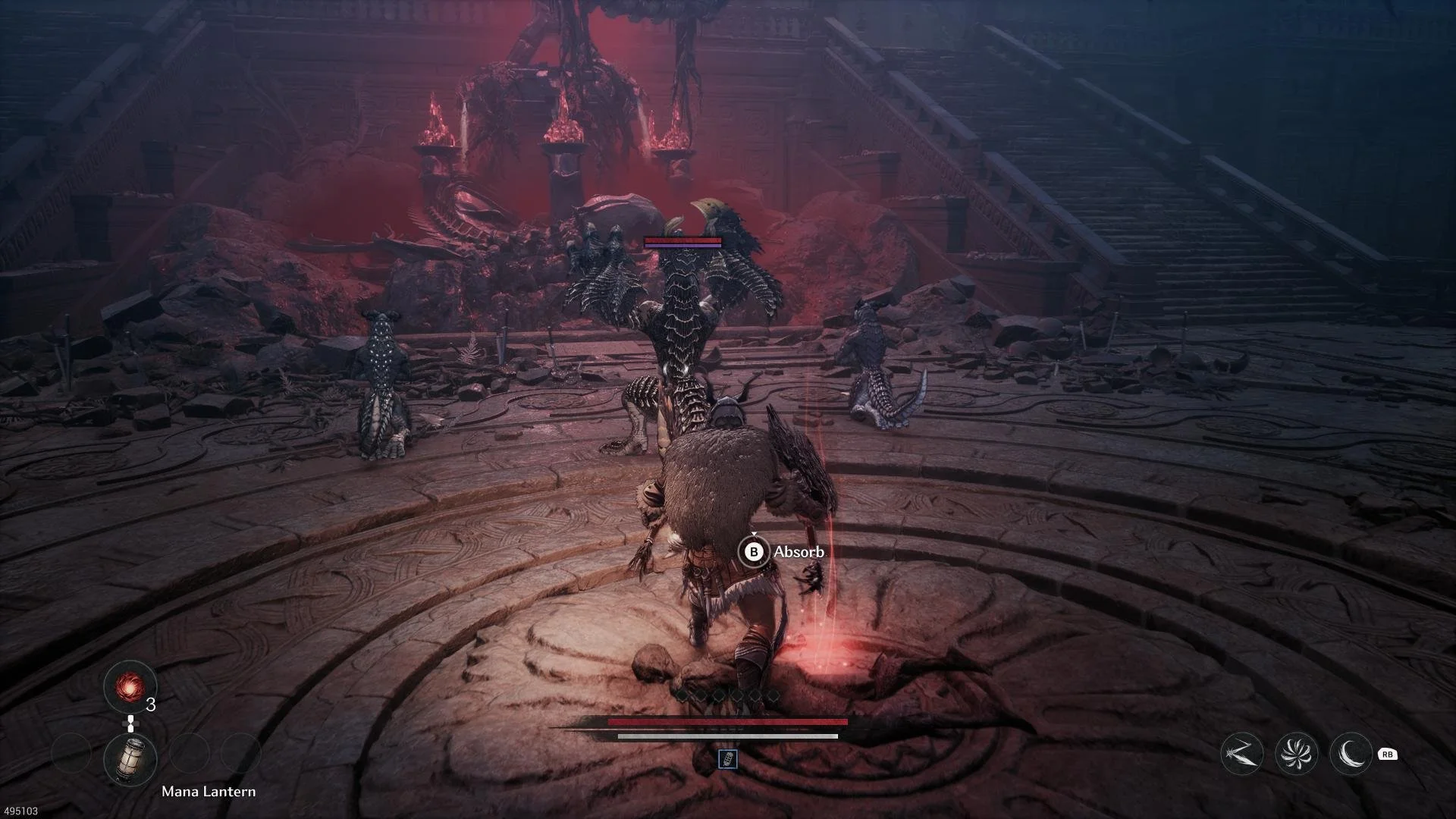
Being able to break your opponent is the key to every major encounter, especially the bosses. These fights can be an incredibly difficult affair with a few walls that will certainly keep you at bay for a while. Being able to break them to tear into them is important, as they will have a massive pool of HP to dismantle. Some battles can feel a tad too long due to this, but being able to parry and break them is where the battles lean towards. And, with some bosses having numerous phases, they keep you on your toes, even when you can summon an assistant to aid you, provided you are using the essence of dead players to beef them up. While they lag behind most Fromsoftware summons, they can be effective when you've put in the effort to improve them. That said, for players who want to play solo, the summoned ally is entirely optional and a feature you can ignore entirely.
Regardless, the boss encounters here are wildly addictive, and victories can feel like you are pulling through by the skin of your teeth, knowing one wrong move can cleave a chunk out of your health bar. Even with an easy mode that unlocks after three deaths, the game still provides the same moves, attacks, and patterns, just with being able to take a few extra hits and deal out stronger damage. Out of the entire roster of fights, I can honestly say there isn't a weak one out there. From humans, to giant monsters, and the unexplainable, these encounters are extremely well designed with fantastic and brutal cutscenes to cap them off.
What I do like about what Neople has done here is the lost Larima that falls after your death, which is the currency you use to level up and procure things that money cannot buy, is left at the gate of the boss fight. You'll also earn Larima during the boss fight as well. This allows the failures of that bout to still reward you with progress. In fact, several encounters would often level me up after a dozen or so attempts. I always felt like a loss would still benefit me in some way. It struck a nice balance and prevented me from feeling like I had to leave to grind and then return. That said, I would do that as well as respec Khazan to adapt to different builds. To defeat Trokka, who was my first big wall in the game, I had to respec entirely to benefit from drastically more stamina.
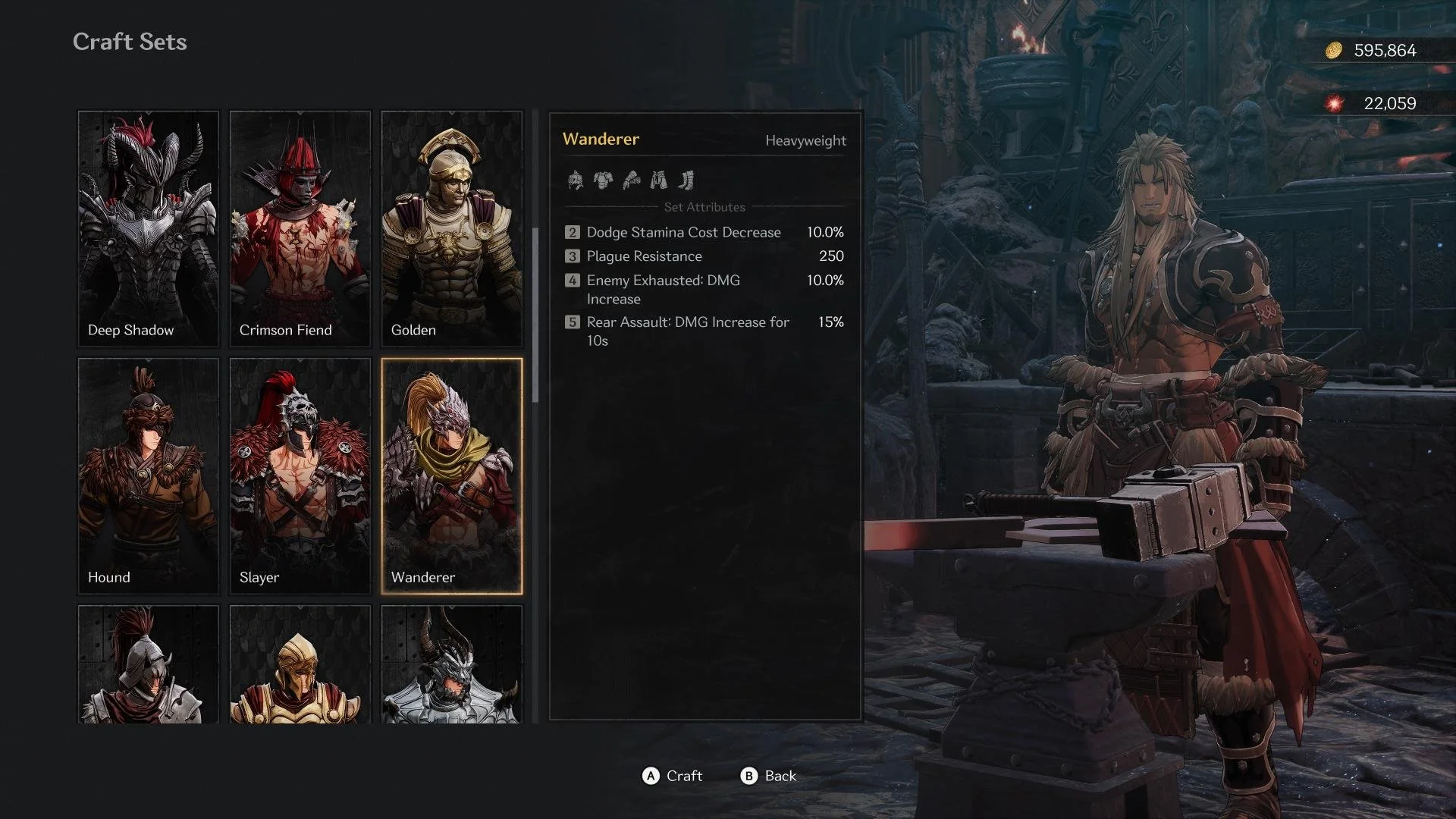
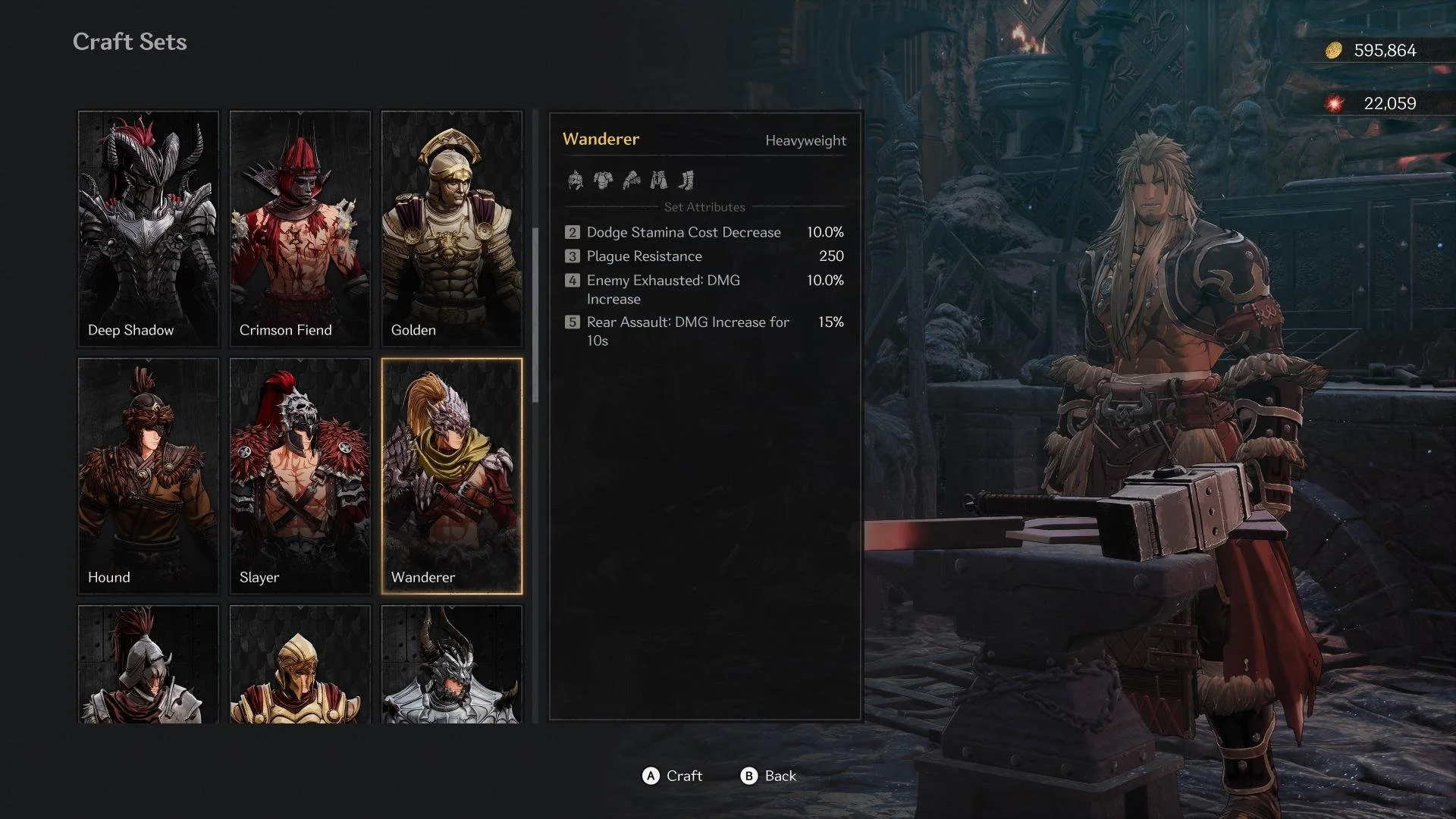
Gear is another big factor in survival. Sets will generate additional stats, so completing and crafting a set can benefit certain styles of play. However, while the ability to transmog your gear is locked to newgame+, for some bizarre reason, there is a wild number of gear sets in Khazan; in fact, there are approximately 70 sets across various playthroughs. You’ll equip a helmet, body armor, pants, wristguards, and shoes, as well as necklaces and rings. There is a ton to customize, and being able to alter the passive bonuses, such as additional health, defense, or stamina recovery, allows any piece of gear to be well-suited to what you want from your playstyle. It’s vast, and there is so much more.
In addition to combat, gear, and building up your summon, Khazan can equip one of several phantoms. From Keshta the Unyielding, who is built for stamina recovery, there is Veronika the Advocate who is built around damage increase, you also have six other phantoms that all have a particular trait they enhance. You’ll find items to summon them, items to upgrade them, and they can often turn the tide when you really need certain stats boosted. Keshta, who was my main phantom, would boost my stamina recovery by 30%, and once awakened, they would increase stamina recovery by 30% upon exhausting all stamina as well as restoring stamina by 15% when an enemy is exhausted. This came in clutch when I was already building a stamina friendly build.
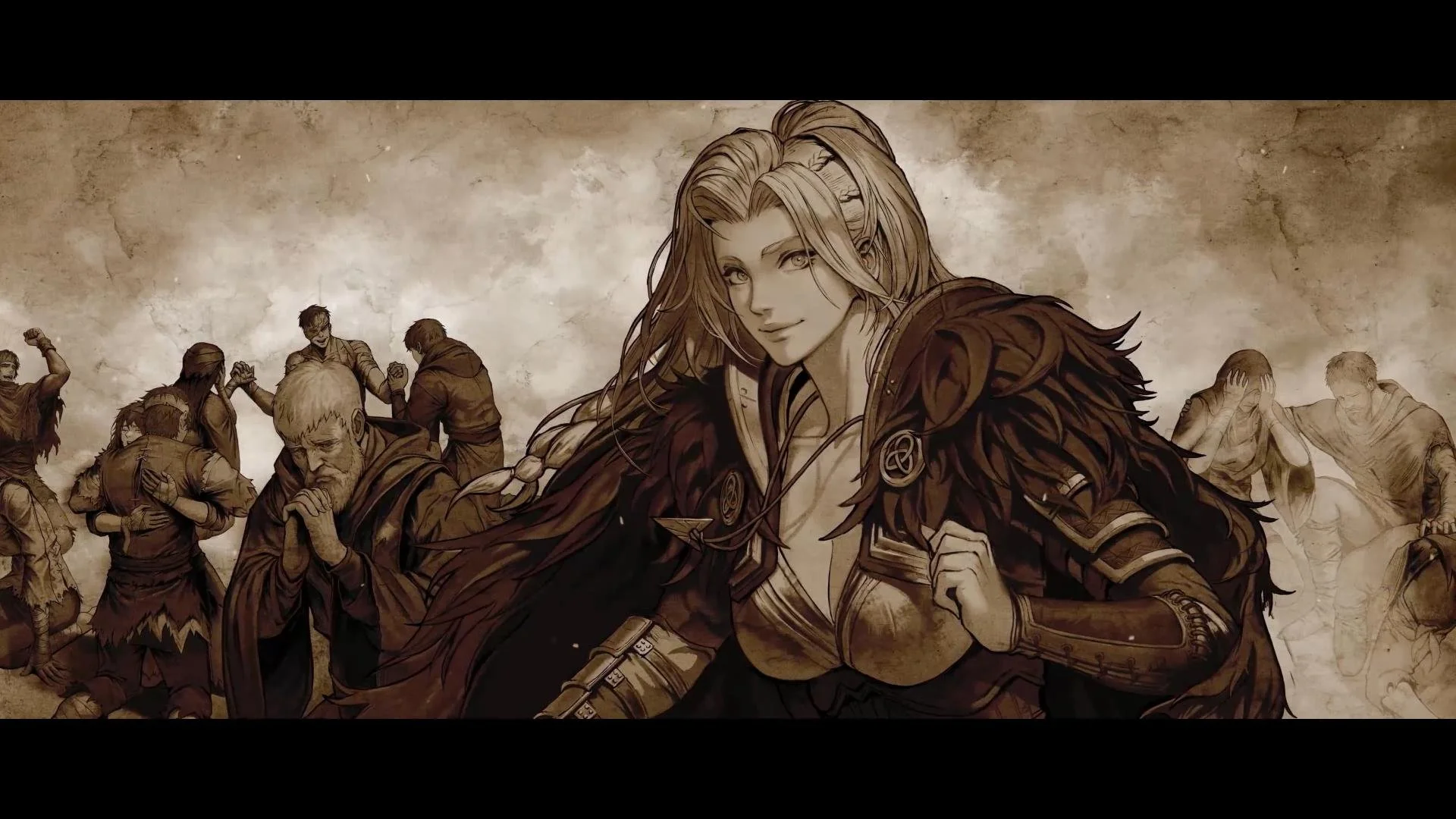
The First Beserker: Khazan is an absolute riot. It’s brutal, punishing, and has so many systems, mechanics, and upgrades, that show their purpose immediately. The customization you have for Khazan is perfect for build-crafting, even within each weapon type. Khazan has its presentation on lock and is a gorgeous game with incredible art direction and tone. It’s action-packed, its bosses are spectacles, and with nearly 70 armor sets to craft, there is so much to this game beyond a single playthrough.
Developer - Neople.
Publisher - Nexon. Released - March 27th, 2025. Available On - PS5, Xbox Series X/S, PC. Rated - (M) - Blood, Strong Language, Violence. Platform Reviewed - Xbox Series X/S. Review Access - The First Berserker: Khazan was purchased by the reviewer for the purpose of this review.
Jeff is the original founder of Analog Stick Gaming. His favorite games include The Witcher III, the Mass Effect Trilogy, Hi-Fi Rush, Stellar Blade, Hellbade: Senua’s Sacrifice, and the Legend of Heroes series, especially Trails of Cold Steel III & IV.