

Lost in the dark.
Hell is Us comes to us from Rogue Factor, the team behind Mordheim: City of the Damned. However, the game has a strong connection to Deus Ex: Human Revolution, and its sequel, Mankind Divided. Hell is Us sees the protagonist voiced by Elias Toufexis, who voiced Adam Jensen in Deus Ex, and the project was led by Jonathon Jacques-Belletete, the art director known for those games. However, despite this, Hell is Us is an action-packed horror game about the atrocities of man. It’s also not the game I had expected, and one I question if I really even enjoyed my time with.
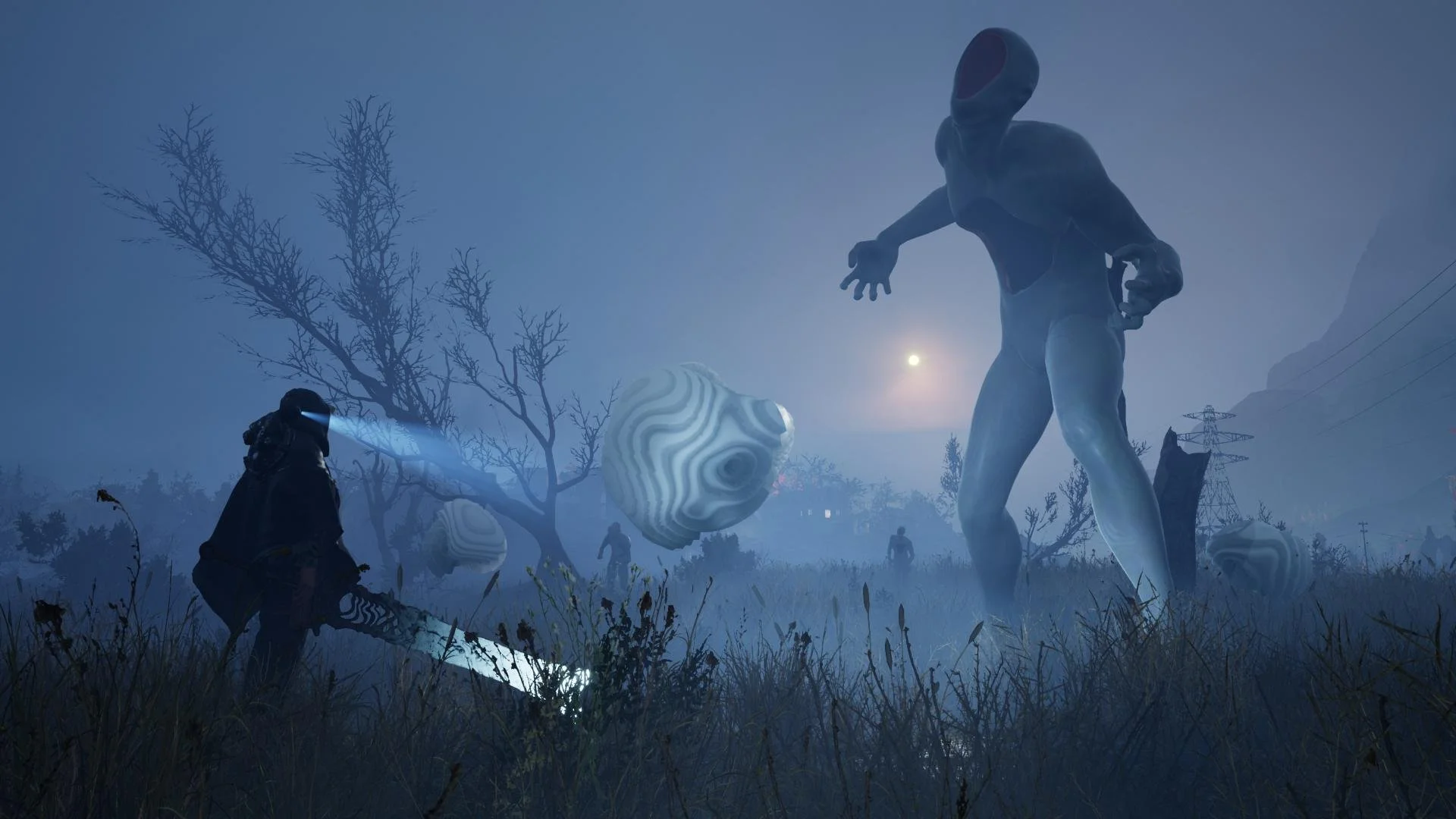
Hell is Us takes place in Hadea; however, it might as well have taken place in a real country since it ties into a lot of the political circumstances and conversations that take place in real life. In fact, there is no central villain but more of a spectrum of human atrocities that culminate in a mysterious event called the Calamity. This causes the manifestation of human emotions: ecstasy, grief, terror, and rage, to gain form in the Hollow Walkers.
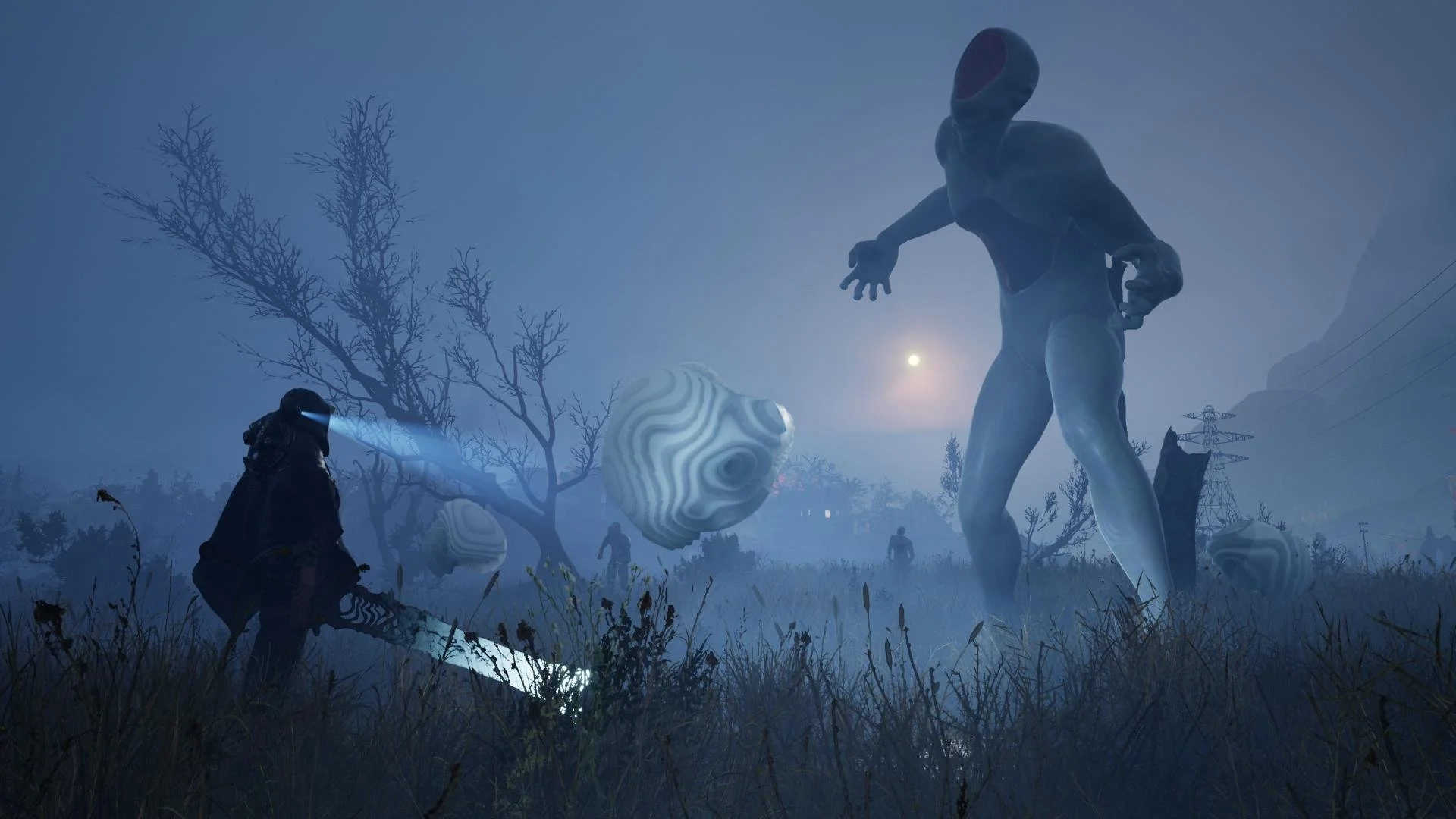
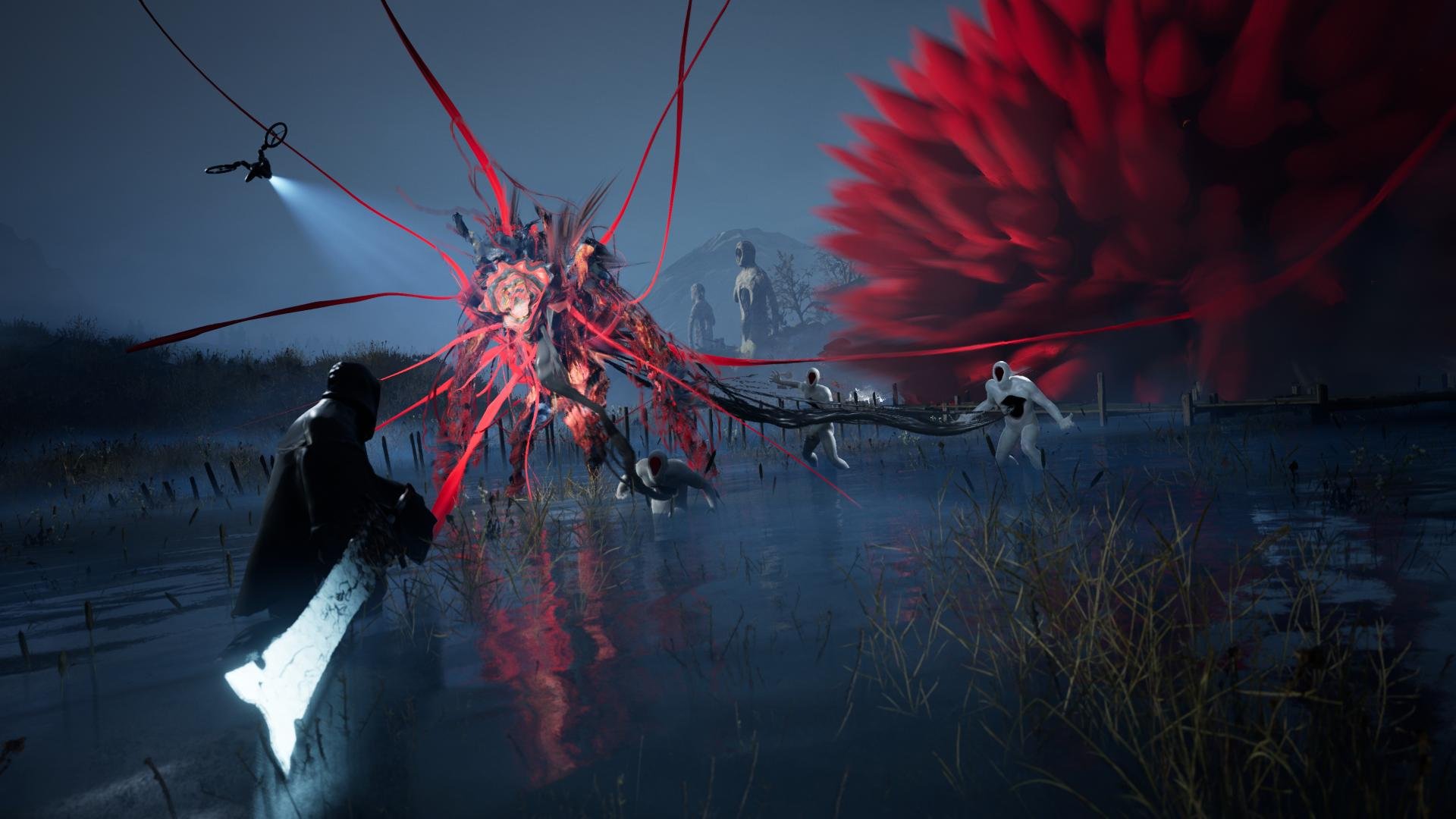
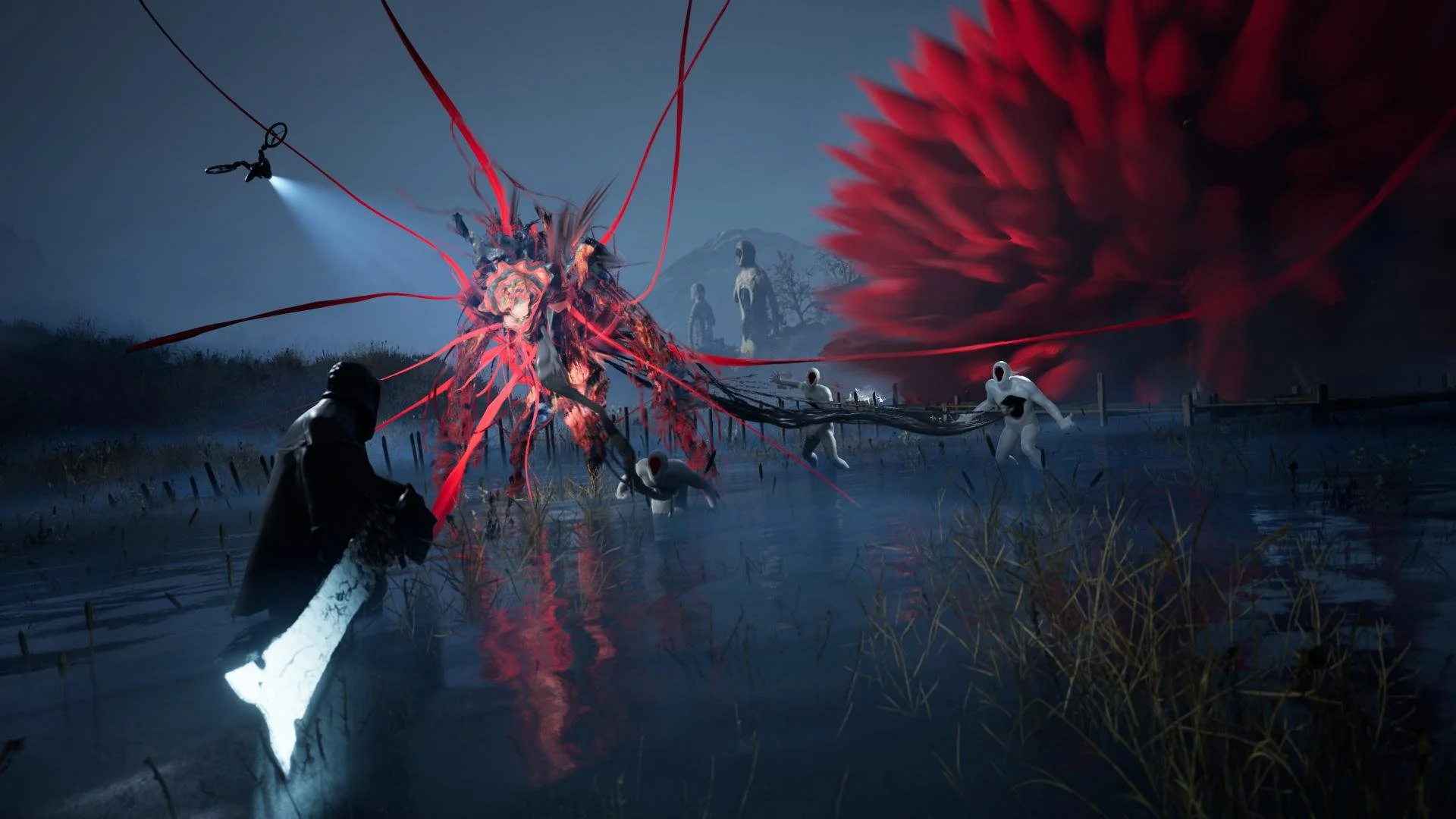
Shown off in the game’s initial trailers and gameplay reveals, these monstrosities are immediately unsettling. They resemble humanity, but are twisted and tortured by emotion. When approached, it triggers the Haze, which grants them invulnerability until you defeat a force that is attached to them via an umbilical cord. This causes the battles to be stacked against you instead of just one-on-one encounters. However, you have different abilities that you can equip to yourself and your drone that allow those odds to even out.
While the Hollow Walkers variety varies from creature to creature, following the stereotypical types you’d expect, they are the only enemies you’ll face. These range from general fodder to allow combat to ensue, to others that hit harder, deal damage from ranged attacks, or dissipate certain core abilities and instill debuffs. Each of these will be accompanied by its Haze, color-coded to reflect those core human emotions.
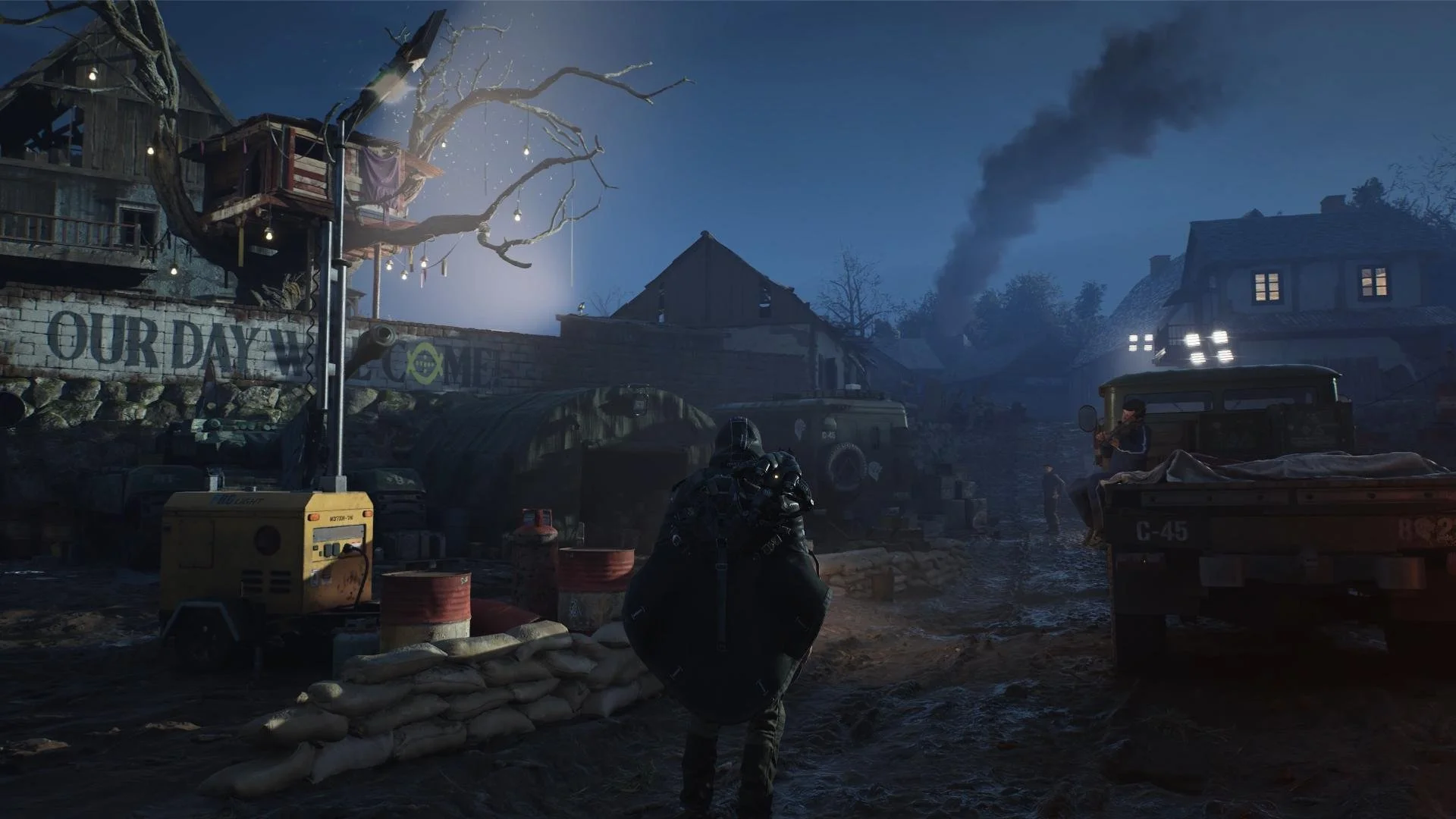
You play as Remi, an outsider who enters into this conflict as he attempts to track down his parents, who, to the best of his knowledge, still live there. While he has lived his life outside of Hadea for quite some time, he returns to find out what happened to them. Remi is described as a sociopath, a man who is detached from his emotions, which is a great contrast to the design of the game and the narrative. He lacks the ability to connect with people and is unaffected by the horrors he experiences here, allowing the player to feel those emotions instead. While it serves the purpose of what the game requires of him, he can feel bland and uninteresting as a result. It’s hard to connect with him, but maybe that’s the point.
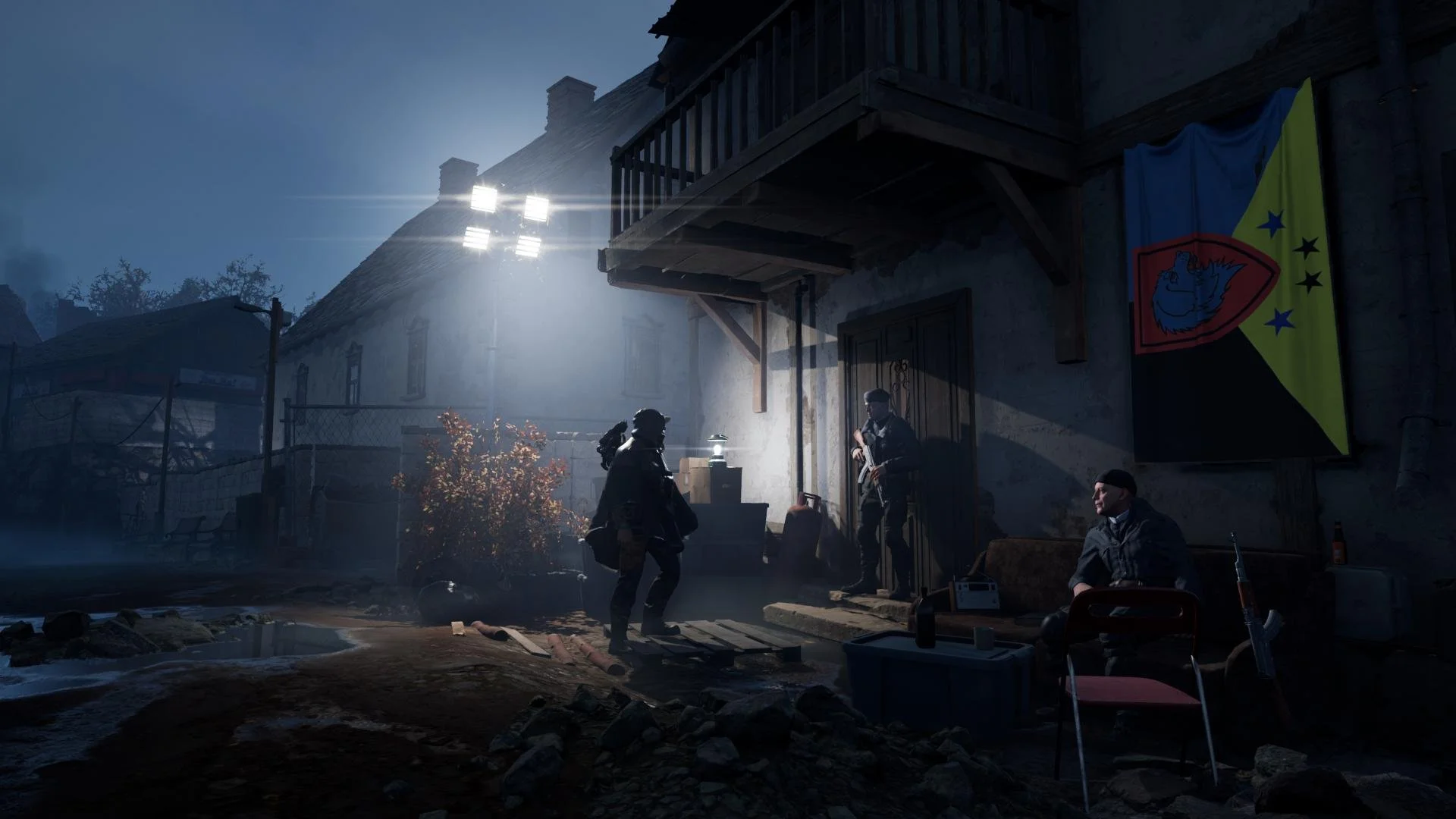
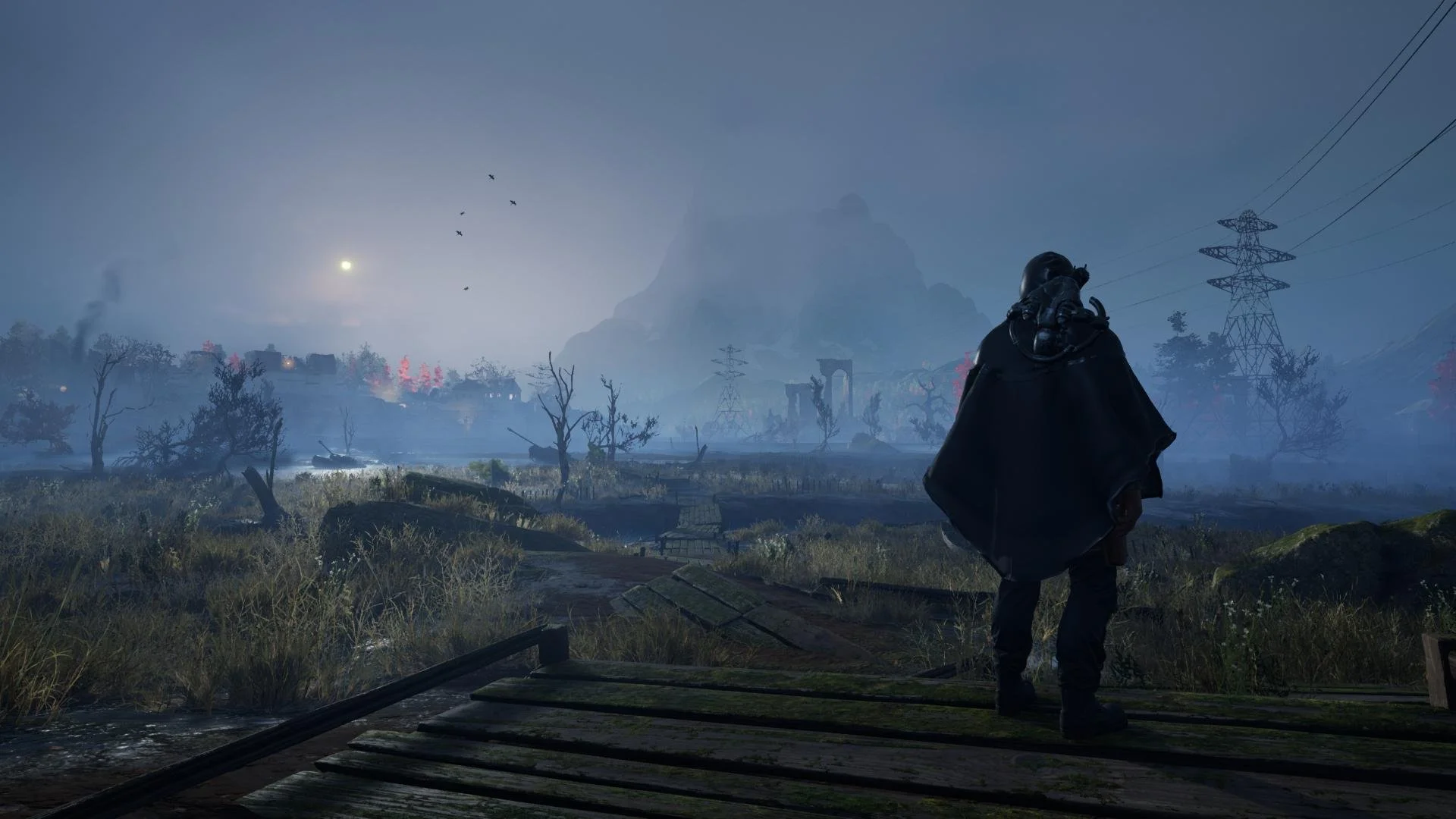
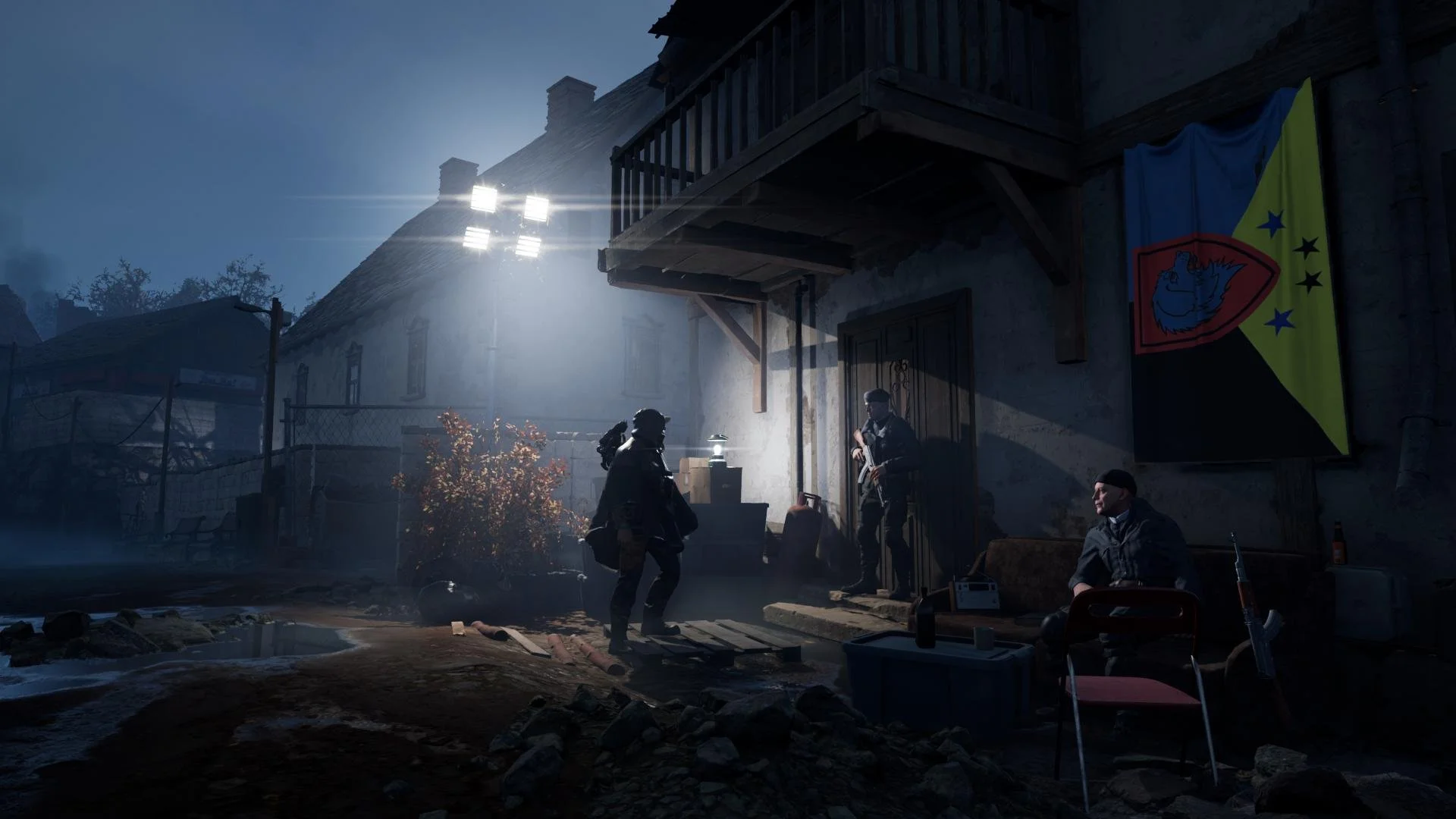
As Hadea is beset by this tragedy and the release of these Hollow Walkers, it is rich in how humanity has crumbled here. Homes are abandoned, bodies fill the streets; both parents and their children are strung up as a warning. The atrocities here are rarely gratuitous, but can serve as a trigger warning to those who want to embark on this journey. Hadea is a wasteland of these unchecked emotions that were committed by both sides, resulting in this Calamity, showcasing the tragic and horrific deaths of far too many innocent lives.
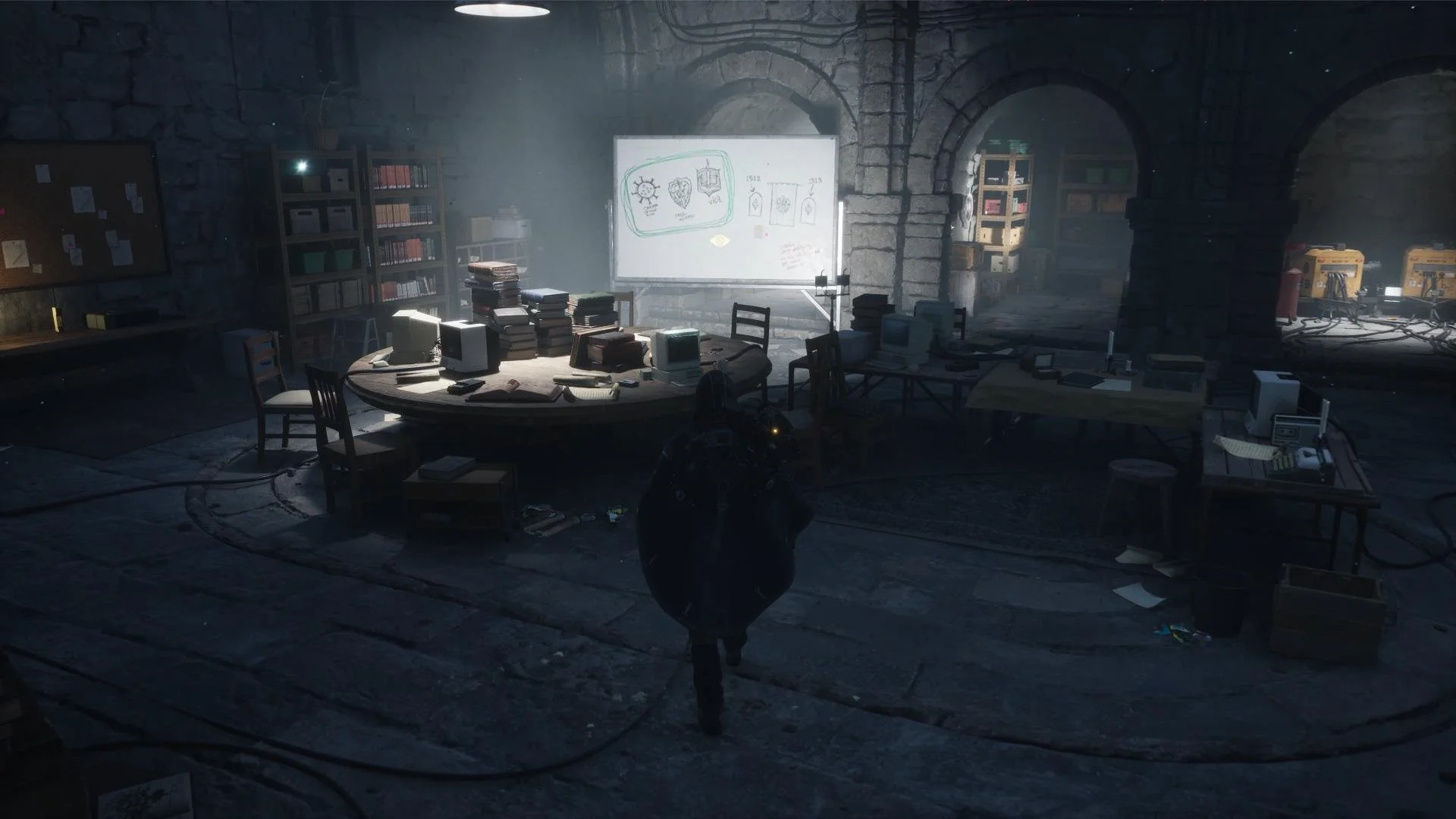
Leading up to the release, many had expected Hell is Us to follow the trend of being yet another Soulslike, but that is not the case, thankfully. While appearance-wise it seems similar, dark gothic caverns and ruins, aesthetics, and a story portraying a biblical punishment brought on by those you try to save throughout your twisted adventure, Hell is Us brings a more unique and open world experience. It’s a story that has you question the depths of humanity and whether we deserve what is best for us. You also have numerous codes to track down, keys to locate, and emblems that unlock previously blocked areas. That said, some key gathering is monotonous, as was finding a key to a location that matched the name and description but just wouldn’t unlock the door. That said, being that it was a flimsy glass door, I don’t understand why I simply couldn’t break it. Frustrated and dumbfounded as I was, I was still compelled to get inside and continue in the tasks set before me.
Hell is Us also allows you the freedom to explore, as it rarely, if ever, holds your hand. This might entice many to take his journey, but it can also result in getting lost or forgetting what your current state of affairs were. This is because there is no mini-map or quest log to keep track of your objectives. While certain games that refuse to hold your hand allow certain elements to keep you in check, Hell is Us remains hands-free of almost everything it does, and not always for the right reasons. This is where taking out a notepad, or your phone, and making notes is crucial. While the ideas here feel intriguing and enticing, throughout the game it began to feel forced and a frustrating pill to swallow at times, given the tech at Remi's disposal and the strange barriers barring progression (example, the locked door made completely of glass we discussed earlier, or a flimsy barrier arm across a clean and clear road that could easily be vaulted over or stepped around..)
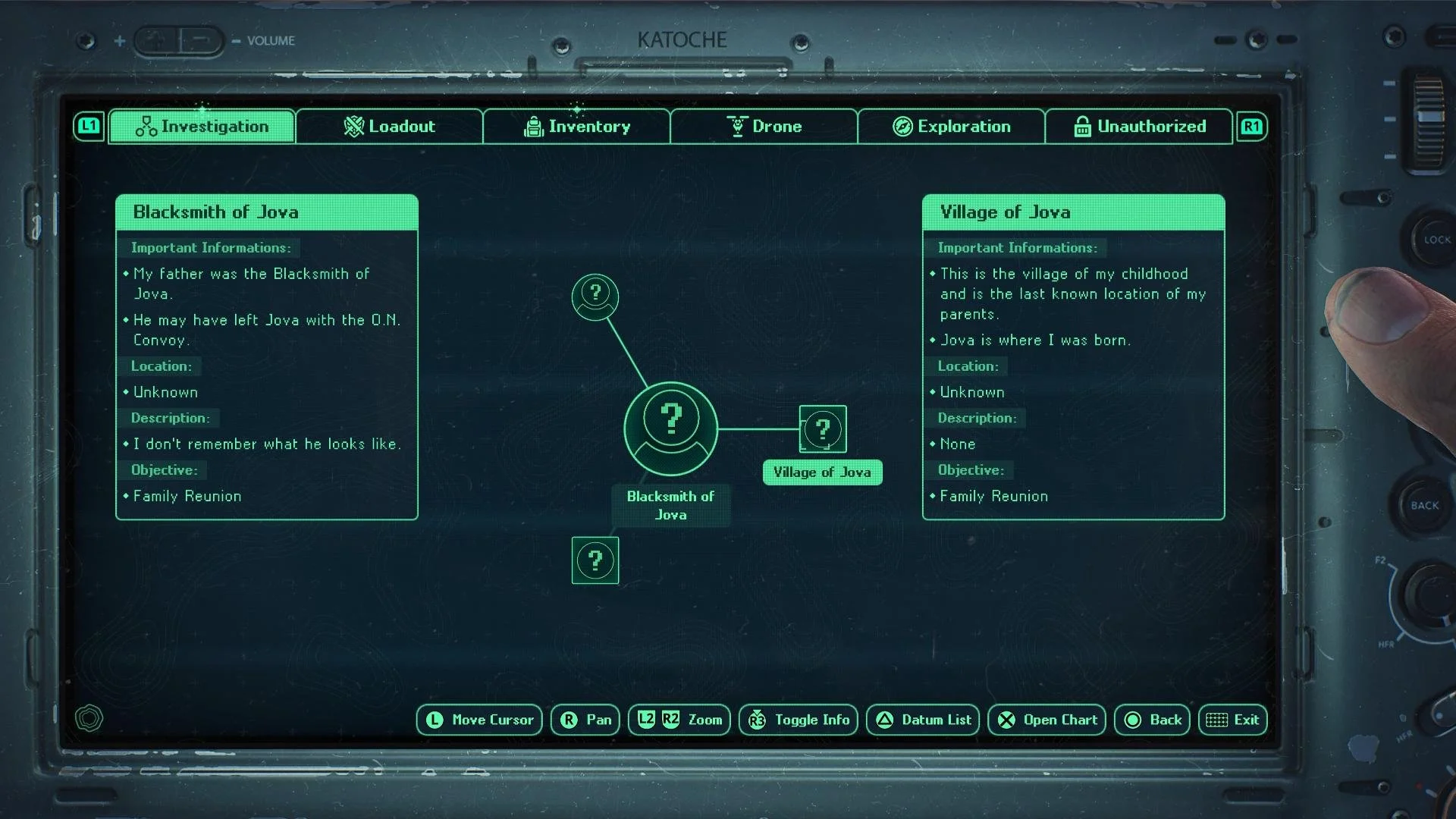
This lack of certain quality-of-life features, or really, just common features, can sort of clash with the high-tech gadgetry that Remi has at his disposal. Sure, he could have had something that could keep track of even the most basic things, or that his attack drone could double as a GPS or scanner to aid in some sort of map system or objective marker. While there is some aspect of a quest log, it lacks anything that could even remotely be useful, as it lacks basic things like who even gave you the quest to begin with. As some conversations will allow aspects of the game to progress, it is often unclear when to revisit them for such a follow-up. In this particular case, I was stuck for hours because I didn’t talk with one person, whom I didn’t even know needed that conversation to be furthered. Some moments require you to travel back to a different town at the other end of the province with no indicator as to the connection.
As is the case within most games, gameplay focuses on combat and exploration. Now, without a map, exploration will either be freeing to you or you’ll find yourself getting lost a lot. There is some novel moments of some strong environmental storytelling to take in, countless survivors to issue out side quests, and plenty of dungeons that can keep you busy, offering some very decent rewards.
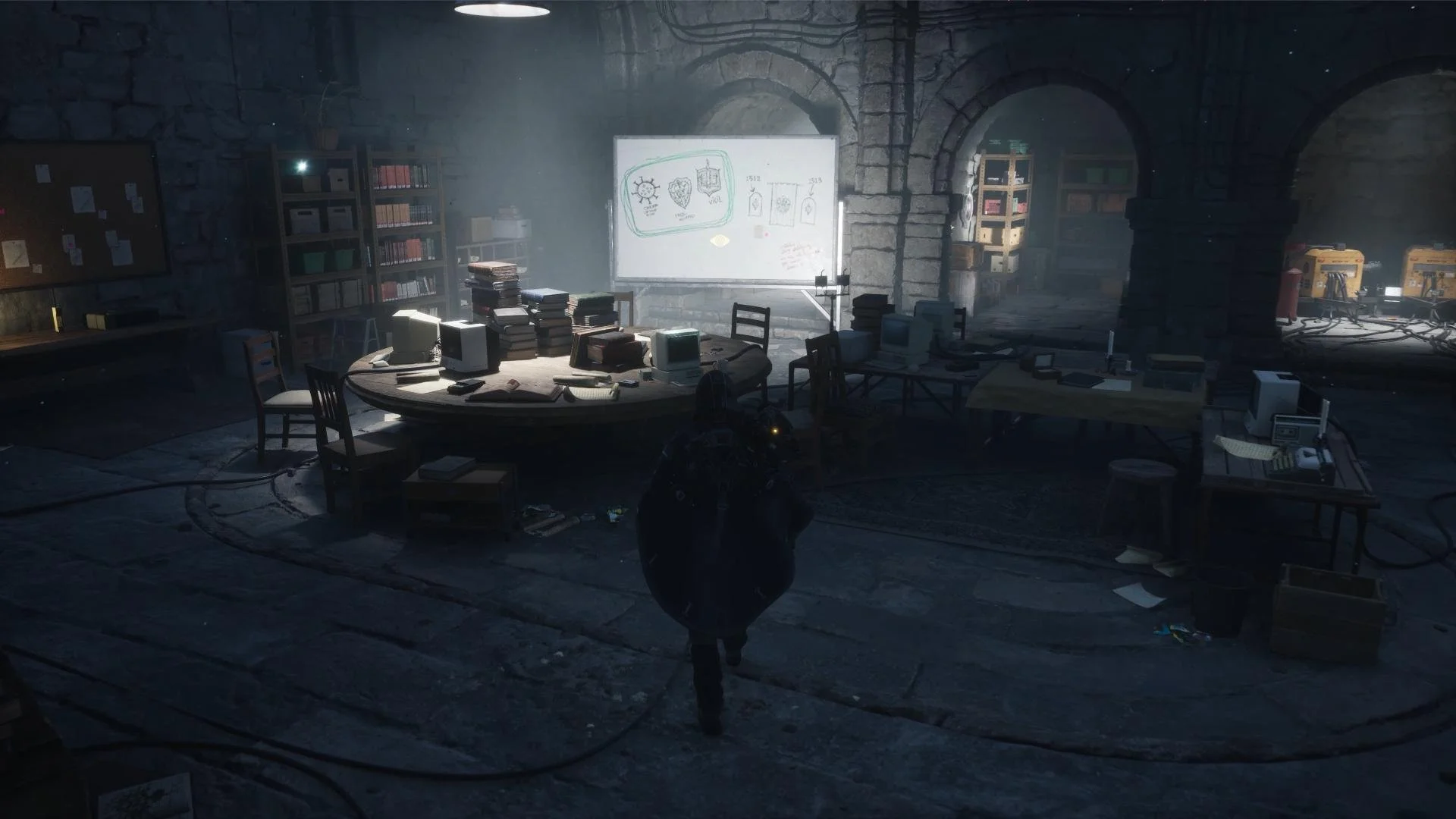
However, when it comes to combat, it generally feels solid enough that it could be the game’s best and most redeeming feature. Weapon leveling feels well-paced to the progression you’ll make, and there is even an attack combo that grants you some healing, a move that you’ll almost always want to pull off.
There is some ok weapon variety here in swords, dual axes, polearms, and greatswords; however, I mostly found my favorites and saw them carry me through. There isn't really any pull or justification for weapon type vs whatever kind of battle is happening, and it seems to gravitate towards preference. This is something that I felt the game did well, rather than requiring you to fit each situation with a different weapon solution. The solution to the fights with the hordes of Hollow Walkers lies in what feels right to you and the abilities you chose to augment your weapons of choice with. These can be attuned to the four core emotional anchors and then adjusted via numerous modules.
While one would assume that the emotional components of the weapons would see some greater differences, it’s not something you’ll really notice, to be honest. Weapon modules come fast and furious, so you’ll also be stocked with plenty of options to change up some aspects of combat from becoming too stagnant. You can choose to be a tsunami of brute power and fit a weapon of rage with crimson gifts of destruction, or maybe a tool of grief to hold your enemies rooted in blue torrents of essence-draining sadness. Even the descriptions of the emotional spectrum arsenal are a view of the terrible price of what all of these unbridled feelings can cost us when unleashed. The choice is in our hands completely.
Where Hell is Us largely lost me is that it offers too much unchecked freedom without the tools to reign it in or, at least, quantify it in a more digestible way, at least to where I could find myself eager to continue without getting incredibly lost or frustrated. Even rudimentary mechanics to guide players along would have done wonders. That said, those who want the shackles off will certainly get that here, and I can see a decent audience really taken with this game, so certainly take my criticisms as they are. They could merely be my personal fundamental issues in how my own strategies operate, and not a mechanical oversight with the game itself.
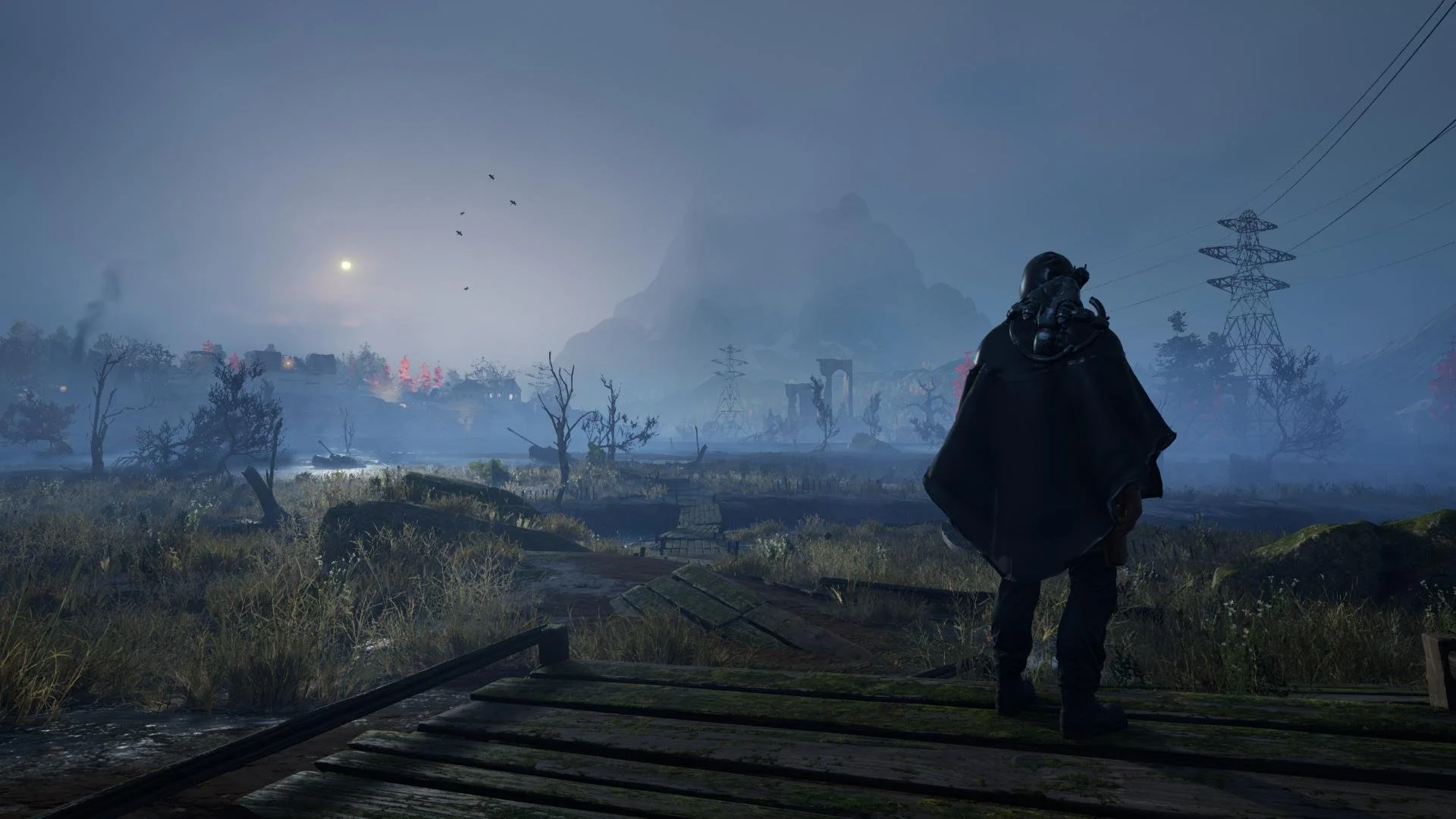
There is a fantastic game here, and I am glad I experienced what I did. I didn’t quite get out of it what I was hoping for or expecting; however, I was impressed by the grim and often horrific artistry in which it was crafted. Rogue Factor certainly has built a solid foundation with certain key aspects that can and could be refined to craft an incredible sequel, hopefully one that can aid with a little more guidance from time to time.


Developer - Rogue Factor.
Publisher - Nacon. Released - September 4th, 2025. Available On - Xbox Series X/S, PS5, PC. Rated - (M) - Blood, Drug Reference, Strong Language, Suggestive Themes, Violence. Platform Reviewed - Xbox Series X/S. Review Access - Review code was provided by the publisher for the purpose of this review.
Rebecca is a huge fan of JRPG’s, RPG’s, and Survival Horror. From Silent Hill to Resident evil. Xenogears and Final Fantasy. When she isn’t tinkering with skill trees or equipping the right rifle to take down numerous monsters, you can find her farming away on Stardew Valley.