Several months ago, I had the privilege to review VITURE’s latest AR glasses, the Beast. These would take all the lessons learned via the Pro and Luma series and improve the tech across the board. However, saying that, the Pro series wasn't keen on living in their shadow. Freshened up via the 5th Anniversary Collection, the Pro is back, slapped a 2 on them, and are better than ever.
While much of what the Pro 2 has accomplished is improving numbers on a spec-sheet, it's truly more than that. Improved Resolution, Increased Nits, and a lighter fit make the Pro 2 a pair of AR glasses so light and clear that you'll barely realize you're wearing them.
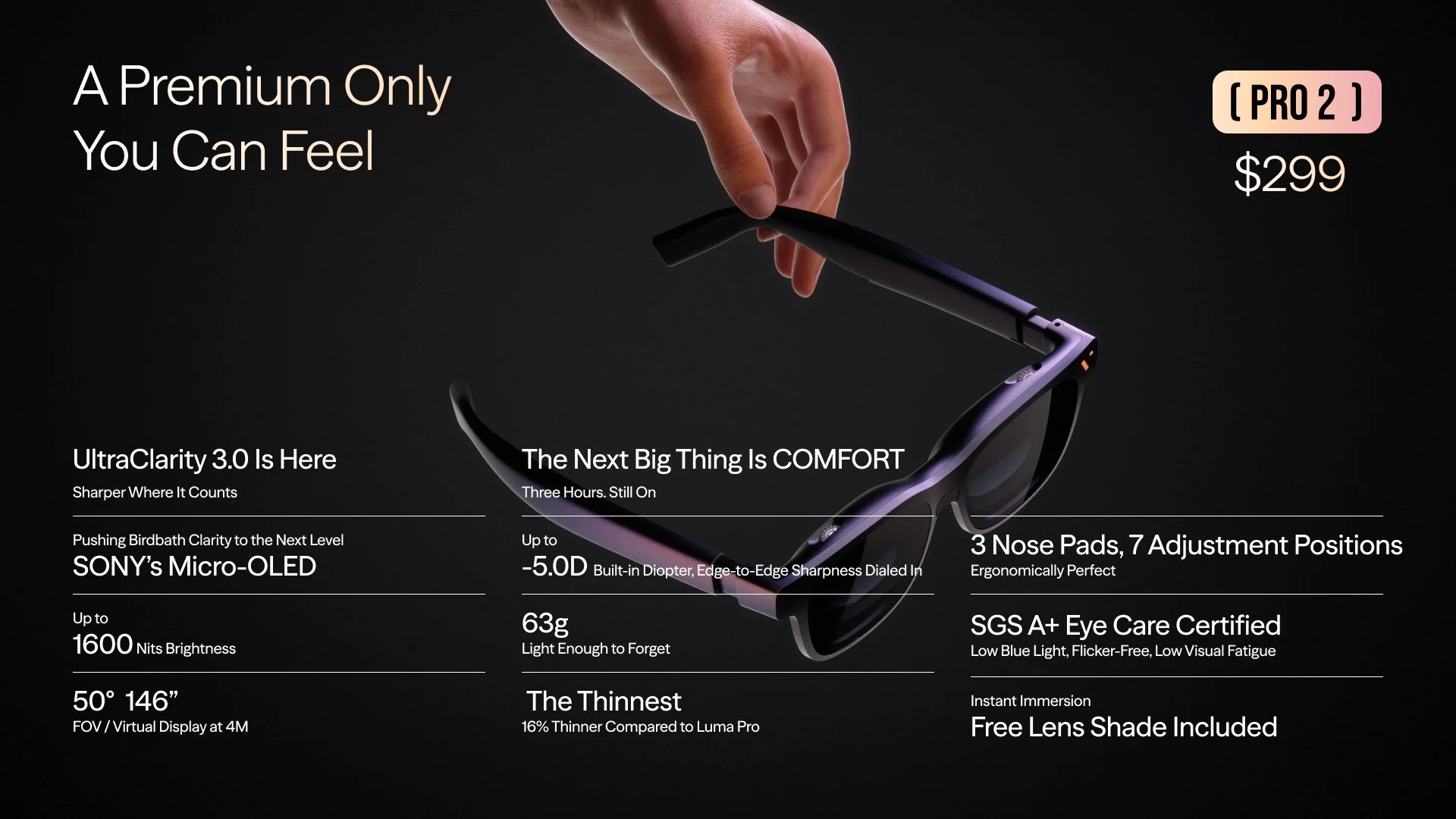
VITURE went back to the drawing board to improve the experience from the Pro to the Pro 2, and it shows. With millions of hours used, and pros and cons weighed, VITURE set out to address concerns while carrying over the best aspects of the glasses to their latest set. That said, the “best aspects” aren't just here, they are improved across the board in every way.
The Pro 2 proudly offers four features that most will never know are part of the experience, largely since it's hard to summarize certain features as a rated number or buzzwords that the industry loves to use far too often.
First, Field Curvature. This allows the image to feel curved around your eyes, maintaining a distance of every corner to match your eye. It makes the image more natural, and vastly better for it. And, since this is designed to prevent or reduce eye-strain, it allows you to wear the glasses for longer sessions with maximum comfortability.
Second, Spot RMS. Sharpness has largely been measured by two main ways; Spot Root Mean Square, and Modulation Transfer Function. MTF measures how the system defines contrast. It is the most commonly used metric. However, this system is not very sensitive to Astigmatism. This is where the focus of Horizontal and Vertical don't line up.
RMS is how tightly a point of light converges on the image plane. This makes it an advantage over MTF. It folds spherical aberration, coma, field curvature, and Astigmatism into a single framework. This is due to Astigmatism being a massive focus on the design of the Pro 2, almost as the point of origin for its design.
Thirdly, Distortion. Normally, with screens, a straight line is never a straight line. While you'd never notice a 1% distortion on a phone, it's a bit different for this kind of tech. Distortion changes with the Diopter. As you move the dial from OD to -5.00D, the internal light path is altered, but so is the distortion. The Pro series glasses concentrated around -1D and handled it nicely. However, this left some residual distortion at each end of the spectrum. Pro 2 co-optimizes the entire diopter range right from the ground-up design stage. This allows nearly anyone with any vision issues to have a sound experience here.
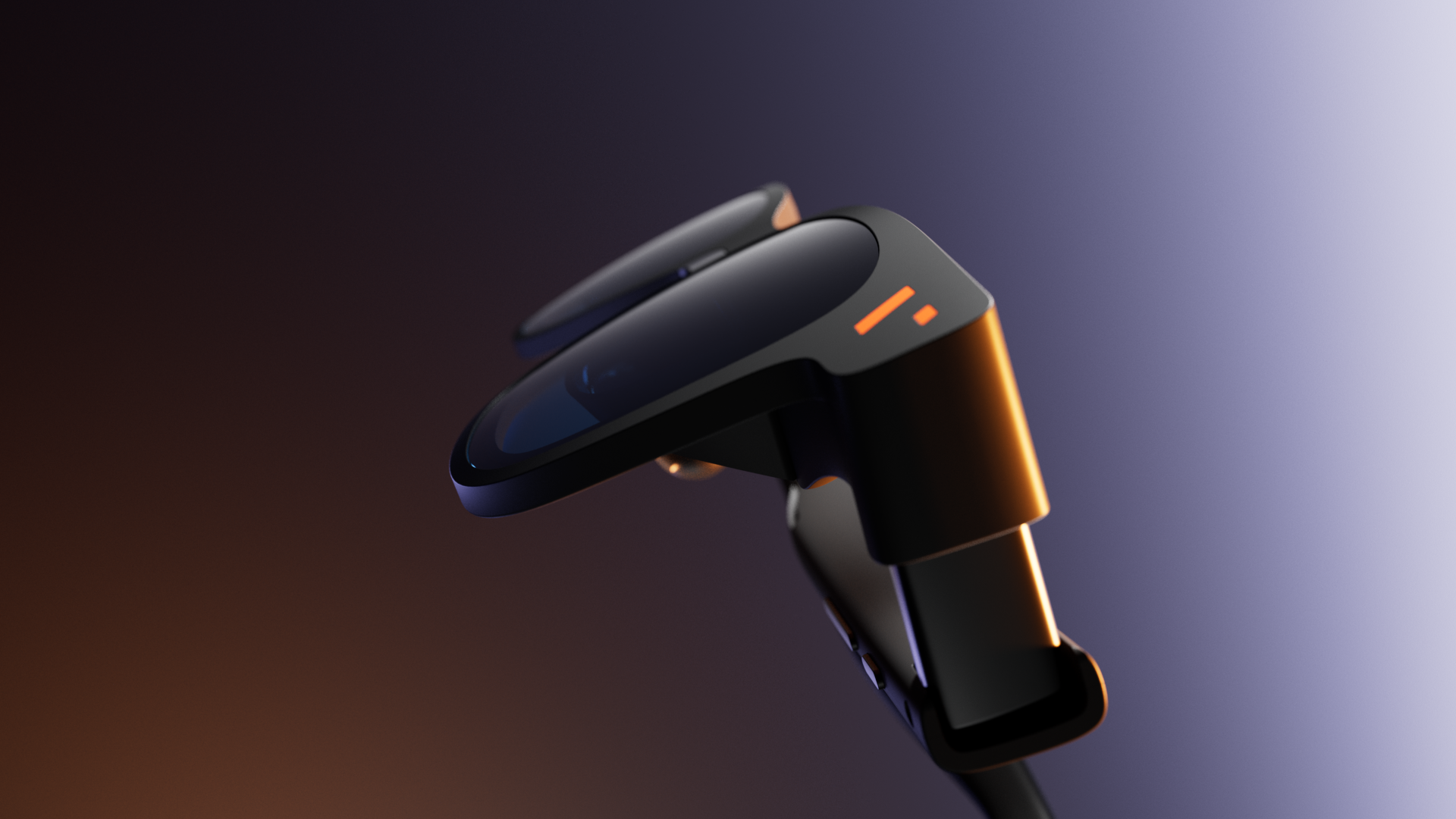
Lastly, Pupil-offset Stability. XR optics are tuned assuming each pupil sits dead-center on the optical axis. So, while that can be common, it's different for everyone. There is Static Offset, which can be an issue, as well as Dynamic Offset, which if you glance at an edge, your pupil will drift away from center. Almost every optical parameter is sensitive to pupil offset, it's just how it is. The Pro 2 XR Glasses were designed and optimized across nearly all Pupil-offset conditions to counter these issues, almost making the glasses feel custom made for you.
Getting back to measurable specs, we have the increase of nits to 1600 with the Pro 2. As the glasses are hugged around your eyes, brightness means something entirely different than just viewing a normal screen. And, as these are glasses, some light gets in. Outdoor light and ambient light can exceed 10K lux, and if the virtual image is not bright enough, it will look washed out. So, with the increase to 1600 nits, and paired with the Pro 2’s optics, it keeps the virtual image crisp and viewable across numerous conditions.
When it comes to color, the Pro 2 handles things a bit differently than you would expect. As the Pro 2 does not feature a color-management chip, it goes another route. XR glasses are not a TV screen, so the rules are a bit different here. A color-management chip is great for a direct display, but with XR Glasses, they are a virtual image projection display. These make the glasses an entirely different beast than a normal display, therefore color is handled differently to accommodate the tech. It also helps reduce the heat and battery consumption on something that isn't going to see much return on its investment.
How the glasses handle color is this. by bypassing the chip and fixing the color closer to the source. The engineers behind the glasses tuned the Sony Micro-OLED’s own registers and precisely reshaped its Gamma curves, informed by several generations of real optical measurements and human-factor evaluation. This means the color reaching your eye, after the optics, lands exactly where the human eye finds it most natural. This is called Source-Tuned Color. While it is an alternative to previous ideas, it's not a shortcut in the slightest.
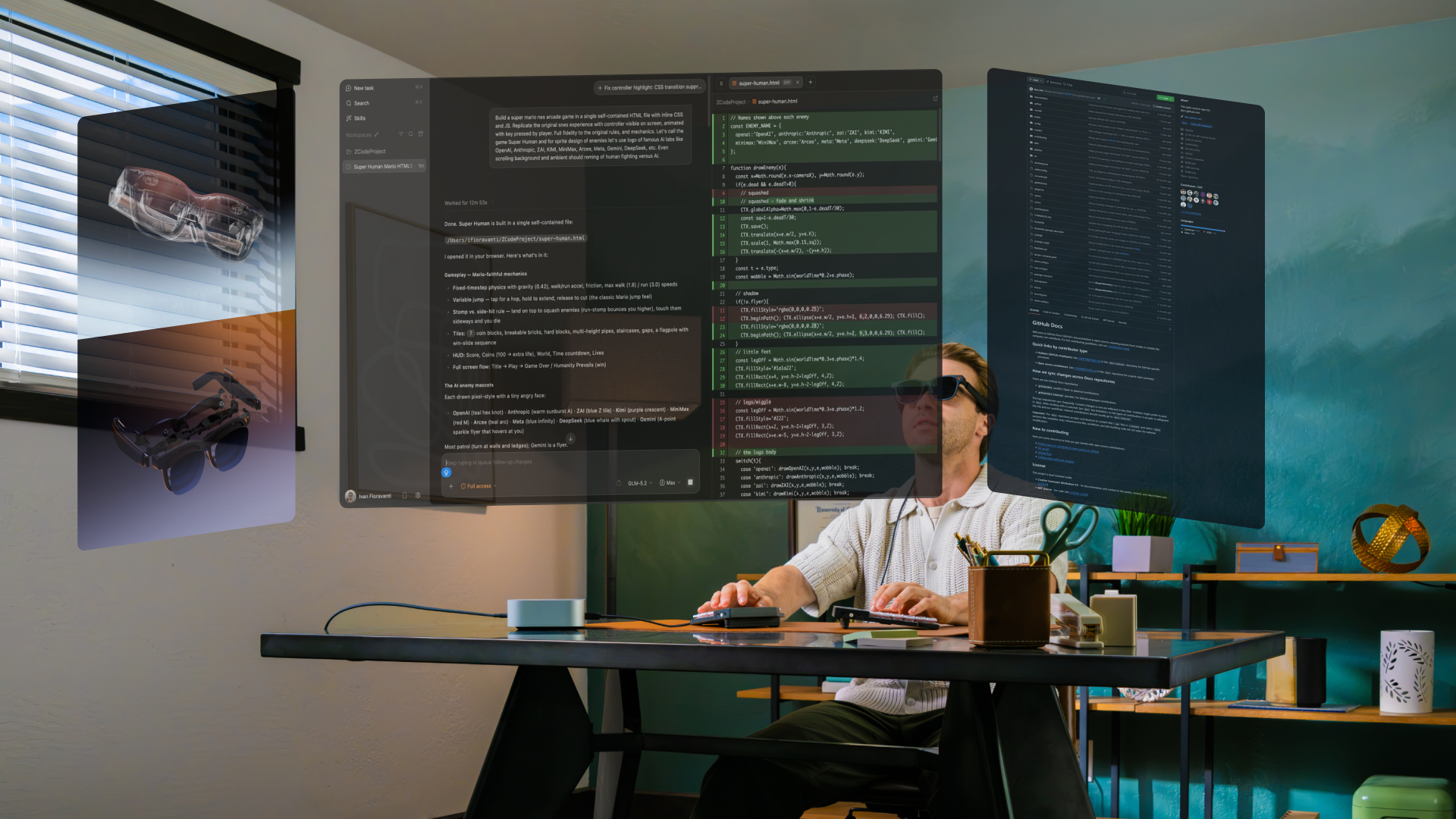
With the Pro 2, you get a much larger FOV. This wider field of view is impressive, regardless of the screen size you've set the glasses to. While I'll let Rebecca, who has been spending the most time with the glasses, talk about her experience with them, I had a chance to check them out myself. While my Beast Glasses easily hold their own, one factor did blow me away, the weight.
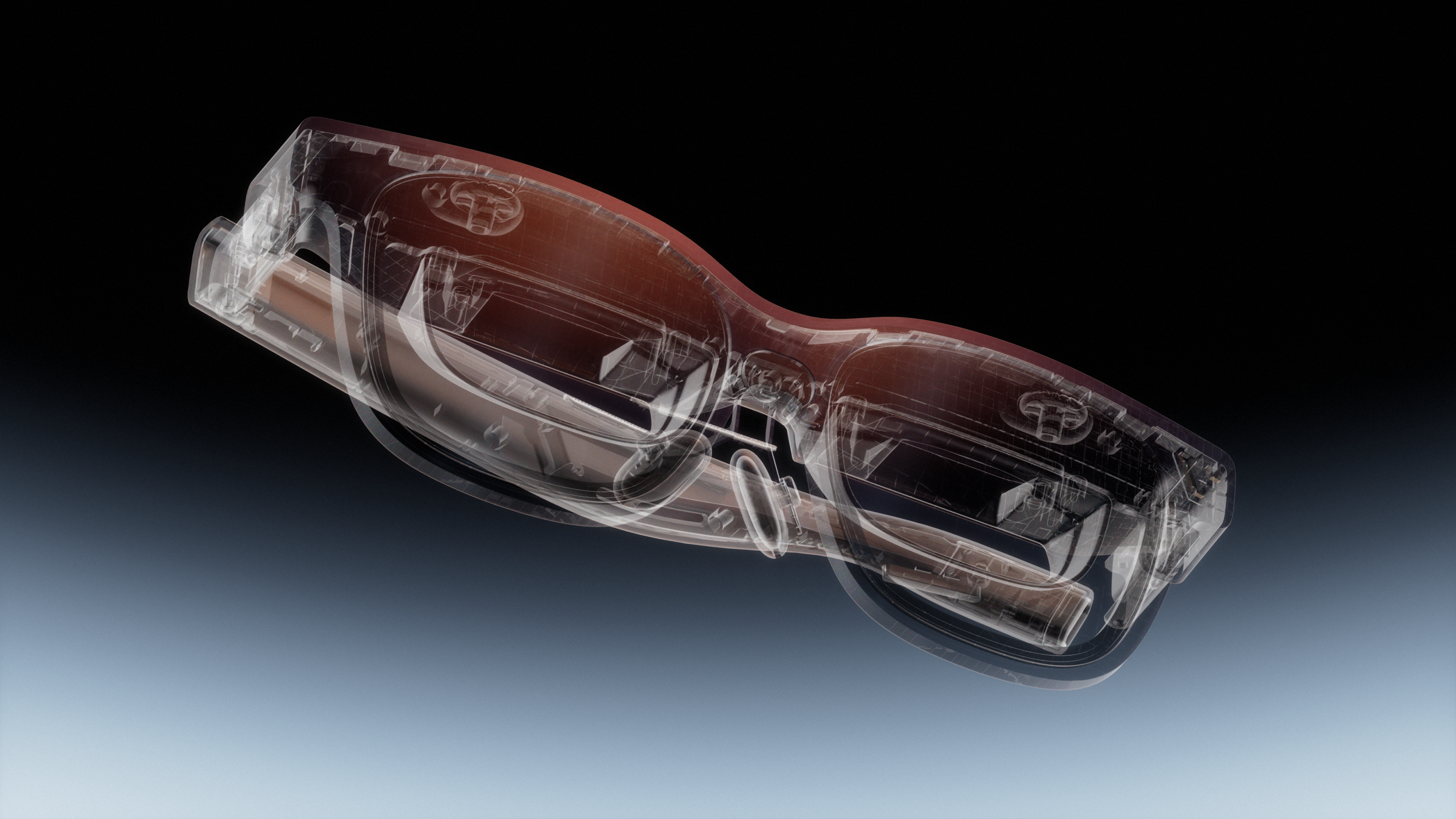
The Pro 2 feels vastly lighter on your face, and nose than previous glasses. It's very noticeable. The reduced weight also doesn't feel like it's causing pressure on your nose, and the added nose pads to swap to also help here. I felt that while I love the Beast glasses, that a few hours into wearing them I would look to adjust them and remove them for a quick massage of the face. I didn't feel that here, which really speaks volumes to reducing a few grams in the build.
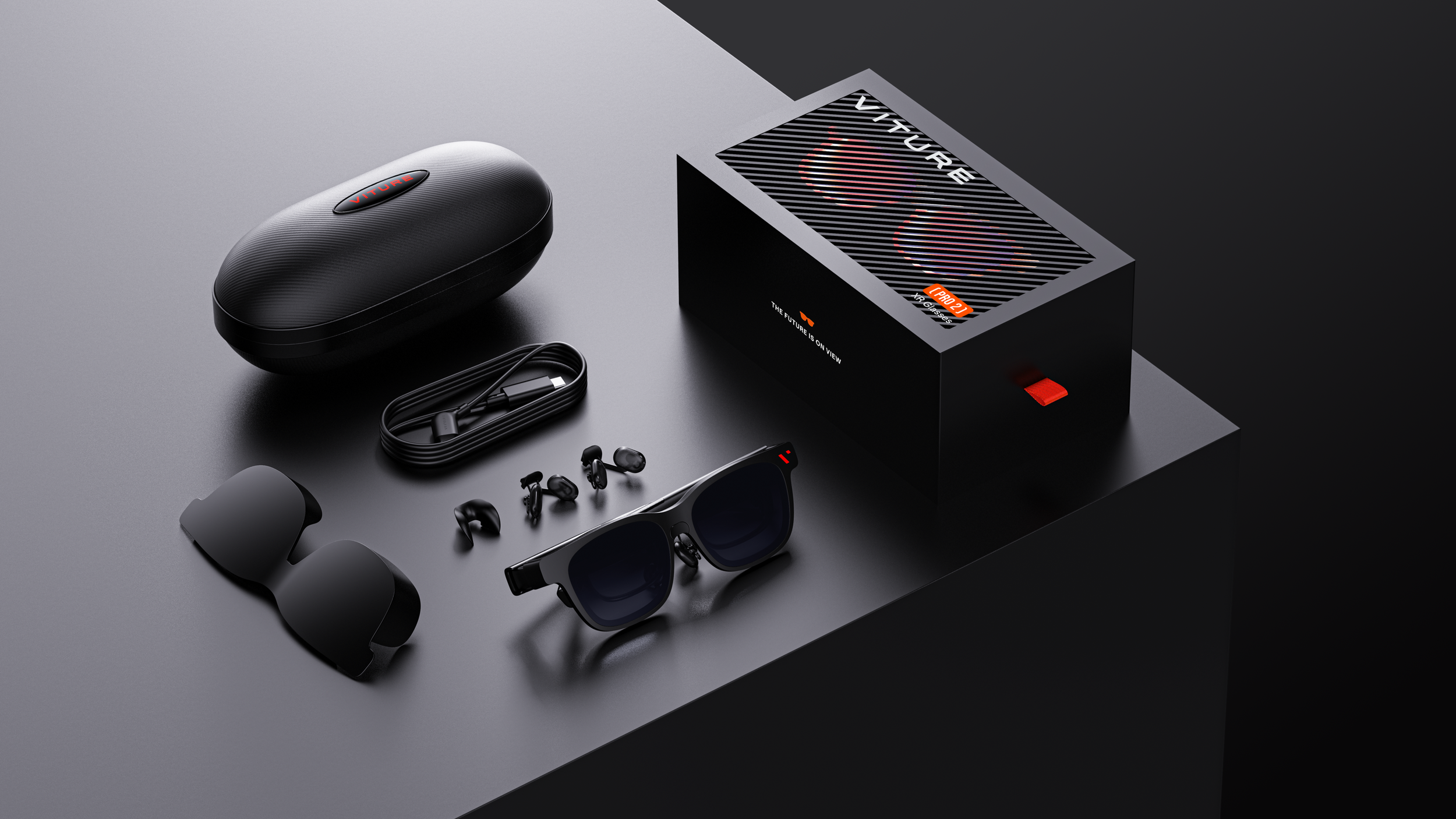
The temples use an upgraded material for a better feel and fit, with improved durability. This allows them to feel worth the price, unlike some tech gear that comes with a high piece tag and is meant to be replaced every year or two. Here, the build quality feels like you could rely on these for years, as long as you take care of them, that is. The case that comes with the glasses is also perfect for tossing in a bag or backpack for on the go.
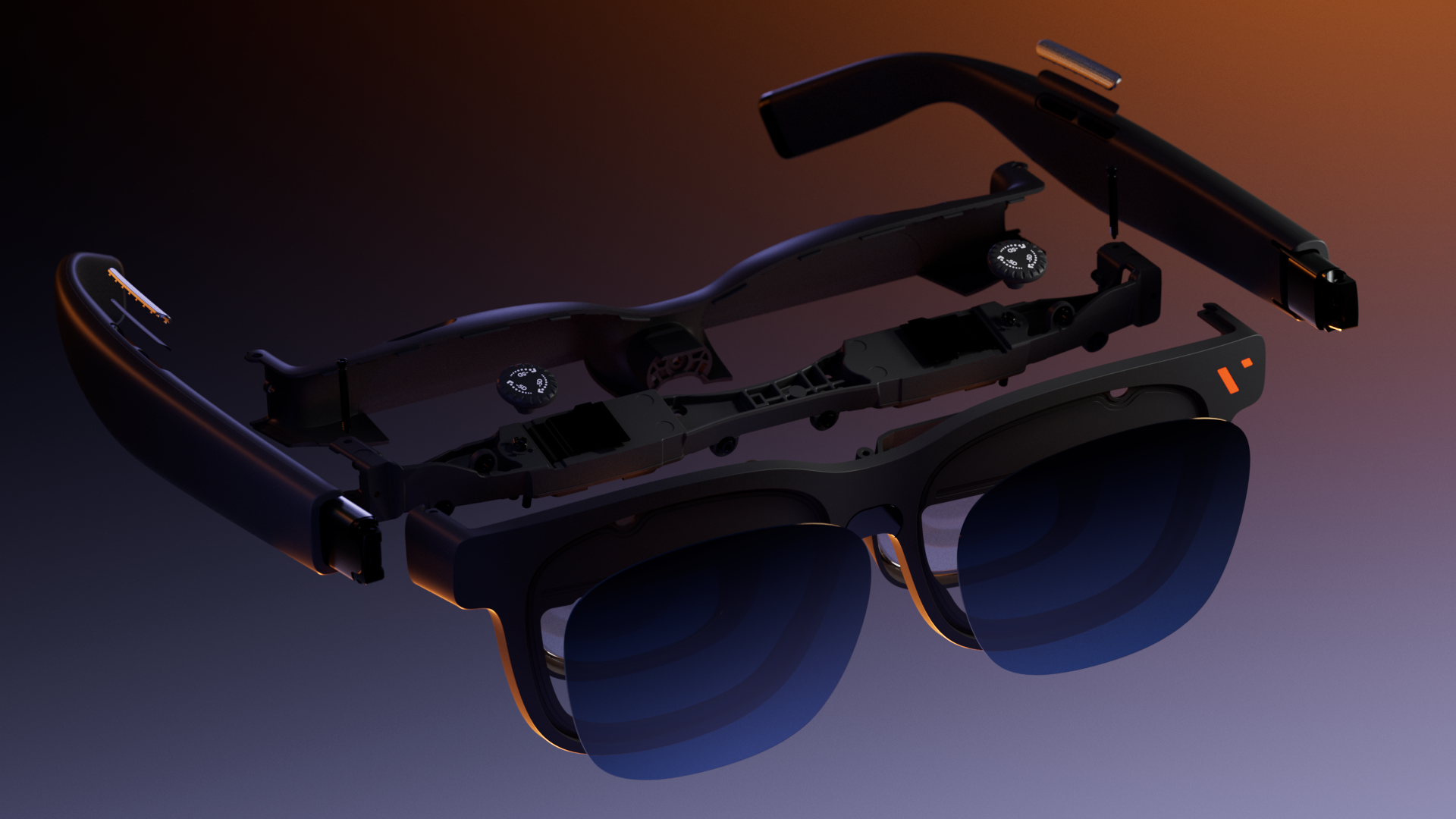
About the only issue that arises for the Pro 2 is whether they are worth the upgrade from their most recent venture with the Beast. While this is an easy answer from the Pro and Luma Pro, I feel the Pro 2 is pretty on par with my experience with the Beast, to an extent anyway as it does share in some of the key features that place the Beast in a different category, and apart from the vastly reduced weight, that is. Still, if you are one who wants the most cutting edge tech, they are certainly worth the $299.99 USD, especially since the Beast is priced at $549.99 USD.
Now, tech and my experience aside, Rebecca has put the glasses through what could be one of the best use-case scenarios for this tech. As Rebecca is currently working away from home at a luxury resort, her accommodations limit her ability to bring a tv. So, what could be better than having a portable screen ready to go at a moment's notice? From her Xbox Series X, Switch 2, Samsung Phone, to her laptop, the Pro 2 glasses have been a game changer. So, without further adieu, here are Rebecca's thoughts.
Rebecca:
For myself, I've usually had to steer clear from a lot of VR and smart glass-related tech. Not because it fails in any respect, but because my eyesight requires me to wear prescription glasses. Wearing my glasses with a VR headset can be uncomfortable and sometimes painful due to the set often needing to be strapped tight to the head. So, trying anything that requires me to take my glasses off defeats the purpose altogether. I would not be able to see anything clearly without my prescription and the blurriness can often give me headaches.
As Jeff has mentioned, I also work away from home with limited space, limiting me to only using my Switch 2 in handheld and occasionally playing on my laptop. I would be missing out on most of my gaming library and any potential new titles releasing without some sort of display. When VITURE reached out and were happy to provide a set of their new Pro 2 XR glasses, I was excited to try them out, given I wasn't needing to compromise my sight or comfort.
The glasses themselves were extremely comfortable and light weight, and didn't feel much heavier than my regular glasses. The usb-c cord that attaches to the end of the arm and then to the power hub or device I was using, hung lightly behind my shoulder. The only time I ever felt that it was there was when I reached up to remove the glasses.
The set came with 3 different nose pads, 2 of them were able to be adjusted for further comfort, and one that is a universal size without pads. I loved having so many options, as I usually have trouble finding comfortable nose pads that fit well and sit stationary on my nose bridge.
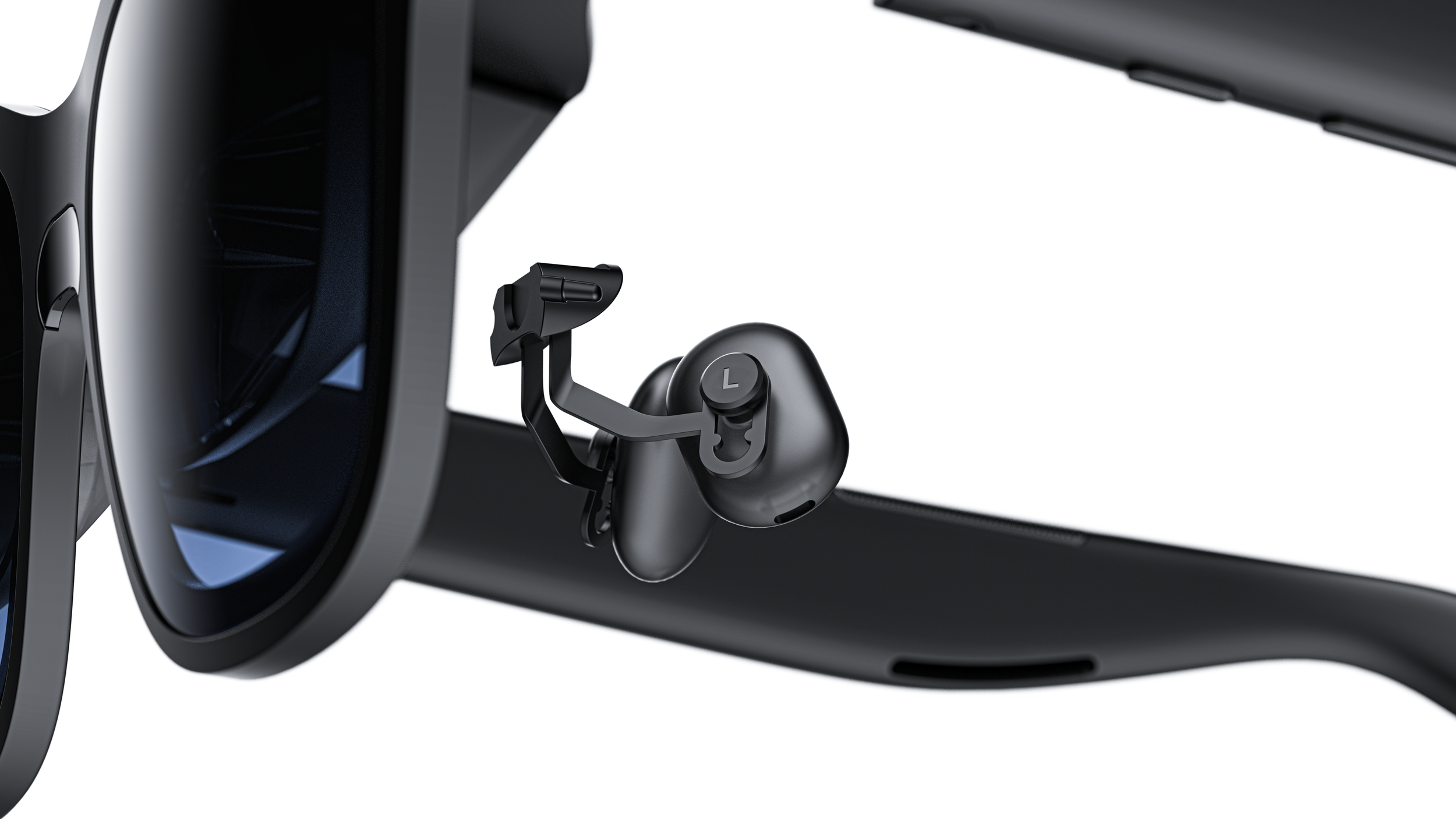
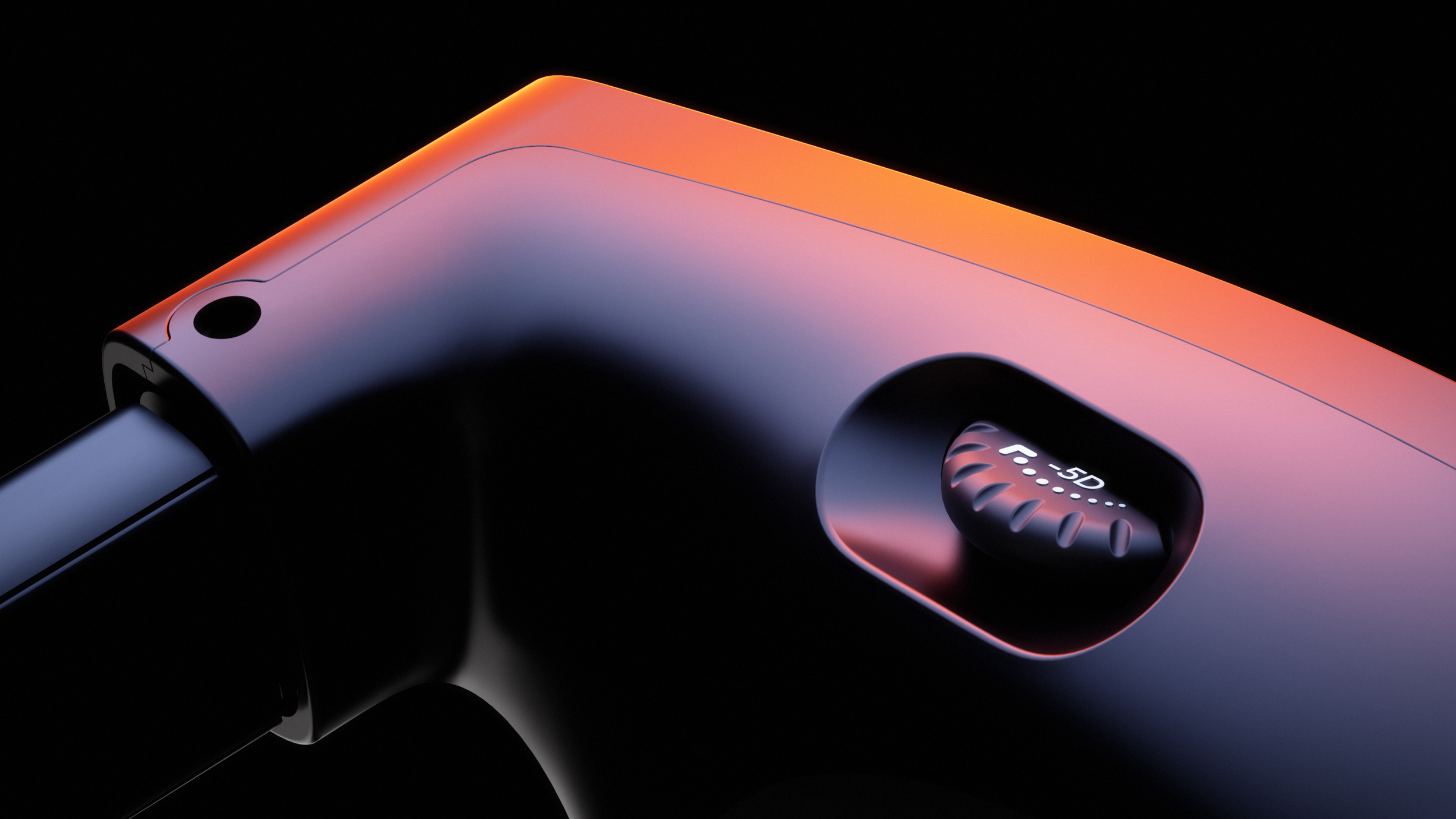
The adjustable Myopia dials, located on the top left and right of the rims, were in no way tedious to adjust, allowing smooth control without having to remove or adjust the glasses themselves. The only noticeable issue was at the edges of the picture there was a little bit of a blurring to the images that was a little distracting when things remained stationary on screen. Other than that, the picture was crisp and clear for all action and movement.
Even further adjustments can be made on the arms. Near the temples, where they bend, you can angle the arms up or down to create the perfect view for you in combination with the many other ways to adjust the glasses.
Located along the left arm are a few other buttons. These will allow you to control the volume of the angled and focus speakers, or with a longer tap, it switches to your brightness levels. This is a big help as at the end of the day from wearing glasses and being in multiple different environments, my eyes can get a bit of fatigue or sensitivity, so I like being able to control the brightness to suit my needs.
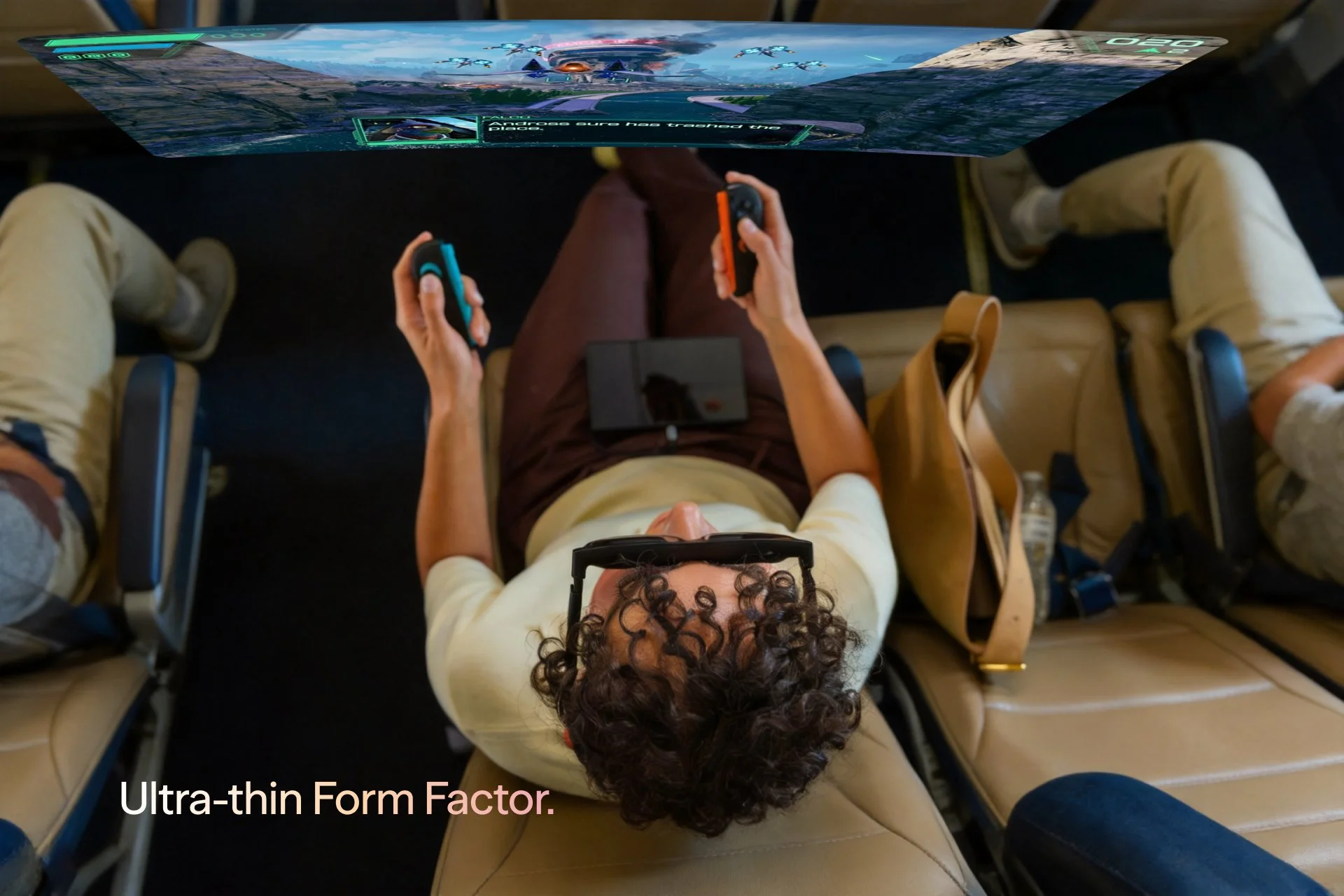
The speakers on the Pro 2 are some of the most interesting personal sound systems I've ever used. The sound is crystal clear and has wonderful bass and resonance, as well as depth. I did worry if the sound would bother my roommate, however, even though these are open speakers without the need for in-ear buds or anything covering your ears, anyone in the vicinity will not be able to hear what is happening. Not only are they comfortable and effortless, they will not disturb anyone around you. Unless of course your own reaction to what's happening is vocal (example: my cheering out loud and throwing my hands in the air at my favorite wrestler overcoming a tough match).
Once I was done trying them on and getting my fit and view just right, my first order of business was testing the glasses with my Xbox, which I brought from home solely due to being able to use these glasses as my space here is too limited for a TV. Next, I tried it on my Switch 2, then my PC, and finally on my phone to watch some wrestling on a watch party browser. And, as was the case with the Beast glasses, you do need the Mobile Power Dock to connect to the Switch 2, given Nintendo’s particular powered needs for the portable gaming console. To aid in this, I borrowed Jeff’s Mobile Dock from his Beast review as the new mobile dock was not ready in time for this review.
On all fronts I have ultimately been impressed and excited for the possibilities now available to me. The Mobile Dock, which is equipped with a HDMI port, made connecting all these devices to the glasses flawless and remarkably easy.
Not only could I now comfortably take advantage of a premium smart glasses product, I had the option of bringing my gaming library with me when I leave home for work. Not to mention, I could have an almost theatre-like experience with anything I wanted to play or watch. I honestly commend the company for crafting such a comfortable, versatile, and inclusive product that allowed me to bring a touch of home with me no matter where I go. And, with the reduced weight and brilliant clarity, it just might be difficult for me to go back to gaming on a regular TV.
The Pro 2 XR Glasses can be purchased here!
• VITURE Official Store: http://viture.com/pro2
• VITURE Amazon: https://viture.us/Pro2AMZ
The VITURE PRO 2 XR Glasses and Mobile Dock were sent to the reviewer from VITURE for the purpose of this review.